Dalton Venture's Lin Zhencheng: Technology Commercialization Gains Momentum, Capital Should Do More to Help Projects Cross the Commercialization Chasm | Dalton Insights

Dalton Venture's Lin Zhencheng was invited to participate in the Future Healthcare 100 · Trend Summit to discuss the next disruptive innovation track in life sciences.

Background
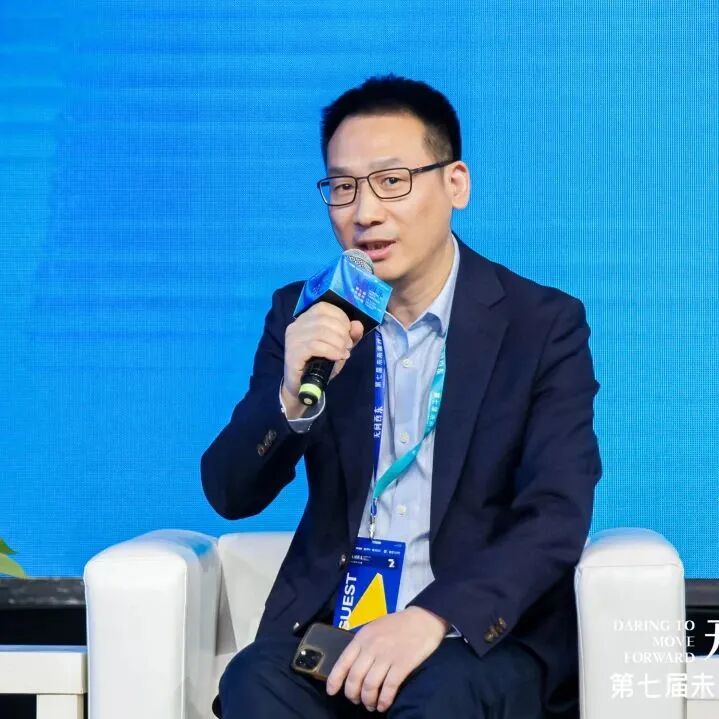
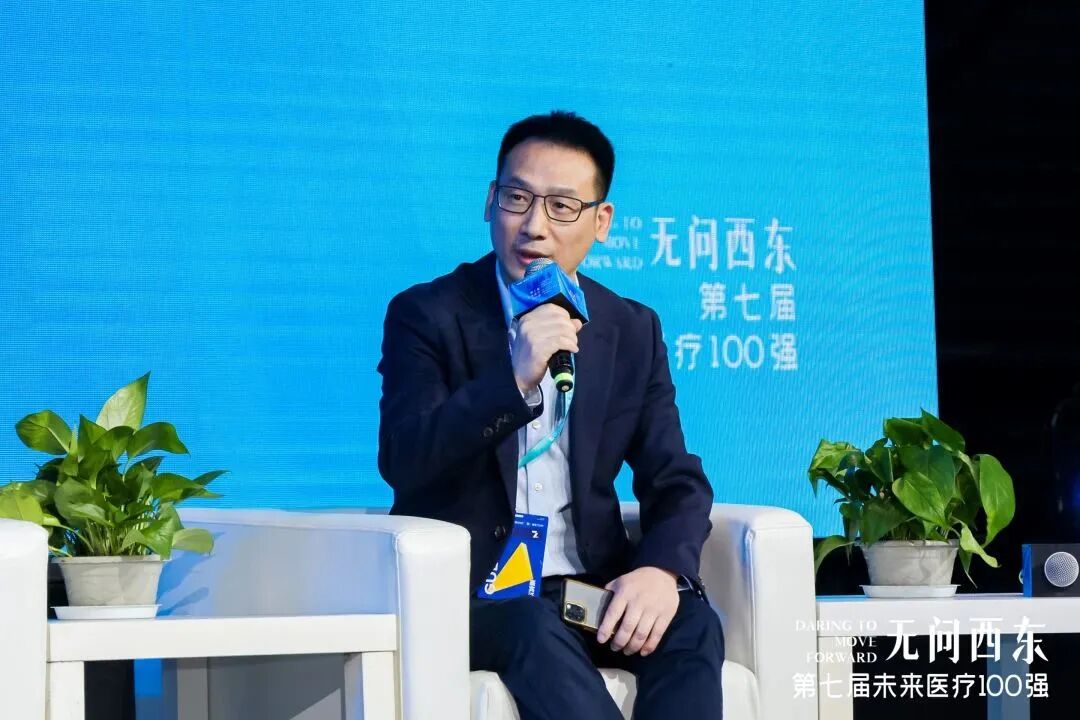
On May 5, 2023, Zhencheng Lin, Managing Director at Dalton Venture, was invited to speak at the 7th Future Healthcare 100 Conference. As China's largest and most information-dense industry event bridging healthcare innovation and capital, the conference has always centered on "connecting global wisdom, sharing frontier technologies, inspiring the future of science, and fostering venture-investor dialogue" — setting the direction for innovation and investment across China's healthcare sector. At this summit, Mr. Lin was invited to participate in the Future Healthcare 100 · Trend Summit, where he explored the next disruptive frontier in life sciences and shared Dalton Venture's experience and insights on investing in healthcare innovation.
Dalton Insights
On translating research into products: Researchers typically think in terms of R&D — they're skilled at technology development, but often need more guidance on productization and commercialization. Investors can help them map out product pipelines, build teams, and plan their capital trajectory.
On market turbulence: Entrepreneurship is a marathon, not a sprint. It requires steady, deliberate progress — whether in product development or capital planning.
On the future: There are tremendous opportunities ahead. Let's look forward to the arrival of disruptive technologies.
The following is adapted from his remarks:
Focused Sectors, Precise Positioning
Dalton Venture specializes in healthcare and wellness industry investments, with deep empowerment services for early and mid-stage projects. Founded in 2015, we focus exclusively on the healthcare sector, and our entire core team comes from healthcare industry backgrounds. Medical devices are our primary investment direction, accounting for more than fifty percent of our overall portfolio.
Deep Empowerment, Supporting the Commercialization of Scientific Research
The translation of scientific research into commercial applications is a broad topic that has attracted considerable attention in recent years, and Dalton has been actively involved. Our investment stages cover early incubation, seed, angel, and Series A/B rounds. We have incubation partnerships with multiple research institutions and universities. Here are several insights on how we help facilitate the commercialization of research achievements:
1
Helping Teams Develop Productization and Commercialization Thinking
Researchers typically approach problems with an R&D mindset and excel at technology development. For early-stage startups, beyond technology development, they also need to consider supply chain and mass production challenges. So on the product development front, we offer founding teams guidance from market and productization perspectives. We also assist research teams in developing product pipeline plans — for instance, which product lines to prioritize, which to defer, and when to develop new products.
2
Staying Close to Clinical Practice, Emphasizing Physician-Engineer Collaboration
Scientists have cutting-edge technology and are committed to developing medical products. Whether those medical products are suitable for real-world clinical application scenarios is equally critical for early-stage teams. Our core team comes from industry backgrounds with deep industrial resources and clinical healthcare connections, which helps scientists' products stay closely aligned with clinical needs.
3
Assisting with Team Building
Research teams are essentially building from scratch. We leverage our experience to help scientists assemble well-structured teams, supporting the development of comprehensive capabilities in R&D, productization, and commercialization. We also help founding teams establish sound equity structures from the outset, enabling long-term, stable, and effective growth.
4
Helping Research Teams Plan Their Capital Trajectory and Fundraising Rhythm
Investing in original innovation will become mandatory over the next 5-10 years, with significant long-term implications and value. The commercialization of research achievements requires not just attention to universities, but deep collaboration and interaction across industry, capital, and other stakeholders to jointly build China's innovation ecosystem. Additionally, scientist-entrepreneurs should embrace a certain breadth of vision — letting professionals handle professional matters helps companies go the distance.
Entrepreneurship Is a Marathon — Both Founding and Investing Require Rationality
Market changes over the past year-plus have been quite dramatic, not just in secondary markets but in primary markets as well — something everyone here has likely felt.
From our firm's perspective, our overall investment rhythm hasn't actually changed much. Whether during the pandemic or when market bubbles appeared, we've generally maintained our original pace. There are a few main reasons for this, which I summarize as follows:
First, it relates to Dalton Venture's stage focus. We concentrate on discovering and empowering early-stage projects. Seed, angel, and early-stage projects are somewhat less affected by valuation fluctuations.
Second, it relates to Dalton Venture's investment logic. Our primary investment area is medical devices. Compared to biopharma, devices have been less impacted.
Third, it relates to our fund's philosophy. We don't chase stars — we aim to create them. We prefer rational founders because entrepreneurship is a marathon, not a sprint. It requires steady, deliberate progress, whether in product development or capital planning.
We maintain an open mindset toward healthcare innovation technologies while carefully evaluating each one. We remain bullish on this market and will continue to deepen our presence. There are tremendous opportunities ahead. Let's look forward to the arrival and application of disruptive technologies.
Thank you, everyone!