Vol. 2 The "Efficiency Code" of Bio-Manufacturing: AI Gives Enzymes a 7-Day Iteration Engine | Column · The New Era's Unicorns
The bio-manufacturing industry will undergo structural transformation around 2030.

Editor's Note
As the hard tech wave sweeps in and "zero-to-one" breakthroughs become the defining challenge for industry, we keep asking: What kind of companies can survive cycles and grow into true "unicorns" that shape the future? Dalton Venture has partnered with Pencil News to launch the [New-Era Unicorns] column, speaking with founders to dissect their pivotal decisions in breaking through technical bottlenecks and the underlying logic of balancing innovation with commercialization. Together we witness every breakthrough, record every stage of growth, and seek out the forces that will ultimately define China's hard tech future.
In this installment, we focus on Veyon Bio — a two-year-old synthetic biology newcomer that is using AI-driven enzyme engineering to break through the bottlenecks of traditional chemical processes in active pharmaceutical ingredient manufacturing. By combining green biocatalysis with scaled production, Veyon Bio has not only achieved leapfrog gains in efficiency and cost, but also set new benchmarks for environmental sustainability in the industry.
It is accelerating toward its goal of becoming a "world-leading green biomanufacturing enterprise."
Interview by Wu Xinxiao, Pencil News
1
Hangzhou's New Unicorn in the Making, Veyon Bio:
Pre-A Round in the Bag, AI Reconstructing the Logic of Biomanufacturing
Another future unicorn has emerged from Hangzhou.
In August, Hangzhou Veyon Biotechnology Co., Ltd. ("Veyon Bio") completed a near-100-million-yuan Pre-A funding round. Dalton Venture participated in this round.
Founded in January 2023, Veyon Bio is dedicated to using AI to drive intelligent enzyme design and functional optimization, comprehensively improving the efficiency and precision of biomanufacturing.
Founder Wu Yan, a representative entrepreneur of the post-80s generation, graduated from the Chu Kochen Honors College of Zhejiang University in 2003 with a degree in bioengineering. He accurately identified the historical opportunity of China's pharmaceutical industry transitioning from imitation to innovation, and successively joined leading companies including ChemPartner, Hutchison MediPharma, and PharmaBlock, steadily accumulating experience in drug R&D and industrialization.
In 2014, as China's CDMO industry rose, he keenly perceived the trend toward international division of labor, decisively founded Lead Biotech focused on API outsourcing services, and ultimately successfully drove the company's strategic restructuring with Tiantai Pharmaceutical, achieving a high-value exit.
In early 2023, against the backdrop of global carbon neutrality goals and biomanufacturing replacing chemical processes as the mainstream pathway, Wu Yan precisely locked onto the convergence opportunity of "AI + synthetic biology." Veyon Bio was "born at the right moment," focusing on green biomanufacturing products such as chiral compounds and natural product extraction. Currently, the company has rapidly commercialized multiple innovative products, demonstrating strong technology translation and execution capabilities.
Over the past two years, Veyon Bio has completed four funding rounds, with revenue growing from several hundred thousand yuan to tens of millions.
In this conversation between our interviewer and Wu Yan, he shared several of China's opportunities and advantages in synthetic biology.
-
Strong national policy support: At the policy and industry level, the state has designated synthetic biology as a strategic frontier field, providing explicit support for R&D and industrialization through plans including the 14th Five-Year Plan. With the world's most complete industrial system, robust chemical industry foundation, and deep accumulation in critical technologies such as AI and gene editing, China provides a solid foundation for pilot scale-up, mass production, and multidisciplinary integration in synthetic biology. Currently, only China and the United States lead globally in this field.
-
Abundant and capable engineers: China enjoys a significant "engineer dividend," cultivating large numbers of high-quality talent annually in bioengineering, chemical engineering, computational biology, and related fields. This solid and practically capable scientific research and engineering workforce provides the industry with sustained, cost-competitive intellectual resources.
-
Cultural and energy advantages: Chinese cultural traditions carry deep understanding of natural products, traditional Chinese medicine, and fermented foods, with relatively high public and market acceptance of biologically sourced products — providing favorable application scenarios and cultural identification for synthetic biology products. Separately, China's energy advantages in wind power, photovoltaics, and electrical infrastructure provide stable, low-cost energy guarantees for biomanufacturing, an energy-sensitive industry.
This is a track with boundless potential. According to McKinsey & Company projections, global synthetic biology and biomanufacturing output will reach $100 billion by 2025, and the future market volume of biomanufacturing could eventually be three times that of the chip industry.
Below are the highlights from the conversation between our interviewer and Wu Yan.
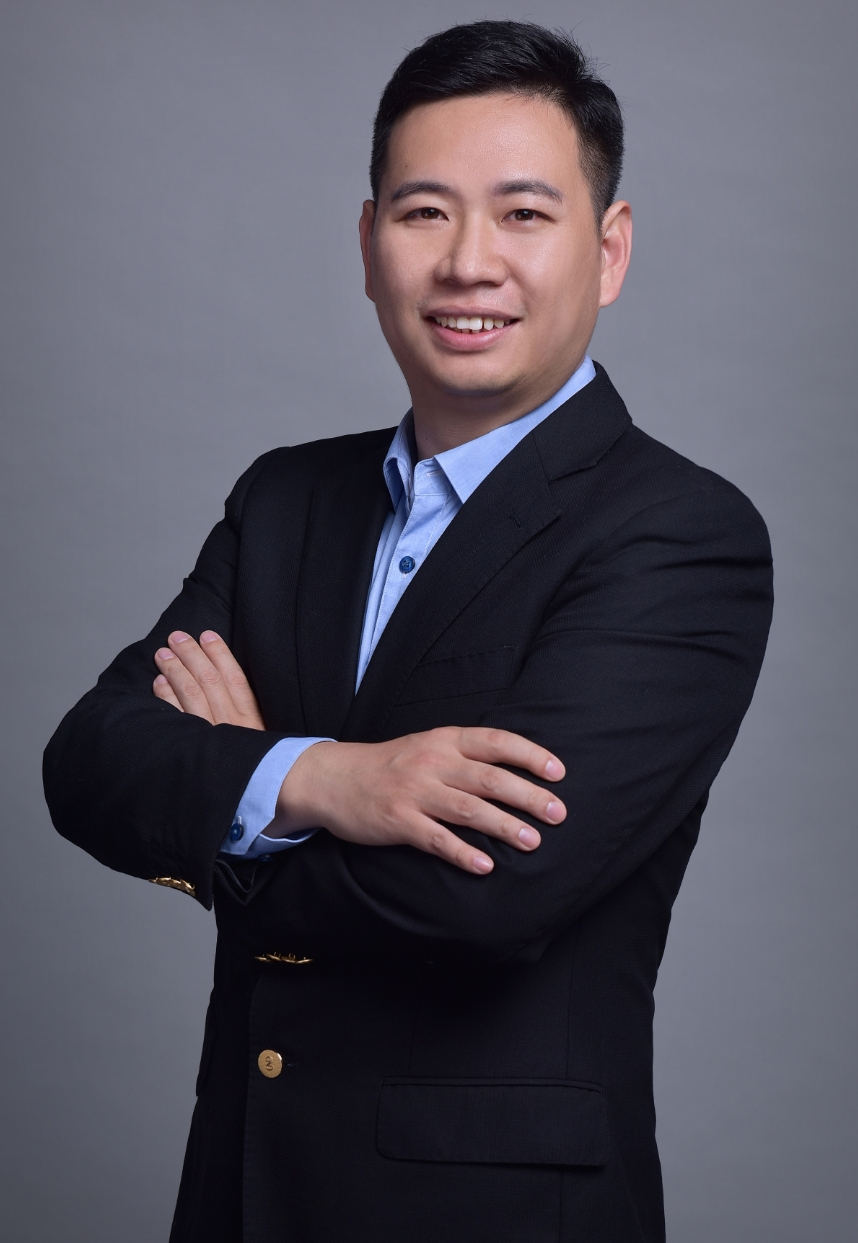
Wu Yan, founder of Veyon Bio
2
Leaving the Comfort Zone, Heading into Uncharted Territory —
Not a Trend-Chaser, But a Seed-Sower
Q: How does the synthetic biology that Veyon Bio works in differ from biology as commonly understood, and what is its industrial value?
Wu Yan: I have to start with my own story. I was born in 1982, took the gaokao in 1999, and at that time I resolutely gave up the chance to attend Tsinghua or Peking University, choosing instead the bioengineering program at Zhejiang University's Chu Kochen Honors College.
Back then everyone was saying "the 21st century will be the century of biology," and I believed it — I still believe it now. Many people didn't understand, but I knew I wanted to witness this prophecy come true with my own eyes.
After graduation, I didn't pursue a purely academic path but plunged straight into industry. From ChemPartner to Hutchison MediPharma to PharmaBlock, I went from drug R&D all the way to industrialization bridge-building, personally experiencing the entire process of Chinese pharmaceutical companies moving from imitation to innovation.
But I kept thinking: How can technology cross the "valley of death" from laboratory to factory?
In 2014, the CDMO concept was just taking shape, and it aligned perfectly with my idea of "deeply integrating R&D with industrialization." So I gave up the stable path at multinational corporations and threw myself into the growth wave of domestic pharmaceutical companies.
I sold my apartment in Shanghai and used 1 million yuan in startup capital to found "Lead Biotech" — a CDMO company focused on small-molecule chemical drugs and intermediates.
Lead was small, but also fortunate, receiving help from many people including my partner, a brilliantly talented PhD from the Chinese Academy of Sciences' Shanghai Institute of Organic Chemistry. We were colleagues at Hutchison MediPharma, and together we built Lead to a valuation of 1.8 billion yuan.
But later, I actively chose to exit through acquisition. On one hand due to equity structure issues and pandemic-induced uncertainty; on the other, because I always carried a regret: I had studied biology with such high scores back then, yet had never truly "used biology." Many compounds could actually be made more efficiently and more greenly through biological methods.
It was this regret, combined with the 2018 Nobel Prize for "directed evolution of enzymes" and the 2020 Nobel for "CRISPR gene editing," that ignited enthusiasm across the entire biology track — together pushing me toward my third abandonment: I left the restructured company, gave up my executive position, and in January 2023 founded "Veyon Bio." I didn't want to miss the historic convergence of "AI + synthetic biology."
Unlike biology as commonly discussed, what Veyon Bio is driving is an industrial upgrade from "biomanufacturing" to "biointelligent manufacturing": with AI as the core driving force, through intelligent algorithms for rational enzyme protein design and automated platforms for high-throughput evolutionary iteration, we build a "design-build-test-learn" wet-dry experimental closed loop, comprehensively improving the production efficiency and precision of biological systems.
Currently, the company is advancing two major intelligent product directions: stereoselective biointelligent manufacturing of chiral compounds, and enzymatic green extraction and transformation of natural products — striving to create a data-driven, continuously evolving, reusable new paradigm for biointelligent manufacturing.
For example, the anti-inflammatory drug people used to take was called ofloxacin; now what people take is called levofloxacin. This is essentially because many molecules exist in "left-hand" and "right-hand" configurations — they are like mirror images, yet their physiological activity is completely different. Perhaps the "left hand" is effective, while the "right hand" is not only ineffective but may even be toxic or harmful.
In the early days, when technology was underdeveloped, we had to take them mixed together. Now with technological advances, you'll notice many drug names are specifically prefixed with "levo-" or "dextro-," indicating they are single-configuration pure substances.
In terms of core technology deployment, we first focus on biomanufacturing of high-value chiral compounds, using key technologies including enzyme-catalyzed asymmetric synthesis and directed construction of cell factories to efficiently and greenly prepare single-configuration optically pure products. Such materials have irreplaceable application value in chiral drugs, high-end formulations, and agricultural and veterinary intermediates.
On the other hand, we are committed to green biological extraction and transformation of natural products, relying on modern biotechnologies such as enzyme engineering and microbial fermentation to achieve efficient, directed extraction of active ingredients from medicinal plants such as ginseng and ganoderma, significantly improving extraction efficiency and product purity. This technology is mainly applied in three fields: innovative traditional Chinese medicine, high-value health food, and functional cosmetic ingredients.
Looking back, every abandonment in my life has actually been for a better departure. And I always believed: When will the industry transformation brought by biomanufacturing arrive? — It's just that it is now accelerating in ways we could never have imagined back then.
Q: When will the industry transformation brought by biomanufacturing arrive?
Wu Yan: We believe the node when the industry truly welcomes structural transformation will be around 2030. This is not merely a point in time, but a milestone — meaning biomanufacturing will comprehensively integrate into the core links of traditional industries, moving beyond the laboratory and individual domains.
What it brings will not be simple improvement, but thorough reshaping.
First is food. For example, high-end infant formula now adds a substance called "human milk oligosaccharide" (HMO), which is the key nutritional difference between breast milk and cow's milk. It's still expensive now and can only be added in small amounts. But in the future through biomanufacturing, its cost may drop to roughly that of white sugar. At that point, not just formula, but ordinary beverages and functional foods could universally possess high-quality nutritional characteristics similar to breast milk — fundamentally changing human nutritional intake patterns.
The pharmaceutical domain is even more so. Precious traditional Chinese medicines such as natural bezoar and musk, or active ingredients derived from endangered animals and plants, will no longer depend on scarce natural resources in the future. Through synthetic biology, we can construct microbial cell factories and achieve scaled production through directed fermentation. This not only dramatically reduces costs and eliminates ethical controversies, but also guarantees ingredient purity and batch consistency, truly achieving "green pharmaceuticals."
In my view, biomanufacturing, controllable nuclear fusion, and advanced artificial intelligence are the three cornerstone technologies for building future human society: biomanufacturing achieves sustainable creation of matter, nuclear fusion provides unlimited energy, and AI provides cognitive and operational capabilities. With the synergy of the three, humanity will break through fundamental limitations of resources, energy, and labor.
According to McKinsey & Company projections, in the future 60% of global material production and 80% of pharmaceutical production could potentially be completed through biomanufacturing. This is not merely a technological iteration, but an evolution of civilization itself — and we are standing at its starting point.
3
Letting AI Participate in "Bio-Chip" Design:
From "Luck-Hitting" to 7-Day Iteration
Q: You say you deeply integrate AI for enzyme design — how is this different from traditional methods?
Wu Yan: Biomanufacturing fundamentally requires an efficient "bio-chip" — that is, the enzyme.
We want higher enzyme yield and better performance, while eliminating useless or even harmful interference. This process is extremely complex. The 20 naturally occurring amino acids are like 20 different codes; relying on manual design and "luck-hitting" is extraordinarily difficult.
Now, our team uses "Compendium of Materia Medica"-style precise analysis and intelligent prediction techniques to build a pilot enzyme library of "over a thousand varieties, broadly universal" — establishing a standardized, indexed "encyclopedia" for the complex world of enzymes. This will greatly change the current situation where enzyme discovery and optimization efficiency is low and costs are high, providing foundational support for the entire industry.
Our originality lies not in providing single enzyme products, but in providing a series of high-performance, modular biological components — a thinking that transcends traditional single-product development models and moves toward platform-based, ecological development paths.
Through enzyme library construction, when any new demand emerges — for example, needing to catalyze a novel chiral compound — we can shorten the cycle from new enzyme discovery to application from traditional months to within 7 days, improving efficiency a hundredfold and reducing costs to one-tenth, while other teams may still need to start from scratch with months or even 1-2 years of screening. In the future, we hope to further compress this time to 3 days.
Q: What stage achievements can Veyon Bio currently share? And what are your future plans?
Wu Yan: Currently we mainly have three areas of achievement.
First is funding. At this stage where we are not yet self-sustaining, we have successfully completed four funding rounds — quite a highlight in this difficult market environment.
Second is team. We have built an elite team of 80 people. I use a "gamified management" philosophy, or "instant feedback" mechanism that I developed myself to motivate everyone.
For example, we might adjust salaries four times a year — if you perform well, I immediately give recognition. Conversely, if you consistently underperform, we will also discuss together whether this position suits you.
This rapid feedback gives our team very high cohesion, combat effectiveness, and sense of identification. This core team is our solid foundation for future expansion to two or three hundred people.
Third, and most importantly, is product and market. We have approximately 10 products in our pipeline that have entered production, with four or five having single-product billion-yuan potential, and we have already signed framework procurement agreements exceeding 100 million yuan with some large listed companies or state-owned enterprises.
Our revenue has grown from several hundred thousand yuan at our 2023 founding, to several million last year, to tens of millions this year; next year we expect to initially achieve profitability. The costs of most of our products have been reduced by 30% to 50% compared to market rates, and for two or three products we have achieved cost reductions exceeding 90% — revolutionary changes in their niche segments.
Next, we are about to launch the "Veyon 2.0" plan, with the core being building an intelligent biomanufacturing platform, deeply integrating AI, biotechnology, and engineering science to achieve the leap from single-point innovation to systematic capability. We will focus on deploying proprietary AI computing power and algorithm systems, strengthening underlying technology autonomy, reducing dependence on foreign software and core equipment, and fundamentally solving "chokepoint" risks.
At the same time, we will vigorously advance the R&D and industrialization of "immobilization and continuous flow" bioreactor technology, breaking through the efficiency and stability bottlenecks of traditional batch processes, and building a next-generation biomanufacturing platform driven by AI, with continuous production and data closed loops.
Q: Looking globally, what are China's greatest opportunities and advantages in synthetic biology? And what challenges does it face?
Wu Yan: The greatest advantages are three.
First is national policy support. Whether through the nationwide system or the determination to concentrate resources to accomplish major tasks, both provide the best soil for synthetic biology, a complex interdisciplinary field. It involves AI, gene editing, and requires backend support from a powerful chemical industrial system.
China's industrial categories are the most complete in the world — on this point, Europe has actually fallen behind. Currently on a global scale, those that can truly do synthetic biology well are the United States and China.
Second is the engineer dividend. China possesses large numbers of outstanding talent who can roll up their sleeves and solve practical problems — this is our unique and precious asset.
Third is unique cultural advantages. The Chinese cultural sphere, including countries along the Belt and Road, has deep understanding and usage traditions regarding natural products and fermentation. Additionally, the fermentation industry requires massive energy support, and China also has significant advantages in energy such as electricity.
The challenge is that both at the national level and in the investment community, understanding of synthetic biology remains relatively superficial. One obvious phenomenon is that many early-stage invested companies, by overly pursuing "one-step" pure biological solutions and thinking the problem too simple, have produced less-than-ideal first-round investment returns.
Q: What is Veyon Bio's unique competitive advantage?
Wu Yan: As the investment term goes, "long slope, thick snow" — Veyon's core advantage does not rely on a single technical node, but comes from deep integration capability across the entire chain: from computational to experimental, from design to validation, we have built an end-to-end technology closed loop.
Specifically, this chain begins with front-end AI-driven design: completing intelligent enzyme protein design and functional optimization through algorithm simulation and rational prediction; extends to the core synthetic biology links including directed evolution of enzymes, application of gene editing tools, and construction and regulation of microbial cell factories; and ultimately implements back-end biocatalytic reaction optimization, chemical synthesis衔接, refined separation and purification, running through strict efficacy evaluation and real-world validation.
We have not only connected the full process of "AI design — biological realization — process scale-up — product application," but more critically have achieved continuous feedback and iteration of data and knowledge along this chain. This is Veyon's truly differentiated technical moat.
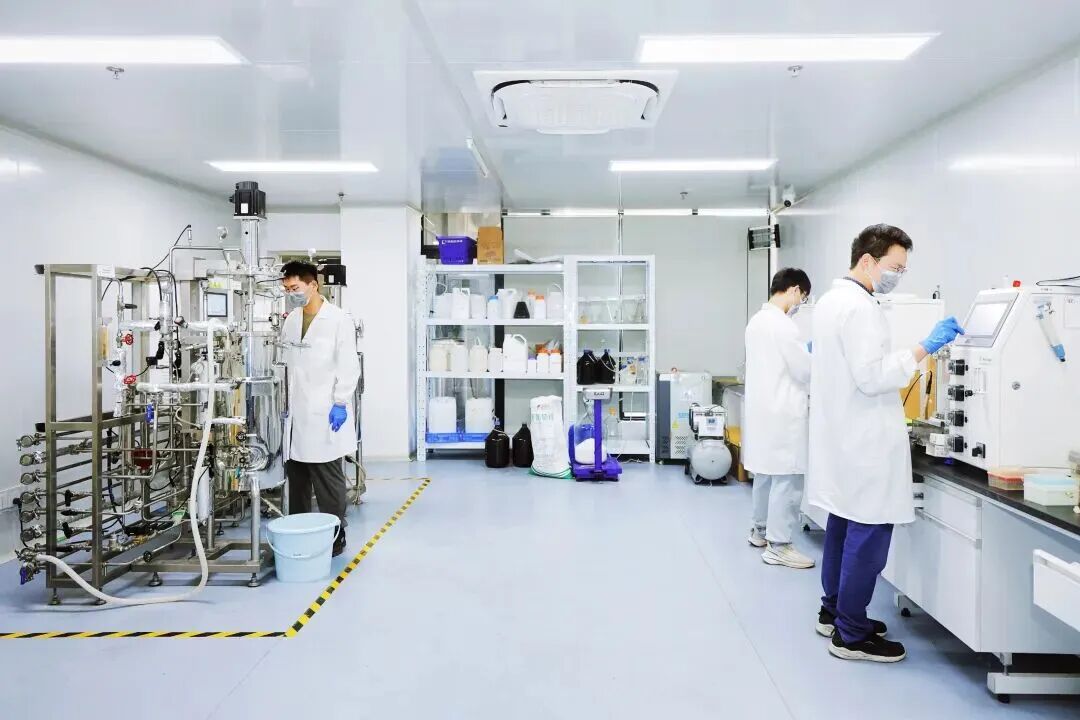
In Veyon Bio's laboratory, staff in white lab coats focus on operating instruments, maintaining rigorous scientific research attitudes at all times.
4
The Endgame of Biomanufacturing Is Facing Consumers
Q: What kind of company do you hope Veyon Bio ultimately becomes?
Wu Yan: Regarding the company's ultimate form, in my mind it is actually very clear.
First, it will certainly be a group-structured company. We already have one biological subsidiary, and will soon have a bio-fermentation subsidiary; in the future there will also be R&D subsidiaries for health products and cosmetics.
The group structure, on one hand, can provide broader development stages for team members, and on the other hand, can better unleash each person's energy.
Though currently a B2B company, I firmly believe that being close to the end user, close to consumers, is where the greatest value lies. At the appropriate time, we will certainly move toward the C-end. I am particularly optimistic about the "new resource food" domain with clear health benefits.
There is also a deeper-level dream. Everyone who has worked in pharmaceuticals carries a dream of innovative drugs in their heart.
If you ask what my ultimate dream is, it may be so grand that I'm somewhat embarrassed to say it aloud — I hope to do some foundational work for the true integration of traditional Chinese medicine and Western medicine.
Q: As a serial entrepreneur and industry veteran, what advice or warnings do you have for young people with dreams who want to enter the biotechnology industry?
Wu Yan: This reminds me of a plot point in The Three-Body Problem: when the Trisolaran world received Earth's signal, the reply was: "Do not answer."
All friends who have never started a business will encourage friends thinking about it: "Great, go for it!" While all those who have started businesses will warn you: "Definitely don't!" Because entrepreneurship is really, truly, much harder than you imagine, much harder than you think you're prepared for.
So my first piece of advice is: Be cautious about entrepreneurship, and think clearly about your purpose.
If you're just doing poorly at work and looking for an outlet, that's the worst possible starting point. But if it's to temper yourself, then I strongly agree. Entrepreneurship and doing a PhD are the two most character-building things. They will force you to become an all-around player and unleash unlimited potential in you.
The second piece of advice is: The entry point must be small.
Don't start out thinking about opening a big restaurant, borrowing millions for luxury renovation — we've seen too many stories with that ending. I once said to a friend: Our company has demand for several hundred boxed meals, why don't you rent a small place, hire a cook, and start with delivery yourself? First get this small, profitable model running, then consider expansion.
But he felt this was too bitter, too tiring, with no "money" future. In fact, any great undertaking begins with such tiny, solid steps.
The third piece of advice is: absolutely do not go it alone.
You must find partners, and you must learn to use people more capable than yourself. A company's ceiling is not you, but the most excellent talent you can attract and accommodate. How to distribute benefits with your partners, communicate emotions, and compensate for weaknesses — this is a subject requiring lifelong learning.
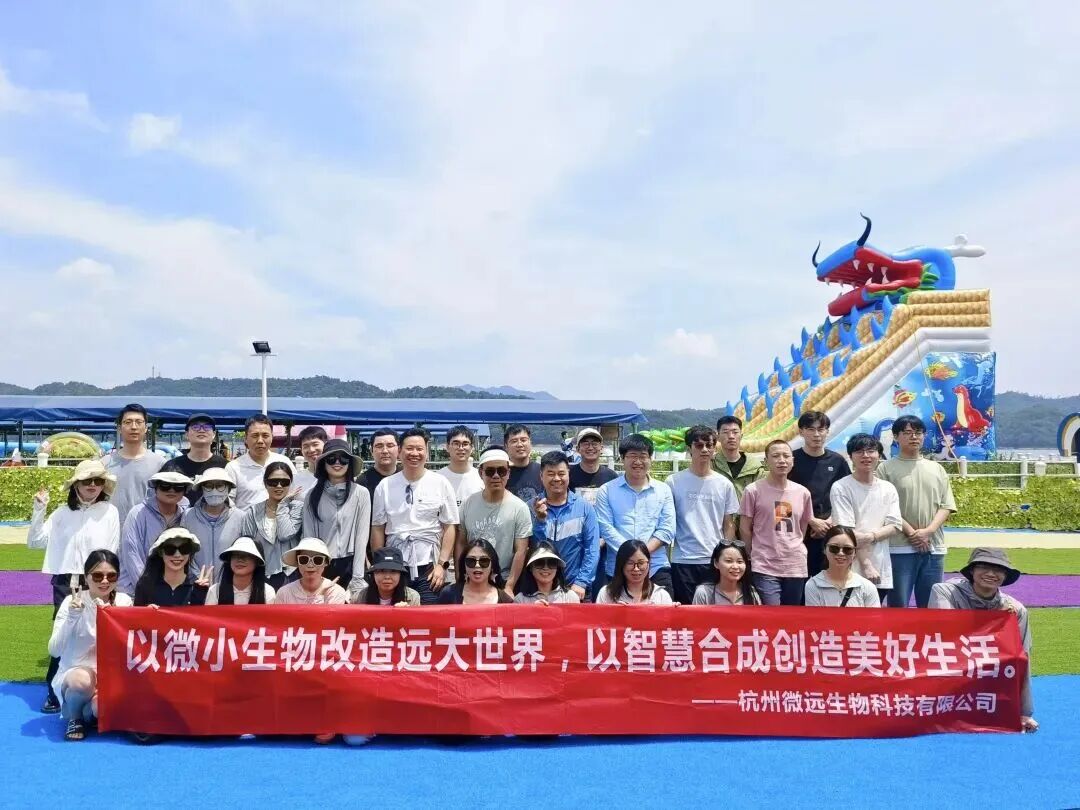
"We value every employee greatly, because 'people' are our most precious asset," says Wu Yan.
About Pencil News
Pencil News is a new media platform focused on technological innovation and entrepreneurship, dedicated to discovering and cultivating unicorns. Since its founding in 2015, Pencil News has consistently practiced a "no lies" content philosophy, truthfully reporting on over 16,000 innovative enterprises, deeply influencing and advancing the domestic mass entrepreneurship and innovation wave. It has currently accumulated 1.5 million entrepreneur readers, with content reaching up to 16 million people at its weekly peak.


ID: daltonventure
Long press to follow
Recommended Reading