Qiming Venture Partners portfolio company WeRide officially enters its 11th global market, deploying autonomous Robobus in Belgium
After completing testing and receiving approval as scheduled, the partner expects to launch a trial operation between mid-November 2025 and late January 2026, which would mark Belgium's first commercial deployment of autonomous vehicles in mixed, complex traffic environments.

Recently, Qiming Venture Partners portfolio company WeRide (NASDAQ: WRD) announced that its autonomous shuttle Robobus (hereinafter referred to as "WeRide Robobus") has launched in Leuven, Belgium, marking WeRide's official entry into its eleventh global market and further expanding the company's European footprint following France, Spain, and Switzerland. The project is a collaboration between WeRide, Flanders public transport operator De Lijn, the City of Leuven, and mobility consultancy Espaces-Mobilités.
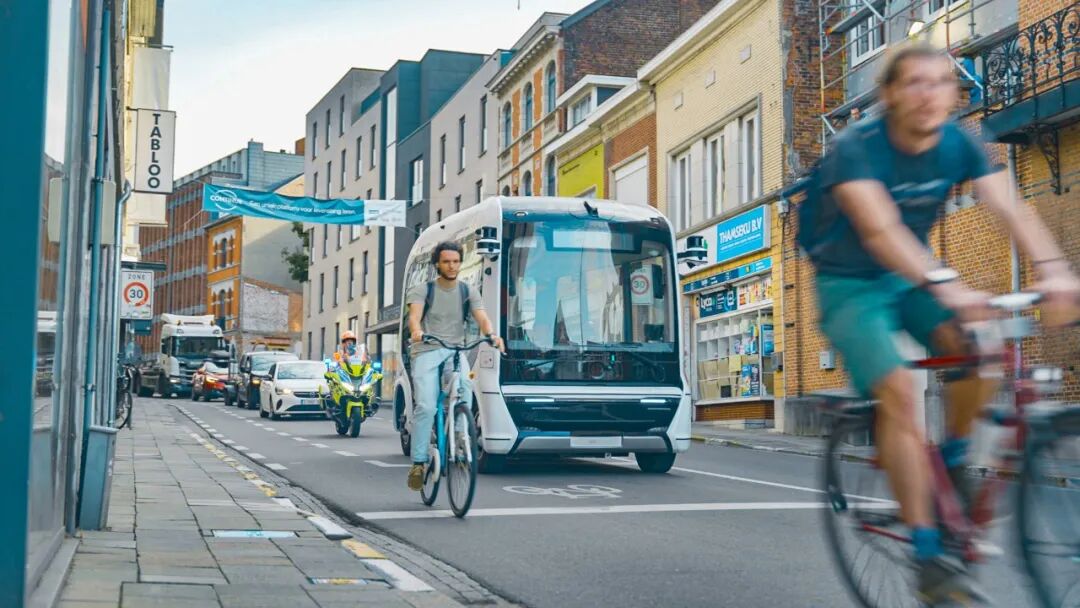
Effective immediately, the WeRide Robobus will begin test preparations for the Leuven station to Heverlee route. This line runs through downtown Leuven, connecting multiple core transportation hubs with dense traffic — a typical urban mobility scenario in Belgium. Public road testing is scheduled to begin in mid-September, with safety operators on board for the initial phase. Upon successful completion of testing and approval from the Ministry of Transport, partner De Lijn expects to launch a pilot operation between mid-November 2025 and late January 2026. This will mark Belgium's first commercial deployment of autonomous vehicles in mixed, complex traffic conditions, with citizens able to conveniently purchase tickets via mobile app, SMS, or subscription services.
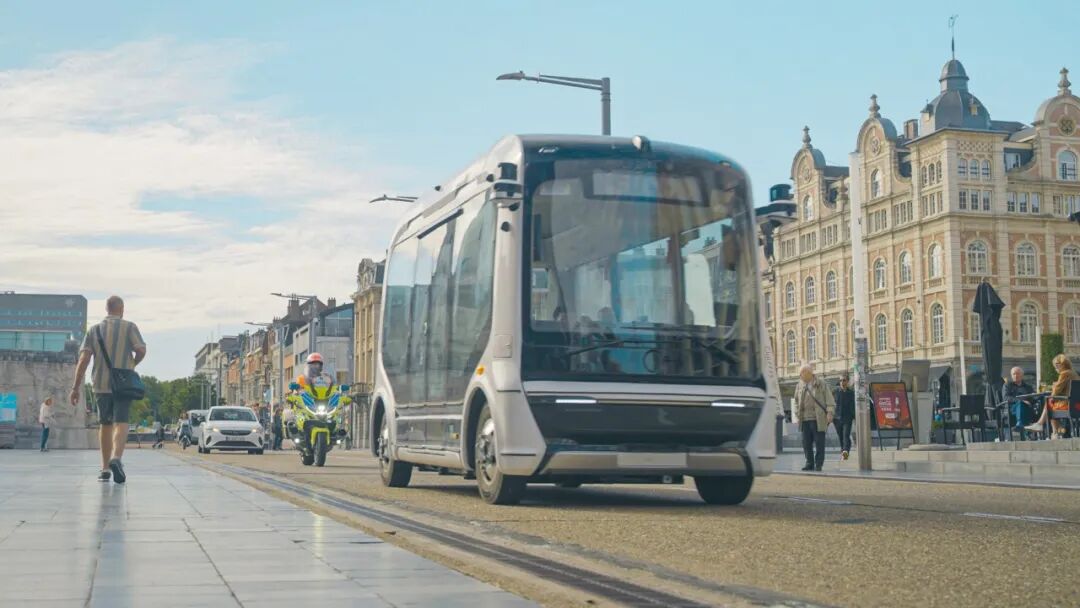
Following the pilot, the WeRide Robobus is expected to transition into regular operations, filling the "last mile" gap in Leuven's public transit system and propelling Belgium toward a milestone in autonomous public transportation. Going forward, the goal is to achieve fully driverless operations, further enhancing the safety and efficiency of urban mobility in Belgium.
Li Xuan, WeRide CFO and Head of International, said: "Entering Belgium is a strategic move in WeRide's international expansion. With substantial public investment and a clear path to commercialization, Europe has become a critical market for autonomous vehicles, and Belgium stands out as an innovation hub focused on mobility. We are pleased to partner with De Lijn and Espaces-Mobilités, key players in local public transportation, as well as the City of Leuven, which strongly supports autonomous driving. Together, we will expand autonomous mobility services across Europe and ultimately achieve fully driverless operations."
Ann Schoubs, CEO of De Lijn, said: " This pilot project represents an important step toward the future of public transportation in Flanders. Autonomous buses are no longer science fiction — they are a concrete reality we are implementing with our partners in Leuven. We are using this technology to build a safer, more efficient, and more accessible mobility system. In the future, this technology will expand the public transit network and attract more passengers in a more convenient and efficient way."
Xavier Tackoen, Partner at Espaces-Mobilités, said: "Autonomous driving technology is poised to be the most revolutionary technology in transportation since the advent of the internal combustion engine, and regions and public authorities must be fully prepared for this transformation. The projects we are implementing with multiple Belgian regions and transport operators represent the best way to learn together and develop coordinated public policies that optimize the travel experience and reduce dependence on private vehicles."**
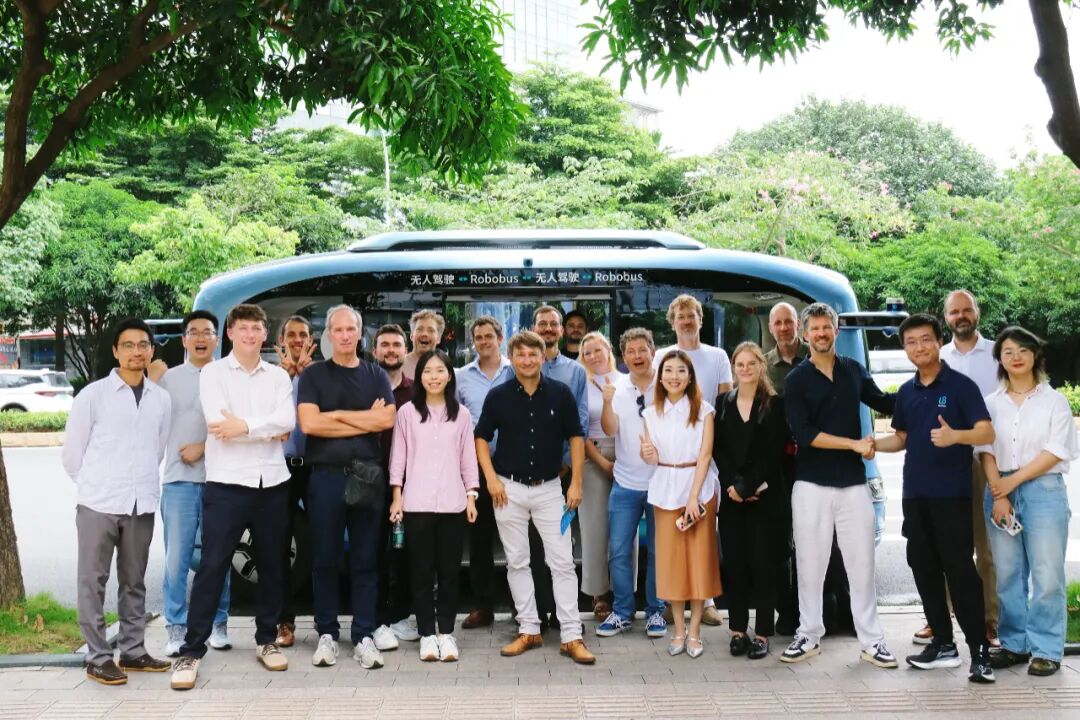
To facilitate the Leuven project, De Lijn and Espaces-Mobilités jointly conducted a year-long training and research program on autonomous mobility, organizing multiple technical workshops and conducting site visits to WeRide's Guangzhou headquarters to comprehensively learn about Robobus operations and best practices for integrating autonomous driving with public transit.
This pilot project is supported by the European Institute of Innovation and Technology (EIT) Urban Mobility program, an EU initiative dedicated to accelerating the transition to sustainable transportation and emphasizing strong public-private collaboration.
Belgium has prioritized autonomous mobility through intelligent urban planning, investment in smart transportation solutions, and supportive regulations. For this reason, Leuven, Belgium's oldest university city, was selected as the pilot site. Located 30 kilometers east of Brussels, Leuven is a strategically important city with strong connections to central Belgium and major transportation hubs. It has actively developed innovative projects such as FlexCURB, which uses digital tools to optimize curbside space, ensure safe last-mile operations, and facilitate the smooth integration of autonomous vehicles into the broader transportation network.
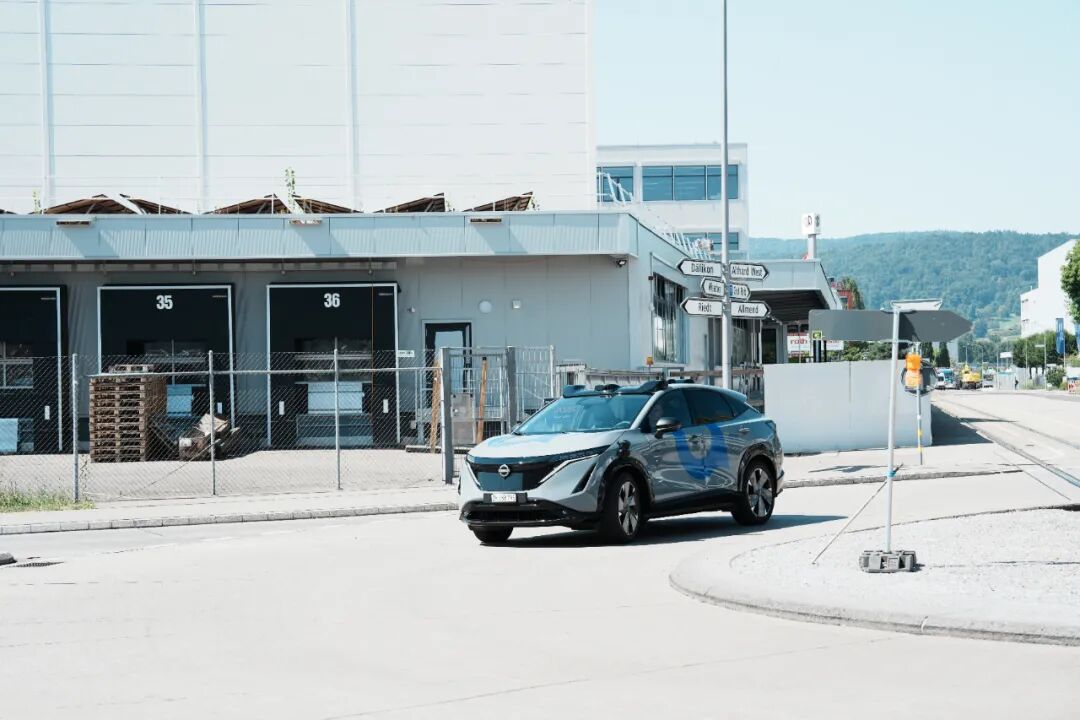
Beyond Belgium, WeRide is also accelerating its expansion into other European markets. In August, as a key participant in Switzerland's iamo (Intelligent Automated Mobility) pilot project, WeRide's Robotaxi began mapping operations in the Fürttal region of Zurich Canton, the Villmergen region of Aargau Canton, and the Kallwangen area, laying groundwork for formal operations. In February this year, WeRide partnered with Renault Group, French autonomous mobility operator beti, and insurance group Macif to launch Europe's first commercial driverless Robobus operation on public roads in France's Drôme department.
Past Coverage

Founded in 2006, Qiming Venture Partners currently manages 11 USD funds and 7 RMB funds, with total assets under management of $9.5 billion. Since its inception, the firm has focused on investing in early- and growth-stage outstanding companies in Technology and Healthcare innovation.
To date, Qiming Venture Partners has invested in over 580 high-growth innovative companies, of which more than 210 have listed on the New York Stock Exchange, NASDAQ, Hong Kong Exchanges and Clearing Limited, Shanghai Stock Exchange, and Shenzhen Stock Exchange, or exited through M&A and other means. More than 80 portfolio companies have become recognized unicorns or super-unicorns.
Many Qiming Venture Partners portfolio companies have grown into the most influential players in their respective fields, including Xiaomi (01810.HK), Meituan (03690.HK), Bilibili (NASDAQ: BILI, 09626.HK), Zhihu (NYSE: ZH, 02390.HK), Roborock (688169.SH), UBTECH (09880.HK), WeRide (NASDAQ: WRD), Insta360 (688775.SH), Gan & Lee Pharmaceuticals (603087.SH), Tigermed (300347.SZ, 03347.HK), Zai Lab (NASDAQ: ZLAB, 09688.HK), CanSino Biologics (688185.SH, 06185.HK), Schrödinger (NASDAQ: SDGR), MicroPort EP MedTech (688617.SH), Sanyou Medical (688085.SH), Amoy Diagnostics (300685.SZ), Berry Genomics (000710.SZ), Genrix Bio (688520.SH), Yuanxin Technology, Insilico Medicine, MediLink Therapeutics, LaNova Medicines, Zhipu AI, StepFun, Biren Technology, and others.