Why are young people lining up at 2 a.m. just to wait for a DeepSeek response?

The answer — that's what everyone obsesses over.
Author: zw
Editor/Layout: Belulo

At 2 a.m., I refreshed the DeepSeek page for the 18th time. The server still showed "busy."
Right before the Lunar New Year, Hangzhou-based DeepSeek dropped a bombshell. They open-sourced a large language model called DeepSeek-R1 — an AI with "deep thinking" capabilities that matches o1's performance. It didn't just make waves in tech circles; it also drew in ordinary people who had always found AI "out of reach."
If you've been using the DeepSeek website frequently lately, there's a good chance you've seen this message 🥹:

If you've been hanging out in AI chat groups, you've probably seen user feedback like this:
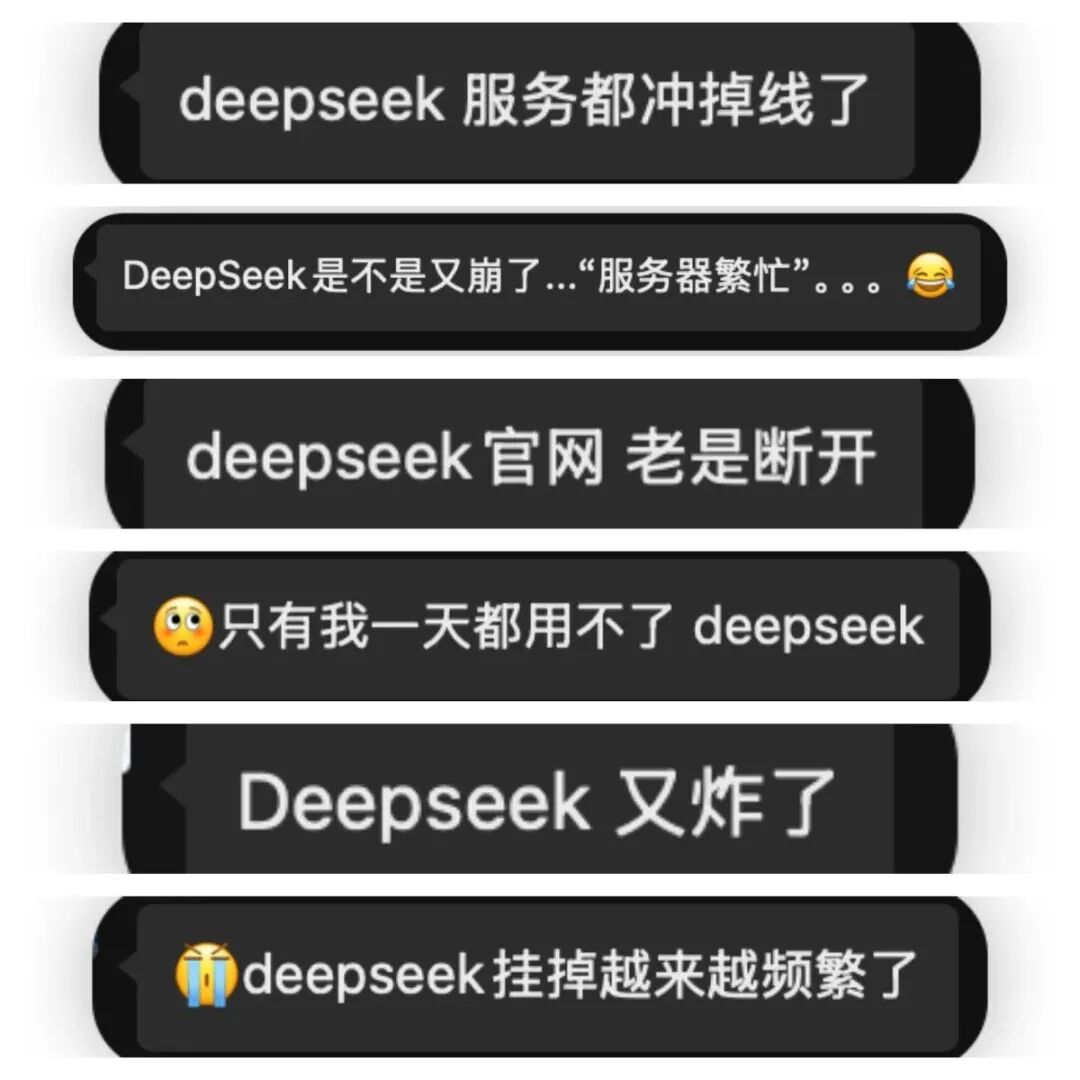
You might even spot some playful memes about DeepSeek sent or forwarded by fellow AI enthusiasts.
Like this:

And... this:

And of course... this 🤣:
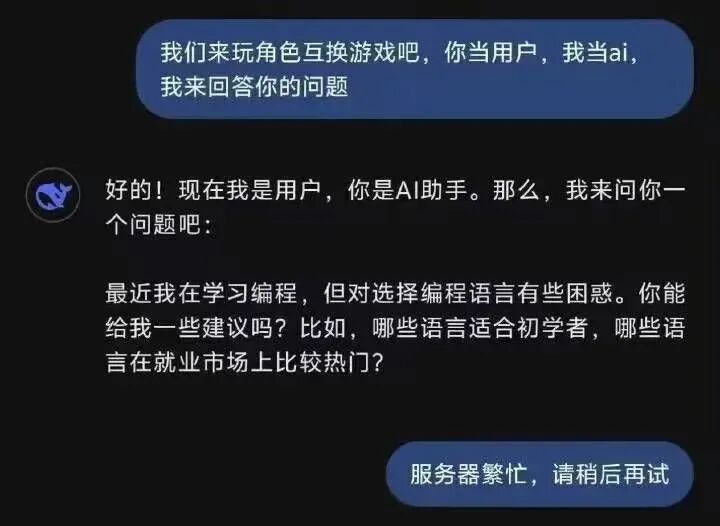
Looking at these hilarious takes, I couldn't help but wonder: What makes so many people willing to "wait in line" for a DeepSeek response?
With that question in mind, I started scrolling through Xiaohongshu, searching for "DeepSeek." I found plenty of interesting user experiences already.
To my surprise, the most popular content wasn't technical reviews — it was unexpected use cases.
Scrolling through the comment sections, I noticed that people generally had good things to say about DeepSeek.

It even "saved" some users...:

This made me even more curious: What kind of AI gets users this invested?
So I decided to dig deeper into the hottest DeepSeek use cases on Xiaohongshu. I found four of the most popular posts — let's see what they're all about.
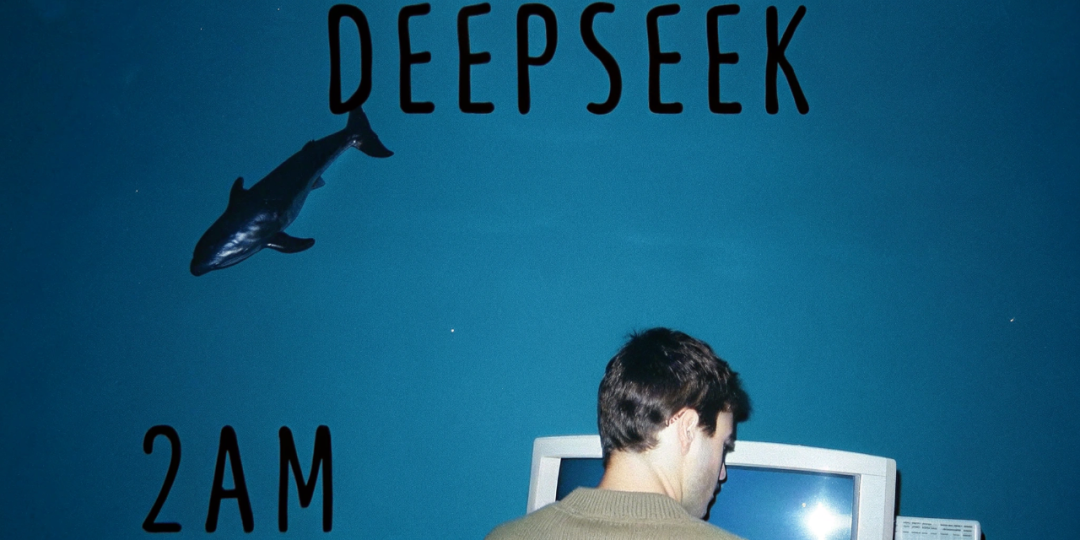
When a Xiaohongshu User Asked DeepSeek "When Can a Couple Get Married"
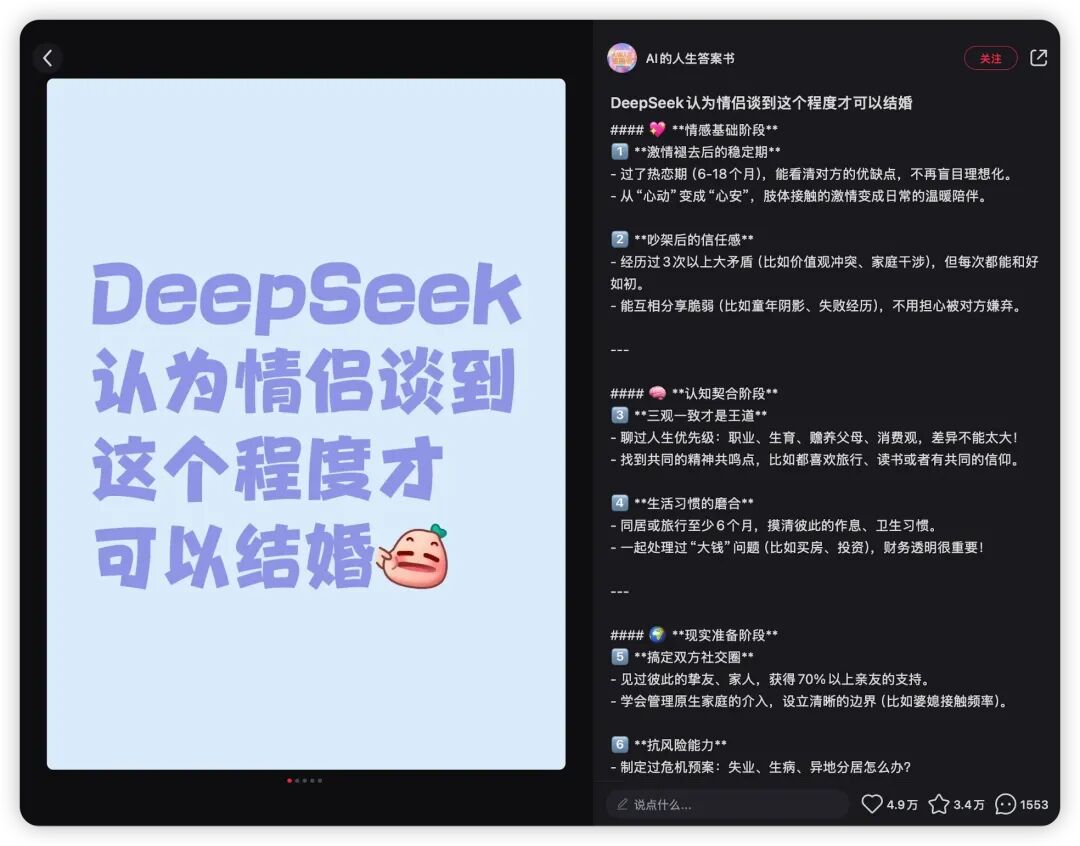
49k likes, 34k saves, 1,553 comments
When a user asked DeepSeek: "At what stage of dating can a couple move toward marriage?" — DeepSeek didn't give a simple answer like "after one year of dating" or "after saving X amount of money." Instead, it proposed a progressive four-stage evaluation framework:
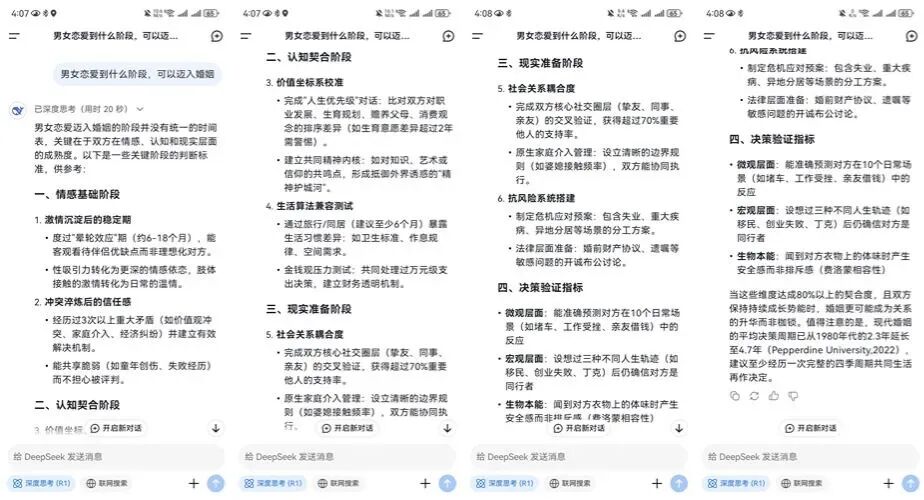
Post details: DeepSeek's detailed advice
Emotional foundation → Cognitive alignment → Practical preparation → Stress test
For example:
- Do both partners know each other's habits and personality traits well enough? (1-2 years of being together)
- Do you agree on major future decisions (like where to settle down, whether to have kids)?
- Have you talked through money and housing? Do your incomes and spending habits match?
- When facing difficulties (like job changes, family emergencies), can you face them together?
Interestingly, DeepSeek specifically emphasized: "This isn't a simple checklist — it's a gradual growth process. Every stage requires mutual effort and growth."
DeepSeek's measured response earned positive feedback from some users:
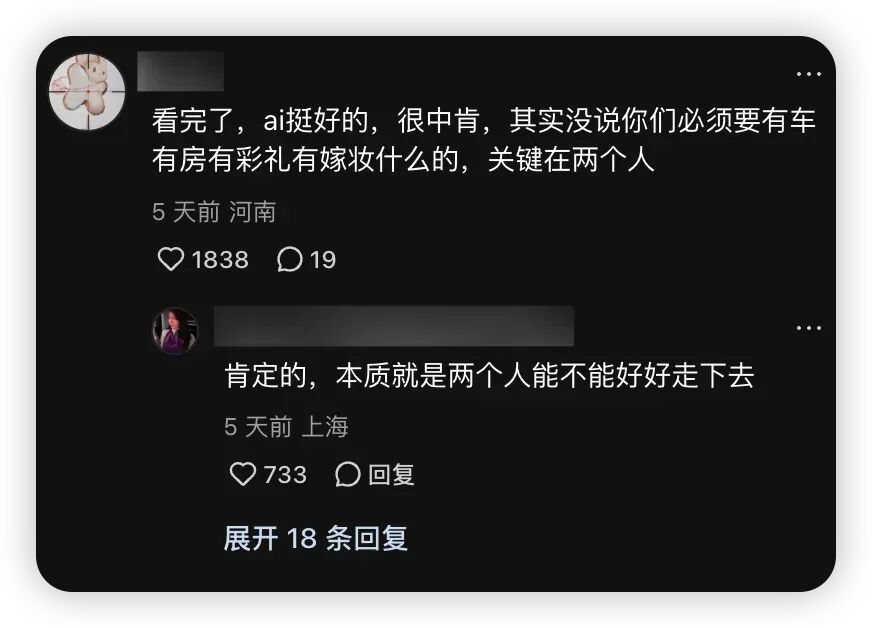
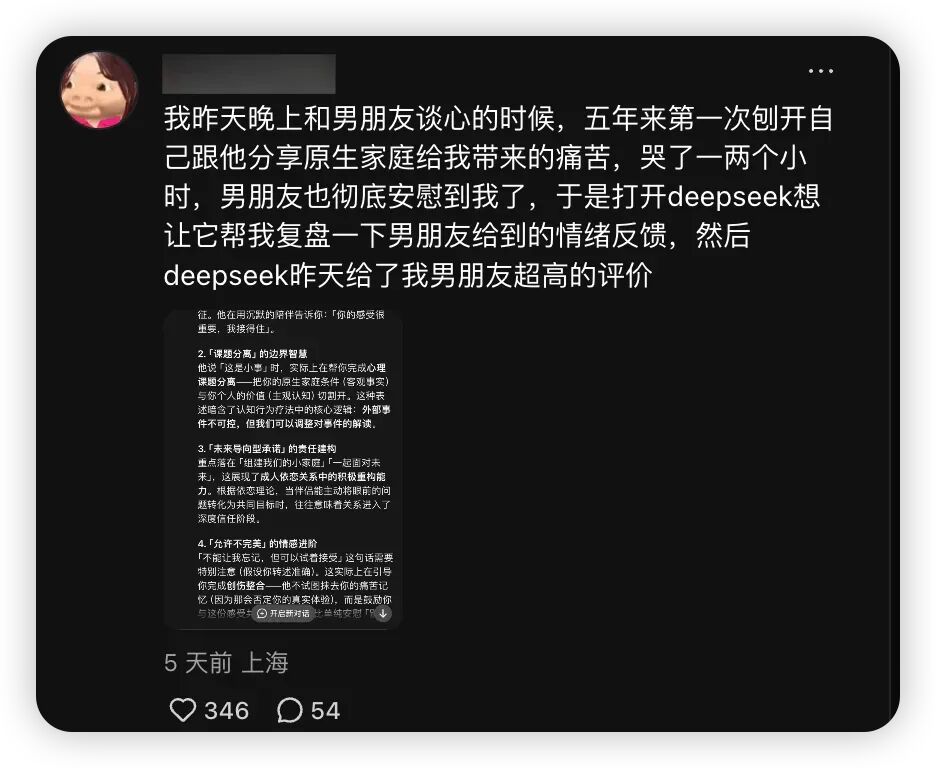
On what seems like a simple question of "when should a couple get married," it didn't hand out a standard answer. Instead, it helped us rethink:
Marriage isn't a point in time — it's a journey of growing together.
This shift in thinking might be exactly what makes DeepSeek different — it's not telling you "what you should do," but guiding you to think about "why you should do it."
When a Xiaohongshu User Used DeepSeek for Fortune-Telling
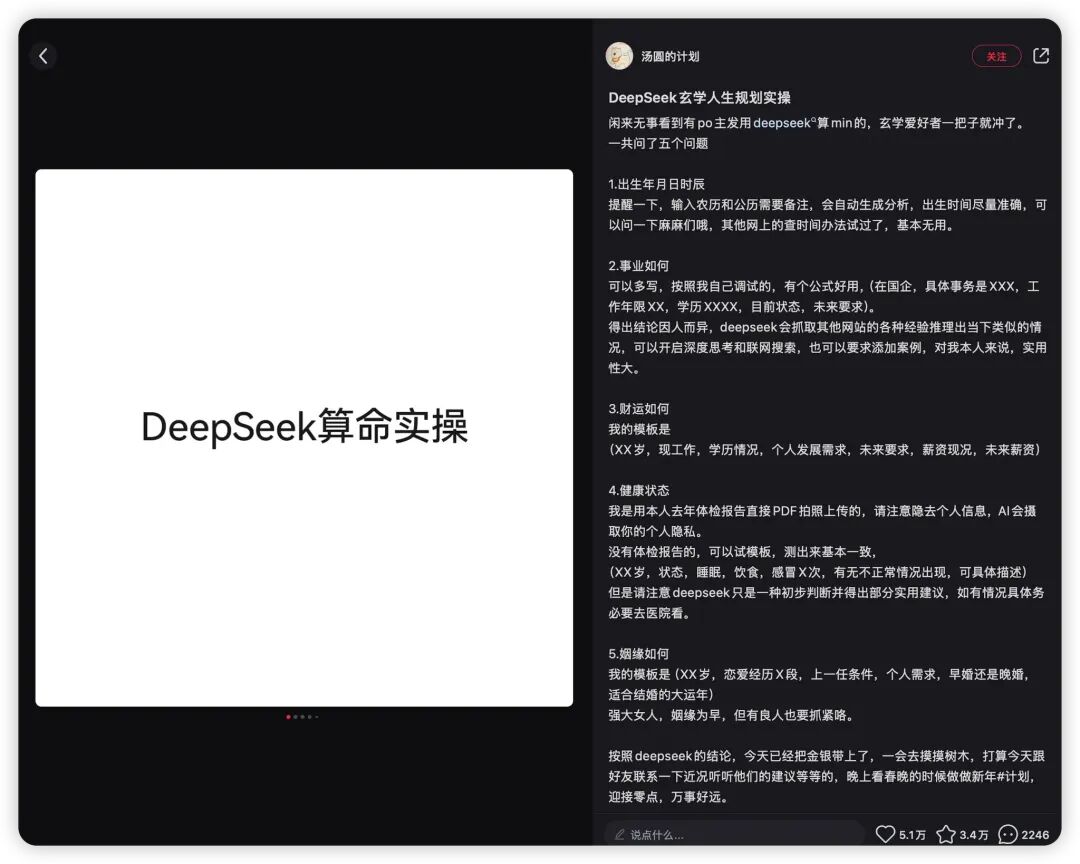
51k likes, 34k saves, 2,246 comments
A user with "mysticism enthusiast" tendencies asked DeepSeek "How's my fortune in 2025?" — and unexpectedly received a highly insightful "life development guide."
Interestingly, DeepSeek didn't talk in vague fortunes like "great luck this year" or "beware of fire" like a traditional fortune-teller. Instead, it gave concrete advice across three dimensions: material environment, life attitude, and career development:
- Want to boost your luck? Start with small items around you — add some silver jewelry, decorate your space with more white or gold accents
- Chasing good fortune? Try keeping a few potted plants, get out more on weekends, and bring more energy to your daily rhythm
- On career, DeepSeek suggested building experience for 1-3 years first, then thinking about management roles or entrepreneurship in 5 years
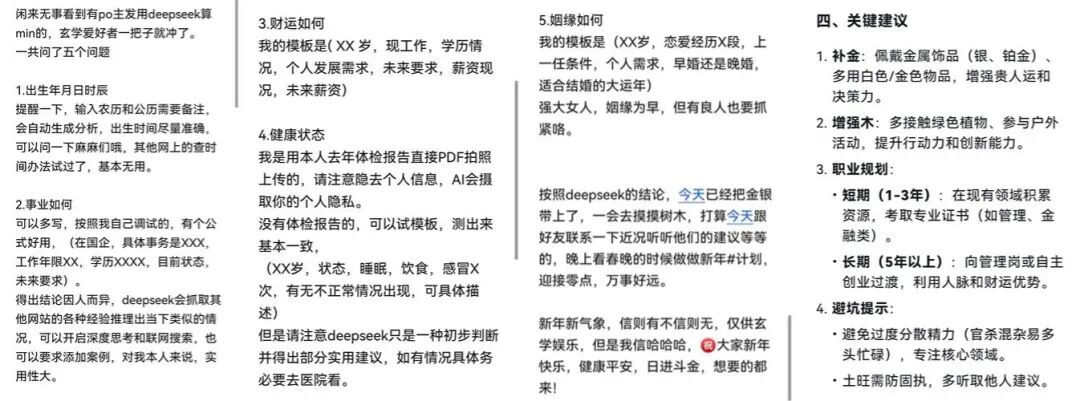
Post details: Fortune-telling prompt reference & DeepSeek's key advice
In the comments, this "fortune-telling" approach drew plenty of praise:
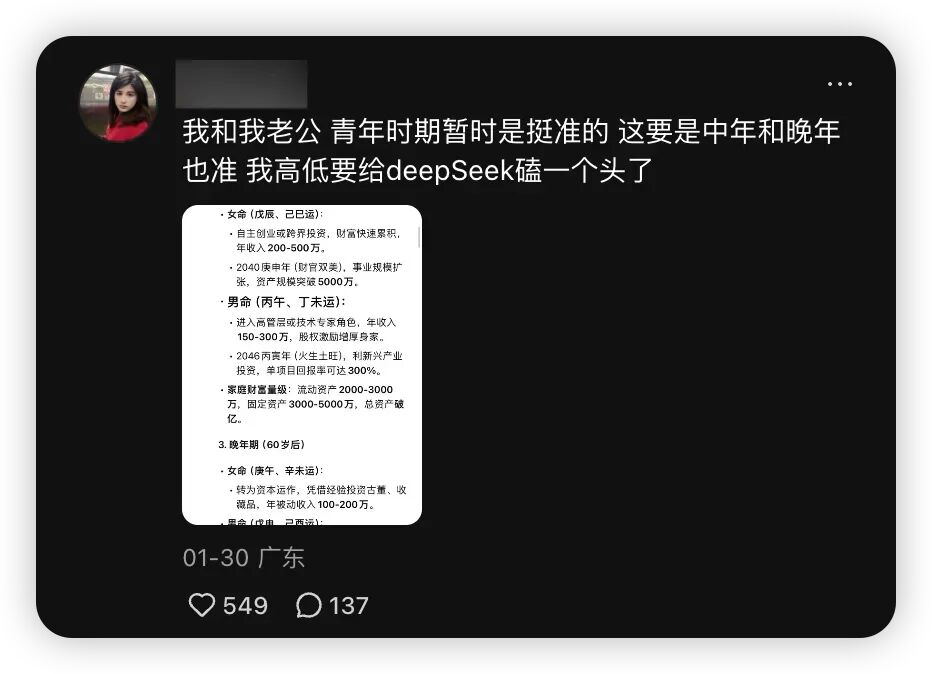

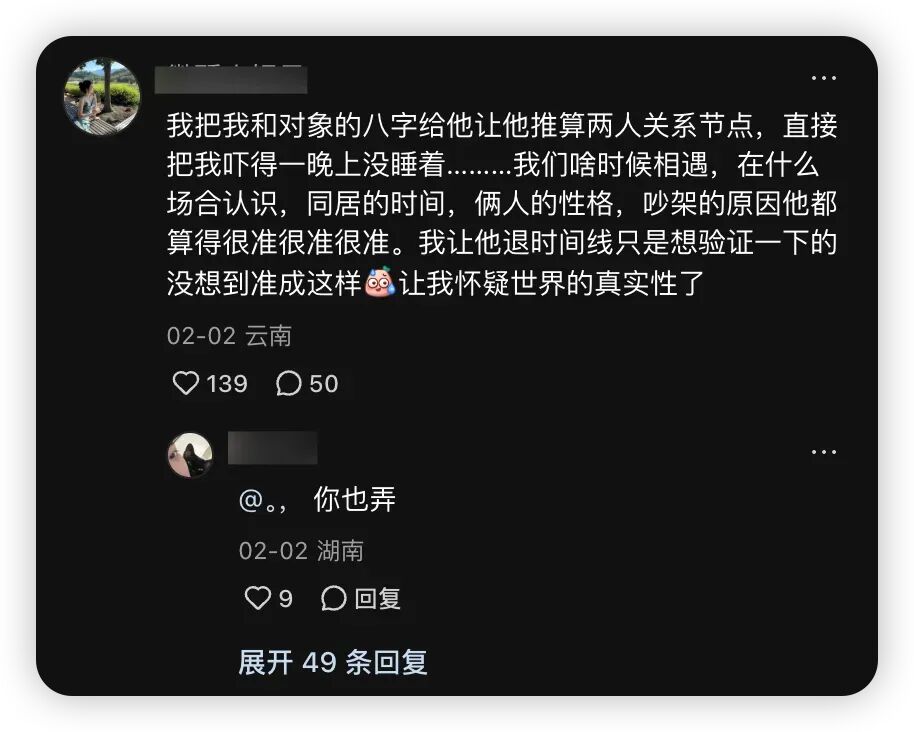
Fortune-telling is subjective, but you have to admit — DeepSeek's warm-toned responses bring a little comfort to those peering into the future late at night.
Maybe as one commenter put it:

When a Xiaohongshu User Used DeepSeek to Beat Procrastination
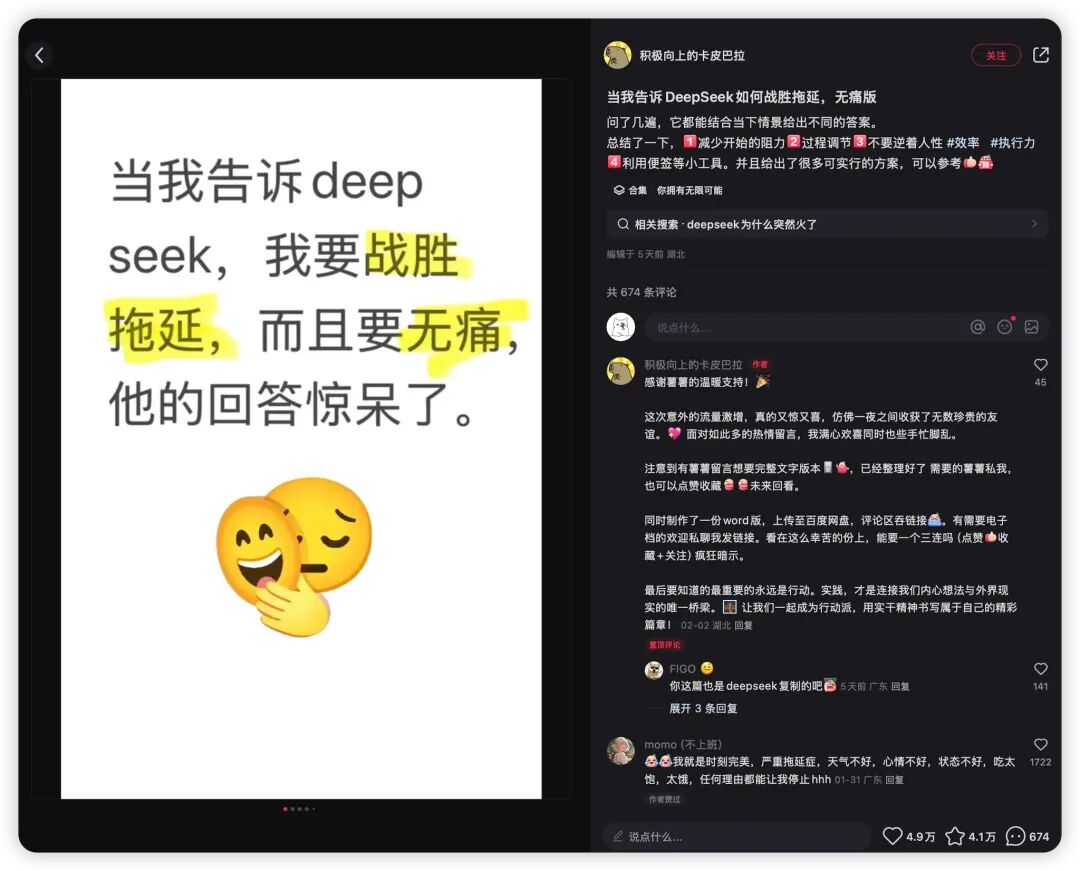
49k likes, 41k saves, 674 comments
"I want to beat procrastination — painlessly!"
Facing a problem that plagues 99% of young people, DeepSeek offered an answer that already sounded easy: "How about lounging for 5 minutes first?"
Yes, you read that right. DeepSeek suggested we don't put too much pressure on ourselves right away, but instead:
- Set a small goal — like writing just 200 words of a report before taking a break
- Downgrade "perfect" — change "write a perfect report" to "just write 3 keywords today"
- Set reminders — put a "15-minute task alarm" on your phone, framing it as a "limited-time experience"
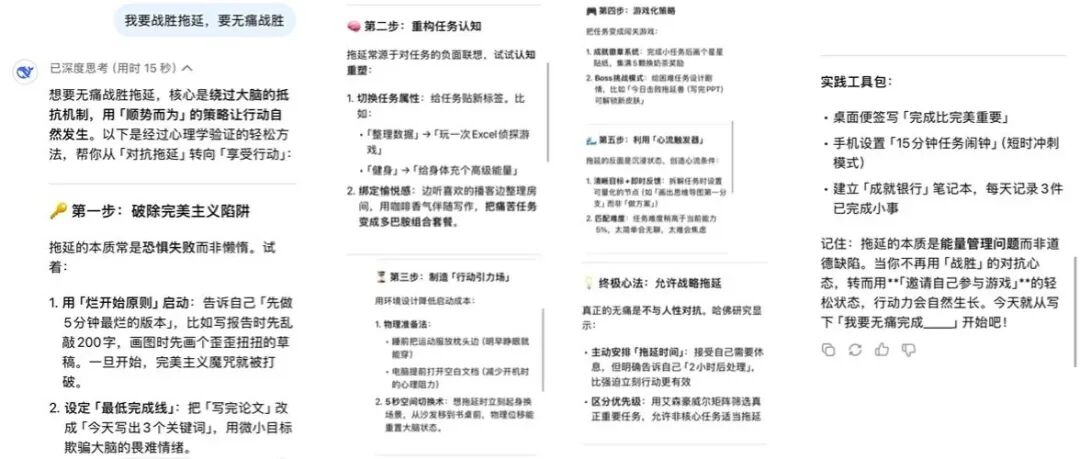
Post details: DeepSeek's advice on overcoming procrastination
In the comments, this "gentle" approach to change resonated with many users:



Looks like instead of fighting procrastination, maybe we should do as DeepSeek suggests — allow ourselves to "lounge" just a little first. Who knows, it might actually make starting easier?
Honestly, methods to overcome procrastination aren't hard to find. They're everywhere in life, online, in books — plenty of advice and guides. But people are willing to discuss this with an AI late at night, perhaps precisely because DeepSeek doesn't lecture, doesn't rush, but uses rational, logical thinking to break down massive goals into bite-sized "15-minute" chunks.
This tendency is quite interesting: when facing long-standing life problems, we're more inclined to listen to a "rational brain." Maybe it's because AI doesn't rush to give "standard answers" like humans do, but patiently helps us find the most suitable solution.
When a Xiaohongshu User Asked DeepSeek for a Scathing Review of Milk Tea Brands
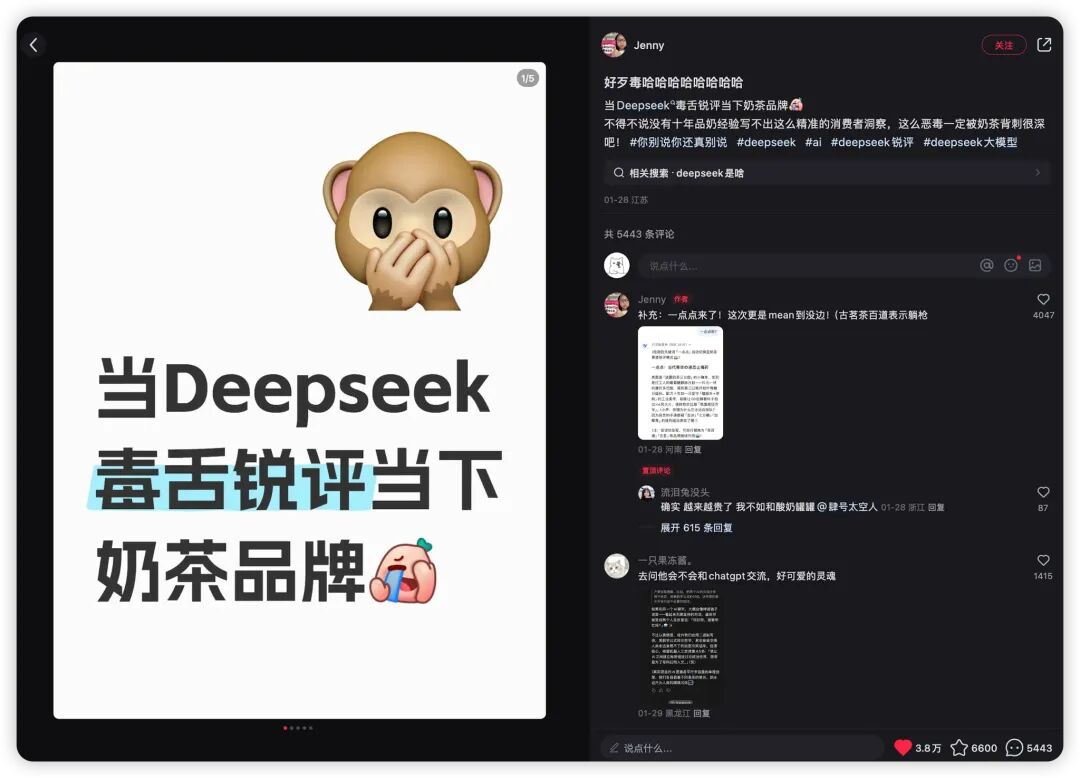
38k likes, 6,600 saves, 5,443 comments
"Give me a savage review of current milk tea brands"
Unexpectedly, DeepSeek transformed into a "poison-tongued critic" and delivered a hilarious analysis of the milk tea landscape:
- HEYTEA vs. Nayuki: A battle of "middle-class broke besties." One plays "price assassin," the other plays "Photoshop master" — consumers don't seem to be buying it
- Mixue Ice Cream & Tea: Behind the 4-yuan cup lies formula optimization and location strategy that make it the industry BOSS. But facing "price-gate," how long can it hold up?
- ChaYanYueSe: A milk tea brand positioning itself as the "domestic milk tea ceiling." Beautiful starting point, but in the mass fast-moving consumer market, it comes off a bit "out of touch"

Commenters went wild:
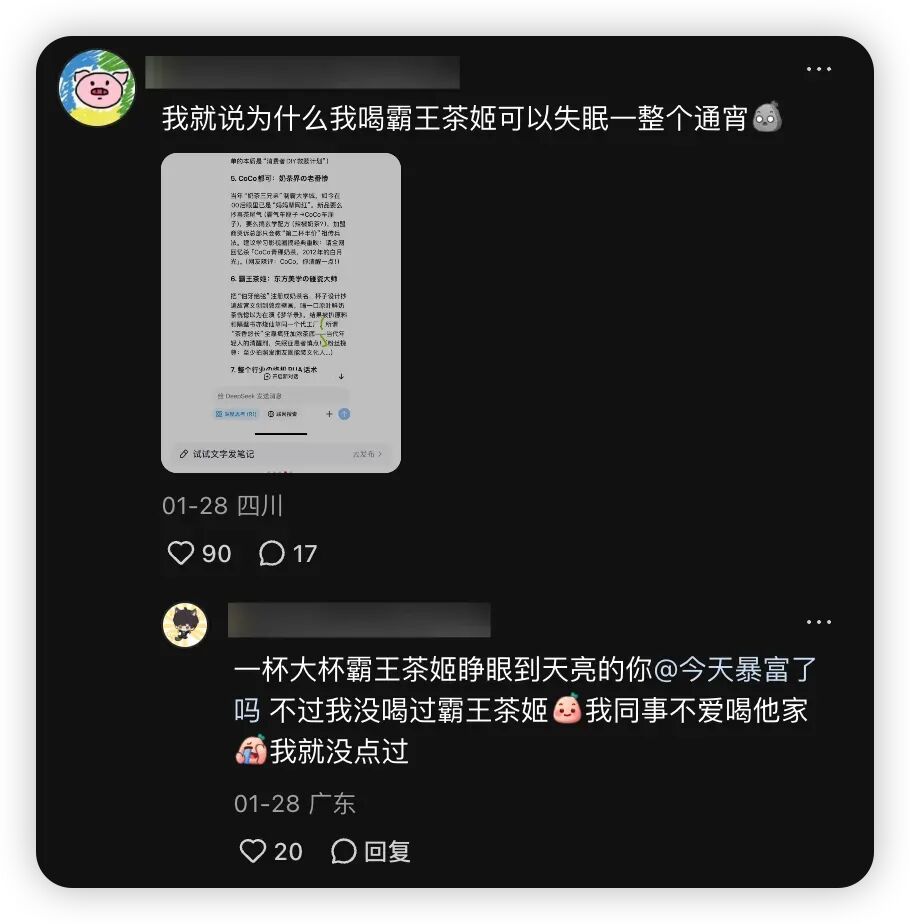

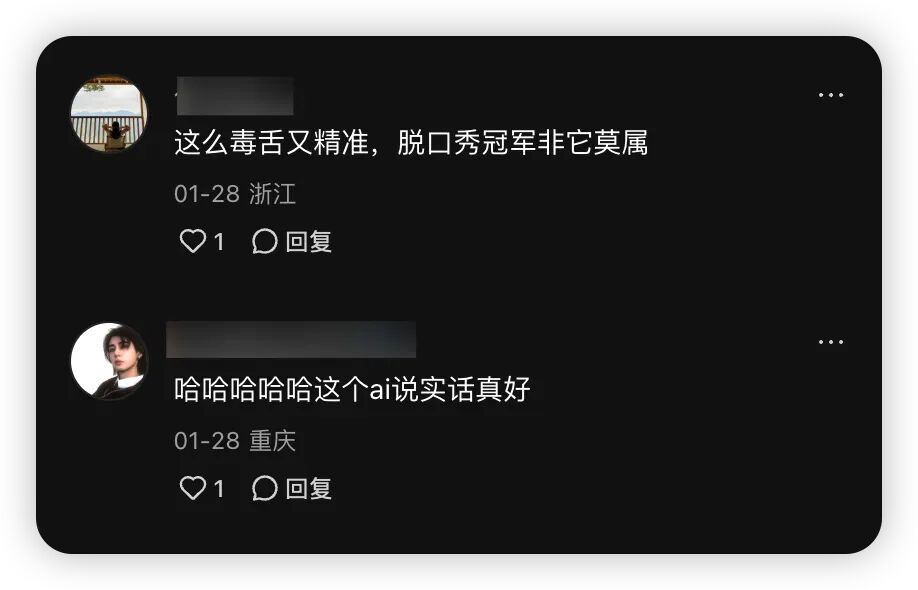
Turns out, having AI review milk tea brands is even more entertaining than having it tell fortunes!
Interestingly, scrolling through the comments, we found netizens cheering for DeepSeek's "savage reviews," with many exclaiming "it said what I've been thinking."
In this era where everyone's a milk tea expert, people seem more willing to let an AI be their "mouthpiece" — it doesn't have to worry about the pressure of objective evaluation and can directly voice what ordinary consumers really feel.
Maybe this is what's most appealing about AI: it doesn't need to care about brand faces or worry about offending anyone. It just impartially speaks the minds of everyday consumers.
But on second thought, the fact that an AI can so sharply grasp these brand positions and marketing strategies perhaps says something about how... intense the milk tea market has become?
DeepSeek Memes and Creations Keep Coming 🤣
Like this:

Or this:

Even this:
Independent developer Chunxiang Zhao made a multilingual quick-translation tool for "friendly communication" with foreign friends in Dota games, "effectively improving the gaming experience": DeepRant[2].

Final Thoughts: Why Wait for a DeepSeek Answer at 2 A.M.?
Some say the most fascinating thing about the AI era isn't the technology itself, but how it helps us rediscover ourselves.
From late-night fortune queries to serious discussions about solving procrastination, to freely chatting about the joys and frustrations of milk tea culture — every answer DeepSeek gives feels like a conversation with a "mirror of rationality." Even with unstable servers, people are still willing to "wait in line" late at night — probably because in this mirror, we see a deeper understanding of our world.
"AI is like a mirror, reflecting the essence of human thought."
DeepSeek's reasoning process isn't simple "input-output" — it's thinking with warmth, making people feel that AI is gradually reaching consensus with our understanding of the world. This process of "alignment" itself is full of hope.
What's even more surprising is that as the first reasoning model to "break through" domestically, DeepSeek's emergence shows us the vibrant vitality of China's AI field.
"AI isn't any single country's patent — it's the shared future of all humanity."
This breakthrough gives us a bit of "disenchantment" with "technological hegemony," and a bit more confidence in AI's future development.
Maybe this is the most beautiful form of technological progress: it's not cold code, but a companion that makes life more interesting, more effective, and more joyful.
"I used to think AI was distant. Now I realize it's right here, understanding me, helping me, and growing with me."
A closing quote from British sci-fi writer Arthur C. Clarke:
"Any sufficiently advanced technology is indistinguishable from magic."
And DeepSeek is letting us witness how this magic gently transforms our lives.
References
[1] DeepSeek official website: https://chat.deepseek.com/
[2] DeepRant: https://github.com/liseami/DeepRant
If you're interested in becoming an independent contributor for Crossing, please contact WeChat: Rwkfbcianvd