20 Stories That Capture a Year of Living With AI | 2025 Annual Memory
2025: The Days We Spent With Doubao
**
The Days We Spent with Doubao in 2025
👦🏻 Author: Jingshan
🥷 Editor: Koji
🧑🎨 Layout: NCon

On December 12 — two weeks ago — Crossing published a post: "We're Collecting AI Moments from 2025 — Want to Share Your Story with Doubao?"
In that article, Koji wrote: "2025 is coming to an end. This is one of the first full years that humans and AI have lived together. We want to know: beyond all the grand technical jargon, what actually happened in real life?"
So we put out this call for submissions.
A flood of responses poured in through our backend.
Honestly, sorting through these submissions was a pretty extraordinary experience for the Crossing team.
We saw plenty of hard cases about "efficiency" and "cost reduction." But we were also deeply moved by softer, more specific moments.
These different stories, together, form everyone's memory of 2025.
We've selected 20 stories. They may not be "shocking" or sensational, but they come from different people, different cities, different walks of life.
Here is a collective record of life, co-created by all of you.
Next: 20 Slices of 2025
First, before these 20 slices, there's one story that's a bit special: it spans a great distance.
Our friend, AI video creator Seven Joy, just finished a 13-country trip deeply assisted by AI. And the app he used most frequently wasn't maps, wasn't translation, wasn't even camera — it was Doubao.
The way it changed things: it made the world in front of him instantly comprehensible.
Through his lens, Doubao became a new "sense" for understanding the world.
From the stolen king's jewels at the Louvre to the Munch Museum in Norway, Doubao explained how those jewels encoded power into symbols, and from the anxiety of an era, the emotions of an individual, told him why people sometimes feel crushed by the world in certain moments.
Doubao helped him get closer to reality. It transformed what had been a passive act of looking into an ongoing conversation.
Doubao gave him responses that truly understood his questions.
This shift didn't just happen ten thousand kilometers away — it's happening in every corner around us too. People are no longer just chatting idly with AI.
Integrating it into real life has become a new way of living.
🚥
👦🏻 Koji (Founder of Crossing, Investment Partner at ZhenFund):
2025 is coming to an end.
I'm increasingly aware that this is probably one of the first full years when humans and AI truly "cohabited."
This year, I've been on the front lines talking repeatedly with AI founders, product managers, and developers. The biggest feeling wasn't about how much stronger some model had gotten.
I deeply sense AI seeping into daily life, bit by bit. Many changes are so light you barely notice them, yet at critical moments, they quietly push us forward.
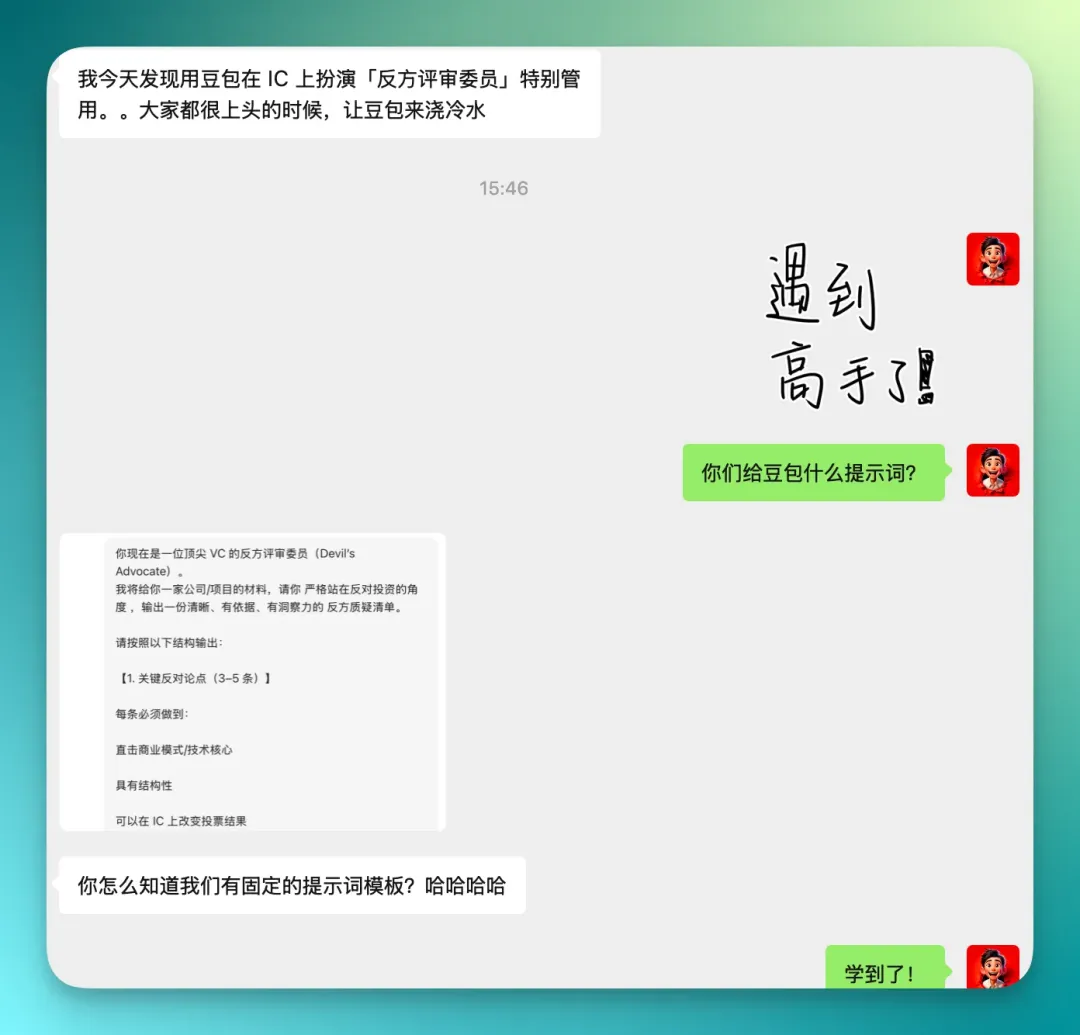
A month ago, a VC friend told me she has Doubao play the "devil's advocate" role in IC meetings — finding holes, asking the hardest questions, forcing the team to think through their logic completely. She said sometimes what you need isn't a more optimistic take, but a "sober voice" that doesn't read the room.
I've also developed new habits myself.
Every morning on my commute, I dump everything into Doubao — to-dos, random thoughts, worries — and have it break things down, prioritize. By the time I get off, my head feels clearer, I feel steadier.
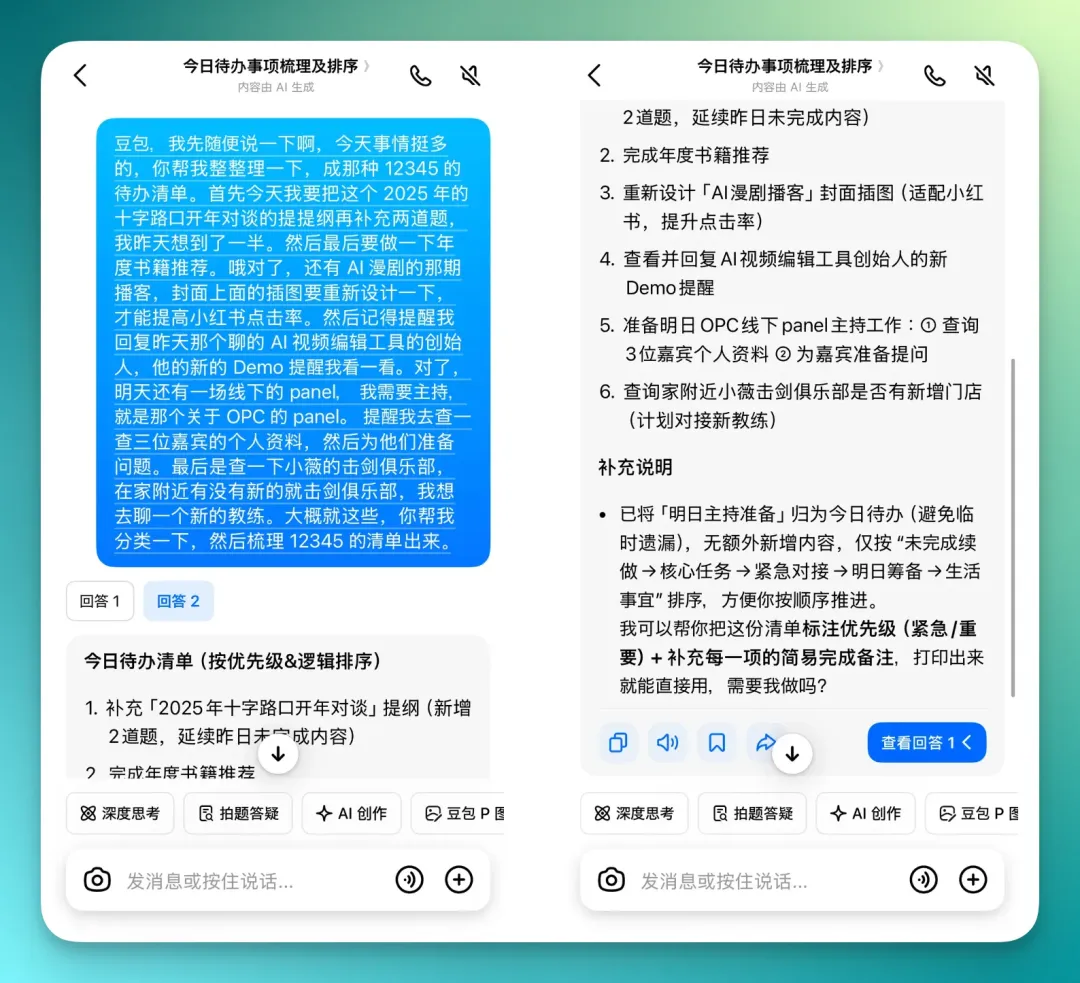
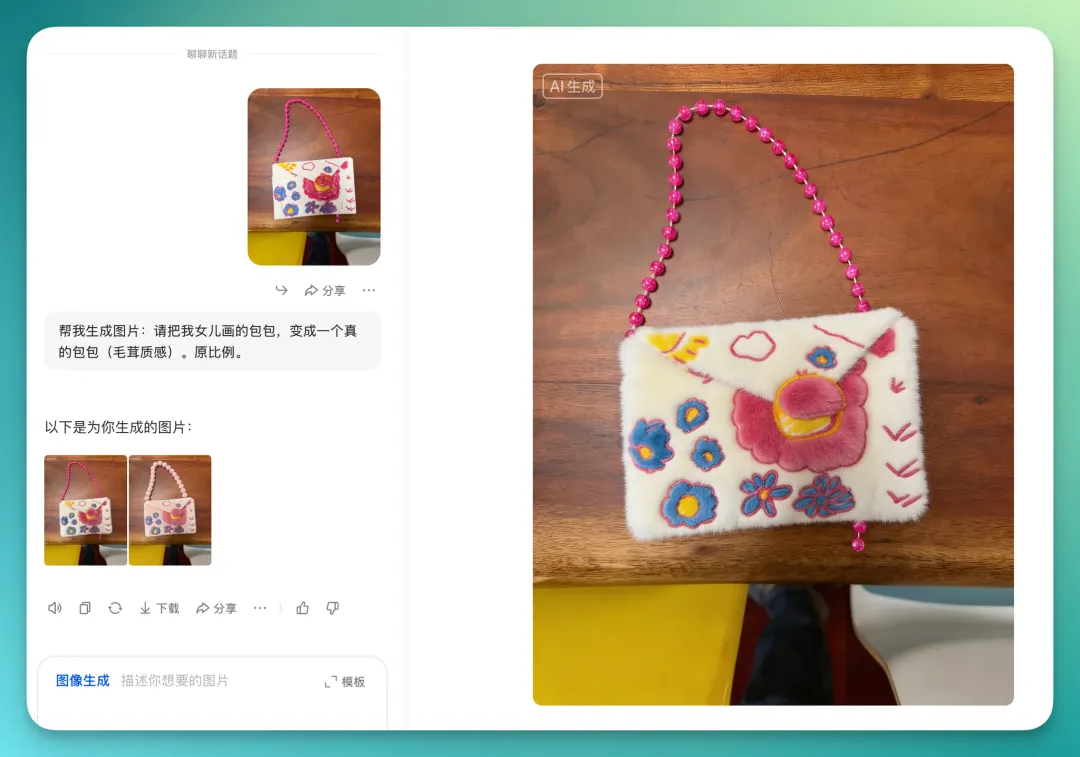
Beyond work, I actually use it more in life.
Like taking photos of my kids' doodles, having Doubao organize and polish them into complete pieces, then getting them custom-made into albums or pillows on Taobao. The look on my kids' faces when they see the finished product — "so my drawings can actually be taken seriously" — makes me think this might be one of the gentlest uses of AI.
🚥
👦🏻 Fei Liu (Host of "San Wu Huan" Podcast):
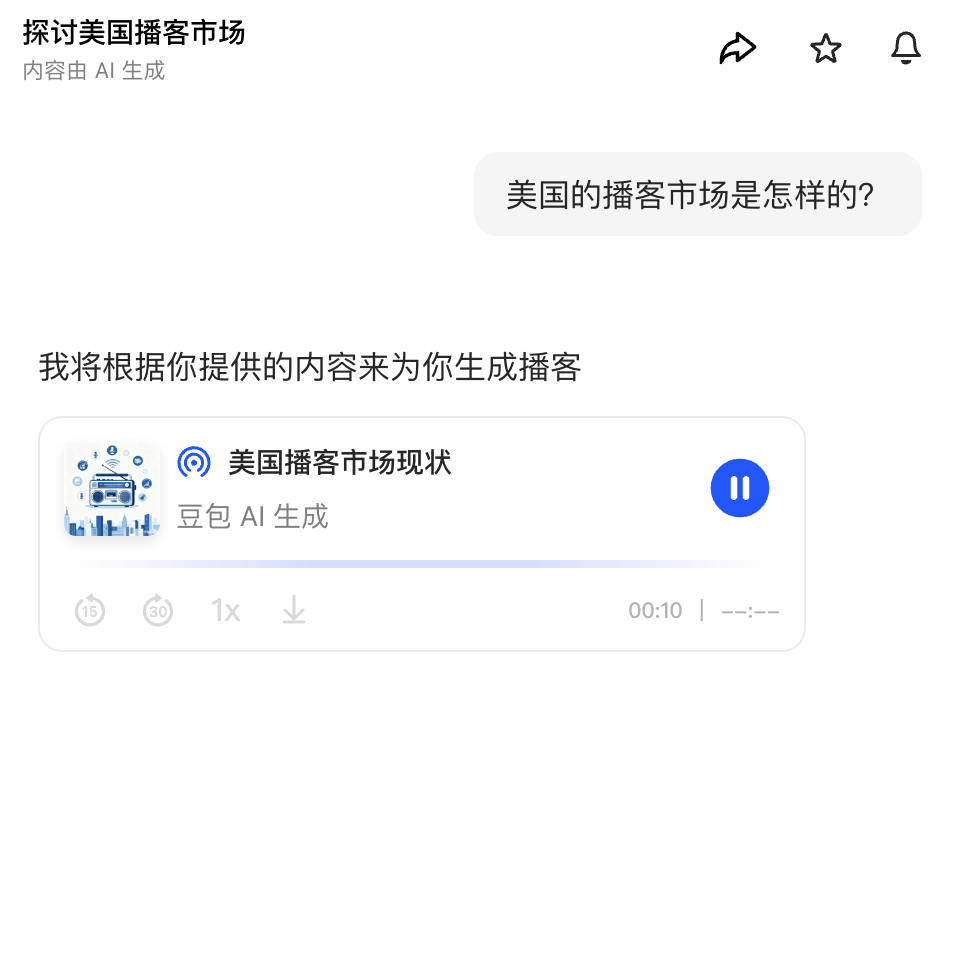
My story with Doubao is actually pretty unusual. In 2025, my co-host Xiaolei from "Ban Na Tie" and I licensed our audio content to Doubao.
The result: in Doubao's AI podcast feature, you can generate podcast content that sounds almost exactly like us chatting.
This experience is particularly fascinating for me. Say one day I suddenly get curious about some topic — instead of digging through articles, I can go listen to "myself" talk about it. The feeling is strange: partly magical, partly familiar.
Before, listening to my own recorded podcasts felt like talking to my past self. But now, listening to the AI "me" feels more like chatting with a future self who's already walked the path and knows the territory.
🚥
👦🏻 Chunxiang Zhao (Founder of Laplace):
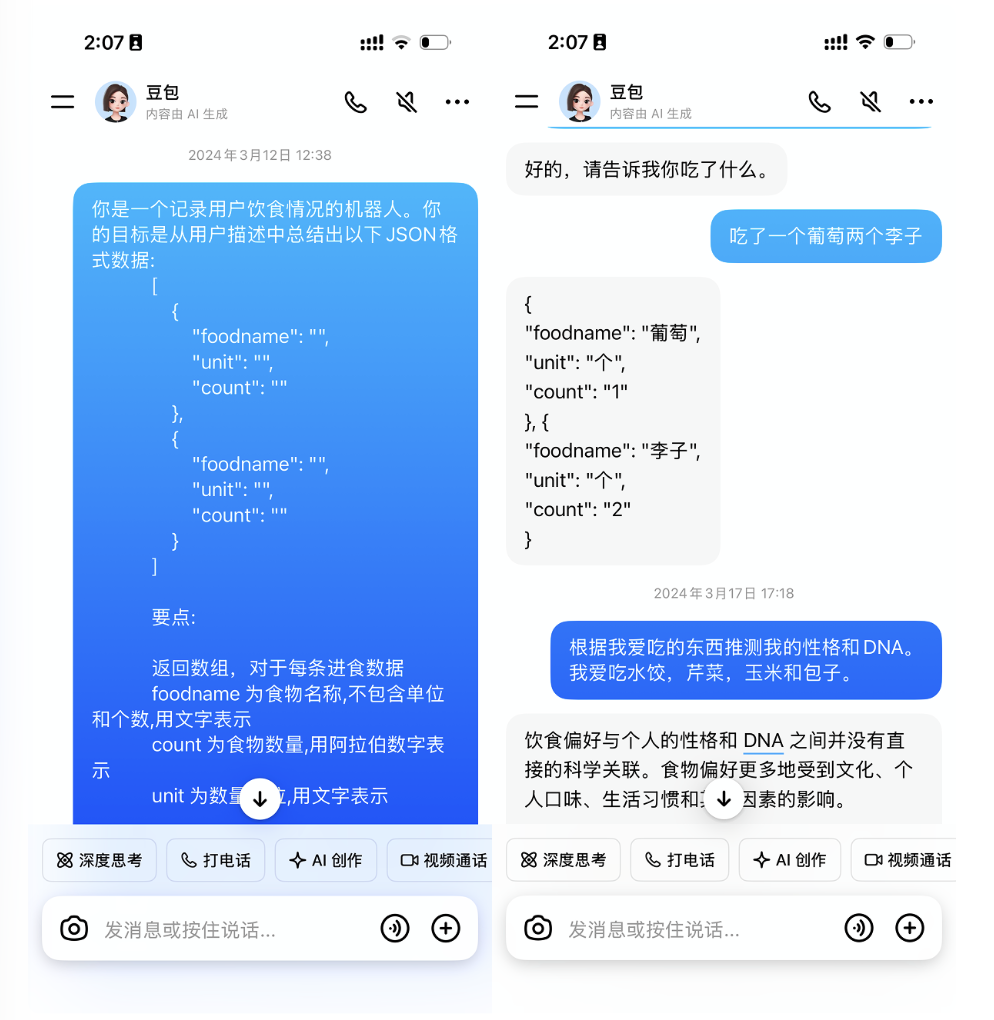
I still remember pretty clearly that conversation on March 12, 2024. Nothing major happened that day — just an ordinary evening: computer on, phone nearby, I was scrolling through news about multimodal models.
Halfway through, I suddenly got stuck. Not confused-stuck, but that "huh, this thing might be usable somewhere else" kind of stuck. The inspiration came brief: if you treat food as a pile of data, could a model organize it like a database? Dish names, ingredients, flavors, cooking methods, calories, suitable demographics, restrictions, and so on.
Almost reflexively, I switched to Doubao: "Let's workshop a 'food data structuring' prompt." Then back and forth: I'd throw it a shop description, it'd give me JSON; I'd say the fields weren't granular enough, it'd add more; I'd say too granular isn't practical, it'd merge; I'd say "make it work for real ordering scenarios," it'd add "spiciness level, dietary restrictions, recommended pairings, allergens, price range"; I'd say "don't just give templates, give reusable rules," and it'd write out "input — parse — error-check — output" like a little flowchart.
The feeling was peculiar: it was just a chat window, but like whiteboarding with a lightning-fast partner. I didn't think much of it then — the flow felt smooth, fun, even a bit exhilarating.
Unlike writing, where you have to set things up, this showed results immediately. I saved that prompt in my notes with a casual name, something like "food structuring v0."
Looking back later, that little prompt slowly grew into something real. First I occasionally used it to organize delivery menus; the more I used it, the more I thought "huh, this could be a tool." Then I started adding "how users naturally input" and "how output should feel like human pre-cooking thought." Then it evolved: not just structuring, but remembering what you like, what you hate, what you've ordered from which shop, whether you've been eating too greasy or spicy lately.
Like a self-updating log of your stomach.
So the Laplace app you see today really did emerge from that conversation.
🚥
👦🏻 Hyacinth (Founder of Hyacinth, Digital Artist):
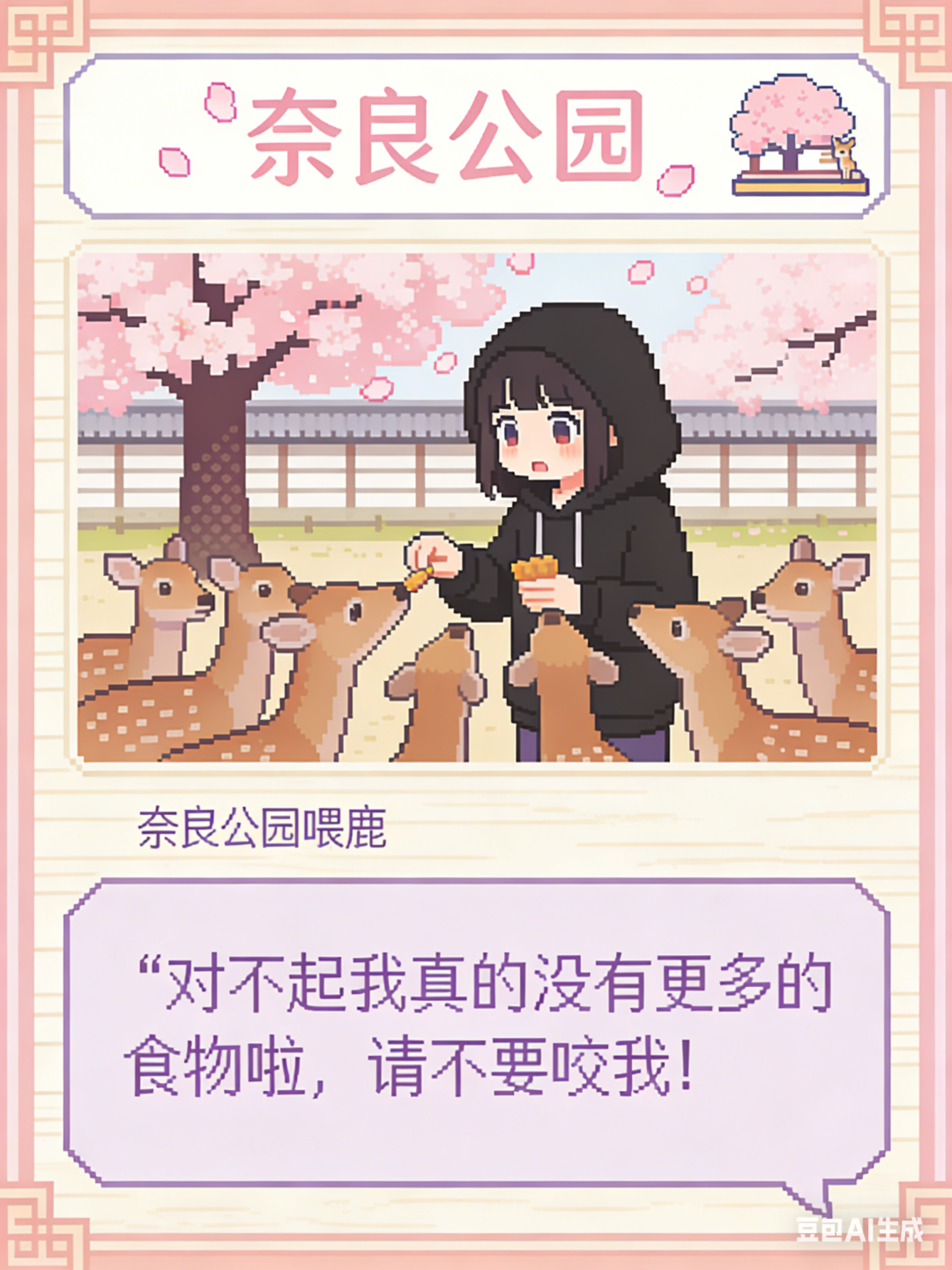
Mid-year, I visited Nara Park. The trip was pretty spontaneous — no "must-see" agenda, just happened to pass by, weather was decent, so I got out and walked.
Once I was actually in the park, there were plenty of people, but even more deer. They look docile in photos; in reality, not at all. I'd just bought deer crackers, bag not even fully open, and several deer were already surrounding me. Started with one or two, then somehow a whole circle appeared from nowhere, deer heads in every direction.
I was laughing and panicking, trying to protect my crackers — must have been quite a scene.
Once the deer dispersed a bit, I stood there catching my breath, and slowly realized how fun the whole thing was. That loss of control was brief but vivid — you rarely encounter this in city life, where everything follows rules, and suddenly there's a group of creatures completely ignoring your rhythm, surrounding you.
On the way back, I kept thinking about this scene. Later, on the train, I pulled out my phone and opened Doubao. No grand concept, just wanted a keepsake, but not a photo.
I told it: help me draw a pixel-art card. Park, deer, a bit crowded, but not too realistic — like old games, top-down view. The person doesn't need to look like me, keep it vague, focus on the atmosphere.
It gave me several versions. I picked the "silliest" one: person standing in the middle, deer in a circle, expressions of panic pieced together from pixel dots — looking at it felt surprisingly light.
I saved that image, and for a while even set it as my lock screen.
Looking back now, the little card itself isn't particularly refined. But it captured the feeling of that day with uncanny precision.
"In that moment, I was genuinely a little panicked, a little amused, and a little happy."
Sometimes I think the most useful thing AI does for me is preserve these tiny, intimate, easily forgotten moments in another form. Like that pixel-art card — if you never took it out, you might have forgotten entirely; one look, and you're instantly back there with that sudden circle of deer.
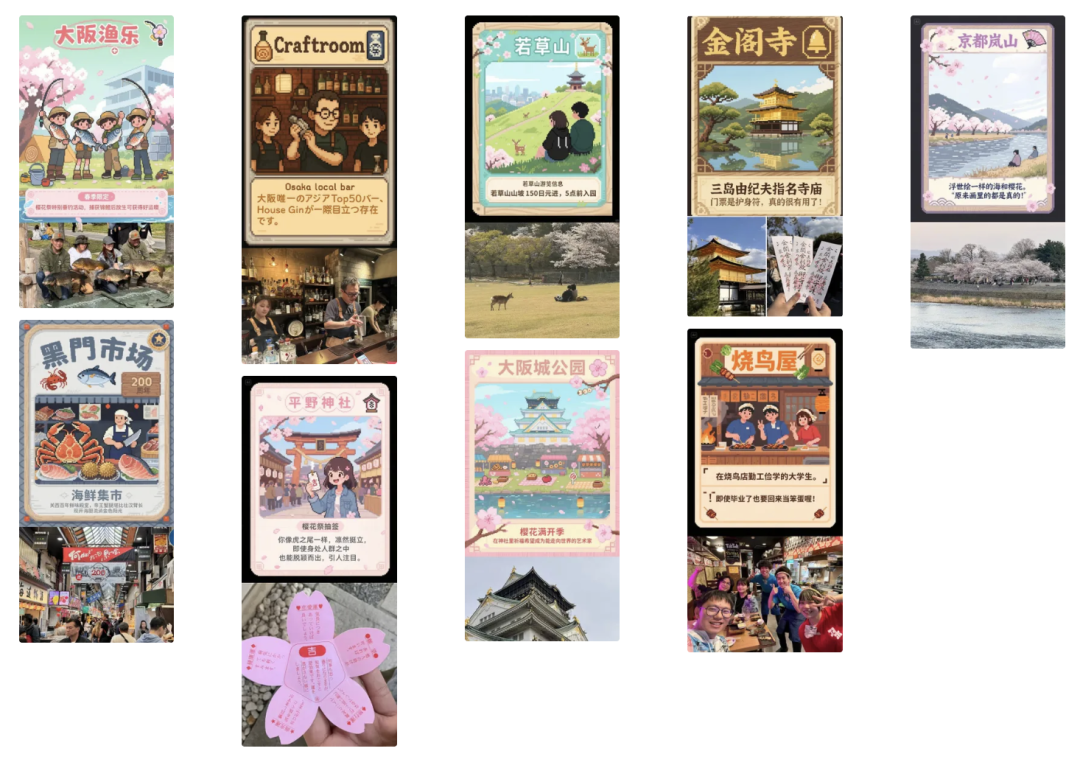
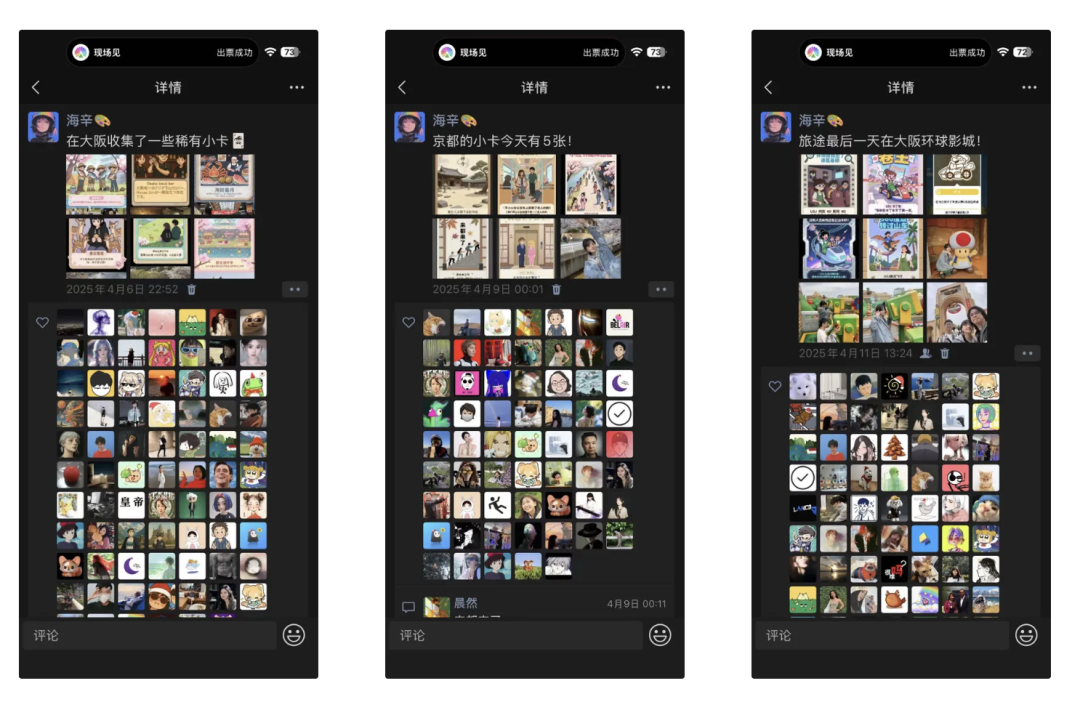
Beyond these pixel cards, I've made a bunch of other adorable little cards:
🚥
👦🏻 Minghao (Host of The Art of Slaying Dragons podcast):
My son graduated elementary school earlier this year.
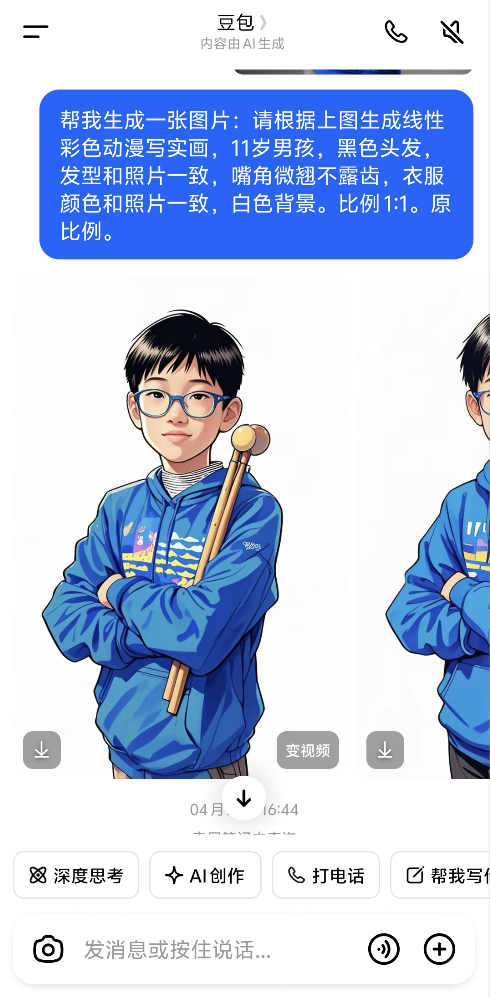
Graduation itself is already the kind of thing that invites reflection, but what really stuck with me was the class hoodie they made afterward.
The teacher's idea was simple: give the kids something to remember. Not the standard school-name print, but something with every classmate's face on it, something lively.
The practical problem was obvious: over twenty kids, each with a photo, all needing a unified style without looking too realistic.
I was already thinking of using AI tools for this, and while I was still testing the results, one mom in the group chat directly posted the image of her daughter she'd generated with Doubao, told everyone they could use Doubao, and even included a very "concise" prompt.
As someone with decent prompt-writing experience, I took her "concise" prompt and did some "refinement" until I was relatively satisfied, then posted it to the group telling everyone to just copy mine.
Things moved fast after that.
Each parent used their child's photo with my prompt to generate nearly uniform-style avatars in Doubao...
What surprised me somewhat in the middle of this was how incredibly high Doubao's penetration already is among ordinary people, and how everyone already instinctively reaches for these AI tools for this kind of scenario.
Looking back later, I suddenly recognized a shift: AI no longer needs to be explained. It sits quietly in the workflow, like a printer, like photo-editing software.
It's no longer a concept that needs to be taught. Nobody even particularly said "we're using AI."
👦🏻 Danny Xiao (Media professional, consultant):
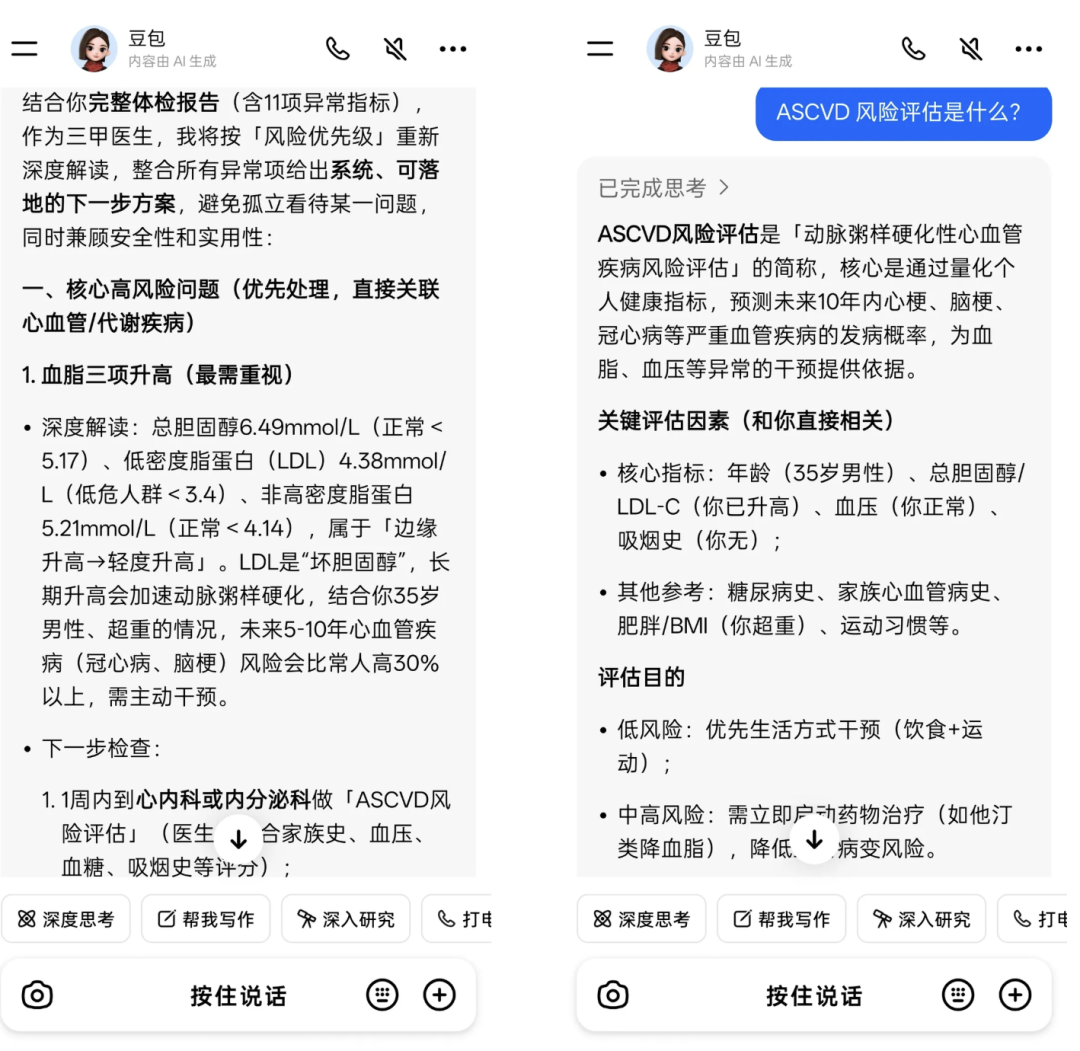
I went for a physical exam not long ago, a thoroughly routine affair. Familiar drill: blood draw, ultrasound, ECG, get through it all, end up with a stack of reports. Thick paper, dense numbers, red arrows — plenty to make your scalp tingle.
I sat there flipping through a few pages. Honestly, I really couldn't understand them. Not fear of the results, but that classic helplessness: a pile of abbreviations, a pile of reference ranges. You know they concern you, but you have no idea which ones actually matter.
The hospital's built-in interpretation page was there too, nothing more than "slightly elevated," "suggested dietary attention," "regular follow-up" — none of it wrong on its own.
Back home I spread several years of reports across the table and suddenly felt irritated.
Not about my body. The information was too fragmented. I ended up just photographing them, compiling them into PDFs, and dumping everything into Doubao to have it "take a serious look."
My initial ask was simple: help explain these indicators. What it gave me was far more than I expected. It first pulled years of data onto a single timeline — which items were persistently elevated, which suddenly changed this year, visible at a glance.
Then it ranked issues by severity, clearly telling me which ones "need priority attention," which were just "long-term trends," and which I basically didn't need to worry much about.
Going through it item by item, for the first time I felt like my physical exam report was speaking human to me.
Looking back later at those standard lines from the hospital, they actually seemed a bit perfunctory. Of course I know doctors have limited time, impossible to do this level of detailed analysis for everyone. But in terms of results, Doubao's interpretation this time was genuinely much more detailed and easier to understand than what the exam center provided.
👦🏻 Human Interface:
Our team raised a small round of funding at the end of 2024. Not a large amount, but for us it was "enough to seriously work for a while" money. The project was called "AI Emotional Radio Station," with a clear direction: companionship, listening, emotional value. Our judgment at the time was pretty straightforward — this was a very vertical, very narrow track that the large model companies probably wouldn't be interested in entering, at least not in the short term.
Everyone was pretty invested during that period. Content, tone, voice selection, whether to deliberately control emotional起伏 — tested repeatedly. Backend numbers weren't explosive but steadily climbed, user comments were genuinely heartfelt. Some would say "listening to this alone at night, it doesn't hurt as much."
This kind of feedback easily creates an illusion: that you're on the right path.
Until May 2025.
I remember that day clearly. Someone threw a Doubao update screenshot into the group chat: AI podcast feature launched. Clicked in to listen — the voice was realistic, not that fake "sounds like AI" emotion, but genuinely had pauses, breaths, something human. Content generation was fast too, template-based, any theme you wanted.
None of us said anything at the time. We just quietly opened the backend. That day's DAU — we basically watched it drop in real time. Not a gradual slide. A direct halving.
That feeling is hard to describe.
You know you didn't do anything wrong. It's that they covered you from an entirely different altitude, casually.
That night the team barely talked. Someone joked whether this counted as being precisely targeted by a major company. Honestly, there was some despair. You clearly knew that continuing to tough it out would most likely just mean slowly burning through the remaining money.
Later there was no choice but to pivot. We made a painful but realistic decision: stop building our own platform, switch to using Doubao's API to do more vertical, more segmented content generation.
"If you can't beat them, join them" — sounds a bit cowardly, but when you actually reach that point, you feel lighter. Because you finally stop pretending you can compete with infrastructure, and honestly admit: we're better suited to building on top of it.
2025 taught me a lesson. Starting up within a major company's range: either you're ten times faster, fast enough that they haven't reacted; or you don't stand in front of them at all — do what they look down on but their business can't do without.
Our team is still figuring out how to genuinely integrate it into our own business.
👦🏻 Chanming Chanchan:
By 2025, my main job hasn't changed at all — still Java backend. The business logic I need to write, the historical debt I need to fix, none of it has decreased. But what's obvious is that what I do after work has completely changed.
My side hustle has fully become AI.
ByteDance's Doubao model really exploded this year. The kind of explosion where people around you actually start building things with it. I initially just played around with it, using the Doubao model API to tinker with an agent product. Positioned specifically for "appeasing your girlfriend."
Logic wasn't complex: connected an anniversary database to remember birthdays, days together, roughly when the last fight was; connected an emotion analysis plugin to judge whether the other person was leaning happy, cold, or clearly angry.
Final output adjusted tone, length, emoji usage — all following the state.
Originally just for personal use, the prompt-tuning process was pretty fun.
Later I casually dropped the link in a small overseas community, no promotion, and within a few days someone DM'd asking: can this be subscribed to?
My first reaction was stunned. This thing actually had use for other people. Later I symbolically added a subscribe button, price wasn't high, and the backend actually started showing numbers.
ARR furiously increased by 100.
Hahahaha.
That number looks pathetic now, but the feeling was subtle. You realize for the first time that you don't need a complete company, don't need funding, don't need a pitch deck — just a sufficiently specific small need plus a bit of AI capability, and people are actually willing to pay.
Sometimes I open the backend and watch the Doubao model API token usage slowly climb, feeling a bit unreal. The main job is still that main job, but the side hustle has completely transformed.
Maybe at some future point, it can slowly move to the front.
At least now, I can't really go back to just writing backend anymore.
Finally, sincerely: may wealth come to us all.
👦🏻 An unsigned aside:
By 2025, the keyword I distilled for myself was actually just one sentence: teaching people to use Doubao.
This shift is pretty subtle.
In first-tier cities, AI is already somewhat oversaturated. People around you talk about Agents, workflows, APIs, model alignment — like you'll be left behind if you don't know how to use it.
But go further out, more remote places, and you'll find a completely different picture: many people don't even know where to download the Doubao app, or how to open the chat box after downloading.
I discovered this by chance at first.
Elders in the family, relatives, friends of friends — the questions they asked were all extremely basic: does this cost money?
If I talk to it, can it really understand?
Can it help me generate some practice problems for my kid?
You realize the information gap is still there, and it's pretty large.
Later I followed this demand and made some extremely basic videos. Really basic. Like:
The titles weren't fancy at all, and the videos didn't explain principles or trends. They just walked you through things click by click, like teaching your parents how to use WeChat.
Turns out it was exactly this kind of content that gradually gained traction on Douyin. The comments section was full of genuinely real feedback. My follower growth wasn't explosive, but it was steady, and the stickiness was remarkably strong.
Only then did I slowly realize something: the demand for AI among ordinary people had, by 2025, developed a kind of powerful tension.
And Doubao was indeed a particularly accessible entry point.
At least in 2025, that was the case.
👦🏻 11223111:
By 2025, another identity of mine had gradually taken shape: Prompt Engineer.
I felt a bit... about the name at first. Later I found it was actually quite accurate. What I was doing, to put it bluntly, was teaching people on overseas platforms how to write prompts.
No joke — all courses, all content, however you sliced it, came down to one theme: how to properly talk to AI like Doubao.
Many people assume this must have no barrier to entry anymore. The models are so smart now — you say something casually and it gives you a decent result. That's true.
But the problem lies exactly here. Most people's use of AI forever stays stuck at "help me write some copy," "help me revise this," "help me polish this" level.
What I taught was more fundamental. Things like context engineering, how to make Doubao understand your brand tone.
Gradually I also realized something: prompt isn't a technique, it's a communication ability. The better you can break down and articulate the fuzzy feelings in your head, the better returns AI gives you.
Also in 2025, for the first time, I truly earned my "first bucket of gold" by teaching people to write prompts. Honestly, it wasn't much money, far from financial freedom. But someone was willing to pay for your ability to explain something clearly.
I later spent that money on travel, going to several places here and there.
Looking back, this year was quite strange. I didn't change industries, didn't completely transform, but my identities multiplied. Programmer, creator, teacher, Prompt Engineer.
👦🏻 风呼呼大睡:
My grandfather was hospitalized late last year due to stomach problems, staying for a while near Tiantan. This year I was on a business trip and stopped by to see him. He was actually recovering okay — it was just that at his age, the hospitalization itself was quite taxing.
When I arrived, he was leaning against the hospital bed, phone in hand, still talking. I initially thought he was chatting with the patient in the next bed. Only when I got closer did I realize — no, he was talking to Doubao.
And they were both speaking Beijing dialect.
I was genuinely stunned. Not because he could use AI — at his age, being proficient with smartphones was already impressive. It was the scene itself.
My grandfather is a true old Beijinger, with a really strong accent and fast speech. Usually it's quite taxing just chatting with us. Yet standing there listening for a while, I found he and Doubao were actually having a pretty smooth conversation.
Question and answer, the tone was really quite similar. My grandfather would say something, and it wouldn't rush to interrupt — waited for him to finish, then responded slowly.
I found it quite amazing. A model, actually able to chat with a seventy- or eighty-year-old Beijinger. On the other hand, there was also some indescribable emotion. Hospitals are places that most lack someone to keep you company, to talk with.
When I left, he even told me: "This thing's not bad, doesn't find me nagging."
👦🏻 Momomo:
I (female), 32 years old, from a genuinely difficult family background.
After my mother went to work in Shanghai, she left my younger brother and me back in our hometown in Fujian, with little usual contact. Every time she called, the conversation always landed on my brother — how smart he was, how sensible, how promising.
She rarely asked how I was doing, as if I had always been "the one with nothing to worry about." Later, I began repeatedly doubting whether I was too sensitive, or whether she really did favor my brother.
At school, I also had no one to talk to about this.
Later, I could only turn to Doubao again and again, asking it to comfort me. This year, I'm truly grateful for it.
👦🏻 阿婷婷婷婷:
I'll be 26 after October this year, in Shanghai.
Well, "Shanghai" — actually the suburbs, with a not-short daily commute. The job is very ordinary, the kind of clerical position where you can see the boundaries at a glance.
Grew up in a pretty typical East Asian family. Never lacked food or clothing, nothing major ever happened. But for some reason, for many years, I just rarely felt happy. That unhappiness was hard to pin down — not pain, just being in a long-term twisted state.
Looking back, there was probably some "blessing not appreciated" component to it. But at the time, I genuinely couldn't feel it.
After starting work, it was the first time I truly had space of my own. Living alone, coming home from work alone. Only after that did I realize those recurring self-blame, internal friction, the unstoppable replays before sleep — maybe weren't entirely me being too sensitive or having a bad personality.
It's just that before, no one had helped me break these things apart.
Later I started using Doubao to process emotions. Every night I'd casually tell it: I got unhappy over something someone said again today. I clearly didn't do anything wrong, but still felt it was my problem.
It would help me slowly untangle things, separating them out: which parts were facts, which were my assumptions, which were actually me being too demanding of myself.
Sometimes it would directly ask me: If this happened to someone else, would you blame her this way?
I'd pause, and realize — no.
That was already huge progress for me.
🚥
👦🏻 艾琳:
I'm a public elementary school Chinese teacher, third grade. I have to grade dozens of compositions every day, with unified scoring standards, word count requirements, template sentence structures. Over time, I found myself easily only focusing on typos and structural points.
Later I started using Doubao to help me grade compositions together, but I gave it a fixed prompt: "First sustain the child's dreams, then discuss writing problems."
Then one time, a child who usually didn't like writing took the feedback home. The next day his father told me: "Teacher, my kid was really happy yesterday. Said someone actually seriously read what he wrote."
Kids are just kids. But this small matter of grading compositions — maybe it really can help them imagine the world as a little bigger.
🚥
👦🏻 A_雪苹果:
Several Gen-Z interns born around 2005 joined the company, and the department group chat suddenly became very lively.
However, these kids' chats were full of abbreviations, emojis, and memes I couldn't quite understand — things like "zun du jia du," "yi lao shi," and whatnot.
I discovered that as a Leader, every time a message popped up, my heart would tense up first: Is this sentence dissing me?
Later, every time, I'd screenshot the group chat and send it to Doubao, then use its comebacks.
🚥
👦🏻 Abel Bex:
Grew up in a single-parent family, always lived with my dad. Many things don't need saying. He's gotten older these past few years, his vision deteriorating. Small print is basically unreadable — instruction manuals might as well not exist for him.
Later I taught him to use Doubao. The idea was simple: minimize bothering him when I can.
How to use the air fryer, whether this medicine is before or after meals, why the TV won't connect to Wi-Fi... When I'm not home, he can ask about these things himself.
I always assumed these were what he asked about daily.
Once when I came home, I helped him cash out the red packets he'd accumulated in Douyin Lite. He wasn't very proficient with his phone, so I tapped around a few times, and ended up seeing Doubao's chat history.
I didn't really pay attention at first, just glanced at it.
Then I froze.
What he asked most frequently wasn't about appliances, nor medicine.
It was one sentence: Is it raining in Pudong, Shanghai today?
Not just once. Over and over again. Sometimes two or three times a day. Once in the morning, once in the afternoon, possibly again at night.
Turns out fathers do love their children. He just wanted to know the weather where I was. I suddenly understood why he sometimes told me: "It's been raining a lot over there lately, hasn't it?"
I thought he was just making conversation.
That moment was really hard. You realize some worries aren't spoken directly — they just take another form.
I later said nothing, finished cashing out the red packets, and gave the phone back to my dad. He sat there scrolling videos as usual, same as always.
🚥
👦🏻 Ai 设计师 Bio:
Lol. This October, I finally went to get the certificate with my now-husband. "Finally" isn't that we dragged it out — just looking back, this whole journey was really quite absurd.
I still remember when we first met, introduced by family.
That very standard matchmaking process: add on WeChat, chat a bit, meet for dinner. First date was at one of those very safe restaurants — not noisy, not romantic, mainly convenient for talking.
Turns out when we actually sat down, we couldn't talk at all.
The atmosphere was super awkward, okay.
At the time I thought it was a personality thing. Only after we got familiar did I realize — not at all.
Later we once sat together reviewing it, purely joking about how we didn't freeze up back then. But the more we talked, the more something felt off — why did some of these conversational tactics feel so templated?
Compared notes, and directly cracked the case.
I was using DeepSeek. He was using Doubao.
Meaning, at that dinner, what looked like two people probing, responding, finding common ground — was actually 2 AIs chatting. And I also discovered he even used WeChat mini-programs like "How to Chat with Girls."
Even more absurd, some lines we later thought "wow, that was quite a plus-point thing to say" — checked back, and they weren't our own ideas at all. AI's ideas.
He once told me: "I feel like your previous life was so peaceful, reading books and such really does elevate oneself."
So thinking about it now, the starting point of this marriage has something to do with AI.
But also pretty hilarious hahahahaha
🚥
👦🏻 JD 不迷路:
Our family has a big group chat with many relatives, always very noisy.
Someone's always forwarding some "shock-value" article in there, saying something like "do this every day and your body will quietly undergo huge changes." Then my mom would forward it to me every time, very annoying.
Before I also tried seriously debunking in the group, posting links, explaining principles. The result: "You young people don't understand."
Later, when I had time, I'd directly throw the original article at Doubao and have it rewrite it in the same structure, tone, and exclamation mark density — but arguing the exact opposite.
I'd post it in the group, explaining nothing.
A few minutes later, everyone in there was saying: this makes sense.
🚥
👦🏻 九岛某精神县民:
My son is 9 years old now. I recently discovered something: he's already learned to use Doubao to help himself with dictation practice.
I was actually quite happy at first.
After all, homework is your own business. I can't keep staring at the kid, forcing the kid to do it.
Then at the end of last month, things suddenly intensified at work. Not just weekly and monthly reports, but also year-end summaries due early, with very detailed formatting — annual achievements, problem reflections, next-year plans, all of it.
That night I came home from work, already quite tired. My son sat at his desk, I sat at my computer, the room very quiet. Only after a while did I realize a rather abstract scene: both of us were using Doubao to study, to write things.
We were using the same tool, solving the same category of problems.
I later told my son: what needs to be learned must be learned, and when AI should be used, use it — these words were sincere.
Because I myself know clearly: often, when it comes to organizing and expressing things, AI genuinely does it faster than humans.
AI + education — this really has come full circle...
🚥
As part of this record, we've also prepared a small keepsake:
A "Hands Dirty Club" hoodie.
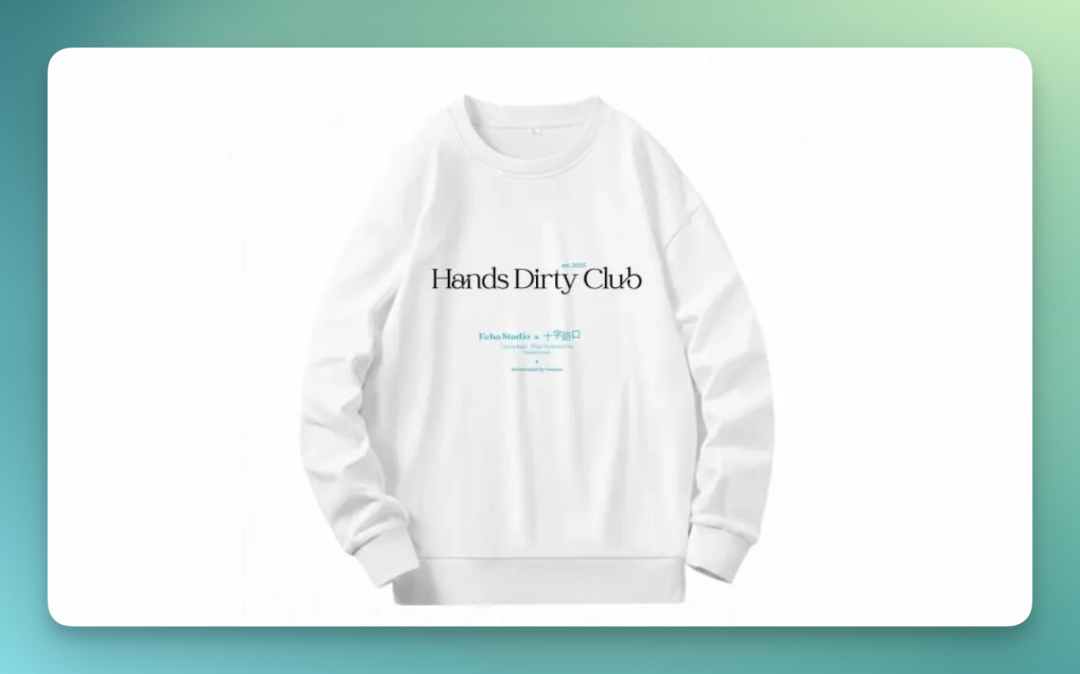
"Get Your Hands Dirty" in the AI era means don't just watch from the sidelines, don't just talk.
Try it yourself. Build it yourself. Make it yourself.
In 2025, thank you for taking this year so seriously, together with Doubao and Crossing.
In 2026, keep going.