Entering the Game, 2026! Crossing AI Open Mic: 13 Speakers, Full Transcript

Turn ideas into products, turn curiosity into action.

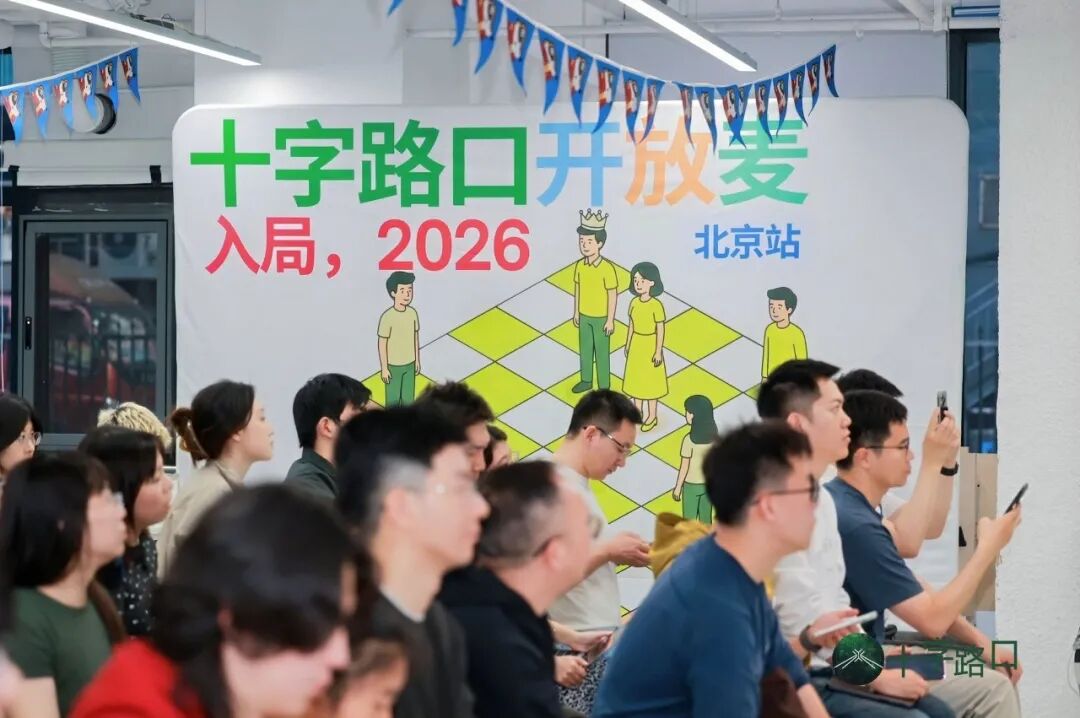
On April 26, 2026, Crossing held its 21st AI Open Mic in Beijing.
Open Mic is the signature format of Crossing's offline salons — 120 to 150 people in the room, with 10 to 15 friends taking the stage for 10 minutes each to share their AI products and thinking.
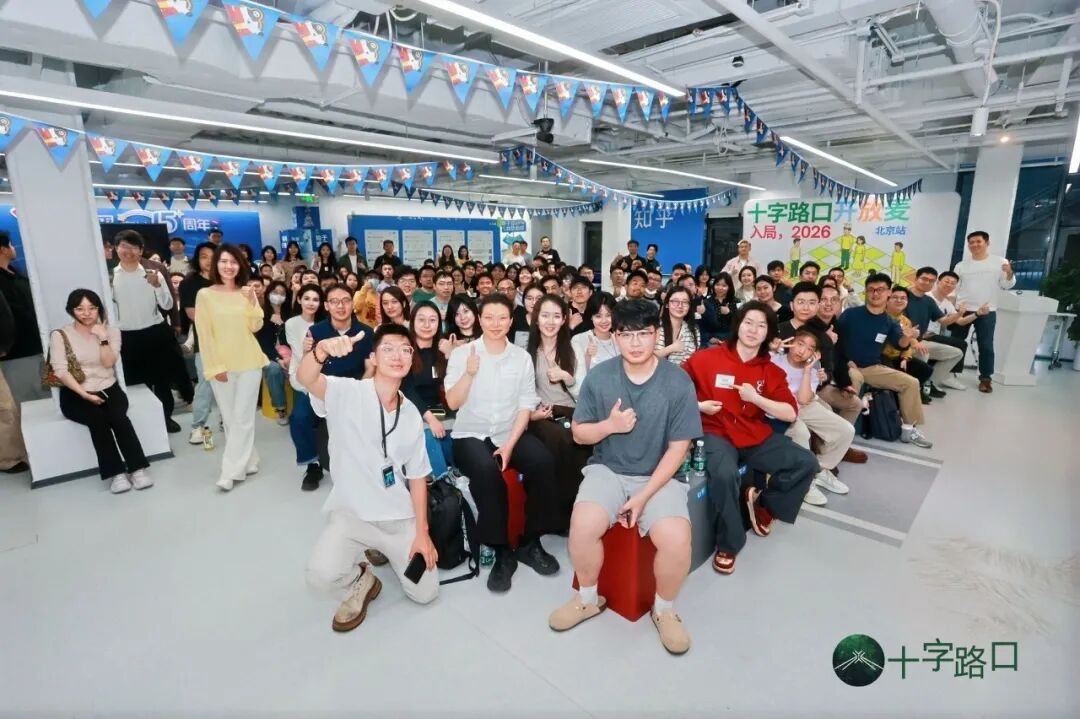
For this edition, we set the theme as "Entering the Game, 2026." Thirteen next-generation AI founders and active builders took the stage.
The interesting thing was, nine of the speakers used HTML-format slides — very AI Native indeed!
Juzi, Founder of ColaOS
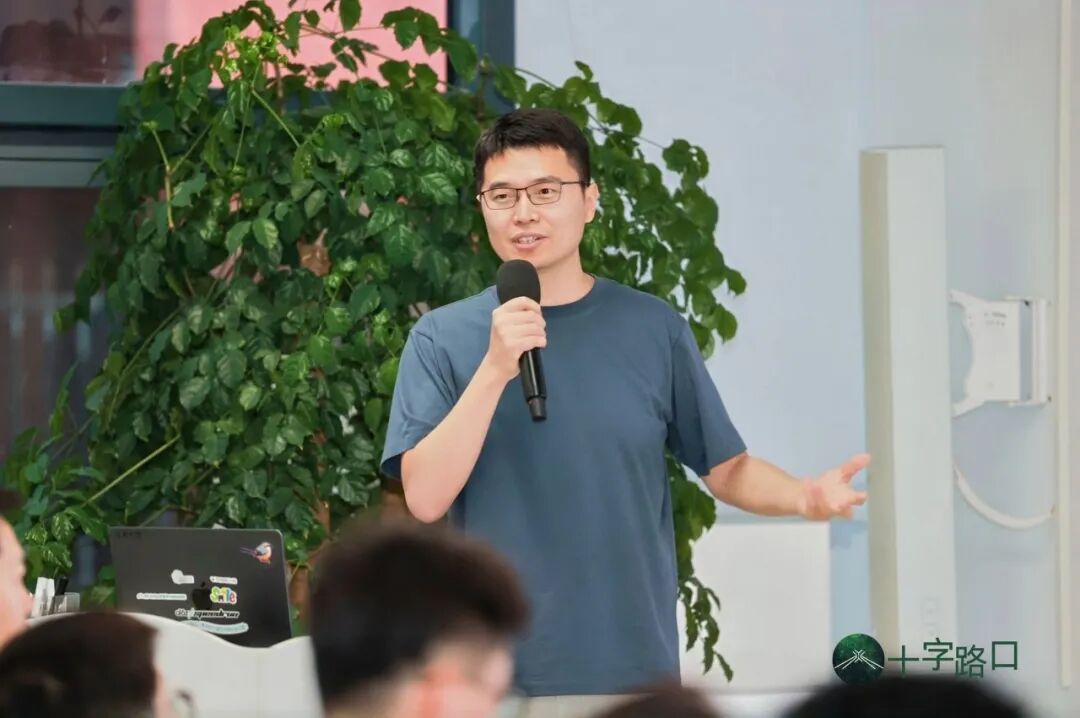
When Juzi took the stage, he used a deck built in ColaOS itself — the best product demo possible.
ColaOS's core thesis:
The internet has connected everything for 20 years, but it has never truly "understood" you.
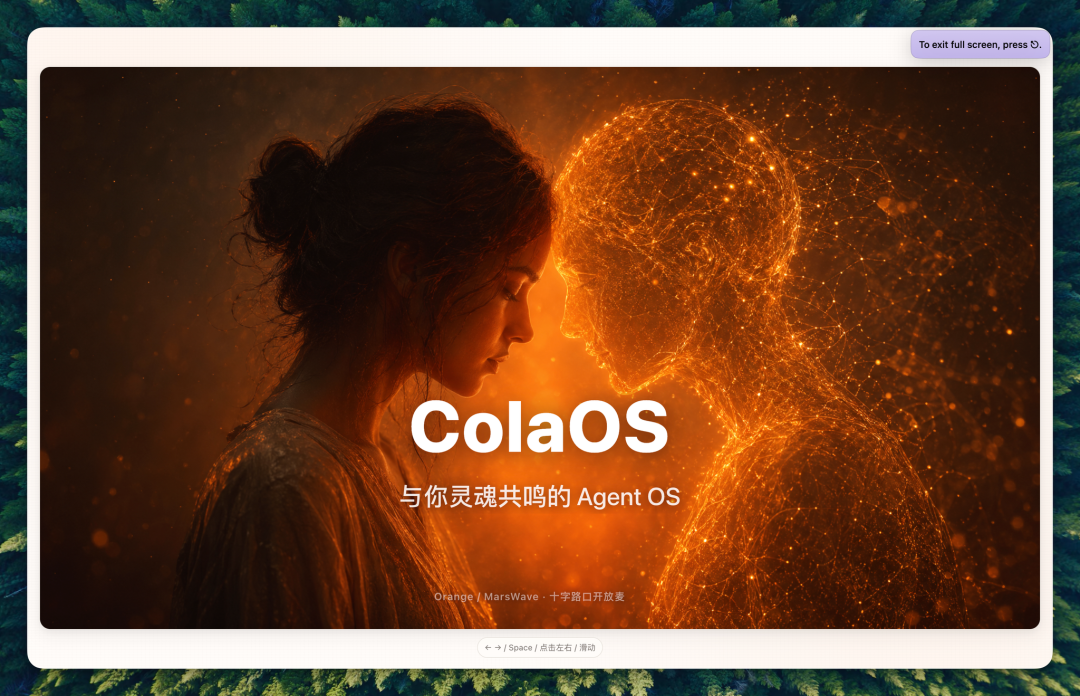
What Juzi believes the agent era needs is rebuilding trust between humans and agents — he calls this system the "Soul System," with four pillars: soul, interconnection protocol, natural interaction, and frictionless usage.
Bote, Founder of AirJelly
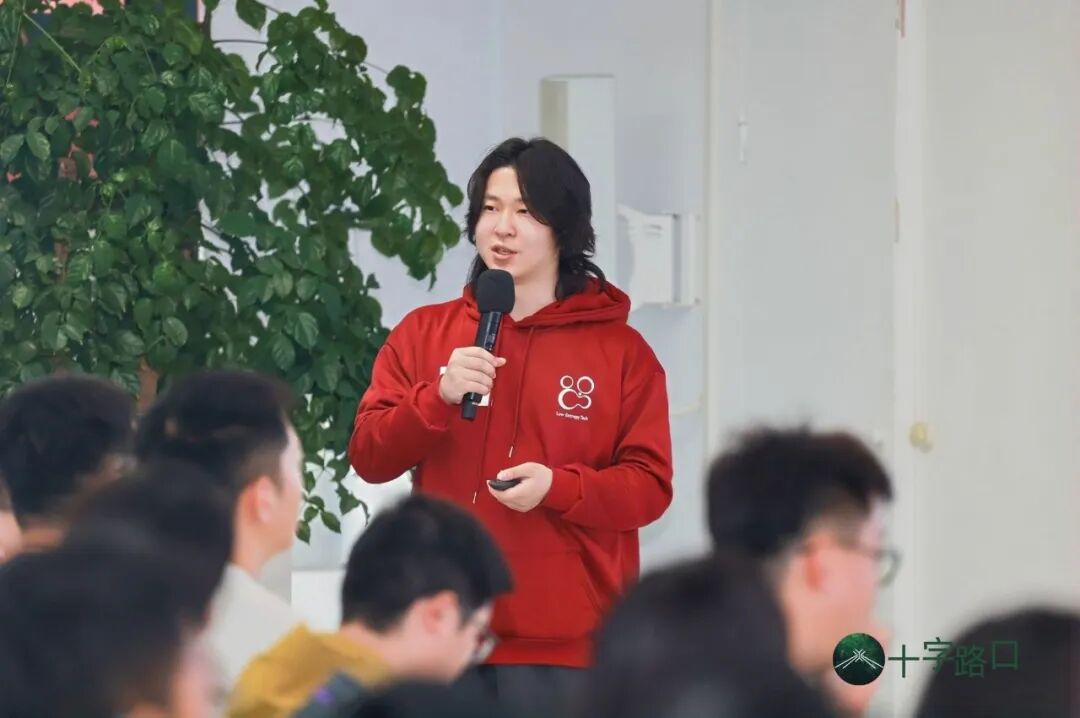
Born in 2002, raised millions within six months of graduating.
The secret isn't luck — it's a flywheel: find the right platform first, lead projects on it, build influence through those projects, then leverage that influence to reach the next better platform.

He built an open-source product at ByteDance that got thousands of stars in three months, raised his first round three months after leaving, and launched AirJelly in closed beta three months after that.
The iteration rhythm of the AI era is one milestone every three months — individuals and organizations alike should run at this pace.
His understanding of influence runs deeper than most: different strategies for different audiences, but rule zero is "authenticity" — showing different sides of yourself, not telling people what they want to hear.

He closed with his take on product direction: demand-driven is low-hanging fruit, tech-driven isn't a lasting moat, and the ideal is "vision-driven" — like Steve Jobs, first reasoning forward about what the future world should look like, then working backward to what technology and products are needed.
Zhang Zihe, Product Lead at VidMuse
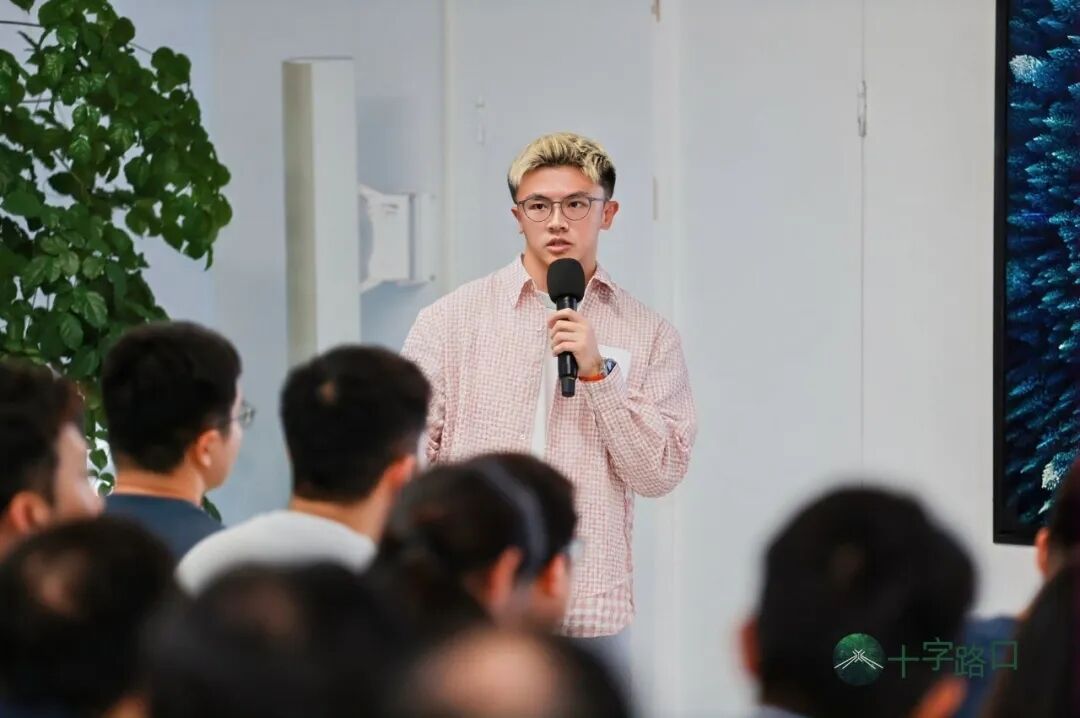
VidMuse has been running for six months, just crossed 10 million RMB in ARR, and growth recovered 30-40% after the 2.0 launch.
The single most important line:
Average videos don't get rewarded by platforms.
The problem with general-purpose video agents is right here — the tool list keeps growing, stability keeps dropping, tuning becomes a seesaw. Advertising and music video scenes — you can only tune for an average that fails both.
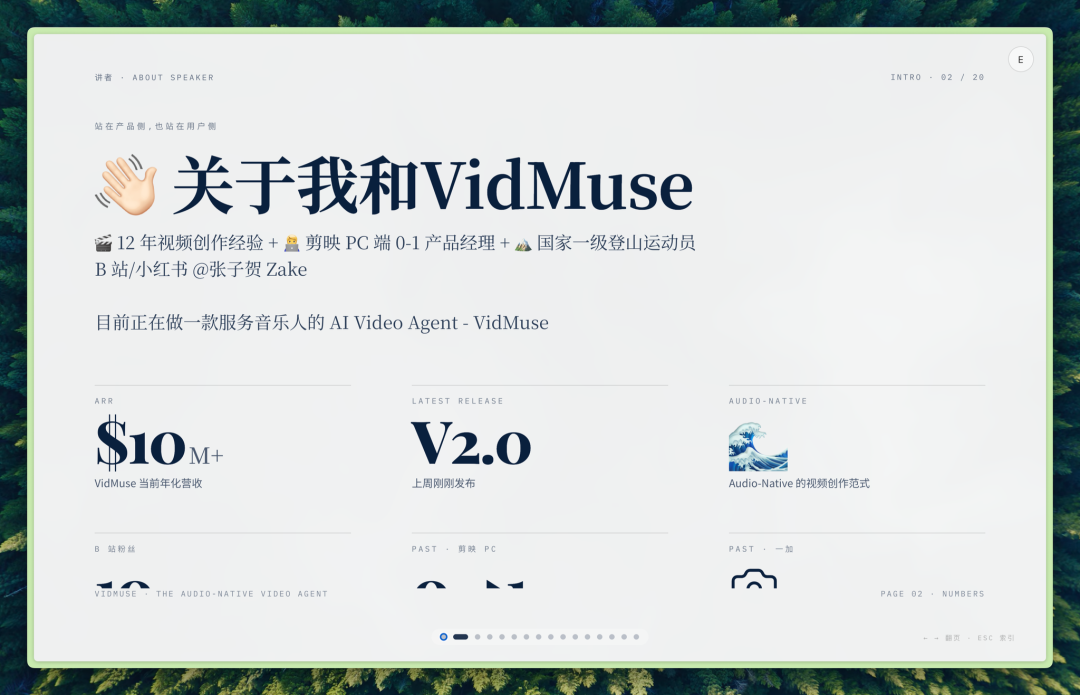
Their solution: abandon generality, use "music" as the skeleton driving video generation. Music has emotion, arcs, beat drops. Text and images are discrete single frames; only music is "alive." Another key move in 2.0: replacing tool stacking with a domain-specific language (DSL) for video, cutting the tool list from 90% down to just over a dozen atomic tools.

Now when a new format goes viral on Twitter, no development needed — drop the link into VidMuse, it dissects it and codes the corresponding tool itself, delivering the video users want.
Video is no longer a dead MP4, but "living source code" that can be continuously modified.
Han1, Founder of Antenna
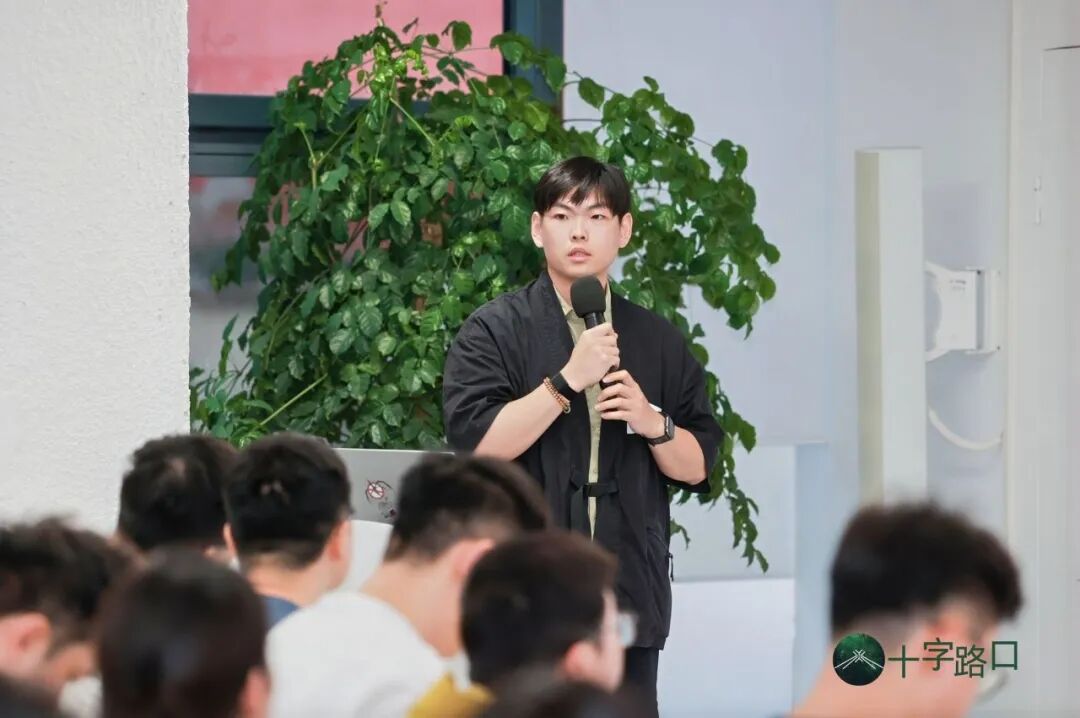
Han1 still has a day job; Antenna is his side project — but the idea itself is clean.
His starting point is real: he connected all his diaries, work info, social media, health data, and GPS to his own agent, spending 10+ hours with it daily at peak during Spring Festival. But he found, the faster AI gets, the farther you drift from the real world.
People want to meet people not for efficiency, but to "be understood, be responded to, be witnessed."
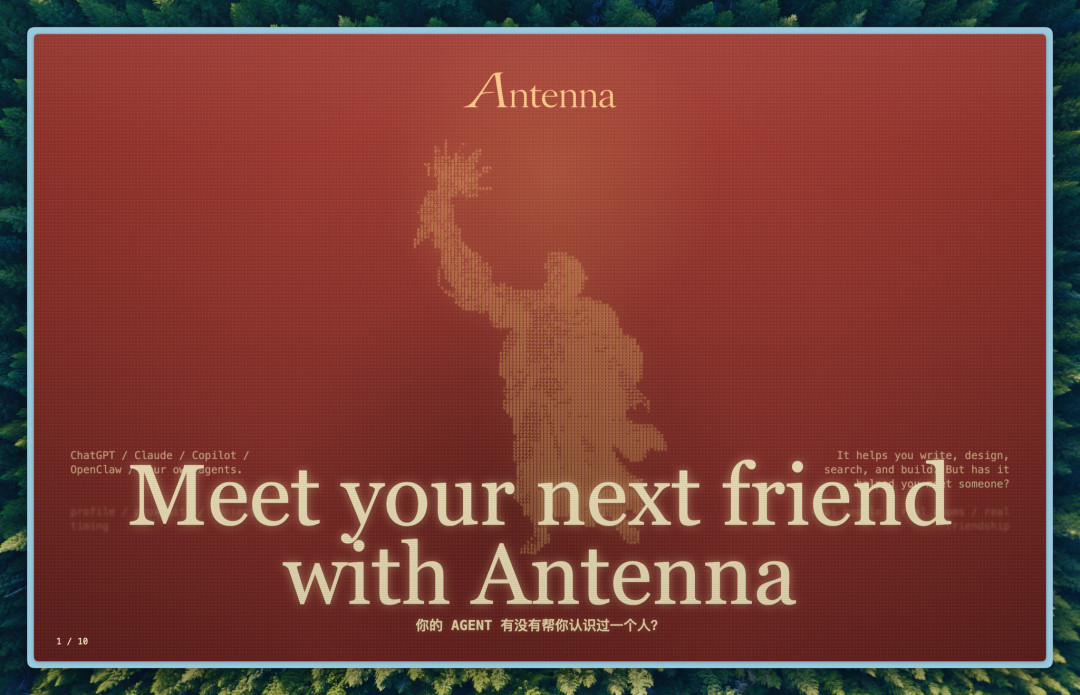
What Antenna does: let your agent scan the scene first, judge who's worth meeting, and only exchange contact info when both agents agree.
It's not a social app — it's infrastructure for agents. You don't install a new app; a few configurations plug into your existing agent.

Today's Open Mic itself is a demo scenario.
Liu Xiaopai, Founder of Raphael AI
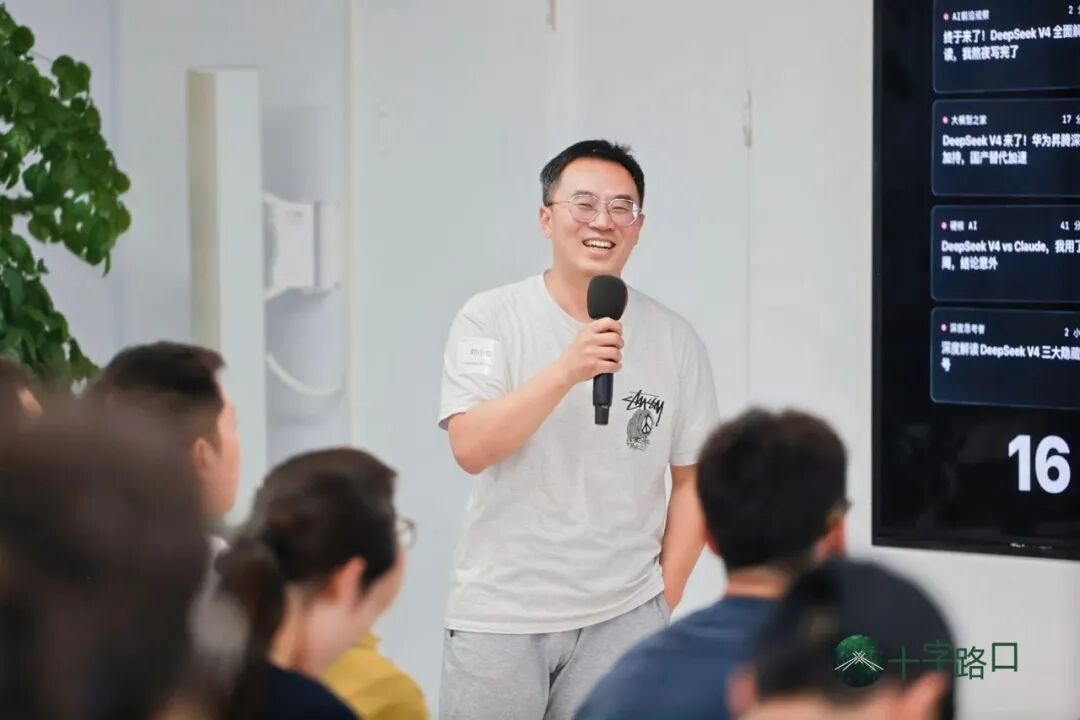
Liu Xiaopai opened with:
Let me talk about how much AI influencers piss me off.
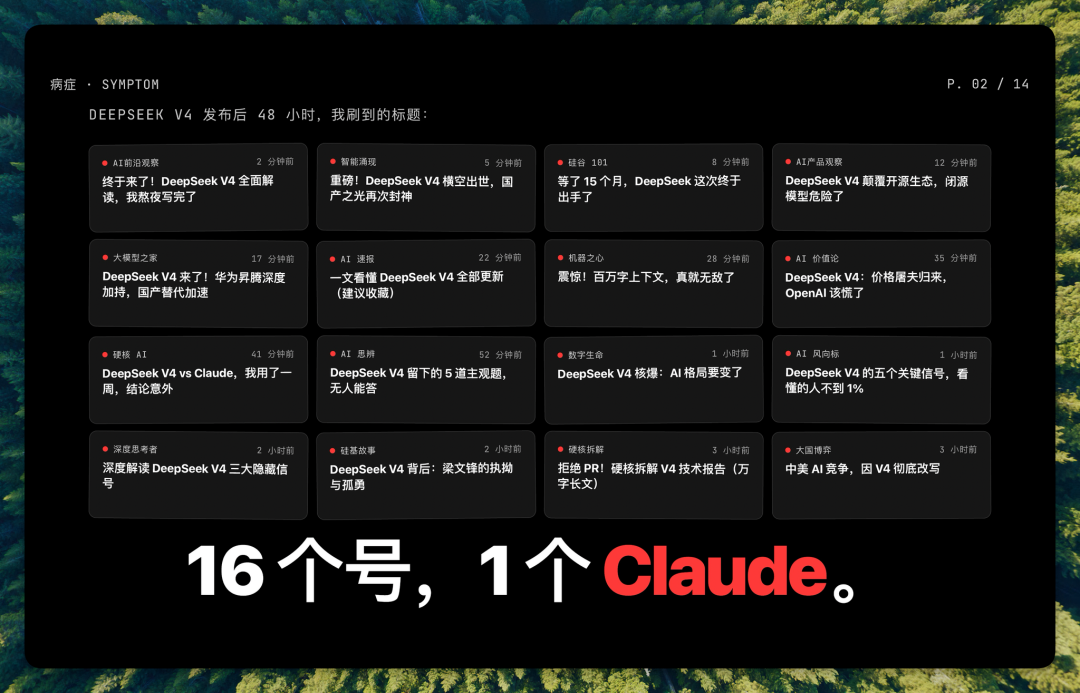
His take: people whose main job is content creation, who immediately drop a "I read the DeepSeek tech report for you" post — they create little value for the world, because they're drawing from the same pool, not creating. A hundred AI influencers aren't worth one builder.
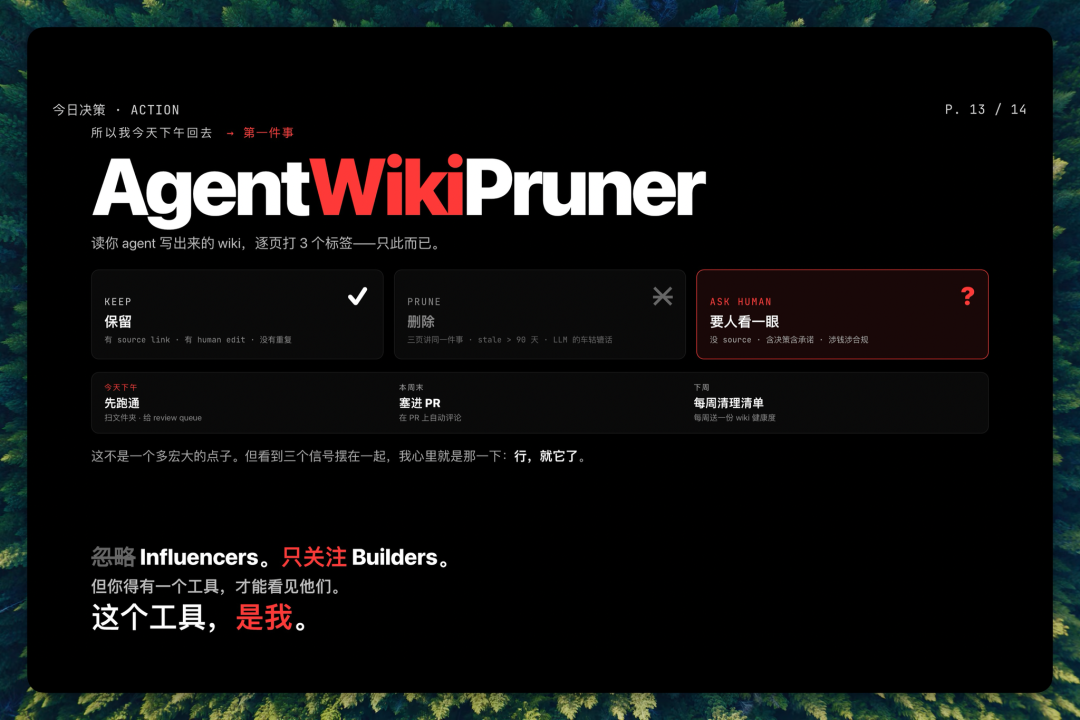
His own solution: plug 20+ data sources into OpenClaw, let it filter information with his questions and preferences — not telling him what's trending today, but "if you have two hours for a side project, what do you suggest I do? Why?" Generates a daily report in his voice, open-sourced as BuilderPulse (builderpulse.ai), now with ~1,000+ followers.
In this era, be a builder first, do content on the side — not the other way around.
Tina, Startup Account Manager at Google Cloud
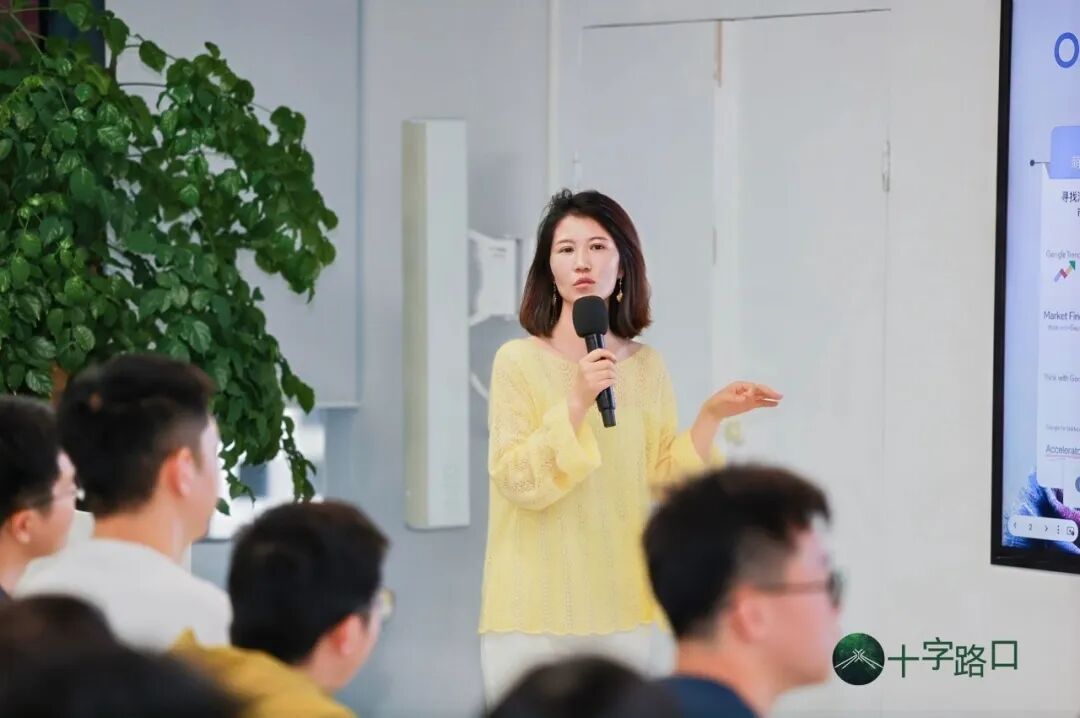
Tina, from Google Cloud's startup ecosystem team, brought several highly practical notes.
One pitfall many don't know: AI Studio is fine for MVPs, but for production you must switch to Vertex AI — otherwise concurrency is insufficient, and there's no SLA. "Still on AI Studio a year into the business" — she said this is among the most common problems she's seen.
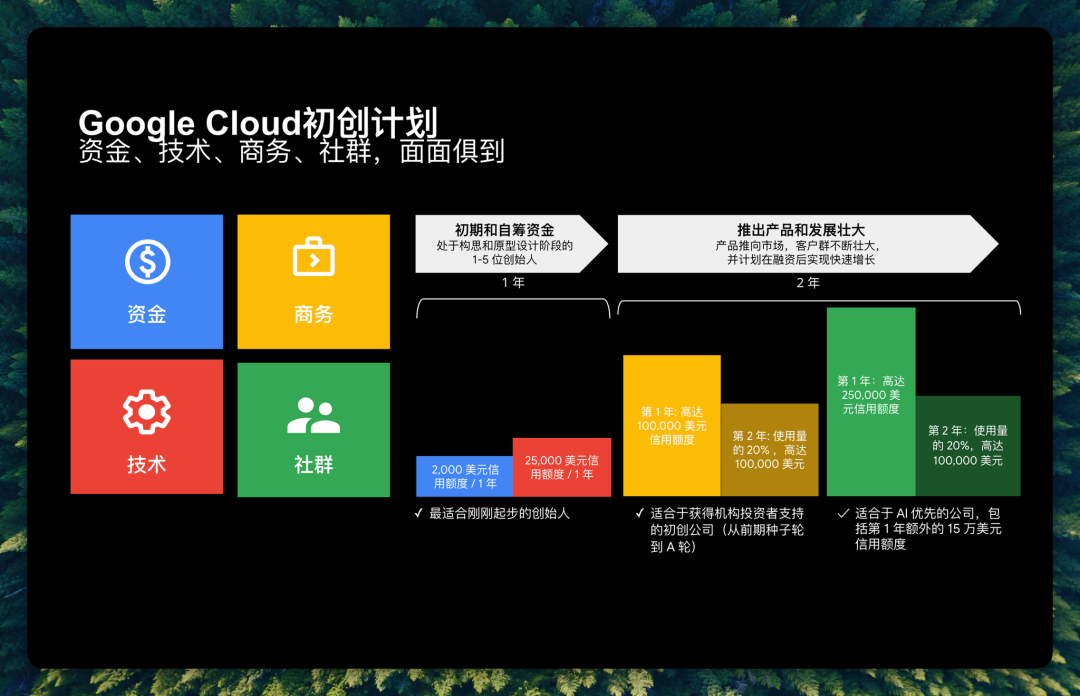
Google's accelerator application deadline is mid-June this year; SaaS startups can get up to $350,000 in credits.
In June there will also be a short drama and anime-focused session, with half-day slots opening to tool providers for the first time — direct access to top platform decision-makers.
Tang Ni, Head of Data Product Commercialization at Zhihu
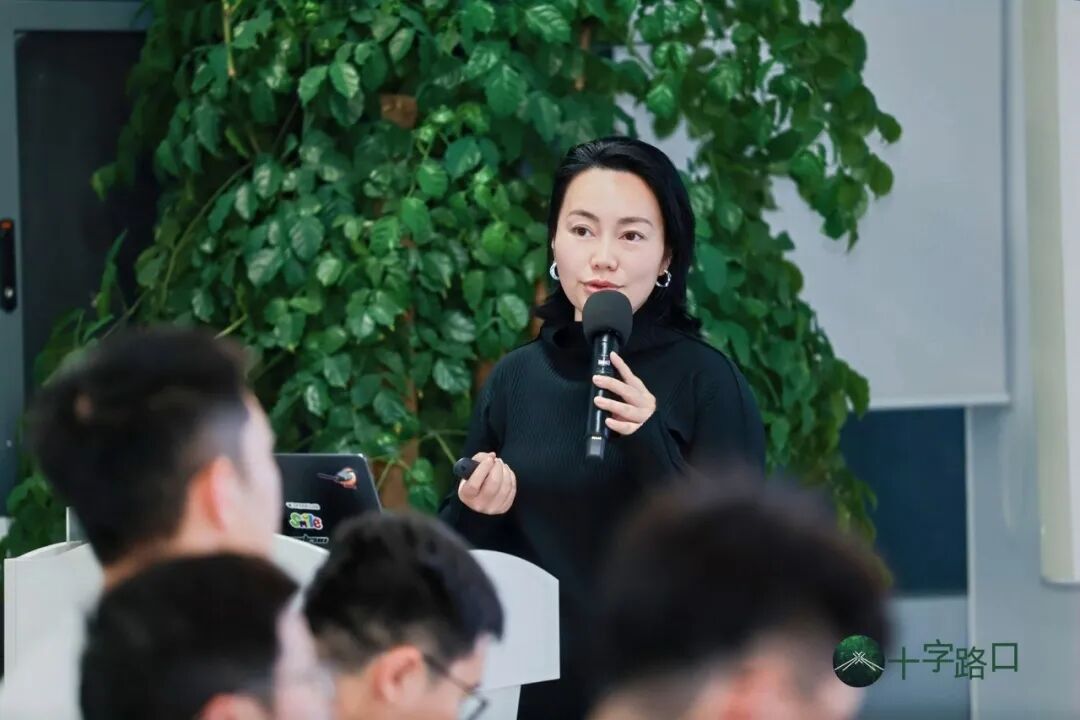
Tang Ni has worked on AI search and deep research. He came to Zhihu because he found one problem:
What AI lacks is the layer of genuine human experience.
You ask AI "my puppy threw up, what do I do," "is the AI PM path viable," "what's the real profit margin in cross-border e-commerce" — the answers aren't in papers, not in SEO-optimized web pages. They're on Zhihu. In answers from people who've written for ten years, from people who've actually lived through it.
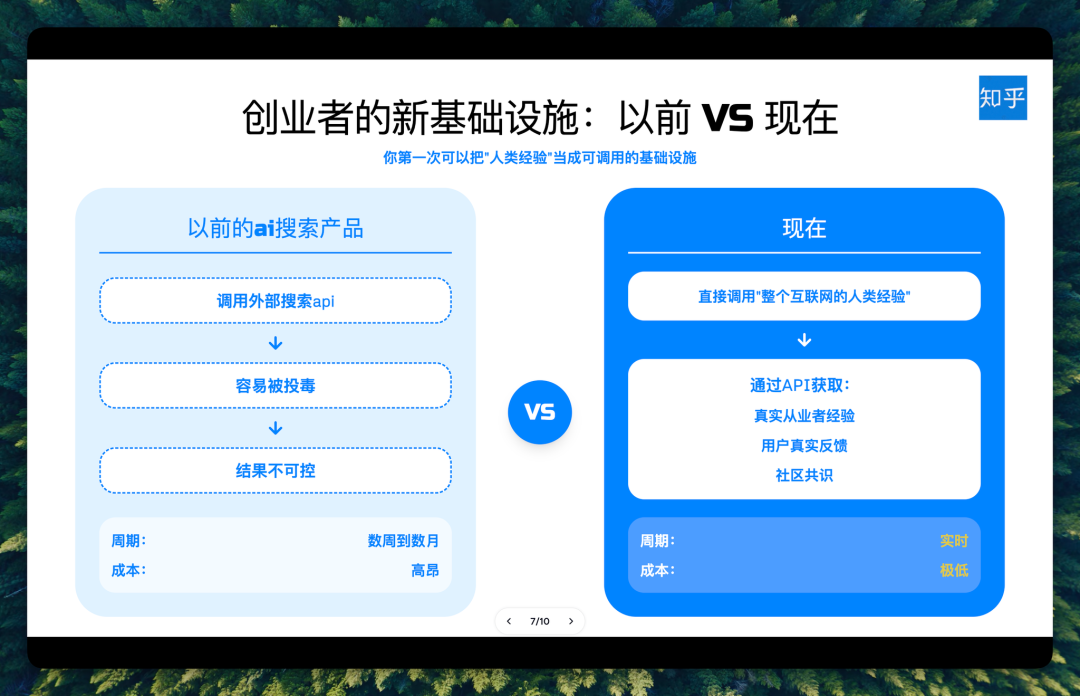
Zhihu is now officially opening APIs and MCP, letting agents tap into this layer of human experiential data.
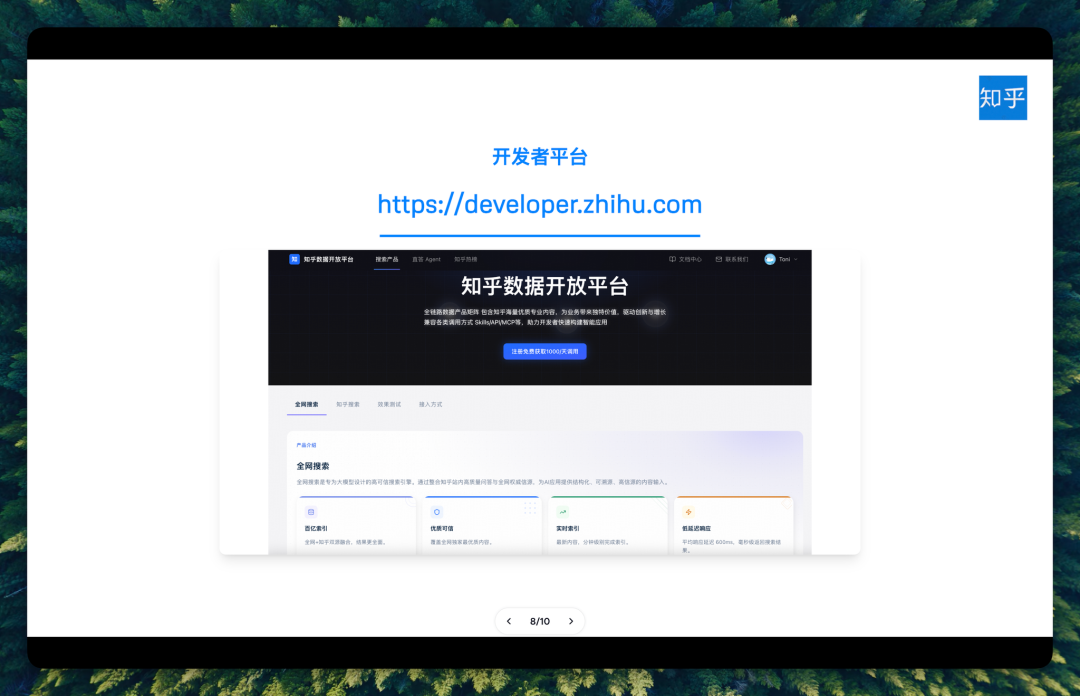
He also shared a go-to-market observation: the biggest problem with many AI products now is they keep talking features, but 80% of ordinary users can't even perceive them. What actually works is deep scenario focus + massive exposure — he cited an agent product that hit 400 million impressions and millions in monthly revenue.
Fu Peng, Partner at Haiwen & Partners
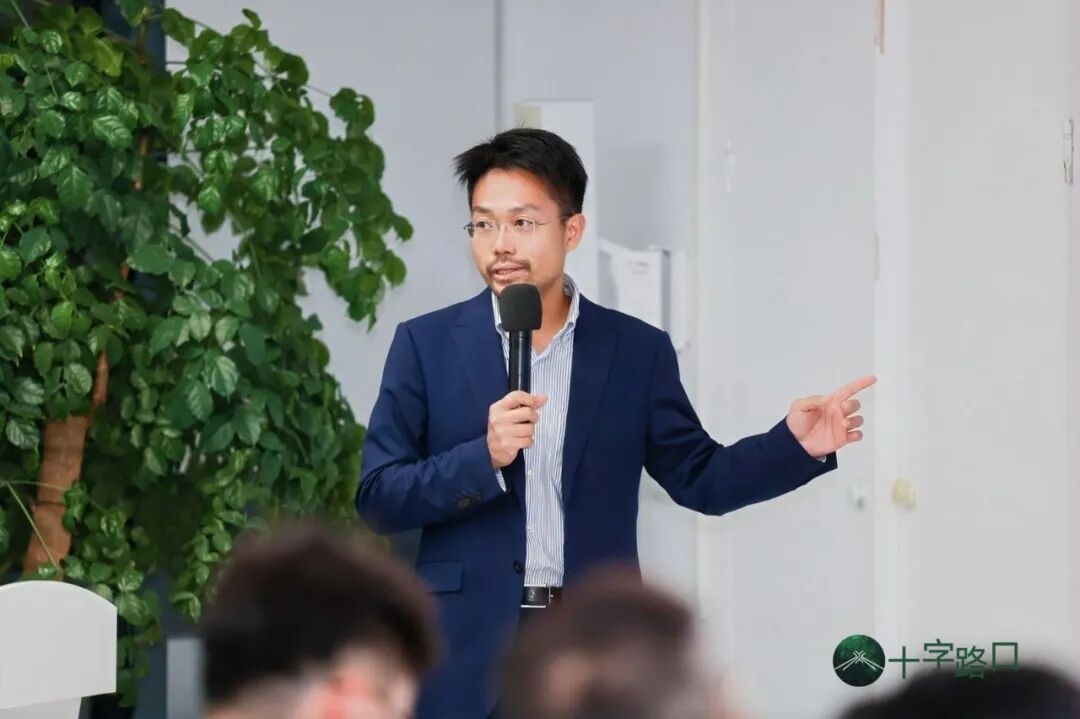
Fu Peng, who wrote the first privacy policy and user agreement for a leading AI product, delivered a talk on three legal domains AI founders must watch, using a "hand-crafted old-school PPT."
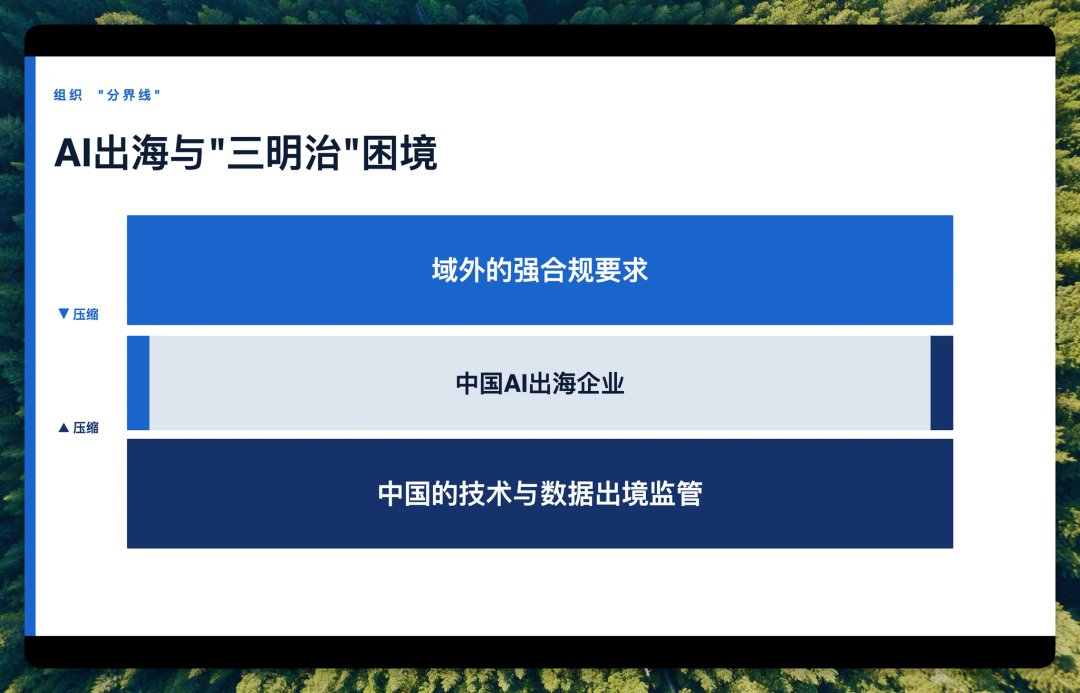
Corporate level: the red-chip structure is entering twilight; for IPO considerations, AI companies should mainly consider domestic structures. Companies going overseas face a "sandwich dilemma" — Chinese tech export and data outbound regulations on one side, GDPR and EO14117 compliance on the other, both demanding attention.

Team level: avoid completely even splits like 50/50, better to have deliberate imbalance; AI companies need larger ESOP pools than before; university tech transfer must clarify IP ownership first; non-competes need special attention in the current AI talent war.
Product level: training data collection needs care and boundaries; algorithm filing + large model launch filing are mandatory before going live in China, the process now takes several months, plan ahead; copyright boundaries for AI-generated content are being drawn through a series of Chinese cases.
Qin Rui, Founder of BISHENG and Clawith Qin Rui's previous project, BISHENG, served large B-market AI to hundreds of enterprise clients with tens of millions in revenue. He shared a real shift seen from frontline service.

In 2023, every company's IT was excited, buying compute, doing transformation — but two years passed without remarkable results. By 2025-26, major clients no longer let IT lead AI transformation —
It must be the business unit head, even the chairman themselves with sufficient conviction and boldness, to truly produce effects at the business level.
The more viable path now seen: not retrofitting existing business lines, but from a business innovation angle, spinning out a small team to build new product lines in a more AI-native way. He himself validated this with an internal product built by 2-3 people in one week.
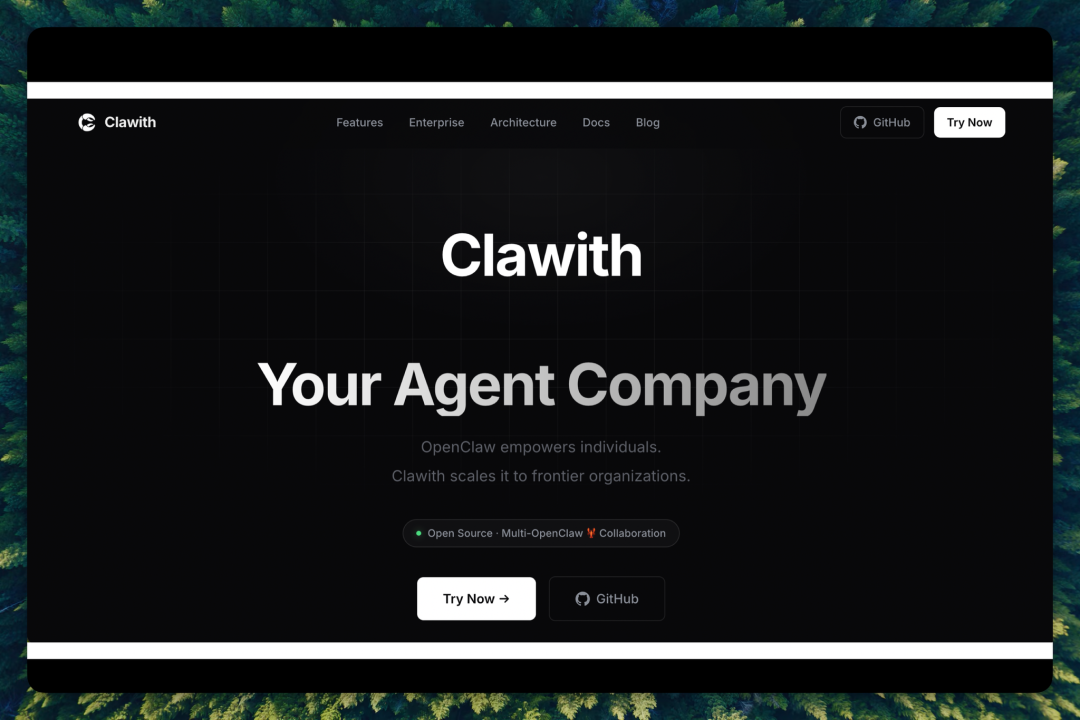
His new project, Clawith, aims to build a management system for "agent companies" — if agents are first-class citizens in future companies, they need OKRs, organizational context, and collaboration mechanisms between agents.
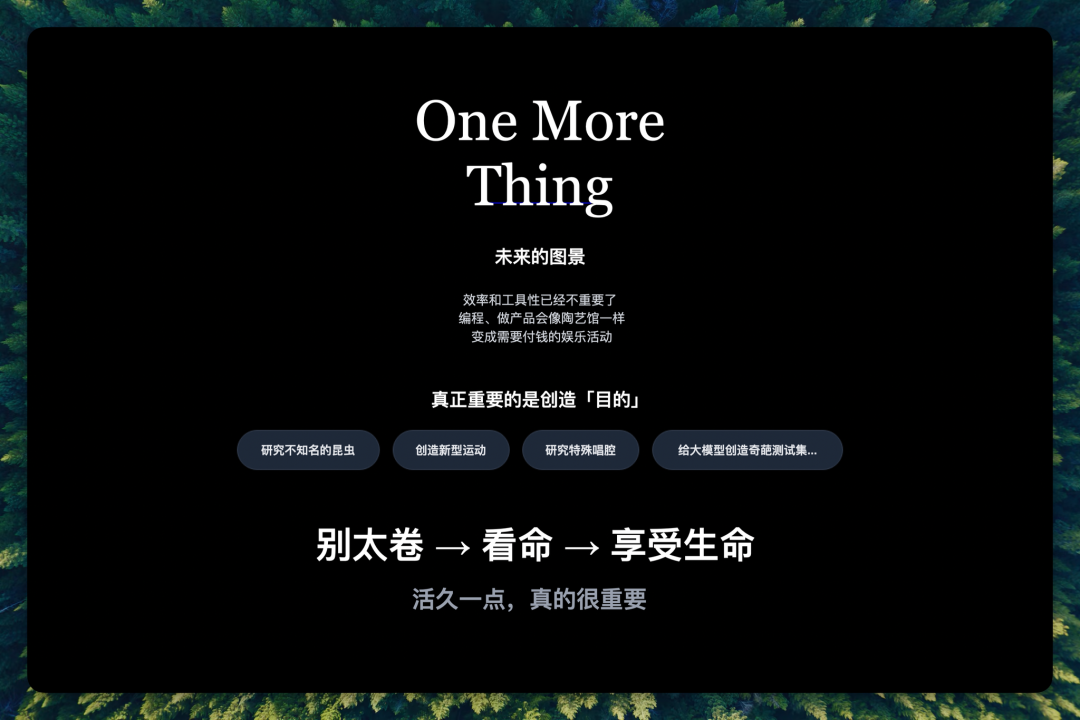
Qin Rui's one more thing: efficiency and tool-ness no longer matter, programming and building products will become paid entertainment like pottery studios. So what truly matters is the purpose of creation.
Li Mu, Founder of Lokuma.ai[1]
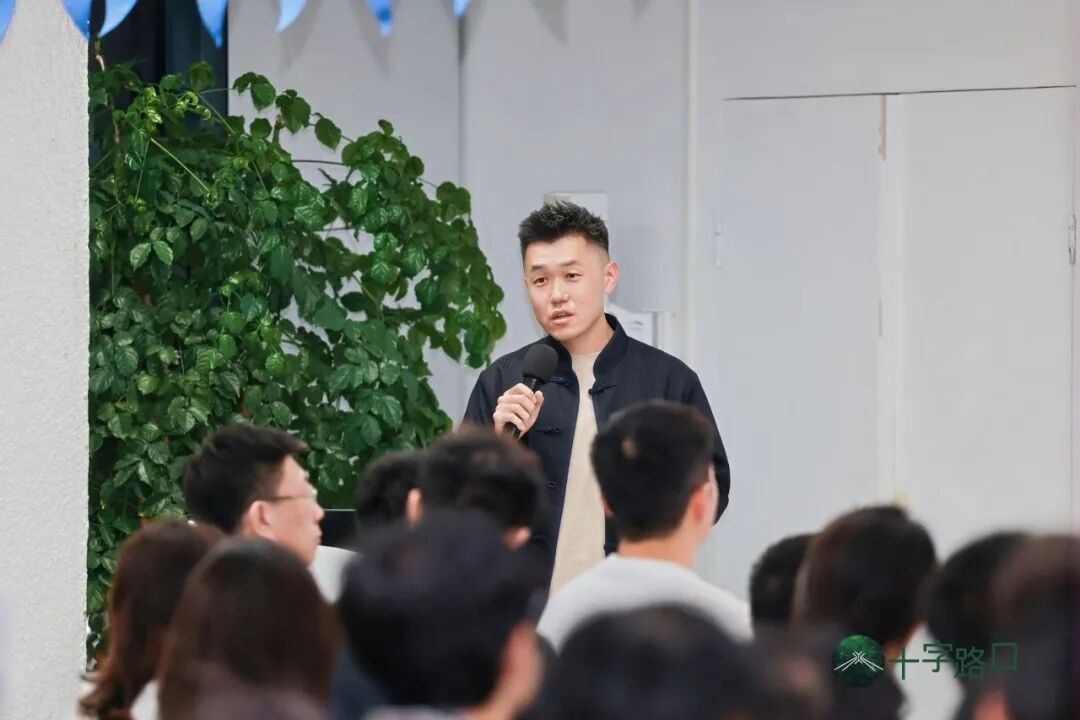
Li Mu's share can be summed in one sentence:
AI's biggest problem isn't ugliness — it's averageness.
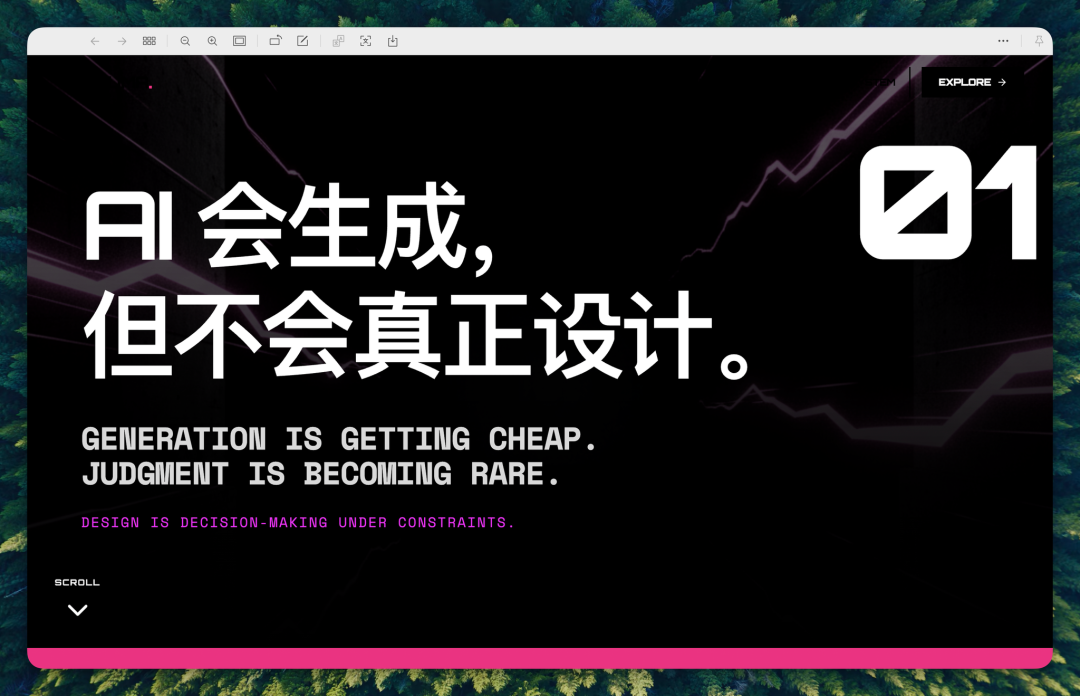
The reward model of large models makes them always choose the most average correct answer, because it's safest. But design isn't "correct" — design is "fitting": what felt good this morning may not tonight; your definition of good design and mine were never the same. Precisely because there's no fixed reward model, design is the truly hard problem in the AI era.
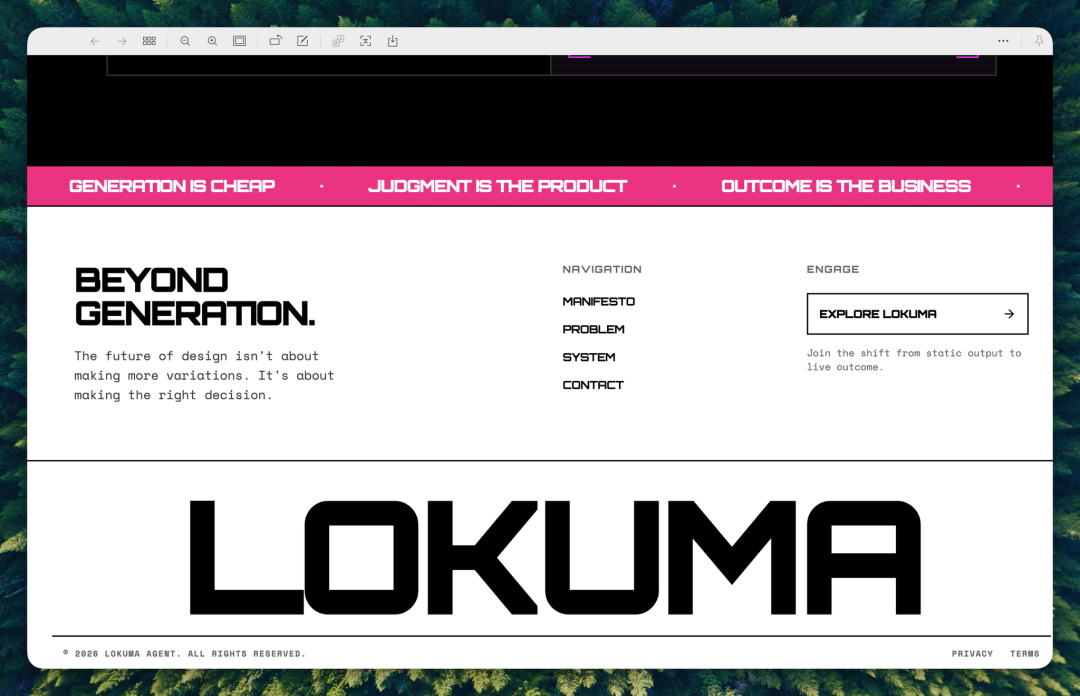
He quoted "good artists copy, great artists steal": AI isn't learning the templates you feed it, it's stealing the entire design process.
What Lokuma wants to build is the "design intelligence layer" for the AI era — not just tools for professional designers, but directly callable by agents, letting ordinary people without big-tech training make good design.
Zhang Zhicheng, Technical Director at Xiaosu Technology
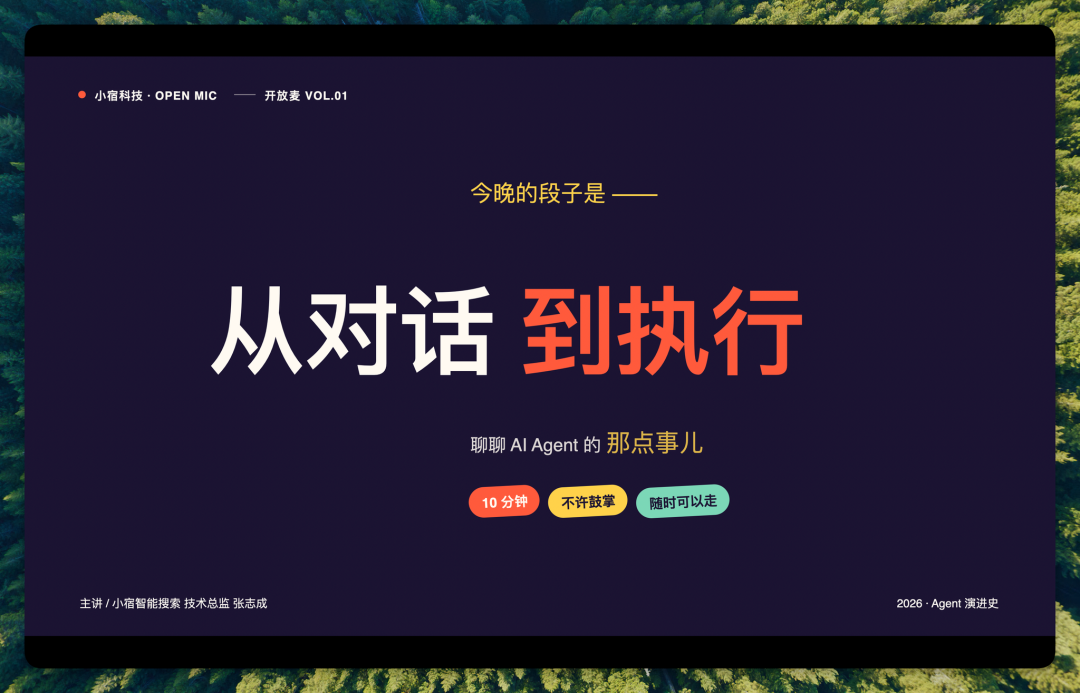
Zhang Zhicheng's style was telling jokes, but the conclusion was clear:
Agents don't lack brains — they lack eyes and hands.
He reconstructed a scenario: you ask an agent for USD exchange rates, it gives you 2019 data; you ask it to book a flight, it gives you a fictional flight number. Three problems — hallucination-prone, living in the past, only able to flip through what's already in its head.
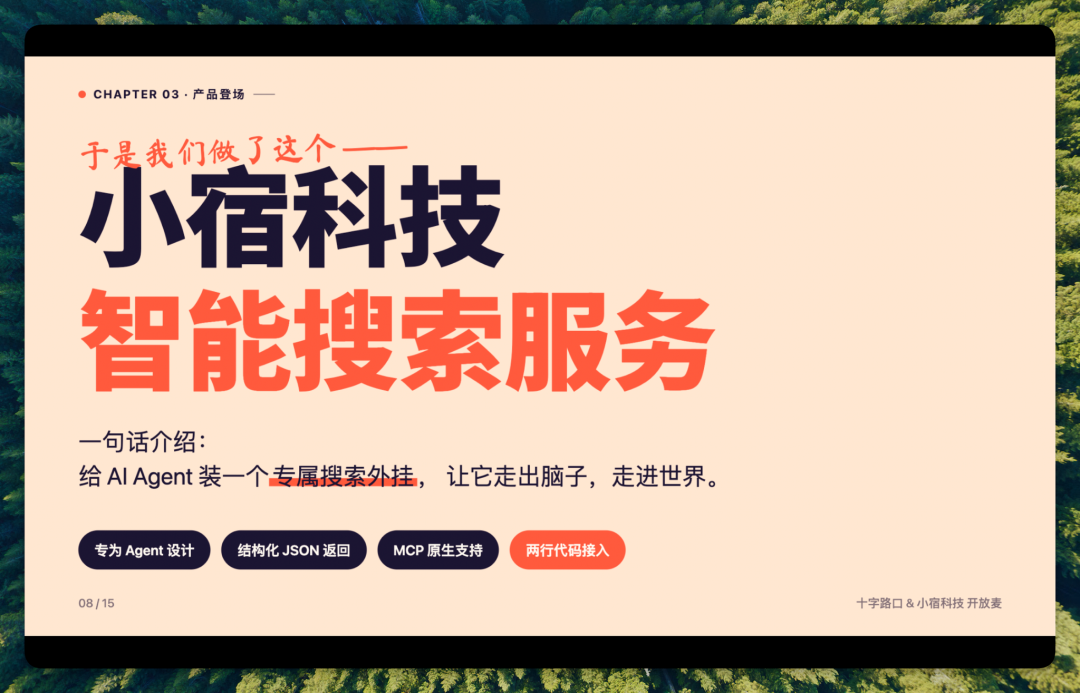
What Xiaosu Intelligent Search does is give agents real-time perception: 1,000+ QPS per user, sub-second response latency, three-nines SLA, 35 languages, 80+ countries, returning highly relevant snippets that directly reduce token consumption. Integration code shorter than a PPT title, MCP protocol supported.
Conversation is the entry point — execution is where value lies.
Jiang Zhiyu, Brand Lead at Moxt
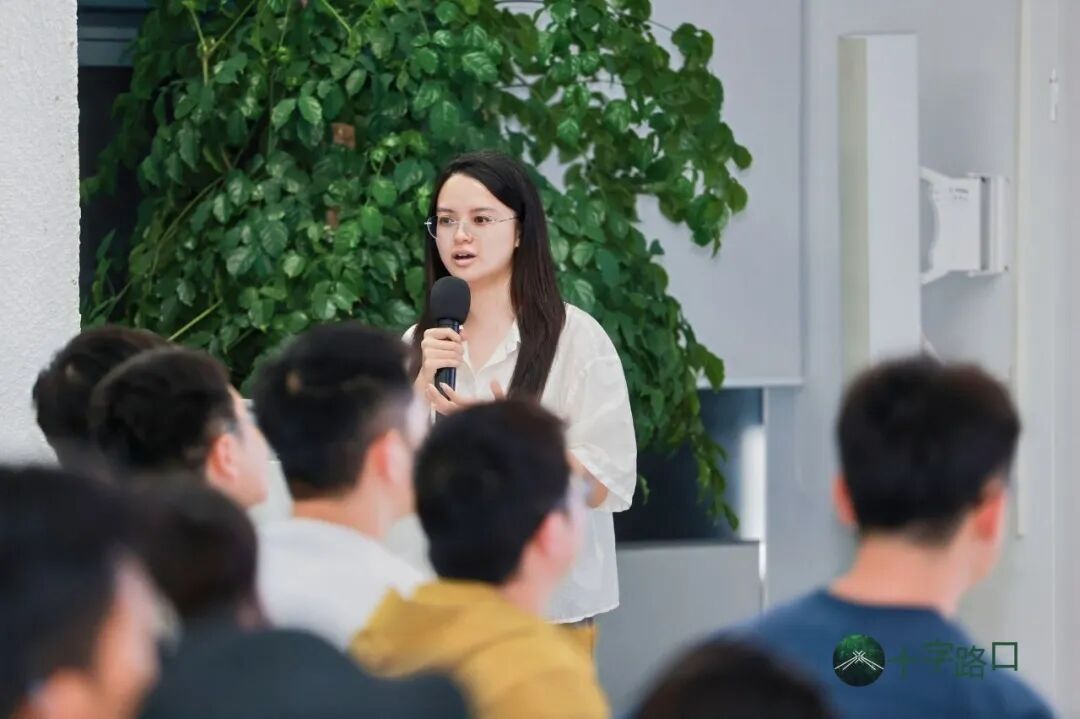
The final speaker, Jiang Zhiyu, announced she would do a "thesis defense" — the thesis co-written with Moxt, titled:
GitHub Is Becoming Xiaohongshu for AI Startups.

Her argument has three layers. First, semantic drift: the meaning of "star" has degraded from "I used this and it worked well" to "this story excites me," with buying stars on Idle Fish being the last straw. Second, credibility arbitrage: GitHub carries natural technical credibility premium; founders turn readmes into landing pages, rapidly accumulating stars through hot-topic narratives, then recycling them on X and domestic platforms.
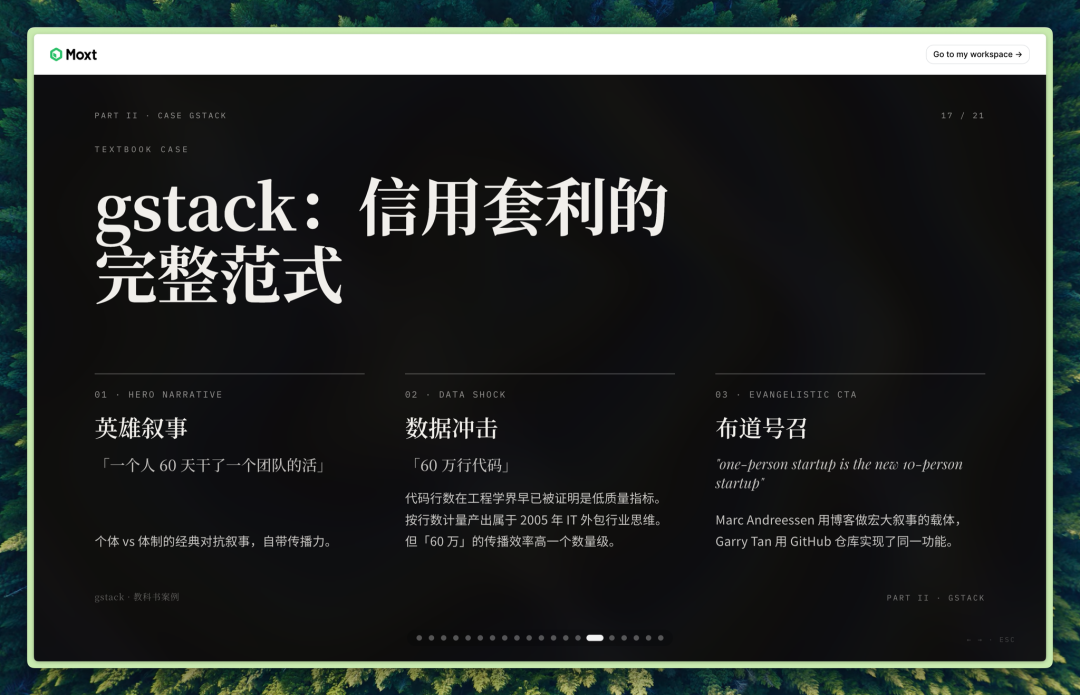
Garry Tan's g-star project is, in her view, the most complete example of this paradigm — hero narrative + 600,000 lines of code as data shock + YC endorsement. Regardless of whether the product is actually good, the public endorsement is already in place. Third, metric inflation: when stars no longer mean "works well," the entire evaluation system breaks down.
She closed with: Because GitHub is her favorite platform, she can't stand seeing it become this way most of all.
Thesis defense complete. As for the final conclusion, she didn't give one — she said welcome to be her "3rd or 4th author" to continue writing. Why no 2nd author? Because 2nd author is her product, Moxt.
🚥 Turn opinions into products, turn curiosity into action, turn uncertainty into direction for the next iteration.
At the next AI Open Mic, bring your questions, your demo, and the answers you want to test with your own hands — see you there!
Crossing has held 21 AI Open Mics, with over 200 next-generation AI founders and active builders contributing remarkable shares.
Next AI Open Mic
May 24
Shanghai AI Hacker House
↓Scan to register in advance↓