First Look: ByteDance's Lark 2.0 — Can AI Really Clone Viral Hits?

AI creative agents are taking over what used to be the most time-consuming parts of the work.
AI creative agents are taking over the most time-consuming parts of the workflow.

👦🏻 Author: Jingshan
🥷 Editor: Koji
🧑🎨 Layout: NCon

In the world of traffic and content, there's an unspoken rule that everyone kind of just gets:
The fastest way for ordinary people to build an audience usually isn't "sitting there brainstorming ideas from scratch" — it's learning how viral hits work first.
All that high-quality content you scroll past — Li Baini, Daxiang Observatory — they look completely different on the surface, but underneath they all run on narrative logic and structure that can be broken down and learned.
In theory, the first step for any new creator should be replicating these "proven formulas." But here's the problem: most people can't even figure out why something went viral, let alone copy it.
Sure, you can feel when a video "just flows, hits different, is packed with memes." But ask yourself to reverse-engineer it and you freeze up:
What hook did they use in the first three seconds?
Was the turning point in the pacing of the copy, or a cut in the footage?
Why does the storytelling feel so smooth? How do the camera movements land so precisely?
These aren't things you pick up from watching a couple tutorials. And when you actually open Premiere or After Effects and stare at timelines, masks, effects, and transitions — you're out.
This massive gap has created a very real, very urgent need:
Using AI to break down the structural logic of viral content, then automatically recreate its editing style.
🚥
Yesterday, ByteDance's AI creative product Xiaoyunque quietly rolled out its 2.0 update.
Rather than piling on more "text-to-video" effects and image quality like other tools, it zeroed in on a genuine pain point for creators and introduced a fresh concept: "viral replication."
The goal was to externalize this "professional intuition" into a tool beginners could use directly: no editing experience required, no knowledge of cinematography — just AI capturing the rhythm and structure of what works.
For creators who can already analyze pacing and craft original expression, tools like Seedream, PixVerse, and image-to-video are the more natural fit.
These two types of needs share something in common:
AI Creative Agents Are Taking Over the Most Time-Consuming Parts
Making short videos used to literally mean "making videos." Now with these AI creative agents, it feels more like "crafting the concept."
Because the old workflow was brutal: scrolling through dozens of viral hits, deconstructing their structure, studying the copy, internalizing the rhythm, then opening your editing software and piecing it together frame by frame.
After all that, you'd still second-guess yourself: "Did I get this right? Why did this one blow up?"
But 2024–2025 is clearly different: AI is starting to handle the messiest, most tedious, most time-consuming parts.
First, AI can actually "read" video now.
We're seeing a flood of "omni-modal models" and impressive image editing tools hit the market — Seedream 4.0 and others. They can understand visuals, audio, pacing, turning points, even break a video down into clear logical structures.
Figuring out why a video went viral used to be pure accumulated experience:
When does it pivot? When does the punchline land? Why cut here?
You had to watch and practice endlessly before taste slowly developed.
Now models just break it down for you, stripping a video down to its skeleton.
This means shifting from "making content on intuition" to "making content through structured thinking." Especially friendly for new creators.
Also, the old "AI video generation" could make anything, but nothing particularly well.
Now models are developing vertical specializations: educational content, marketing videos, music videos. It's becoming a "content-type-aware creative agent."
Against this industry backdrop, Xiaoyunque 2.0 feels like a manifestation of this shift.
Here's what we found in our hands-on testing.
Xiaoyunque 2.0: What Can a "Short Video Agent" Do?
Viral Replication ① Anime Version of "Isn't This a P Exit?"
A recent Douyin meme that's been everywhere: a guy picks up his girlfriend, she points at a parking lot and asks "Isn't this a P exit?" (meaning the parking "P" sign.)
So everyday, so relatable — the clip spawned countless versions, even a Crayon Shin-chan fan edit.
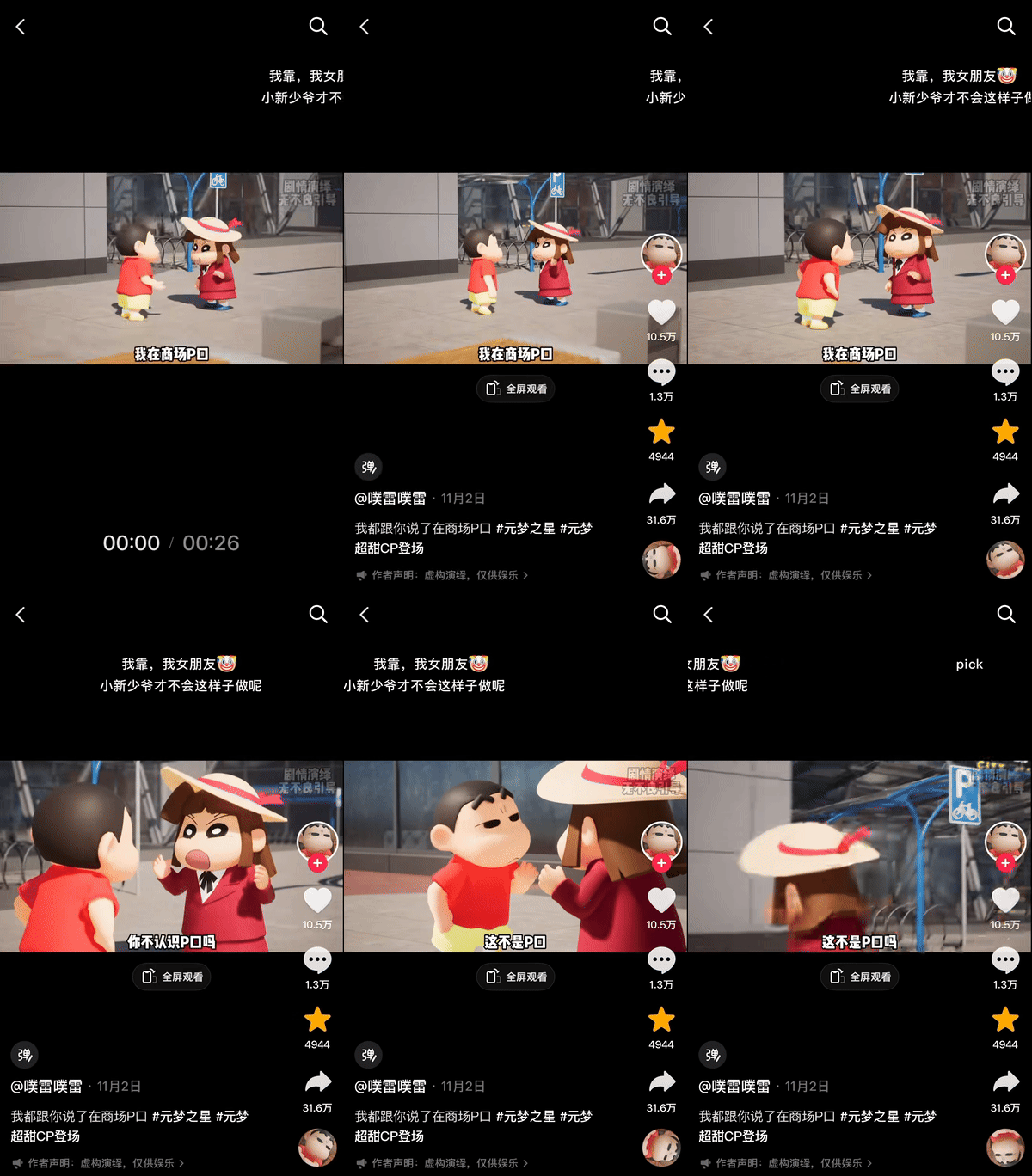
I wanted to test whether Xiaoyunque could directly replicate this kind of viral Douyin content.
I expected complexity — it's got memes, rhythm, character design, scene changes.
The actual workflow turned out shockingly simple.
You just copy the video link from Douyin, Toutiao, Xigua, or other platforms and paste it into Xiaoyunque's "Replicate Viral Video" entry point:
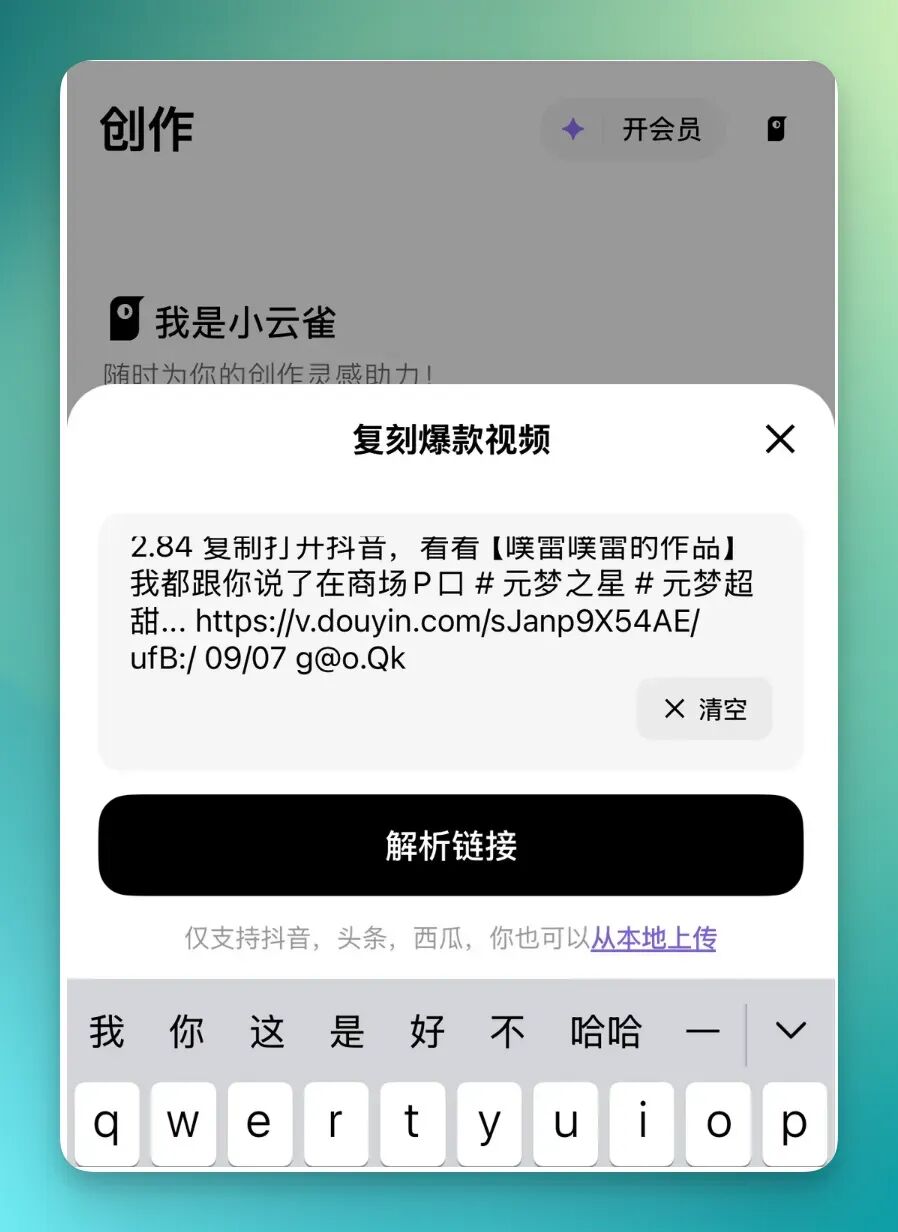
It automatically parses the original's structure, style, script, and key elements, then lets you set preferences — protagonist vibe, comedic vs. natural dialogue, music atmosphere.
After that, it generates a complete storyboard, not rigidly copying but reorganizing the original's rhythm, transition logic, and visual language into a replicable structure.
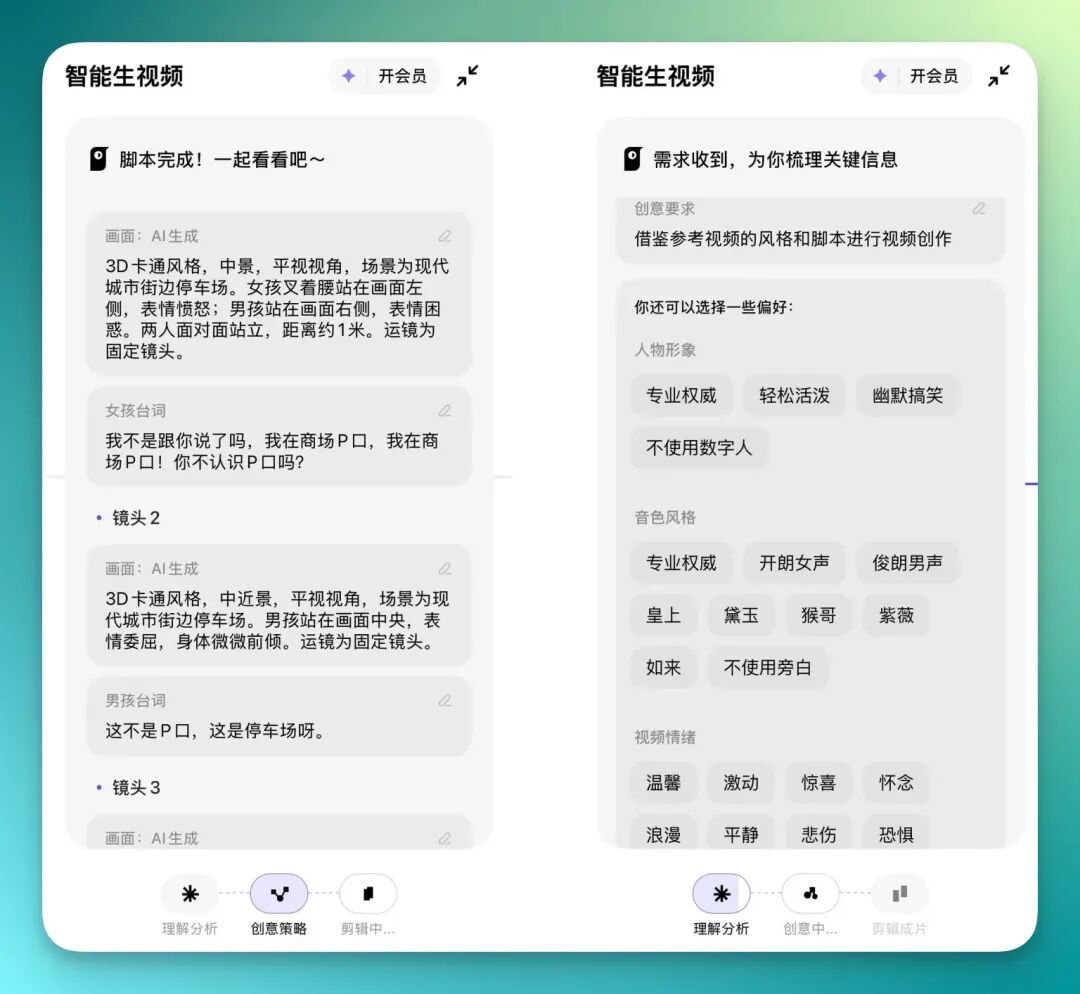
The entire workflow finished in under five minutes:
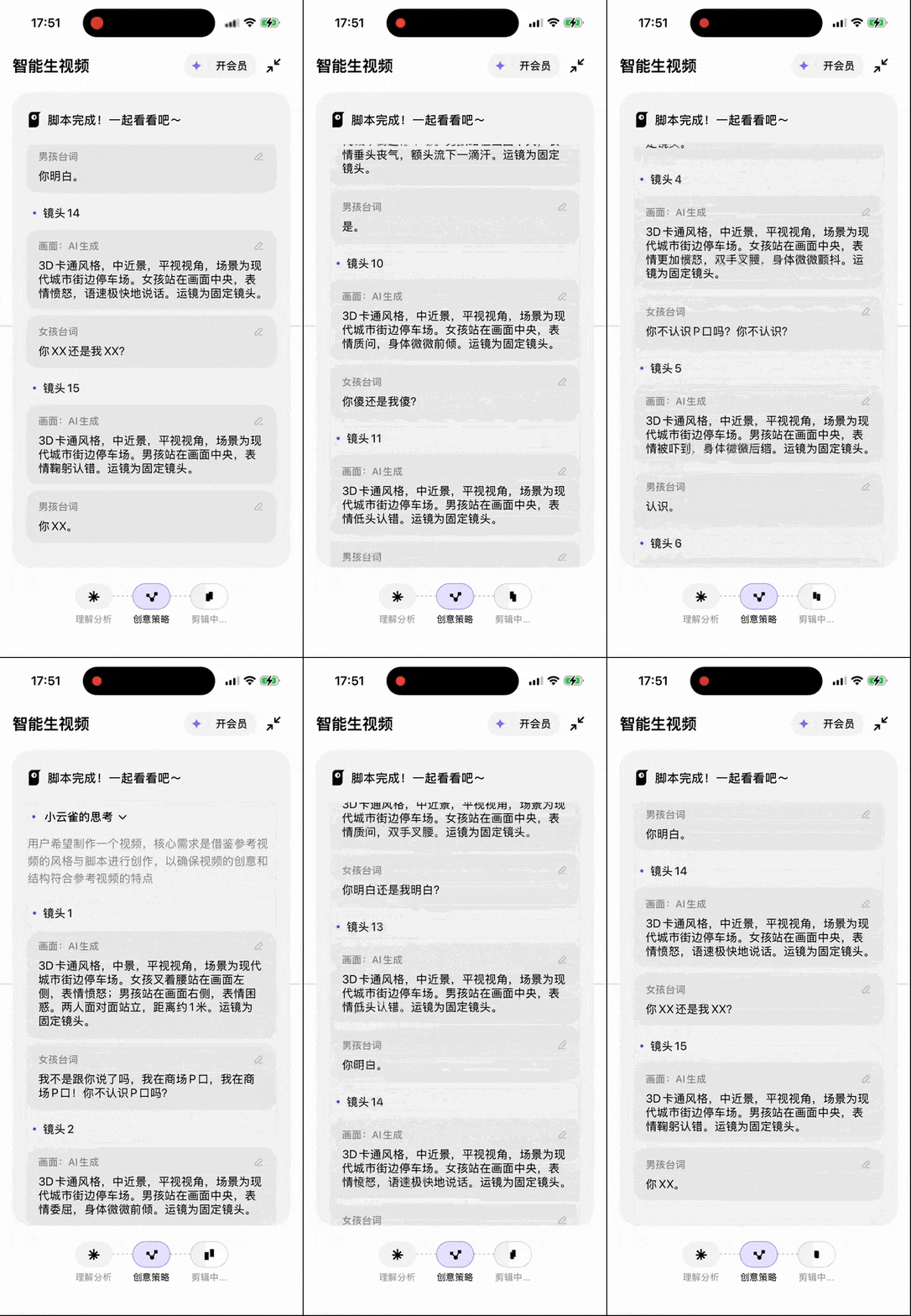
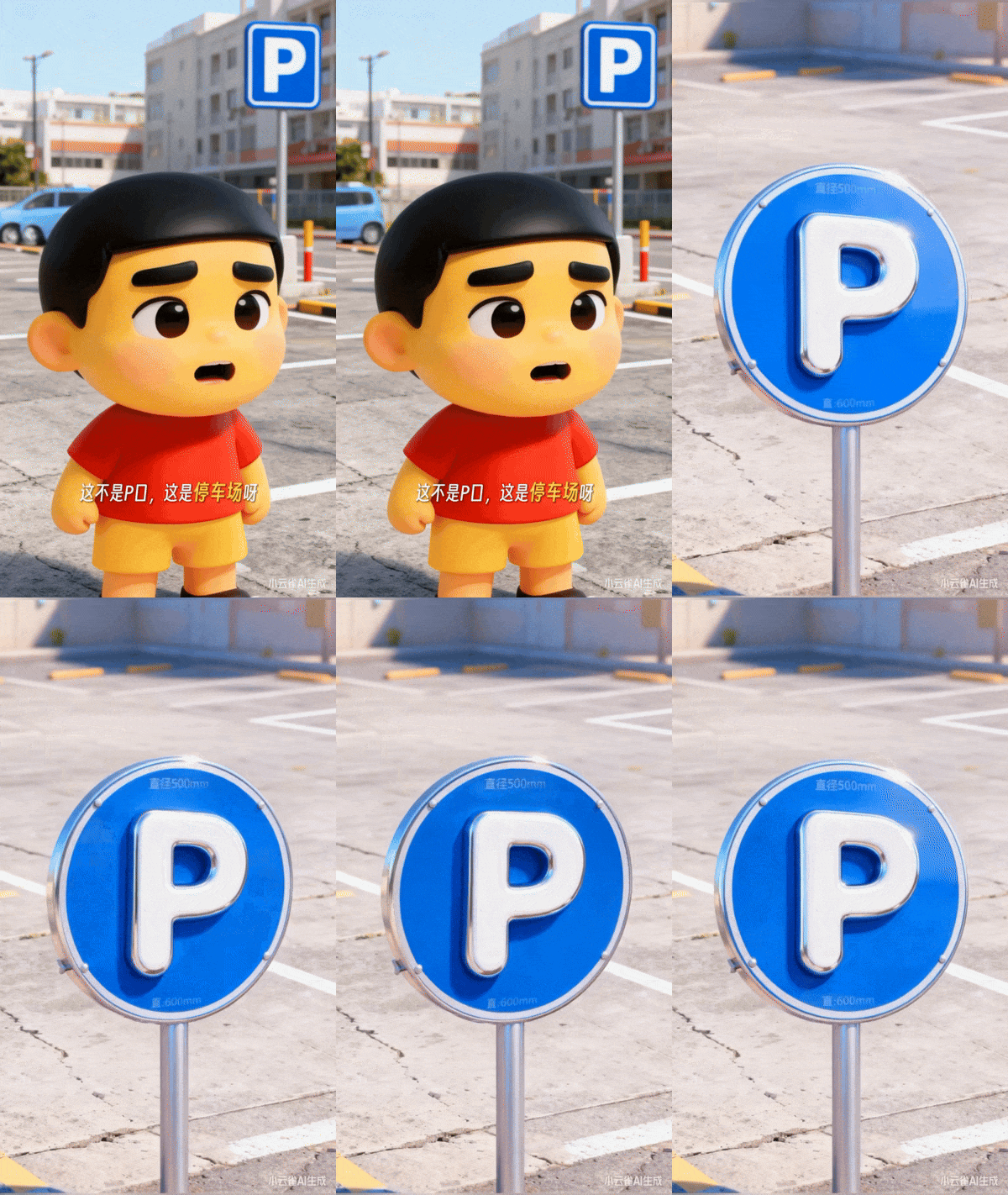
I also specifically asked it to avoid IP infringement, replacing Crayon Shin-chan and Ai Suotome with similar but distinct characters. It executed this accurately.
Here's how it turned out.
The final clip was impressively complete — smooth dialogue, natural rhythm, stable character designs, coherent story flow.
One detail especially stood out: after the male lead says "This isn't a P exit, it's a parking lot," Xiaoyunque automatically cuts to a slightly swaying "P sign" shot — perfectly capturing the original's meme energy and camera language.
Viral Replication ② Zhejiang Knowledge Explainer
Anyone who scrolls Douyin regularly knows this format:
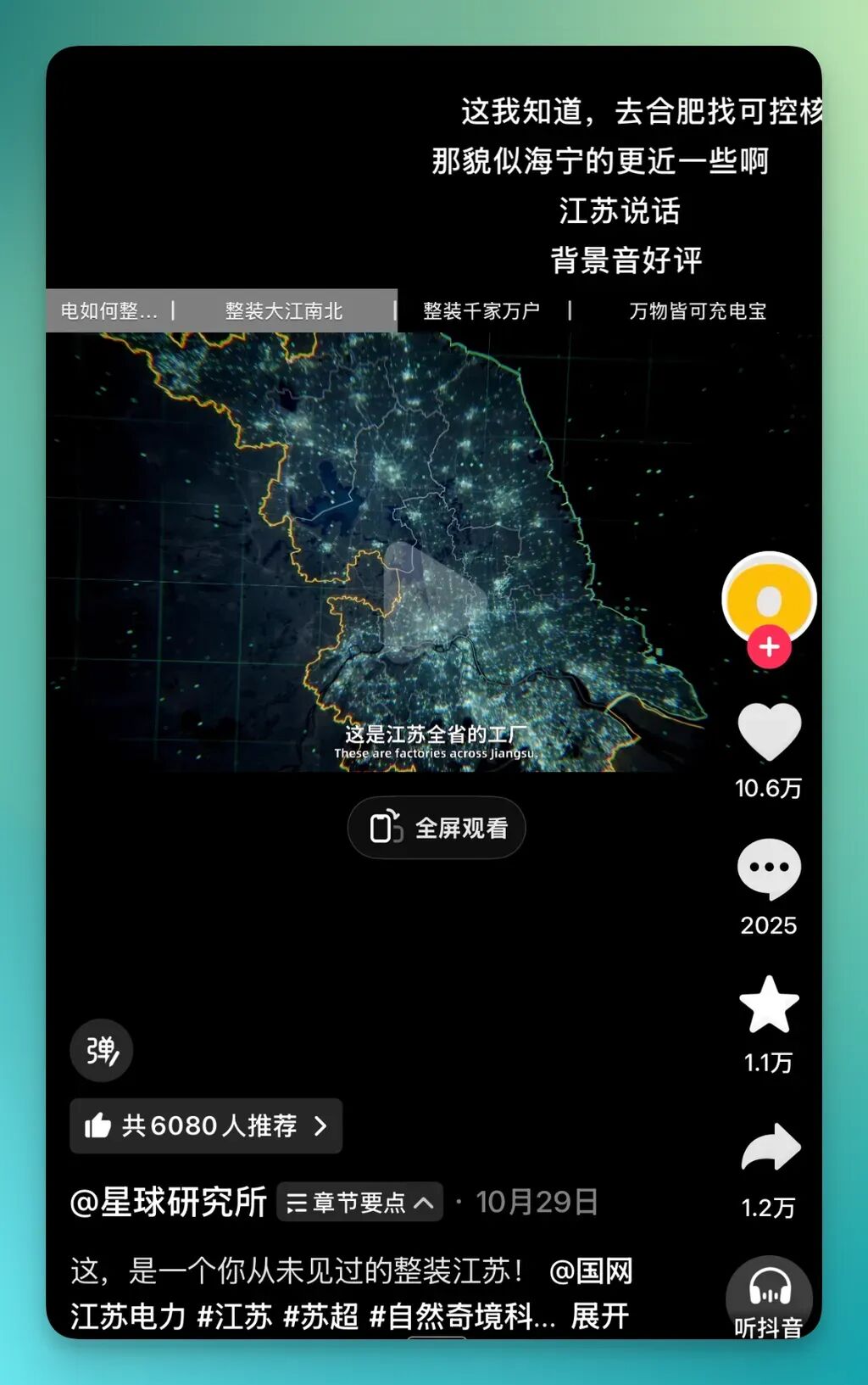
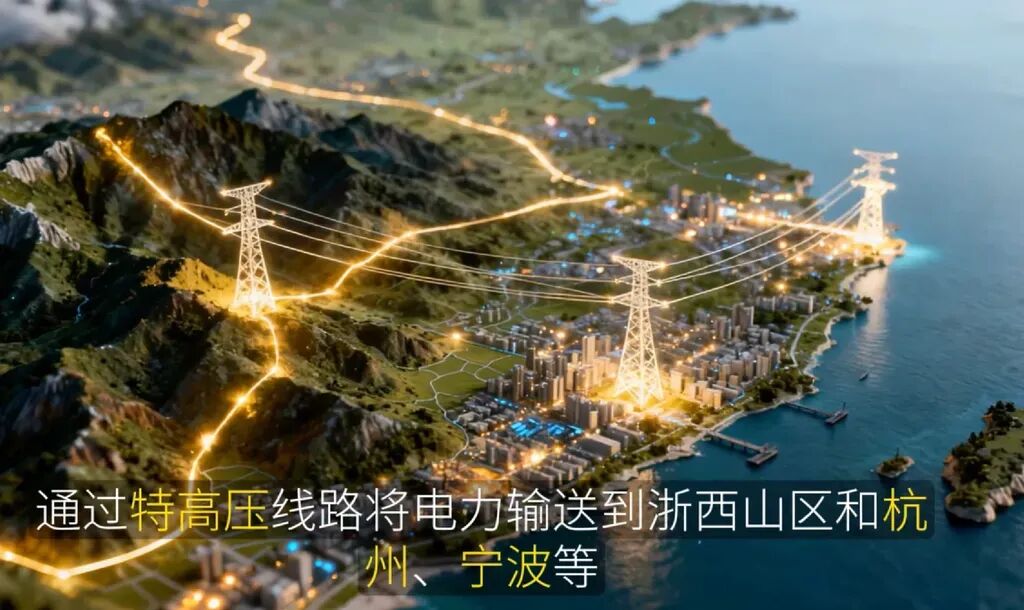
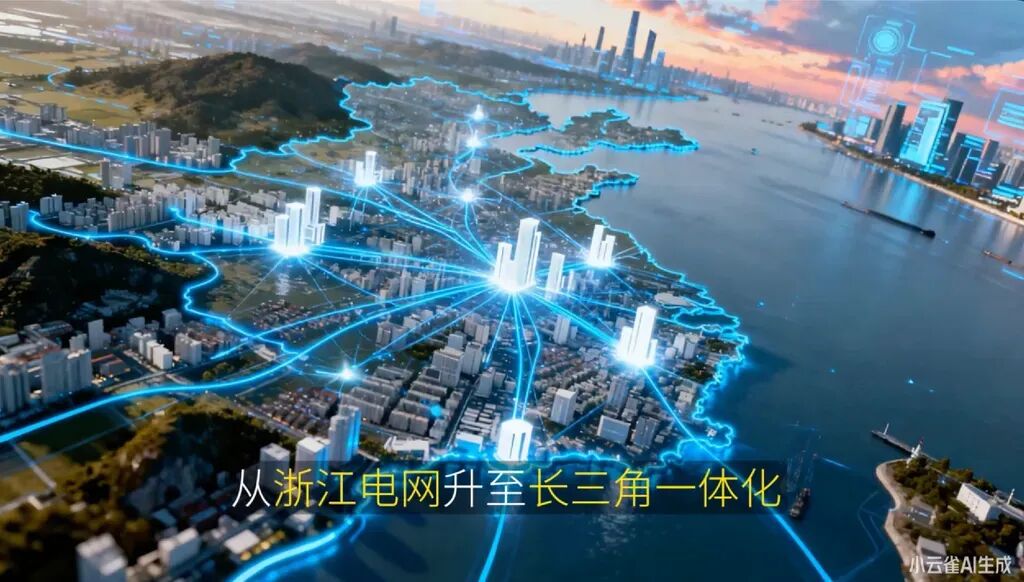
These videos typically open with rapid-fire industry footage, then cut to city aerials, 3D map fly-throughs, data visualization overlays, all capped with tightly structured narration — massive information density.
Seemed like a high bar.
I had Xiaoyunque 2.0 try it, switching the subject from Jiangsu to Zhejiang. Didn't expect it to nail it on the first try, but the results held up:
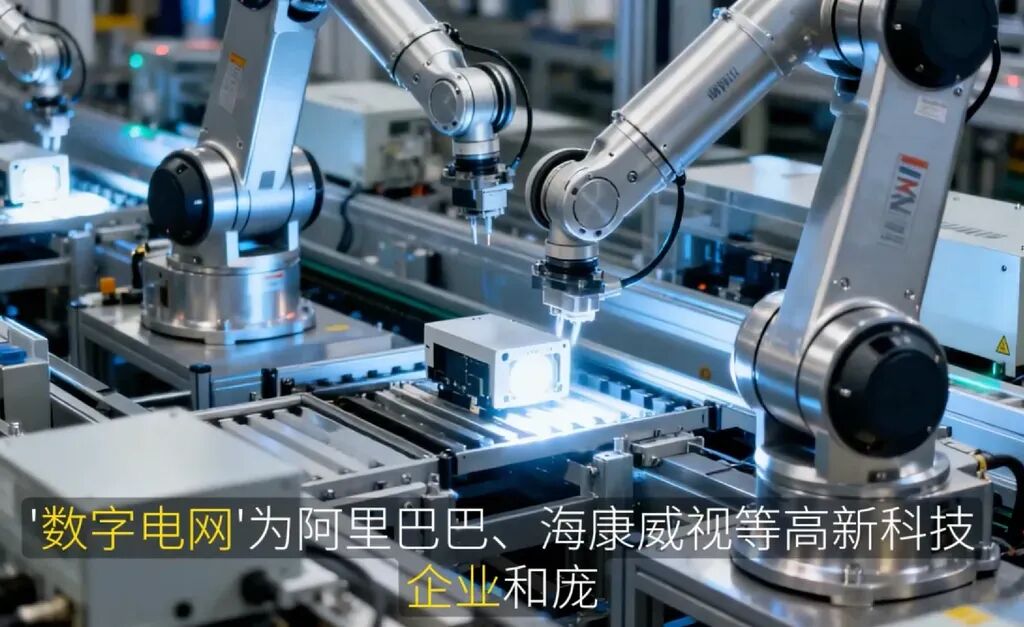
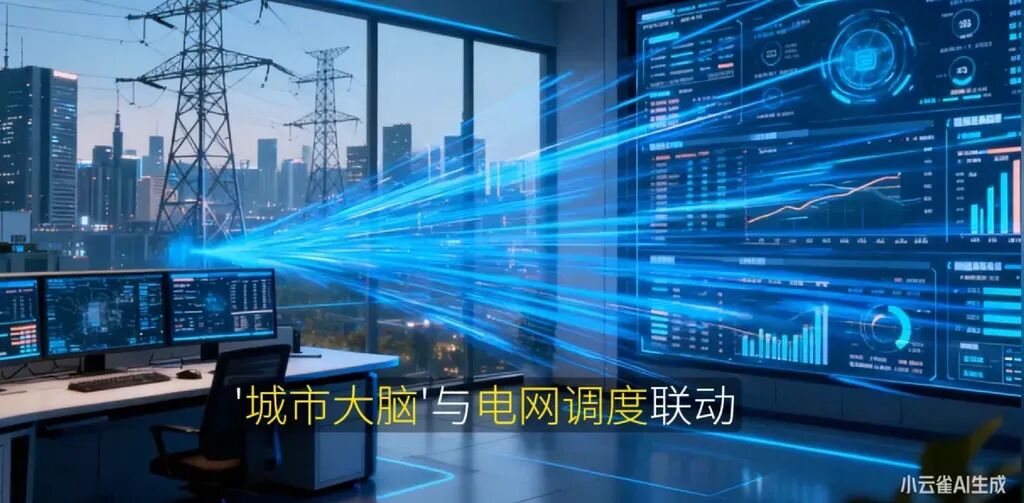
Several of the "knowledge visuals" genuinely surprised me.
Not just dynamic camera movement, but strong alignment with the narration — cutting to industrial chains when discussing supply chains, pulling up animated maps when covering geography.
The pacing nearly matched the original viral template, yet all visuals were completely fresh:
Viral Replication ③ Furniture Marketing Ad
Now let's see whether Xiaoyunque can deliver real utility in actual work scenarios.
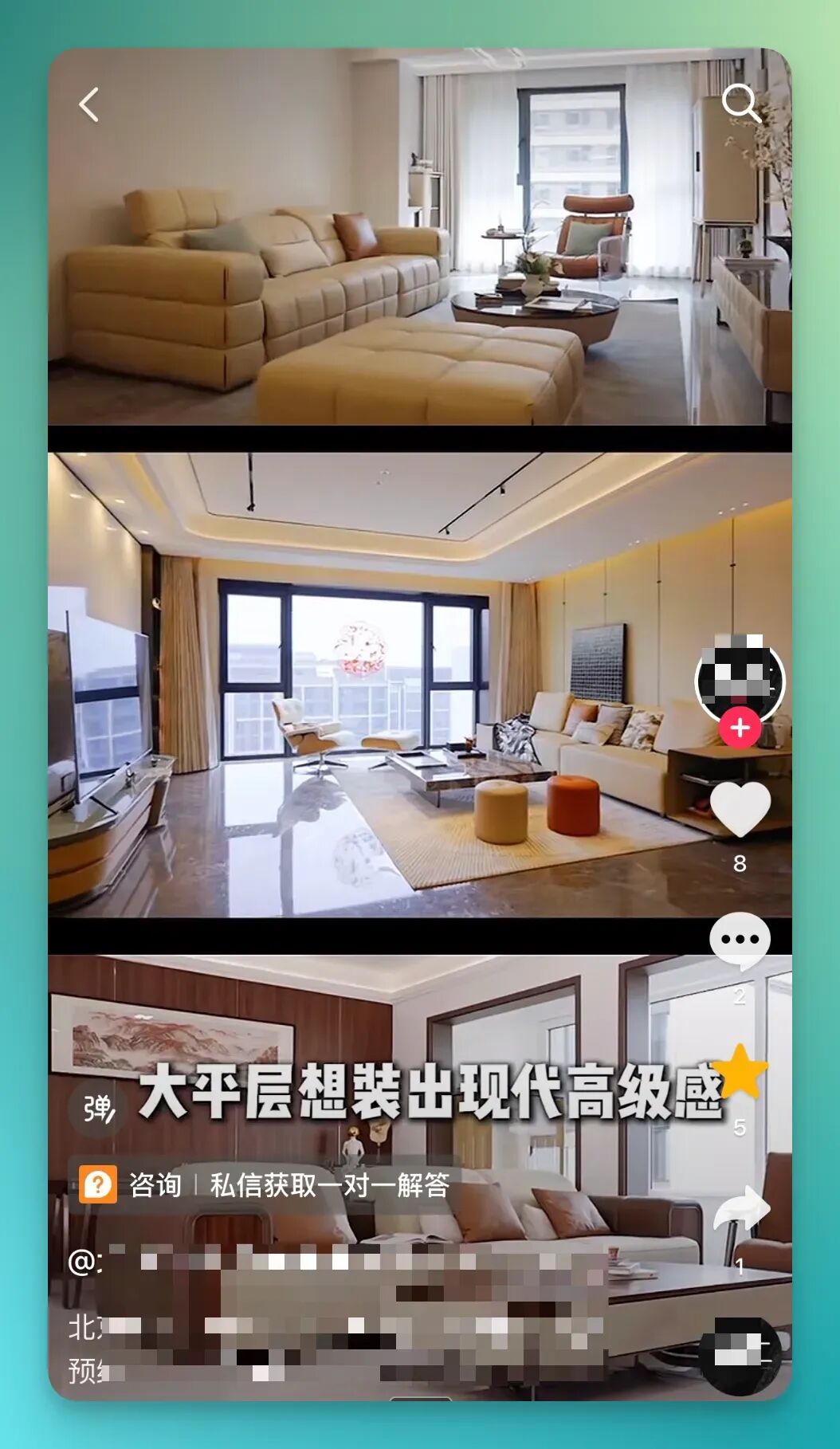
This ad format is everywhere in short video feeds:
A home goods marketing video with a narrator moving between spaces, complex real-world scene elements, overlaid subtitles and callout text.
Here's the original short:
Honestly, if you let AI generate this raw, "one-shot completion" is nearly impossible. Either heavy hallucination, mismatched elements, or subtitles that don't sync — basically endless rerolls.
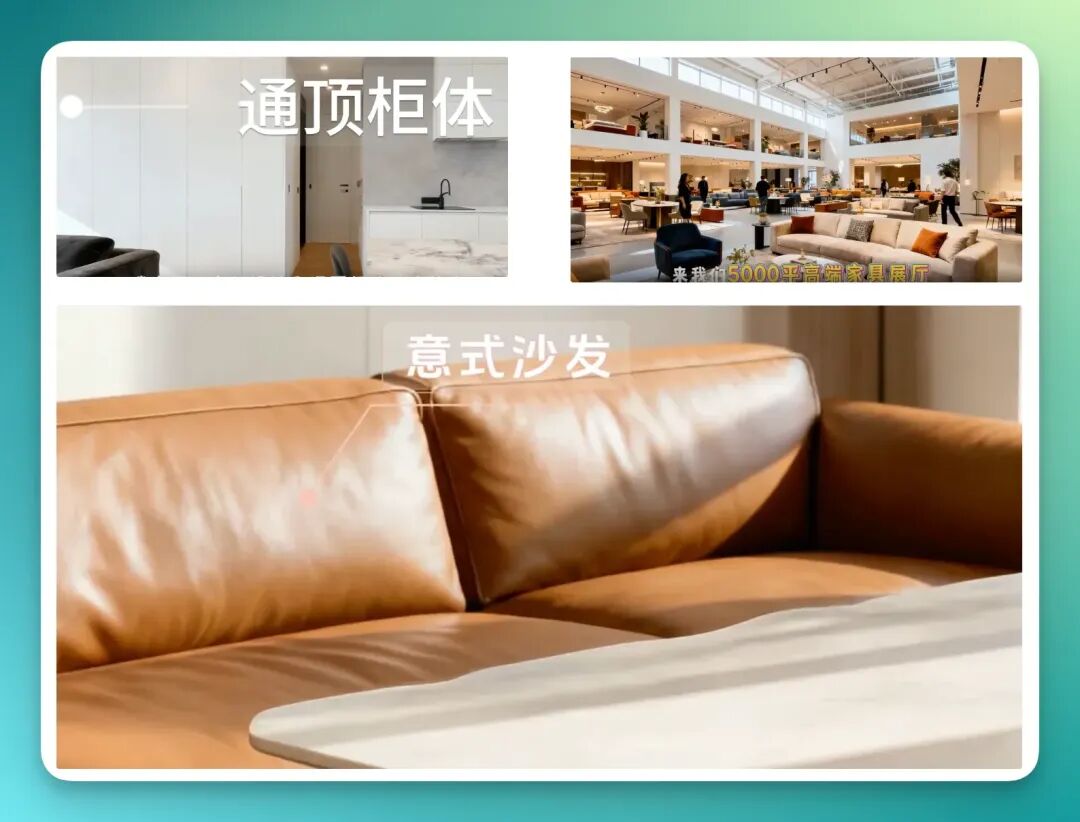
But in Xiaoyunque, I genuinely only rolled once and got a highly complete, structurally faithful short.
A few fascinating details jumped out. First, some subtitles were automatically styled as "art text" — not plain white overlays but visually designed typography:

And if you look closely, whether it's bottom subtitles or center-screen callouts, they stay consistent with what's actually in frame — not randomly slapped on.
Early in the process, Xiaoyunque asked me to input a brand name.
I casually entered "Crossing" — and in the final clip, it automatically appended a brand outro page, pretty naturally integrated.
Across this whole workflow, Xiaoyunque's generation capability in the "design marketing ads" direction feels noticeably stable and mature — already capable of carrying some real production load.
🚥
Beyond viral replication, Xiaoyunque 2.0 also upgraded two features I personally love: "Talking Photos" and "Smart Video Generation."
Starting with the first — the experience is solid.
Talking Photos
The logic is simple: upload any photo, and Xiaoyunque extends it into a "moving, plotted, character-interacting" short video based on your prompt.
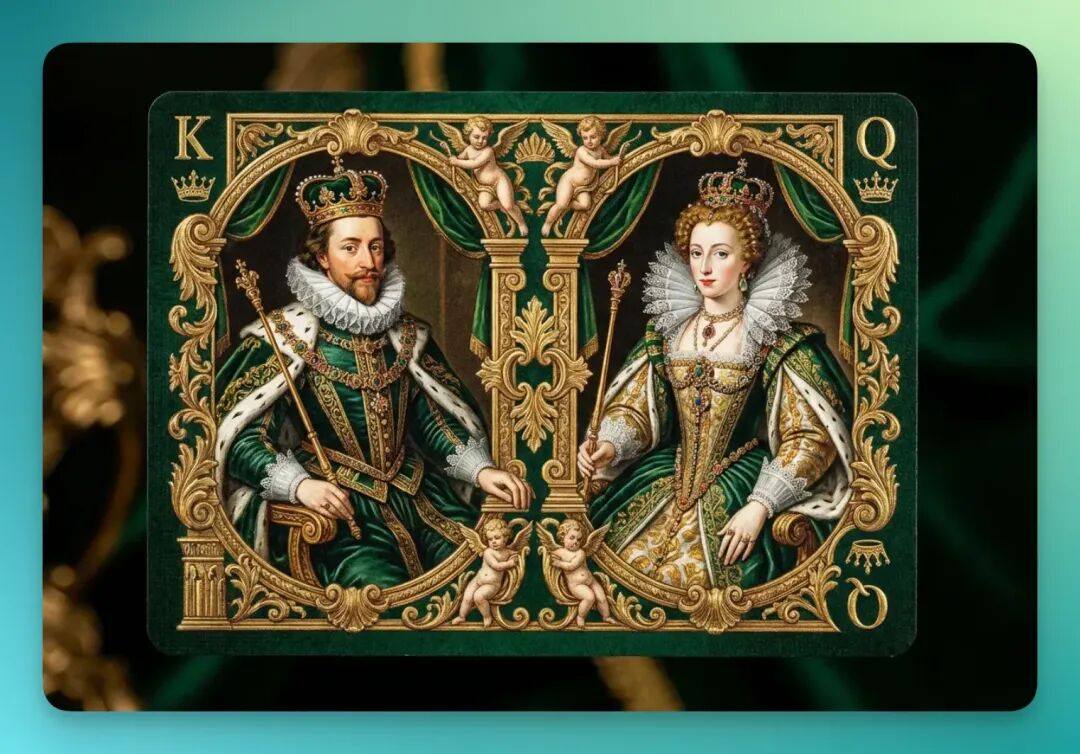
For example, I had Xiaoyunque 2.0 first use Seedream 4.0 to generate a "Baroque-style playing card with king and queen together":
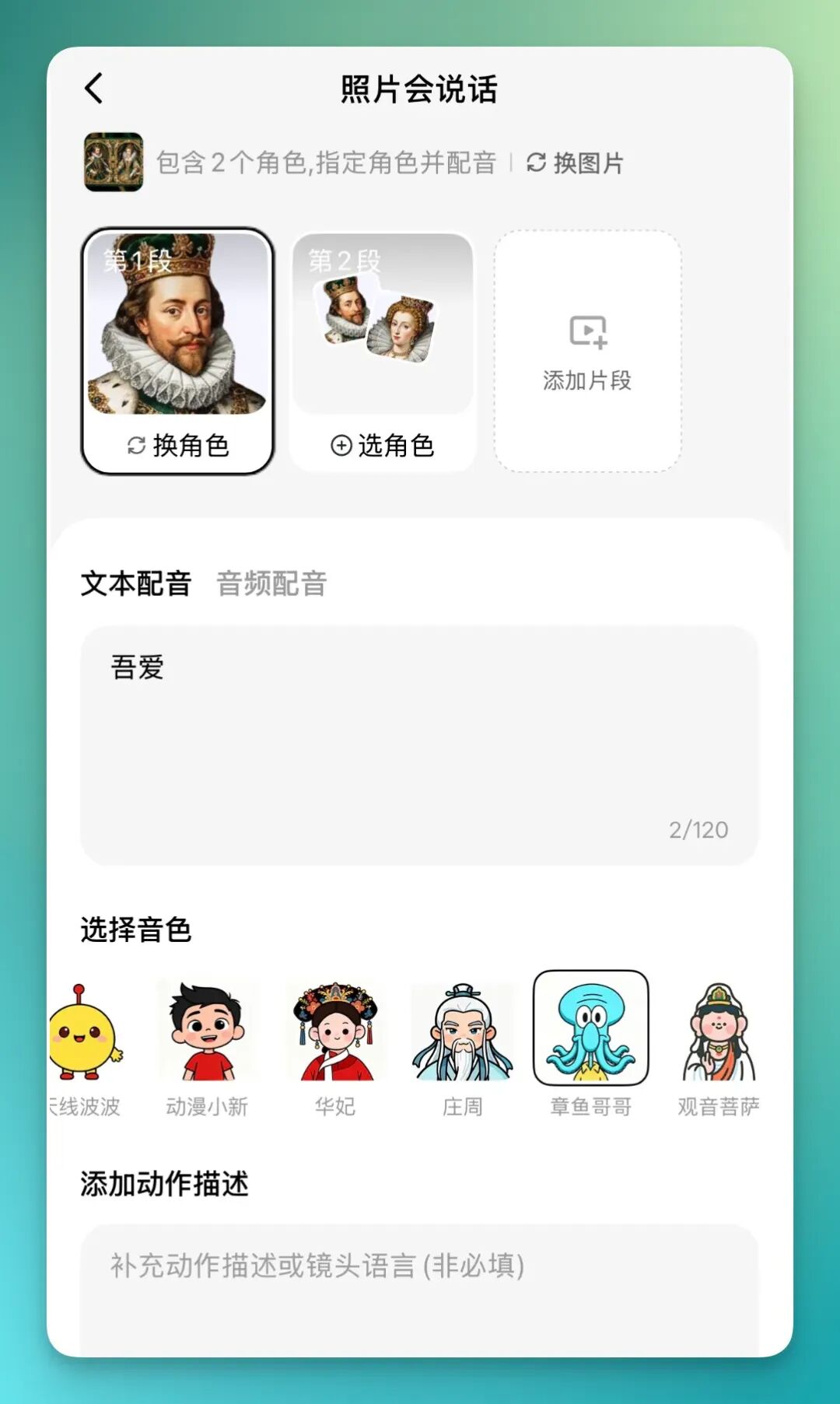
Then used "Talking Photos" to assign voices and a "plot" to both characters:
King: "My love, the court buzzes that your new portrait outshines the morning light." Queen: "Your Majesty, that's because the artist respects truth." King: "Oh? And is my portrait... equally true?" Queen: "Of course. Though — the painter said he's been trying to make you look less severe." King: "...I permit him to be bolder next time." Queen: "Rest assured, my dear. On my card, you are forever the most dignified king."
Results below:
Voice, lip sync, and subtitle matching all held up well.
Overall, Xiaoyunque 2.0's "Talking Photos" isn't just "making photos move" — it's image → automatic character relationship building → natural storytelling → dynamic scene output.
Smart Video Generation
The logic here is equally straightforward:
Dump your materials in, give it a voiceover or simple brief, and AI automatically strings your images, words, and rhythm into a story-driven, marketing-logic short.
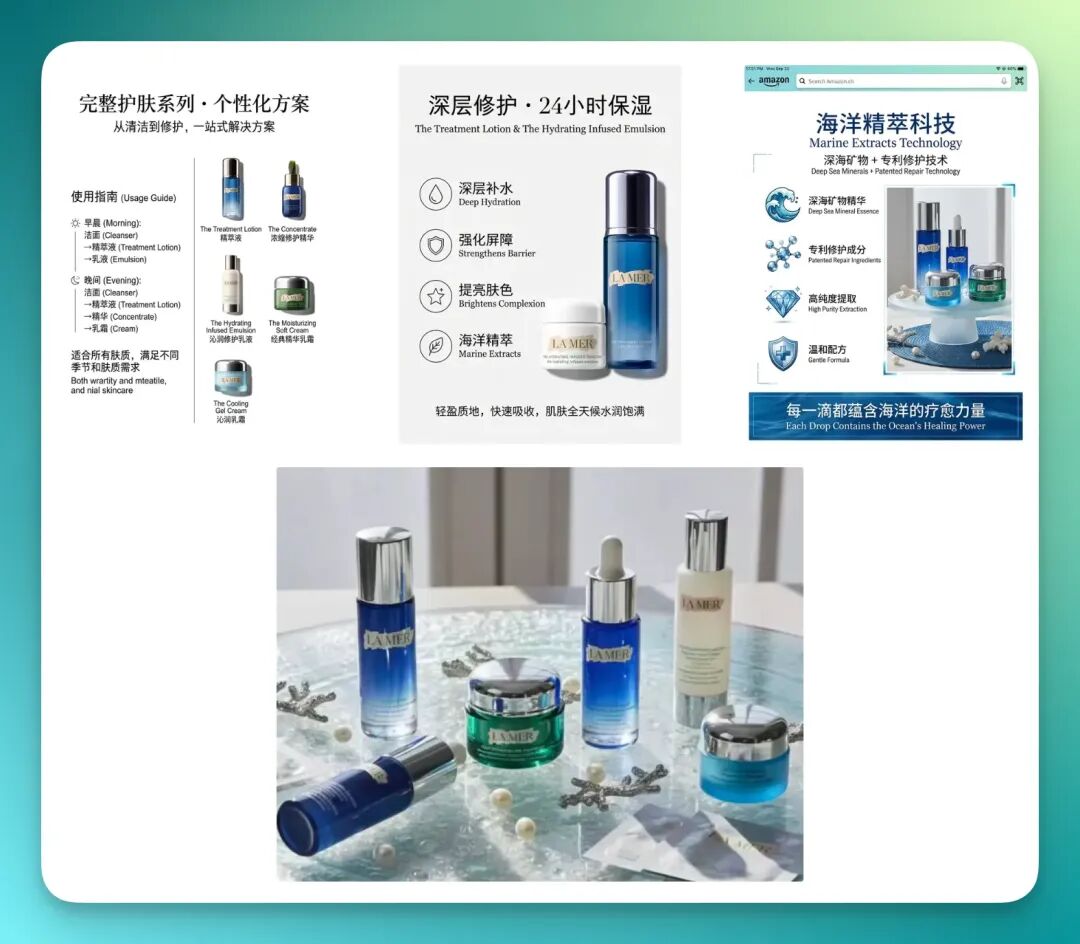
For example, I used Xiaoyunque 2.0's built-in Seedream 4.0 and other image tools to generate a batch of Amazon La Mer product page screenshots, then fed it a very ordinary voiceover prompt like:
This is a La Mer product set on Amazon, make a voiceover marketing ad. Voiceover: This La Mer set is genuinely a steal on Amazon. Looking at the page, it's all classic formulas: deep sea kelp extract, repair power, hydration all maxed out. Whether it's the cream, serum, or eye cream, ratings hover around 4.5 stars, with tons of repeat buyers saying "even sensitive skin stays stable." And it's all direct/officially authorized — you can see batch numbers, sizes, and texture shots on the page. Personally I most recommend the entry-level cream, it's clutch for winter emergencies. If you're looking to restock, this discount is genuinely worth jumping on.
After feeding in assets + copy, Xiaoyunque auto-generated a complete storyboard, very "marketing video" in its thinking:
- Hook (3.2s) — digital human appears, leads with "genuinely a steal"
- Product showcase (6.2s) — displays deep blue gradient bottles, highlights classic formula
- Social proof (6.6s) — close-up on green jar, emphasizes 4.5-star rating
- Channel trust (5s) — shows product set, notes official authorization
- Personal rec (3.2s) — close-up on usage guide, recommends entry cream
- CTA (3.8s) — digital human heart gesture urging purchase
Final output exceeded my expectations. The voice used was one of those trending "female voice" styles currently blowing up on Douyin, very fitting for marketing content.
Looking closely at the footage, Xiaoyunque doesn't mechanically pull in product pages — it auto-pauses on key product shots after carousel sequences, even focusing attention on conversion-critical details: bottle design, ingredients, ratings, authorization badges, sizing info.
Let's summarize what Xiaoyunque 2.0 demonstrates.
There's a clear sense that while everyone else is pushing AIGC toward "model capability upgrades" and "visual effect stacking," Xiaoyunque 2.0 offers a differentiated experience: "a complete content production loop that beginners can run end-to-end."
Its positioning is: light input, full delivery.
Let users focus on "what to say, what to express" — leave everything else to AI.
This is why "viral replication" sounds aggressive, but essentially continues Xiaoyunque's original product positioning: lowering the creation barrier so people without technical foundations can enter the content game.
Zooming out, this aligns with a clear industry trend:
Production costs keep getting compressed by AI, while human value shifts increasingly toward "finding direction, finding inspiration, executing fast."
🚥
By now you probably grasp Xiaoyunque 2.0's value. Most people learned to write by imitating "good phrases and sentences."
But without an "entry point," this imitation easily devolves into mechanical copying.
Xiaoyunque 2.0's analytical capability is its core potential: identifying the "rhythm" in viral videos that you feel but can't articulate.
That said, Xiaoyunque 2.0 isn't perfect.
In multi-person scenes, complex scenarios, especially real "human scenarios," multi-modal capabilities still don't fully cover. Faced with complex physical interactions or micro-expressions, it still "hallucinates" — a problem the entire industry is still working to solve.
But the very fact that we're now discussing its "imperfections" actually says something:
AI creative agents are becoming increasingly capable, increasingly critical.