After Allen Zhu's "Wake-Up Call," We Surveyed the Survival Status of 10 Leading Humanoid Robot Companies

Pessimists are often right, but optimists are the ones who succeed.
Recently, Allen Zhu, managing partner at GSR Ventures, issued sharp criticism of the commercial viability of humanoid robots, fundamentally questioning whether the "commercial inflection point" for general-purpose humanoid robots has actually arrived.
The remarks landed like a "bucket of cold water," triggering renewed reflection across the industry and beyond on the direction of embodied intelligence development — reactions have been mixed.
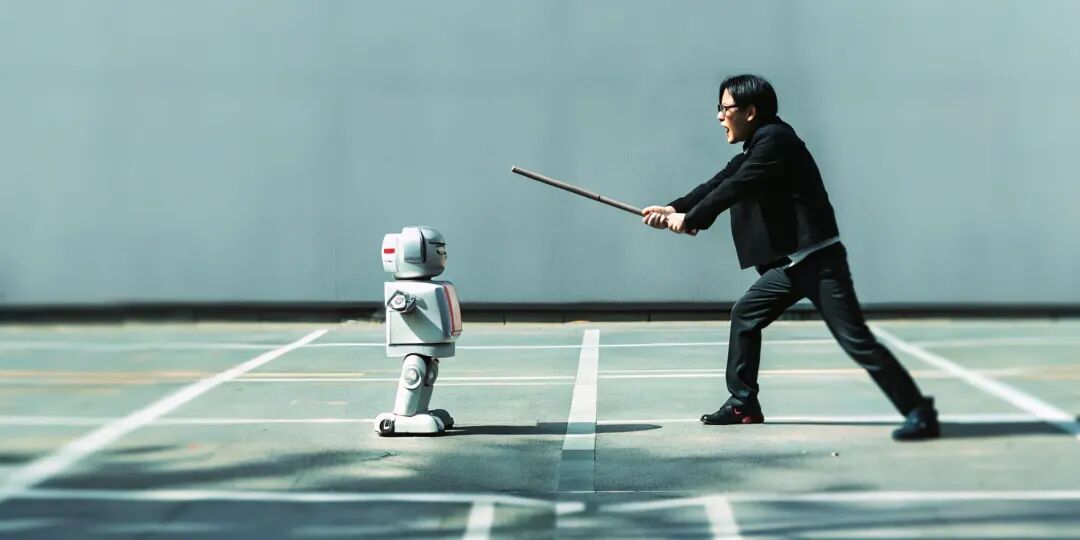
Several urgent questions now demand answers from the industry:
Is a world of general-purpose humanoid robots really approaching?
Does GSR Ventures' retreat, as represented by Allen Zhu, mean the capital narrative around humanoid robots has lost its luster?
Going further, will humanoid robot products actually be abandoned by capital due to difficulties in deployment, in forming genuine commercial logic, and in delivery?
Does an "embodied intelligence bubble" truly exist, one that could trigger large-scale capital flight?
Before diving into today's roundup, we'd like to share some context and perspective:
Embodied intelligence is not limited to humanoid robots.
Broadly categorized by form, function, and application scenario, it includes: humanoid, quadruped, robotic arm, biomimetic robots, and more. Allen Zhu's critique, however, targeted only the most "social media viral" and "mindshare-capturing" category among them — humanoid robots.
Focusing solely on humanoid robot hardware platforms is clearly somewhat limiting.
Humanoid robots are undergoing a major shift toward AI-driven evolution. The foundational model research within embodied intelligence has diverged into "fast thinking + slow thinking" architectures, which has become a clear trend. Meanwhile, the rapid iteration of LLMs is well known — the potential of pre-training is far from exhausted, and industry ambition toward achieving AGI has not been abandoned; if anything, it has intensified.
Therefore, beyond the hardware layer, AI is equally a critical factor.
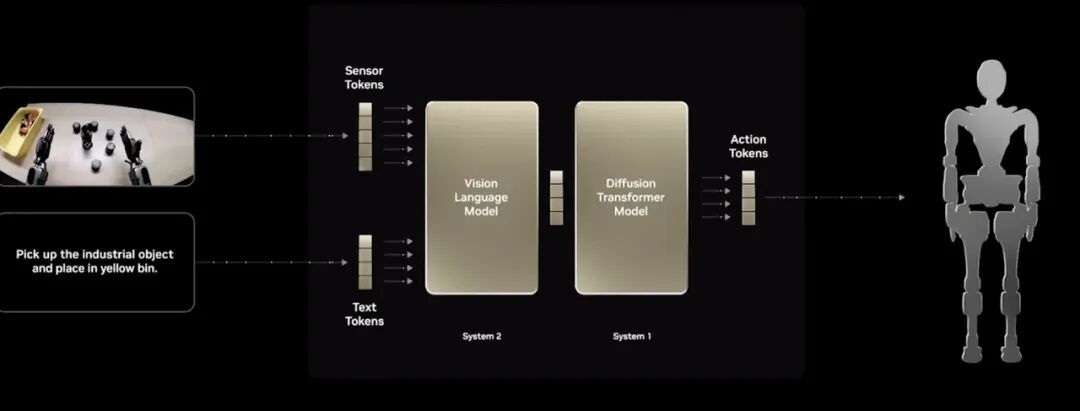
Looking abroad reveals a very different picture.
Jensen Huang, founder and CEO of NVIDIA, announced at the 2025 GTC AI conference: the Isaac GR00T N1 robot foundation model is officially released, and the "Age of Exploration" for general-purpose robots has arrived.
Google DeepMind, meanwhile, launched Gemini Robotics and Gemini Robotics-ER, two AI models built on Gemini 2.0, preparing to enter the next generation of practical robotics battlefields.
Today, Crossing examines 10 representative embodied intelligence companies at home and abroad to see whether this blue-ocean industry, flooded with investors and entrepreneurs, has already entered a bottleneck period.
Unitree
At the 2025 Spring Festival Gala, a Yangge Bot performance by Unitree's H1 humanoid robots earned the company another massive wave of online traffic. Unitree showcased the world's first "large-scale, fully AI-driven humanoid robot cluster performance."
To a considerable degree, Unitree brought the concept of humanoid robots into millions of households.
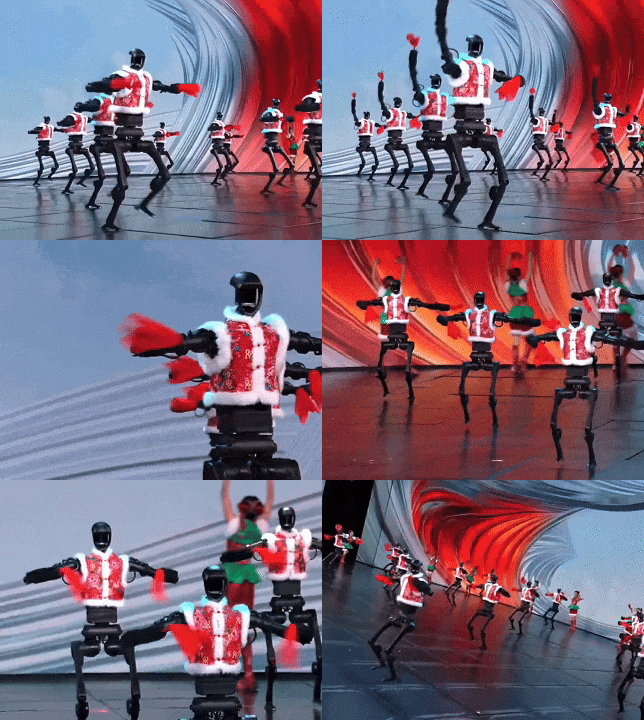
Beyond domestic social media, Unitree's humanoid robots have performed even more impressively on foreign platforms — attention driven largely by how rapidly the company's embodied intelligence hardware technology has advanced.
For instance, Unitree recently released the Unitree Dex5 dexterous hand, featuring 20 degrees of freedom per hand, smooth backdrivability, and 94 highly sensitive contact points.
Despite these significant technical achievements, commercialization remains challenging.
On the product side, Unitree's humanoid robots primarily serve universities and research institutions; their utility in industrial and home scenarios has yet to be fully validated.
How to enhance AI capabilities, optimize mass production, and expand application scenarios to push robot technology from the laboratory into daily life remains an urgent problem for Unitree to solve.
When asked whether humanoid robots can truly enter millions of households, Xingxing Wang, founder and CEO of Unitree — one of Hangzhou's "Six Little Dragons" — put it bluntly: "That's not happening in the next two or three years."
EngineAI
Beyond Unitree, EngineAI, founded in October 2023, has also achieved astonishing iteration speed. A video of its robots performing an "Axe Gang" dance tribute to Kung Fu Hustle went viral at home and abroad.
EngineAI's pace of development has shocked observers across industries.
In July 2024, it had only just released its debut robot SA01; a mere three months later, it unveiled SE01 — its first full-size humanoid robot, designed for research and industrial scenarios. As for pricing, SE01 sits roughly in the $20,000–$30,000 range.
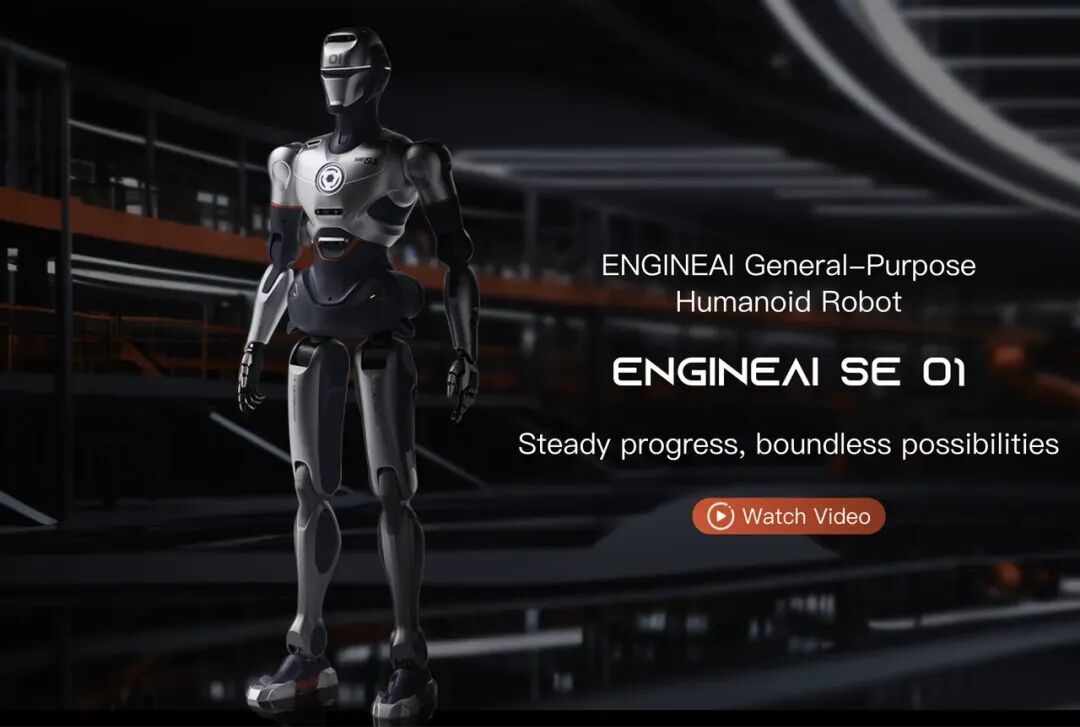
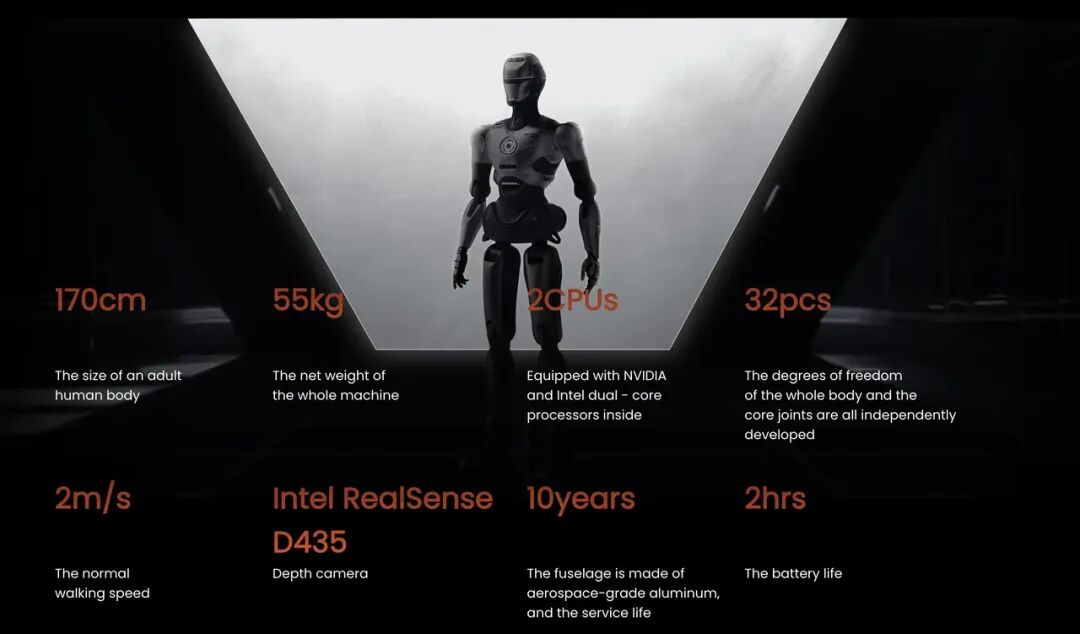
Leaping from entry-level SA01 to full-featured SE01 in just three months, EngineAI's R&D efficiency and product iteration speed are remarkable — credit due to founder Tongyang Zhao's accumulated experience.
But there's always a but. The exorbitant costs of embodied intelligence make it difficult for EngineAI's humanoid robots to enter factory scenarios with ease; a gap remains between technical maturity and commercial requirements.
On stability and long-term return on investment, EngineAI likely needs more practical cases to prove its case.
UBTECH Robotics
A video of UBTECH Robotics' humanoid robots collaborating inside a ZEEKR automotive factory attracted massive attention at home and abroad.
The demonstration of UBTECH's Walker S1 handling multi-tasking across different roles and adapting to dynamic environments struck a chord with many viewers, even being hailed as "marking the world's first multi-humanoid-robot collaboration across multiple scenarios and tasks."
UBTECH is attempting to accelerate humanoid robot deployment through large-model technology, particularly in smart manufacturing and automated logistics.
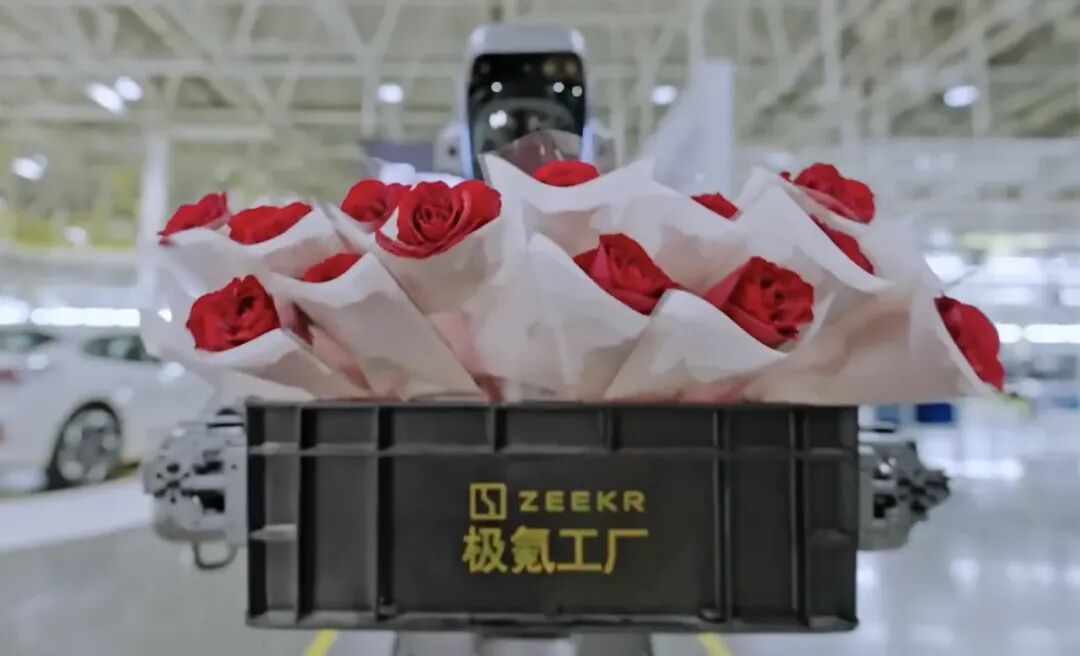
With its technical accumulation and industrial progress, UBTECH has become a significant player in embodied intelligence, but the path to commercialization remains long.
- First, UBTECH has yet to achieve cost reductions from large-scale mass production. Take Walker S1: its pricing remains in the two-digit-thousands range. Even as it begins to show influence in industrial settings, this price point lacks appeal for budget-constrained SMEs or home users. The balance between price and market demand has yet to be found.
- Second, UBTECH's humanoid robots currently remain focused on industrial, education, and research domains, meaning that for a considerable future period, its commercial logic may stay stuck in "technology demonstration" rather than "market-driven" mode.
Fourier Intelligence
As a leading Shanghai humanoid robot company, Fourier Intelligence is undeniably a darling of capital narratives.
Earlier this year, Fourier completed an approximately 800 million RMB Series E funding round.
Multiple prestigious institutions participated, including Shanghai Pudong Venture Capital Co., Ltd. and Prosperity7, a major fund under the venture capital arm of Saudi Aramco, the Middle Eastern oil giant.
In December 2023, Fourier Intelligence officially launched its first GR-series humanoid robot — GR-1. At the time, it was even hailed as the world's first mass-produced general-purpose humanoid robot.
Less than a year later, the release of GR-2 again captured industry attention. Capable of rising in ways humans cannot and performing strength training, its sci-fi visuals fueled boundless imagination.
Source: X @WevolverApp
Fourier started with rehabilitation robots and gradually expanded into general-purpose humanoid robot development for its GR series.
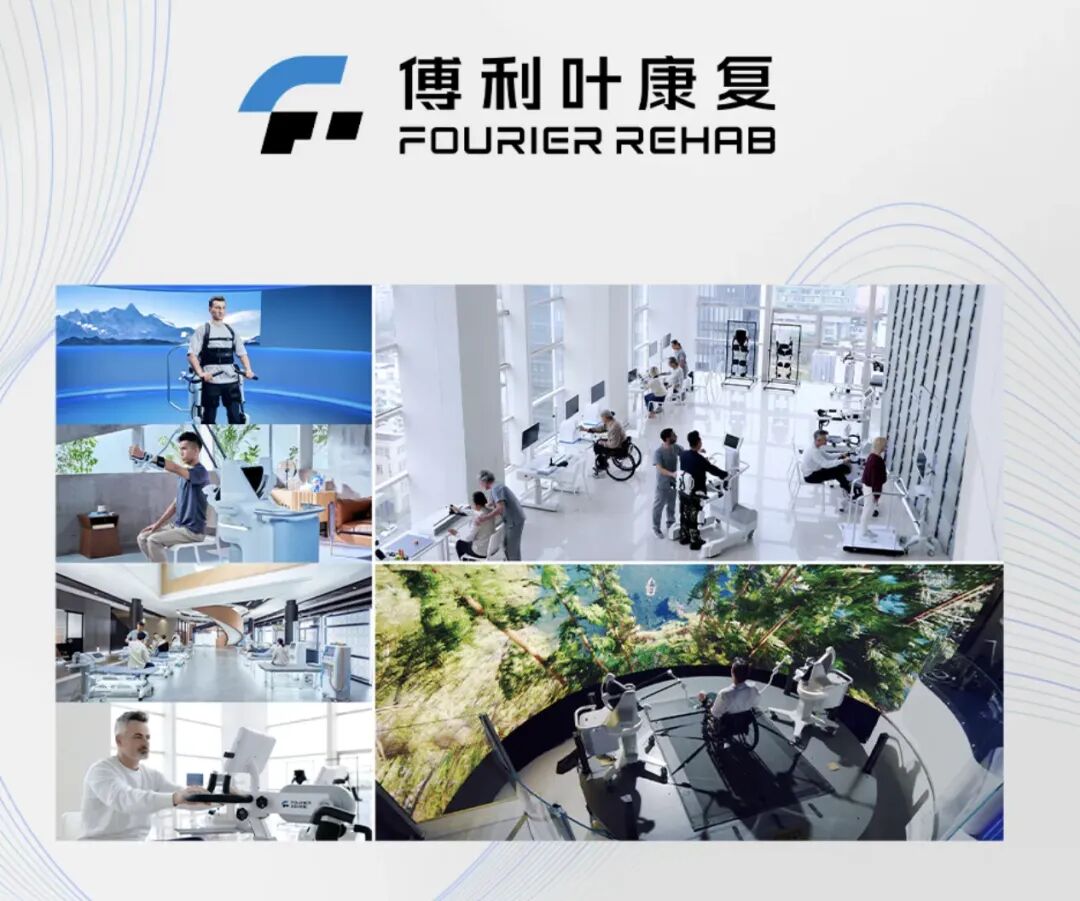
While its rehabilitation robot business has performed quite well, Fourier has nonetheless centered its strategic focus on humanoid robots. The GR series targets commercialization potential in industrial and home applications.
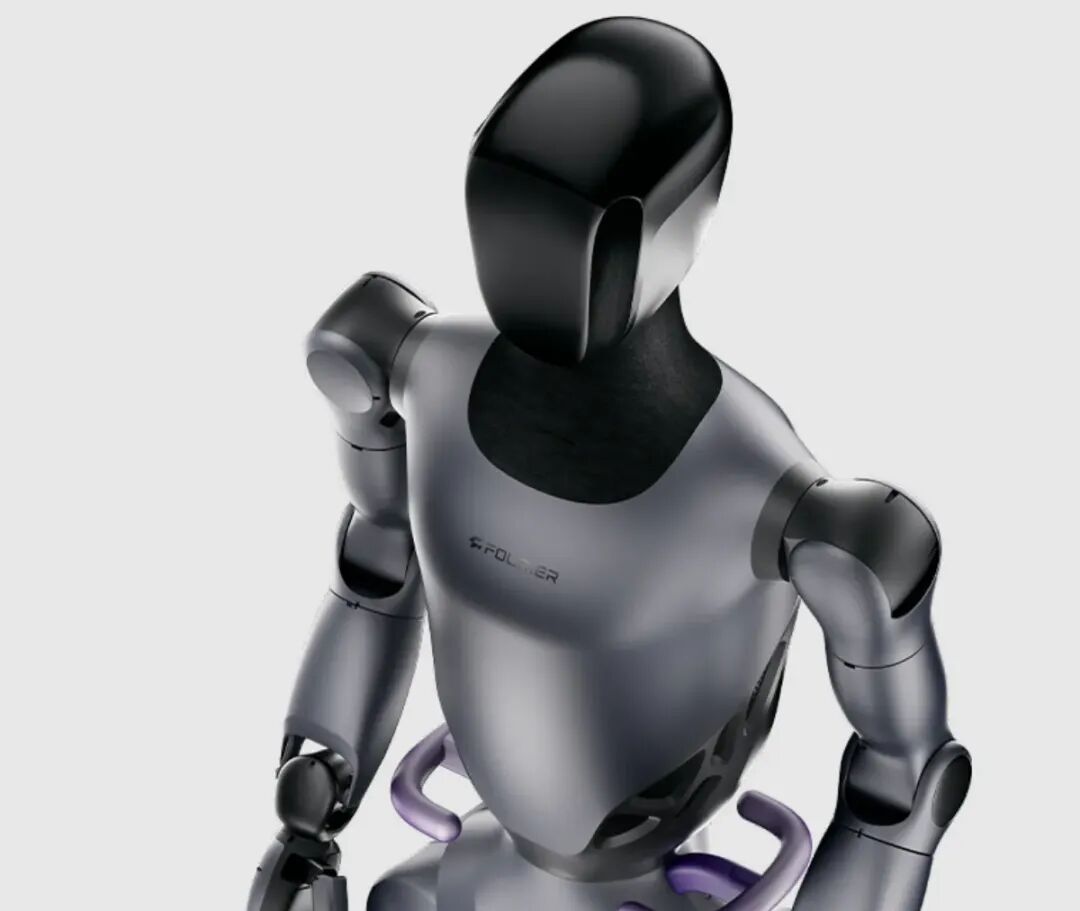
The company plans to reduce costs through mass production and deepen AI technology partnerships with companies like NVIDIA.
However, mass production is difficult, and competition in China's "involution" environment is even more difficult.
Facing over 50 domestic humanoid robot competitors, Fourier's challenges in achieving breakthroughs in technical stability, market positioning, and cost control remain substantial.
Alex Gu, Fourier's founder and CEO, once told media: "As we progress from vision and language to action, the entire industry could reach over 1,000 units in 2025, but specific targets are still hard to predict."
This vividly illustrates the predicament within the humanoid robot field:
Even as manufacturers' dexterous hands, torque, motion control, and software stacks upgrade rapidly, this doesn't mean rapid approach toward the ultimate vision.
MagicLab
As a newcomer to humanoid robots, MagicLab has achieved an impressive track record in just over a year of existence.
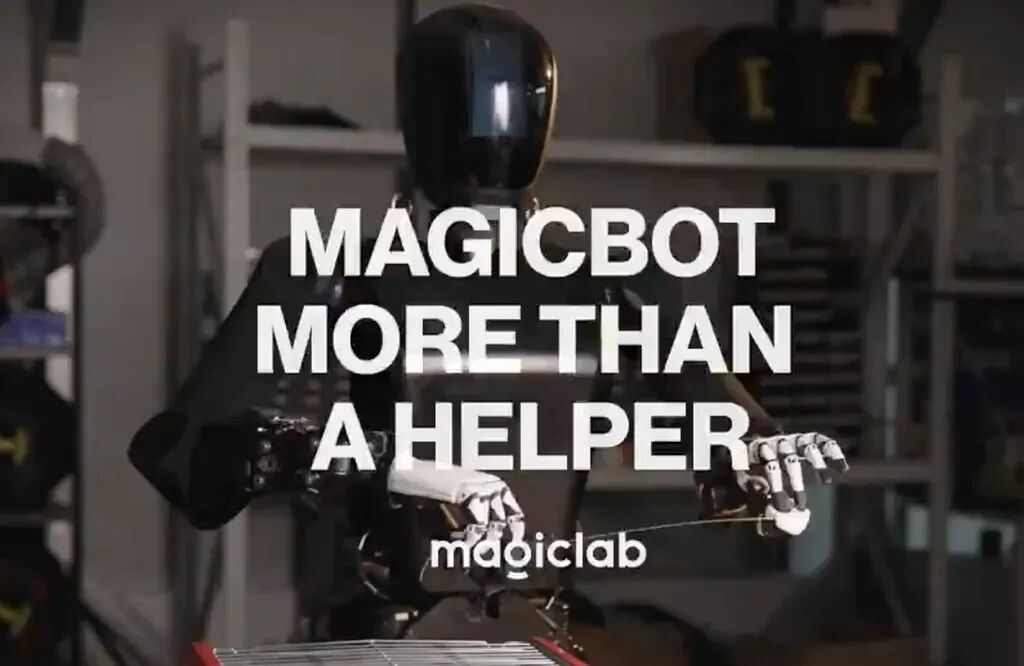
Last year, a video of MagicLab's humanoid robots entering factories for practical training and multi-robot collaborative applications went viral.
These humanoid robots were deployed onto actual production lines to perform tasks such as product inspection, material transport, precision assembly, barcode scanning, and inventory management.
On March 26, MagicLab held a product launch event, officially unveiling its end-to-end "Atomic Vast Model" (Yuanzi Wanxiang) for the first time. Additionally, as a vision for entering commercial scenarios, MagicLab announced the "Thousand Scenarios Co-Creation Plan," which aims to collaborate with 1,000 partners to create 1,000 practical application scenarios for humanoid robots.
MagicLab president Changzheng Wu also revealed the company's mass production plans: "Approximately 400 humanoid robots will be gradually deployed into industrial and commercial scenarios within the year."
However, the very fact that the Atomic Vast Model has just had its debut release actually proves from another angle that the data humanoid robots themselves "see" is clearly insufficient — they're still at a very preliminary, initial stage.
After all, current humanoid robot manufacturers still largely remain in "virtual scenario" data collection and training.
Given this, the real-time data input that humanoid robots depend on clearly cannot yet fully satisfy daily needs.
Tesla (Optimus)
Tesla's Optimus humanoid robot, unveiled as a prototype by Elon Musk at Tesla AI Day in 2022, has consistently drawn industry and public attention with its full sci-fi appeal.
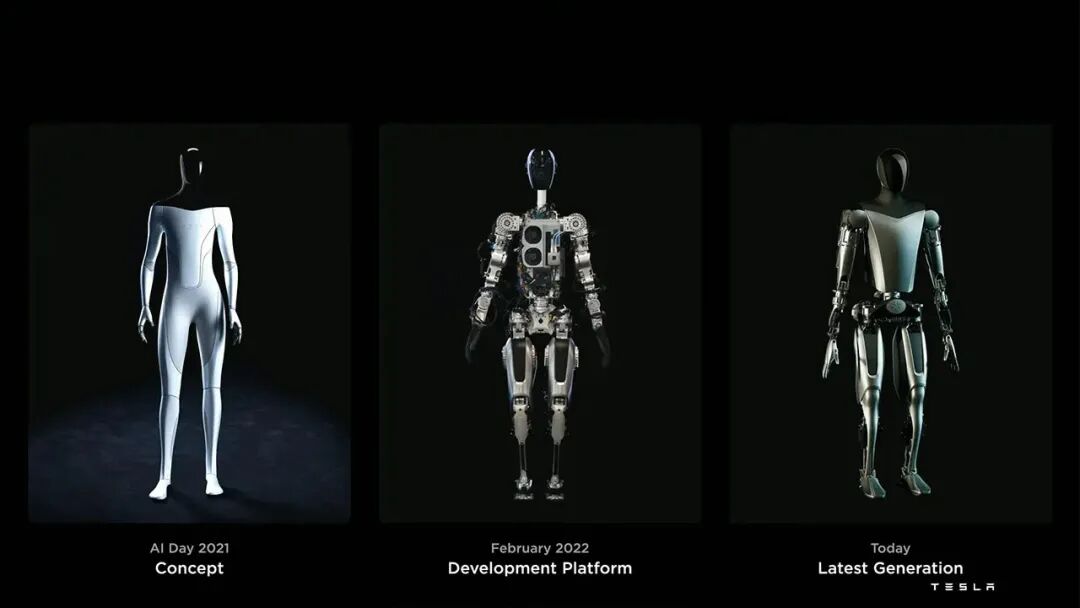
As the most viral case, Optimus's performance at Tesla's "We, Robot" event has been widely discussed.
From information leaked by multiple media outlets and X reviewer accounts that day, Optimus could not only mix drinks and dance but also chat and interact with people, even directing the audience to sing happy birthday to a guest celebrating that day — with natural tone and fluent logic, the performance was stunning.
However, the truth was revealed in an instant: "The Optimus units shown on site were not autonomously AI-driven but remotely operated by humans through VR-goggle-like devices."
The next day, investors handed Tesla their verdict: the stock plummeted 8%, marking the largest single-day drop in nearly two months. Investor disappointment was palpable — both dissatisfaction with Optimus's development over the years and opposition to humanoid robots' "hype over substance."
As early as Tesla's 2024 annual shareholder meeting late last year, Musk had already made repeated bold claims: "Tesla can manufacture 100 million Optimus robots annually, each costing between $10,000 and $20,000, capable of tasks ranging from childcare to factory work, which would lead to humanoid robots outnumbering humans."
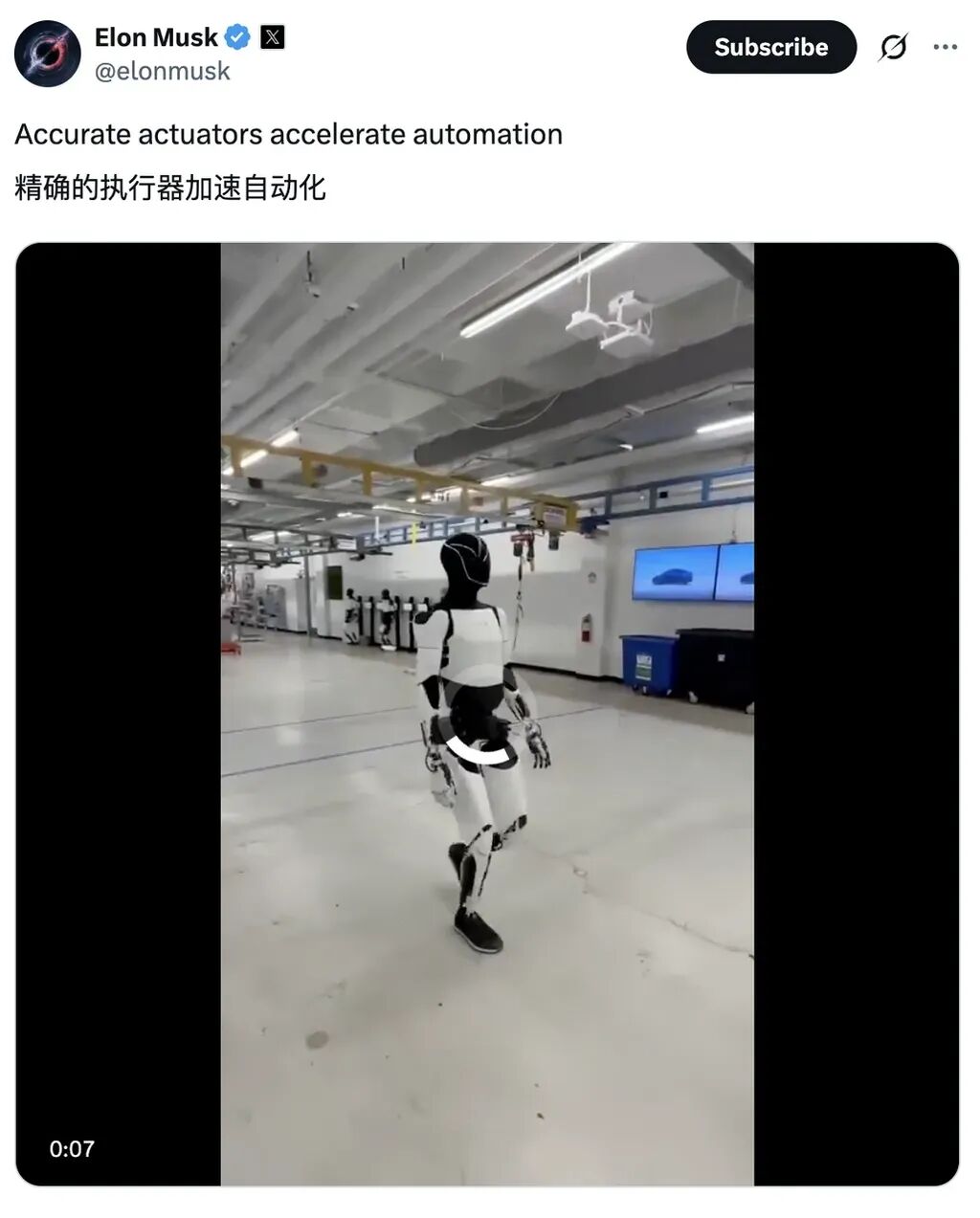
At the beginning of this month, Musk showcased a new Optimus video demonstrating progress in gait and arm swing. He further revealed plans to deploy an "Optimus robot army" this year, with 2025 production expected to reach 10,000 to 12,000 units.
Clearly, as media fervor around humanoid robots gradually shifts from狂热 to冷静, ambitions for humanoid robots are also shrinking.
A vivid example: X user @niccruzpatane created a compilation comparing Tesla Optimus walking in February 2024 versus April 2025.
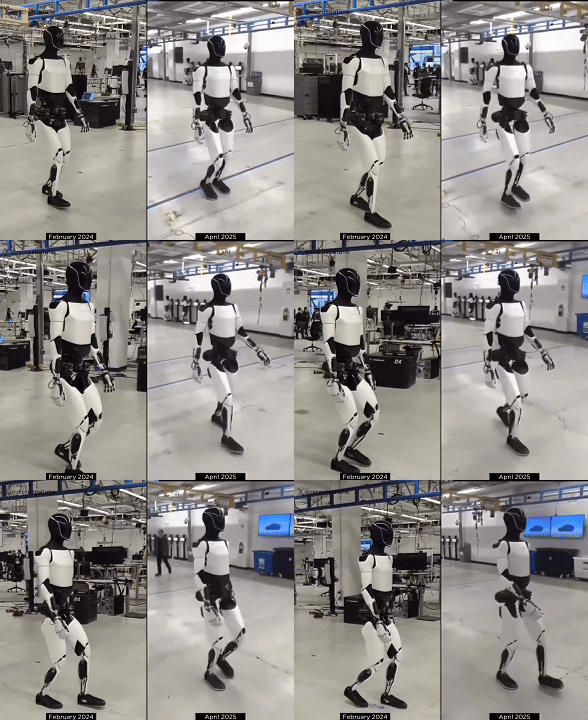
Judging purely by walking gait, one netizen commented: "It's hard to see any difference."

1X
1X is a Norwegian technology company specializing in home robots, making domestic scenarios the primary use case for its humanoid robots. Its flagship product is NEO Gamma.
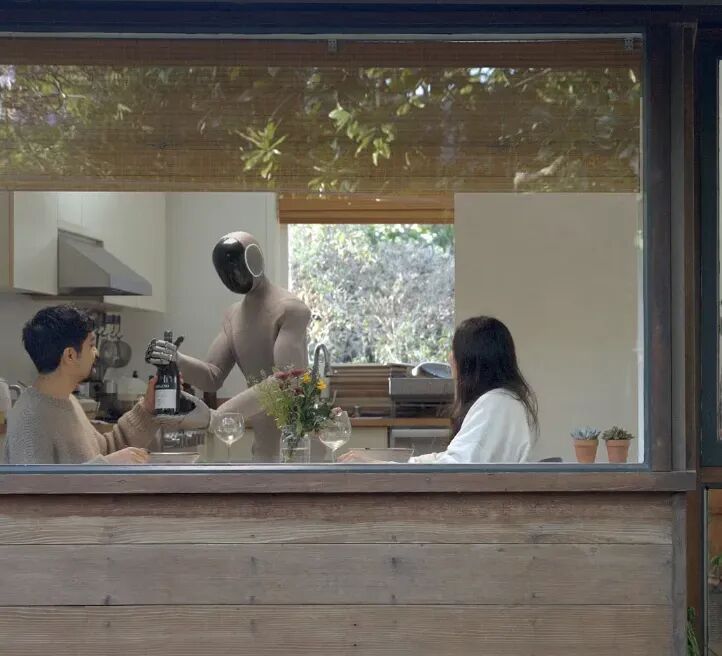
For embodied intelligence startups, the first realistic generalization scenario for humanoid robots is almost certainly factories. This choice stems not only from actual demand but also reflects the practical logic of technology and markets.
Factory environments are typically highly structured, with clear and repetitive tasks, such as parts transport on assembly lines, equipment maintenance, or precision processing.
Judging purely by scenario complexity, the distance between factory and home applications remains vast.
1X stands out among embodied intelligence star companies precisely because it prioritizes home as its foremost application scenario.
Its tagline, "Safe, Intelligent Humanoids", encapsulates 1X's thinking on embodied intelligence.
At $30,000, entering 100,000 homes is 1X's market response. In its official marketing, this robot, through its humanoid locomotion system, deep vision model, self-developed LLM, and emotive design, can handle whole-home intelligent tasks such as vacuuming, laundry, chatting, and playing music.
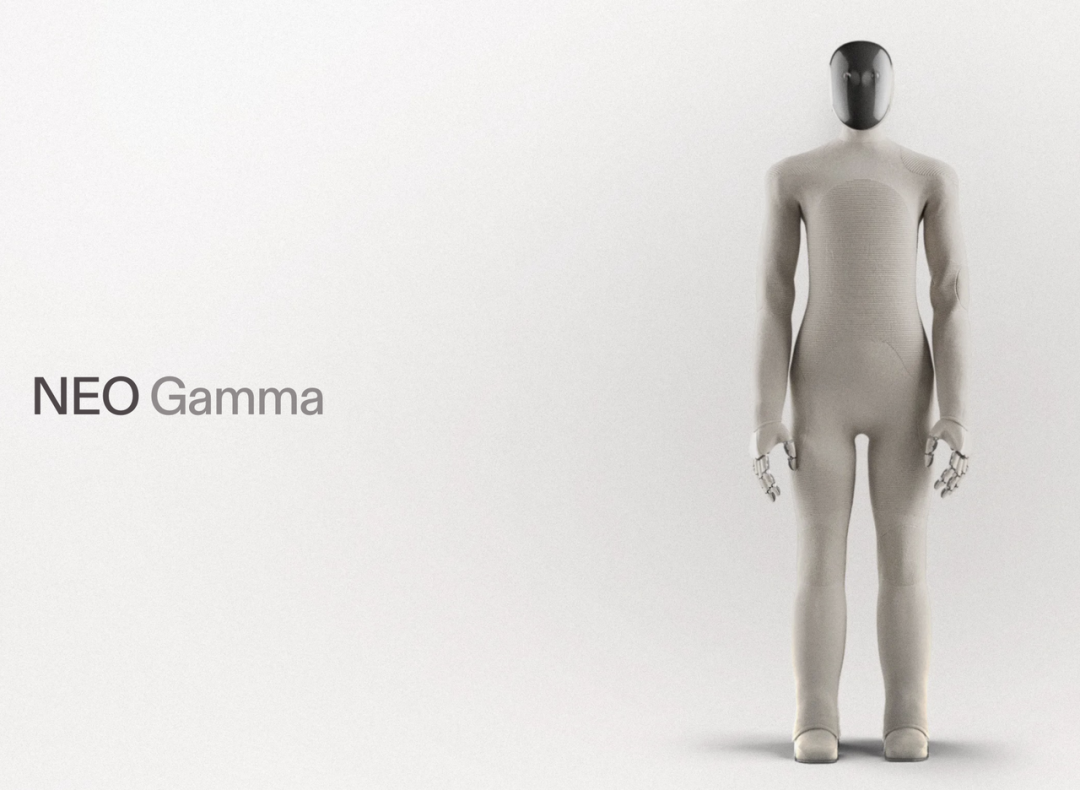
But judging from actual demonstration scenarios, underlying technology, and the extremely high safety requirements of home environments, 1X likely still has some distance to go from "general-purpose humanoid robots."
For example, despite Neo Gamma entering small-scale home testing, 1X has yet to overcome numerous bottlenecks in home scenarios:
- Battery life: Even 4 hours of runtime is difficult to achieve.
- Cost: The $30,000 price point.
- Safety: Unstable Wi-Fi signals create high risk of "paralysis," which is clearly unacceptable in home environments.
1X states that Neo Gamma has left the laboratory and been tested in hundreds of homes. But the company also admits: "The distance from Neo Gamma to commercial-scale production and deployment remains unknowable."
Boston Dynamics (Atlas)
The "veteran robotics giant" Boston Dynamics spent a decade giving Atlas a complete upgrade — from hydraulic to fully electric drive — shooting to the top of embodied intelligence trending topics.
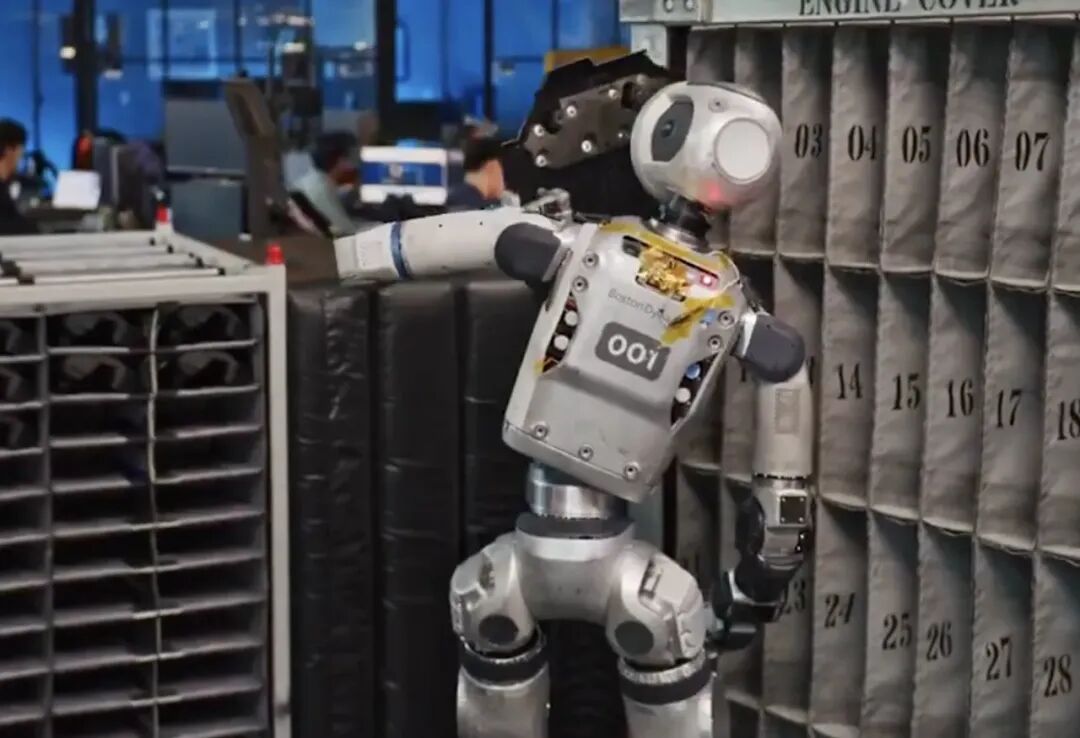
Recently, Boston Dynamics delivered new progress. This time, collaborating with the RAI Institute, they developed reinforcement learning strategies through motion-capture suits.
The synergy of embodied intelligence and AI, the deep integration of reinforcement learning algorithms with motion-capture technology, enabled Atlas to demonstrate astonishing performance: it could rapidly adjust its stride on uneven terrain, quickly recover balance from stumbles, and even complete complex dance movements like spins and rolls.
While Boston Dynamics's vision is: "To enable Atlas to do anything, delivering humanoid robots with real value."
However, it must be noted that Atlas's most "viral" application scenarios to date remain confined to factory settings — parts sorting in automotive manufacturing, a common logistics task.
This year, Atlas will begin testing at Hyundai factories, then continuously iterate, accumulate training data, and refine functionality. What's clear is that for a considerable time horizon, commercial deployment of Boston Dynamics' Atlas remains enormously difficult.
Even if robots can be easily deployed inside factories, that's merely their "comfort zone."
Compared to Neo Gamma, Atlas has shown no attempts to enter more complex home environments.
Figure
As a rising star in embodied intelligence, Figure — founded in 2022 — attracts worldwide industry attention with every move.
Figure focuses on developing AI-driven general-purpose humanoid robots, using technological innovation to solve labor shortages.
The team boasts exceptionally deep credentials, bringing together robotics and AI experts from renowned companies including Boston Dynamics, Tesla, Google, and Agility Robotics. Its first prototype "Figure 01" debuted in 2022, positioned for generalized factory tasks in logistics and warehousing.
From the very beginning, Figure set its sights on combining multimodal AI large models with embodied hardware. After receiving investment from OpenAI on March 1, 2023, within two weeks it leveraged OpenAI's multimodal capabilities to achieve a technical breakthrough with "Figure 01." At the time, Figure 01 was even called by numerous media outlets "ushering in a new era of robotics technology."
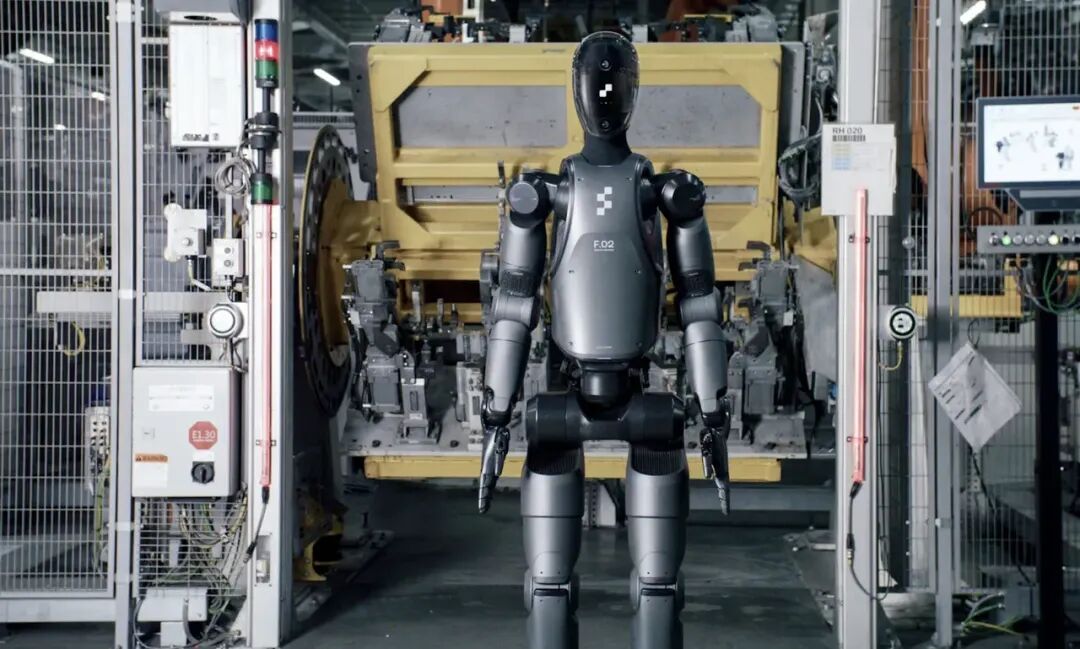
Similar to the aforementioned humanoid robots, Figure is also currently confined to tasks within BMW factories.
In February this year, Figure suddenly announced termination of its partnership with OpenAI, stating it had completed construction of its own general embodied intelligence model Helix. This is a general visual-language-action (VLA) model integrating perception, language understanding, and learning-based control.
Figure founder @Brett Adcock tweeted that "Figure is bringing robots into homes, and due to Helix AI's development speed exceeding expectations, Alpha testing will begin this year (2025)."
But as Figure's X bio states: "Figure is an AI robotics company building the world's first commercially viable autonomous humanoid robot."
Figure's path toward truly mature, viable commercialization remains long.
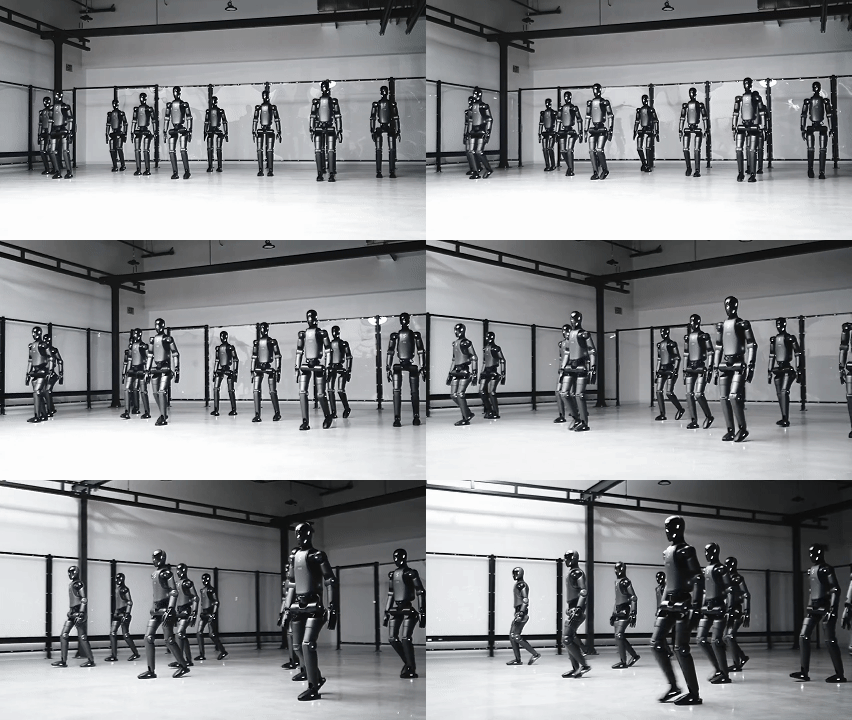
Despite Helix's加持, Figure's humanoid robots have demonstrated outstanding object generalization capability: "handling thousands of items never seen during training." But it cannot be denied that this generalization capability has not yet reached the level of entering home environments, and still cannot open the door to commercial deployment.
Clone
Apart from several startups that have "induced" humanoid robot deployment logic into commercial domains from the very beginning, Clone — founded in Poland in 2021 — absolutely counts as a breath of fresh air.
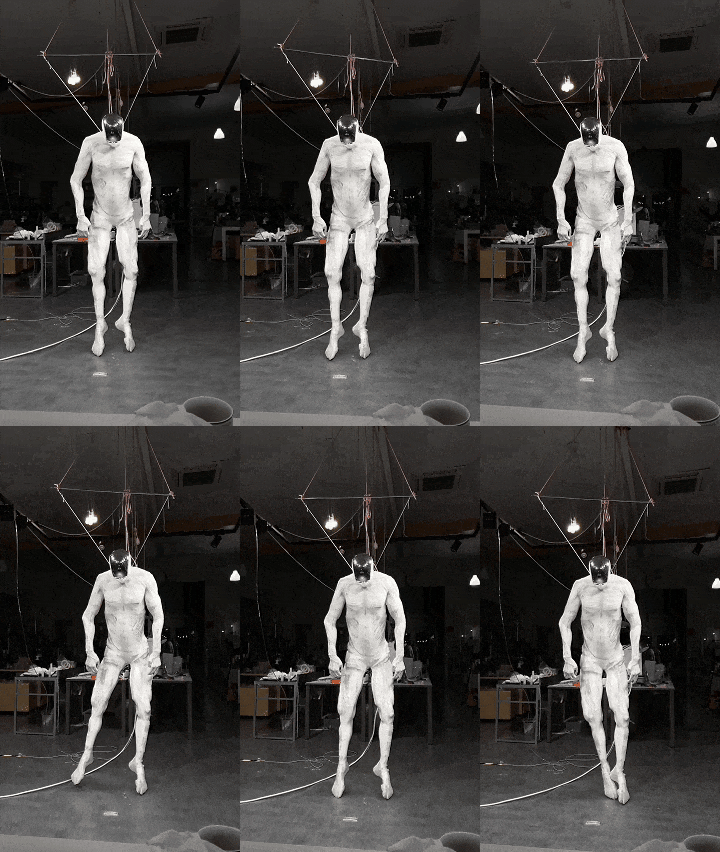
Because Clone's biomimetic robot products are extraordinarily sci-fi in nature, focusing on using advanced musculoskeletal technology to create robots approaching human anatomical structure, hailed from its debut as "the world's first bipedal musculoskeletal robot."
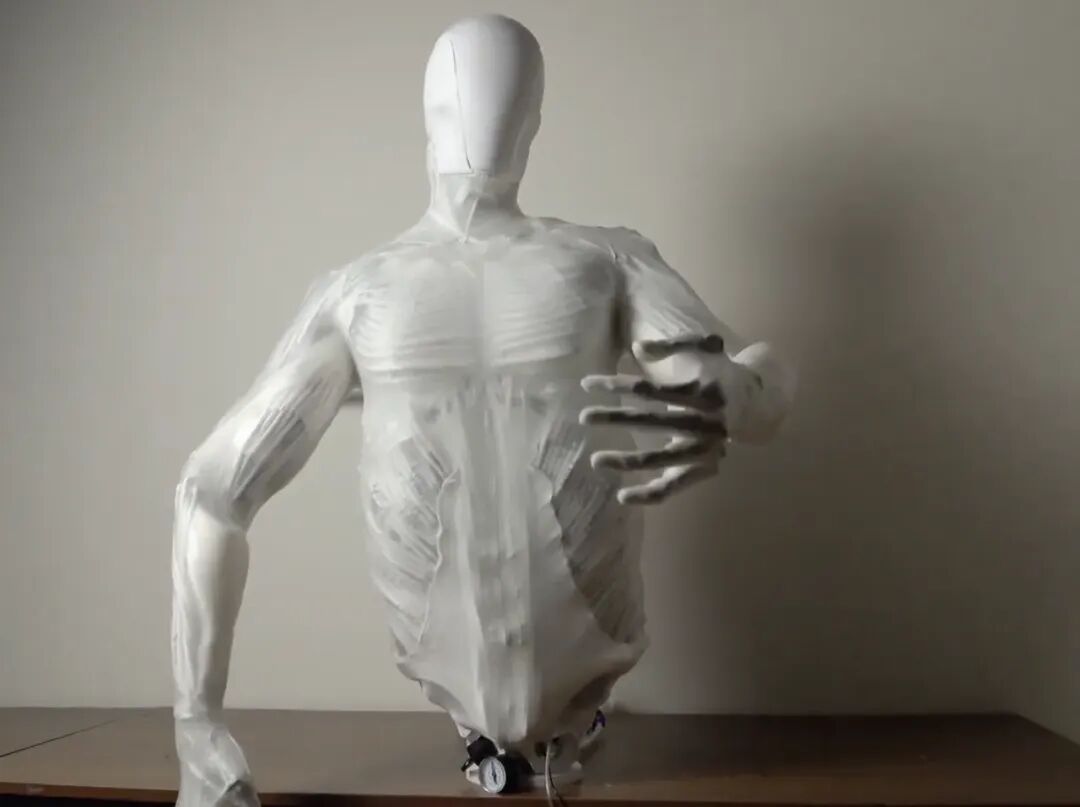
Clone has made numerous cutting-edge theoretical moves recently:
- Using water as a medium, providing power to its robots through a hydraulic drive system.
- Revolutionary artificial muscle technology — Myofiber.
In February 2025, Clone released the world's first bipedal musculoskeletal robot Protoclone V1, featuring over 1,000 Myofiber muscles, more than 200 degrees of freedom, and over 500 sensors. However, it still requires suspension support to maintain stability.
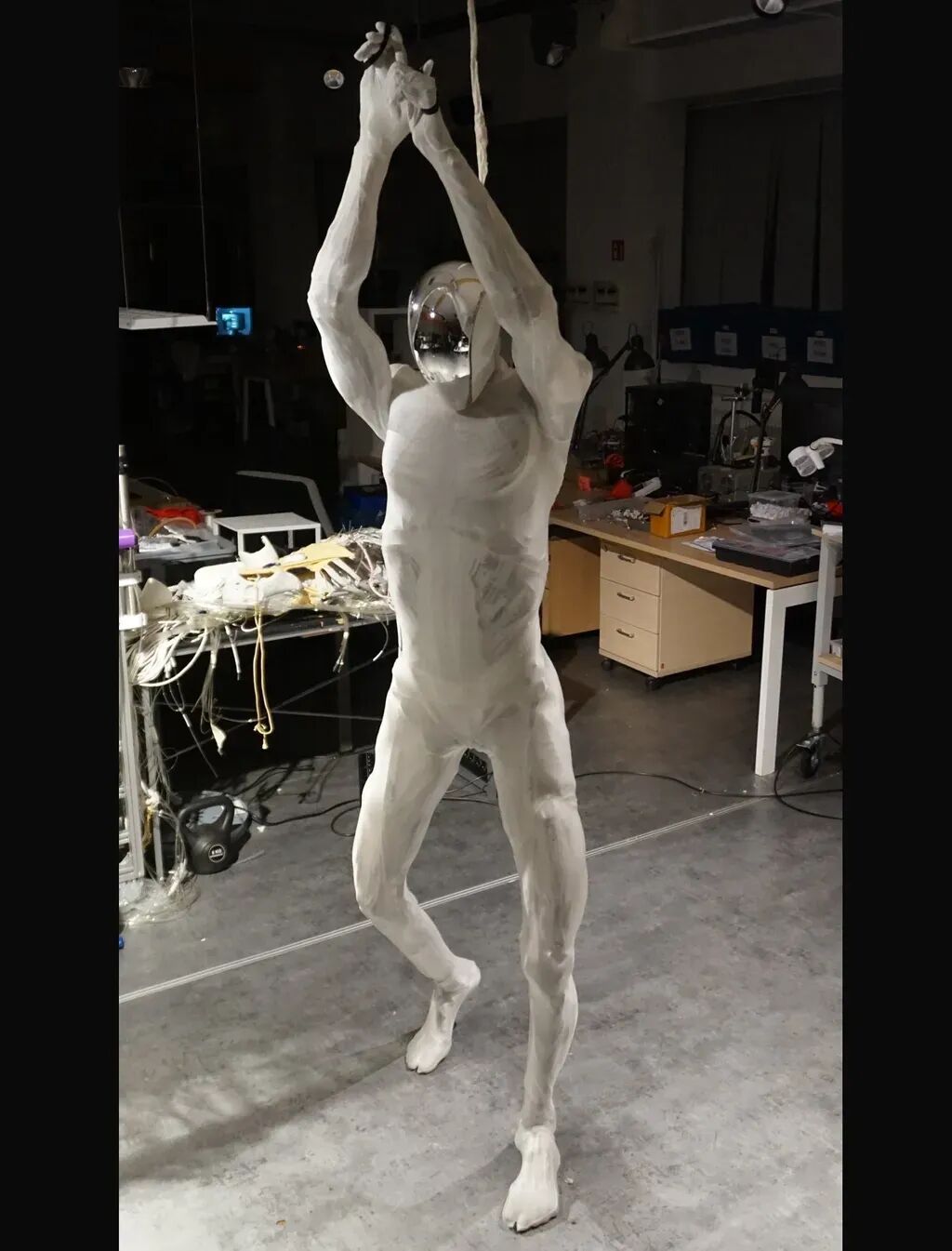
But these technical highlights remain more at the visual level. To truly achieve commercialization, Clone still needs to solve a series of more practical, more core problems. Mere "unsettling" appearance and "hundreds of degrees of freedom" technical details are insufficient to support a complete commercial logic.
For example: behind over a thousand Myofiber muscles and hundreds of degrees of freedom lies high cost; even generalized factory environments with lower task complexity have yet to see actual task execution.
For robots in sci-fi scenarios, viral social media appeal comes naturally, but the challenge lies in transforming concepts into market-recognized real commercial products.
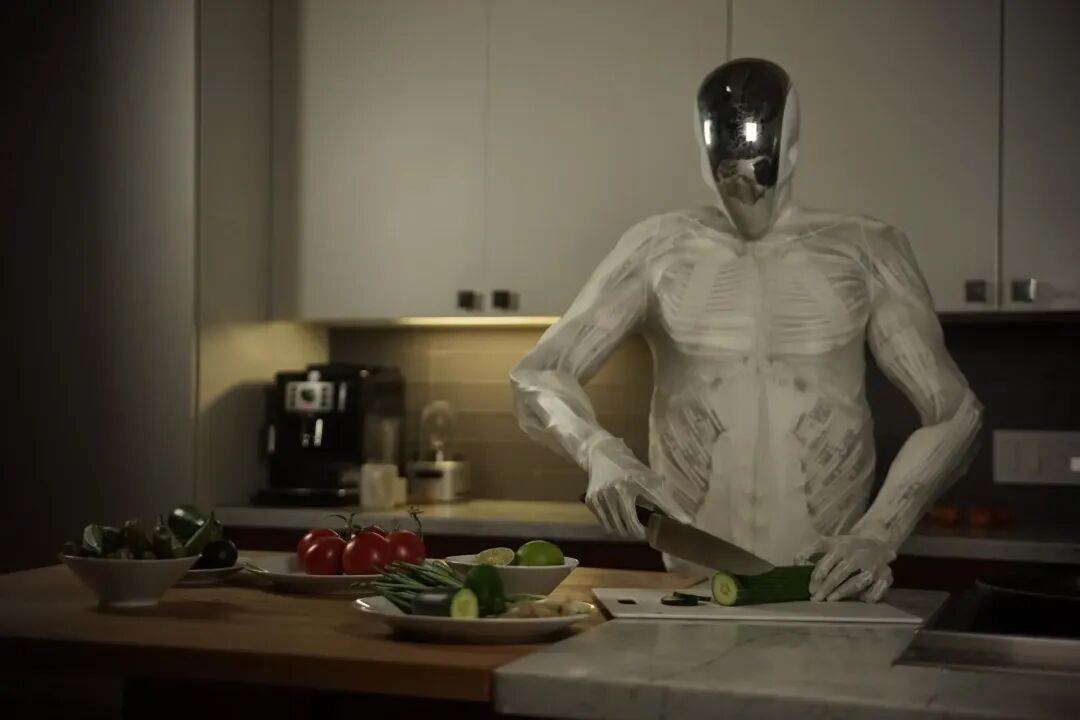
Achieving generality in humanoid robots remains far too distant for Clone.
Humanoid Robots Still "Flowers of Tomorrow"
The market consensus in humanoid robots presents a peculiar concentration phenomenon — the industry almost universally shouts "All in on humanoid robots."

Through梳理 of industry development trends, this abnormally unified voice actually reflects the entire industry's confusion and uncertainty.
The leap from relatively forgiving factory environments to complex, real home environments is a chasm-like difficulty.
Currently, major manufacturers still have not clearly answered several core questions:
- Why must humanoid robots be "humanoid"?
- Are various specialized scenarios truly impossible without "humanoid" form?
- Is the rise of humanoid robots driven more by catering to naturally inflated传播 effects rather than actual demand?
- Drawing on AI large model (LLM) iteration experience, if humanoid robots cannot achieve the closed-loop logic of "real-scenario deployment → training → data accumulation → optimization iteration," is commercial deployment even more distant than current AI large model落地?
Summarized, the main causes of the above predicament lie in several aspects:
- Environmental differences: Factory environments are controllable; home environments are complex and variable.
- Task complexity differences: Industrial tasks are singular and stable, while home life tasks are endlessly varied; current robot generalization capability is severely insufficient.
- Safety requirement differences: Factory environments have high fault tolerance; home environments are more sensitive with smaller margins for error.
- Cost and return differences: Industrial deployment costs are lower with scalable applications; home deployment costs are high with unclear returns.
- Technical bottleneck differences: Existing technology suffices for industrial needs but falls far short of home complex scenario demands.
While the blue ocean of general-purpose humanoid robots appears无限 in prospect, the distance to maturity remains enormous.
As Jensen Huang emphasized: "Rapid development in humanoid robots does not mean general-purpose robots will achieve widespread adoption in the near term."
A Unitree executive also stated: "True general-purpose robot落地 still requires long-term exploration and攻坚."
As the general public gradually develops审美疲劳 toward various humanoid robot stunt performances, if the next step in humanoid robot development remains stuck at tasks like "backflips, ball-picking, heavy lifting" without deeply addressing ordinary people's real daily needs, then the future humanoid robot field will likely see repeated stories of "capital retreat."