At Volcano Engine's startup forum, no one was talking about AGI?
AI entrepreneurs are starting to do the math for real.
AI founders are starting to do the math for real.

👦🏻 Author: Jingshan
🥷 Editor: Koji
🧑🎨 Design: NCon

On the afternoon of December 18, the Crossing team was invited to attend the "Startup Forum" at Volcano Engine's FORCE Conference.
From the feel on the ground, this was a very "grounded" forum.
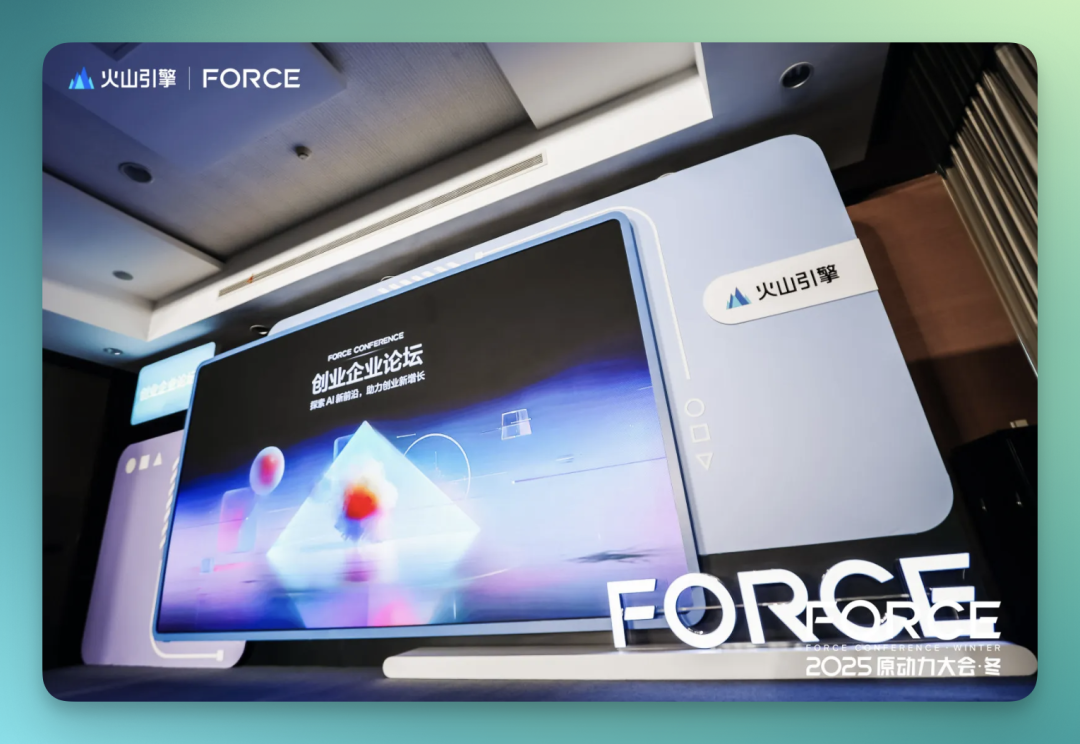
The turnout was strong, conversations were dense, and the entrepreneurs in attendance were highly engaged — speakers presenting, audience members taking notes, discussions between founders barely pausing. The overall energy was high:
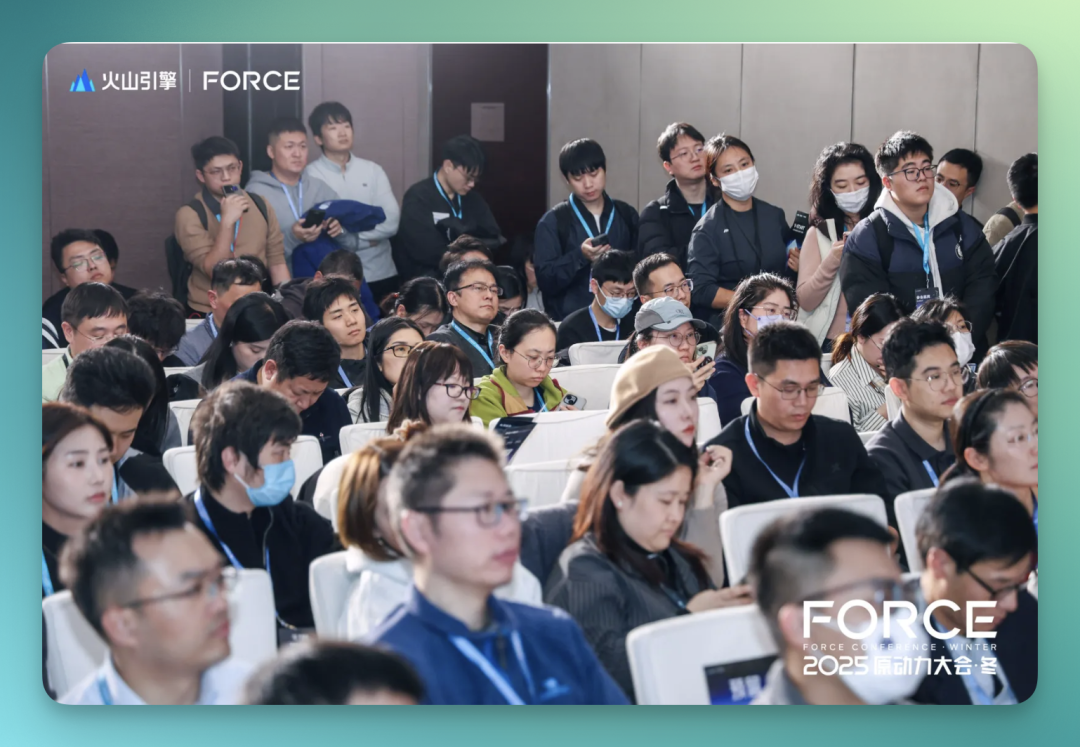
But the buzz wasn't because people heard some revolutionary new concept.
On the contrary, much of what entrepreneurs kept circling back to in the hallways was essentially the same set of problems:
Users pile on, tokens burn — what then? Features get complex, stability drops — what then? Product's built, but stuck on distribution, growth, cold start — what then?
This is precisely why the forum host, Volcano Engine's V-START Accelerator, was able to pull so many founders into one room.
People came to see: Have these already-happening problems been systematically addressed? Are there ready-made solutions, or at least a more viable path forward?
The forum's agenda was built around trying to solve these problems.
From the questions and exchanges on the floor, the focus was remarkably concentrated — it boiled down to 3 very specific, very grounded concerns:
🚥
【1】Users show up, money burns — what do I do?
【2】Product's built, nobody knows — what do I do?
【3】Technically, can I get the same toolkit the big players use?
Below, we break each of these down.
【1】First, the most visceral pain point: users show up, money burns
Anyone who's actually built an AI application quickly grasps a shift: Before, building apps, more users was always better. Now, with AI, every user conversation is being metered in real time.
There's a half-joke making the rounds: Your heartbeat syncs to the token burn.
For early-stage teams, this creates a genuinely contradictory state.
You need users to trial your product and validate direction, but if user growth outpaces you, compute costs can blow up entirely. Many founders aren't holding back on marketing because they don't want to — they're scared to scale, afraid the bill will kill the team first.
So people ask directly:
Volcano Engine V-START Accelerator, can you help with this?
【2】Another chronic headache: product's built, nobody knows
Today's AI startup scene isn't short on technically strong teams or interesting products.
What's scarce is the chance to be seen by users, to be genuinely used.
Many projects get stuck not because they're poorly made, but because they have no idea where their first users will come from.
This is where V-START Accelerator starts to look different.
Behind Volcano Engine sits ByteDance, and what ByteDance is good at is traffic distribution and user acquisition.
For AI founders, joining this program is fundamentally asking one question:
Can I tap into ByteDance's user base and channel resources?
If I'm building a consumer product, can Ocean Engine and the Douyin ecosystem give me more exposure? Is it possible to get my product in front of hundreds of millions of users on a platform they already use, instead of grinding away posting everywhere myself?
If I'm building for enterprises, is there a path to real corporate customers instead of perpetual cold start?
These questions determine whether a product ever gets to run.
【3】One more fundamental concern: technically, can I get the same toolkit the big players use?
Building large models and AI applications has never been just about writing code.
For instance: When running multi-GPU setups, how do you keep connections stable? With long-context, high-concurrency scenarios, how do you push latency down? At scale, where do the bottlenecks typically emerge?
These problems are often "heavy" for small teams, and hard to solve independently in short order.
So people want to know:
Can V-START Accelerator open up the engineering expertise accumulated from serving major corporate clients, and make it directly available to startup teams?
When all three of these issues were put on the table at the forum, it became easy to understand why the afternoon's startup session drew such a crowd of AI founders.
After Crossing's full participation in this V-START Startup Forum, we found that the accelerator covers these three categories of problems through 7 specific points.
We've organized the on-site information and will walk through each below.
🚥 2025 Is the Year AI Startups Break Out
First, nearly everyone who took the stage kept hammering home one consensus:
2025 is no longer about "whether to do AI entrepreneurship." The question is "who actually survives."
The forum was hosted by Jia Rui (Head of Volcano Engine V-START Accelerator), Feng Shuyun (Head of Volcano Engine Ark Solutions), Geng Ruosi (Business Director of Volcano Engine V-START Accelerator), and others.
The core speakers fell into two camps:
【1】AI startups actually running products, users, and revenue.
For example: Wu Di (CEO of Deemos), Zhu Zheqing (Founder of Pokee AI), Xiuhann Hu (Founder of Nie Ta), Jia Rongfei (Co-founder of Shumei Wanwu), Tong Chao (Co-founder of Mangzhong Xingqiu), Jeff (Founder of Jurilu), Yang Sheng (Founder of Pole Interactive), Xie Chen (Founder of Lightwheel AI), and others.
【2】Investors on the front lines.
For example: Yungang Huang (Managing Partner of Source Code Rhythm), Zang Tianyu (Partner of Jinqiu Fund), Jiao Teng (Partner of Future Capital), Chen Yu (Partner of Yunqi Capital), and others.
Against this backdrop, we've mapped out the following 7 points:
1) Wherever you can use Volcano Engine resources, apply aggressively
👦🏻 Jia Rui:
Speaking of 2025, overall sentiment is actually quite excited. This year is basically set to be the year AI entrepreneurship starts breaking out.
Over the past year, our accelerator team engaged with over 1,000 startup projects in the market, and we've seen a lot of founders with solid capabilities and clear judgment.
One very direct feeling: Strong founders deserve to be seen earlier and supported more.
It's based on this judgment that we're formally launching the AI Navigators Program in 2025.
The core goal is simple: for strong but still early-stage teams, provide more targeted, more needs-matched support — to get through the most uncertain stretch of building a company together.
Looking ahead, the most important thing for most AI startups next year is already crystal clear: get the product actually deployed, land the first batch of users.
Every design choice in the AI Navigators Program is built around these two goals.
On compute and technology, we'll continue ramping up high-value credits, while bringing in more frontline AI experts to work alongside teams in troubleshooting and optimization — helping everyone keep costs down and deployment speed up while maintaining quality.
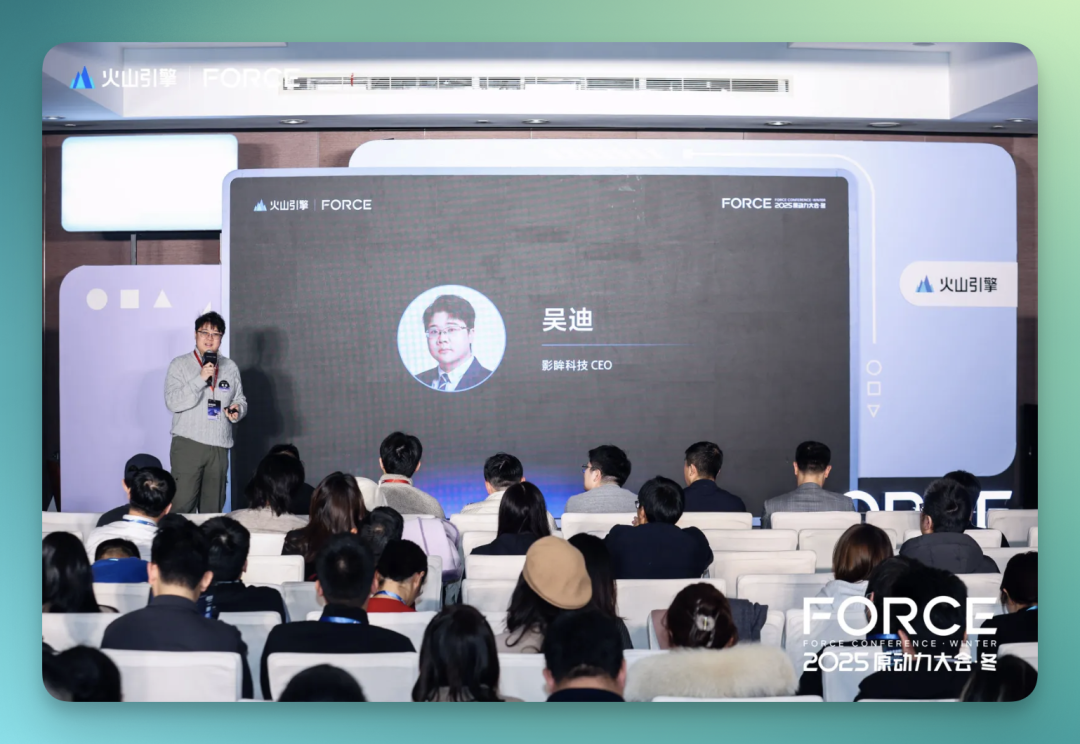
🧑🏻💻 Wu Di (CEO of Deemos):
I've been through pretty major funding setbacks and a point where the company was nearly dead. I've had exactly 1 million RMB in the bank, unable to make payroll.
The defining trait of a founder at that moment is knowing how to hustle for resources. If there's Volcano Engine wool to be sheared, shear it all — free tokens are free tokens, use them.
When we needed massive resources for training, they were able to coordinate and allocate them for us immediately. That direct help was huge for pushing model training and tech iteration forward.
2) How to solve "nobody knows about my product"?
👦🏻 Jia Rui:
On concrete execution, we're also helping different types of startups connect with more suitable resources within the ByteDance ecosystem.
For example, for hardware startups, we help them connect with Douyin e-commerce to expand actual sales channels — not just exposure — helping products truly close the commercial loop.
For certain leading AIGC products, we push to get them integrated with newly released multimodal large models at the earliest opportunity, riding the wave of tech updates to gain more traffic and attention, achieving faster user-side growth.
To date, over 50 companies have joined our AI Navigators Program and established deep collaboration with Volcano Engine and the ByteDance ecosystem. This includes application companies targeting global markets, where we've helped them promote within open-source communities to expand influence among global developer communities.
Additionally, this year we'll also be paying special attention to content creation and short drama sectors. In these scenarios, we'll help short drama companies connect with platform resources within the ByteDance ecosystem, enabling smoother content distribution and commercial monetization.
Overall, what we want to do goes beyond one-off support — it's about systematically unlocking resources across the ByteDance ecosystem.
We're building more dedicated partnership channels for startup teams, helping them land their first users and then driving sustained growth from there.
3) How do you solve the "can't figure out tech or going global" problem?
👦🏻 Jia Rui:
Actually, the Volcano Engine Accelerator was never positioned as a generic startup support program. It's specifically designed as an entry point for startups. Our goal isn't just to connect people with basic resources — we want to create genuinely additive growth opportunities for founding teams within Volcano Engine and ByteDance's broader business system, alongside deeply integrated technical support.
In concrete terms, take the enterprise services direction. If a company has heavy data processing needs or model inference requirements, we often get directly involved in designing their technical architecture.
We break down the system together, help you figure out which model combinations make the most sense, and drive down overall costs while maintaining performance.
At the same time, the accelerator continues to bring in more frontline AI experts to collaborate with startups on both technical support and product implementation.
The core purpose is simple: fewer detours, fewer pitfalls, and a faster path from validation to scaled deployment.
Another notable shift is our push into overseas markets this year. The Volcano Engine Accelerator has built out a complete international acceleration system from scratch.
So if a startup team already has plans for going global, we'd welcome the chance to connect and help you put these resources to work.
4) You don't have to compete in just one scenario
👦🏻 Jia Rui:
In AI's evolution, we're already seeing some notable changes from 2024. The most obvious one: application scenarios are shifting from relatively narrow to increasingly diverse.
Looking back at 2024, from actual startup usage patterns, platform token consumption was still largely concentrated in a handful of scenarios like roleplay and interactive entertainment. Application forms were clustered together, mostly still in the experimentation, validation, and feeling-out phase.
But by 2025, this landscape has shifted noticeably. As model reasoning and multimodal capabilities have improved rapidly, more and more scenarios have become genuinely usable, practical, and deployable at scale.
Whether it's Coding tools, Agent-based applications, short-form comics and content creation, or extending further into hardware-integrated application scenarios, we've seen a wave of standout startups emerge across each of these areas. The application map has suddenly expanded.
More importantly, this isn't just "more products."
AI capabilities are starting to genuinely match real-world demand. What models can do and what users actually want are converging.
From this perspective, the market is gradually moving past its early stage driven by concepts and hype, toward a more stable, sustainable phase of structural prosperity.
🧑🏻💻 Xie Chen (Founder of Lightwheel Intelligence):
And in the embodied intelligence space, we're already seeing Scaling Law emerge.
Once data scale reaches a certain point, you find that as you continue scaling data, algorithm performance genuinely keeps improving.
But problems follow: demand is clearly outpacing us.
It's not us looking for customers anymore — we simply can't keep up with customer demand. Our team size has doubled in the past three months just to chase demand, and even then delivery pressure remains intense.
Meanwhile, the customer structure itself has undergone a qualitative shift.
Previously the biggest demand came mostly from robotics companies; now, it's shifted to large model teams within major tech firms.
You can see it directly in their compute scale: average card usage has gone from 5,000 cards to over 50,000 cards.
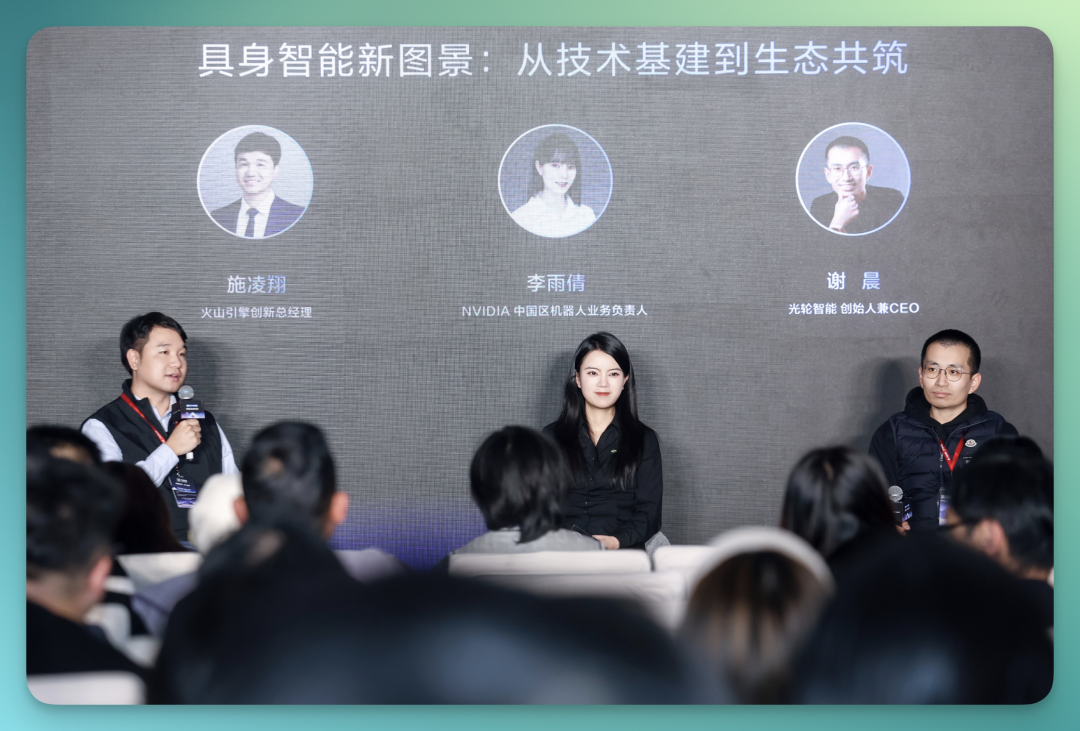
👦🏻 Shi Lingxiang (General Manager of Innovation, Volcano Engine):
In embodied intelligence, NVIDIA has always been a particularly important partner for ByteDance. My side mainly handles innovation-related matters, including: robotics development tools and robotics products.
Throughout our collaboration, there's been a clear principle — something I'm personally quite convinced of: robotics isn't a "product" problem, it's an "ecosystem" problem.
So whether I'm building tools myself or developing products, the overall approach and style revolves around "how to build out this ecosystem."
Because in my view, robotics is fundamentally about reconstructing production relationships.
If you look backward from the "endgame," you'll realize that reconstructing production relationships can't be solved by a single tool, or by a scaffolding platform, or even by building an incredibly powerful data factory that collects all the data. None of that alone solves the problem.
Why? Because the real hard part of robotics is whether that last mile can be successfully delivered. And that last mile inevitably triggers a chain reaction across the algorithm layer, infrastructure layer — it's inherently an ecosystem problem.
So what we want is: when developers use data, they can directly leverage ByteDance's LAS data lake service integrated with large models; then execute through Volcano Engine's entire MLP system; and finally at actual deployment, use our own development tools plus "last mile" evaluation tools to ensure delivery actually lands.
This entire chain needs to be closed-loop and complete.
In embodied intelligence, ByteDance will also provide comprehensive support — for example, Volcano Engine can offer embodied data services, model training MLP, embodied VLA models, the veRL reinforcement learning framework, and more.
5) Don't worry about "large models eating applications": the stronger models get, the easier applications become
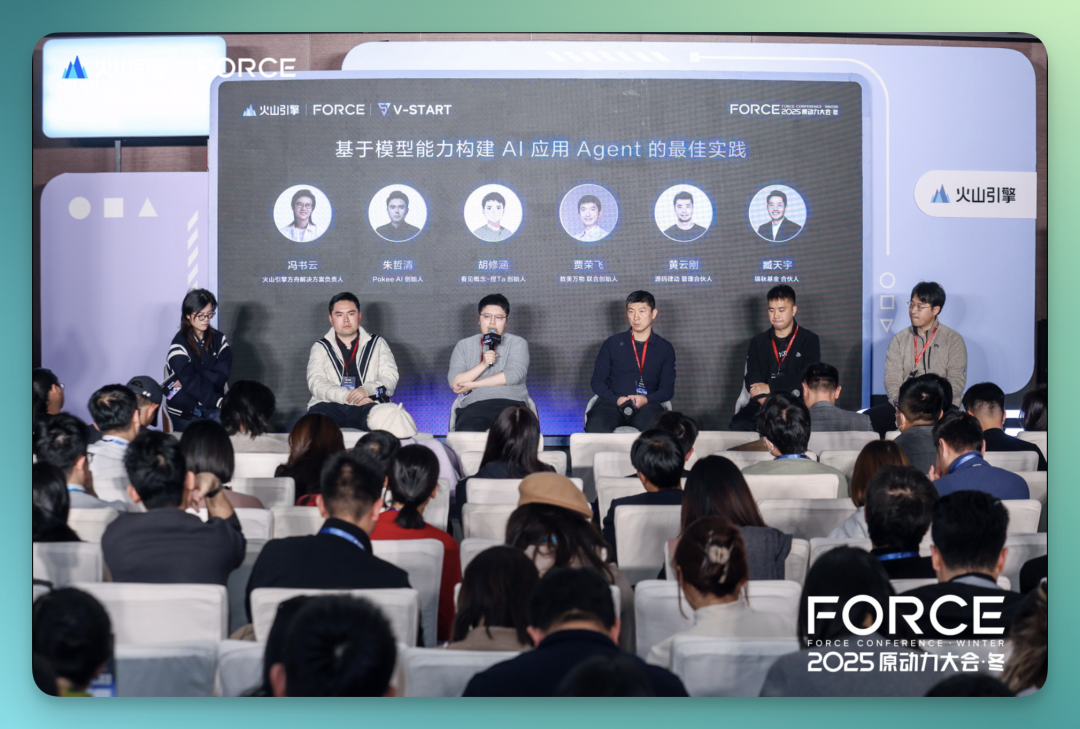
👦🏻 Jia Rui:
We're actually quite encouraged to see this: application companies and major model providers are gradually finding a healthier symbiotic relationship.
Earlier on, there was a shared concern: as models become more capable, would application-layer space keep getting squeezed, making it harder for startups to survive?
But from our perspective in 2025, that's not how things have played out.
On the contrary, whether for language models or multimodal models, every significant capability leap has been followed by tangible growth for application companies in our ecosystem.
You can see that model capability improvements and product growth are forming a very clear positive correlation. Stronger models mean applications can do more, user experience improves, conversion smoothens out — everyone's gradually figuring out a mutually beneficial way to collaborate.
So looking back, model updates aren't a threat; they're leverage.
Every model capability upgrade, every technical inflection point, represents a rare growth window for startups.
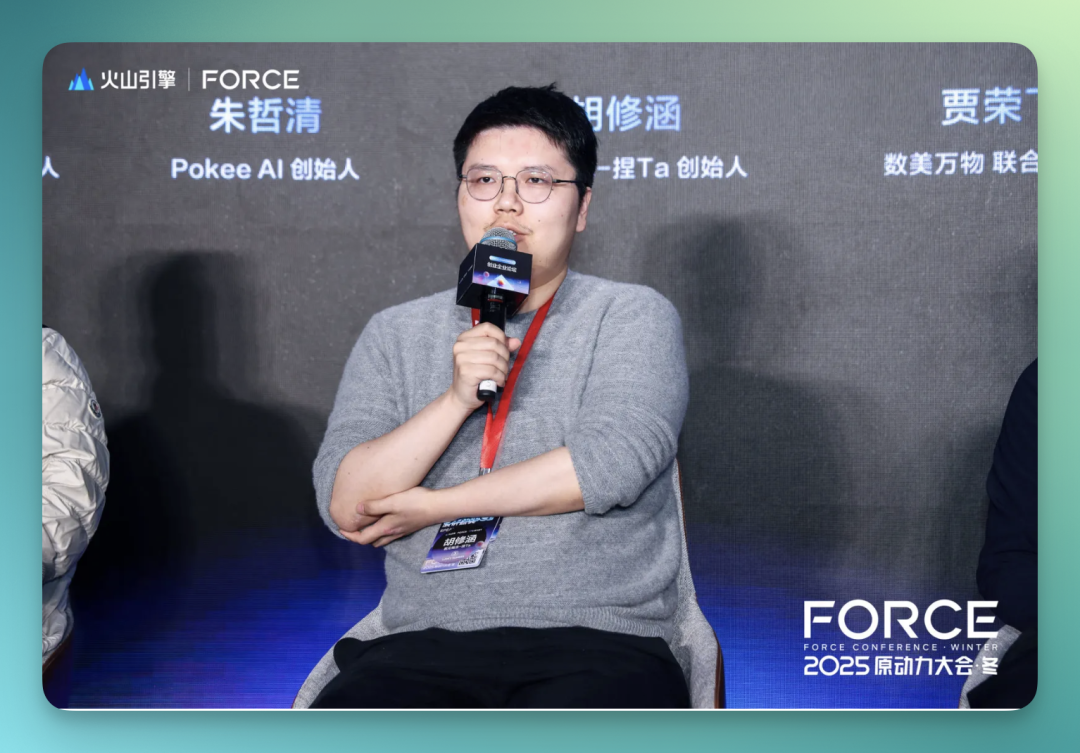
🧑🏻💻 Xiuhann Hu (Founder of Nie Ta):
My own feeling is that building products last year was quite constrained, mainly because multimodal capabilities hadn't caught up. For most C-end users, there weren't many scenarios where they'd immediately realize "oh, AI can actually do this."
But this year things have clearly changed. In products like Doubao, multimodal usage among C-end users has surged, especially in entertainment and creative scenarios.
We're seeing an interesting shift: younger users are no longer satisfied with one-off "pretend play" experiences — they're starting to continuously build worlds, gradually constructing their own fantasy universes.
We've recently compiled some cross-user content and found people aren't just building little shops anymore; they're genuinely taking on more complex creations.
This shift is quite tangible.
A key driver behind it is model capability progress itself. Whether it's ByteDance's Seedream and Seedance, or Nano Banana, or Sora-2 — they've all evolved extremely rapidly, creating lots of opportunities.
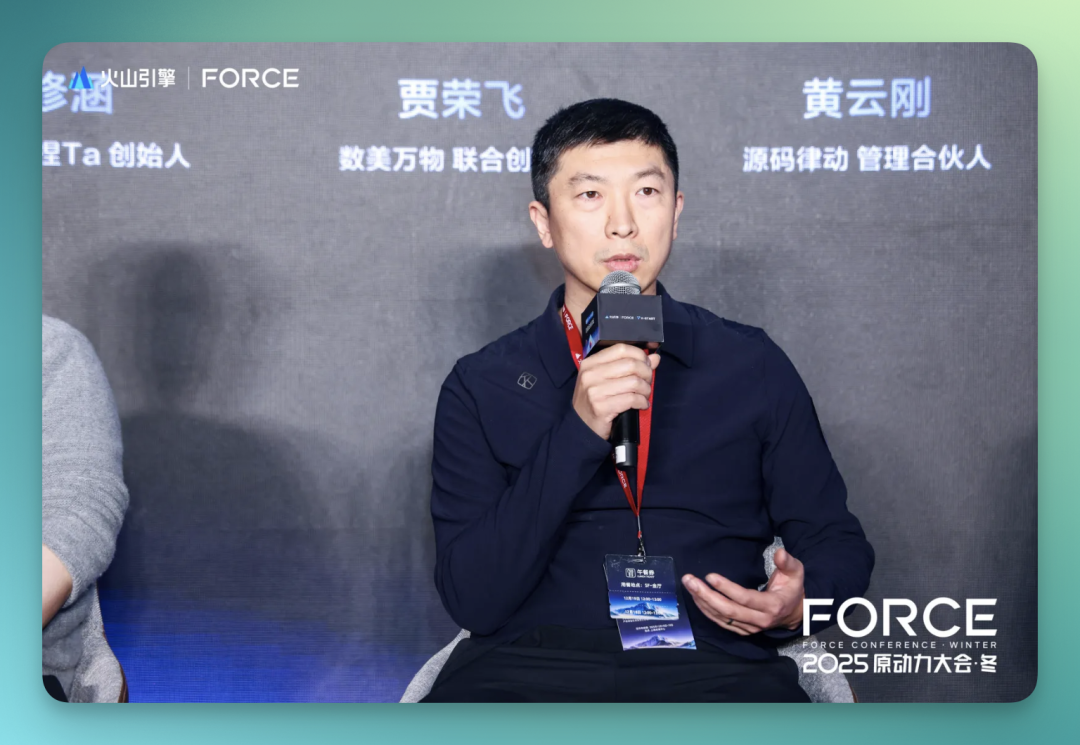
🧑🏻💻 Rongfei Jia (Co-founder of Shumei Wanwu):
And this shift isn't just happening online.
In physical manufacturing, we're also seeing surprising user-side explosions. When Nano Banana first launched, many people spontaneously made banana-related figurines.
We previously ran a personalized keycap campaign — it seemed like a pretty niche direction, but user enthusiasm was remarkably high. That month, content volume in this category grew quickly, and transaction volume rose in tandem.
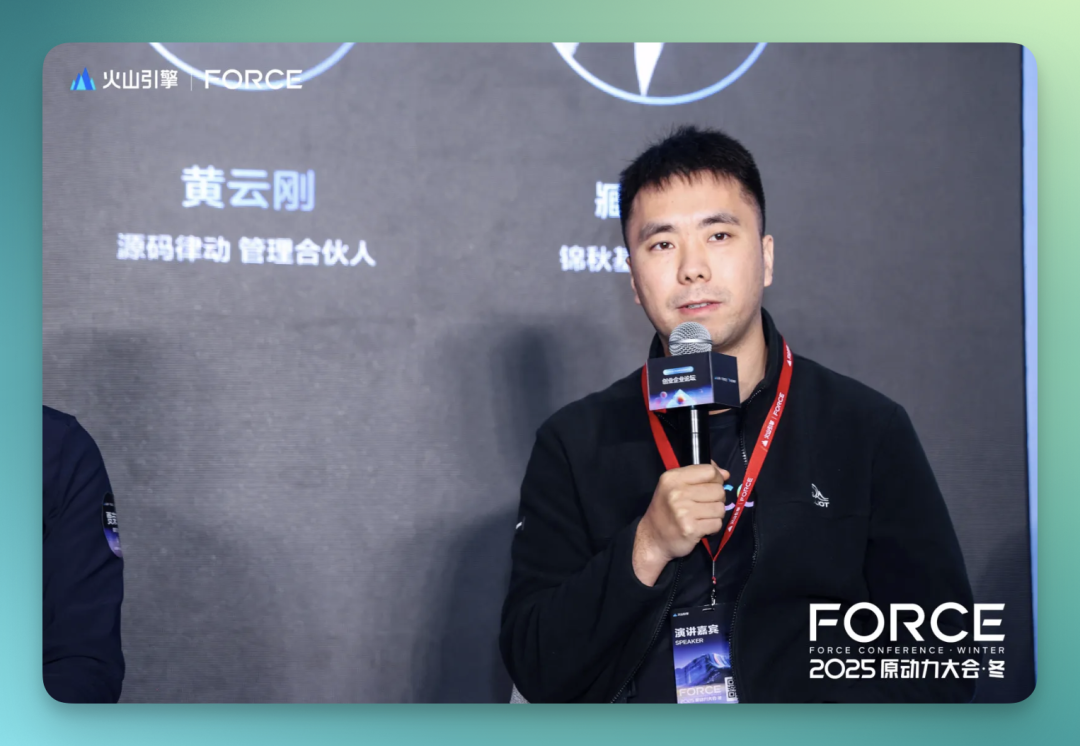
🧑🏻💻 Yungang Huang (Managing Partner, Source Code Rhythm):
From the enterprise side, the logic is similar.
We're seeing many portfolio companies thinking about the same thing: how to actually put their internal data to use.
Companies have lots of sales data, operations data, but most of it sits in local systems or internal processes. Lark has done well in document, summary, and Q&A scenarios, but that's just one slice — there's still massive amounts of data that haven't been activated.
So whether on the personal or enterprise side, the demand has always been there. The key question is whether model capabilities are ready. Once capabilities improve and costs come down, people naturally start using, start playing, and gradually expand toward larger user bases.
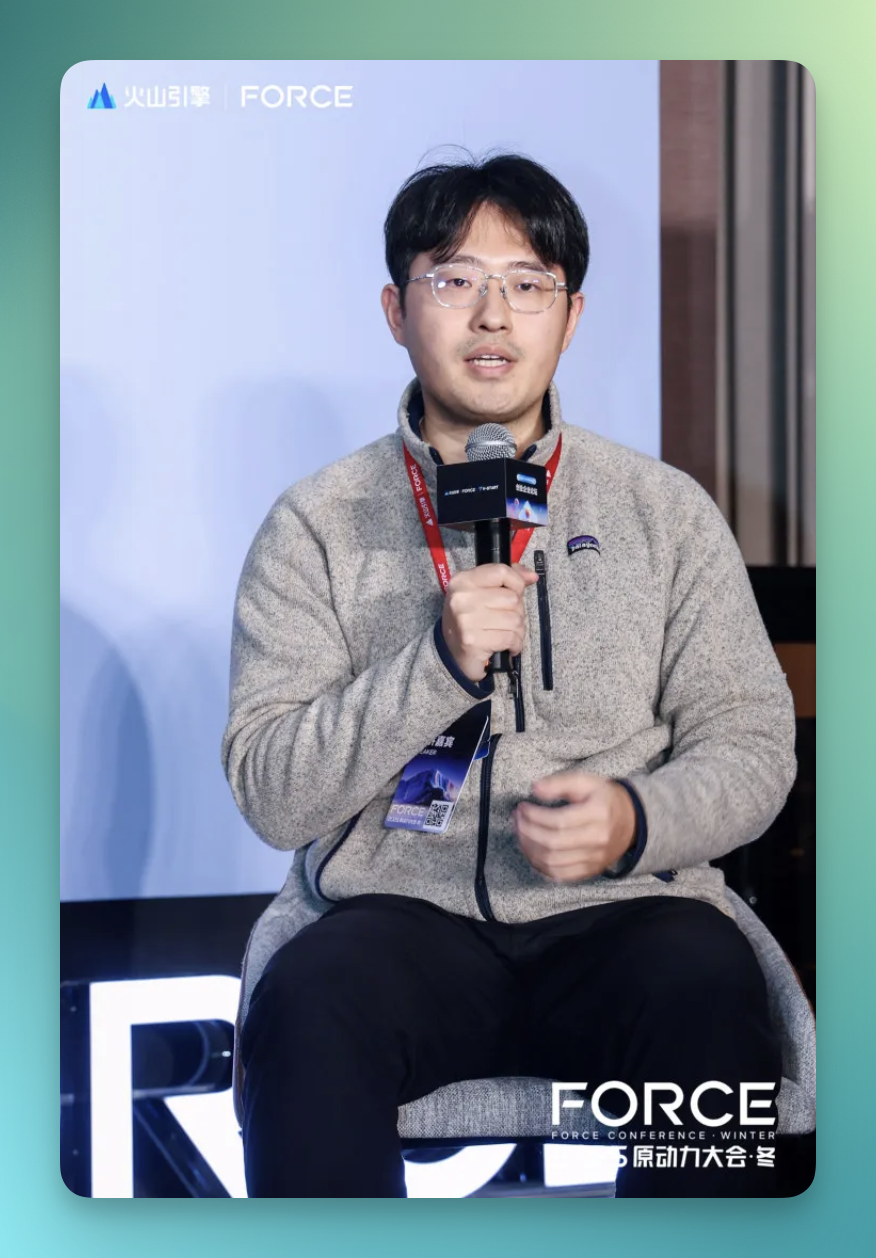
🧑🏻💻 Zang Tianyu (Partner, Jinqiu Fund):
I've been spending a lot of time looking at consumer-facing products lately, and my overall impression is that user demand itself is actually quite stable — it's just the focus that's shifting. For example, this generation of young people has stronger needs than ever for self-expression and immersive experiences.
In the past, even someone with a vivid imagination struggled to turn written concepts into something visual, let alone interactive.
But now, through AI, you can take a pure text idea and turn it directly into comics, animation, even playable content. Two examples from our portfolio are OiiOii and Zaomeng Ciyuan. Going further, there's now personalized manufacturing capability too — like Shumei Wanwu, another of our investments — that can turn these into physical objects: figurines, badges, accessories for your bag. The opportunities here are enormous.
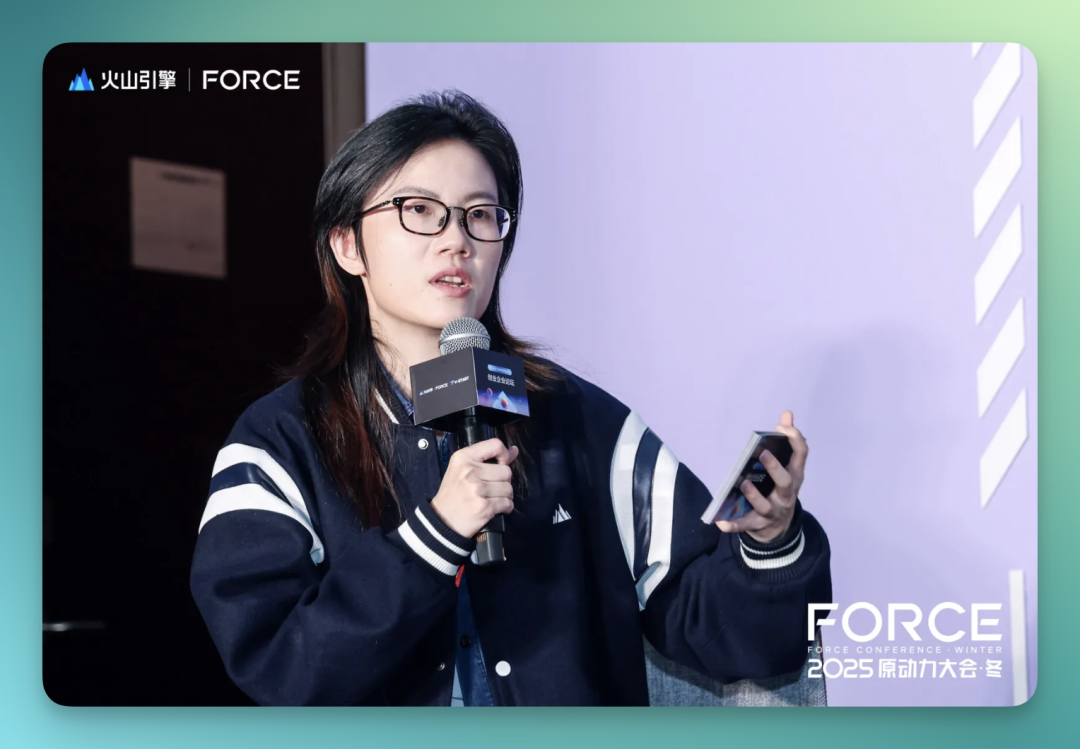
🧑🏻💻 Feng Shuyun (Head of Ark Solutions, Volcano Engine):
From the model-serving side, our observations line up pretty well. Model capabilities haven't squeezed out applications — they've been steadily raising the ceiling for what apps can do.
In productivity scenarios, as long as models can deliver stable, high-quality output, users are willing to pay — think code generation, RPA-related agents. The consumer side is the same: once clarity and experience improve, people quickly can't go back.
We've gradually converged on a shared view: model costs will definitely come down, but as long as model quality keeps improving, users will pay for a better experience.
That's why you'll notice compute and resources have remained tight throughout.
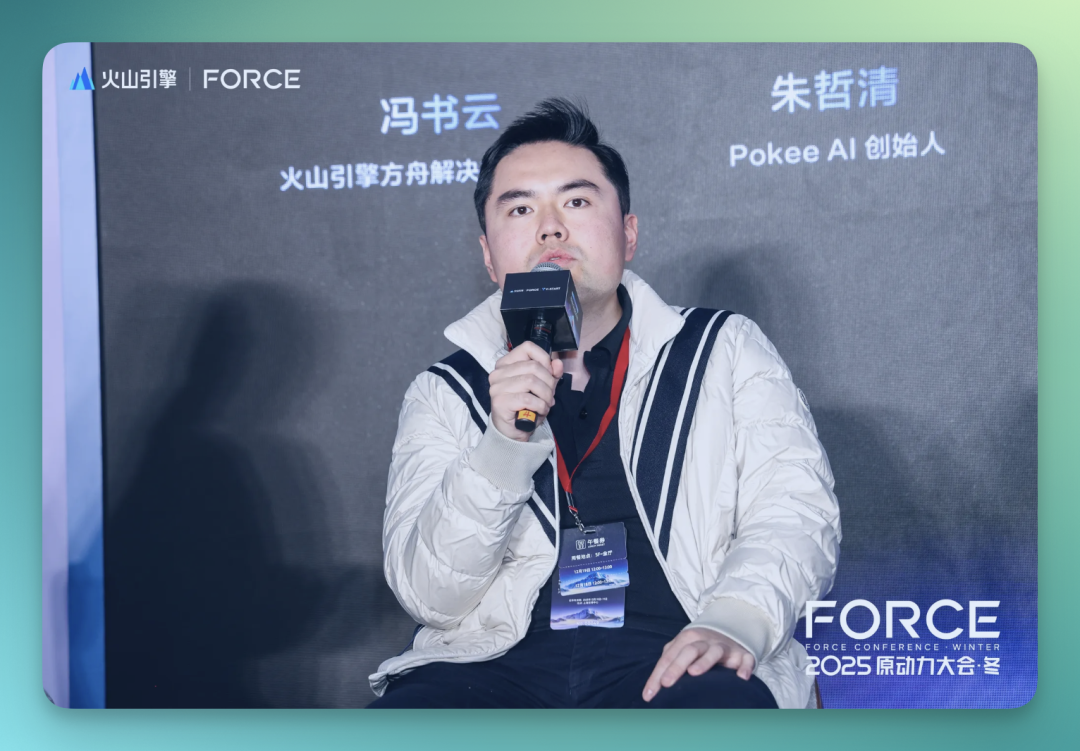
🧑🏻💻 Zhu Zheqing (Founder, Pokee AI):
I think enterprise adoption might actually be happening much faster than we expected.
ToB businesses have a natural characteristic: they're relatively easier to bring to break-even, so the overall health of the sector is pretty solid.
These days, enterprises approach this with a very matter-of-fact attitude. They simply say: I want to build my internal workflows on top of a cloud provider, and here's my budget.
6) Multimodal tech maturing and getting cheaper will bring in commercial heavyweights
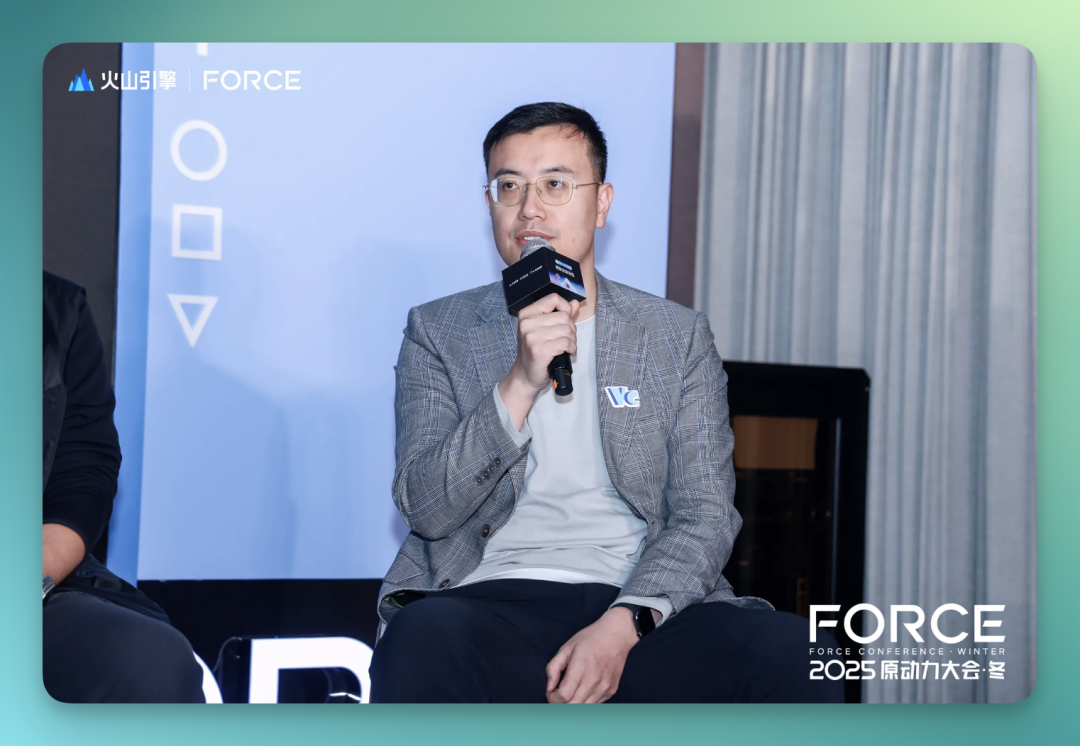
🧑🏻💻 Jiao Teng (Partner, Future Capital):
The most obvious change this year, honestly from my own gut feeling, is that native multimodal capabilities have really leveled up.
Previously, when we did learning or understanding, the basic approach was: convert everything to text first, then feed it to the model. But think about it — that's not how humans learn at all. We see, hear, and speak simultaneously, and we remember our actions and environment in the moment — all this information happens together and influences each other.
The shift happening now is right here: models are starting to receive the world more like people do. Video, language, images, actions, context — all coming in together. What gets learned this way naturally understands the real world more smoothly and more sensibly.
In a sense, you can feel that the digital world is finally aligning with how the real world learns.
🧑🏻💻 Jeff (Founder, Jurilu):
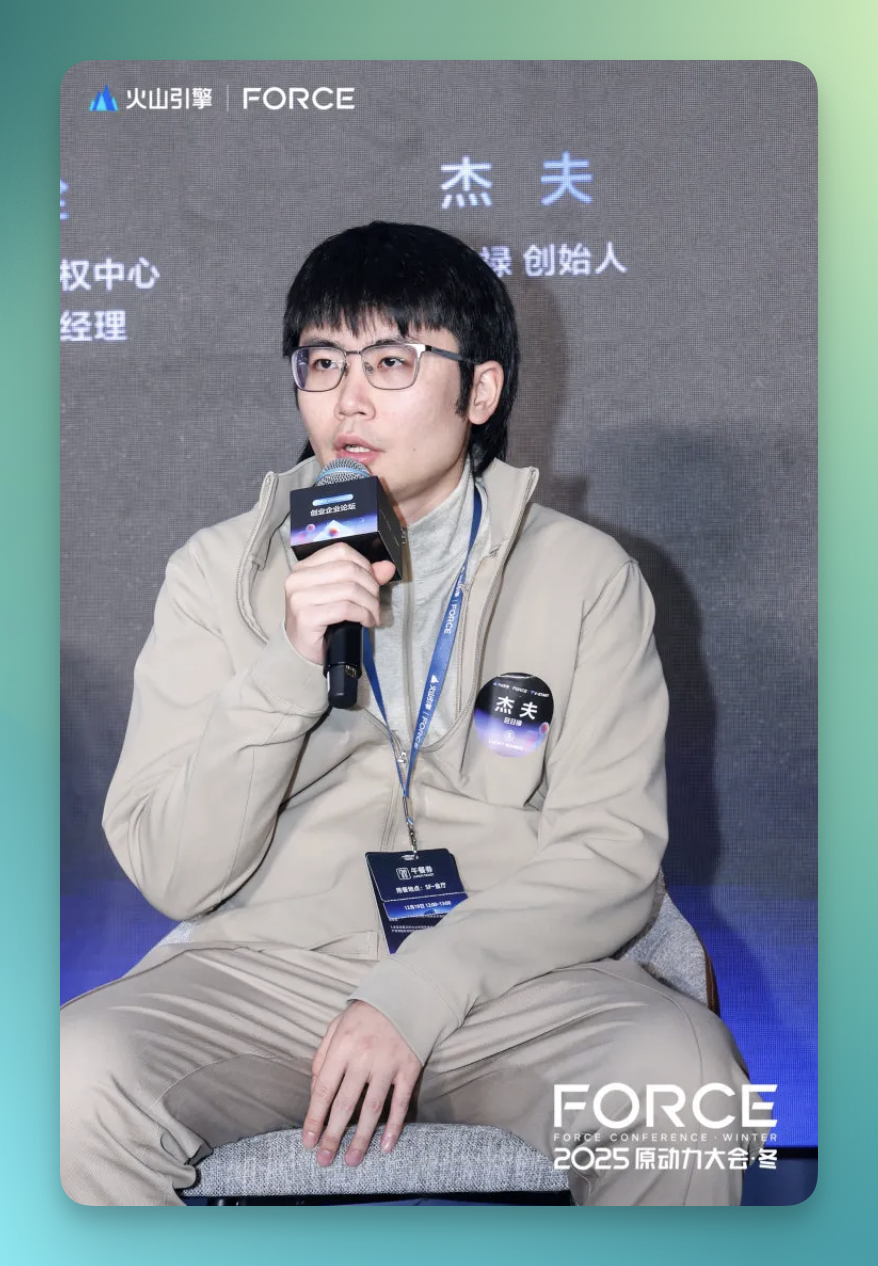
From our perspective, the improvement in model capabilities has definitely produced very tangible changes for us.
Cost is also a critical factor — after all, comic-drama production is a real test of efficiency.
We did some calculations at the time: if the per-minute production cost, including voice acting, compute, salaries and everything else, could be controlled around 1,000 RMB, I felt the industry would likely see massive explosion.
The reality ended up pretty close to that expectation.
Another important precondition, I think, is that web novels and short dramas have already accumulated a huge amount of excellent content. Many web novel stories are fantastic in their own right, but the results when adapted into live-action dramas often aren't as good.
The 2D and 3D quasi-realistic style of comic dramas can present storylines that are very hard to pull off in live-action filming.
🧑🏻💻 Yang Sheng (Founder, Pole Interactive):
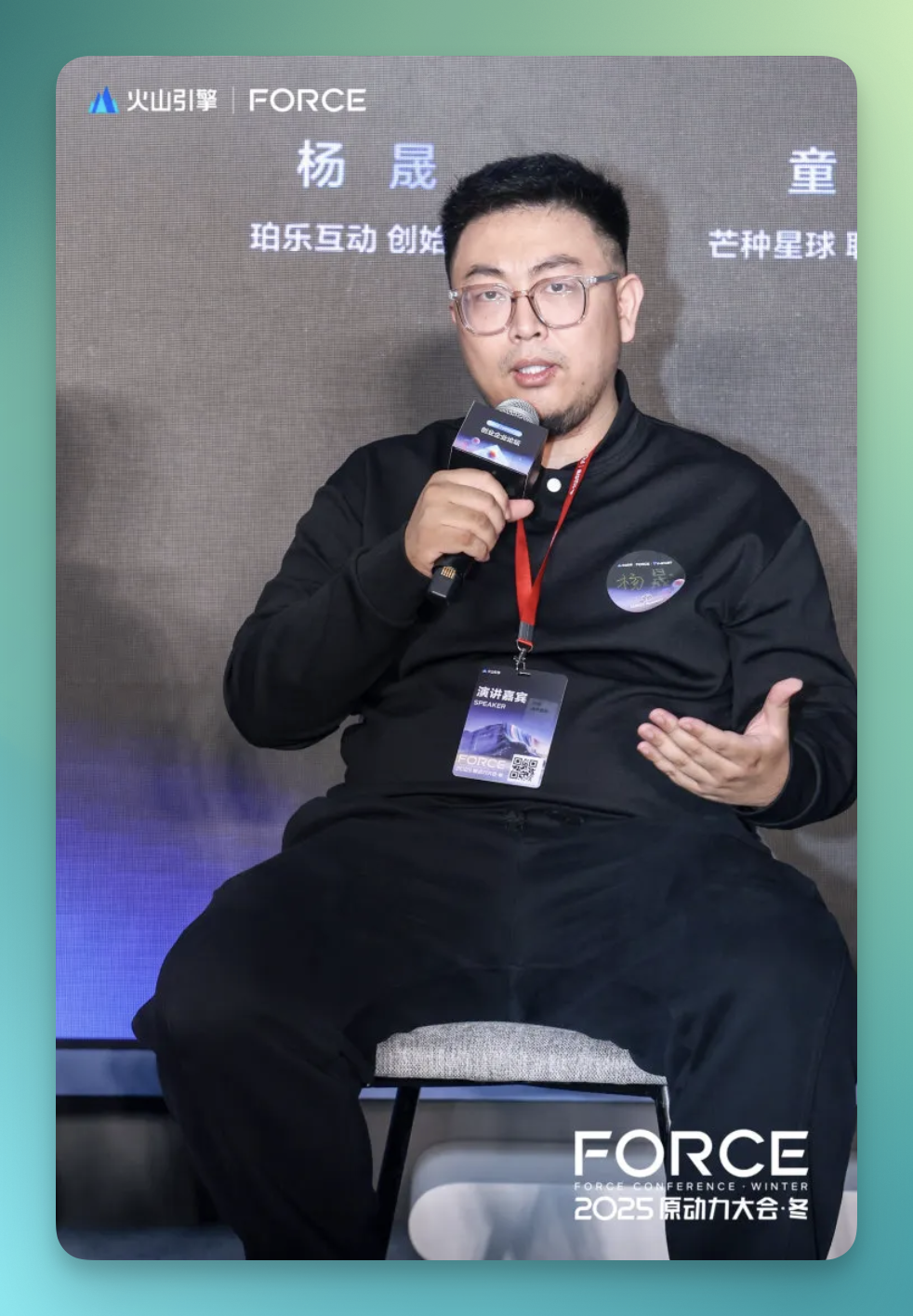
If we'd been sitting on this stage discussing this topic last year, probably half the people here would have been scientists...
But this year, look — the people sitting here are a bunch of twenty- and thirty-somethings. I think technology has finally matured to the point where commercial forces are coming in, and we represent those commercial forces right now.
What people are discussing now is already how's the creativity, how's the story. I think multimodal technology has truly liberated artists from having to fuss over technical details.
Artists can go directly do what they want to do, realizing their creative vision through AI.
🧑🏻💻 Tong Chao (Co-founder, Mangzhong Planet):
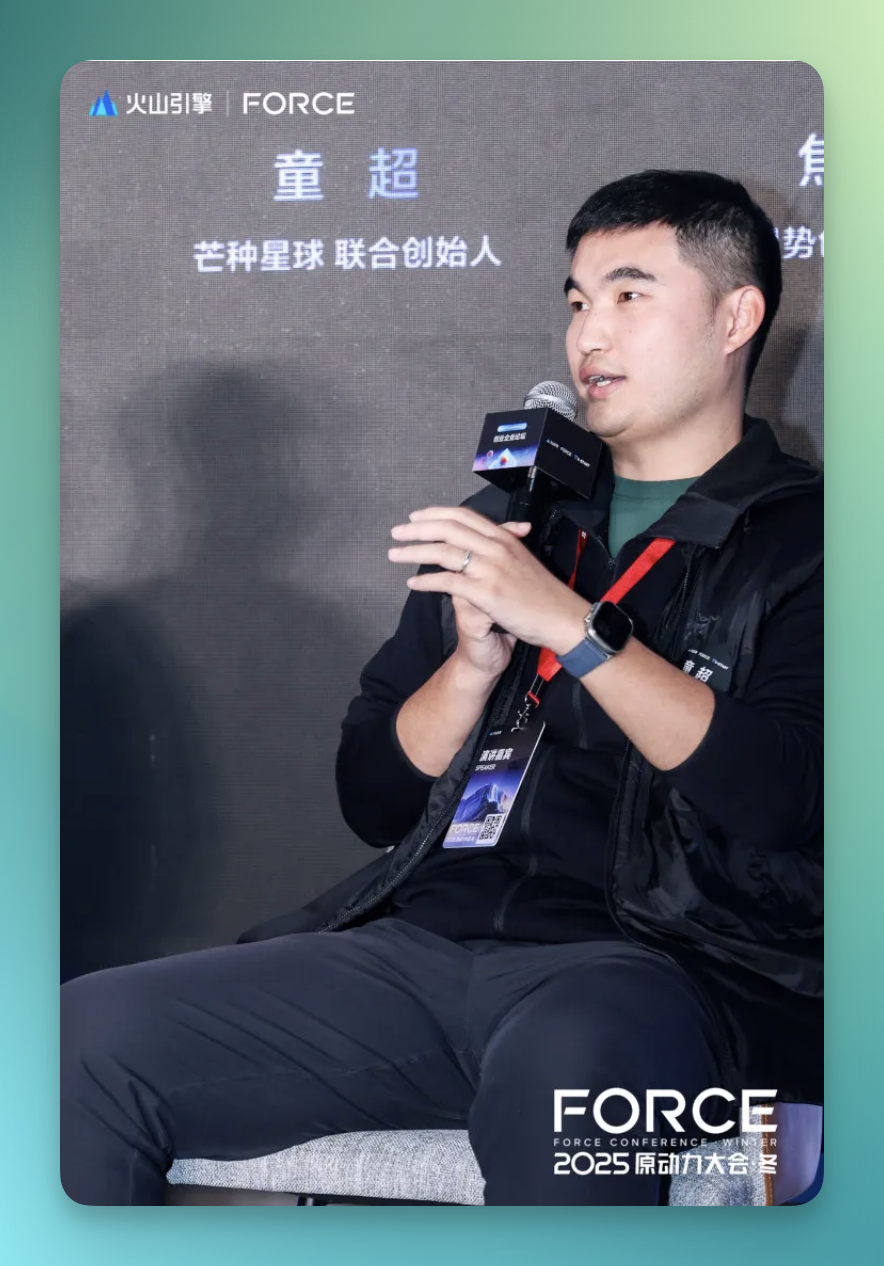
The supply side has indeed changed dramatically.
We've been trying to collaborate with content companies ourselves. At first, our positioning leaned toward live-action, but the problem was that live-action filming quality couldn't meet expectations. Later we adjusted our thinking: lower the quality bar slightly, down to comic-drama production level, and that was about right.
Even though it's comic drama, the quality is sufficient to generate significant commercial returns within the industry.
More importantly, once quality reaches a certain standard, the per-episode unit cost starts dropping significantly. Because AI workflows can produce many episodes in parallel, overall production efficiency improves — and this makes the "probability game" viable.
You might release 100 dramas, with only two or three succeeding in the end, but those two or three are enough to cover the costs and returns of all 100.
This point is crucial.
At root, the qualitative shift behind this is driven by changes in technology and workflows. This is a pivotal moment, marking our entry into an entirely new phase.
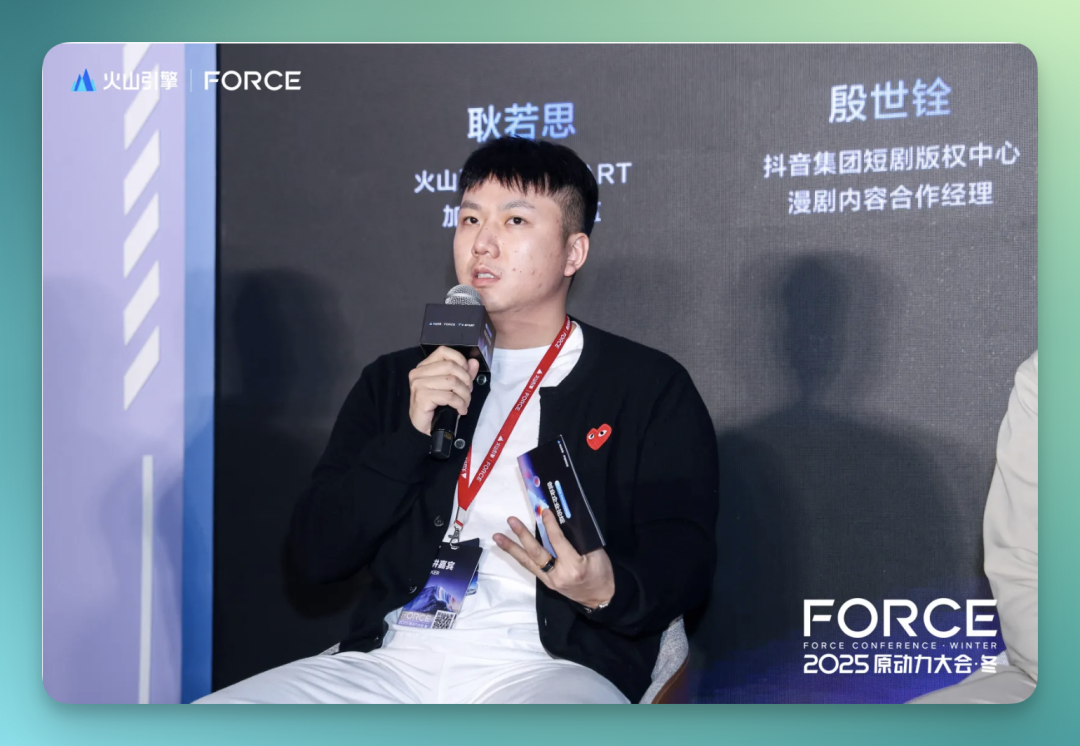
🧑🏻💻 Yin Shiquan (Comic Drama Content Partnership Manager, Douyin Group Short Drama Copyright Center):
From the platform perspective, the rise of AI comic dramas really comes down to the alignment between technological breakthrough and industry demand.
What we see is that multimodal AI breakthroughs have brought comic drama quality to a commercial threshold, meaning those high-quality creations that were previously difficult to achieve can finally be realized through AI.
Furthermore, AI involvement brings lower production costs and improved efficiency across the board. But most importantly, AI lowers the barrier to creation, giving more creators the opportunity to participate.
7) Don't wait for perfect, just start running
👦🏻 Jia Rui:
In 2025, we'll see an enormous number of AI startups emerging, and by 2026, even more products actually hitting the market, with competition intensifying further. The window for entrepreneurs is already narrowing rapidly.
From our perspective, the most dangerous thing right now isn't that your product isn't perfect — it's hesitating to ship at all.
Entrepreneurs don't need to wait for the "perfect version." Ship what you can, get in front of real users as early as possible, build your first customer base. Only by starting to run can you seize your own growth opportunities as technology continues evolving.
V-START accelerator's "AI Navigators Program" will provide three forms of support:
First, on compute and technology: we'll continue increasing credits and resource investment, while bringing in more AI experts to help startup teams optimize technical choices, reduce costs, and shorten the cycle from R&D to deployment.
Second, on growth and market access: we'll open up collaboration channels within the ByteDance ecosystem and coordinate with partners across the startup market to help companies build more efficient paths to partnership and get their products to real users faster.
Third, for long-term development: we'll continue building exchange platforms where entrepreneurs, active investors, and industry experts can engage fully, reducing information asymmetry and providing sustained growth support for startup teams.
🚥
Returning to this forum on the afternoon of December 18th, you'll notice one very obvious change:
No one is rushing to prove how powerful AI is anymore. Instead, they're repeatedly asking one thing: can this path actually work right now?
Bills, users, engineering, distribution, costs — these words came up again and again. Grounded. Real.
They determine whether an AI startup stays trapped in a PowerPoint or actually makes it to market.
The V-START accelerator didn't draw founders a "path to success" at this sub-forum. But it did surface several hard, practical questions early: how to save money, how to move forward, how to avoid the pitfalls.
That matters in itself.
Models will keep getting stronger. Platform capabilities will keep evolving. From this perspective, the V-START accelerator's value isn't tied to any single resource.
Whoever is willing to act first, launch first, face the real world first amid uncertainty — that person has a shot at Ship First.