AI Is Everywhere at the Paris Olympics: 10 Innovations You Should Know

Today, Crossing's AI Daily News is a special edition on the Paris Olympics.

Today, Crossing's AI Daily News is rolling out a special edition on the Paris Olympics. AI has permeated every corner of this year's Games, and we've selected 10 innovative applications worth knowing about.

- ⚖️ AI referees assist gymnastics scoring
- 📊 AI platforms analyze athletic data
- 🏊♂️ AI powers China's diving team
- 🏀 AI supports China's national basketball team
- 🏟️ AI digital twin technology optimizes venue management
- 📺 AI enables 8K ultra-HD broadcasting
- 🌍 AI hunts for the next Olympic champion
- 🔒 AI protects athletes from online abuse
- 📡 AI drives broadcast innovation at Paris Olympics
- 🎥 AI video surveillance identifies potential threats

AI "Referees" Assist Gymnastics Scoring
The gymnastics competition at this year's Paris Olympics marks a major technical leap forward with the adoption of a Judging Support System (JSS[1]) developed jointly by the International Gymnastics Federation (FIG) and Fujitsu. This AI system captures athletes' movements via high-definition cameras, creates 3D models, and evaluates them against FIG parameters — primarily for calculating difficulty scores.
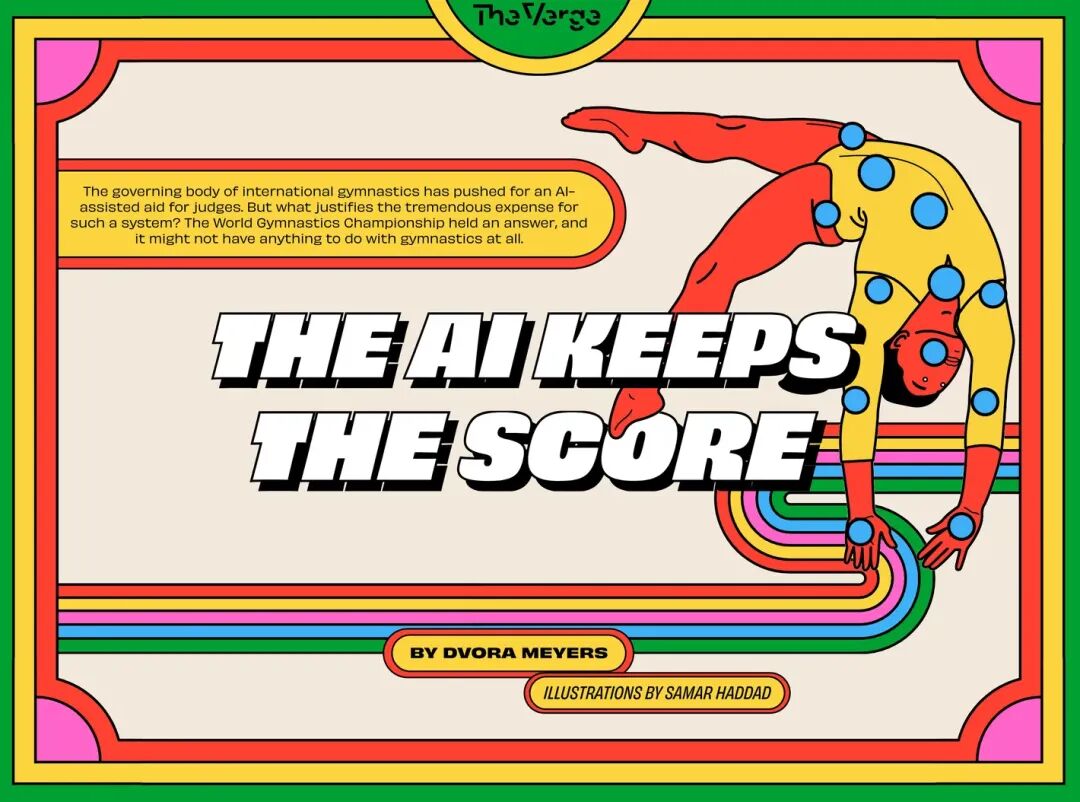
JSS can render details invisible to the naked eye, such as an athlete's rotation angle, providing an objective basis for scoring. The system debuted at the 2021 Tokyo Olympics and has since expanded its deployment at World Championships. At Paris, it will cover all gymnastics disciplines, aiming to ensure fairness and transparency in judging.
Notably, JSS does not issue judgments directly. It comes into play when athletes or coaches file appeals, or when disputes arise within judging panels. Donatella Sacchi, chair of the FIG Women's Technical Committee, believes JSS offers more objective scoring precisely because it isn't swayed by human emotion. However, she also notes that the AI system still needs refinement before it can match the comprehensive understanding of movement that experienced human judges possess.

AI Platforms Analyze Athletic Data
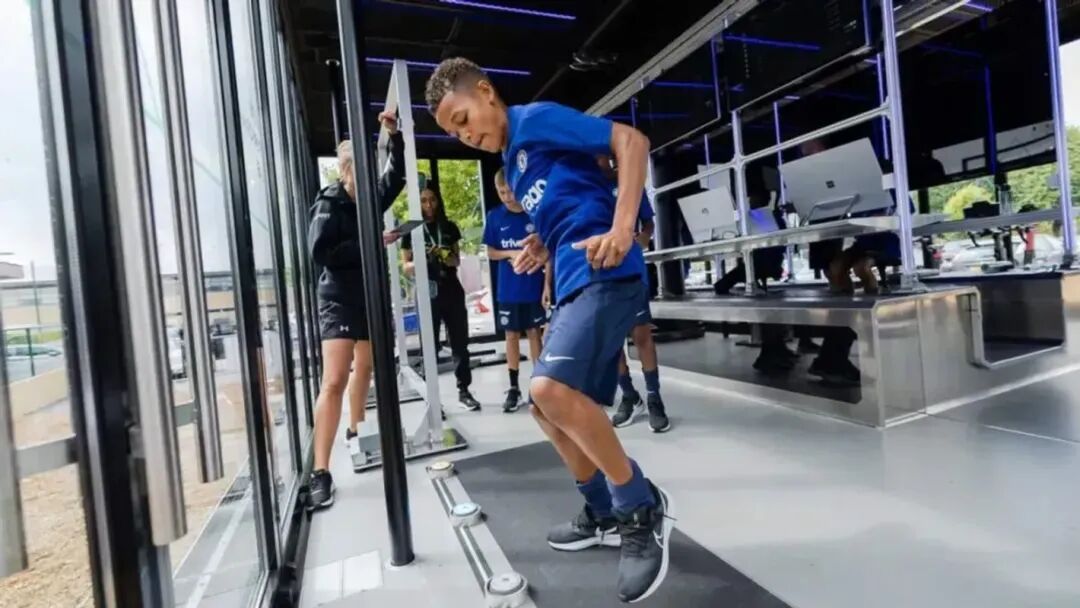
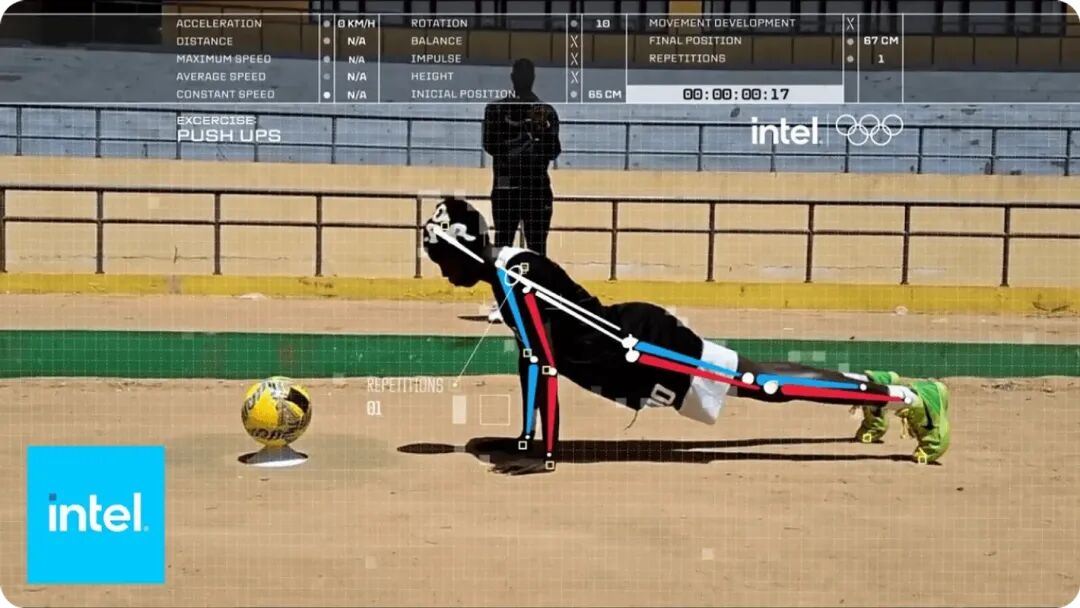
Intel and Samsung have teamed up to develop an innovative AI-powered interactive experience for the Paris Olympics, designed to help young athletes and sports enthusiasts gain deeper insight into their potential.
The project combines computer vision with 3D motion tracking (3DAT[2]) technology, enabling high-precision motion capture from ordinary video without special equipment. Using advanced AI algorithms, it analyzes participant performance data from interactive exercises — covering strength, speed, agility, and endurance. The system collects comprehensive metrics including height, wingspan, upper body strength, and starting explosive power, creating detailed athletic profiles for each participant and matching them against different Olympic disciplines.
AI Powers China's Diving Team
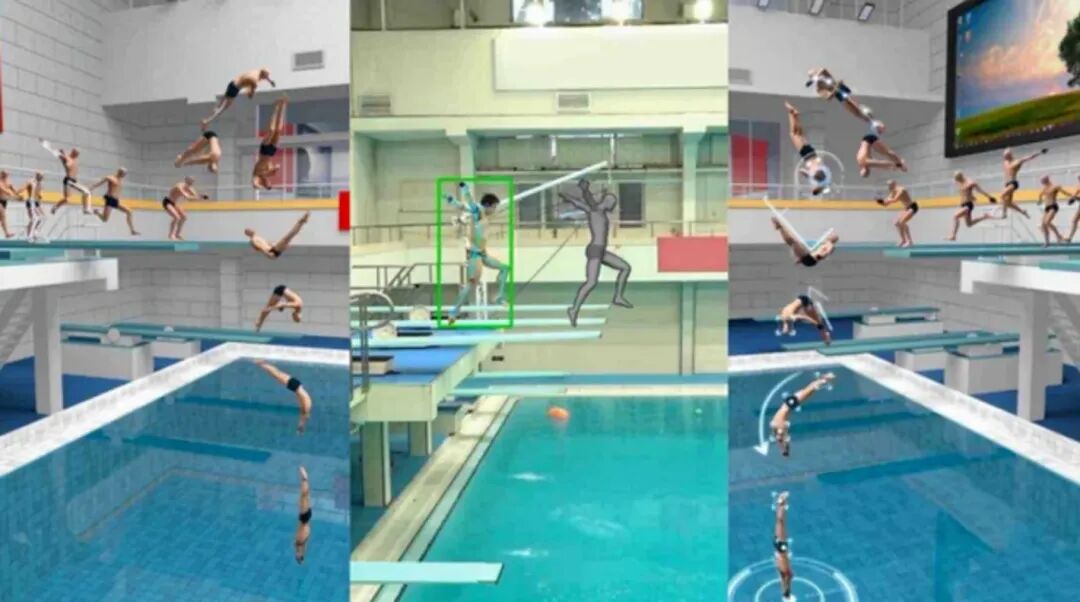
At its core, the Olympics is about athletic competition — and AI is now transforming how athletes train. Baidu's partnership with China's national diving team exemplifies AI-assisted training. Baidu has comprehensively upgraded the team's AI training system using large language models including ERNIE Bot, delivering an unprecedented training experience.
The system offers three major advantages over traditional methods:
-
A massive database and knowledge base covering historical competition data, technical movement analysis, and expert experience, helping athletes master diving knowledge holistically;
-
Real-time scoring and quantitative analysis using computer vision to precisely capture every detail of each movement, enabling athletes to deconstruct and refine their technique with precision;
-
Intelligent comparison with historical performance, combined with individual athlete characteristics, to tailor professional training programs for each diver.
AI Supports China's National Basketball Team
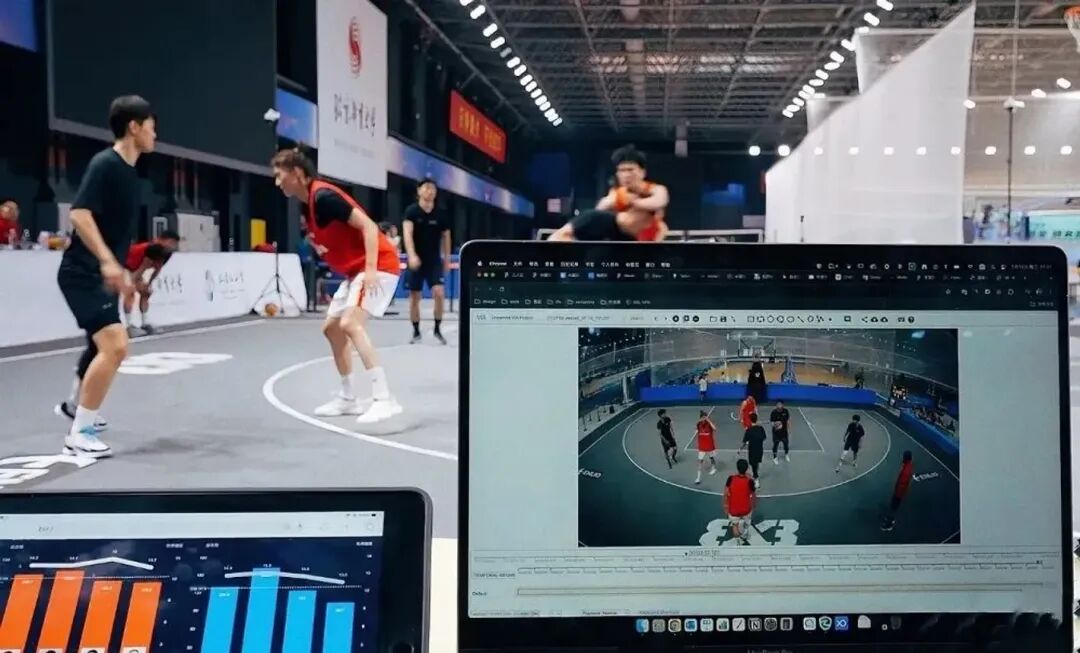
China's national basketball team has entered a strategic partnership with SenseTime to co-develop an AI-powered basketball product built on the "SenseNova 5.5[3]" large model.
The AI system employs advanced 3D modeling and motion capture to analyze athlete condition and ball trajectory in real time. This not only boosts training efficiency but also provides a scientific basis for competitive strategy. Throughout the Olympics, the system will provide China's basketball team with full-cycle data analysis and strategy optimization support.
AI Digital Twin Technology Optimizes Venue Management
The Paris Organizing Committee has partnered with UK-based OnePlan to build VenueTwin[4], a digital twin system for all Olympic venues. This initiative addresses the challenge that 95% of competition venues are either retrofitted existing facilities or temporary structures, while enhancing emergency management capabilities.
VenueTwin allows organizers to simulate various weather and crowd scenarios to optimize event operations. It also enables remote camera position testing for broadcasters and helps athletes and volunteers acclimate to venue atmospheres ahead of time. Serving as a collaboration platform for Olympic staff, the system features real-time safety updates, visualized personnel deployment, and crowd control planning.
This digital twin application reflects Paris's commitment to sustainability while demonstrating technology's potential to improve management efficiency and safety at major events. Through VenueTwin, the Paris Organizing Committee aims to deliver a safer, smoother Olympic experience for spectators, participants, and staff alike.

AI Enables 8K Ultra-HD Broadcasting
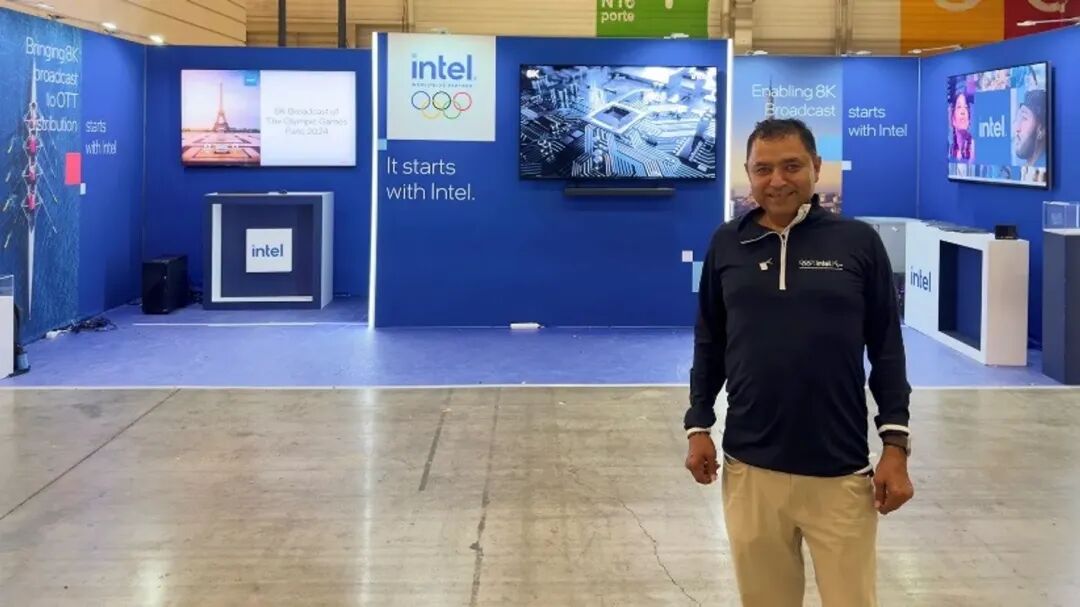
The 2024 Paris Olympics marks a milestone for 8K live streaming technology. Olympic Broadcasting Services (OBS) has partnered with Intel to showcase a revolutionary AI-driven 8K live broadcast technology[5], bringing an unprecedented visual experience to sports fans who can't attend in person.
The breakthrough centers on solving the massive data processing challenge of 8K video. Selected Olympic events will be captured using broadcast cameras in 8K/60fps/HDR format, with raw footage data rates reaching 48 Gbps and 32 audio channels. The critical innovation lies in using fifth-generation Intel Xeon processors with built-in AI accelerators, combined with Intel Deep Learning Boost technology, to compress signals from 48 Gbps down to 40-80 Mbps in just 400 milliseconds — making 8K ultra-HD live broadcasting feasible.
This AI-driven encoding system employs advanced H.266/VVC encoding technology. AI algorithms in the Intel Xeon CPU analyze each scene frame by frame, efficiently processing rapidly moving data while maintaining low latency and high image quality. This breakthrough not only enables many broadcasters that previously lacked 8K capabilities to deliver 8K coverage, but also paves the way for large-scale, low-latency 8K web streaming in the future — ushering in a new era of sports broadcasting.
AI Hunts for the Next Olympic Champion
The Senegalese National Olympic Committee has partnered with Intel to use artificial intelligence to analyze millions of data points for identifying and developing athletic talent. Intel's AI platform, delivered via smartphone app, evaluates and analyzes the physical abilities of over 1,000 children, helping Senegal discover and cultivate future Olympic prospects on the international stage.
Talent is common; scouts who can spot it are rare. Peripheral nations like Senegal, lacking experienced coaches and infrastructure, struggle to unearth Olympic-caliber athletes.
This collaboration spans six villages across Senegal, where Intel and IOC representatives use AI technology to score and analyze children's physical capabilities. The process ultimately identified 48 standout performers, all of whom have been incorporated into the Senegalese National Olympic Committee's youth development program. Coaches and athletes can use this data to design more effective training plans, tailored to each athlete's specific needs, to elevate overall competitive performance.
AI Protects Athletes from Online Abuse
The International Olympic Committee (IOC) is deploying advanced AI technology to shield athletes from online abuse and harassment, rolling out the AI Safeguarding Tool[6]. While the intersection of sports and social media creates opportunities, it also breeds challenges like cyberbullying that can severely impact athletes' mental health and competitive performance.
The IOC's AI system analyzes multilingual text in real time. It uses pre-trained large language models fine-tuned for sports-specific terminology and expressions to improve recognition accuracy. The tool also incorporates sentiment analysis algorithms capable of detecting potentially negative or threatening language.
During a pilot at the Olympic Esports Week, the AI system processed hundreds of messages per second, screening over 17,000 public posts. It successfully identified 199 potentially abusive messages from 48 authors targeting 122 athletes and two IOC representatives. A specialized team then employed human-AI collaboration to confirm 49 messages that genuinely constituted abuse.
The IOC has established API connections with major social media platforms, enabling rapid response mechanisms. Once abuse is confirmed, the system can automatically send takedown or restriction requests to platforms, dramatically shortening response times. Additionally, the IOC is developing an anonymized database to store and analyze harassment patterns, continuously optimizing the AI model's performance.

AI Drives Broadcast Innovation at Paris Olympics
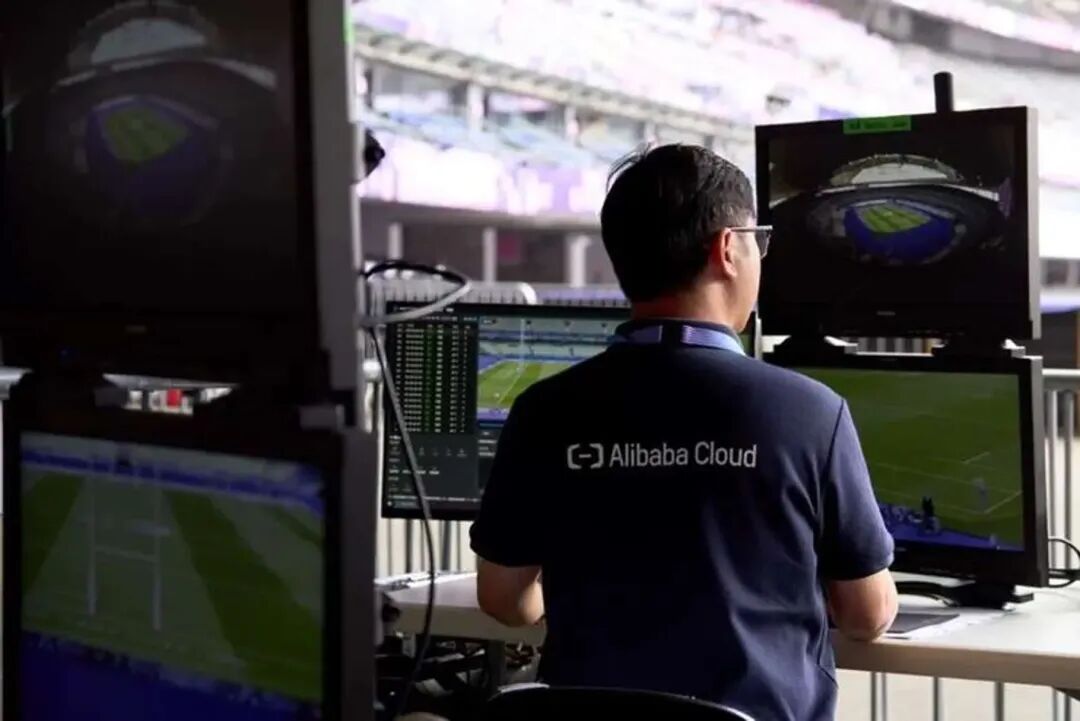
Alibaba Cloud is providing comprehensive technical support for the Paris Olympics, fundamentally transforming the broadcast experience. OBS Cloud[7], developed in partnership with Olympic Broadcasting Services (OBS), serves as the core infrastructure for this year's Games coverage.
Alibaba Cloud's global infrastructure network will support distribution of nearly 70% of live signals to over 200 countries and regions. This technology allows broadcasters to adjust live schedules quickly and flexibly, without pre-deploying expensive hardware. Cloud-based directing and editing capabilities let production teams process Olympic footage remotely in real time, significantly boosting efficiency.
Alibaba Cloud also delivers innovative viewing experiences for audiences. For example, "bullet time" effects in beach volleyball let viewers appreciate athletes' spectacular moments from multiple angles. AI-powered commentary provides automated coverage for niche sports, ensuring comprehensive event coverage. Additionally, Alibaba Cloud's technology has helped reduce the size and energy consumption of the International Broadcast Center, pushing Olympic broadcasting in a more sustainable direction.
AI Video Surveillance Identifies Potential Threats
During the 2024 Paris Olympics, the French government plans to deploy an advanced AI-powered video surveillance system to strengthen security. The system will use live camera feeds and AI algorithms to detect suspicious street activity, such as abandoned luggage and unusual crowd gatherings.
The system can identify potential threats quickly and effectively. In one test, when luggage was left on a street, the system issued an alert in just 30 seconds and displayed the relevant CCTV footage on a control room screen. Beyond detecting abandoned items, the system can also identify fires, fights, people collapsing, and other anomalies. AI algorithms, trained on massive image datasets, continuously improve recognition accuracy, though human operators retain final decision-making authority.
However, the technology's deployment has sparked concern from civil liberties groups. They argue that even without facial recognition, AI video surveillance could enable mass control and erode civil liberties. Although the legal trial period is set to end in March 2025, opponents fear this may mark the beginning of normalized surveillance.


Closing Thoughts
At the 2024 Paris Olympics, AI is demonstrating unparalleled potential — from athlete training and competition scoring to security monitoring, it is elevating every dimension of the Games.
These innovations not only deliver fairer, safer, and more spectacular experiences for athletes and spectators, but also showcase technology's immense power to advance sports. AI doesn't just enhance competition viewability; it deepens audience engagement. Through smart devices and apps, viewers can access real-time event information, participate in interactive activities, and even experience the intensity of competition firsthand through virtual reality.
As AI technology continues to evolve, we can expect it to play an even greater role in future sporting events, bringing more surprises and thrills to sports fans worldwide.


Editorial Team Editor: Ziwen
Design: Ivan
For business partnerships, add on WeChat: Rwkfbcianvd

References [1] JSS, Judging Support System: https://www.gymnastics.sport/site/pages/judges-support.php
[2] 3DAT: https://www.intel.cn/content/www/cn/zh/sports/olympic-games/3dat.html
[3] SenseNova 5.5: https://platform.sensenova.cn/home
[4] VenueTwin: https://www.venuetwin.com/
[5] AI-Powered 8K Live Broadcast Technology: https://www.intel.cn/content/www/cn/zh/stories/ai-everywhere-at-olympics.html
[6] AI Safeguarding Tool: https://olympics.com/ioc/news/ai-system-to-protect-athletes-from-online-abuse-during-paris-2024
[7] OBS Cloud: https://www.alibabacloud.com/en/press-room/ai-fueled-obs-cloud-30-for-paris-2024?_p_lc=1