3 Articles and 1 Tool for AI Beginners
Everyone, to some degree, carries a version of the same question: Will AI make me stronger, like wings on a tiger? Or will it slowly consume me?
We are living in an unprecedented AI era. Its arrival seems faster than we anticipated, catching us somewhat off guard.
This sense of unpreparedness stems from our failure to expect that AI technology would advance at such a staggering pace.
More or less, everyone has the same question in mind: How should we respond to the AI era? Will it make me stronger, like a tiger with wings? Or will it gradually consume me?
Last year, I spent considerable time reading AI news, using AI tools, and constantly thinking about how to leverage AI to empower my company's existing businesses.
In recent years, through building Tangdao and The Fair, I've gotten to know many friends working in media, marketing, consumer goods, and other industries.
Among these friends, I'm probably one of the most knowledgeable about AI. So I'm always fielding questions: "Introduce me to AI! What is it, what's it good for, how do I use it?"
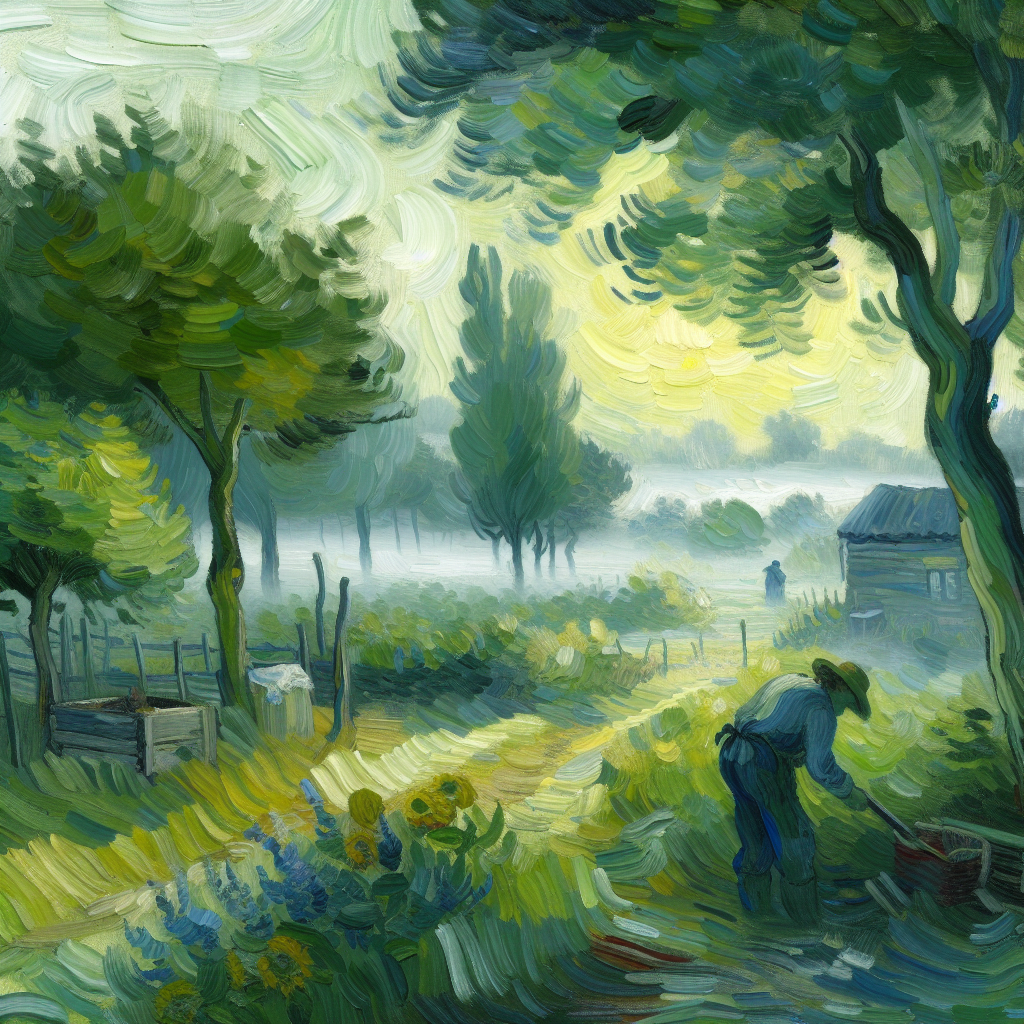
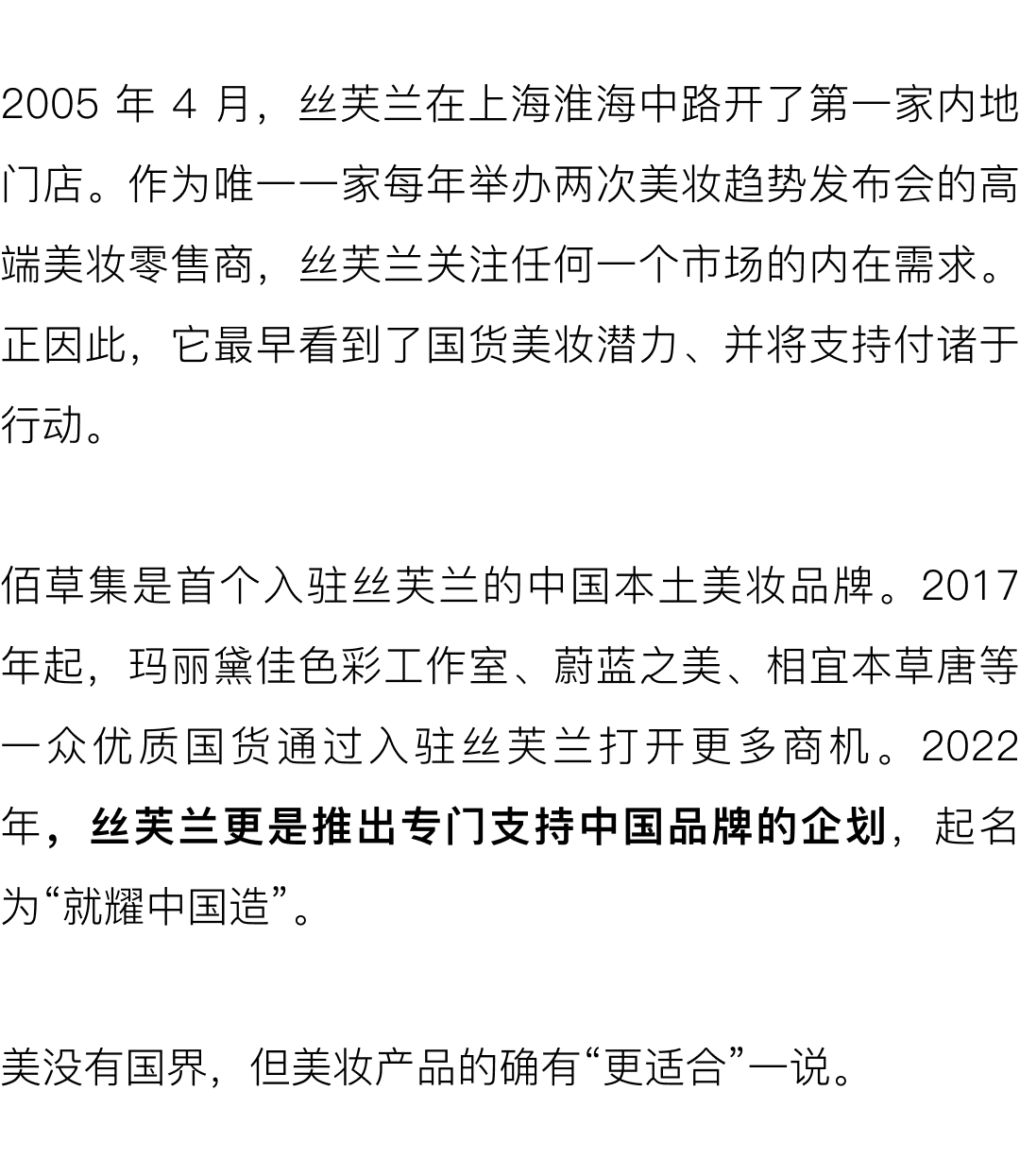
Image generated from poetry:
A day so happy.
Fog lifted early, I worked in the garden.
This weekend, I've compiled three articles from my previous reading notes. What they share in common is that they can help AI beginners quickly understand what AI is, what it's good for, and what revolutionary progress or destruction it will bring. And they all urge people to take action: learn AI, use AI well, embrace AI.
Finally, I also plan to recommend one AI application with excellent user experience — one that can genuinely help you with work and life every day.
While editing this post, one phrase kept echoing in my mind, from computing pioneer Alan Kay:
"The best way to predict the future is to invent it."
1
"How Ordinary People Should Welcome the AI Tsunami"
Or rather, can ordinary people survive the tsunami?
"The lives and fates of ordinary people could be shattered by the AI tsunami. As ordinary people, how should we respond; or rather, do we even have a chance to respond?" — The author poses this question at the outset, then encourages everyone to learn and embrace AI in three stages:
- Elevate your AI literacy
- Get hands-on experience with AI
- Proactively assess how replaceable your job is by AI
For each stage, the author provides learning resources and suggestions for reflection.
This article isn't a step-by-step tutorial. Its value lies in offering a learning framework. From here, as with all learning, the results depend not on the teacher but on yourself: having enough enthusiasm to gather information, and sufficient desire to learn and practice.
The article concludes by quoting Sam Altman's final minute at a student Q&A at Keio University in Japan, where he actively requested to say a few more words:
"Maybe if this is the last question, I can speak for one minute.
This reminds me of something. I think you are all at the perfect age to really benefit from this incredible revolution that is just beginning. This is not common. Most people's careers do not start in such a radical way. Whatever you want to do now to learn about it, to get familiar with it, will be extremely valuable for your future. You are very lucky. Something like this does not happen often.
So, I wouldn't worry at all about whether I know my life plan or exactly what I want to do with this technology. I think anyone who touches it, gets familiar with it, becomes good at it, thinks about it, and eventually figures out how to be productive in the world in a new way — you will have a great time.
Thank you."
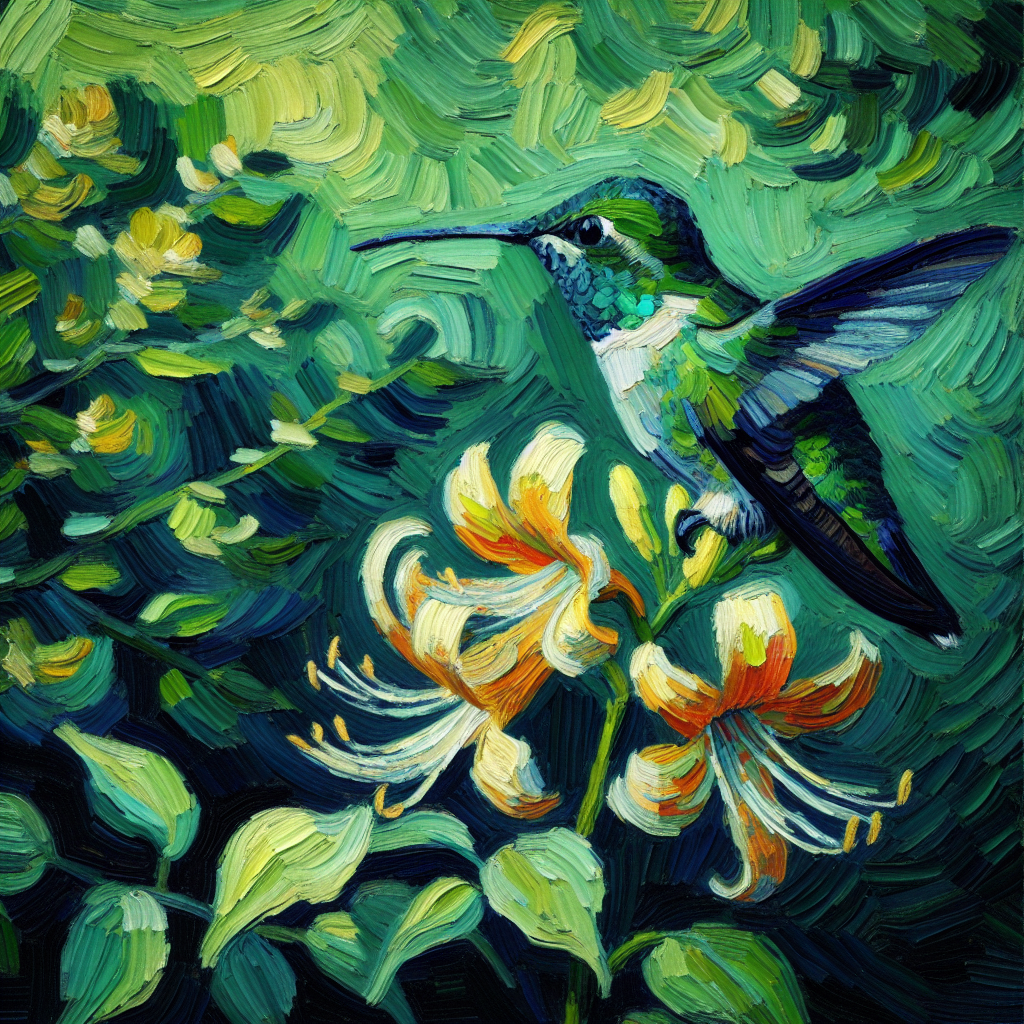
Image generated from poetry:
Hummingbirds were stopping over honeysuckle flowers.
There was no thing on earth I wanted to possess.
2
"AI Is About to Completely Change How You Use Computers"
What does Bill Gates have to say?
First, a recommendation for Bill Gates's personal blog — it's excellent. He mainly writes about three things: ① cutting-edge technology, ② philanthropy, and ③ his personal reading and life. He has kept at it for years, incredibly diligent. Especially worth noting: every novel Gates recommends is superb, even better than his business and social science recommendations.
Back to the topic. Just two months ago, Bill Gates published "AI is about to completely change how you use computers," explaining how AI will disrupt the software industry in the coming years.
Bill Gates uses very strong language.
For instance, he writes of "the biggest computer revolution" — "AI will not only change how everyone interacts with computers. They will also upend the software industry, leading to the biggest computer revolution since we went from typing commands to clicking icons."
He writes that "the status quo will completely change" — "In the next five years, the way you use software and apps will be completely transformed. You won't have to use different software or apps for different tasks. You'll simply tell your device, in plain language, what you want to do."
More valuable is the section where Bill Gates offers his outlook on AI applications across four major domains — healthcare, education, productivity, and shopping/entertainment.
Articles by big names often take a bird's-eye view; perhaps for industry insiders, this content is already common sense. But for the vast majority of ordinary people, this article is clear, accessible, and does an excellent job helping beginners understand AI's potential and spark reflection.
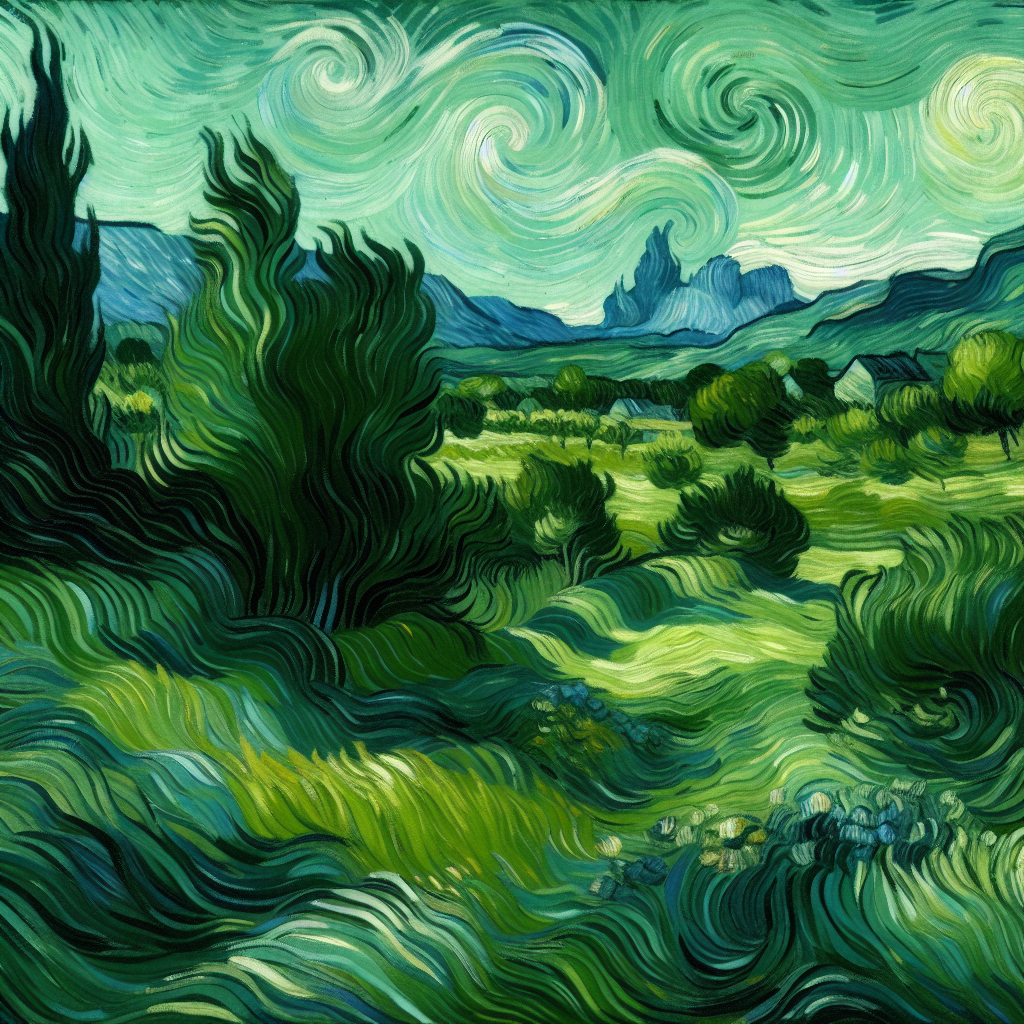
Image generated from poetry:
I knew no one worth my envying him.
Whatever evil I had suffered, I forgot.
To think that once I was the same man did not embarrass me.
3
"AI at Age 1 and Age 18"
So how old is AI this year?
If you're curious about AI, especially if you're considering career directions related to AI, then Bingjian Wu's article is not to be missed.
This article is difficult to summarize simply — you need to read the full piece to reap its complete benefits.
Whether you're an AI enthusiast or an explorer hoping to start a business in AI, this article not only provides rich industry knowledge but also inspires you to think about AI's potential and how to find your own positioning in this field.
"Having gained this genuine, visceral understanding, when I saw OpenAI fire the first shot and the AI industry undergo a qualitative change, I became more willing to stay in this field of intelligence and participate from the very beginning.
There's a simple logic: to find gold, you inevitably need the 10,000-hour rule. Whether those 10,000 hours happen this year or next year makes a world of difference."
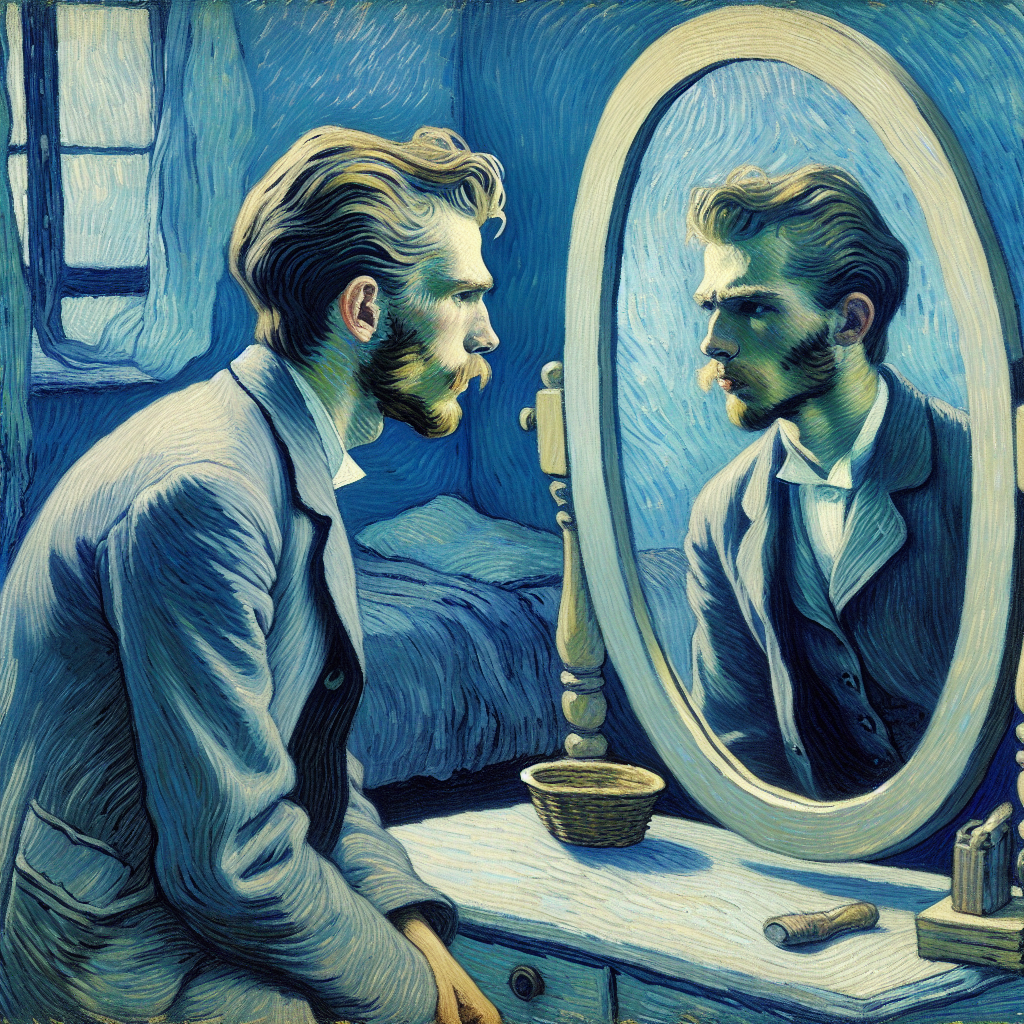
Image generated from poetry:
To think that once I was the same man did not embarrass me.
In my body I felt no pain.
Monica — Your All-in-One AI Assistant
The "Swiss Army knife" of the AI era
Many people have heard about ChatGPT and Midjourney countless times but have never actually used them. Can't blame them — after all, a smooth VPN is the first hurdle, not to mention how terrible the official interfaces are (especially Midjourney's)...
So the Monica I'm highlighting is a product from a Chinese team, and its biggest advantage can be summed up in one sentence: beginner. friendly.
On desktop, Monica is a Chrome browser extension — the "Swiss Army knife" of the AI era, with beautiful design, smooth interaction, and rich features. It can:
- Chat with AI (you can also choose different AI models to chat with; Monica integrates GPT-4, Claude, Google's Bard, and more);
- Search (and provide AI responses for every Google search you make);
- Write (for example, several paragraphs in the first half of this article were written with its help);
- Translate (blowing "pre-AI era" translation software like Google Translate completely out of the water);
- Feed it articles or PDFs and ask it to summarize or answer questions;
- Text-to-image, text-to-video;
- ...
P.S. Monica also has an iPhone app, but due to App Store policy restrictions, you'll need to switch to the US App Store to download it.
When we hear Monica, we all think of the TV show Friends. Monica was the hub of the six — the person everyone loved and trusted. She wasn't the smartest or the prettiest, but she was the best at empathizing and communicating, the one nobody could do without.
I think this captures Monica the AI assistant's positioning well: it has a friendly interface, easy to pick up, loved by all.
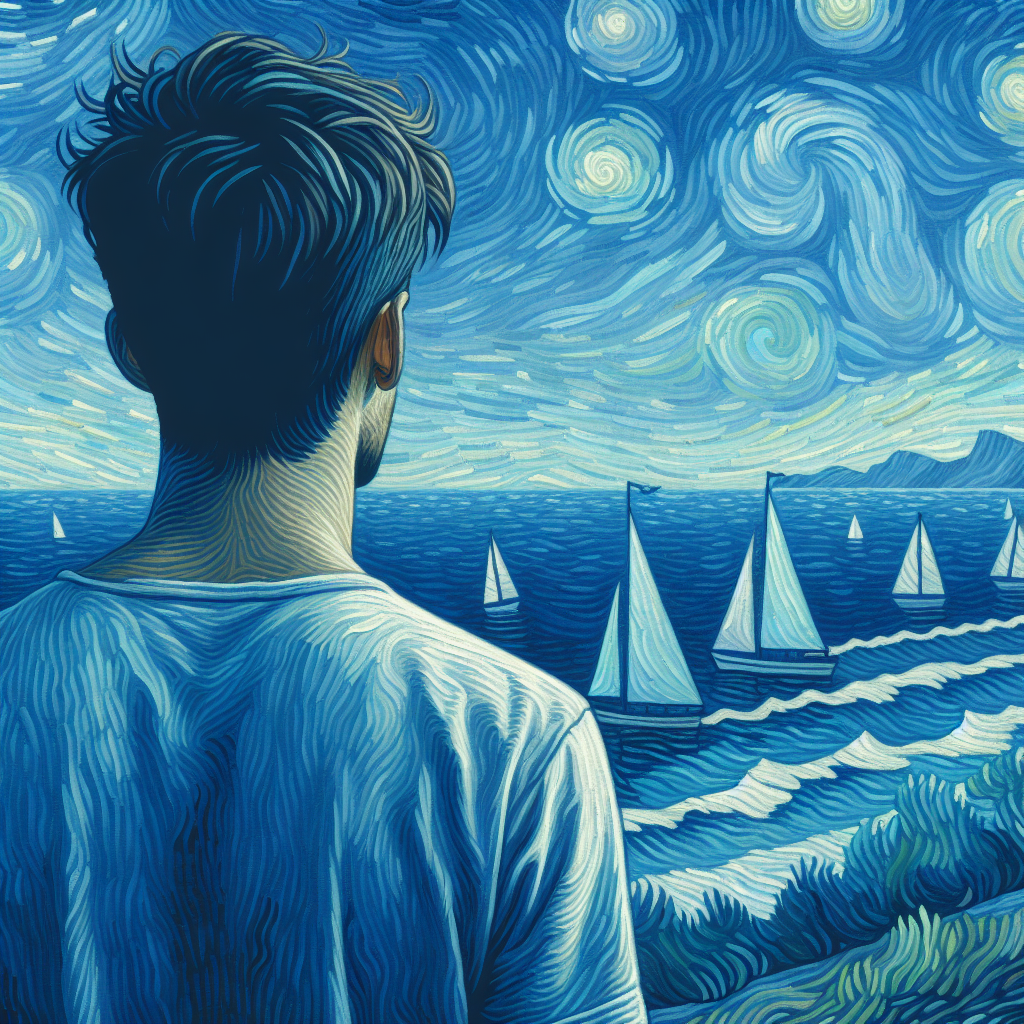
Image generated from poetry:
When straightening up, I saw the blue sea and sails.
"Gift"
Bonus
Gift is a poem by Czesław Miłosz, winner of the 1980 Nobel Prize in Literature.
The illustrations in this article were generated by Monica based on lines from Gift, in Van Gogh's style.
Monica's text-to-image uses OpenAI's DALL·E engine. Of course, what DALL·E is perhaps doesn't matter — you just open Monica and use it simply.
Shall we follow the images and lines and read through slowly?
Isn't it rather beautiful?
A day so happy.
Fog lifted early, I worked in the garden.
多么快乐的一天。
雾早就散了,我在花园里干活。
Hummingbirds were stopping over honeysuckle flowers.
There was no thing on earth I wanted to possess.
蜂鸟停在忍冬花的上面。
尘世中没有什么我想占有。
I knew no one worth my envying him.
Whatever evil I had suffered, I forgot.
我知道没有人值得我去妒忌。
无论我遭受了怎样的不幸,
我都已忘记。
To think that once I was the same man did not embarrass me.
In my body I felt no pain.
想到我曾是同样的人并不使我窘迫
我的身体里没有疼痛。
When straightening up, I saw the blue sea and sails.
直起腰,我看见蓝色的海和白帆。

"TheCatalyst" is Koji's personal WeChat public account. A catalyst is a fascinating thing — though tiny, it holds enormous energy, capable of accelerating chemical reactions. I hope that through sharing and writing, I can provide catalysts that inspire myself and others; I also hope that catalysts can help me build more meaningful relationships and grow together.
Feel free to add me on WeChat: YuanchengYang
Or let's meet on Jike: @koooji