Loneliness is deadlier than disease, and AI is tackling it | What changes will Newdays, fresh off a $7 million fundraise, bring?

Why conversation? Why AI?
**
Why Conversation? Why AI?

👦🏻 Author: Bella Qiao
🥷 Editor: Koji
🧑🎨 Design: NCon

Hundreds of millions of people worldwide are grappling with cognitive decline, spawning a "hopeless" market with medical expenses running into the trillions.
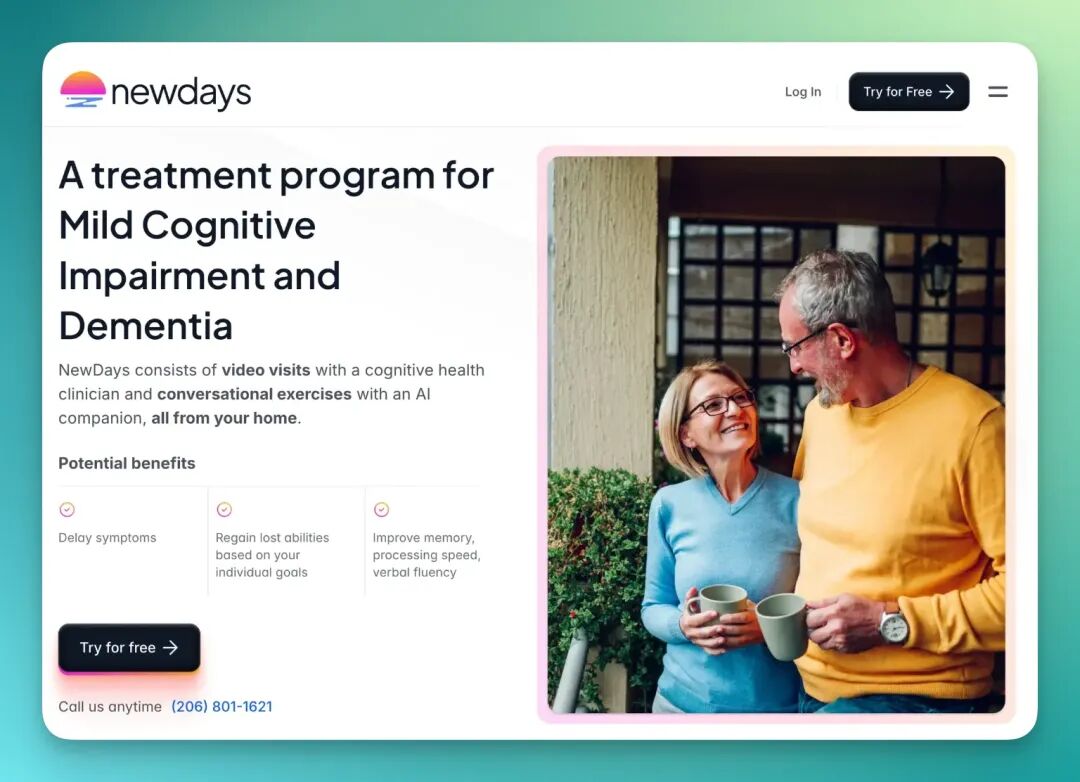
While most AI companies are still battling in the red ocean of virtual socializing, NewDays AI — founded by former Google Glass lead Babak Parviz and engineer Daniel Kelly — chose to apply AI companionship to slowing cognitive decline.
In September 2025, the company closed a $7 million seed round co-led by General Catalyst and Madrona Venture Group.
What attracted investors wasn't just their technical pedigree and personal sense of mission, but a silver-health market spanning hundreds of millions of people and worth trillions of dollars.
NewDays AI chose the harder but more valuable path: elevating AI companionship from "emotional comfort" to a clinically validated "digital therapy" for intervening in and delaying cognitive decline.
Their business logic is straightforward: if high-frequency structured conversation can effectively stimulate the brain, why not use AI to democratize this costly therapy?
At Crossing, we've been tracking AI-driven industry transformation. This article offers an in-depth deconstruction of how NewDays combines rigorous science, AI technology, and an innovative business model to try to pry open the massive silver-health market.
This isn't just one company's story — it's a classic case study of how AI creates real value at the "crossroads of technology and humanity."
If the Brain Can Be Reshaped, Can AI Democratize Therapy?
Globally, roughly 5%–8% of people over 65 have dementia, while approximately 10%–20% live with mild cognitive impairment (MCI).
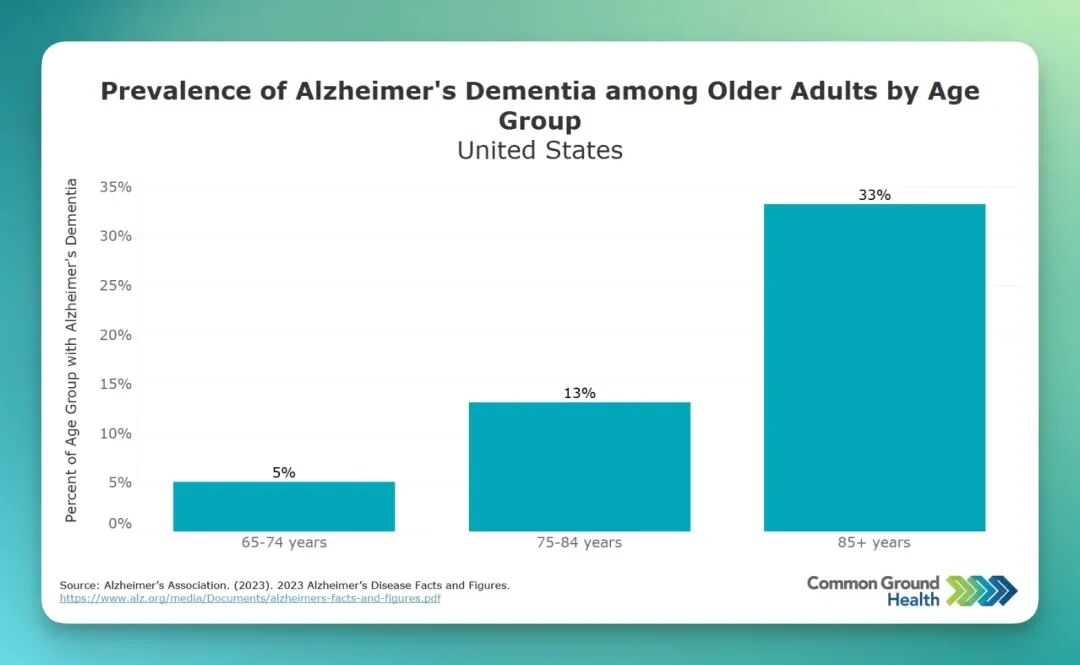
Medical spending on dementia patients is typically triple that of ordinary seniors. For patients and families, the ensuing economic and emotional strain is almost unimaginable.
Yet the real tragedy is that society has grown accustomed to dementia being "hopeless."
For many patients with cognitive decline and their families, the only advice doctors can offer is often: "Maintain a healthy lifestyle." Beyond that, they can only wait helplessly for the condition to worsen.
From a market perspective, this is no "small problem."
Over 55 million people worldwide already have dementia, with nearly 10 million new cases annually. Related spending in the United States has surpassed $300 billion and is projected to exceed $1 trillion by 2050. The even larger MCI population has virtually no effective interventions, meaning a blank market covering hundreds of millions of people and worth trillions of dollars.
NewDays' Answer
NewDays wants to break this sense of powerlessness. They believe that cognitive health should be incorporated into daily health management, just like cardiovascular health.
And the facts bear this out: mild cognitive impairment isn't entirely irreversible — it can be intervened upon and delayed.
Over the past 20 years, more than 300 randomized controlled clinical trials have confirmed that cognitive intervention works. The key scientific principle behind this is neuroplasticity.
(Image source: General Catalyst)
Just as stroke patients can relearn to speak through rehabilitation training, the brain retains "plasticity" at any age. Given sufficient stimulation and training, the brain can forge new neural connections, improving memory, attention, and more.
NewDays' core methodology is built directly on research led by Harvard professor Dodge — the I-CONECT project.
I-CONECT was a "conversational intervention" experiment. The subjects were adults over 75 who had been living in long-term social isolation. The research team arranged for them to have multiple structured conversations per week with trained clinical staff, sustained over 6–12 months.

The results were striking: participants showed significant improvement in MoCA (cognitive assessment) scores, with gains in memory and language ability. Brain imaging even revealed enhanced connectivity in attention-related neural networks.
The ACTIVE clinical trial also found that just six weeks of cognitive training produced lasting effects ten years later. The processing-speed training group, in particular, saw a 29% reduction in dementia risk.
These studies demonstrate that while dementia cannot be fully cured, such programs can significantly improve quality of life for seniors and delay symptom progression — in optimal cases, pushing symptoms back by months or even longer.
The tragedy is that this intensive intervention model is virtually impossible to scale due to prohibitive labor costs.
But NewDays' founders believe Gen AI can make such preventive treatment far more accessible.
NewDays has secured an exclusive license to the I-CONECT protocol. This constitutes one of NewDays' most important assets: an exclusive therapy protocol grounded in serious clinical research. Unlike generic chat applications still groping for product-market fit, NewDays had a clear, validated intervention pathway from day one. This gives it an advantage that's difficult to replicate.
This human-AI hybrid approach delegates the labor-intensive clinical conversations to AI companionship, while physicians step in at critical junctures: assessing conditions, monitoring progress, and providing personalized treatment recommendations.
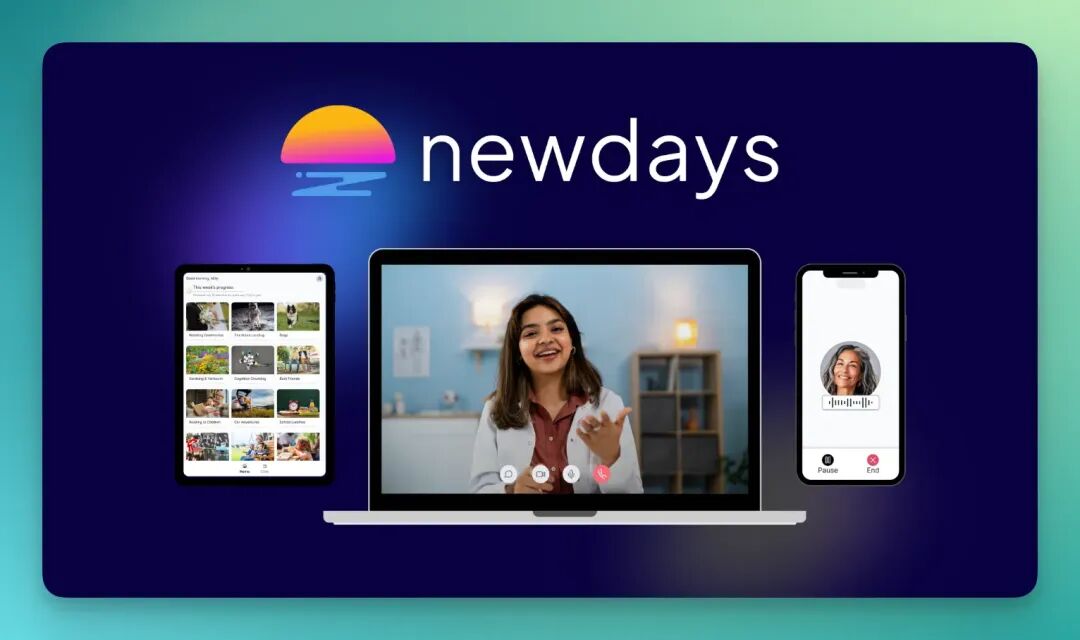
In other words, NewDays is transforming conversations with clinical staff into conversations with AI. This creates a path for scarce, expensive therapies to reach the masses.
NewDays' Product Model: A Hybrid of AI Intervention + Physician Assessment
At NewDays, cognitive health management follows three steps:
First, AI companion Sunny takes the lead.
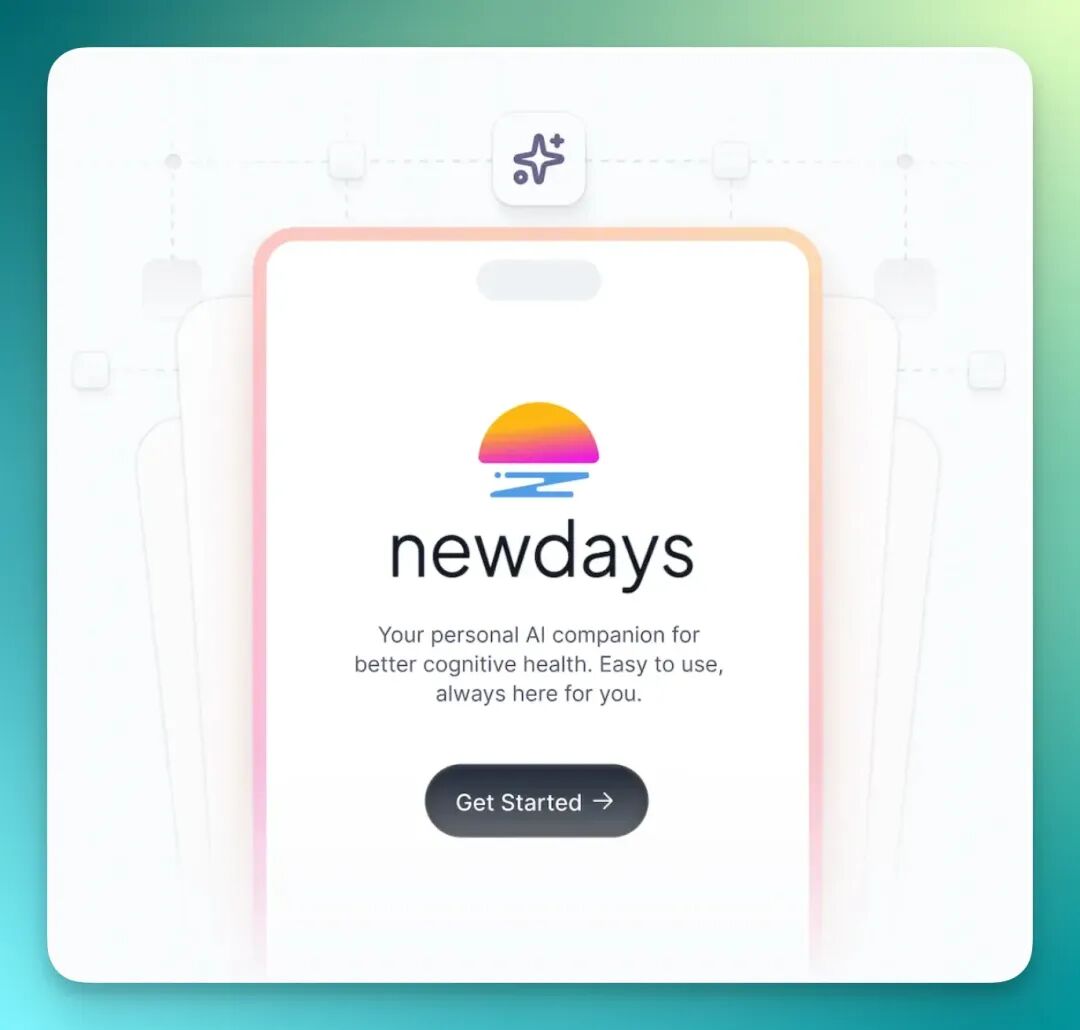
Users experience daily conversation practice and cognitive stimulation activities, building a habit of talking with their AI companion without any barrier to entry.
AI companion Sunny sometimes guides users to recall past experiences, sometimes leads them through more targeted cognitive training — like asking them to remember several specific words and use them in a sentence.
Sunny can maintain high-frequency interaction with users, helping them sustain social and cognitive engagement.
Second, a physician conducts a cognitive assessment.
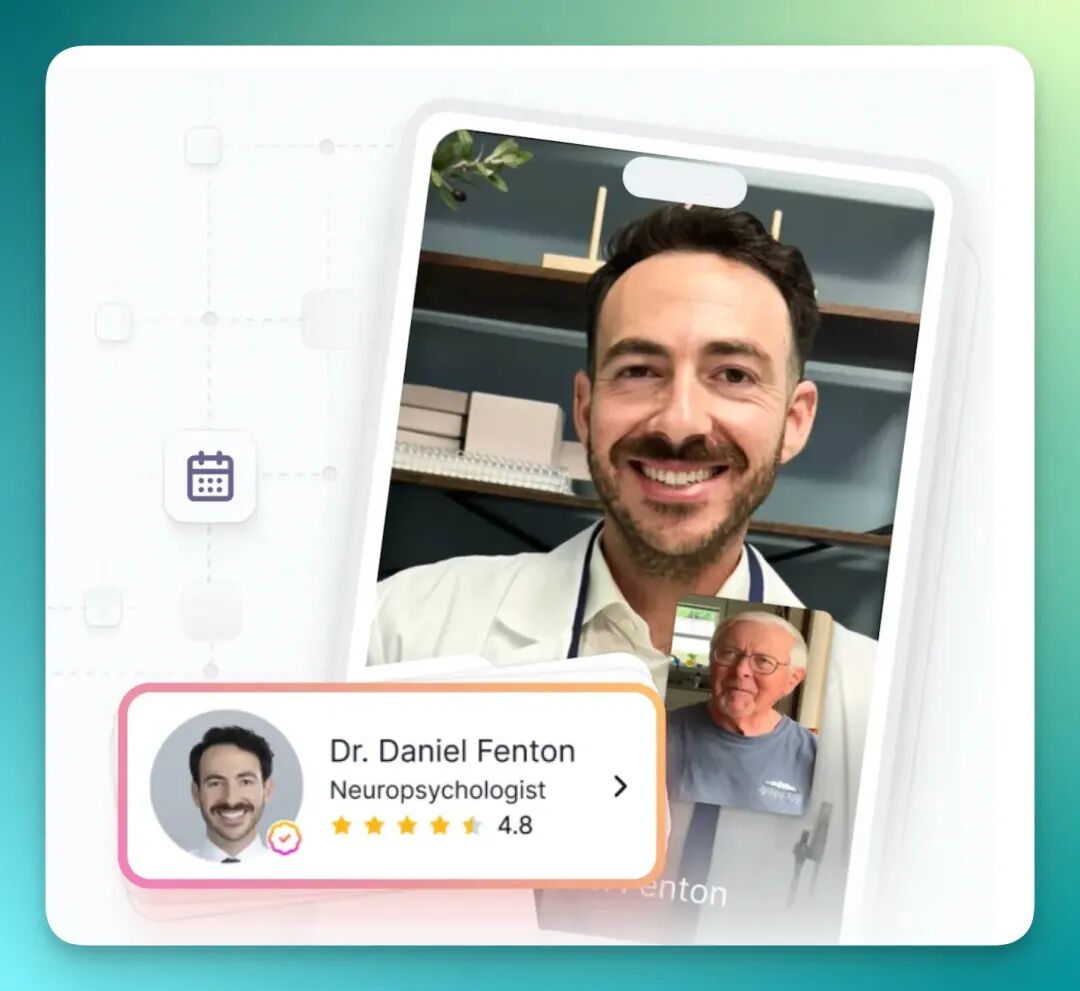
Through a one-time video consultation, the physician listens to the user's concerns, understands risk factors, and provides personalized recommendations. This bridges AI's daily companionship with professional medical diagnosis.
Third, users can opt to become long-term members.
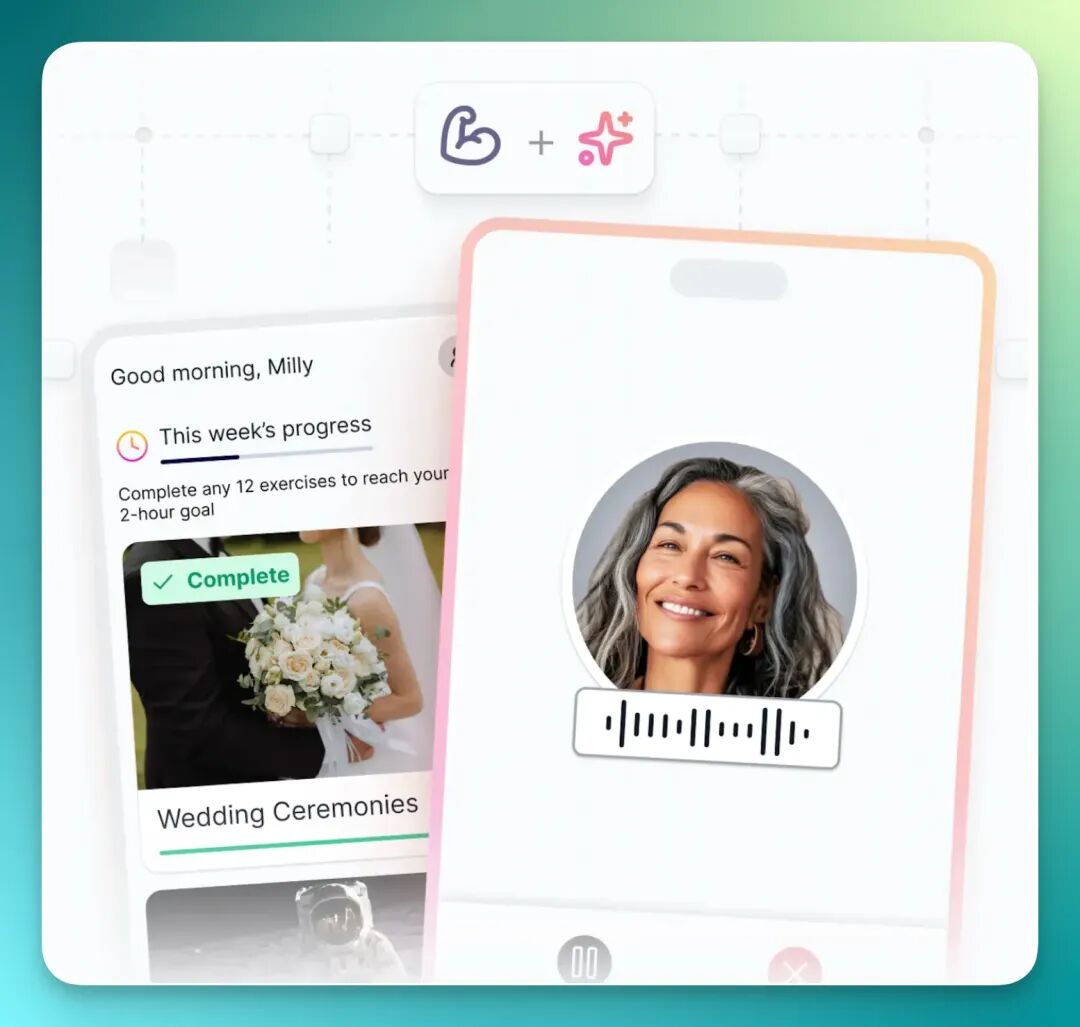
Members receive personalized treatment plans and regular video calls with clinicians.
NewDays charges $99 per month for membership, while clinical video consultations can be billed through insurance. This is a hybrid "medical billing + digital subscription" model.
NewDays also maintains an in-house clinical team (not included in the monthly fee) to oversee patient care holistically and provide feedback to the AI system.
NewDays Investors' Vision and Healthcare System Positioning
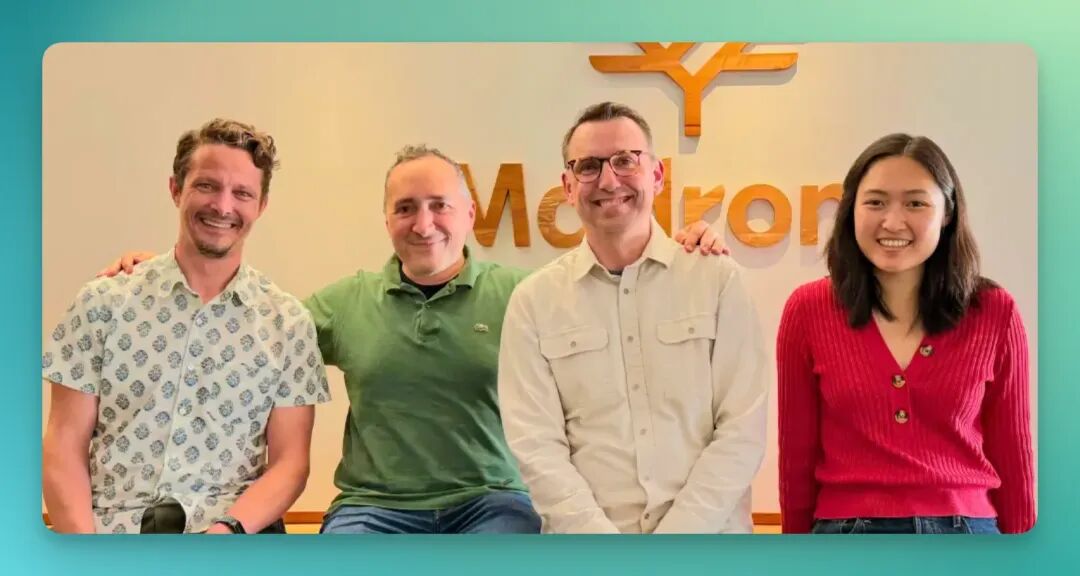
On September 3, 2025, NewDays AI completed its $7 million seed round, co-led by General Catalyst and Madrona Venture Group.
(Image source: Internet)
What attracted investors wasn't just the technology and team, but a massive societal need: population aging and the medical burden of dementia.
General Catalyst's long-term thesis is called Health Assurance — transforming healthcare from "firefighting sick care" into a proactive, accessible daily care system.
Aging and cognitive decline are precisely the ideal proving ground for this thesis.
Traditional elder care has relied heavily on institutions, but the emerging trend is toward home-based + digitally-enabled (phygital) continuous intervention.
NewDays' hybrid service of "high-frequency conversational cognitive intervention" delivered through AI companionship plus clinical guidance can scale while maintaining medical rigor — directly aligning with GC's vision.
More importantly, GC isn't just investing in one company — it's building the entire "transformation infrastructure."
For instance, through its HATCo vehicle, GC is driving the acquisition of Summa Health (conditionally approved by the Ohio Attorney General in June 2025) — a breakthrough move of a VC directly owning a hospital system.

For NewDays, leveraging GC's established hospital resources means faster integration into physicians' daily workflows and access to more authentic, compelling clinical data.
Product efficacy can also be measured against hospitals' hard metrics. Once this data proves the new approach's cost-effectiveness advantage, NewDays can expand from single-site pilots to entire healthcare systems, achieving scale.
To date, many "AI companionship" products risk falling into homogeneity. What separates NewDays from other AI companions is its therapy protocol and clinical evidence.
NewDays has secured an exclusive license to the I-CONECT protocol. This means it has actually productized the RCT-validated pathway that "high-frequency, structured conversation equals cognitive stimulation."
This is why, in GC's investment memo, NewDays is defined as an "evidence-driven intervention," not a content chat tool.
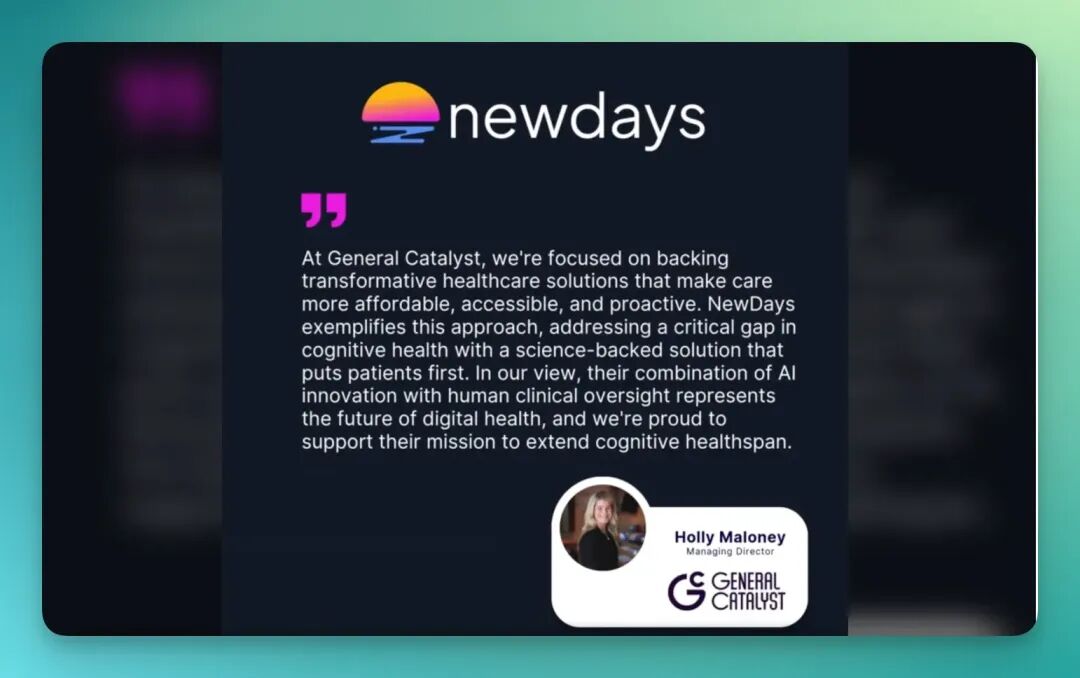
With this layer of clinical legitimacy, NewDays has greater leverage than generic chat products in compliance, ethics, insurance negotiations, and even brand trust.
Early testing feedback has also been strong: user satisfaction hit 4.8/5, with all participants reporting they "felt better."
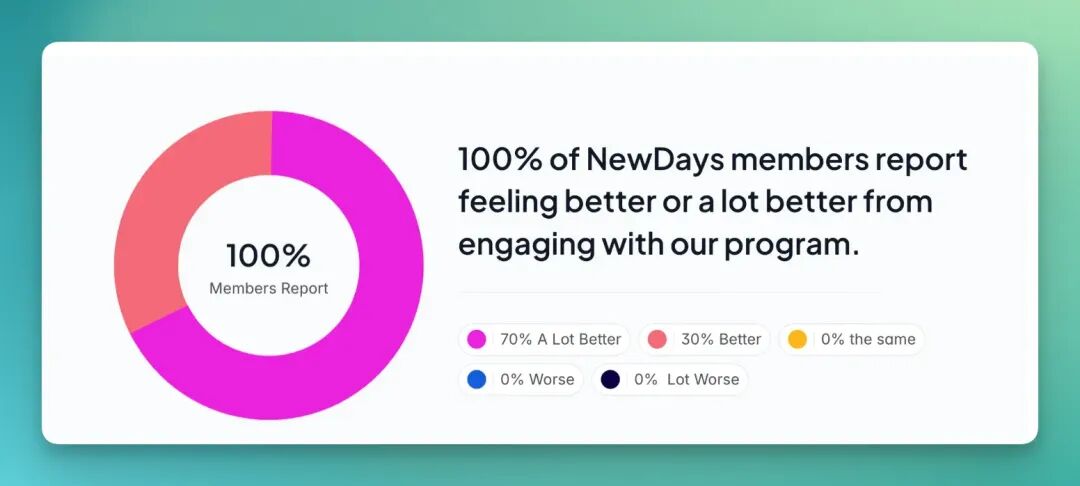
This reveals another possible role for AI: not creating illusory companionship, but bringing genuinely effective interventions into more people's daily lives.
The Story Behind NewDays' Founders
NewDays AI was co-founded by CEO Babak Parviz and Chief Innovation Officer Daniel Kelly. Both bring deep technical backgrounds, and each has a personal resonance with cognitive impairment rooted in family experience.
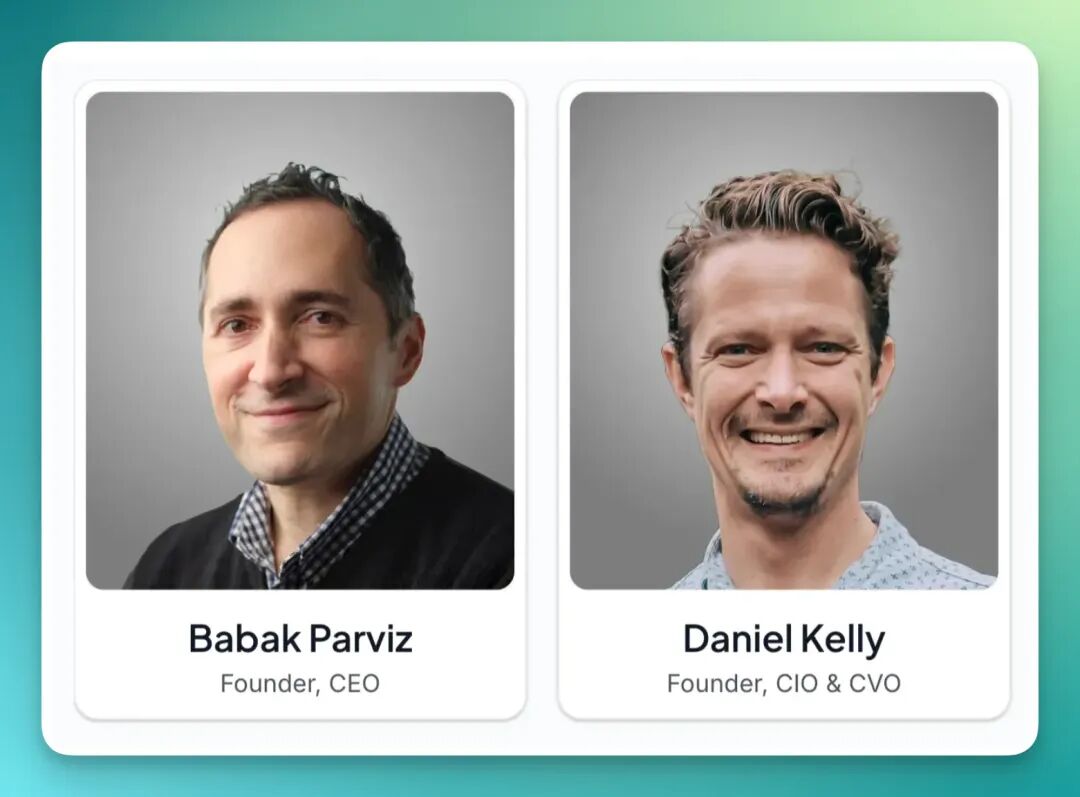
Parviz's resume is nothing short of legendary: he led the Google Glass project at Google X and advanced robotic surgery and smart contact lens development.
During his tenure as Vice President at Amazon, he founded the "Grand Challenge" division, focused on exploring the company's future new businesses — including aging and healthcare.
After leaving Amazon, he joined Madrona VC, continuing to invest at the intersection of AI and healthcare.
Kelly has long focused on the convergence of engineering and medicine. But more critically, cognitive impairment has left deep marks on his family — five of his father's siblings suffered from dementia, giving him a more visceral understanding than most of how this disease impacts families.
Parviz has a similar story: his father battled Alzheimer's for years.
He knows Alzheimer's cannot be cured, but research gave him hope: cognitive training and clinically guided conversation can, in some cases, improve dementia symptoms.
This hope became his starting point for founding NewDays and building AI companion Sunny.
But notably, the "companionship" in these studies was delivered by human professionals, not AI.
Dr. Julian De Freitas, Director of Harvard Business School's Ethical Intelligence Lab, has raised the concern that switching to AI might yield different results.
Currently, NewDays has not conducted its own clinical studies. However, Parviz has stated that Sunny's conversations are already very close to human ones, and they are "quite confident" the results will mirror existing research.
But this remains more a matter of conviction than data already in hand.
Compared to "improving cognition," AI's role in alleviating loneliness has stronger empirical support. For many elderly people, loneliness itself is a crushing problem, regardless of whether cognitive impairment exists.
On this front, the potential of AI companionship already has clearer evidentiary backing.
Dr. De Freitas's research has also found that for healthy adults, at least, conversing with an empathetic chatbot reduces loneliness almost as effectively as face-to-face conversation with a stranger.
Whether AI companionship can "treat disease" may still await more data, but in reducing loneliness, it has already demonstrated clear value.