The AI World Too Anxious? Hear What This 71-Year-Old "Old Boy" Has to Say

Let's become the kind of people who can "whistle while they work"!
Let's become the kind of people who can "whistle while we work"!
👦🏻 Author: Bella
🥷 Editor: Koji
🧑🎨 Layout: NCon

Over the past year, after conducting high-frequency interviews with a new generation of AI entrepreneurs (a weekly podcast) and reviewing new AI products (3-5 WeChat articles per week), we've developed an increasingly strong impression:
The AI world is really anxious.
From Silicon Valley to Beijing, Shanghai, and Shenzhen, the voices around us all sound similar:
Start a company now! Only by founding a company valued at over $1 billion do you count as successful — that's the only thing worth dedicating yourself to. And you have to start immediately. AI is developing so fast; if you don't start now, it'll be too late.
Is that true? Is there really only this single narrow bridge to "success"?
What's worse, when people face a single bridge with no other options, they become even more anxious and frantic.
Besides, what is "success" anyway?
So people habitually look for role models.
Unfortunately, looking around, the "role models" dominating recent AI headlines — whether Elon Musk, Mark Zuckerberg, Sam Altman, or even Alexandr Wang — are all ruthlessly competitive. They happen to be the ones who squeezed past everyone else and successfully crossed that narrow bridge.
If these people become the only sample of role models, we'll be trapped in endless peer pressure.
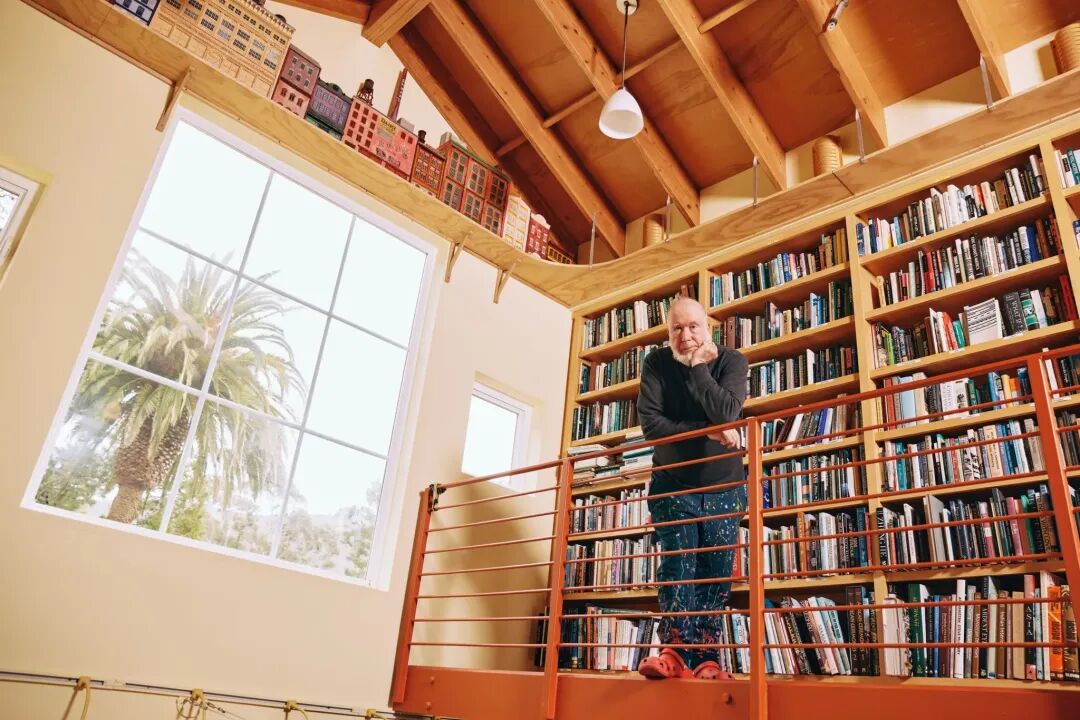
Fortunately, we have Kevin Kelly.
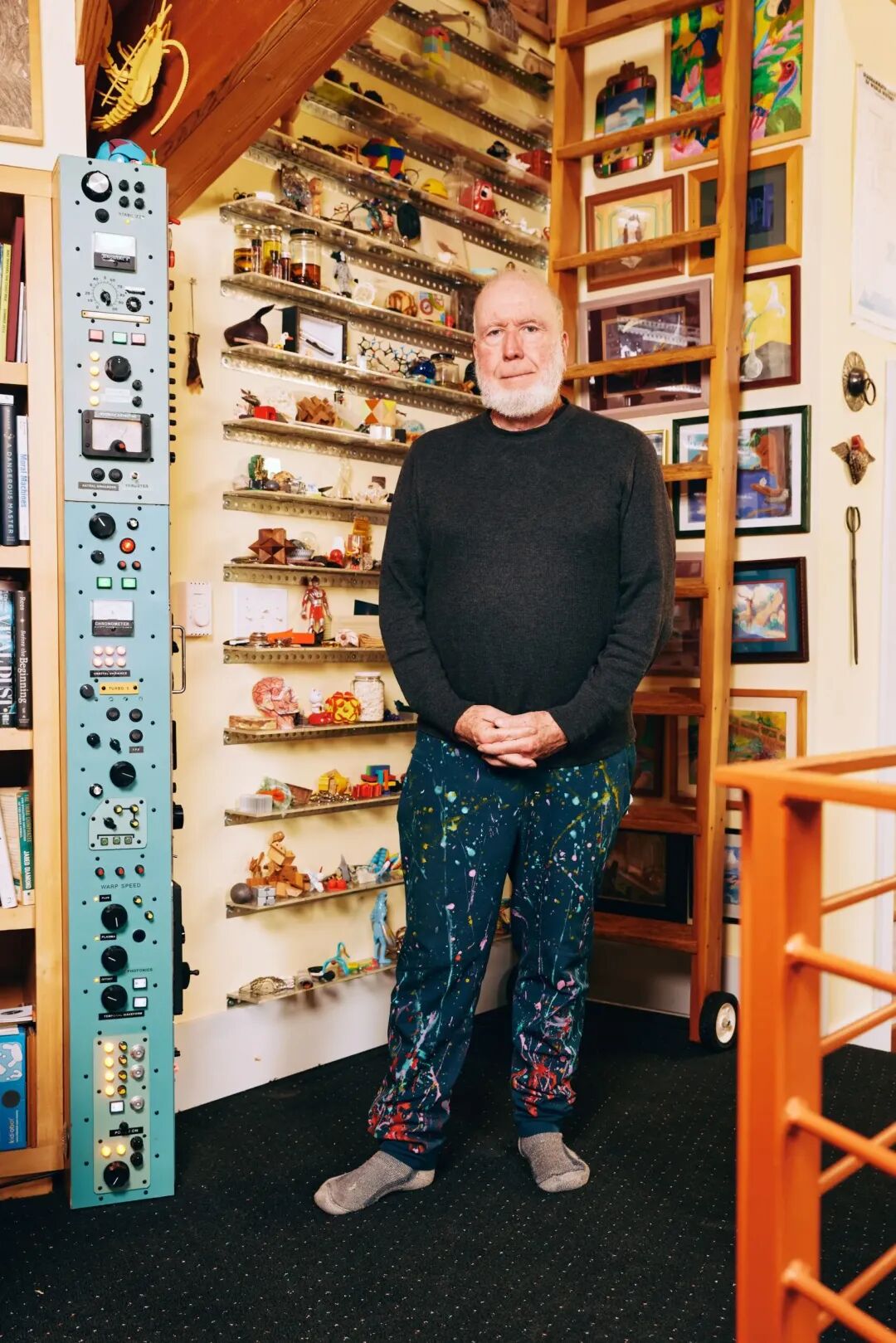
WIRED, the magazine he founded and served as executive editor of, remains one of the most authoritative and trustworthy tech publications of our era. He has earned everyone's respect, and something even rarer: affection.
Kevin Kelly never tried to squeeze onto that narrow bridge with everyone else. He took a path almost completely opposite to the Silicon Valley titans.
He wasn't fixated on success in the standard sense, but rather sustained investment in interests that fascinated him. His creations span technology, art, ecology, and the future — no grand narratives, only present-moment exploration.
Compared to those driven by desire for success, anxiety, or even pain, the defining characteristic of Kevin Kelly's way of working is:
Joyful, energetic, and utterly free of self-torture.
He says:
"Excellence is overrated. It's a kind of extremism."
This article is author Brie's interview with Kevin Kelly, along with her own reflections. After reading it, we all found varying degrees of resonance and comfort, so we've translated and compiled it to share with you.
As you'll see, this isn't another profile of Kevin Kelly. It's an argument for the legitimacy of another way of working — one fueled by passion, curiosity, and self-consistency.
🚥
Article author: Brie Wolfson
Originally published at: Join Colossus[1]
Kevin Kelly isn't known for any single "great achievement," and he never sought that kind of accomplishment.
He's as smart, hardworking, and ambitious as the most iconic entrepreneurs in history — he just never wanted to build a unicorn himself.
Instead, in his own words, he works "Hollywood-style," with a career trajectory strung together from one creative project to the next.
Kelly was an editor at the Whole Earth Catalog in the early 1980s, helped launch one of the earliest online communities, the WELL, in 1985, and co-founded WIRED magazine in 1993.

He has published more than a dozen books and hundreds of articles covering art, optimism, travel, religion, creativity, and artificial intelligence (even before AI became a mainstream topic).
In his twenties, he biked across the United States. Later, he served as a "future consultant" for Steven Spielberg's film Minority Report, and was the inspiration for the famous "death countdown clock" in Futurama. The idea came from a "life countdown" clock Kelly kept on his desktop, which caught the attention of creator Matt Groening and became a show premise.
He has organized long-distance walking trips across Asia and Europe, roughly 100 kilometers over about a week each time.
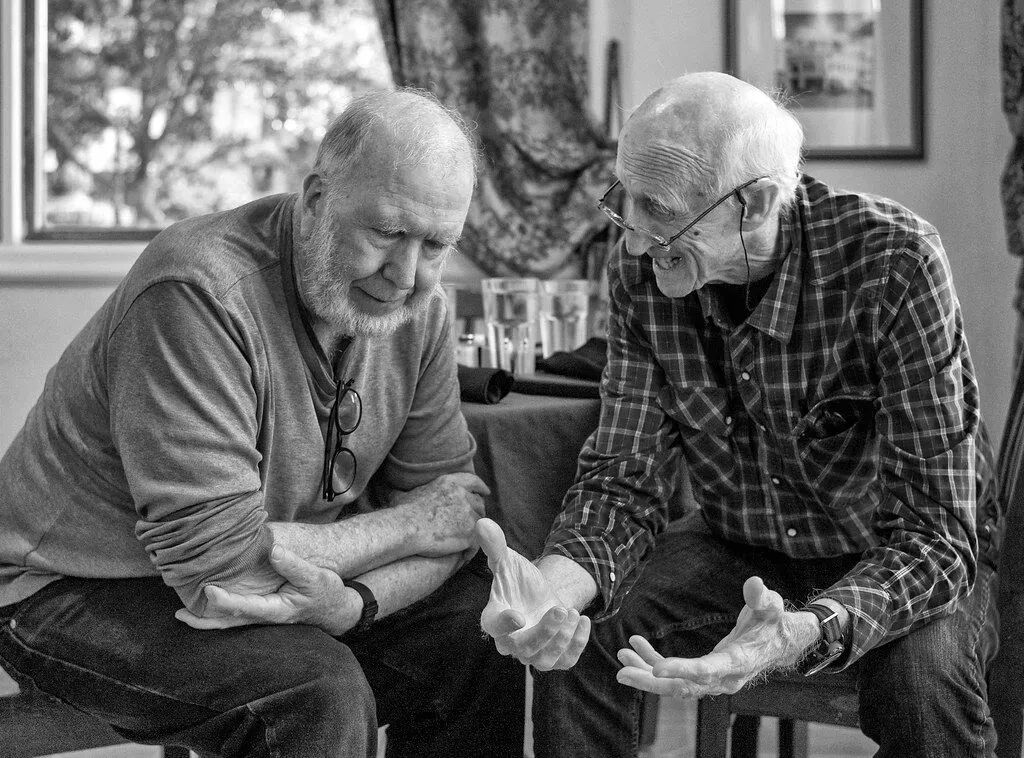
He sculpts, paints, and photographs. He's a longtime friend and collaborator of Stewart Brand (American writer, futurist, and editor of the Whole Earth Catalog) — whose phrase "Stay Hungry, Stay Foolish" was later quoted by Steve Jobs in his Stanford commencement address.
To encourage long-term thinking, he's helping build a massive clock buried in a mountain in West Texas, designed to keep time for ten thousand years. Brian Eno and Jeff Bezos are both active participants in the project.
He was the first to propose the concept of the "Quantified Self," indirectly giving rise to products like Fitbit, Strava, Apple Watch, Eight Sleep, and Oura Ring.

In 2008, Kelly proposed the "1,000 True Fans" theory, groundbreaking in its assertion that a creator needs only 1,000 genuine supporters, each willing to spend $100 per year, to sustain a respectable $100,000 annual income.
This concept is considered to have laid the groundwork for the creator economy.
Those who achieve legendary things through their interests never feel they've reached the finish line.
— Kevin Kelly
Naval Ravikant (founder of AngelList) called him "the modern Socrates." Marc Andreessen said, "Everything Kevin Kelly writes is worth reading." Ray Kurzweil (author of The Singularity Is Near) said, "Kevin Kelly understands the direction of technology better than almost anyone I know."
Kelly's "Hollywood-style" way of working has always resonated deeply with me; it's what I've tried to emulate. But after 15 years of working, I've started to doubt this style.
In Silicon Valley, you can't help but feel that building a unicorn-targeting company is the only path to impact, and the only career worth pursuing for an ambitious individual.
Kelly is a vibrant, creative counterexample to that path.
And I quickly realized I wasn't just writing a profile of an idol.
I was looking for a way to make peace with the career path I'd chosen.
I started my career at Google, selling AdWords to small businesses, and ranked third in North American sales my first quarter. Opportunities followed — I was promoted to management early, flew to offices around the world to share my experience. My face appeared on presentations with impressive numbers, and I started getting attention from senior leadership.
I couldn't quite say why, but those opportunities didn't appeal to me much. What I actually enjoyed was organizing activities to rename conference rooms, and helping a colleague plan his internal column — a show where he'd interview Google executives while they were all bundled together in a double-person sleeping bag.
Though I had a "fast-track promotion" ticket to a top Silicon Valley company, climbing the ladder wasn't for me.
For the next decade, I simply followed my curiosity, doing whatever seemed interesting.
Just 14 months after leaving Google, I joined a mobile gaming startup with my best work friend Jenny. There I learned Excel while getting into Magic: The Gathering, and earned a bonus from a hit "pet hotel" game.
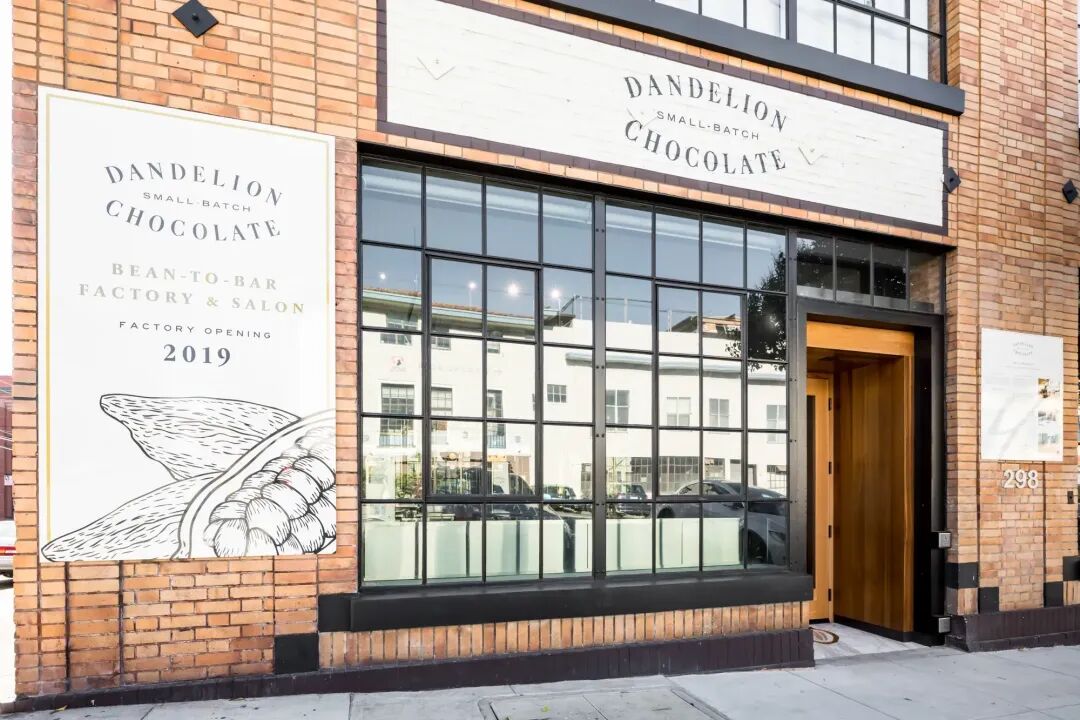
A year and a half later, I jumped to another six-person startup team — so quirky in style that people jokingly called us "the weirdos of YC." In my spare time, I coached high school soccer, volunteered at Dandelion Chocolate, and wrote a novel.
My resume was full of sub-two-year stints that turned off most HR people — except one at Stripe.
"We really appreciate your breadth of experience," he said. Though it sounded like a polite way of saying I lacked focus, I got in and started doing customer management.
I stayed at Stripe for nearly five years. Though I didn't change companies, I kept switching lanes internally.
After one year, I had two choices: either go the management route, or take on a vaguely defined new role driving various culture-related projects. Things like: redesigning tenure celebrations, establishing company planning processes, making Stripe carbon-neutral, encouraging non-developers to join hackathons, and planning and publishing a book (which became Stripe Press).
I later learned these ambiguously scoped responsibilities were essentially "odd jobs" that operations colleagues with McKinsey backgrounds didn't want to touch.
Guess which one my family and friends hoped I'd choose? Now guess which one I actually picked?
Kelly would say that a career path that's "hard to categorize" usually means you're doing something interesting.
I started taking pride in this "cool girl" way of working.
Though I often joked that I'd never been promoted, I could feel my influence, scope of responsibility, and relationships with colleagues continuously expanding. I remember one (well-meaning) manager suggesting I make a five-year career plan, and I refused on the spot.
I used to look down on people who cared about titles, worked for money, and carefully uploaded professional headshots to LinkedIn.
I trash-talked MBAs, boasted about never appearing on org charts, and got good at handing off projects so I could free my hands for something else.
I became the person people would ask to coffee when they wanted to quit and do something weird.
Once when I mentioned I liked staying behind the scenes, an executive warned me: "If you want to be seen as a leader, you probably shouldn't say that."
I didn't listen to him.
At some point, I suddenly felt a strong sense of dislocation. I started vaguely feeling that all my past choices had been wrong. Looking at colleagues around me — especially those with MBAs, hungry for promotions, building teams — I felt left far behind.
And this wasn't just vanity. They really were tackling bigger, more challenging problems. They were mentoring young talent, influencing company revenue, participating in industry-recognized projects.
They always had tickets to those exclusive gatherings, receiving a steady stream of job offers.
Some had started companies, and there were even rumors that someone got a term sheet before investors finished reading their pitch deck.
I didn't just envy their work. I started to doubt: Could I really do what they did? That stung.
I started wondering: Had everything I'd done along the way really lived up to my ambition, effort, and seriousness about work? Had I been applying my energy in the wrong direction? What was all this effort ultimately for? Had I made some irreversible, elementary mistake in my career? How much money had I missed out on? Would people I respect still respect me?
Despite working very hard for the past decade, I had no particular specialty, and no idea where to go next.
I started feeling that my old self, who cared so much about "interesting" and "jumping around," was childish.
What unsettled me most was that I didn't even know how to accurately describe what I was good at.
My sister had just made partner at a top law firm, and my parents seemed to find it easier to be proud of her than of me. And I completely understood.
Kelly would say that a career path that's "hard to read" is a good thing — it means you're doing interesting things.
But I was starting to waver.
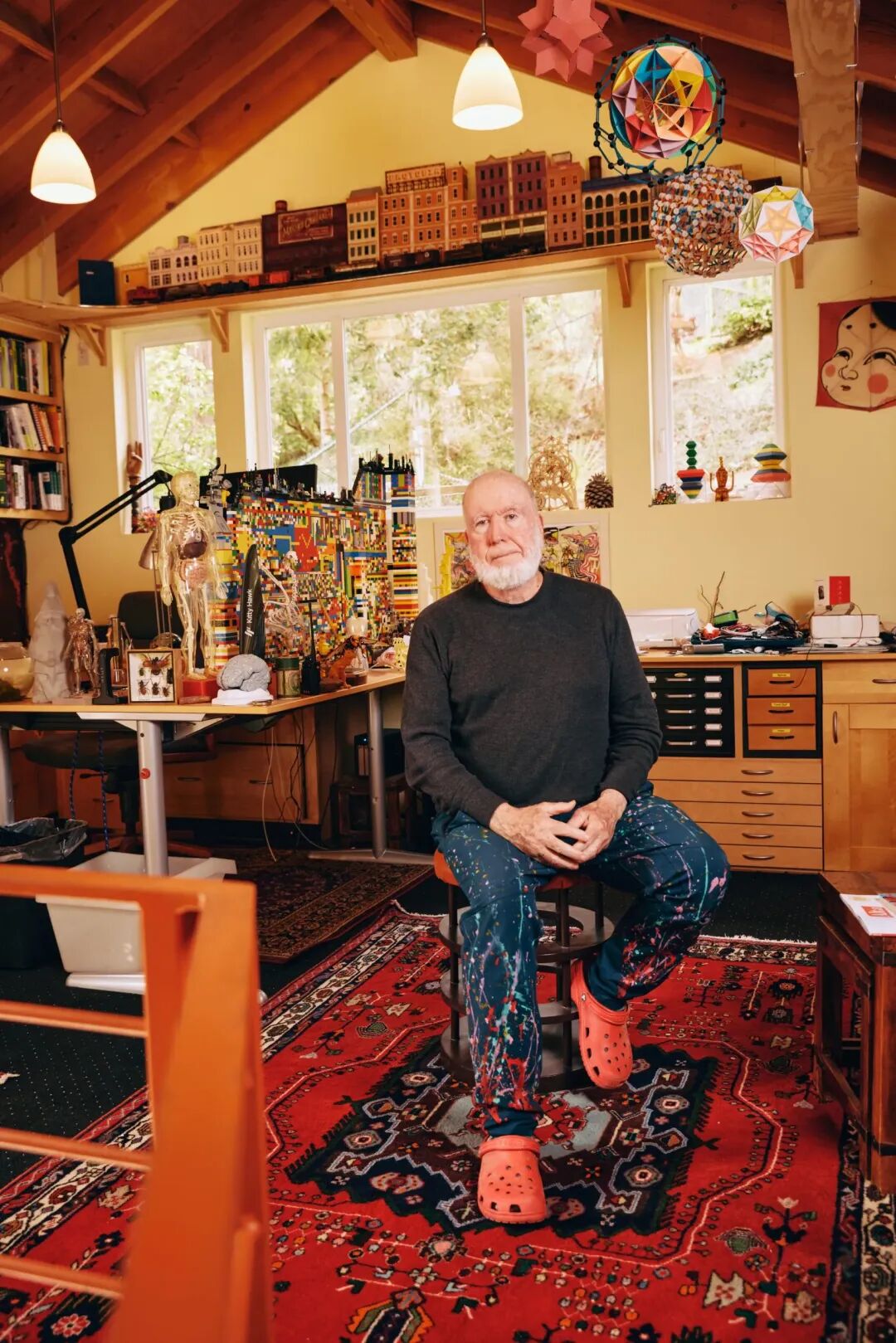
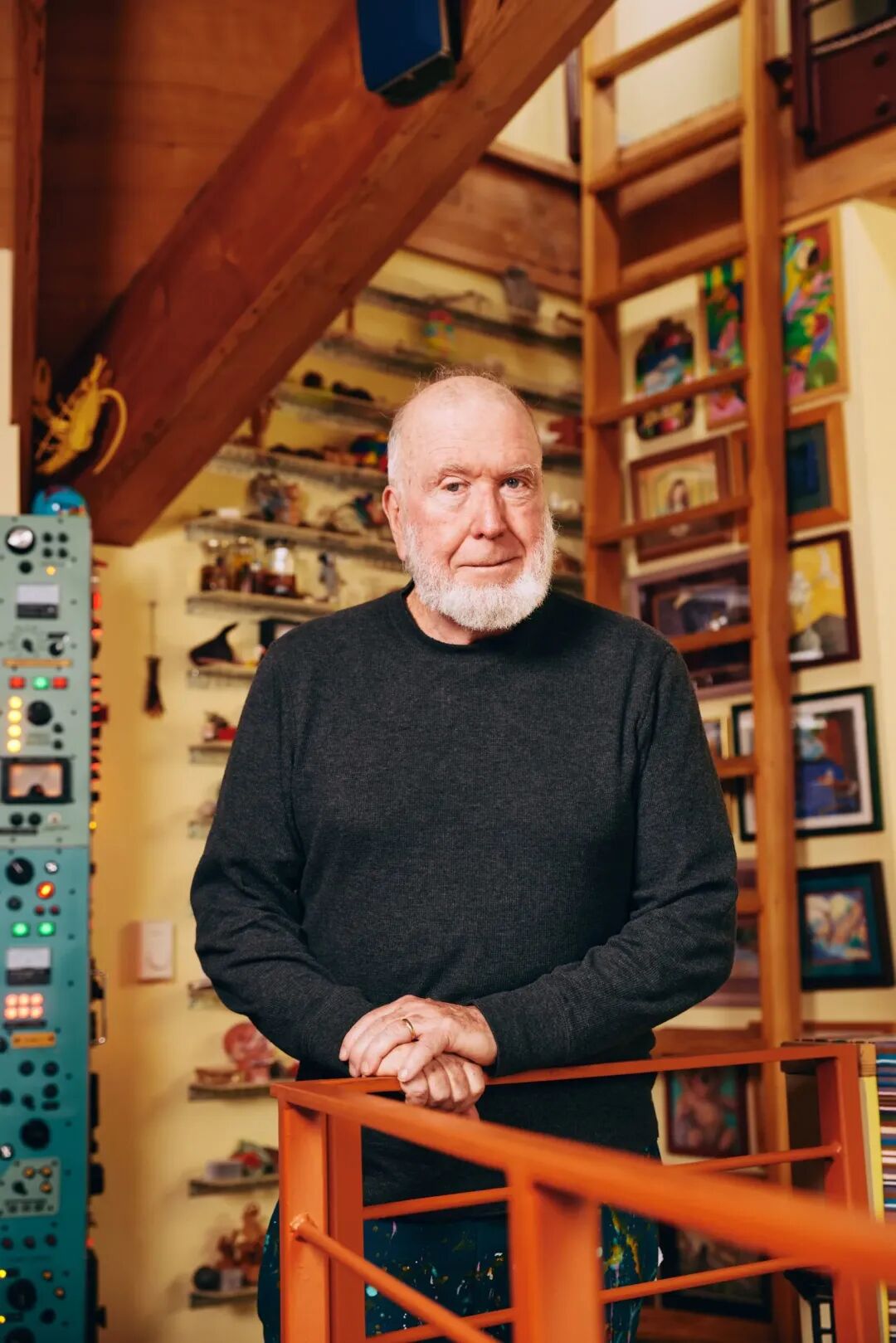
I drove to Kevin Kelly's studio in Pacifica, California — a building at the edge of the small town of Vallemar, right where it meets Highway 1, sitting in lonely isolation. The whole structure looked like a massive barn, pressed against a steep hillside covered in wildflowers and towering trees.
The sky was overcast, the air a mix of sea breeze and eucalyptus.
What confirmed I had the right place was a nearly unnoticeable small sign on the door: kk.org — a website I had long been familiar with.
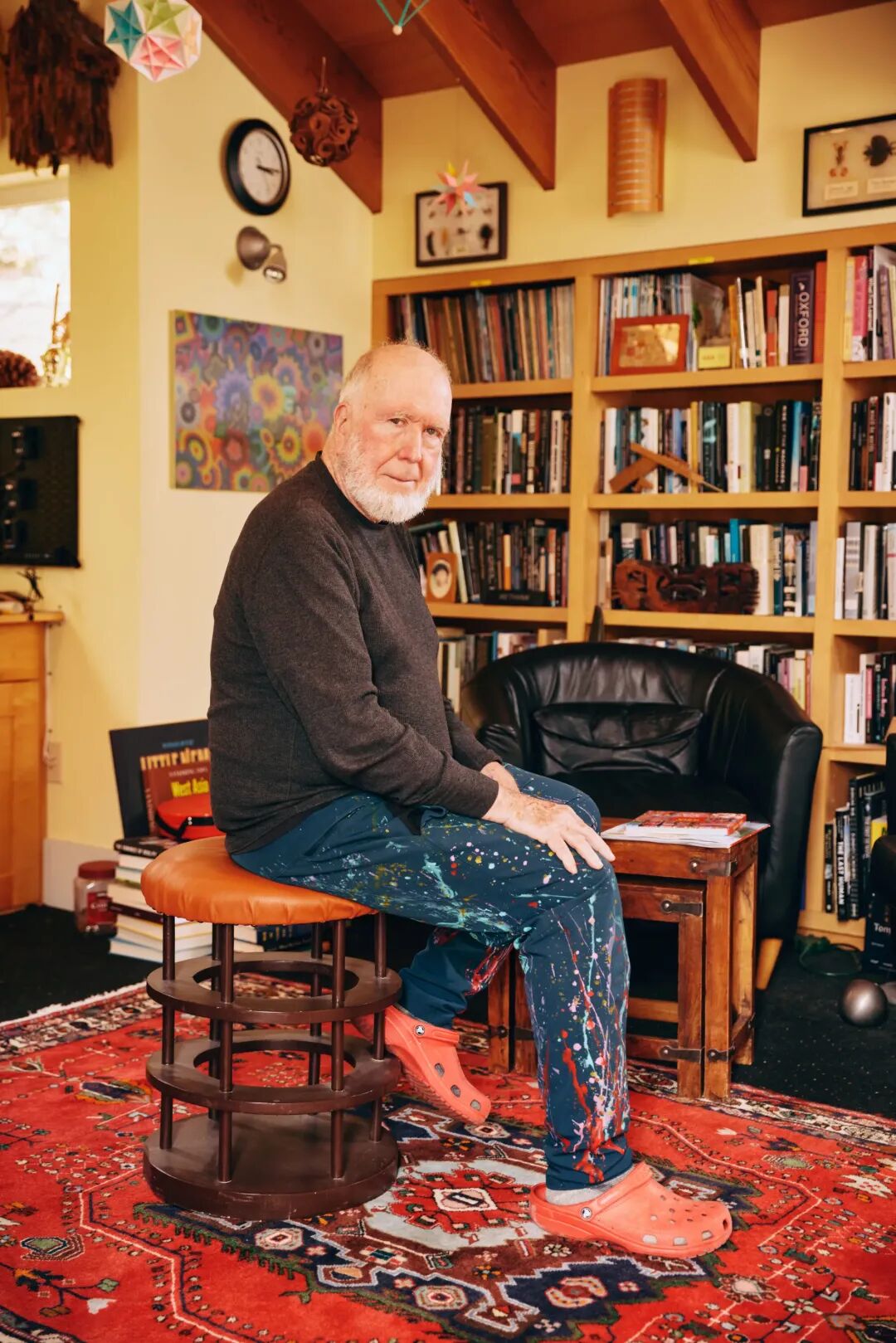
Stepping inside, I felt transported back to the early 1990s, bursting into my younger brother's dream room: massive LEGO towers rising up, K'Nex constructions hanging from the ceiling, and a full two-story bookshelf stretching floor to ceiling.

Those books had actually been read — faded covers, worn corners, crammed haphazardly on the shelves. All kinds of knick-knacks filled the space.
This room looked nothing like a "futurist's" office, a stark contrast to the trending Japanese-Nordic minimalist workspaces on X.
But in Kelly's world of objects, nothing looked like clutter.
Every single thing seemed to glow with its own energy, as if magnetically charged, making you want to ask: "What does this do?" or "Where did you find this?"
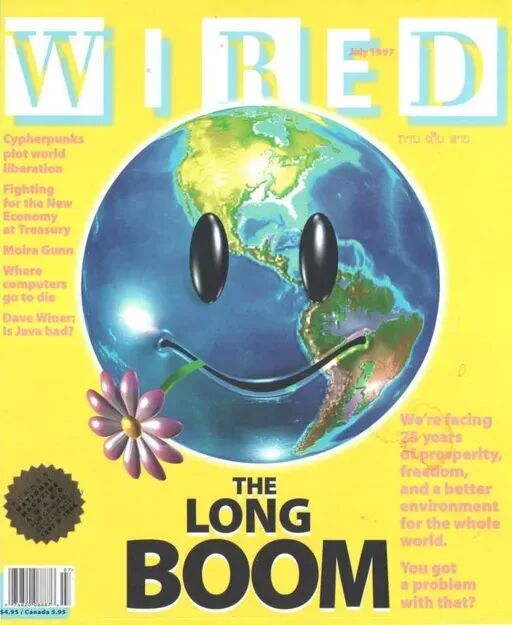
I was bent over looking at the bottom shelf when Kelly suddenly appeared on the indoor balcony, inviting me upstairs to chat. He wore a pair of obviously oversized socks — the toe ends flapping empty in front, with actual paint stains on his pants.
I walked up the stairs, casually asking what the oldest thing in the room was, and he immediately changed the subject. Perhaps, for a futurist, nostalgia holds no interest.
I slowed down, scanning the "wall of interesting things" on the second floor. Kelly noticed my curious gaze and took down a palm-sized leather object from a shelf, handing it to me.
"Guess what this is?" he asked. I turned it over in my hands, straining to get the answer right, but clearly the point wasn't the answer.
I nervously fumbled with it, completely stumped. Sensing my embarrassment, Kelly laughed and explained: "It's a leather hood for a hawk." He said he got it in Mongolia, where eagle hunting remains a tradition. The atmosphere instantly lightened.
I felt I could follow up with questions about Mongolian falconry, or embark on another journey of curiosity.
Kelly pointed to a small glass jar: "These are the bones of a bird that hit that window." I nodded enthusiastically. He added with full pride: "I processed them with a freeze dryer!"
We walked to his desk. He had me try lifting a small ball on the floor. It wasn't large, but extremely heavy — I could barely raise it slightly off the ground.
He told me it was made of tungsten: "Density about the same as gold. Next time you see someone in a movie running off with a bag of tungsten, you'll know that's not realistic."
Exploring these quirky objects with Kelly was tremendous fun — I felt I was accessing a dimension of him that books and blogs couldn't reveal.

I noticed a model train track running along the ceiling and asked if it still worked. I expected him to call out "Alexa, start the engine!" Instead he walked to his desk, picked up a controller and pressed the switch — nothing happened.
He changed the batteries, then slapped it like an Nintendo 64 cartridge, and tried again.
This time the train immediately chugged around the room, looking exactly like something my dad would have made in a corner model shop in the sixties.
Kelly stood watching it pass, a look of pride on his face.
We finally sat down by his desk to begin our formal conversation.
I first asked him: What unifying thread runs through your seemingly scattered career? Print media, books, frontier technology, ecological conservation, Asian photography, teaching, and so on.
"Following my interests," he said lightly.
For someone with such remarkable achievements, this sounded almost too simple.
I said his "following interests" seemed to carry a kind of magic: these interests weren't just inputs, but always transformed into shareable outputs.
Kelly shook his head — he didn't think in terms of "output." For him, "doing" itself is learning.
"I don't pursue destinations," he said. "I pursue a sense of direction."
I then asked, what's the boundary between following interests and having a short attention span? I sometimes worry I'm just easily attracted to novelty.
He said: "Those who truly achieve extraordinary things through their interests never feel they've reached the end."
When the conversation turned to the power of passion and obsession, I took the opportunity to ask: Is passion alone really enough?
"Enough for what?" he countered, a hint of playfulness in his tone.
He seemed to know what I was getting at.
He said: "I think 'can make money' is probably the most boring reason to be interested in something." Then he brought up Walt Disney as an example:
"We don't make movies to make money. We make money so we can make more movies."
Money wasn't really my point, but I appreciated him steering the conversation there. I let the topic rest in silence.
He continued: "What I mean is, take your interests seriously, have the courage to keep moving forward. You can abandon things, you can fail, because you know there's something new waiting for you tomorrow."
I pressed further: If you want to achieve "excellence," do you have to focus on one thing?
"Excellence is overrated," he said again. I immediately sat up straighter. "It's a kind of extremism, and it brings a lot of extreme side effects. Steve Jobs was an asshole. So was Bob Dylan."
I was finally beginning to understand what was different about Kelly's approach to work.
When people talk about "lifework," they always use words like "obsessive focus" and "relentless pursuit." I hear investors say they want to back founders with "something burning inside them." Facebook's iconic 2012 Little Red Book had a full page that read: "Excellence and comfort rarely coexist."
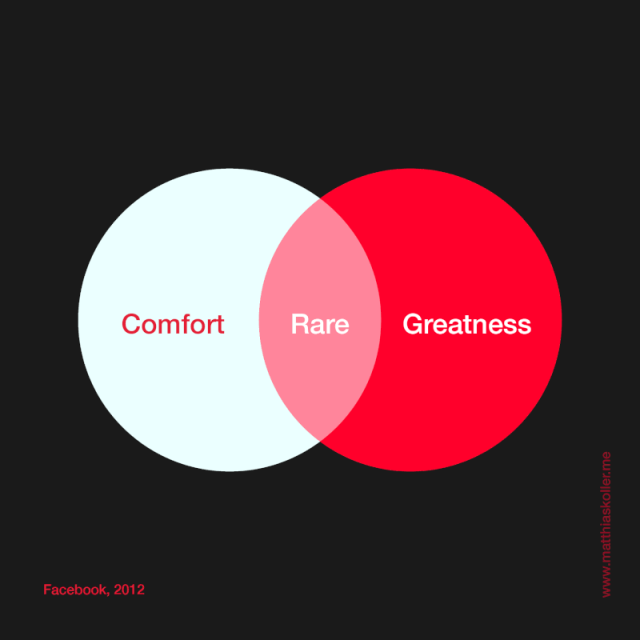
Reid Hoffman recently posted on X: "If a founder brags about having a 'balanced life,' I basically assume they don't seriously want to win."
Jensen Huang says he "tortures employees until they achieve excellence."
Years ago when I was job hunting, an investor recommended one of his portfolio companies to me. He winked and smiled, saying the founder would "win at any cost." I didn't understand what that meant at the time, but a chill ran down my spine.
I heard that one serial entrepreneur started his second company "out of chaos and revenge"; another famous CEO asks himself in the mirror every morning: "Why are you so terrible?"
I read Elon Musk's biography; he always seemed to be in pain.
There were rumors that Sam Altman was so busy starting his first company that he ate only instant ramen every day and developed scurvy. He himself said: "I never checked, but it's probably true. I was extremely exhausted, my legs hurt, and my gums were bleeding."
By comparison, Kelly's way of pursuing his life's work seems so lighthearted and full of vitality.
He has no pain, no obsession with self. His goal isn't finding market gaps, much less global domination. His standard for measuring work is internal fulfillment, not net worth, user numbers, headcount, or shareholder value.
Like a teacher, he hopes to resonate, and to move people's thinking and action.
He creates not to win, but to share.
His career trajectory and influence were never propelled by brute force of will, but unfolded naturally step by step.
Those projects and ideas seemed to lead him along, rather than requiring him to repeatedly force himself to grasp them. His scope is extraordinarily broad, yet everything he's done resonates with everything else. This way of working seems utterly natural to him, yet in our era, it appears remarkably rare.
If this way of living and working is possible for all of us — then why do we deify "tense suffering"?

I know I'm not the first person to think that "doing what you love lets you do it better." I know the whole "follow your passion" line has long seemed naive and shallow. But I do feel that at some point, our narrative about "what greatness feels like" became distorted.
A few years ago, I forced myself to write down a career goal. After hours of meditation, I wrote only this: "Have a good day, most days."
But "a good day" doesn't mean drinking Aperol Spritz by the pool. I get fired up when I launch an exciting project, finish a beautiful model, or sign a major client. I love that state of being woken at midnight by an idea (which happened several times while writing this article).
But I once imagined: What would an HR person think if I said in an interview that my goal was "to have good days"? I ultimately decided not to say it.
Yet here I was, sitting before a lifelong idol. The strongest impression he gave was that he seemed to be having a pretty good day almost every day. Why can't we be happy while we work? Why must "suffering while working" count as effort?
I had thought I came here to deeply explore that "Hollywood-style" way of working, but instead I sat in that room full of "toys" and suddenly realized: what's most moving about him is that he seems genuinely happy.
At ease with the world, at peace with himself.
I didn't come here seeking permission for an "alternative way of working," but for confirmation:
That we too can work with ambition and joy simultaneously.
This shouldn't make us feel ashamed.
Like many people, I want to do well, do deeply, and have impact.
I want to feel that sense of trust and fighting side by side, to give my all, to do my best, and to truly affect a company's success or failure.
But I don't want to question myself in the mirror every day, don't want to be tortured by "excellence": Does that mean I'm "not serious enough"?
I want more role models like Kevin Kelly. People who whistle while they work. Energetic, with healthy gums, infectious enthusiasm, emotional stability, happy families.
They care deeply about work, and truly have impact — but they're not assholes.
I hope we can start talking about these qualities seriously, with respect.
I've never been a billionaire, nor built a unicorn company, so I can't assert what the path to success should look like.
But I know:
I want to live in a world where "you can make impact and stay happy." Maybe that's a bit naive, but I'm willing to hold onto it.
Kelly does all this naturally, without angst. I hope I can gradually move closer to that state too.
He said to me during our day together:
"The more you follow your interests, the more you'll discover: this well has no bottom."

References
[1] Join Colossus: https://joincolossus.com/article/flounder-mode/
[2] kk.org: http://kk.org/