Wants to Use AI to Sculpt the Romantic Harvard Man, Just Raised $9 Million in Funding

What Should Good AI Serve?
Good AI should serve humanity and imagination.
 👦🏻 Author: Bella
🥷 Editor: Koji
🧑🎨 Layout: NCon

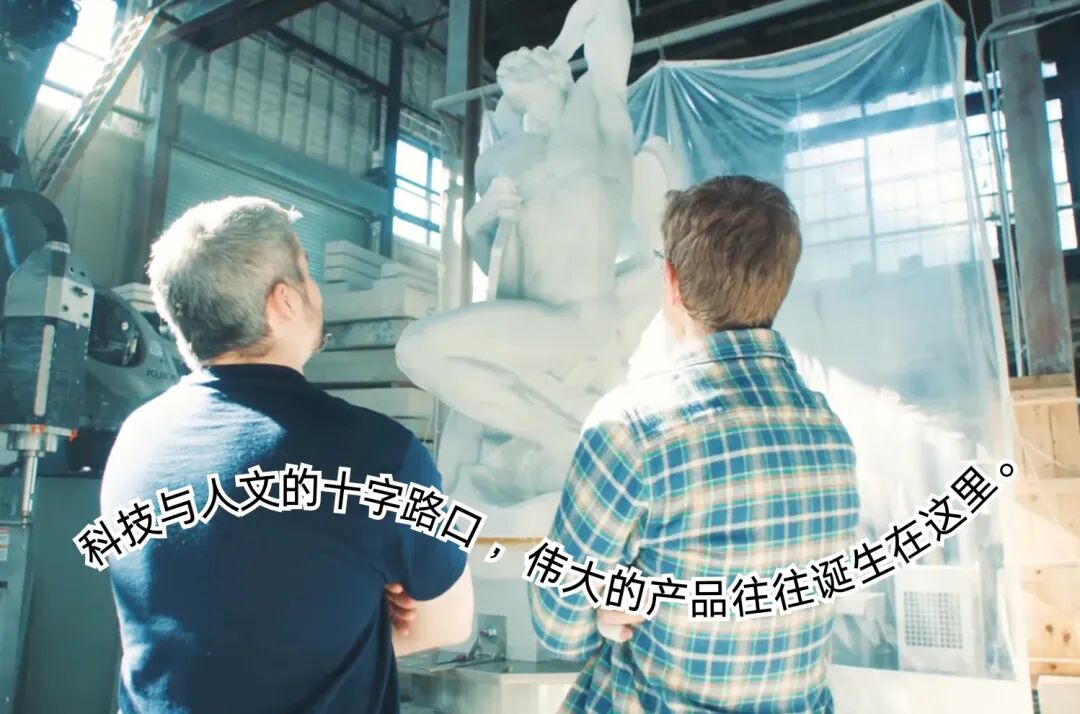
We've always been drawn to the ideas and products emerging at the "crossroads of technology and the humanities."
While 99% of people (ourselves included) are using AI to become better workhorses, there's that 1% using it to create beauty and romance.
Especially now that AI has become infrastructure, who's still using it to create value beyond the purely utilitarian?
Monumental Labs[1] was a recent aha moment for us. They've chosen a path that looks, on the face of it, "not worth it":
Using AI and robots to carve stone, to create beauty and romance.

What kind of company is Monumental Labs?
Monumental Labs has a vision that's almost romantic: using AI and robotics to revive the dying art of stone carving.
The goal is to bring the kind of sculpture once reserved for palaces and museums back onto city streets and into public spaces.
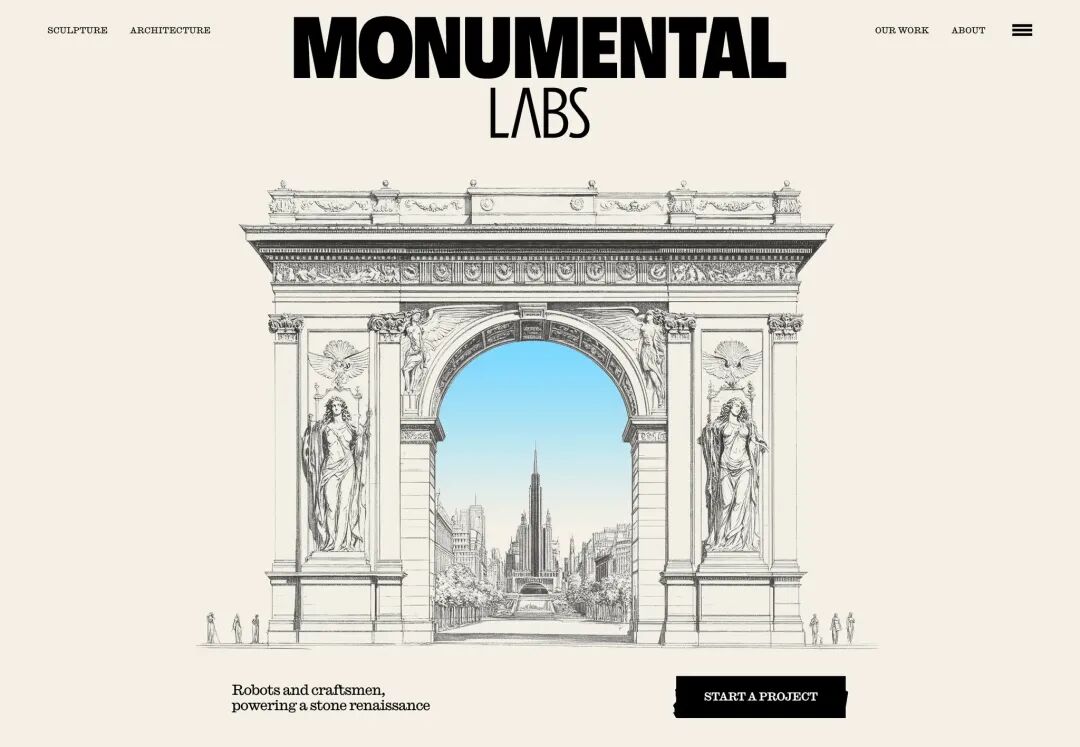 Monumental Labs homepage
Founder Micah Springut holds a master's degree from Harvard University and previously founded Laterally, a legal talent recruitment platform.
Monumental Labs has raised approximately $9 million in seed funding. Investors include hard tech-focused early-stage funds such as Mythos, Path, and 776, along with individual backers like Gumroad founder Sahil Lavingia and former Twitch CEO Emmett Shear.
In the past, the world's grandest buildings were inseparable from stone. But as craftsmanship grew complex and costs soared, stone carving was long ago displaced by glass and concrete.
Monumental Labs wants to reverse that trend.
They're building an AI-driven robotics platform that fuses traditional craft with modern technology, bringing monumental sculpture and stone architecture within reach of ordinary people. Their software and hardware systems automate stone processing and have reduced costs by roughly 90%.
Their work already appears in artist studios, museums, private collections, and architectural restoration projects.
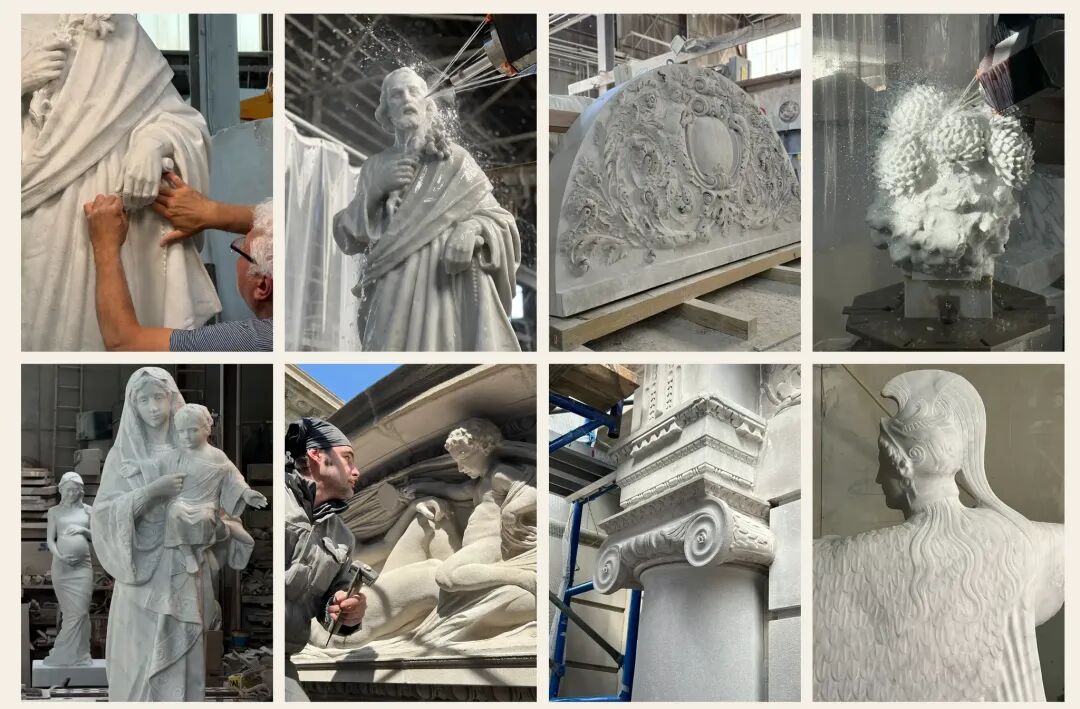 Portfolio
From sculptures to balcony friezes, from standalone installations to entire facades, they rely not on some divinely inspired artist but on a rigorous, efficient manufacturing system.
As founder Micah Springut puts it:
We want future cities to recapture the beauty of Florence, Paris, or Art Deco-era New York.
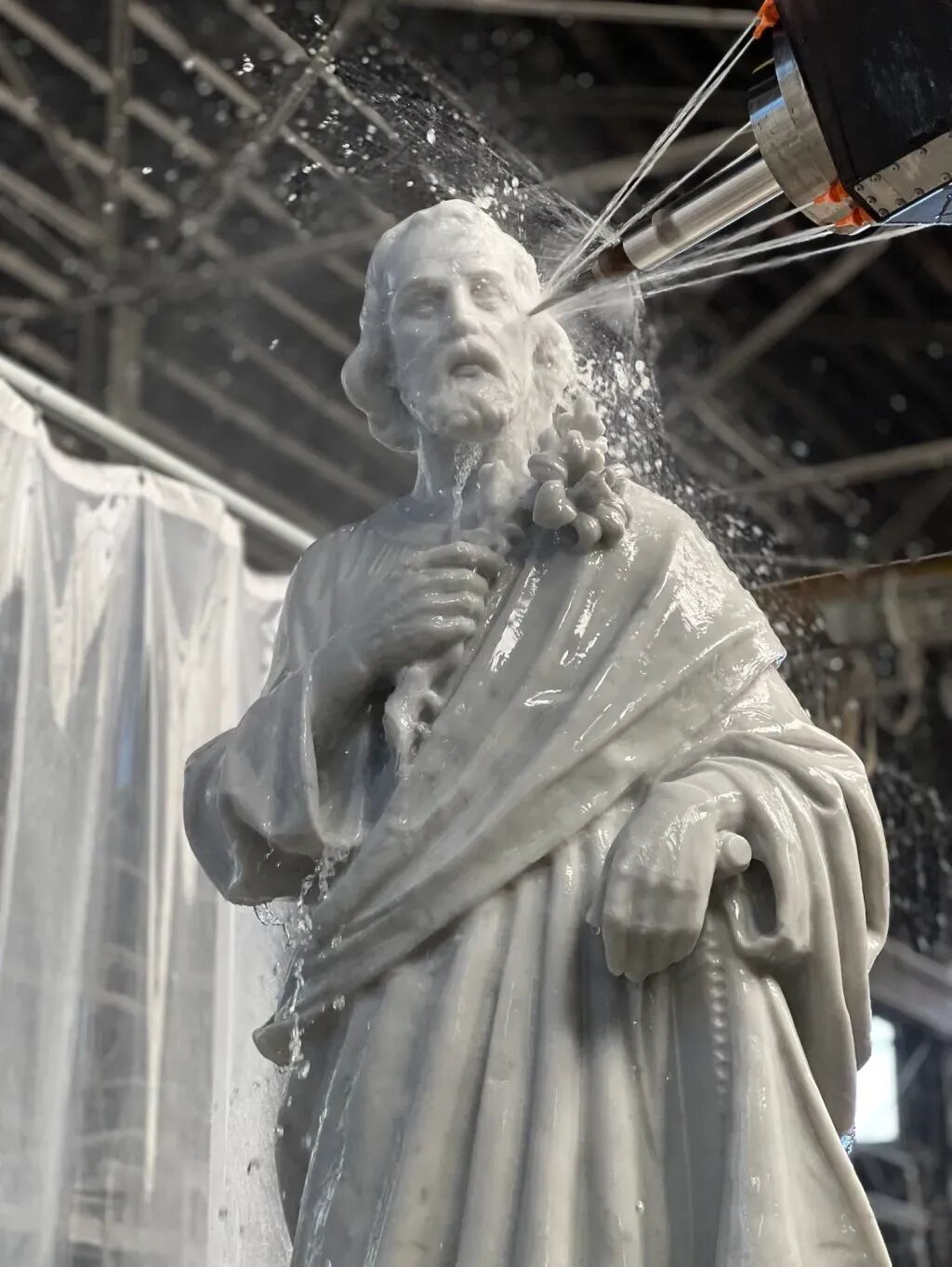
They source natural stone from around the world — Italian marble, American granite, Moroccan onyx — each with its own texture and hardness, requiring robots and craftspeople to collaborate in "working with the material."
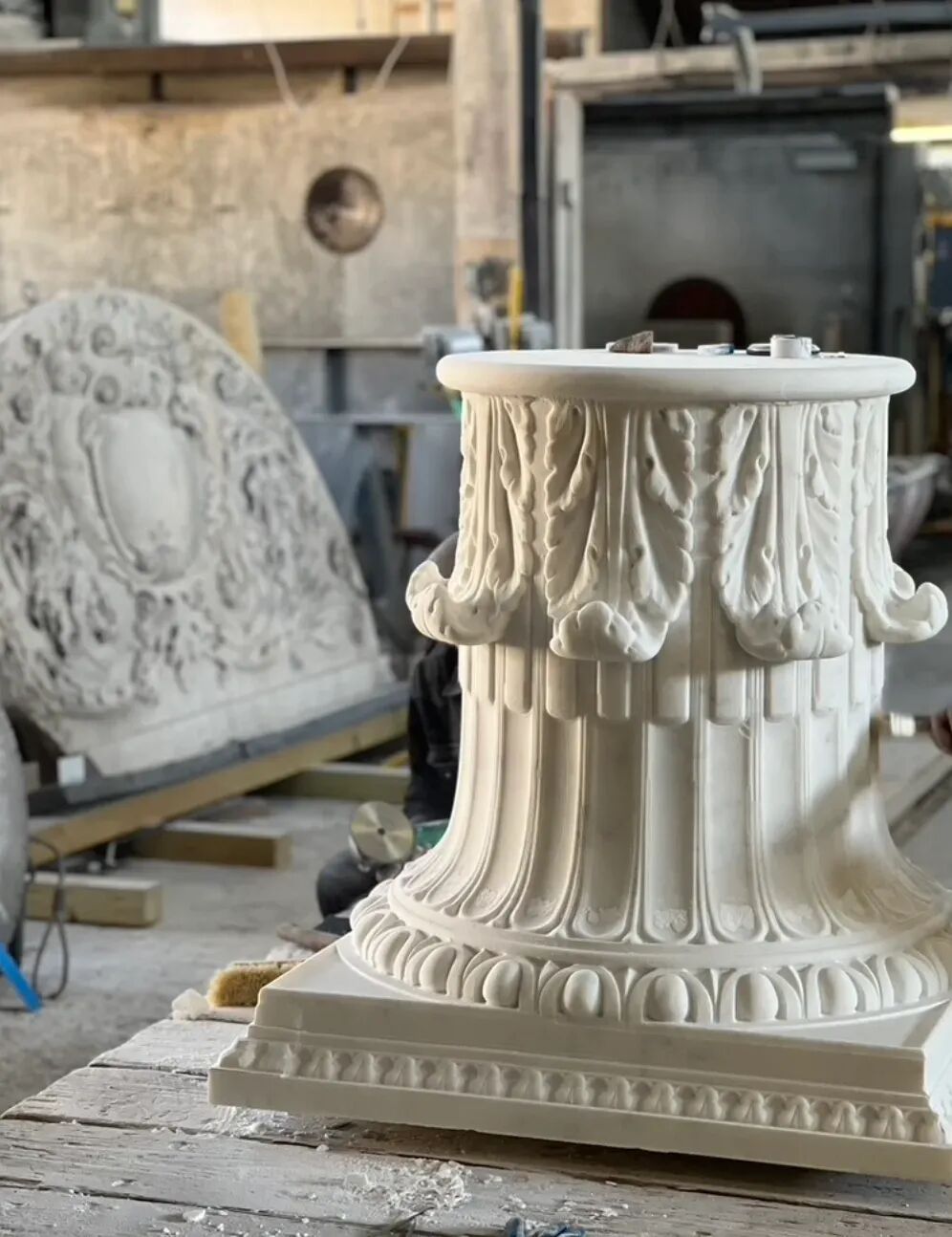
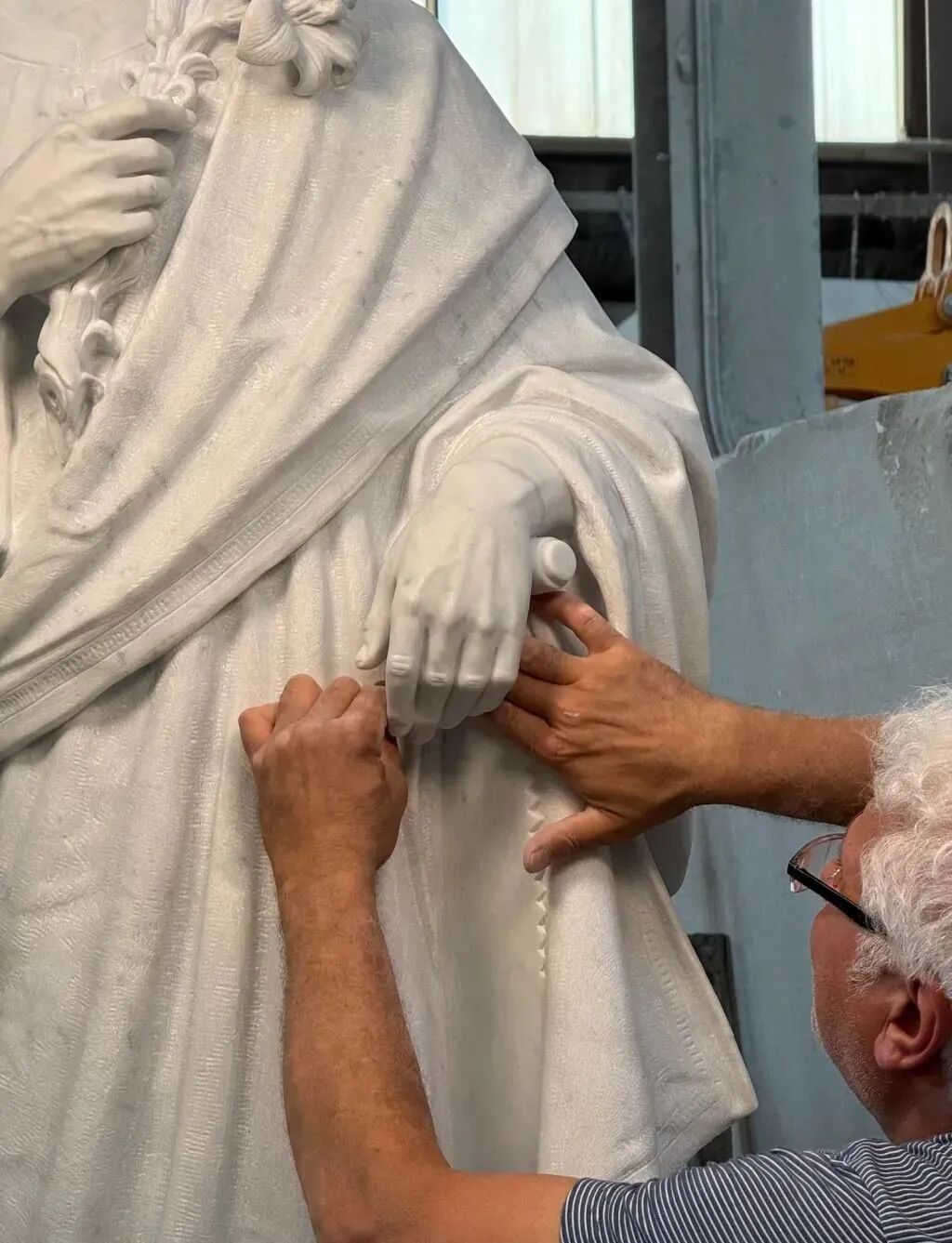
Monumental Labs started in July 2023 with one robot and one stone carver. It has since grown into a team of over 19 designers, sculptors, fabricators, managers, and engineers.
They're now building a new studio in New York City to house a dozen robots and dozens of artists and craftspeople.
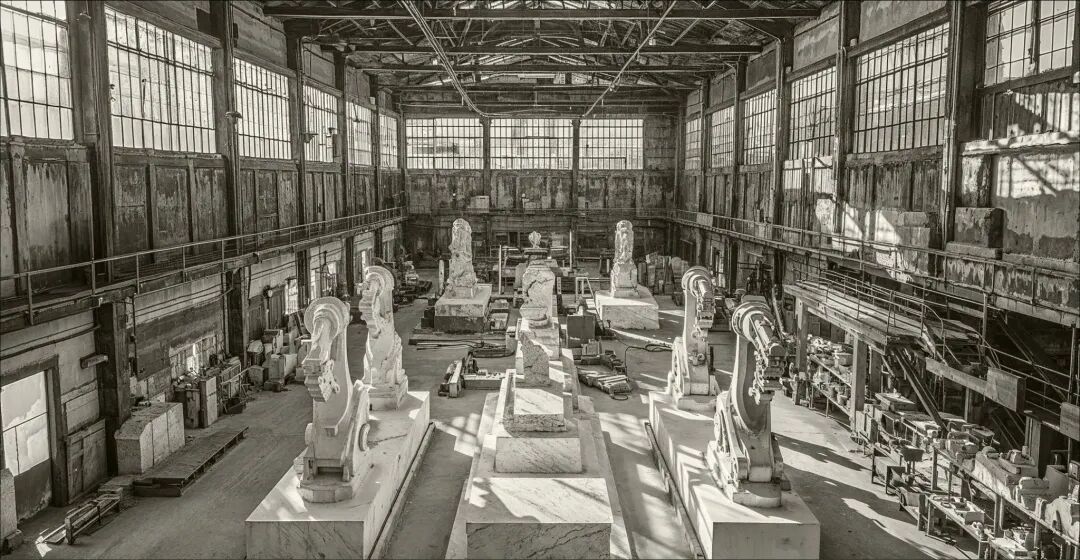
Restoring century-old buildings, crafting museum sculptures — what is this AI company actually doing?
At Monumental Labs, robots don't just make art — they restore century-old architectural heritage, and they do it well.
The three sandstone balconies at New York landmark Villard House (now Lotte New York Palace), weathered by 140 years of wind and rain, had deteriorated beyond replication.
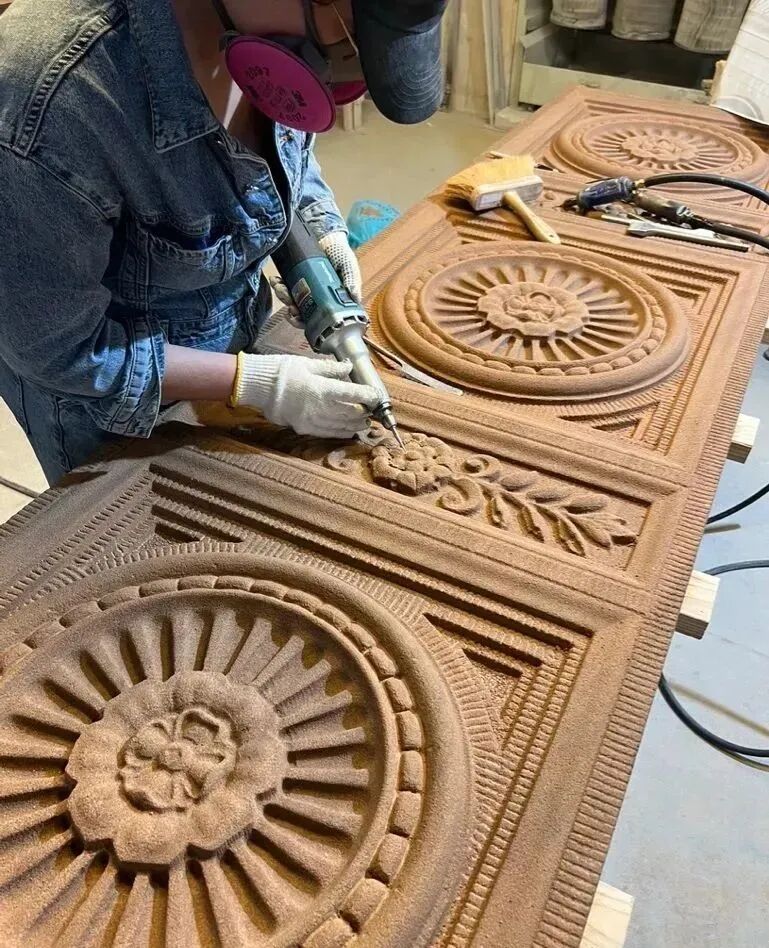
The Monumental Labs team dug up old photographs, studied historical ornamental systems, and reverse-engineered the closest approximation of the original designs. Robots carved the rough forms, then craftspeople refined them by hand, restoring the balconies to their original appearance.
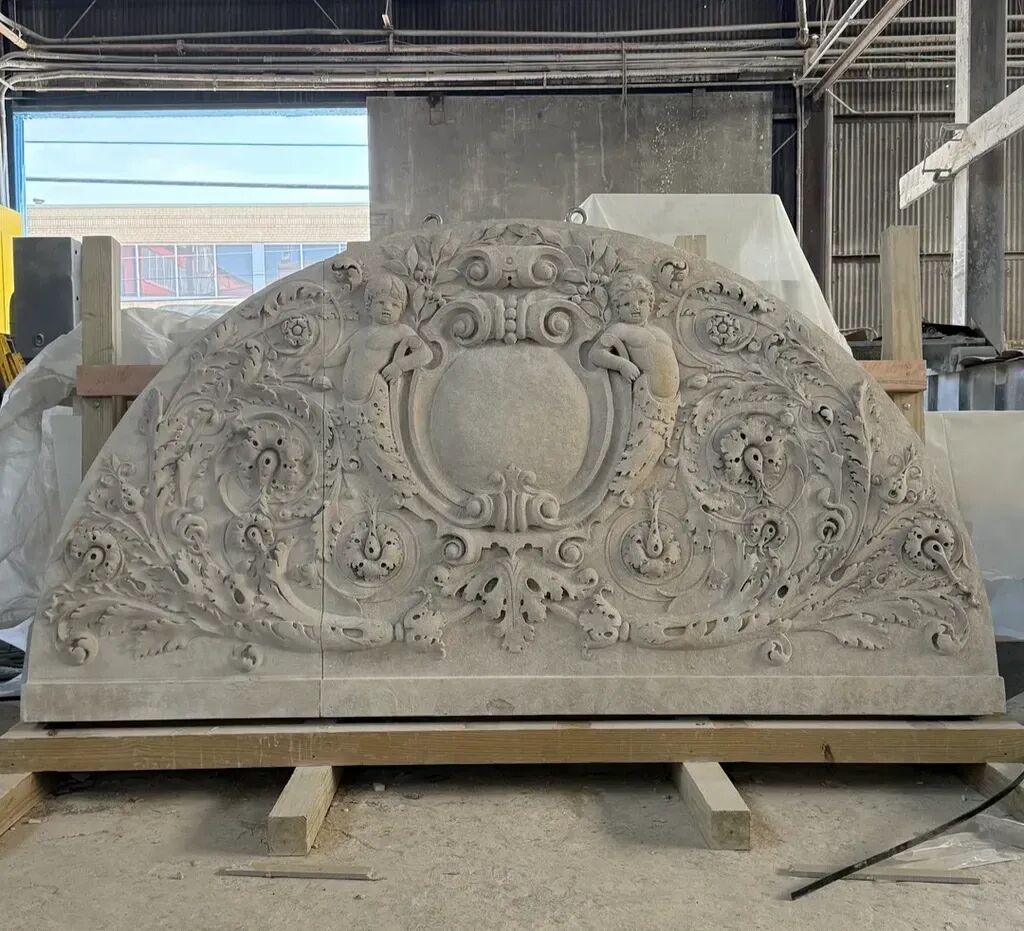
The triangular pediment above Carnegie Hall's entrance, its fractured structure visible to the naked eye, has also been scanned, reconstructed, and is now being reprocessed by Monumental Labs.
For the De Seversky Mansion project on Long Island, Monumental Labs used a robot to replicate a cracked stone column capital — from scanning and modeling to final refinement, delivered in just two weeks.
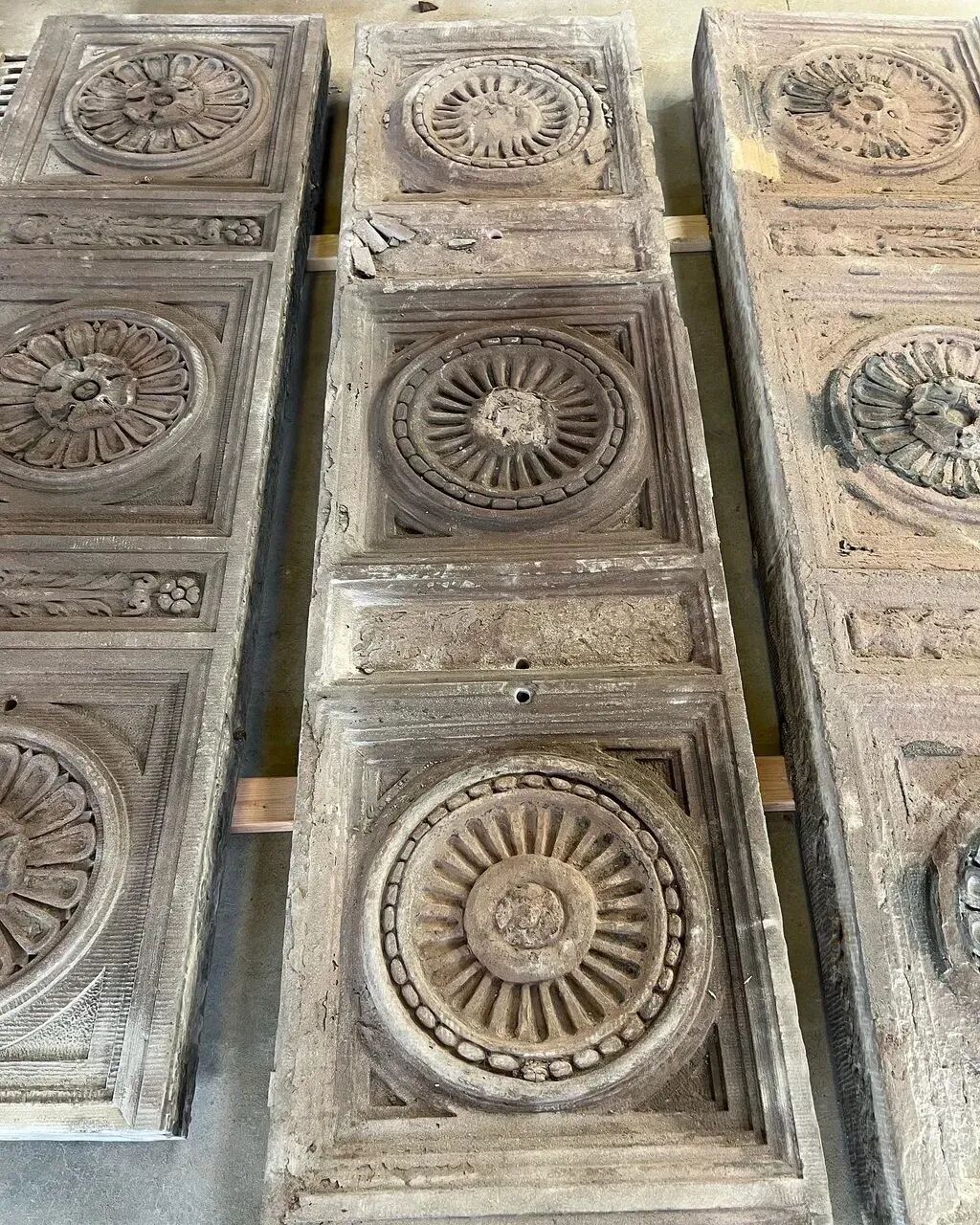
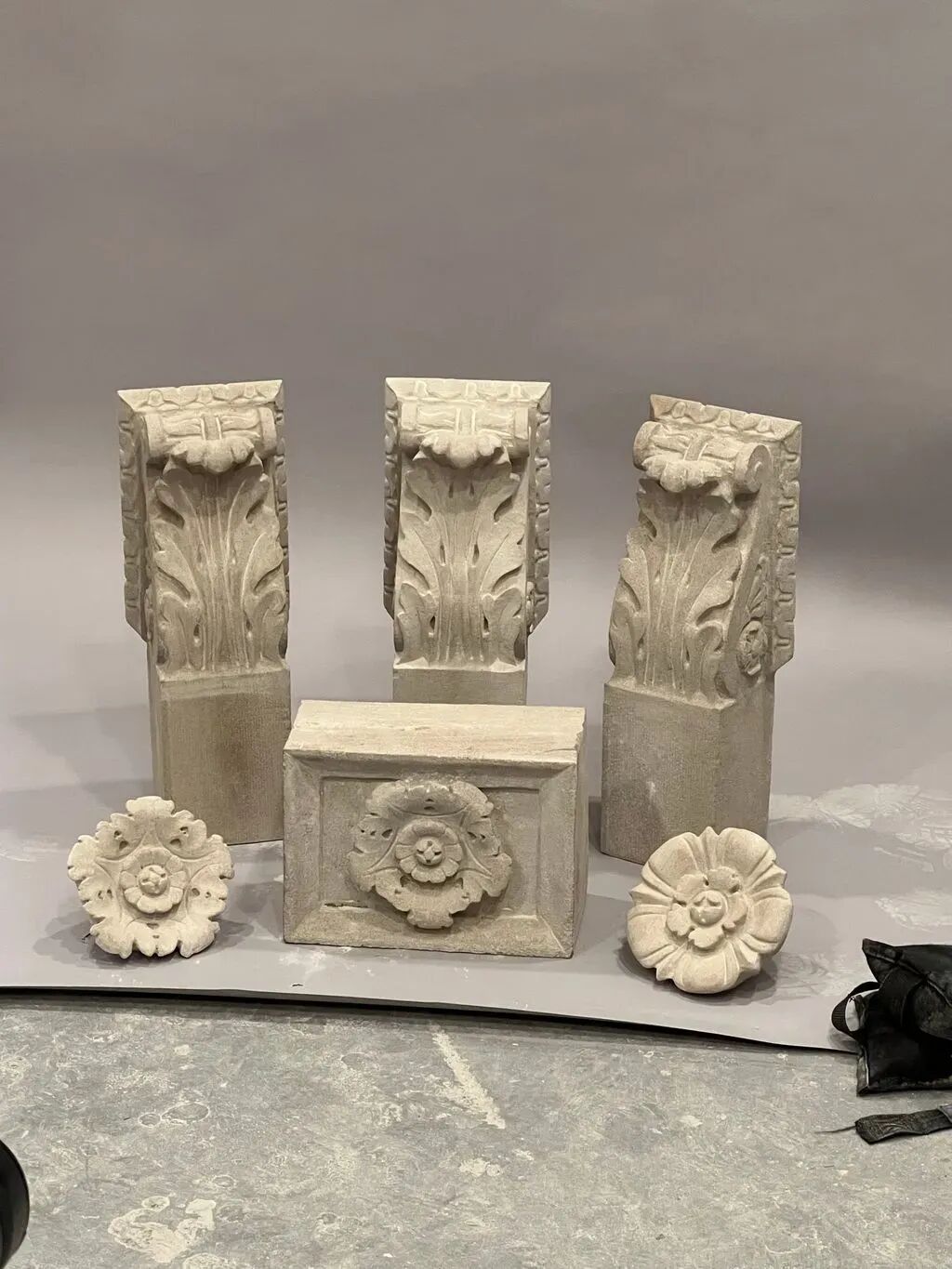
In the restoration of The Frick Collection, they batch-replaced over 80 limestone corbels and 6 rosette reliefs. Machines handled the rough carving; craftspeople added the fine details, restoring the original texture and chisel marks.
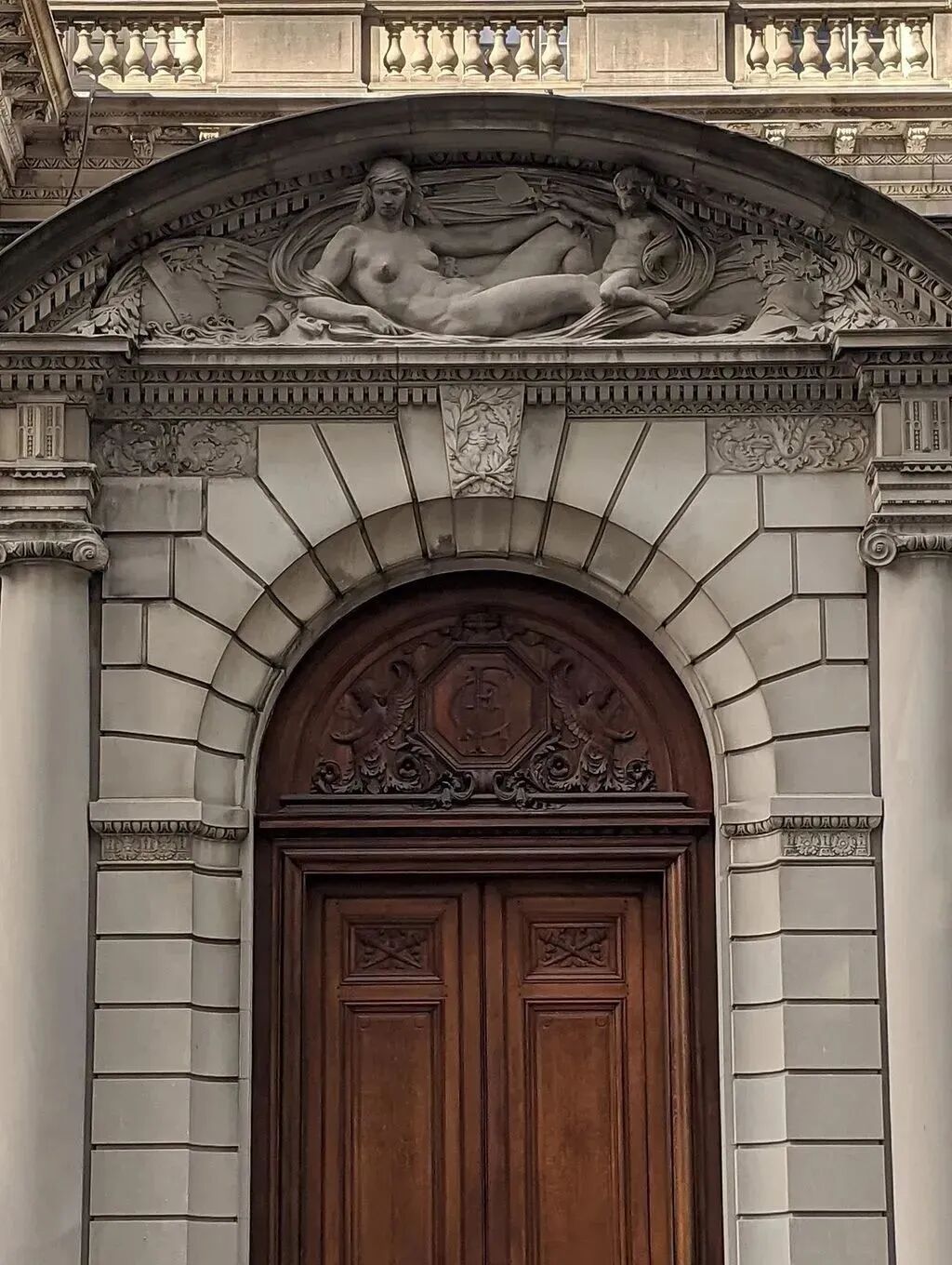
"Using robots to restore human history" — it sounds almost ironic, yet it's genuinely moving.
Robotics × Stone Carving: Three Steps to Etching Inspiration into Marble
Turning an idea into marble takes just three steps:
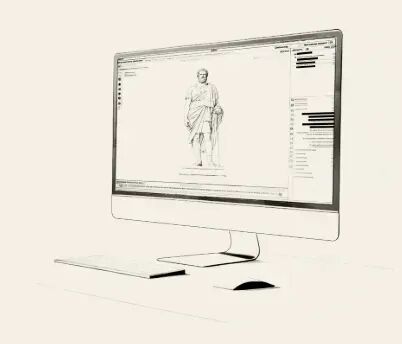
Step one: modeling.
Whether it's a physical object, a dataset, or an abstract concept — hand it to them, and it becomes a precise 3D model. Sometimes they use high-precision scanners; sometimes just a smartphone. Modeling is done in ZBrush for form, then exported from Rhino as high-precision digital files for the robots to carve.
Step two: carving.
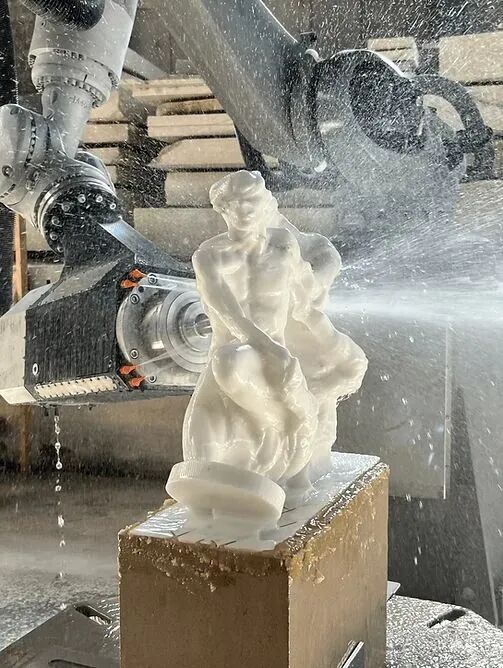
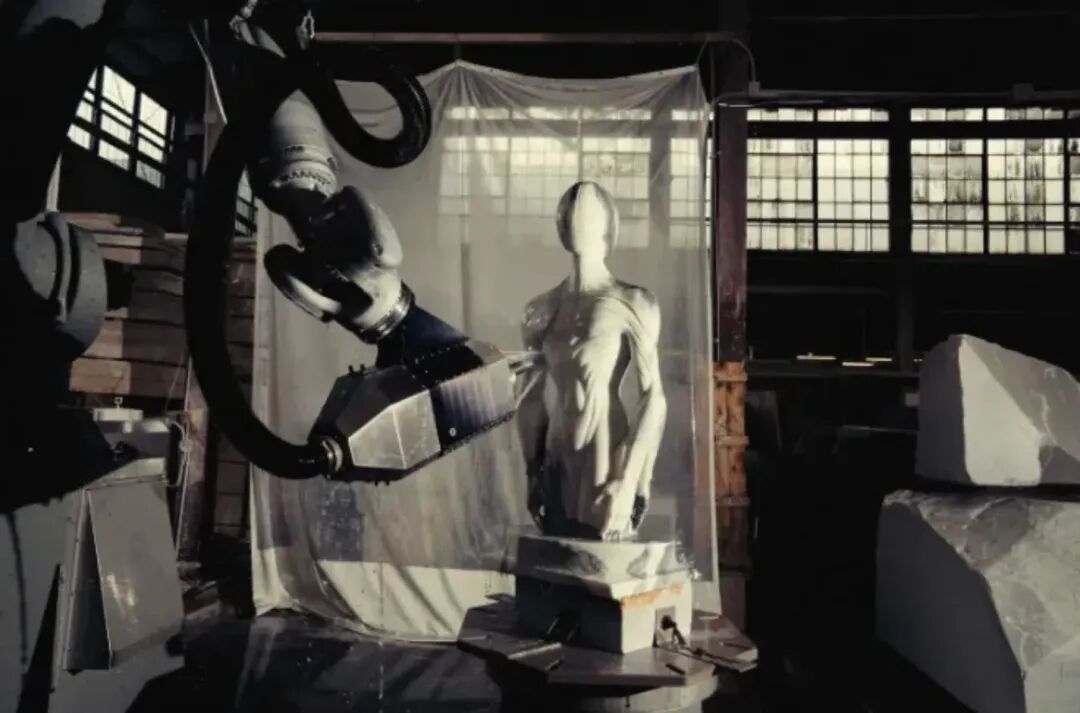
The robots take over — 7-axis CNC and 5-axis cutting arms working in tandem, capable of complex three-dimensional machining on various natural stones. Large diamond blades rough out the basic contours first, then precision heads as small as 2 millimeters carve the details, with tolerances controlled to the millimeter.
But the most crucial step still belongs to humans.
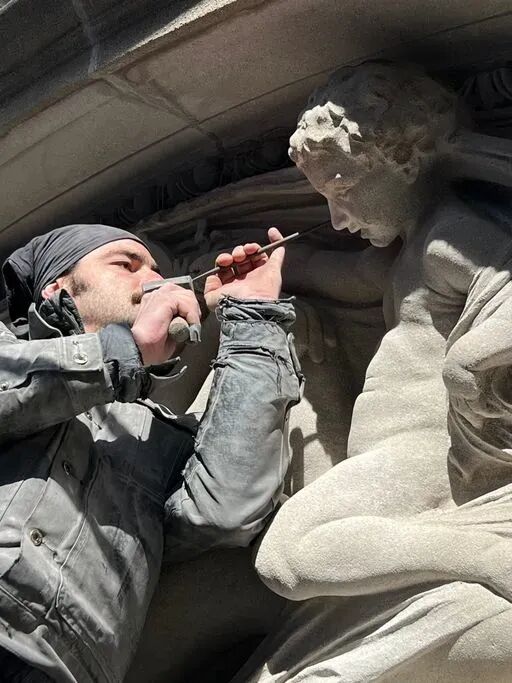
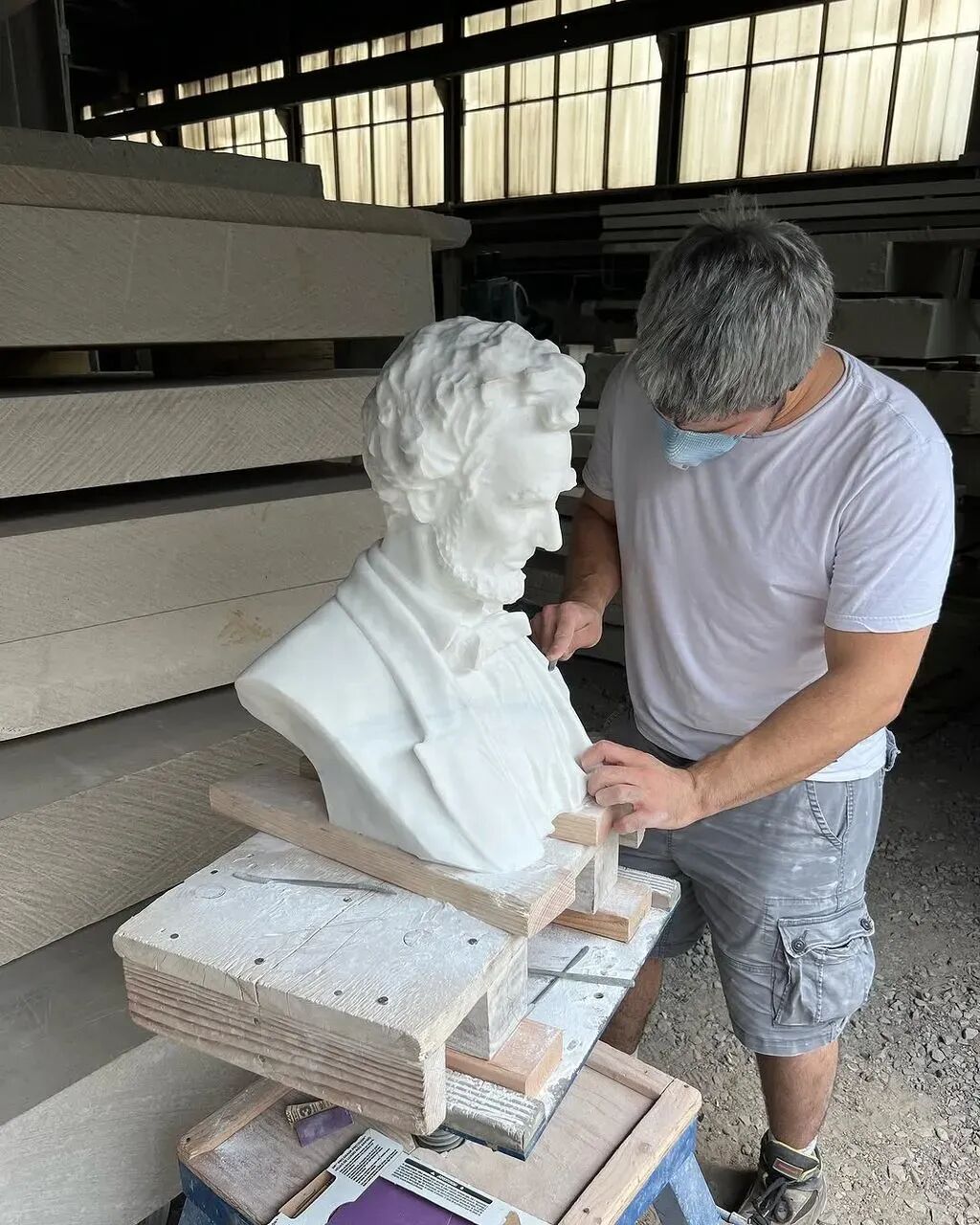
Every piece is personally finished by an experienced sculptor. They use chisels, files, sandpaper, sometimes modern power tools, polishing the surface until it has luster, texture. Anywhere from a few hours to several months — all to leave behind what machines cannot generate: delicate lines, sharp corners, the unique trace of a human hand.
This is not merely a technological revolution — it is a reconstruction of beauty.
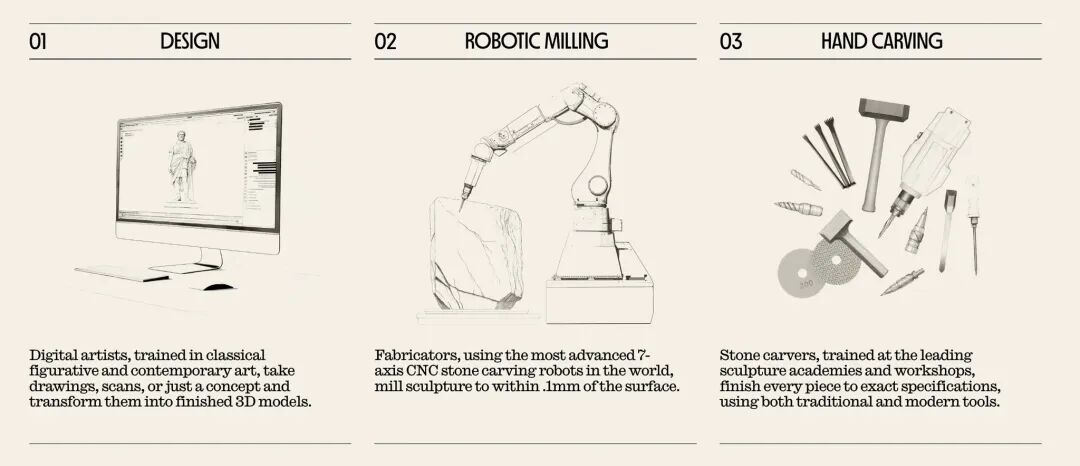
Monumental Labs fuses AI modeling, CNC milling, and classical handcraft, using technology to draw a line connecting past and future.
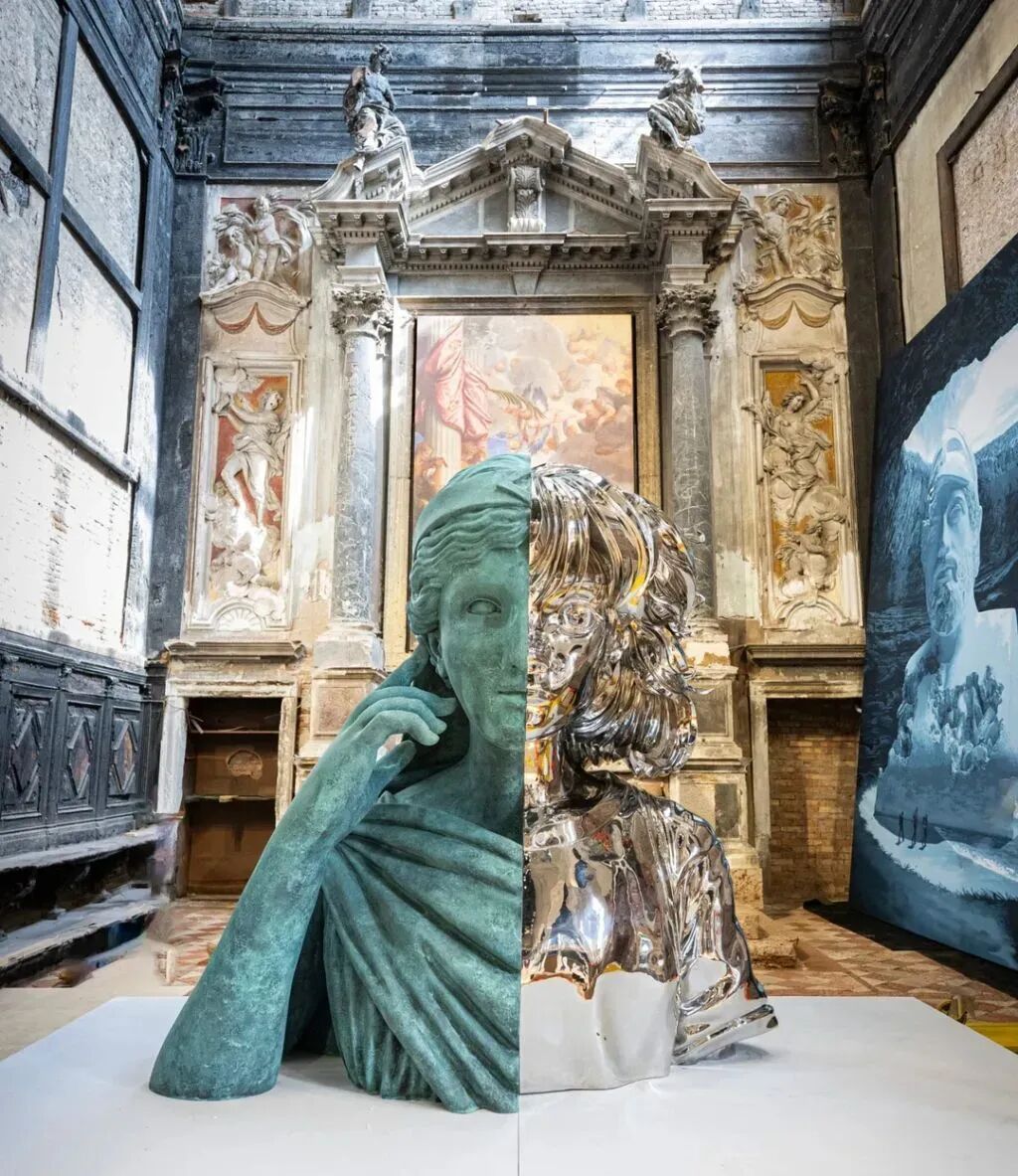
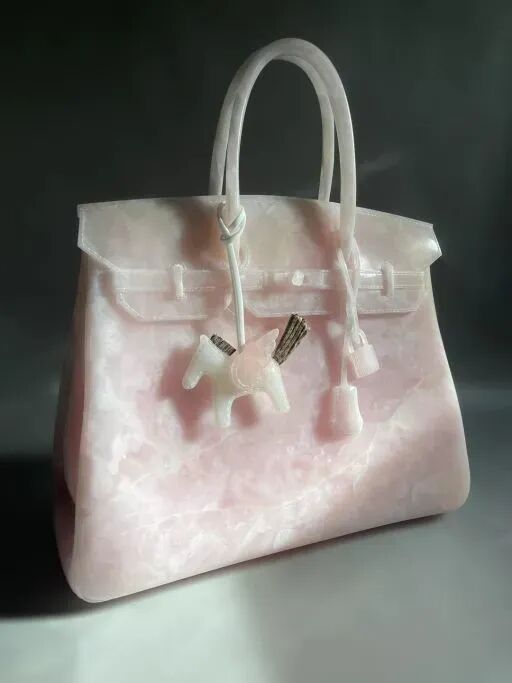
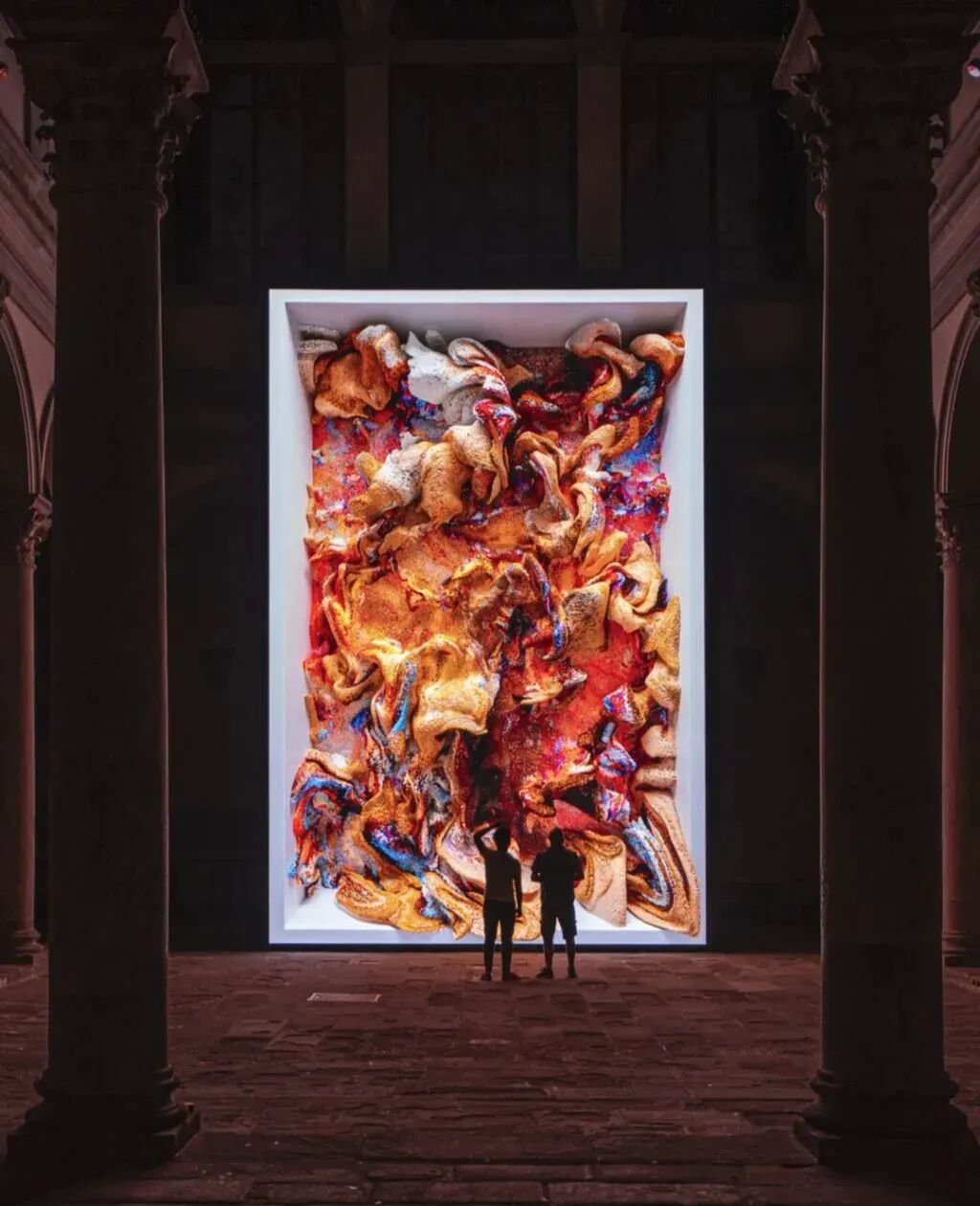
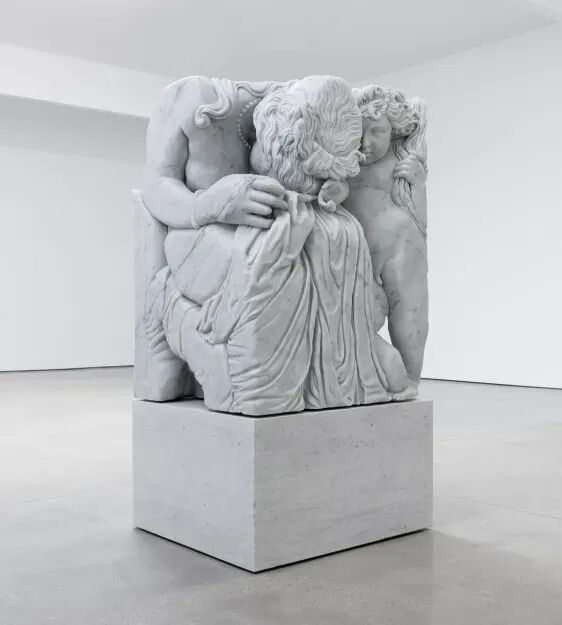
For collectors and institutions, Monumental Labs is not merely a fabricator but a curator and connector for artistic collaboration. They can introduce top-tier artists and translate creative visions into physical works through digital modeling and stone craft.
Their collaborators include Daniel Arsham, known for his "future archaeologist" aesthetic; digital artist Refik Anadol; and sculptors and cross-media creators Adam Parker Smith and Barbara Segal.
You Can Order One Too
Whether it's corporate gifting, family memorials, or immortalizing a pet, you can now place a custom order directly with Monumental Labs.
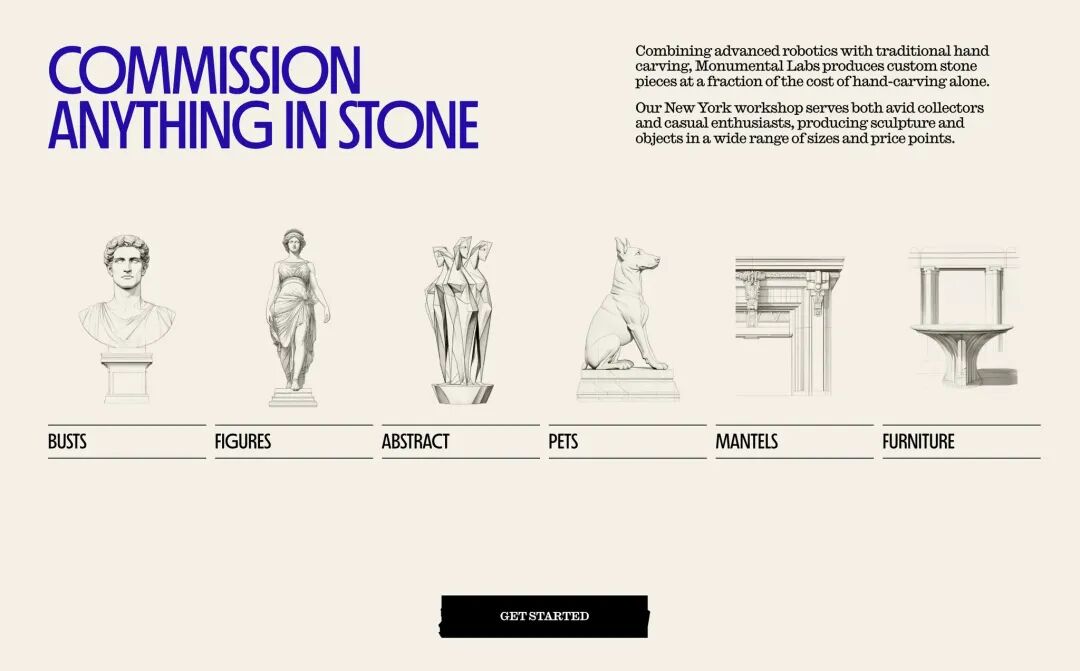
Beyond artist collaborations, Monumental Labs also takes corporate and individual clients.
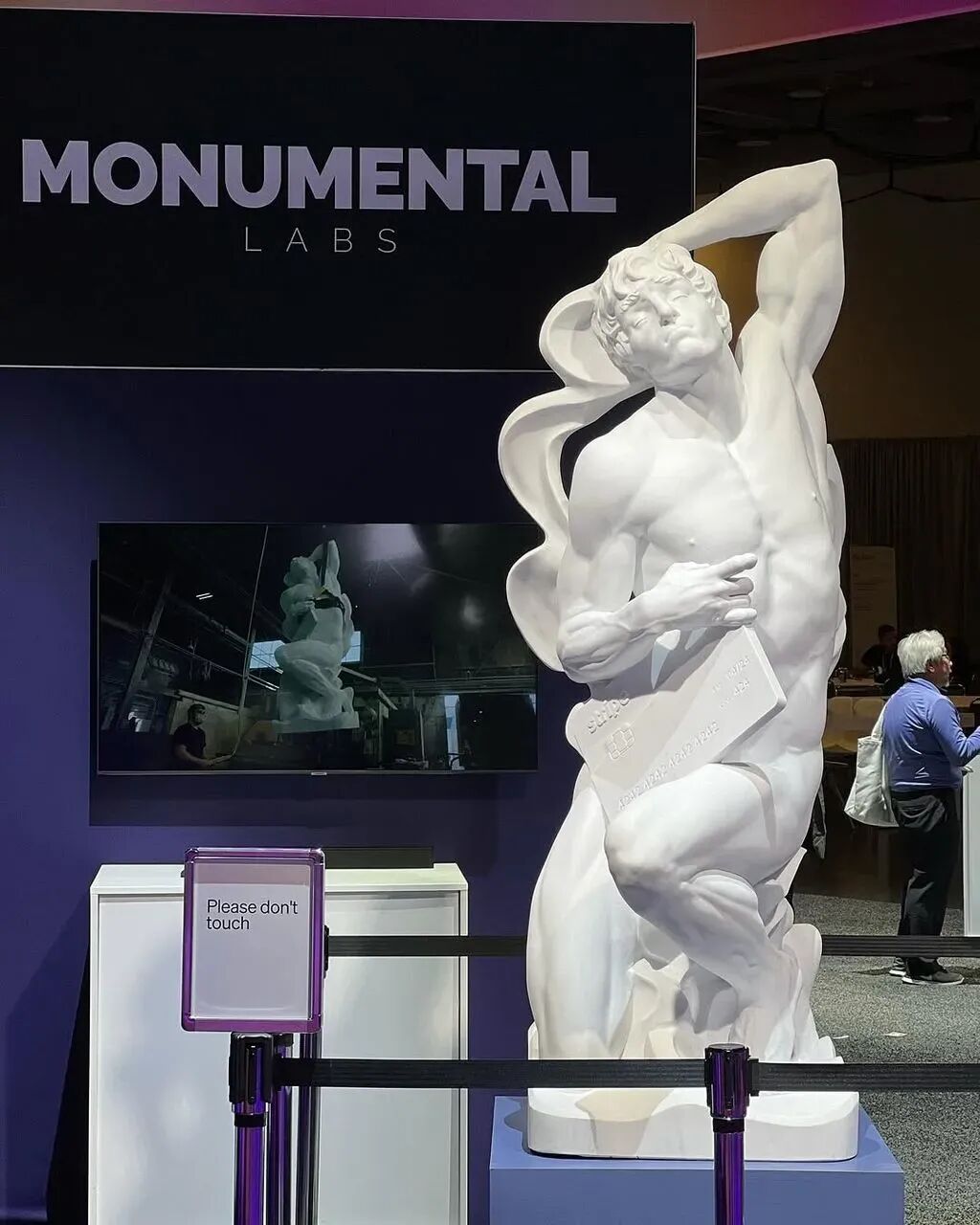
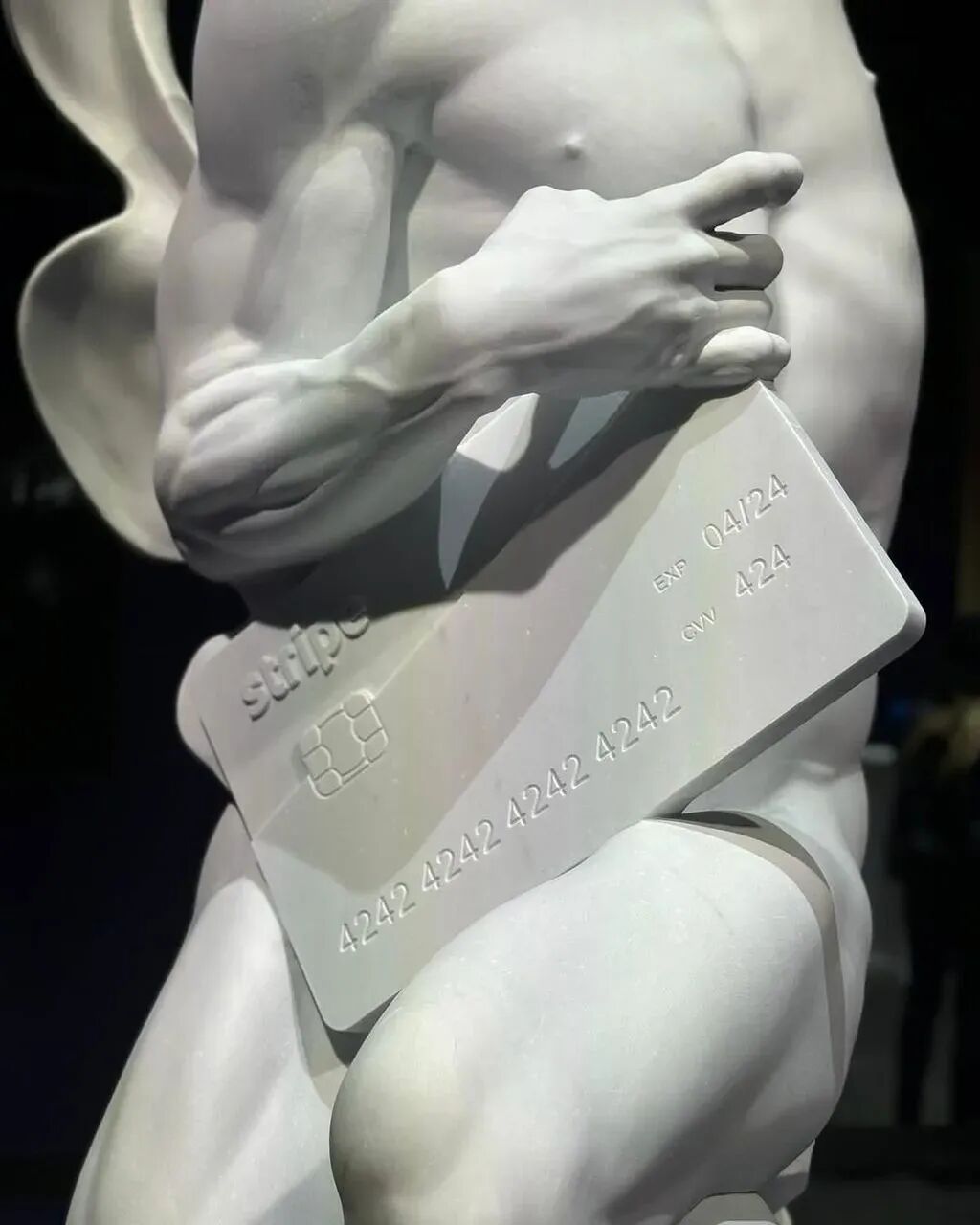
Payment company Stripe, for instance, once commissioned a Renaissance-style custom statue for their annual meeting — holding an expired test credit card in its hand. From machine carving to hand finishing, the entire piece was delivered in under three weeks.
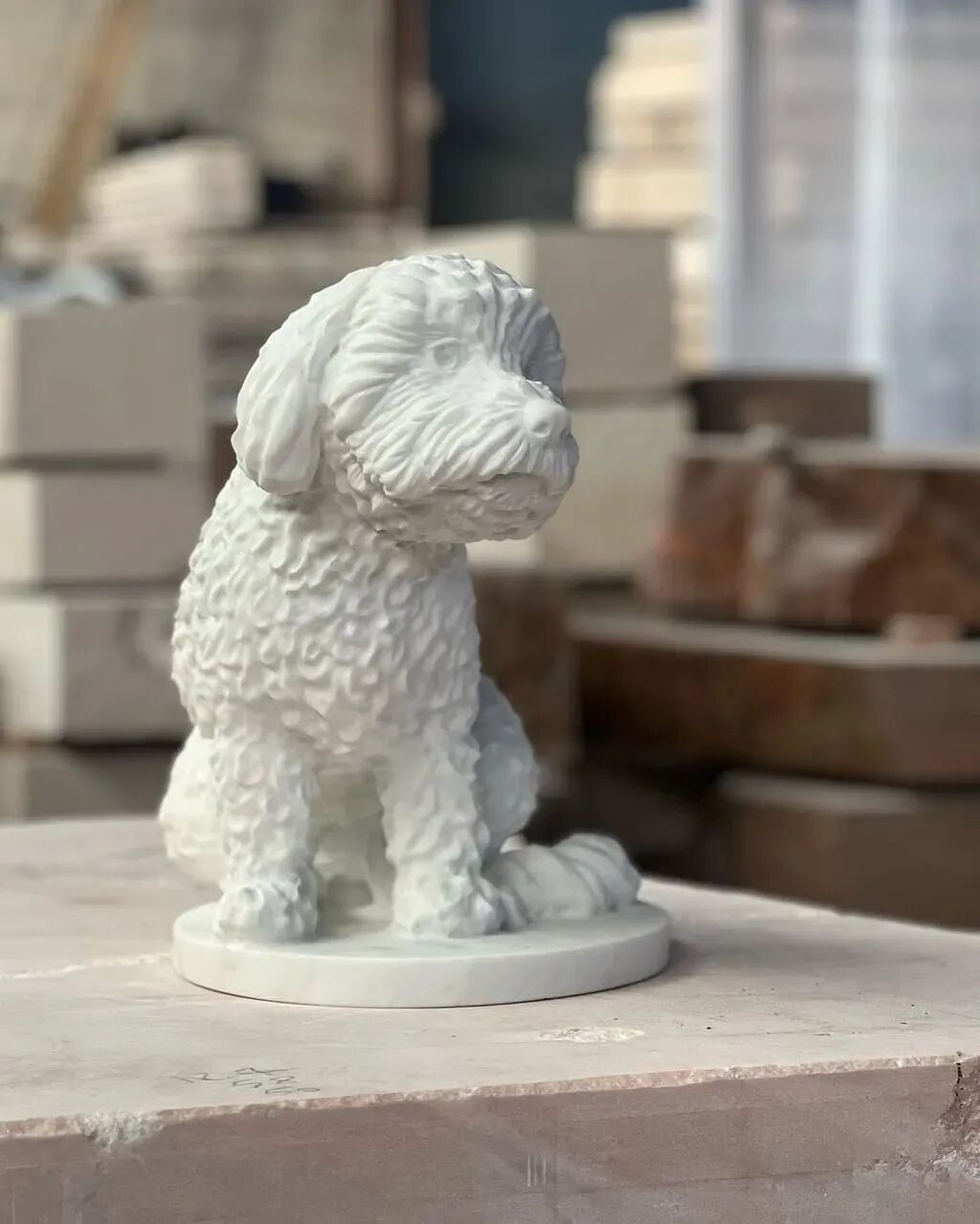
Among individual clients, some entrepreneurs commission busts of family members. Others recreate classical Greek sculptures for their gardens, or carve marble memorials for beloved pets. Custom statues start at $6,000; life-size figures from $32,000; large sculptures and pet memorials are priced according to size and detail complexity.
Stone Carving: Perhaps the Entry Point for Cities to Become Beautiful Again
Monumental Labs founder Micah Springut is an avid marble carver himself. He believes that if Michelangelo were alive today, he would absolutely build his studio with robots and AI.
The numbers bear him out: compared to traditional methods, their pieces take 75% less time to produce and cost one-fifth as much.
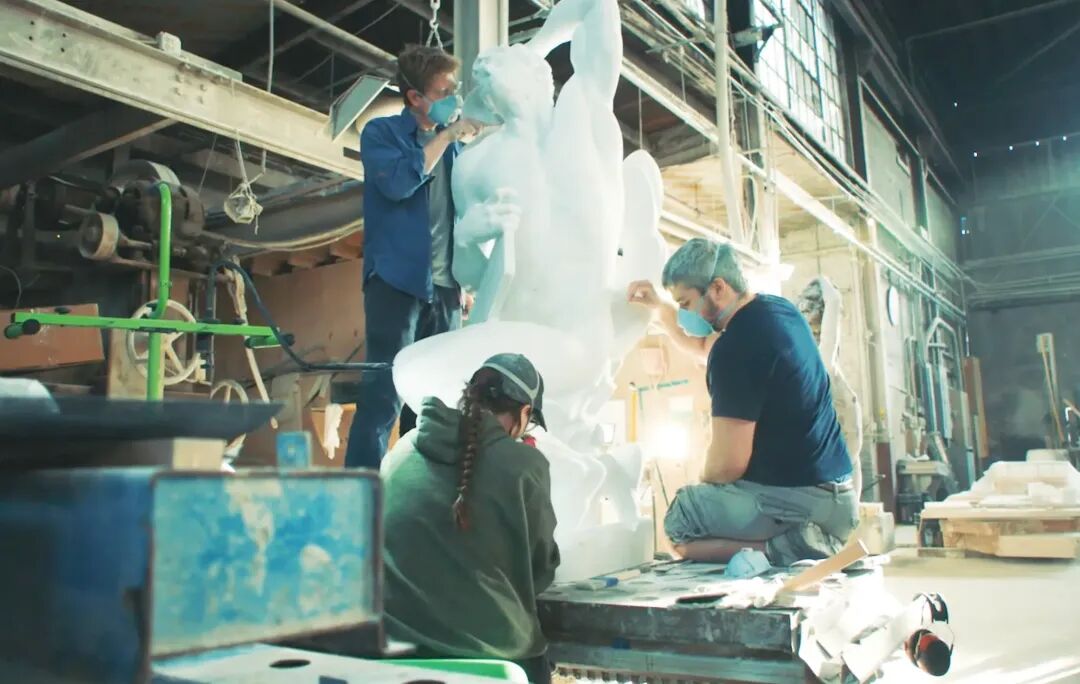
Springut puts it plainly: whether you're liberal or conservative, people prefer buildings with detail and warmth over identical glass boxes.
And stone carving may be exactly the entry point for cities to become beautiful again.
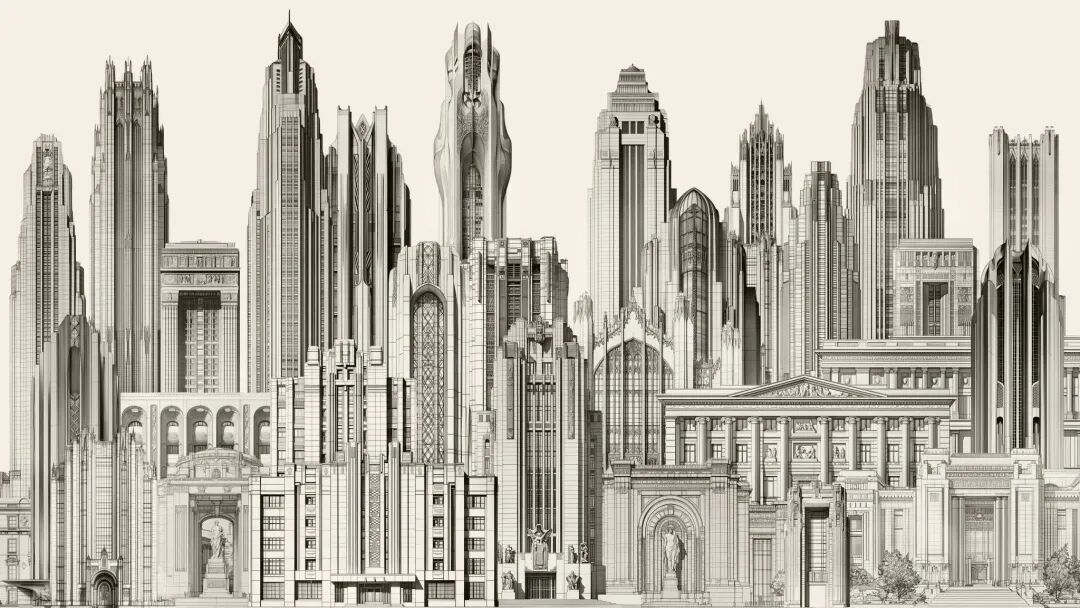
Monumental Labs' ideal skyline
"The Left Brain Manages Reason, the Right Brain Manages Feeling"
You may have heard some version of this.
In pop psychology, it's often reduced to a crude "logic brain vs. art brain" stereotype. But British psychiatrist Iain McGilchrist rejects this simplistic division. In his book The Master and His Emissary, he proposes that the two hemispheres represent two fundamentally different ways of understanding the world:
The left brain analyzes, controls, breaks problems apart; the right brain feels, associates, grasps the whole. Ideally, they collaborate. The right brain is the master, setting direction; the left brain is the emissary, executing the vision.
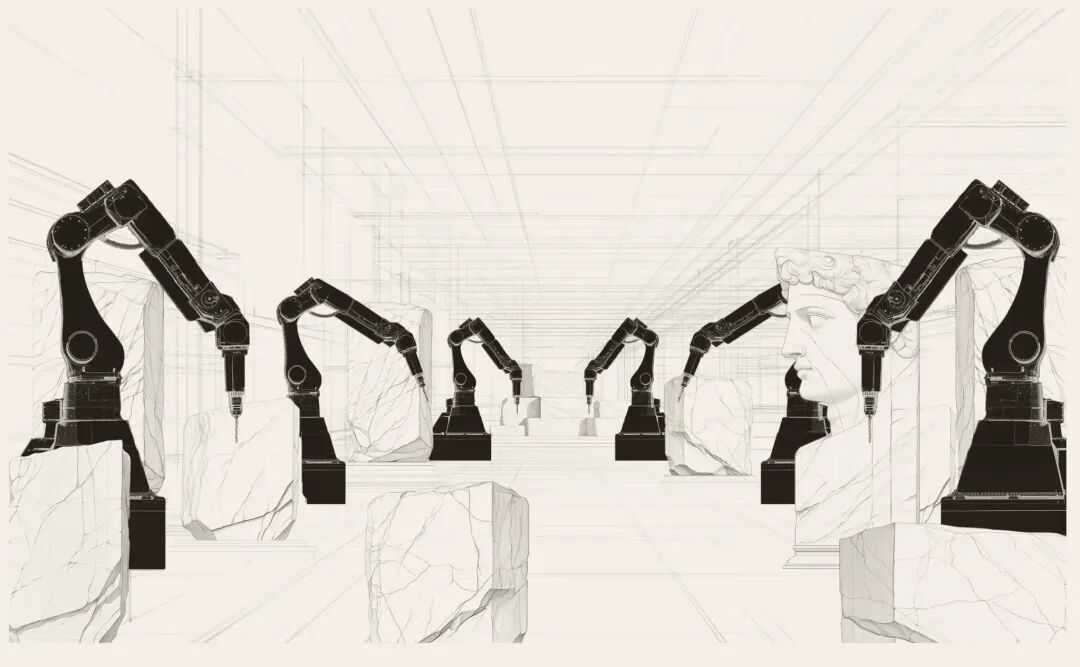
McGilchrist makes a fascinating and striking observation: different intellectual movements throughout history have actually reflected alternating dominance of the two hemispheres. Greek mythology, Gothic cathedrals, the Renaissance — these were triumphs of the right brain. Rationalism, the Industrial Revolution, modern technology — victories of the left.
Today, we are at an unprecedented peak of left-brain dominance: we measure value with KPIs, compete on compute with large models, diligently optimizing ourselves into faster production tools. Beauty, metaphor, imagination are increasingly marginalized.
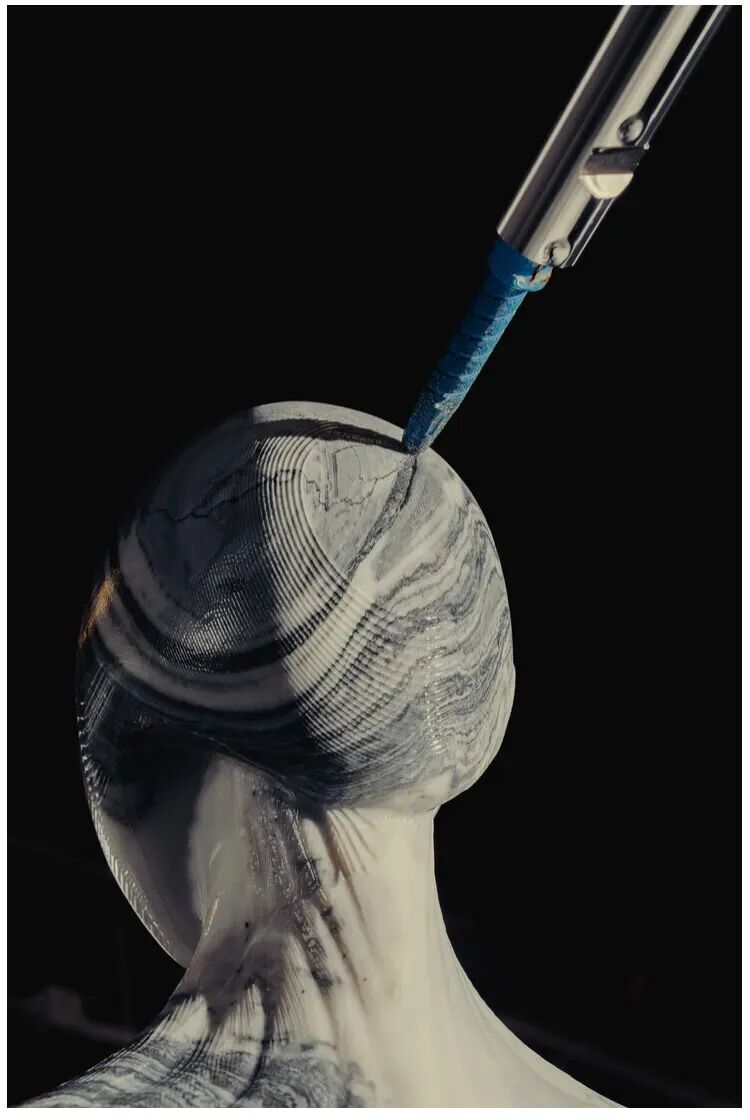
Which raises the question:
Might we, like other historical epochs, reach some critical point and then instinctively swing back toward the right brain?
In the 15th century, the Medici family helped spark a "right-brain counterattack." They poured their wealth into science and art, triggering the Renaissance.
Today's tech giants seem to stand in a similar position: with both the resources and the ambition to reimagine the future through technology.
So, can AI be used not just to boost efficiency, but to dream?
Monumental Labs offers their answer.
If 1% of People Use AI to Create Romance, What Happens Next?
Monumental Labs is a compelling example: it uses what the left brain excels at — AI, robotics, precision calculation — to realize the right brain's imagination and aesthetic sensibility.
This is not "technology replacing humans," but "technology serving humans."
And whether it's the Renaissance or Monumental Labs, both are attempting the same thing:
Restoring balance between the hemispheres.
The Medici family didn't fund artists for ROI — it was an act of faith in beauty. If today's tech giants truly want to shape the future, they may need to learn this same "investment without asking about returns." Perhaps AI companies need to believe in things that seem impractical yet carry profound significance for civilization.
After all, what truly moves civilization forward is not algorithms and tools themselves, but how we choose to use them: whether we continue treating AI as an accelerator of growth, or let it become an extension of how we perceive the world and rebuild our imagination.
Perhaps AI really can help us preserve what was otherwise destined to be eroded by time.
References
[1] Monumental Labs: monumentallabs.co/