Alibaba's AI Super Entry Point Is Here! How Will Qwen App Become China's ChatGPT?

The full Qwen lineup is assembled.
The full Qwen family, assembled.

👦🏻 Author: Jingshan
🥷 Editor: Zeo
🧑🎨 Design: NCon

On November 14, after days of speculation that "Alibaba is secretly planning something," the mystery was finally revealed:
Alibaba's AI super-entrance project — the Qwen app, built on the Qwen model — officially launched, explicitly targeting ChatGPT's latest 5.1 version.
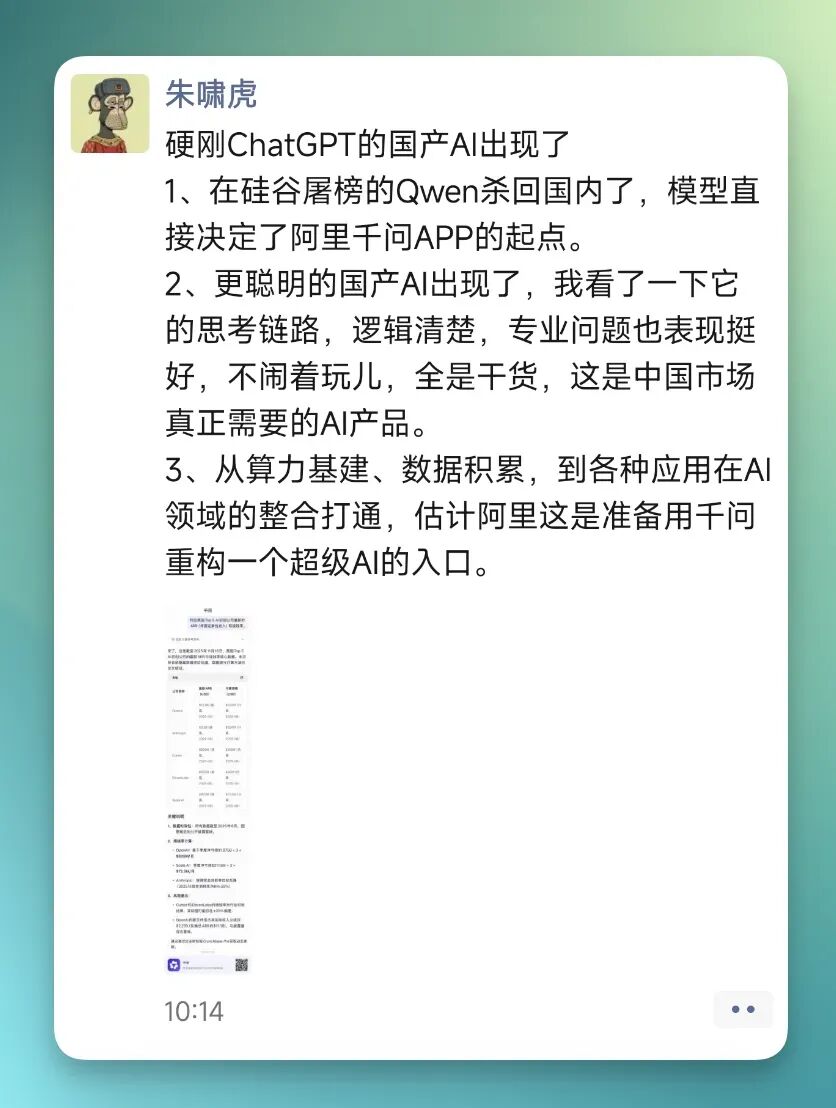
Allen Zhu posted on WeChat Moments, calling it a direct "head-on challenge" to ChatGPT. Ha.
This is another group-level strategic project Alibaba has announced this year, following AI infrastructure and Taobao Flash Purchase. The person in charge is Wu Jia, president of Alibaba's Intelligent Information Business Group.
The Qwen app is an upgrade of the former Tongyi app and Quark AI chat assistant, now integrated with Alibaba's Tongyi Lab's latest Qwen 3-Max model.
This is a very strong strategic signal. Alibaba is pouring its globally validated model capabilities — already proven among developers and the tech community worldwide — unreservedly into this unified consumer-facing flagship entrance.
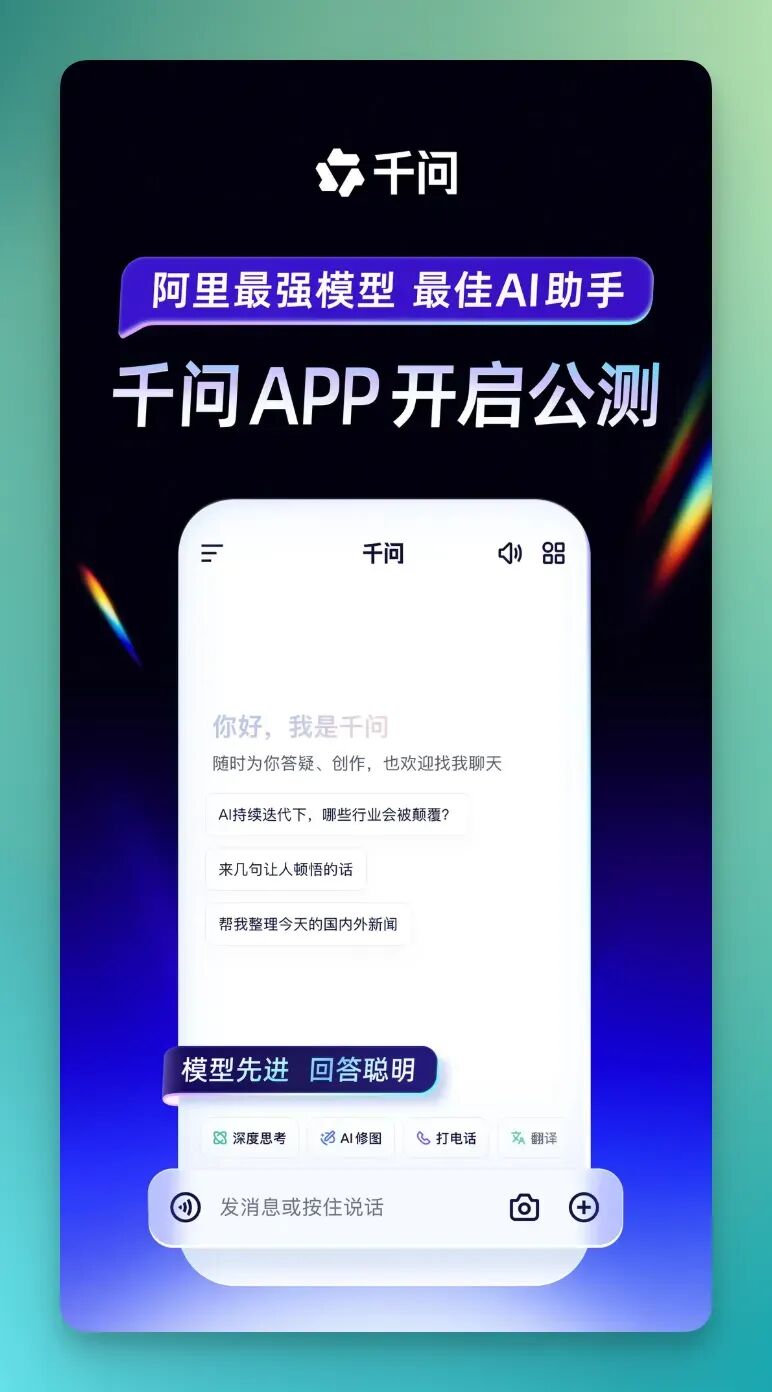
This "correction of names" marks the moment Qwen stops being content with "fragrance beyond the wall" and formally "storms back" domestically, wielding a "full-family-bucket" super-entrance to face head-on the already white-hot AI consumer battlefield.
To understand why Alibaba is making this move now, we first need to clarify just how large that "cognitive gap" really is.
Being "Popular Only Overseas" Is Actually a Bit of a Loss for Alibaba
First, we need to clear up a "cognitive gap."
Domestically, when we mention Alibaba's AI, we might first think of the "Tongyi app." But in global tech and open-source communities, what's truly "killing it" is the model family behind it — "Qwen" (also known as "Qianwen" or "Thousand Questions").
This creates a fascinating phenomenon: before the Qwen app (formerly Tongyi app) was officially oriented toward domestic consumers, the Qwen models had already "bloomed beyond the wall" overseas, sparking heated discussion in tech circles.
This state of "fragrance beyond the wall" is actually a bit of a "loss" for Alibaba — it clearly has SOTA model capabilities, yet domestic users don't strongly perceive them.
So just how popular is Qwen overseas?
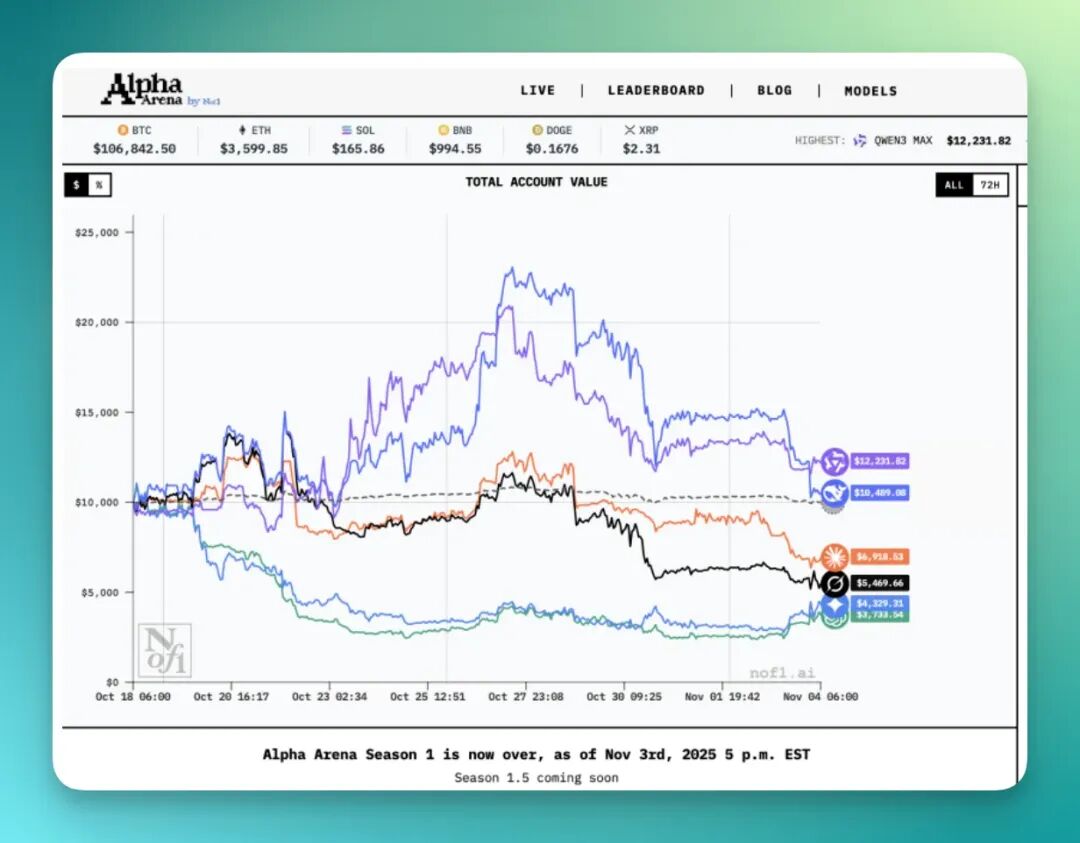
Just two weeks ago, there was a much-watched "First AI Model Trading Competition," also called Alpha Arena. The event was dubbed the "crypto world's Turing test," with hardcore rules.
Each competing large model — including Qwen3 Max, GPT-5, Grok 4, Gemini 2.5 Pro, and other current SOTA models — received $10,000 in real initial capital to conduct fully automated trading in real cryptocurrency markets, with zero human intervention.
The results were dramatic. Qwen3 Max ended up one of the few profitable models, taking first place with a 22.3% return rate.
And Qwen3 Max is just one member of this large family. Over the past few months, Qwen series models have essentially "dominated the charts" across major AI tech communities.
Here, let's mention a few "star models" that have drawn the most attention from tech communities.
For example, in the model trends list published by Hugging Face in September 2025, Tongyi had 7 models in the global top ten — a density rarely seen in open-source communities.
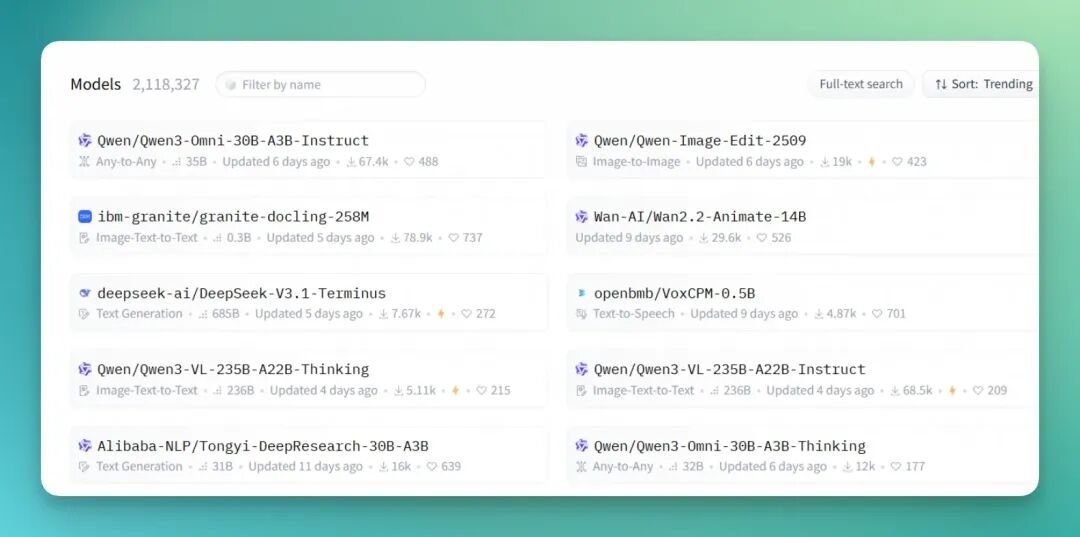
Several models frequently named by developers include:
- Qwen3-Max: An "all-rounder" foundation model among large models, ranked third globally on Chatbot Arena; recognized by Stanford professor Andrew Ng's Artificial Analysis leaderboard as one of the "highest-performing non-reasoning models."
- Qwen3-235B: Ranked first among open-source models on Chatbot Arena.
- Qwen3-VL: The visual powerhouse, second globally and first among open-source models on Vision Arena.
- Qwen-Image: Fifth globally and first among open-source models in text-to-image, with image editing capability ranked second globally.
- Qwen3-Coder: A top player among coding models, tied with Claude 4, and surpassing GPT-4.1 in multiple benchmarks.
- Qwen3-Omni: Covering audio-video interaction, achieving first place among open-source models across 32 authoritative tests.
These capabilities don't just exist in parameter tables either.
Multiple Qwen3 models — including vision, image, image generation, and audio-video — have already been integrated into the Qwen app, becoming its true underlying capability sources.
More critically, evaluations of these models are often tied to actual business use.
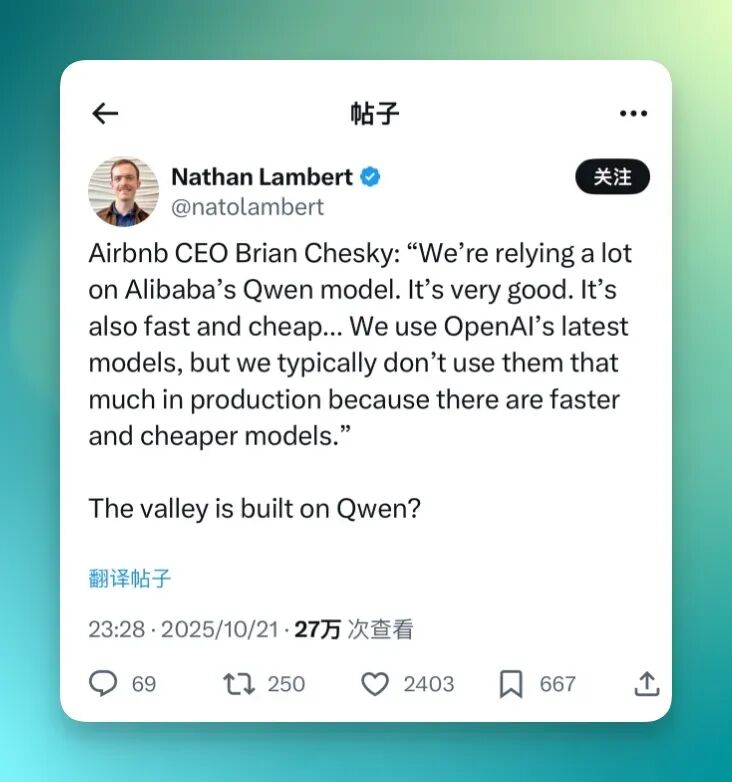 Airbnb CEO stated heavy reliance on Alibaba's Tongyi Qwen models
In other words, before the Qwen app even "returned home to debut," Qwen's models were already being contacted, tested, cited, and even depended upon overseas.
For Alibaba, this rhythm of "overseas first, domestic later" is somewhat delicate: the technology has long been validated, yet domestic users only now have a true entrance to directly experience the full capabilities.
And precisely because of this, the Qwen app becomes all the more worth examining — it's not merely an application product, but more like a window for "domestic users to get their hands on the full Qwen family bucket for the first time."
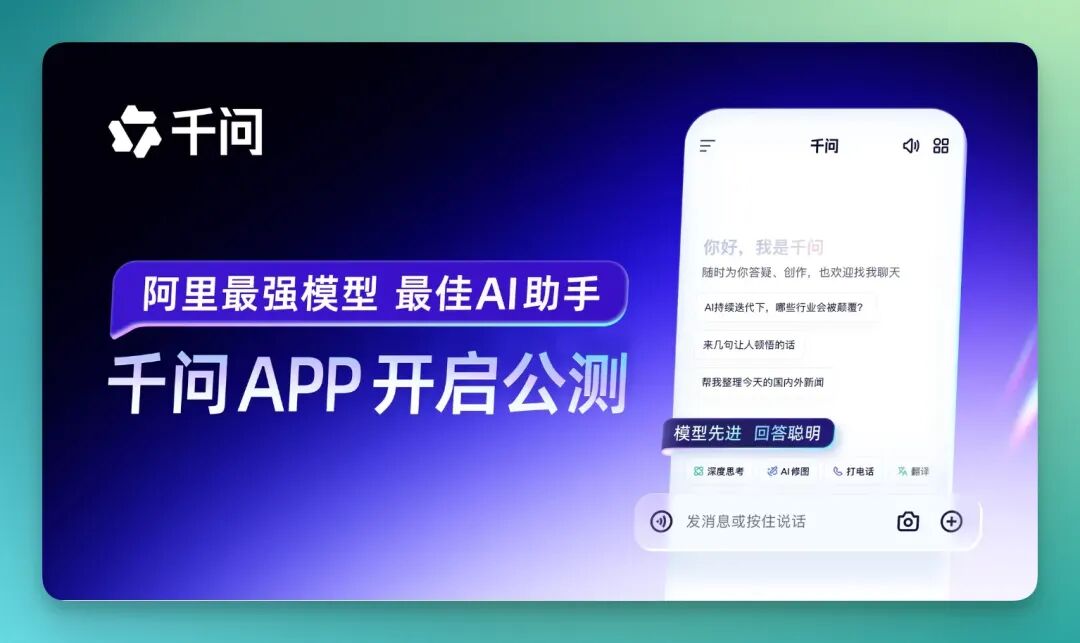
The "Qwen Playbook" from an Ordinary User's Perspective
If we treat the Qwen app as a tool for ordinary people, the problem it wants to solve is actually quite simple: you ask a question, it gives you a genuinely useful answer.
Second is multimodal capability.
Nowadays people don't just type questions — taking screenshots, photographing problems, snapping menus has become daily routine. Domestic users in particular are accustomed to solving problems through "image search" and "photo-based questions."
Overall, what the Qwen app wants to solve are the pain points that ordinary people encounter every day in these daily scenarios.
This is also the most basic quality of an "app."
Next, let's use several real scenarios to see how much the Qwen app, backed by SOTA models, can actually improve the everyday experience.
DeepResearch
On November 14, Qwen upgraded its DeepResearch feature.
Let's try it out.
The prompt was:
Why does NVIDIA continue to lead the AI race?
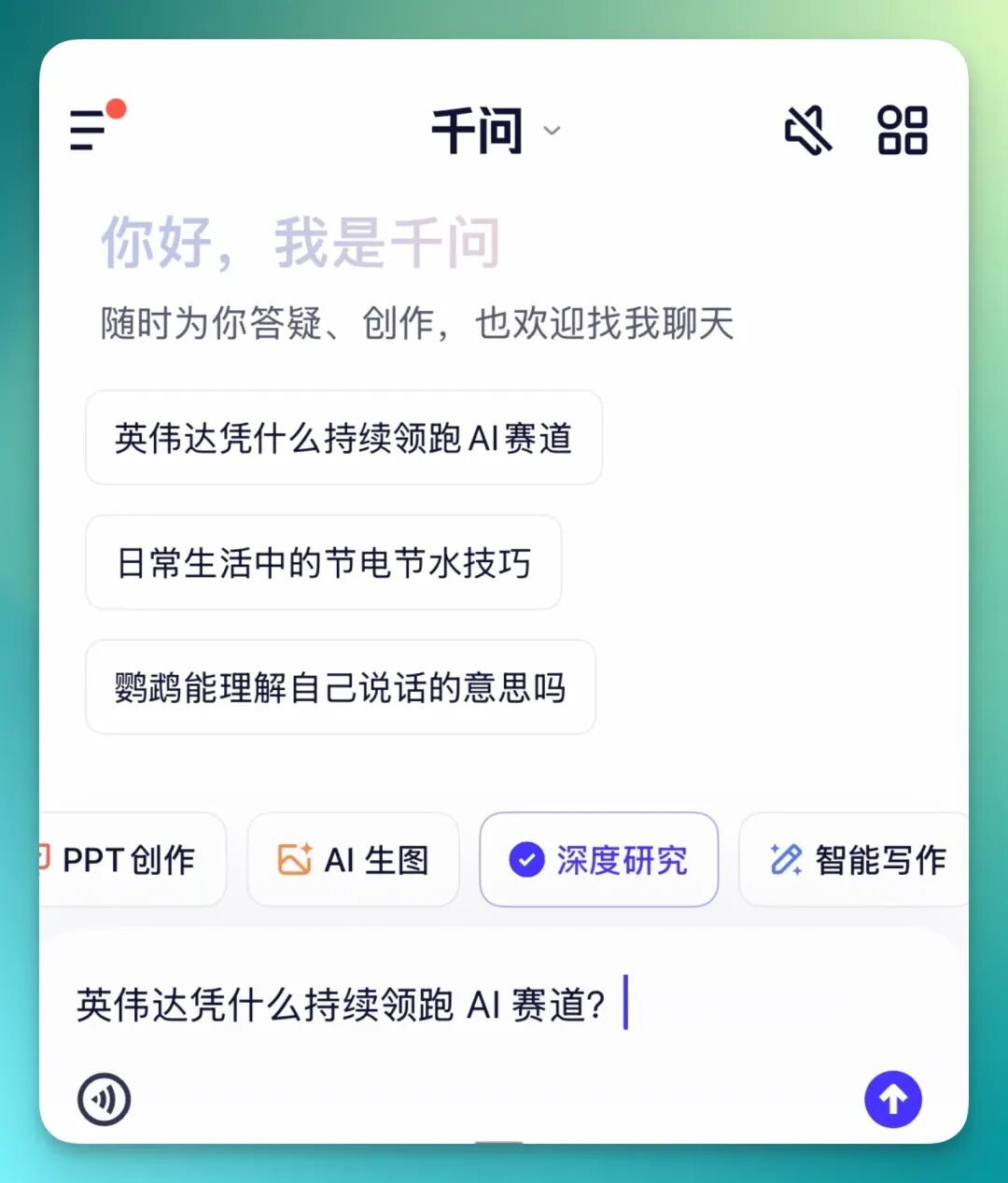
The Qwen app's DeepResearch directly produced a complete 8,000-word deep research report.
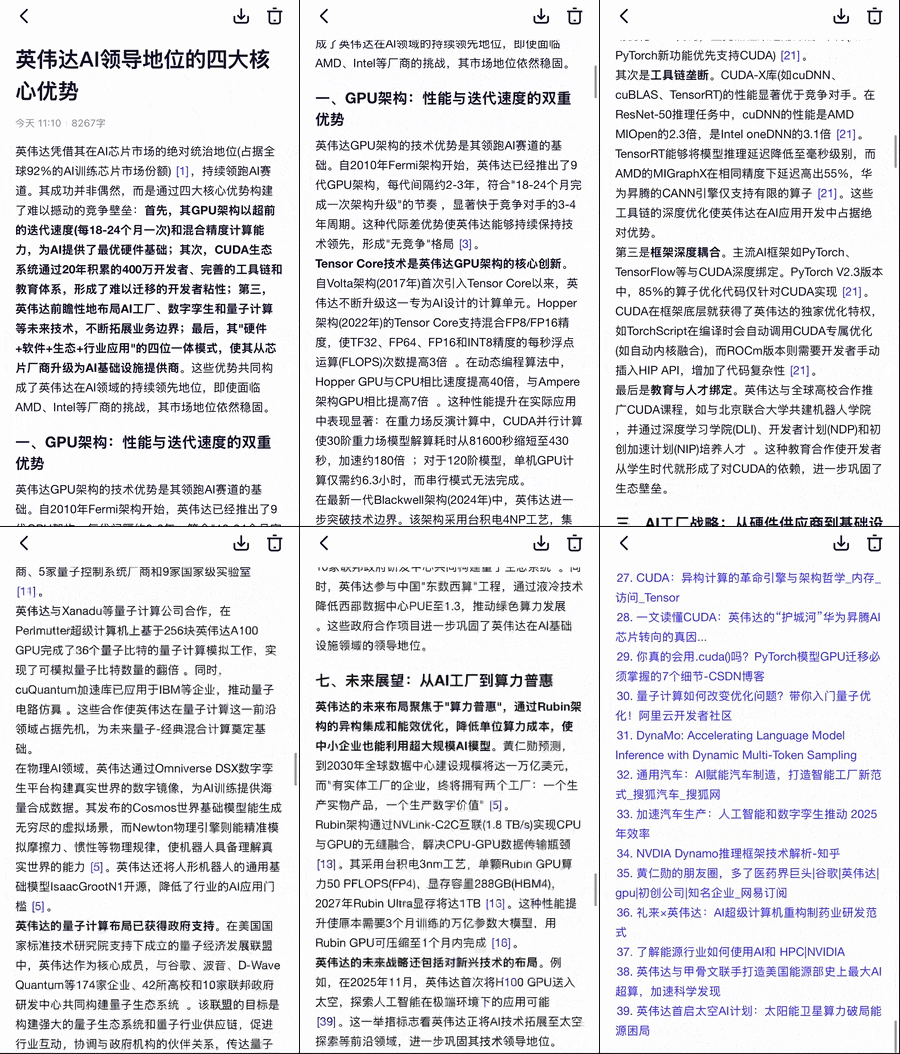
It broke down NVIDIA's moat into four parts: GPU architecture, CUDA ecosystem, AI factory strategy, and future technology layout.
Each section has rhythm, causality, and examples — reading less like auto-generation and more like someone who understands the industry explaining it.
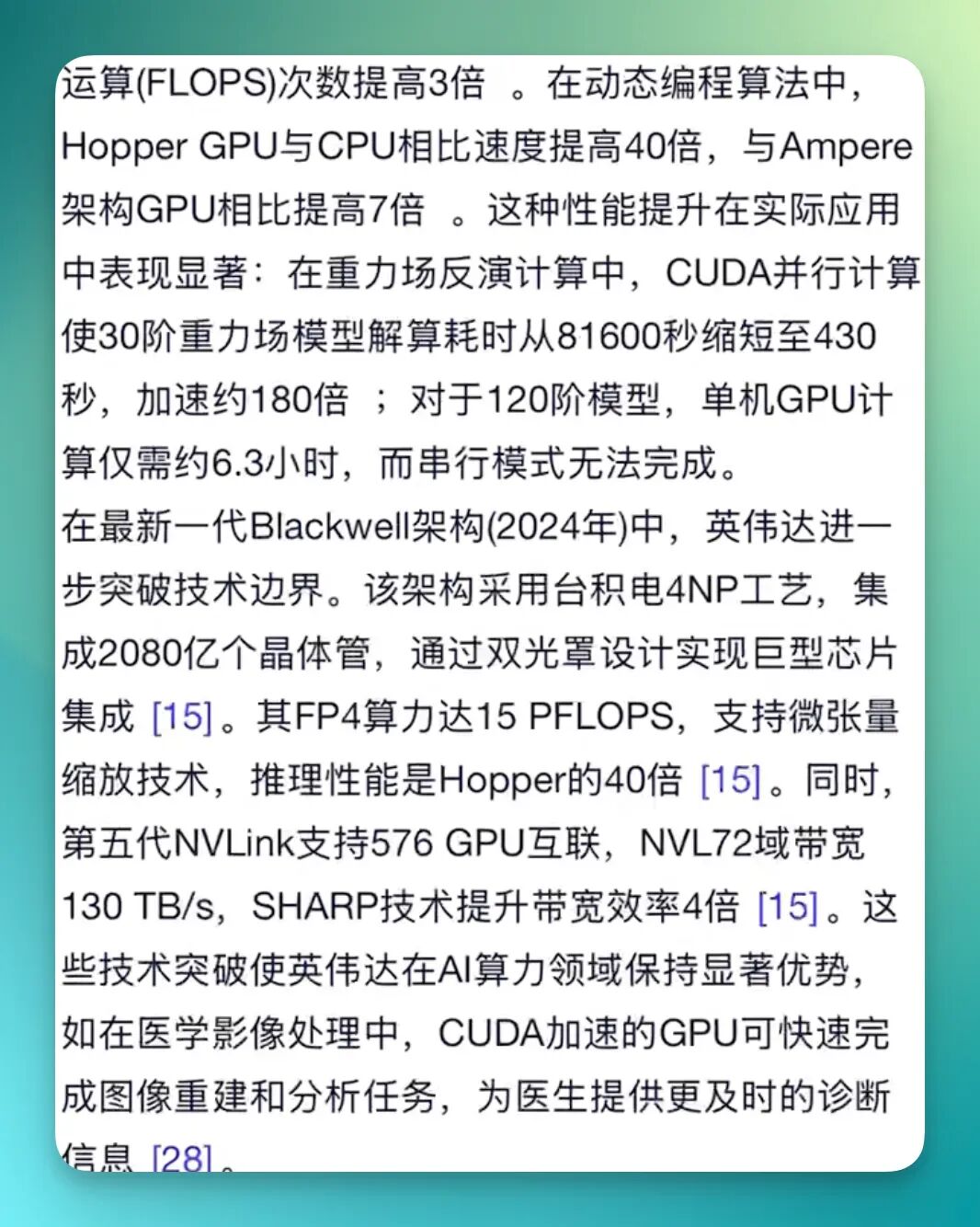
Secondly, its handling of details is steady, delivering very dense, very specific data: such as GPU iteration cycles, Blackwell architecture compute metrics, CUDA ecosystem developer numbers, quantum computing communication latency, and actual acceleration cases in healthcare and automotive industries, etc.
AI Photo Editing
For AI photo editing, Qwen uses the previously much-discussed Qwen-Image model.
For example, this puppy I saw on a short-video platform — I casually uploaded it to Qwen's "AI Photo Editing" feature with the prompt:
As you can see, the overall effect is pretty good, and this workflow is quite convenient:
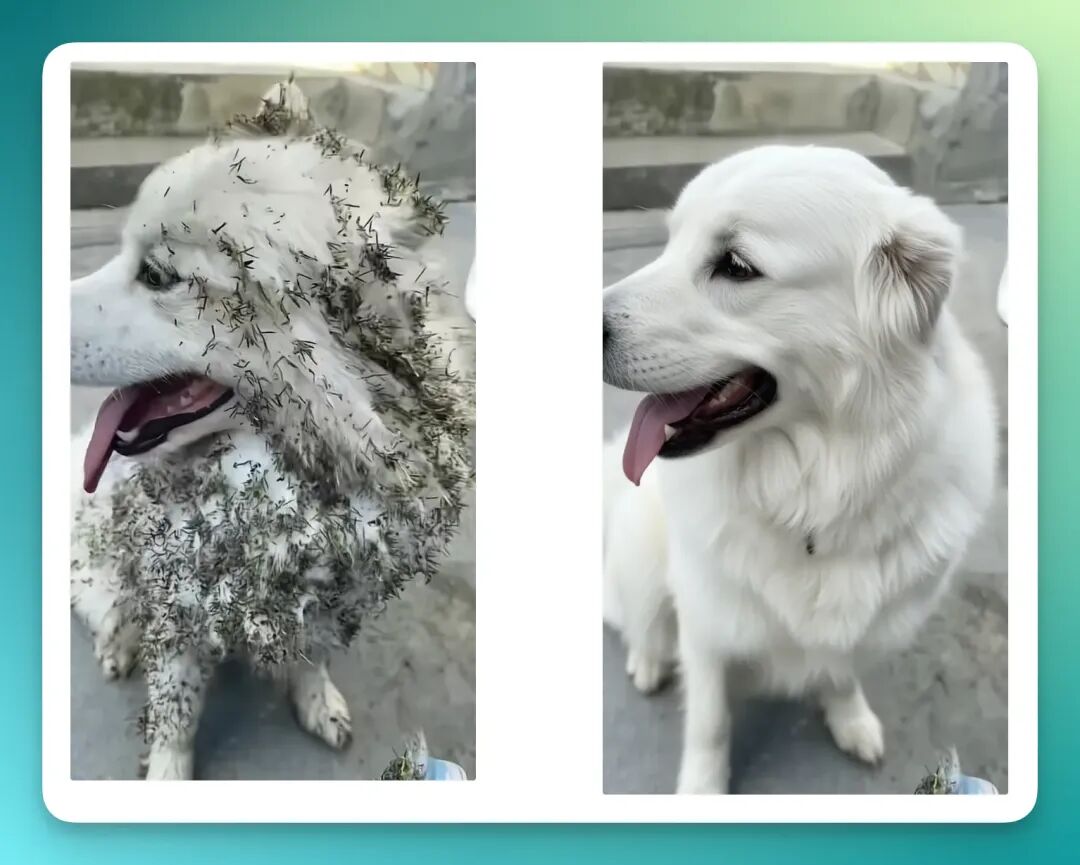
It understands quickly, edge processing is clean, and even fur details are preserved well.
In the AI photo editing feature, you can clearly sense that Qwen has put considerable thought into consumer-facing experience.
Beyond basic erasure and inpainting, portrait editing is also done in a very "daily-life" way. It doesn't present functions through a professional, button-heavy UI, but instead packages scenario-based needs into individual buttons.
For example, portrait editing already integrates very scenario-based functions like: add filters, HD clarity enhancement, image expansion, etc.
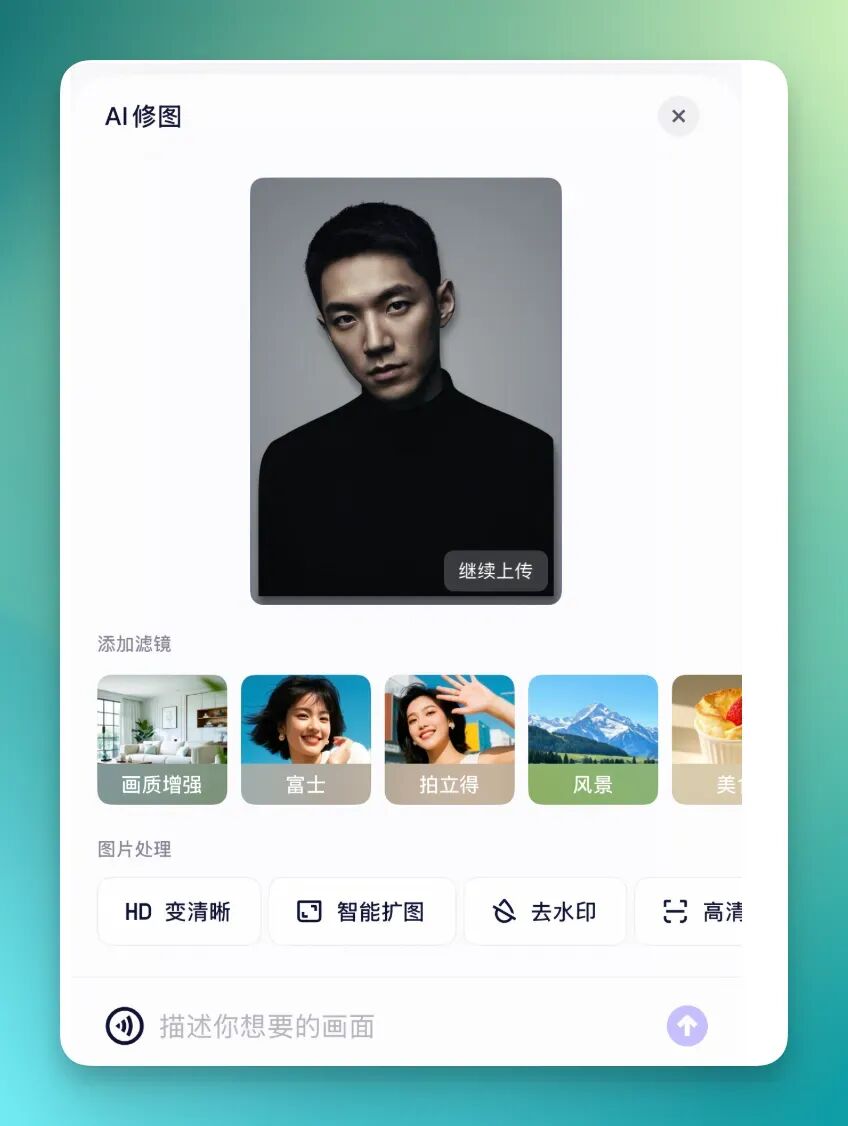
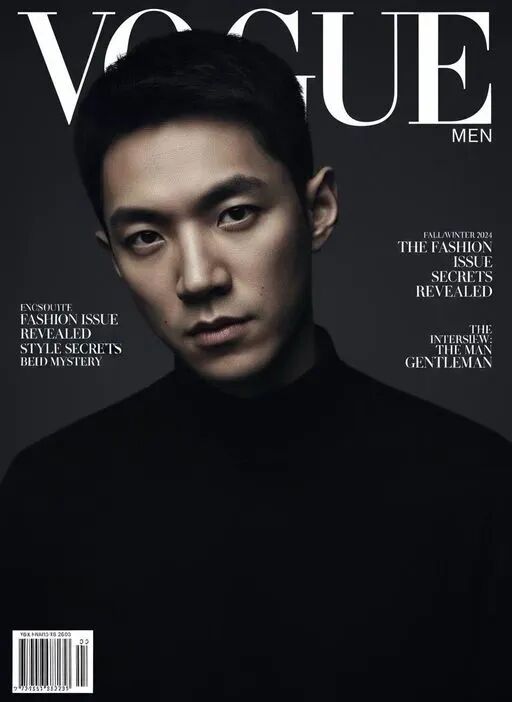
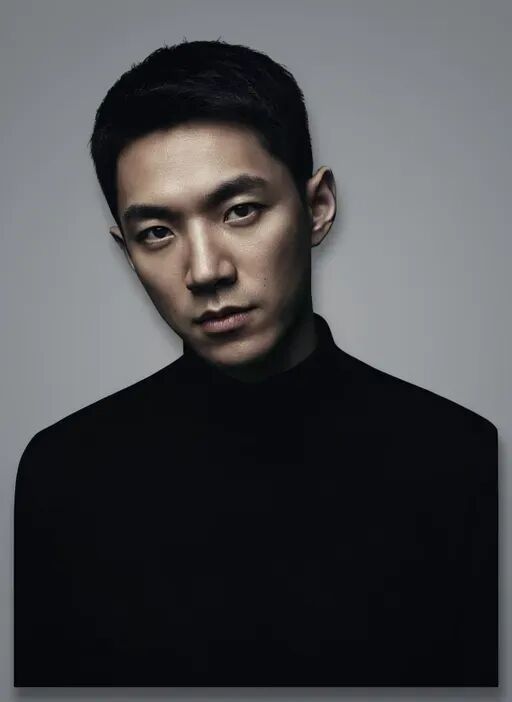
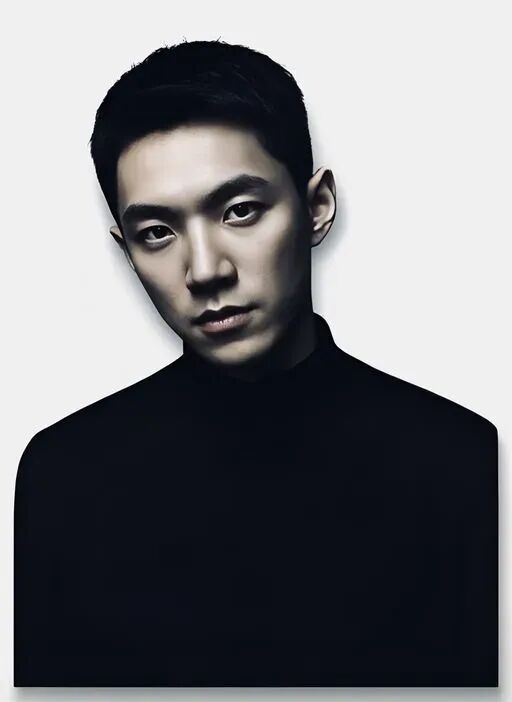
This time we once again invited our teacher Koji to guest as a model. I directly and crudely cut him out using the Qwen app, applied a filter, adjusted some skin smoothing — completely without complex operations:
(After seeing it, he once again said "pretty handsome," and I suspect he fundamentally enjoys being used as test material)
Recently, "ingredient beauty contests" have been very popular across communities, so I tried having Qwen help me make a "braised pork beauty contest" — directly generating 16 images of braised pork belly, each very similar but with genuinely "different" details:
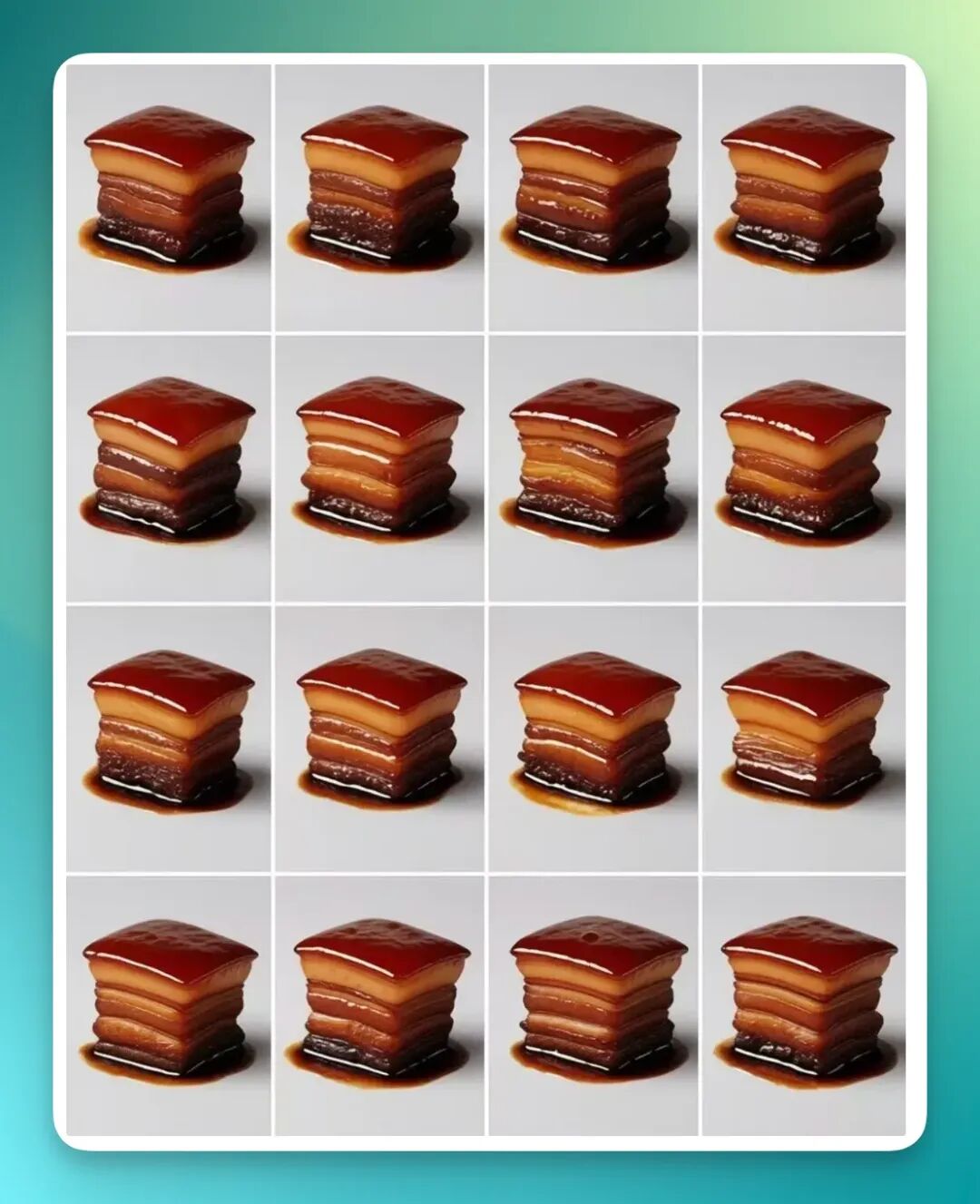
And each is similar but sneakily varies in details like oil glossiness, corner curvature, light reflection, and fat-to-lean ratio.
Then I tried a "banana beauty contest":
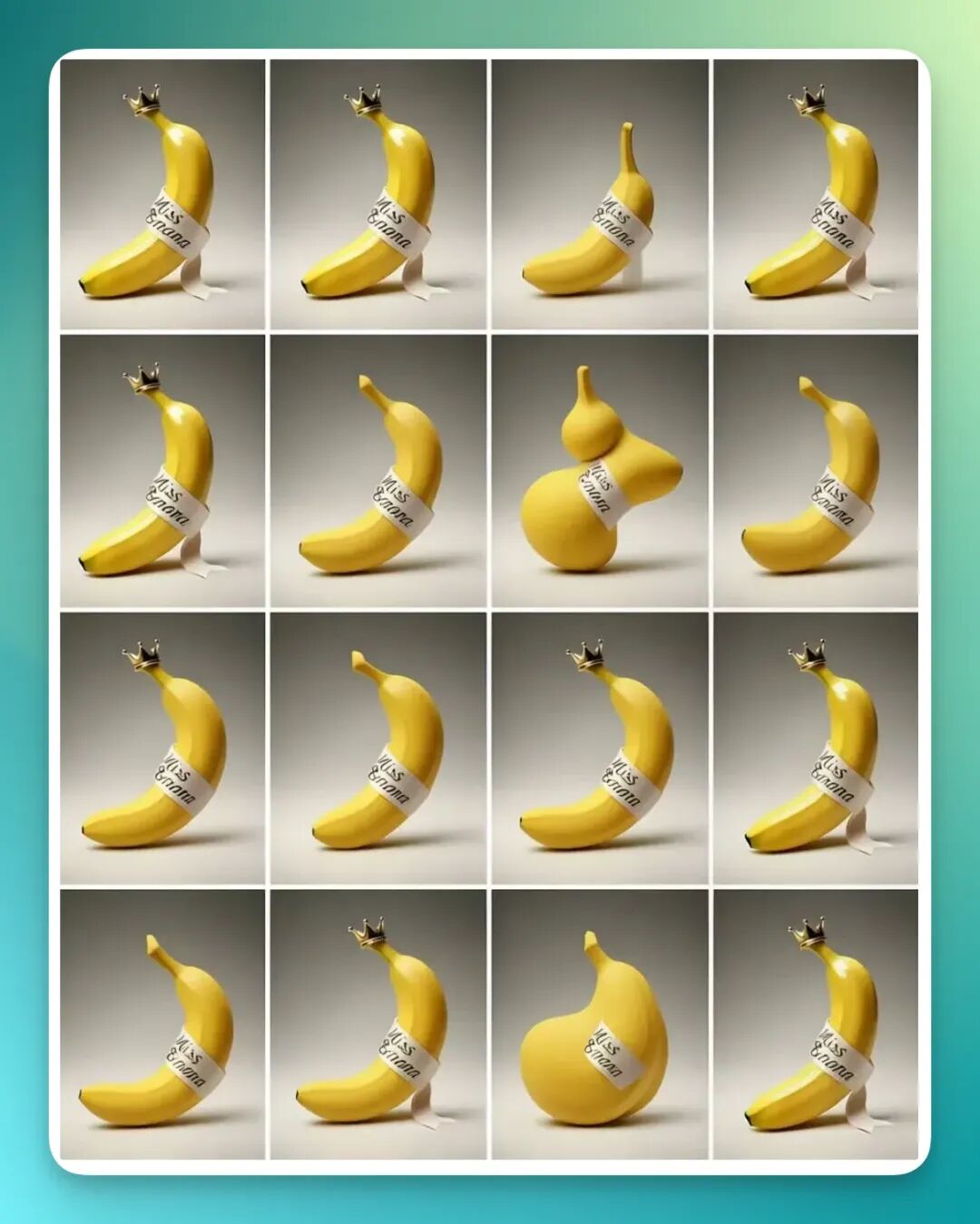
After this round of testing, the image model behind the Qwen app is basically "sufficient and friendly."
As you can see, the image editing model connected to the Qwen app is already more than adequate, especially for the "consumer users" that Alibaba values most.
Wanxiang AI Video
After photo editing, let's look at its AI video feature. This time Qwen connects to its own Tongyi Wanxiang model — the one previously popular across platforms for creative short films — and the Qwen app now integrates many templates trending on short-video platforms.
I once again "borrowed" teacher Koji to star in several experimental videos, and the results made me feel:
Yeah, Wanxiang is still that familiar Wanxiang — consistency and visual quality remain rock solid.
For example, this "Koji Flying Higher" has a very relaxed style:
This is the very popular "character mini-figure transformation" — Koji's facial features, clothing, and physique are all preserved well, completely without that jarring feeling of "the model suddenly forgot who this is."
There's also a "person turning around" template — one of this generation of Wanxiang's strong points: whether turning around, side profile, or back view, character consistency is maintained:
As you can tell, the Wanxiang model behind AI video is still very solid, with good character consistency.
From these sample clips, the Qwen app's video module is already friendly enough for ordinary users: low input (a few images / one video) → high output (complete short film).
Especially in daily consumer use, it can fully serve as a creative tool for "casually generating fun short videos."
AI Creation and Agent Marketplace
In the Qwen app, I found that the integrated "AI Creation" and "Agent" functions are now better organized, placed on the left side of the main page:
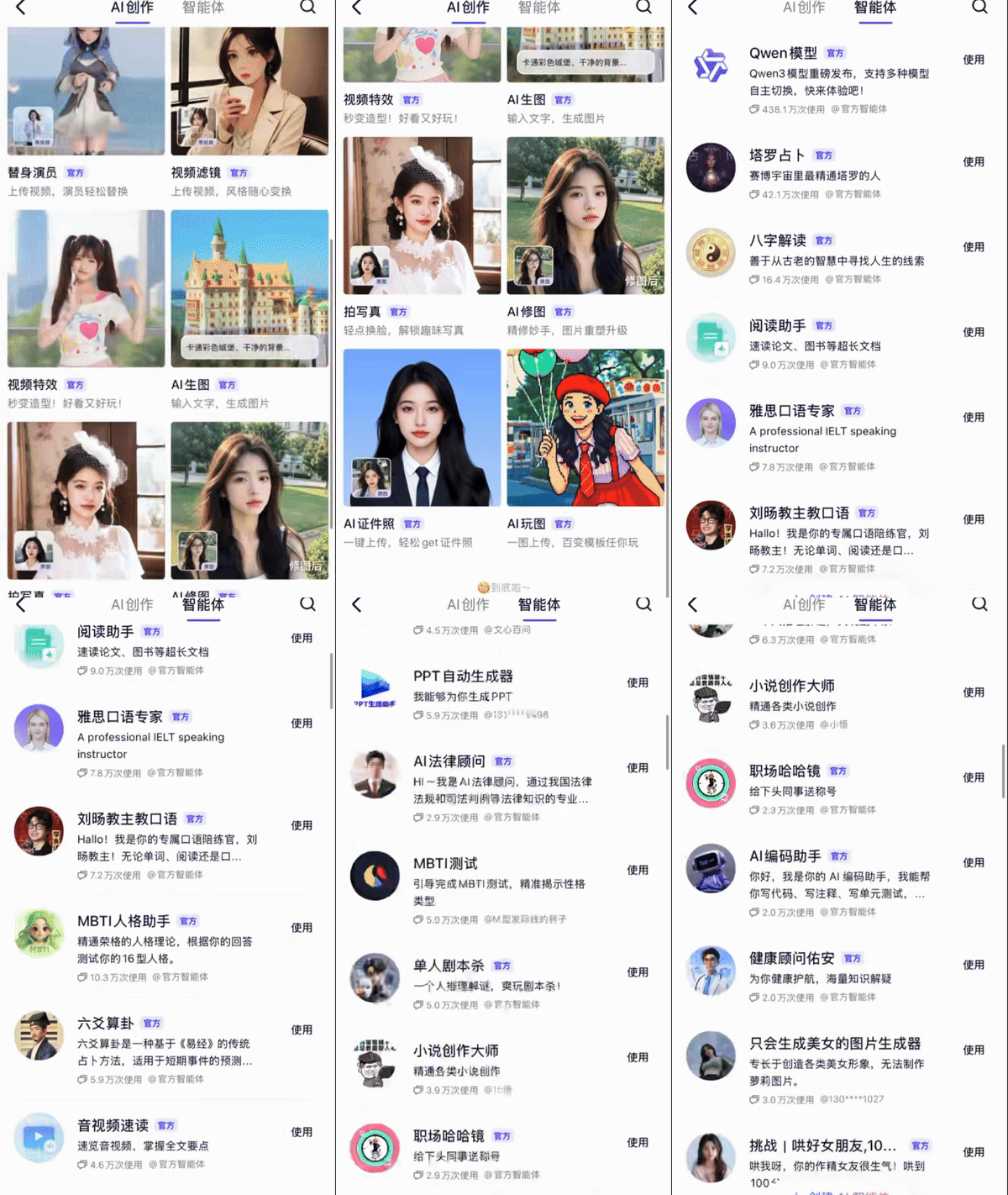
These small "AI products" in the Qwen app have essentially optimized their workflows once — each one you click into shows relatively mature results.
For example, I know many friends' original reason for choosing the "Tongyi app" (the Qwen app's old version) was: fortune telling and divination — many friends around me downloaded it for this reason.
So I randomly clicked into a very high-usage "Tarot Divination" agent to test my recent romantic prospects with someone:
Setting aside the results, this agent's UI is pretty good, already relatively mature in interaction. I also browsed through "AI Creation" and "Agents" — the quantity integrated inside is very large.
Basically covering most of "productivity scenarios" and "emotional value scenarios."
So, after seeing so many of the Qwen app's capabilities, when we look back at the matter of "Tongyi" being renamed "Qwen," the strategy behind it becomes very clear.
This is called "correcting the name."
In the past, Alibaba's AI layout was broad, but consumer users' perception of "Tongyi" and developers' perception of "Qwen's" strength were disconnected.
This renaming is about forcibly aligning the two.
Alibaba seems to be saying:
Stop thinking of the Qwen app as an ordinary chatbot — it is now "the first entrance to experience the latest, strongest Qwen large models."
This also explains why the Qwen app's functions appear so "big and comprehensive."
【1】If users want image recognition, multimodal reasoning?
It calls upon Qwen3-VL, ranked second globally and first among open-source models on Vision Arena.
【2】If users want to write code?
It calls upon Qwen3-Coder, whose coding capability tops global open-source models (tied for first).
【3】If users want text-to-image?
It calls upon Qwen-Image, ranked second globally and first among open-source models in image editing capability.
Now, Alibaba is attempting through the "Qwen app" to fully open these hardcore professional capabilities to every ordinary user for the first time.
So, the rename from "Tongyi" to "Qwen" is already more than a simple brand upgrade.
This is a clear strategic signal.
It marks Alibaba no longer being content with "blooming beyond the wall," being "crowned as open-source god" by developers overseas and in B2B — but formally bringing that "fragrance" back home.
Using a unified flagship product to face head-on the already fierce domestic AI consumer product market (especially AI chatbots).
Over the past 3 years, we've kept discussing: "How can we truly challenge ChatGPT?"
But from Alibaba's current layout, they're preparing their own answer:
A powerful, full-modal "model family" + a globally top-tier "open-source ecosystem" + a unified "consumer super-entrance"
Combining these three may be Alibaba's true vision of "what can challenge ChatGPT": a smarter, more comprehensive domestic AI.
Going forward, we also very much look forward to seeing domestic AI technology bring more surprises and substantive progress.