Ads for Chinese brands are showing up in Londoners' living rooms

What's AI's role in "full-funnel marketing"?
What's AI's Role in "Full-Funnel Marketing"?

👦🏻 Author: GaKi
🥷 Editor: Koji
🧑🎨 Layout: NCon

In a recent episode of London Partners, the Mango TV reality show about young Chinese entrepreneurs opening a shop in London, there's a telling moment:
Several partners are running a Chinese brand collective store in London's West End, selling domestic products to local consumers. After wrapping up a day of operations at their Great Portland Street location, they head back to their dorm to unwind. Someone opens Prime Video to binge a show. During a break, an ad flashes across the screen — for a Chinese brand going global. The partners on set feel an instant spark of recognition, like "running into family in a foreign land."

It's a fun TV moment, but for the industry, it's a detail worth pausing on.
The key point: historically, ads from Chinese brands going global were concentrated in shopping scenarios, targeting people already browsing and ready to buy. This time, the brand landed directly on London consumers' living room TV screens, woven into their evening streaming routine — expanding touchpoints far beyond the shopping context.
This reflects a shift in how global marketing works:
Advertising is moving from "pushing the final conversion" to reaching consumers before they've even formed brand awareness. 🚥
How exactly is this happening? And what new opportunities does it create for brands accustomed to running "certainty-driven plans"?
Here are our observations and thoughts.
I. Where Ads Show Up Has Changed
Scenes like the one in London Partners will become increasingly common in the coming years. Because advertisers are shifting from "waiting for users to search for me" to "showing up in their lives."
The root of this shift is the elevation of advertising goals for brands going global — from purely "selling products" to a full-funnel approach that drives conversions while also building awareness early in the consumer journey.
And it's only possible because both sides of the equation have aligned:
-
Demand side: Brands going global increasingly recognize that harvesting existing demand alone isn't sustainable; they need to build long-term mindshare proactively.
-
Supply side: A surge in big-screen and streaming ad inventory has made "showing up in consumers' lives early" actually feasible.
Many brands going global concentrate their ad spend at the bottom of the marketing funnel: a user wants to buy luggage, types in keywords, and brands bid for top placement in the results to capture the order.
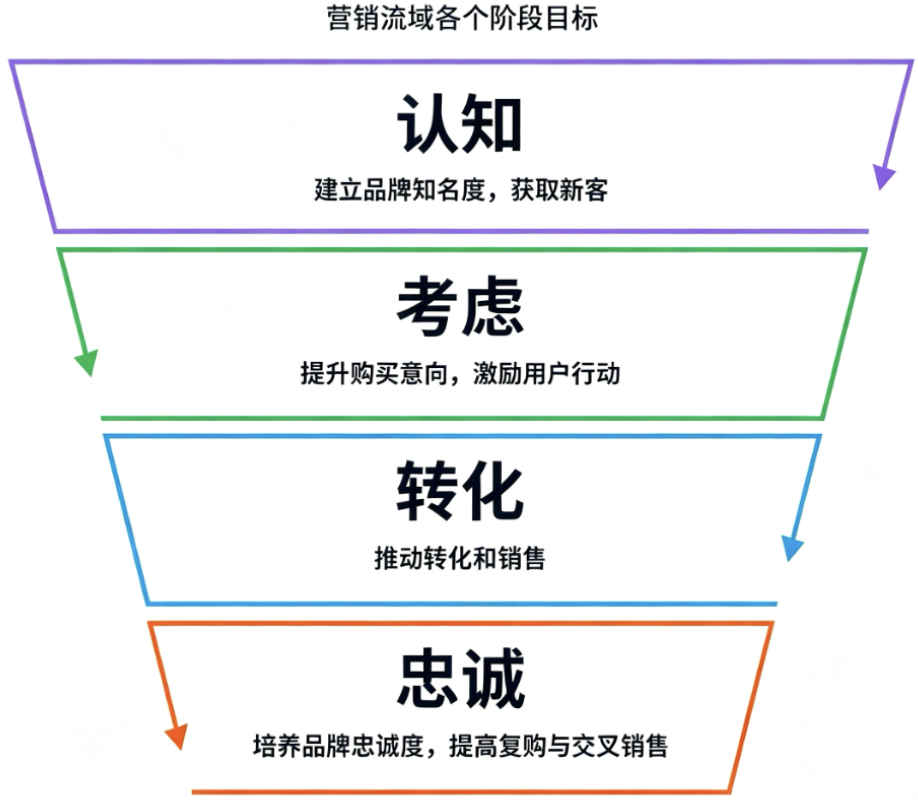
The advantage of this performance advertising is predictability and fast results — every dollar spent can be tied to an order. But it only captures people who already have demand. If you stop there, the brand never enters consumers' field of vision before they're ready to buy or even before they know you exist.
That's precisely why these brands are now considering overseas consumers' everyday life scenarios.
An overseas consumer's day might look like this: listening to podcasts or music during the morning commute, working at a computer during the day, catching some Twitch streams at lunch, streaming shows or sports at home in the evening, then scrolling through news on their phone before bed.
Potential users' attention is scattered across phones, computers, TVs, and smart speakers — and across news, streaming, and podcasts as content formats.
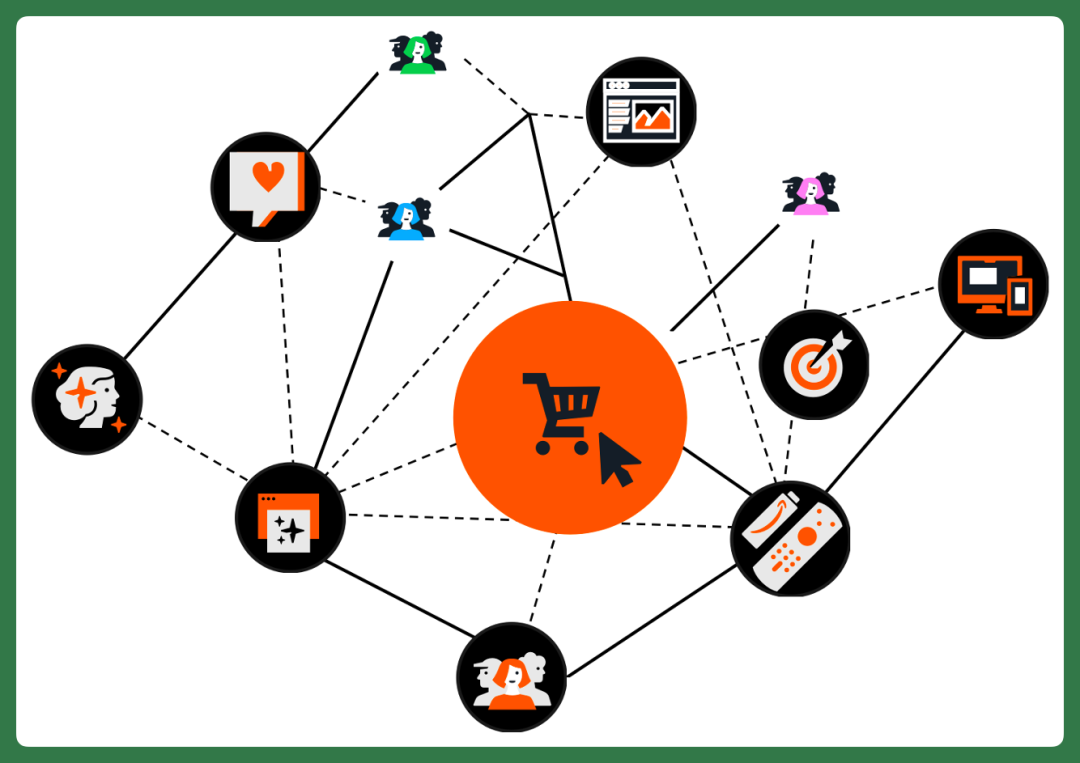
So building brand awareness early through a single channel can't cover this attention distribution.
This is the shared predicament brands going global face:
They pour massive effort into performance ads for steady orders, but neglect brand advertising — leaving consumers with little memory of who they are. In shopping scenarios, consumer-brand interaction might last mere seconds; users swipe away after ordering, and may not remember the brand next time. To be remembered, a brand needs to appear in consumers' lives before they develop purchase intent.
So penetrating overseas consumers' minds, or reaching broader audiences to fuel the conversion pipeline, requires far more than shopping scenarios alone.
On the flip side, change is also coming from the supply side of advertising.
The most visible phenomenon: premium content environments that can reach consumers are multiplying.
Streaming TV is the clearest example.
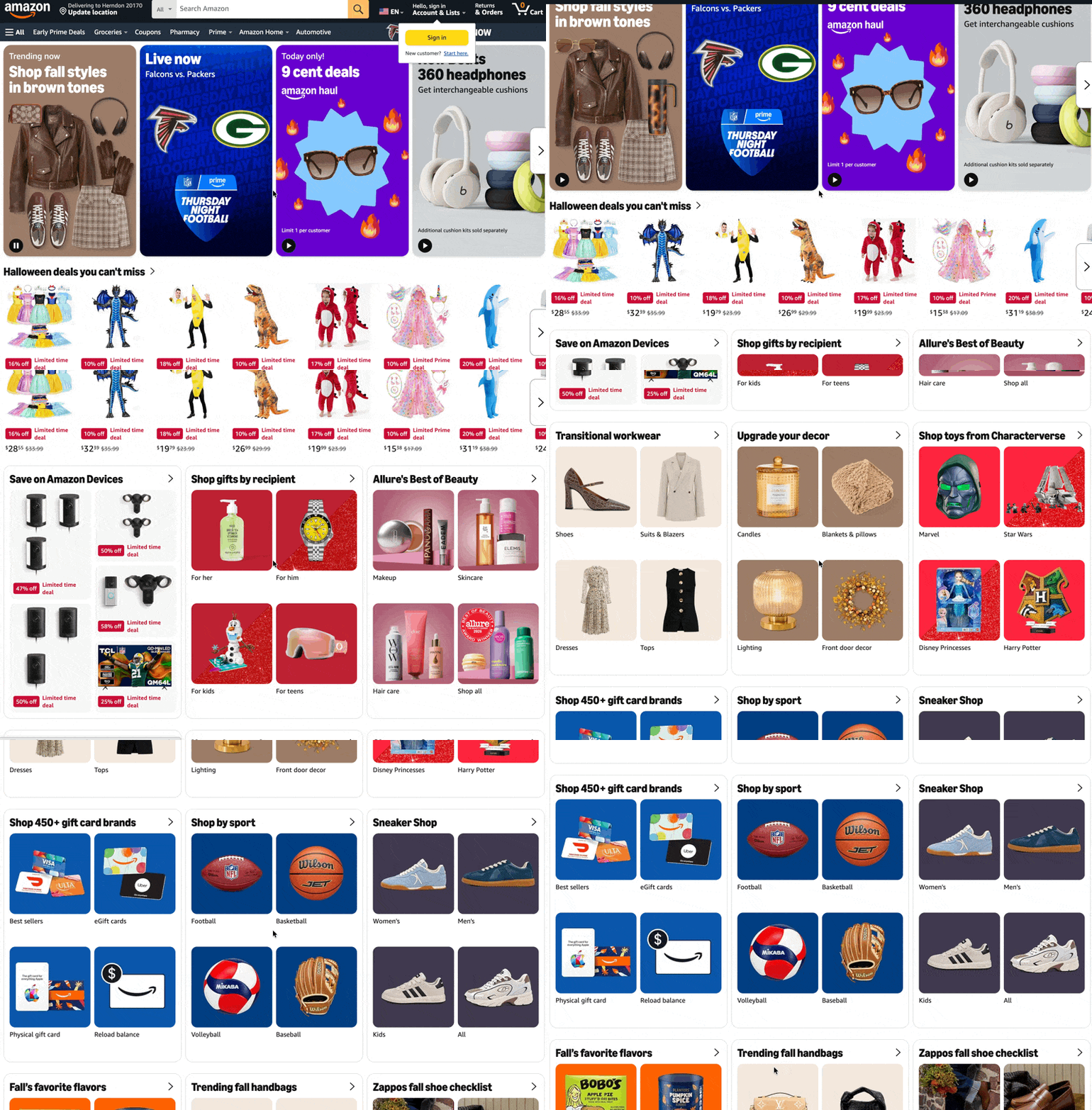
Take Prime Video — consumers can watch on their living room TV, or on phones and tablets. And the living room big screen remains one of the highest-engagement daily environments in overseas households.
Amazon's official data shows Prime Video's global monthly ad-supported content reach exceeds 300 million — these are people watching shows, movies, and sports with ads.
When people stream, their attention is locked on content.
For brands, this is a completely different communication environment from a shopping search results page. What brands get is a complete, audio-visual storytelling opportunity.
Hence tech companies have been ramping up content investment in recent years.
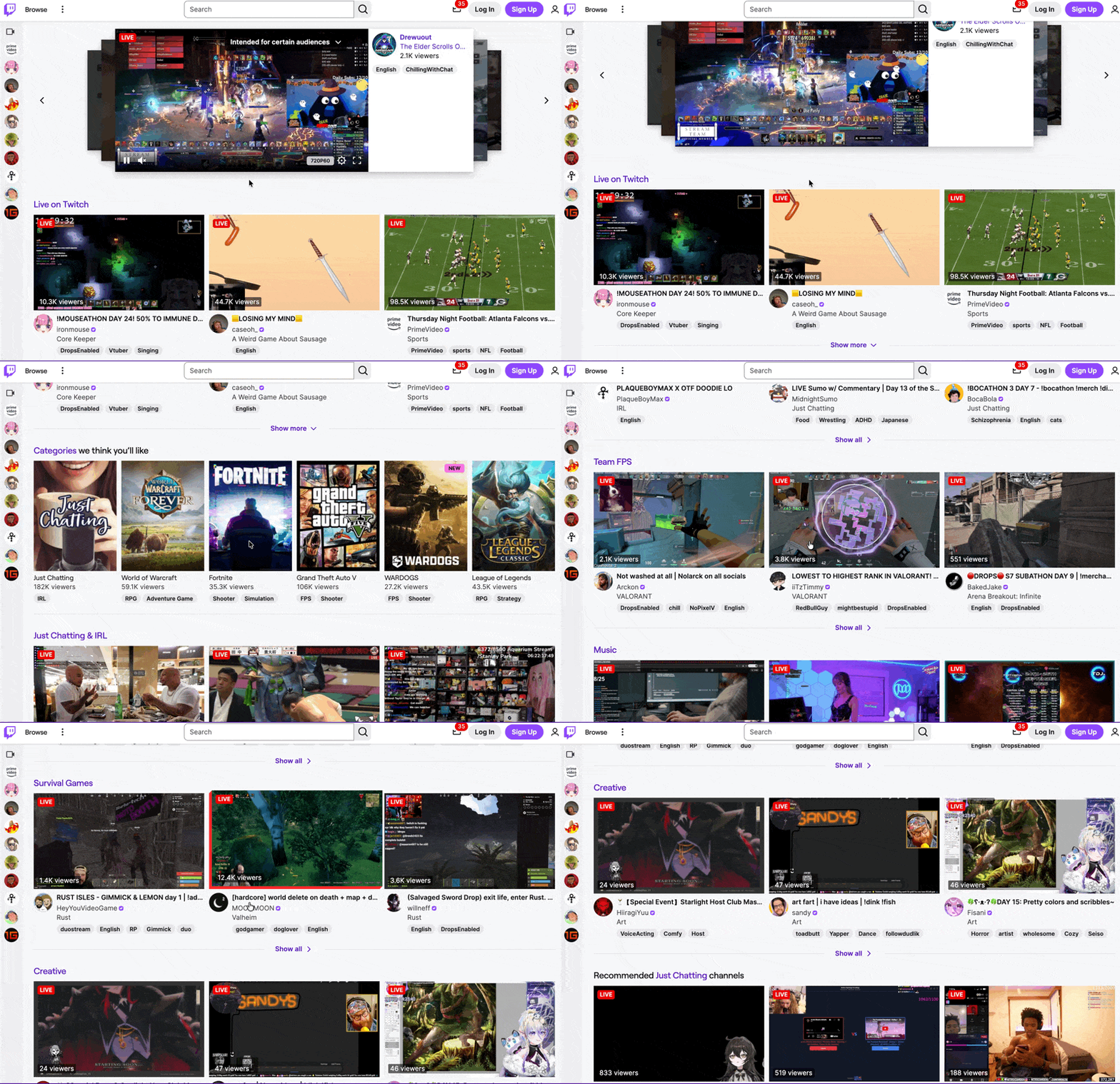
Prime Video's original series and films, live sports like "Thursday Night Football," Twitch gaming streams, and Fire TV built into various TV brands.

Content goes where attention goes; ad inventory follows.
Putting demand and supply together, the conclusion is clear:
When consumer attention and media supply have both shifted, there's no reason for brands going global to keep their marketing playbook frozen in place.
II. AI Turns "Guessing" into "Reading"
Brand advertising in life scenarios has a long history — TV ads have existed for decades. Brands going global rarely dared large-scale investment for two main reasons: hard to guess right, and massive waste.
You'd put out an ad, and media could only give you rough exposure estimates; as for who you actually reached, what they looked like, whether purchase intent was triggered — there were no complete answers.
Budget-conscious brands going global couldn't stomach that waste rate, so they'd rather pour everything into search to buy traffic — "earning certain money, certain conversions."
This is exactly where AI steps in and amplifies advertising's value: by reading consumers through real behavioral signals.
If you want to observe how this mechanism works, Amazon is a representative case study.
Amazon Ads' signals come from overseas consumers' actual shopping, entertainment, and content consumption behaviors. Amazon Ads uses AI to read these signals and determine which audiences a brand should reach — say, "people interested in pet health products."
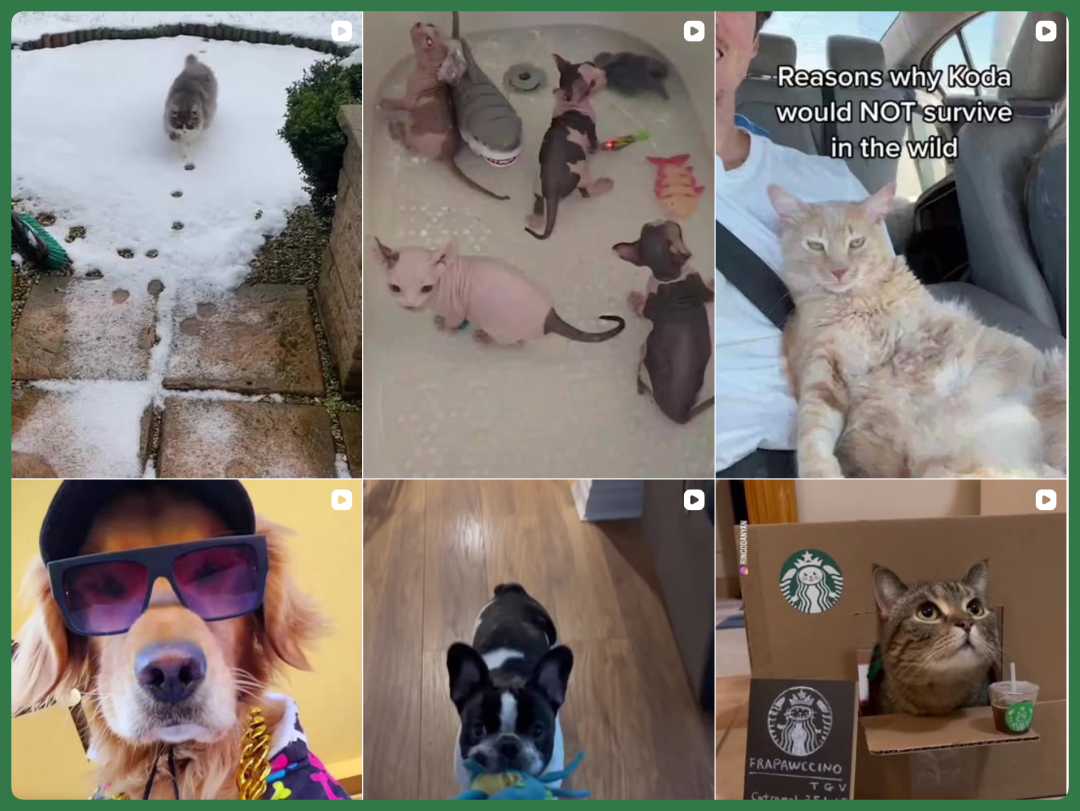
This judgment targets shared characteristics of audience segments, answering "which type of people to communicate with," which maps to scene and content selection.
The value of this judgment lies in its time advantage: while demand is still forming, the brand already appears in these people's field of vision. When demand actually arrives, the brand is already on their shortlist.
This prediction is essentially what experienced marketers have always done through experience and intuition. AI's value here is amplifying human judgment. Direction is set by people; filtering through massive signals and execution is handed to the system.
For instance, human experience might only capture obvious causal relationships (temperature rises → demand for insect repellent increases). AI can discover category connections across a much broader range of behavioral signals that human experience would easily miss.
This becomes clearer when combined with "unified decision-making across multiple scenarios" below.
Amazon Ads has enough scenarios in hand, covering Prime Video series and films, live sports, Twitch gaming streams, Fire TV Channels, plus premium third-party media it can reach including Netflix, Disney+, Spotify, and thousands of third-party websites and apps spanning news, entertainment, tech, lifestyle, and more. (The above media are listed as examples; specific available media vary by country/region.)
In the United States, owned channels plus third-party channels can reach over 300 million audiences monthly. The roles differ across scenarios, with different scenarios corresponding to different moments in a consumer's day.
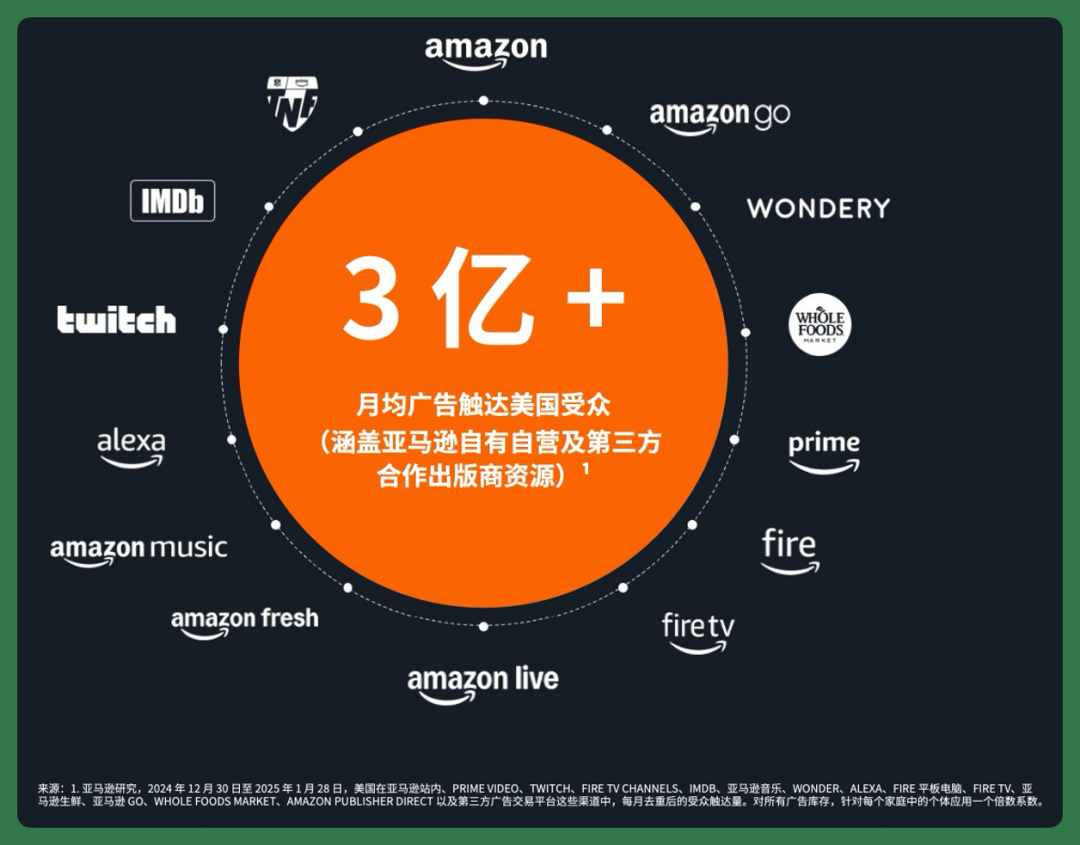
More important than scenario quantity is that brands can plan all these scenarios within a single campaign.
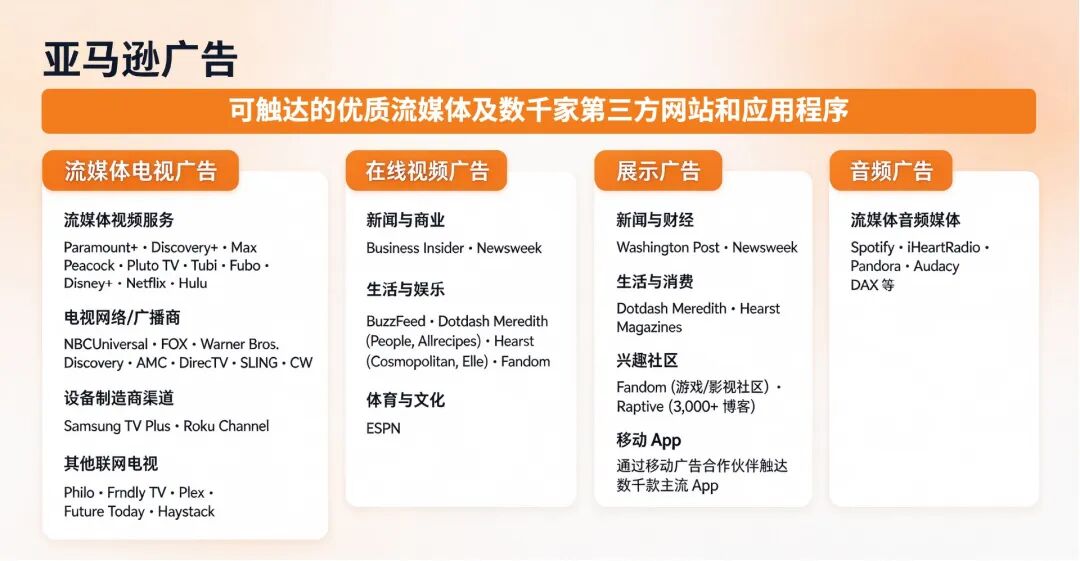
AI assists in determining for a given audience segment which scenario and format works better — whether it's a short video during a show break, a TV home screen display placement, or audio during commute hours.
Previously each channel operated independently with little coordination; now there's unified orchestration.
The complementarity between different touchpoints isn't about repetition.
In the same household, an ad seen while binge-watching and an ad seen on the TV home screen while browsing content likely reach two different groups of people — different attention states, different expressive possibilities.
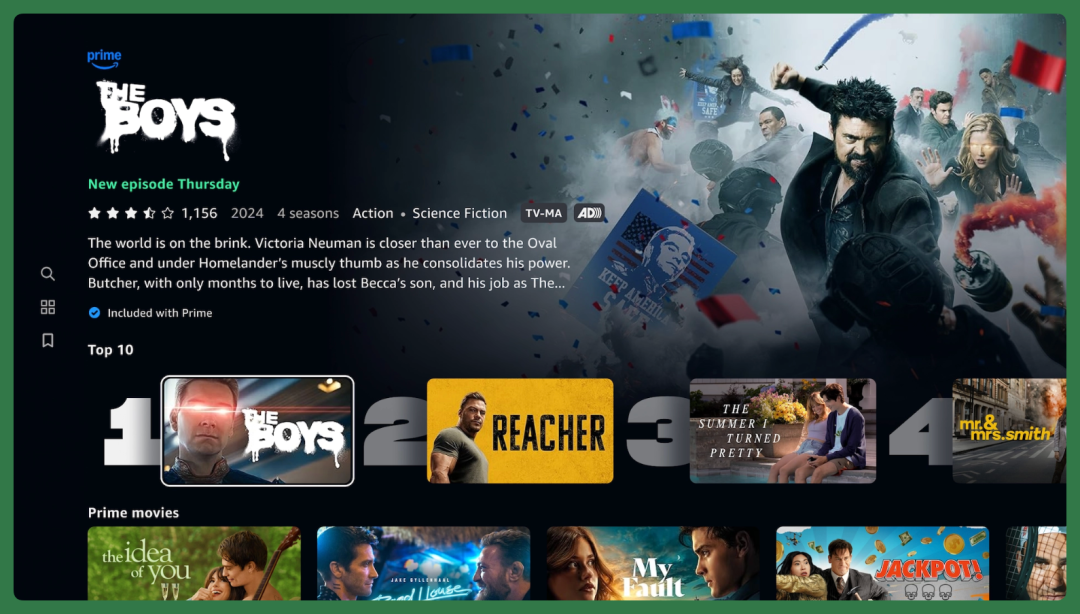
Combining multiple scenarios doesn't mean the same people seeing ads more times; it means covering more different people.
The industry calls this approach "Full Funnel Advertising." Amazon Ads has made it an executable program, giving brands opportunities to appear at every stage — before consumers start shopping, while they're comparing options, and when they're ready to purchase.
Three capabilities underpin it: finding the right people, reaching broadly, and seeing results.
For concrete results, look at PetIQ, a U.S. pet health brand playing a challenger role in its category. It combined Prime Video ads, streaming TV ads, Twitch, and other formats for full-funnel placement.
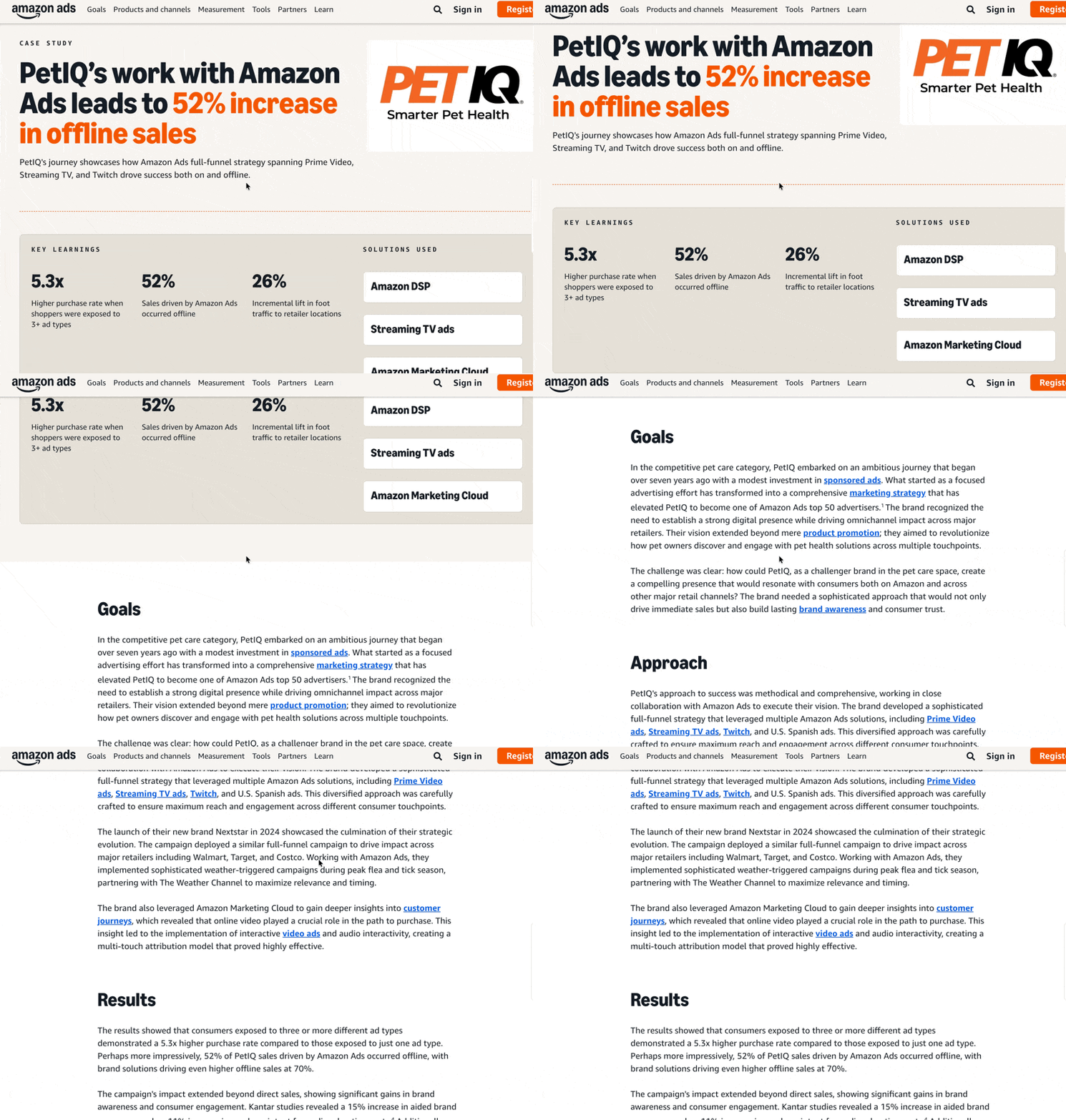
Results showed: consumers exposed to three or more ad formats had purchase rates 5.3x higher; of ad-driven sales, 52% occurred through offline retail channels. (Case source: Amazon Ads official website. Results for reference only.)
Per the official case study, there's another detail: some PetIQ products correlate directly with weather — demand for flea and tick protection rises with temperature, so some of its campaigns referenced weather signals, with ads appearing in corresponding regions as temperatures climbed.
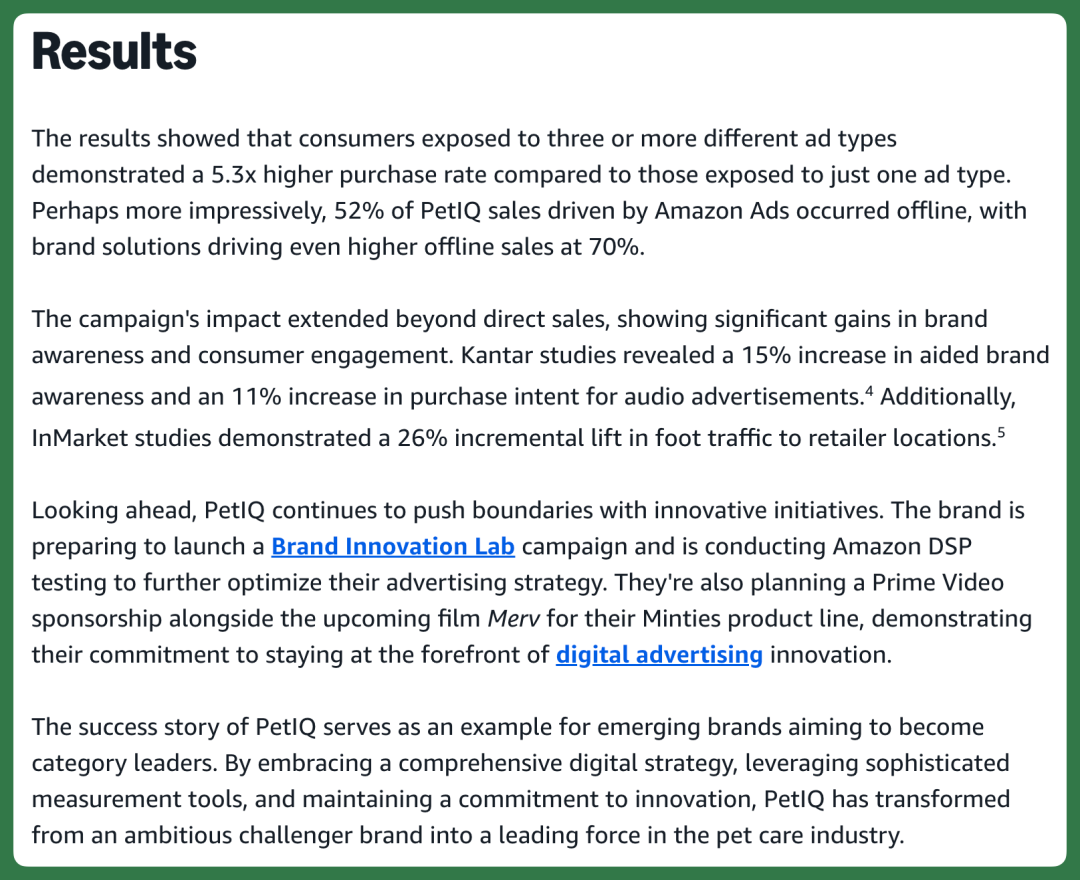
Signal changes directly convert to campaign actions — "reading signals" becomes very concrete here.
Looking at results, ads appearing in living rooms and streams, yet half the transactions completing in offline stores. Clearly, there's time and space between touch and transaction — which perfectly explains how brand advertising works: be present first, convert later.
III. What This Means for Brands: Three Things
First, the logic shifts from "capturing the last order" to "being present early."
Bottom-funnel ads capture the decision endpoint — people already wanting to buy. Life-scenario touchpoints bring brands further upstream, appearing and being remembered before consumers even develop shopping intent, so they enter later stages with a cognitive advantage.
This is especially pronounced in high-consideration, long-decision-cycle categories where consumers research, compare, and hesitate for weeks. The earlier a brand enters their consideration set, the smoother every subsequent step becomes.
For any brand going global, these two layers work in tandem:
Capturing immediate demand in the moment while also building awareness before shopping happens — saving up for future demand.
Second, the standard for "reaching broadly" has changed.
Previously reach was measured by channel count — how many media outlets, how many impressions bought. Now the more meaningful standard is how many scenarios in a consumer's day your brand appears in, and whether you're using the right approach in each.
Morning audio, daytime display ads, evening show pre-rolls — different formats and lengths, potentially different messages, but promoting the same brand or product.
Consistency is crucial here.
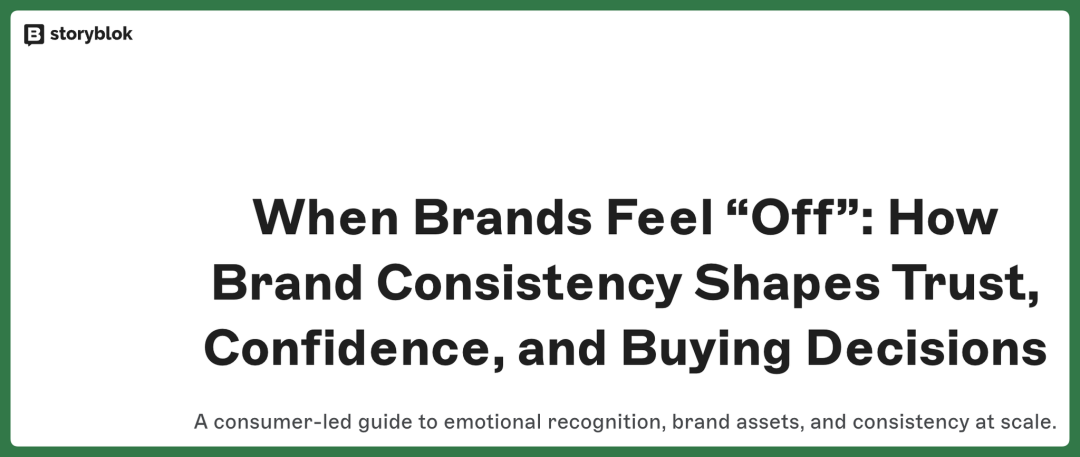
A Storyblok survey of 200 consumers in Europe and America published in early 2026 found 87% of respondents expect consistent brand experience across every touchpoint. Fragmented, siloed campaigns, however large in scale, struggle to leave a coherent brand impression.
Finally, a particularly practical shift:
This lifestyle-based reach doesn't require "tying to an on-site storefront" as a prerequisite. In many Chinese entrepreneurs' habitual thinking, running Amazon Ads means first opening a store on Amazon to sell goods.
But in reality, whether you're a brand selling on Amazon's marketplace, or a direct-to-consumer site, game, car, or travel brand that doesn't sell on Amazon at all, you can use Amazon Ads to show up on mainstream media channels that overseas users encounter daily.
For example, a smart home DTC brand can run brand video on Prime Video shows, reach young audiences on Twitch, and consumers visit the official website to order after being moved by the content — the entire path can bypass Amazon's marketplace entirely.
So rather than calling it a system, it's fundamentally a media buying strategy — whether to use it, how, and where to sell, is entirely up to the brand.
This equally applies to companies doing content, subscriptions, or services. Chinese AI apps currently seeking overseas users have fundamentally the same needs as consumer brands:
Find the right people, show up in their life scenarios, and guide interest toward your product. 🚥
Water has its source; commerce has its channel.
Many metaphors in business risk becoming hollow, but "watershed" fits well.
Real consumers don't strictly follow the linear sequence that "marketers" prescribe — their intent shuttles, rises, falls, and doubles back through life.
So-called "Full Funnel Advertising" strings together the entire decision chain of "awareness, consideration, purchase, repurchase." In practice, Amazon Ads uses AI to read consumers' real behavioral signals, determining which scenario and approach to use for communication, giving brands more chances to appear before the right people.

At every stretch of the river in a user's life trajectory, there's a natural place for brands to settle — because advertising is expanding from catching people already shopping to appearing throughout life itself.
This holds for Chinese brands going global, and equally for Chinese AI teams being pushed outward by the wave of AI technology. As long as you want to penetrate overseas consumers' real lives, this logic applies.
London Partners continues; "Full Funnel Advertising" is also moving into deeper waters.
If you follow brand globalization, the currently airing Amazon Ads Sailor Star Project Season 6 has more real-world case studies of domestic brands going global — worth exploring for the next solution in Chinese brand globalization.
Join membership group