72 Hours After GPT-4o Broke the Internet: 10 Startup Opportunities We Spotted

Real opportunities always belong to those who embrace change, go with the flow, and take action.
Over the past few days, GPT-4o's image generation capabilities have likely flooded your social feeds.
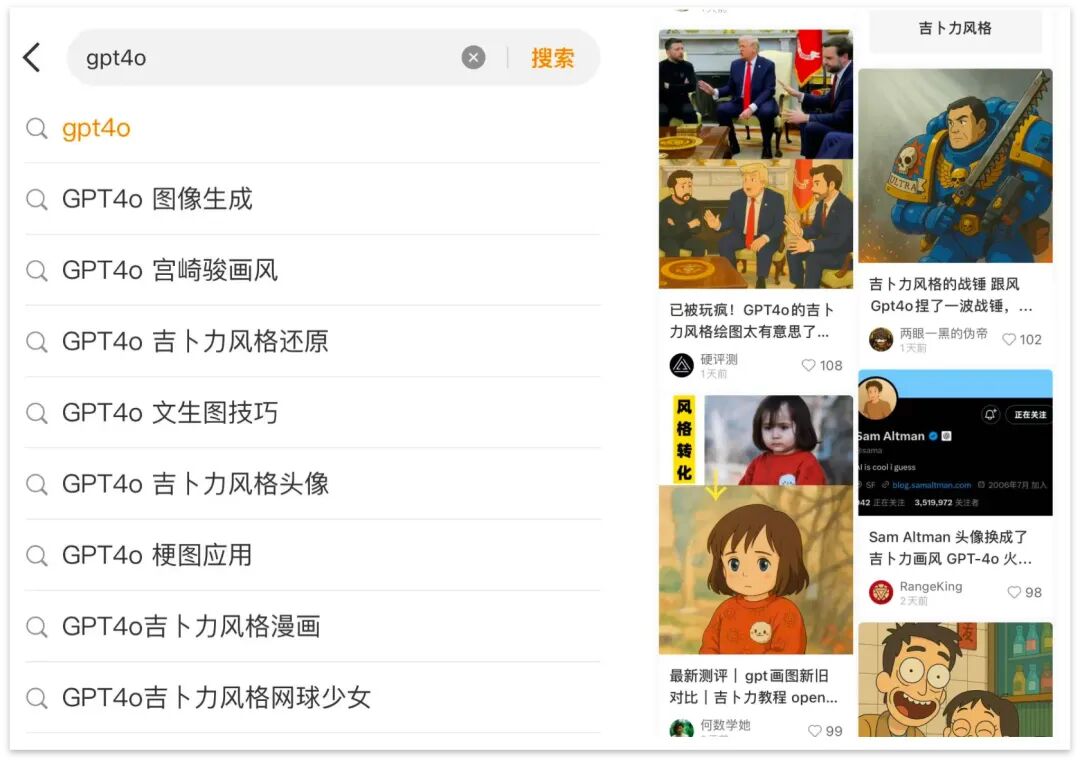
This has also instantly ignited anxiety across industries — AI founders, graphic designers, and professionals from countless other fields:
"Is the model itself the product?"
"Large model companies are overturning everything AI startups have built."
"AI startups now just have to watch themselves get pushed away from the table."
...and so on. Voices like these have filled the internet.
At the same time, many industry insiders expressed excitement at this moment when image editing is being transformed by AI models:
"The emergence of new technical variables will inevitably create new structural opportunities; entrepreneurial potential will reveal itself in the developments to come."
"Every application can be rebuilt with AI" has become something of a punchline in this era, yet this "AI wrapper" approach has spawned numerous promising entrepreneurial directions.
So Crossing has compiled 10 promising entrepreneurial directions: interior design, comics, tattoo design, e-commerce, product rendering, academia, visual perception and understanding, cultural heritage modeling, healthcare, and film/TV production. We hope these examples will help professionals navigate this moment of rapid AI iteration and emerging structural opportunities, uncovering deeper "knowledge" and AI value.
With this 4o release, the model doesn't just understand text instructions — it can read images, grasp context, and generate stunning visual content. To put it in concrete terms: it directly simplifies interaction. You no longer need to learn professional software like Photoshop, Figma, or Blender, nor master complex prompting. Just describe what you need in natural language.
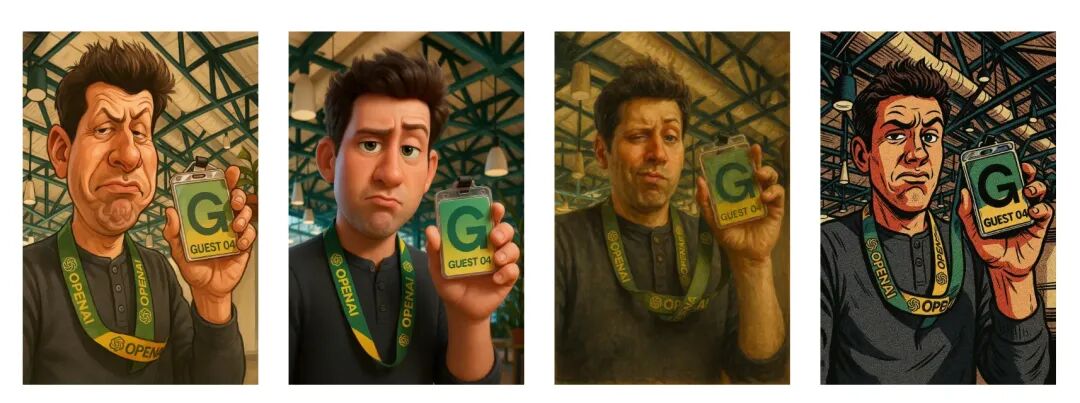
Source: X user
Of course, every major model update sends shockwaves through industries while also nurturing countless new commercial possibilities.
Looking at the stunning images generated by GPT-4o, we can't help but ask: What new opportunities does this create for entrepreneurs?
1. Interior Design
AI-powered interior design software has already proven lucrative. Users upload photos of their rooms, select a style, and see rendered redesigns. But such applications typically require complex backend workflows and multiple models working in tandem.
Platforms like RoomGPT and Homestyler were among the first to ride the AI wave. Now, GPT-4o can accomplish this in one step, with unprecedented instruction-following and multi-turn conversational memory that disrupts this space entirely. At the same time, it creates new entrepreneurial opportunities: GPT-4o fundamentally lowers the barrier to entry.
GPT-4o's emergence will have profound transformative effects on graphic design, 2D graphics processing, 3D modeling, and virtual reality (VR) and augmented reality (AR).
A friend uploaded a photo of his living room and told GPT-4o to transform it into Nordic style, adding a gray fabric sofa and solid wood coffee table.
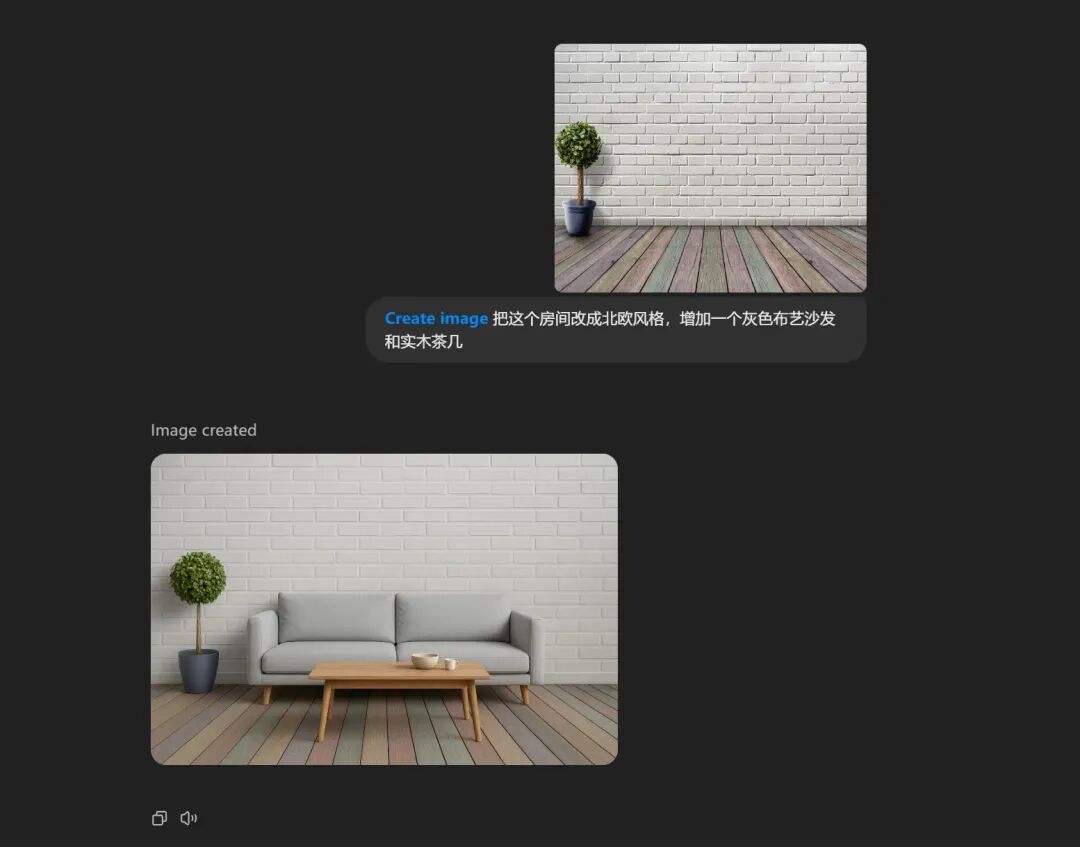
Seconds later, a photorealistic rendering appeared, with lighting and materials handled impressively well.
Even at the professional level, designers need only upload an initial 3D model created in SketchUp and describe the desired style in natural language (e.g., "Chinese style," "traditional textures with modern minimalist aesthetics," "deep red tones with blue and white as the base"), and GPT-4o immediately generates a rendering with professional quality.
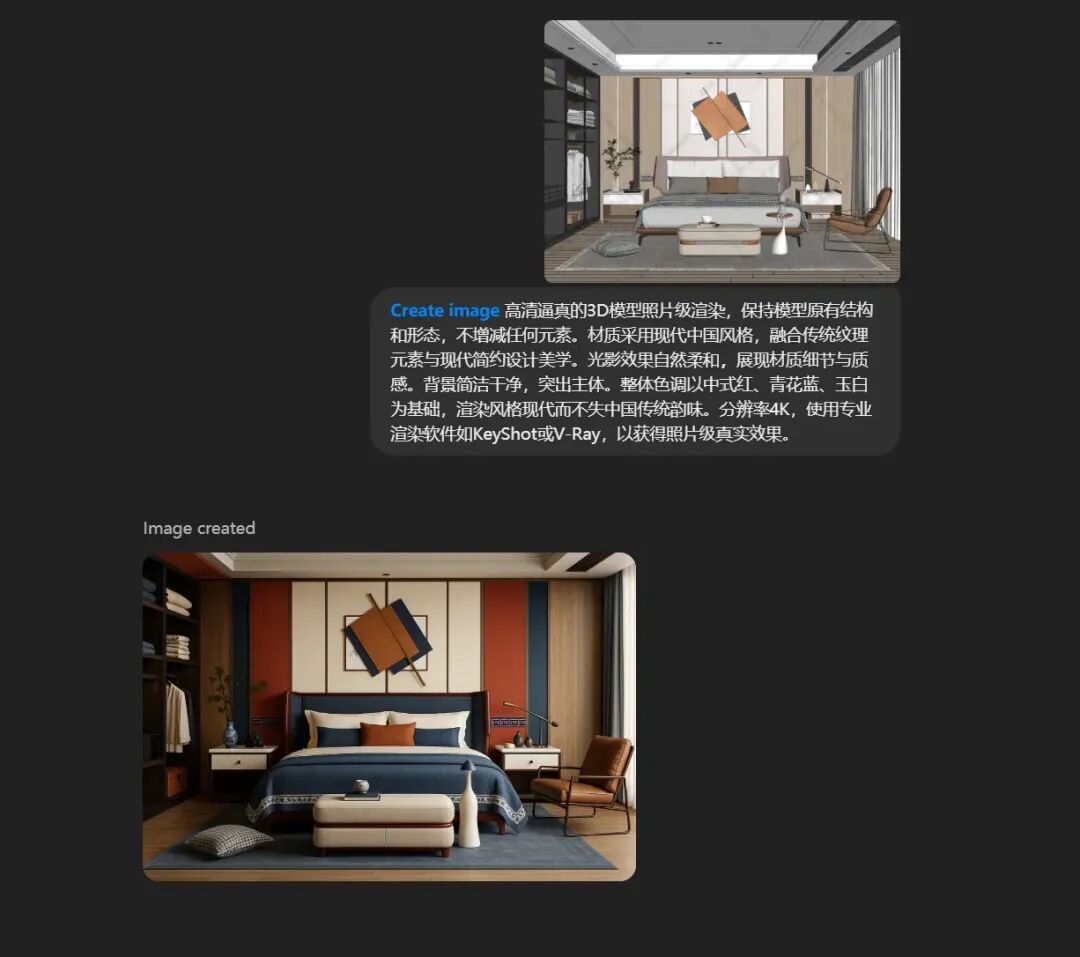
The generated image not only preserves the original model's structural layout but also enhances material expression, adds richer textural details (such as the woven quality of bedding and carpets), optimizes lighting effects, and incorporates a blend of traditional Chinese elements with modern design as prompted.
2. Cartoon and Comic Production
Thanks to GPT-4o's image parsing capabilities, X has been filled with users' creative experiments — for instance, Ghibli-style versions of famous AI memes.

Source: X user @Rishabh
There's even a new workflow emerging: first generate Ghibli-style images with GPT-4o, then convert them to AI video.
The same principle applies to other styles, such as Pixar's aesthetic.
Chinese netizens haven't been idle either. Some have used GPT-4o to "decode" the origins of Nailong.
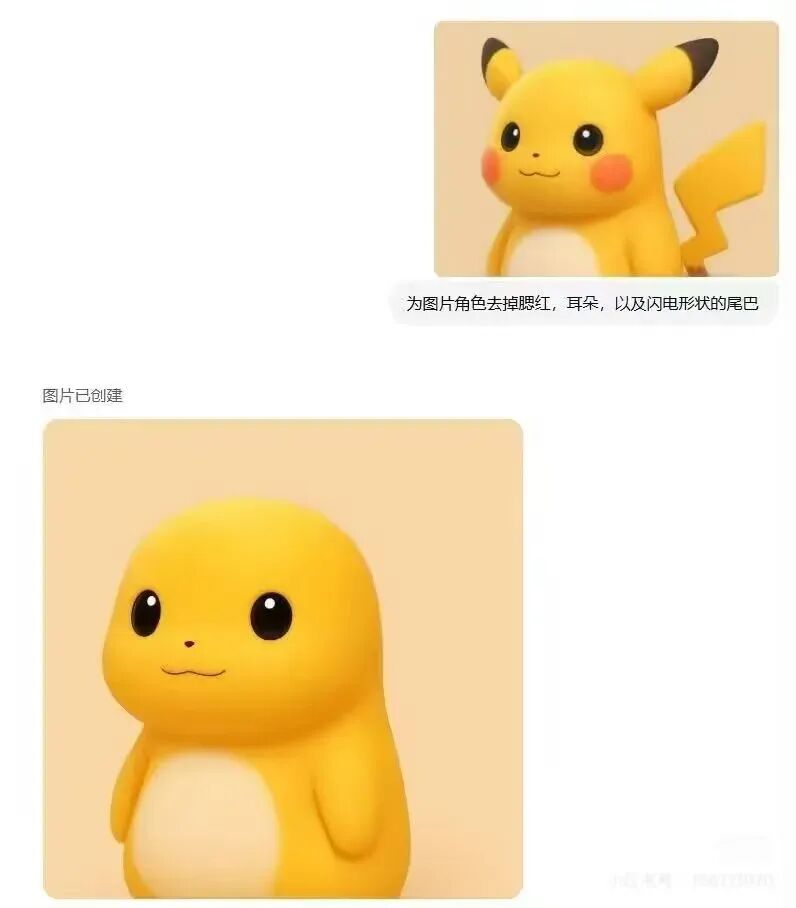
Source: Xiaohongshu user @城镇里的秀秀
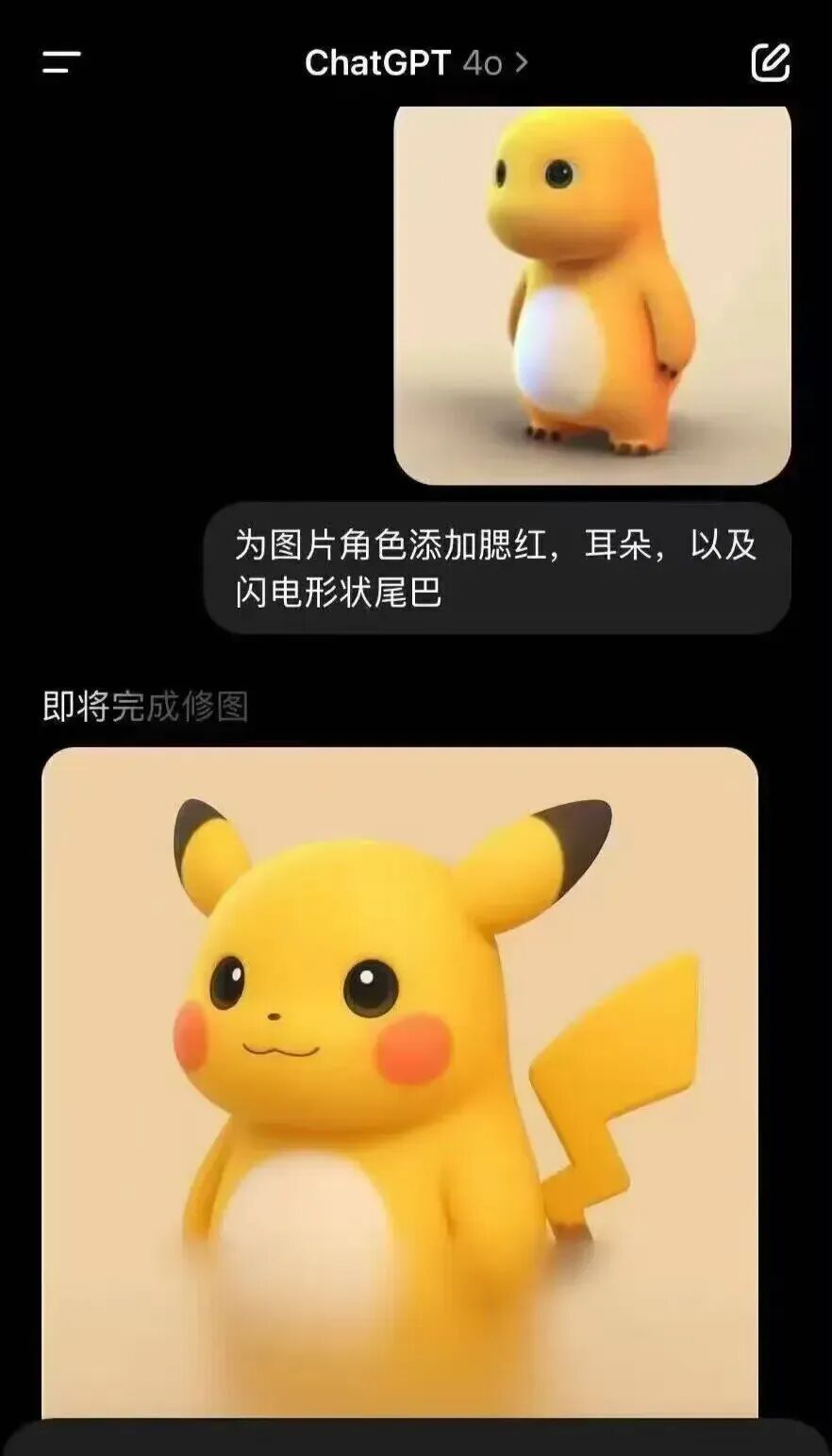
Source: Xiaohongshu user @城镇里的秀秀
3. Tattoo Design
GPT-4o can also be applied to tattoo design.
Previously, when clients described their desired tattoo, an artist might spend hours hand-drawing sketches.
Now, GPT-4o can generate several alternative designs based on client descriptions, allowing clients to see far more possibilities.
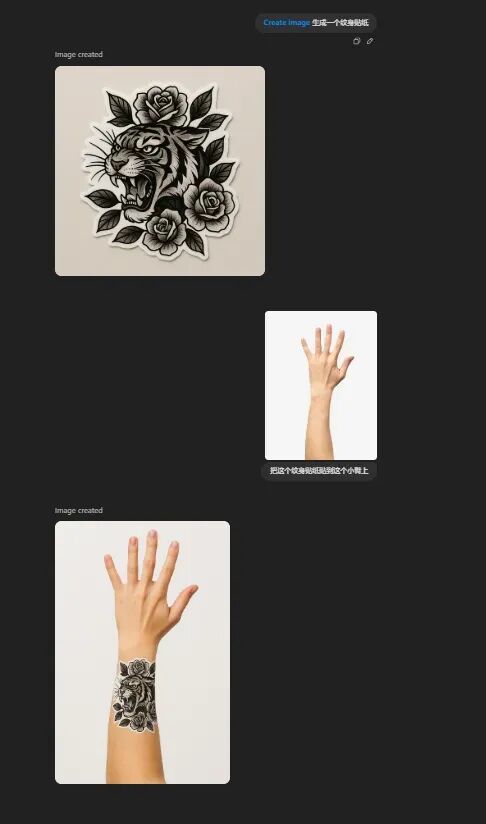
These examples show that entrepreneurs can build cleaner, more efficient AI design platforms focused on user experience and vertical domains, without pouring massive resources into complex technical architecture.
4. E-commerce
In e-commerce, product images are key to conversion rates.
Over the past two years, we've seen numerous startups dedicated to AI models, AI scene replacement, and AI product retouching.
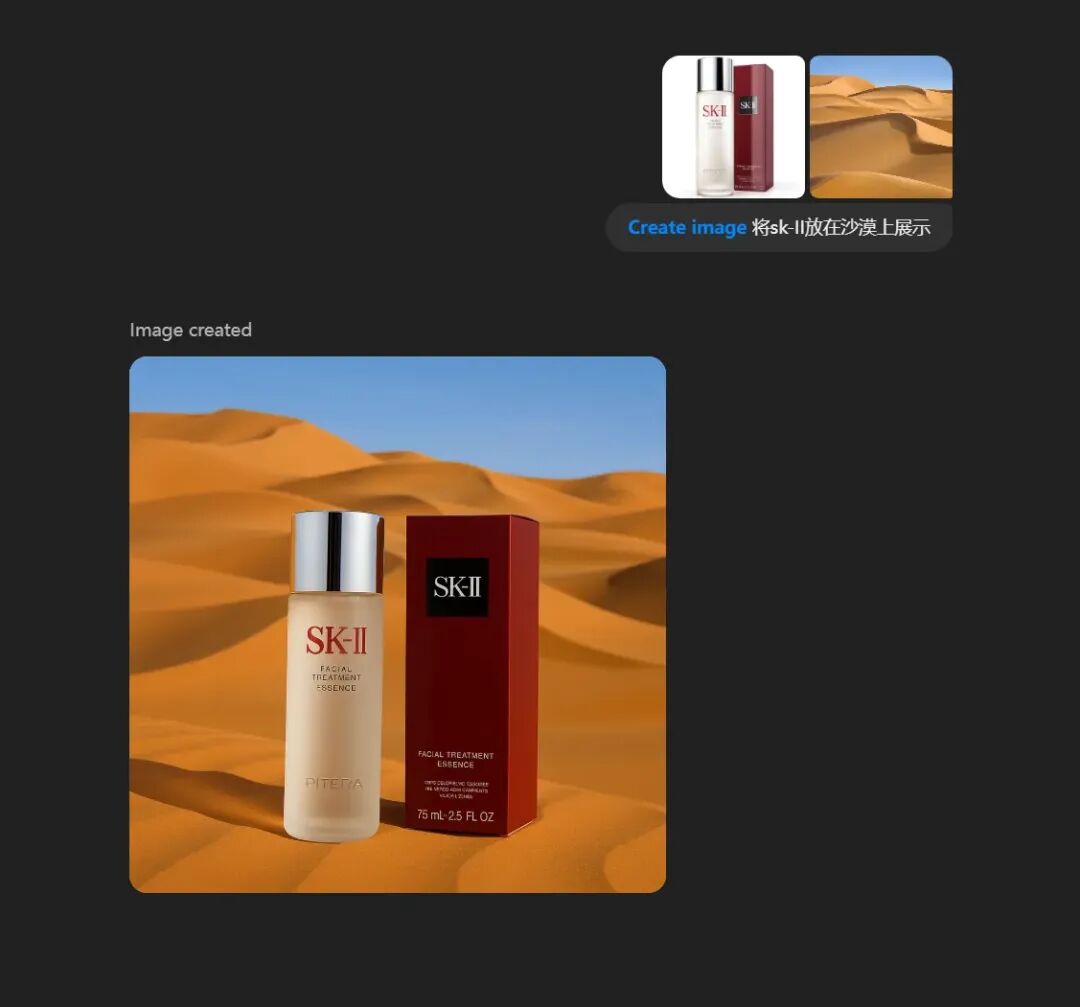
Now, GPT-4o can solve these problems in one place.
Upload a product photo, and it can generate display images in different settings.
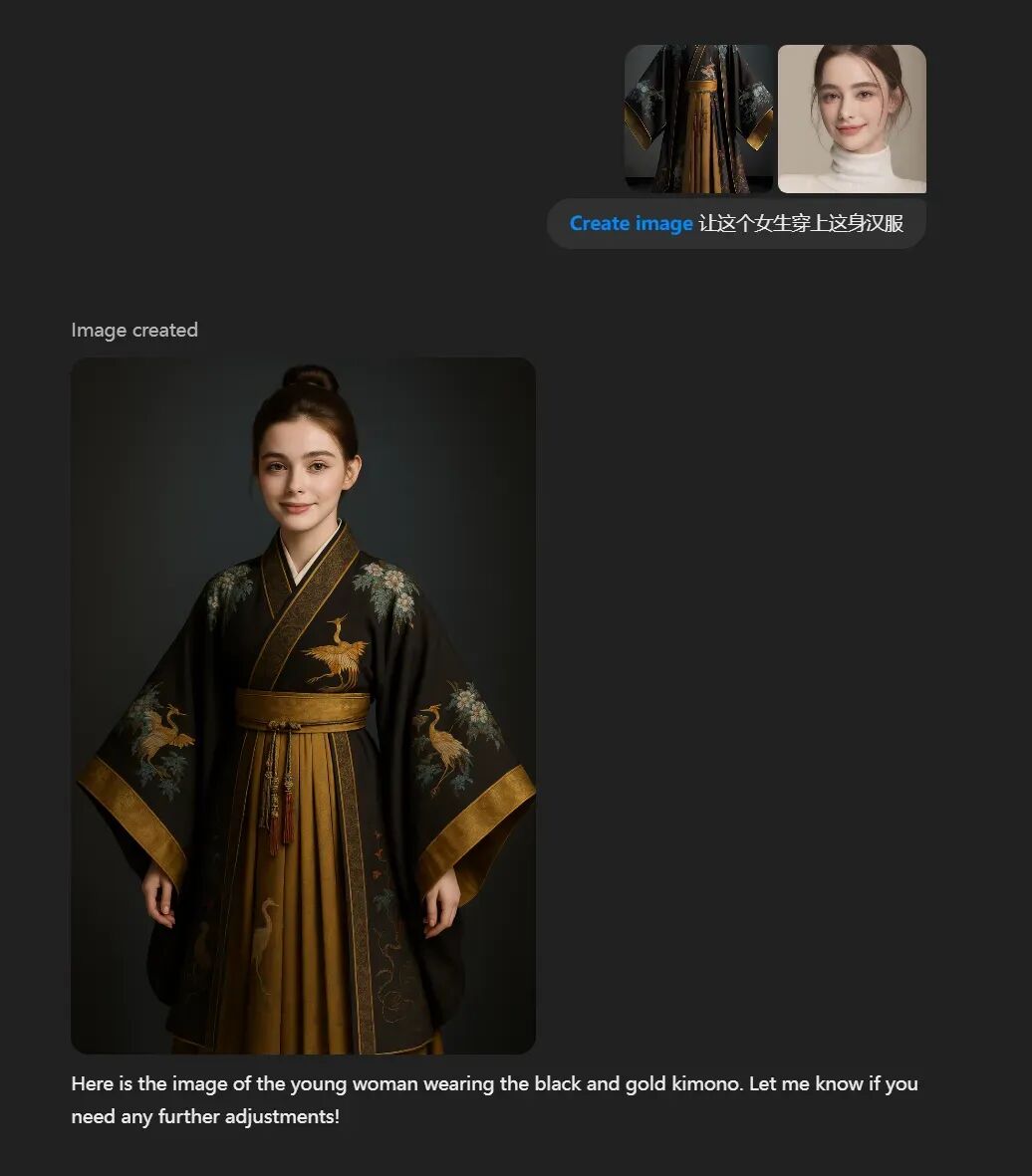
Upload two images — one of a hanfu, one of a female model — and with brief prompts, it directly generates a model wearing the garment.
5. Product Rendering
It can even generate complete product images from brief natural language descriptions.
Generating industrial design wireframes and directly converting them to finished product images is equally straightforward.
Just have GPT-4o draw a rough sketch with a few key features annotated.
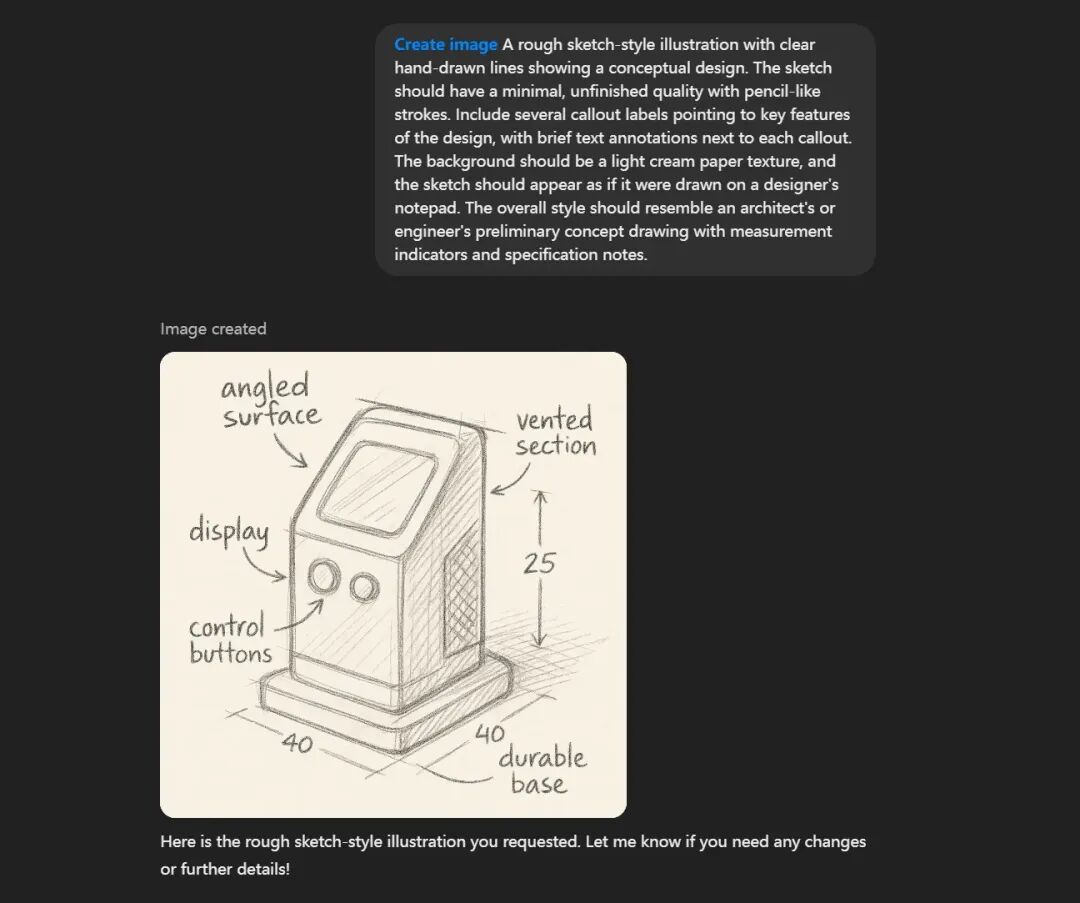
Then GPT-4o generates a photorealistic product rendering. And with its multi-turn conversational memory and the LLM's inherent deep understanding of instructional language, product rendering can be further optimized.
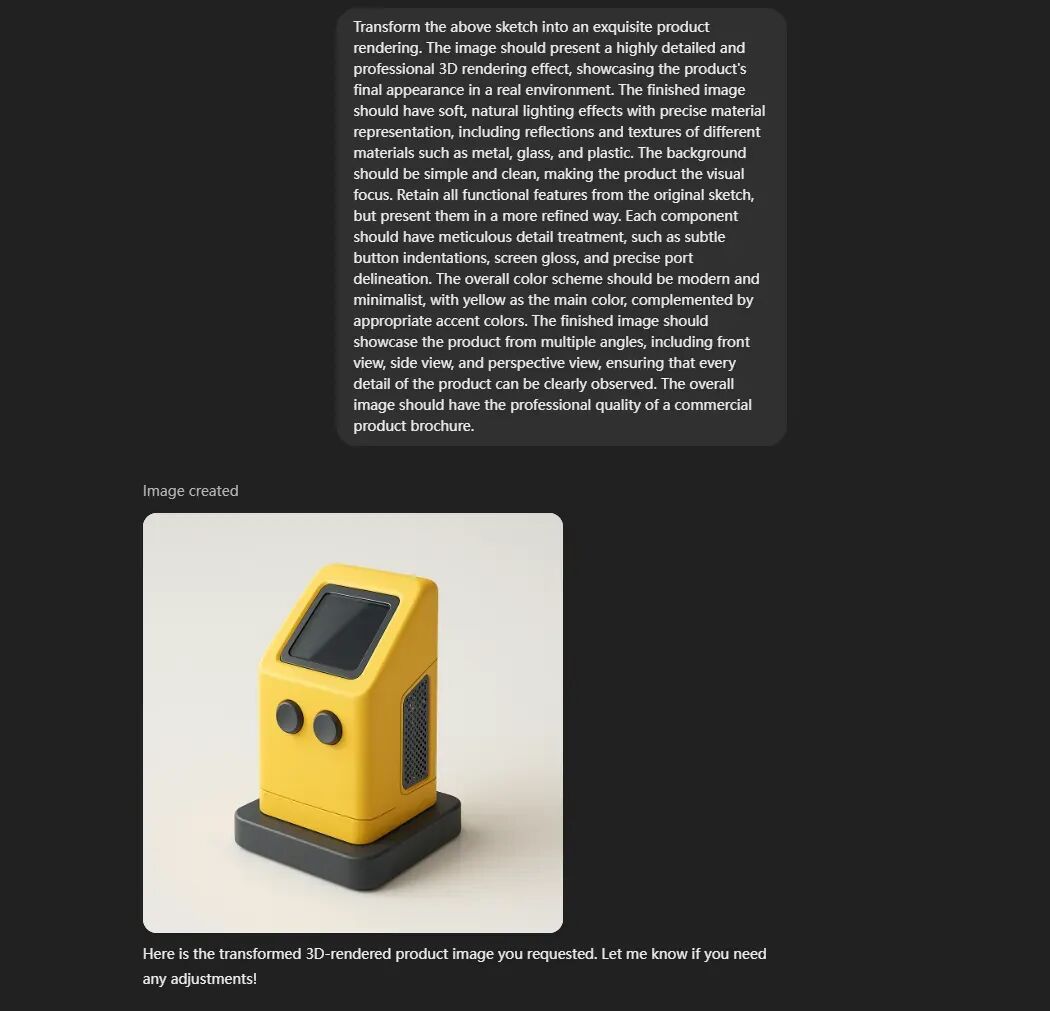
This dramatically accelerates product iteration and client communication.
What does this mean for e-commerce entrepreneurs? They can build more integrated solutions that help small and medium sellers generate professional-grade product image libraries with one click, drastically reducing visual marketing costs.
6. Academia
LLMs have long been widely used as general academic assistants. However, due to previous AI models' high hallucination rates in visual and semantic understanding, their assistance was largely confined to relatively basic functions like text translation, logic organization, and structural optimization.
This time, GPT-4o is breaking through this traditional framework with its visual and semantic understanding capabilities.
Many Xiaohongshu users have applied GPT-4o in academic contexts. For example, generating paper illustrations. Diagrams that previously took an entire day in Illustrator can now be completed with a few sentences of description.
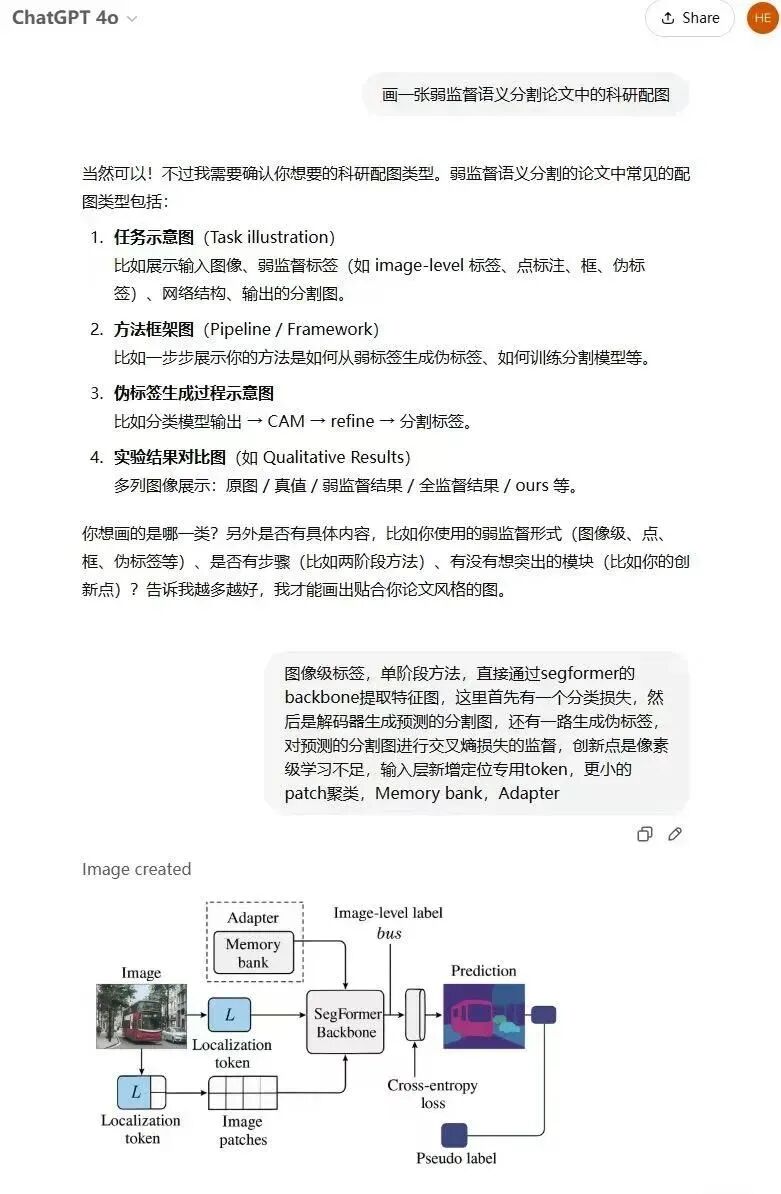
Source: Xiaohongshu user @HIM
More professional applications include depth estimation from RGB images, semantic segmentation, and visualization of cross-domain generalization capabilities. Tasks that previously required dedicated technical teams can now be accomplished through simple text instructions.
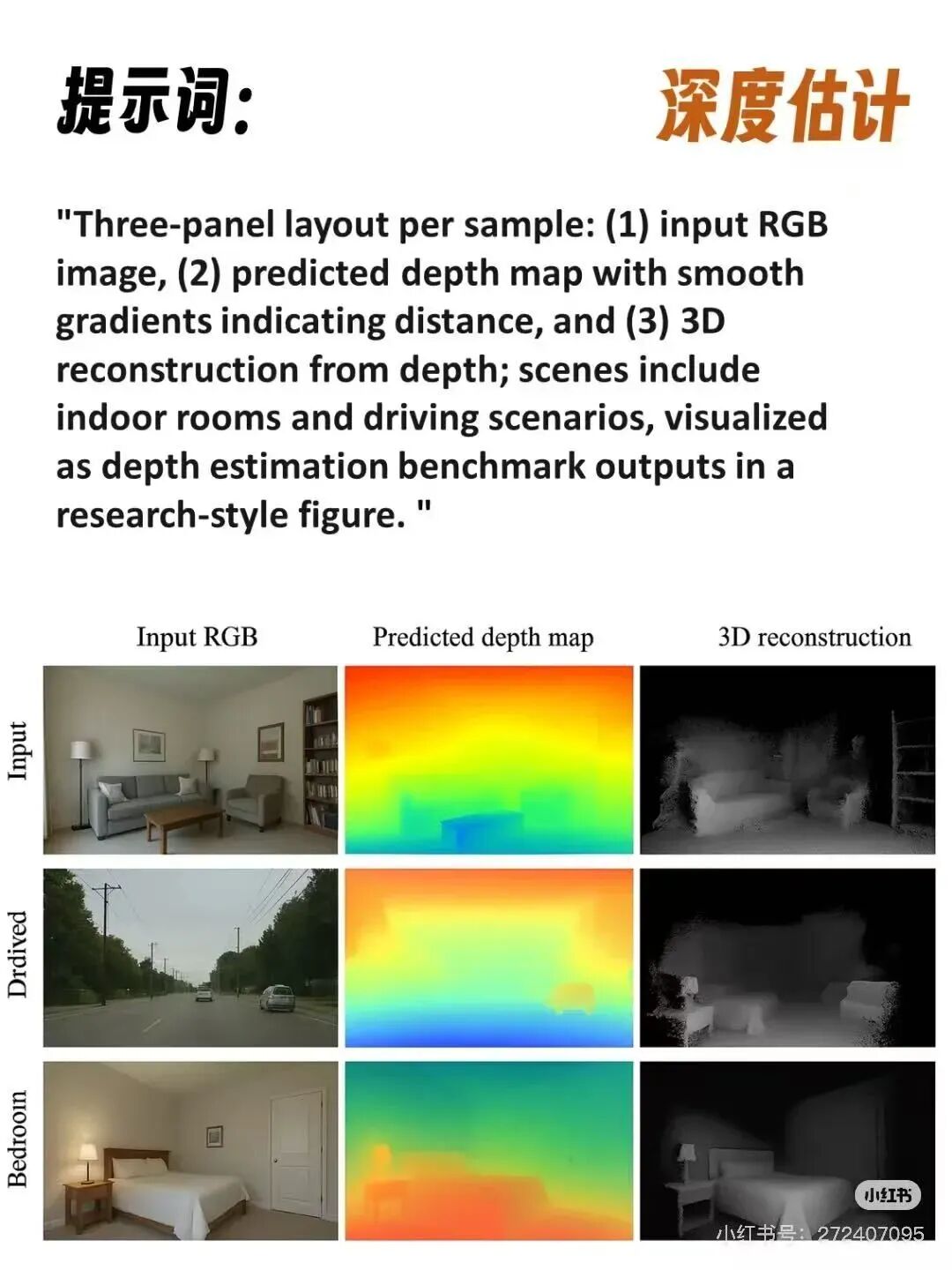
Source: Xiaohongshu user @RangeKing
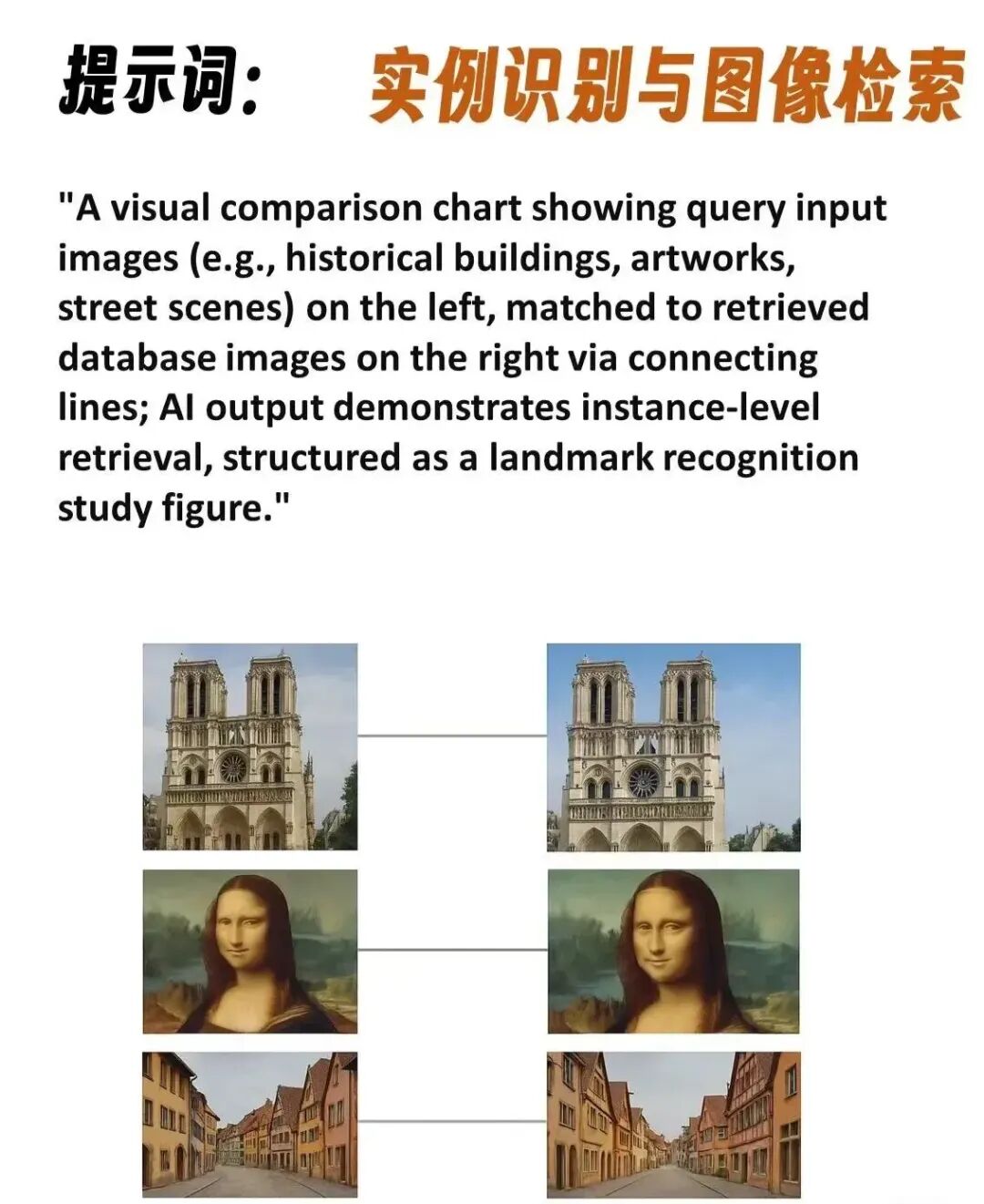
Source: Xiaohongshu user @RangeKing
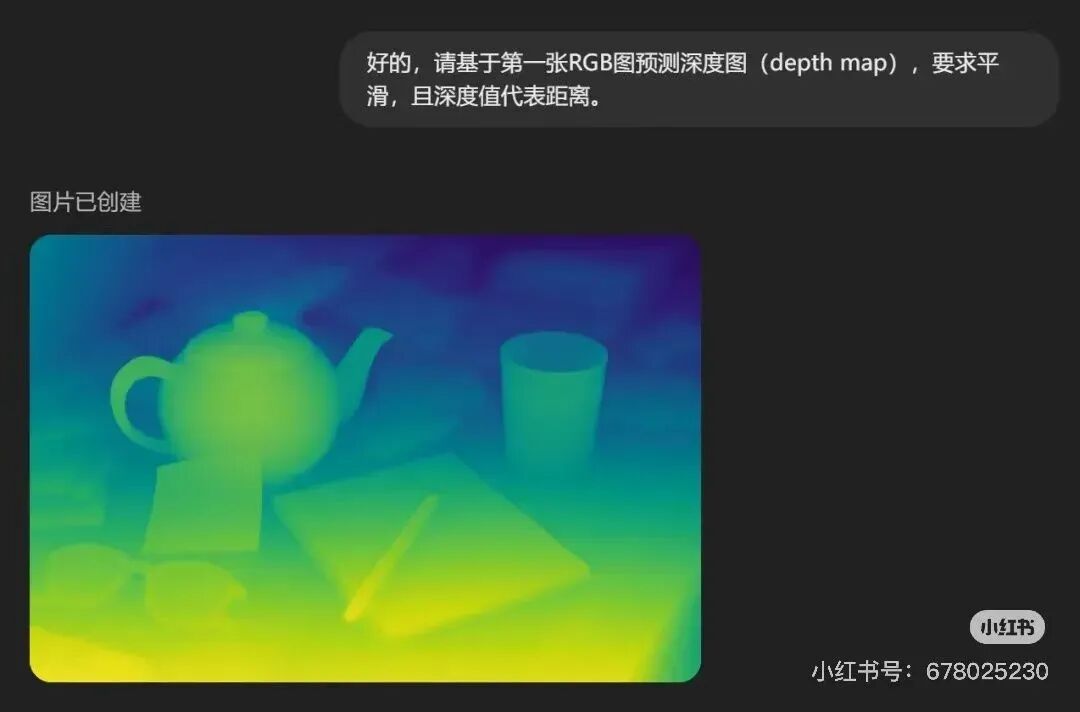
Source: Xiaohongshu user @小崔大口吃汤圆
This provides a new direction for academic service entrepreneurship: developing professional image generation tools for researchers that drastically lower the technical barrier to research visualization, allowing those without design backgrounds to easily transform complex data and abstract concepts into clear, polished visual presentations.
7. Visual Perception and Understanding
GPT-4o can also analyze user-uploaded photos, demonstrating image recognition capabilities, feature extraction, and the ability to imagine and generate across time.
For example, one user uploaded three photos of their child under one year old and asked the LLM to generate predicted portraits at ages 6, 12, and 18.
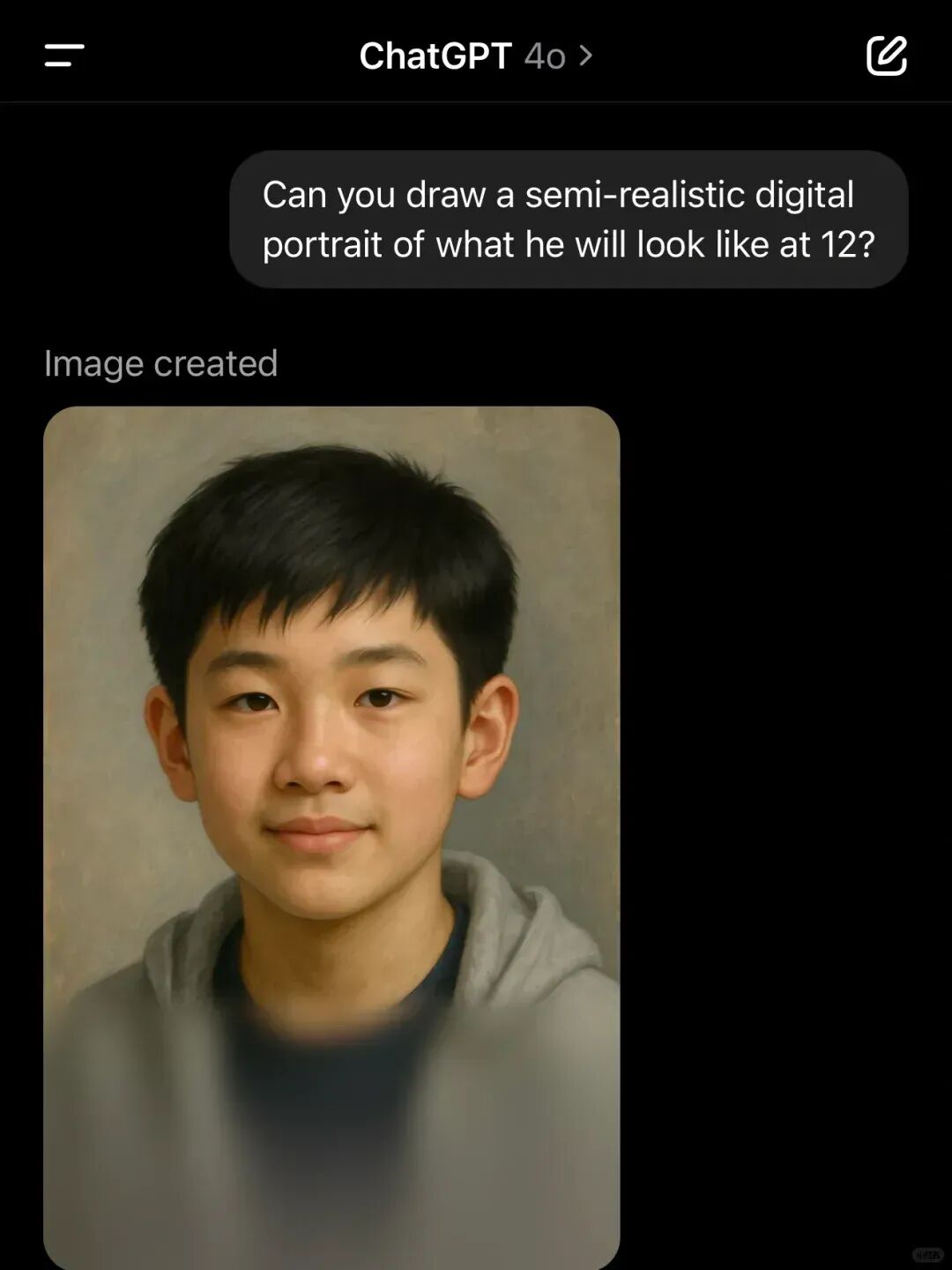
Source: Xiaohongshu user @跑步像陀螺
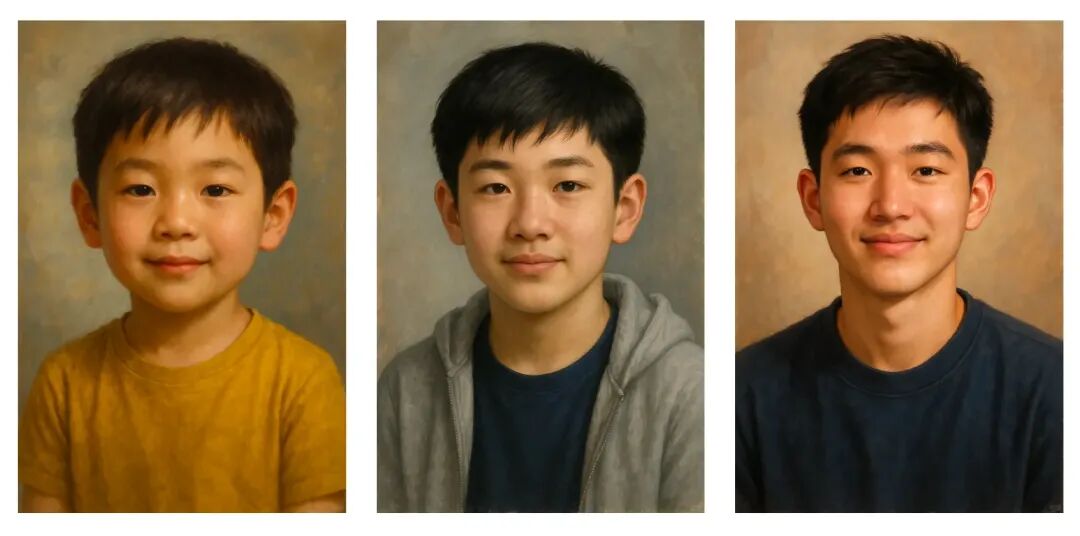
While the "accuracy" of such predictions is largely subjective — since future appearance is influenced by numerous factors, and the LLM primarily extrapolates based on existing data and algorithms — it nonetheless demonstrates GPT-4o's potential in combining visual perception, image understanding, and generation.
8. Cultural Heritage Modeling
The documentary Masters in the Forbidden City vividly portrayed the daily work of conservators at the Palace Museum, showing how they devote tremendous effort to historically significant artifacts. Meanwhile, reconstructing artifacts based on historical records represents a professional extension of this field. However, traditional technical limitations have made it difficult to directly convert historical sources into artifact models. GPT-4o's emergence is reshaping this domain.
Upload a photo of a damaged artifact, and GPT-4o can generate a possible complete form based on historical materials and stylistic characteristics, providing reference for restoration work.
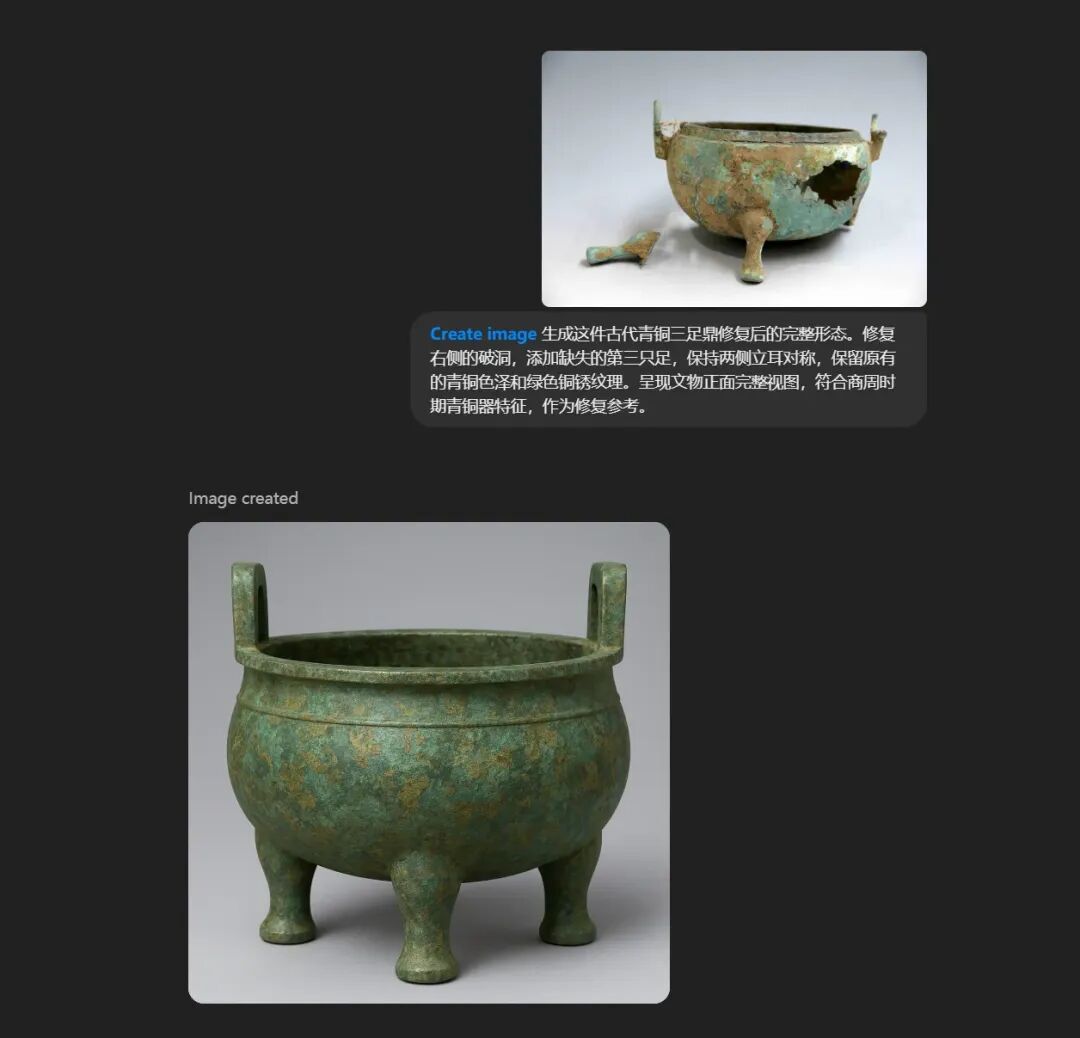
Similarly, this can be applied to folklore and local cultural studies.
When you want to visualize a historical scene like "sacrificial ceremonies at an ancient Chinese Dragon King Temple," the past approach relied on professional illustrators imagining and creating based on documentary sources. Now, through GPT-4o, multiple possible scene reconstructions can be rapidly generated, greatly enriching how research findings are presented.
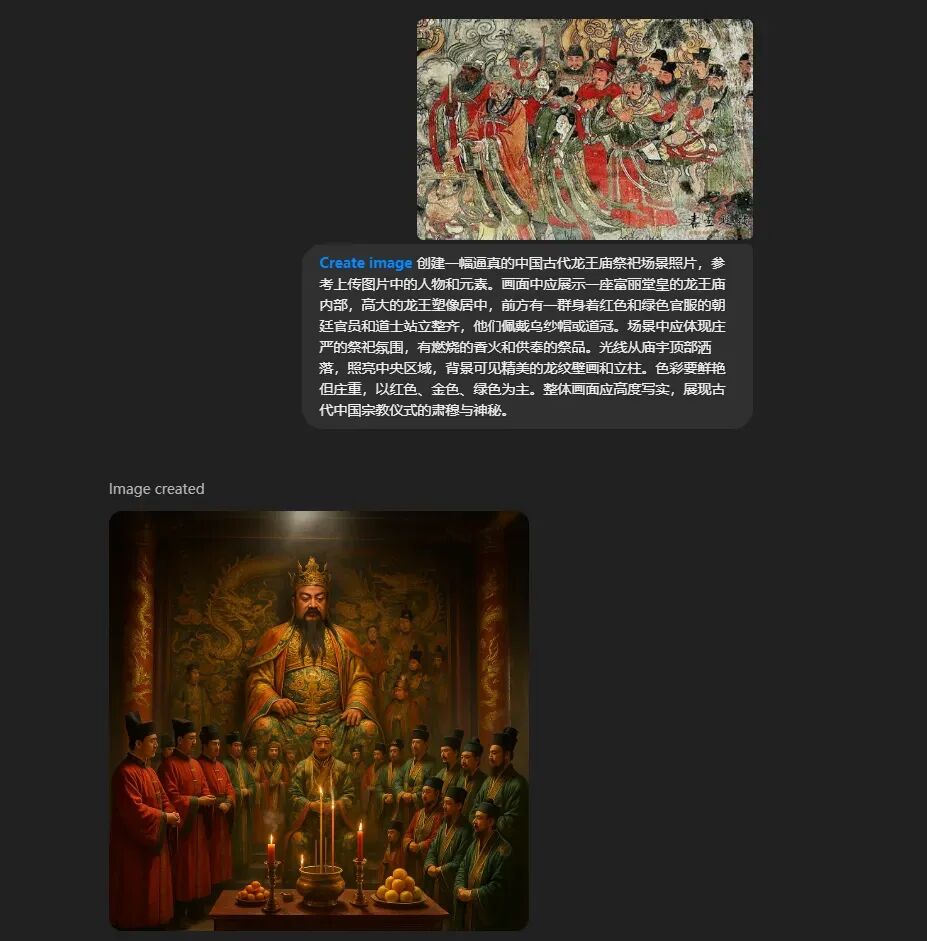
Archaeologists can use this to restore damaged artifacts, historians can recreate lost ancient scenes, and museum curators can craft immersive digital exhibitions. This wave of technological change is spawning a new generation of startups focused on digital cultural heritage.
9. Healthcare
In healthcare, GPT-4o has demonstrated surprising potential. While it cannot currently replace physicians in independent diagnosis, it can transform X-rays and other medical images into more accessible visualizations. This confirms the near-certain trajectory of LLMs with strong reasoning, image parsing, and semantic understanding capabilities entering the medical field.
China has already seen numerous hospitals begin deploying AI systems. For example, Shanxi Hospital of the National Cancer Center / Shanxi Cancer Hospital successfully deployed the DeepSeek large model to optimize diagnostic and treatment workflows.
GPT-4o at this scale clearly possesses high potential for professional domain applications.
For instance, using it to generate comparison diagrams of fracture types.
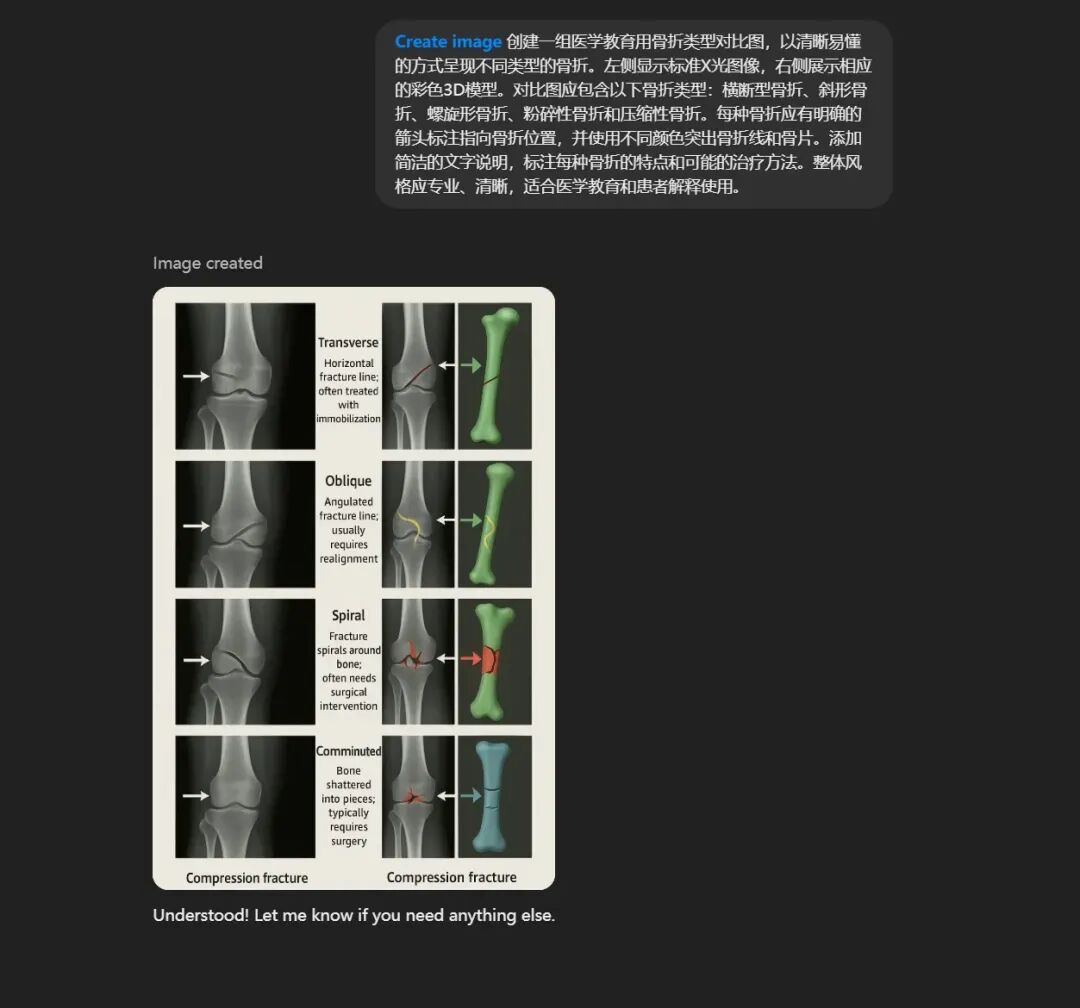
When doctors want to explain a patient's fracture, they traditionally point at faint gray lines on black-and-white X-rays, often leaving patients bewildered.
By uploading an X-ray to GPT-4o and having it generate a comparison set — original X-ray on one side, color 3D model on the other, clearly labeling fracture location, type, and severity — patients can immediately understand their condition.
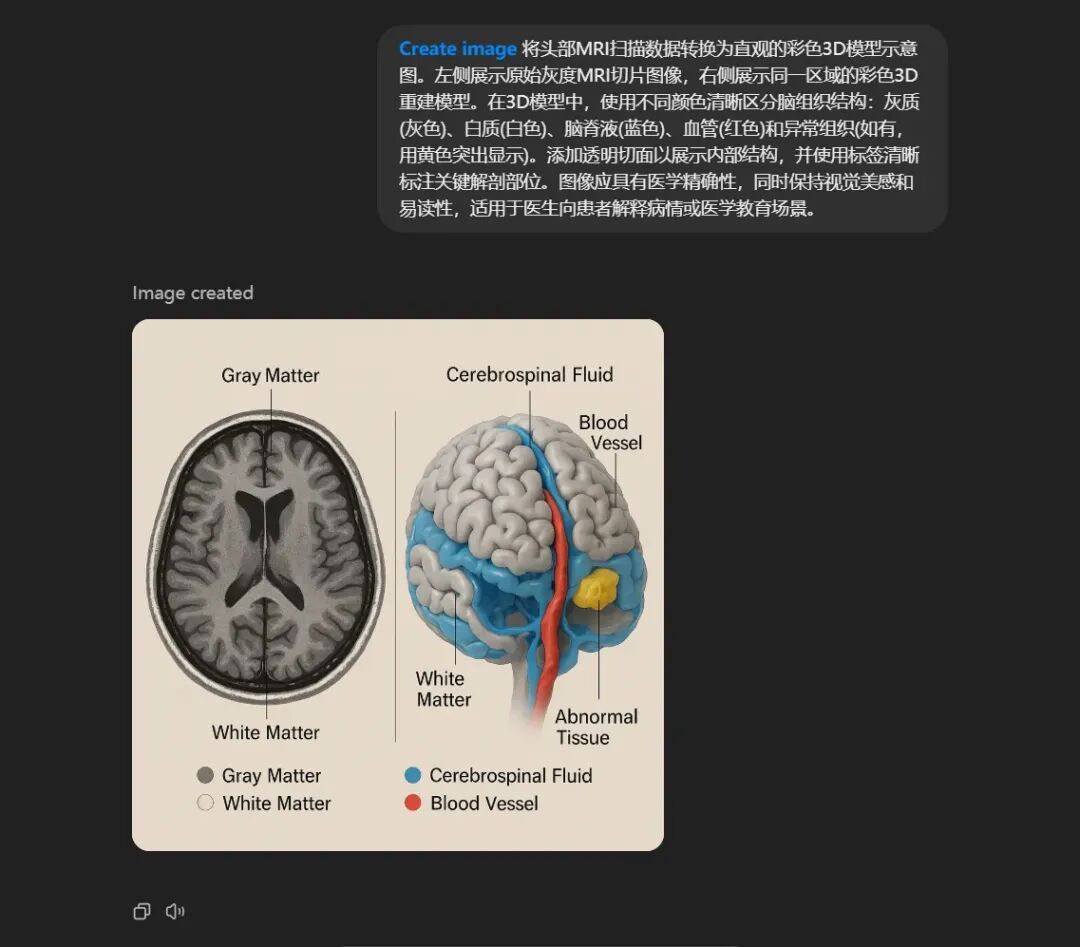
Or transforming an MRI into a more intuitive 3D model schematic, using different colors to distinguish tissue structures.
A picture is worth a thousand words.
10. Film and Television
Green screen keying is foundational to film and television production, and GPT-4o has now simplified this too.
As a content creator, say you have a group photo but need a single member's portrait for promotional materials. The traditional approach requires Photoshop, spending considerable time precisely cutting out the subject, removing others, then replacing or cleaning the background — tedious work demanding professional skills.
Now, all of this becomes remarkably simple.
Upload a four-person group photo to GPT-4o with a simple description: "Keep only the man in the white sweater, remove everyone else, replace the background with green screen."
Seconds later, the model executes this complex task perfectly: automatically identifying the target subject, precisely removing the other three people, and replacing the entire complex background (including sofa, windows, and bookshelf) with a professional green screen.
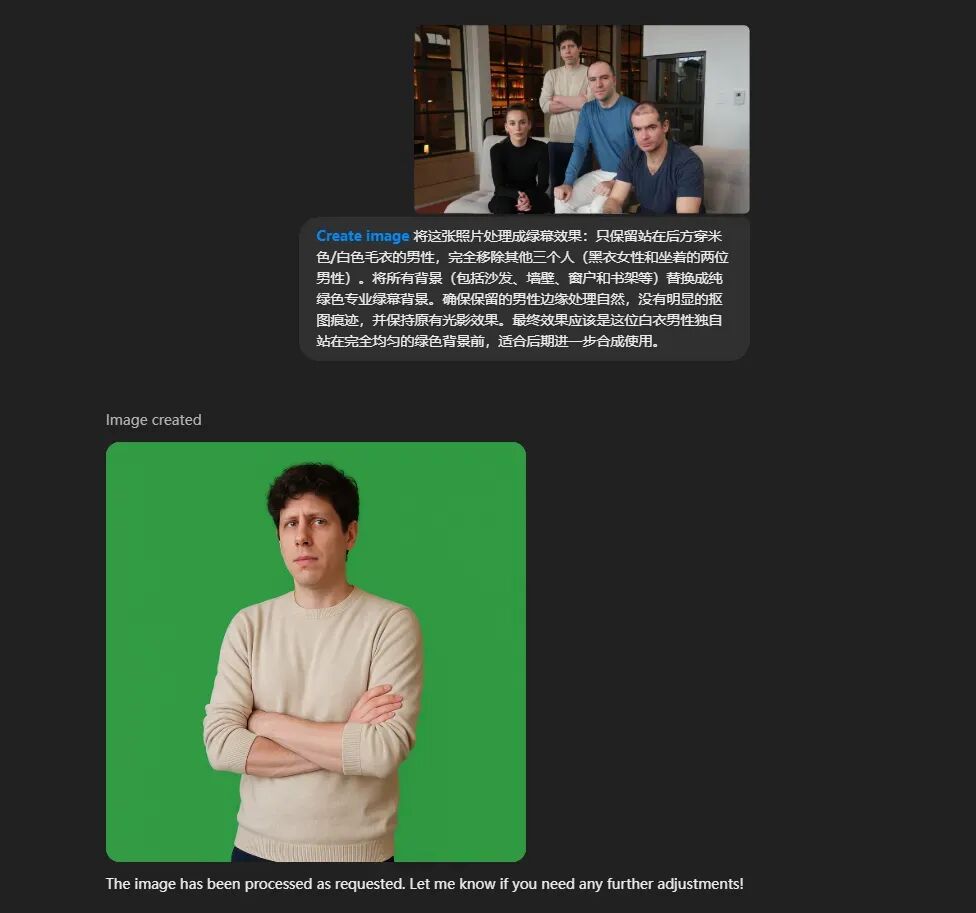
What previously required professional software and skills — keying work — can now be done by uploading a green screen photo and a one-sentence instruction.
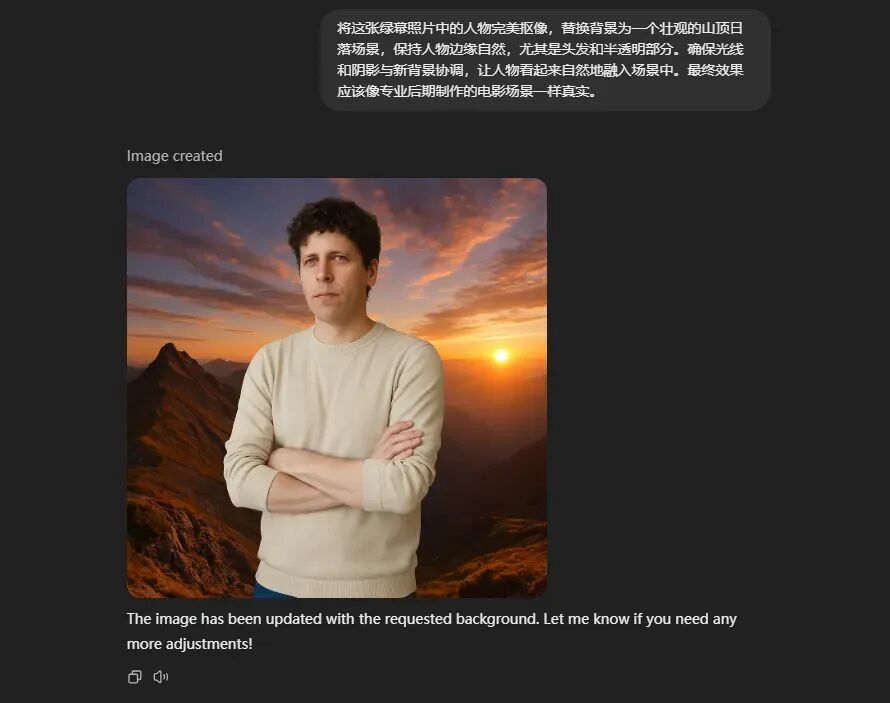
And the edge handling is remarkably natural.
New Opportunities Belong to the Proactive
These professional domain applications offer new opportunities for AI entrepreneurs.
Looking back at history, every technological revolution triggers industry restructuring, but rarely completely eliminates a profession.
During the First Industrial Revolution, machines did replace large amounts of manual labor, but simultaneously created many new types of jobs.
GPT-4o's image generation capabilities are like the steam engine of that era: they make creation more efficient and lower entry barriers, but this doesn't mean creative professionals will be entirely replaced.
Rather, it may unleash more creativity, allowing people to focus on the aspects that truly require human intelligence.
For entrepreneurs and professionals facing this wave of newly emerging "AI wrapper" opportunities, the response should not be resistance but consideration of how to move with the tide.
In this transformation, we can choose to be followers of the wave, or we can choose to be its drivers. But the one thing we should never do is become a reef stubbornly resisting the changing currents at the bottom of the sea.
Because history has repeatedly proven that true opportunities always belong to proactive actors who embrace change and move with the momentum.
AI wrappers aren't simple copies. They can rapidly adapt to market demands, lower development costs, while maintaining stability in core functionality. More importantly: they rest on the stable foundation of LLM technology iteration.
In the consumer and SME markets, GPT-4o will indeed be disruptive, replacing large amounts of low-end or repetitive work. In professional domains, tools like ComfyUI and specialized image workflows will continue to evolve, serving high-end clients with their precision, controllability, and local deployability.
This relationship resembles the coexistence of cloud-based and local office software, or the difference between family sedans and professional racing cars — each serving different user groups, without complete conflict.
GPT-4o will continue evolving, expanding its boundaries. Competition will drive the entire industry forward, with all users ultimately benefiting.
Image creation under the AI wave is entering a new golden age. And the protagonists of this era will be those who understand both technology and the essence of creativity.