Just now, Wenxin 5.0 was released, and we had it watch an episode of *Infernal Affairs*.

"Native Full Modality": Is It Legit?
Is "Native Omni-Modality" Legit?

👦🏻 Author: Jingshan
🥷 Editor: Koji
🧑🎨 Layout: NCon

Early yesterday morning, OpenAI officially released GPT-5.1. Beyond raw benchmark performance, tech communities were equally fixated on its more "human-like" interactive experience.
Coincidentally, just before OpenAI dominated the headlines, a model called "ERNIE-5.0-Preview-1022" had already sparked heated discussion across Chinese and international communities after appearing on the overseas LMArena leaderboard, tying for second place globally and ranking first domestically on the text chart.
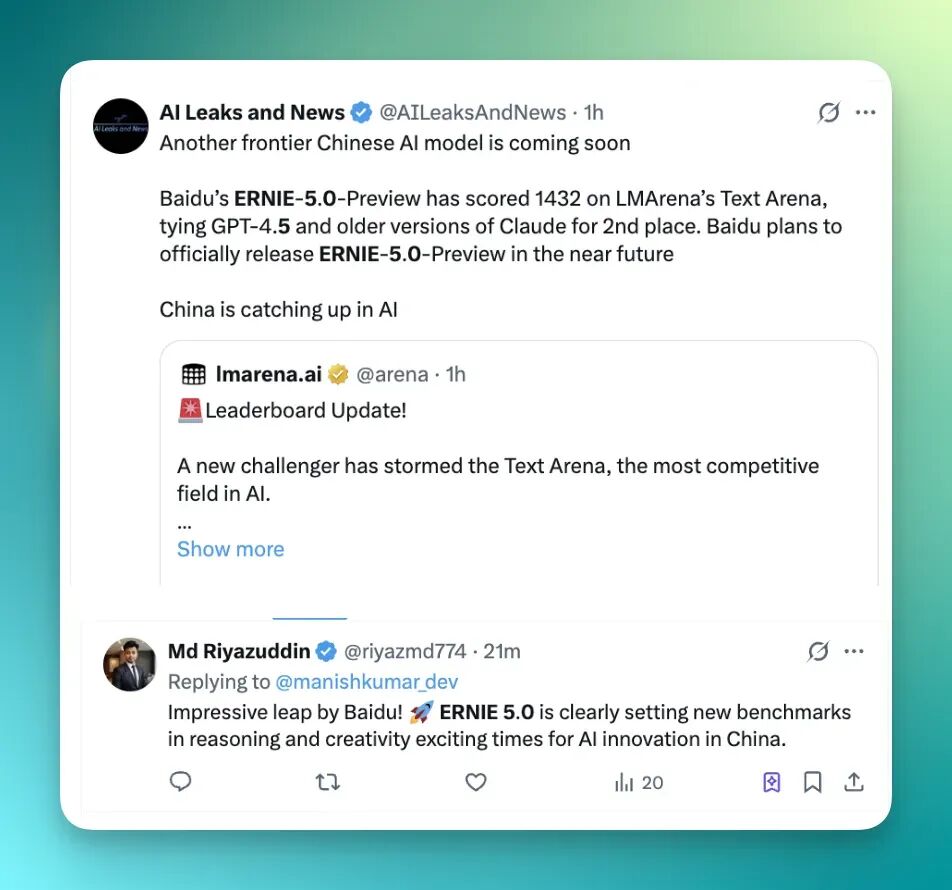
The reason it drew such attention: standout performance in creative writing, complex long-form question comprehension, and instruction-following — surpassing GPT-5-High and other mainstream domestic and international models.
This model is the preview version of Baidu's ERNIE 5.0, officially released today.
Beyond creative writing, Baidu's launch event also showcased ERNIE 5.0's strengths in multimodal understanding, instruction-following, factual accuracy, agent planning, and tool use.
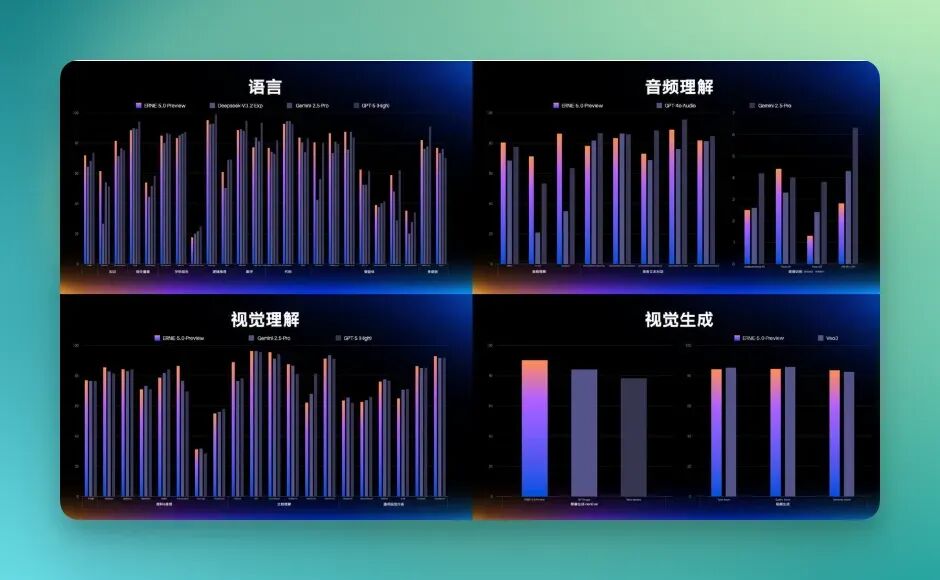
Behind all this, the core technical signature of Baidu's ERNIE large model isn't its 2.4 trillion parameter scale, but rather an innovative technical approach: "Native Omni-Modality."
This comes just four months after our deep dive into ERNIE 4.5's open-source series multimodal capabilities in "Baidu Open-Sources 10 Models in One Go: A Deep Dive into Its Open-Source Technical Report".
So how much has ERNIE 5.0 evolved from 4.5? And what exactly is this "native omni-modality" it's pushing?
🚥
Next, we'll share our understanding and comprehensive real-world test results of ERNIE 5.0, this "native omni-modal" large model.
First, Why Do We Need "Native Omni-Modality"?
First, "omni-modality" means: text + image + audio + video.
Omni-modality is gaining attention because "multimodality" has long had an unspoken "window paper" problem: the vast majority of models today are relatively impoverished when it comes to modalities.
What "native omni-modality" aims to do is cultivate a "generalist." The key to becoming a generalist is starting from pre-training, simultaneously receiving "mixed native training" across language, images, video, and audio.
All modality data is fused at the model's underlying architecture level, with the goal of achieving native, unified understanding and generation.
Why is this hard?
Because different modalities have vastly different data characteristics — images are spatially parallel, while speech is temporal. This means fusing these modalities into a unified architecture and getting the previously separate tasks of "understanding" and "generation" to reinforce each other requires enormous technical investment.
This is also why attention on "native omni-modality" has concentrated on major players.
So why do we urgently need native omni-modality now?
One reason: in today's "model-as-a-service" era, AI vendors are competing for more than just technical leadership. What's more critical is integrating AI into business operations — and right now, much of the industry's focus is locked on complex business scenarios, more competitive than ever.
Omni-modal AI is more flexible than single-modality systems, adaptable to different scenarios and applications, "like a human" satisfying more diverse needs and improving experience.
Put simply, users are no longer satisfied with text-only Q&A; they're increasingly inclined toward interaction through "image thinking" and "video thinking" — a trend anyone active on social and short-video platforms will recognize.
So investing more resources in developing "native omni-modal" models is a natural next step, and precisely why ERNIE 5.0 caught our attention.
To verify ERNIE 5.0's "native omni-modal" model in practice, we ran a series of real-world scenario tests:
The Real Value of "Native Omni-Modality"
1) Infernal Affairs Video Analysis
First up for testing was the iconic rooftop scene from the hugely popular film Infernal Affairs — a scene where everyone seems to have their own interpretation.
So I wanted to put ERNIE 5.0 Preview's video understanding to the test.
This dialogue clip between Andy Lau and Tony Leung:
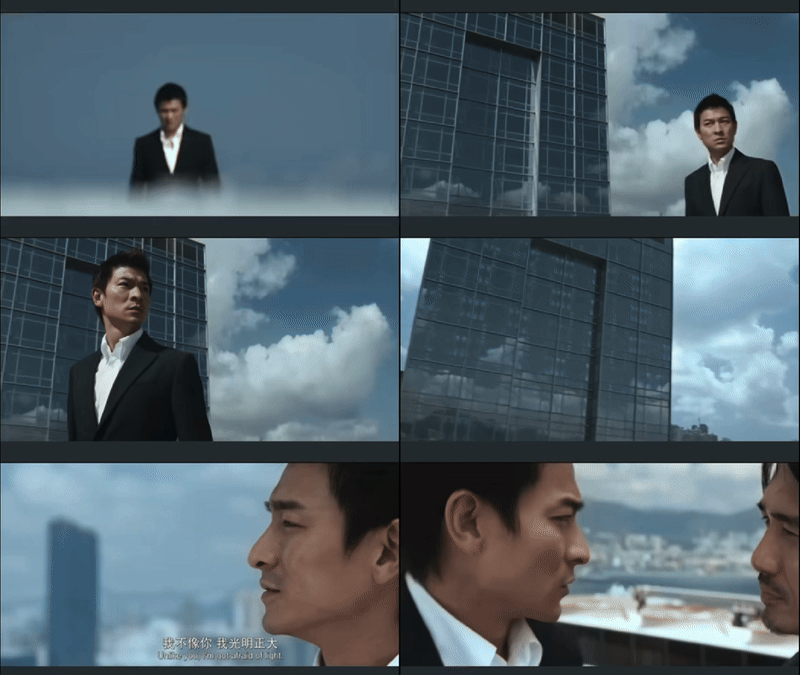
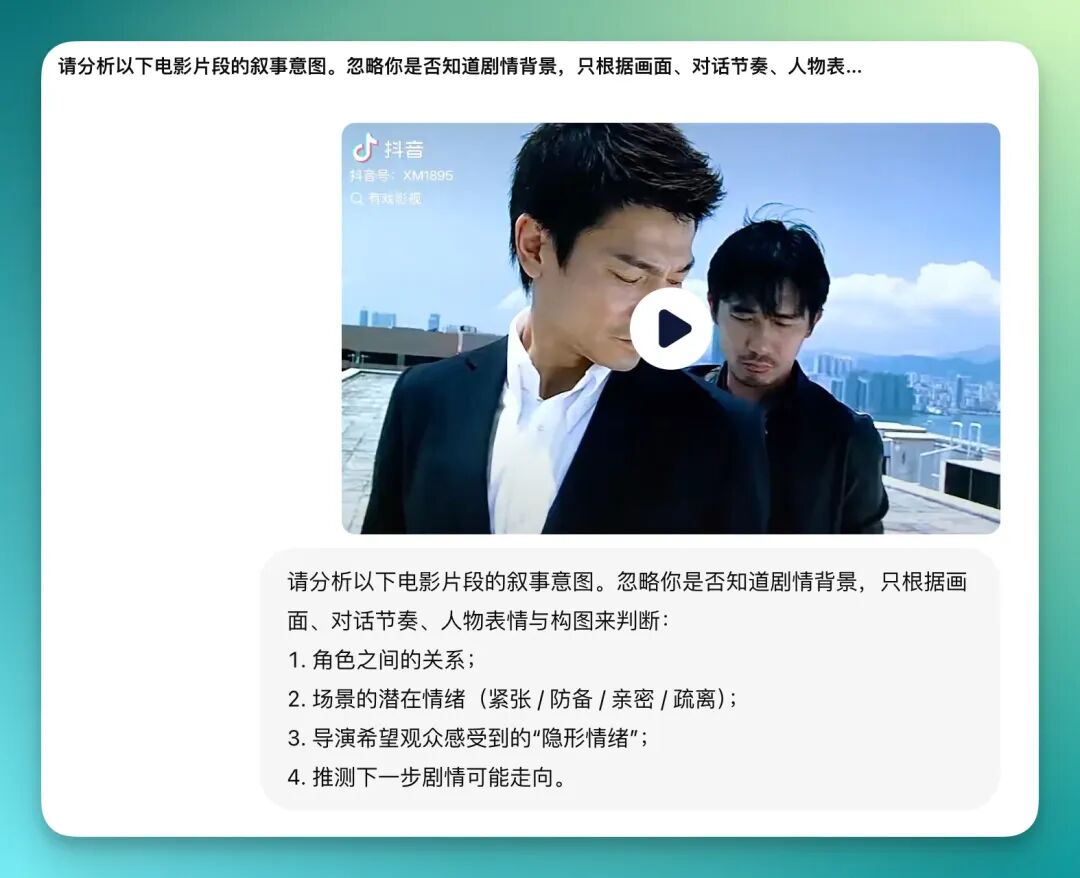
You can directly upload this video to ERNIE 5.0 Preview (though there's a file size limit; the Infernal Affairs clip is 56 seconds), asking it to explain the emotional shifts and story progression, with this prompt:
Please analyze the narrative intent of the following film clip. Ignore whether you know the plot background; judge solely based on visuals, dialogue pacing, facial expressions, and composition: 1. The relationship between characters; 2. The scene's underlying emotion (tension / defensiveness / intimacy / distance); 3. The "invisible emotion" the director wants the audience to feel; 4. Speculate on likely next plot developments.
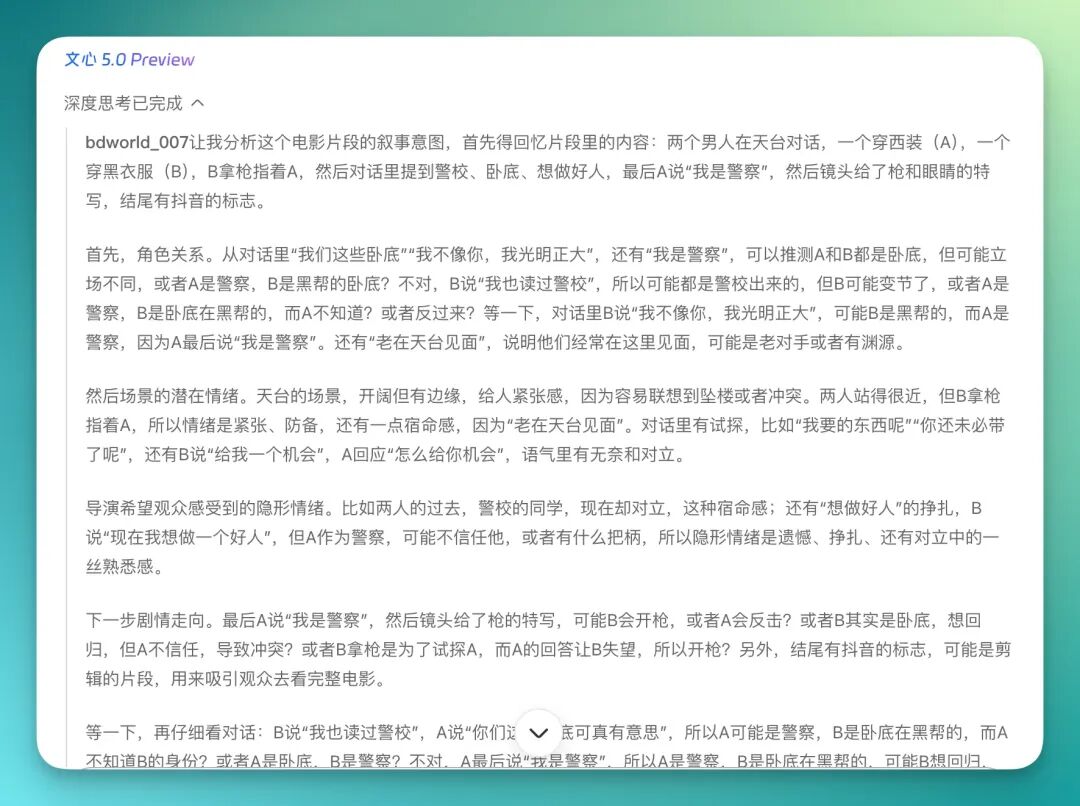
In ERNIE 5.0 Preview's deep reasoning chain, I found it could already conduct deep emotional analysis based on video frame details, identifying emotional fluctuations between characters.
And the entire deep reasoning process was remarkably fast.
It even visually identified character relationships, underlying scene emotions, plot direction, and subtle gestures between the two men:
In the final output, I found ERNIE 5.0 Preview could extract and synthesize multi-layered emotional information from multimodal inputs spanning text, image, and video.
In this analysis, ERNIE 5.0 Preview not only understood the textual content of character dialogue, but also identified emotional signals in images and video (facial expressions, environmental atmosphere), even incorporating shot close-ups (like the gun close-up).
For example, when analyzing Character B's classic struggle of "wanting to be a good person," ERNIE 5.0 Preview accurately inferred emotional shifts through video details (like B's subtle expression changes) and dialogue content:
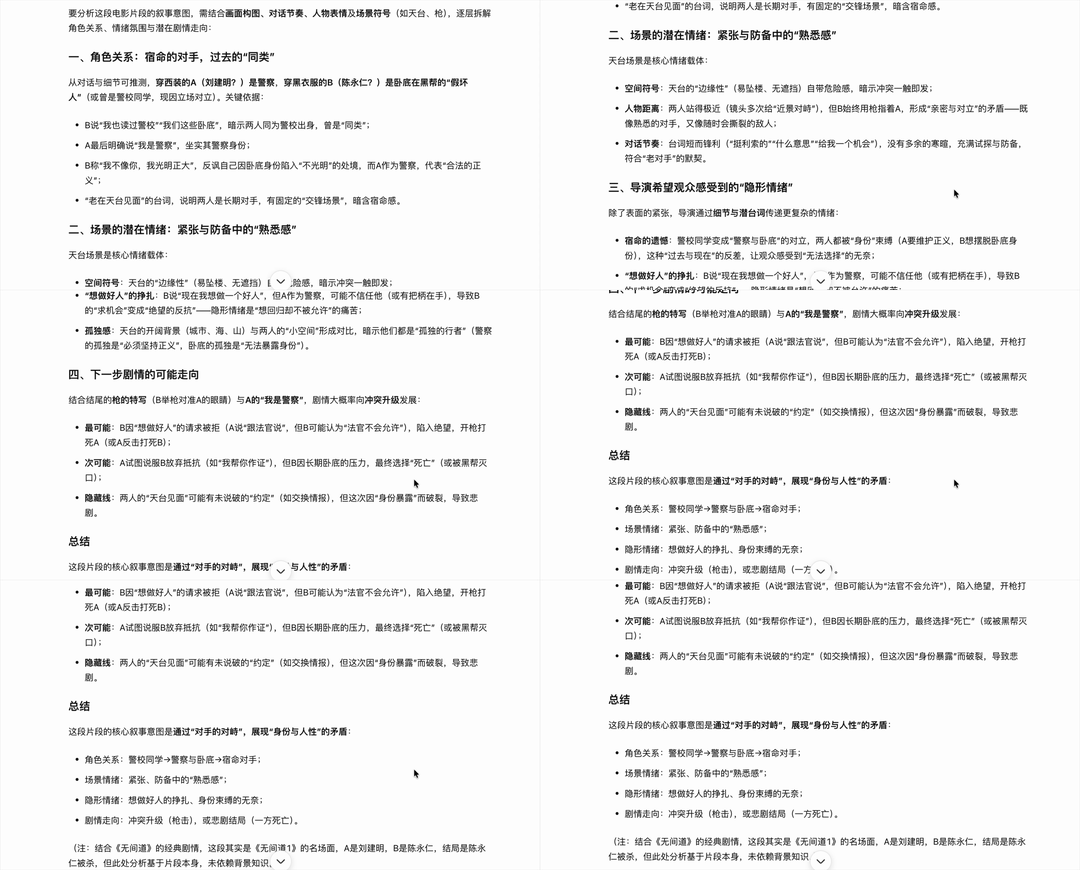
I initially assumed ERNIE 5.0 Preview had simply searched its training data, recognized this as an Infernal Affairs clip, and pulled answers from web information.
But in its final sentence, ERNIE 5.0 Preview specifically emphasized: no background knowledge relied upon.

Afterward, I continued prompting ERNIE 5.0 Preview:
Output the most tense clip from the video
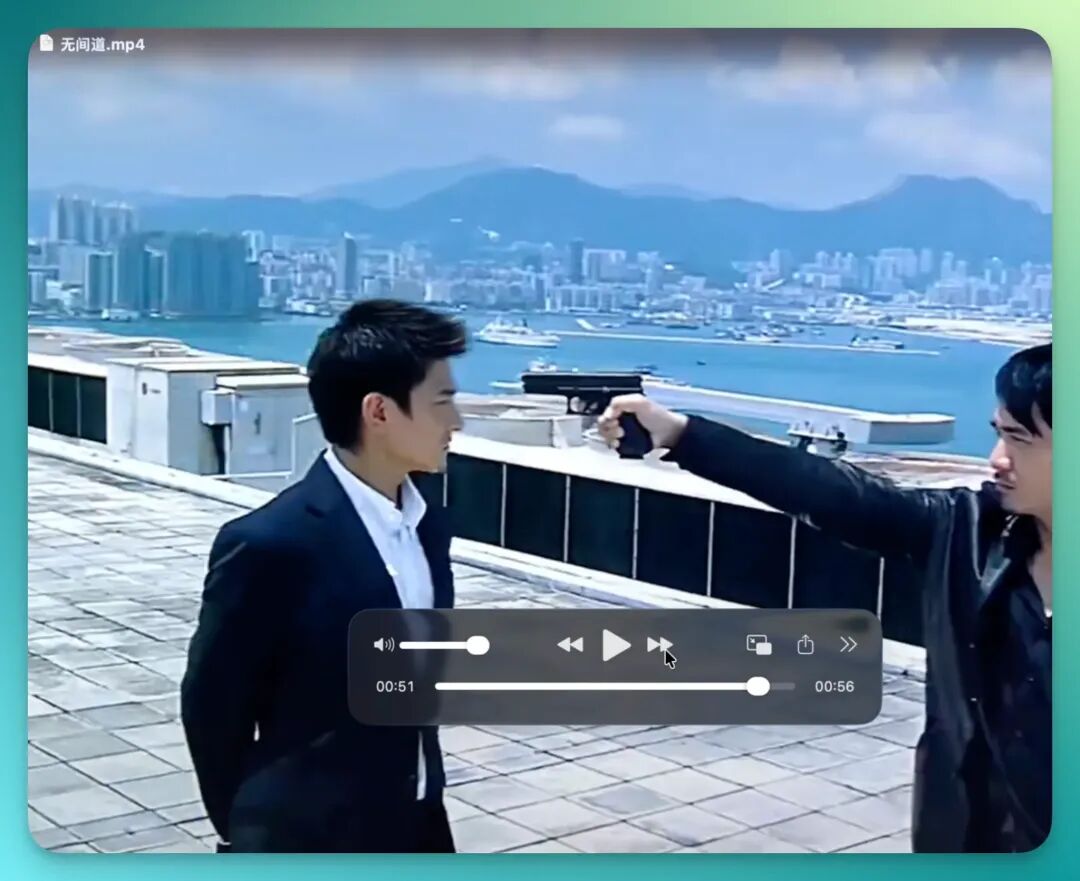
Though it couldn't take screenshots, it precisely located the original video position and recommended frames:

To verify its accuracy, I specifically checked the original video and found its recommended segment closely matched:
After testing ERNIE 5.0 Preview's emotional analysis in complex scenarios, I decided to push further — could it natively parse scenes combining video content with complex logic?
I chose the classic Zen debate scene from the TV series The Way of Heaven, this clip:
The prompt:
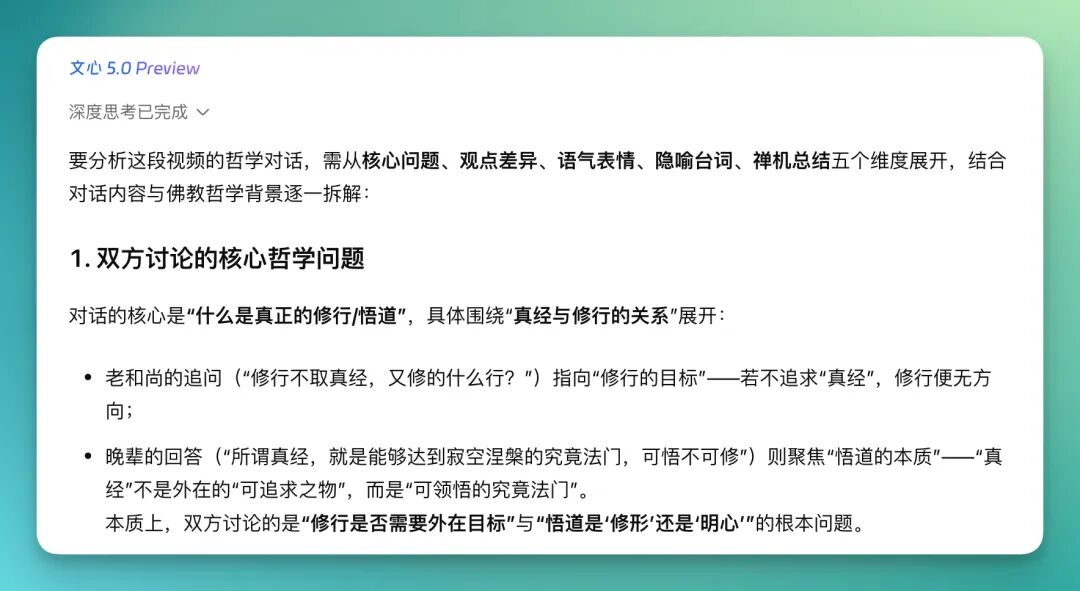
Please comprehensively analyze the following video clip's linguistic content, tone, expression, and shot transitions: 1. What is the core philosophical question under discussion? 2. How do their viewpoints differ? Identify logical positions. 3. What emotions or psychology do speaking tones and expressions convey (calmness, confidence, irony, inquiry)? 4. Which lines carry metaphorical meaning? Explain their deeper intent. 5. Summarize the "Zen mechanism" or philosophical tension of this dialogue in one sentence.
ERNIE 5.0 Preview could grasp emotional undulations from dialogue tone, expressions, even metaphors. It genuinely seemed to read the emotional logic behind people, analyzing language while understanding atmosphere.
This granular analysis and rapid reasoning demonstrated the advantages of native omni-modality:
3) Relationship Mapping Diagram
Next, we tested ERNIE 5.0 Preview's image parsing paired with complex interpersonal relationship analysis.
The image below is an interesting relationship map I found online:
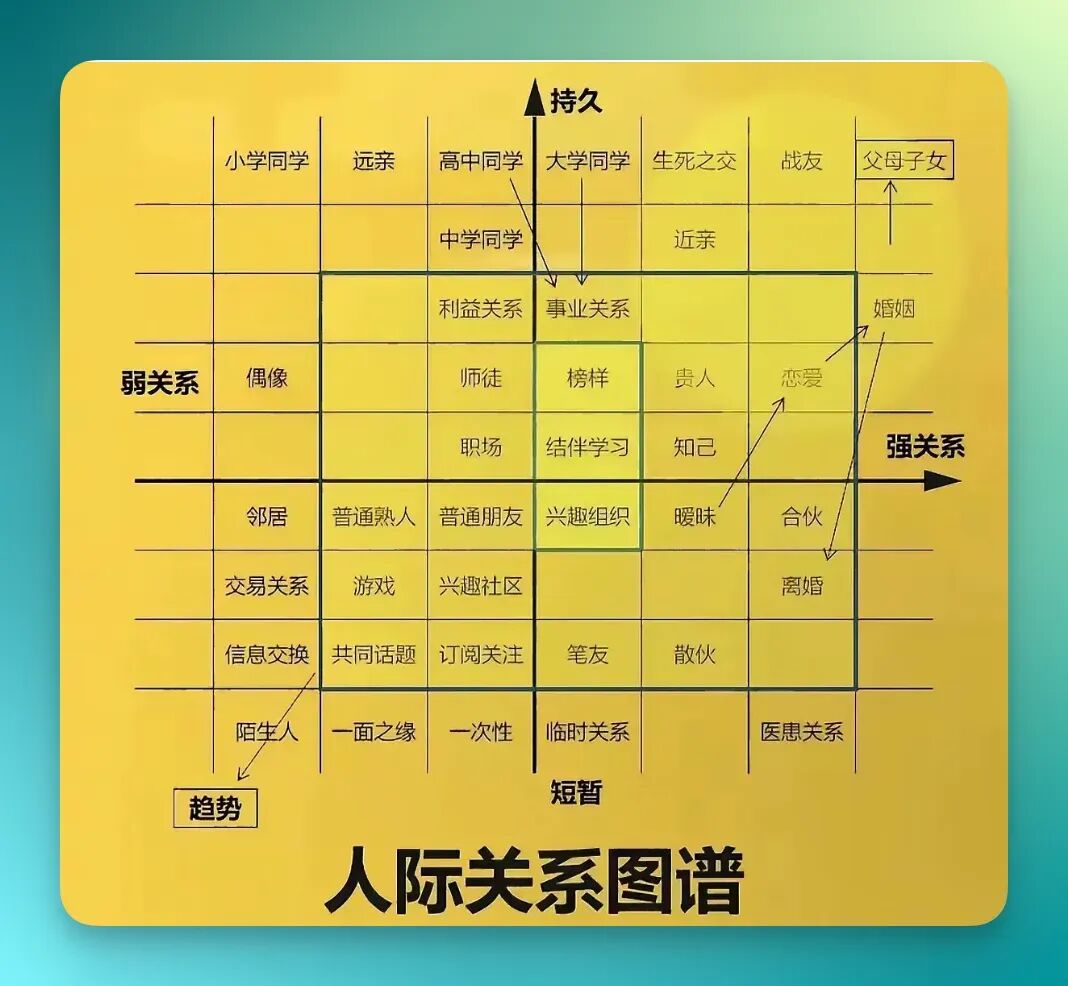
When previously testing ERNIE 4.5, I had it write an extremely complex "wealthy family interpersonal drama."
This time, I wanted to combine that text with this image to test whether ERNIE 5.0 Preview could accurately map these complex relationships to the diagram and provide detailed analysis.
First, I uploaded the relationship map image, combined with the following text content, with this prompt:
Lin Xingzhou, a poor young man of thirty, from an ordinary working-class family, made it through university on scholarships, entirely self-made. By chance, he met Shen Zhiwei, eldest daughter of a prominent real estate group, during a project collaboration. The two married quickly, and he "married into" the wealthy Shen family. However, beneath the Shen family's surface respectability and wealth lay an intricate family web. Lin Xingzhou became the sole "foreign object" in this web — everyone smiled at him, yet no one truly accepted him. The Shen family appeared glamorous and of noble blood, but undercurrents surged. Eldest daughter Shen Zhiwei was the family's rational center; after marrying the humble-born Lin Xingzhou, she became the only anchor for this "misfit." She deeply loved her husband but wavered between patriarchal authority and family interests. Patriarch Shen Guoliang held power over the group, his smile warm, his methods cold, treating this marriage as a capital gamble. Matriarch Bai Ying came from artistic circles, fiercely guarding social status, treating her son-in-law with cold disdain to protect her fragile dignity and wealth. Second son Shen Zhiyuan appeared modest but was deeply calculating, viewing Lin Xingzhou as a latent threat and secretly plotting against him. Youngest daughter Shen Jianing was rebellious and clear-eyed, weary of wealthy family life, harboring complex feelings toward her brother-in-law, becoming an unstable fuse in the chaotic household. Only old steward Uncle Bai saw through everything, secretly protecting Lin Xingzhou while himself being drawn into the Shen family's hidden old sins. The entire family appeared warm and affectionate on the surface, yet was layered with calculation and imbalanced relationships; Lin Xingzhou's arrival was like a grain of alien sand, slowly tearing open cracks behind the Shen family's gilded facade. So, based on the relationship map image I uploaded, locate each family member's position.
First, ERNIE 5.0 Preview fully parsed each character's position in the relationship map:
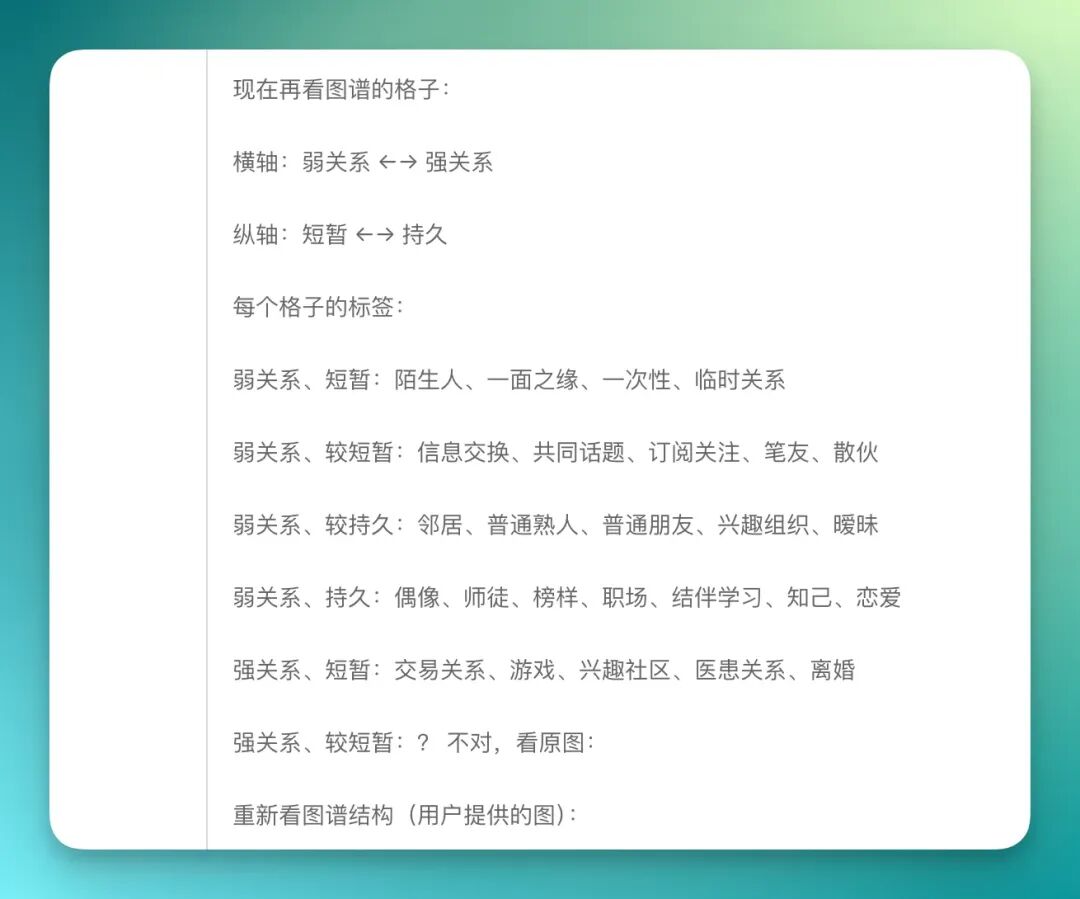
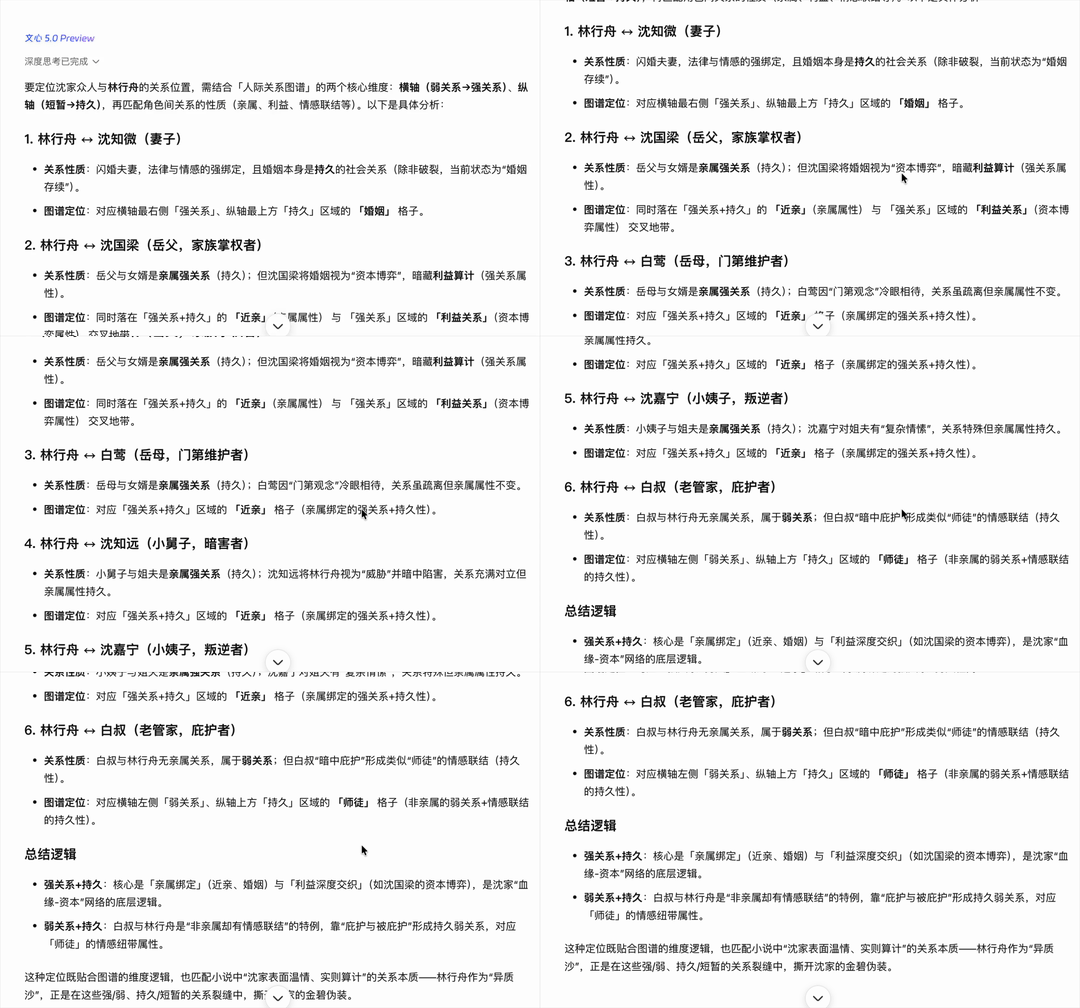
In the final output, ERNIE 5.0 Preview could simultaneously consider multiple dimensions of information and organically integrate them.
For example, in this analysis, it not only incorporated the relationship map's two core dimensions (horizontal axis: weak ties → strong ties, vertical axis: transient → enduring), but also considered relationship nature between characters (kinship, interest, emotional bonds):
4) Crossing Podcast Audio
ERNIE 5.0 Preview also performed quite well in understanding audio content.
To test its performance on complex content analysis, I uploaded a podcast audio clip from Crossing and provided a relatively complex prompt asking it to comprehensively analyze the audio's logical structure.
The prompt:
Please analyze the logical structure of this podcast discussion: 1. Each guest's main argument; 2. Assumptions and conclusions in the reasoning chain; 3. Any logical leaps, circular reasoning, or emotional reasoning; 4. Summarize the "intellectual structure" of this discussion in one sentence. 5. How did he proceed from the problem to gradually derive his viewpoint? 6. Which tones, pauses, or emotional shifts marked turning points in thinking? 7. Generate a "thought profile": use numbered levels to represent thinking hierarchy (e.g., ① Problem Posed → ② Hypothesis → ③ Rebuttal → ④ Reflection → ⑤ Conclusion).
ERNIE 5.0 Preview could accurately extract key information from content and systematically structure it. For example, it summarized each guest's main arguments, analyzed relationships between speakers, and clearly presented their background information.
This allowed me to quickly grasp the core content of the entire discussion.
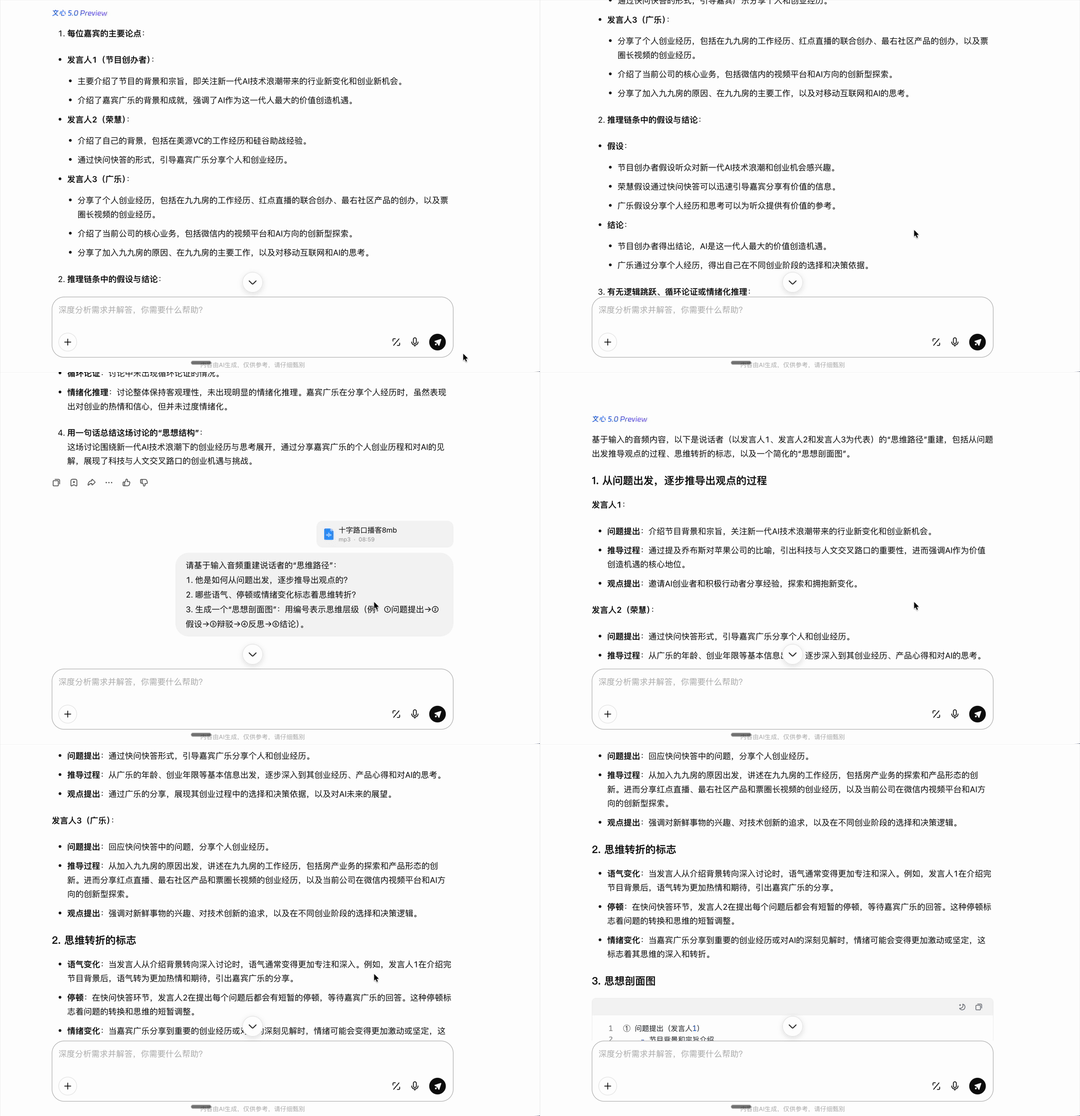
Additionally, ERNIE 5.0 Preview generated a thought analysis diagram to help clarify the hierarchical structure of the discussion's thinking. Here's what it generated for me:
① Problem Posed (Speaker 1) - Program background and purpose introduction - Inviting AI entrepreneurs and proactive actors to share experiences ② Hypothesis and Guidance (Speaker 2) - Guiding guests to share through rapid Q&A format - Assuming audience interest in guest backgrounds and entrepreneurial experience ③ Guangle's Entrepreneurial Experience Sharing (Speaker 3) - Reasons for joining 99Fang and work experience (③a) - Interest in new things - Business exploration and product form innovation at 99Fang - Red Dot Live, Zuiyou Community, and Piaoguan Chang Video entrepreneurial experience (③b) - Choices and decision logic at different entrepreneurial stages - Current company's innovative exploration in WeChat video platform and AI direction (③c) - Outlook and reflections on AI's future ④ Thinking Turn and Deepening (Interaction between Speaker 2 and Speaker 3) - Speaker 2 guides Guangle to share more deeply through questioning - Guangle's thinking turns and deepening in responses ⑤ Conclusion and Outlook (Summaries by Speaker 1 and Speaker 3) - Speaker 1 summarizes program purpose and AI value creation opportunities - Speaker 3 shares outlook on AI's future and entrepreneurial determination
Having covered ERNIE 5.0 Preview's multimodal capabilities, emotional analysis, and logical reasoning, let's now look at its programming abilities.
5) Three.js Cube Programming
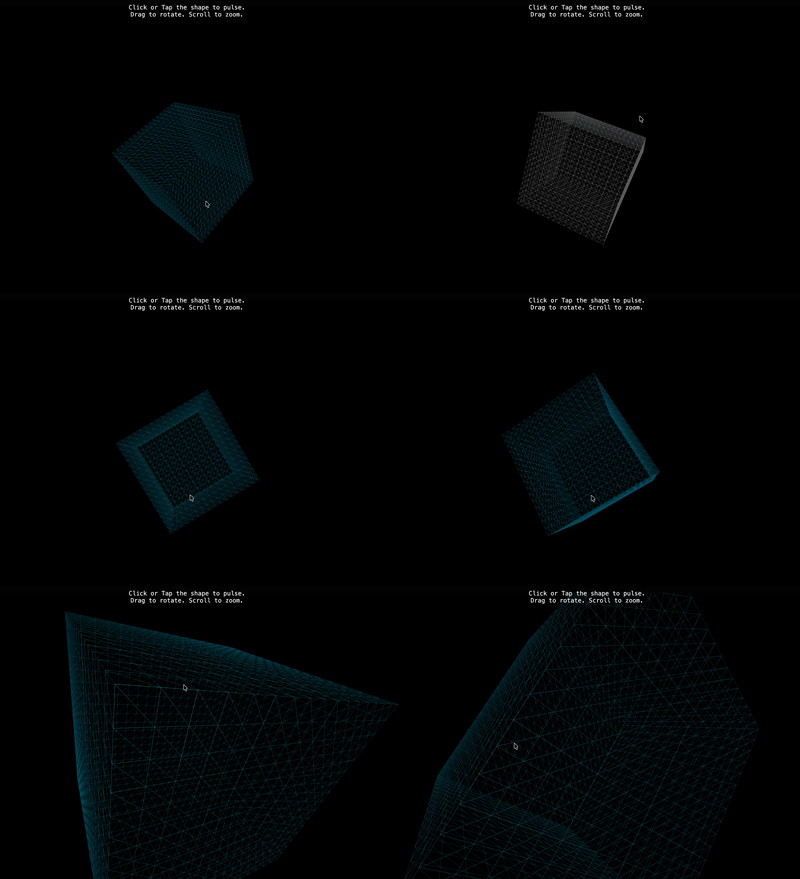
This is a classic AI large model programming capability test case. I asked ERNIE 5.0 Preview to create a deformable, interactive 3D wireframe geometric shape that instantly enlarges on click.
The prompt:
Use Three.js to create a deformable 3D wireframe geometric shape with a "pulse" animation effect triggered by click. This example shows a cube deforming into a sphere and back to a cube. When you click or touch the shape, it triggers a "pulse" animation.
Even when rapidly zooming the view, overall interaction remained very smooth with a relatively fluid experience:
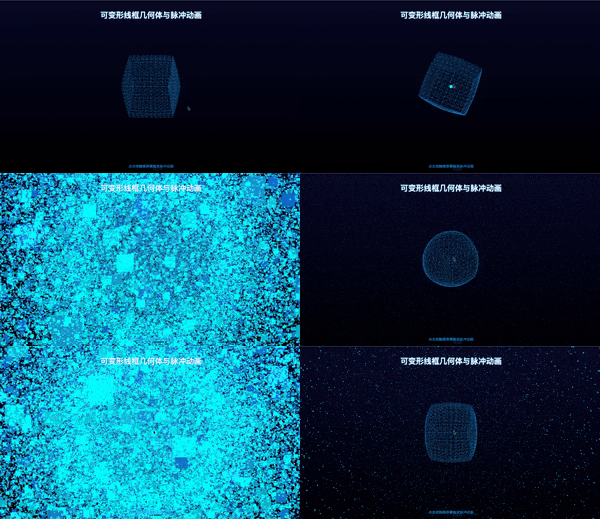
After adding enhanced light particle pulse animation, the interactive experience remained smooth:
6) One-Sentence Netflix Clone
Finally, I found that in "one-sentence website cloning" performance, ERNIE 5.0 Preview's coding ability was also quite solid, producing relatively mature results.
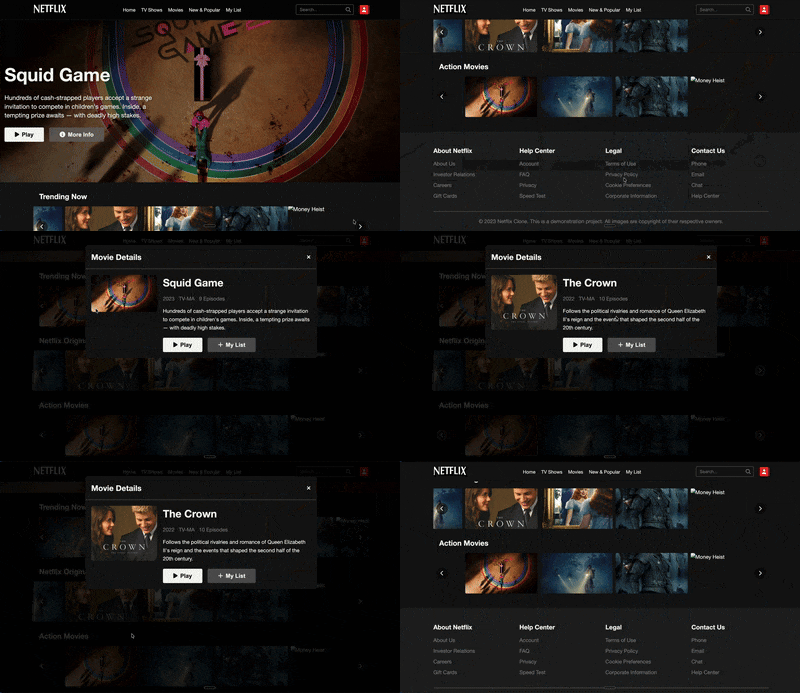
I asked ERNIE 5.0 Preview to create a complete Netflix clone website, with this prompt:
Create a detailed and complete code for a Netflix clone website using HTML, CSS, and JavaScript. The website should have a full UI mimicking Netflix
It quickly generated a Netflix-mimicking UI interface using HTML, CSS, and JavaScript, even showing detailed synopses when clicking on each series.
At this point in the article, we can see the goals of the large model race have become clearer: first, deep integration of "multimodality," and second, high-value task execution by "Agents."
And "native omni-modality" is the common foundation for both tracks.
Everyone understands that whoever can first efficiently achieve "unified understanding and generation across all modalities" will likely demonstrate greater potential in next-generation AI applications.
From this perspective, the choice by major players to make "native omni-modality" their flagship direction is essentially an "all-in" execution, betting on the next "technology inflection point."
When the core architecture chooses the industry-recognized "hard but right" path of "native omni-modality," this at least proves one thing:
Language, images, video, and audio are fusing together.
On this foundation, a true "Bell Labs" era for AI applications is just beginning.