Google's Bananas and ByteDance's Dreams, Meeting on Lovart's Infinite Canvas

AI giants battle across the Pacific.
**
AI giants battle across the Pacific.
👦🏻 Author: Jingshan
🥷 Editor: Koji
🧑🎨 Layout: NCon

Google's "banana" has gone a little bananas: Nano Banana (aka Gemini 2.5 Flash Image) has pulled in over 10 million new users since its late-August launch, racking up 200 million image edit requests in the Gemini app — all within a few weeks.
The numbers are climbing at a pace that borders on absurd.
Just as everyone was still soaking in the visual frenzy unleashed by Google's new Nano Banana, ByteDance rolled out its freshly upgraded Seedream 4.0 across its platforms barely a week later, hot on Google's heels.
You can almost see two AI giants squaring off across the ocean.
To get a hands-on feel for how these two models differ, I went on a sweep of my various paid subscriptions, looking for a place where I could access both Nano Banana and Seedream 4.0 under one roof.
Turns out Lovart was the quickest out of the gate — not only did it launch both models immediately, it also rolled out a full suite of promotional deals (we'll summarize those at the end).
🚥
Now, let's walk through a series of head-to-head tests to see how Lovart seamlessly strings together these two SOTA models on a single platform.
Where they diverge in stylistic character, capability boundaries, and ideal use cases.
Hackathon Poster: Artistic Style Transfer
Nano Banana and Seedream 4.0 both excel at image editing and generation, but subtle differences emerge in vertical scenarios.
Take this case.
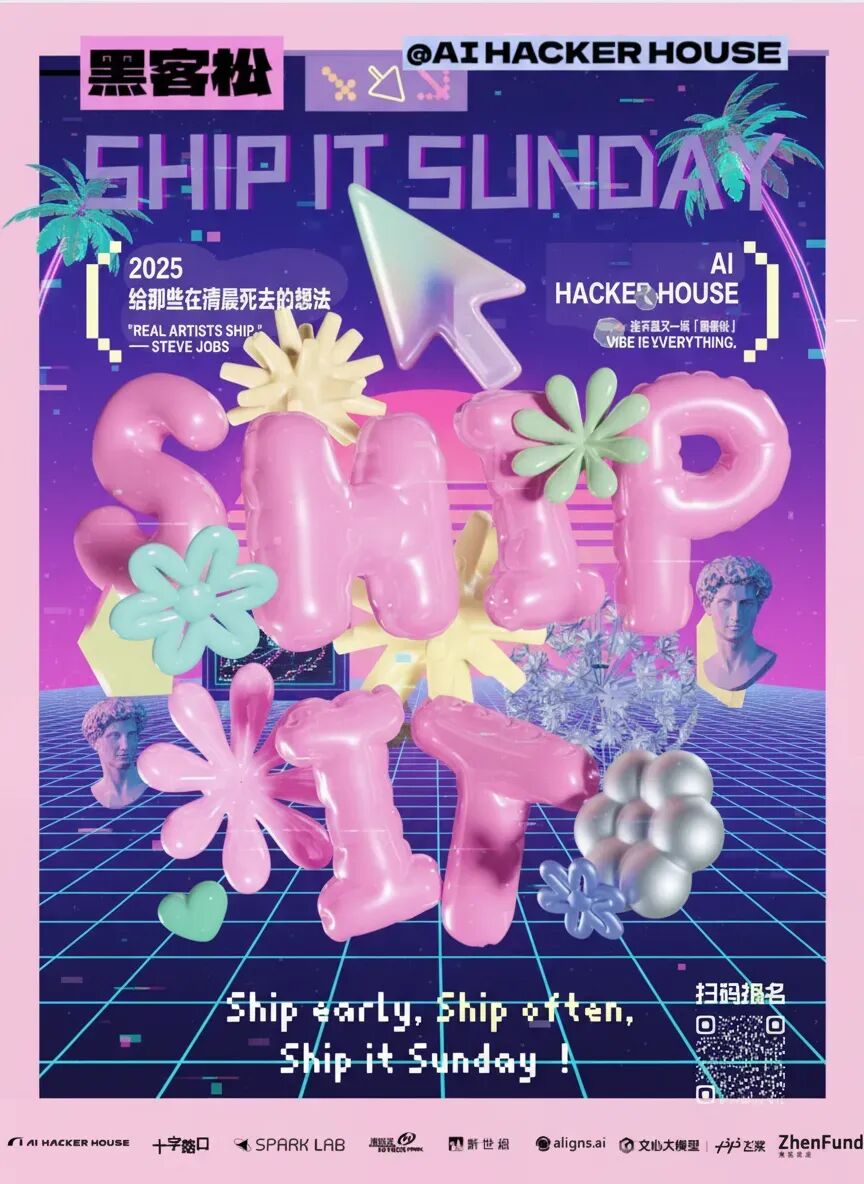
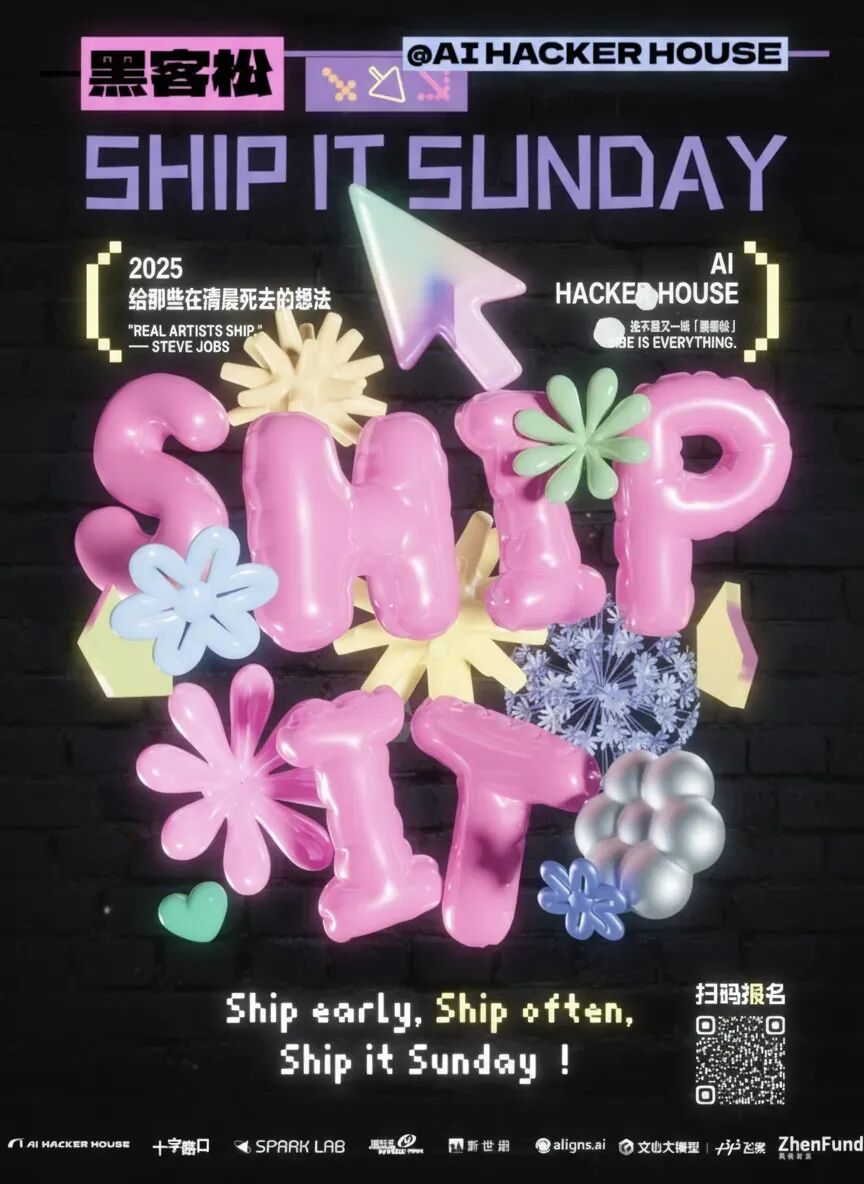
AI Hacker House and Crossing released a hackathon poster on August 29. The poster is densely layered: 3D linework, saturated colors, stacked structures — yet the overall composition feels coherent and visually striking.
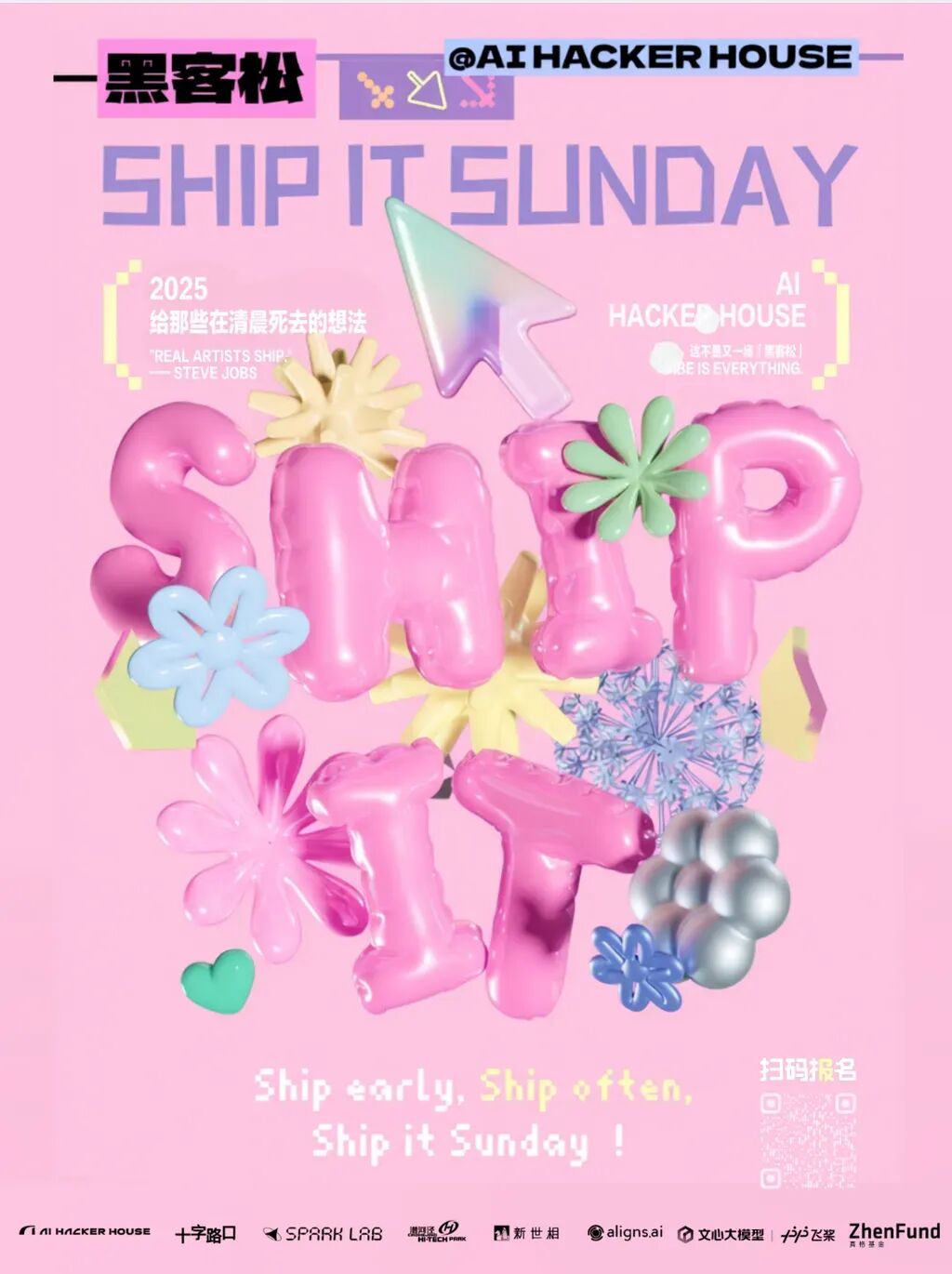
Looking at this, I wondered: could I use Lovart's one-shot generation to transform the same poster into multiple artistic styles?
That would beat generating images one by one and "gacha-pulling" for good results.
So I tried a very simple prompt:
Transform the uploaded image into a different artistic style.
This became a key test for Nano Banana and Seedream 4.0: could they show enough creativity and consistency with minimal prompting?
First, Nano Banana. It barely deviated from my original intent.
Its outputs tend to stay faithful to the prompt, with high precision in replacement and transformation. Style boundaries are crisp. When handling color and contour, it preserves the overall structural stability. The results feel more like "fine-tuning on top of the original design" rather than a complete overhaul.
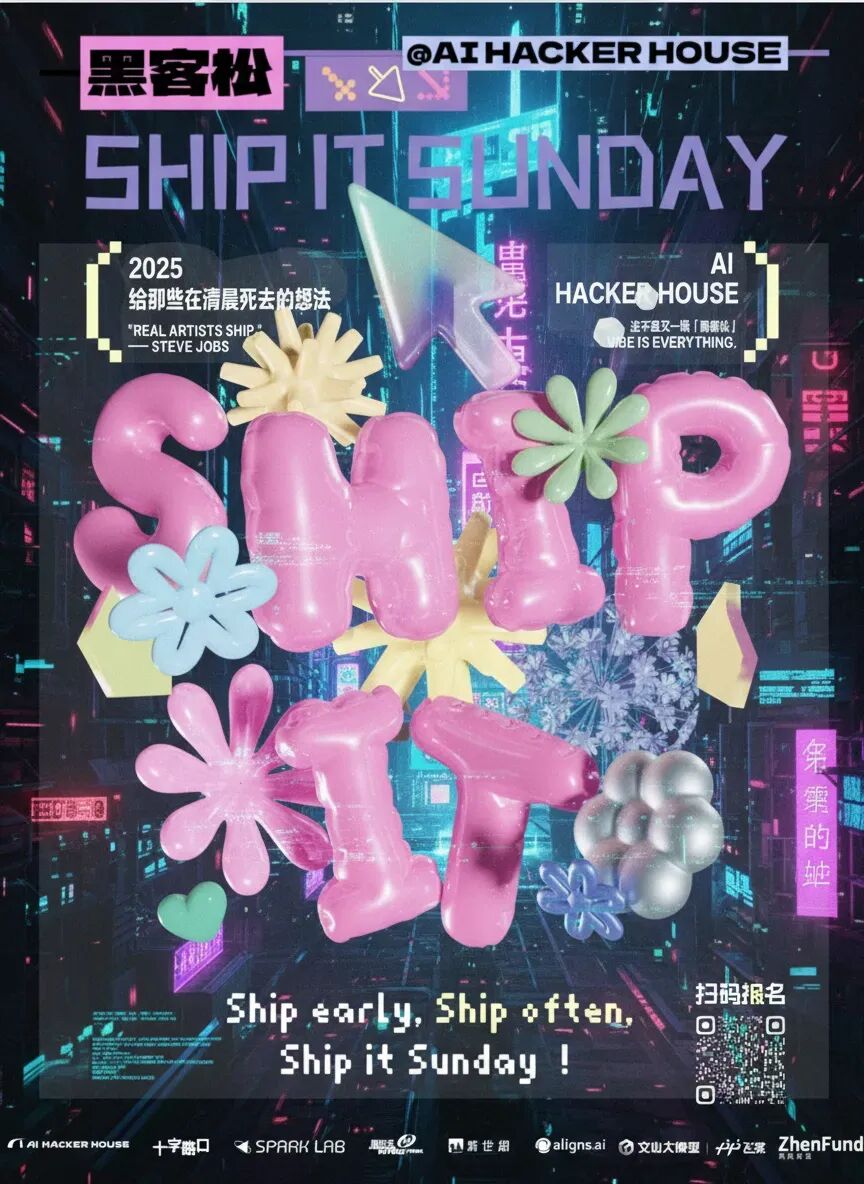
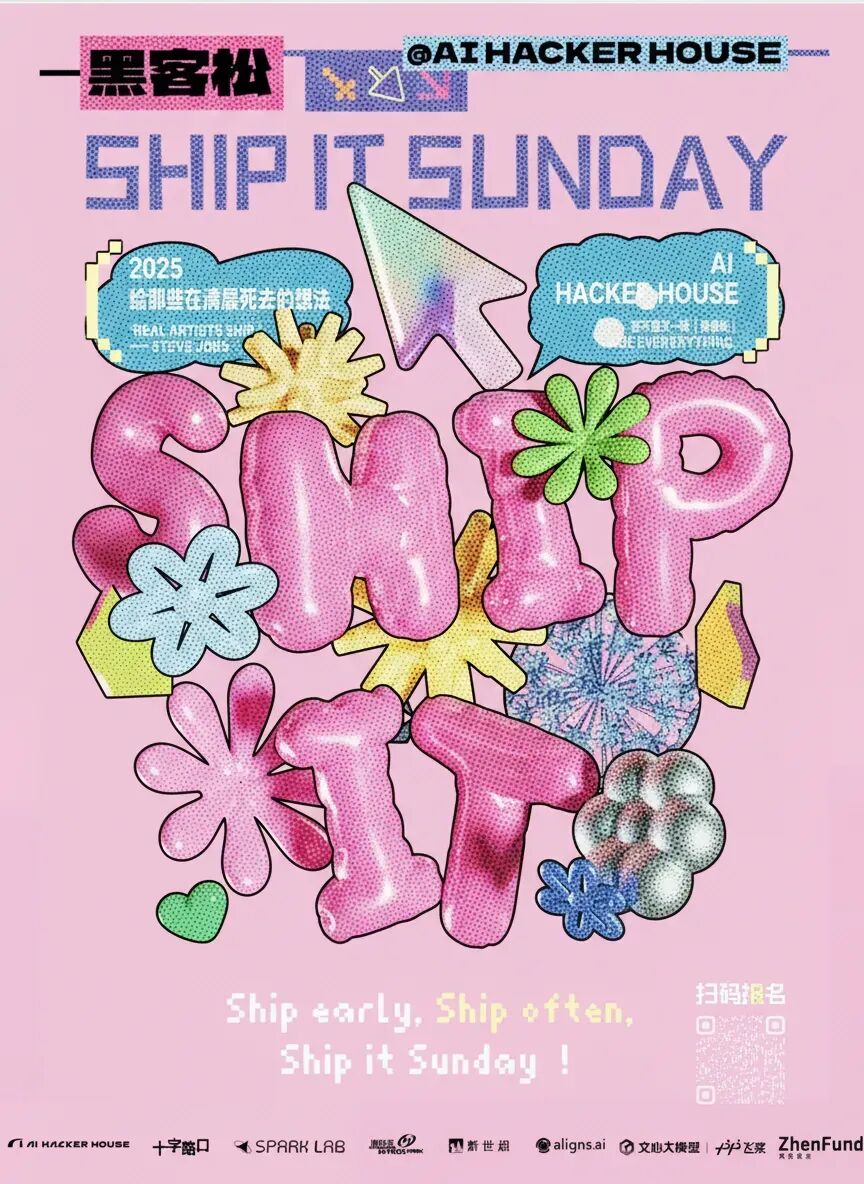
Seedream 4.0, by contrast, feels more like "artistic divergence from the original."
It introduces new brush textures, shifts the color mood, even tweaks local composition with micro-innovations. The final results may not be as "precise" as Nano Banana's, but they often carry more artistic flair and surprise.
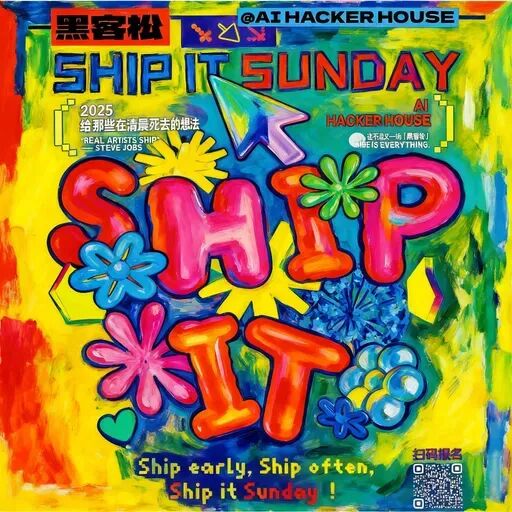
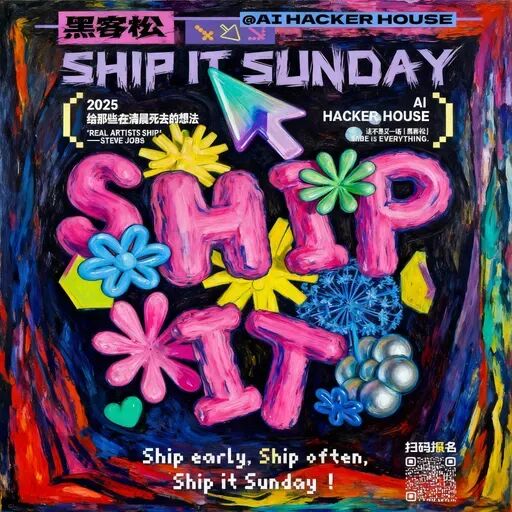
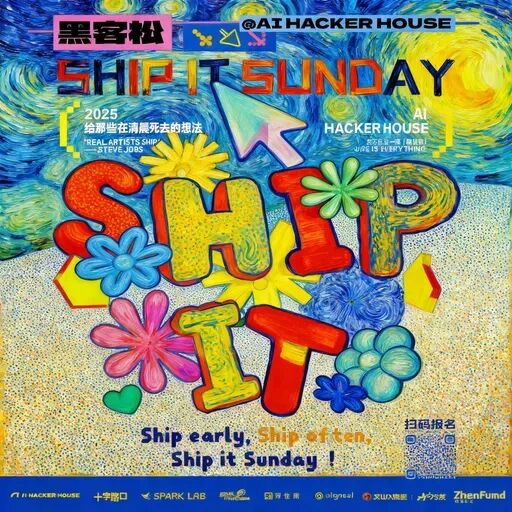
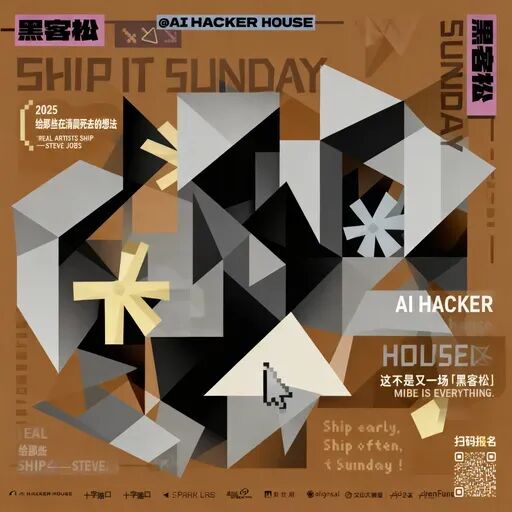
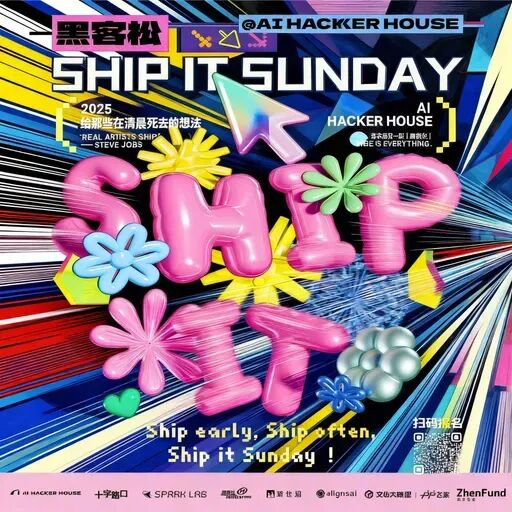
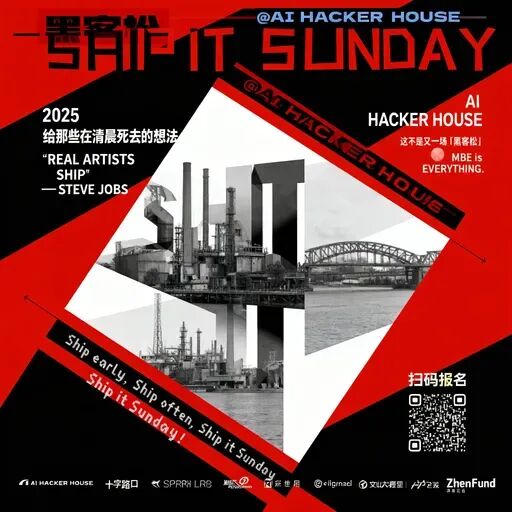
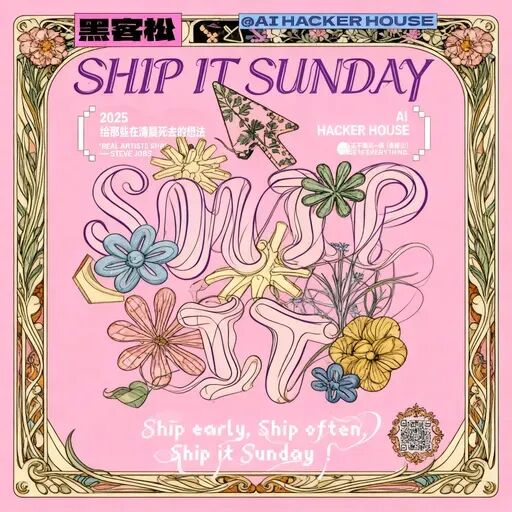
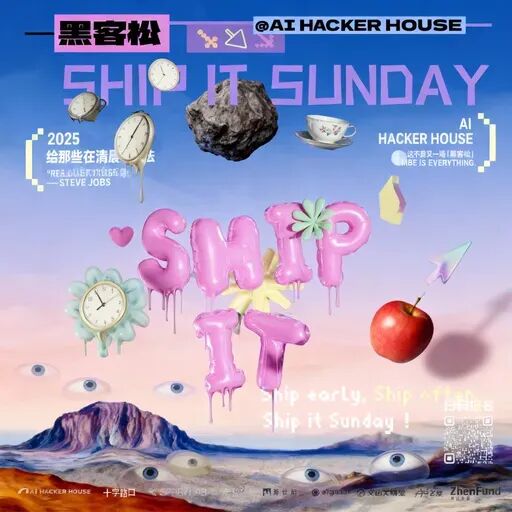
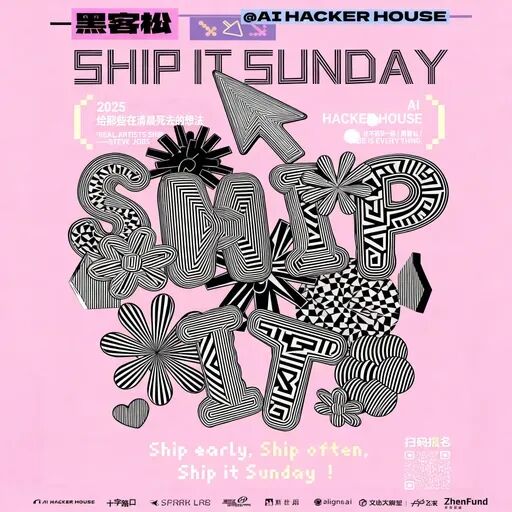
Broadly speaking, Nano Banana leans toward precise task completion, while Seedream 4.0 is more about "adding extra flavor" — injecting additional artistic tension into the results.
If you want style transfer that stays as faithful to the original as possible, Nano Banana inspires more confidence. But if you're hoping for some "unexpected inspiration" in the output, Seedream 4.0 is the more tempting choice.
One-Line Prompts for Dozens of Fashion Magazine Covers
If the hackathon poster test skewed toward "complex-element artistic style transfer," the next experiment hews closer to real creator needs: rapidly generating fashion magazine covers in different styles.
For this, I enlisted a familiar "model": Editor Koji.
Here's the main reference image I selected:
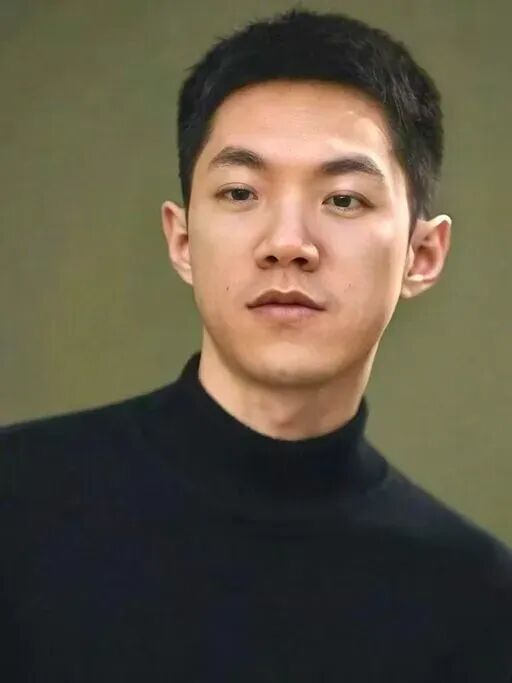
To keep the experiment grounded in real-world magazine aesthetics, I grabbed a few screenshots from Google: some Vogue covers, others from Harper's Bazaar Men.
These made ideal style references for swap testing.
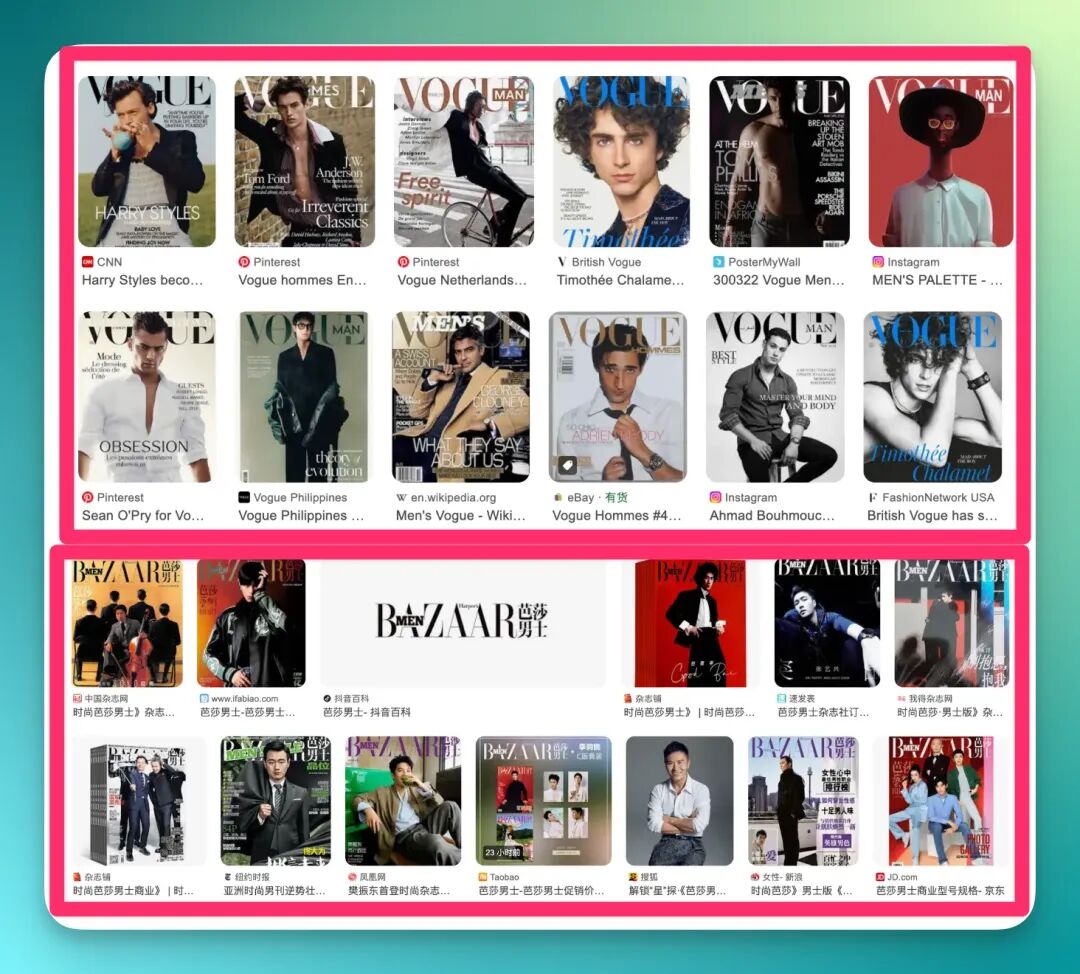
In Lovart, my prompt was just as simple — basically a single breathless sentence laying out the request:
Take the man in Image 1 and replace him into every thumbnail in Image 2 (Vogue or Harper's Bazaar Men). Give me XX images.
That's it. Lovart can batch-generate by calling multiple models simultaneously.
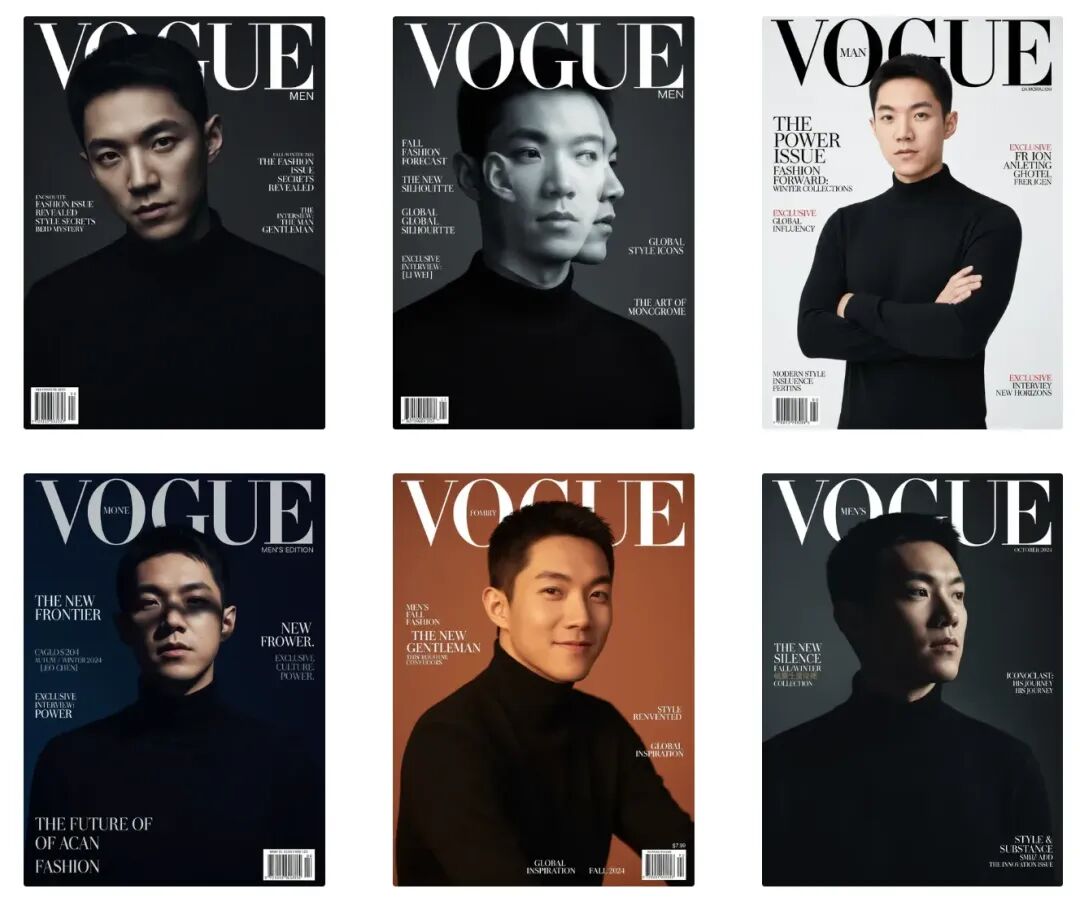
Once the results came in, the differences were pretty clear. Left side: Nano Banana. Right side: Seedream 4.0.
Nano Banana stayed solid on overall composition and style transfer, but struggled with Chinese text. Magazine titles, small layout copy — sometimes it came out blurry or misaligned.
Seedream 4.0 handled Chinese scenes far more smoothly. The characters on the covers weren't just legible; the style felt right too. Especially with more complex layouts, it barely needed any "rerolling" to produce something ready to use.
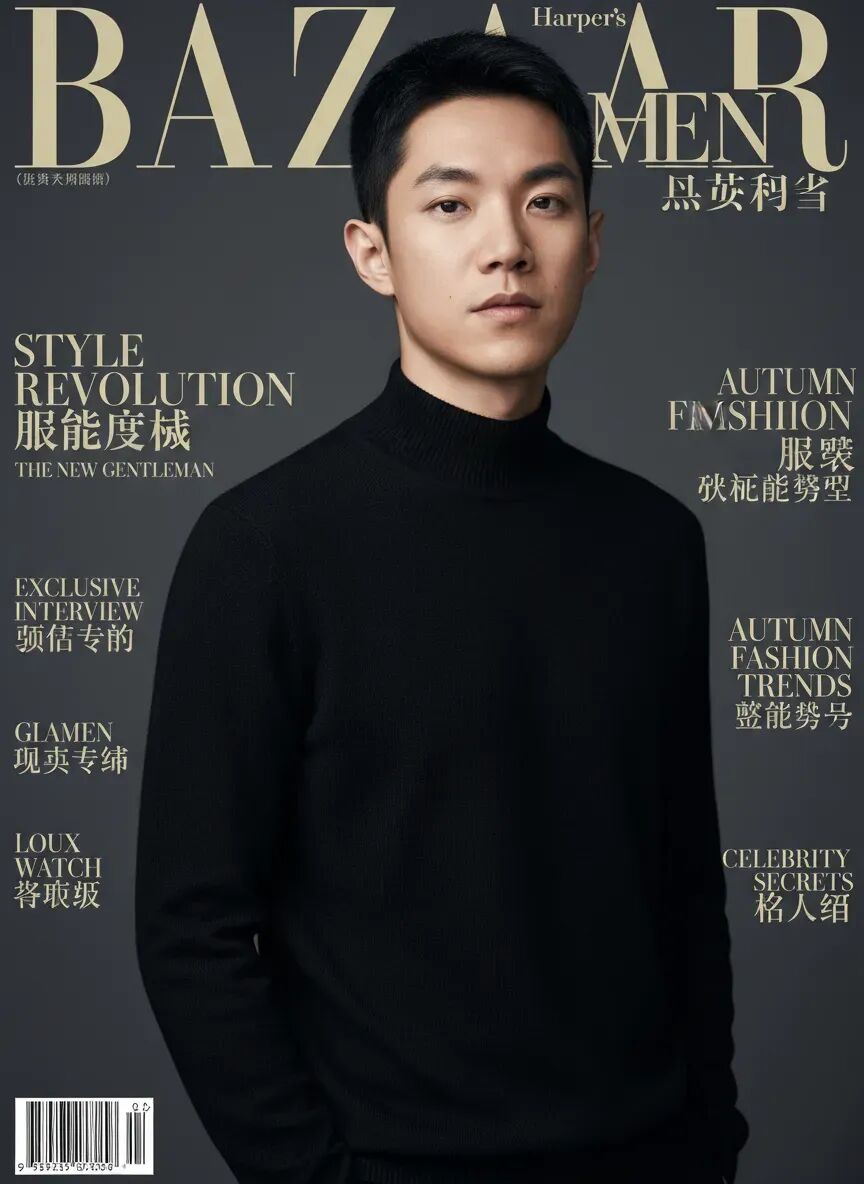
Nano Banana
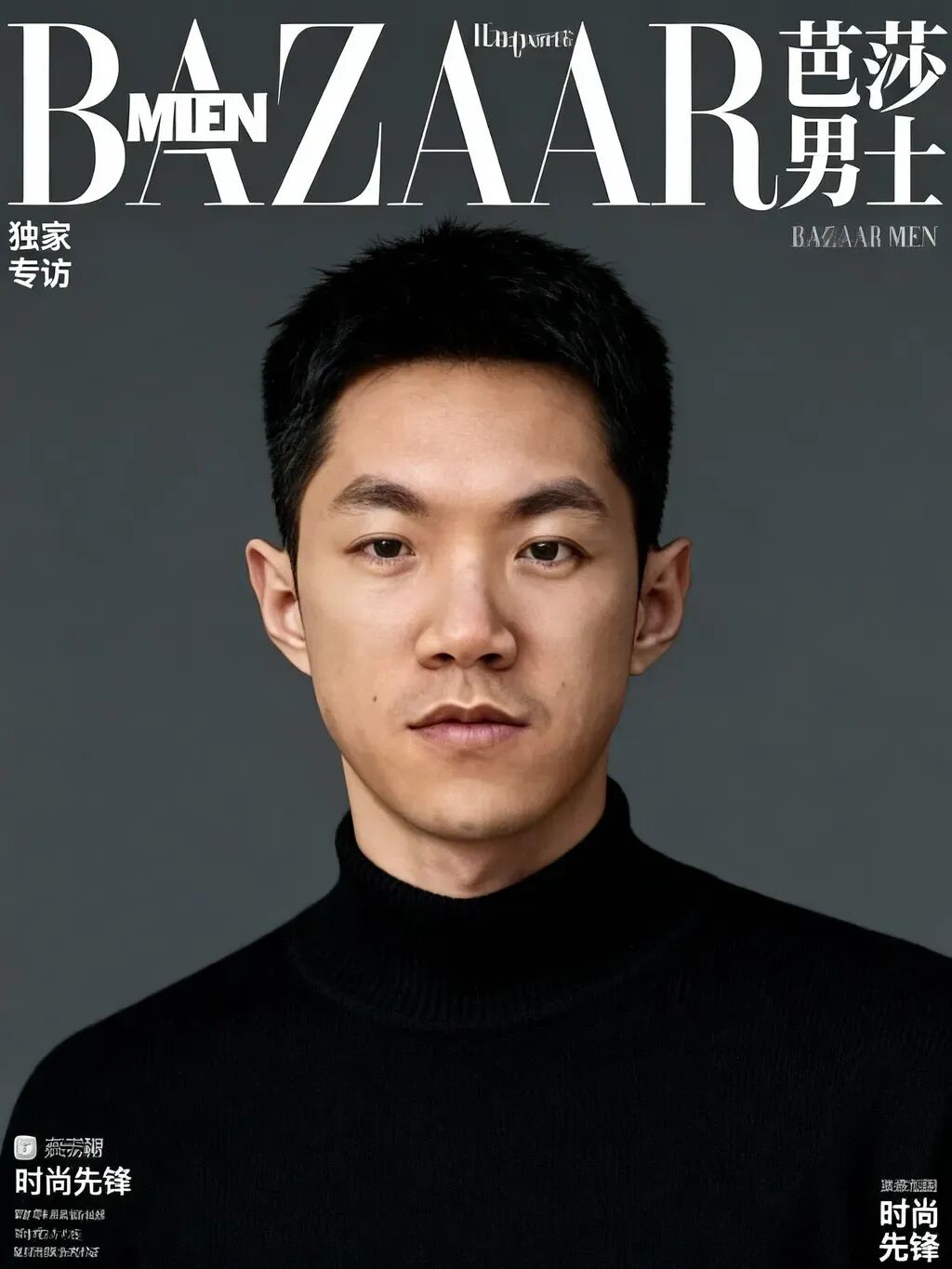
Seedream 4.0
Here's Nano Banana's output. As you can see, the overall stylistic feel is spot-on, especially the natural face swap on the model. Fine-detail text fidelity is solid too.
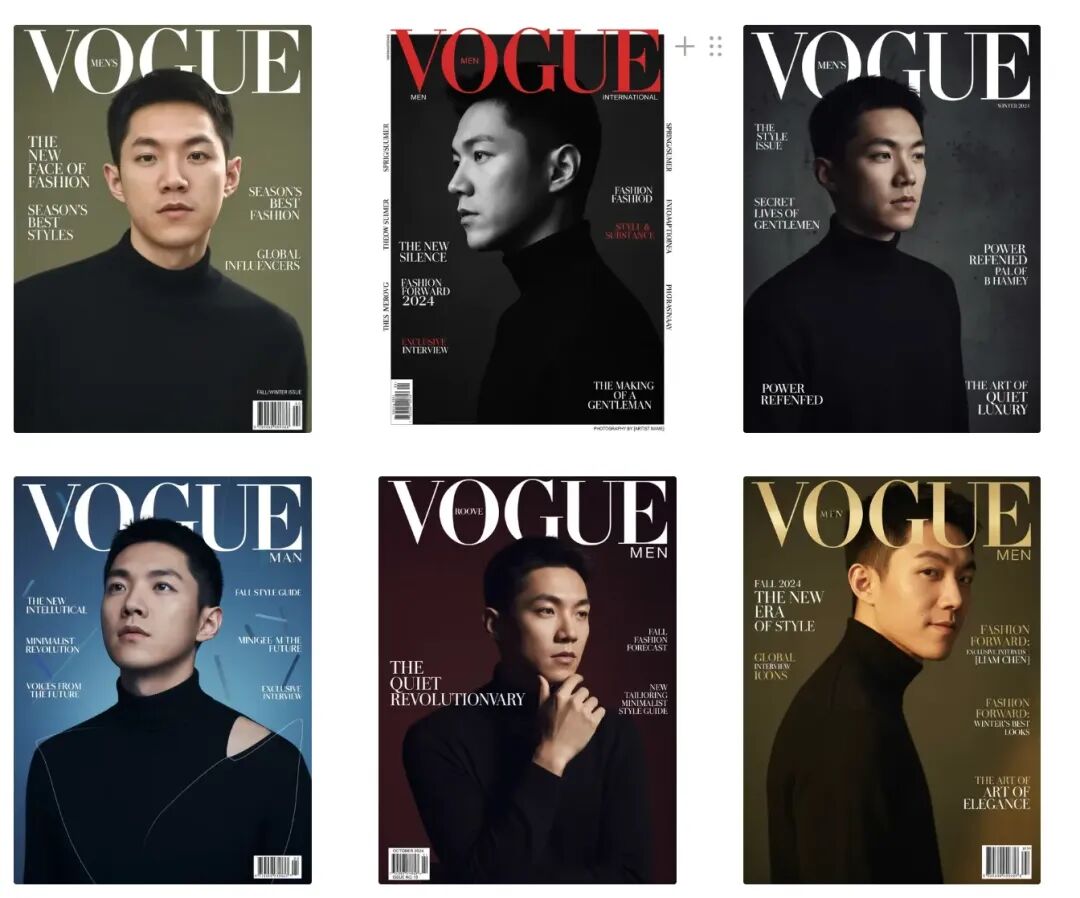
Now for Seedream 4.0's performance.
In Chinese-language scenarios, especially when the image doesn't involve too much text, Seedream 4.0 basically doesn't need rerolling at all.
Overall, Seedream 4.0 behaves more like a "layout assistant" on cover tasks. Its Chinese compatibility is excellent — it handles not just big headlines but even small-copy layout with fluid precision.
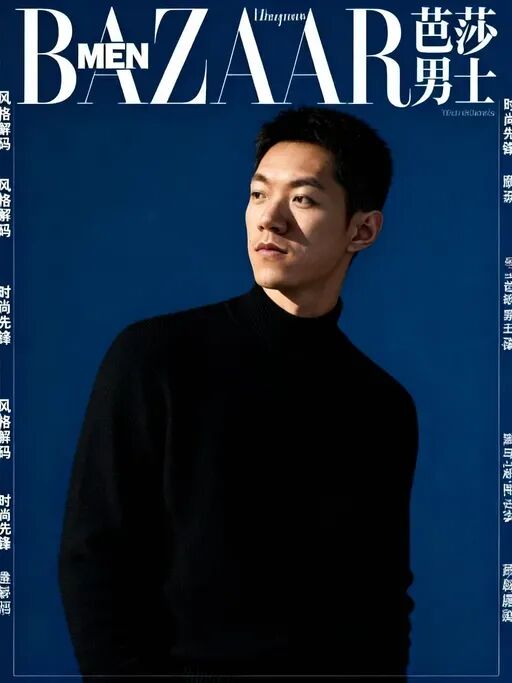
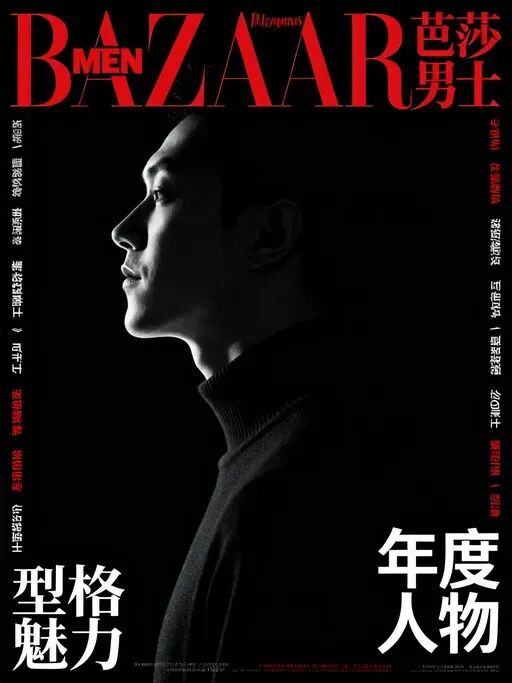
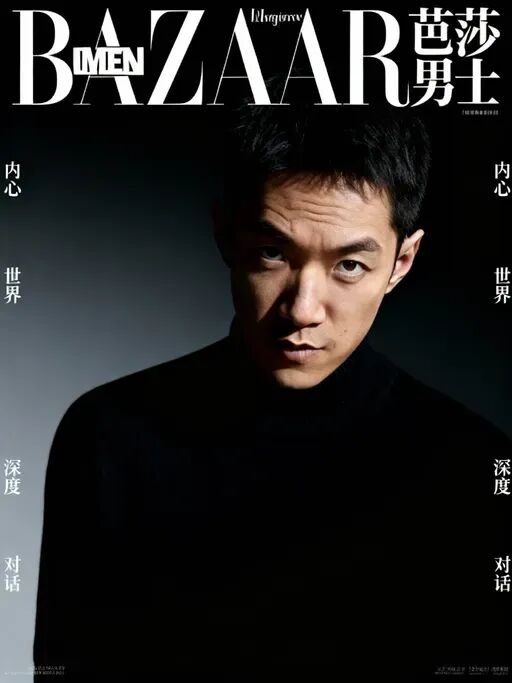
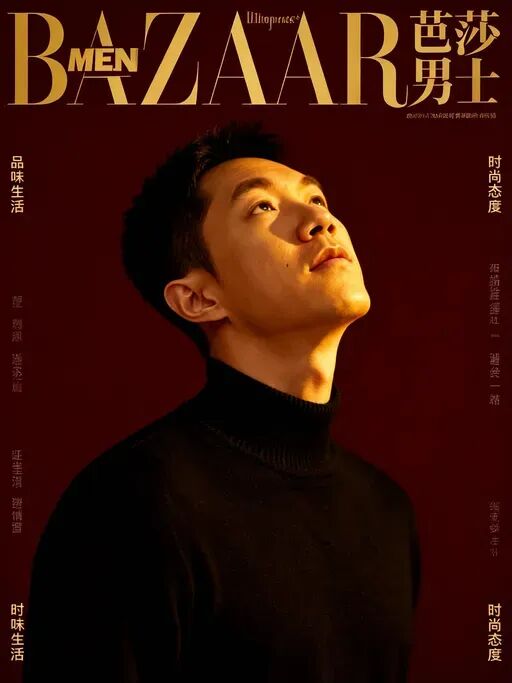
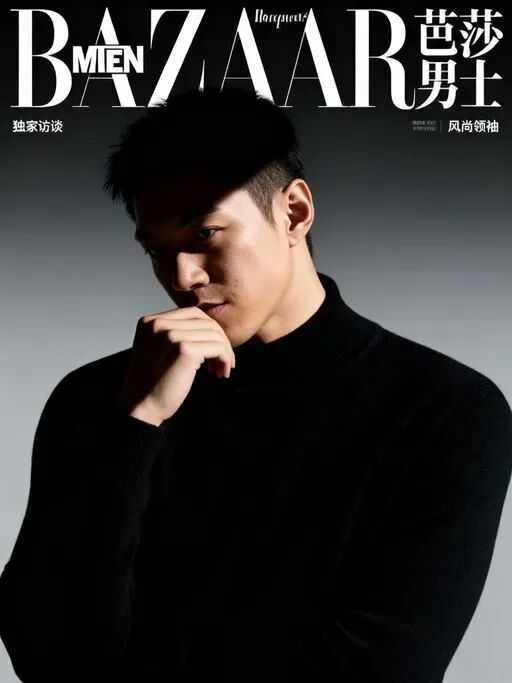
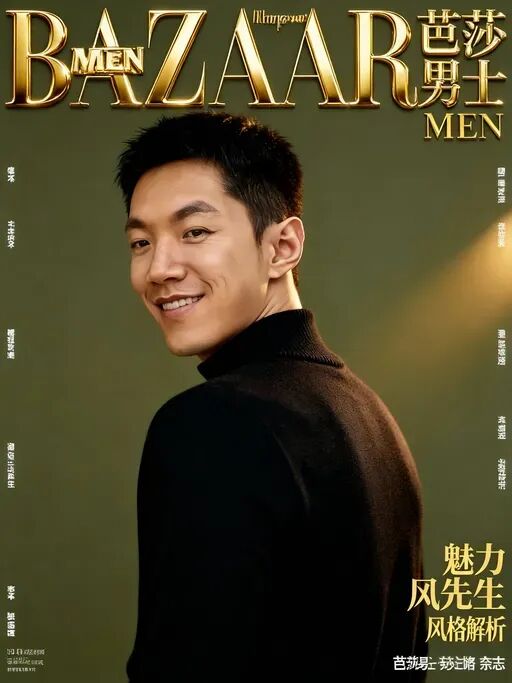
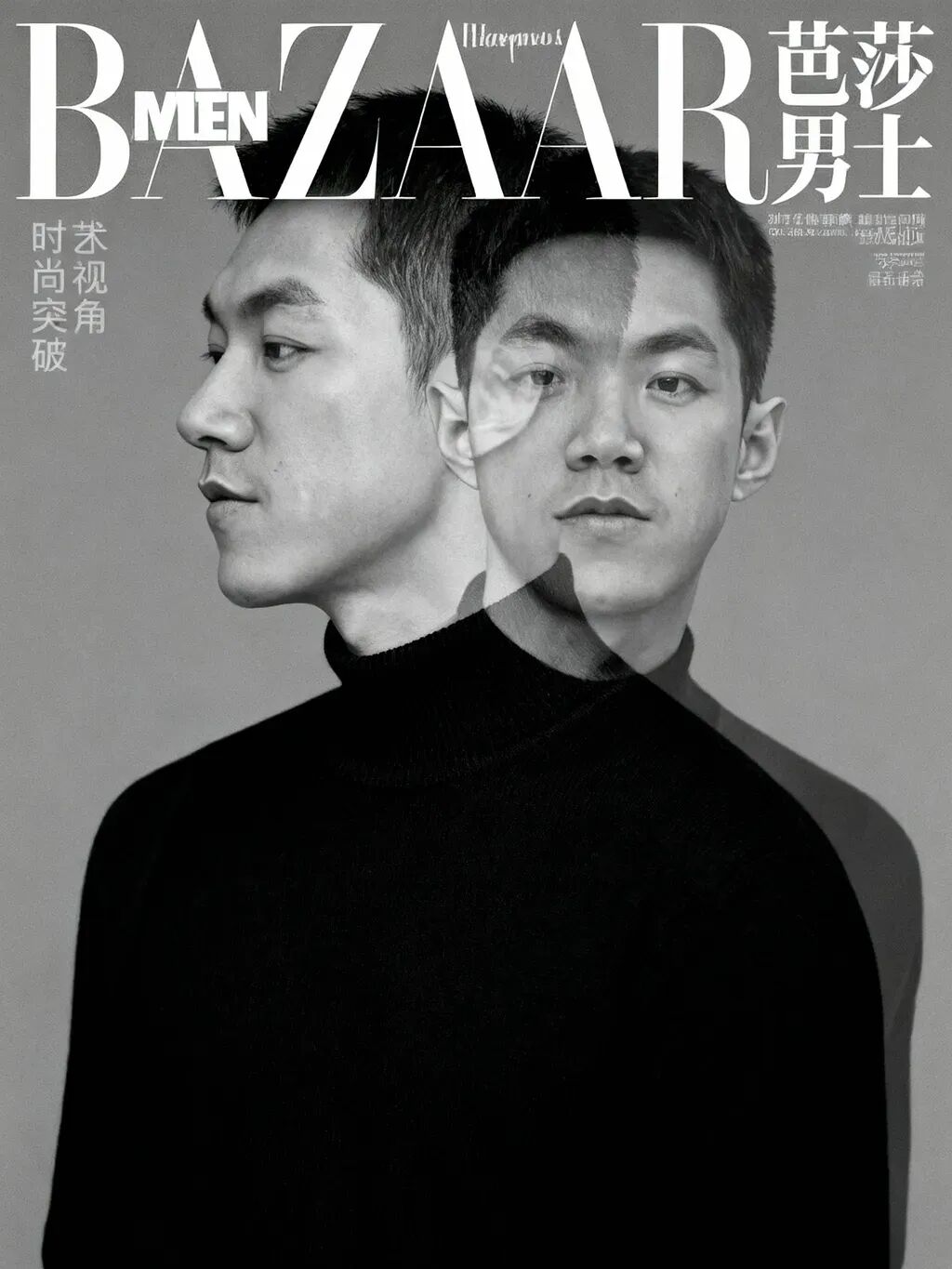
To sum up: if you're doing international-style covers and Chinese typography isn't a priority, Nano Banana already delivers very clean replacement results. But if you want to mock up Chinese magazine covers directly (even commercially), Seedream 4.0 is basically ready to go out of the box.
Of course, throw too much text at it and you'll still get some hallucinations — that's when rerolling comes in.
AI Hacker House Logo × Landmark Fusion
Beyond fashion covers, I wanted to see how both models handled multi-element fusion. Real-world creators often need to blend logos, landmarks, event themes, and more into a single image — not just swap one style for another.
For example, next month the Crossing team is planning an AI open-mic event in Singapore.
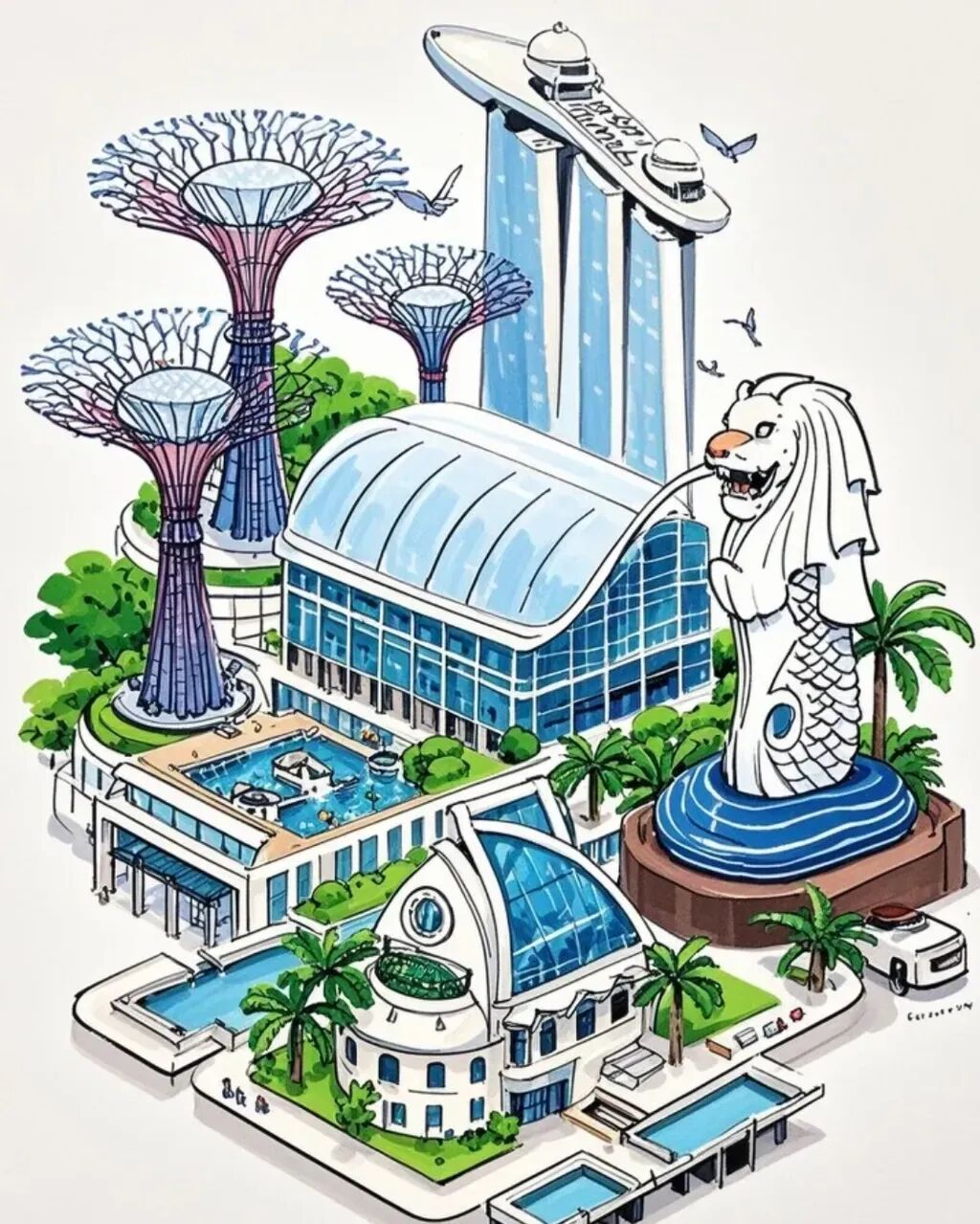
I grabbed two reference images: one of the AI Hacker House logo, another of Singapore landmark elements I'd generated with AI.
Then I tried fusing them. Again, the prompt was simple, and on Lovart you can call both models in one sentence — like this:
Fuse the 2 reference images. Title: AI Hacker House X Singapore. English copy via Nano Banana, Chinese copy via Seedream 4.0.
Below are the posters I got on my first roll:
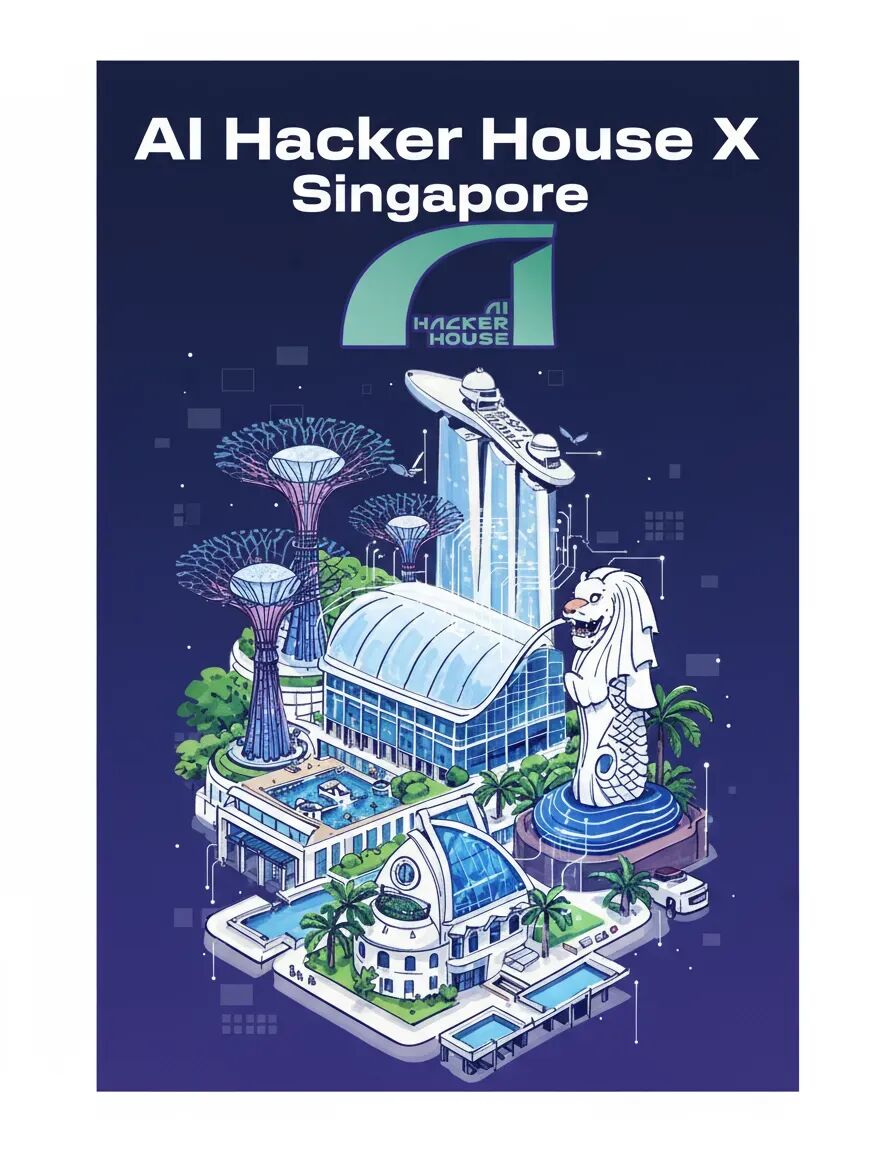
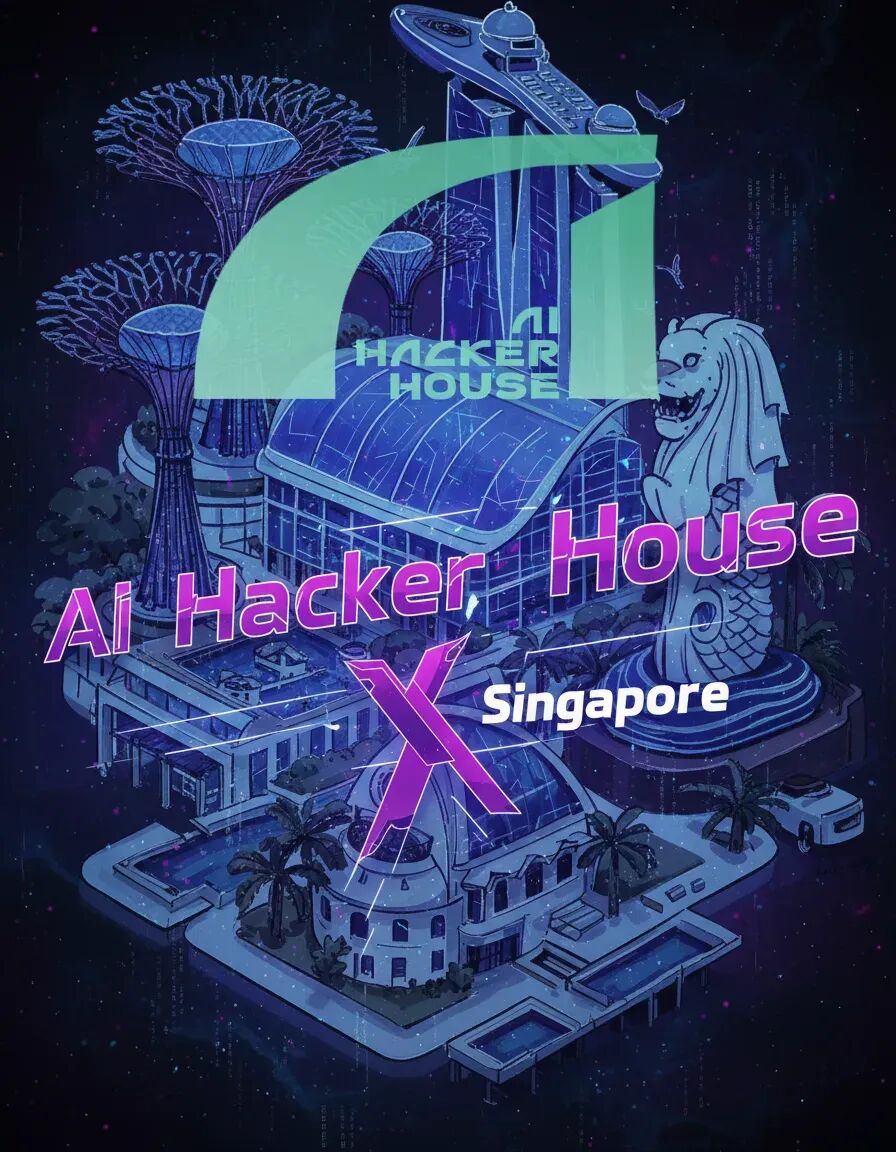



As you can see, elements from both references were well preserved, with the logo and landmarks blending fairly naturally. But since I didn't add any artistic style requirements, the results look a bit "flat" — more like a rough draft.
Then I started a series of micro-adjustments.
Next, I kept uploading images and appending prompts within the same context window. Here I felt Lovart's evolution:
[1] It can clearly distinguish priority levels across different parts of a prompt.
[2] Even without switching contexts, it remembers prior logic and applies new image styles to the designated model.
[3] It rotates between Nano Banana and Seedream 4.0 for image generation.
For example, I uploaded this new image:
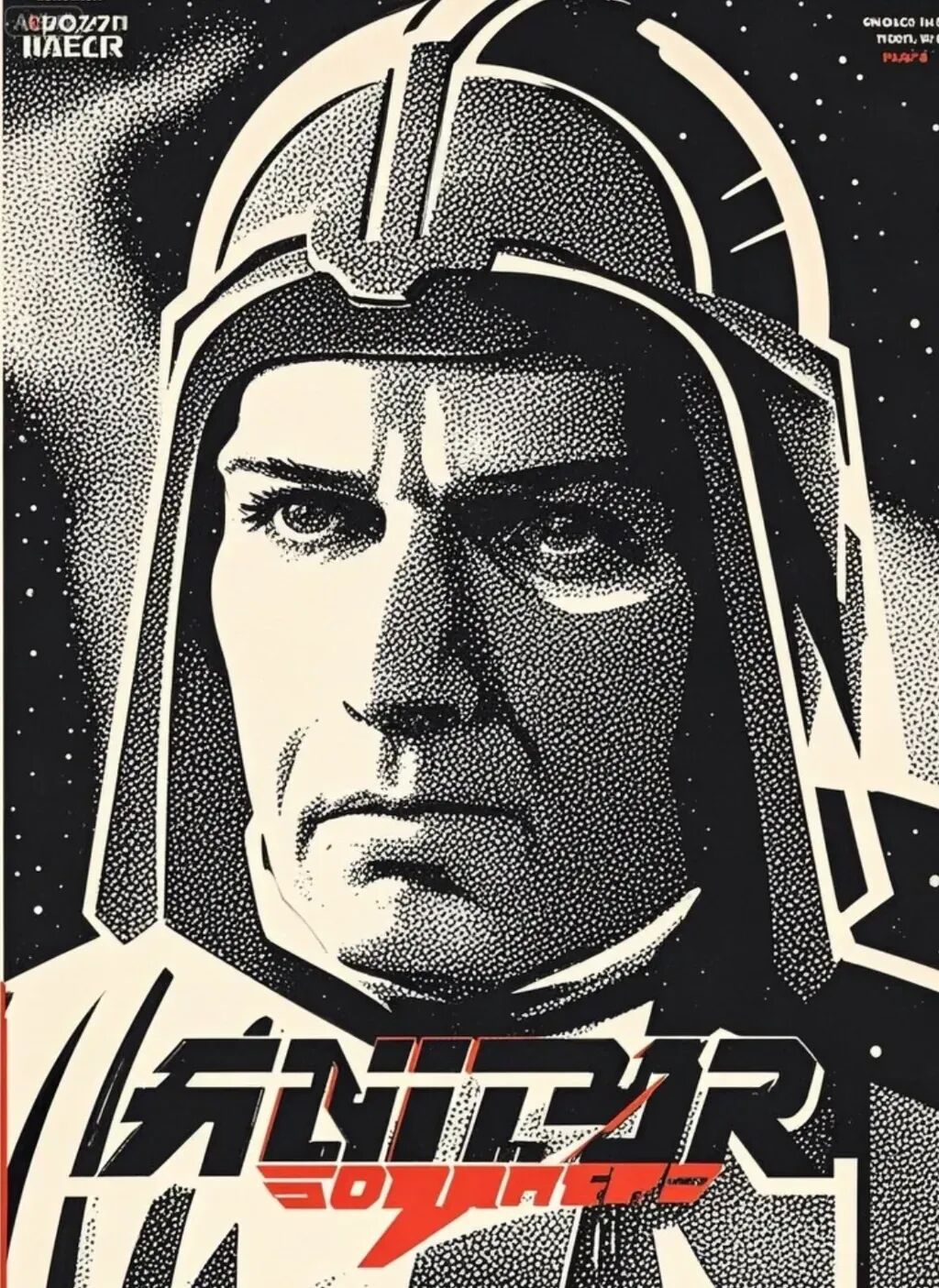
Lovart was still able to "smartly" analyze and parse this image's style, then independently assign it to Nano Banana and Seedream 4.0. It could even call Nano Banana to generate one image, then use Seedream 4.0 for another.
Here are the results from both models.
First, Nano Banana's output:
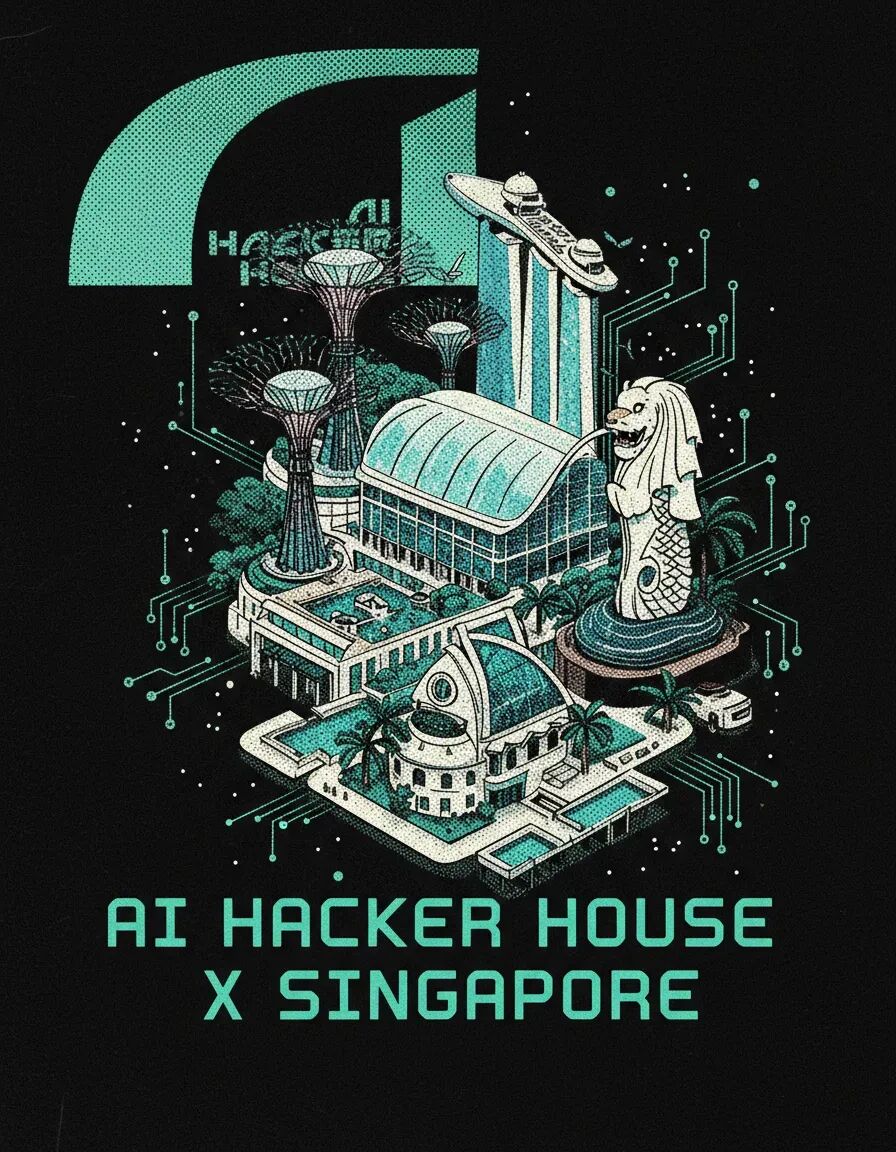
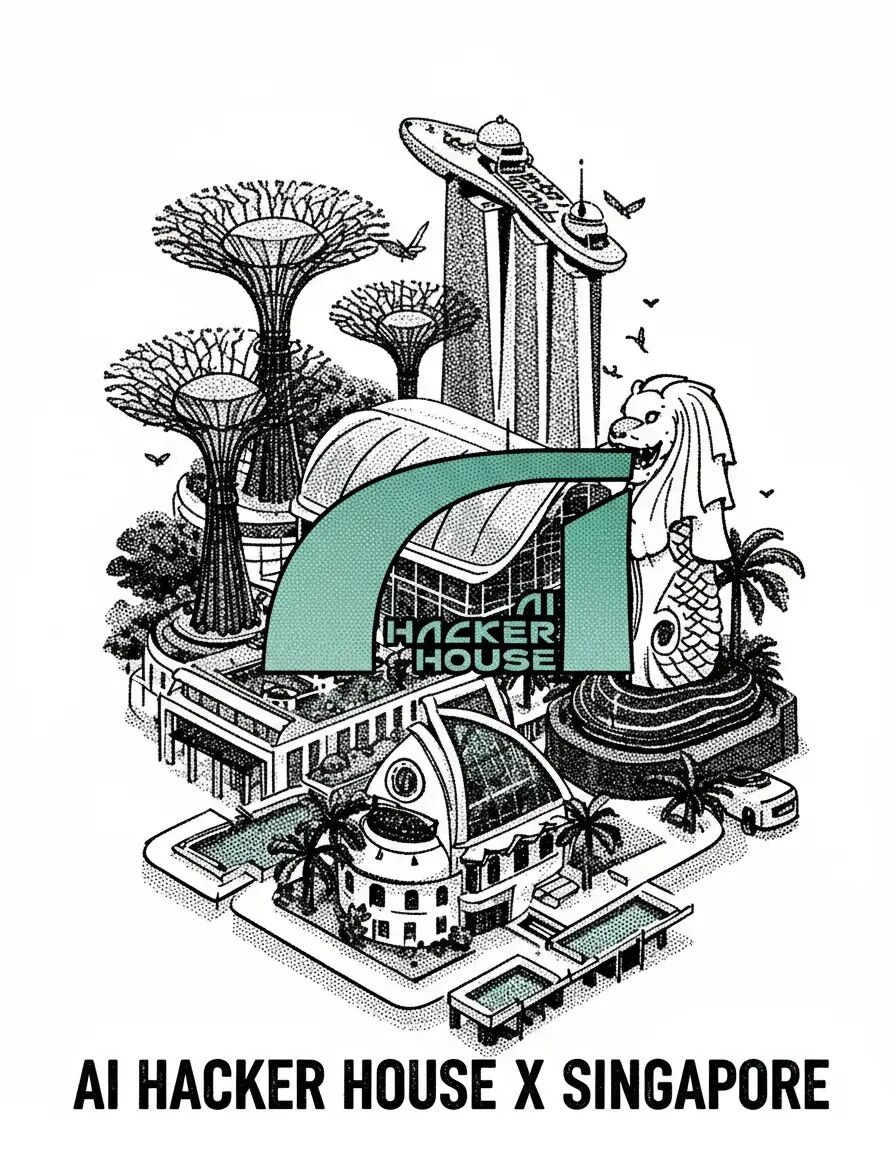
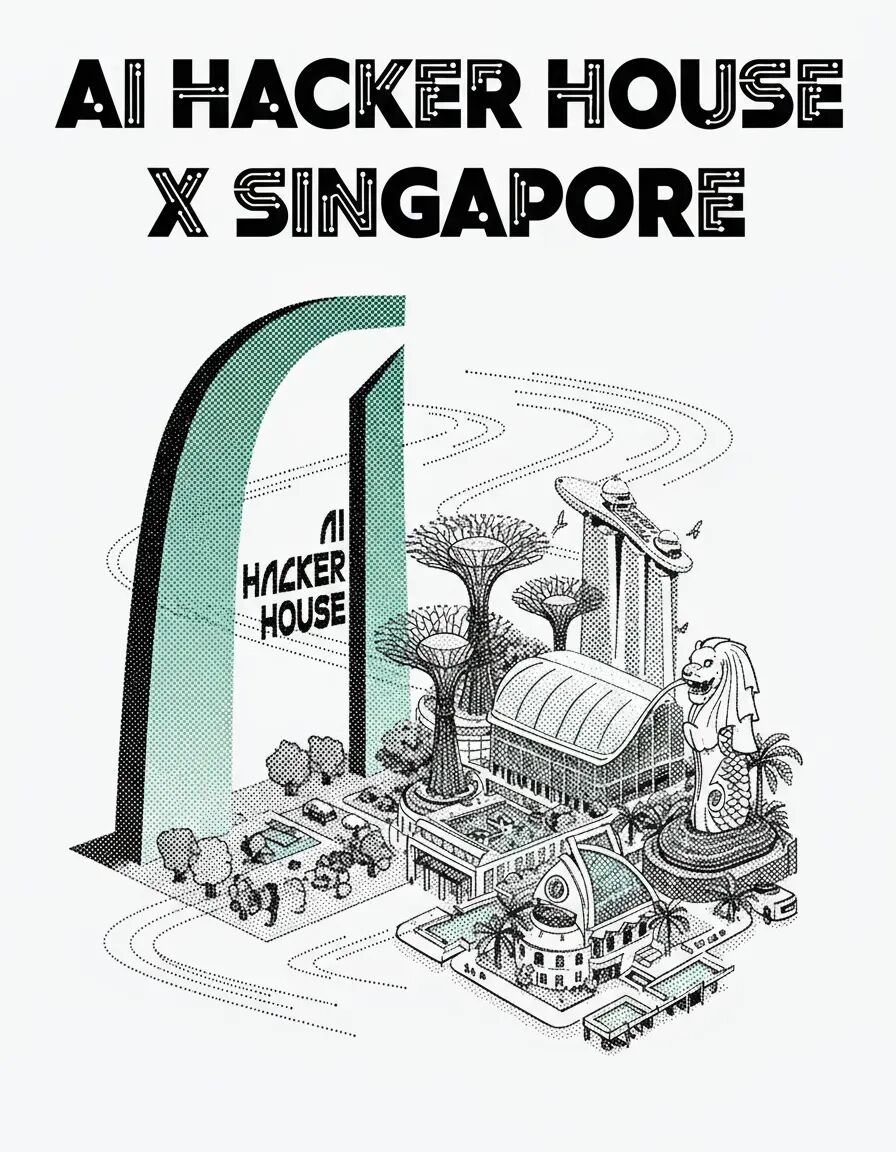
Nano Banana maintained its clean, direct approach. It completed the "fusion" task as clearly as possible without over-embellishing. The final effect was clean, orderly, and visually pleasing.
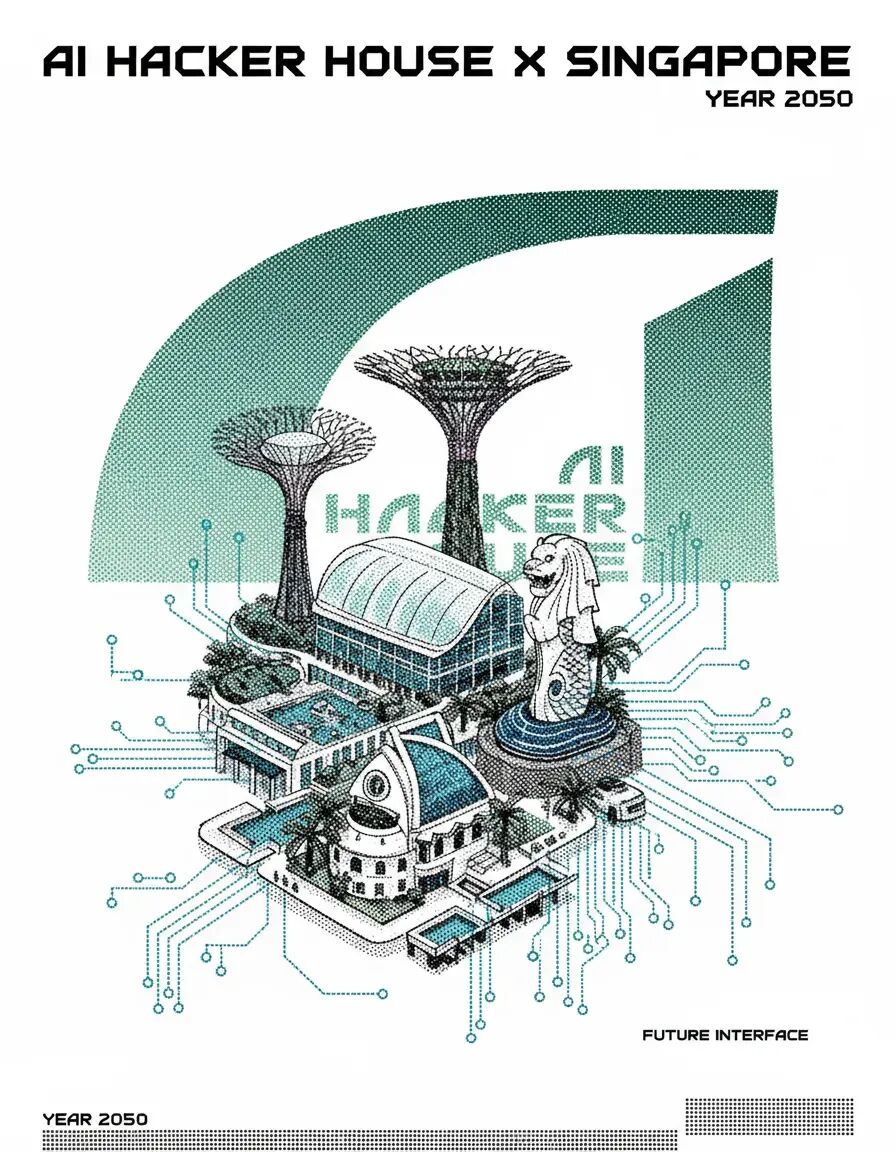
Then, Seedream 4.0's output:

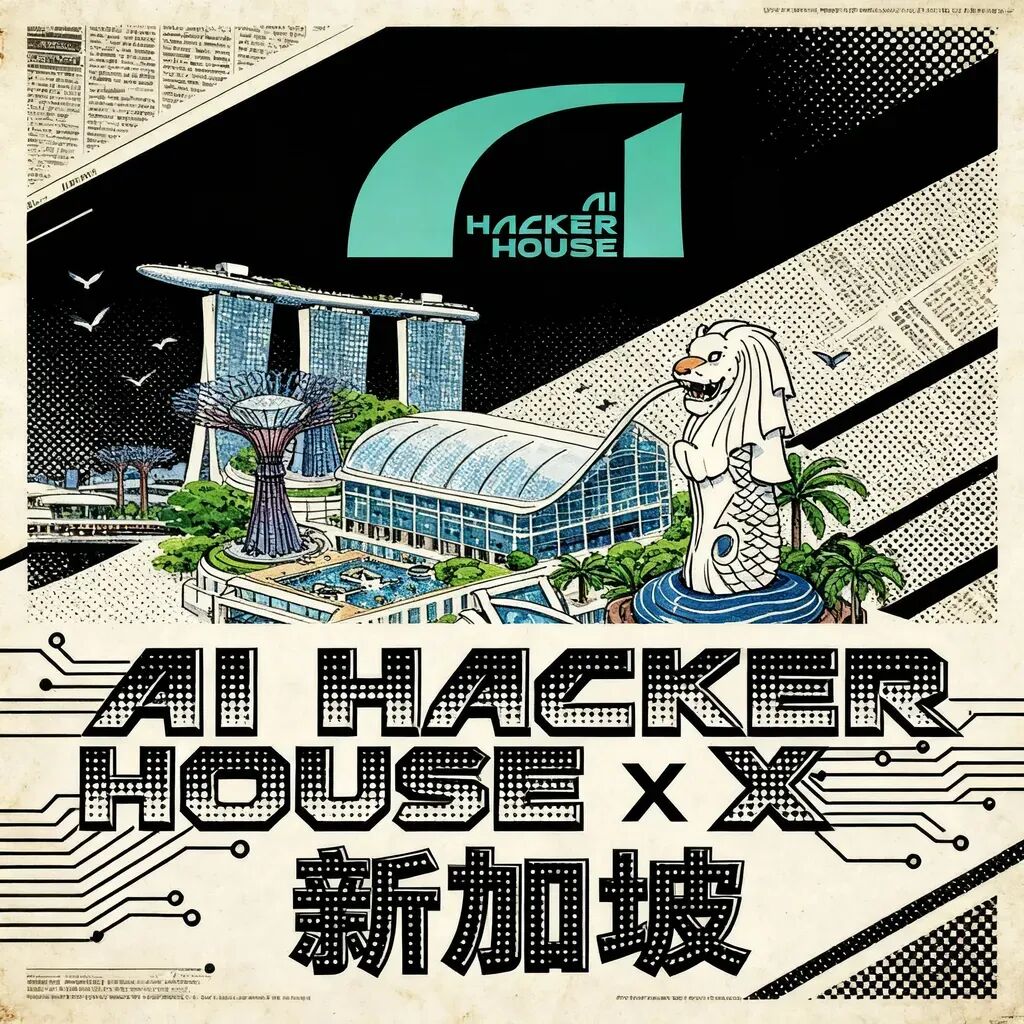
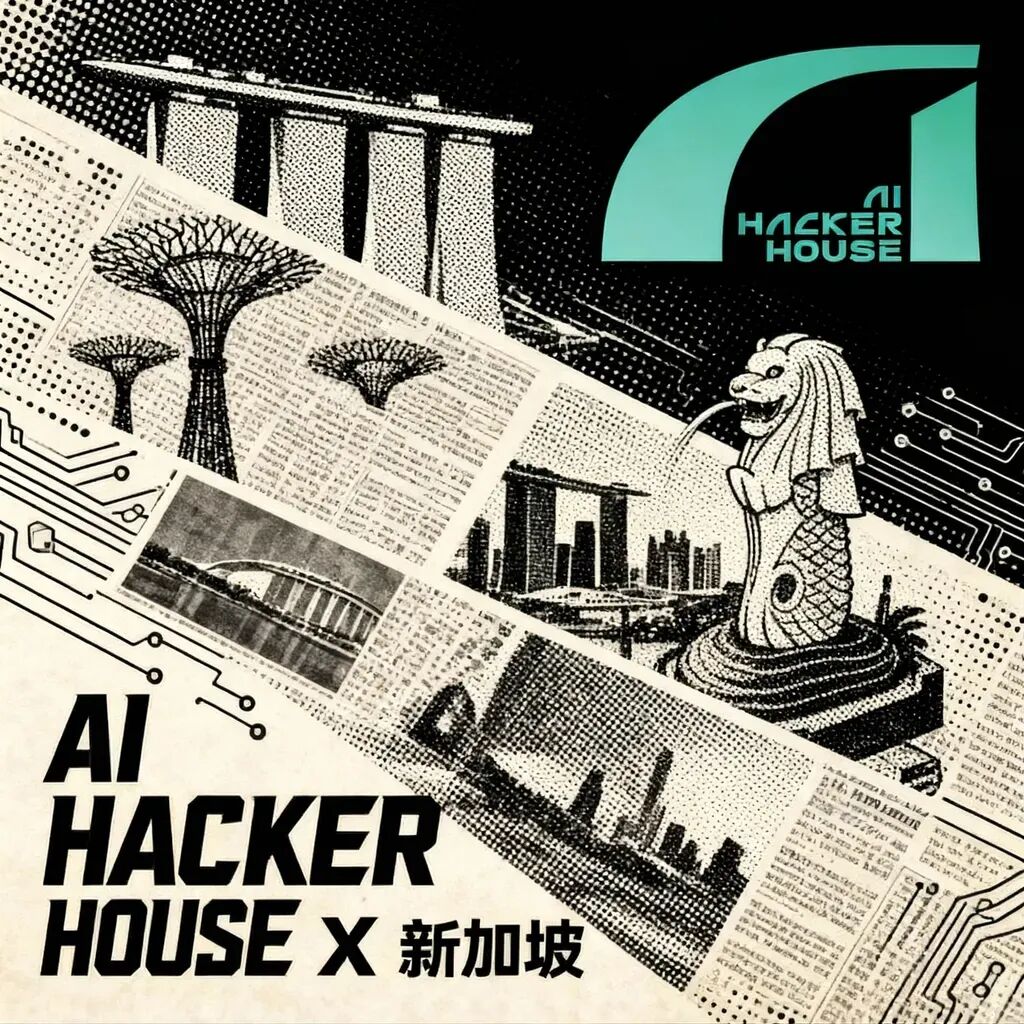
The difference is quite clear: Nano Banana "prefers" to complete tasks with simplicity and efficiency, while Seedream 4.0 consciously employs more complex elements.
Seedream 4.0's results carry obvious artistic processing. It actively adds lighting effects, textures, or color gradients to create more atmosphere — the poster feel is stronger.
Haute Couture Fitting
After testing posters and covers, I wanted to try something closer to daily life that would more intuitively demonstrate AI's creative capabilities: a virtual fitting room + makeup studio.
First, I had AI generate a visual of a woman as my main reference:

Then, I casually grabbed some celebrity stage haute couture from the web:
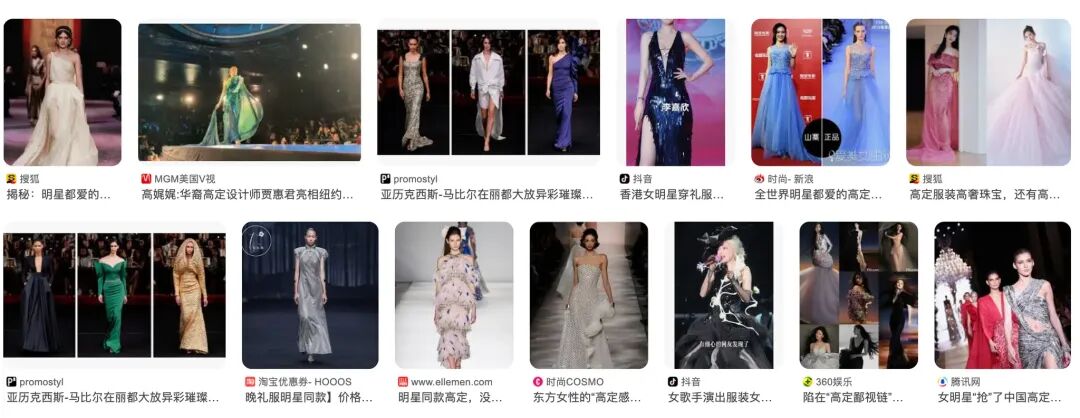
I entered a simple prompt:
Have the woman in Image 1 try on each celebrity haute couture outfit in Image 2. Give me 9 images.
The results: 5 images generated with Nano Banana, 4 with Seedream 4.0. Both showed high consistency, with very natural overall appearance. The clothing wrinkles, fit, and even lighting effects all looked realistic.

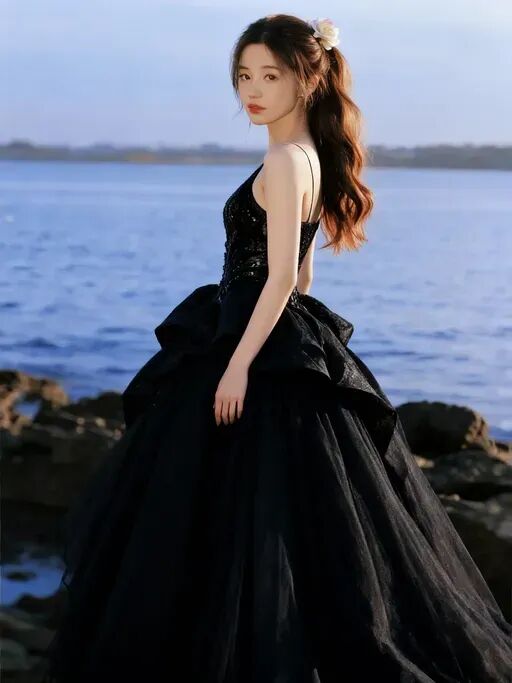
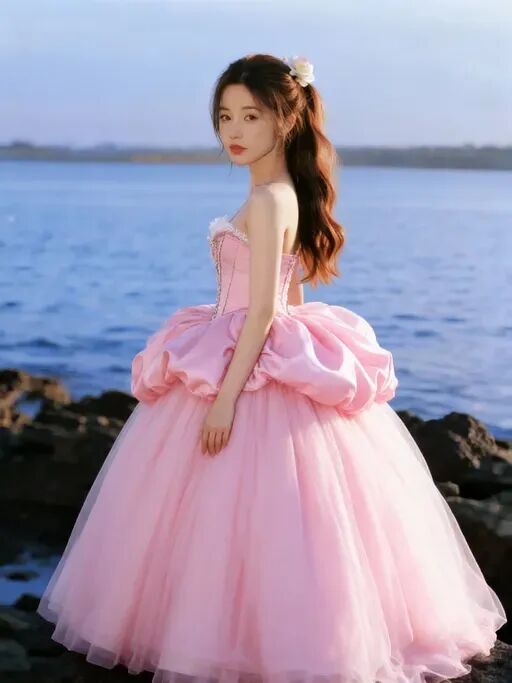
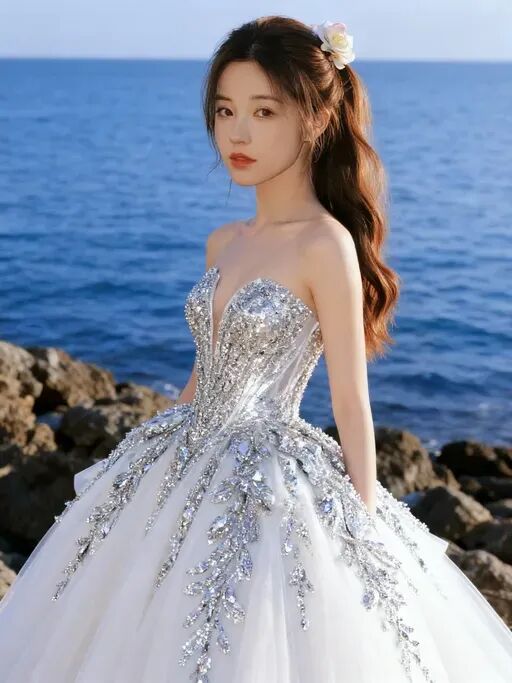
Of course, you can't tell Nano Banana and Seedream 4.0 apart from these images alone. But it does show that both models have solid foundational capabilities.
Virtual Makeup + Journal Tutorial
Going further, after clothing, I upgraded the challenge to makeup. I casually found online an image showing 16 different makeup looks:
I had the AI model try them on one by one. In the results below, the first row is Seedream 4.0, the second row is Nano Banana:
Spicy girl makeup
Rich-girl makeup
Glamorous leading-lady makeup
Korean "plain water" makeup
Japanese sweet makeup
Forest fairy makeup
As you can see, Seedream 4.0 handles bold, dramatic makeup styles with relative ease, while Nano Banana is actually better suited for lighter, more natural looks. (Of course, I'm no expert — female readers, please weigh in the comments on how these two AI makeup artists performed.)
Going a step further, since both models also demonstrated solid visual reasoning capabilities, I had Lovart generate makeup tutorial journals as well. Here I set it up so that Nano Banana would generate the English versions and Seedream 4.0 would handle the Chinese.
This made it abundantly clear: in both English and Chinese, these two models have improved dramatically over their predecessors from just six months ago when it comes to text output and hallucination.
In image-text combined tasks, hallucination rates have dropped significantly for both models. Whether in Chinese or English, the step-by-step instructions and visual diagrams match up smoothly.
After running through so many test cases, I assumed my credits must be nearly depleted. After all, I'd been generating images at scale — especially for the magazine covers and makeup tests, easily dozens if not hundreds of images.
But when I exited the Project page, I discovered my credit consumption was zero. For a moment I suspected a system bug.
Promotional Offers
After all that testing, playing until I was practically cross-eyed, I thought I'd burned through most of my credits. Yet when I backed out to the Project page, the tally was zero.
A quick check revealed why: Lovart is currently running a promotion, and the two models I focused on — Seedream 4.0 and Nano Banana — are completely free from September 10 through September 20. Even better, if you upgrade to Basic membership or above before the 20th, both models remain unlimited and zero-credit for the full 365 days of your membership.
In other words, if you subscribe during this window, you get a full year of unrestricted use without worrying about credit burn. For users who like to experiment and batch-generate, that's solid value.
What's more, I happened to glance at the other models on offer:
[1] Google's Veo 3 is also on sale at a flat 70% off across all tiers;
[2] Keling AI and Hailuo AI are both unlimited for Pro+ members through September 20.
So I immediately put my generated images to work, using Lovart's ChatCanvas feature with Veo 3 to create two transition clips for Koji, then stitched them together.
If the earlier sections were technical and artistic comparisons, this final perk counts as "practical care" for creators. Because creation is already mentally taxing enough — if costs can be eased, it's that much easier for users to stay focused on their work.
From hackathon posters to fashion magazine covers, from logo-landmark fusions to virtual fitting rooms and makeup tutorials, I've now put Nano Banana and Seedream 4.0 through most of their paces inside Lovart.
Three main takeaways:
[1] The fundamentals are already rock-solid
Both Nano Banana and Seedream 4.0 demonstrate stability and consistency far beyond what was possible six months ago when facing complex prompts, long context windows, and multi-element fusion. Hallucination rates are noticeably lower, and image-text alignment is much smoother.
[2] Each model has its own stylistic leanings
Nano Banana is more of an "execution specialist": precise, clean, and consistent, especially suited for tasks requiring strict structural discipline.
Seedream 4.0 is more of a "design specialist": stronger at artistic divergence, bold styling, and Chinese typography, with results that often carry a little unexpected flair.
[3] Lovart's user experience is a genuine plus
Not only can you summon multiple models with a single sentence, but it "remembers" my intent across long contexts and even auto-assigns tasks. To put it simply: it's not "executing commands," it's "understanding design."
Even better, this entire experience barely cost any credits, and I stumbled onto several promotional deals along the way.
From this review, I sense a clear trend: AI image generation is gradually shifting from "cool lab technology" to "productivity tool anyone can pick up and use."
Going forward, it will likely split further: some models will keep pushing toward higher precision and lower hallucination; others will keep breaking new ground in artistry and creativity, acting as true collaborators alongside creators.
Nano Banana and Seedream 4.0 sit right at the intersection of these two directions, each extending along its own path.
After reading this review, which style do you prefer? Drop a comment — I'd love to hear about your use cases and experience!