First Look: Lovart, the World's First Design Agent, Is Here!

We are witnessing history.
We are witnessing the first design-focused AI Agent.
👦🏻 Author: Jingshan
🥷 Editor: Koji
🧑🎨 Layout: NCon

The first episode of Crossing's 2025 podcast was a year-opening conversation between Koji and ZhenFund managing partner Yusen Dai: "The Critical Year for AI, Agent Ushers in a New Era"
— At the time, we boldly called 2025 the "Year of the Agent."
Events have borne that out. Manus fired the opening salvo of the "Year of the Agent," drawing widespread attention after its launch and securing investment from top-tier VC Benchmark at a $500 million valuation.
If we reference the L1-L5 capability framework proposed by OpenAI, we've clearly arrived at the L3 stage:
- L1: Chatbot (conversation)
- L2: Reasoner (reasoning and problem-solving)
- L3: Agent (tool use to complete complex tasks)
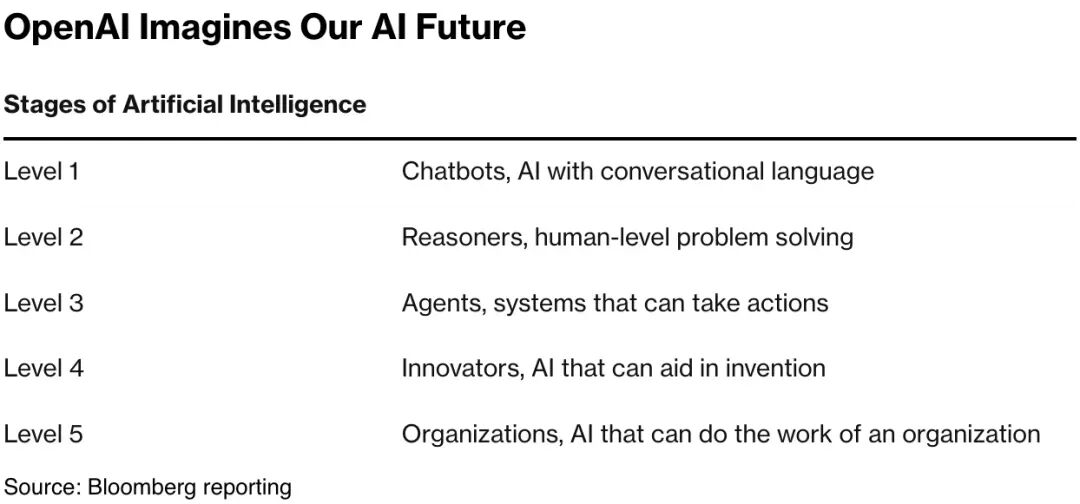
We believe that in the next 6-12 months, any sector with clear efficiency improvement needs presents AI Agent startup opportunities.
🚥
Last night, we discovered a product called Lovart.ai — possibly the first design AI Agent on the internet. It's quite polished, and a number of KOLs overseas have already started sharing and discussing it.
We reached out to the official team on X and secured an access code to bring you firsthand impressions and analysis.
Lovart.ai's website is modern — couldn't be more minimalist. The hero section contains just ten English words that succinctly explain what it is:
Auto-Design — The design agent who creates by your side.
Lovart: A Designer with Genuine Craft
Lovart follows a workflow broadly similar to other recently launched AI Agents, but the experience is elevated by more than one dimension.
It supports natural language interaction (colloquially: "using your mouth"), though in our testing, English currently yields the most consistent results with prompts.
For example, I asked Lovart to generate a set of McDonald's x panda co-branded logos. After some deliberation, it produced a collection of visually designed icons.
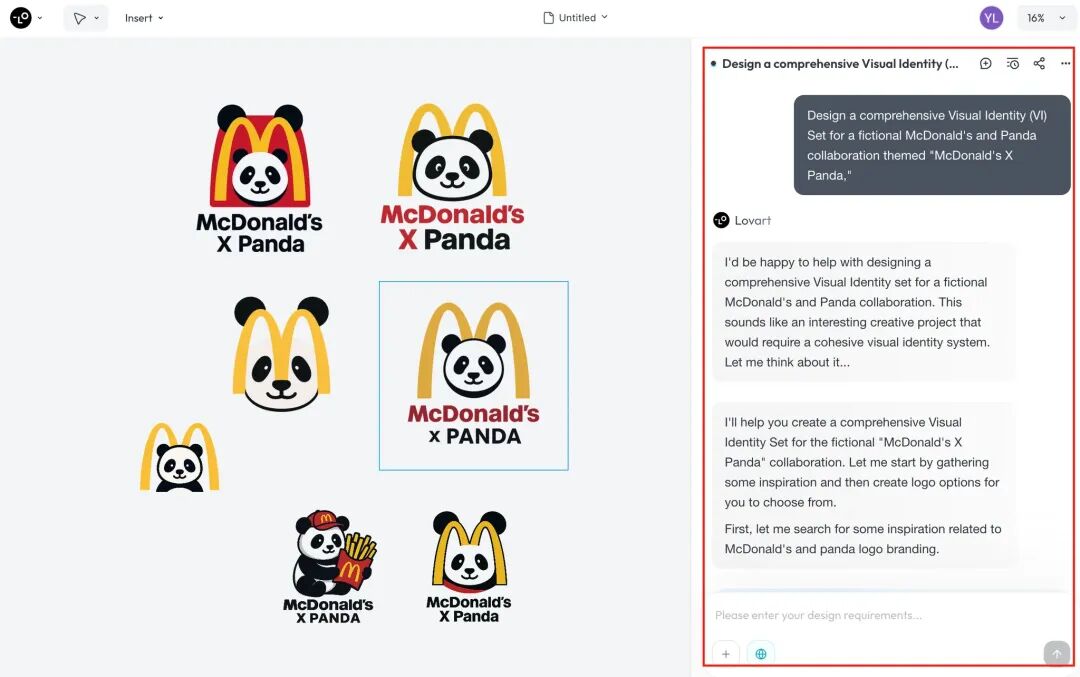
What pleasantly surprised me was Lovart's solid grasp of my intent — it first parsed my prompt to infer what I wanted, then decided on its own next steps.
After that, it decomposed and expanded the task through a suite of external LLMs (such as the strongly reasoning o3), before finally completing image generation with models like GPT-Image-1, Flux Pro, and others.
When I tested this design AI Agent on logo generation, these external models were already quite well integrated into Lovart's workflow, demonstrating a high degree of completion.
For instance: when facing a lack of inspiration, it automatically searches the web for relevant references, selecting several samples aligned with my prompt's intent.
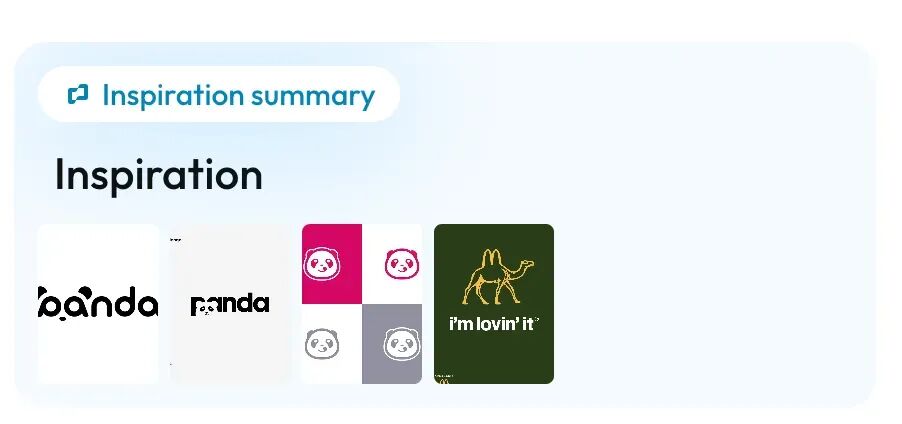
Only then, based on these inspirations, would it methodically unleash its creative thinking and use Lovart's connected GPT-Image-1 to generate the logos I wanted.
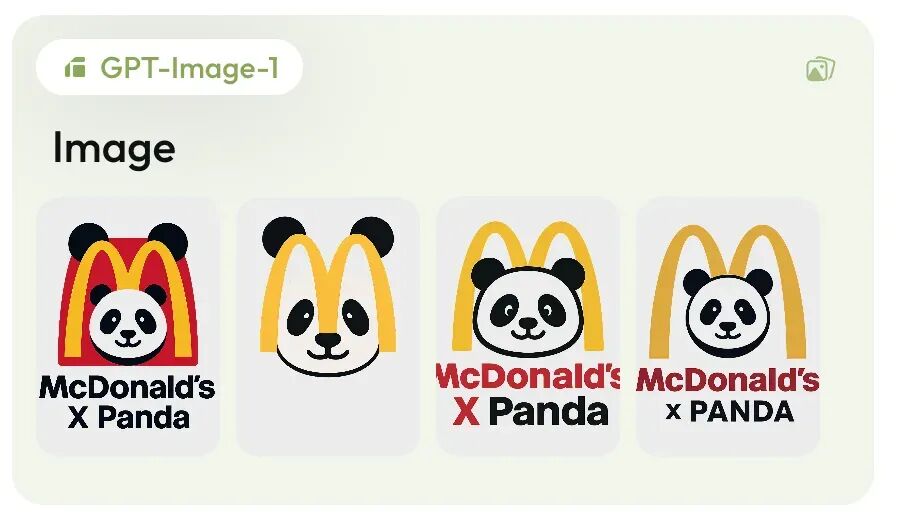
A side note: during my testing, I noticed Lovart used GPT-Image-1 with high frequency for image generation. This is the new image generation model OpenAI released last month, capable of batch-producing multiple stylistic variants. However, this model's API pricing isn't cheap — a single high-quality image costs about 1.3 RMB, quite expensive.
That said, Lovart is currently free to use, showing plenty of goodwill during its promotional period.
After completing the image generation task, it also threw in a complete "how Lovart professionally analyzes these logos" guide, explaining the design philosophy behind them.
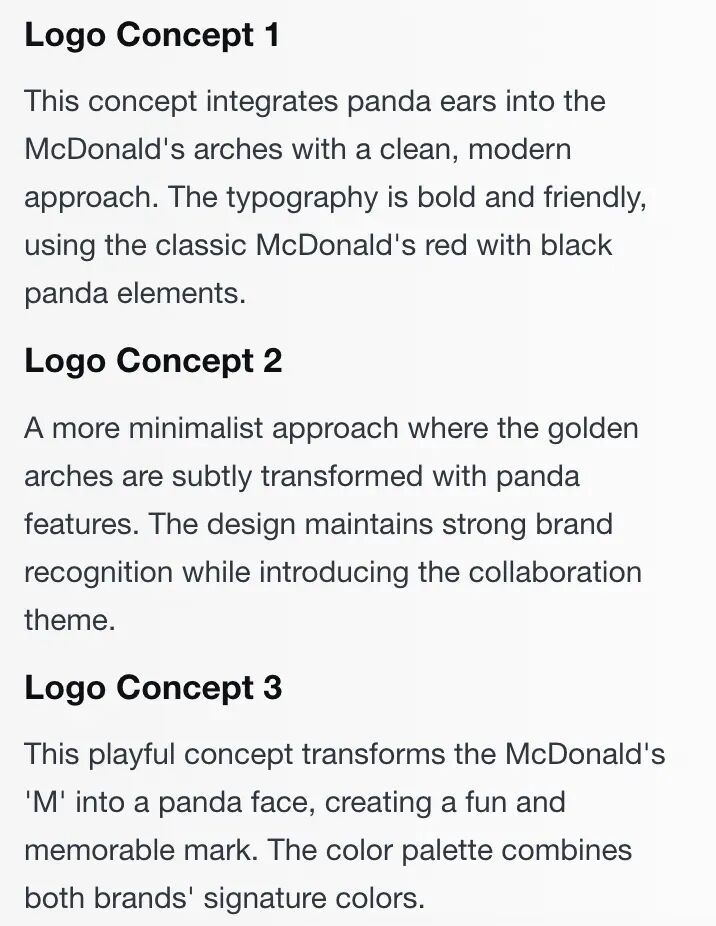
This step is actually crucial, because it demonstrates the most basic interactive capability of an AI Agent — users need to understand how it thinks before they can, through multi-turn dialogue, arrive at the design they want.
Generating logos alone hardly showcases Lovart's potential as a design Agent; traditional text-to-image tools can more or less handle that too.
I raised the stakes further:
I needed it to serve as a one-stop design platform and produce a complete brand VI.
So I entered a simple prompt:
(Original prompt in English)
I like the logo you made. Create a complete VI design based on it.

Lovart activated its reasoning model and started thinking again. The result: it formulated a com-plete brand design system.
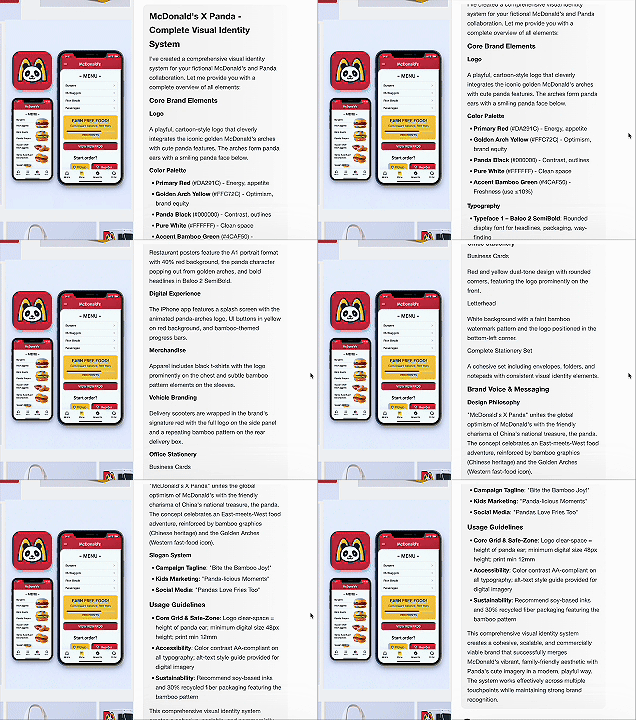
Then it directly designed the entire VI set, all in one go.
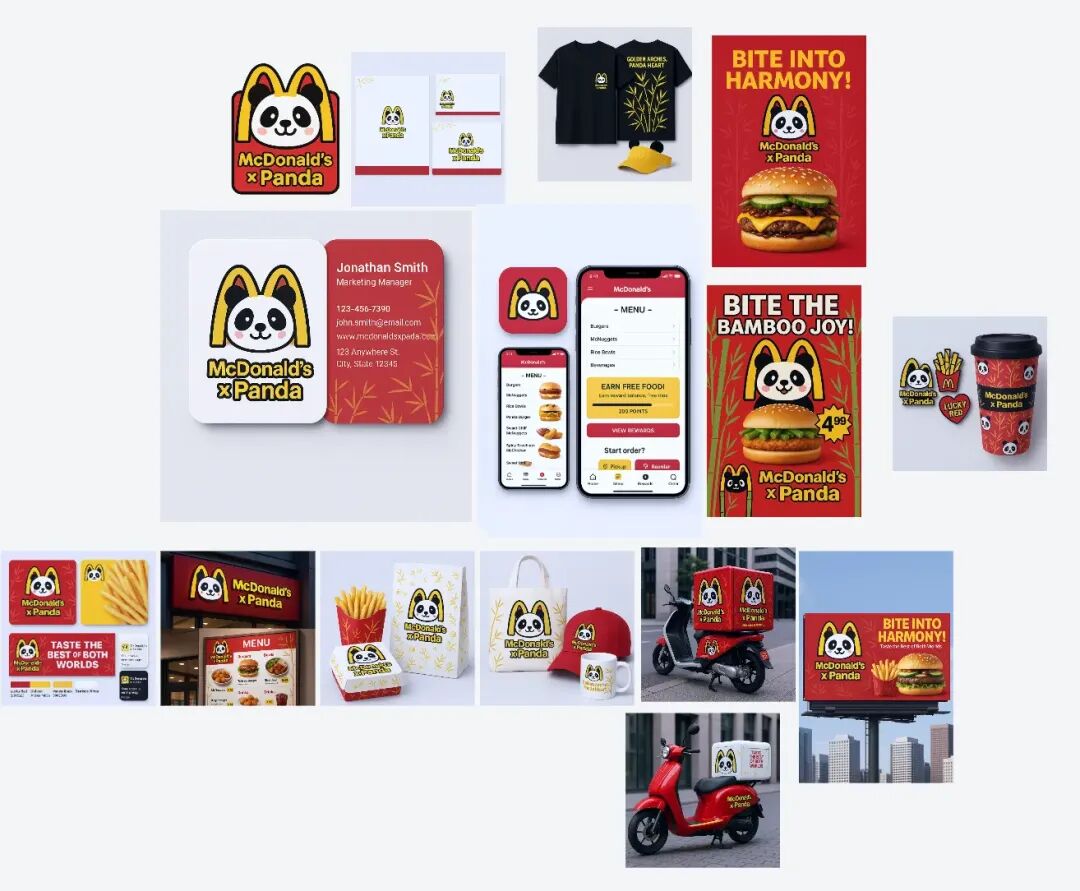
Among all these deliverables, several genuinely impressed me — mainly because Lovart's creativity didn't stray from practicality. The designs were almost ready to use as-is.
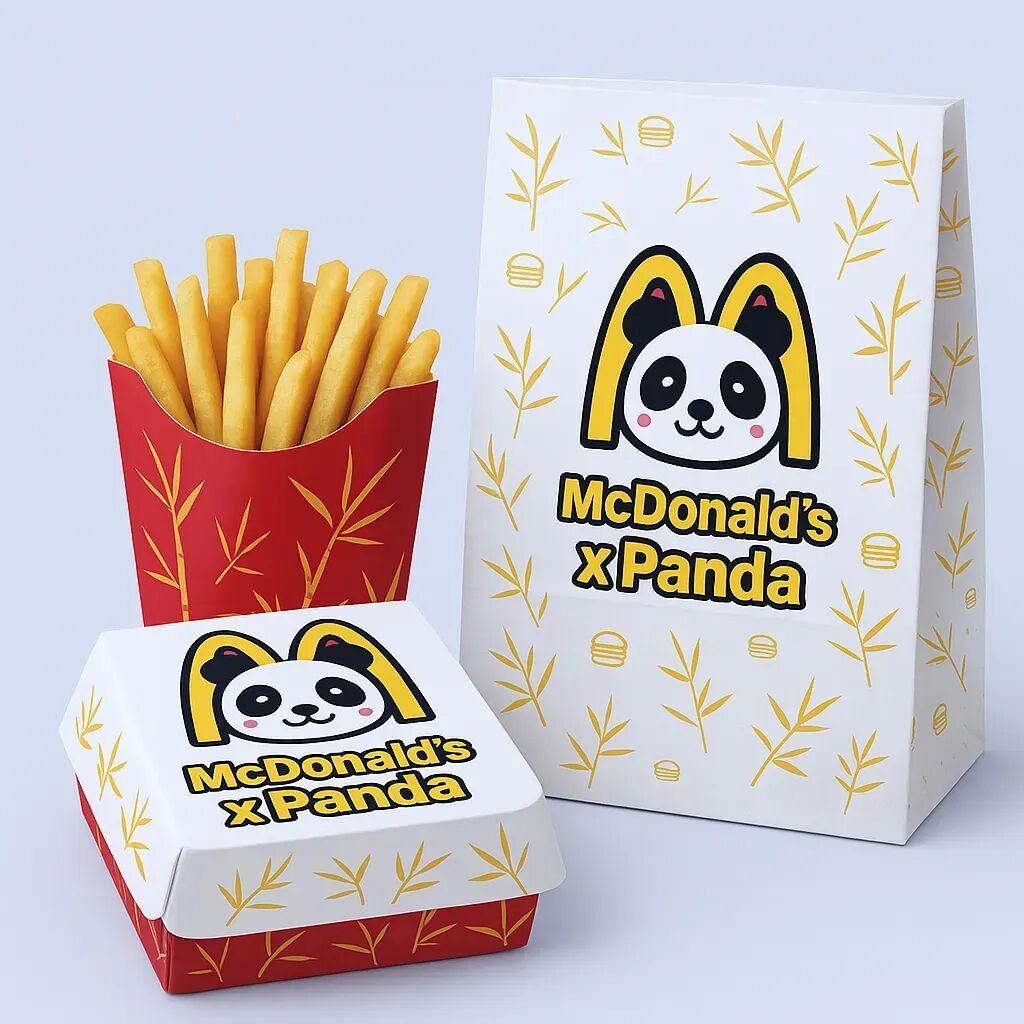
The first thing that really surprised me was the food packaging set, a must for any fast-food restaurant! The moment I saw this "McDonald's X Panda" co-branded packaging, I felt Lovart's output met industry standards — possessing the know-how of a designer who has actually worked on frontline projects.
The red, white, and yellow color scheme remains classic. Bamboo patterns and McDonald's burger icons are sprinkled throughout, yet the overall composition never feels cluttered.
Then there are these co-branded merchandise items below: a red baseball cap, white canvas tote, and mug.
Beyond the main "McDonald's X Panda" logo, the tote bag symmetrically incorporates bamboo leaf designs, as does the mug — which even features a slogan Lovart came up with on its own: "Golden Arches, Panda Heart."
It perfectly captures the theme of this co-branding campaign!

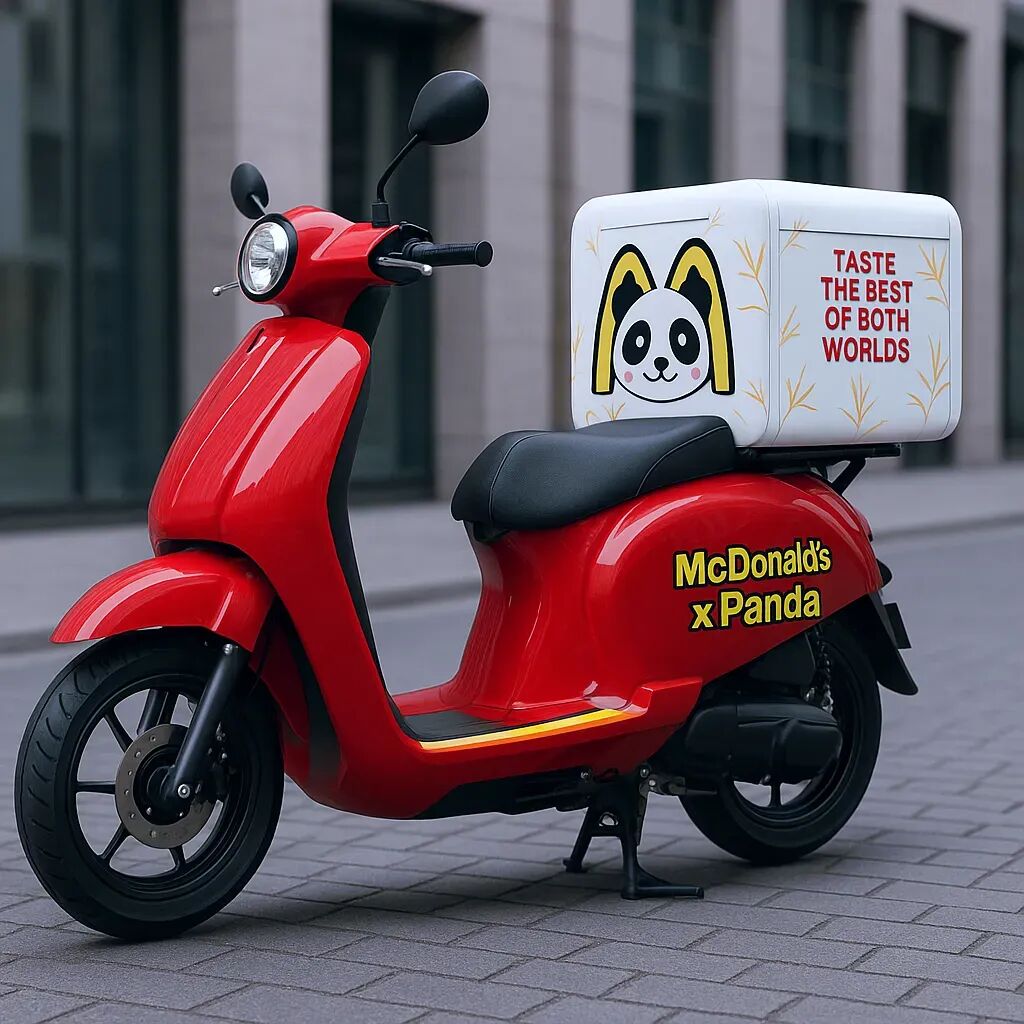
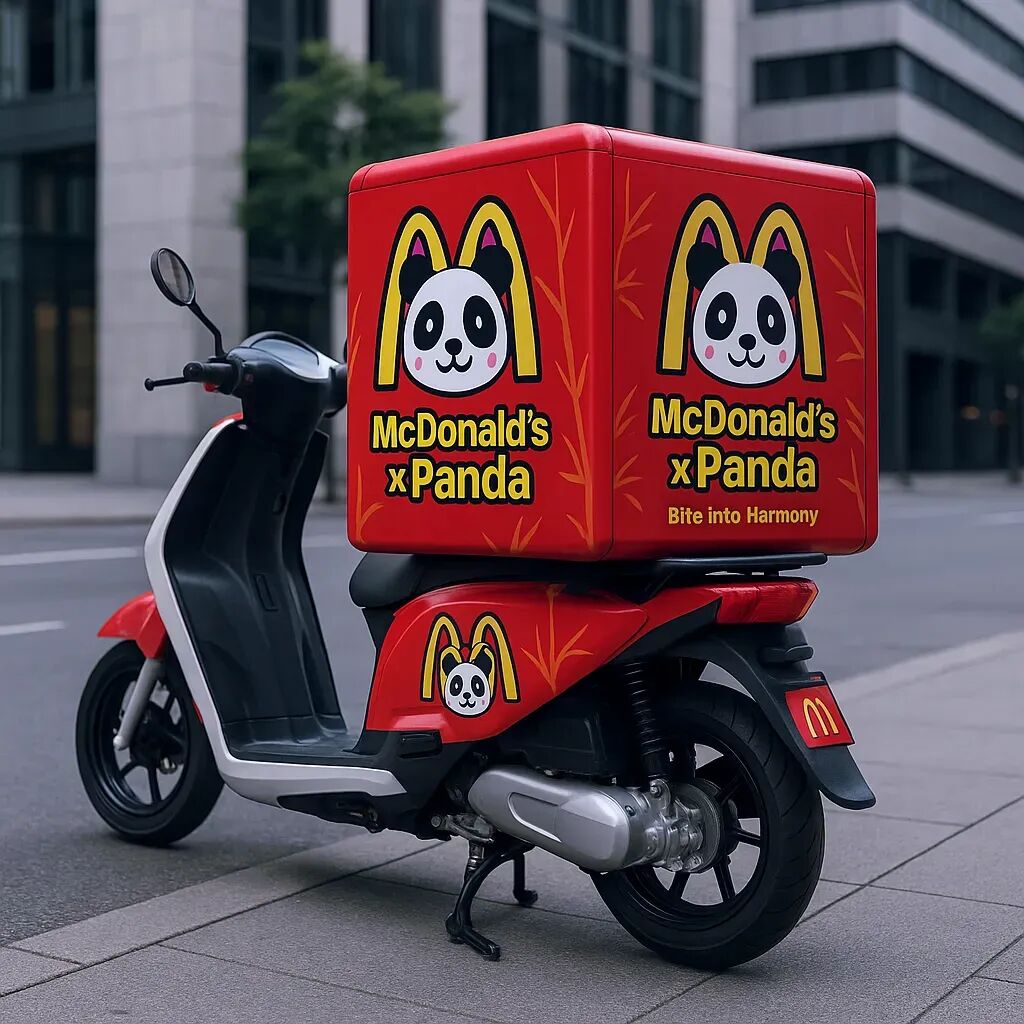
These two "McDonald's X Panda" co-branded delivery vehicle designs also initially wowed me. Lovart directly generated a multi-style visual set for the delivery scooters, adding panda motifs, Golden Arches logos, and bamboo watermarks across various positions, plus two original brand slogans:
"Taste the best of both worlds" and "Bite into Harmony" — brilliant!
So why does Lovart perform so well?
Based on my experience running through this entire testing process, I've found that an Agent doesn't immediately rush to work like traditional text-to-image models upon receiving a prompt. Instead, it acts like a seasoned designer on the payroll:
- Activate reasoning models: First, understand what the user needs. What does a complete brand design system include? Its answer: at least 15 different deliverables.
- Help the user clarify intent: Lovart uses follow-up questions to pin down user intent — an Agent interaction pattern dating back to ChatGPT DeepResearch. For example, it asks: Which logo concept do you prefer? Should this VI include offline store application scenarios?
- Every stage involves creative divergence: Something like the "Bite into Harmony" slogan in the product mockups demonstrates Lovart's all-in-one integration of multiple connected LLMs, allowing them to carry creativity forward like a flowing stream throughout the complete design workflow.
Only then can Lovart exceed user delivery expectations while remaining aligned with user intent: "Bold, appetite-stimulating colors, built on a simple, scalable system. The overall style is modern, lively, and easily recognizable, while maintaining commercial practicality suitable for global rollout." This is what made me feel that if I actually ran a co-branded store, I might genuinely use what Lovart produced — or at least heavily reference its design thinking.
While the image quality itself isn't exceptionally high, Lovart's reliance on current SOTA models ensures its output represents a first-class industry standard, giving it a high floor.
I noticed in Lovart's official introduction that they've integrated various multimodal models, including GPT-Image-1, Flux Pro, OpenAI-o3, Gemini Imagen 3, as well as Kling AI, Tripo AI, Suno AI...
This suggests that when users need to generate video, 3D models, or music, the rapidly iterating Lovart will automatically complete these design tasks as well.
How I Use Aesthetically-Attuned Lovart: Sharing My Workflow
Beyond generating creative design concepts from scratch through conversational prompts, you can also upload images for secondary creation.
Next, I'll share my workflow: how I use Lovart to rapidly design a complete set of materials for an upcoming event.
I uploaded an AI Hacker House logo as a reference image and told Lovart:
(Original prompt in English; I've prepared a Chinese version for easier reading)
Our brand name is "AI Hacker House." We've been hosting events in Shanghai, and now we're moving to Silicon Valley for a pop-up at a research competition. We're naming this event "AI Daydream Space." Create a complete set of materials for us, incorporating elements of: research, Silicon Valley, hacker culture, AI, and daydreams.
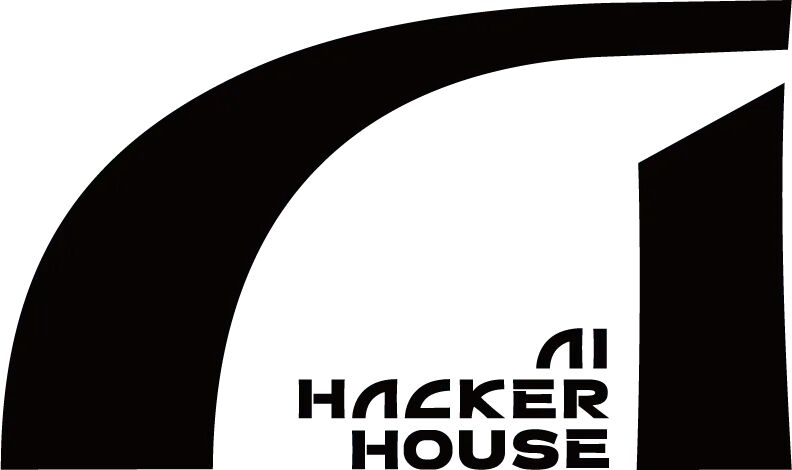
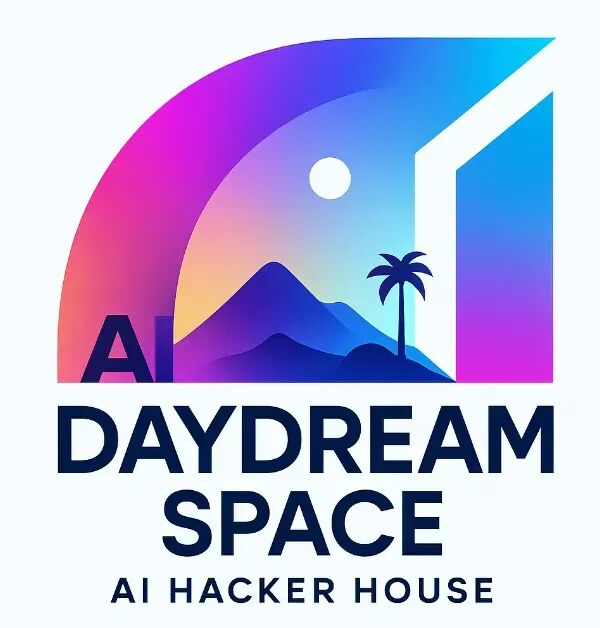
Lovart immediately generated this Silicon Valley-style logo visual as it understood it — geometric shapes and line layouts highly similar to the original logo, which genuinely felt somewhat impressive.
After I confirmed the logo for the Silicon Valley pop-up, clicking the image in the infinite canvas on the left lets you directly add it to the right-side dialog box, where you can tell the AI in natural language: Yes, I really like this logo. Keep using it to generate materials for me.
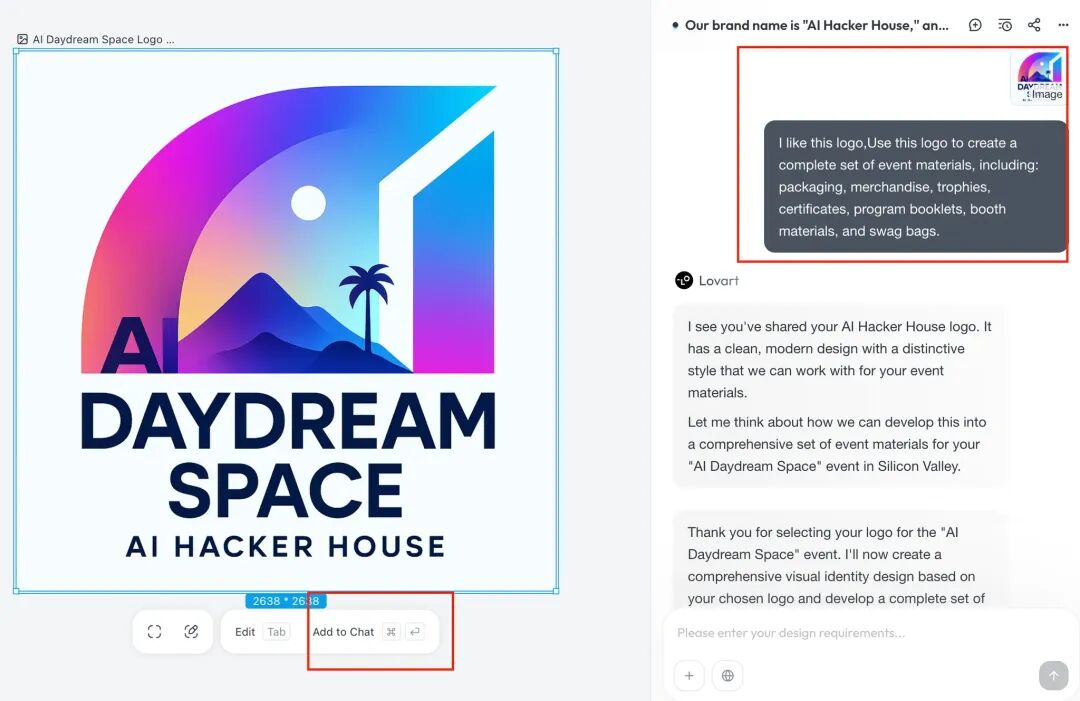
It then demonstrated its workflow as a mature design Agent: automatically formulating a Smart Plan.
We recorded a screen capture so you can feel the process of Lovart Agent diligently at work.
Lovart's plans typically include these steps:
- Apply visual reasoning to analyze what elements exist in my uploaded image;
- When it realizes it needs more design knowledge and needs to organize what it knows, Lovart reasons through this and lists subtasks in its plan;
- Call image generation models according to the prompt;
- Wrap up, "organize everything," summarize and conclude.
In the end, it competently grasped my needs, generating canvas bags, apparel, event entry cards, and even APP UI designs.
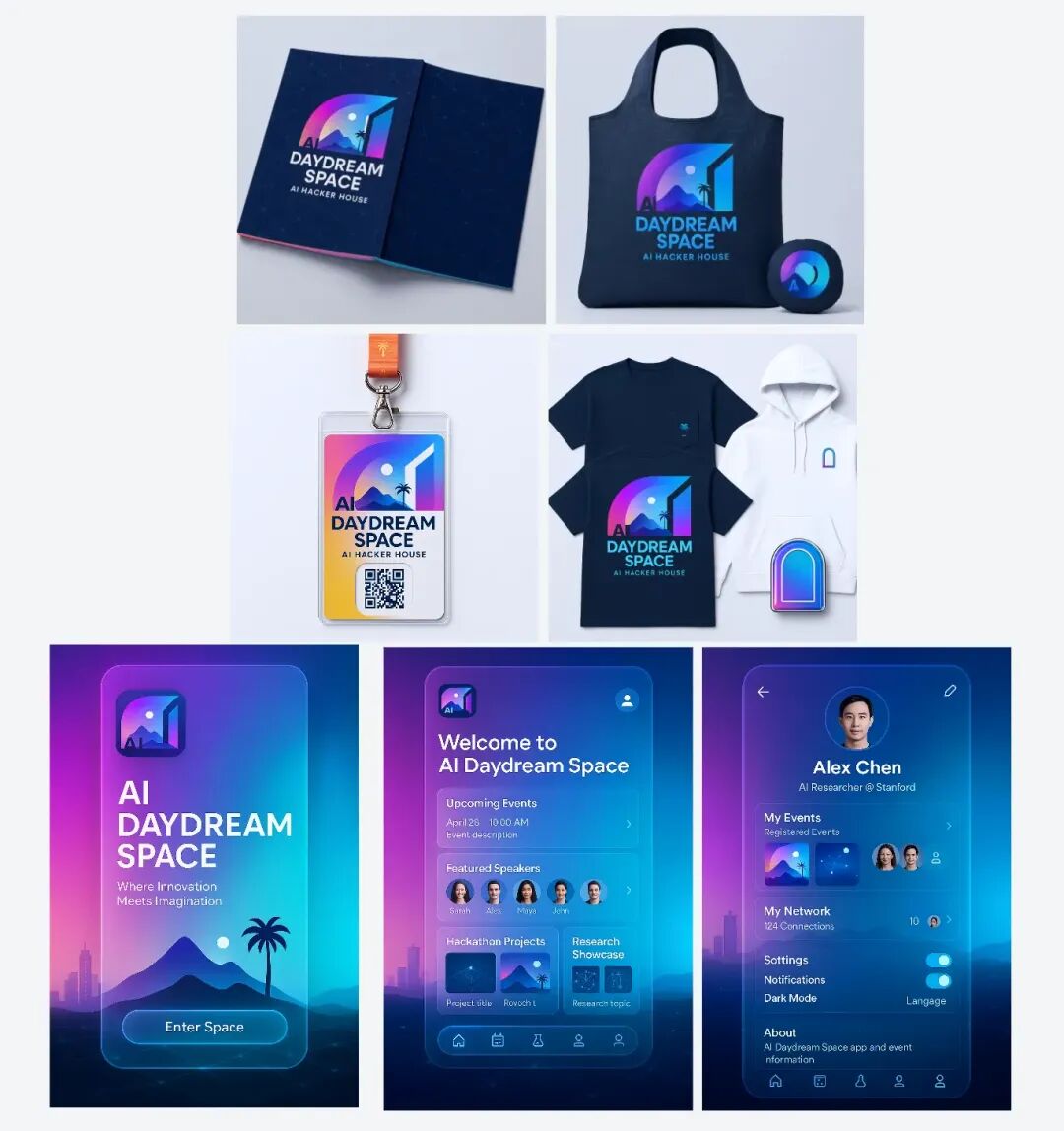
Competition pop-ups always involve handing out commemorative certificates and cards. If certain specific elements just need to be added to the same template, you can have Lovart create a design template, then use the "continue editing" feature for fine-tuning, after which you can composite and export with one click.
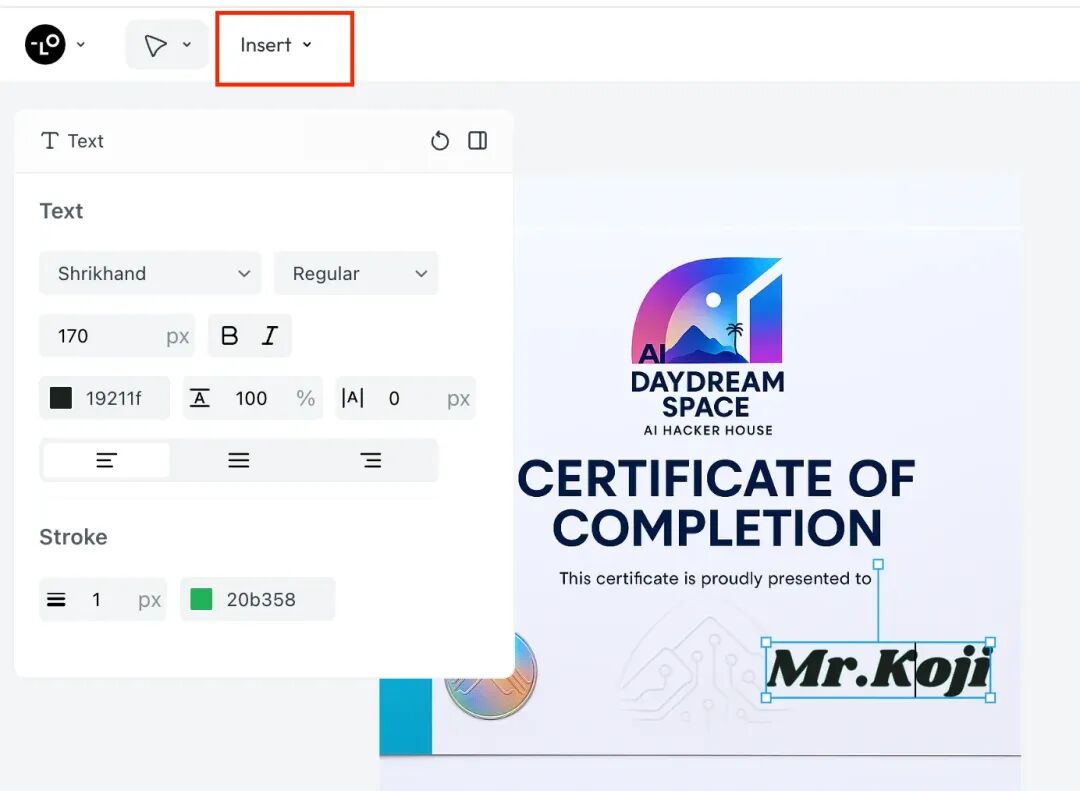
At this point, the certificates, trophies, and gift boxes for AI Hacker House's "AI Daydream Space" event were basically designed. If you need prototype images from various angles, just continue the conversation.
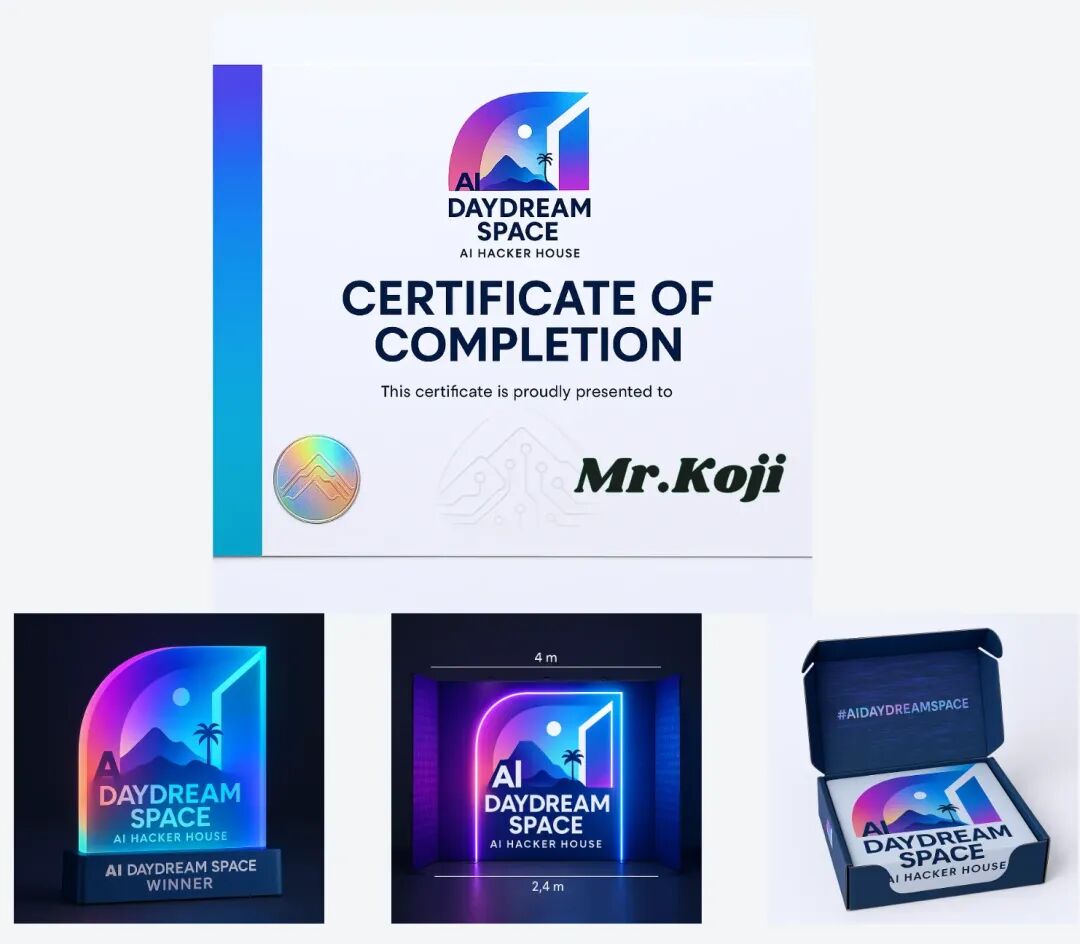
Running through all of this testing took me roughly half an hour. The only difficulty was looking up how to spell some complex English words... Here's hoping Lovart rapidly improves its Chinese semantic recognition.
Beyond these material designs, events generally also need a ready-to-use PPT template — after all, our previous Shanghai events all had "open mic" segments. So I figured it was time to standardize the format, making it convenient for participants to jump on stage anytime.
Here's how Lovart understood it:
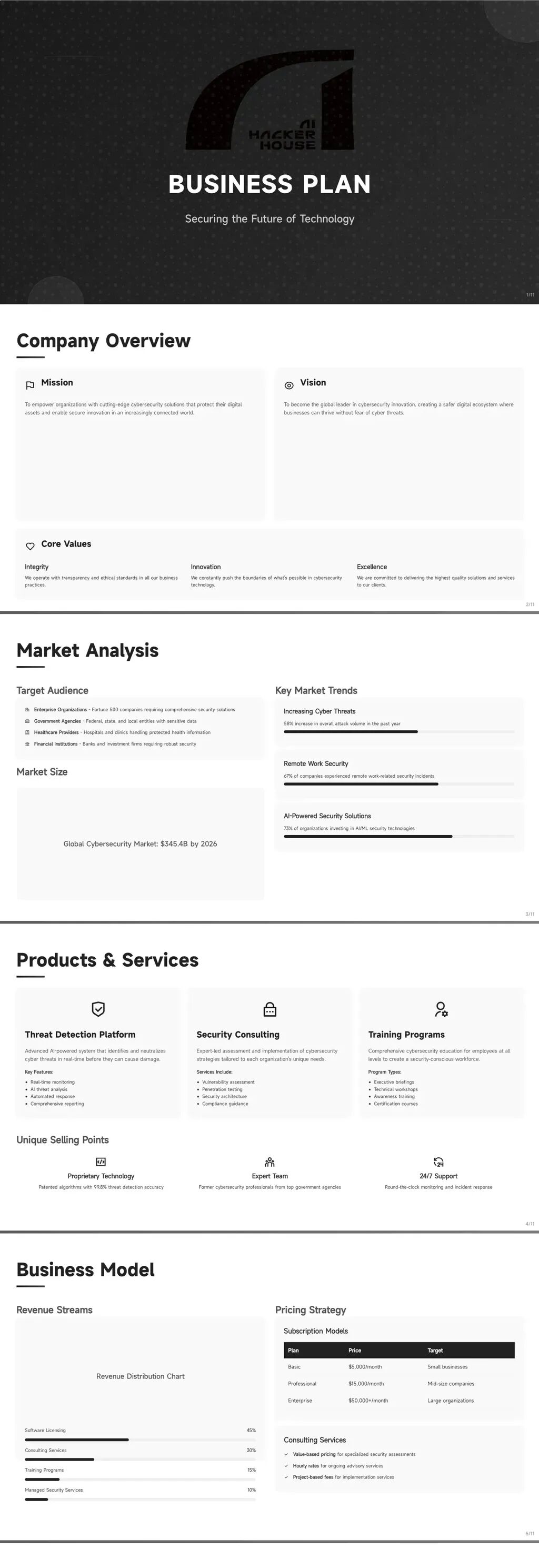
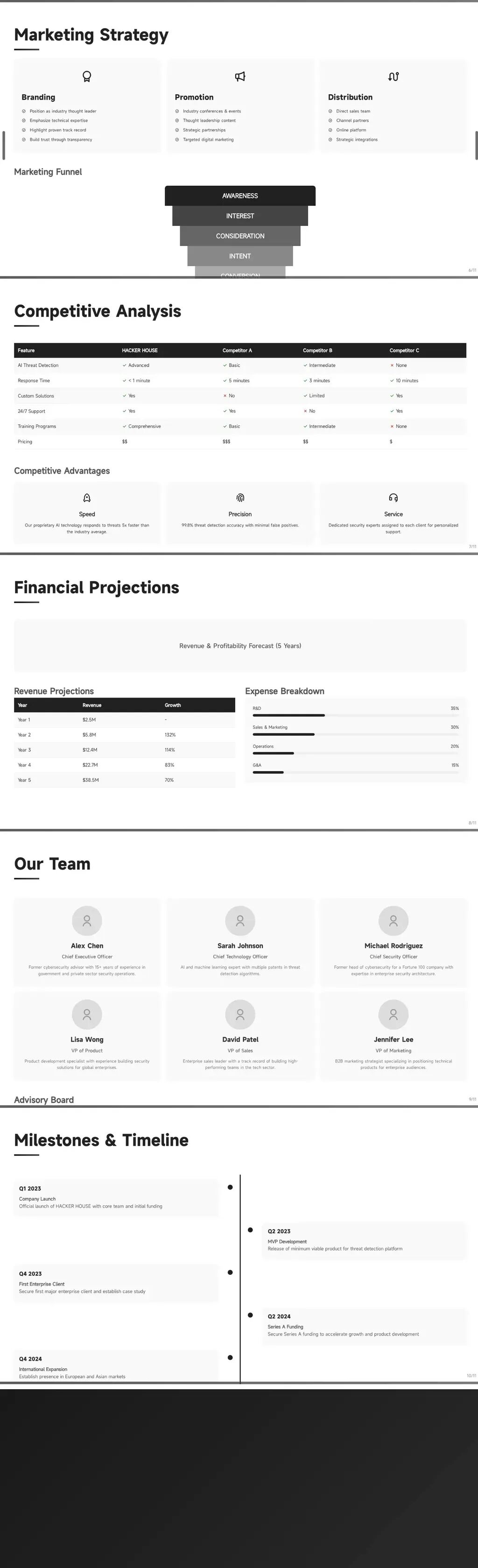
This task was far too simple for it, completely lacking the challenge of a one-stop VI design. It didn't need multiple rolls at all — what it delivered was a polished design draft, with an overall style consistent with my uploaded logo reference.
So the crucial thing about an Agent is: it needs taste!
When exporting all the above content, Lovart also provides JPG, PNG, SVG, and other formats.
Alright, here's everything I tested with Lovart:
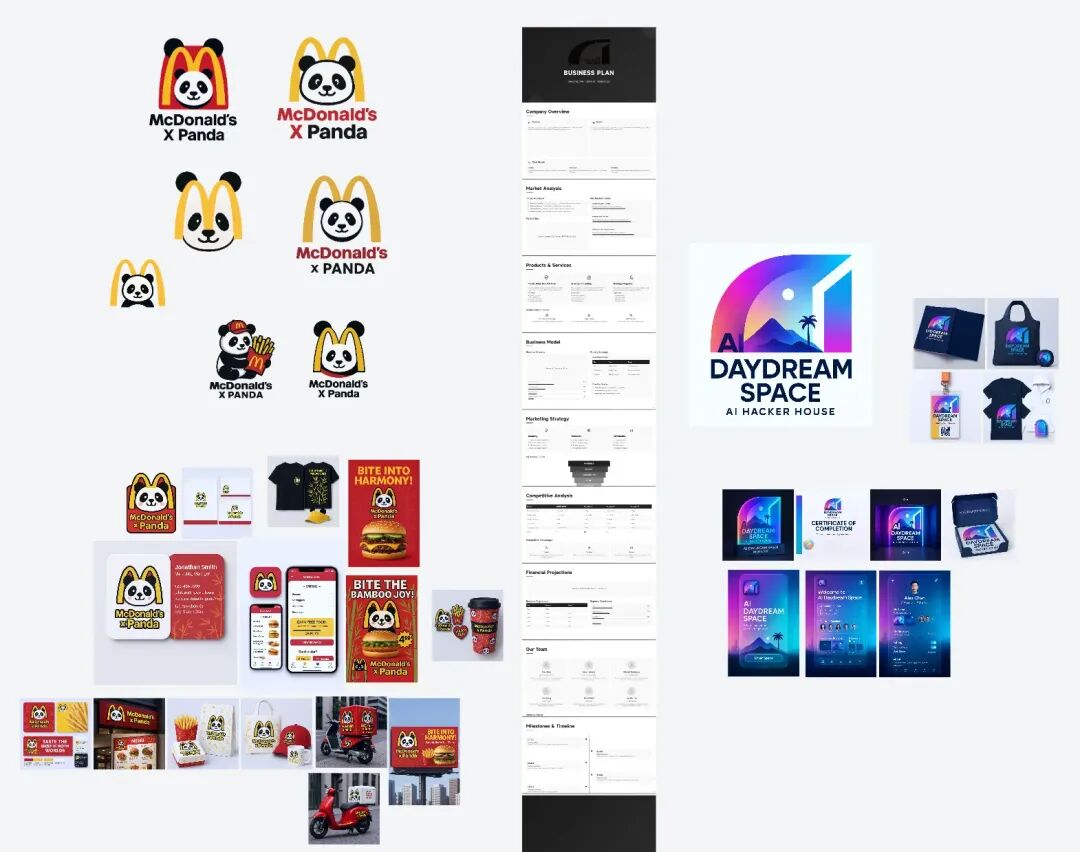
I must mention Lovart's infinite canvas design, which places all generated results on the far left, making the entire design visible at a glance.
If certain product prototype images in the same category aren't satisfactory, you can reroll freely — after all, it's free. Then aggregate them together and expand with one click. This is clearly a professional studio-grade design Agent.
At this point, the cases we ran with Lovart ourselves were all in service of specific marketing campaigns (like the McDonald's X Panda co-branding) or events (AI Hacker House Silicon Valley open mic).
For such complex tasks combining creativity + visual design, Lovart performed excellently. However, as a planning and reasoning-integrated AI Agent, Lovart is equally adept at various other long-horizon tasks. For example, on its official website (or X), we also saw:
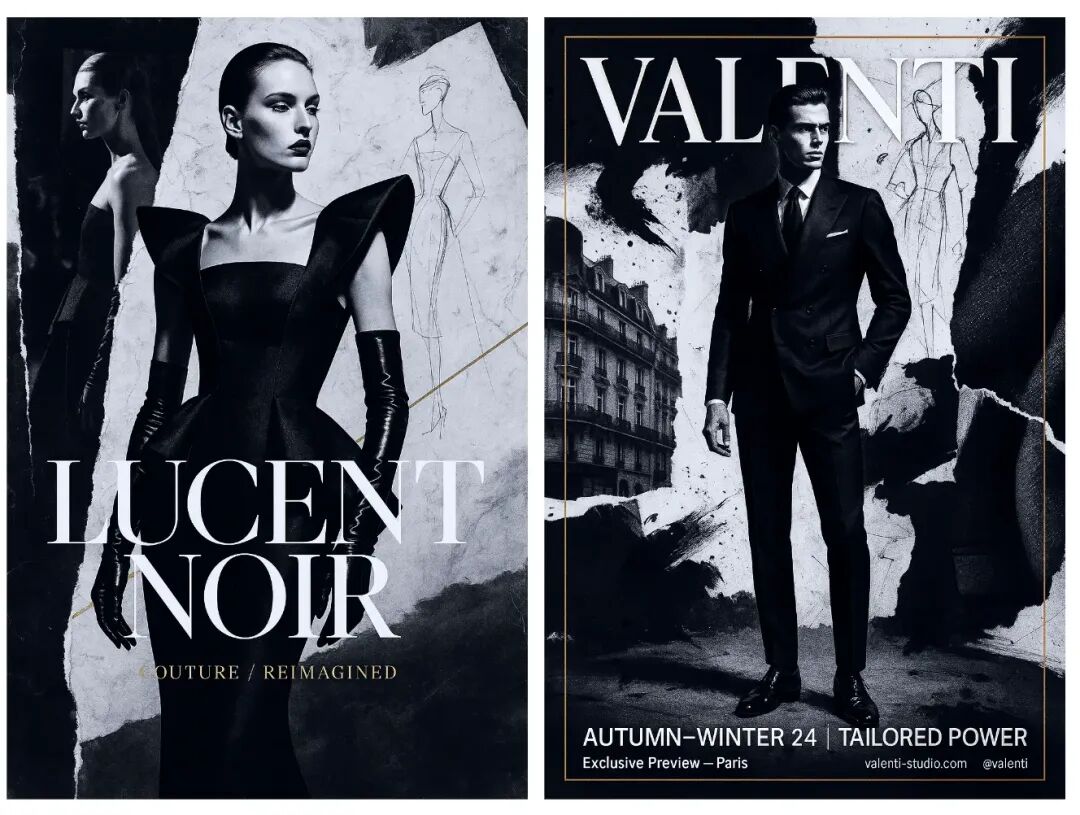
Someone using it for fashion poster design:
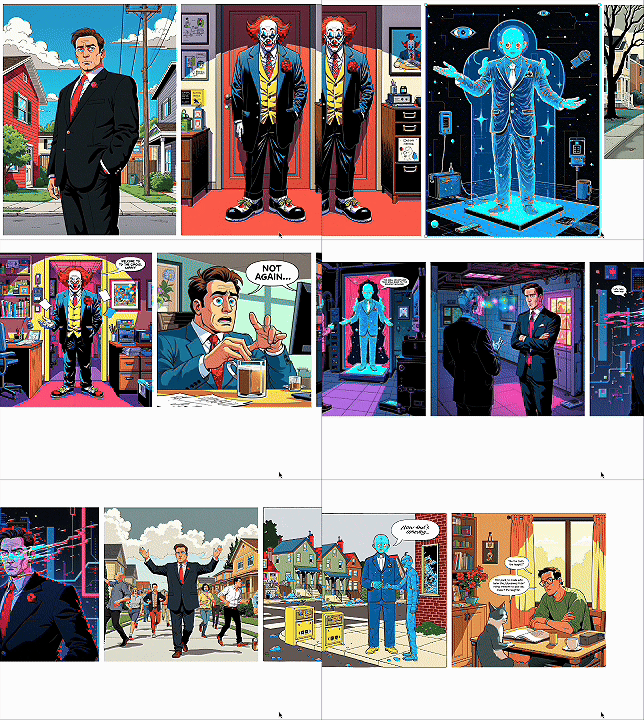
Someone using it to write scripts and create darkly humorous, absurdist comic strips:
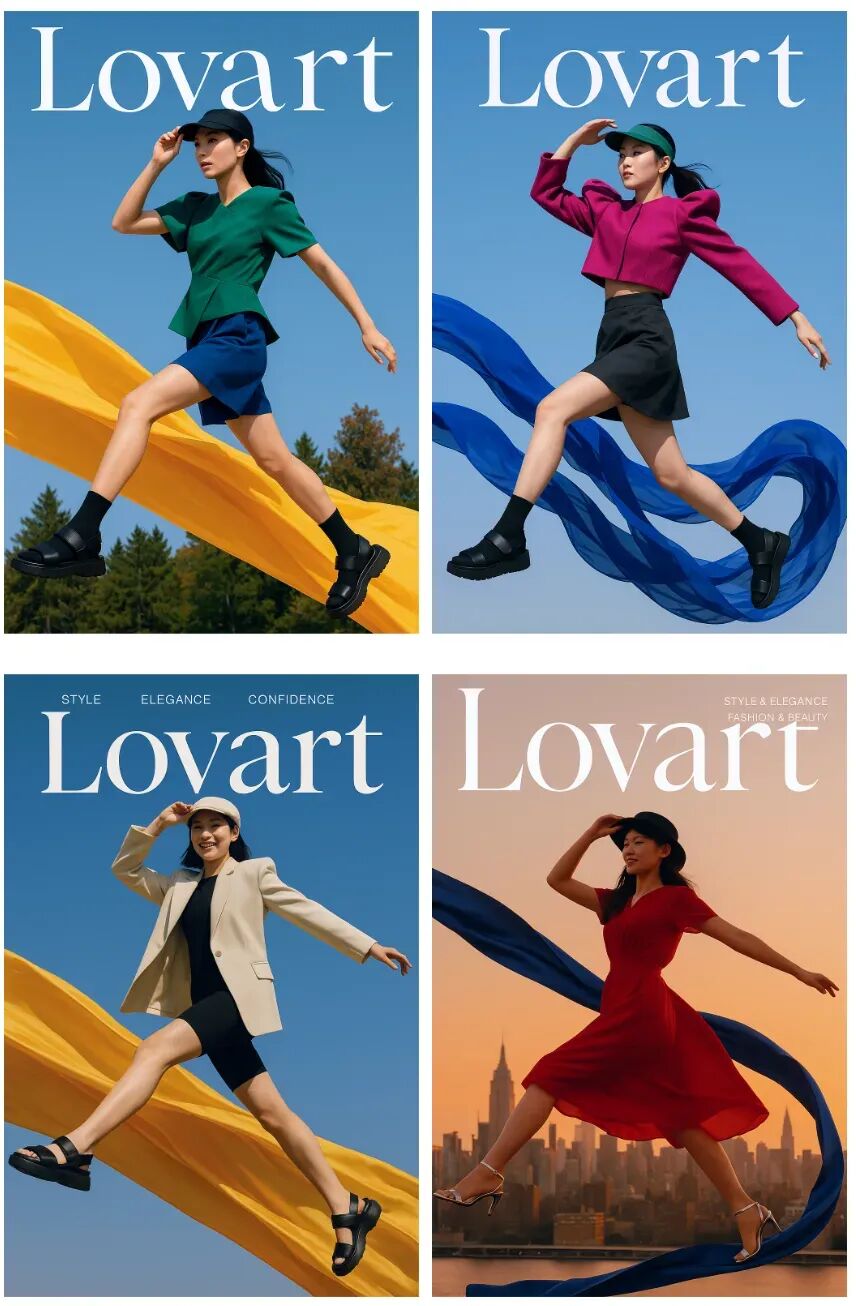
Someone using it to generate a series of posters with consistent style and model poses:
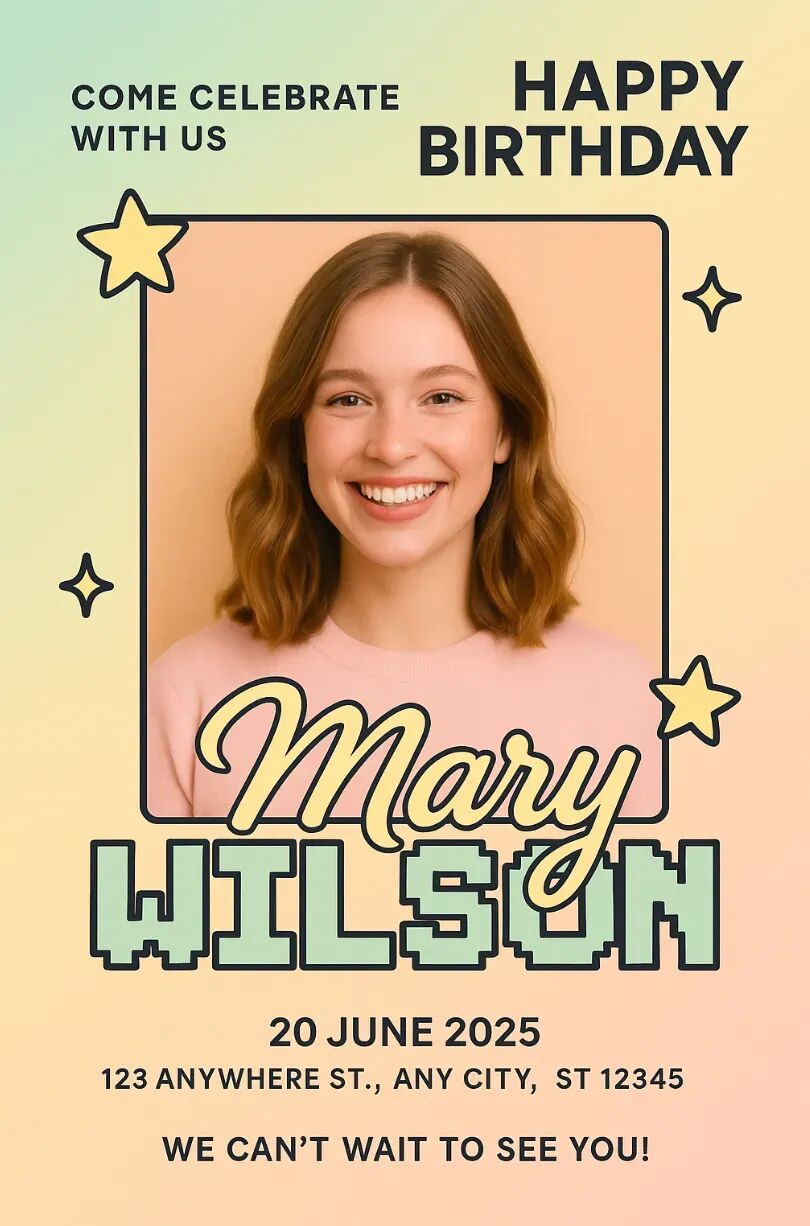
Someone using it to design a birthday party visual for their child:
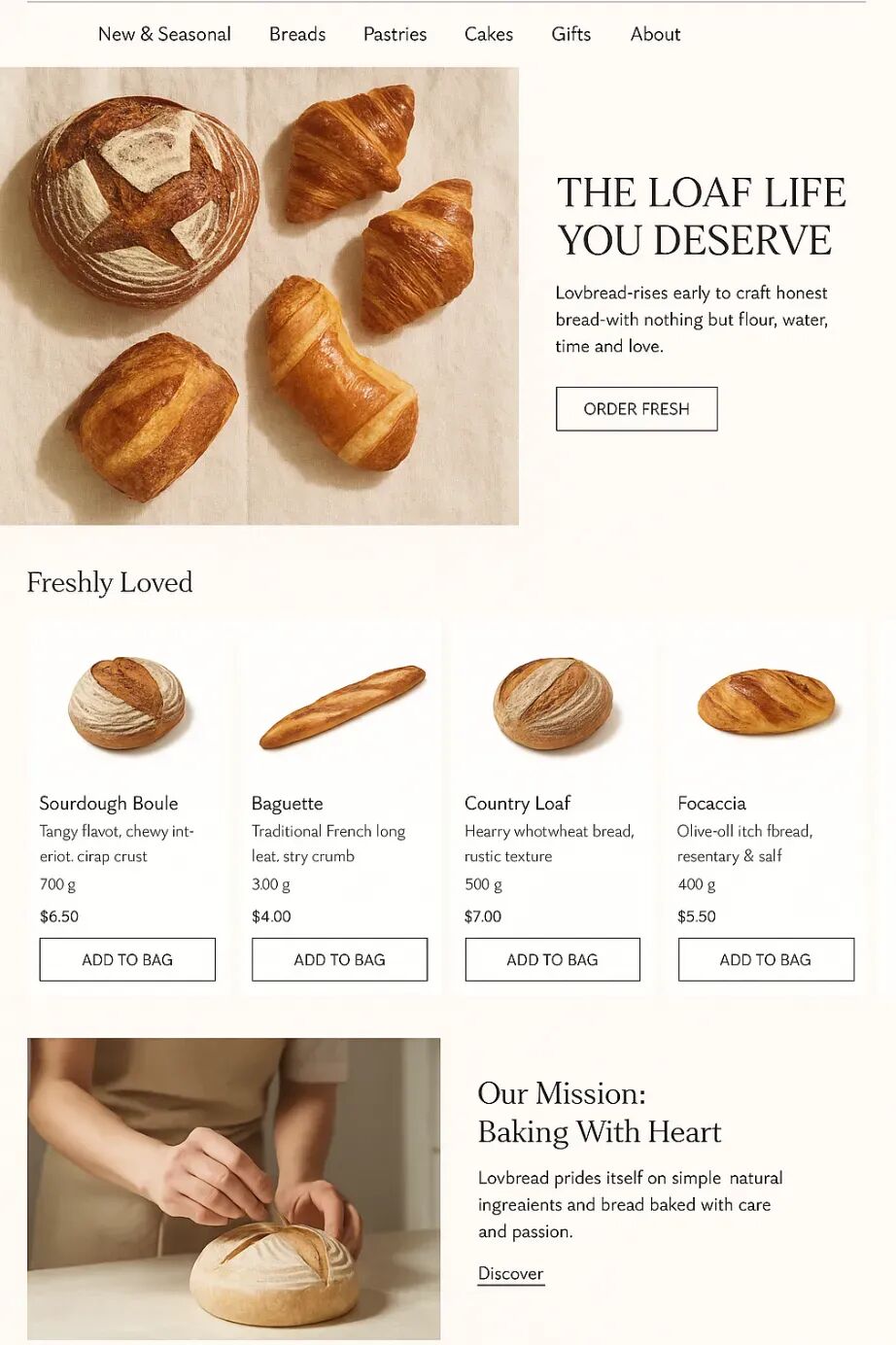
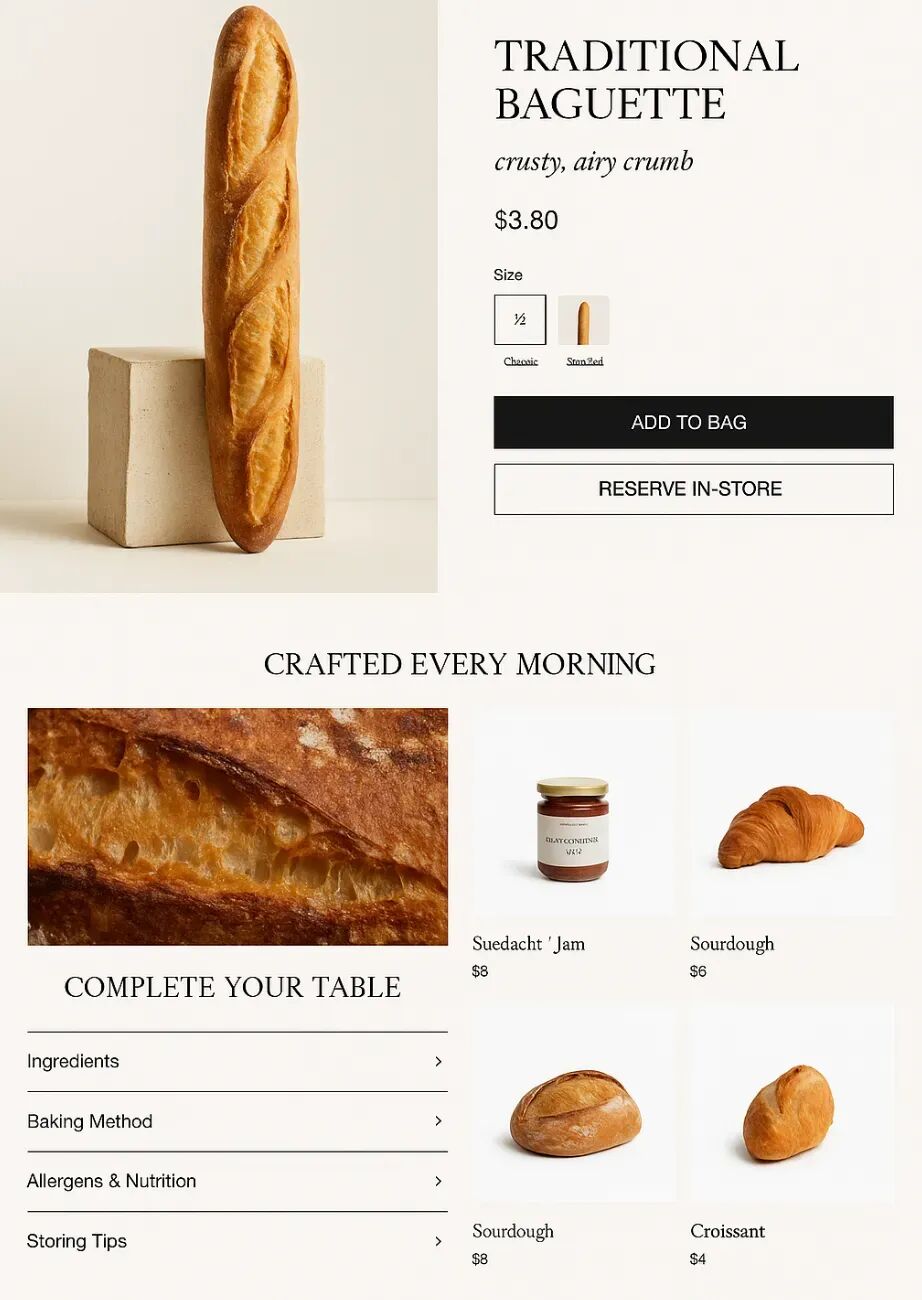
Creating a website for an original modern bakery brand:
In 2025, when we put forward the "Year of the Agent" thesis at the year's start, we were filled with excitement and some uncertainty. Yet today, Lovart's performance has not only confirmed our judgment but thoroughly upended our imagination of AI's capability ceiling.
If Devin gave us our first glimpse of how an Agent clearly presents its thinking process and task decomposition, then Lovart lets us feel that charm once again — this time in the realm of design.
It truly achieves everything from intent understanding to long-horizon task planning, from proactive acquisition of design knowledge and inspiration to precise tool use. It genuinely functions like a genuinely smart, skilled partner helping us solve real problems.
Now, what Lovart demonstrates goes far beyond creative design process brilliance — it's actually solving user pain points.
One could say that data has never been an Agent's moat — user experience is.
Looking back at that bold prediction, we perhaps didn't expect the future to arrive so swiftly and wonderfully. Agents are now rapidly conquering various vertical professional domains.
But it's precisely because of outstanding Agents like Lovart that we can now say with greater confidence: The golden age of AI Agents has only just begun.
References [1] Lovart.ai: http://lovart.ai/