The "Open-Source God" Returns! Who Exactly Is Qwen3.8-27B Hitting the Mark With?

Why small models, specifically? And why now?
Why This Size? Why Now?

👦🏻 Author: GaKi
🥷 Editor: Koji
🧑🎨 Layout: NCon

In the summer of 2026, as trillion-parameter flagship models launched one after another, the model that shot to the top of Hugging Face's global trends was just 27 billion parameters.
Qwen3.8-27B
Two days after open-sourcing: over 1 million downloads. More than 500 quantized versions contributed by the community. Total downloads across related models surpassed 5 million. Overseas developers stayed up all night quantizing and benchmarking it, calling it "Opus 4.6 that fits in your laptop."
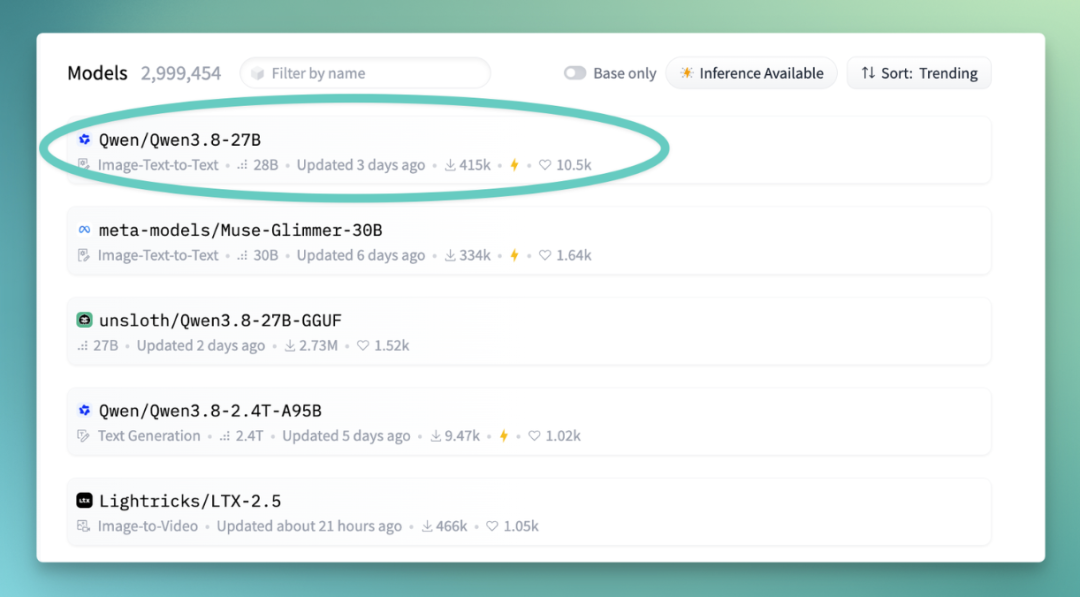
The Qwen team was once again hailed by the community as "the open-source god from China."
Why this size? Why now? Why did it re-energize the entire open-source community?
I. What Exactly Does Qwen3.8-27B Offer?
Qwen3.8-27B: 27 billion parameters, dense architecture, nearly 100x smaller in scale yet more refined in design. Native multimodal, supporting image and video understanding. Native context window of 262K tokens, extendable to 1 million via YaRN. New reasoning_effort parameter to adjust thinking depth by task difficulty. Apache 2.0 license, free to download and use.
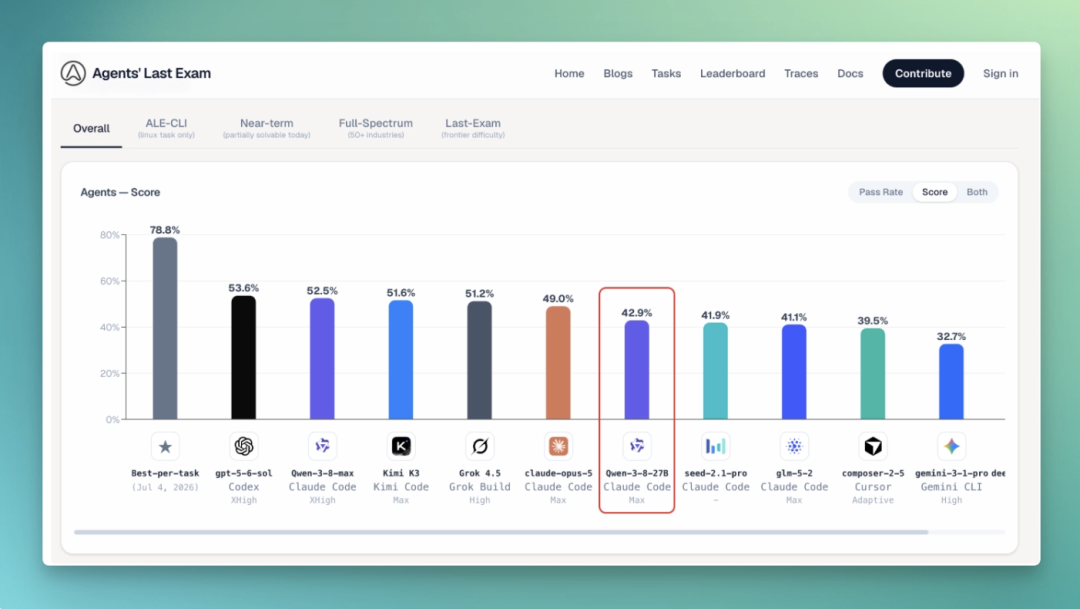
Performance-wise, the 27B model matches or exceeds Opus 4.6 Max on multiple benchmarks. Compared to its predecessor Qwen3.6-27B, it shows major gains in coding and office productivity scenarios, even surpassing Qwen3.7-Plus. On the third-party Agent benchmark Agents' Last Exam, it scored 42.9% overall, placing it among the global leaders.
This got many overseas developers thinking:
Can you run an Opus 4.6-level model on a single consumer GPU?
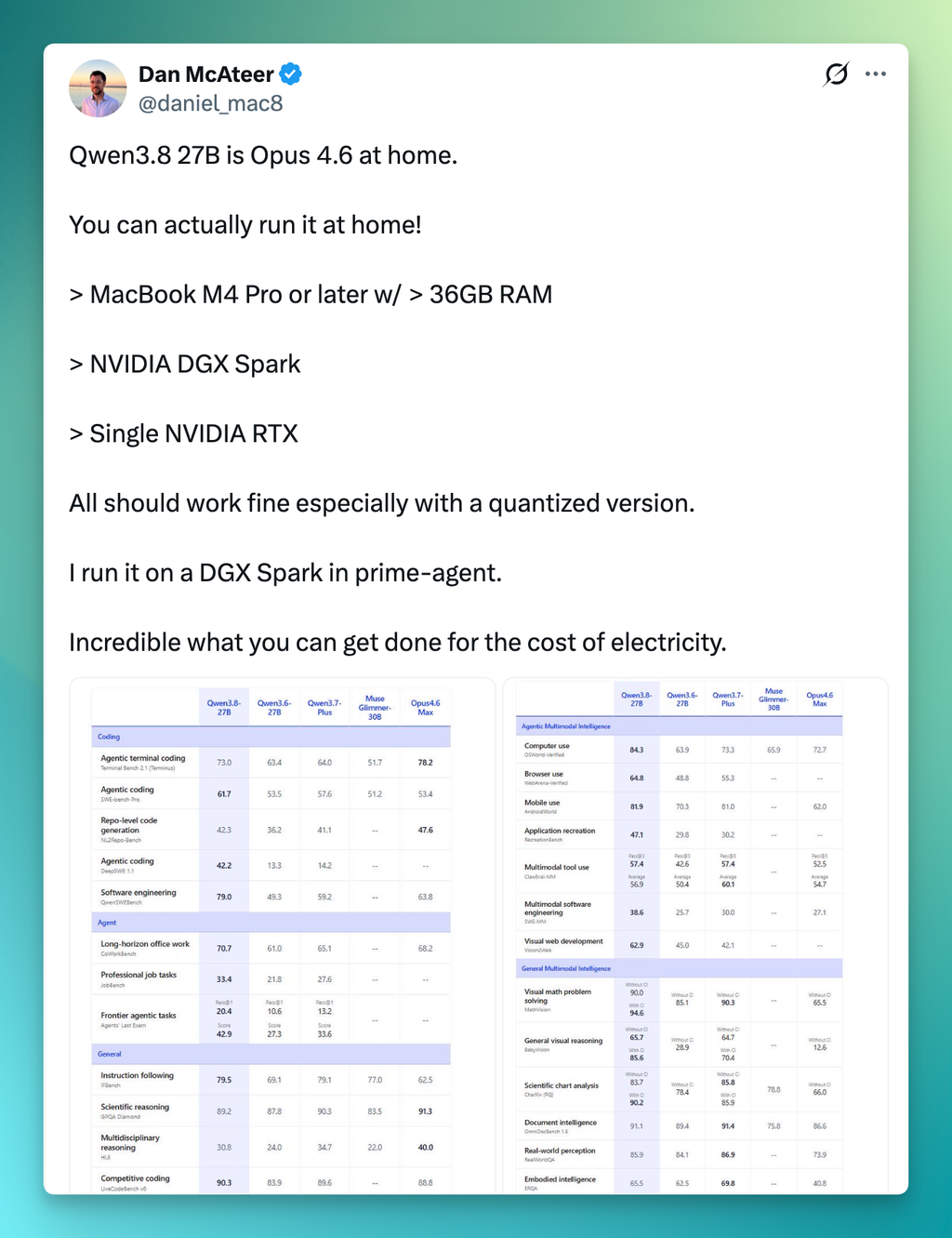
Developers are already answering with action. One AI Agent builder on X argued that Qwen3.8-27B is basically on par with Opus 4.6. Paul Seekamp, co-founder of a cybersecurity firm, said the model performs well enough that he plans to use it in place of Claude. KOL Ripper also noted that getting Opus 4.6-level performance on a laptop makes the small-model trend genuinely exciting.
That excitement quickly translated into numbers. Within two days of open-sourcing, Qwen3.8-27B broke 1 million downloads, with over 500 quantized versions contributed by the community and total related model downloads exceeding 5 million. That velocity itself is the answer.
II. Why This Size Specifically?
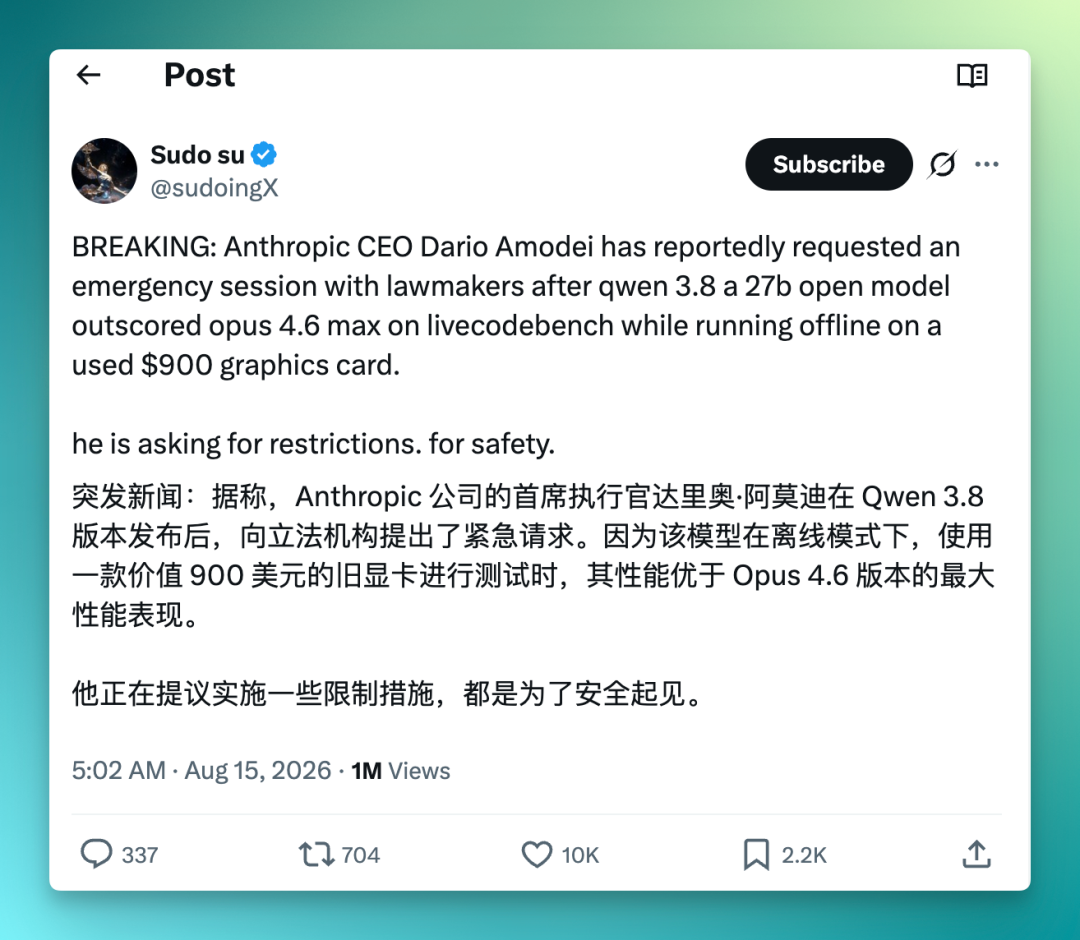
Last week, an overseas user @sudoingX posted a joke that racked up over a million views:
Anthropic CEO Dario Amodei, after learning that Qwen3.8-27B outperformed his own flagship Opus 4.6 Max on a $900 used GPU, urgently scheduled meetings with legislators to push for open-source restrictions on safety grounds. The joke kept getting more elaborate, eventually adding a sweating OpenAI CEO rushing to the scene.
The remixes only got more absurd:
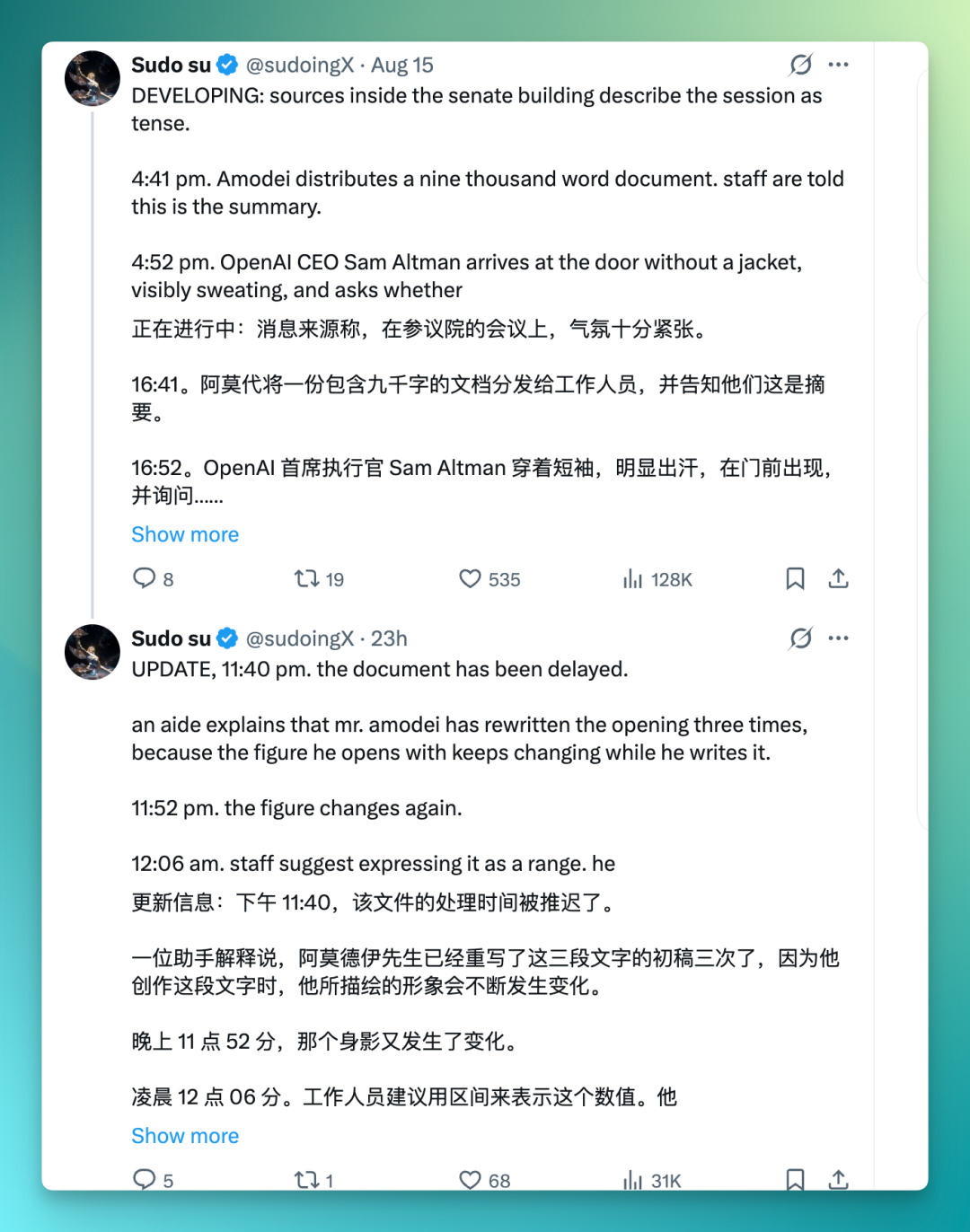
It's obviously fabricated, but a million views suggests plenty of people found it "not entirely implausible—at least worth a read, worth a laugh, worth a jab."
What fuels this imagination isn't benchmark scores, but deployment barriers.
The official FP8 version needs about 28GB of VRAM—runnable on a single RTX 5090. Quantized to 4-bit, it drops to 14-17GB, within reach of an RTX 4090. High-memory MacBook Pros or Mac Studios can also load it thanks to unified memory architecture.
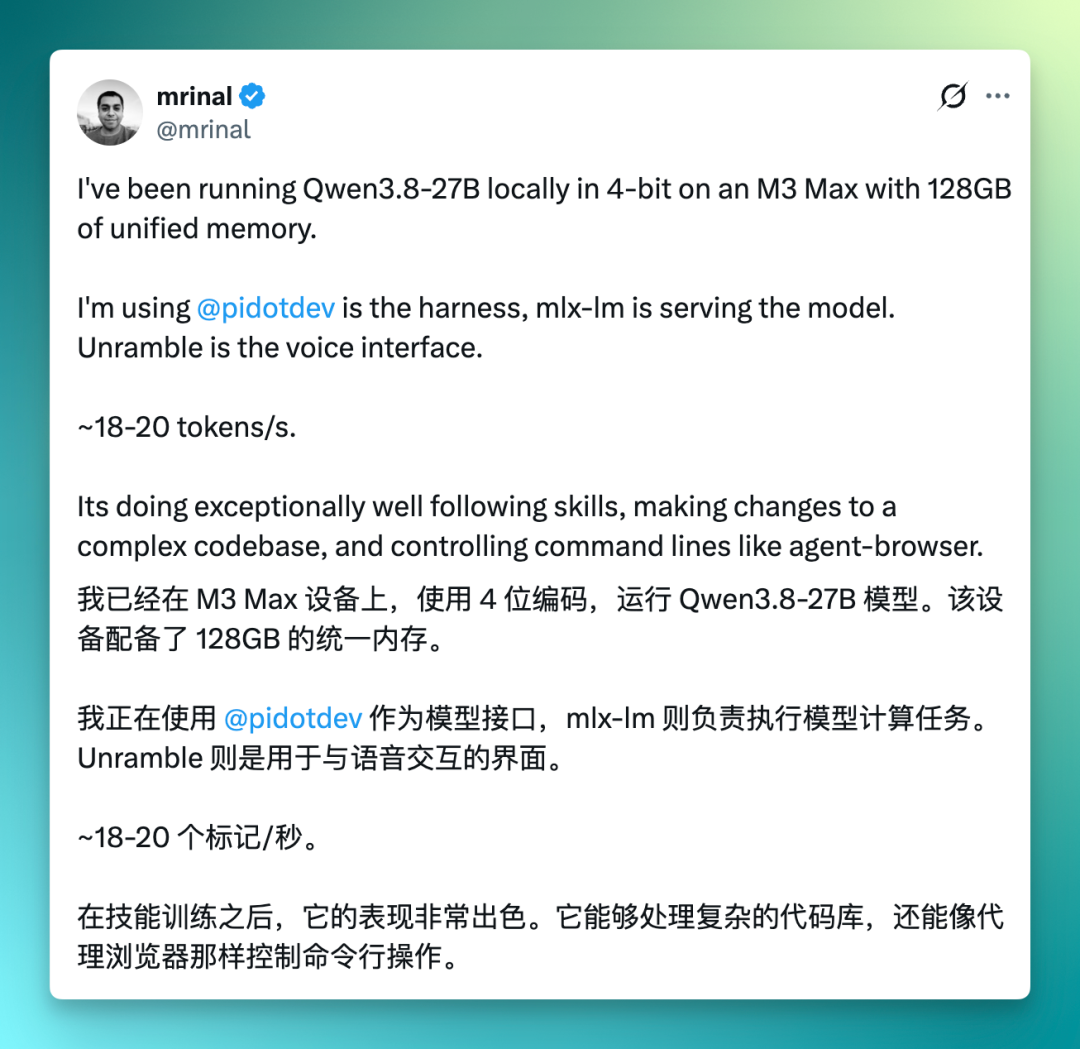
Former Autonomy CTO mrinal ran Qwen3.8-27B locally on an M3 Max, getting 18-20 tokens/s output speed, and praised its instruction-following and coding capabilities.
Benchmarks prove "how strong it is"; deployment barriers determine "who can actually use it." These are two different things.
The previous Qwen3.6-27B remained popular for nearly half a year after open-sourcing, widely considered the go-to choice for local deployment on consumer hardware. That alone proves how solid demand is at the 27B size. Qwen3.8-27B pushes capability to over 80% of flagship level while keeping the deployment barrier unchanged.
That's why it's called the "golden size"—not the strongest, but the most usable.
And the fact that "usable" gets emphasized this much reveals a deeper problem.
III. What Does the Open-Source Community Actually Need?
Over the past six months, open-source models have expanded from hundreds of billions to trillions of parameters, context windows from hundreds of thousands to a million. The phrase "another open-source model" doesn't excite like it used to.
Some of that fatigue is real, and it stems from one root cause: ultra-large models are incompatible with ordinary hardware.
36Kr once ran a headline: "Without Two Rolls-Royce Phantoms, Don't Even Think About Deploying Open-Source LLMs Locally"—apt for explaining this "open-source fatigue":
To fully deploy a 2.4-trillion-parameter model locally, you need 64 NVIDIA B200s, roughly 30 million RMB in hardware procurement, not counting electricity and operations. A 1.6-trillion-parameter model still requires 16 H200s, with first-year hardware investment over 4 million and annual maintenance burning another 1.2 million.
These numbers effectively lock most teams out of state-of-the-art open-source models.
Hence, a somewhat paradoxical phenomenon:
The more flagship models go open-source, the lower the marginal interest growth among independent developers.
Even when a SOTA large model is open-sourced, if the math shows you can't access or use it, it becomes mere spectacle—and spectacle gets old fast.
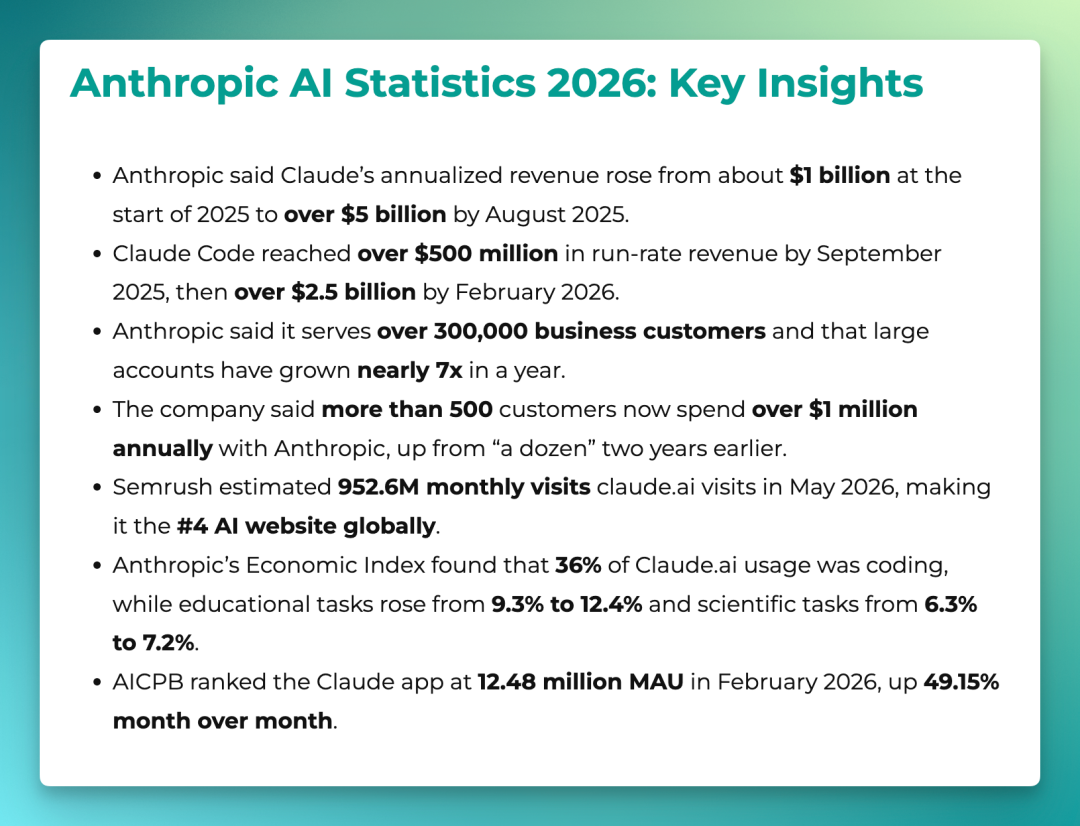
Anthropic's own Economic Index confirms this: coding and routine tasks account for 36% of API calls, with the rest spread across conversational output and written deliverables—daily work that doesn't demand cutting-edge capability.
What people are waiting for is a right-sized, actively maintained model that drops into their machine and gets work done.
From this angle, the so-called fatigue period may be a false premise.
The truth: the "spectator frenzy" is cooling while "pragmatism" is heating up. The excitement around a 27B model doesn't reflect a cooling community—it reflects demand that's been suppressed and finally met.
But downloads only prove curiosity. For developers to keep investing in a model—quantizing it, adapting it, building on it—requires another layer of trust.
Which brings us to another word: foundation.
IV. What Is a Foundation Model, and Is Qwen One?
"Foundation" in open-source circles has a plain meaning: a model worth building on top of.
The problem is, many models arrive with high hopes and vanish within weeks. A true foundation must be confirmed through sustained real-world use.
Confirmation happens on three levels.
Level one: enough people actually use it. In Hugging Face's August 14 report "The State of Open Models: Summer 2026 Observations," an entire section was devoted to Qwen. The report states: through steady iterative releases, broad size coverage, and permissive licensing, Qwen has become a foundational model for the global open-source community, the default choice for developers fine-tuning and deploying.
In just the first seven months of this year, Qwen notched 2.045 billion downloads on Hugging Face alone, with derivative models surpassing 150,000 and growing at roughly 200 per day. These metrics far exceed those of internationally active open-source players like Meta, Google, and NVIDIA.
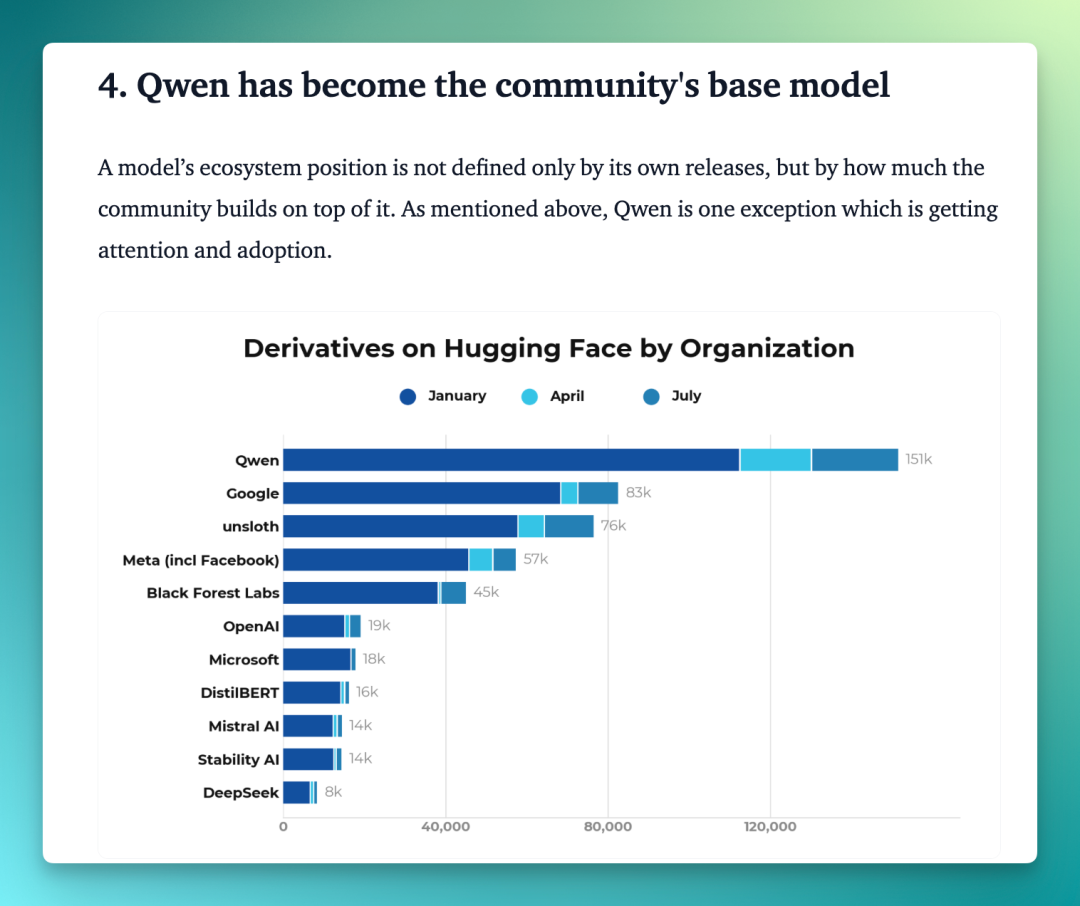
Level two: large numbers of people keep investing without pay. Alibaba has open-sourced over 460 Qwen models, with total global downloads exceeding 3 billion and derivative models surpassing 300,000. An open-source ecosystem can't be bought by one company; it requires community members to spontaneously quantize, adapt, and derive.
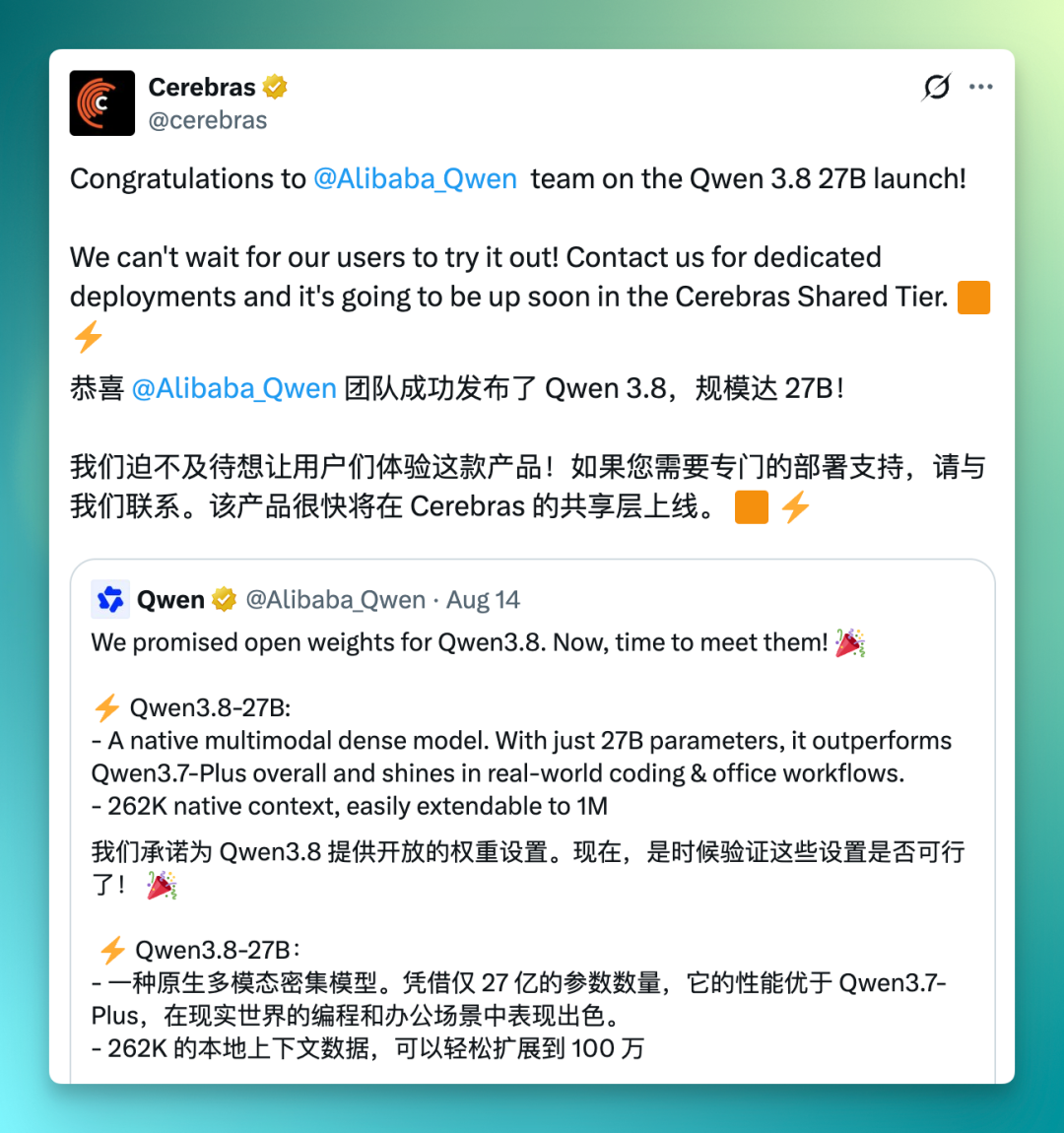
Level three: the industry chain is willing to bet early. On the day of release, Cerebras—the Silicon Valley darling and wafer-scale chip upstart—publicly congratulated the Qwen team on X, announcing imminent availability on its compute layer. Qwen's open-source gravitational pull has grown so strong that infrastructure layers actively chase it, hoping to capture some of the value.
AMD's official blog simultaneously confirmed Day 0 support for Qwen3.8-27B on Ryzen AI processors and Radeon GPUs. Inference frameworks including vLLM, Ollama, and LM Studio released same-day compatibility. Earlier, CEOs of companies like Pinterest and Airbnb publicly stated they adopted Qwen, citing strong performance and low cost.
Three layers stacked—the answer is yes.
But here's the more noteworthy insight: in the open-source world, a foundation's moat isn't lock-in, it's inertia.
Once developers grow accustomed to working with a model, toolchains form around it, communities cluster around it. That habit, once established, carries high switching costs. But habits are fragile too—stop updating or let quality slip, and they slowly migrate.
So a foundation needs continuous maintenance. The method is steady releases, at predictable cadence, across all sizes, that remain actually usable.
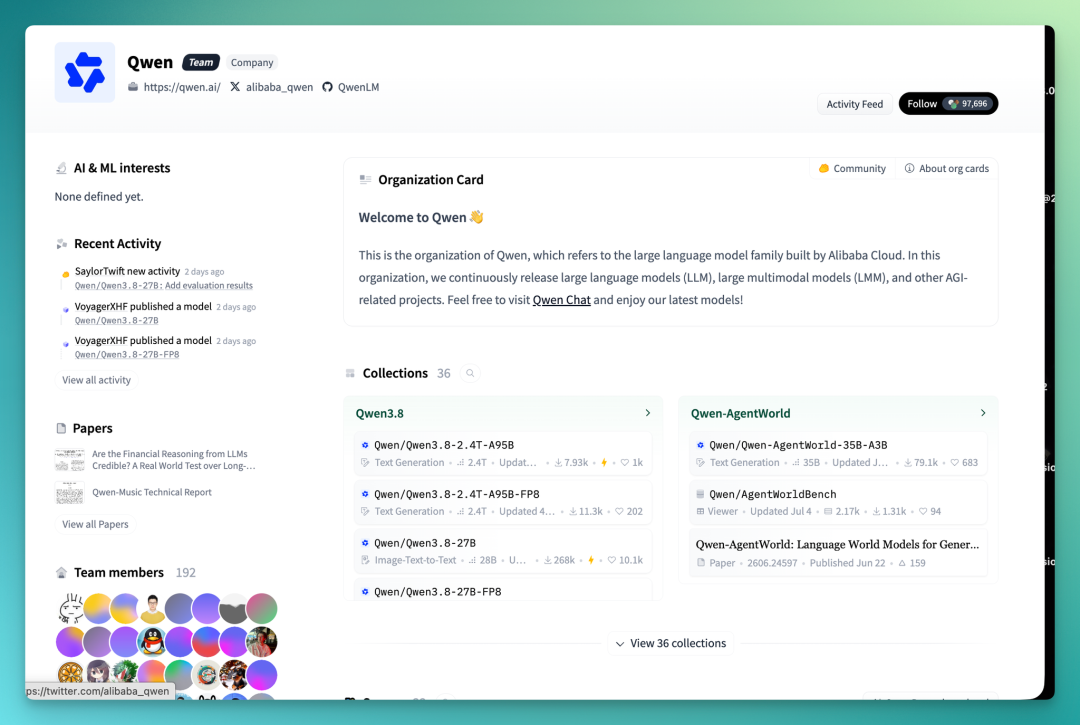
For users, this roadmap itself is a commitment. They're willing to invest in 27B precisely because they trust the next version will be seriously built.
This is what Alibaba's Qwen has been doing all along.
So the real meaning of "open-source god" isn't "released another strong model"—it's "keeps releasing, and in ways the community can actually use." The emphasis isn't on the model's capability, but on the continuity of the release act itself.
🚥 One final observation.
Anthropic CEO Dario Amodei proposed an interesting concept in a podcast interview earlier this year: "intelligence premium."

Frontier models will keep getting smarter, continuously producing capabilities other models can't yet reliably match. Complex research, unfamiliar codebases, high-stakes decisions, and Agent tasks requiring hours or even longer execution will drive users to keep choosing the most capable models—and paying extra for that capability gap.
This is unarguable, but it only explains half of AI.
As Andrew Ng emphasized in replying to an X post by Anthropic researcher Julian Schrittwieser: the long-term value of open source lies in expanding AI's distribution.
Place the two judgments side by side, and a clear thread emerges.
"Flagship models handle what you can't afford to get wrong—collecting the intelligence premium. Small models handle what rewards volume—continuously distributing intelligence."
Perhaps this is the division of labor increasingly clarifying in today's large model market.
The wave Qwen3.8-27B stirred up this week essentially proves one thing: the momentum in global AI open-source right now isn't converging on the biggest models, but on the models that can actually be put to use.
This is Qwen's coordinate at this moment. And it's where the entire AI open-source world is arriving.