Hands-On Review | Seedance 2.5: What's Actually Changed From 2.0 to 2.5

Where Does Seedance 2.5 Stand at the Crossing?
What Crossroads Does Seedance 2.5 Stand At?
👦🏻 Author: GaKi
🥷 Editor: Koji
🧑🎨 Layout: NCon

This past February, the day Seedance 2.0 launched, a Dreamina model user manual went viral — from 2 PM to midnight, it rarely dipped below 300 concurrent viewers.
A single model had captured the entire AI industry's attention.
The market response that followed spoke for itself. After testing it, Yocar, producer of Black Myth: Wukong, declared that "the childhood era of AIGC is over." On the evening of February 11, Jia Zhangke announced he would use it to shoot a short film. Elon Musk also posted publicly on X: "It's happening fast."
At the time, nearly everyone was asking the same question: Seedance 2.0 was already powerful enough — what direction could it possibly take next?
The debut of Dreamina Seedance 2.5 became the answer.
Today, Dreamina Seedance 2.5 officially launches. This time, it supports native 30-second video generation, up to 50 multimodal reference inputs, accepts both green screen and white model materials as references, and can even be invoked directly through Maya and Blender plugins.
And the professional gateway to experience all of this is:
Dreamina
As ByteDance's AI creation platform, Dreamina is the preferred official entry point for Seedance 2.5, and one of the platforms best positioned to unlock this model's full potential.
🚥
Over the past week, our team at Crossing secured early access and conducted systematic tests of this new model on Dreamina across three major scenarios: film and television, advertising, and gaming.
Here's what we found.
Case 1: Multi-Object Pixar Stationery
AI video models already deliver real productivity in numerous niche scenarios, and stationery brand promotional shorts are one of them. Stationery is an industry built up over many decades; traditional product demo videos struggle to capture audience attention, so brands generally pivot toward creativity and imagination.
A fairly typical example is the Japanese stationery brand Carl. They produced an official promotional short that portrayed scissors, hole punches, and other stationery items as living, breathing little characters, using animated narrative to showcase the products.
The final effect of this promotional video looked like this:
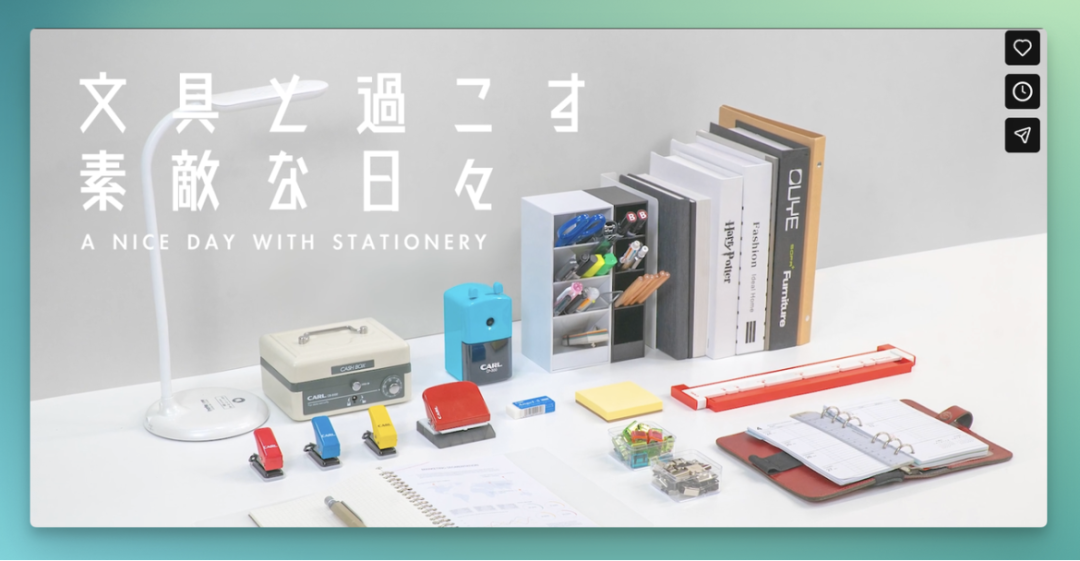
This makes for an ideal real-world test scenario. I first generated a batch of Pixar-style stationery images in Dreamina, then used Dreamina Seedance 2.5 to produce a promotional short.
This model delivers cinematic image quality and supports up to 30 seconds of native video output, so the resulting short could have a complete narrative structure.
The reference images are shown below:
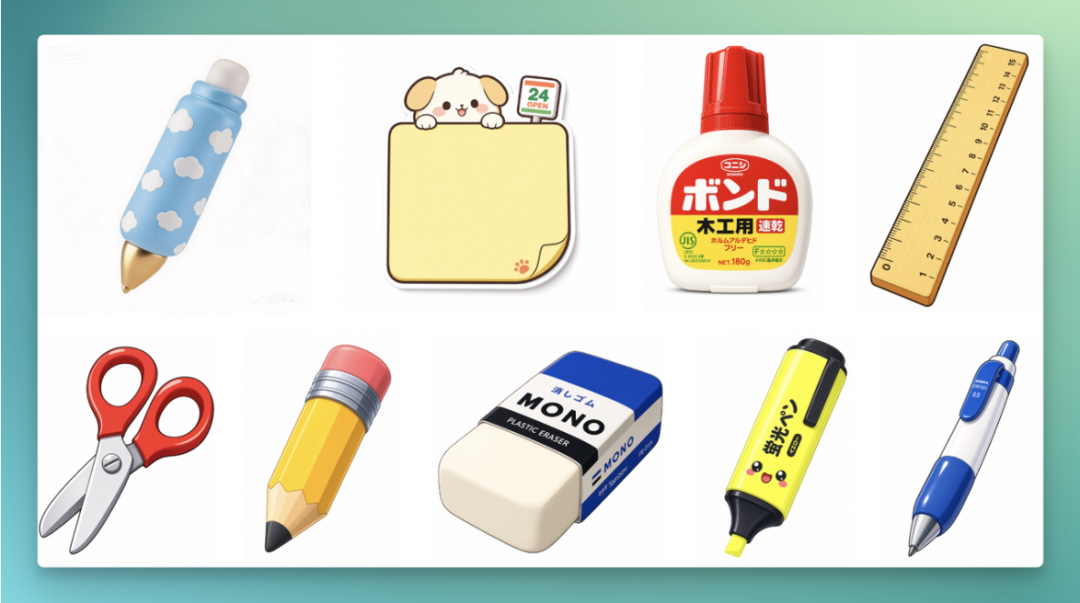
The core creative approach was to have these stationery items appear one by one in the video, imbuing them with a sense of life, giving each one a lively, upbeat personality.
The complete prompt was as follows:
Strictly replicate the stationery's form, color scheme, proportions, materials, expressions, text, and details from the reference images — do not modify, blend, add, or omit anything. Stationery is giant-sized (half human height), with toy-like texture and realistic sheen; human figures and environment are photorealistic. Tokyo Ginza daytime commercial street, glass buildings, sidewalks, tourists, 3D CG animation, Pixar-style soft lighting. 30-second narrative: Tourist opens stationery store, giant stationery avalanches out; Tourist surprisedly picks up correction tape, highlighter, bear-shaped pencil sharpener, stationery interacts cutely; Remaining stationery awakens, forms squad and hops back onto shelves; tourist takes selfie, puppy sticky note drifts down and sticks to camera forming a heart. Wide-angle low-angle shots, shallow depth of field close-ups, tracking lateral pans, medium shot freeze-frames, healing and humorous tone, 4K 60fps.
The first generation was already usable, with a complete overall structure: A tourist walks out of a Tokyo Ginza stationery store, giant stationery items roll out after them, each interacting with the tourist in small ways, before finally forming a squad and hopping back onto the shelves. The entire video follows a Pixar-style narrative.
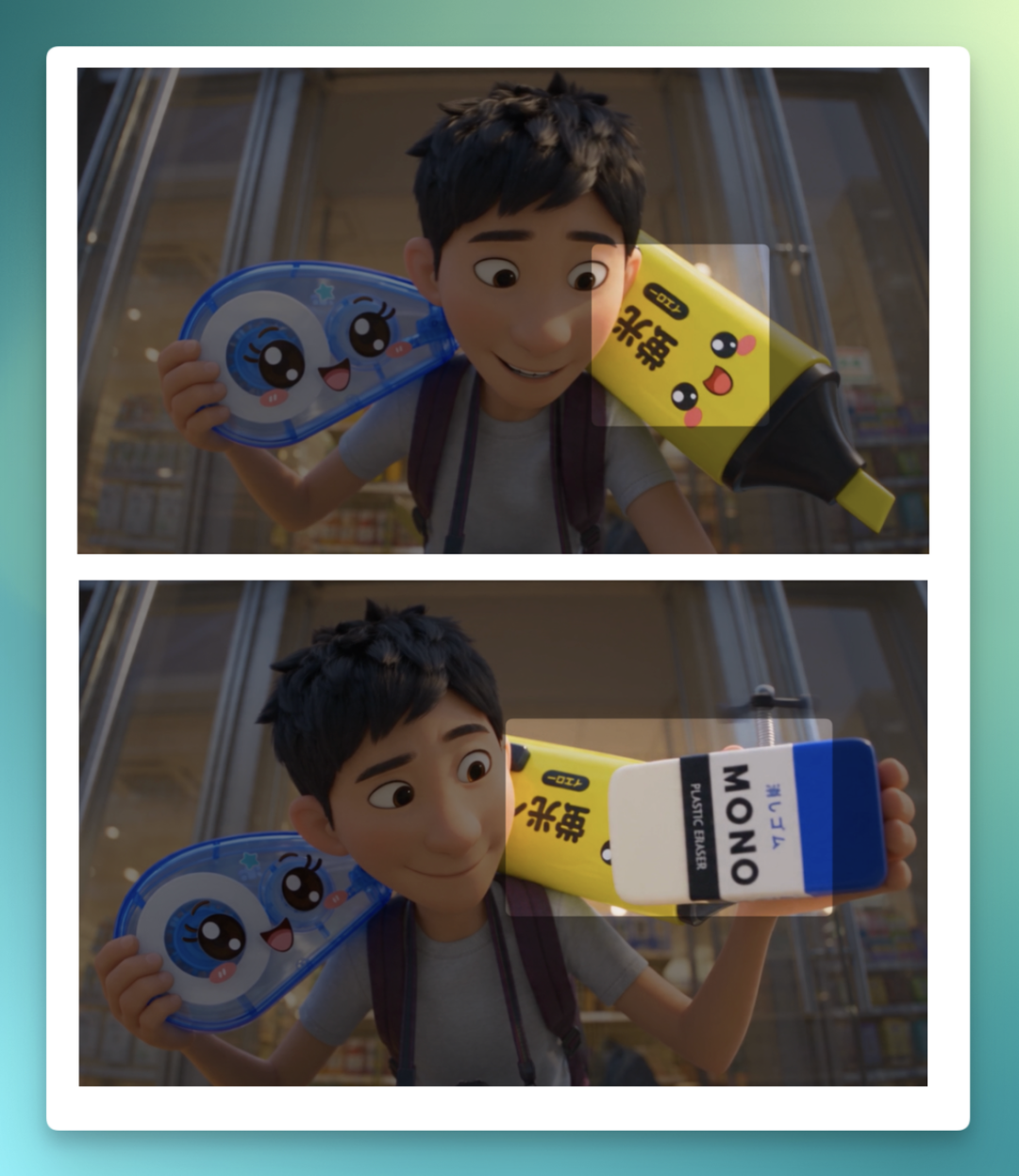
After generating the video, I examined the frame details carefully. A standout feature of the Seedance series from the very beginning has been its consistency in preserving text.
In this Dreamina Seedance 2.5 output, even during dynamic transitions, the English and Japanese characters on the highlighter and eraser remained largely consistent.
Case 2: Blender White Model Reference
The second scenario involves white model reference, currently one of the more mainstream approaches. Codex and Claude can already interface with Blender to control modeling. At this stage, the white models they produce are still relatively simple, but the capability is beginning to show. Using white models as reference material for AI video models — including spatial relationships between models, lighting changes, and dynamic transformations of white models — is a fairly intuitive method.
Compared to providing only a rough text prompt, white models allow video models to more accurately understand which elements should appear in the frame and how they should interact with one another.
I found a fairly widely circulated white model video clip on YouTube, roughly two to three seconds long: vehicles driving across an open lot, with building white models for each block suddenly dropping down from above.
The falling models contained considerable detail — rebar on building rooftops, and even finer structural components — making for an overall high level of complexity.
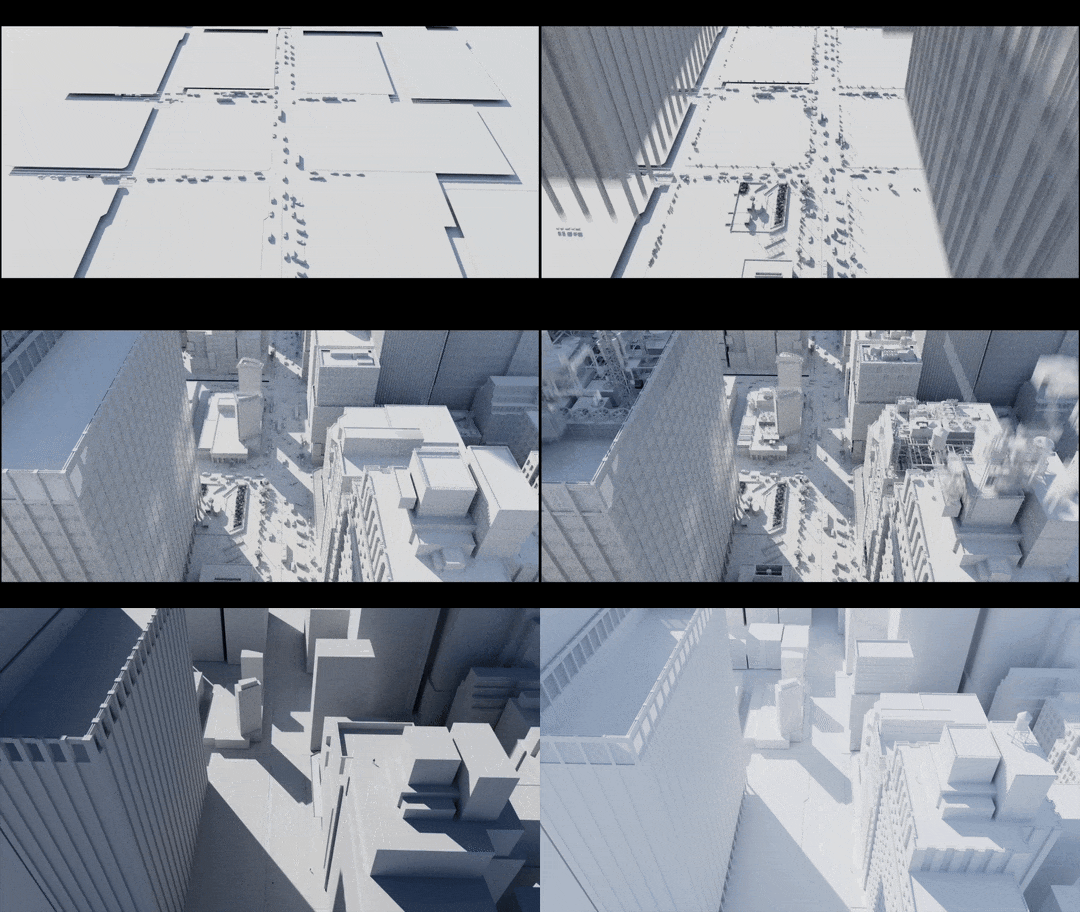
The video below is what I got when I uploaded this white model video directly to Dreamina Seedance 2.5, having it reference the spatial relationships and interactions between models — the full 30 seconds.
The first few seconds reference the dynamic interaction of buildings falling toward street blocks from the white model video, while the latter portion extends into camera movements based on my prompt.
The complete result is shown below:
Here are two screenshots for comparison. The top image is a frame from the generated video; the bottom image is the corresponding frame from the white model video. The structures between the two images correspond almost one-to-one, and even the fine details of the rooftop apparatuses were reproduced.
This is also one reason many people use AI video models to build world models, or treat them as a conceptual foundation for world models.
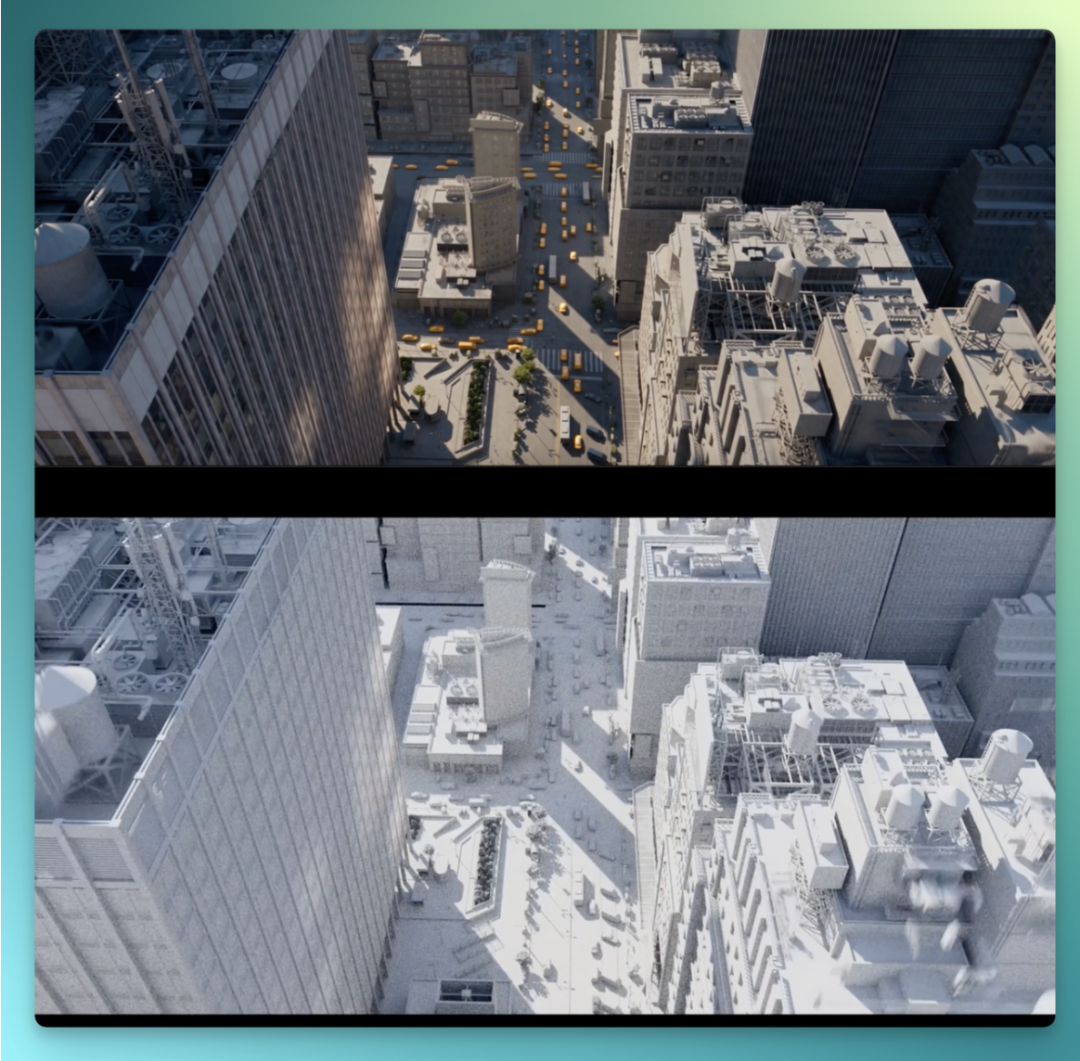
Beyond replication, the white model clip itself is only a few seconds long. For the latter camera movement portion, the key factor is consistency maintenance during dynamic motion. Vehicle movement through the street blocks, perspective shifts of buildings — the consistency remained relatively stable throughout.
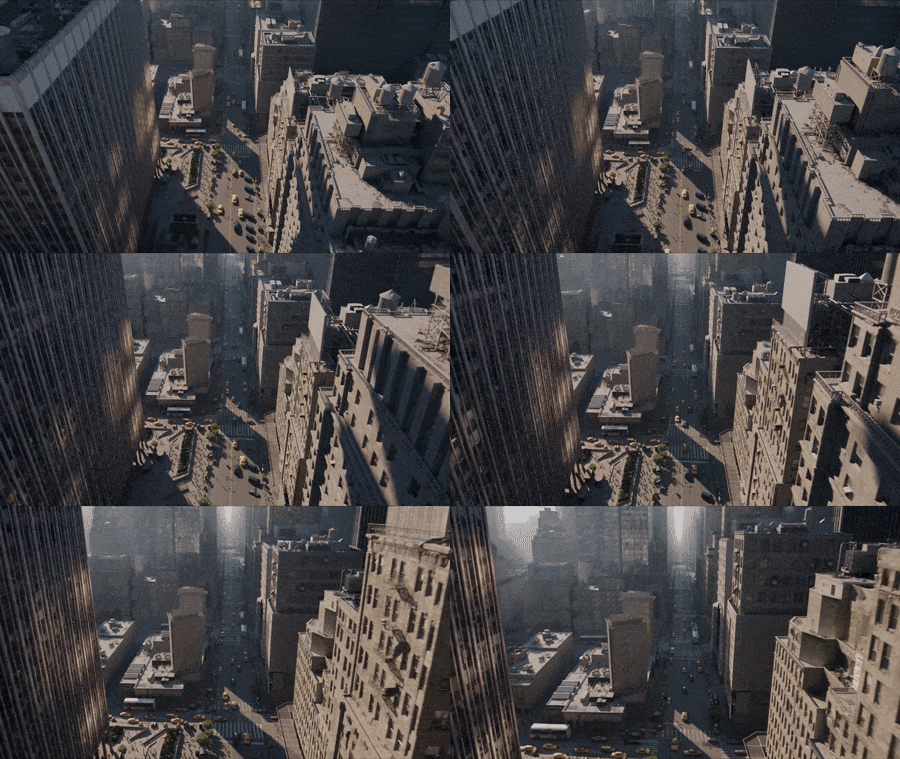
Overall, Dreamina Seedance 2.5's ability to reference white model videos was one of the more consistently performing capabilities in our testing, and this could become a standard use case for it in industry going forward.
Case 3: Sword of the Sea Game Production
The first two scenarios were fairly practical; the third case follows suit, drawn from the gaming industry. As AI video model capabilities advance, game developers have more options in production, and some studios have already begun using AI video models to generate game footage references for inspiration searches and visual alignment.
For example, Owlcat, developer of The Expanse: Osiris Reborn, has explicitly stated that AI will be used in the prototyping phase — for placeholder assets, rapid iteration, and creative search, inspiration, and vision coordination, i.e., creative exploration, inspiration discovery, and team visual direction alignment.
So this may become standard practice going forward: first use AI video models to rapidly generate a batch of footage for the team to assess whether compositions and visual directions hold up, before pivoting to manual production.
For this test, I used an existing game.
The game below is called Sword of the Sea — many of you have likely played it. Its visuals are 3D animated game footage from a third-person perspective, with an art style closely resembling that of Journey.
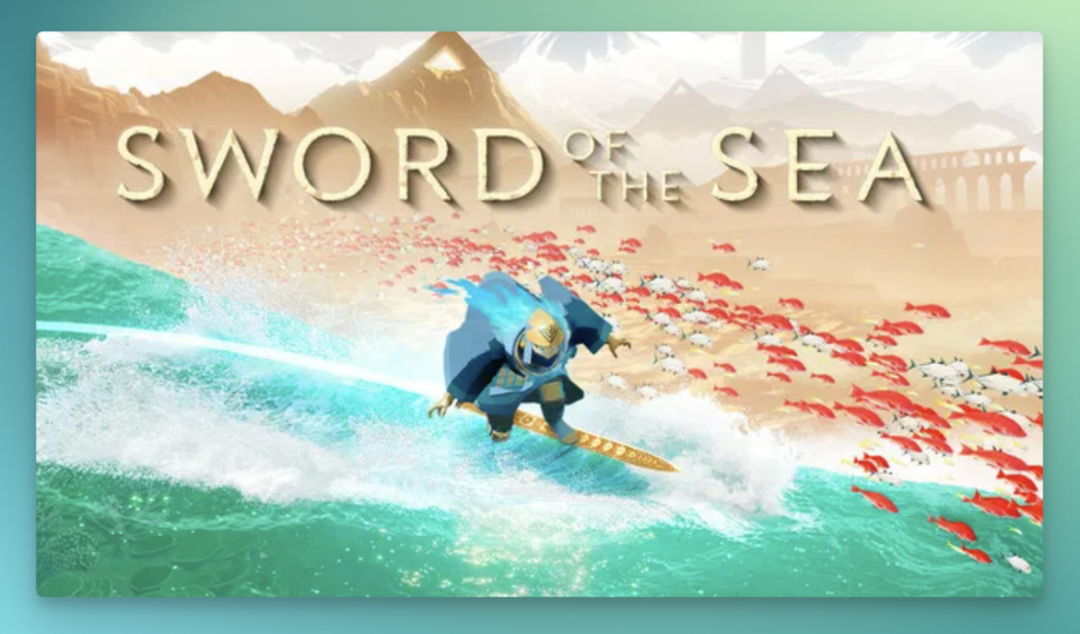
The approach was to upload this image to Dreamina Seedance 2.5, have it reference the image and infer its visual style, then generate several level sequences based on the prompt.
The prompt was as follows:
3D animated stylized game footage, third-person perspective, paying homage to art director Matt Nava's signature visual style from *Journey*: flat large color block rendering, no outlines, soft gradient lighting, low-poly yet supremely elegant geometric forms, visuals like moving silkscreen poster prints, compositions with generous negative space and strong graphic design sensibility.
The world's earth surges continuously like an ocean, the dune surfaces rippling with layers of细腻推进的沙浪, from massive waves to the finest ripples all in motion, sand grains sparkling with countless golden dust motes in backlight.
Below is Dreamina Seedance 2.5's first-generation result:
On close inspection, the protagonist's landing kicks up dust, the lighting effects, and object consistency throughout scene transitions all hold up. After plunging the sword into the altar, the overall visual shifts toward ocean — this dynamic transition is fairly coherent as well.
On this foundation, multiple level design references can be generated.
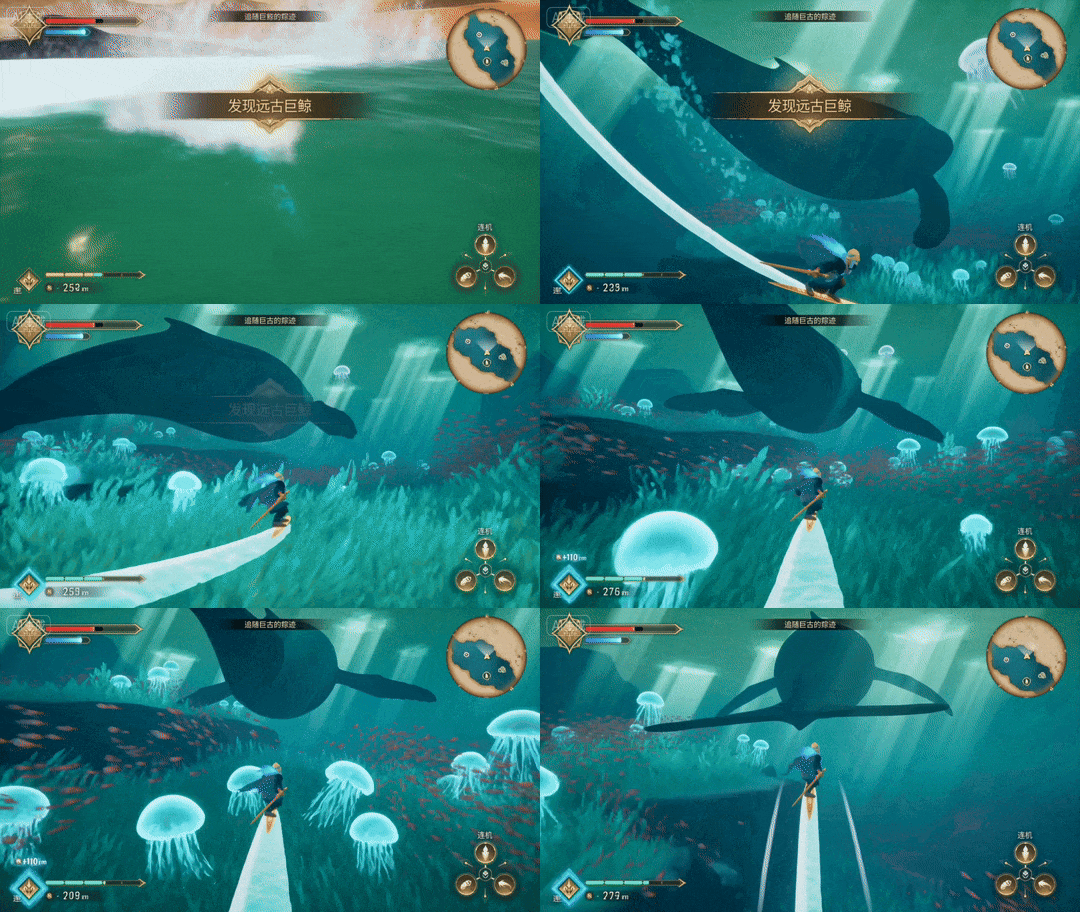
For instance, having it generate ocean-and-land alternation scenes with schools of fish flying above the sea surface, to see how such effects present over water. Or having it add interface elements like a map navigator in the upper right corner, game control buttons in the lower right — exactly what to add depends on your own design needs.
You can see that after the protagonist plunges the sword into the altar, both the main visual transition and the upper-right map navigator transition occur simultaneously, with corresponding physical interaction between the two.
Different interface elements can continue to be designed, such as character health bars and stamina bars.
A dedicated underwater segment can also be designed: as the protagonist follows ancient whales through the underwater depths, changes in lower-left waypoint distance and underwater lighting effects can all be produced as part of the design reference.
The imagination sparked by Seedance continues to expand. Some media outlets previously reported that before Seedance 2.0's launch, video model usage peaks were concentrated on weekends, with users primarily individuals using it for entertainment purposes; the industry generally treated it as an entertainment tool.
After Seedance 2.0's release, weekday usage surpassed weekend usage — this data point indicates that video models had entered enterprises' daily production workflows.
Industry assessments were equally positive. Yocar rated Seedance 2.0 as "the strongest on Earth, bar none," and predicted dramatic expansion in content supply scale. Tim, founder of 影视飓风, used the word "terrifying" six times in his review video to describe its capabilities and impact. a16z partner Justine Moore argued that the Turing test for AI video had been cracked.
Seedance 2.5 continues along this trajectory, shifting its focus toward "production controllability."
ByteDance CEO Liang Rubo introduced at the launch event that the new 3D white model previsualization feature originated from a director's real-world need:
In sci-fi films and large-scale scene choreography, 3D environments are core pre-production tools; the model can first establish space, camera positions, and camera movement, then render materials and lighting.
When high-caliber visuals become standard, narrative, aesthetics, and creativity become the core variables that distinguish works — this assessment already held true during the 2.0 era, and 2.5 will amplify it further.
🚥
However, Dreamina Seedance 2.5 is not omnipotent; professional creators' aesthetic judgment remains the ceiling that determines final output quality.
In a sense, if Seedance 2.0 announced the end of AIGC's childhood, then Dreamina Seedance 2.5 marks AI video's attempt to enter the "AIGC coming-of-age ceremony."
Beyond the model itself, what deserves more attention is the Dreamina platform. As the first platform to launch with Seedance 2.5, Dreamina is becoming a professional tool capable of deeply embedding into production scenarios.
Creators' aesthetic ceilings and narrative capabilities will find greater room for expression on Dreamina.
Crossing is seeking freelance writers to produce AI product and model reviews.
If you've written articles like: "Hands-on with PixVerse C1[1]", "Hands-on with LibTV[2]", please contact zeo0811@gmail.com. Your email should include: ① personal introduction, ② AI review articles you've written.
We offer competitive compensation. Looking forward to observing and documenting the AI era with you 🎪