Standing at the Crossing, roads stretch out in every direction — all roads lead to Rome | Chatting with *Beyond Cycles* about my Crossing

Pessimists are often right, but only optimists succeed. The pessimist's angle is: "Oh god, what am I going to do?" The optimist's angle is: "Wow, all roads lead to Rome."
Pessimists are often right, but only optimists succeed. The pessimist's take is: oh my god, what am I going to do? The optimist's take is: wow, all roads lead to Rome.
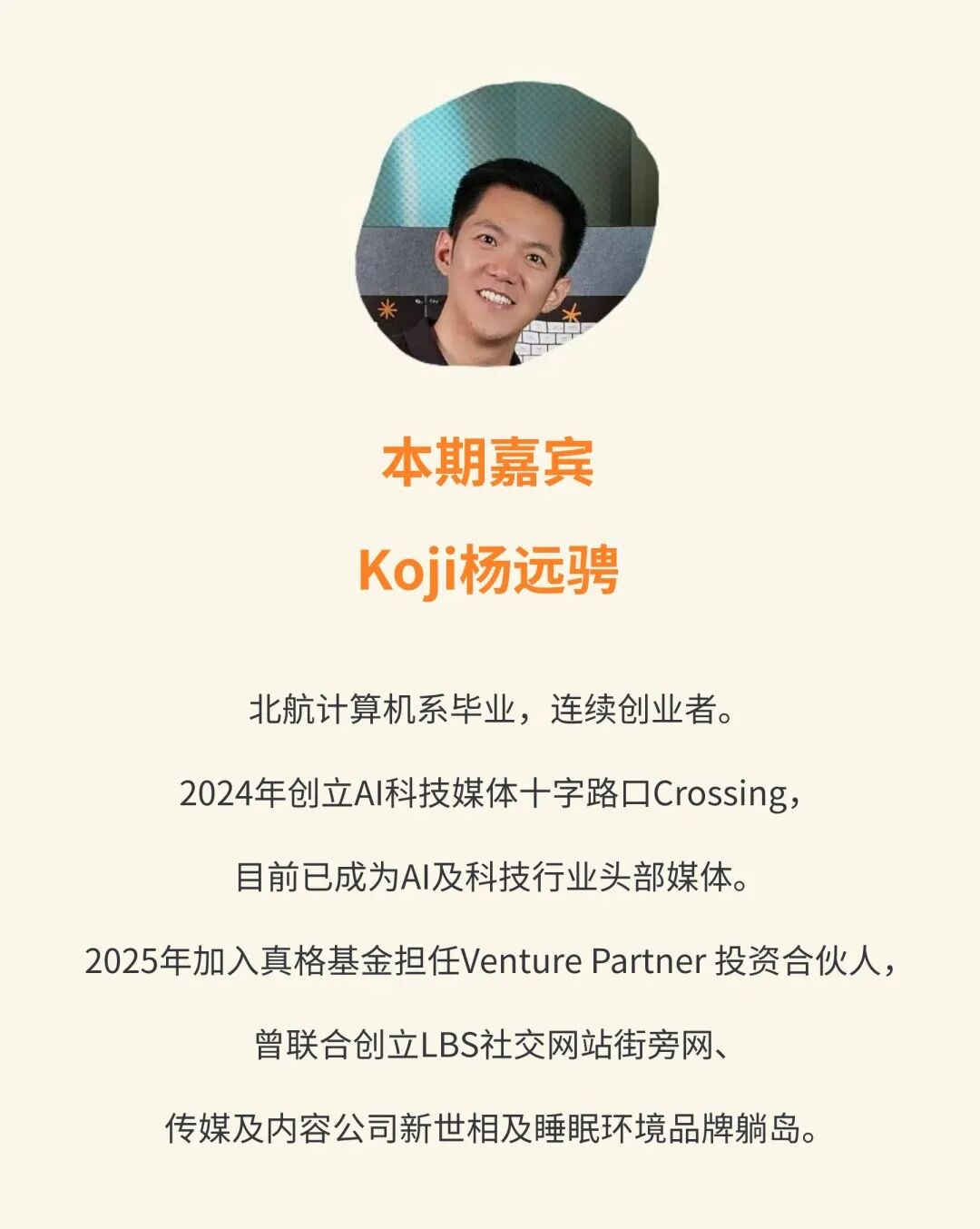
Intro
Eight years ago, when I first met Koji, he was still at The Fair, preparing to start his third venture. Alongside Xianglin — a guest on the first episode of Beyond Cycles — he was incubating Tangdao, a sleep environment brand. Today, he's the founder of Crossing, an AI tech media company, and a Venture Partner at ZhenFund.
In my mind, he's among the most commercially astute people I know. He's almost always stood at the forefront of change, diving into every business wave and coming away with solid results.
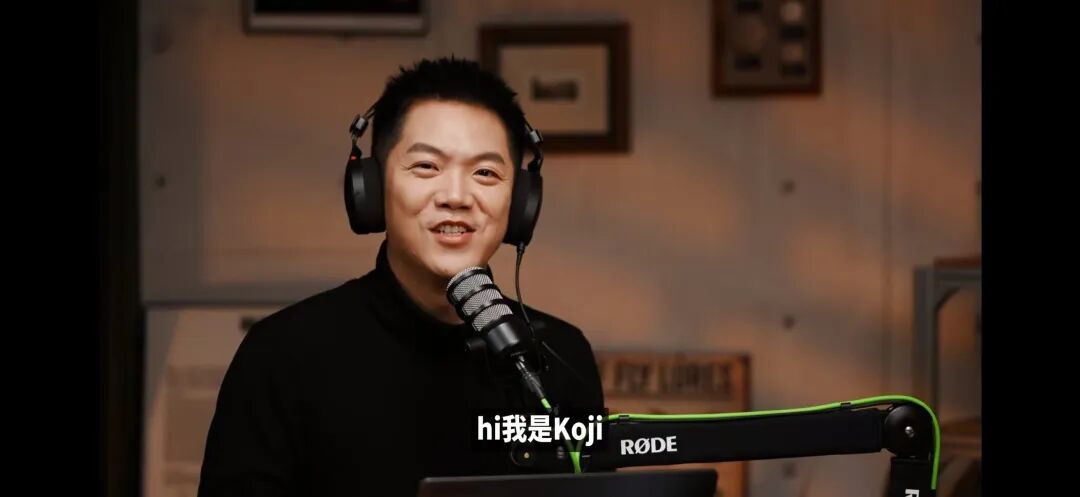
Screenshot of Koji on Crossing's video podcast
In today's interview, I'll talk with Koji about two topics:
First, his life choices. How has he spotted and seized opportunities in every business wave, and how has he made decisions at every crossroads in his life?
Second, investing and people. Over the past two years, he's spoken with hundreds of AI founders. I want to hear his observations — in this era of rapidly shifting trends, where real and fake opportunities intertwine, how does he judge people, judge trends, and decide what's worth betting on?
Due to length constraints, this article focuses on the first topic. For those interested in Koji's thoughts on investing, click below for the full video podcast and Xiaoyuzhou audio podcast.

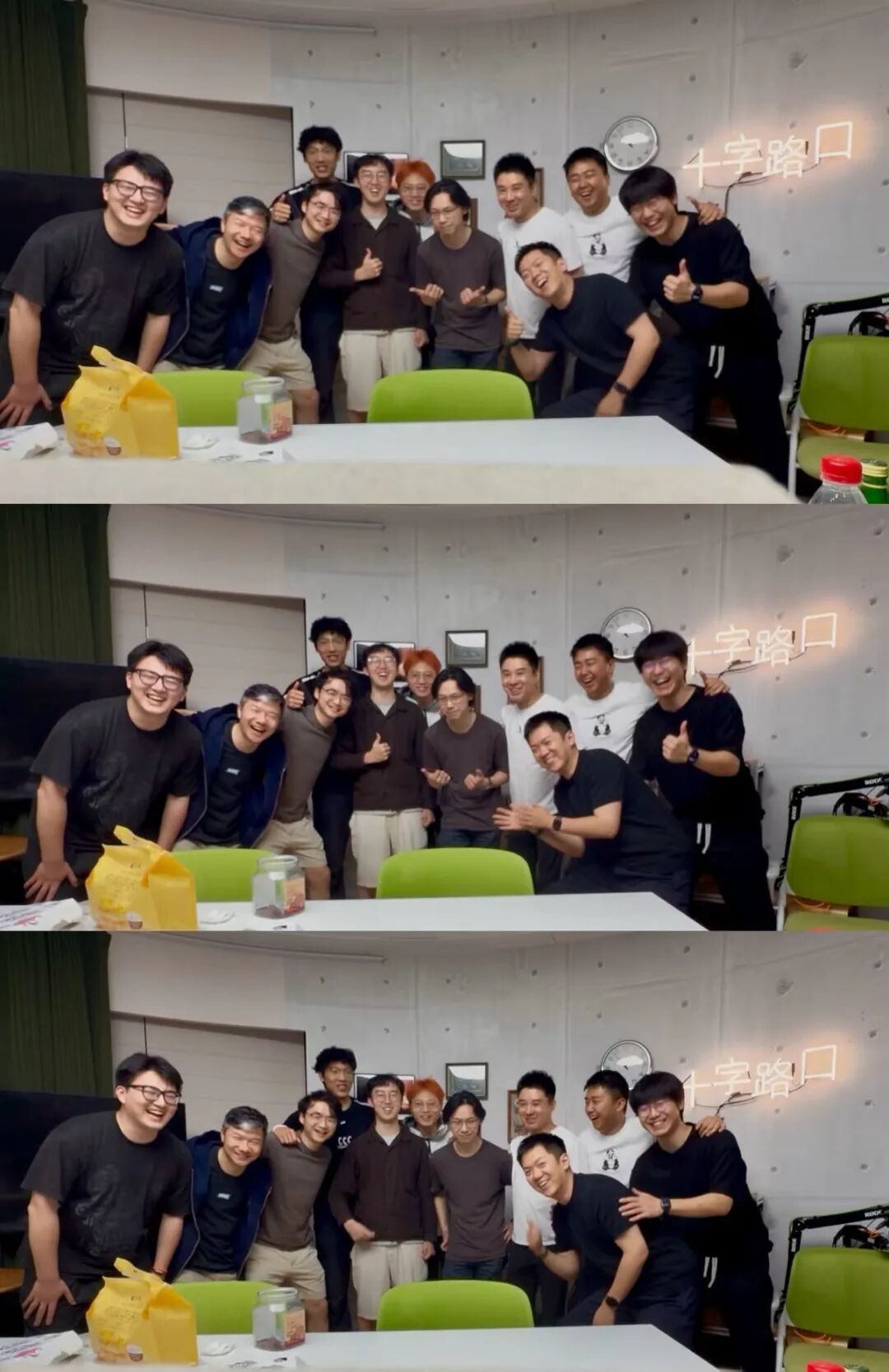
Group photo at a Crossing event
Now, let's step into Koji's world.
01
Standing at the Crossroads
Paths Stretching in Every Direction
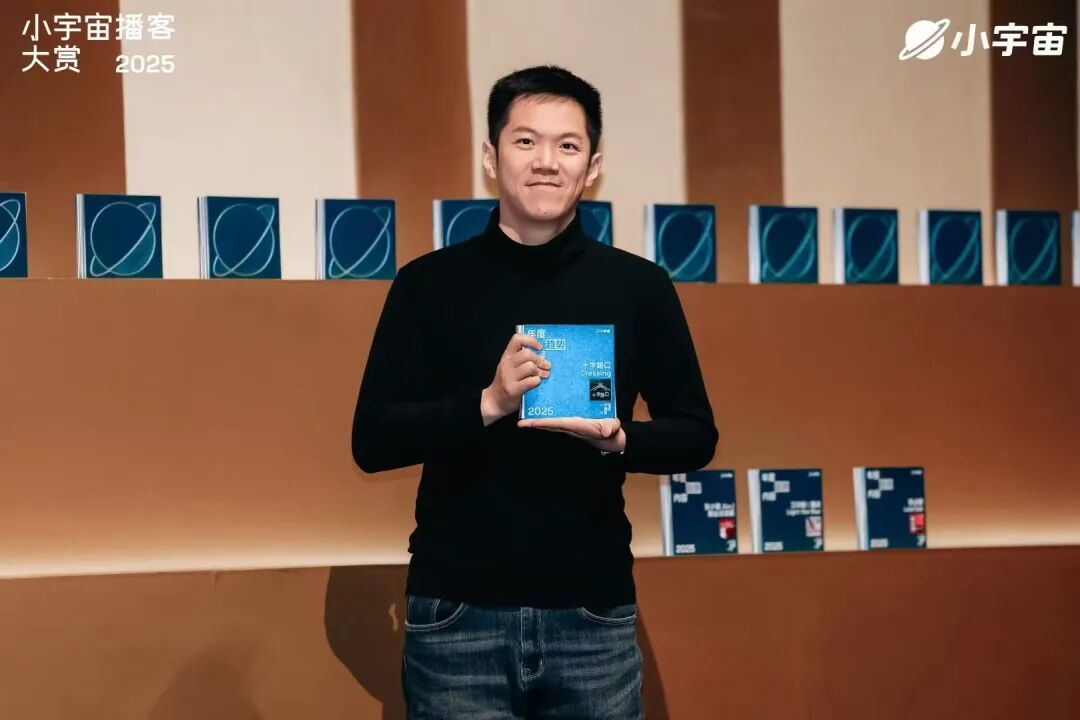
Crossing, founded by Koji, won the 2025 Xiaoyuzhou Podcast Awards
Mengzai: When you first started Crossing, it wasn't called Crossing. It was called Catalyst.
Koji: Oh my god, you still remember the name Catalyst?
Mengzai: Yeah, but later you changed it to Crossing. Why?
Koji: At the time, I really did feel like I was standing at a crossroads in life, wondering what to do next. I also really admired Steve Jobs — he said Apple stands at the intersection of technology and liberal arts. Those two reasons combined, so I went with Crossing.
Mengzai: Why do you say you were standing at a crossroads in life?
Koji: I was CEO of Tangdao then, anxious every day, constantly breaking out in acne. Plus, on the night of November 30, 2022, when ChatGPT launched, I was so shaken I barely slept until dawn. It felt like the world was about to change dramatically.
I felt like I was standing at a crossroads in life: What do I do next? What do I choose? What do I give up?
Mengzai: "Crossroads" is a neutral word. Some interpret it as an active choice, others feel it's a passive result of being pushed by the tides of history. How do you see "active" versus "passive"?
Koji: I really love that line of chicken soup wisdom: pessimists are often right, but only optimists succeed. Standing at the crossroads, the pessimist's take is "oh my god, what am I going to do?"; the optimist's take is "wow, paths stretch in every direction, all roads lead to Rome!"
Mengzai: But you're an optimist.
Koji: I'm a very optimistic person.
Mengzai: Seeing you now, there's quite a difference from when I saw you at Tangdao. I feel like you're more chill now, or in a better state. Do you feel that yourself?
Koji: Yes. Because I've realized I genuinely prefer what I'm doing now. In sixth grade, my dad bought me my first computer. By seventh grade, I discovered you could right-click to view a webpage's HTML source code, so I started imitating it — writing code, building websites, often sitting in front of the computer tinkering for entire days.
Koji gathering a new generation of entrepreneurs with Liu Wei, co-founder of miHoYo
So the work I do now with Crossing and angel investing — constantly learning about cutting-edge AI and computer products — feels very similar to that coding experience. It's joyful. But later in Tangdao's journey, dealing with supply chains, coordinating livestream channels... my happiness was genuinely lower.
Mengzai: Some people feel they need to overcome everything they're not good at, and eventually make it work.
Koji: Later in Tangdao, I was in that "knowing full well there's a tiger on the mountain, yet deliberately heading for the tiger mountain" state — it was inertia. But it was precisely this experience that made me deeply realize: how rare and fortunate it is to have the chance to turn something you love and are good at into your work.
02
Wanting to Become a Product Manager
Start by Joining Xing Wang
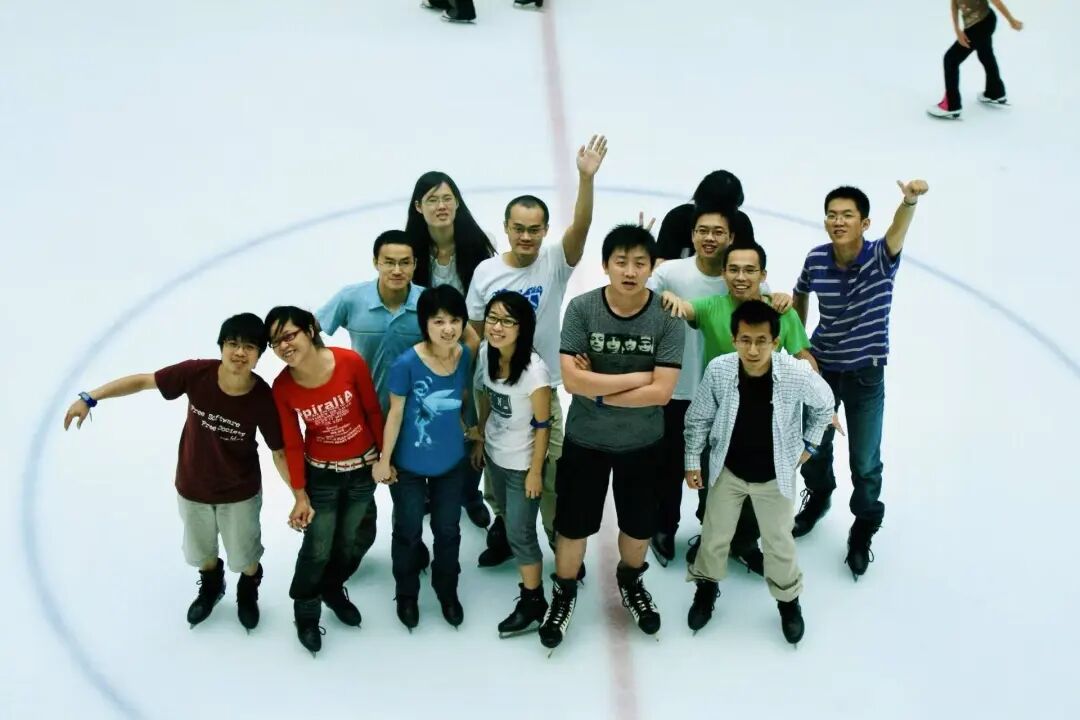
Koji with the Fanfou team
Mengzai: From when you started university until today, how many crossroads like that do you think you've had?
Koji: Haha, so many.
Mengzai: Or let's start from the first one.
Koji: The first crossroads was probably deciding what kind of work to pursue.
Mengzai: You graduated from Beihang University, right?
Koji: Right, computer science. Choosing CS was very natural: I started writing code and building websites in seventh grade, and in our little circle I was somewhat well-known — everyone called me "webmaster."
But the moment I arrived at Beihang, I discovered: how are there so many incredible people here? Many of my classmates were gold medalists in the Informatics Olympiad, admitted through direct placement. I thought, oh no, is my career already over at 17? Hahaha.
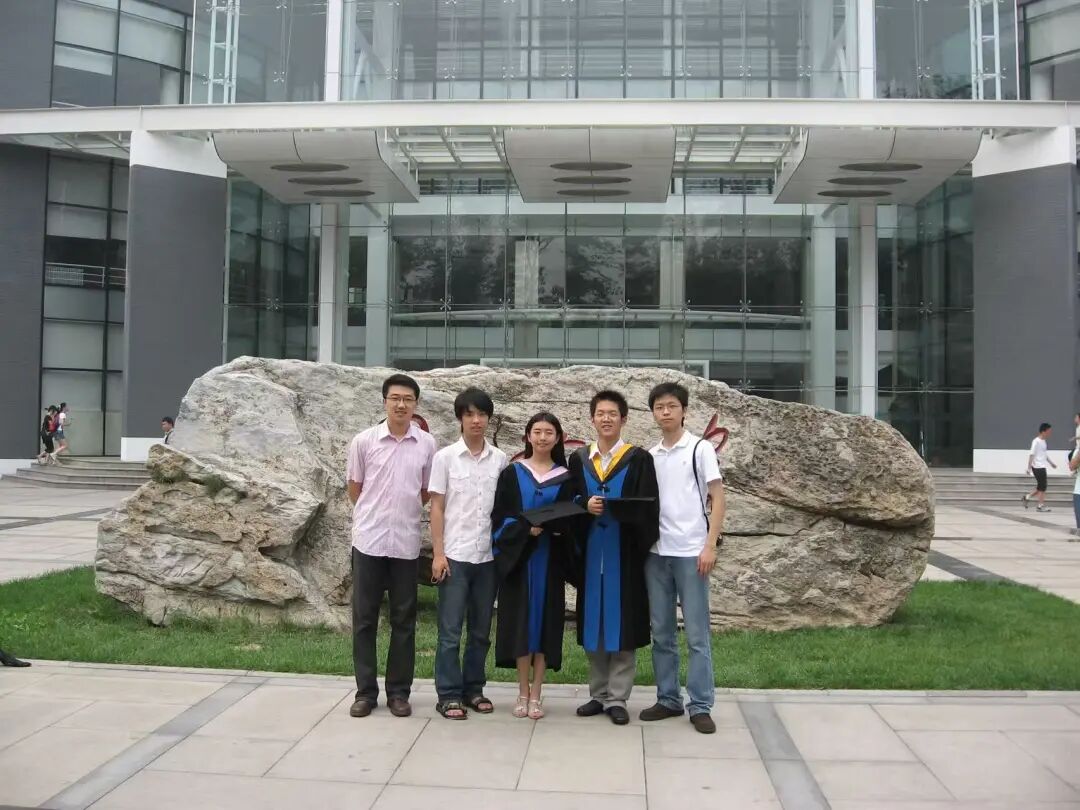
Koji's Beihang graduation photo
Looking back, it felt like standing at a crossroads — lost. Classmates were actively seeking internships, mostly as engineers or researchers at places like Microsoft Research Asia. I realized neither path seemed right for me.
I drifted in this confusion for a long time, until one day I stumbled upon the discovery that there was a job in this world called "product manager." I was thrilled: wow! This was practically tailor-made for me, I was born to be a product manager.
Mengzai: How so?
Koji: Although my programming was mediocre, my grades were consistently good, because many courses had project-based final assignments. I was skilled at assembling teams of top students to work together — they needed someone to clarify requirements, manage the project, and represent the team in final presentations. Only later did I realize: that's product management. So at 19, I got my second spring in my career.
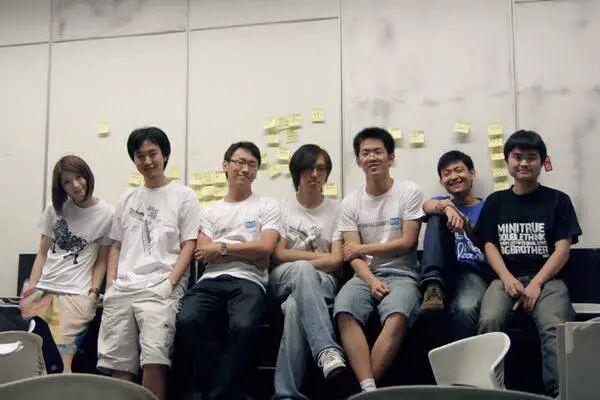
Koji with the HelloTee team during graduate school
After that, I started looking for product manager internships. At the time, I felt the most impressive product manager in China was Xing Wang, so I worked very hard to join his team.
Mengzai: How did you connect with Xing Wang back then?
Koji: Xing Wang was the founder of Xiaonei (the predecessor to Renren). I was extremely active on Xiaonei, posting roughly 10 updates daily; he had probably noticed me there.
Mengzai: Oh, so you got his attention through your own voice on the platform.
Koji: Xiaonei's user base was mainly students from a few Beijing universities — the circle wasn't large. Later, there was an internet industry sharing event at Tsinghua Science Park where Xing Wang gave a keynote. I thought: here's my chance, I need to talk to him.
After he finished speaking, he stood to the side. I was a bit nervous, constantly thinking: what approach should I use to start a conversation that would leave a good impression?
Finally, I had a flash of inspiration — I'd "report" a bug to him. I walked up and told him I'd found an issue using Fanfou's WAP version. Xing Wang immediately lit up: "What bug?" And just like that, we started talking. After our chat, I told him I was looking for a product manager internship and would love to join Fanfou. So he invited me to meet the next day at Bridge Coffee in Wudaokou — that was essentially my interview. After passing, I started my internship.
Mengzai: He gave you the offer on the spot?
Koji: I remember he gave me the offer on the spot, and said the internship would pay 3,000 yuan. Later he followed up with an email — probably because I'd done well in the interview, and he wanted to make sure I'd join, haha.
Mengzai: Wow, so he was pitching you.
Koji: I was dying to say yes, but I told him I was also considering an internship at Microsoft. That email was essentially his case for why joining a startup beat going to Microsoft. Reading it again now, it still hits me.
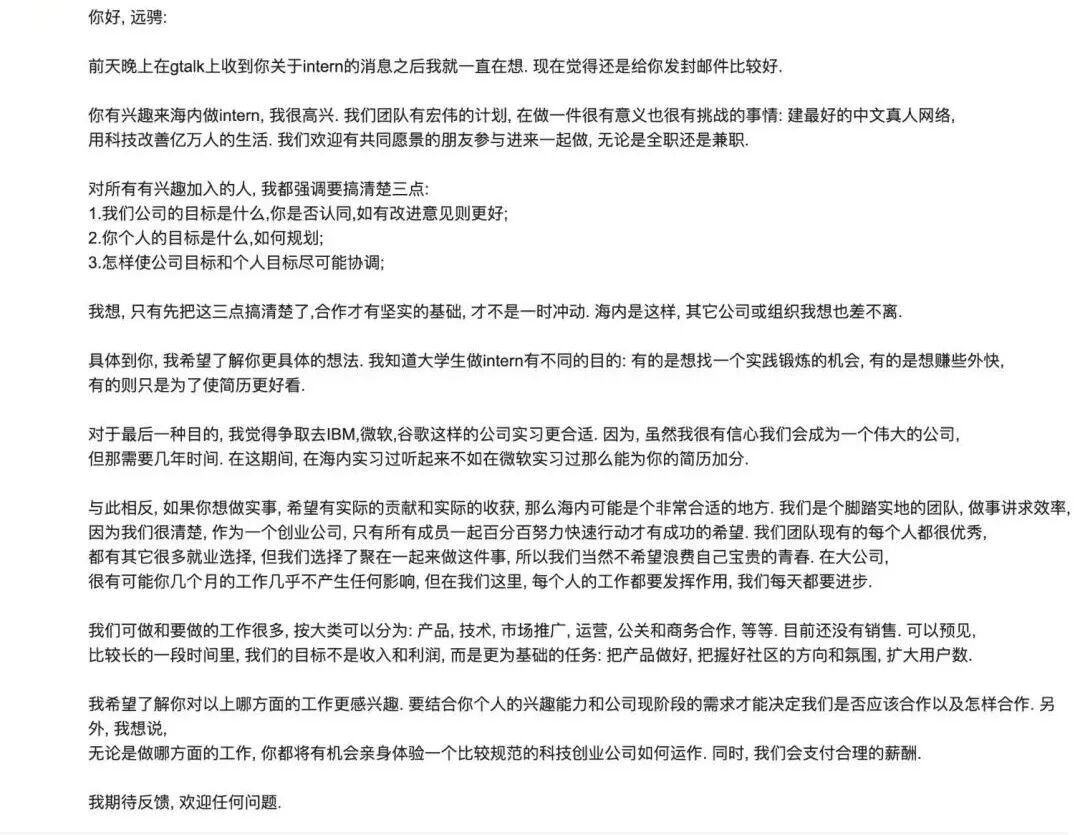
Screenshot of Xing Wang's 2007 email to Koji
His opening line was: "Our team has ambitious plans. We're doing something deeply meaningful and challenging: building the best Chinese social network for real people." He also told me that at Fanfou, I'd get to own the full product lifecycle, whereas at Microsoft I'd be siloed into some narrow research niche. Then there was the 3,000 yuan salary. I thought about it and decided to negotiate — I asked for 3,500.
Mengzai: Oh my god, you're good.
Koji: I forget which book taught me this: whatever offer you get, always try to negotiate. I still remember that day. My dorm at Beihang was on the second floor of this old building, with ginkgo trees right outside the window. It was autumn. I didn't want my roommates to hear, so I leaned halfway out the window, my head practically buried in the ginkgo leaves, and told Xing Wang over the phone that I really wanted to come, but was hoping for 3,500.
Mengzai: Weren't you afraid he'd say no?
Koji: I figured if I'd asked for 6,000, maybe. But 3,500 versus 3,000 — there's no real difference.
Mengzai: What did he say?
Koji: He agreed pretty much immediately, as I recall.
Mengzai: Looking back at your time at Fanfou, what was your biggest growth?
Koji: Before that, my interest in product management was kind of like Lord Ye's love of dragons — all theoretical. I thought I could do it, I'd studied all the "a PM should do 1, 2, 3, 4, 5" frameworks. But Fanfou was where I actually became a product manager for the first time. And I got lucky — I was the only one.
Mengzai: ! The only PM for all of Fanfou?!
Koji: Yeah. I only found out after joining that Fanfou had never had a PM before; the product had been handled by Xing Wang and Wan Huai. My first day, I was ecstatic: it meant I got to do everything product-related, haha.

Koji with Fanfou colleagues
Everyone there was exceptionally sharp, which made me realize: put yourself among the most talented people, and a lot of growth just happens unconsciously.
Mengzai: What about Xing Wang still benefits you today?
Koji: So many things. For one, read a lot. Back then, his browser had countless tabs open, compressed to where each one showed only half its icon.
He read tons of books, magazines, English content. I was recently searching my Gmail for something else and stumbled on an email he sent me in 2012, recommending a New Yorker profile of Peter Thiel. Seeing it again, I went back and reread the piece. Looking back now, his range was remarkable.
03 Never Let Anyone Else Control Your Company
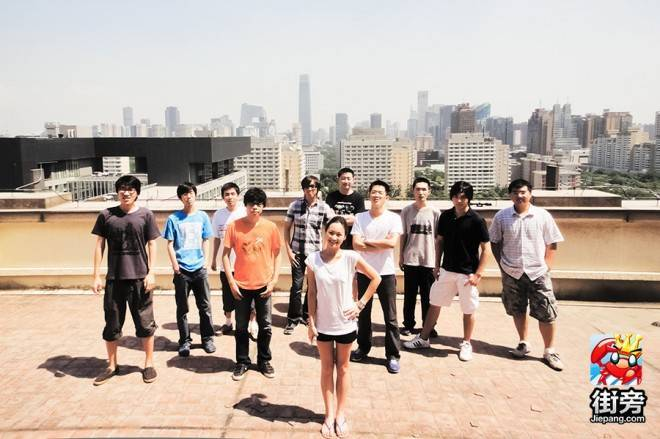
Koji with the Jiepang team
Mengzai: Do you remember why you left Fanfou to start Jiepang?
Koji: Even while working as a PM at Fanfou, I always knew I'd start a company someday.
Mengzai: Why Jiepang specifically?
Koji: Everyone was scanning Silicon Valley for new products to copy. Foursquare, this LBS app, was hot there, and I saw a similar opportunity in China. So we built Jiepang modeled on Foursquare.
Mengzai: Everyone was bringing Silicon Valley models back to run them again in China. Jiepang must have had plenty of competitors?
Koji: Copying Silicon Valley had become almost orthodox by then. When Jiepang launched, something like 200 LBS products popped up simultaneously.
Mengzai: 200?! Even crazier than AI right now.
Koji: Pretty much. Everyone launched within that same two-to-three-month window.
Mengzai: How did you break out?
Koji: Speed was critical — you had to capture brand mindshare. The average app took two months to develop, but once our team recognized the importance of speed, one of our engineers told me we could build an H5 version first, wrap it as an app, and get it live in five days. So we launched Jiepang in under a week.
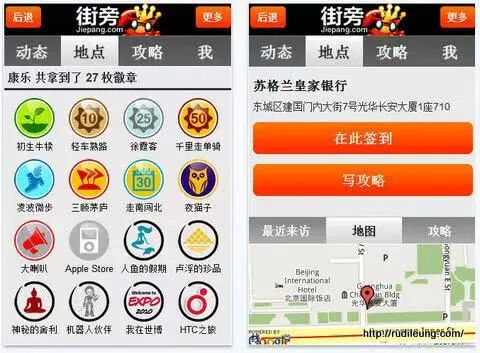
Jiepang's initial product form
Mengzai: So among those 200, you were the first to ship.
Koji: I'm not sure we were technically first by the clock, but in terms of market buzz and recognition, absolutely.
Mengzai: If launching was one positive signal, what was the next?
Koji: Making money.
Mengzai: How much?
Koji: By year two, our annual revenue crossed 10 million yuan. Brands were rushing to embrace social media, shifting ad budgets from traditional channels. Jiepang was one of the hottest social platforms then, so we landed a lot of brand advertising deals.
Mengzai: If speed got you step one right, what capability earned that first 10 million?
Koji: Our average contract was roughly 200,000 yuan. To hit 10 million annually, we needed to serve about 50 clients, each with completely different needs. And 200,000 yuan was serious money back then — every client watched closely, demanding both innovation and measurable conversion. Jiepang's brand momentum only got us in the door. It was the team culture and project management capabilities we built that let us actually handle that sudden surge of demand and revenue.
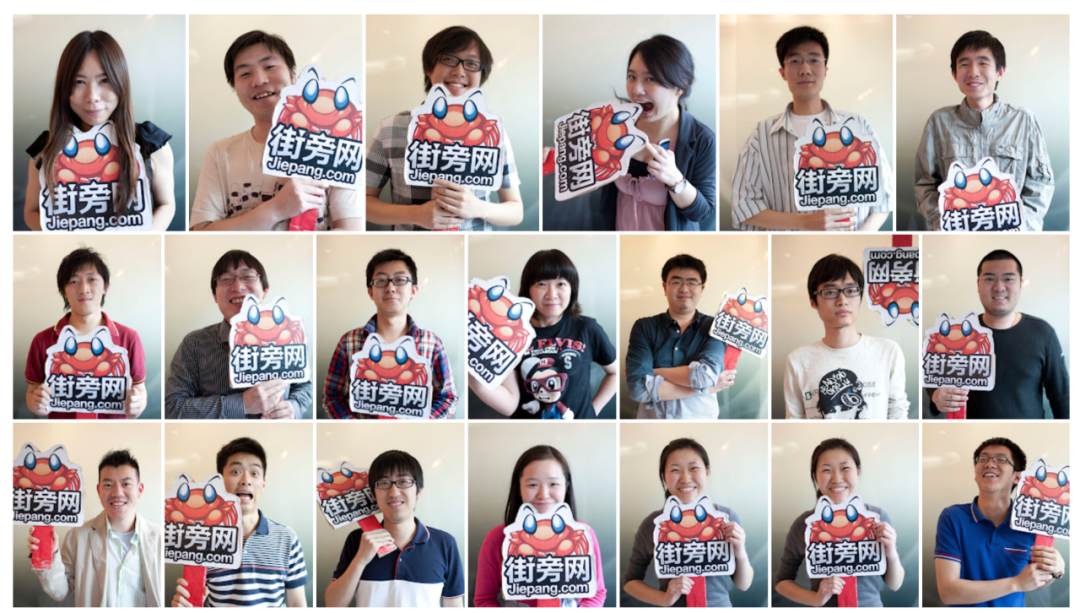
Koji with Jiepang colleagues
Mengzai: How long did the Jiepang chapter last?
Koji: Roughly through 2013. Our angel investor was the chairman of HTC, and eventually Jiepang was acquired by HTC and became an internal innovation unit.
Mengzai: Why couldn't you stay independent?
Koji: Because our angel investor was also our controlling shareholder. It's common knowledge now that founders need to maintain control, but I didn't know that my first time around.
Only later did I see how it cascades into problems, even affecting your psychology when thinking about the company's future.
Mengzai: So your biggest takeaway — never let someone else control your company?
Koji: A very painful takeaway.
Mengzai: Did your mindset shift from "I'm a founder" to "I'm a senior manager"?
Koji: It wasn't even a shift — it was a contradiction. I seemed like a founder, but I wasn't really. That dissonance creates confusion, and you lose your anchor when making decisions.
04 Content and Commerce: My Wins and Losses
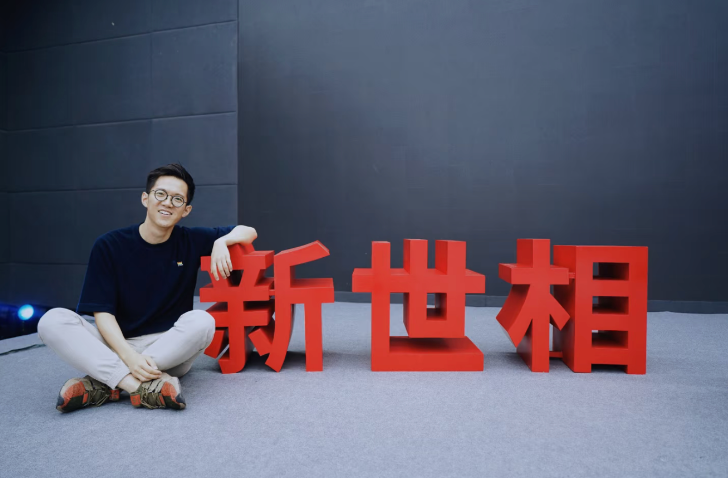
Koji at The Fair
After Jiepang, Koji joined cosmetics e-commerce platform Jumei International Holding Limited as General Manager of Mobile, reporting to then-co-founder Yusen Dai, now Managing Partner at ZhenFund. Over several years, he grew Jumei's mobile sales to 91% of total platform revenue and became a key figure in Jumei's IPO. After cashing out his shares, he left to start his second company.
Mengzai: Was Jumei where you earned your first real money?
Koji: If you define first real money as gaining the foundation for relative freedom — financial, material — then yes, definitely Jumei.
Mengzai: What did that feel like?
Koji: Jumei went public in 2014. I was 28, overjoyed, pretty full of myself. There was some spending: car, apartment. At one annual party, I even bought my first Armani suit. But the urge to keep buying faded quickly.
Mengzai: You got that rush, and then it was just... gone.
Koji: Right, still working every day, 9 a.m. to 9 p.m.
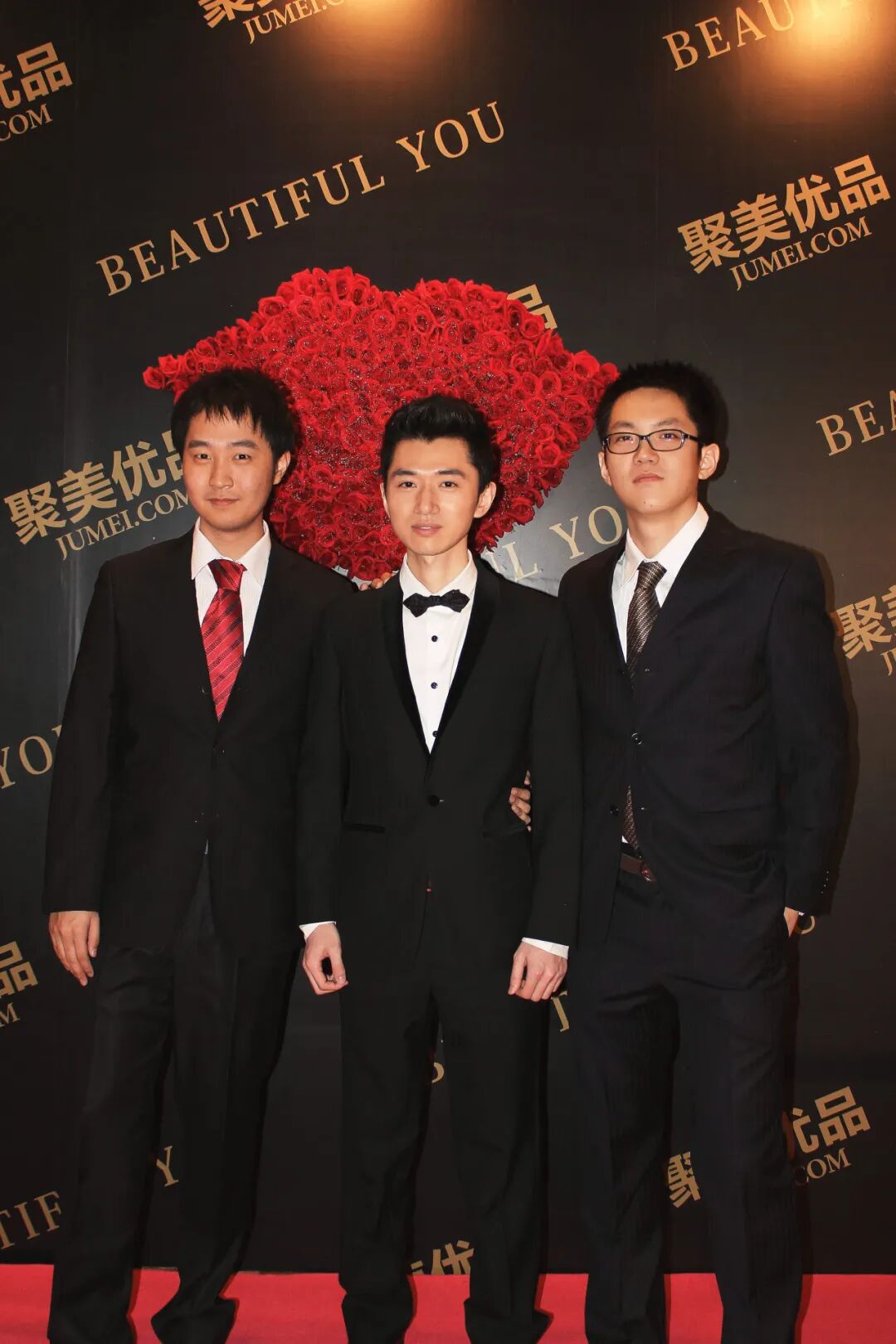
Koji in his first Armani suit at the Jumei International Holding Limited annual party
Mengzai: You left Jumei pretty soon after the IPO. Why?
Koji: Jumei was a cosmetics e-commerce company, and I genuinely didn't understand that business. I tried hard to get it, but I couldn't, so I felt my career ceiling would be limited there.
Second, I still really wanted to start my own company. With some financial security, I felt I could be bolder about taking risks. An opportunity came up, so I ended up doing Taohuadao and then The Fair.
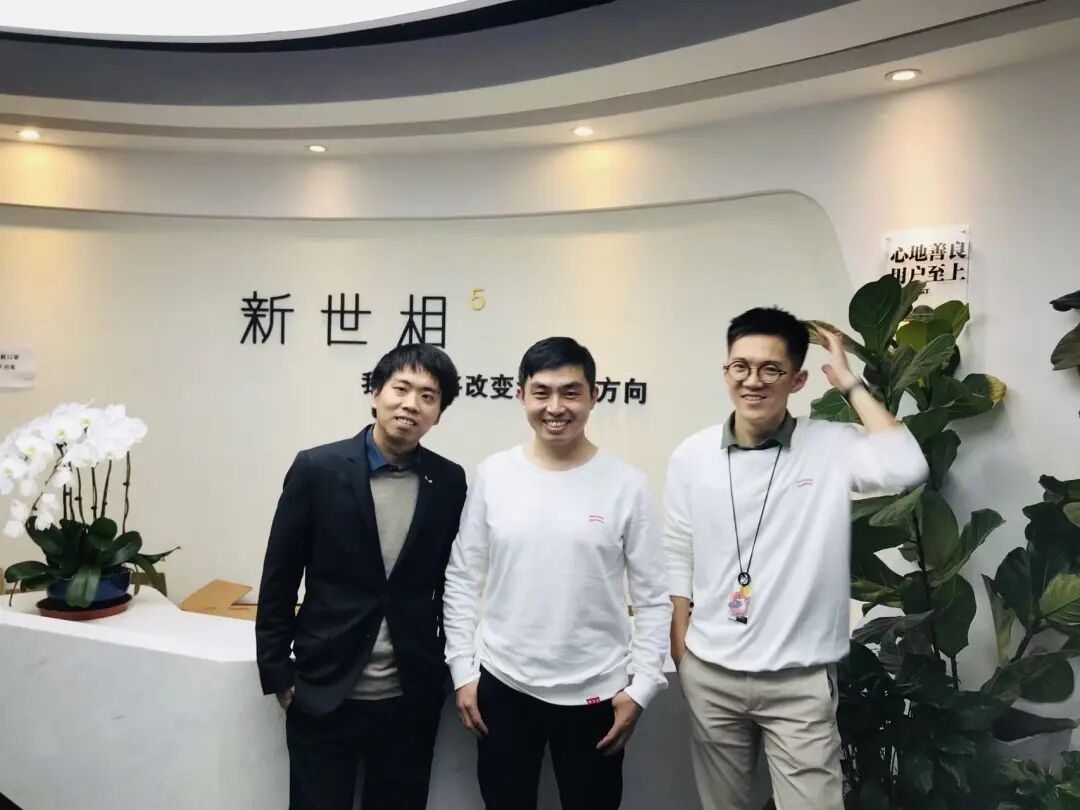
Koji co-founding The Fair with Zhang Wei and Wang Zaixing
Mengzai: I was doing research the other day and found an article you wrote in 2015. You said when you started Jiepang, you "just somehow stumbled into it." After a month or two, you realized, "Oh shit, I'm starting a company." But with The Fair, you felt "a strong calling of mission." What was that mission?
Koji: Did I use the word "mission"?
Mengzai: You wrote it yourself.
Koji: (pauses for several seconds) I think I was probably just being dramatic, finding words to fit the mood. It wasn't really mission. I just really wanted to start something and make it big, make it good, make it strong — more like pursuing influence.
Mengzai: When you first decided to do Taohuadao (The Fair's first project), why did you bring in Zhang Wei and Zaixing?
Koji: Taohuadao was a fashion community. I'd done social media and e-commerce. Zhang Wei had been executive editor at GQ, and Zaixing was a senior reporter at Blog Weekly. So I thought: "community + e-commerce + fashion + content" — isn't that just me plus Zhang Wei and Zaixing?
Mengzai: Sounds a lot like Xiaohongshu.
Koji: It really was because we saw Xiaohongshu was doing well and thought we had a shot at building something similar, even surpassing them. But we quickly realized Xiaohongshu was already very strong, with solid network effects and brand momentum. So Taohuadao lasted about four months before pivoting to The Fair.
Mengzai: Shifting from community to content media — was that your original vision?
Koji: Not exactly, but I was happy doing it. We quickly produced several viral hits, like Escape from Beijing, Shanghai, and Guangzhou and The Book Drop. It was really fun, with strong positive feedback.
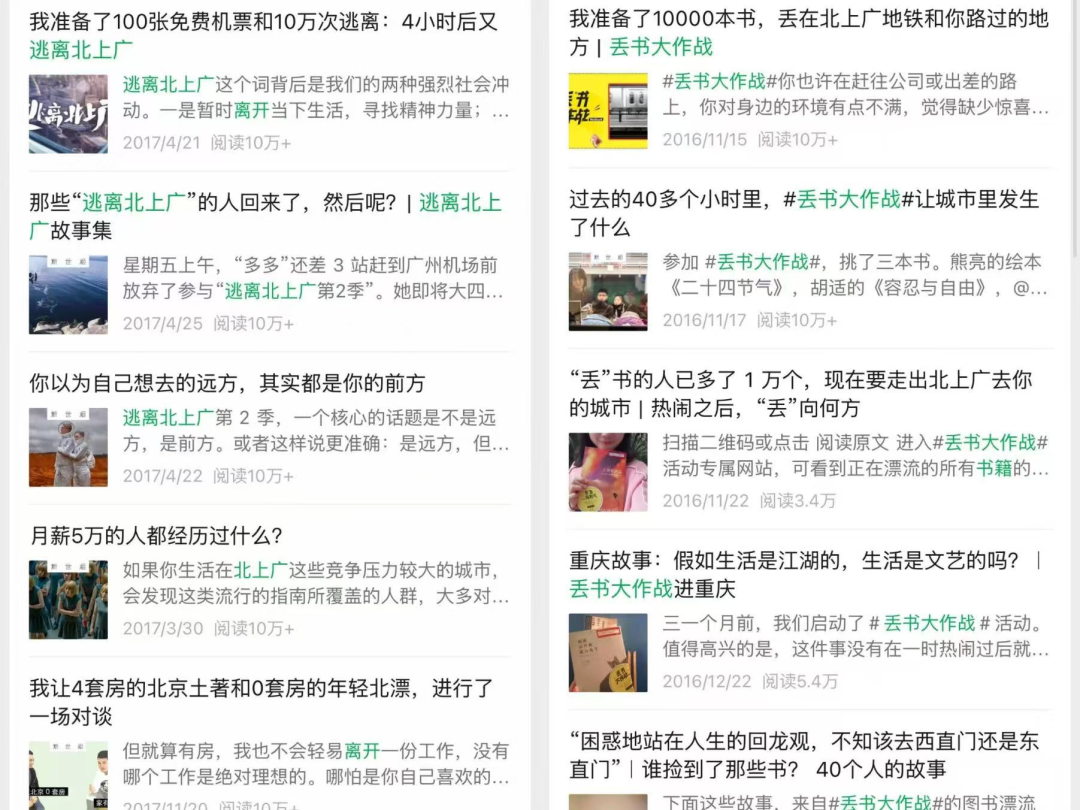
From The Fair's WeChat public account
Mengzai: How would you describe each of your three personalities?
Koji: Zhang Wei is a genius with words, incredibly perceptive about people, and really inspiring to be around — you feel like a better version of yourself near him. Zaixing is an execution machine. He approaches every project like driving a big truck from far away, dust everywhere, gongs and drums. That determination — you can feel it from a kilometer away, like he's burning his own little universe.
Mengzai: And what about you?
Koji: Me... (pauses for several seconds)
Mengzai: The long silence.
Koji: Sometimes I feel like they could do great without me, and slightly better with me. If I had to say, it's about mutual inspiration.
Like recently, Zhang Wei started doing video podcasts for The Fair. Just today he registered a Xiaohongshu account: "Zhang Wei from The Fair."
Mengzai: I saw that. I even screenshotted it and told him, "You're debuting."
Koji: A couple days ago I saw a foreign podcast format where the guest lies back relaxed on a couch for the interview. I got so excited and immediately forwarded it to Zhang Wei on WeChat, saying this is perfect for you! He said he'd seen it too and liked it. I immediately replied: Then do it already, why aren't you doing it? We should be the first to do this format in China. — That kind of exchange happens all the time. We constantly inspire each other.
Mengzai: In 2019 you switched from content to consumer goods, starting Tangdao. How are these two fields different?
Koji: Actually, from 0 to 1, a lot of skills transfer, so we quickly made two hit products — the cat-belly pillow and the melon-cool comforter — and the company soon reached 200 million RMB GMV. But going further, you clearly enter deeper waters: offline channels, supply chain, quality control, after-sales experience, and so on.
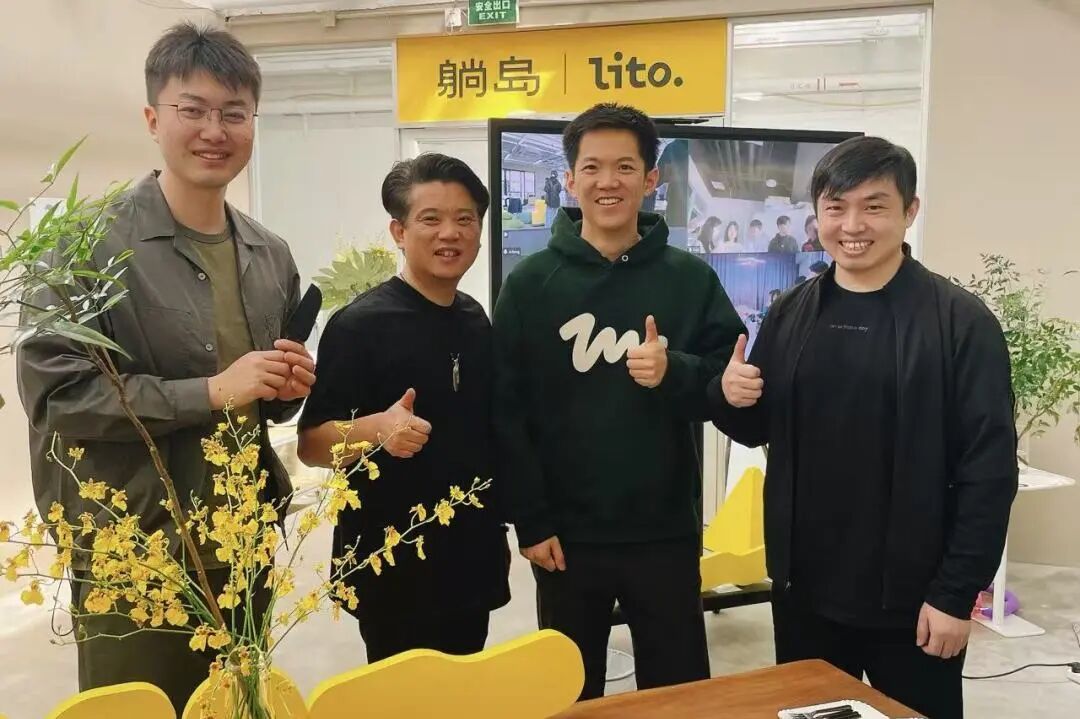
Koji with Zhang Wei, Xianglin, and Nanfeng at Tangdao
Mengzai: Were you having more fun or more pain?
Koji: Pain and fun together. Later on I did get anxious occasionally, but I also kept getting positive feedback. I remember the founder of "Songmont" once visited our office, happily showing me her Taobao order history: "Look, I've bought more than ten Tangdao orders, for all kinds of friends." Moments like that made me really happy.
Mengzai: What was painful?
Koji: Random example: once we went on Austin Li's livestream with a seasonal product. We'd prepared 2 million RMB of inventory and only sold 600,000. All that leftover seasonal stock — what do you do with it?
After doing Tangdao, I realized: consumer goods is an industry that really requires patience, making friends with time. But tech has so much leverage. Once you catch a technology inflection point and use leverage well, the business can take off fast. The day ChatGPT launched, I couldn't sleep because I realized: I have a strong tech background, and 99% of my friends are in tech. I'm probably better suited for tech-related entrepreneurship.
Mengzai: Could it be that Tangdao's business was just too slow? Maybe you crave that faster rush.
Koji: Later with Tangdao, one source of unhappiness was realizing I had to push myself to look at the business, do marketing, but I couldn't feel genuine love or impulse from inside. In contrast, I remember from middle school, I could sit coding for 12 hours straight without ever feeling like I was working — a very stark contrast. After doing all kinds of random things, it actually helped me see more clearly who I am, what I'm good at, what I love.
At the same time, I now deeply admire consumer goods entrepreneurs. My startup experience introduced me to all kinds of entrepreneurs, and I have to say: the ones who really make it in consumer goods are true all-around warriors, entrepreneurs who fight to the bloody end.
Mengzai: Agree, completely agree.
Koji: Not that tech or internet entrepreneurs are lesser — they just tend to be exceptionally strong in one or two areas, like seizing opportunities, nailing timing, catching tech inflection points, building network effects and data flywheels, constructing formidable moats. But tech founders aren't necessarily all-around warrior entrepreneurs.
Mengzai: You've switched tracks several times. How did you judge whether to jump in each time? What feeling told you, this wave, I'm riding it?
Koji: Honestly, I never really had that moment.
Mengzai: You never had that moment?
Koji: I never had a moment where I thought the wind was rising and I needed to catch it. It was more follow my heart. All three of my previous startups — I genuinely wanted to make those things happen. I had that passion.
Mengzai: But I've always felt you have particularly sharp business instincts. You always sense the wave coming before others do.
Koji: It's still that luck surface area theory.
Mengzai: What's luck surface area?
Koji: Some people have better luck because their luck surface area is larger. Good luck falls uniformly across the world. The larger your surface area, the more luck you catch.
How do you expand the area? The horizontal axis is doing more and more things. The vertical axis is letting more and more people know you're doing these things. You have to work hard, build social connections, make yourself visible — then add a bit of what's called luck.
Mengzai: Interesting. Last question — I feel like we're in a pretty restless era, but you have a very quiet hobby: birdwatching. I'm curious why you like it?
Koji: Wow, is this the last question already? Feels like we need a whole new podcast episode — I could talk about birdwatching forever, haha. Recently ZhenFund had a team retreat in Yunnan, and I took a bunch of colleagues birdwatching, trying to get them hooked — I brought six pairs of binoculars, my suitcase was entirely full of binoculars.
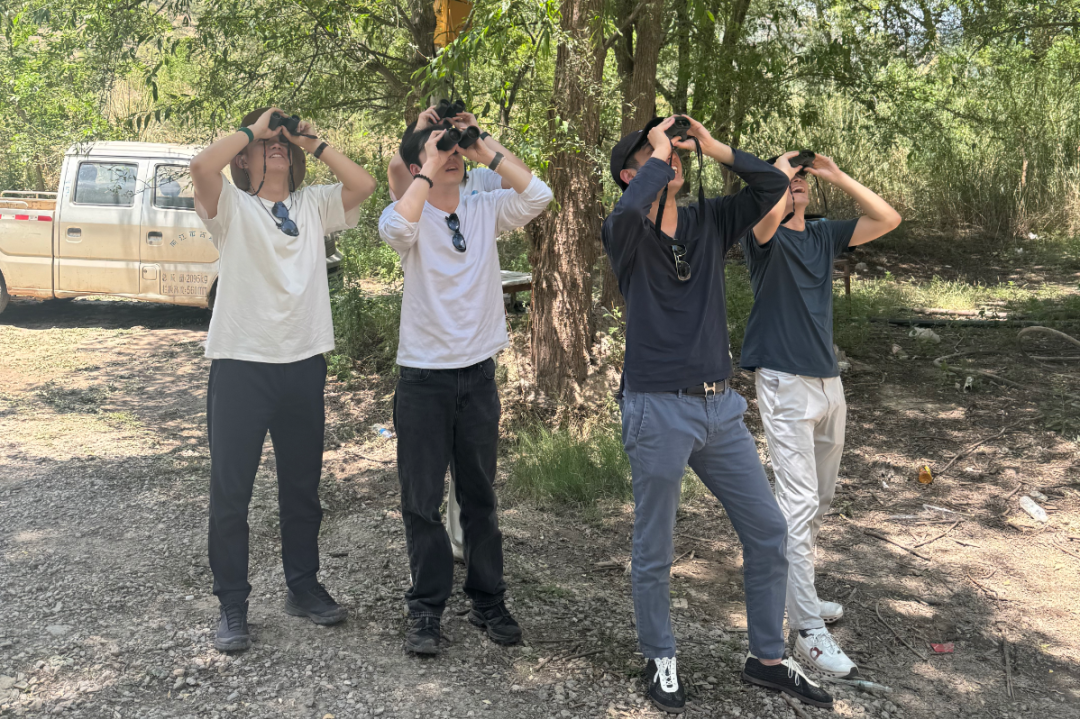
Koji birdwatching with friends
I like birdwatching first because it gets me into nature more often. Second, it's like a collection game — real-life Pokémon, endlessly fun. Third, it makes ordinary life anything but ordinary.
Like today while we're recording this podcast, birds have been flying past the window the whole time. Every time a bird flies by, a little joy wells up in me. It really lets you get happiness at zero cost, at every moment, in every place.
END
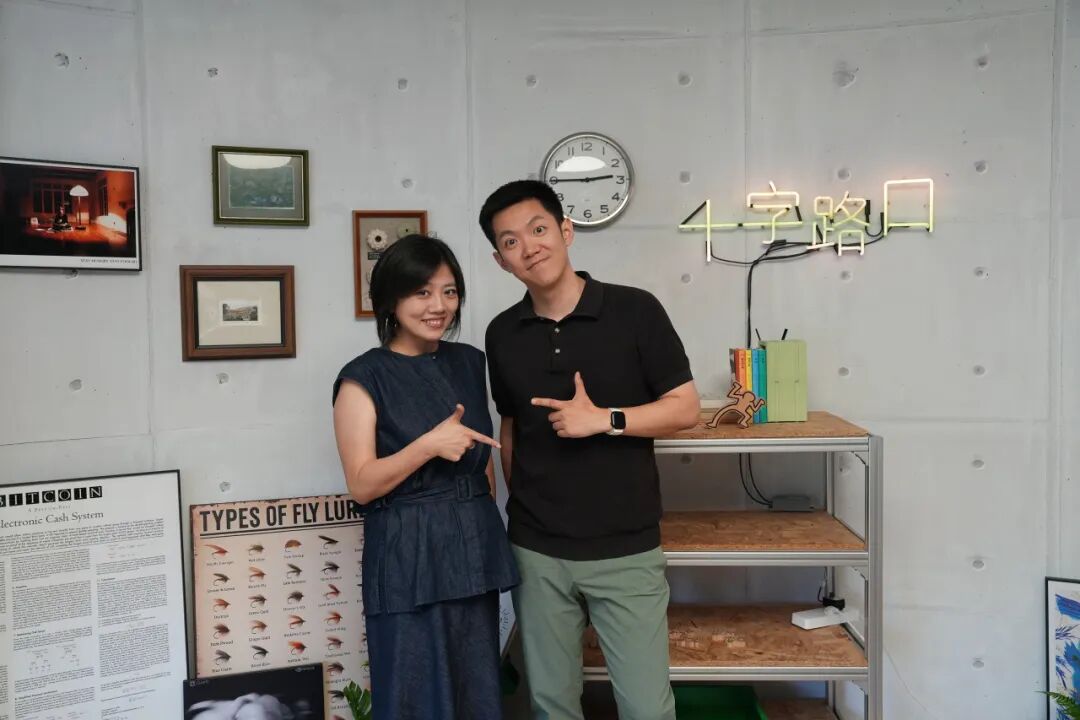
Mengzai and Koji on the day of the interview
After the interview, Koji gave me a birdwatching book called Hope Is the Thing with Feathers. On the title page, he had written: Birdwatching is never about arrival, but a continuous veering off course. The map is not fixed; it unfolds with every step you take.
May we still hold onto something pure that isn't about reaching a destination, may we still follow our hearts, and find joy simply in setting out — even in this restless, ever-changing era.
PS: For those interested in learning more about Koji, here is his personal website: https://kojiyang.me. Because of his love for birdwatching, Koji designed his site with a birding vibe — the sky and clouds move dynamically, and every click of the mouse sends a bird flying across the screen.
May we still see a bird fly by, even in the surging tides.

Koji's personal website — every click sends a bird flying
For the second topic on investing and people, you can watch the full video below or listen to the full audio on Xiaoyuzhou.
Full Video Podcast
Click the link below
Full Audio Version
Scan the QR code below

Full video podcast @ "Mengzai the Little Monster" on all platforms
Full podcast @ "Beyond Cycles" on Xiaoyuzhou
Full transcript @ "Beyond Cycles" WeChat official account
Selected excerpts @ "Beyond Cycles" on Xiaohongshu