A year after its launch, Trae is heading to the next stop in AI coding.
From TRAE IDE to TRAE Work, AI coding has already moved beyond just writing code.
From TRAE IDE to TRAE Work, AI Coding Is No Longer Just About Writing Code.
👦🏻 Author: GaKi
🥷 Editor: Koji
🎨 Layout: NCon

From TRAE IDE to TRAE Work, AI Coding Is No Longer Just About Writing Code.
The 2026 Volcano Engine Force Conference just wrapped up at Phase II of the Beijing National Convention Center.
For two days, June 23–24, you could barely find an empty seat in the house — even the aisles were packed. Chances are you've already seen photos from the scene circulating on social media.
The conference saw a flurry of new model announcements: Doubao 2.1 Pro, Seedance 2.5, Seedream 5.0 Pro, and Seed Audio 1.0. Volcano Engine also shared some striking numbers: Doubao large models now process over 180 trillion tokens daily, more than ten times growth year-over-year, and Volcano Engine commands 49.5% of China's public cloud MaaS market... the list goes on.
There was plenty of new ground covered, but one of the most discussed themes was the year's hottest topic: AI Coding. And along this thread, ByteDance's vision for TRAE may extend well beyond an "IDE" for programmers toward "Work" for everyone.
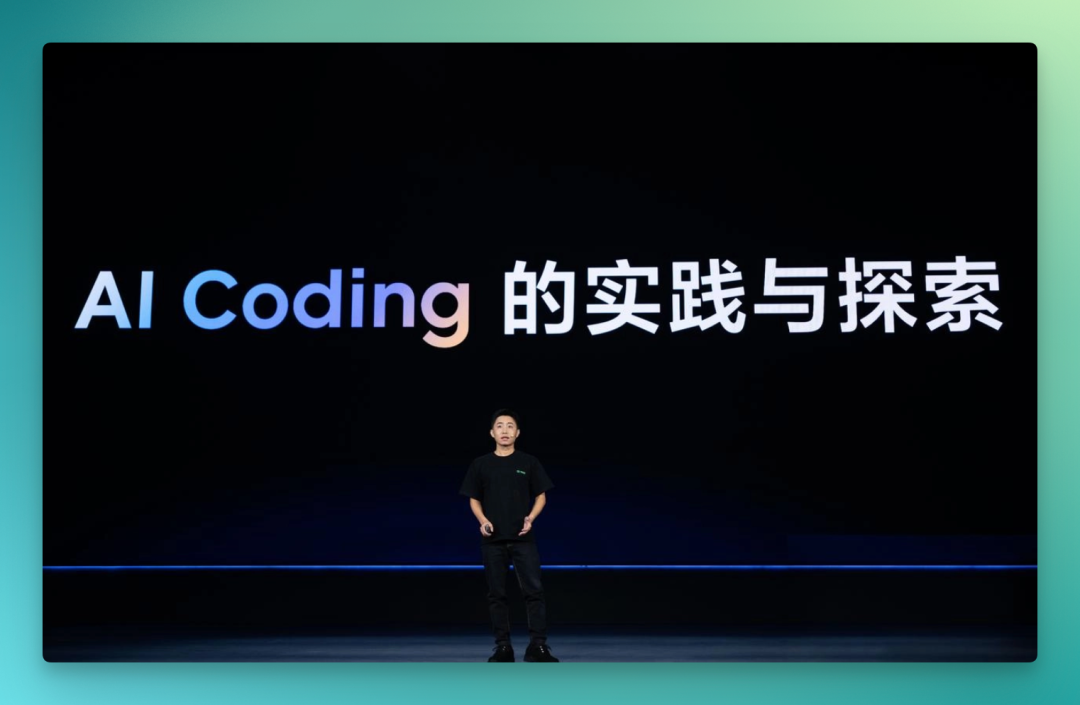
Hong Dingkun, ByteDance VP of Technology, delivered a dedicated keynote on AI Coding — and some of his conclusions caught us off guard.
🚥 The Crossing team was on site and has put together a complete breakdown of this AI Coding and TRAE presentation:
Why AI Coding was given such prominent placement at this conference, and how TRAE got to where it is today.
Where Did AI Coding Sit in the Force Conference Agenda?
Listening through the main forum keynote, two signals stood out.
[1] Models Doubao 2.1 Pro is positioned around three pillars: Coding, Agent, and VLM (vision-language models). Official benchmarks show it reaching the top tier on tests like Terminal Bench 2.1, SWE-Pro, and SciCode — surpassing Claude Opus 4.6 on some tasks, with total usage costs reportedly nearly 80% lower.
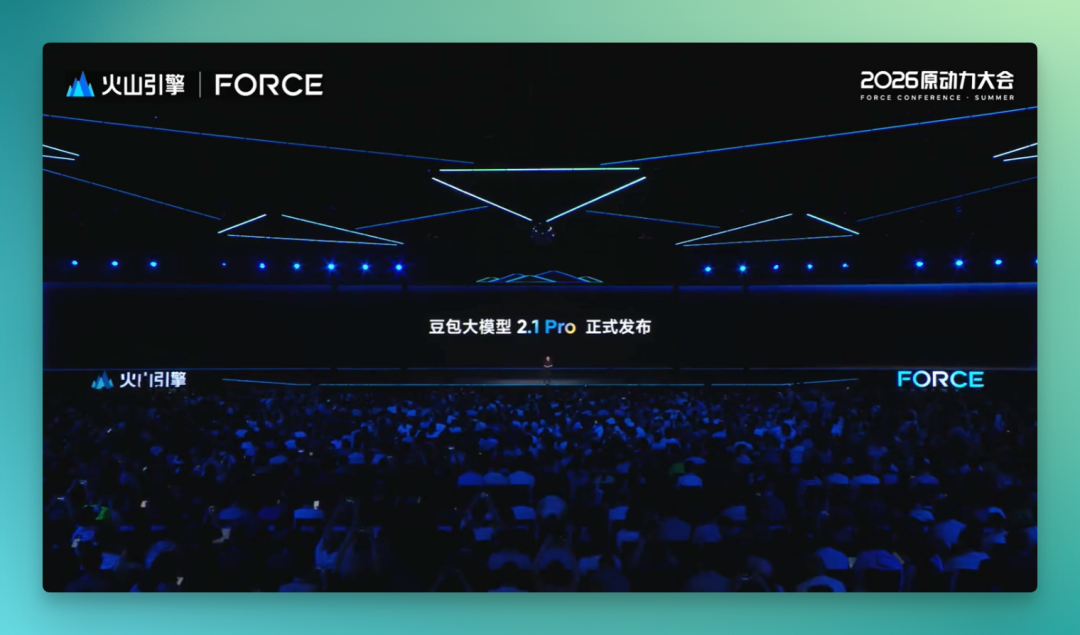
The model has already been integrated into Doubao, TRAE, Coze, and other products, with enterprises like ezona, WPS, Moonton, OPPO, and Midea Group completing testing.
For anyone working in AI programming, Chinese domestic models have now reached the edge of the top tier on this core capability.
[2] Direction 180 trillion daily tokens, 49.5% market share — these numbers suggest model call volume itself is no longer scarce. As compute and models both become basic infrastructure, the competition shifts from "whose model is stronger" to "who can actually put models to work."
Volcano Engine's answer roughly follows two paths:
One: Seedance expanding from short dramas and anime into more physical industries. The other: getting large models into R&D, tool invocation, and enterprise workflows.
AI Coding is the most mature and first revenue-generating scene along this second path.
Judging by the industry at large, this assessment holds up.
Overseas, Anthropic's Claude Code launched publicly in May 2025; by early 2026, its run-rate revenue had already exceeded $2.5 billion, a figure that doubled again after the start of 2026.
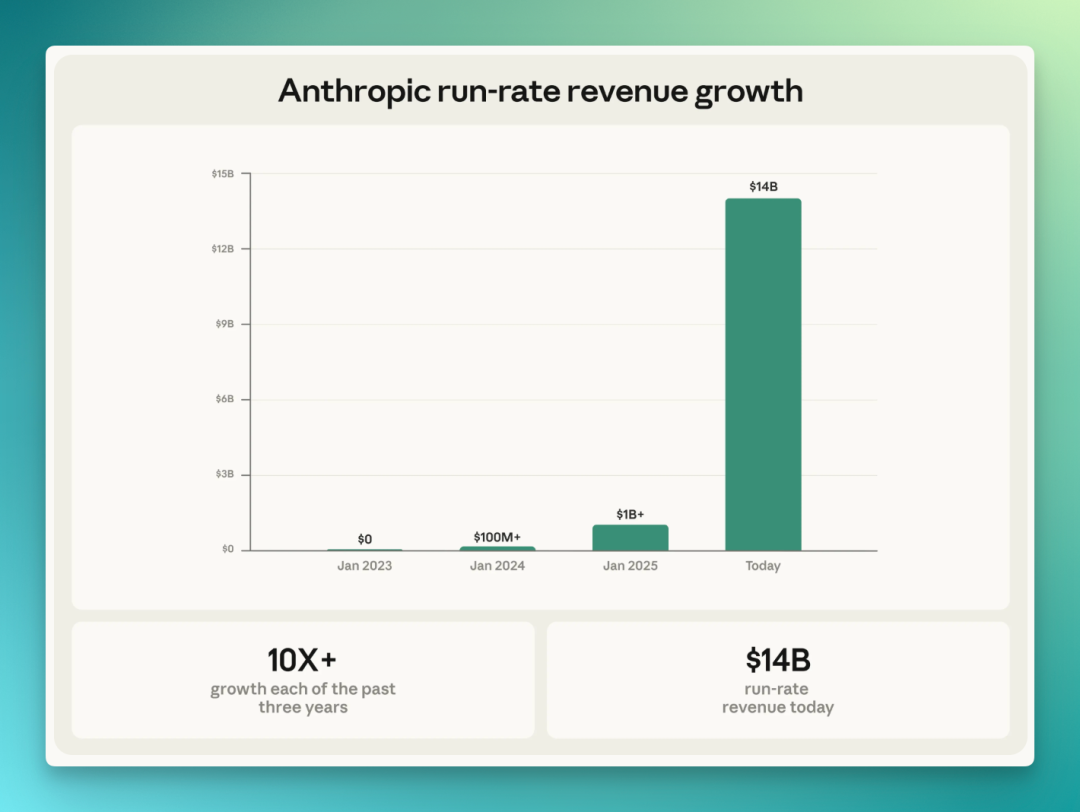
Among all directions, programming is one of the few already proven to convert directly into real money. While model vendors are still telling stories elsewhere, Coding is already making money.
How AI Coding Agents Perform in the Real World
Financial institutions have been among the most eager yet cautious adopters of AI Coding these past two years.
Goldman Sachs, for instance, equipped 12,000 developers with GitHub Copilot, then brought in more autonomous coding agents like Devin. Citi rolled out Copilot to 40,000 developers.
But before truly scaling, these institutions hit problems that weren't about model capability at all.
According to a Futurum Group survey from the first half of 2026, while 60% of enterprises had already adopted AI in development, highly regulated industries were among the least advanced and hardest to push forward.
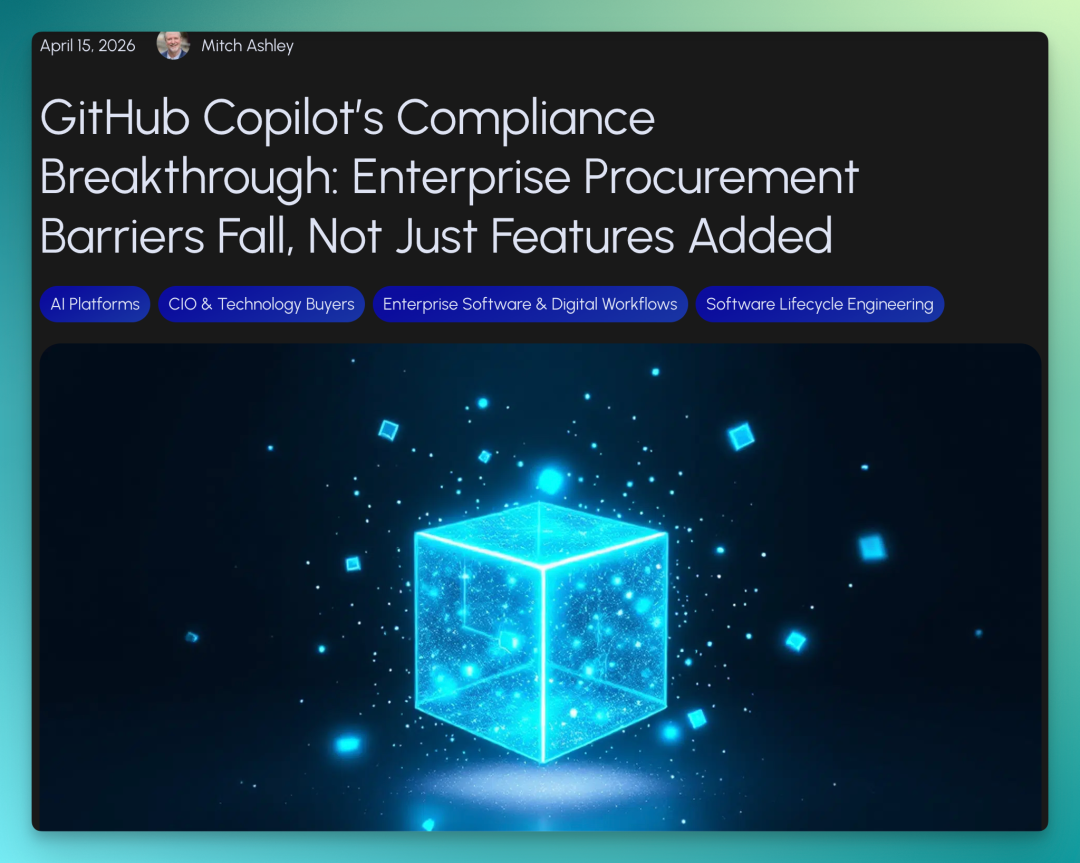
I noticed institutions like Saxo Bank have publicly noted that simply bringing these AI services in-house requires getting through an entire audit and evaluation process.
"Long and painful" — an industry chronic condition.
So when financial industries integrate AI programming into R&D, they keep running into roughly three categories of problems: stringent data security and compliance requirements, lack of unified standards, and fragmented tool platforms.
It's foreseeable that Galaxy Securities, as one of the earlier Chinese financial institutions to push AI Coding engineering, would face these same challenges. Their approach: bring in TRAE Enterprise Edition, paired with an SDD (Specification-Driven Development) methodology.
After mapping out the full flow, it looks roughly like this:
Developer describes high-level goal → AI generates specification document (Spec) with user stories and acceptance criteria → human review and approval → AI generates technical implementation plan → broken down into individually reviewable tasks → AI writes code task by task.
The entire process is traceable, and the Spec is preserved as "quasi-source code" — an IT asset for the company. The overall process can be summarized in the diagram below:
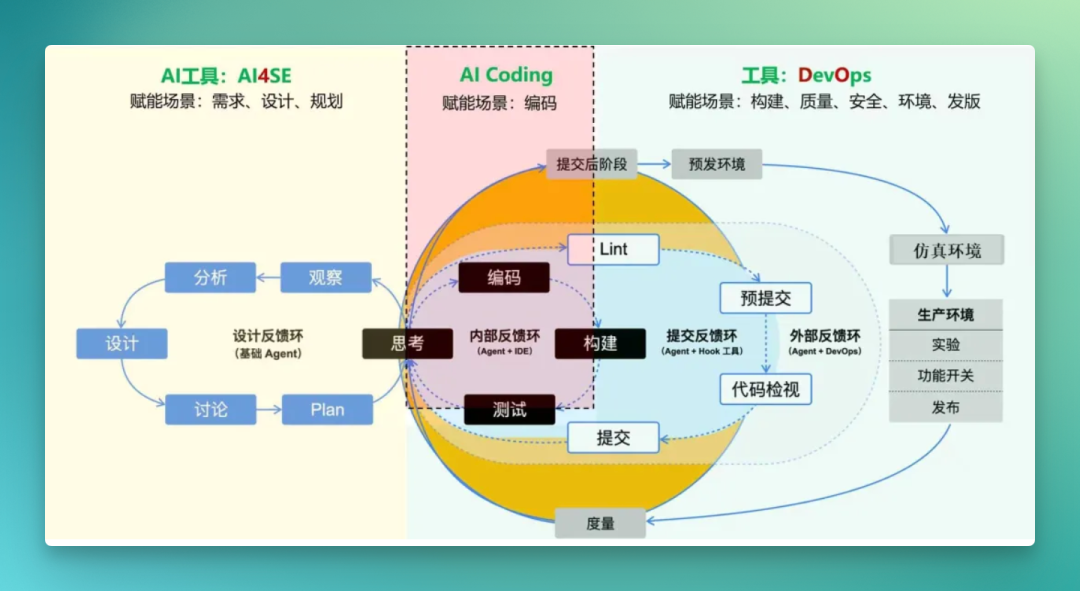
A few representative numbers caught our attention:
On the frontend side, the team integrated MCP to bind design mockups and business logic into the Spec, achieving over 90% UI fidelity for Flutter pages and over 98% for H5 pages.
The R&D efficiency team also built an organization-level Skill library around requirement decomposition, unit testing, code review, and Git standards, distributed uniformly to every AI developer. The unit testing Skill alone cut handwritten test workload by 60%.
Running this full methodology through, overall requirement delivery cycles shortened by one-third to one-half, AI code acceptance rates reached as high as 87%, bug rates dropped 25%, and the restructuring cycle for sub-account and securities lending systems compressed from four months to two.
According to ByteDance's public disclosures, TRAE Enterprise Edition now covers 100 R&D seats at Galaxy Securities and is expanding into non-R&D roles. What's notable is that this methodology has created a positive feedback loop: requirements, standards, code, and testing results are continuously written back into the organization-level Skill package. With each completed project, the next round of task triggering gets faster and execution more precise.
AI Coding has become a "transferable" R&D asset for the company.
TRAE IDE and TRAE Work
In his keynote, ByteDance VP of Technology Hong Dingkun noted that on one hand, AI code generation can't stay at the Vibe Coding stage — to truly enter software engineering requires more systematic governance and infrastructure, which is what the IDE line needs to solve.
On the other hand, he also observed a trend:
We've also seen TRAE's user base gradually broadening, with more and more non-technical users employing TRAE to complete their daily work.
This is the origin of the TRAE Work line.
In official terms, TRAE now operates under "two products, one mission": TRAE IDE goes deep into software engineering, serving professional developers; TRAE Work spans horizontally across work scenarios, serving a broader audience.
But to really understand these two products, you need to see how TRAE got here.
TRAE started as simply an AI programming tool. The international version launched in January 2025, the domestic version followed in March. The name came from The Real AI Engineer — meaning "the real AI engineer" — built on a VS Code-based AI-native IDE. Many people probably first tried TRAE because it offered free access to Claude models.
What really put it on more people's radar was TRAE 2.0 in July 2025.
This version introduced Solo mode, AI-led and capable of autonomously completing the full flow from requirement understanding, code generation, testing, to preview deployment. ByteDance defined this as the industry's "Context Engineer." By November 2025, the domestic Solo version was fully and freely opened.
On March 31, 2026, ByteDance spun Solo out from the IDE as a standalone desktop and web application. After the split, they discovered many people were already using Solo for far more than coding — extending into broader daily work scenarios.
So on June 9, 2026, TRAE Solo was officially renamed TRAE Work, and the brand meaning shifted from The Real AI Engineer to The Real AI Enabler — from "the real AI engineer" to "the real AI enabler."
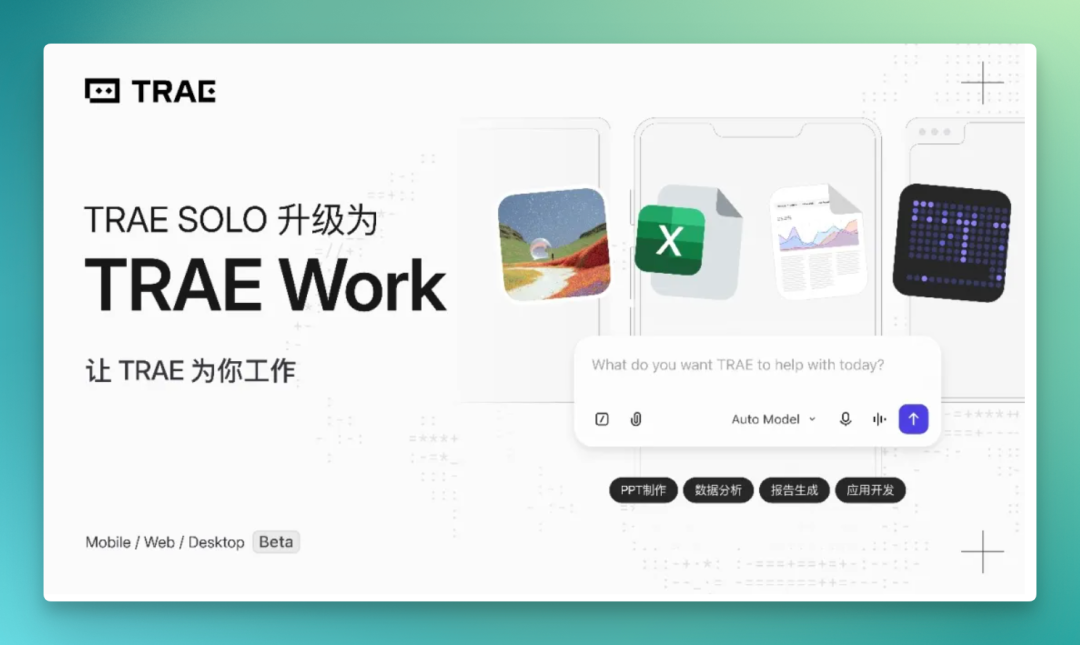
This rename wasn't so much a rebrand as formalizing what had already happened.
"Solo" emphasized a capability: whether AI can understand goals, break down tasks, invoke tools, and push execution forward. This capability was never limited to programming. Even before the rename, massive numbers of users were already applying it to "work" rather than "coding" tasks — Work simply clarified the definition and lowered the comprehension barrier for non-technical users.
At this point, TRAE's two lines become clear:
[1] The IDE line continues serving programmers;
[2] The Work line serves everyone more broadly.
From AI Coding to AI Productivity. Looking at real-world cases, behind these two TRAE products is ByteDance's dynamically evolving "stance" toward AI Coding.
This latest move can be summarized in one sentence: from AI Coding toward AI Productivity, from helping programmers write code to helping every role in a company get work done.
Different major tech companies are approaching this from different angles.
Looking at ByteDance specifically, the entry point is clearly the workbench and workflow — focused on what quality of work the Agent delivers, not how many people it can distribute to.
In the short term, multiple AI vendors aren't yet competing for the same slice of market. But looking further out, these three paths will inevitably encroach on each other's territory.
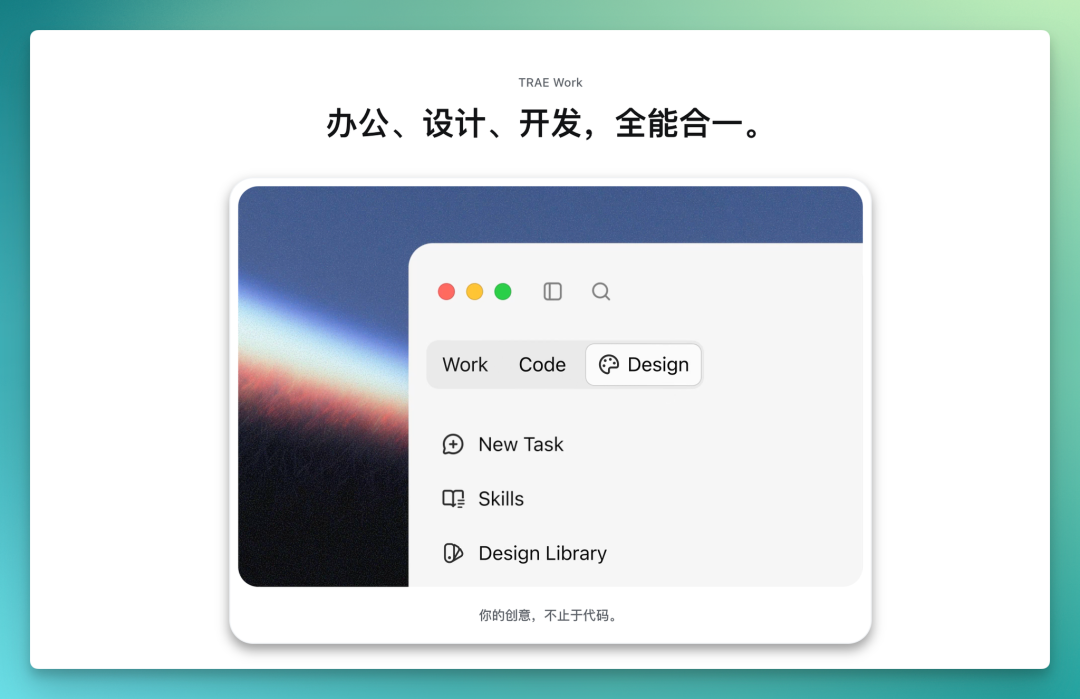
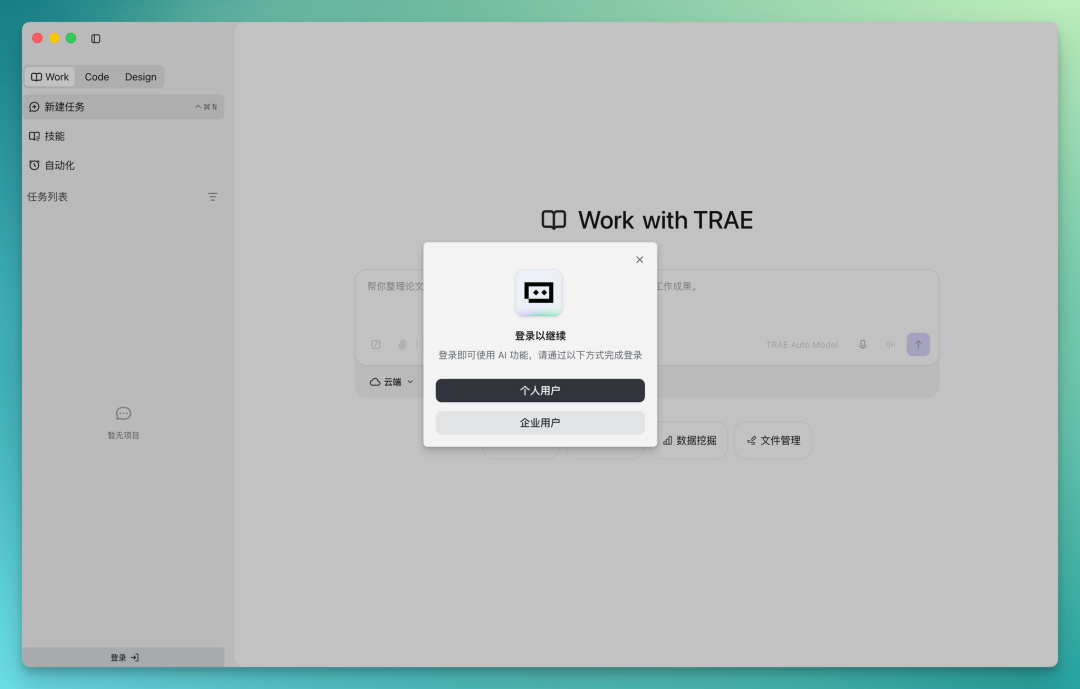
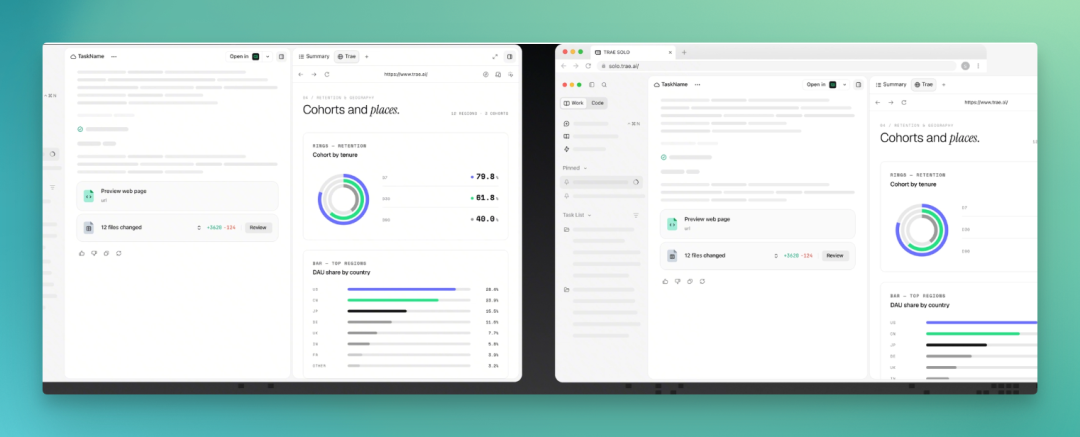
This TRAE Work workbench can be divided into personal and enterprise sides.
The underlying layer is largely consistent, with three modes — Work, Code, and Design — sharing one account.
Work mode targets non-technical roles: product, operations, marketing, data analysis, admin. Code mode serves developers and business colleagues with light development needs. Design quickly generates design frontends.
For example, in Work mode, I directly asked it to handle a routine task: organize and analyze global AI industry market growth data over the past three years:
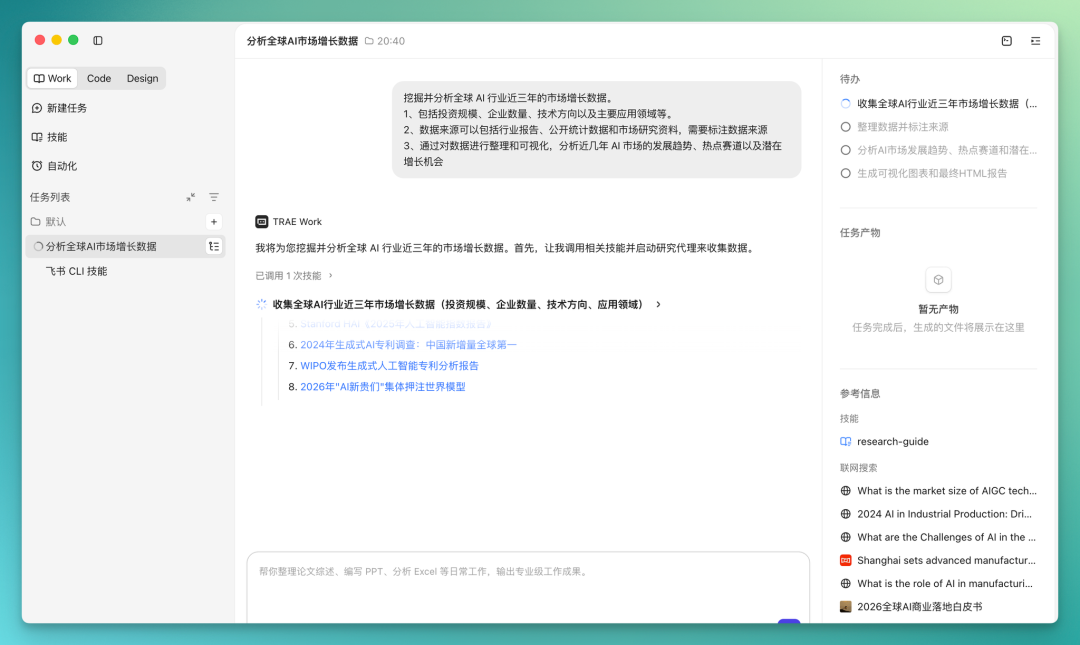
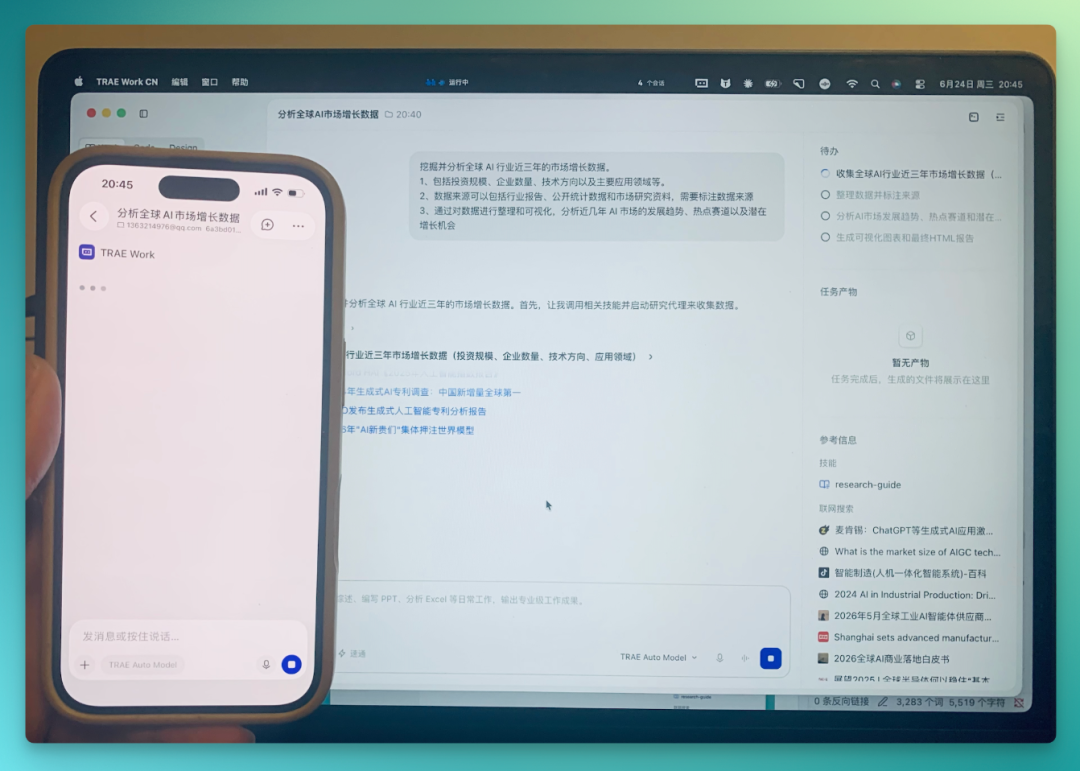
The entire execution process is connected between desktop TRAE Work and mobile. Mac, mobile, and cloud share the same data, with workflow progress synced to your phone.
Then it quickly generated a presentation report with multiple interactive visualizations:
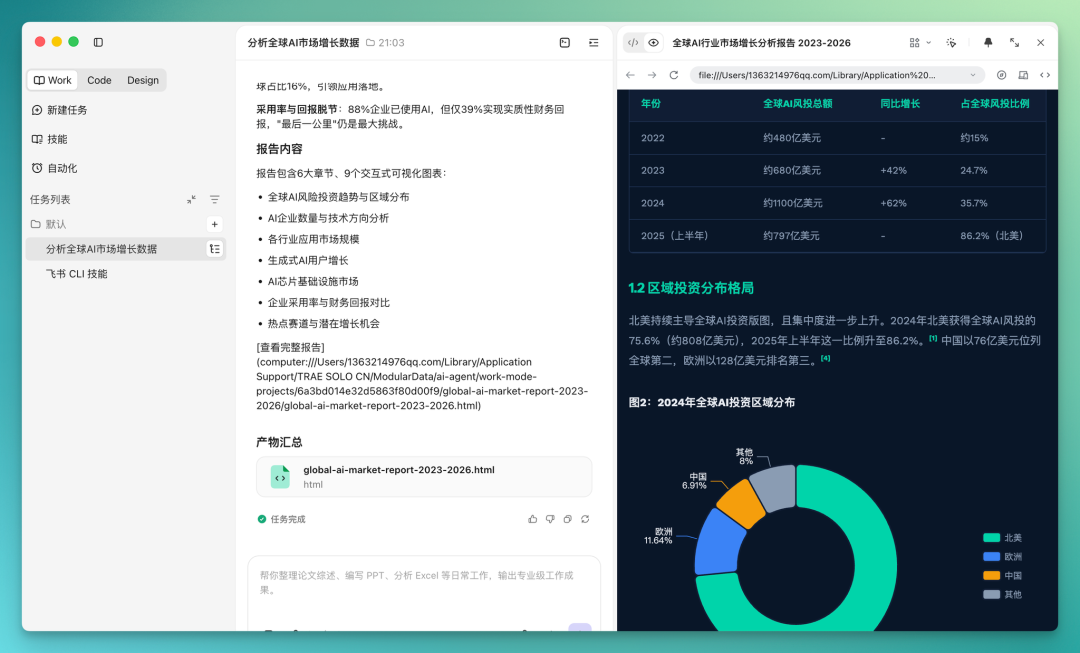
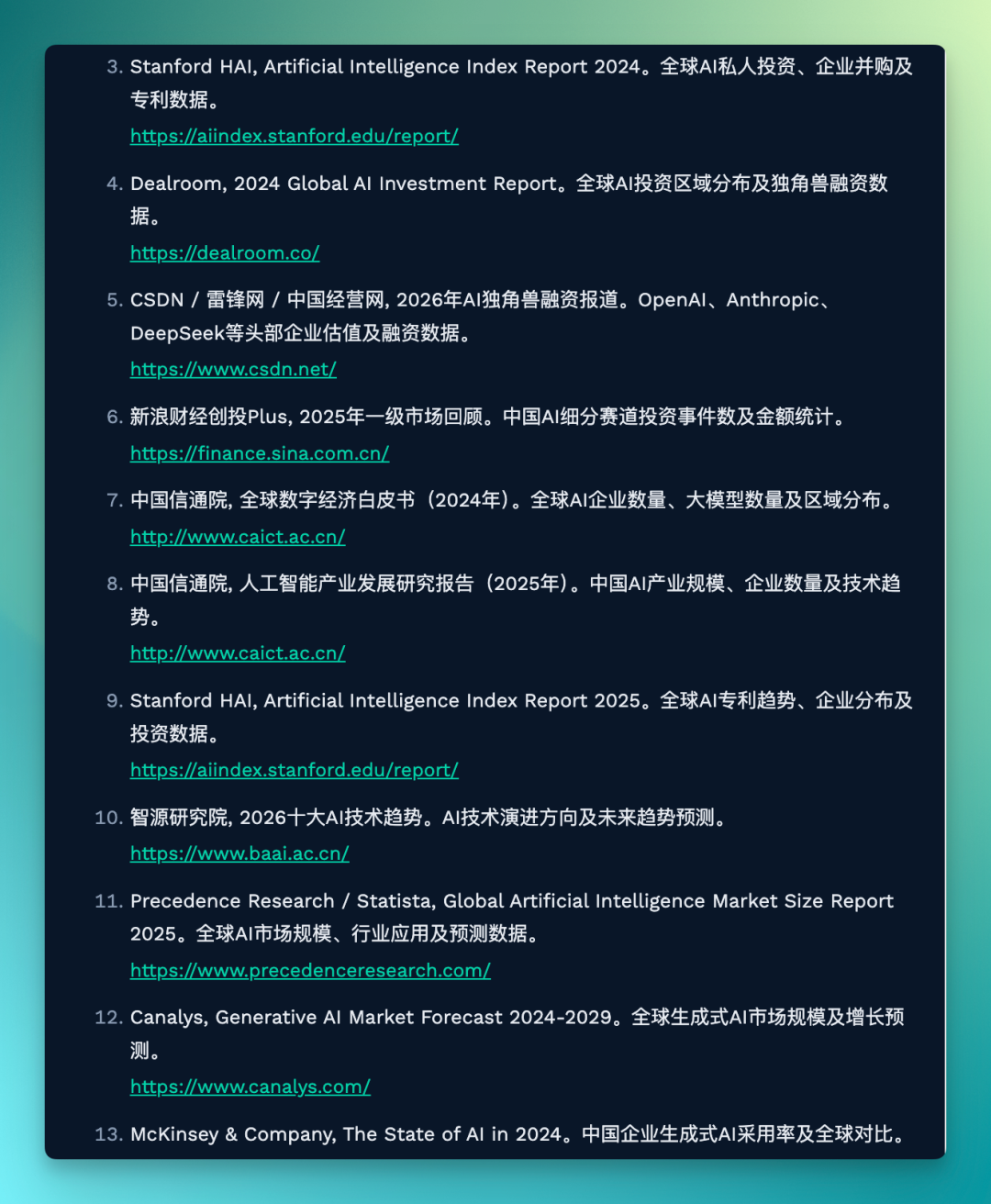
All relevant data sources are listed beneath the report:
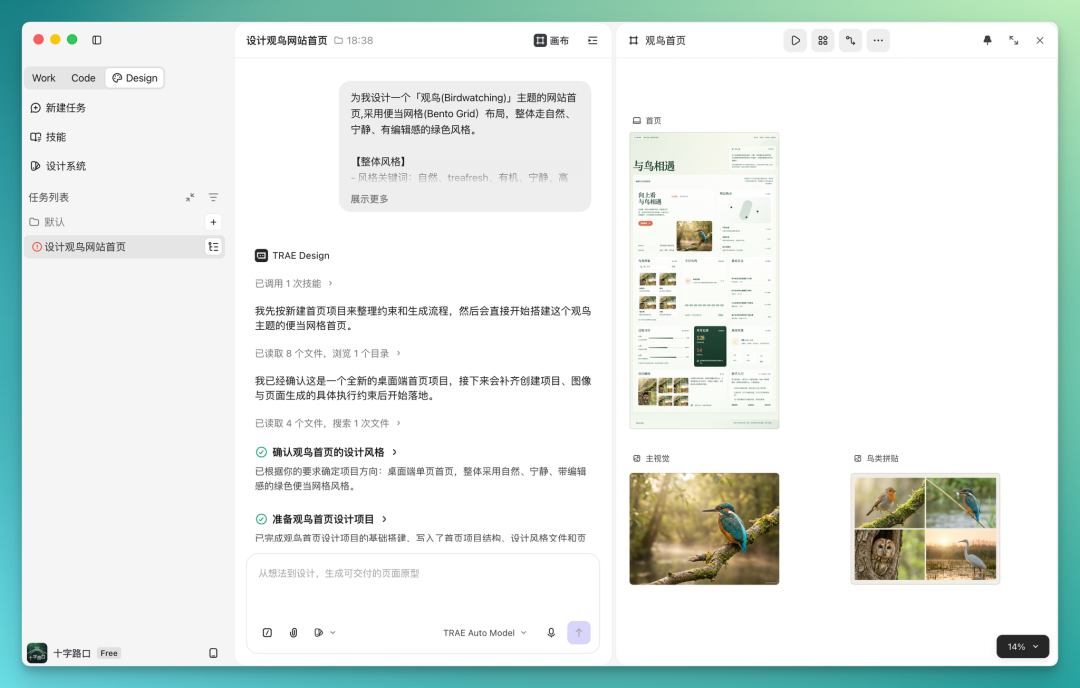
Another example: I first used Design mode to build a birdwatching-themed website, choosing a bento grid layout with an editable green color scheme. It confirmed the overall design style with me first, then generated a complete design project including a homepage, bird-related pages, and hero imagery.
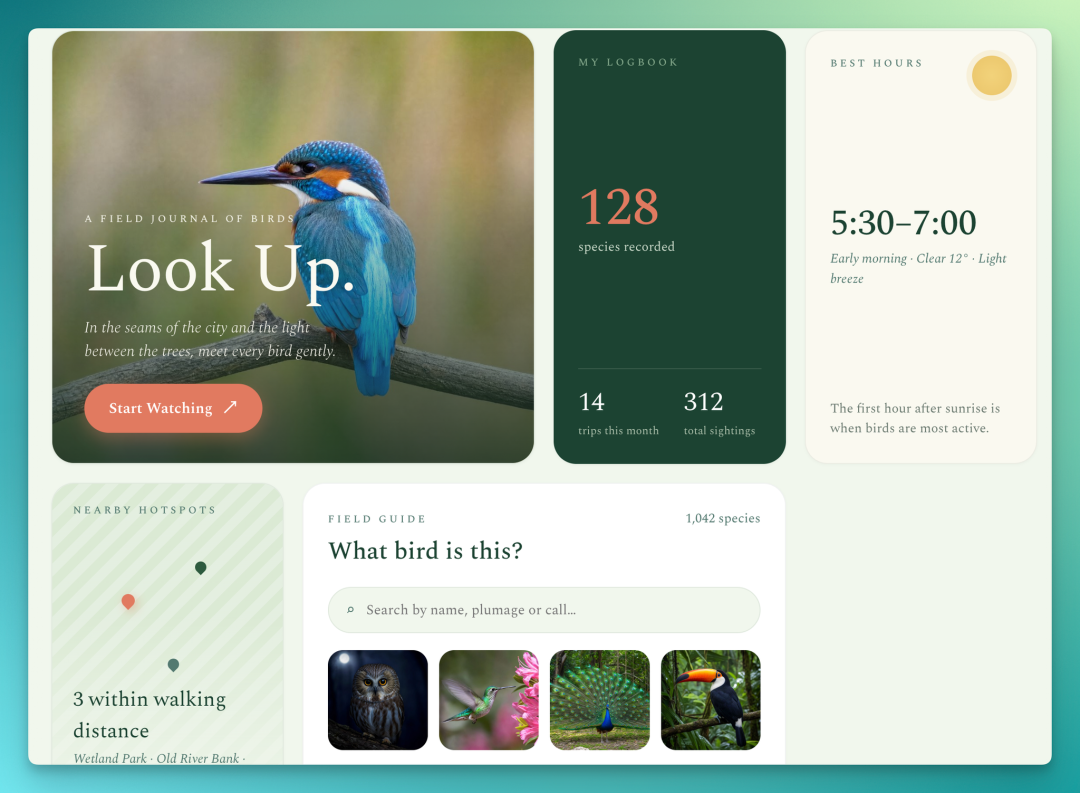
It quickly produced a frontend for the birdwatching site using bento card layouts.
The page embeds playable audio dynamic cards and bird photography displays.
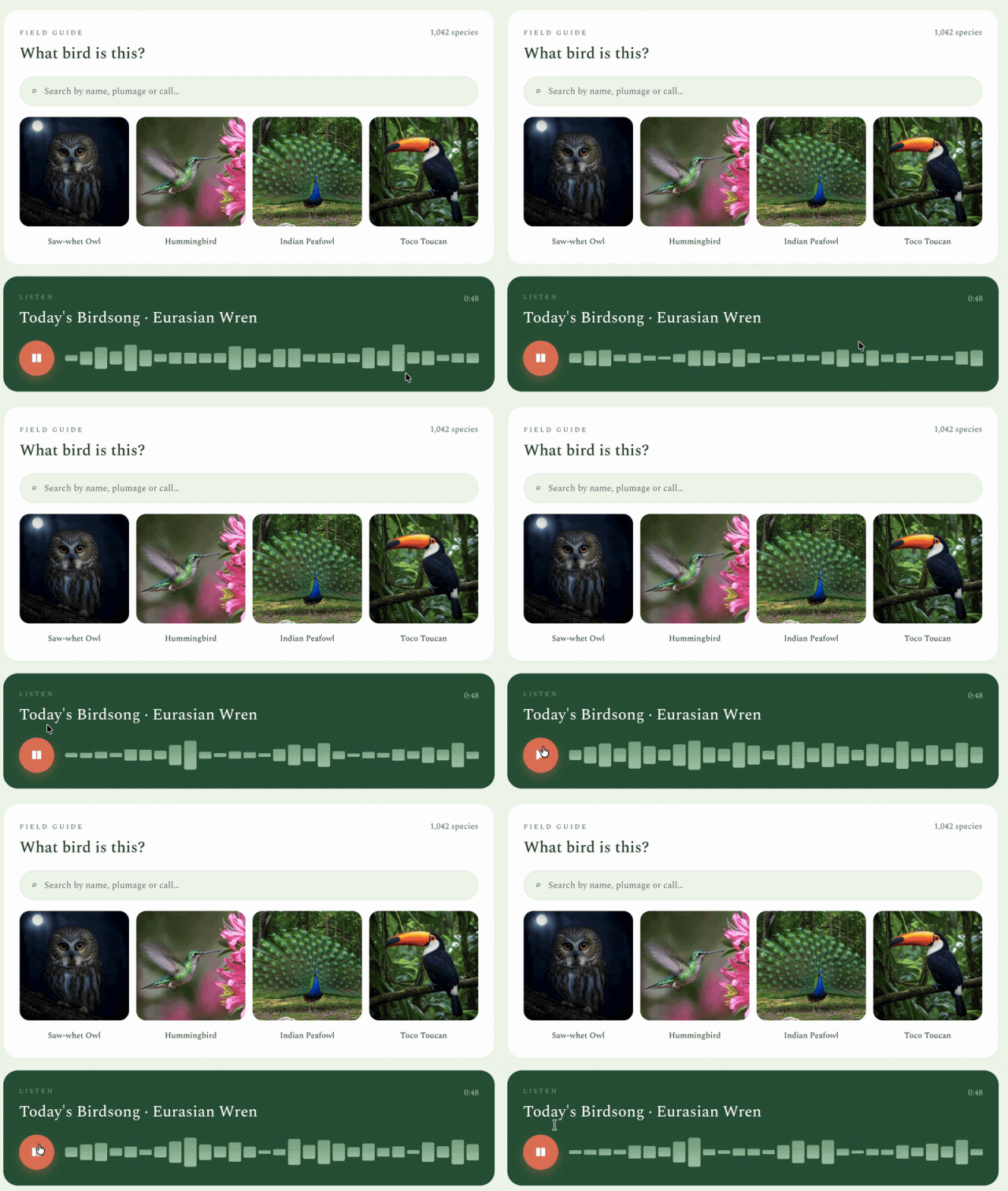
It also built some interactive dynamic sliders.
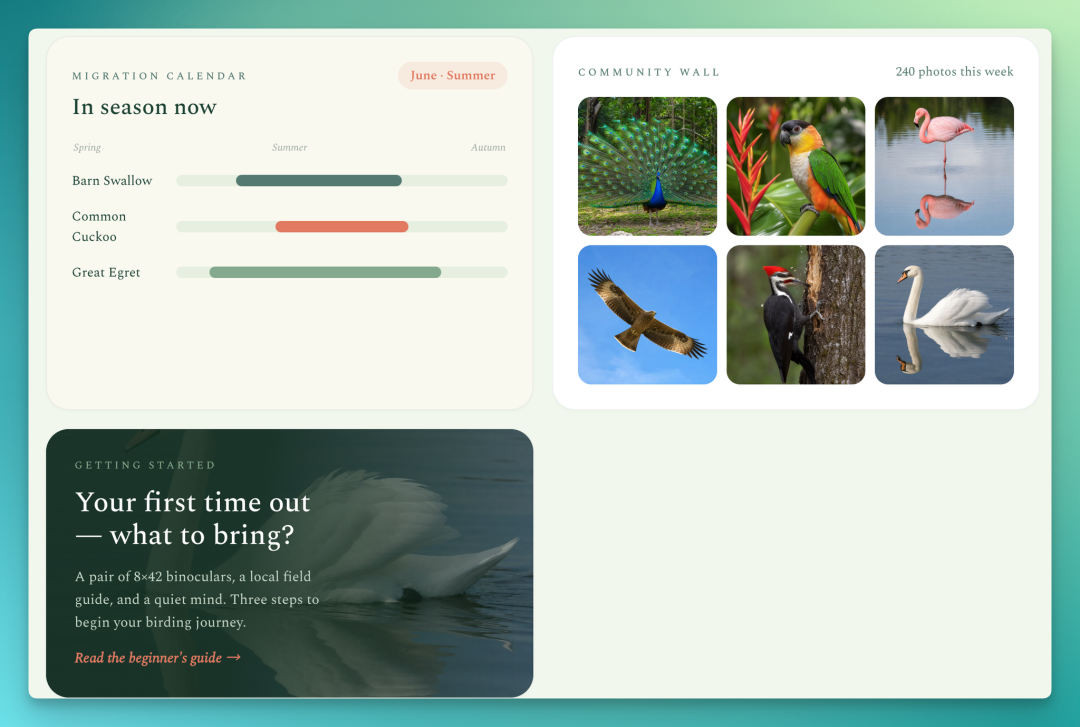
Overall style conversion is fairly straightforward. I saved this style as a style file — essentially frontend files — then used TRAE Work's Code mode to build applications in other styles based on these frontend files. I made an app that can import images from Fuji cameras and curate selected photos into a favorites collection.
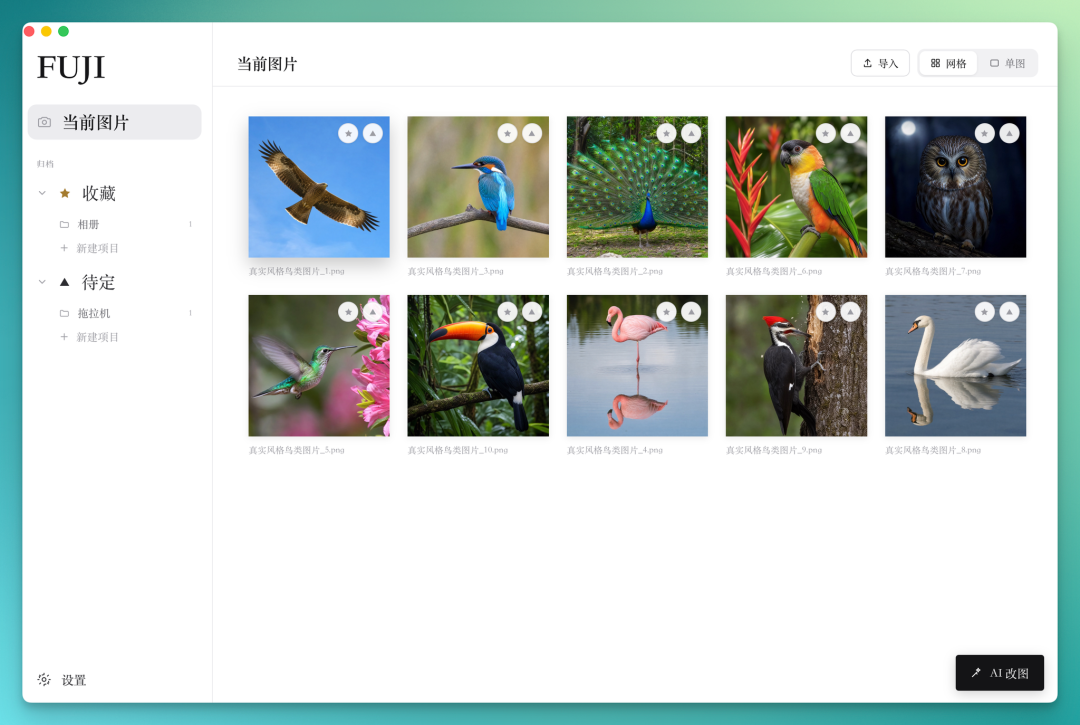
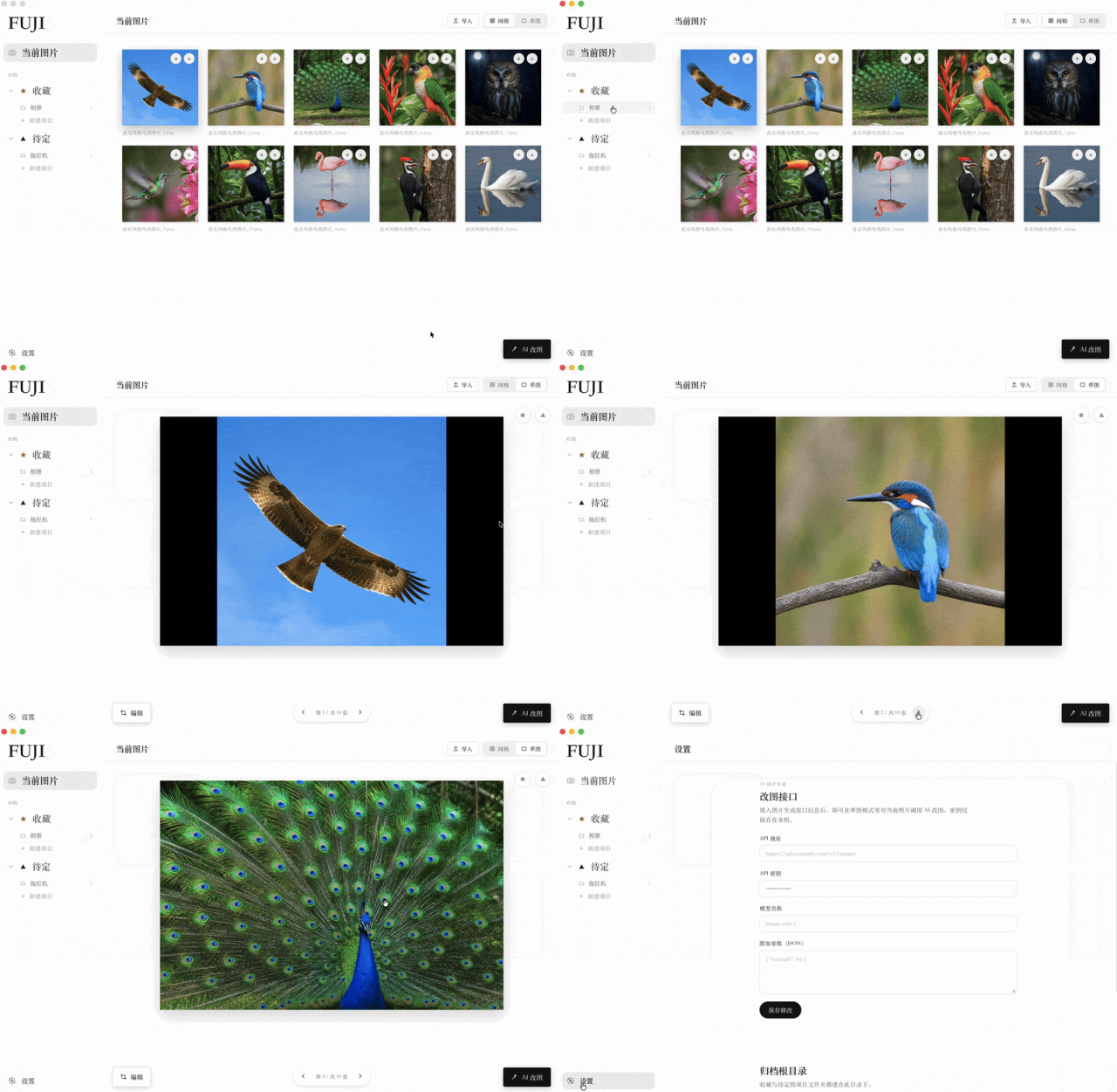
In this app, you can wirelessly transfer images from Fuji cameras; each bird photo can be individually enlarged and includes basic cropping functionality. I also connected it to an AI photo-editing API backend.
But what we found TRAE Work is more ambitious about is actually the enterprise side.
Getting employees to want to use it is only step one. For a product to fully roll out in a company, it needs to answer at least two more questions: can the enterprise actually use it, and can it clearly see how much value it's bringing.
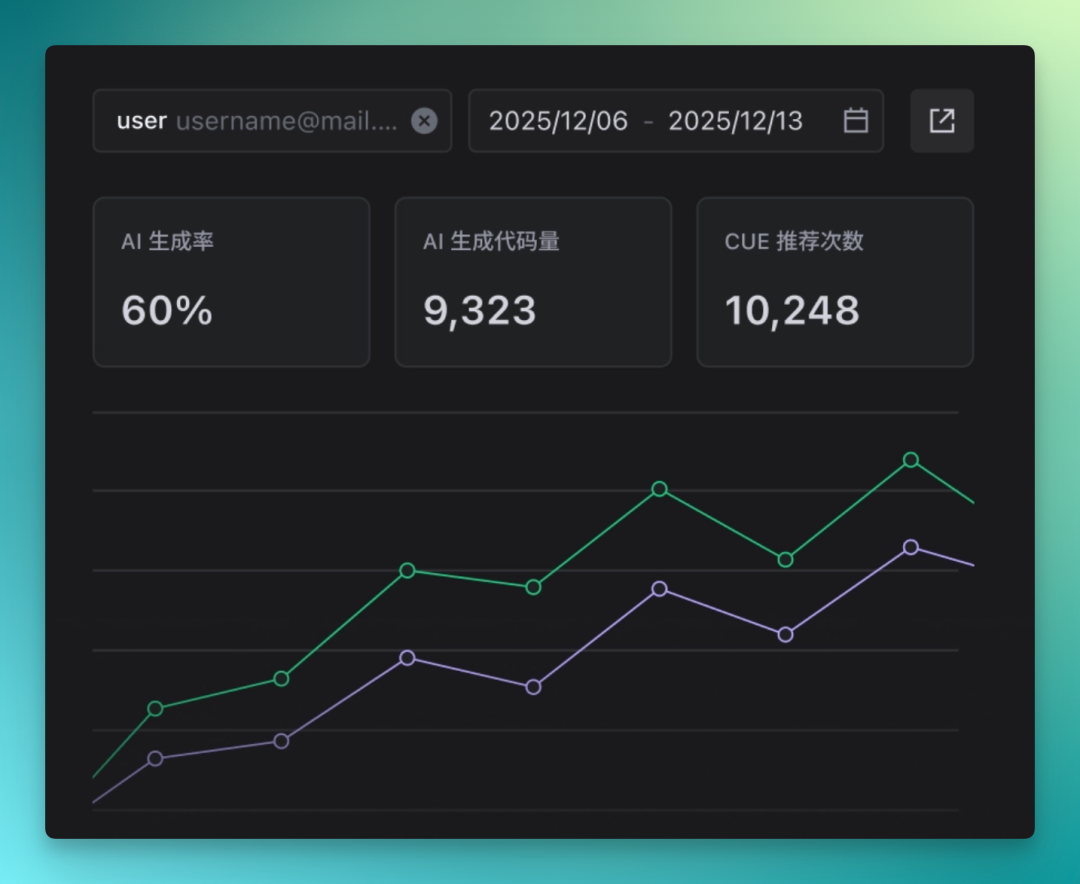
TRAE Work Enterprise Edition provides an enterprise management backend.
Administrators can uniformly configure available models, set usage caps, and upload internal company documents as AI knowledge context — giving everyone shared access to the same knowledge and standards for more stable output quality, while preserving accumulated company experience on the platform.
Security is similarly high-priority: before AI executes commands, a sandbox mechanism isolates the execution, blocking unauthorized operations from touching real environments. Administrators can also set command blacklists, MCP whitelists, and content safety policies that take effect organization-wide.
All key operations are logged, searchable, and exportable for post-hoc audit and review.
This framework sounds fairly complete in theory, but whether it can actually be put to use in real companies still needs real cases to substantiate.
🚥 The changes in AI Coding this year can be split into two directions.
One direction goes deeper: model programming capabilities catching up to the top tier, developer tools upgrading from "complete the next line of code" to agents capable of independent full-process execution, and onward to becoming enterprise assets that permeate the entire R&D pipeline like at Galaxy Securities.
The other direction goes wider: the same capability to understand goals, break down tasks, and invoke tools expanding from programmers' editors into the daily work of product, operations, marketing, and data analysis roles.
TRAE IDE and TRAE Work correspond to these two directions.
As models get cheaper and more capable, what's scarce is the product form that connects this capability into real work scenarios.
That was roughly the theme of this conference, and it's the question AI Coding needs to answer as it moves into the second half of 2026.
Crossing is looking for freelance contributors to write AI product and model reviews.
If you've written pieces like: "Hands-on with PixVerse C1[1]", "Hands-on with LibTV[2]", please reach out to zeo0811@gmail.com. Your email should include: ① personal introduction, ② AI review articles you've written.
We offer competitive rates. Looking forward to observing and documenting the AI era together 🎪