Weekly Miscellany: Other People's 30s, How to Improve Your Luck, Good Things Will Happen
Never stop taking risks, never stop letting your imagination run wild — and always believe that something wonderful is going to happen. Who knows, you might just be the one to make it happen!
This week at work has been a tangled mess of a thousand threads, and I've been running on overload — physically, emotionally.
Then Saturday night came. Sitting at my desk with just one desk lamp on, opening Notion and Flomo, reviewing all my notes from the week, planning to organize them into a WeChat post. With background music playing, I slipped into flow. Pure release.
❶
Always believe something wonderful is about to happen
"Tangdao, keep going"
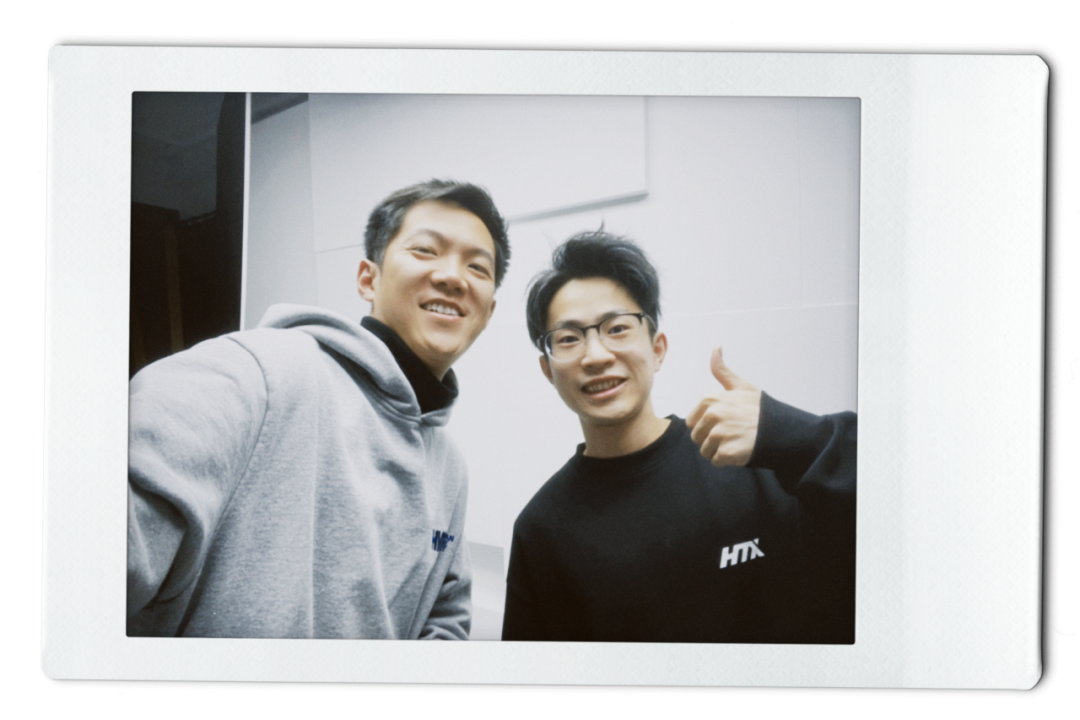
When I visited He Tongxue's studio in December, he excitedly showed me around this origami crane assembly line, poised and ready to launch.
Yesterday, the video he and his team had spent half a year preparing finally dropped. No surprise — it went viral across every platform, again.
A few days earlier, I'd received this crane from him: "Tangdao, keep going." It made me happy. It encouraged me.
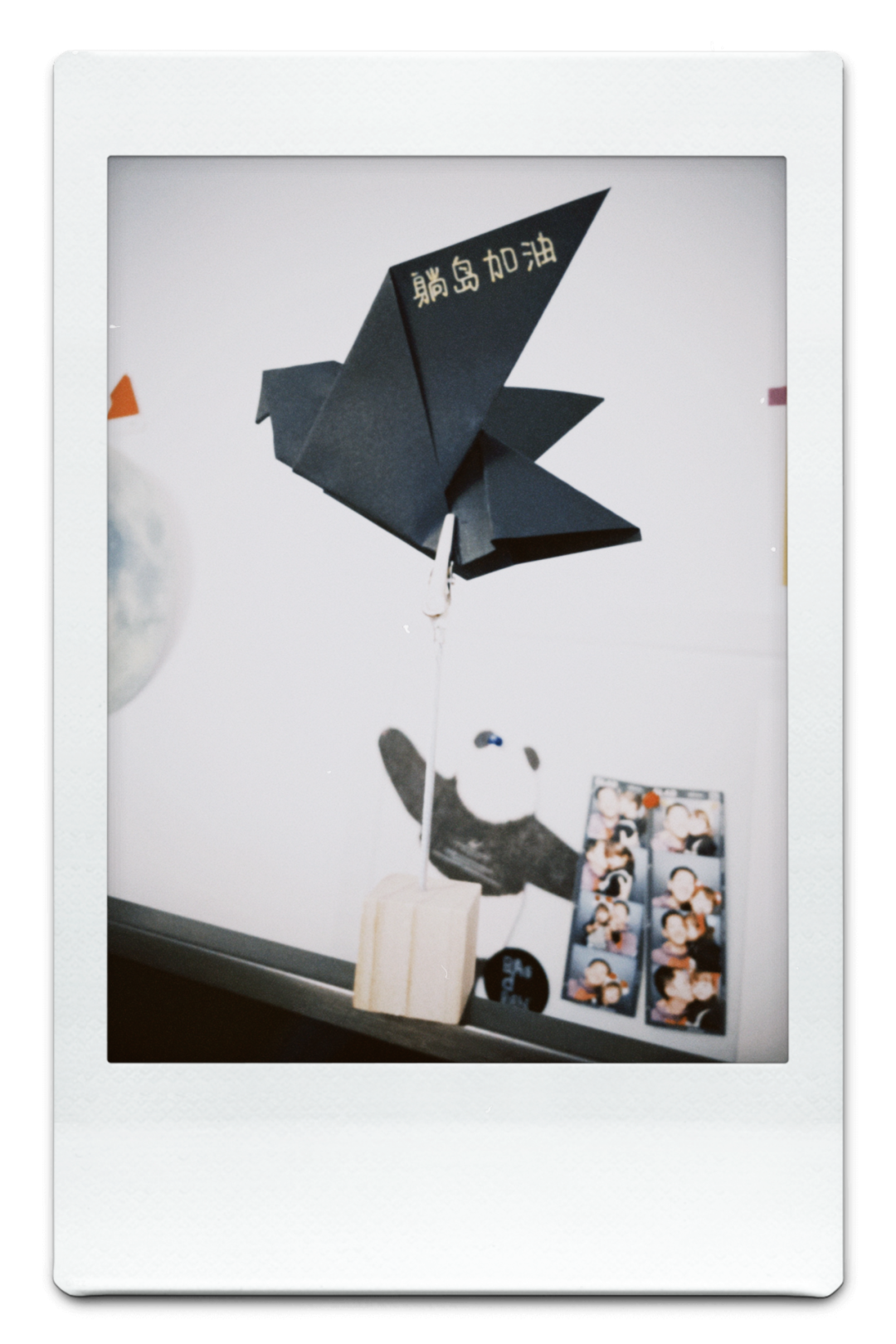
He Tongxue gives people more than brilliant videos. He gives a kind of spirit: don't stop taking risks, don't stop dreaming wild, always believe something wonderful is about to happen.
— And hey, maybe you'll be the one to make it happen.
❷
Turning 30 — figured out life yet?
It's Sam Altman's 30
OpenAI CEO Sam Altman wrote this the year he turned 30. Most listicles of life advice are hollow, but Altman and I are close in age, and our life and work contexts overlap just enough that his advice actually landed.
The original has 35 points. Here are my picks:
-
Never put your family, friends, or significant other in second place. Better to have a few truly close friends than a hundred acquaintances. Stay in touch with old friends. Have late-night conversations now and then. Throw parties.
-
Life is not a rehearsal — this is it. Make it count. Time is precious and flies. Do what makes you happy and fulfilled; after all, few people are remembered a hundred years later. Don't do things that make you unhappy (this usually happens when others want you to do something). Don't maintain relationships you don't enjoy. Cut negative people from your life. Negativity is genuinely terrible. Don't make excuses for not doing what you want.
AI-generated image: "Spring is the best."
-
Set clear daily, yearly, and decadal goals for yourself.
-
However, planning is valuable but should not rank above opportunity. If a great opportunity appears, take it. Don't be afraid to do slightly risky things. One benefit of working hard is that good opportunities will come — but you still have to seize them when they do.
-
Go out of your way to be around smart, interesting, ambitious people. Work for them. Hire them (in fact, one of the most rewarding parts of work is building deep relationships with truly excellent people). Try to spend time with people who are world-class in their field, or who have great potential but aren't known yet. You really do become the average of the people you spend the most time with — this is true.
-
Minimize your own cognitive load from distracting things that don't matter. This is hard to overstate, and most people are terrible at it. Eliminate distractions in your life. Develop very strong methods to avoid letting things you dislike pile up and occupy your mental cycles, especially in your work life.
-
Keep your personal burn rate low. This alone will create many opportunities in your life.
-
Summer is the best.
AI-generated image: "Summer is the best."
-
Ask for what you want.
-
If you think you'll regret not doing something, you should do it. Regret is the worst, and most people regret far more the things they didn't do than the things they did. When in doubt, kiss the boy/girl.
-
Go out of your way to help others. Few things in life are so satisfying. Be nice to strangers. Be nice even when it doesn't matter.
-
Tell your parents you love them more often. Go home to visit as much as you can.
-
This too shall pass.
-
Learn greedily.
-
Try new things more often. This seems really important. Not only does trying new things seem to slow down time perception, increase happiness, and keep life interesting, but it seems to prevent people from calcifying in their thinking. Try something big, new, and risky every year in both your personal and professional life.
-
Remember how intensely you loved your boyfriend/girlfriend when you were a teenager? Love him/her with that intensity now. Remember how excited and happy you were about things as a child? Feel that excited and happy now.
AI-generated image: "Autumn is the best."
-
Don't cheat people. Don't burn bridges. Choose your battles carefully.
-
Existential anxiety is part of life. It's especially noticeable after major life events or career milestones. It seems to particularly affect smart, ambitious people. I think some people work so hard because they don't want to spend too much time thinking about this. It's okay to feel this way; you're not alone.
-
Be grateful and keep problems in perspective. Don't complain too much. Don't be jealous of others' success (but remember that some people will be jealous of your success, and you must learn to ignore it).
-
Given enough time, people can adapt to almost anything good or bad. Humans are remarkable in this regard.
-
Think for a few seconds before acting. If you're angry, think for a few minutes.
-
The days are long, but the decades are short.
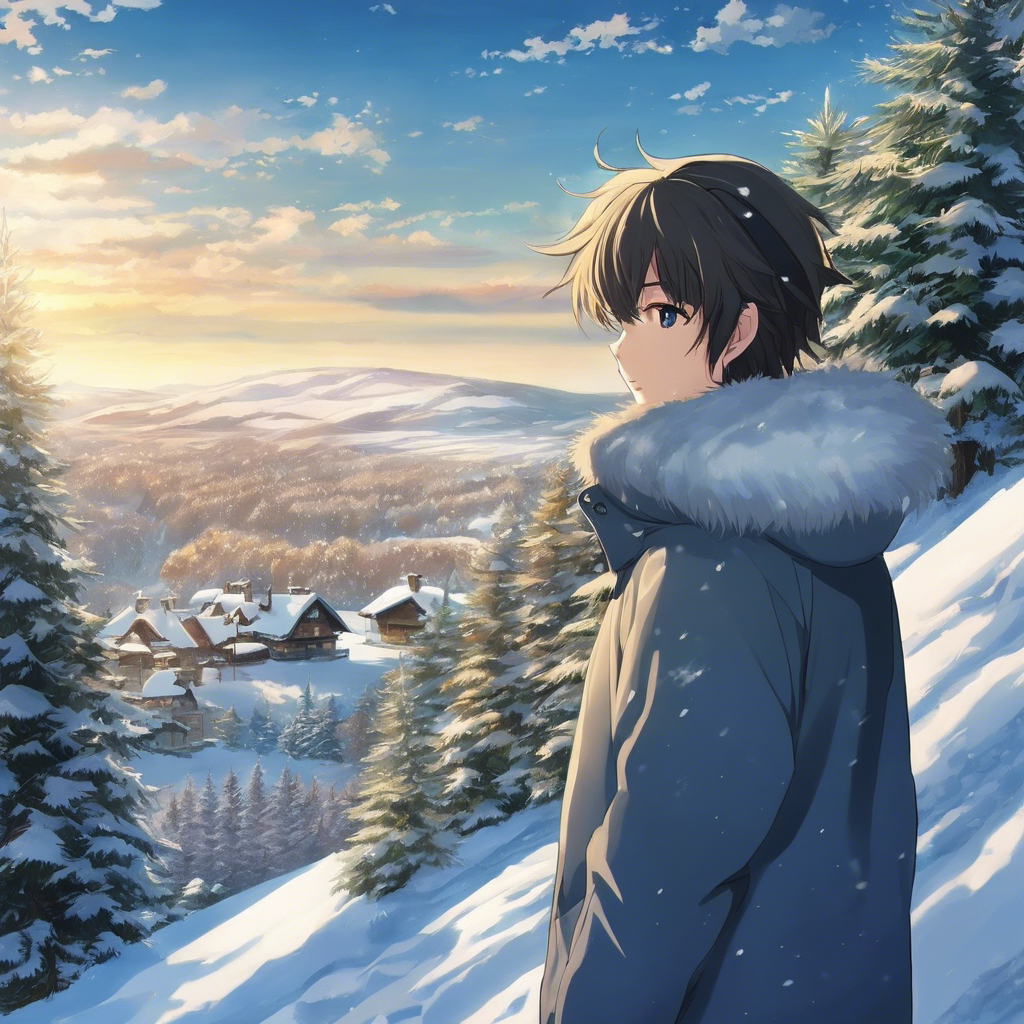
AI-generated image: "Winter is actually the best."
❸
AI Birding Telescope
After watching birds, humans seem less important
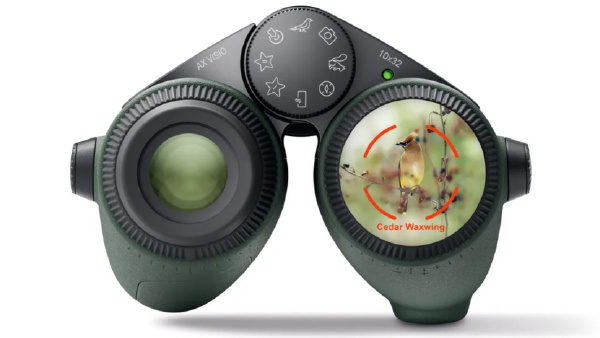
At this year's CES, generative AI was everywhere — applications and hardware landing like carpet bombing.
But only this one product was shared with me by more than ten friends, completely unprompted — Swarovski's new AI birding telescope unveiled at CES: the Optik AX Visio. (Ironically, it has almost nothing to do with generative AI...)
This telescope is the world's first product capable of real-time identification of over 9,000 bird species. Just point it at a bird, press a button, and identify. In the world of birding and wildlife observation, this used to be pure fantasy — but Swarovski has made it reality, opening up an entirely new world of birds for people.
As you may know, I got into birding in 2023 and posted so much about it on Moments and Jike that basically everyone knew. Even my partner's father sent me a video today of a Long-tailed Shrike perched on a street lamp, with a WeChat message: "Little Yang, enjoy this." I died laughing.
Why does birding make people happy? I've read many articles, several books, and plan to write a proper piece this year analyzing the joy of birding for friends. For now, here's something I received this week, forwarded by a friend, originally from another birder friend of hers:
Humans are fundamentally animals. We need connection with nature.
Birding demands complete presence. It requires your attention to stay fixed between sky and branch. Every birding session is like a meditation in nature.
Breaking free from anthropocentrism — that's the biggest change birding brings.
"After watching birds, humans seem less important."

AI-generated image: "After watching birds, humans seem less important."
❹
Thank god, I can enter flow again
Like a beautiful dance of timeless bliss.
I discovered Aphex Twin through the podcast Absent (「不在场」), Season 1 Episode 4, "April 14."
The host, Chong Qing, spoke of him with extreme reverence: "This mysterious British countryman, single-handedly expanded the boundaries of how contemporary music can be listened to." "Half the world sees him as just some weirdo hiding behind machines; the other half calls him a prophet of the cyber world."
Chong Qing carries enormous weight in my mind. His recommendation of Aphex Twin was unprecedented in intensity. Ever since, Aphex Twin has dominated my playlists.
I can slip into flow quickly by putting Aphex Twin on repeat. When a track loops, no jarring notes appear. The subconscious follows the stream of notes into focus.
Especially when the tempo runs slightly faster than my typing speed — no coffee needed. The music gradually lifts me into a state of mild exhilaration.
Give it a try.
How to Get Luckier?
In the most undisciplined, irreverent, original way possible
Study what interests you most
A new book recently came out: Why Greatness Cannot Be Planned. Both authors, Kenneth Stanley and Joel Lehman, came from OpenAI's research team. I spotted it on my WeRead homepage, skimmed through it quickly, and a few days later Dedao Headlines also covered the book's section on "how to get luckier":
The authors' view differs noticeably from conventional planning theory. They don't tell you how to plan. Instead, they warn: if you're in a highly volatile environment, you mustn't let yourself get locked in by plans.
One key insight from the book: how to improve your luck? You might say, isn't that too mystical? Is there really a method? Well, actually, yes. Here's the key point: the way to boost luck is to stay open, not fixated on any particular goal.
A British psychologist named Richard Wiseman, also a professor at the University of Hertfordshire, once ran an experiment. The gist: recruit two groups. Group one always felt they'd been unlucky lately. Group two felt the opposite — consistently lucky.
Wiseman had both groups look at the same newspaper and count how many photos it contained. Result: the unlucky group averaged two minutes. The lucky group? Under ten seconds.
Were the lucky people just visually sharper? No. Because on page two of the newspaper, there was a huge ad that read: Stop counting. There are 43 photos in this newspaper.
Why did most of the unlucky group miss this? Possibly because they thought: I'm already unlucky, can't afford to get distracted. The lucky group probably figured: looking around more costs nothing, might stumble on something unexpected.
Later, Wiseman ran a similar experiment. He placed another big ad in the middle of the newspaper: Stop counting. Tell the experimenter you saw this and win £250.
Again, most of the unlucky group missed it. Wiseman concluded: unlucky people miss opportunities because they're too focused on searching for something specific.
Extend this further: being unlucky means being too fixated on a single path, blind to good things around you. Being lucky means not clinging to a specific goal, and discovering more new opportunities along the way.
Borrowing Elon Musk's framing: many people spend ages trying to solve a thorny problem in one field. But they won't consider whether that solution could apply elsewhere. Simply put: the more open you are, the luckier; the more stubborn, the unluckier.
You might worry: without goals or plans, won't you just react impulsively to changes and suffer bigger losses? Don't worry — between goals and knee-jerk reactions lies an intermediate mindset called the stepping-stone mindset.
Meaning: on the way toward a goal, you'll encounter many intermediate discoveries. Each is like a stepping stone. But that stone may not lead toward your original goal — it might point somewhere else. Then you follow that stone toward something new. Many remarkable achievements come exactly this way.
For example, YouTube started as a video dating site. When they saw people uploading all kinds of videos, they pivoted to being a general video platform. Or: many tried to build airplanes with dedicated aviation technology, but the Wright brothers succeeded using bicycle technology. Or: a component driving the magnetron in radar became the core technology of the microwave oven. None of these outcomes came from the original plan — they came from stepping stones discovered mid-journey.
In other words, facing uncertainty, long-term anxiety is permissible. But openness and curiosity in the present moment may matter more.
What's the best posture for facing the world? Borrowing Richard Feynman's words: in the most undisciplined, irreverent, original way possible, study what interests you most.
"The Catalyst" is Koji's personal newsletter. A catalyst is a fascinating thing — tiny yet immensely powerful, accelerating chemical reactions. I hope to provide catalysts that inspire myself and others through sharing and writing; I also hope catalysts can help me build more meaningful relationships and grow together.
Feel free to add me on WeChat: YuanchengYang
Or find me in Jike town: @koooji