What Are We Really Talking About When We Talk About AI on Xiaohongshu?
Authentic, conversational, iterative, connected.
**
Authentic, conversational, iterative, connected.
👦🏻 Author: Jingshan
🥷 Editor: Koji
🧑🎨 Layout: NCon

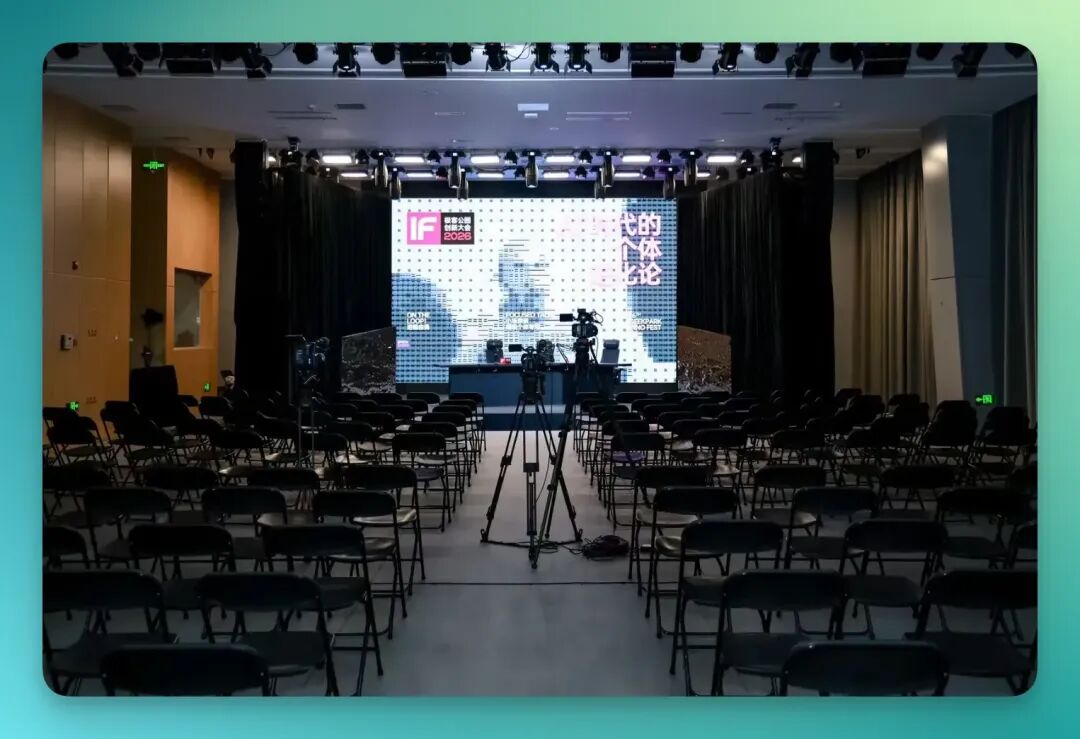
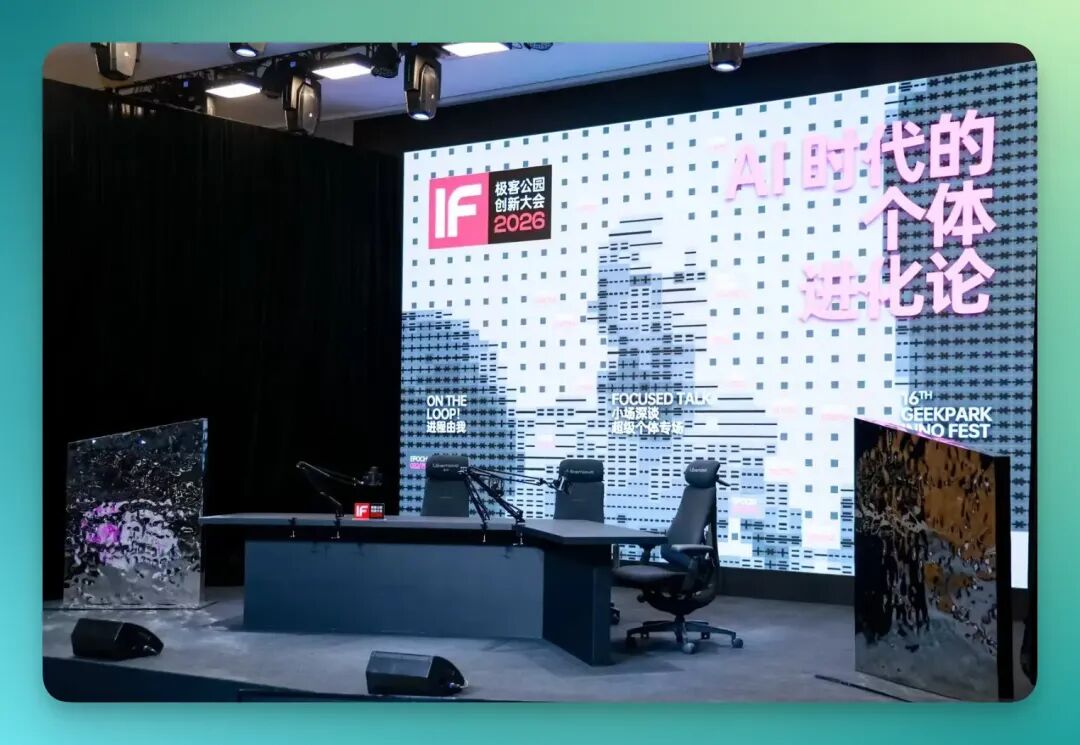
On Saturday, December 6, GeekPark held its Innovation Festival IF 2026 at Beijing's 751 D·Park. Koji moderated a 90-minute panel discussion titled:
AI Era: How Super-Individuals Find Their Oasis for Growth
Looking back at 2025 as a whole, we found that tech content on Xiaohongshu experienced explosive growth. This growth wasn't just quantitative — it was qualitative:
In the first half of the year, we saw an influx of independent developers, who found their first seed users in the community;
In the second half, the trend spread to more "hardcore" domains: AI startups, embodied intelligence, smart hardware — entrepreneurs in these fields began joining en masse. Kai-Fu Lee, Cemiu CEO Yongliang Ren, Qianli Technology founder Qi Yin, and ModelBest's Zhiyuan Liu, among others, became active on Xiaohongshu. They weren't just "speaking out" anymore — they were "making things happen": having conversations with users, finding product inspiration, even building teams.
It's fair to say that Xiaohongshu is becoming the entrepreneurial soil for a new generation of AI founders.
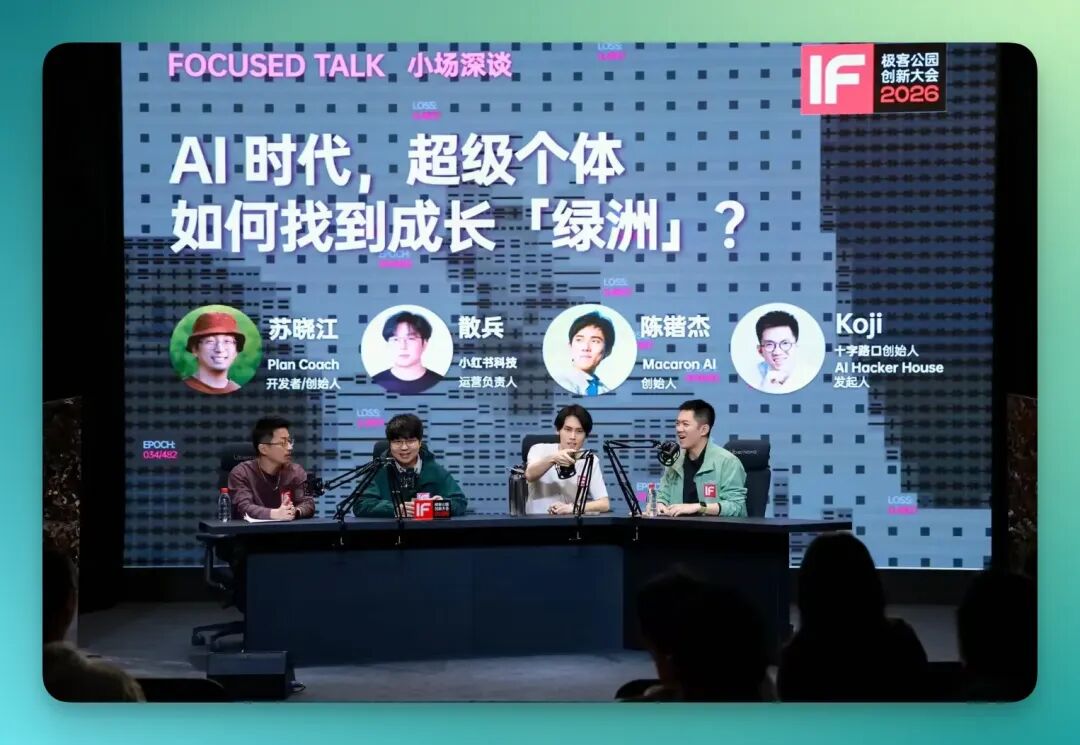
Sitting across from Koji were three people with unique perspectives in AI: Sanbing, head of tech operations at Xiaohongshu; Kaijie Chen, founder of Macaron AI; and Xiaojiang Su, founder of Plan Coach, an anti-procrastination app that went viral in the community.
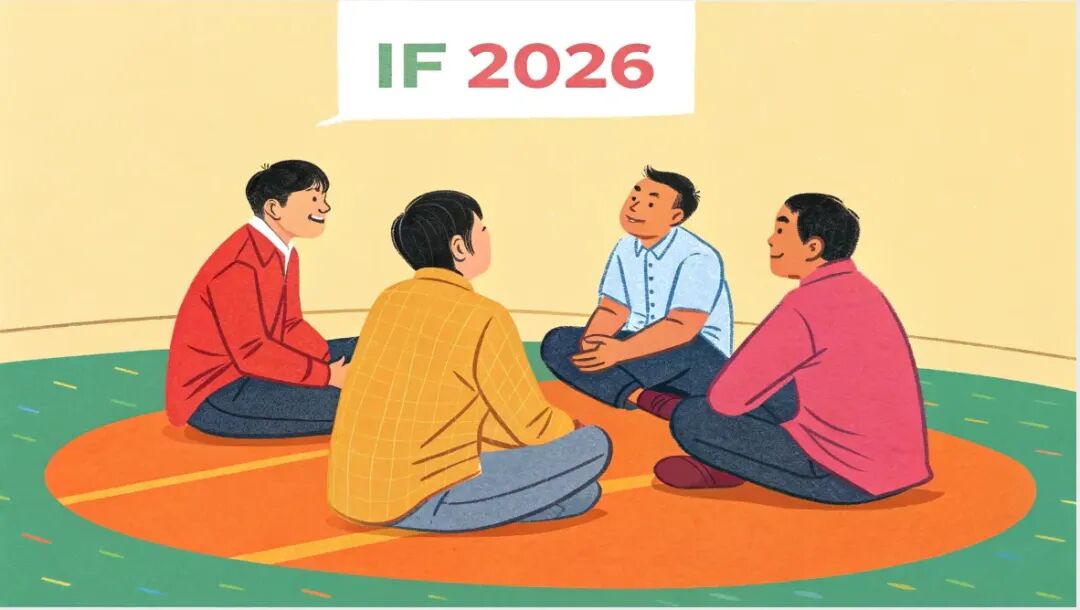
Over 90 minutes, their conversation ranged far and wide.
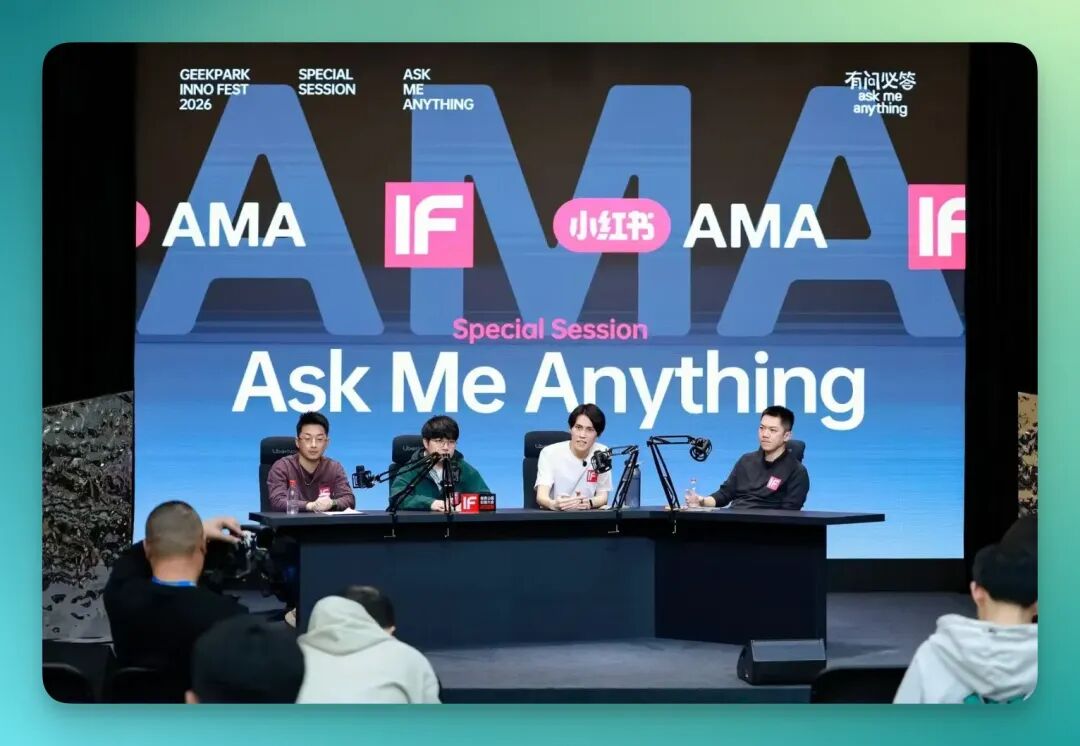
Starting with Xiaohongshu AMAs
The discussion began with AMAs (Ask Me Anything), an interactive format that suddenly caught fire in tech circles.
Initially, Sanbing, head of tech operations at Xiaohongshu, had a simple idea: use AMAs to give introverted, relatively low-profile overseas researchers a more relaxed way to "acquire users." These top AI researchers weren't accustomed to engaging on social media.
So Xiaohongshu gave them the simplest possible format:
This is who I am. Ask me anything.
And it took off.
The format then grew increasingly popular, spreading from tech circles to literature, stand-up comedy, even ordinary people imitating it — becoming "ordinary people asking ordinary people."
This gave many people an "ice-breaking" opportunity, pushing themselves to the forefront to simply say: "This is who I am. Welcome to ask."
Because of this "put yourself out there first, see what happens" atmosphere, the panel was relaxed from the start — everyone spoke concretely.
Build in Public: When Users Become "Co-Founders"
Why call Xiaohongshu "new soil"? Because users here aren't just "watching" — they're "helping build together."
Throughout the discussion, we could sense how the product iteration logic of two "super-individual" entrepreneurs — Kaijie Chen and Xiaojiang Su — had shifted.
For independent developer Xiaojiang Su: Many features of Plan Coach weren't dreamed up in conference rooms, but "revised" based on Xiaohongshu comments.
For AI entrepreneur Kaijie Chen: Features that took the product from 1 to 100 were enriched step by step through Xiaohongshu comments.
Today, ordinary users care more about how AI can genuinely help them solve real-life problems, rather than blindly pursuing technical and model improvements.
For new AI entrepreneurs, finding that "last mile" entry point — truly solving user needs — is what matters most.
This is precisely why the demands and feedback flowing through communities can drive innovation to land.
On Xiaohongshu, releasing a product demo isn't the endpoint — it's the starting point. Users' authentic feedback, complaints, even angry rants all become part of letting a product "grow naturally." "Dialogue first, validate second, land third" may be an innovation model for this era.
We've distilled 8 key discussion points to share with you.
【1】Comments Section = Product Discussion Space
【2】Xiaojiang Su and the Plan Coach Story: "Stand Up First, Then Wash the Dishes"
【3】Macaron's Product Entry Point: "Live Better"
【4】Building In Public Within the Community
【5】Development Speed in the AI Era
【6】Community Vibe: Reject Anxiety, Keep the "Human Touch"
【7】"Moats" for Platforms and Super-Individuals
【8】Q&A: Teams, AI Advertising, Going Global, Entrepreneurship, Product
Comments Section = Product Discussion Space
👦🏻 Koji:
Kaijie, how did you find the AMA experience?
👨🏻 Kaijie Chen:
I felt that some questions people asked were pretty tricky and sharp. When I put out the material, I didn't have many预设 for these questions, but many people in the comments gave lots of suggestions about our product — really quite interesting.
For example, why is the generation speed so slow, why do you have to wait every time you open it — this immediately showed me where users' real needs lie.
Even though it's an AMA, it feels more like a small space for product discussion and debate.
Everyone speaks freely, and many comments spark further discussion. Sometimes someone asks a question, and before I can respond, other users are already answering for me, casually chatting about whether the product could be designed this way, and then the discussion continues.
In this Q&A process, I reply to every unique question.
Xiaojiang Su and the Plan Coach Story: "Stand Up First, Then Wash the Dishes"
👦🏻 Koji:
Xiaojiang made a particularly interesting product called Plan Coach, a small tool for procrastinators that won first place at a Xiaohongshu hackathon.
In the process of developing this product from 0 to 1, could you share how you found this entry point?
👨🏻 Xiaojiang Su:
Before developing it, I was already working on two other things.
The first was a note-taking app. I developed it for three months, but the rhythm felt off. I suddenly felt I should put it out there and hear the echo. I wanted to test the market with something lighter first.
At the time there was a popular HDR meme — very flashy — so I wanted to ride that wave and made an HDR app. But it didn't go viral.
In the process of returning to the note-taking app, one moment left a deep impression. I wanted to wash dishes, but I was procrastinating.
Though if you ask how I'd evaluate myself, I don't consider myself a procrastinator — at least not when developing. But getting me to do housework, I really struggle to get moving.
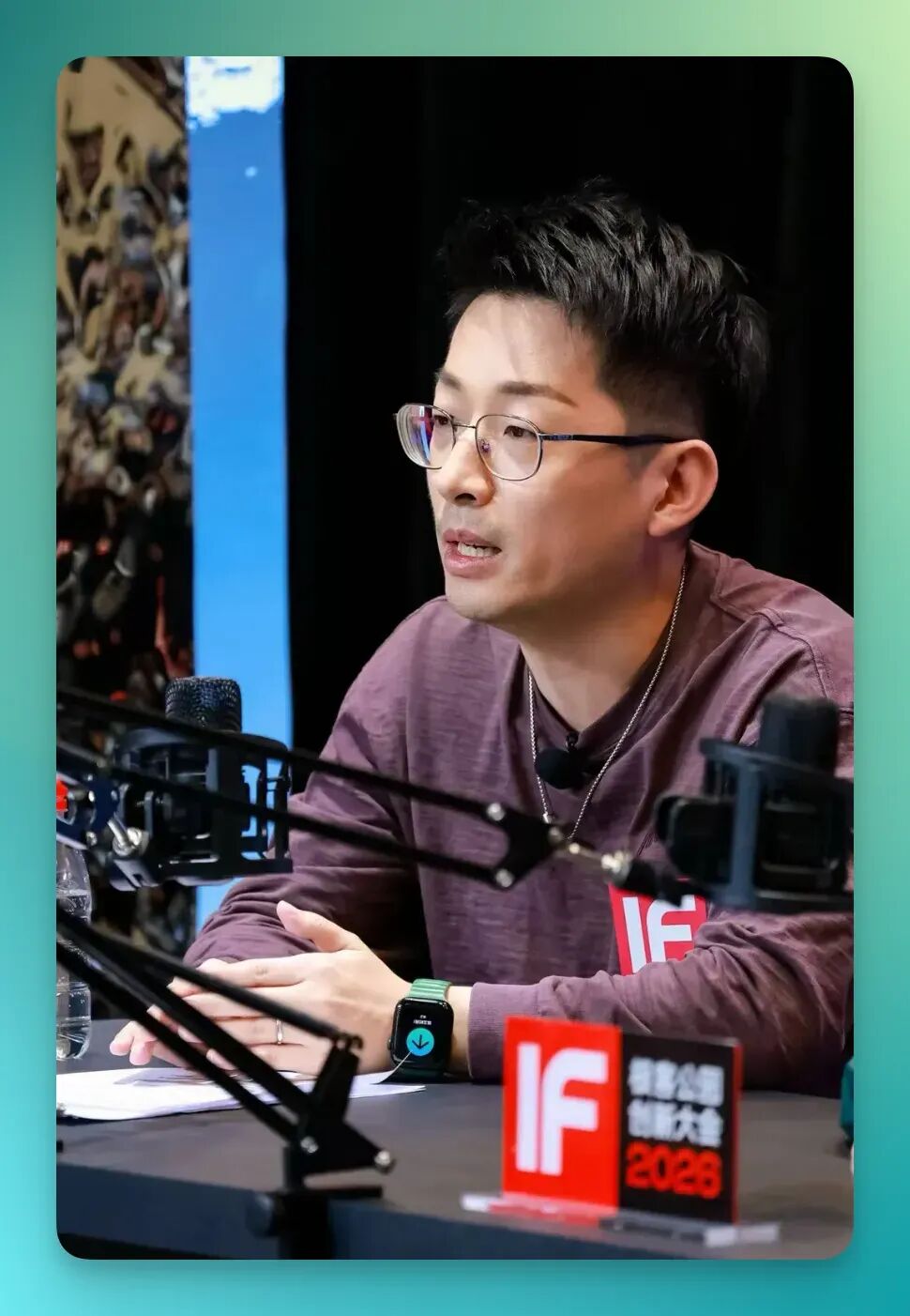
I then remembered something I'd seen before: if you break down something you're procrastinating on into very specific steps, and just complete the first step, you can get moving.
I tried it with GPT. It told me: you need to wash dishes now, and the first step is just to stand up — if you stand up, you win. This was different from what I'd expected — it wasn't making me think about all the subsequent steps, just stand up first. And I actually stood up, and washed the dishes.
I found this magical, did some research, spent about a day making an MVP, posted it on Xiaohongshu, and got over 3,000 likes in a day.
I'd posted things before, like the HDR app, but they completely fell flat. That silence confused me — was anyone actually seeing what I made?
I was thinking: if posting on Xiaohongshu gets no views or likes, would anyone actually buy it if I released it on the market? After all, as a developer, I ultimately need to make money.
But when the Plan Coach prototype came out and suddenly got 3,000+ likes, I realized: so people can see it.
Getting that much response on Xiaohongshu gave me the motivation to keep going.
Macaron's Product Entry Point: "Live Better"
👦🏻 Koji:
Kaijie, how did Macaron find its entry point from 0 to 1?
👨🏻 Kaijie Chen:
Macaron is the second product from my third startup. Its predecessor was an interactive AI novel. The reason I later made Macaron was that I noticed most AI on the market was solving productivity problems — people using AI for PowerPoints, reports, spreadsheets — all doing that very well.
But in daily life, there seemed to be a missing tool that could genuinely help us "live better."
In my own life, if I wanted to exercise better, eat better, sleep better — was there any AI that could help me organize these things?
That was the thinking that led to Macaron, built from the ground up around life itself.
Building In Public Within the Community
👦🏻 Koji:
Sanbing, there are lots of developers active on Xiaohongshu. Have you seen any interesting use cases?
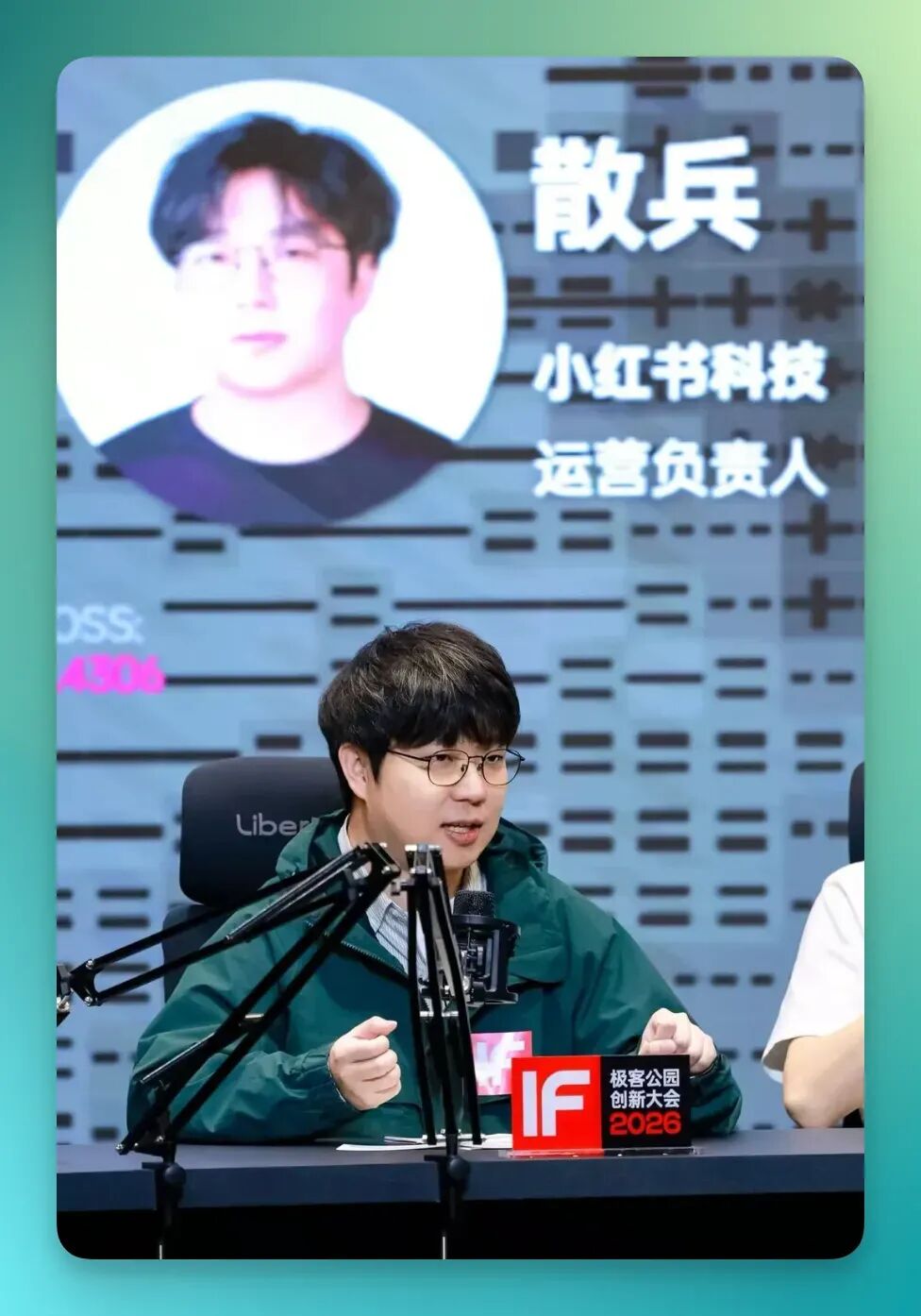
👨🏻 Sanbing:
We've always said Xiaohongshu is an authentic community with a human touch — it carries real people's real needs.
When we talked to developers earlier, we found they generally had a few pain points.
First, they don't know whether a need is a real need or just self-indulgence, so they urgently need market feedback to validate it.
Second, it's genuinely hard to find spaces for exchange in China. In small circles, you worry your idea will get copied. In public venues, you worry no one will pay attention.
Xiaohongshu happens to provide a sweet spot where you can validate needs. You can bring your product, even just your idea, and talk it through with people.
👨🏻 Kaijie Chen:
Speaking of finding product-market fit, Macaron's real launch moment happened on Xiaohongshu. I was quite worried about market acceptance at the time.
The day I posted it, something great happened: many users started posting on their own — not just commenting under my post, but opening their own posts to share their experience using it.
What stuck with me most was how many people said the color scheme looked great. We used a pretty pink macaron palette. The designer and I had agonized for three days and nights over whether to go this colorful, because almost no AI product uses bright colors.
We were worried people would say it "doesn't look like an AI product." These weren't the feedback we sought when finding needs, but in later validation they gave us tremendous support.
👨🏻 Sanbing:
Kaijie's example — I can add a data point: on Xiaohongshu, the average developer receives roughly 20 improvement suggestions about their product.
This is an incredibly strong channel of spontaneous user feedback, filled with people in an "altruistic, mutual-help" mindset. Users who love your product will keep giving you suggestions, even actively pushing you to hurry up and release the next version.
👨🏻 Su Xiaojiang:
I get something like over 1,000 pieces of feedback. They treat themselves as "spiritual shareholders" of your product, like it's some kind of nurturing app — watching whether you've grown according to their advice.
👦🏻 Koji:
In the product-building process, are there any pitfalls you think everyone should watch out for?
👨🏻 Su Xiaojiang:
Plan Coach is my third product as an app developer. The first app took me three months, the second took one week, and Plan Coach was thrown out in one day.
My practice has become: get the product out earlier and earlier, and let the market validate it.
If I had to give advice: put your ideas out there as early as possible. Test the waters.
👨🏻 Kaijie Chen:
I feel very similarly. When building products, you must start engaging users very early. I've noticed something: many friends around me want to start companies, and when they build something new, they spend every day earnestly thinking about what product to make.
If that person is also technically very strong, they're actually more likely to build something not that useful — because they're constantly "thinking," and thought-up needs don't necessarily exist.
On the other hand, some product managers I know encounter frustrations in life, or keep complaining about how dumb something is. When they turn that pain point into a product, it often works out pretty well.
So if there's one pitfall to warn people about, it's this: don't keep thinking "what product should I build?" Instead, discover things in your own life that you genuinely want to complain about, and make them better.
Trying too hard to think it through often backfires.
Development Speed in the AI Era
👦🏻 Koji:
In building Plan Coach today, what changes have you seen in development patterns?
👨🏻 Su Xiaojiang:
Inside big companies, the more people you have, the more reporting and communication problems you get. When you're alone, none of that exists — you just talk to yourself.
From Plan Coach's initial development through continuous iteration, it's not just need validation that's fast; technology selection validation has become extremely fast too. Developers all understand: once you hit a certain complexity, you usually need to refactor. Now I can refactor multiple times a day. If refactoring doesn't work, revert to version one — this was completely unimaginable before.
Previously, any technology change involved discussion, implementation, validation, discovering problems, going back to fix them — the cycle was very long. With AI now, this process has become extremely fast.
The second thing is how to schedule and prioritize.
The ultimate product direction needs to be set by yourself. Once you establish the main thread, you pick from feedback what aligns with that path. Xiaohongshu now also offers group and polling features — I post polls frequently and listen to feedback in groups.
For example, last time I put out four features as options, and whichever got the most votes became my highest priority.
👦🏻 Koji:
Kaijie, were there any user needs that you completely didn't expect at first, but worked out great after launch?
👨🏻 Kaijie Chen:
In Macaron's case, this happened more around category and directional inspiration. Macaron itself is a Personal Agent; its biggest feature is creating your own mini-apps. We didn't place many restrictions on how mini-apps worked at first.
For instance, one user mentioned they really wanted "voice input" added: speak your thoughts into the mini-app in one breath, have the system automatically organize them into that day's to-do list, then check them off one by one.
There actually wasn't any app on the market specifically doing this.
After the user suggested it, we discussed it internally and felt this might signal a new direction: life-logging scenarios under multimodal combinations. So we followed this thinking and added the feature.
👦🏻 Koji:
In the second half of 2025, AI Coding exploded pretty much globally. Kaijie, what differences have you felt in your work?
👨🏻 Kaijie Chen:
This being my third startup, the first two were still fairly traditional internet-era companies. The biggest difference now is that I really want to control organizational scale.
Our team today is only 30 people, and I hope not to expand further.
On one hand, AI Coding can do so much now — one person can match three to five people's output from before. On the other hand, AI Coding and large models change so fast that organizational structures or functional teams we build today might need restructuring in two months, or direction adjustments.
Organizational adjustment speed must outpace technology iteration speed, so I want the organization as small as possible, as agile as possible.
👦🏻 Koji:
Any specific practices? Like different roles?
👨🏻 Kaijie Chen:
We're seeing a role form that was relatively rare before but will definitely become more common: Agent Engineer.
Agent Engineers are genuinely hard to find. They first need technical background — able to write backend, handle containers and process calls. They also need product perspective, because they need to write prompts, and every word in a prompt shifts the model's distribution. So they need something like a humanities student's way of thinking too; prompts must be written close to the user.
And after having both these capabilities, they still need to do very solid CI/CD — each iteration, launch, test, then rapid iteration again.
This combination of skills is extremely rare.
Community Vibe: Rejecting Anxiety, Keeping the "Human Touch"
👦🏻 Koji:
From the "connector" platform perspective, Sanbing, what kind of "anxiety-free" community soil do you hope to give developers? What does Xiaohongshu want to do in 2026?
👨🏻 Sanbing:
Xiaohongshu's tech development has really only been about two years. Some people here still perceive Xiaohongshu as a "lifestyle community," feeling it's quite far from tech. But in reality, the developers truly at the forefront of product development and cutting-edge applications today are already using Xiaohongshu to validate their PMF (Product-Market Fit).
By 2025, we've seen very fast growth. Tech content publishing volume increased 100%, tech creators grew 200%. There are over 50,000 developers on the platform, and over 90% publish more than one product per year. This has already become extremely fertile soil for product creation and user communication.
In 2024, what we solved was making Xiaohongshu the "second friend circle" for tech people. People needed a somewhat public venue to express ideas — like "I have an idea today, does anyone need it?" or "I released a new feature, everyone come test it."
By 2025, we felt the platform couldn't just do content exchange — it should become an ecosystem connector.
For example, creating more value in user-connection scenarios: we launched widget capabilities so products can be validated more lightly within Xiaohongshu; smart hardware testing can happen on Xiaohongshu, even early small crowdfunding and sales; many investors directly find projects on Xiaohongshu. We want to really solidify this connector role.
Simply put, if people want to do AI innovation and the first platform that comes to mind is Xiaohongshu, it's because there are the most authentic user needs here, the strongest feedback, and the most diverse product validation methods.
I can also share one insight from when we started tech content. When we first began, mainstream platforms were basically all news and tutorials. It was the same when GPT first blew up: news and tutorials mixed with lots of FOMO sentiment, like "you'll lose your job if you don't learn AI."
But we felt this wasn't the real tech value ordinary people needed today. For most people, they hope tech becomes part of life.
So at that time we firmly decided not to do those two mainstream content types — news and tutorials — and instead encouraged scholars and developers to dialogue with the public as ordinary people. That's how we arrived at today's relatively anxiety-free, fairly calm tech atmosphere.
From the platform perspective, in 2026 Xiaohongshu needs to do well as a "connector." In this wave of AI tech innovation, we need to serve everyone in the chain — not just developers, tech practitioners, and researchers, but also users.
The relationship between users and AI is still very new. In the future, the relationship between users and products might be "I build you" — my every action is actually training the model.
Going forward, what we can do is provide more spaces for everyone — whether that's event traffic or offline competitions. For example, in the first half of this year we held an indie developer contest and a fairly large "hackathon," and we'll be launching new events and competitions in more areas, such as smart hardware.
Whether through C2C transactions or through our widget and mini-program capabilities, we want to let products get validated faster on the Xiaohongshu platform, shortening the experience and conversion chain so you can quickly verify your PMF and take your product framework and capabilities directly to market.
👨🏻 Kaijie Chen:
I can add an observation of my own. I registered my Xiaohongshu account seven years ago. Back then, if you posted tech content, basically no one cared. In the past few years, especially starting last year, the Building in Public trend took off. I've found that among all the people making domestic products, Xiaohongshu is probably the only platform that truly emphasizes the comment section.
If you're going to Build in Public, you have to engage with people. But on short-video platforms or long-form content platforms, everyone's focused on the content itself, not the discussion below it.
Xiaohongshu keeps the main content up top and leaves all that space below for discussion, which actually gives developers a real place to communicate.
Starting last year, many of my friends began reading papers on Xiaohongshu. They come here for the latest research instead of going to professional platforms — which shows that lots of people are posting, lots are following along, lots are discussing. This is a genuinely unique ecosystem in China.
👦🏻 Koji:
Kaijie and Xiaojiang, the way you both reply in comments has a certain "human presence." How did you develop your current style? Were there any replies or stories that stuck with you, where you felt "I was being myself"?
👨🏻 Su Xiaojiang:
My very first post got over 3,000 likes. The peak came later, when I posted about an early app prototype and got 260,000 likes. It blew up — people joining the group chat were coming in faster than I could scroll through.
Users weren't liking what you said; they liked your product. So afterward, I maintained an attitude of equal exchange.
To add something about replying. One reason we decided to be "neither servile nor overbearing" was that a lot of feedback kept repeating the same question: Are you going to abandon this project?
As an indie developer, if users are going to pay, their biggest worry is probably whether you'll keep updating, whether you'll suddenly stop. Some people are too embarrassed to ask, but they're definitely thinking it. We used to be terrified of saying the wrong thing — we'd send replies we wrote to AI for multiple rounds of review, but what came out had zero human presence.
Later we figured we should just reply as our real selves. Trust takes time to build.
👨🏻 Kaijie Chen:
Same for me. I won't curse at people, but I won't suck up to users either — I just do me. I think what people ultimately value is your authentic self. If you're constantly maintaining a persona out there, it's exhausting, and eventually you won't be able to keep it up.
Rather than that, better to just be yourself from the start, say whatever comes to mind.
On product and research directions, we have lots of discussions too. We've been doing a lot of reinforcement learning lately — the broad direction everyone agrees on, but opinions differ hugely on specifics. When we put our thinking out there, people start discussing, saying "this is wrong," and posting data for comparison.
These discussions actually become inspiration for our next research steps.
The "Moat" of Platforms and Super-Individuals
👦🏻 Koji:
Sanbing, from the platform's god's-eye view over the past year, what changes and opportunities have you seen in AI innovation?
👨🏻 Sanbing:
Marketing is becoming increasingly front-loaded. Previously people would typically only engage with users after they had a PMF or product prototype, but now it's happening earlier and earlier — halfway through development, or even before development starts, people come to share their idea.
This is essentially a market action, using conversation to validate user needs.
People are starting to believe that production factors have become cheap, that the things you "talk big" about can actually be built. At a moment like this, talking big isn't necessarily bad — it might even be the best way to find great product ideas.
In terms of helping developers, we still have a lot of backend capability building to do, such as conversion and monetization. Within the chain of in-app purchases or direct procurement, we use e-commerce capabilities to empower you. Beyond helping everyone make money, we also want to help you save money and hire.
Hiring is actually a huge hidden cost, and we hope to help developers find people who recognize the value of your product.
👦🏻 Koji:
What do you think is the moat of super-individuals?
👨🏻 Su Xiaojiang:
What I feel now, especially on the technical side, is that no moat exists. I use AI to single-handedly produce what used to take 40 people — it's really hard to stay technically confident. I think marketing ability is very important.
For example, Huashu's product — he himself admits there's no real moat, but he's become an IP. People trust Huashu, so they'll download his work.
👨🏻 Kaijie Chen:
I also don't think there's a moat. The city keeps changing today, mountains keep being moved and seas filled — trying to draw a fixed river doesn't mean much. Making a product more defensible is essentially a contest of comprehensive capabilities: technology, marketing, user reputation, brand, product refinement — none can be missing. Especially putting together a good team, building a strong team that pushes in the same direction together.
👦🏻 Koji:
For students who want to start their own product development practice on Xiaohongshu, what advice would you give?
👨🏻 Sanbing:
Intention is the most important thing. First, production factors have become cheap, so what you want to do and choose to do becomes more important. Second, users need spiritual resonance more. Users will care whether you're genuinely committed to solving this problem for them long-term. If you can answer that well, your success rate will be much higher.
👨🏻 Su Xiaojiang:
You have to make something you yourself really love. Once you love it, you'll create many designs that exceed user needs. When you're deeply absorbed in developing it, users can feel that.
👨🏻 Kaijie Chen:
Although becoming a super-individual has gotten easier, people like Xiaojiang who can single-handedly pull off a complex project are still rare. Along the way, you still need to gradually find some friends, find a partner to start a business with. One person's mental model is limited — doing it together is more interesting.
Q&A: Teams, AI Advertising, Going Global, Entrepreneurship, Product
🥷 Q1:
Kaijie, how has your thinking on team building changed in the AI era?
👨🏻 Kaijie Chen:
Two forces are happening simultaneously. First, product development cycles will push team size larger. Second, in the AI era, individual efficiency has improved, so the same work should be done with fewer people. So we're trying to compress every headcount as much as possible.
🥷 Q2:
Sanbing, how does the platform view AI-generated ads?
👨🏻 Sanbing:
AI generation is an assistive technology — what matters most is what you're trying to express. We encourage people to use AI to create, but we don't encourage using quickly generated template-like content to grab traffic.
🥷 Q3:
For both entrepreneurs, how do you think about product positioning and market choice (domestic vs. global)?
👨🏻 Kaijie Chen:
We're mainly in overseas markets, with 90% of users abroad. Cultural background is the most important factor. I'm relatively familiar with the US market — it encourages more native innovation.
The Japanese market is very slow to adopt apps, extremely focused on stability, but give them a little creativity and they'll be especially satisfied.
👨🏻 Su Xiaojiang:
Plan Coach's global expansion is just getting started. We didn't restrict ourselves to domestic from the beginning, but because Xiaohongshu's explosion happened earlier domestically, we naturally completed our cold start there.
On monetization, we decided from day one to make it a paid product — that hurdle was crossed early.
🥷 Q4:
Xiaojiang, going from a big company to working solo — is it more liberating or more exhausting? How do you regulate yourself?
👨🏻 Su Xiaojiang:
Way more exhausting than working for William Ding. Before, responsibilities could be distributed; now everything is on you. When someone else ships a good feature, you immediately think "I should have that too."
The pressure and sense of responsibility are both stronger, and there's zero chance to slack off.
The way I regulate myself is by chatting with AI, looking at past examples — like the author of Burnout — and realizing someone had it worse than you, so you feel less alone.
I actually quite enjoy this anxiety. A product is like a tree you planted yourself; watching it grow gives you real satisfaction.
🥷 Q5:
Kaijie, Macaron's product philosophy seems somewhat distant from ordinary people — could it end up becoming a toy for the rich? How likely are these 200,000 apps to genuinely meet needs?
👨🏻 Kaijie Chen:
First, it's actually quite cheap — $10. Second, Macaron already has nearly 200,000 mini-apps, one-tenth of the App Store. People create all kinds of absurd little things. The end result is: everyone can afford it, and everyone can have their own personal assistant.
Overall, creation capabilities are still continuously improving. Right now what people use most repeatedly is still life logging and planning — these are relatively simple for AI.
For example, voice-to-todo, photo-based calorie recognition, mood tracking — these are all things it's very good at today.
Looking back at this 90-minute conversation, everyone discussed things that were quite specific and granular: the need inspired by procrastinating on washing dishes, pink macarons, HDR memes, roasts in the comment section, reading to-do lists aloud to mini-apps, getting chewed out over one reminder feature...
Yet it was precisely in these moments that we saw a very real scene:
Sanbing said, this is an era suitable for "talking big."
Kaijie said, the smaller and more agile the organization, the better.
Xiaojiang said, make a product you love, and users can feel it.
These voices coming together perhaps answer what an "oasis in the AI era" means — it's not a utopia that appears out of nowhere, but an ecosystem of soil jointly irrigated by specific, living individuals.
Although AI has given us the ability to "be a one-person army," this doesn't mean we should become lonely "superhumans."
On the contrary, in this era, maintaining your energy, finding partners, expressing yourself sincerely:
Being willing to bring your confusions out into the open;
Being willing to toss your ideas into a community and see what happens;
Being willing to keep iterating even when users are tearing you apart;
Being willing to admit, "I don't know, but I can run another experiment and find out."
So when we talk about opportunities in the age of AI, what are we really talking about?
It's this: authenticity, dialogue, iteration, connection.