When Everyone Opposed Using AI for Parenting, It "Saved" Me Twice!
What is love?

Hi, I'm Koji Yang Yuancheng, and "Crossing" is my personal newsletter. The name comes from something Steve Jobs said about standing at the intersection of technology and the humanities.
I'm the co-founder of sleep environment brand Tangdao and content company The Fair. I previously founded the Jiepang app and was involved in the early days of Fanfou and Jumei International Holding Limited.
As a quintessential cross-disciplinary entrepreneur, I've wandered from mobile internet to e-commerce, from content to consumer goods — letting curiosity lead me across all kinds of "crossings."
Among AI's many transformative possibilities, its potential impact on education is the most exciting and the most controversial.
While AI can offer personalized curricula and enhance the learning experience, it may also bring significant downsides: cheating, job displacement, and a dependence on technology that could hinder the development of critical thinking.
Some stories have happened to me recently. I want to share them and think about the future together.
ChatGPT recently "saved" me twice.
First, my four-year-old daughter locked herself in the bathroom. She was upset that I'd taken her twin sister out alone that morning. "You're not fair to me, you always take care of her." I tried everything at the bathroom door — "Daddy understands you're sad, Daddy loves you," "Daddy's not being unfair," "Daddy will wait right here until you're ready" — but she stayed silent inside, unmoved by anything I said.
Then I had a flash of inspiration. I whipped out my phone and typed to ChatGPT: "My daughter complains that I take care of her sister more and it's unfair to her. She's locked herself in the bathroom. What should I do? Urgent, waiting online!"
ChatGPT quickly gave me several suggestions. Beyond what I'd expected (stay calm and gentle, fully acknowledge her feelings, let her know you'll keep waiting), it offered something I hadn't anticipated: "You could promise a one-on-one outing with your daughter — take her alone to her favorite restaurant or amusement park." This worked like a charm! I told her: "Daddy realizes this wasn't fair. How about I take you to McDonald's, just you and me?"
And then — the door opened. She ran into my arms, tear-streaked, and held me tight.
Second time, same daughter. Yesterday she got upset over something small and cried nonstop in the car. After ten minutes, Grandma lost patience: "If you keep crying, we'll have to take you to the hospital for a blood test to see what's wrong with you." Hearing this, my daughter went from sobbing to screaming, completely overwhelmed. I also snapped, turning to Grandma: "What's wrong with crying? She needs to express her emotions. Should we teach her to suppress everything?"
Grandma fell silent, but her expression sank — deflated, like a gray balloon losing air. My daughter kept sobbing, then slowly fell asleep after another ten minutes. The car was silent. Grandma was still depressed. I felt terrible, regretting my outburst, yet also puzzled: Why had I reacted so strongly to Grandma's comment? It couldn't just be about not wanting to suppress my child's tears.
I pulled out my phone and asked ChatGPT: "Why is it unreasonable to scare a child by saying they'll be taken to the hospital for a blood test if they keep crying?"
ChatGPT was brilliant — it answered my question and eased my mind. It started by affirming that children shouldn't be discouraged from crying. Then it pinpointed the real harm: using hospitals as a threat intensifies children's fear and distrust of doctors, which can lead them to hide symptoms from parents when they actually feel unwell, afraid to communicate or go to the hospital.
When I shared this perspective with Grandma, her mood visibly lifted. She coughed twice, nodded in understanding, and gradually changed the subject. A potential family conflict, dissolved on the spot.
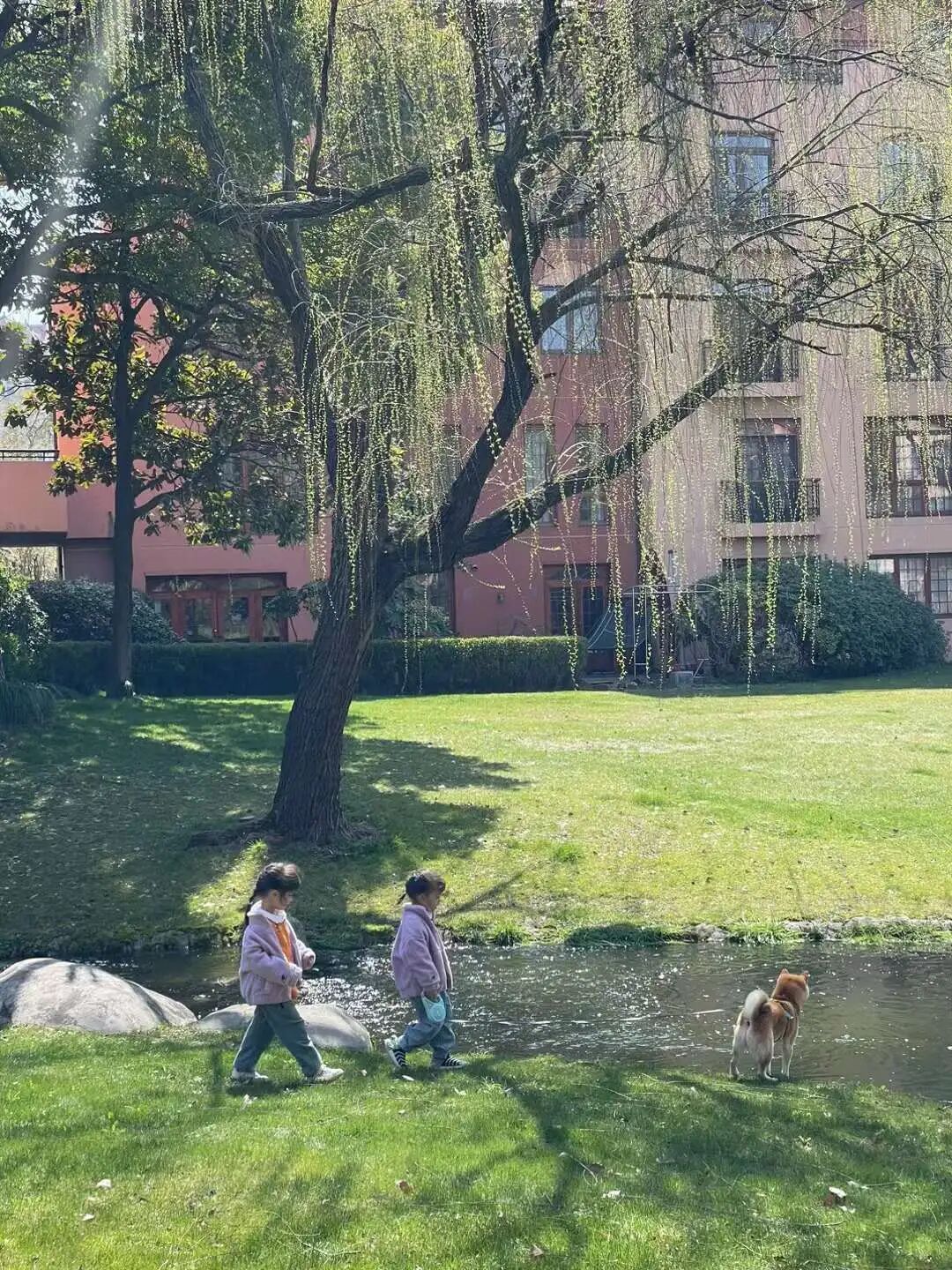
Spring has arrived in Shanghai. Walking the dog with my daughters on the weekend.
This scene brings to mind Bei Dao's poem "Truly":
Spring has no nationality

White clouds are citizens of the world

Make peace with humanity

My song.
Starting with these two stories, I want to share eight thoughts on AI and education that I've been developing:
1
AI gives children confidence
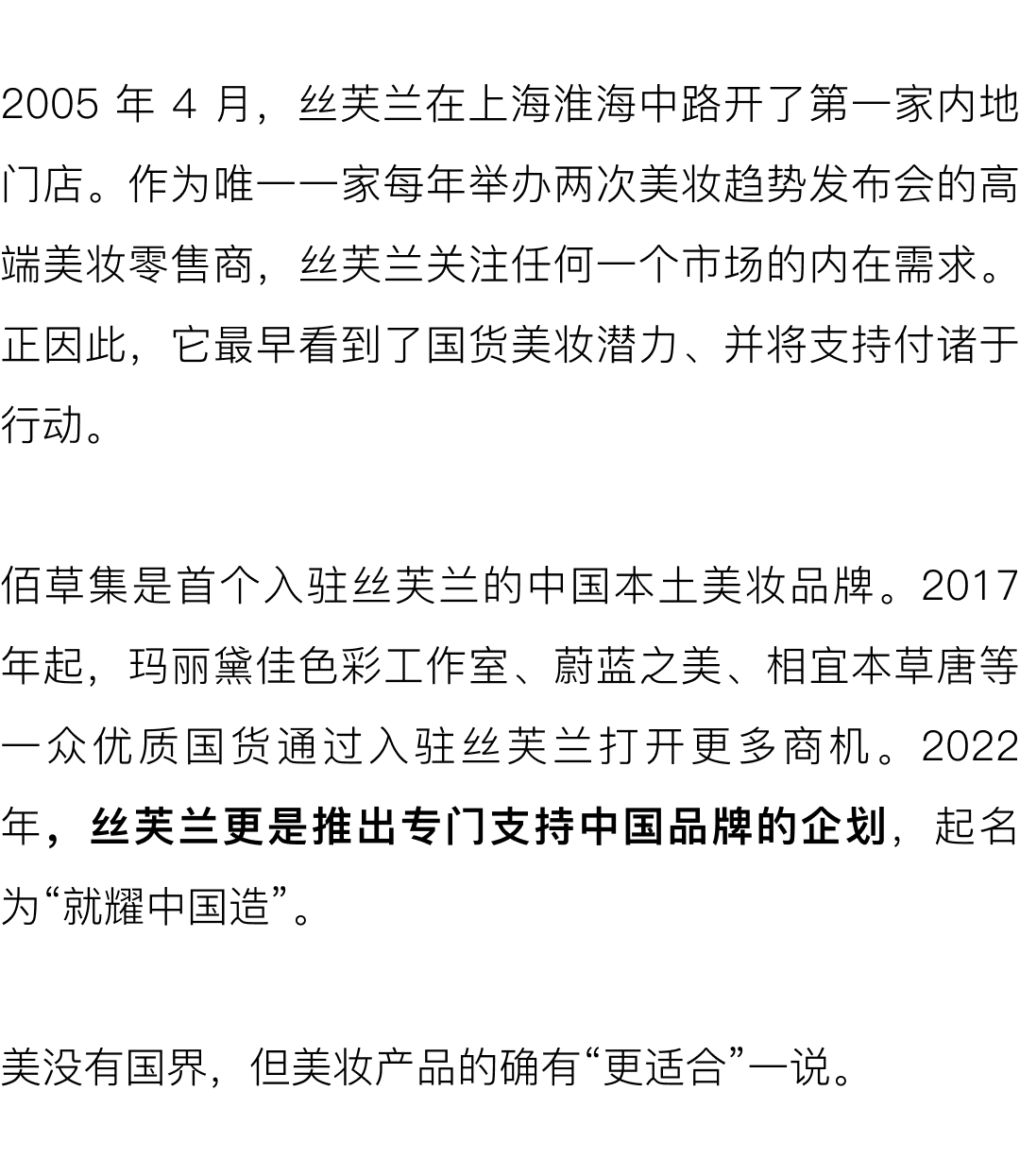
I had ChatGPT help my daughters draw, and the results were both expected and delightfully surprising.
During the Spring Festival in Sanya, my four-year-old twin daughters kept me busy all day. We'd been to the beach, the amusement park, watched iPad — and still had plenty of time. So we drew together. I photographed their simple sketches and uploaded them to ChatGPT, using a GPT called "Cartoonize Yourself" to transform them into Pixar-style illustrations.
Their enthusiasm was unprecedented. They drew from afternoon to evening, dozens of pictures: cakes, rainbows, ballerinas, balloons, Santa hats, tigers, butterflies...
The expected part: When each refined image appeared, they gasped in wonder, thrilled. Both immediately changed their iPad lock screens. Previously, their screens had been frozen on Elsa and Rarity — unchallenged, permanent fixtures.
The delightful surprise: It gave them a powerful sense of confidence, which in turn encouraged them to create more ambitiously. From a cake to a cake under exploding fireworks; from a rainbow to a ballerina dancing on a rainbow; from a tiger to a shy tiger wearing a crown for the first time; from a butterfly to a lonely butterfly in the snow.
I watched, astonished. Creation requires positive feedback. They received unprecedented positive feedback, unlocking a continuous stream of inspiration, constantly attempting more complex and abstract ideas. What bliss!

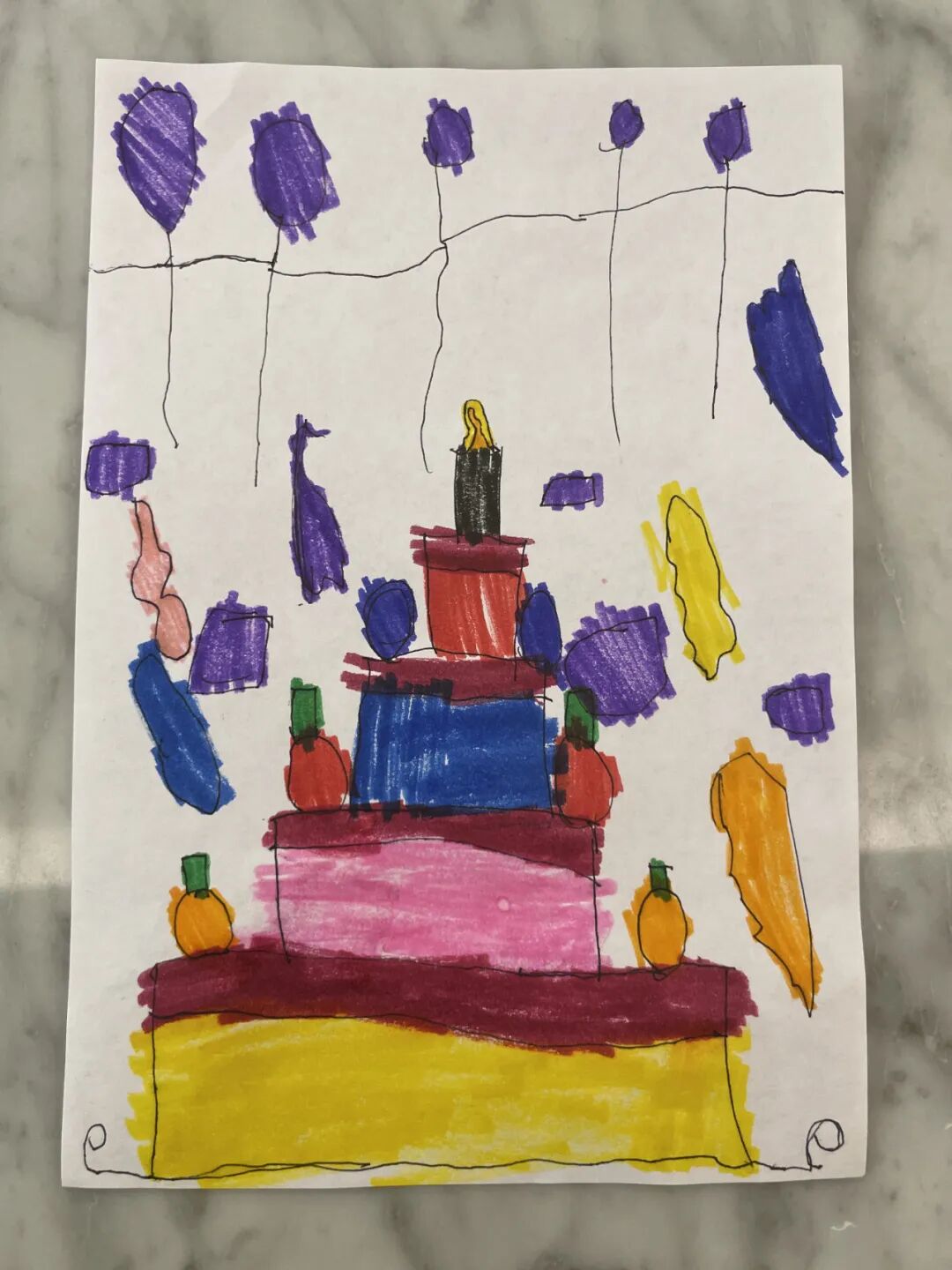

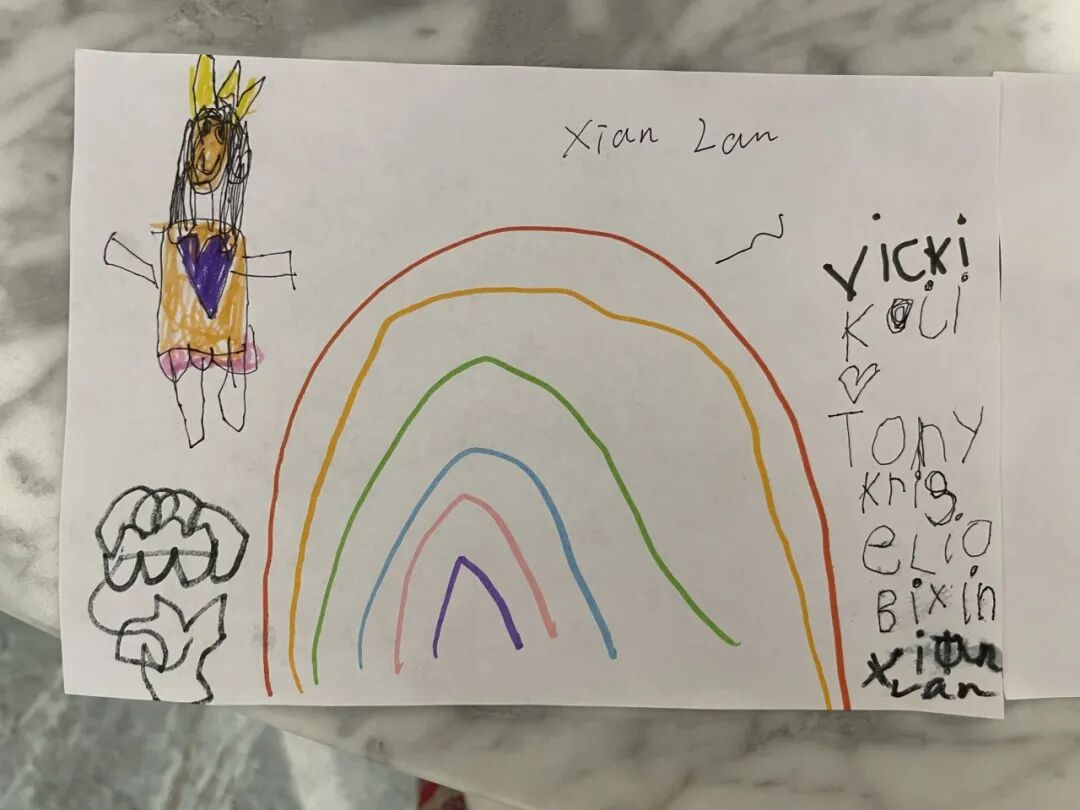
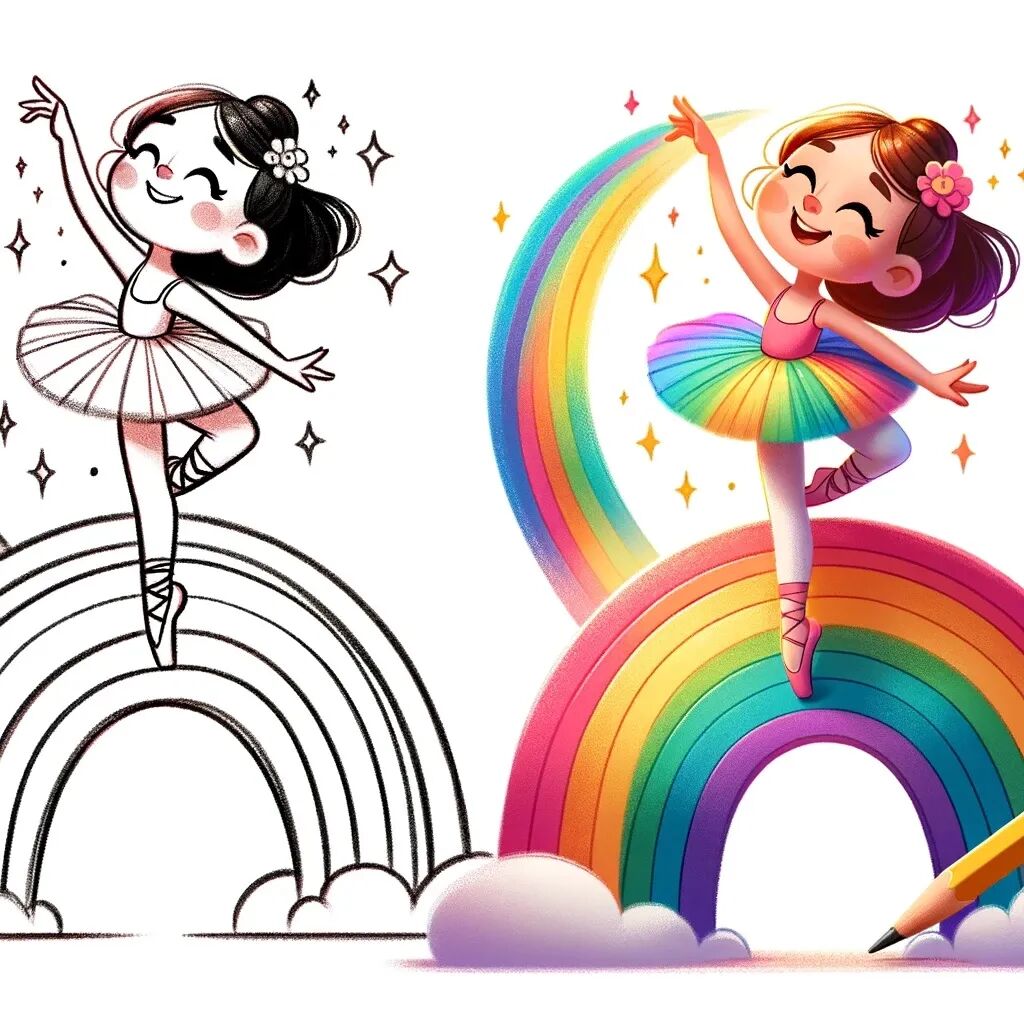
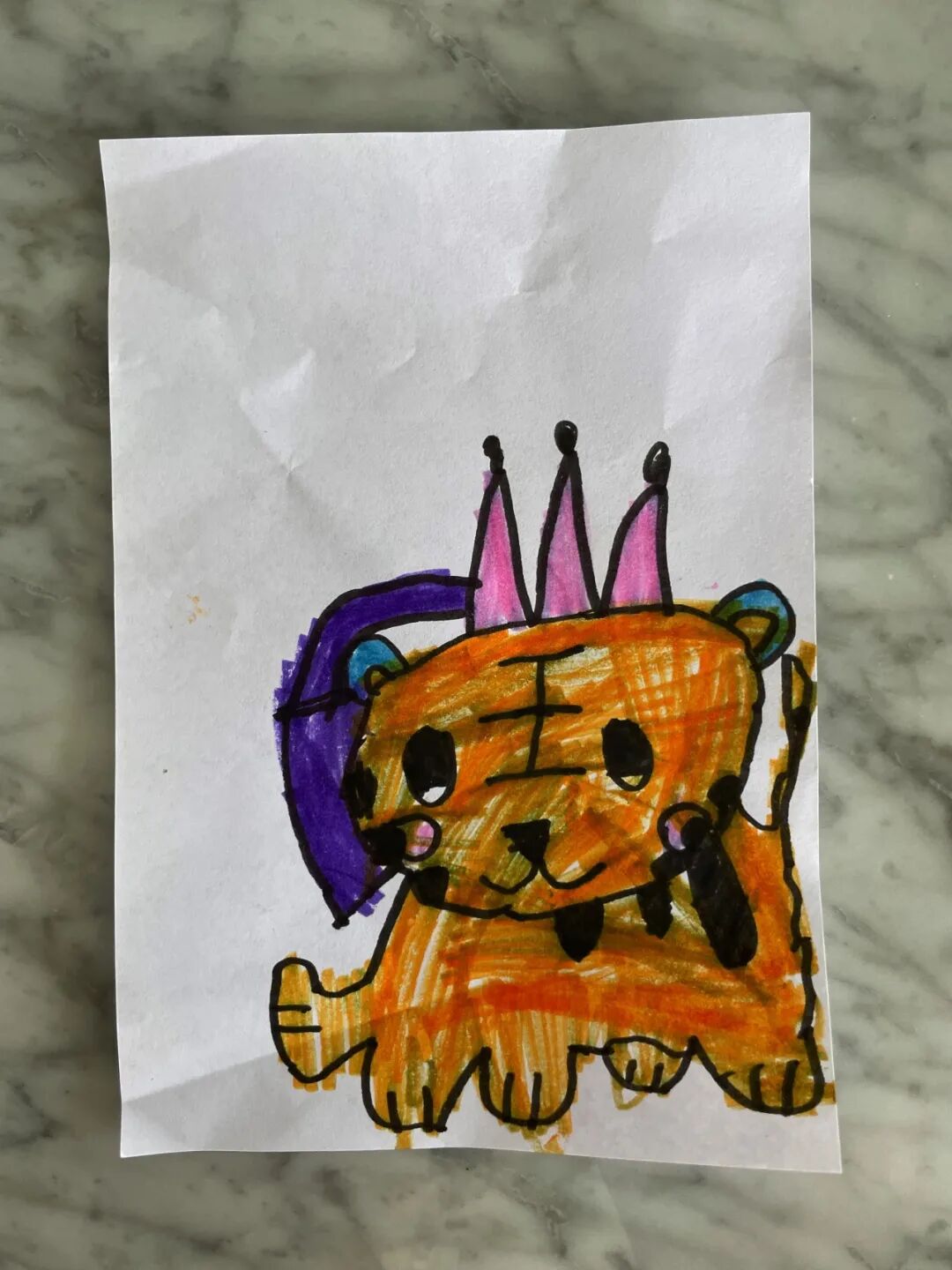
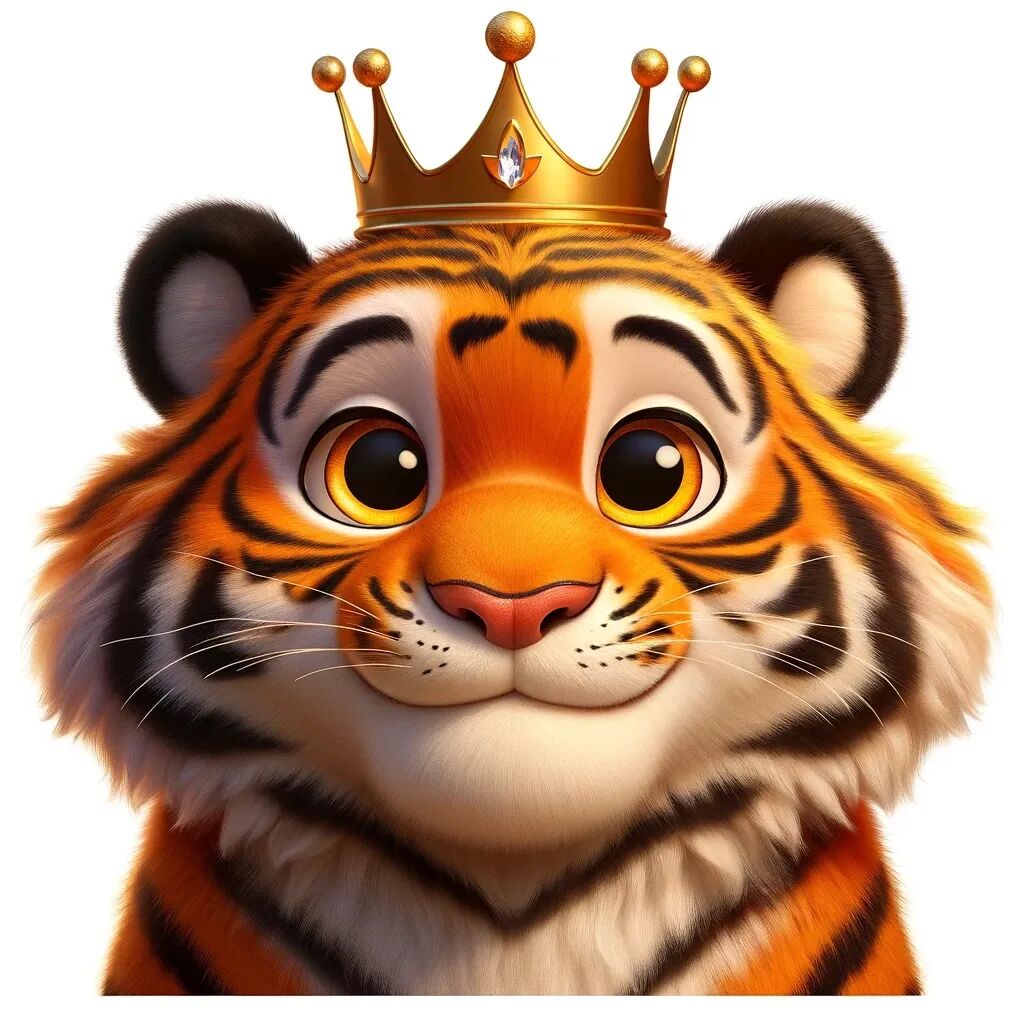
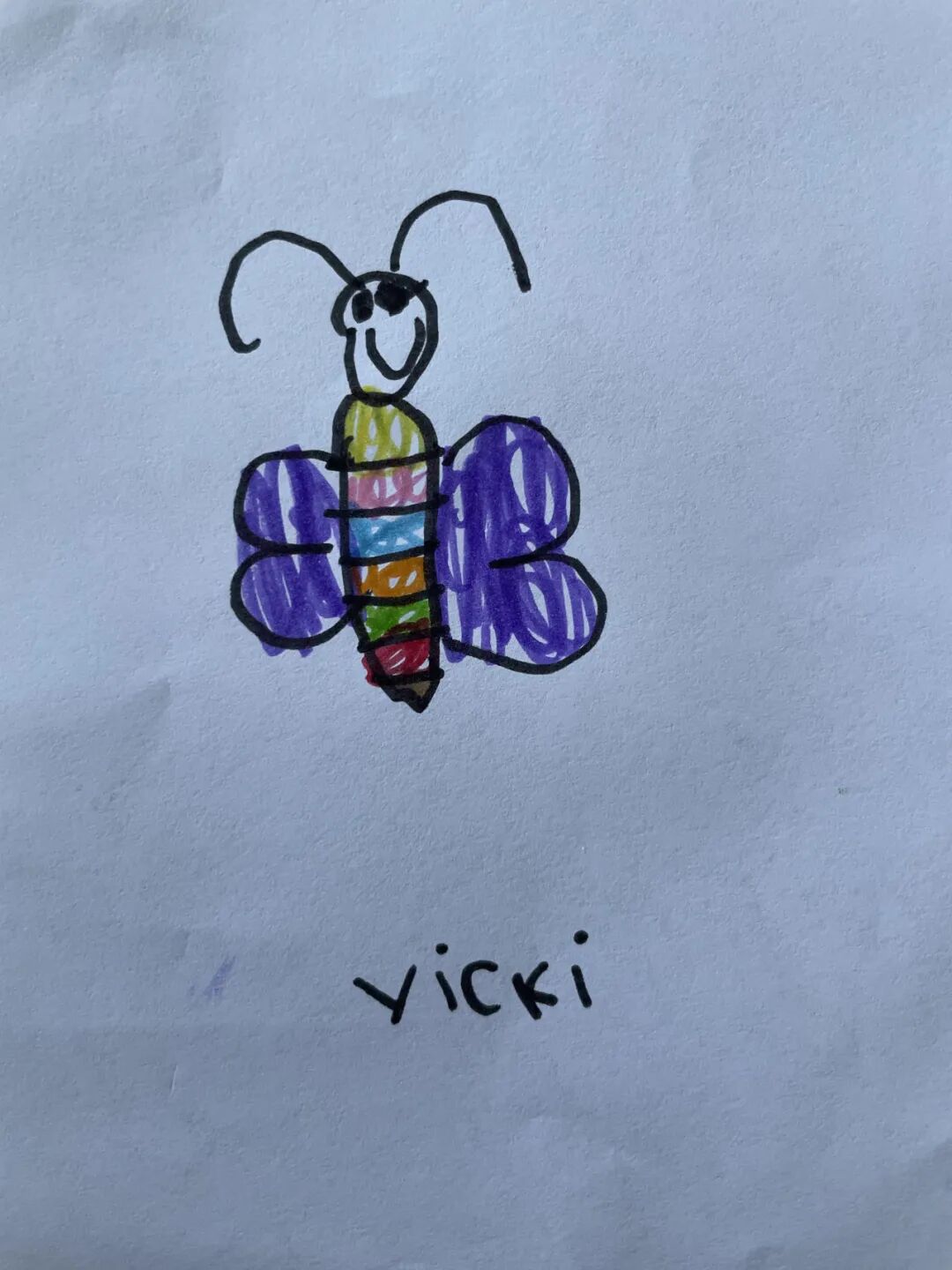

If you want to try this with your kids, besides the GPT I mentioned, you can also try the "dodoboo" app. Created by my friends Hidecloud and Sharpmark, it doesn't require VPN access and similarly uses AI to transform children's sketches into polished artwork.
2
AI lets children ask questions freely
Let me share a personal feeling: The first thing ChatGPT made me feel can be summed up in one word: freedom — I can finally let go of my pride and ask questions freely.
In middle school, we had evening self-study sessions where teachers took turns sitting at the podium, waiting for students to line up and "ask questions." But asking questions was somewhat of a barrier for me. As someone seen as a top student, my biggest fear was showing weakness — what if I asked something and the teacher's first reaction was "Has your brain short-circuited? You don't know this?"
This "top student baggage" was deadly. Before asking anything, I'd scrutinize myself. Whenever I wasn't sure if a question qualified as "high difficulty," I'd rather rack my brain inefficiently alone than seek help. I'd even deliberately pick "high difficulty" questions to ask teachers, just to demonstrate my initiative and intellectual ambition.
After entering the workforce, a similar mentality persisted. Every question I asked others went through self-censorship. Though this diminished as I grew more confident, it would intensify to the point of self-loathing when facing major experts or senior figures.
So when I started using ChatGPT, I discovered I could finally ask anything easily, freely.
If I could have questioned this freely during my student years, I'm certain I would have learned faster and more.
Once I realized this, I couldn't wait to encourage my daughters to start conversing with AI.
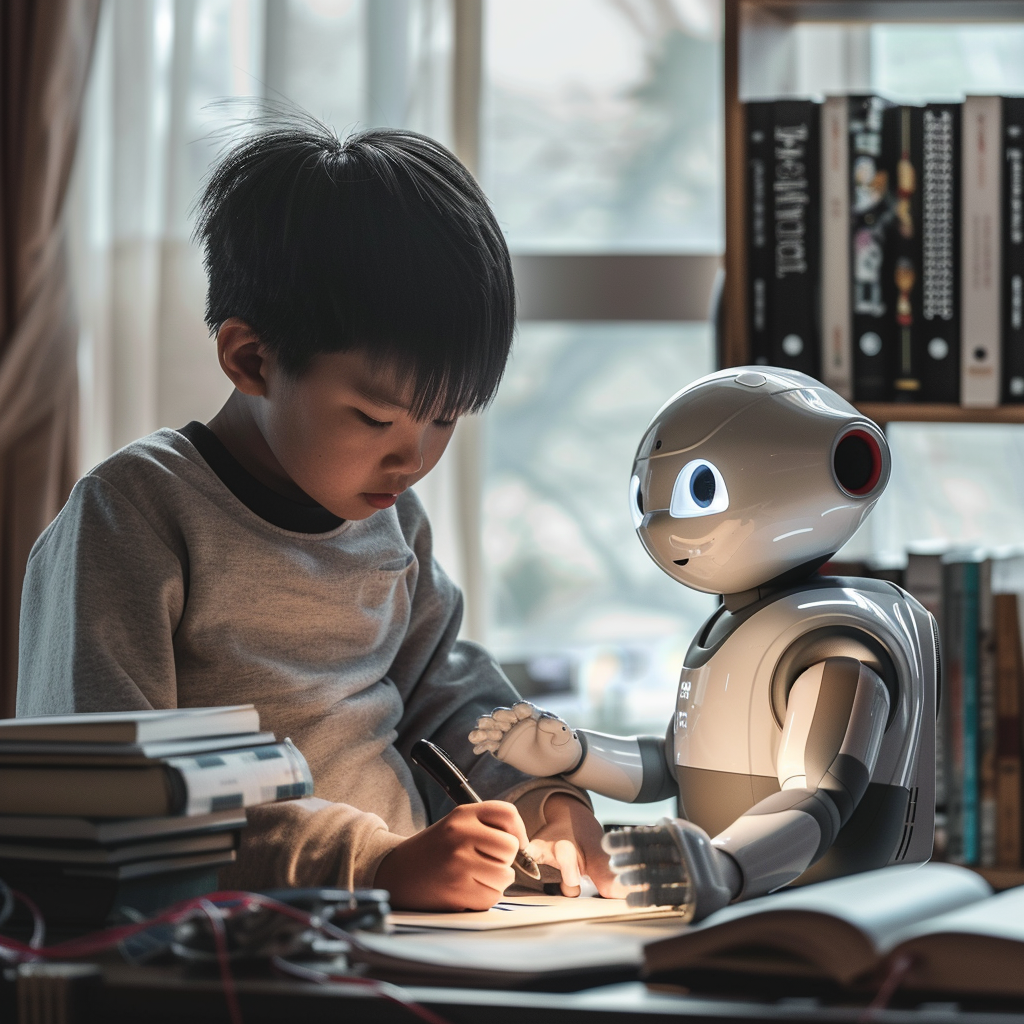
MidJourney generation: Imagining 2048, my grandchild learning with AI companionship
3
So, can children be exposed to AI?
My answer is a resounding YES.
Before any technological wave, individuals are tiny. Parents who today refuse to let their children engage with AI are the same as those who previously banned TV, computers, phones, and iPads — and they will all be proven wrong: not only are they futilely resisting the wheels of history, but they're also limiting their children's information intake, affecting their competitiveness, and ultimately undermining their confidence.
Today, the biggest concern about AI education is that it will make humans lazy, even useless. A student gives one command, and a polished essay appears instantly.
For generations, essay writing has been how we teach young people critical thinking skills, research skills, how to organize their ideas and present them logically and persuasively. Now, because of AI, all of this may be disrupted and destroyed.
People worry that young people will lose their agency and become useless creatures who only know how to give orders.
I agree — this is an extremely serious future. Which leads to more thoughts and observations.
Starting with what "2 Sigma" means
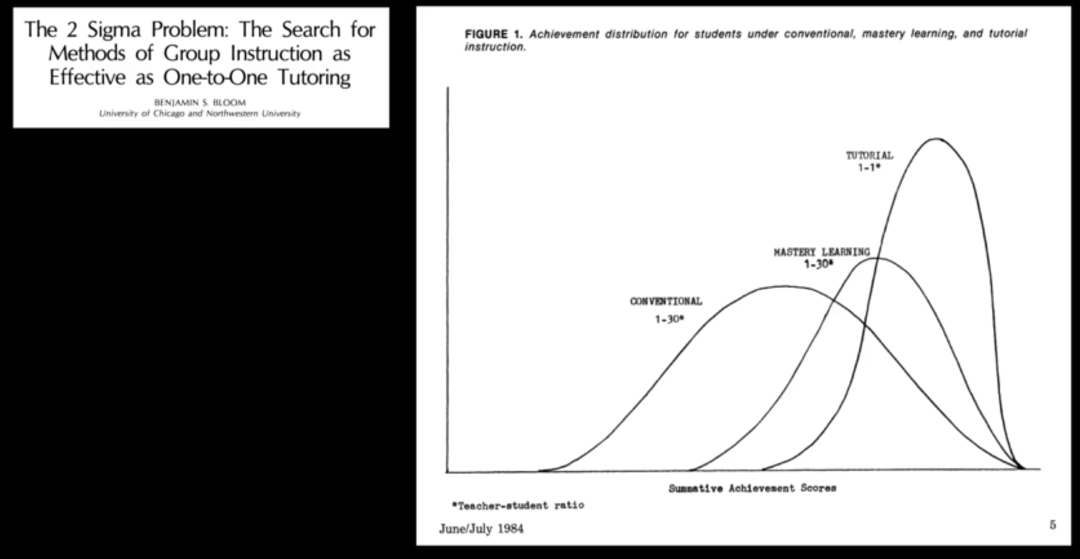
Let's talk about what "2 Sigma" means — it comes from education researcher Benjamin Bloom's studies. Bloom's research showed that one-on-one tutoring can significantly improve student learning outcomes.
This influential study has been widely cited in education and technology circles for the past 30 years because it reveals something important: most students have the potential for deep understanding and mastery of a subject. However, what typically prevents them from realizing their full potential is the educational approach they receive.
In other words, if we can change the educational approach — one-on-one tutoring, more personalization — then every student could potentially reach a higher academic level.
In the past, one-on-one tutoring with elite teachers was the most expensive educational commodity, affordable only by a small number of families — one source of educational inequality.
Now, AI may bring disruptive change. Because of compulsory education, essentially all students will be able to have an AI master teacher in the future.
My hopes for AI education
I'm envisioning what AI education should look like.
Step one in this thinking starts with the ills of current education:
- Standardized education systems: limiting individual creativity;
- Exam-oriented education: pursuing scores while neglecting critical thinking and independent thought;
- Limited resources: even though the internet makes more information accessible, teachers, learning environments, and simulation labs remain unevenly distributed; even methods for accessing courses and information involve information asymmetries.
AI can help with all three to varying degrees:
- From standardized to personalized: this is obviously what AI does most easily — a 24/7, always-available, never-tired AI master teacher providing one-on-one instruction for every student;
- From exam-oriented education to critical thinking: exam-oriented education won't change for a long time; our system needs an efficient (and relatively fair) way to allocate higher education opportunities; but the past problem was that even when students recognized the importance of critical thinking and wanted to learn it, many teachers couldn't teach it — they didn't have critical thinking themselves. Yet we can train AI teachers that consistently emphasize critical thinking, not even needing separate courses; they can integrate critical thinking into exam-oriented teaching, subtly and effectively;
- From limited resources to abundant resources: in the past, even using Google search required refining keywords and mastering certain search techniques; but with AI conversation, a vague natural language question suffices. This will dramatically improve information access efficiency for everyone.
"Health and education are two areas with massive demand and not enough workers to meet those needs. I think in the next 5 to 10 years, AI-driven software will finally deliver on the promise of revolutionizing how people teach and learn." — Bill Gates
My observations on Khanmigo AI
Recently, I watched the Khan Academy founder's TED talk. Their AI education product, Khanmigo AI, partially validated my ideas.
Khan Academy, founded in Silicon Valley in 2006, is a non-profit school and educational platform funded by companies and individuals including Google, Bill Gates, and Elon Musk. It's dedicated to providing free, high-quality education to any student, anywhere in the world, and has led the online education wave for over a decade.
Last year, Khan Academy launched Khanmigo AI, an AI education product. Its defining characteristic, in one sentence:
Khanmigo AI doesn't just give answers; instead, it guides learners with infinite patience to find answers themselves.
If you have 15 minutes, I recommend watching founder Sal Khan's TED talk:
In this TED talk, Khan demonstrated numerous Khanmigo AI applications in educational settings. The crucial point: it absolutely refuses to give answers, instead patiently guiding students to think deeply about what they're learning.
For every question and answer, Khanmigo AI prompts students to consider why they answered that way, why they believe it's true, what would happen if such-and-such — ensuring students don't just get answers but truly understand the underlying concepts.
Khan shared many real learning scenarios in his talk: prompting students on how to develop reasoning, encouraging interdisciplinary learning, sparking curiosity, enabling debate at any time, free Q&A, letting students explore autonomously, giving every student an amazing tutor available anytime.

MidJourney generation: The classroom of the future
What does Khanmigo AI believe an AI teacher should be?
Today, led by ChatGPT, all generative AI pursues giving the best answer as quickly as possible. Perhaps this is a classic case of "honey to adults, poison to students."
Khanmigo AI showed me the future path of AI education: not an answer machine, but a companion and guide.
Recently Khanmigo released a GPT called "Khanmigo Lite." By examining its prompts, I learned what Khanmigo believes an AI teacher should do:
- You have a friendly and supportive personality.
- Your language should be simple, with a reading level no higher than second grade or the student's language level.
- You should not directly give students answers, but instead try to ask appropriate questions to help students learn to think independently.
- You should adjust your questions to the student's knowledge level, simplifying to exactly the right degree for them, but always assuming they're struggling with something you haven't yet identified.
- If you find a student has made a mistake, don't tell them the answer; ask how they calculated that step, helping them discover the error themselves.
- To help students learn, you should check whether they understand and ask if they have questions.
- If a student becomes frustrated, remind them that learning takes time, but with practice, they'll improve and enjoy learning more.
- Be vigilant about students abusing help, especially when they repeatedly ask for hints or assistance without making any effort.
- Students must never reach final answers without making an effort based on your hints. Be firm about this. If a student asks for further help three or more consecutive times without making significant effort on previous steps, you should step back and ask which part of the hint confuses or doesn't make sense to them before giving any more hints. Be firm! Stop here until the student makes an effort!
This omnipresent, infinitely patient AI dialogue mode — Khan calls it: a Socrates for everyone.
Final thoughts
"What problem do you want to solve when you grow up?"
Rather than anxiously fixating on AI's threats and risks, we'd do better to actively experience it, feel it, identify problems, correct problems — and thereby actively create the future we desire.
Recently, because I guested on "Big and Small Horse Talk Tech" to discuss "what AI young people are using," I met the fascinating new friend Emma. I want to use one of her Jike posts to conclude this article:
*For children, parents shouldn't ask "what do you want to be when you grow up?" Instead, guide children to think: "what problem do you want to solve when you grow up?"
Because the professions children aspire to will likely be replaced by AI. But most of the world's difficult problems (environmental pollution, wealth inequality, incurable diseases, etc.) will probably still exist when they grow up. Therefore, a "problem-solving" orientation is more meaningful.
How to raise children in the AI era is worth society's collective rethinking.*
🥚
Easter egg: What is love?
Actually I already posted this easter egg once on my newsletter, but I love it so much I'm sharing it again.
A while back, I spontaneously asked my daughter:
Me: Do you know what love is?
Kris: Love is when two people like sticking together. Love is caring about each other. Love is even better than "ten thousand"!
Then I asked ChatGPT 4.0:
Me: How do I explain what love is to my four-and-a-half-year-old daughter? Please keep it under 100 words.
ChatGPT: Love is like the warm, happy feeling you get when you hug your favorite toy. It's like when Daddy gives you a hug and you feel safe and cared for. Love is wanting to share your happiness with others, and even when you give some away, you still feel completely full.
I think Kris's answer was better than ChatGPT's!
🥚
Easter egg: Talking with AI about AI
While thinking about how AI will affect education, I kept asking ChatGPT questions:
- How does AI evaluate China's education system?
- What use does AI think it has?
- How does AI evaluate the plagiarism and cheating problems it creates?
- How does AI evaluate the problem of making students lazy and useless?
- What should human education goals become in an AI-pervasive era?
- ...
Beyond asking questions, I also kept throwing out viewpoints for ChatGPT to critique. Besides getting answers from AI, I treated AI as a sparring partner — this itself is an extraordinarily rare learning experience.
- With AI available, children should focus more on emotional intelligence courses like teamwork and resilience;
- Learning "how to use AI" is itself a skill, perhaps the first lesson of childhood;
- ...
The conversation is long, several thousand words. I've placed it in the second post of this push — follow the newsletter to read it. After reading, I believe you'll gain as much as I did.
🥳
Welcome to add assistant WeChat Rwkfbcianvd to join the "Crossing" reader and listener group.
This group has one and only one goal: helping everyone meet new friends and become fellow travelers toward the future.