Who exactly is the LLM "execution threshold" executing?

Xiaomi's MiMo-V2.6 Breaks the LLM Benchmark Barrier Once Again
Xiaomi's MiMo-V2.6 Pushes the LLM Execution Threshold Once Again

👦🏻 Author: GaKi
🥷 Editor: Koji
🧑🎨 Layout: NCon

Large language models now have an "execution threshold."
Why has this term caught on? It originated in League of Legends, where it describes the health point threshold below which an opponent can instantly kill you.
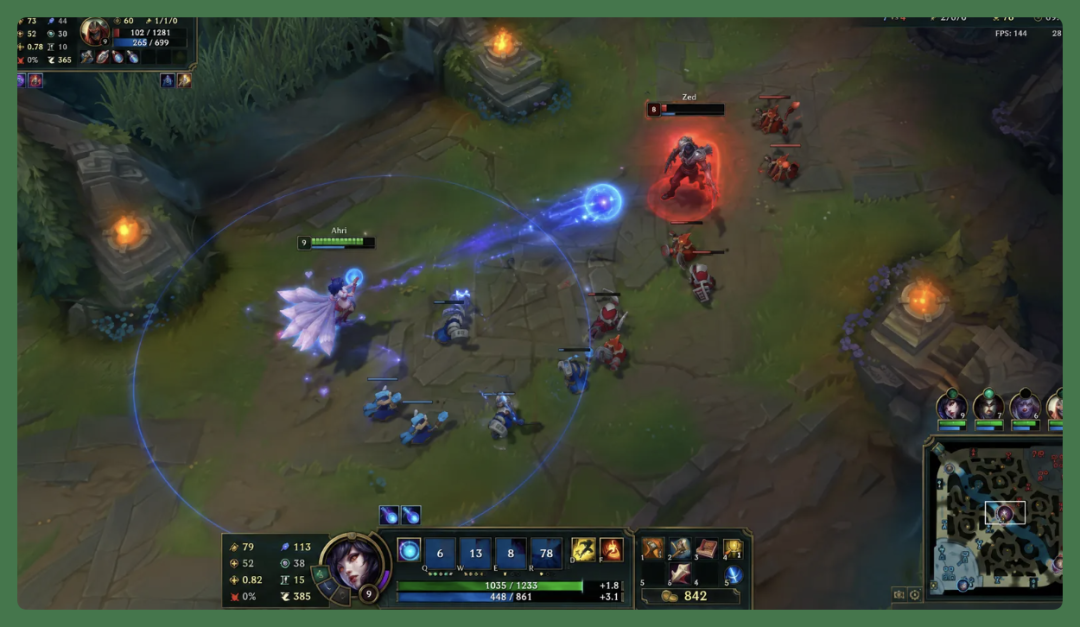
AI-generated
Applied to LLMs, it's somewhat tongue-in-cheek but the meaning is similar:
When one model is surpassed by another on both intelligence and cost, there's no reason to choose it anymore — it's executed on the spot. Over the past six months, this concept of an "execution threshold" has been invoked repeatedly and with increasing frequency. More and more models are standing on that line; more and more are being pushed back below it.
In February this year, Chinese models surpassed US models in call volume share on OpenRouter; meanwhile, overseas leaders like OpenAI, Google, and Anthropic began intensively launching budget product lines, cutting prices in succession.
On September 22, Xiaomi released and open-sourced its new MiMo-V2.6 series. Three models with roughly double the intelligence of the previous generation, at unchanged prices.
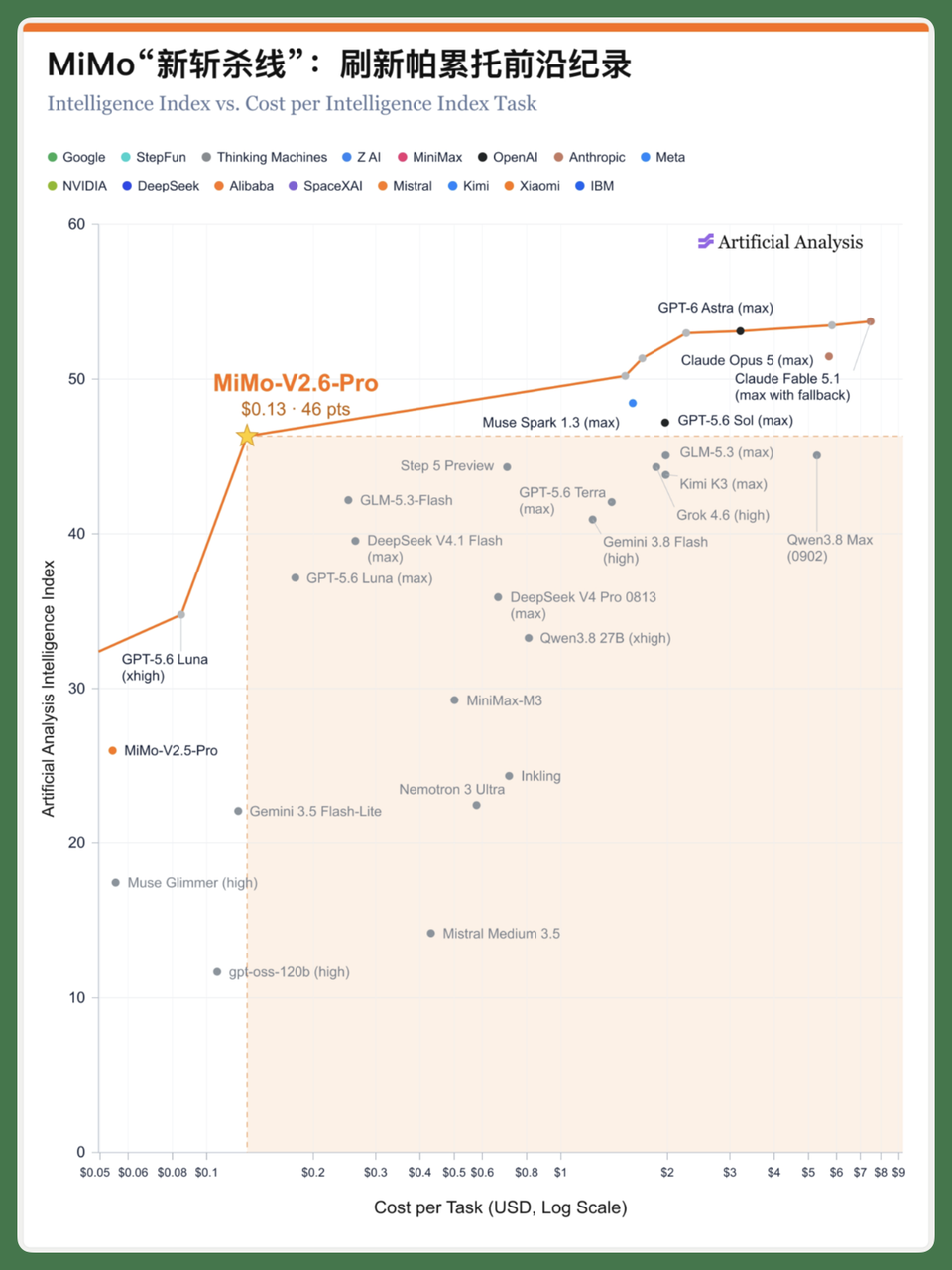
By this measure, the MiMo-V2.6 series is expected to establish a new execution threshold at the intelligence-cost frontier, particularly the V2.6-Pro model. Now, the vast majority of open-source models will sit below this line. Above it, perhaps only five high-end closed-source flagships remain: GPT-6Astra, Fable5, and a handful of others.
Compared to Grok 4.7, released the same day, MiMo-V2.6 matches its 46-point intelligence score while costing just $0.13 per task. Grok 4.7's per-task costs at high and maximum reasoning intensity reach $2.73 and $3.74 respectively — roughly 21x and 29x that of MiMo-V2.6.
In other words, at equivalent intelligence levels, MiMo-V2.6 demonstrates a pronounced cost-efficiency advantage, leaving Grok 4.7 behind on the intelligence-cost dimension from day one.
🚥
Next, we'd like to discuss why efficiency became the focus in the second half of 2026 specifically.
Why did so many vendors pivot to efficiency from June through September?
For the past two years, foundation model competition had essentially one through-line: stronger intelligence, making models smarter.
But by 2026, this evaluation framework began to shift noticeably.
One clear signal: virtually all leading model vendors began pouring significant resources into the intelligence-cost tradeoff.
This can be simplistically read as "the industry got more competitive, so now they're competing on cost too." But more fundamentally, it reflects a phase change in foundation models — one that aligns with real user needs.
Since June, Google, OpenAI, Anthropic, and domestic players GLM, Qwen, and DeepSeek have all been continuously adjusting model tiers and pricing.
Google rapidly iterated its Flash product line; OpenAI split its offerings into Sol, Terra, and Luna tiers, with Luna dedicated to high-frequency, low-cost calls; Anthropic continued driving down costs for Sonnet, Opus, and other models.
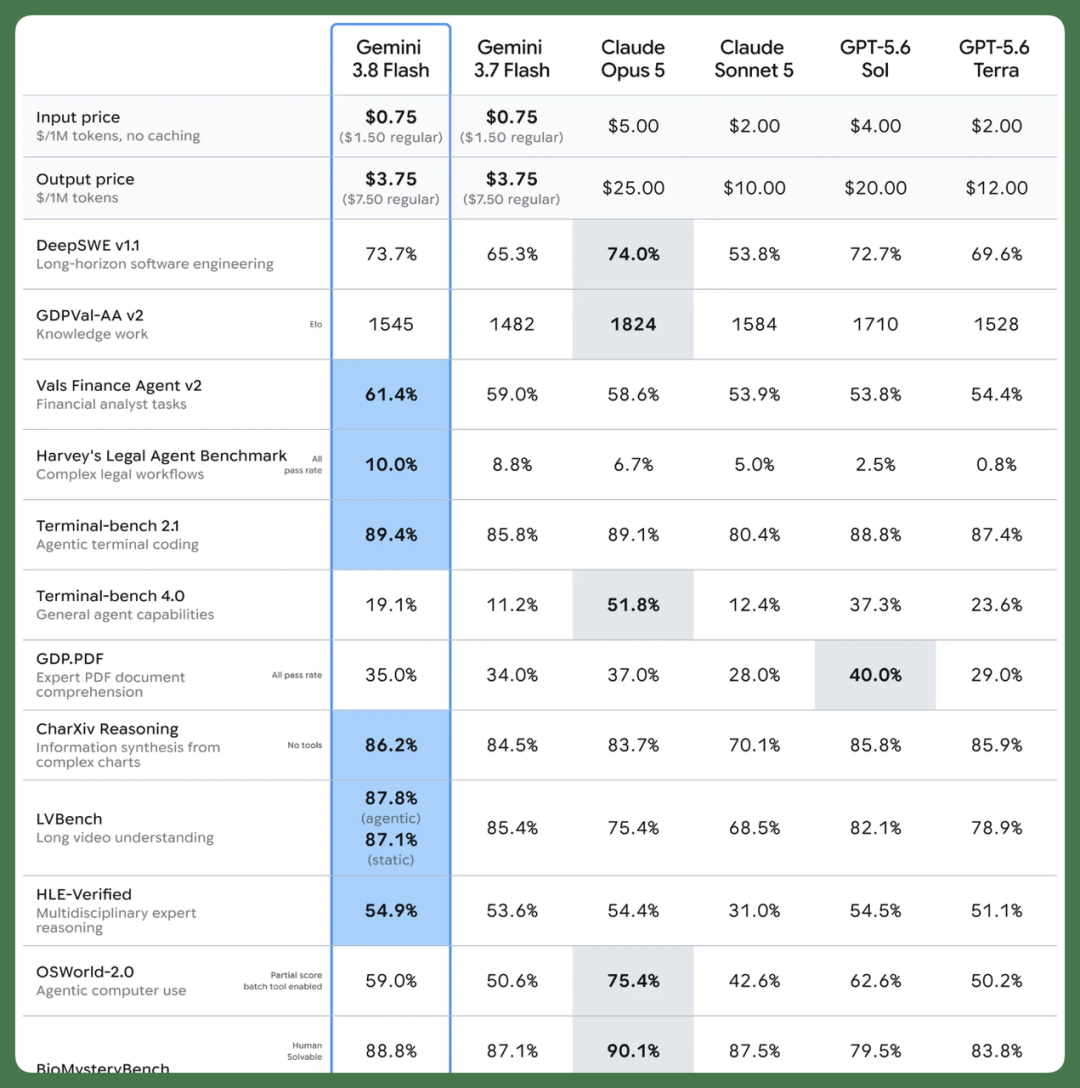
The same dynamic played out domestically: GLM, Qwen, and DeepSeek all began frequently emphasizing "efficiency," "cost," and the "Pareto frontier."
What model vendors care about has shifted to the problems facing actual users:
"For the same intelligence, can I run my workflow at lower cost? Can I write a PRD, finish a project, spend less money? Burn fewer credits?" This reflects deeper AI integration into workflows — a positive development.
Previously, Chatbot usage meant one call, one response. Now in the Agent era, a single task might run for hours, reading files, calling tools, modifying code, executing, checking, retrying repeatedly.
Behind one task could be dozens or even hundreds of model and tool calls.
So as AI truly enters workflows, independent developers and B-side teams have had to start calculating cost consumption:
【1】Can the task actually be completed?
【2】How long does completion take?
【3】What's the total cost?
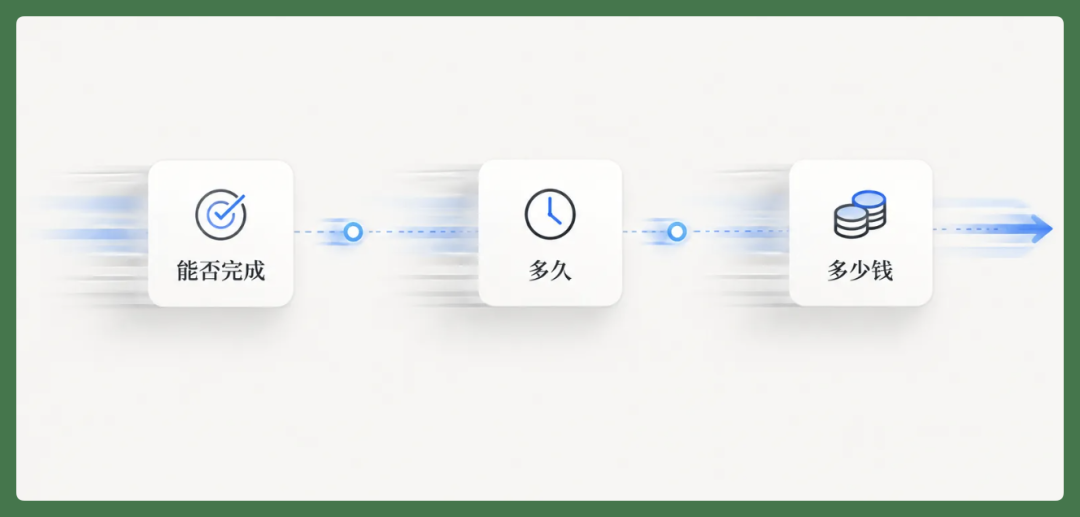
At this point, a few points' lead on a single Artificial Analysis benchmark can no longer fully represent a model's value in real scenarios.
Especially in Agent contexts, a model with slightly weaker single-call capability but faster speed and lower cost can allow the Agent to plan more steps, call more tools, attempt more rounds — and still complete the same task.
Conversely, even a highly capable model, if expensive enough per call, simply can't support large-scale deployment for many high-frequency tasks.
So by 2026, model competition is adding an increasingly important new axis:
Who can push inference cost and execution efficiency lower while maintaining sufficiently high intelligence levels. This is the core reason many are watching the MiMo-V2.6 series closely.

Rather than continuing to debate "which model is the smartest" — a question without definitive answers — it's more productive to consider how to deploy models like MiMo-V2.6-Pro, which scores well on both performance and efficiency, into real development and office tasks.
Especially as models enter Agent, coding, and long-horizon tasks, this capability directly determines whether a model can be used at high frequency.
MiMo's Three-Generation Roadmap and the V2.6 Models
Viewed through this lens, Xiaomi MiMo's work over the past year becomes clearly legible.
From MiMo-V2-Flash at the end of 2025, to V2-Pro in March 2026, to V2.5 in April, to V2.6 released September 20 — four iterations following essentially one core thread: increasing intelligence per unit cost.
Fuli Luo, head of MiMo, delivered three key judgments in her first public speech in December 2025 that stuck with us.
First, agents need an efficient communication language, primarily manifested in code capability and tool-calling ability.
Second, communication bandwidth between agents is too low; model architecture needs to be redesigned around inference efficiency.
Third, the LLM paradigm is shifting from pre-training to post-training. The reinforcement learning phase requires more compute and depends heavily on a stable, scalable post-training paradigm.
Three judgments that can be summarized in one word: efficiency.
The MiMo-V2-Flash she presented at the time had 309B total parameters but only about 15B active parameters. By parameter scale, she said, she was reluctant to even call it a large model.
Yet on public benchmarks for code and Agent tasks, it had entered the first tier of global open-source models, on par with DeepSeek-V3.2 and Moonshot AI's Kimi-K2-Thinking.
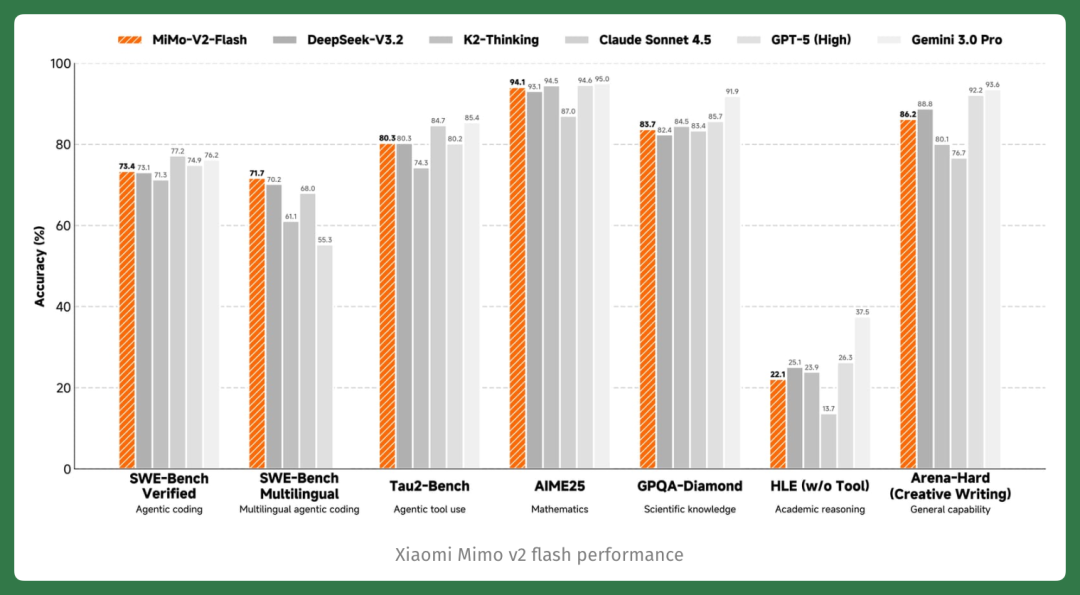
And these competing models typically had 2–3x its total parameters.
On inference cost, V2-Flash was slightly cheaper than DeepSeek-V3.2 and roughly 3x faster. Compared to Gemini 2.5 Pro, speed was comparable while cost was about one-twentieth.
Behind these numbers lay several key technical paths: Hybrid Attention, MTP multi-token prediction, MOPD multi-teacher online policy distillation, and others.
This methodology was designed around one goal: making the model callable at high frequency, runnable for extended periods, at bearable cost.
After V2-Flash, this path continued.
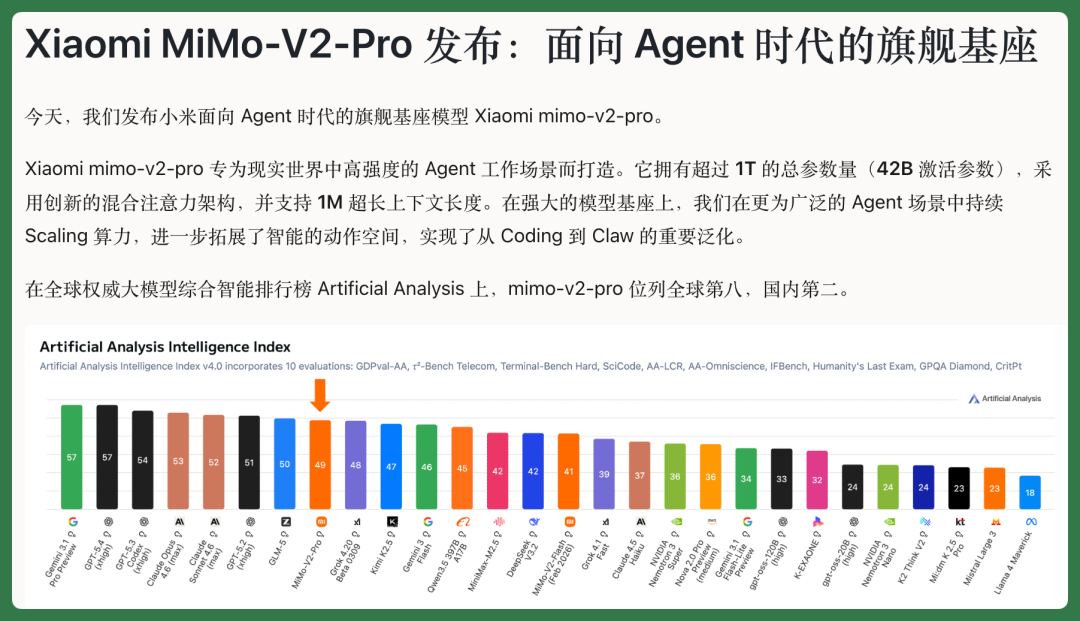
In March 2026, V2-Pro launched with over 1 trillion total parameters, 42B active parameters, Hybrid Attention mix ratio raised from 5:1 to 7:1, and context window expanded to 1 million tokens. Before release, it appeared anonymously on OpenRouter as "Hunter Alpha," surpassing 1 trillion tokens in test-period usage and topping the call volume leaderboard.
In April, V2.5 launched with full MIT open-source licensing. V2.5 maintained Pro-level Agent performance while cutting inference cost by roughly half. In the three months post-release, OpenRouter call volume continued growing, reaching #1 on global weekly and monthly call volume leaderboards in July.
OpenRouter hosts roughly 400+ models from vendors worldwide. Topping the call volume leaderboard means global developers, given choices, voted with their actual calls for MiMo. And since June, this leaderboard has excluded free model distortions — it's a paid model ranking.
Now comes V2.6.
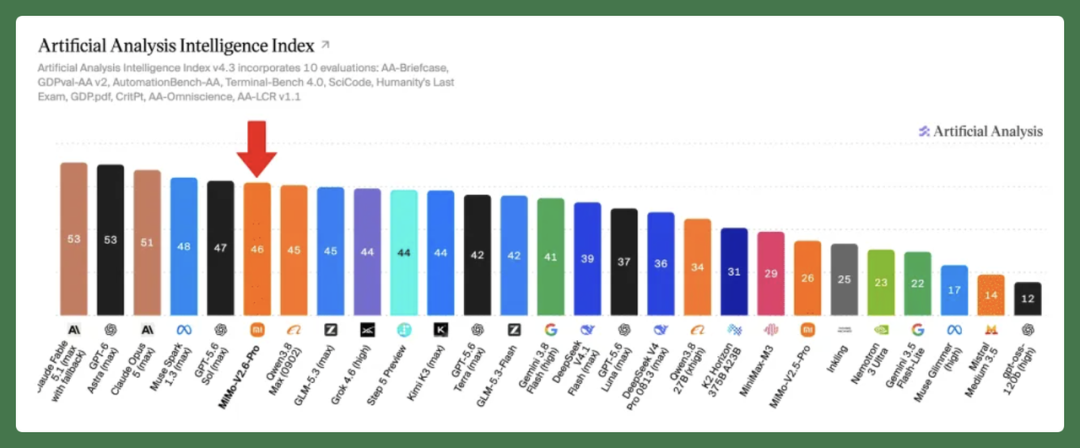
This generation's product portfolio is three models for three distinct use cases. Here's our breakdown:
【1】Flash: High-intelligence, low-cost efficiency model for high-frequency Agent and coding call scenarios.
【2】Pro: High-performance workhorse for complex tasks — complex coding, long-horizon Agent, multimodal understanding, and professional work.
【3】Ultraspeed: Ultra-fast inference model with peak output speed up to 1000 TPS, for real-time interaction and latency-sensitive production scenarios.
Overall, intelligence levels are roughly double the previous generation, while prices remain unchanged from V2.5 series for the first two weeks, with possible adjustments thereafter. Models support full multimodal input across text, image, video, and audio, with enhanced capabilities in coding, Agent, design, research, and cybersecurity.
To take one intuitive example, in practical use the MiMo-V2.6 series shows strong results in 3D open-world games, Blender 3D modeling, and other "Vibe Coding — even Vibe Wording" applications:

Multimodal capability is one of the more closely watched aspects of this MiMo-V2.6 release. The model can now directly reference specific websites and screen recordings to replicate creative studio homepages and core interactions:

These cases also indirectly reflect MiMo-V2.6's aesthetic capabilities in design — front-end web pages, Figma, PPT, SVG, video, music, and more.
On the design benchmark Design Arena, MiMo-V2.6-Pro has reached levels comparable to Claude Opus5 and GPT-5.6-Sol.
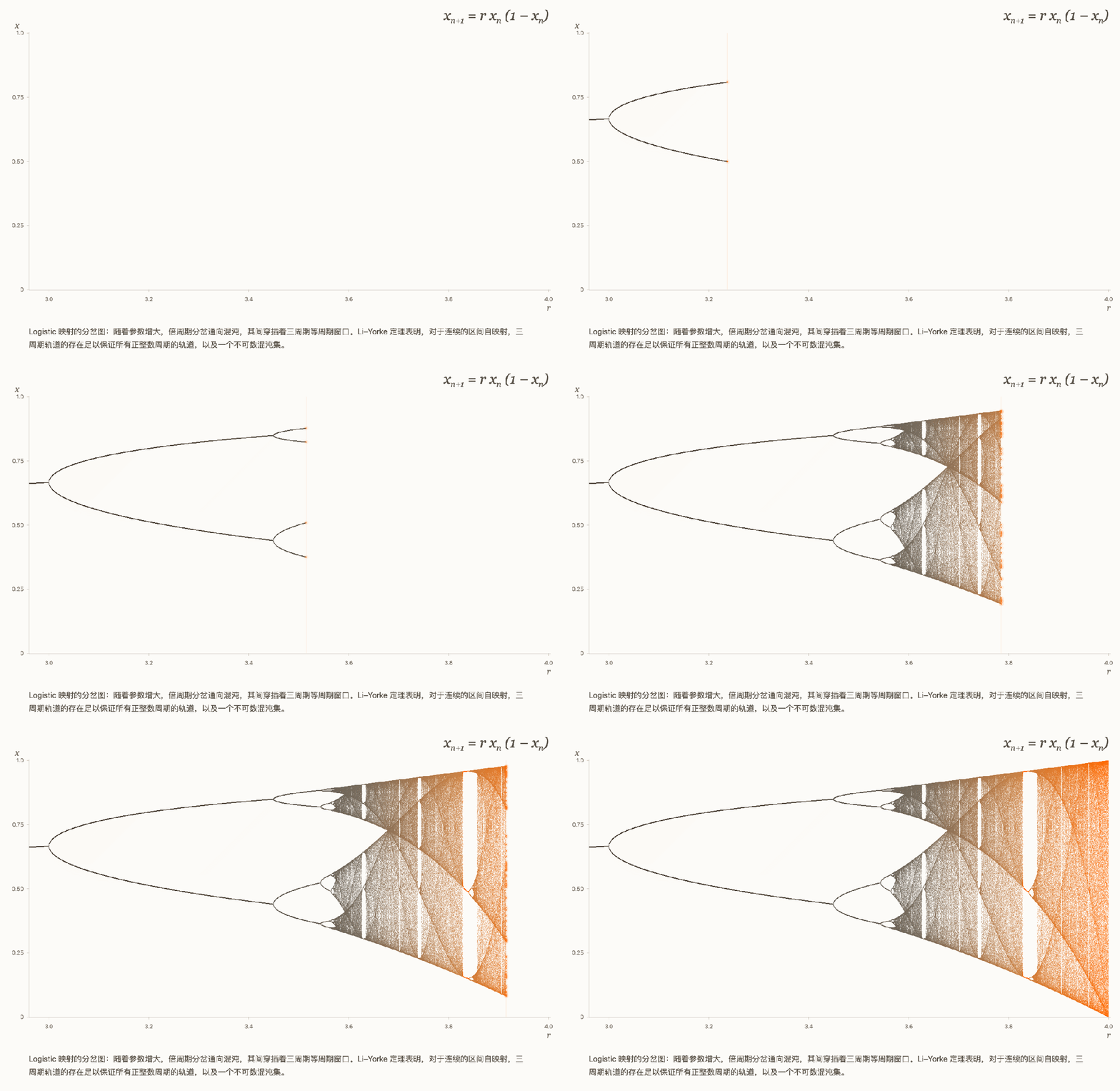
On the research front, the MiMo team released one case study: MiMo-V2.6-Pro assisted researchers in achieving complete formalization in Lean 4 of the original main theorem from Li–Yorke's classic paper "Period Three Implies Chaos."
On pricing, MiMo-V2.6 series costs have arguably reached a new level:
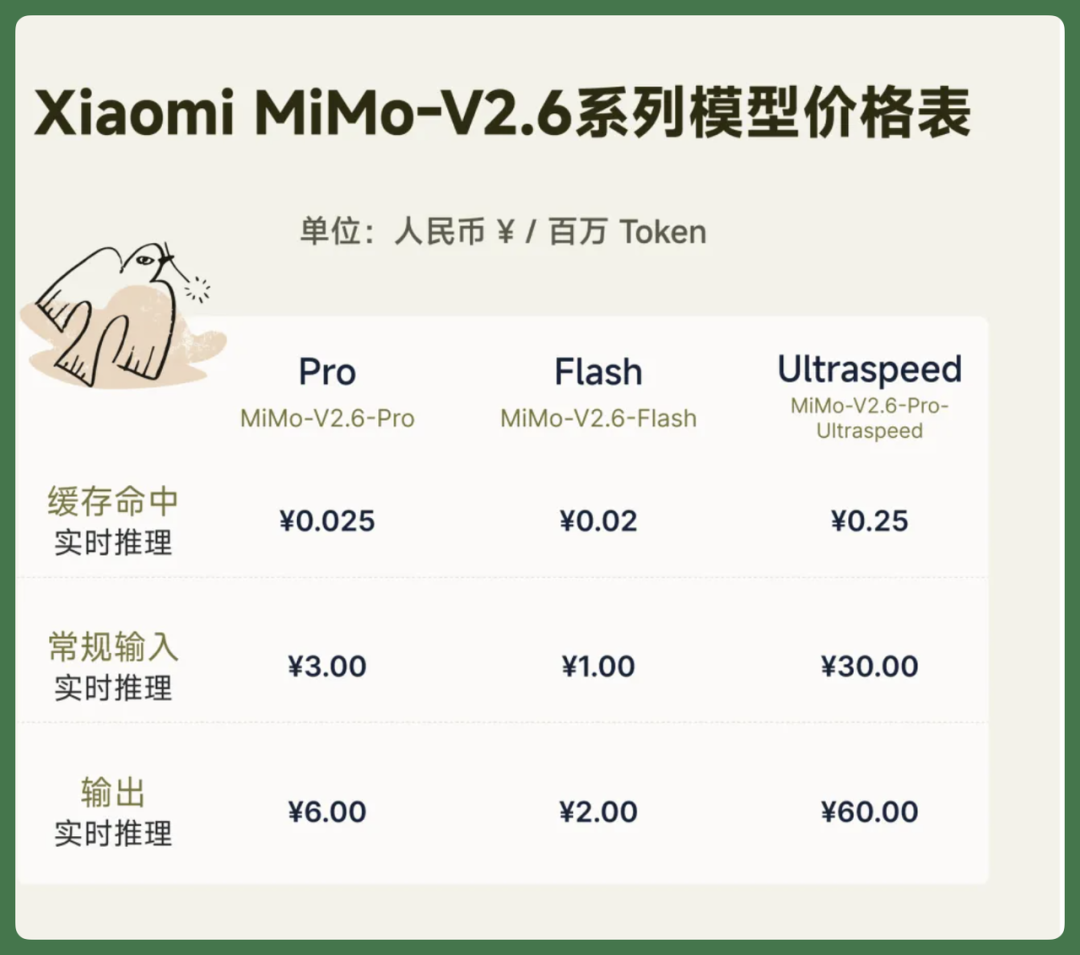
Plotting these data points, intelligence levels, and costs on an intelligence-cost coordinate system, V2.6 is expected to push the frontier outward again.
This means models in the original cost bracket face a choice: either improve capability or adjust price.
On September 17, Fuli Luo live-streamed V2.6's training process on X. Pro and Flash versions trained simultaneously, with cumulative training costs exceeding $3.47 million, consuming over 200,000 RMB per hour.
Three dimensions expanded in parallel: compute resources (~2 billion tokens per step), environment and testing framework (multi-task Agent reinforcement learning), and evaluation compute.
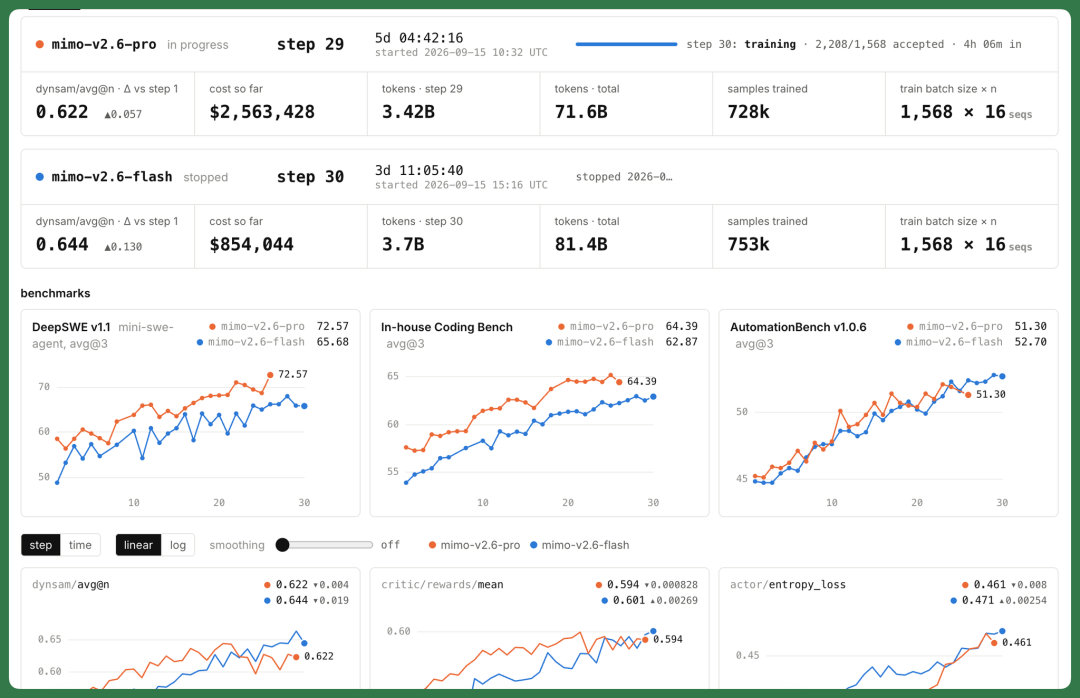
She noted in the stream that the most critical direction for AGI progress in the coming year is "self-evolution" — continuous iterative optimization of models under verifiable constraints.
From V2 to V2.6, each MiMo generation has essentially achieved higher intelligence with fewer active parameters and lower inference cost.
This efficiency gain comes from sustained model architecture and engineering optimization.
What position will efficiency-focused companies occupy?
Returning to our opening question. Efficiency matters especially today because foundation model vendors have entered the "scaled delivery" phase.
In this relatively mature phase, the marginal returns from largest funding rounds, highest attention, and strongest talent attraction begin to diminish.
In the "scaled delivery" phase, models need to be actually called by large numbers of developers, need to run long-term in real products and workflows.
Especially in Agent scenarios, high-frequency, long-duration token consumption is the norm.
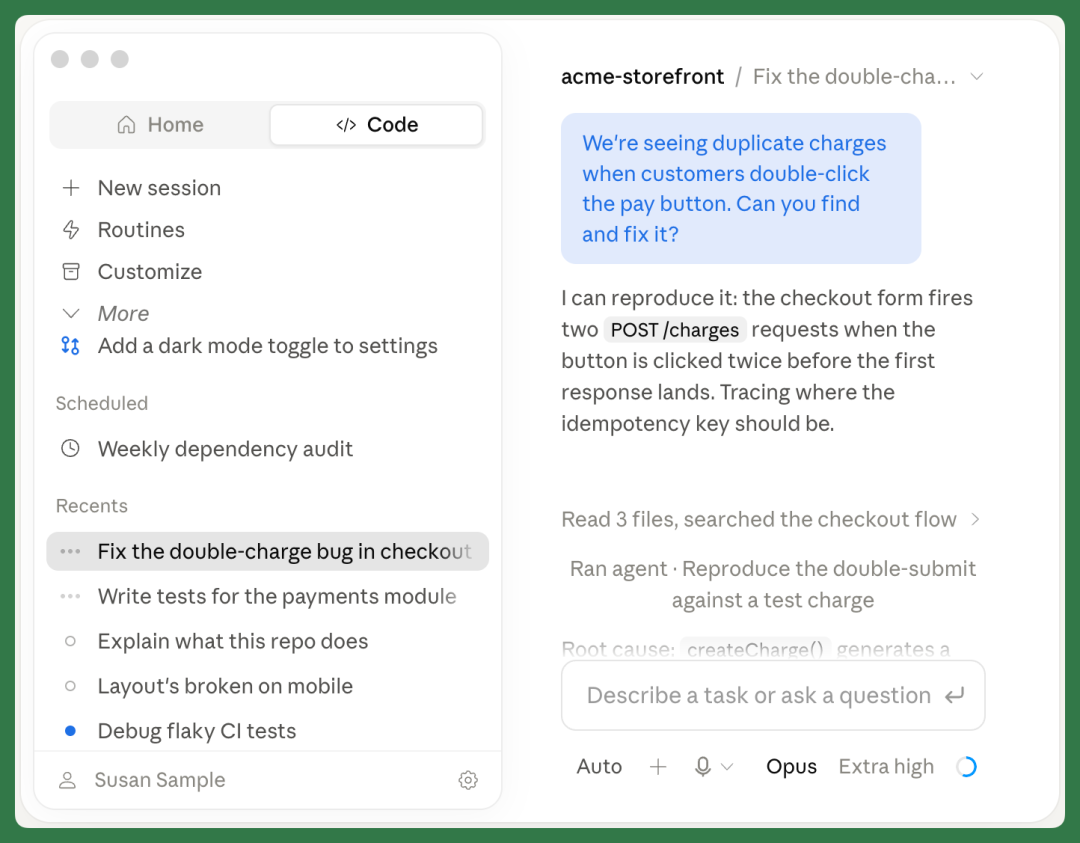
At this stage, efficiency determines whether a model qualifies as the "default choice."
From a market structure perspective, stratification has already begun.
First, unquestionably, the strongest flagship models will continue to exist and persist. They handle the most complex tasks, serving customers willing to pay substantial premiums for top-tier capability.
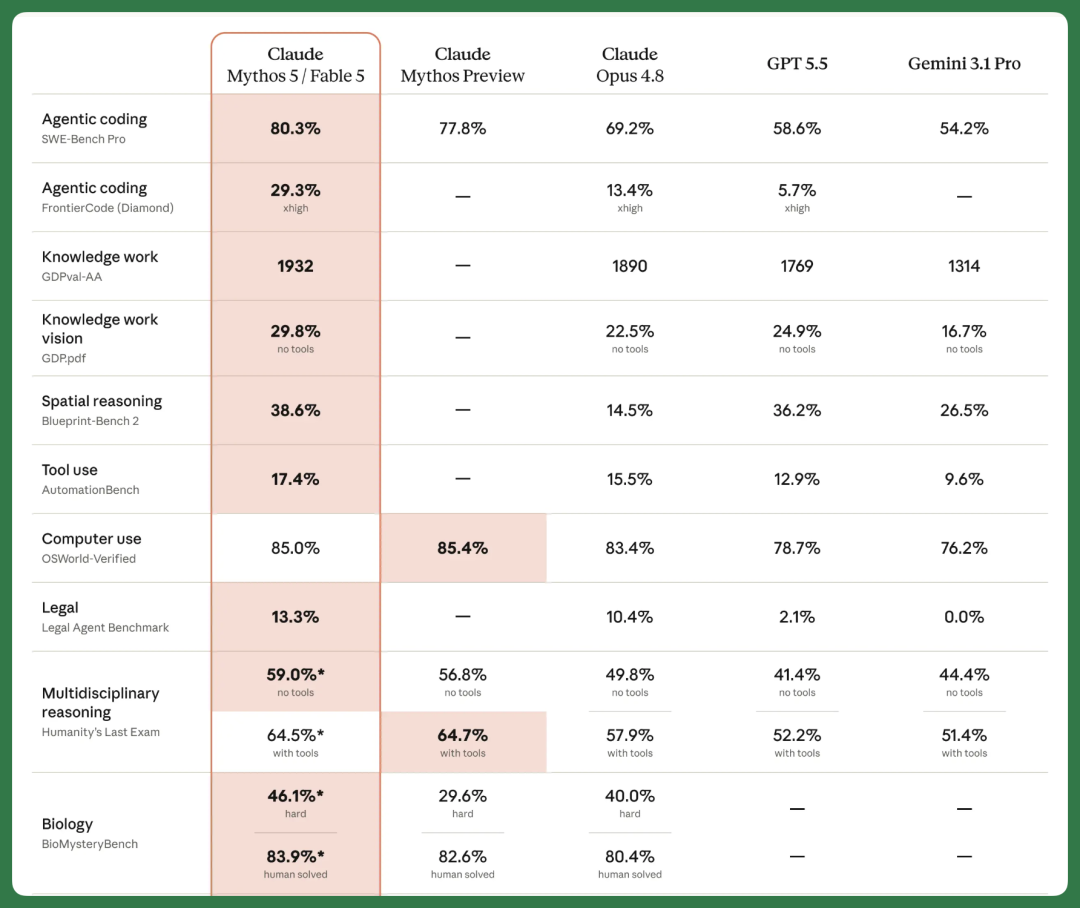
For example, Anthropic's Fable 5 is priced at $50 per million output tokens — double Opus 5's rate — yet usage hasn't declined. Because on the hardest, most complex tasks, its capability is genuinely irreplaceable. For something irreplaceable, the premium amount doesn't significantly affect customer preference.
Second, extremely cheap small models will also persist. Classification, extraction, routing — these simple tasks are handled quickly and cheaply enough by small models.
Finally, what's truly being compressed is the middle ground between these two tiers. Models somewhat stronger than Flash but dozens of times more expensive face increasingly difficult circumstances.
Simply put, their capability advantage isn't large enough, while their price disadvantage is substantial. In the past developers didn't much mind costs; now in the Agent era, facing such high token consumption volumes, independent developers, small teams, and companies purchasing Coding Plans for employees all have to "count their pennies."
This suggests the future LLM market may see competition concentrate at two ends: the cutting-edge capability frontier and the maximum efficiency frontier.
For efficiency-end competitors, the key metric is position on the "Pareto frontier." A model on the frontier means no one is more intelligent at the same cost, or cheaper at the same intelligence.
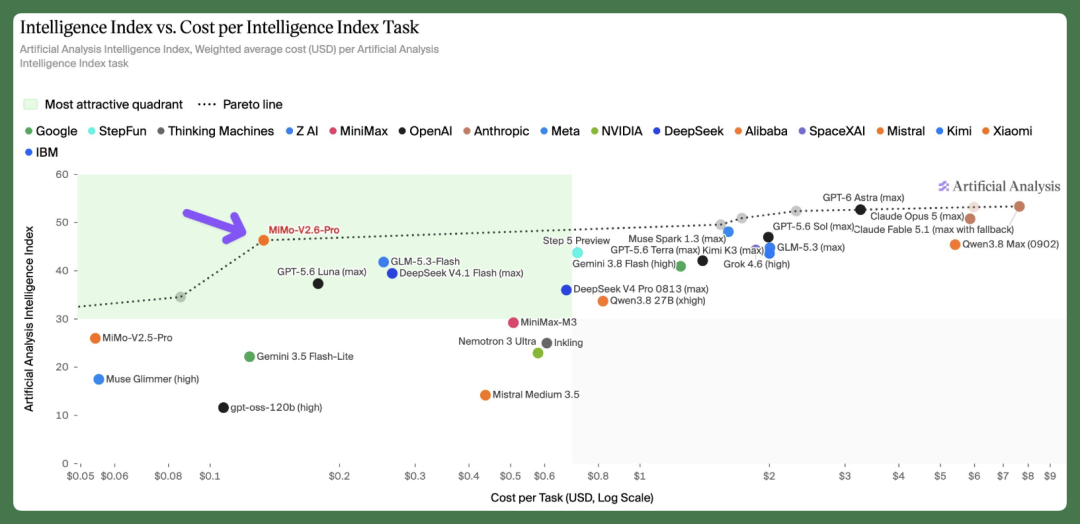
Once this position and mindshare are established, developers' default choice will point to it.
MiMo's year-long trajectory can be understood through this framework.
At V2, MiMo used far smaller active parameters than peer models to reach comparable intelligence levels, finding its position on the intelligence-cost coordinate system. V2.5 maintained and advanced this position, with its OpenRouter call volume leadership proving developers' actual choice.
V2.6 is expected to push this line outward again.
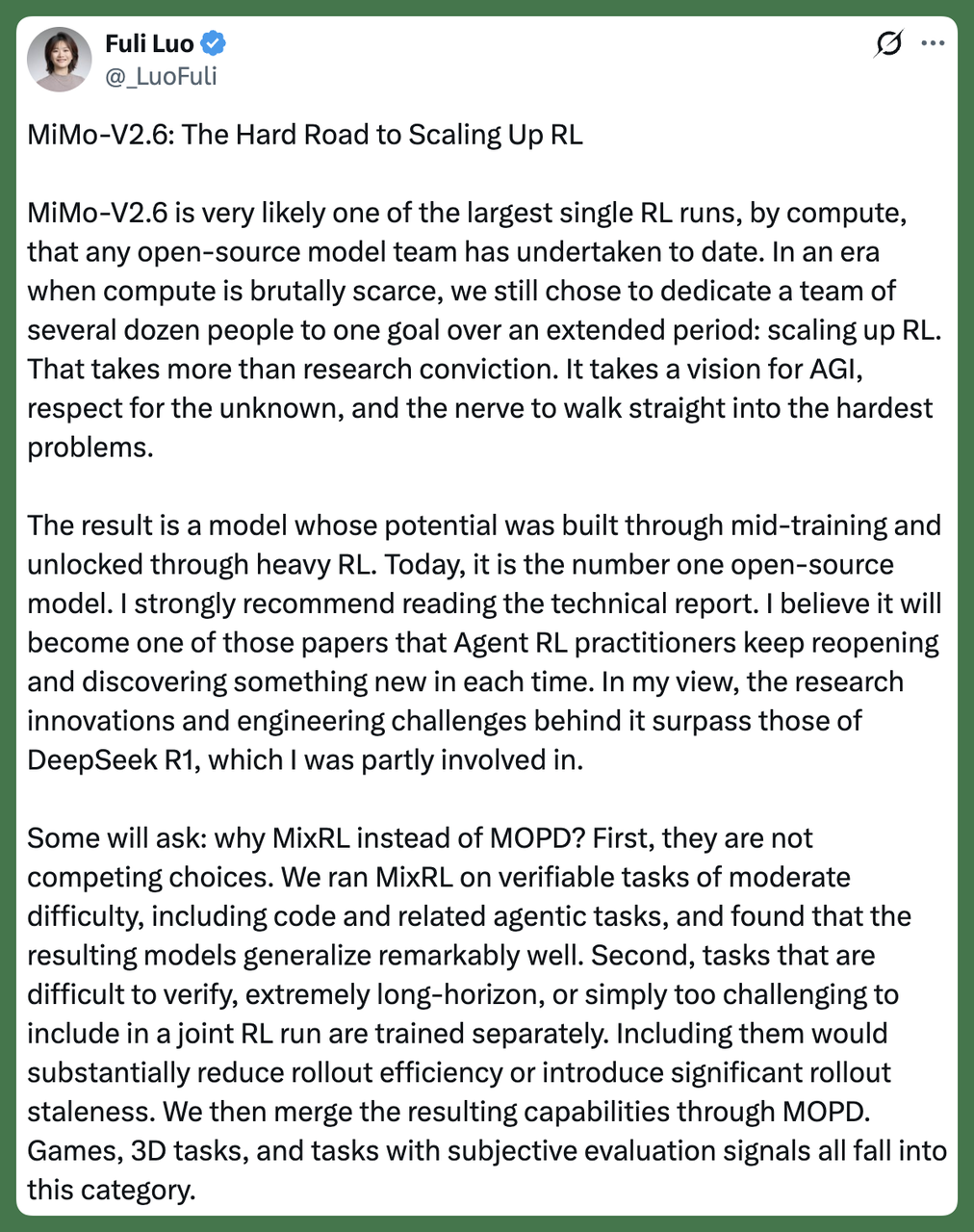
Fuli Luo posted on X with high expectations for the MiMo series; one line we found especially worth noting: In an era when intelligence is increasingly easy to replicate, we still choose the harder path: continuous self-improvement, and ultimately AGI.
The most notable aspect of this path is sustainability.
Across three generations, each efficiency gain has come from model architecture and engineering system improvements. At this pace, future model iterations still have room to push the frontier line lower.
So the notion that Chinese vendors "only know how to compete on price" is actually a false proposition; the real answer lies in "efficiency."
For developers, the implication is straightforward: lower task costs mean Agent applications and long-horizon tasks that were previously merely "technically feasible" are now becoming "commercially viable."
More tasks can be launched; more trial-and-error iterations can be afforded.
As AI large models have evolved, while more and more things remain uncertain — whether frontier models will "jailbreak," whether humanity faces safety risks, which vendor can consistently produce the best models, how powerful Mythos really is — one thing grows increasingly certain:
The key variable affecting AI's scaled application and commercialization is technical efficiency. When a model orders of magnitude cheaper can already handle most tasks, expensive SOTA models must in turn prove themselves "worth it."