Y Combinator S25 Full Roundup: 108 AI Startup Companies, Who Will Be the Next Dark Horse?

2025 is shaping up to be the year of AI Agents.
2025 is shaping up to be the year of the AI Agent.

👦🏻 Author: Cora
🥷 Editor: Bella
🧑🎨 Designer: NCon

In 2025, the AI narrative is no longer driven by "model breakthroughs." It has entered the "application battleground."
Silicon Valley's famed incubator Y Combinator put it plainly on its website — "2025 is shaping up to be the year of the AI Agent."
The logic behind this call is straightforward: AI is no longer just a back-end algorithm. It's moving to the front lines as "employees" and "assistants," taking over specific business workflows.
YC's Summer 2025 batch has finished recruiting, and its demo day is fast approaching.
Crossing has long kept a close eye on Y Combinator. Around this time last year, we joined Minghao Zhuang for a five-hour "podcast marathon," which we later turned into a written summary: After Listening to This Podcast, You'll Know How to Talk AI with Anyone | A Breakdown of Y Combinator's 260 AI Investments Over the Past Year
Recently, Crossing dissected this season's 108 startups and found shifts not just in investment direction, but also in founder profiles, commercialization timelines, and competitive logic. These signals are worth noting for anyone tracking AI entrepreneurship.
First, a revolution in how companies present themselves.
YC redesigned its startup directory, adding ten sector tags so investors can filter targets quickly.
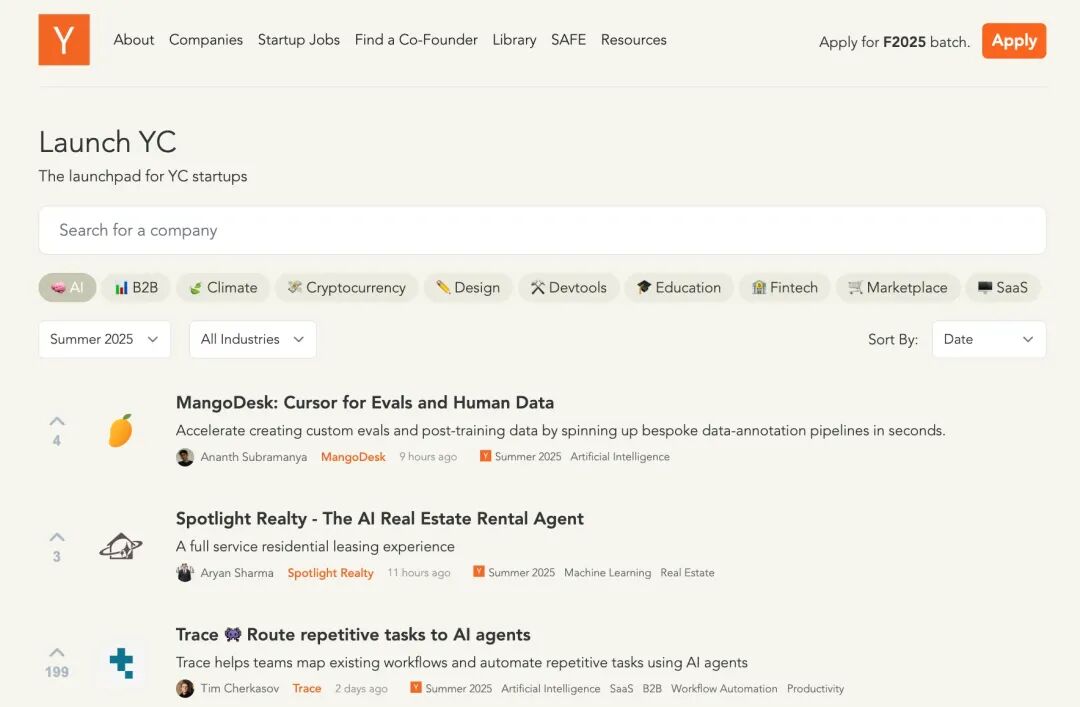
Each company now gets its own profile page. Gone are the days of occasional "super-stealth" listings with zero information. The vast majority provide detailed case studies, resource needs, and networking goals — actively putting themselves "on the shelf" to get noticed.

"Some of these represent trends already taking off today, while others point to directions we predict will define the future," YC noted on its site, flagging full-stack AI companies, AI voice, AI for Science, AI personal assistants, healthcare AI, AI education, and AI security as key themes for YC S25.
Crossing also noticed shifts in YC's investment direction compared to previous years. One clear pattern: YC is making heavy bets on "parallel copies of star products."
In this batch, for instance, Poad aims to build Superhuman for iMessage; Lotas wants to be Cursor for RStudio; Knowlify is targeting education with an ElevenLabs-style product; Solva is building Harvey for insurance; Closera is doing Harvey for commercial real estate.
The underlying thesis is that a product format validated by the market can be rapidly replicated across verticals. Whether these originals have actually found viable monetization paths, or whether their models can migrate one-to-one, remains an open question.
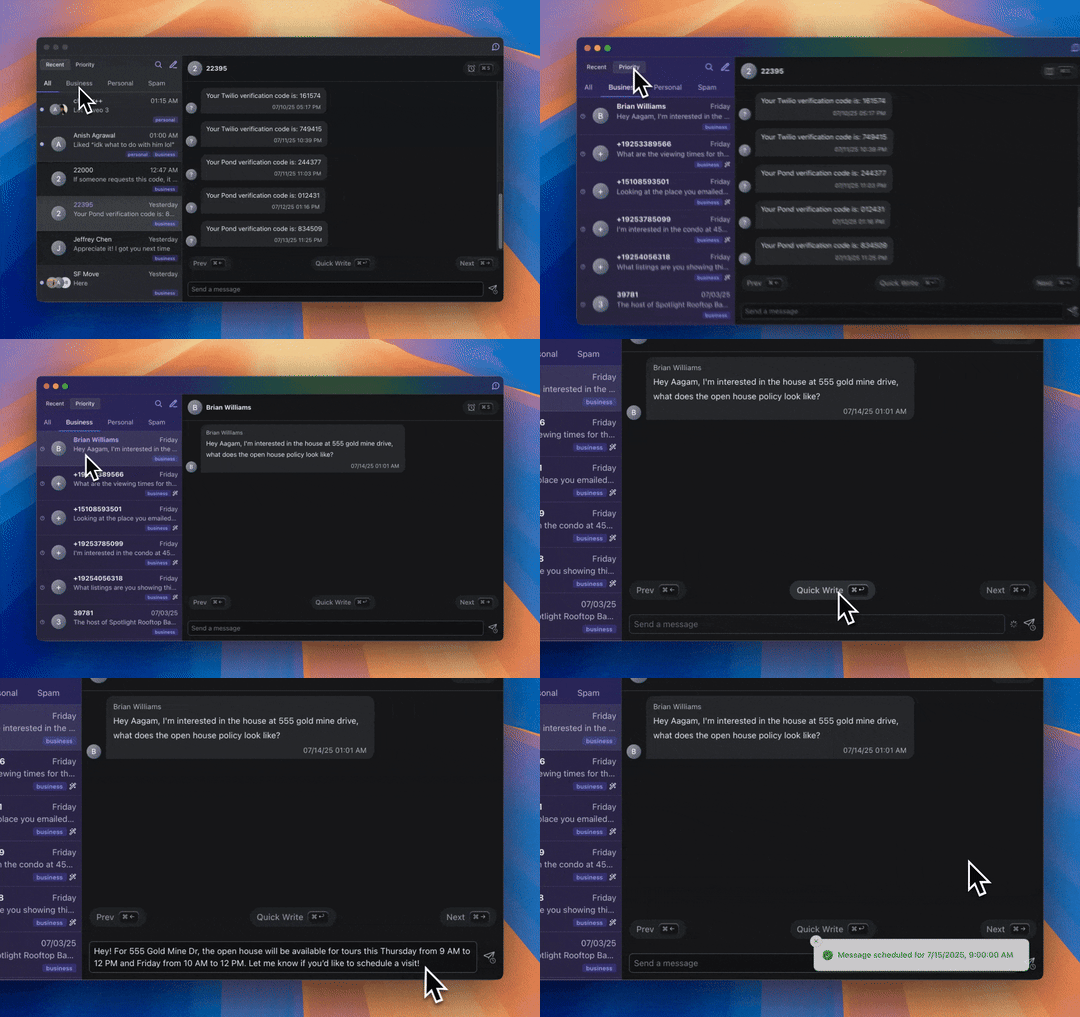
Poad aims to build Superhuman for iMessage
At the same time, we're seeing different flavors of AI employees competing for jobs. Not only are AI worker roles becoming more specialized, but some AI employees are now starting to report to "AI managers." By our count, YC S25 features at least ten-plus management platforms for AI agents and AI workers, alongside some focused more on enterprise security.
Meanwhile, YC's attention to climate tech, consumer, hardware, and crypto has dropped noticeably — as of August 13, hardware companies numbered just two, crypto one, and climate tech zero.
Looking at founder backgrounds, we're seeing more young entrepreneurs who dropped out of college. Some bring years of lab experience, deeply rooted in a niche direction; others are serial founders with multiple exits under their belts at a young age, or have hit products under their belt.
Correspondingly, we're seeing fewer grassroots founders. Most now have backgrounds at top universities, major tech companies, or deep industry experience.
YC CEO Garry Tan has said that perhaps 5% to 10% of these startups could grow into unicorns valued above $1 billion. And over the past five years, 60% of unicorn founders who were serial entrepreneurs had gone through YC.
This time around, which AI upstarts will we see rise? We've selected four to five representative companies from each category:
For the full list of 108 projects, follow Crossing and reply with the code YCS25.
I. AI: Vertical AI Surges, Hit Products Scale
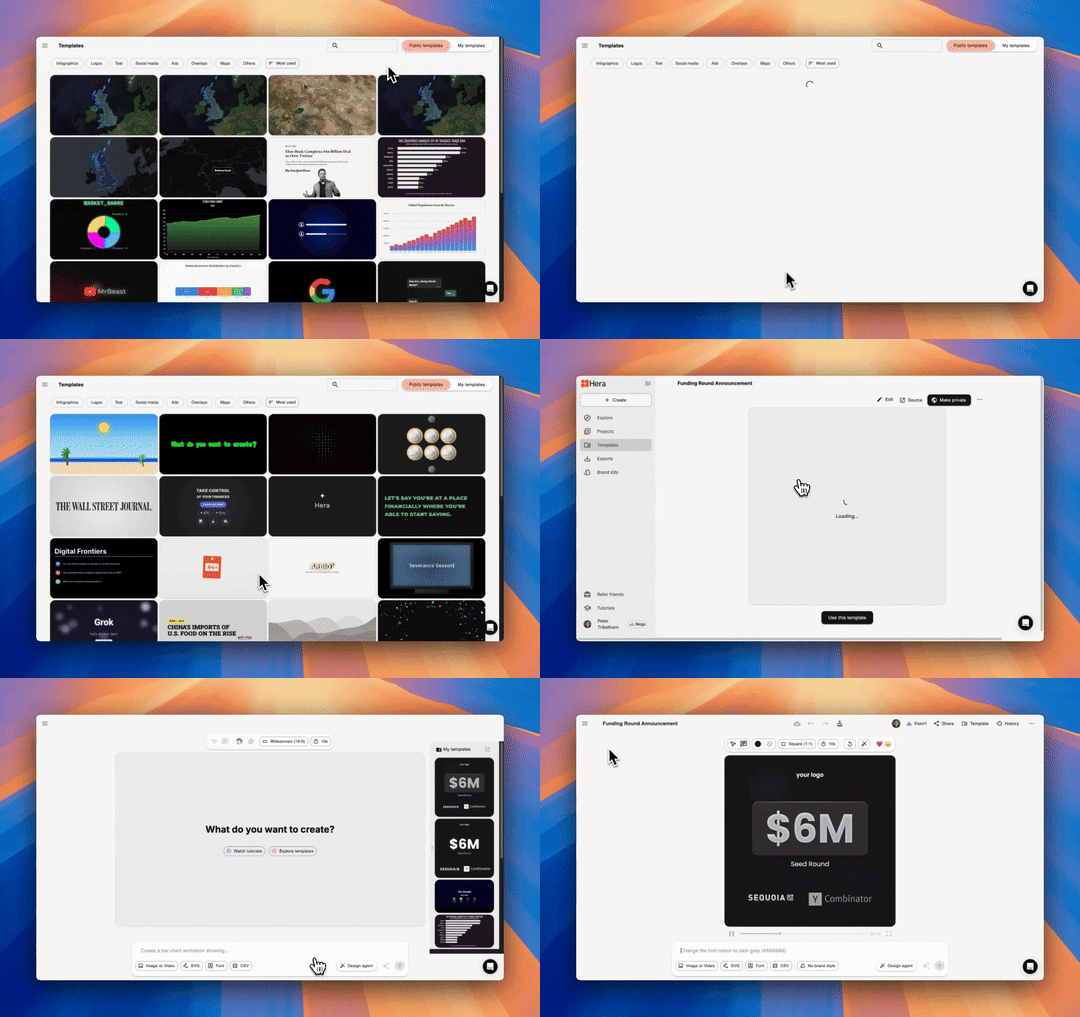
Hera uses AI to dramatically speed up and cut the cost of motion design. So far it has helped users create over 50,000 animations. Hera has attracted 3,000 users, with more than 100,000 on the waitlist.
Meteor is an agentic browser that can perform tasks like manually setting calendar invites and comparing product prices for you.

Certus AI is an AI voice assistant for restaurants. Certus handles all incoming calls, takes orders, and manages delivery and reservations.

Motives is a team of AI agents that conducts qualitative research for consumer brands. Running a focus group typically costs over $20,000 and takes one to two months to recruit participants, conduct interviews, and analyze results — Motives AI completes the entire process in one to two days.

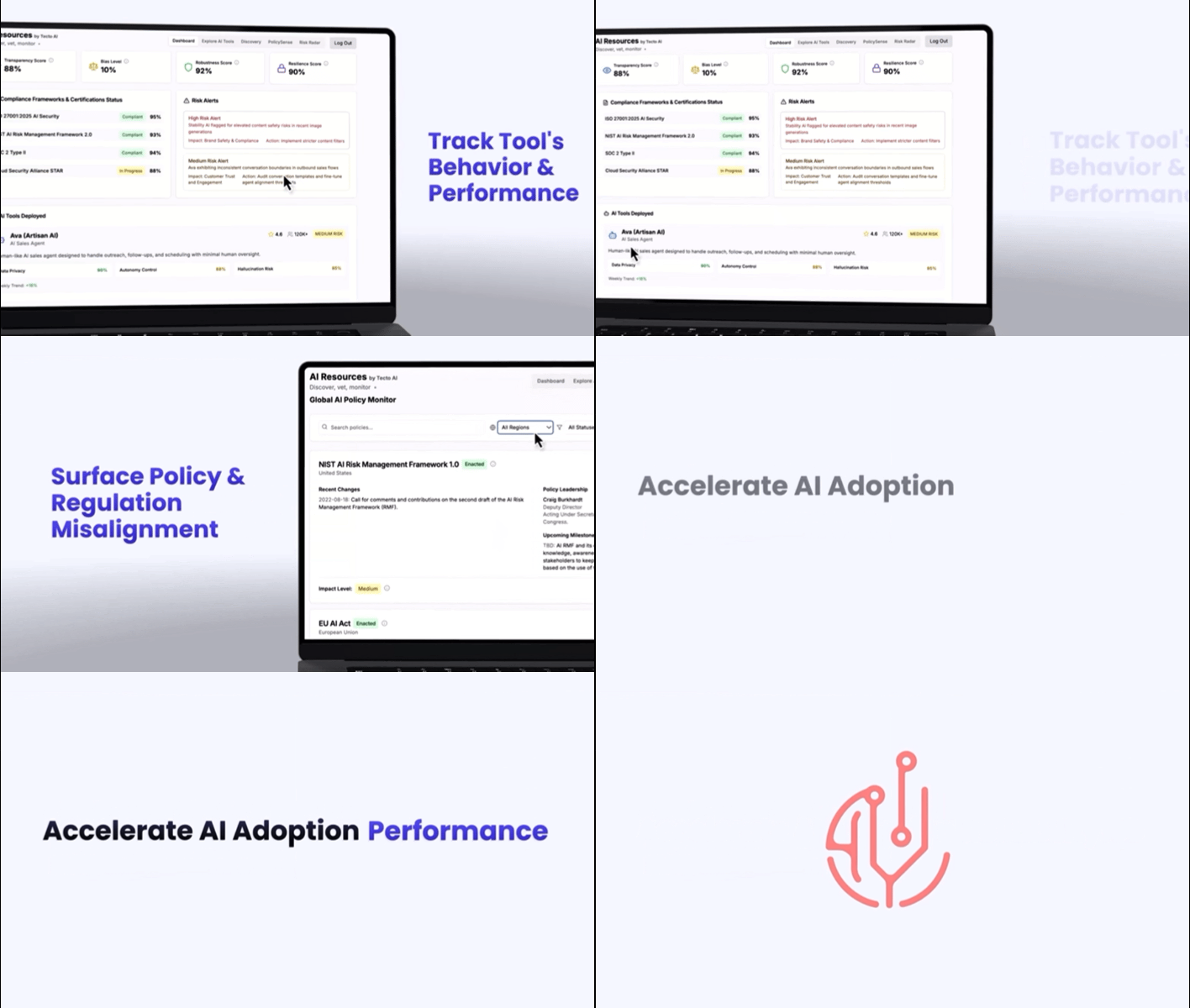
Tecto is building an HR system for managing your AI "employees," helping companies identify roles that can be filled by agentic AI tools, onboard them quickly, monitor their performance and behavior, and ensure they stay compliant with relevant policies.
II. Healthcare: Accelerating Drug Development, Emphasizing Sound AI Regulation
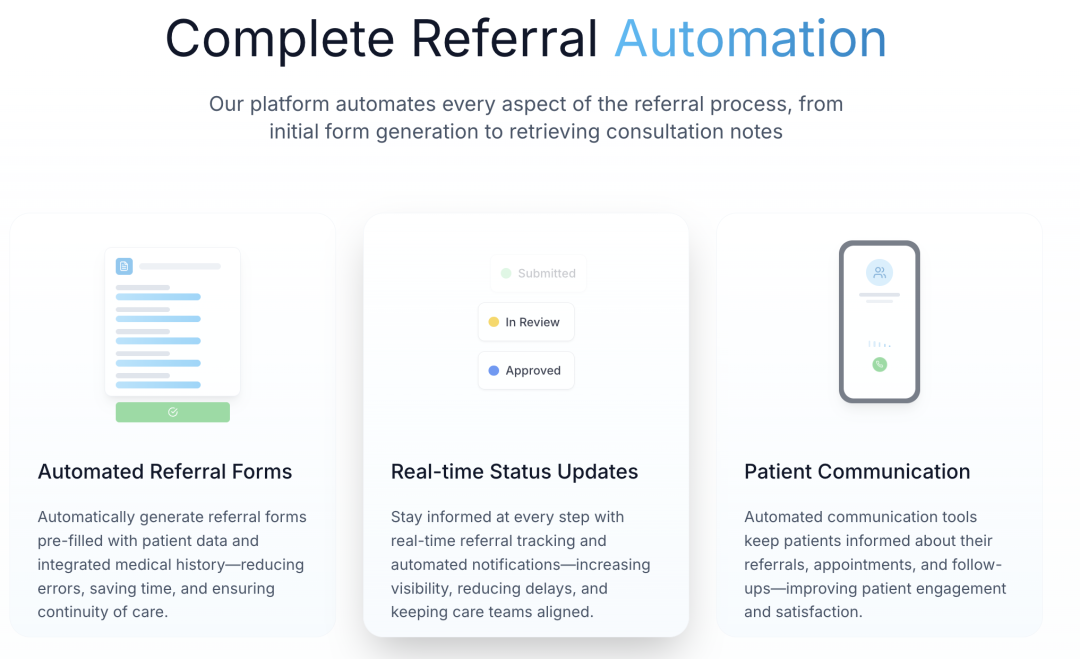
Locata builds AI automation to speed up medical center referral workflows, including authorization, patient communication, and specialist follow-ups. It covers the full referral chain end-to-end and has already partnered with community hospitals.
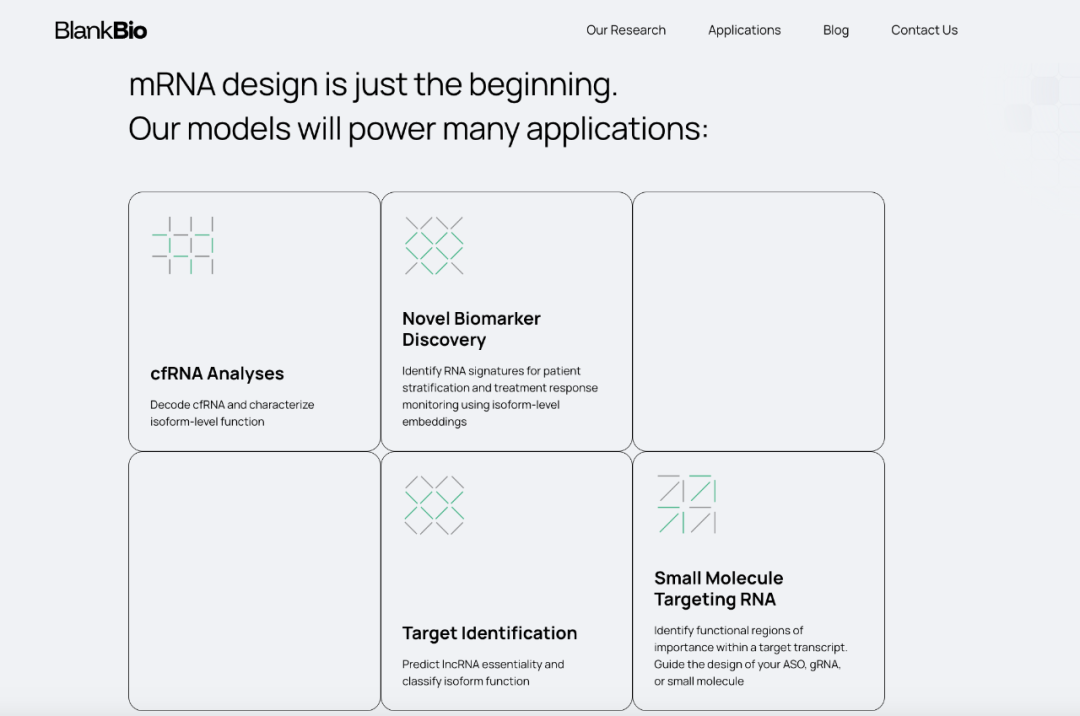
Blank Bio has built RNA foundation models to predict and design high-performance sequences, letting pharmaceutical companies simulate expensive experiments and accelerate their timelines. Blank Bio is collaborating with Arc Institute to power next-generation virtual cell models.
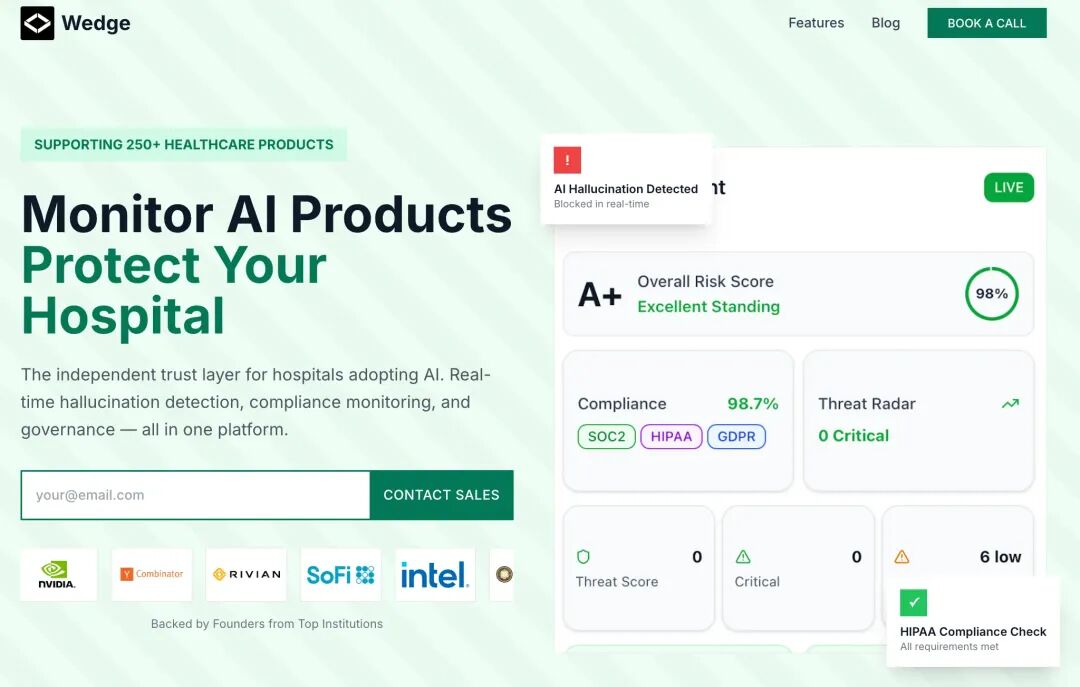
Wedge aims to build a trust layer for hospital AI products, using compliance agents to help hospitals and other healthcare organizations safely evaluate, implement, and monitor every AI solution they touch.
b–12 wants to build a chemistry copilot for pharma, integrating a full suite of agents to design experiments and write code for the robots that run them, providing the tools and context needed to predict chemically meaningful outcomes and close the experimental loop.

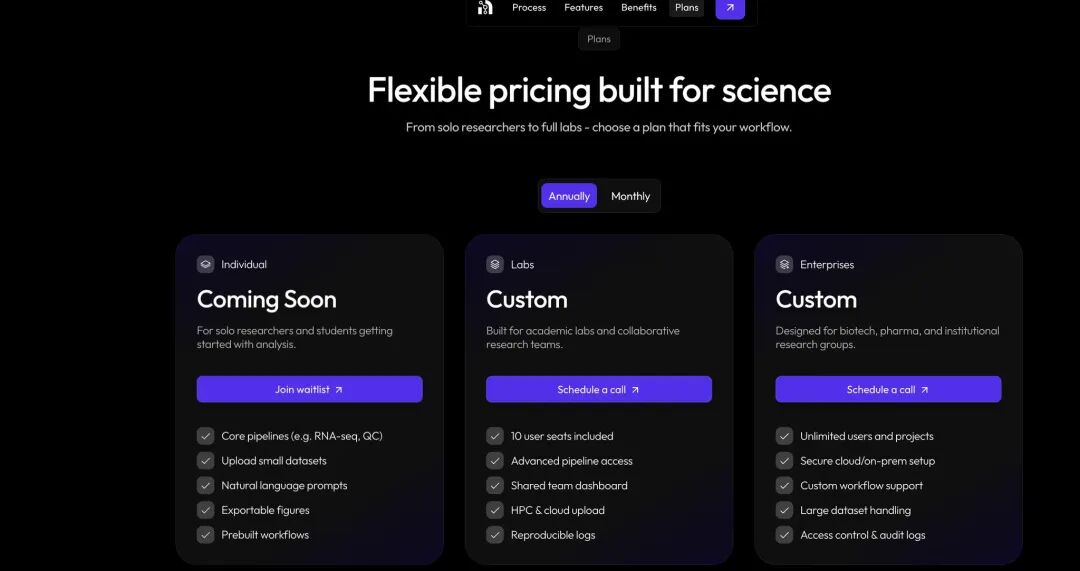
Novaflow builds an AI data analyst for biology labs. With Novaflow, life scientists can upload experimental data, ask questions in plain English, and instantly get publication-ready charts — getting results in minutes.
III. Hardware/Robotics: Chinese-American Robotic Arm Team a Highlight, Rising Drone Security Focus
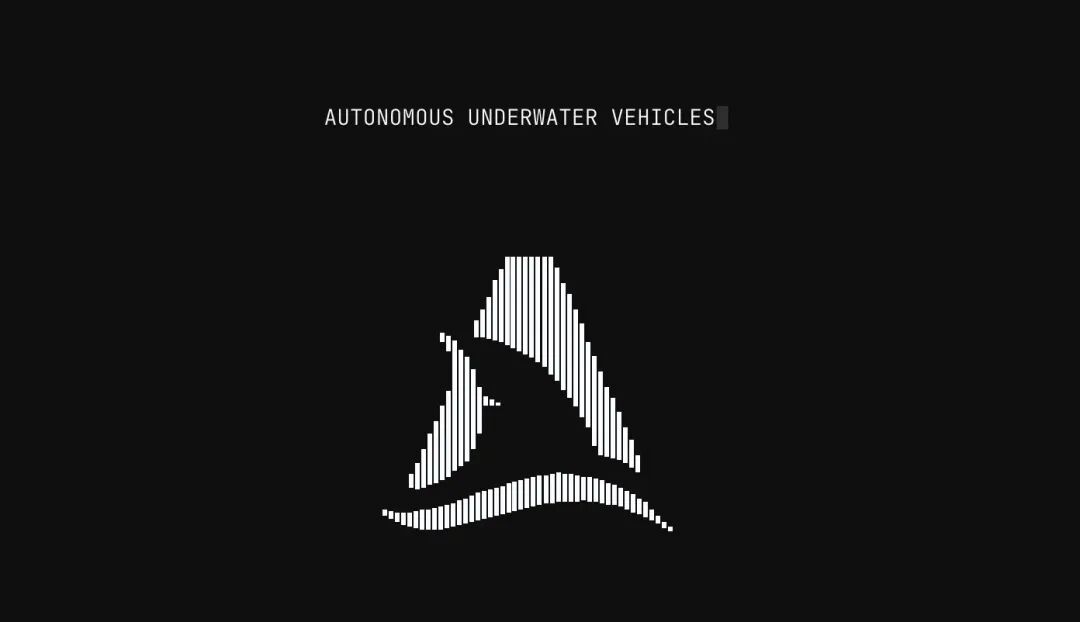
Albacore is developing next-generation unmanned underwater vehicles (UUVs) to prevent maritime incursions. Its first product is Ghostfin: a six-foot autonomous underwater vehicle capable of patrolling over 1,000 nautical miles undetected and inflicting significant damage on enemy vessels.
Perseus Defense, founded by NASA's Jason and Boeing's Steve, is building counter-drone systems to shoot down drones in combat. They aim to detect, identify, and neutralize incoming threats before they reach their targets. Their system costs under $10,000 — two orders of magnitude cheaper than the best current solutions.

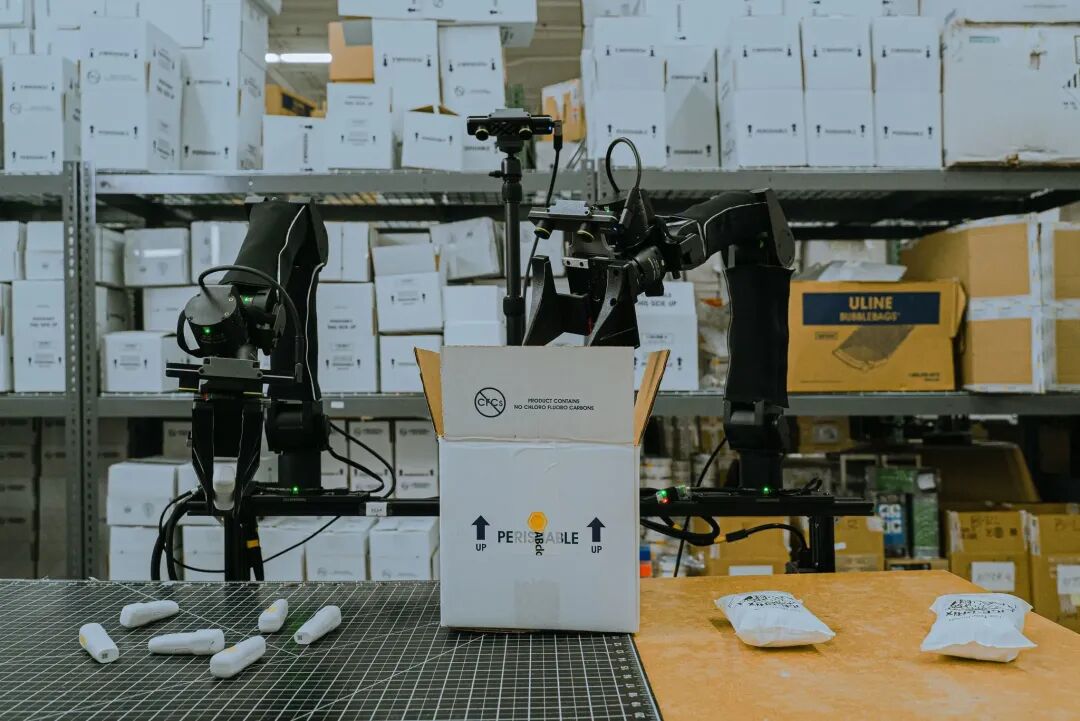
Verne Robotics has developed SOTA models for controlling robotic arms. Its first product, Nemo3, is a dual-arm robot that can manipulate objects within a 2.5-foot radius, supports payloads up to 4 pounds, and can be flexibly installed in various environments. Companies can pay by the hour rather than making large capital expenditures. A biotech unicorn is already using this robot model in production.
Flywheel wants to build Waymo for excavators, providing remote control services for construction site excavators and using tele-operated excavators to collect the datasets needed for machine automation.

IV. Education: Focusing on Administrative Scenarios, Prioritizing User Experience Innovation
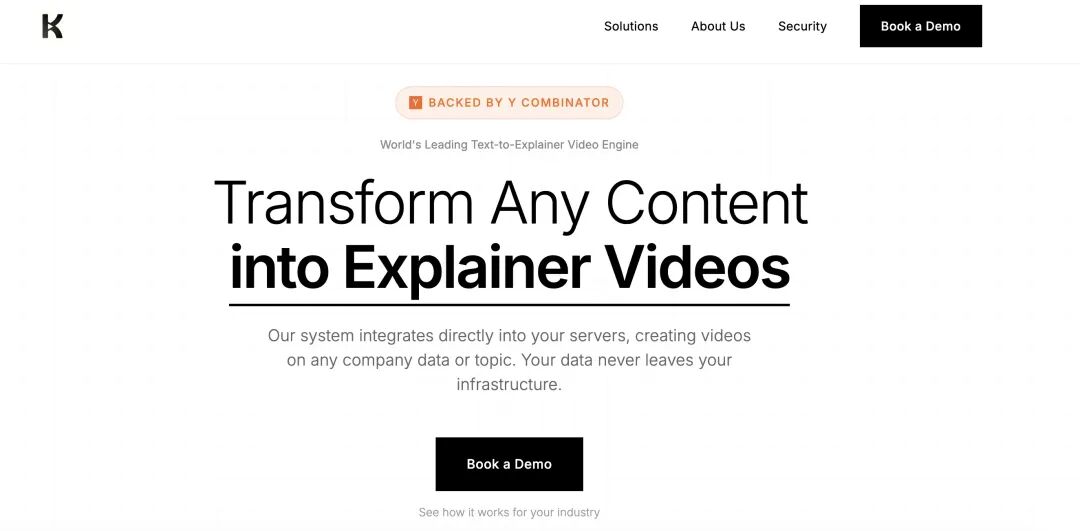
Knowlify automatically converts text and PDFs into professional explainer videos — "ElevenLabs for education" — focusing on high-quality video generation for B2B use cases.
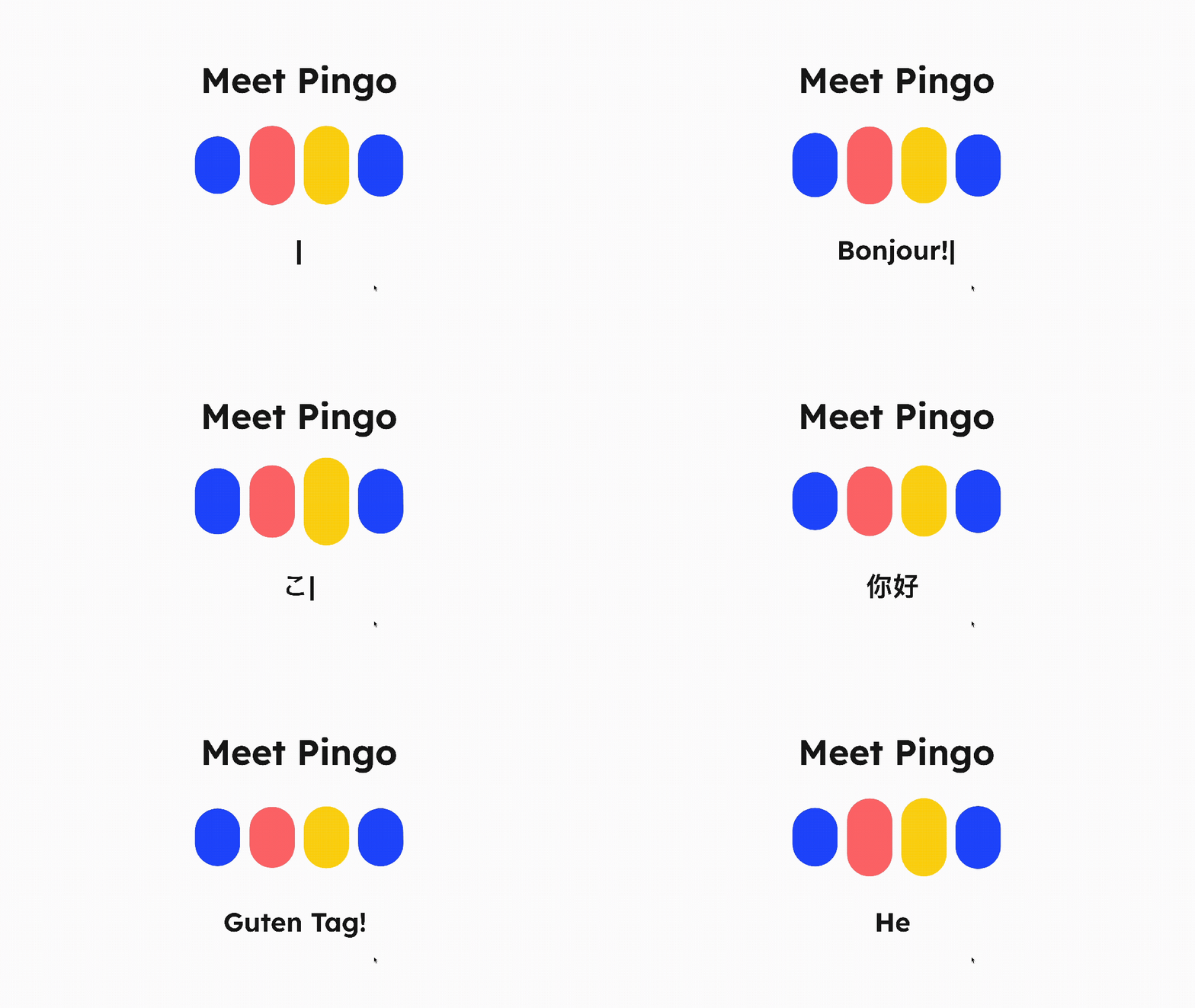
Pingo AI helps users learn languages through conversational AI, emphasizing "real conversation practice" rather than traditional rote memorization.
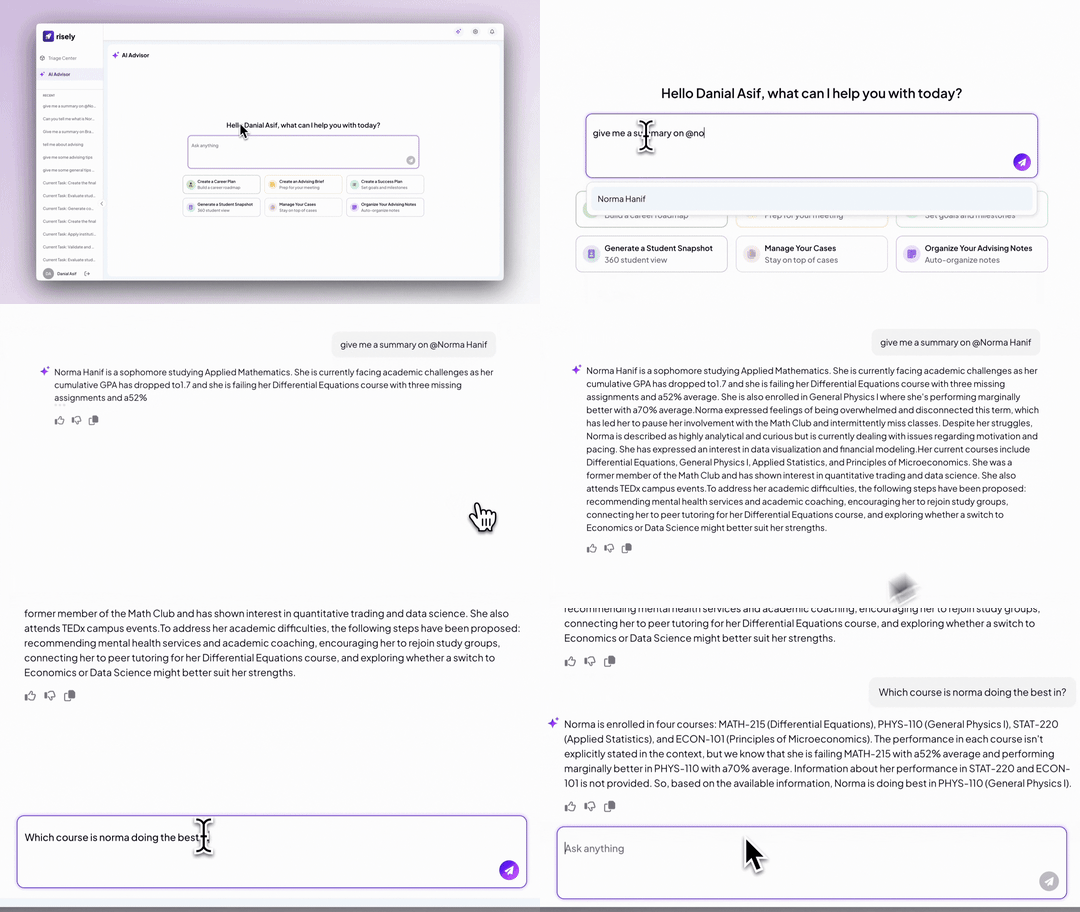
Risely AI provides universities with an AI operating system for automating administration — the only campus AI solution covering the full "admissions-instruction-retention" lifecycle.
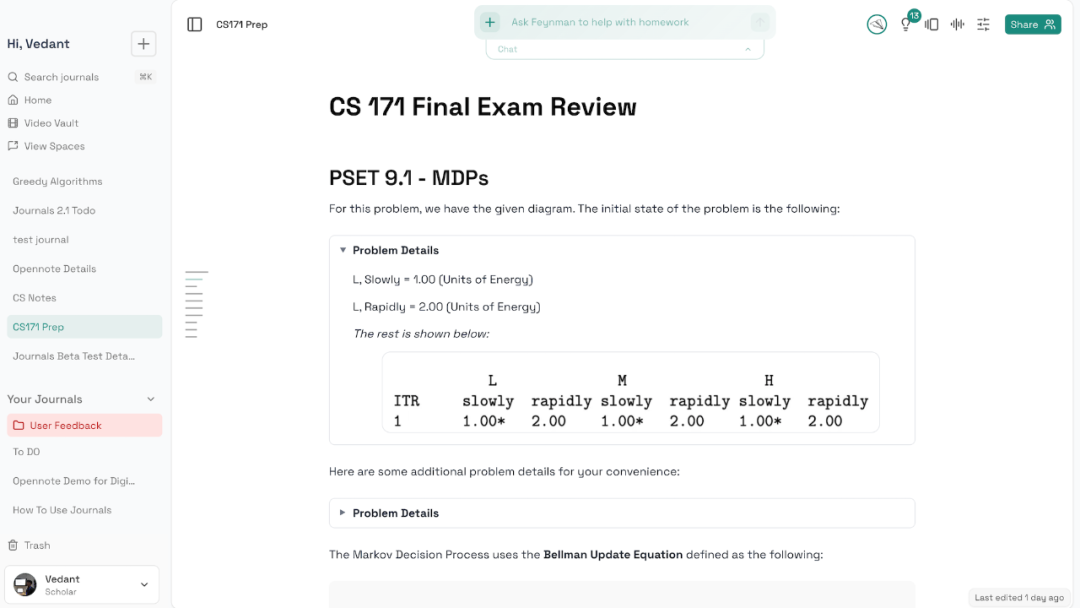
Opennote embeds interactive AI tutors directly into student notes, aiming to build the only AI that "lives inside your notes," answering questions in real time as you study.
V. FinTech: Full Penetration of Financial Services, AI Workers Begin to Specialize
Cacao helps Brazilians receive USD or crypto and instantly convert it to BRL, directly into Pix — all in one mobile app.

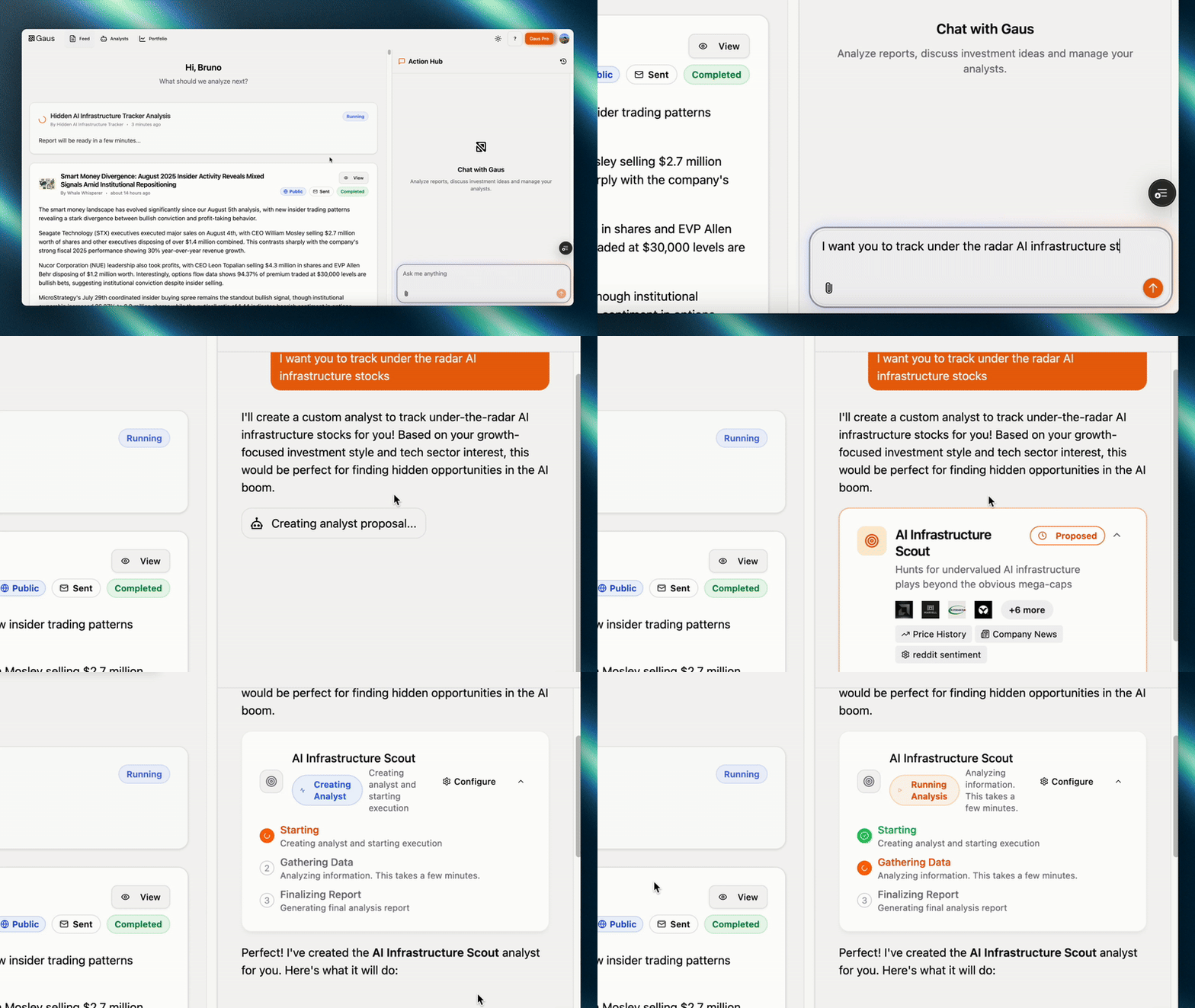
Gaus is your personal AI investment analyst. It gives you the market tracking, deep research, and real-time alerts that institutional investors rely on, now built for your portfolio.
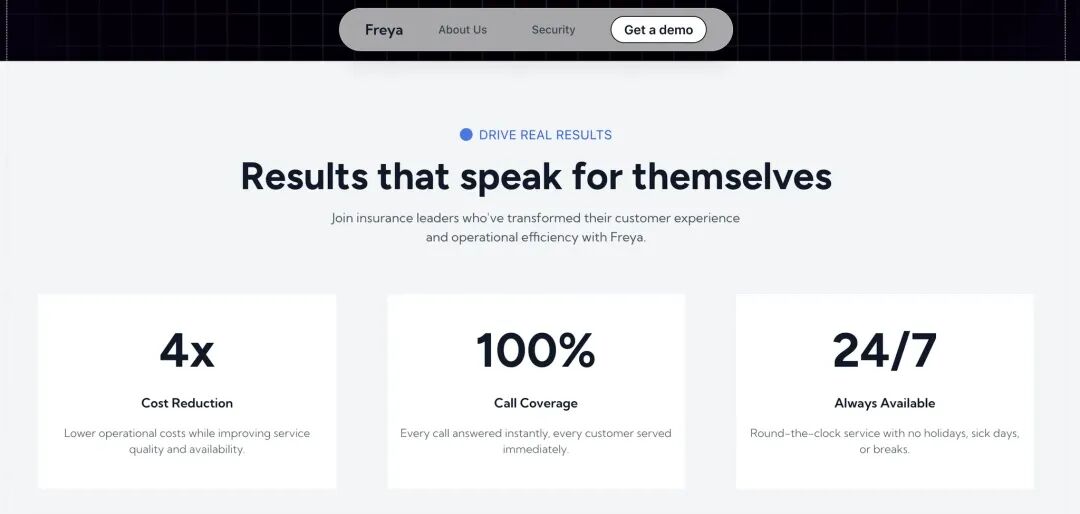
Freya builds human-like voice AI agents for banks, mortgage lenders, fintechs, and insurance companies, cutting costs by over 50% compared to traditional call centers. We integrate directly into existing workflows, handle dozens of languages and local dialects, and follow compliance policies by extracting and reasoning from internal policy manuals, regulatory documents, and industry guidelines.
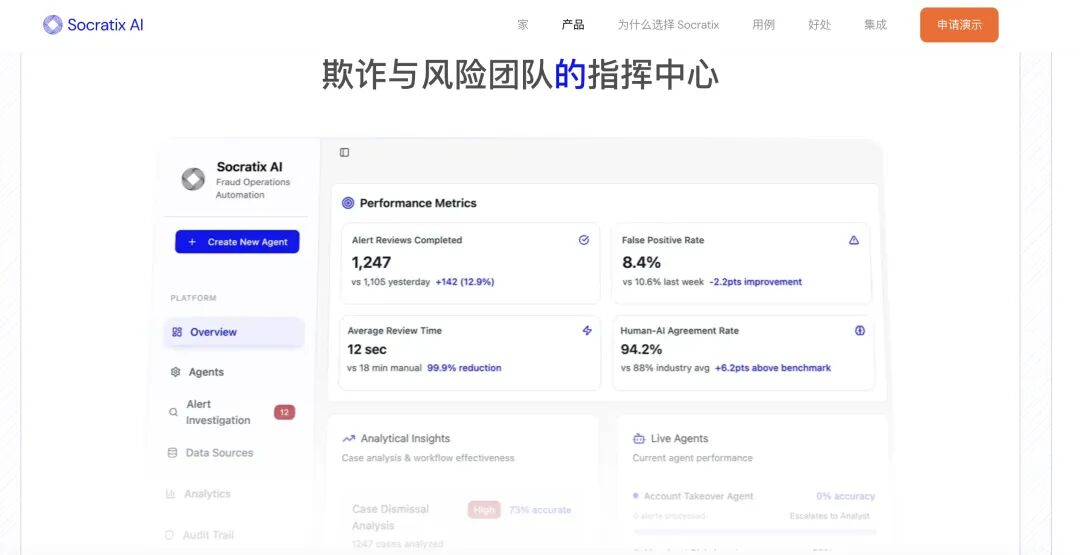
Socratix AI provides AI coworkers for fraud and risk teams — agents that think like human analysts but run 24/7 and scale effortlessly.
VI. Developer Tools: From General-Purpose to Hyper-Niche, Using AI to Boost Hardware Performance
Liva AI supplies high-quality human voice and video datasets for companies building realistic AI models. All data is produced in-house, covering multiple languages, emotions, and contexts.
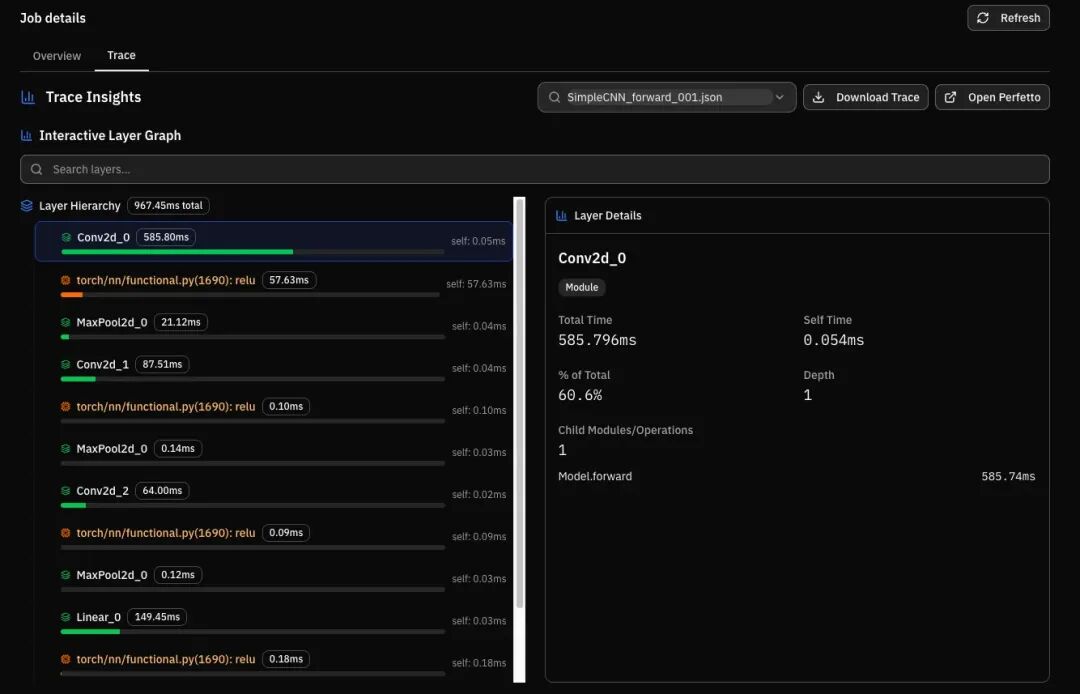
Herdora automates the work of GPU engineering wizards. Just input your PyTorch code and it generates optimized kernels that would normally take months of manual work. Herdora monitors production to track performance, with no CUDA expertise required. The company already helped one team optimize their Llama deployment, cutting latency by 67% by identifying a neglected kernel that was eating 40% of runtime.
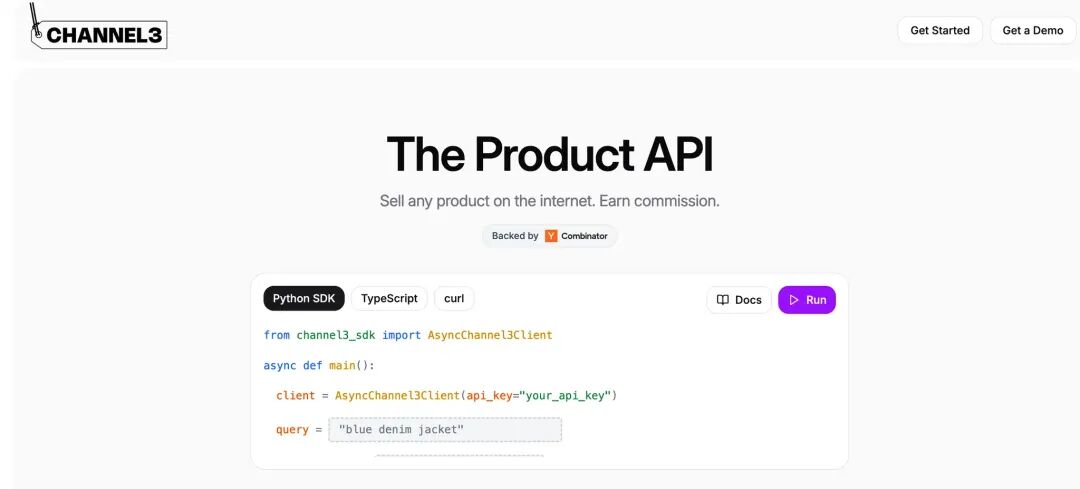
Channel3 lets developers add commerce to their websites, apps, and AI agents, earning commissions. Channel3 aims to build a database covering every product on the internet.
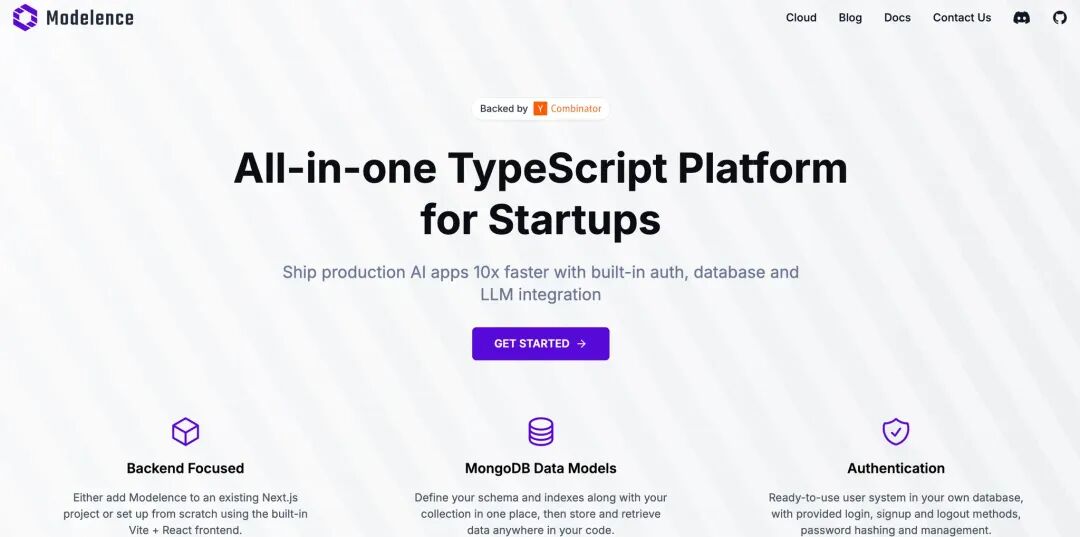
Modelence is an all-in-one TypeScript platform for startups, shipping production AI apps 10x faster with built-in auth, database, and LLM integration.
The above covers select information from YC S25's 108+ AI projects. For the full list, follow Crossing and reply with the code YCS25.