After Brain-Computer Interfaces, Before the Future | SEF EVENTS × Dalton Venture Tong Academy Event Recap

Building a company all the way to an IPO is a long and arduous journey. While startups relentlessly pursue breakthroughs in technology and innovation, they must also navigate challenges across corporate strategy, business models, capital operations, and day-to-day management.

Tong Academy
From founding to IPO, building a company is a long journey of cultivation. While pursuing technological breakthroughs, startups face challenges across corporate strategy, business models, capital operations, and management.
To better support the steady growth of entrepreneurial companies, we launched the Tong Academy series of post-investment events, aiming to create a platform for companies to exchange and learn with industry leaders and innovation pioneers, and to foster cooperation and collaborative innovation across the industrial chain.
In this edition of Tong Academy, Dalton Venture joined hands with the Shanghai Future Industry Fund and Shanghai Future Qidian Community to host a session themed "After Brain-Computer, Before the Future," exploring the critical path for brain-computer interfaces (BCI) to move from technological exploration to real-world applications, as well as the positioning, boundaries, and potential synergies of different technical approaches as the industry takes shape.
The convergence of neuroscience, artificial intelligence, new materials, and advanced medical devices is opening new possibilities for brain-computer interfaces. From motor and language function restoration to neural regulation, industrial safety, and human-computer interaction, an increasing number of innovation teams are grounding themselves in real needs and exploring how frontier technologies can reach clinical and industrial applications. Driving original breakthroughs, accelerating validation of results, and promoting cross-disciplinary collaboration have become shared concerns for research, industry, and capital.
On the afternoon of October 30, the "SEF EVENTS × Tong Academy | After Brain-Computer, Before the Future" BCI salon was successfully held in Shanghai, co-hosted by the Shanghai Future Industry Fund, Shanghai Future Qidian Community, and Dalton Venture. Guests from government departments, research institutions, BCI innovation companies, and industrial and investment organizations gathered on site, with seven representative BCI portfolio companies of Dalton Venture participating in the exchange.
Vol. 1
Frontier Interdisciplinary Innovation Requires Originality — and Patience
Chen Ming, Director of the Frontier and Interdisciplinary Division at the Shanghai Municipal Science and Technology Commission, attended and delivered opening remarks. He noted that brain-computer interfaces span neuroscience, brain science, materials, chips, artificial intelligence, and precision manufacturing, and have already entered fields such as healthcare, rehabilitation, and neural regulation, with potential to expand further into intelligent living, industrial production, robotics, and Embodied Artificial Intelligence.
In Chen's view, for such frontier interdisciplinary fields, we must pay attention to established achievements while also giving immature explorations sufficient time. Future industry cultivation requires focus on two things: originality, and creating opportunities for good scientific research to be validated. Shanghai also hopes that through a more open and inclusive innovation environment, truly promising technologies can be validated earlier.
Addressing the recent surge in industry financing activity, Chen further discussed the relationship between capital support and long-term industrial development. He stated that frontier technologies moving from innovation to industry require sustained capital support, as well as attention to what industrial capabilities the investment ultimately builds. Shanghai is supporting scientific research validation and transformation through concept verification platforms, high-quality incubators, and data platforms, and will continue to strengthen coordination across relevant departments to actively respond to the practical needs of companies in their development.
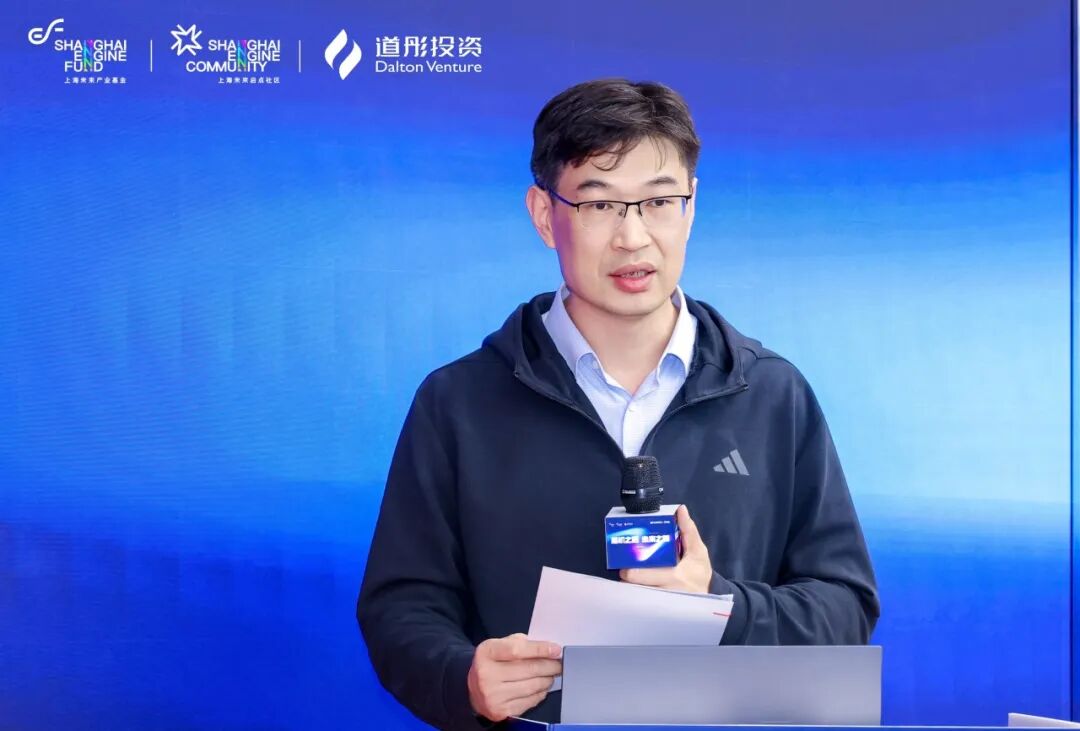
Photo: Chen Ming, Director of the Frontier and Interdisciplinary Division at the Shanghai Municipal Science and Technology Commission, delivering opening remarks
Wei Fanjie, General Manager of the Shanghai Future Industry Fund and Chairman of the Shanghai Future Qidian Community, delivered remarks via video conference. He stated that brain-computer interfaces still have many technical approaches and application directions worth exploring. Before industry consensus forms, enabling earlier exchange among research, industry, capital, and entrepreneurs is itself an important part of future industry ecosystem building.
Wei Fanjie introduced that Future Qidian Community is dedicated to building platforms for talent exchange and interdisciplinary collaboration, continuously facilitating communication and connection among innovative forces from different fields. Beyond fund investments, the team is also exploring community-based, philanthropic, and other approaches to provide growth conditions for outstanding talent and earlier-stage innovation projects, driving frontier innovation to take root and develop in Shanghai.
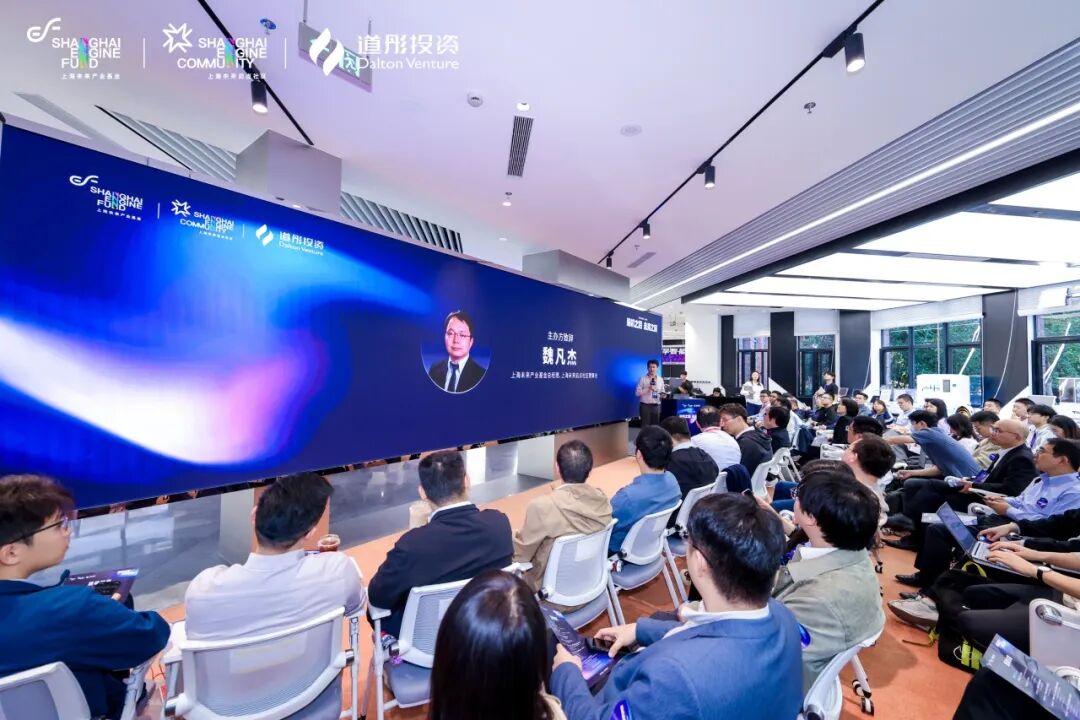
Photo: Wei Fanjie, General Manager of the Shanghai Future Industry Fund and Chairman of the Shanghai Future Qidian Community, delivering opening remarks
Zhencheng Lin, Partner at Dalton Venture, reviewed the firm's long-term research and investment in brain-computer interfaces. He stated that BCI sits at the intersection of life sciences, clinical medicine, neuroscience, medical devices, new materials, and artificial intelligence — highly aligned with Dalton's long-term focus areas. Currently, Dalton's portfolio companies cover both invasive and non-invasive approaches, as well as medical and industrial application scenarios.
Lin pointed out that an important shift happening in the industry is that more teams are beginning to define products around clear target users and specific needs. Only when technology enters real-world scenarios can engineering, productization, and commercialization challenges be fully identified and gradually resolved. He expressed hope that through this salon, entrepreneurs from different backgrounds could exchange genuine experiences and explore more collaboration opportunities across data, algorithms, hardware, and applications, jointly advancing the industry's development.
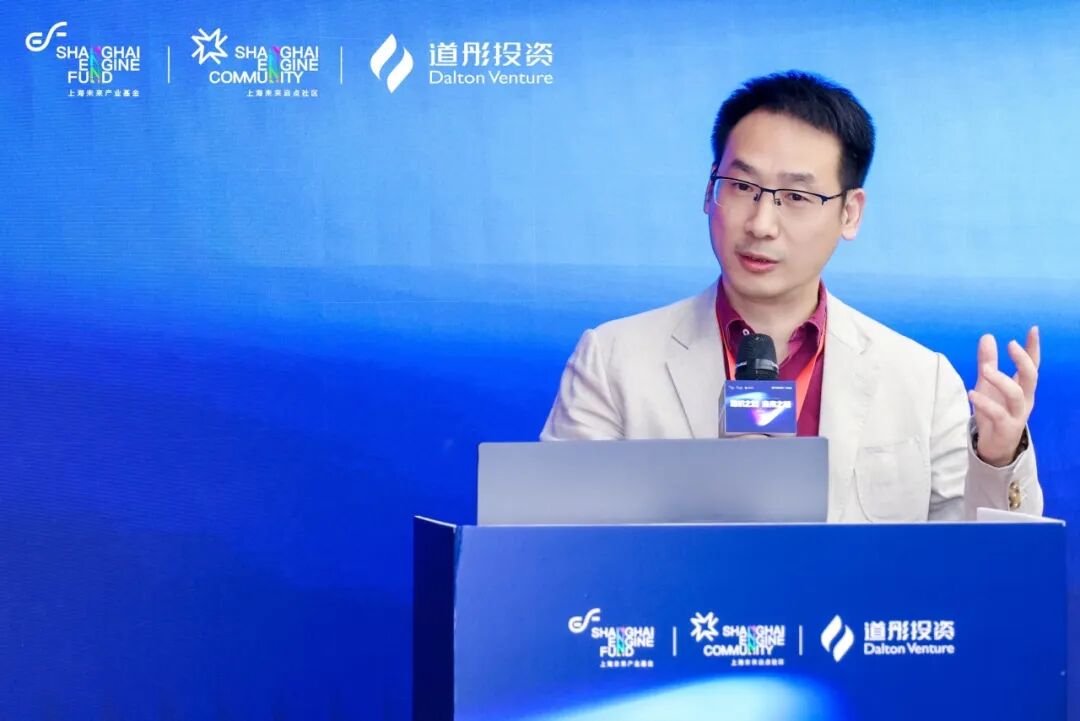
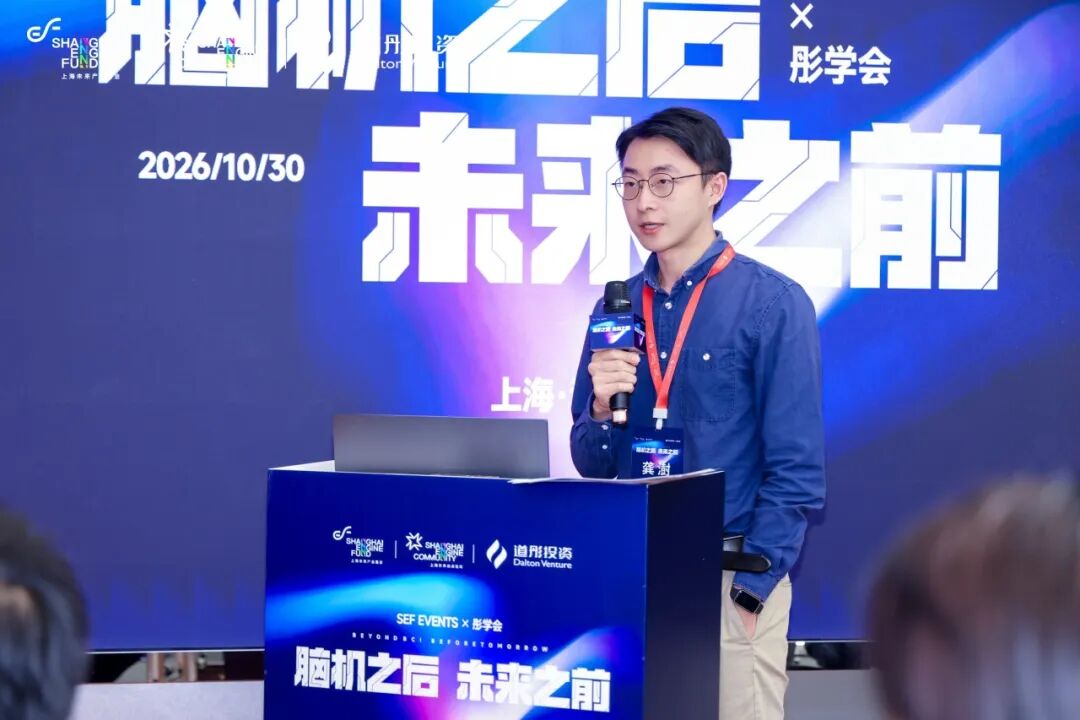
Photo: Zhencheng Lin, Partner at Dalton Venture, delivering opening remarks
Vol. 2
Investment Perspective: Seeing Industrial Growth Through the Lens of Demand
The development of frontier innovation cannot be separated from deep understanding of real needs and industrial opportunities. Yuanqi Qi, Senior Investment Manager at Dalton Venture, presented on the theme "Starting from Demand: Seeing Original Technology and Industrial Growth," systematically introducing Dalton's observations on BCI application directions, industrial chain layout, and AI integration opportunities.
Qi noted that the investment value of brain-computer interfaces first comes from clear and persistently existing demand. In medical scenarios such as language restoration, motor restoration, and neural regulation, products must both achieve technical performance improvements and genuinely improve patients' quality of life while reducing caregiving burdens. In non-medical scenarios such as industrial safety, sustainable product value requires combining continuous use, wearing experience, mass production consistency, and actual procurement needs.
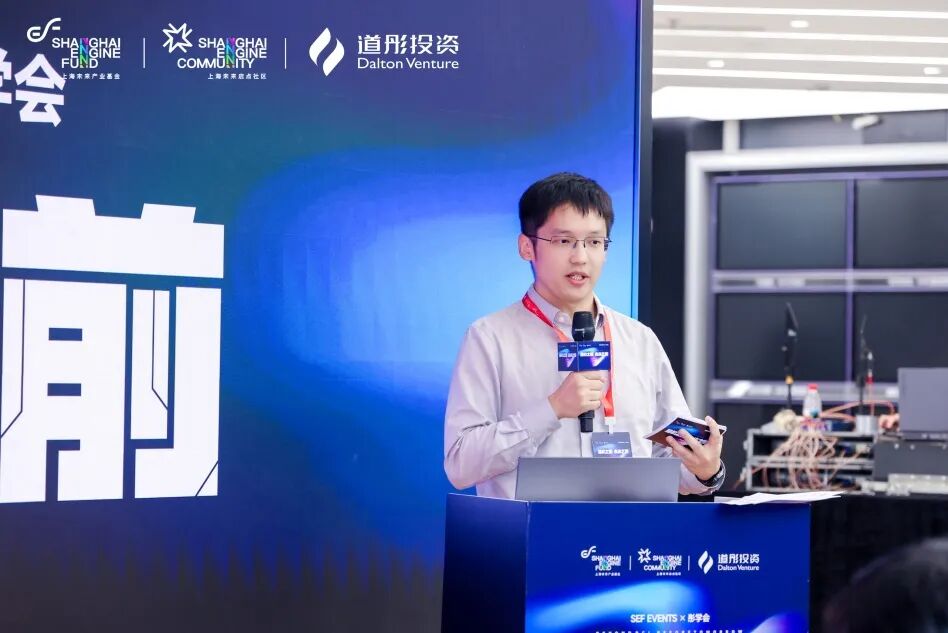
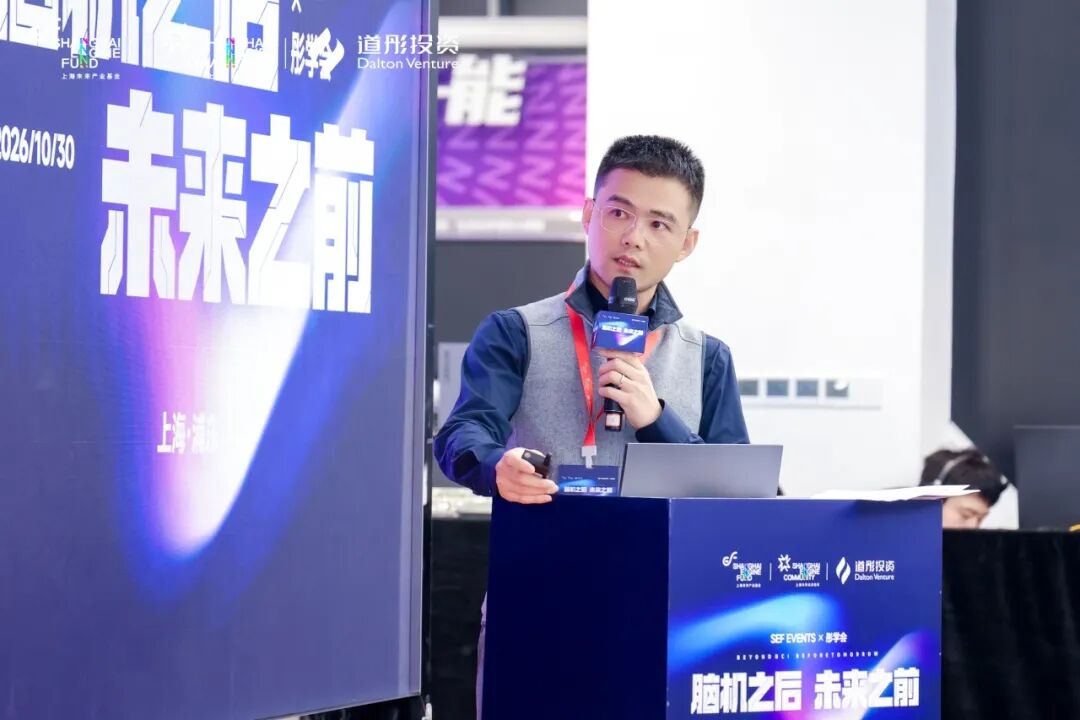
Photo: Yuanqi Qi, Senior Investment Manager at Dalton Venture, delivering his presentation
He emphasized that different technical approaches have different development rhythms, and entrepreneurial teams should leverage their own capabilities to first go deep and do thoroughly in specific scenarios. Beyond end products, upstream segments such as electrodes, chips, and algorithms also contain innovation opportunities, and it is worth paying sustained attention to common technologies that can serve multiple products and applications. Regarding the integration of BCI and AI, Qi introduced explorations in directions including signal decoding, clinical workflows, brain-inspired computing, and feedback interaction.
"The fruit was never too high — we've only just entered the orchard," Qi concluded his presentation, noting that growth in different BCI directions requires respecting the objective laws of engineering maturation and commercial transformation, and expressing hope to jointly cultivate and drive more innovative achievements toward real-world applications with entrepreneurs and industry partners.
Vol. 3
Capital Perspective: Exploring IPO Paths for BCI Companies
The continuous advancement of technological innovation requires capital support matched to companies' growth stages. Yuchen Jin, Managing Director at Dalton Venture, presented on "Commercialization Types and IPO Path Analysis for BCI Companies," systematically reviewing the business models and capital market paths for different types of BCI enterprises.
From a commercialization perspective, current BCI companies can be roughly divided into three categories: invasive BCI, non-invasive/semi-invasive BCI, and supporting technology companies providing electrodes, chips, algorithm platforms, and development tools for BCI systems. These three types differ in regulatory attributes, revenue formation methods, and technical validation standards, and therefore have distinctly different capitalization paths.
The STAR Market, ChiNext, and Beijing Stock Exchange on the A-share market, as well as Hong Kong's Chapter 18A and 18C listings and Nasdaq, provide different options for companies at different development stages and with different commercialization models. For invasive medical device companies, regulatory progress, clinical data, and core product maturity are particularly important; non-invasive companies need to further demonstrate technical barriers, market space, and commercialization capabilities; BCI supporting software and hardware companies need to establish sustained validation through revenue, customers, and engineering capabilities.
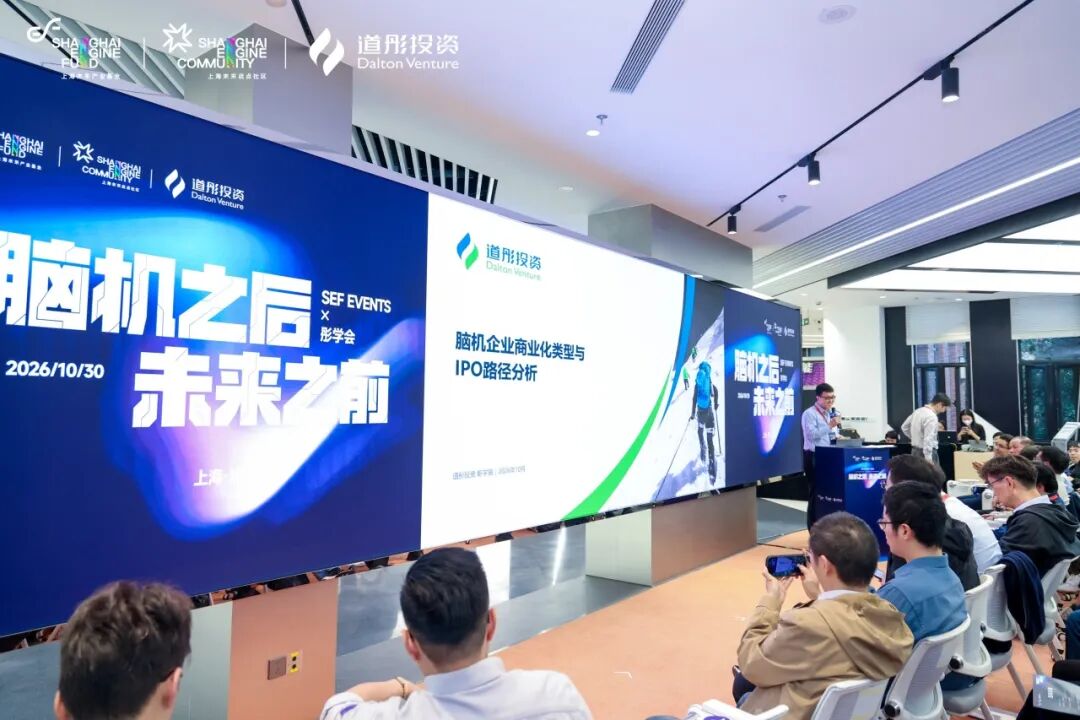
Photo: Yuchen Jin, Managing Director at Dalton Venture, delivering his presentation
He also noted that when planning for capitalization, companies need to establish early on operating and technical records that match their future filing path. "Core product regulatory pathways, technology ownership, engineering capabilities, and competitive positioning may all become key areas of focus for capital markets in the future."
Vol. 4
Different Solutions to the Same Problem: Discussing Invasive and Non-Invasive Technology Development
Invasive and non-invasive approaches are important technical paths for brain-computer interfaces, and their respective advantages, challenges, and application spaces became a key topic of this salon. Zhencheng Lin, Partner at Dalton Venture, moderated the dialogue "Different Solutions to the Same Problem | Invasive vs. Non-Invasive: Where Are Their Battlefields?" with Chengyu Li, Chief Scientific Advisor at Zhudong Technology and Chief Scientist at Lingang Laboratory, and Lei Peng, Founder and CEO of Gestalt Technology, to discuss technical barriers, AI integration, and future applications.
Li pointed out that invasive brain-computer interfaces can obtain more precise neural signals, while also imposing systematic requirements on electrode biocompatibility, long-term chip stability, packaging, power supply, wireless communication, and power consumption. He emphasized: "The ultimate barrier is the systematic capability for iterative product optimization." The development of BCI products requires coordinated improvement across all segments to continuously achieve safe, stable, and effective signal acquisition and utilization.
Peng believes that combinations of sound, light, electricity, magnetism, and different levels of intervention provide diverse technical options for brain-computer interfaces. Electrical approaches have precision advantages, while ultrasound offers possibilities for larger-scale brain activity research, though with limitations in temporal and spatial resolution. He stated that different approaches should select their landing points based on indications and patient value, forming complementarity in development and jointly expanding industrial space.
Guojia Wu, CEO of Zhudong Technology, also contributed from his long experience in the medical device industry. He noted that implantable products need to accompany patients over the long term, so clinical validation, follow-up, and long-term observation must be emphasized to deliver safe and reliable product use.
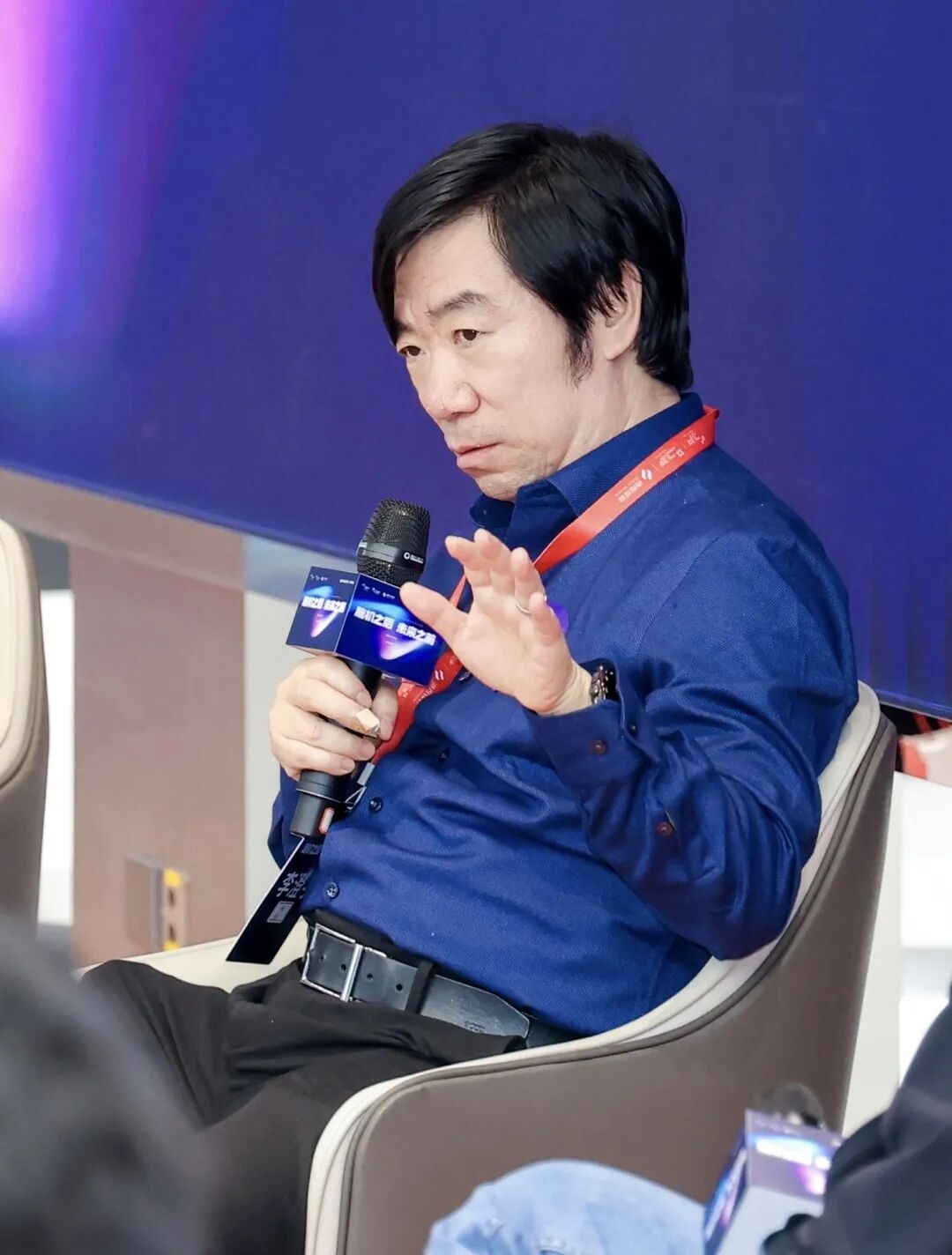
Chengyu Li Chief Scientific Advisor at Zhudong Technology, Chief Scientist at Lingang Laboratory
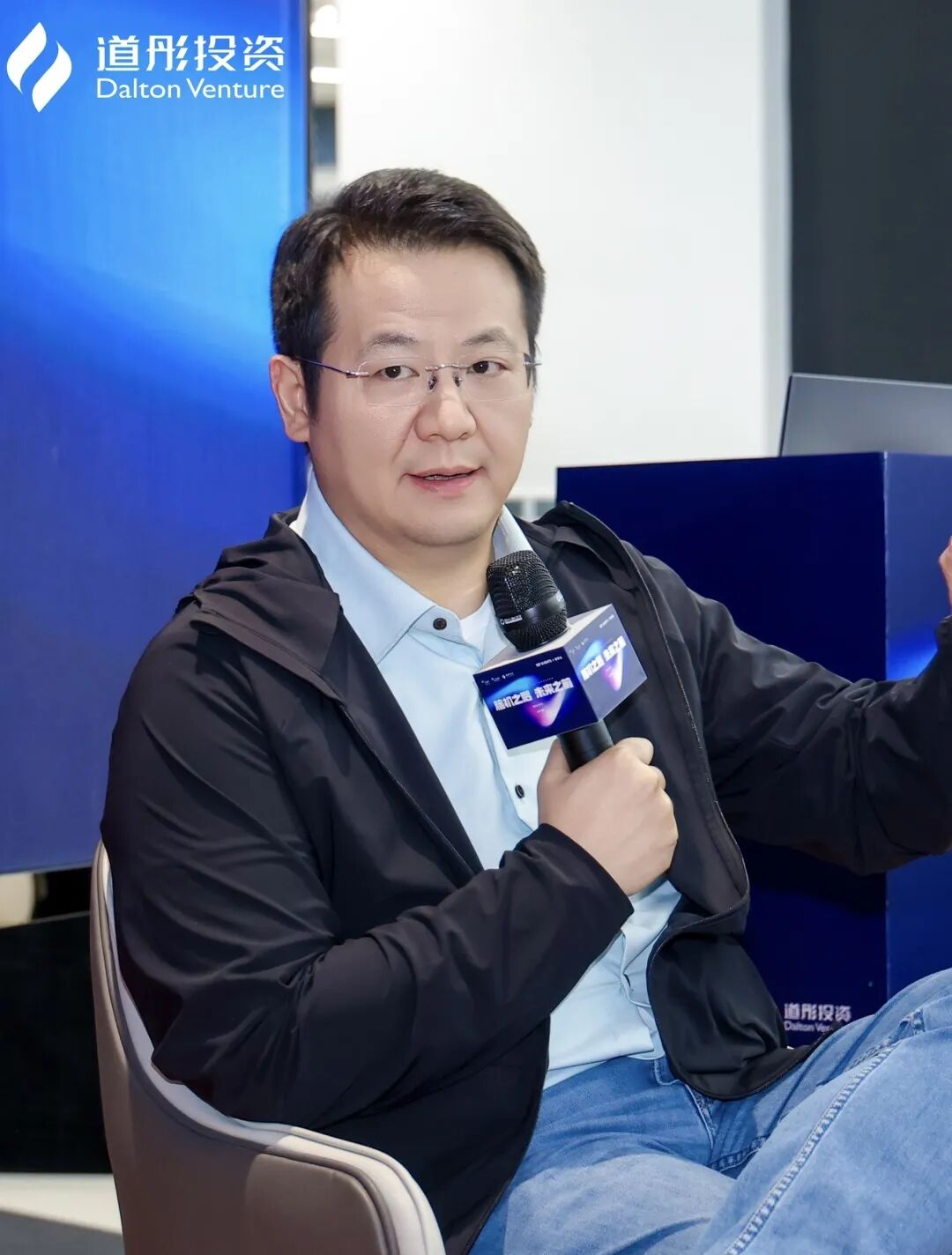
Lei Peng Founder of Gestalt Technology
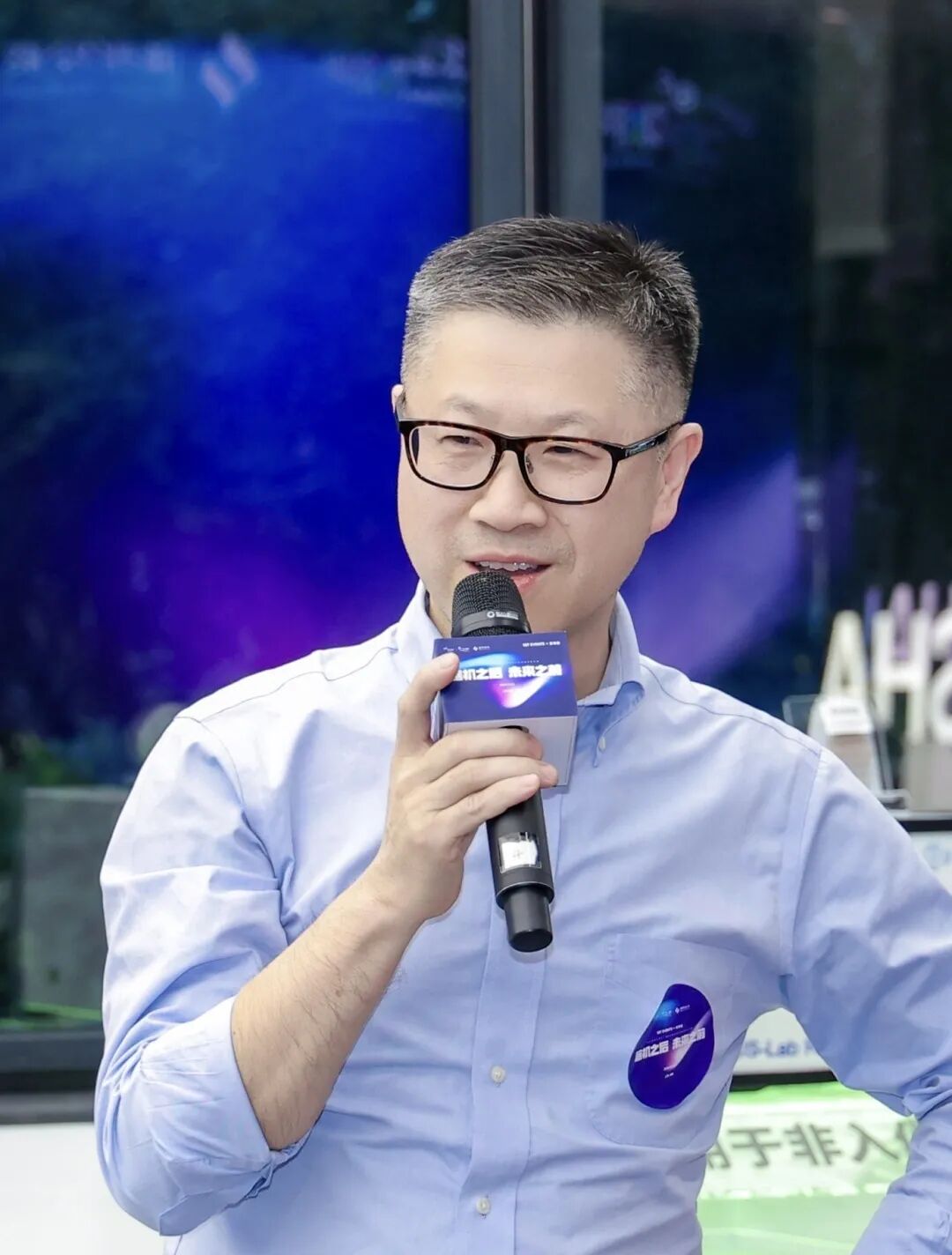
Guojia Wu CEO of Zhudong Technology
Vol. 5
Single-Point Perspective: Frontline BCI Innovation Practice Sharing
From technology selection to product landing, frontline entrepreneurs' practices provide concrete reference for industry development. In the "Single-Point Perspective" session, guests from Kongshanci, Hua Brain Safety, New Cloud Medical, Maike Medical, and Ruiyiwei shared their progress and reflections on cognitive BCI, industrial safety, pain management, wearable neural regulation, and perioperative monitoring.
Cognitive Brain-Computer Interface: Reshaping Human Emotion and Cognition
Ximing Wang, Co-founder of Kongshanci, presented on the theme "Cognitive Brain-Computer Interface: Reshaping Human Emotion and Cognition," introducing the company's technical layout in the emotion and cognition direction. He noted that cognitive activities involve multiple brain regions, with dynamic evolution and network coordination characteristics, requiring joint modeling of spatial, temporal, and causal features to further parse brain states.
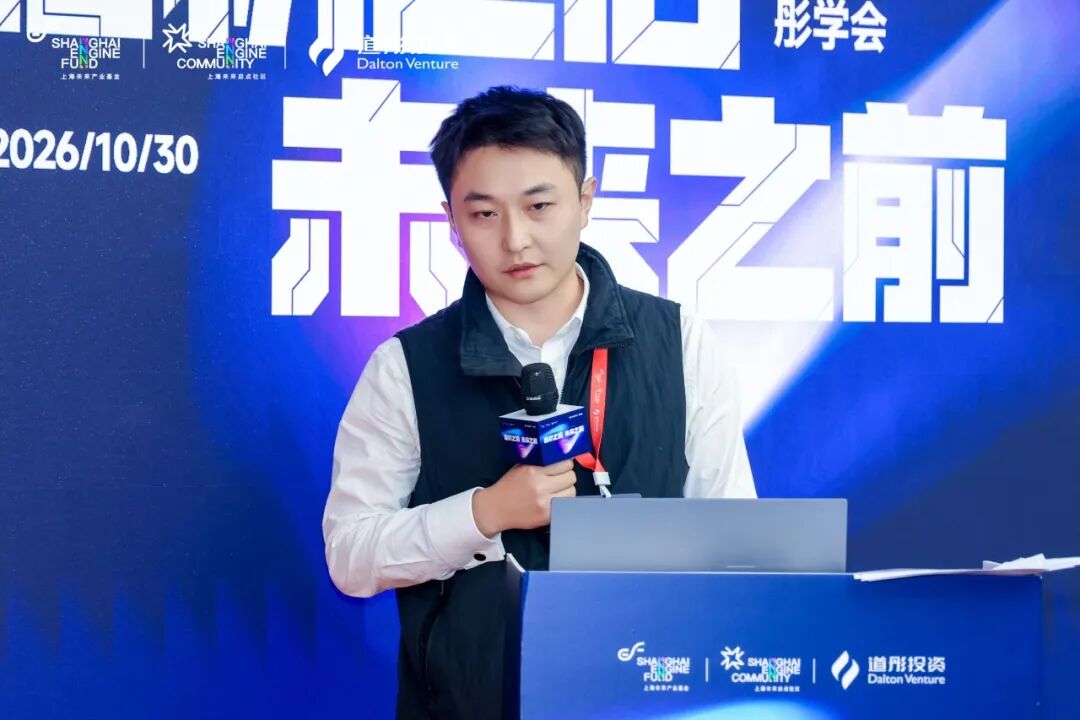
Photo: Ximing Wang, Co-founder of Kongshanci, sharing
Wang introduced that Kongshanci is conducting R&D around whole-brain computing platforms, multi-energy regulation devices, and robotic navigation, and advancing clinical and research collaborations on transcranial focused ultrasound systems and computational transcranial magnetic stimulation systems. He stated that the team will continue to focus on the emotion and cognition field, providing new solutions for related research and clinical applications through technological innovation and product delivery.
Creating a New Future for Industrial Brain-Computer Interfaces
Zaixi Tang, Founder of Hua Brain Safety, presented on "Creating a New Future for Industrial Brain-Computer Interfaces," introducing BCI applications in mining, metallurgy, petrochemicals, driving, power, and other industrial scenarios. He noted that industrial BCI has distinct scenario-driven characteristics, with the team accumulating needs and data through continuous field applications,反向推动 signal processing, algorithm, and platform iteration, incorporating workers' fatigue, attention, and consciousness states into human-factor risk management.
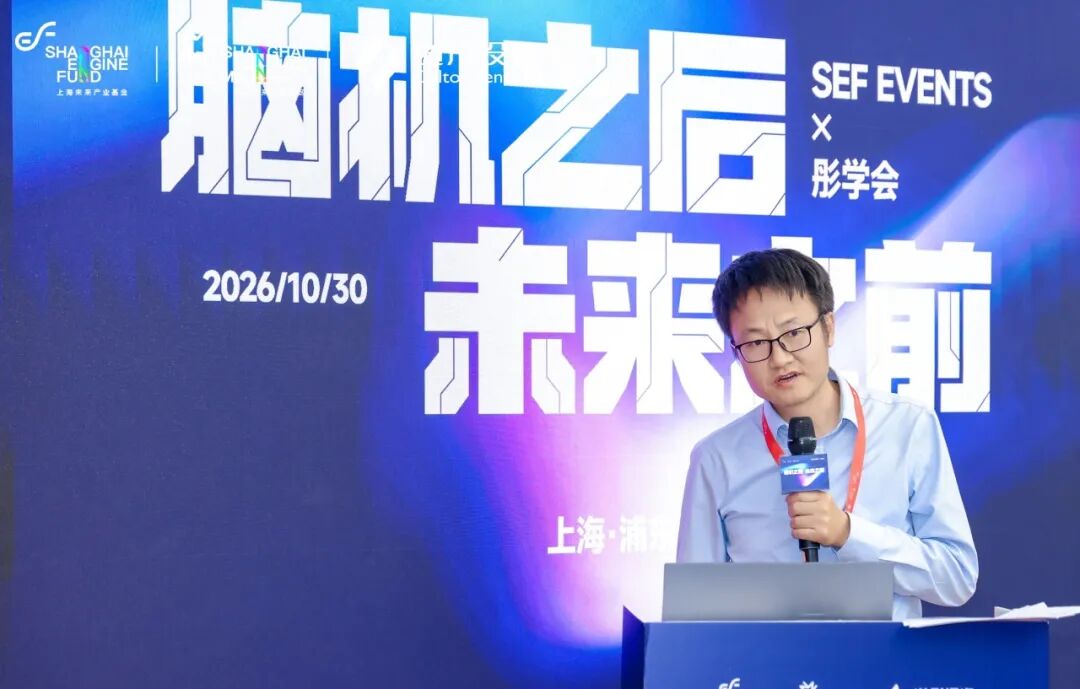
Photo: Zaixi Tang, Founder of Hua Brain Safety, sharing
Tang emphasized that signal quality in complex environments, long-term wearing, and low false-alarm requirements are engineering problems that industrial BCI products must solve. He also shared practices in multimodal fusion of EEG, physiological, motion, positioning, and environmental information, looking forward to combining high-quality real-scenario data with AI algorithms to further enhance risk identification and safety management capabilities.
Brain-Computer Interface: Reshaping Pain Consciousness
The long-term management of chronic pain poses persistent demands for individualized intervention and efficacy feedback. Yun Zhao, Founder of New Cloud Medical, presented on "Brain-Computer Interface: Reshaping Pain Consciousness," introducing the team's explorations in closed-loop neural regulation.
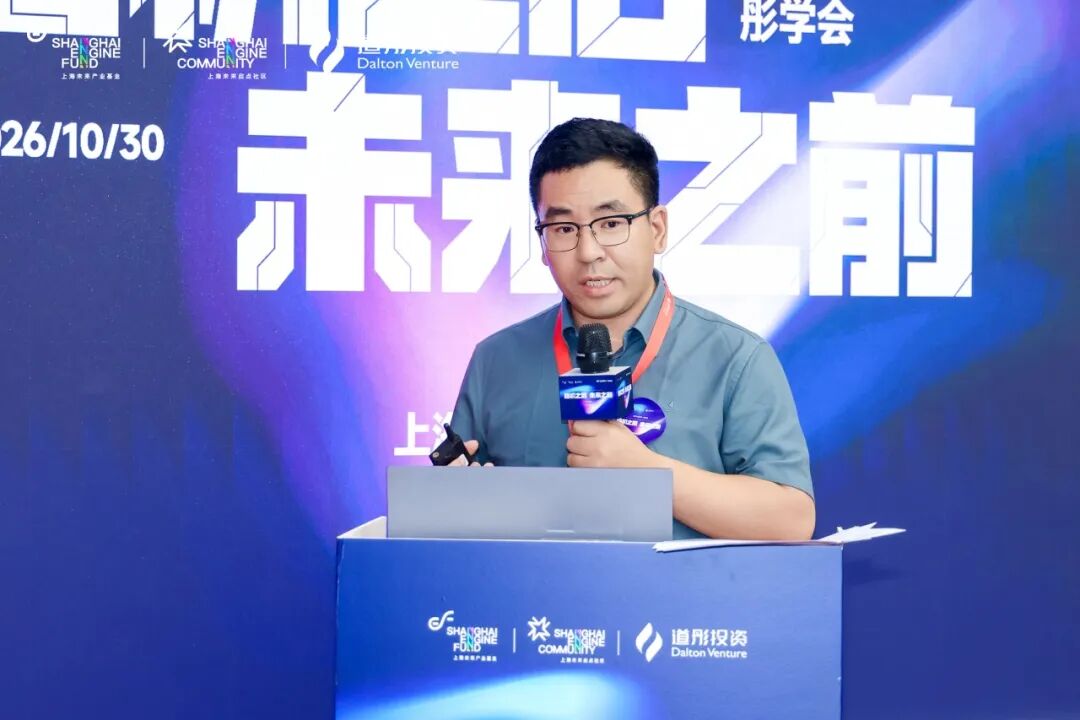
Photo: Yun Zhao, Founder of New Cloud Medical, sharing
Zhao stated that New Cloud is advancing closed-loop spinal cord stimulation system R&D around evoked compound action potential (ECAP) feedback, algorithms, vector electrodes, and implantable batteries, enabling stimulation parameters to better adapt to individual states. He also introduced research oriented toward brain pain perception and regulation, hoping to gradually establish connections between neural signals and subjective pain, providing basis for objective pain assessment and subsequent regulation.
Building an AI-Empowered Human-Machine Neural Intelligence Ecosystem
Fen Chen, Founder of Maike Medical, presented on "Building an AI-Empowered Human-Machine Neural Intelligence Ecosystem," introducing progress in non-invasive closed-loop neural regulation platforms and wearable products. She stated that the company starts from clinical needs, establishing a medical-engineering collaboration model where hospitals propose needs, universities conduct frontier validation, and enterprises complete engineering translation, hoping to gradually extend hospital-based diagnosis and treatment to continuous assessment and management in home scenarios.
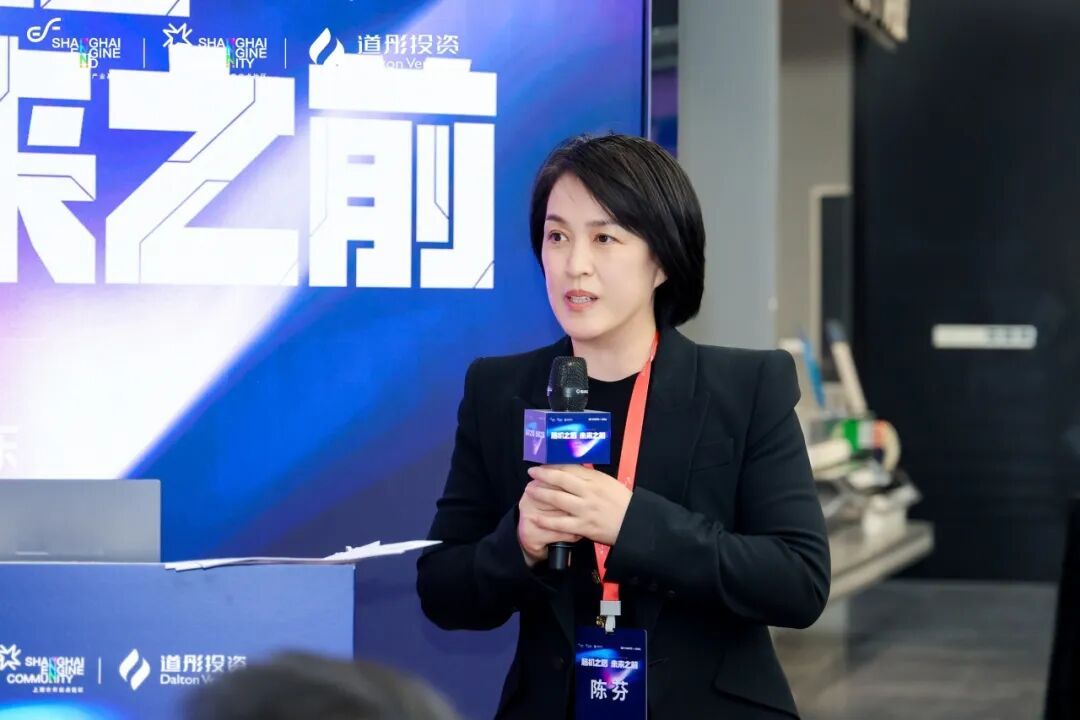
Photo: Fen Chen, Founder of Maike Medical, sharing
Chen also shared challenges faced by non-invasive products in signal quality, chips, mass production, registration clinical trials, and payment. She noted that innovative technologies require sustained accumulation of clinical evidence, and that further connection is needed between charging items and actual procurement and payment, looking forward to patient capital and industrial resources jointly supporting early product validation and translation.
AI and Brain Monitoring-Driven Perioperative Integrated Solutions
Bin Xu, Founder and CEO of Ruiyiwei, presented on "AI and Brain Monitoring-Driven Perioperative Integrated Solutions," introducing AI-assisted anesthesia systems and brain monitoring-related R&D. He stated that the team hopes to assist anesthesiologists through intelligent equipment, improving the safety, reliability, and precision of perioperative management, and continuously discovering new monitoring needs in clinical practice.
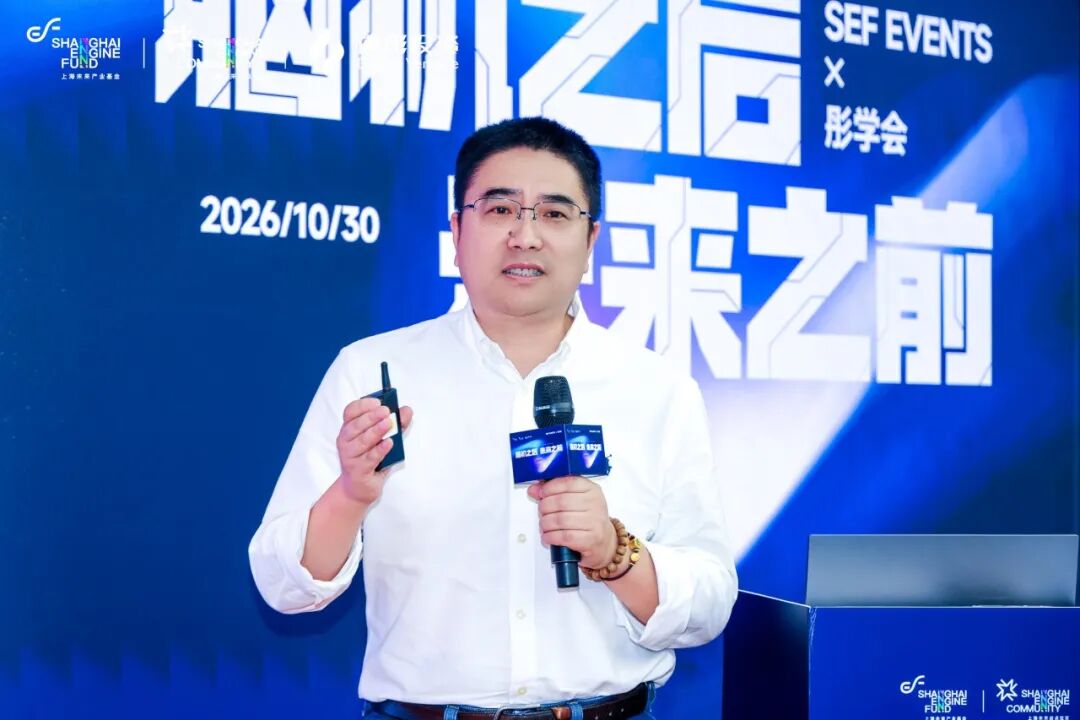
Photo: Bin Xu, Founder and CEO of Ruiyiwei, sharing
Regarding brain protection, Xu introduced explorations combining DCS cerebral blood flow information with EEG and other electrophysiological signals, hoping to gradually connect preoperative, intraoperative, and postoperative monitoring.
Vol. 6
Future Open Mic: Bringing More Explorations into Exchange
In the "Future Open Mic" session, five guests from brain-computer interfaces and related interdisciplinary fields shared their work, focusing on directions including BCI and Embodied Artificial Intelligence integration, photoelectric signal transmission, EEG data collection and model research, and endovascular interventional BCI. They introduced frontier technology explorations and product R&D progress. Open Mic provided a platform for more innovation teams to showcase and exchange, and also allowed research, industry, and capital partners to further understand innovation practices in different directions and explore new opportunities for cross-domain collaboration.
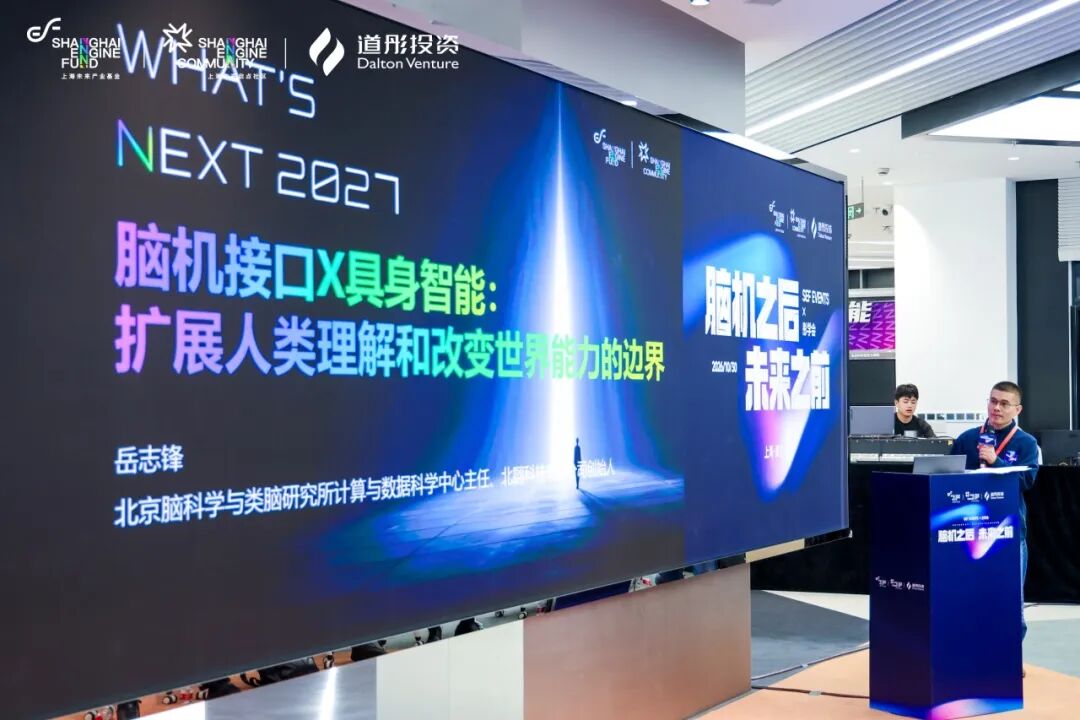
Zhifeng Yue Director of the Center for Computation and Data Science, Beijing Institute of Brain Science and Brain-Inspired Intelligence; Founder of Beixuan Technology
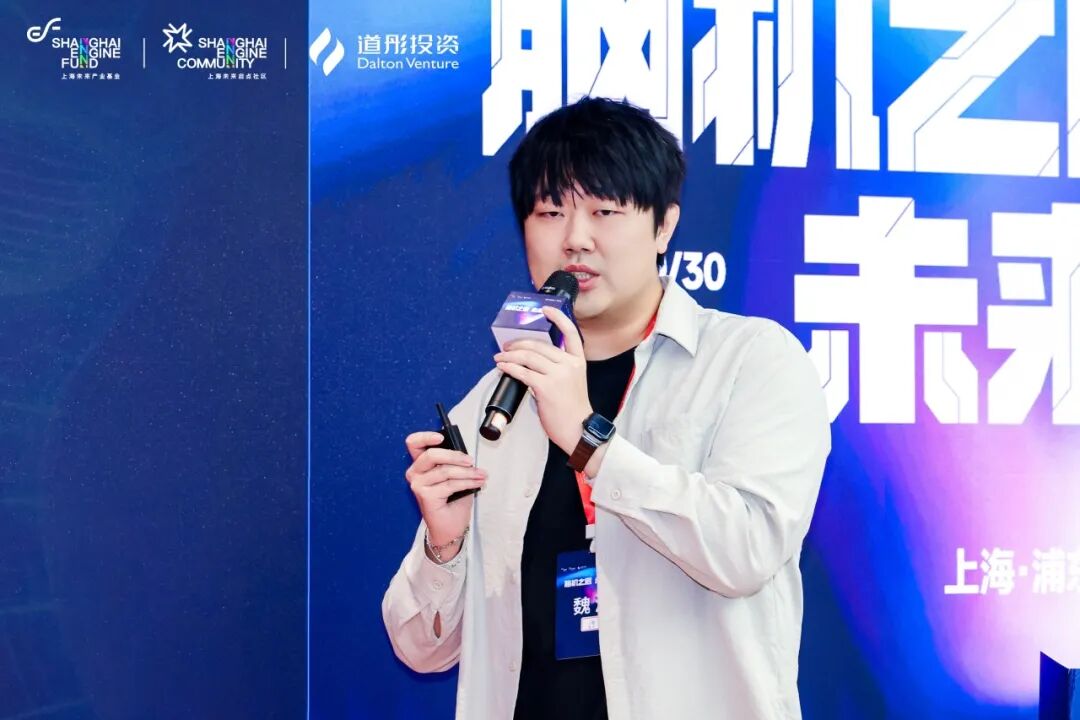
Wei Yuan Co-founder of Guangshu Technology
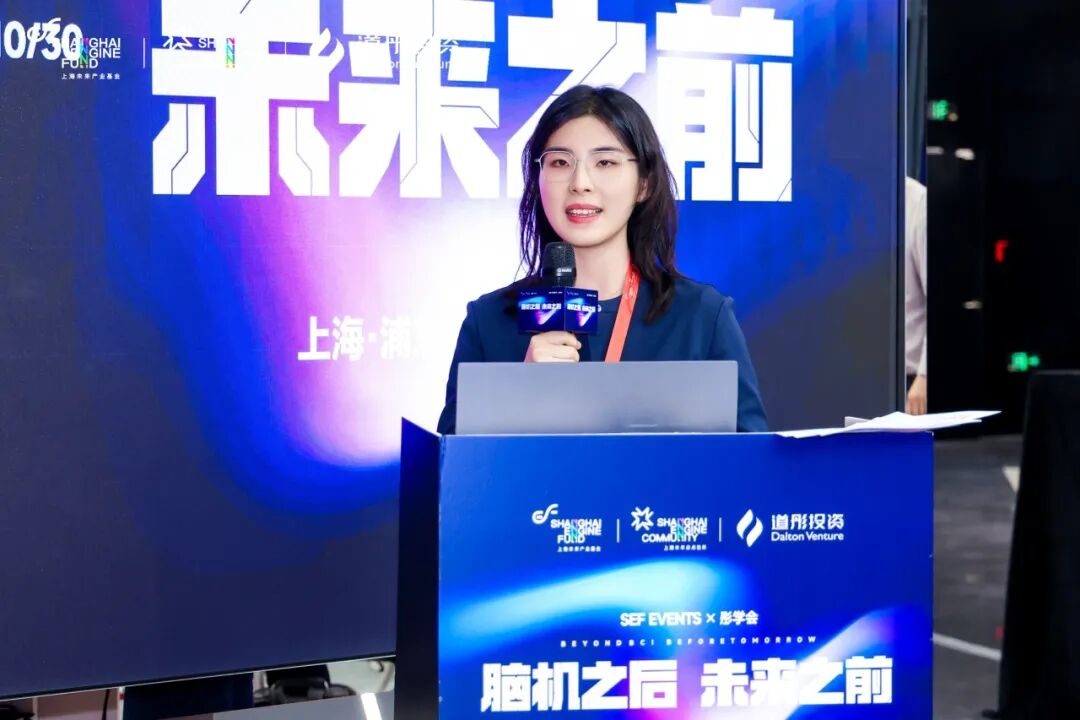
Chengtian Ma Co-founder of Naojing Technology
Shu Gong PhD, Georgia Institute of Technology
Han Zhang Senior Vice President and CFO of Heart Medical; Chairman of Weinai Intelligent
Swipe left to view more
Vol. 7
After Brain-Computer, Before the Future
Three-plus hours, from frontier technology to product landing, from debates over technical approaches to capital path choices, to the real problems frontline entrepreneurs face.
Brain-computer interfaces are moving from laboratories to the real world. In this process, some are going deep, some are going broad, some are connecting different technical approaches, and some are answering the most fundamental safety questions.
No one can give a complete answer. But this is precisely the charm of this industry — it is still forming, still being defined, still waiting for more people to participate in defining it.
After the event ended, people didn't rush to leave. At the After Party, investors and entrepreneurs gathered together, continuing conversations left unfinished that afternoon — a certain technical detail, a potential collaboration opportunity, or just some intuition about the industry's future. The formal agenda was extended here, the atmosphere more relaxed, the topics more divergent.
After brain-computer, before the future.
Regarding what comes next, the answer is still forming.
And today, we are at least a little closer to it.


ID: daltonventure
Long press to follow
Recommended Reading