Kecheng Wei
魏可成
Kecheng Wei (魏可成) is co-founder and CEO of NeuroXess (优脑银河), a brain-science company founded in 2018 alongside Harvard Medical School professor Hesheng Liu and MIT academicians Robert Desimone and Guoping Feng . He holds dual master's degrees in electrical engineering and structural engineering from Tsinghua University and MIT, per a FreeS Fund report . He has framed the company's mission around major neurological and psychiatric challenges — neurodegenerative diseases like Alzheimer's, mental illnesses like depression, and developmental disorders like childhood autism — and NeuroXess raised a $4.2 million angel round covered by FreeS Fund in 2019 . The corpus has no material newer than 2023 on his current role or the company's status.
AI-generated — may contain errors, please verify.
Coverage
Every Brain Is a Unique Little Universe | FreeS Fund's World Autism Awareness Day Special
May every life be treated with gentleness.
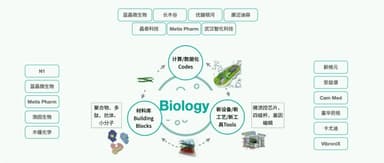
What Are the Opportunities for Biotech Over the Next Decade? | A FreeS Fund Conversation
Breaking Through the "Great Stagnation" in Technology: Biotechnology Is a Critical Breakthrough
Going live tonight at 8:30 PM | A conversation on opportunities and trends in the brain science industry
See you at 8:30 tonight.
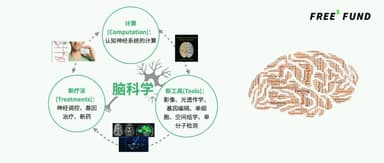
FreeS Report 24 | Embracing the "Smartest" Opportunity: Investing Boldly in Brain and Neuroscience
If the universe is complex, mysterious, and captivating, so is the brain.
How to Break Through Innovation with the Power of Interdisciplinary Collaboration? | FreeS Fund Biomedical and Pharmaceutical Investment Summit Transcript
What should you do if you discover a mismatch between technology and market?
Blue Ocean Strategy: How Early-Stage Biopharma Startups Can Break Through and Win with Big Pharma | FreeS Fund 2020 Biopharma Summit Session 3 — Registration Open
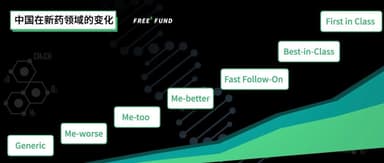
From "Me Worse" to "First in Class": How Can Biopharma Companies Compete Through Differentiation?
Brain Diseases in Its Crosshairs: NeuroXess Raises $4.2 Million in Angel Round | FreeS Fund Deal News
Brain research remains one of the great unsolved challenges in science.