GenSpark Redoes Baidu

GenSpark is the real 4399.
"All In One"
"The most important thing about being online isn't learning — it's having fun ❤️
These days, my fellow AI entrepreneurs back home are running out of material. In light of this, I'm launching the Big Chess Moves series: strategic takedowns of Agent platforms from the top.
Playing big chess means thinking like a boss. Our slogan: everyone becomes Xing Wang, we all get to be Yiming.
This is the fourth installment of the Big Chess Moves series, on GenSpark. The first three were Manus, Coze, and MuleRun."
For the longest time, I didn't understand GenSpark's value.
Then it clicked.
GenSpark isn't building some general-purpose Agent. It's still doing AI search. Its goal is to rebuild Baidu.
GenSpark just dropped another update. The new "Little Genius Clips" feature — let's just say they studied OpusClip deeply.
I logged in to check it out, and holy shit fam:
AI design, AI PPT, AI podcasts, AI webpages, AI notes — they've got everything. They even added an information feed card.
Absolutely terrifying. This dude ships new features faster than AI influencers churn out posts 😭
My hot take: GenSpark is essentially a mini-game aggregator.
YouWare, MyShell — cute efforts. The real AI-native 4399? That's GenSpark.
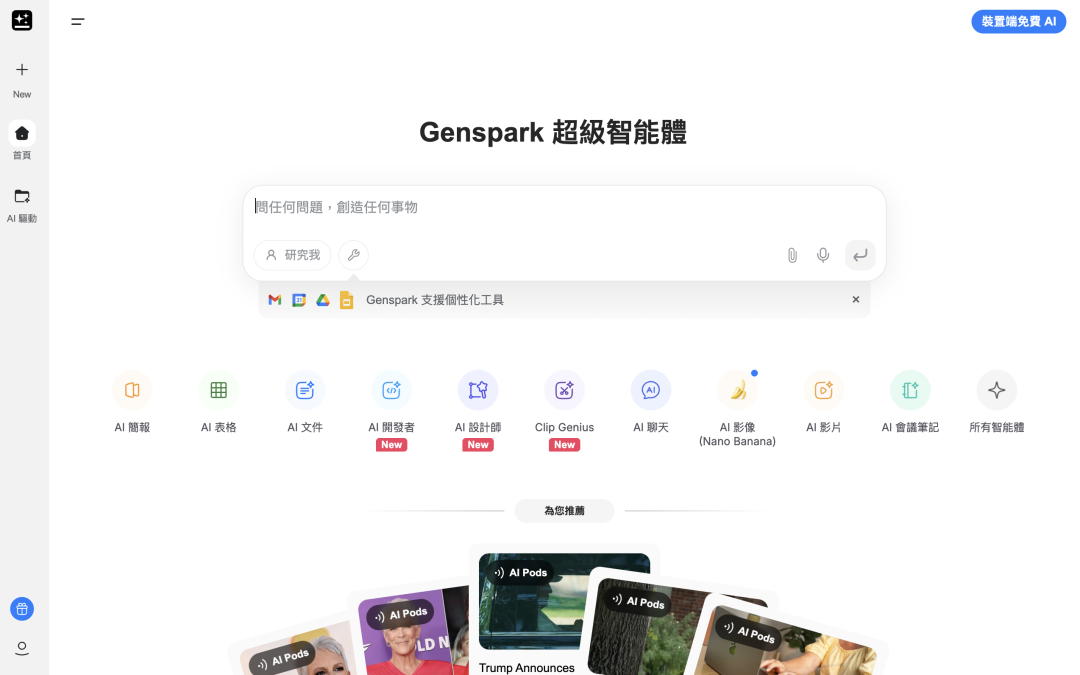
Looking back at AI application development over the past year, one pattern is crystal clear: the AI product forms that have been market-validated, that actually have PMF, are aggregators.
This development path mirrors Web 1.0 exactly.
The first layer is model aggregators. Products like Monica, SeaArt, pollo.ai — they plug in all the mainstream large models, letting users switch between language, image, and video models in one interface.
This is just like Hao123, launched in 1999. It collected links to various websites so you didn't have to type URLs one by one — one entry point to access most mainstream sites.
The second layer is function aggregators, Agent aggregators. That's what GenSpark is doing. Users don't face a chatbox where they need to craft their own prompts. Instead, they see a shelf of Agents with clearly defined functions.
This is like what happened after Hao123 got acquired by Baidu — the same founder built 4399 Mini Games in 2004. (Yes, literally the same person.)
The logic is simple: technology advanced, and the internet could do more than just static webpages — it could package experiences as mini-games. So mini-game aggregators naturally emerged.
AI is evolving way faster than Web 1.0.
In just one year, large models can already be packaged into individual functions, a.k.a. Agents.
Each function has some value, but not enough to stand alone as an independent app. A general-purpose Agent doesn't exist. But aggregate these small functions together, and there's real value.
What GenSpark is essentially doing: taking AI functions scattered across various startups and unifying them on one platform, just like mini-games on 4399.
This playbook was actually validated last season, a.k.a. mobile search.
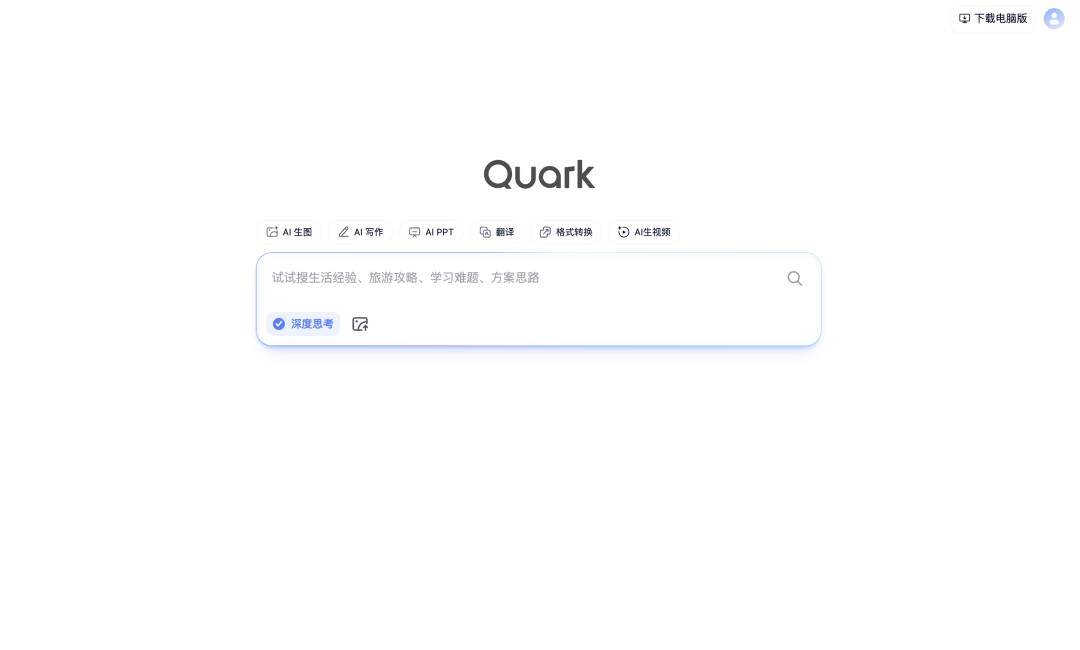
Quark was able to punch Baidu in the face in mobile search not because it invented some revolutionary interaction paradigm beyond the search box, or because it developed world-ending search technology.
Simply put: clean All In One. Fewer ads, crisp interface. On top of the search box, it integrated a whole suite — cloud storage, document library, format conversion, file scanning. One entry point to solve all user needs.
What GenSpark is doing now is taking Quark's approach and rebuilding Baidu, but for an overseas audience.
GenSpark's thinking is identical to 4399 Mini Games: the product itself doesn't need to be perfect. Good enough is good enough. What matters most is shipping speed. Whatever function users need, just ship it.
Refined product design? Unique interaction experiences? Doesn't exist. The one and only truth: let users access all the AI functions they want in one place.
Very good. Very extreme instrumental rationality 👍
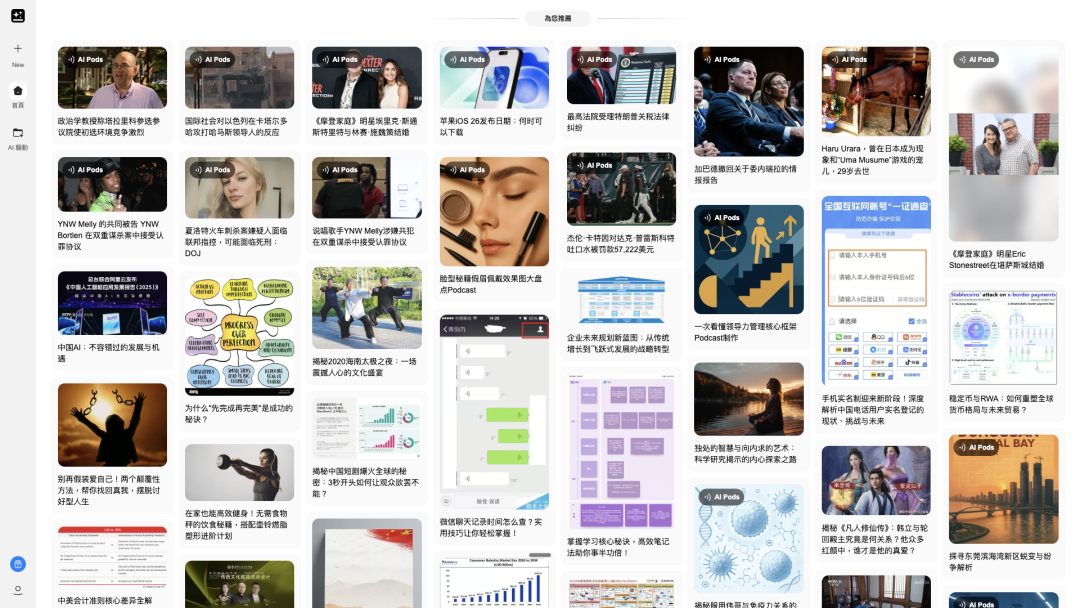
GenSpark is 4399 Mini Games for the AI era. Execution is the ultimate competitive advantage.
This dude's execution is genuinely terrifying. Shipping products with dark circles under his eyes every day. Someone else launches a new tool? He immediately ships something similar. Users haven't even formed habits yet, and the GenSpark version is already out.
4399's core logic: whoever has more functions, whoever ships faster, whoever satisfies user needs first — that's who users consider the real deal.
What's even more interesting: open Baidu, Quark, and GenSpark's web versions side by side, and their core components look almost identical.
All of them: one search box with various function entry points hanging below it. Quark's interface is actually the cleanest. Baidu and GenSpark are both frantically stuffing information feeds onto their homepages.
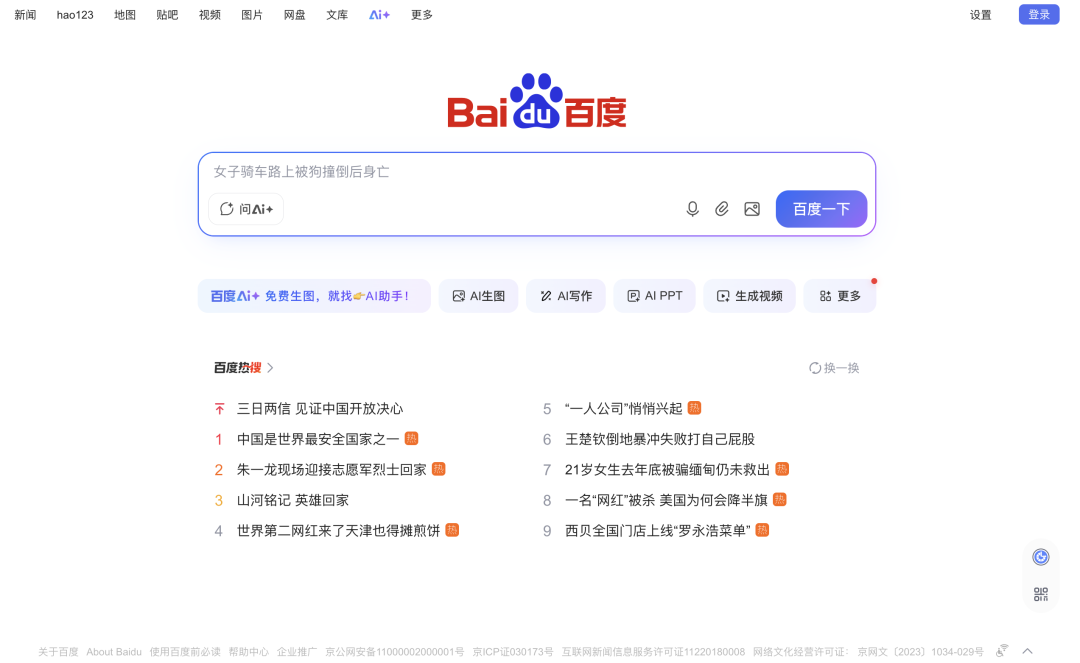
Everyone's doing the same thing: one entry point to solve all user needs.
Overseas AI applications are genuinely fragmented: Gamma for presentations, NotebookLM for podcasts, Midjourney for images, Cursor for code.
Users have to jump between platforms, learning different interfaces. GenSpark's unified integration of these functions does create real value: an All in One approach, plus a clean experience, to seize the AI search entry point opportunity.
So GenSpark and Manus are completely different types of companies. Similar surface, totally different purpose.
What GenSpark wants to own is the AI Baidu ecosystem position — the super entry point where users "solve all problems with one sentence." This is the opportunity to replace traditional search engines.
GenSpark is using a mini-game company's execution power, learning Quark's product thinking, trying to own the overseas AI search box ecosystem position. This approach works in the short term — $36 million ARR calculated over 45 days proves the commercial value. That said, let's all stop praying for disruptive innovation.
At this stage, the optimal path for AI application deployment is building aggregators. GenSpark has taken this path to the extreme, going from model aggregation to function aggregation, running an AI business with a mini-game aggregator playbook.
The founder genuinely has that classic personal webmaster energy: hanging out in user groups all day, responding to requests. Based in the United States, replying across time zones, brain completely occupied with retention and conversion rates.
On diligence and execution 👍
My suggestion: the dude should rank AI applications by valuation and have GenSpark devour them one by one. Being the next product stitched in — that's an honor in itself.
(Images in this article generated by ChatGPT, writing assisted by Claude Code.)