Shenzhen's AI hardware scene is absolutely wild.

Shenzhen gave me social anxiety.
"Shenzhen Gave Me Social Anxiety"
Since moving to Shenzhen after the May holiday, my mental state has become rather beautiful. Specifically, my sleep schedule regulated itself. Every day I get up and head to an internet café private room. When I'm tired of gaming, I work; when I'm tired of working, I game. I've even evolved to gaming while commanding Opencode + DeepSeek V4 to spin up 20+ concurrent sub-agents writing fanfiction. Behold the Records of the Warhammer Grand Historian — a rewrite of Warhammer history in the biographical style of Sima Qian's Records of the Grand Historian. Who could deny my loy-a-lty!
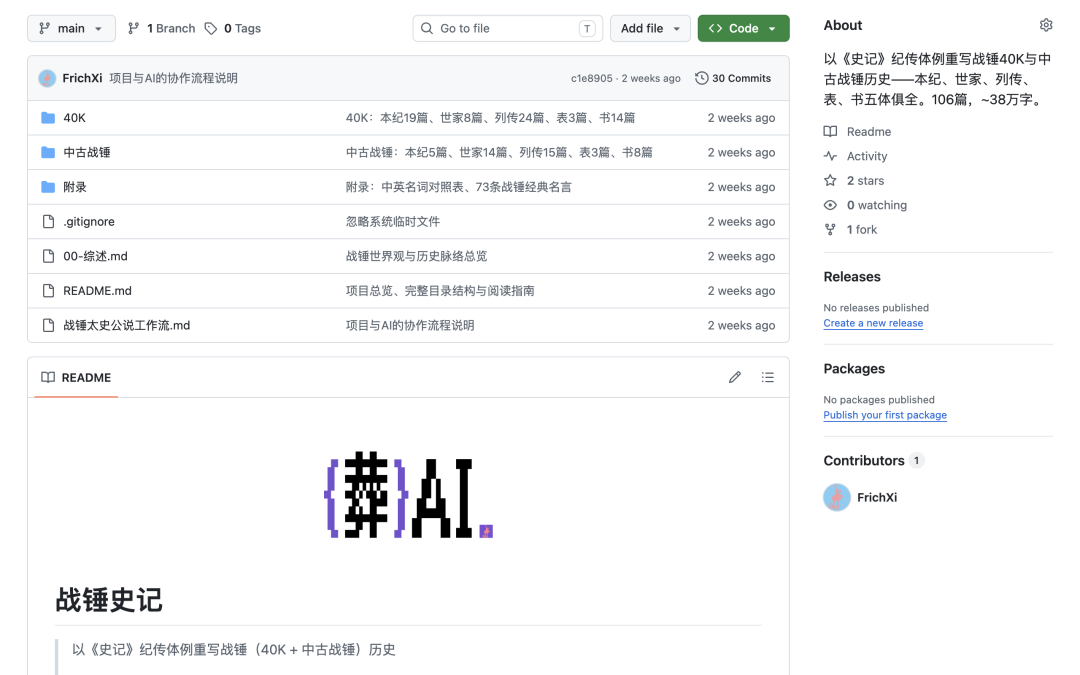
github.com/FrichXi/warhammer--history
Anyway, between sessions in the beautiful 11 RMB/hour private rooms of Shenzhen's Shekou district, I also visited some hardware companies and had some physical exchanges with electronics bros whose mental states are even more unhinged than mine. Below, my Shenzhen field notes.
1.
At the office of Xia Ge — a spiritual representative of the electronics bro — I saw an entire bookshelf of XiaoZhi AI. For those who don't know, XiaoZhi AI is probably the highest-volume AI hardware out there, with over a million units sold.
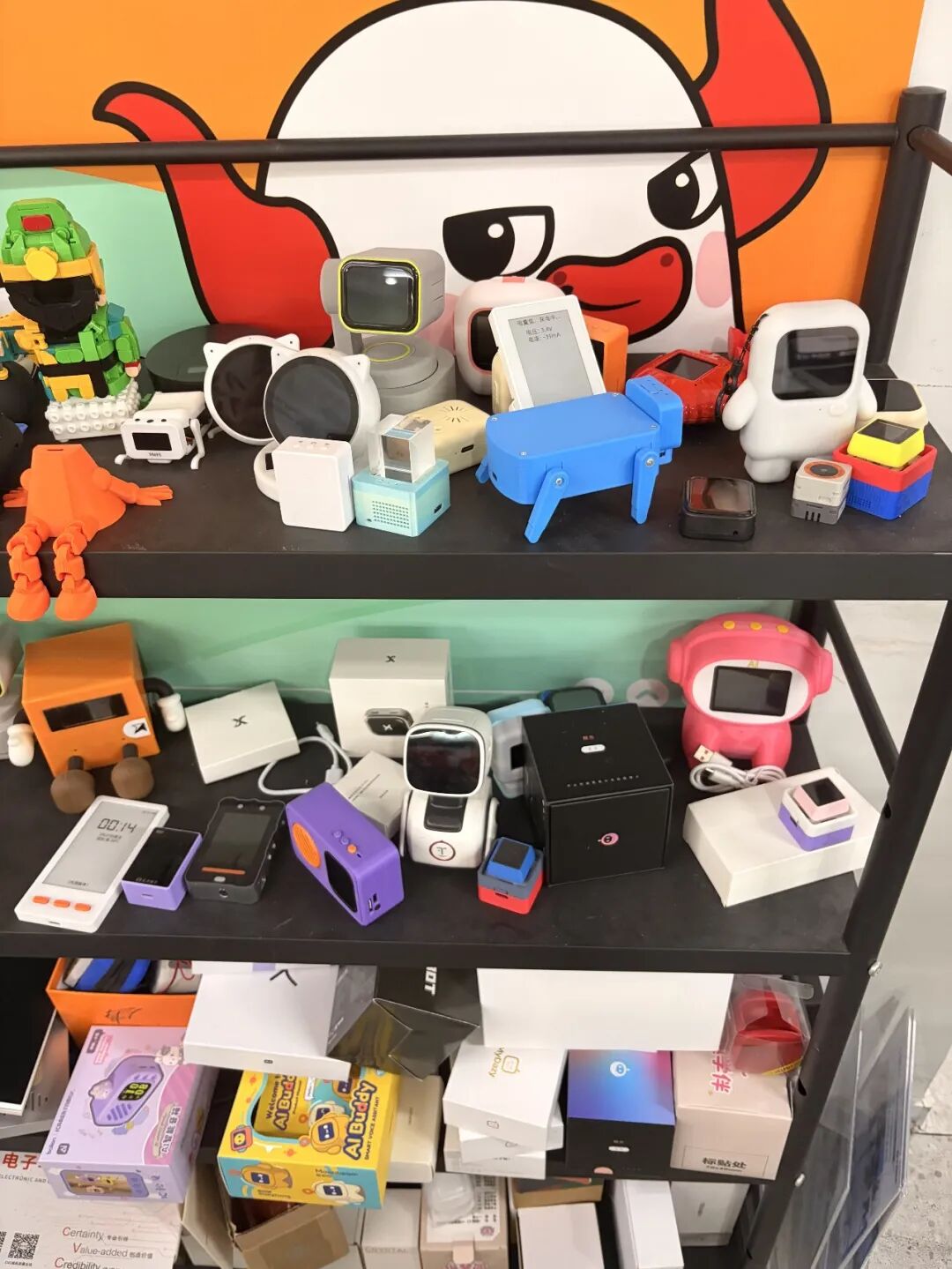
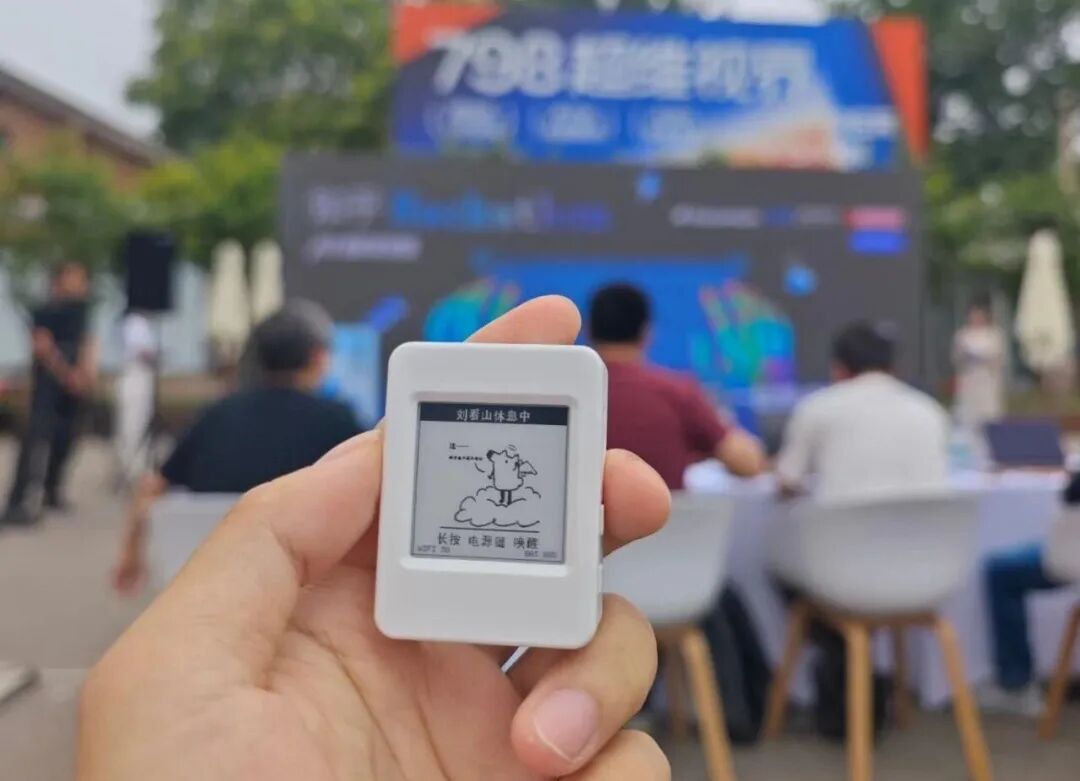
Because XiaoZhi is an open-source solution, anyone can buy a dev board and assemble it themselves — extremely convenient for electronics trash bros to tinker and invent. My senior, for instance, built a Liu Kanshan edition of XiaoZhi and entered it in a Zhihu hackathon, where it actually won a prize. And the finished XiaoZhi products are cheap — around 100 RMB on Taobao — making them perfect electronic toys for elementary schoolers who aren't allowed phones.
XiaoZhi has even influenced the dev board ecosystem. There's a beloved brand among electronics bros called M5Stack, whose whole thing is taking barebones modules and packaging them into mechanical-keyboard-aesthetic dev boards that you can customize with your own software. Buy an M5Stack board with a mic and button, hook it to your computer, ask Codex to turn it into a vibe-coding keyboard — press the button and your speech converts straight to input, effectively relieving the carpal tunnel that electronics bros get from too much typing.
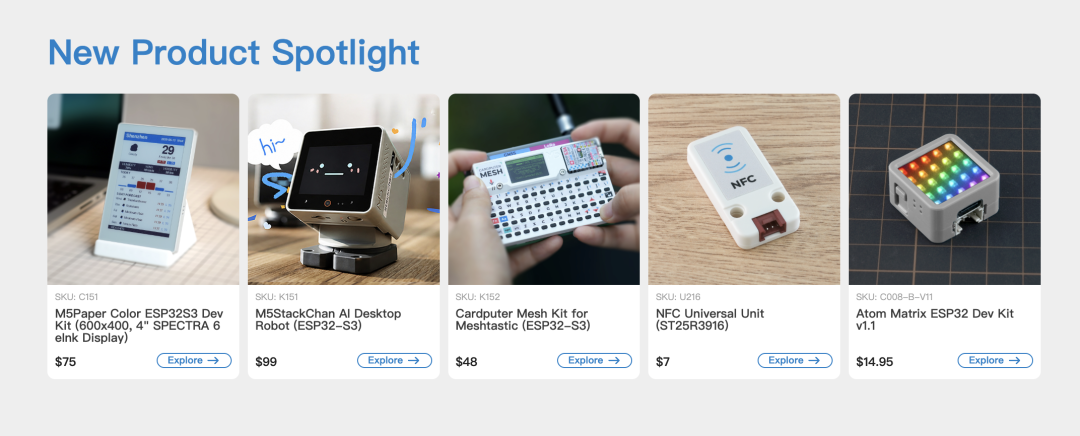
I left Xia Ge's office deeply moved by the electronics bro spirit and immediately ordered the premium desktop robot version of M5Stack. First thing I noticed: it also runs XiaoZhi built-in. The sixfold price premium over the 100-RMB Taobao version gets you motors, a camera, and a display — looks pretty nice and can track you as you move around. Wheat has ripened thousands of times; dev boards selling for a premium, that's a first 😭
2.
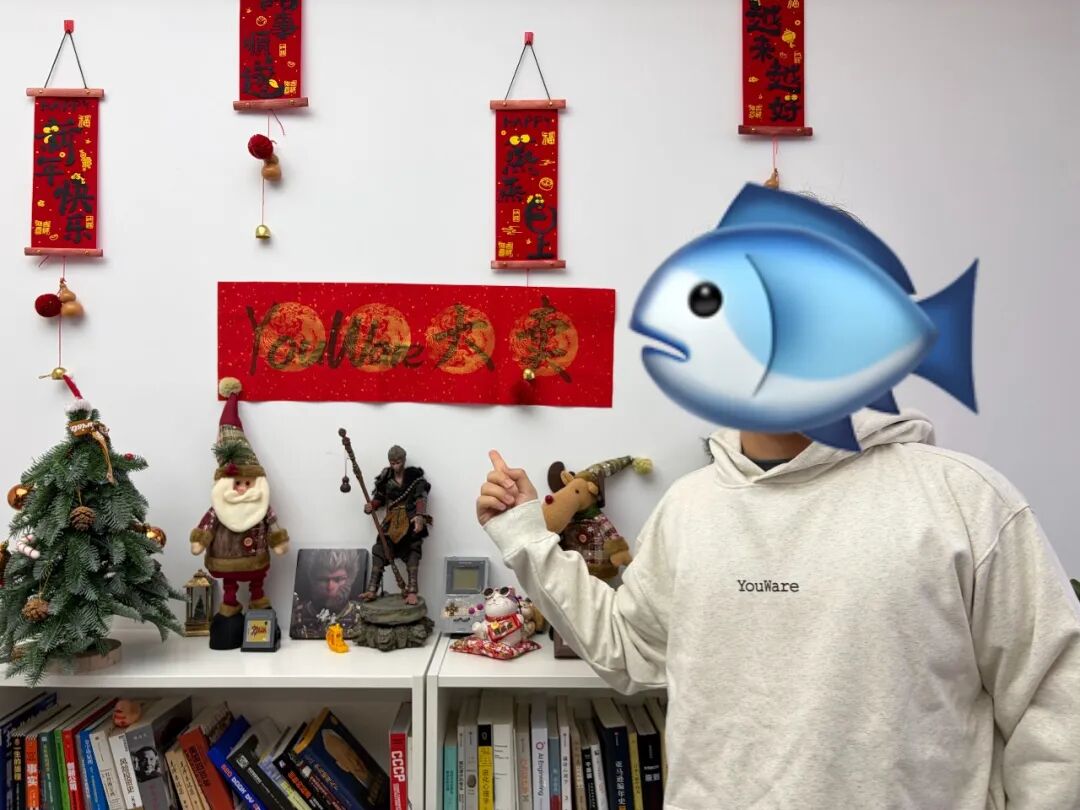
Visited the Youware office. Was delighted to see that at 2 p.m., the Youware team was all napping. The few who lifted their heads didn't hit me. This confirms that Youware is a good company — generous lunch breaks, high employee quality. Wishing them great sales.
3.
Went to the #1 must-visit spot on the Shenzhen startup food tour. This is a company of legend, because they make sex robots. I'll put this in the most direct, no-bullshit terms: they gave the robot a V. Basically, they wrapped the robot in a silicone skin — supposedly premium silicone, same material as "zero-feel" condoms, so it doesn't feel greasy. They also made an app where you can not only chat with the robot but remote-control it into various positions and make it move on its own. That is the most tactful description of Somnia Lab I can muster.
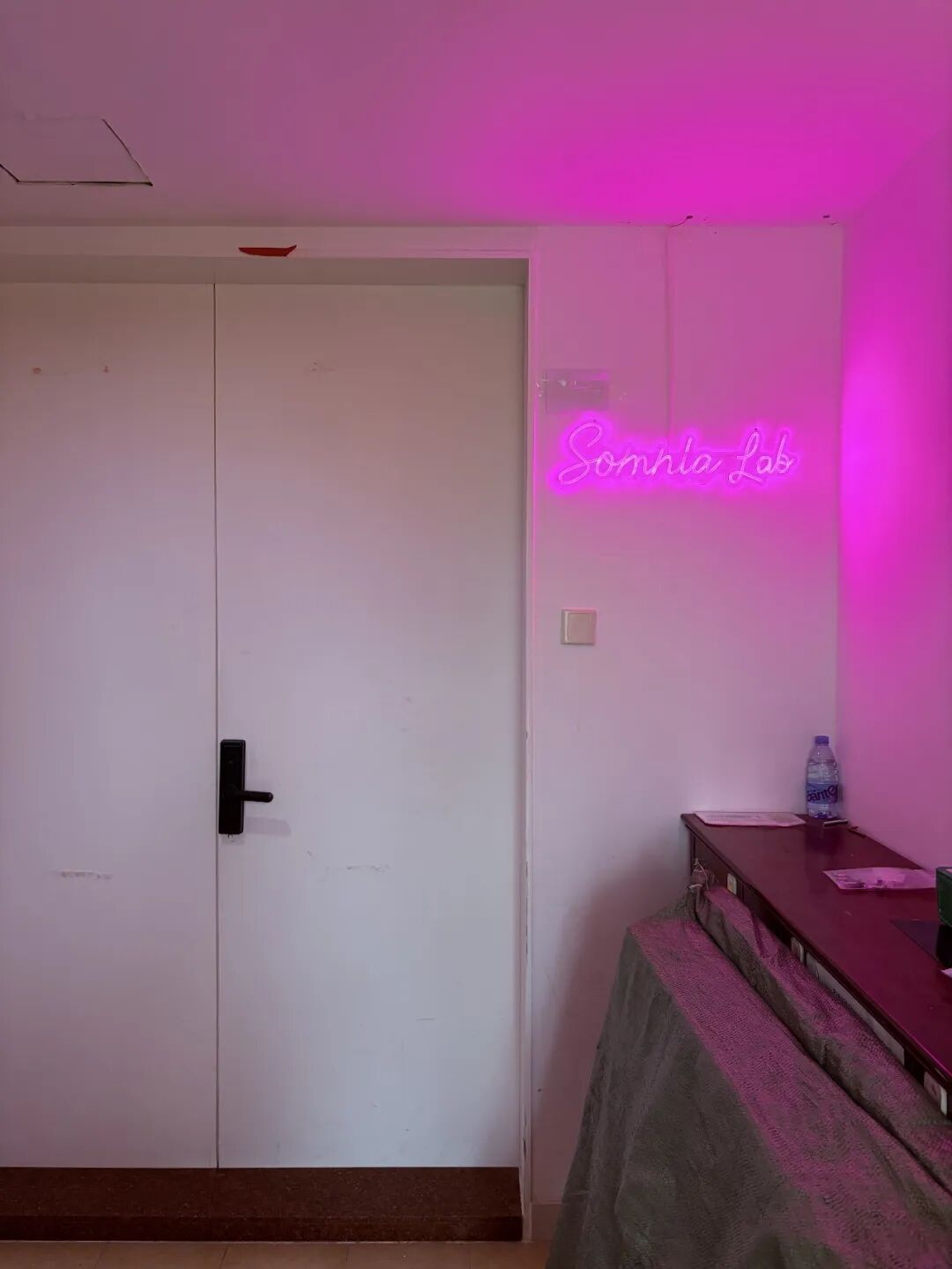
This is what their office entrance looks like
Maybe because I went with investors, the founder bro spent over an hour telling even wilder stories. Though bro himself is a bit behind the meta. These days the hot thing is "hot nerd" — the Yao-Shun-Yu type, shy-faced but casually dropping insane claims, that's what's in. Telling stories with too tight a narrative loop isn't necessarily a plus. This bro, though, was extremely practiced and passionate, even doing Q&A with himself and randomly selecting audience members to answer questions. Facing his cyberpunk-style HTML pitch deck and various unhinged images apparently generated by GPT-2, he went on and on — felt like accidentally walking into an Amway seminar. I kept zoning out in the second half, barely holding it together.
I won't get into the story content; evaluate for yourselves, consider visiting Somnia Lab in person. Keywords I remember: Amsterdam, Japanese conglomerate, casino king, Elon Musk, adult video stars, one trillion dollars.
Coming out of the Somnia Lab office, I finally understood why being an investor is hard. Since I don't have to make decisions, I could just enjoy it as pure entertainment. But if I actually had to decide — the basic facts are clear. The current demo is roughly: robot wrapped in silicone skin, app makes it move, everything still very rough. The rest is all wild stories, and you're just hoping they actually ship a more polished version soon. God bless Somnia Lab 🥵
4.
Booked Independent Variable Robotics for a house cleaning. The reason Funeral AI hasn't written about embodied intelligence isn't that we don't want to. It's that the industry is 2B, 2G, 2VC — just not 2C. Can't experience the products, can't write out of thin air.
Independent Variable is a particularly good robotics company because they dare to put their product in front of real users.
Shenzhen residents can book robot cleaning services directly on 58.com. Then Independent Variable dispatches a Lalamove truck carrying one engineer, one robot, and one cleaning auntie, who arrive together to service your home for three hours.
The cleaning auntie was highly efficient — finished the whole place in two hours. The robot mainly provided emotional companionship value, since it basically completed zero actual work.
The robot entered the door and immediately froze for over ten minutes due to latency. Then it spent an hour arranging small trinkets on the desk, and another half hour moving books one by one from one stack to another, like Sisyphus pushing his boulder. At one point it repeatedly stared in contemplation at Justin Sun's writings, perhaps attempting to distill Sun-ist thought into its world model.
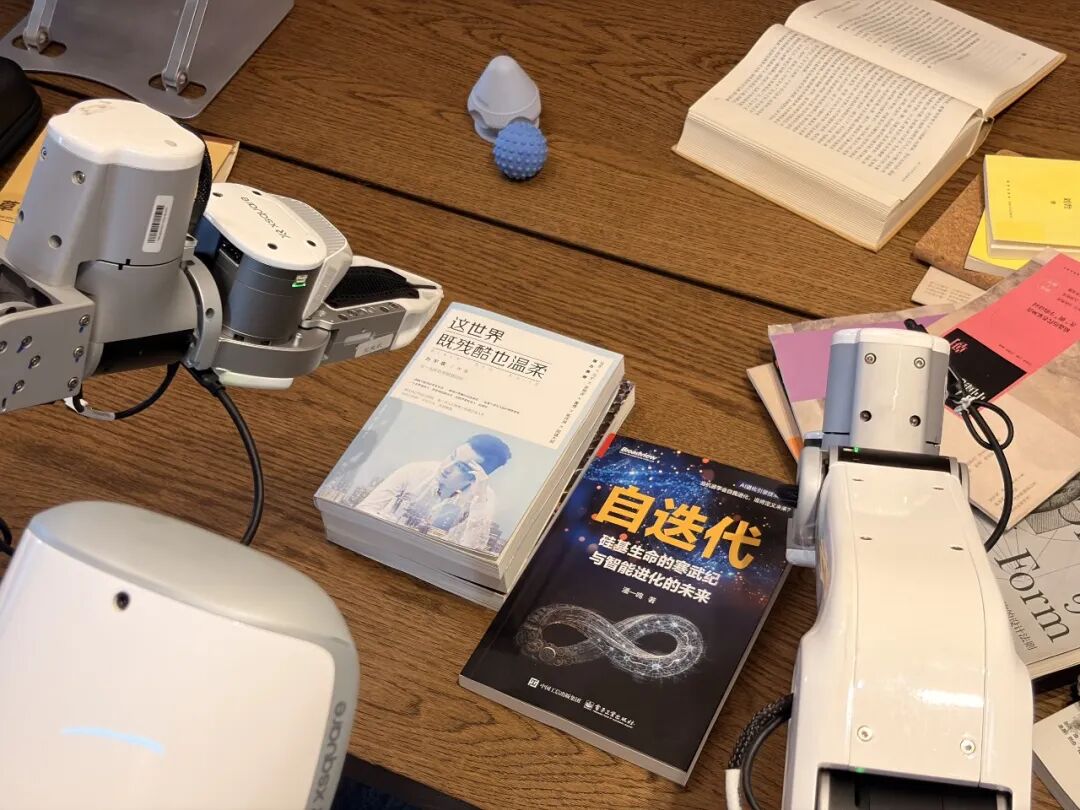
When the auntie got to the desk, she finished in one minute what took the robot an hour. No exaggeration — the robot had just been gathering power banks, pen rolls, phone cases and other small items into one pile, and each grasp took several minutes.
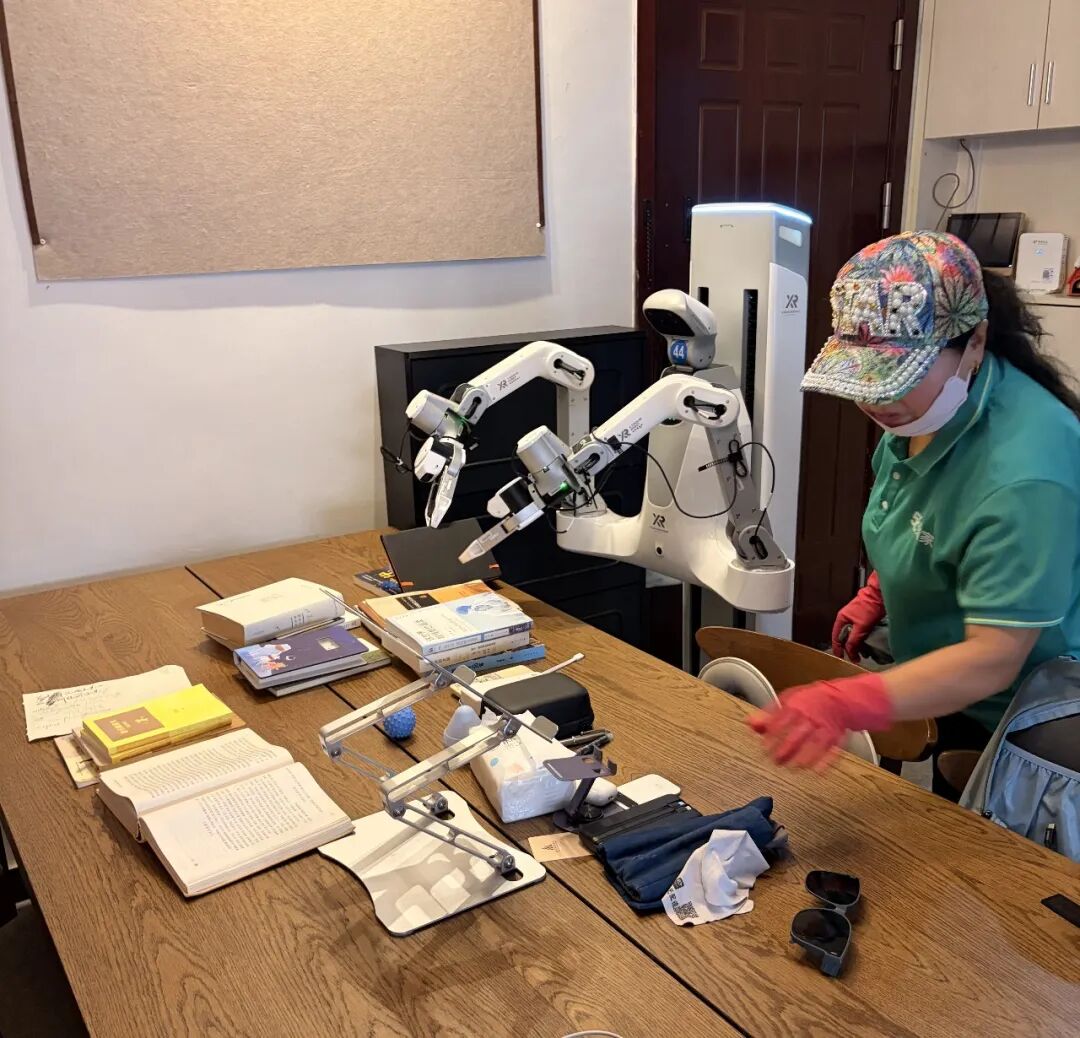
Finally we were out of ideas. The engineer gave the robot two pillowcases and asked it to demo folding clothes. Then the three of us stood around watching it fold pillowcases for 20 minutes.
Pretty good value — all this thorough service for just 149 RMB. Basically paying only for the auntie's cleaning fee, but getting a robotics company to come to your door for science education and entertainment.
So I excitedly posted on Jike. Most comments asked how to book. A tiny minority of insufficiently tech-optimistic people actually said I was a 🤡 for paying a robotics company to come collect data from my home. Truly outrageous. Fortunately Independent Variable has also launched robot cleaning services in Beijing — hope everyone books enthusiastically, supporting robotics companies brave enough to expose themselves by entering homes.
Behold my beautifully shot vlog ⬇️
Finally, let me summarize.
I've been in Shenzhen for half a month now. My main takeaway: Beijing has a large absolute number of divine beings; Shenzhen has high divine being density.
Beijing is vast and populous, with unparalleled education and commercial resources that produce talent generation after generation — a true moveable feast. It's like mob spawning: every few days a few divine beings refresh into existence. I will forever cherish Beijing's divine beings.
Accordingly, Funeral AI will host an internet café hackathon in Beijing at the end of this month. A gathering of divine beings from all corners, a one-stop shop for AI gamers. Event recruitment drops tomorrow.
Shenzhen's tech resources are concentrated in Nanshan District, creating an intense divine being clustering effect. Though the absolute number doesn't match Beijing, within the few kilometers from Xili to Qianhai, you can encounter virtually all divine beings — the divinity is especially intense and fierce.
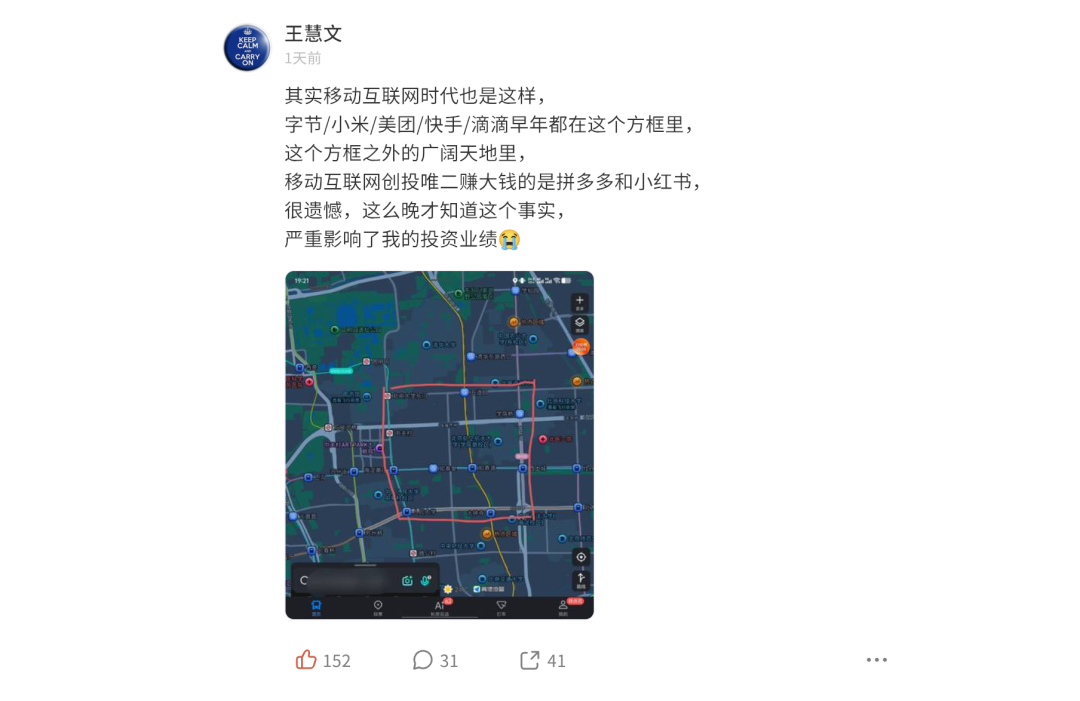
Every company mentioned in this article sits within that Xili-to-Qianhai box. I dub it Shenzhen's Divine Core Zone, capable of going toe-to-toe with the Beijing Startup Square proposed by Huiwen Wang.
Given that I've signed a one-year lease, Funeral AI will maintain close attention to Shenzhen compatriots' startup dynamics.
Stay tuned for my ongoing observations and research on Shenzhen's divine beings 🫡
(Cover image generated by ChatGPT; article written entirely by human)
⬇️
Subscribe to our Substack
funeralai.substack.com