20+ Frontier Tech Companies Visit BYD to Discuss Opportunities in the New Energy Vehicle Second Half | Ronghui

How cutting-edge technologies can help industries upgrade together for mutual benefit.
The global push toward electrification across production and daily life is accelerating, and the new energy sector is facing enormous opportunities. Frontier technology companies are exploring how to capture this growth engine and thinking through their positioning and innovation opportunities within the industrial chain.
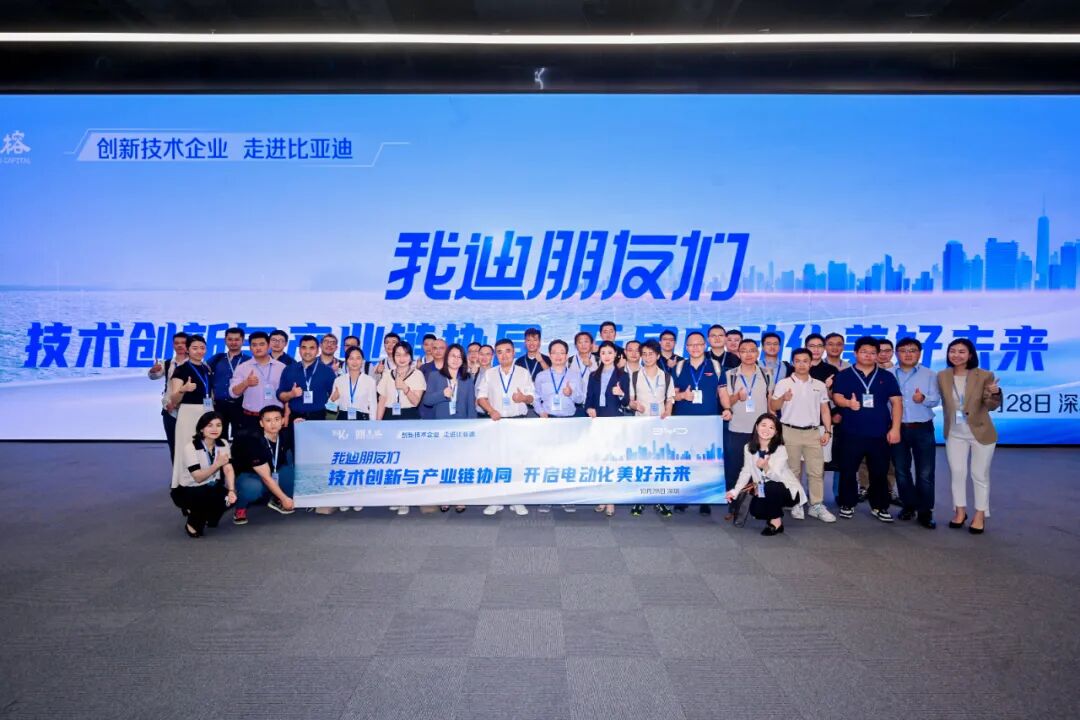
Founded in 1995, BYD has grown rapidly over more than two decades to become the global sales leader in new energy vehicles, while also playing a pivotal role in electronics, automobiles, new energy, and rail transit. Recently, 36Kr and Gaorong Ventures co-organized "Innovative Technology Companies Visit BYD."
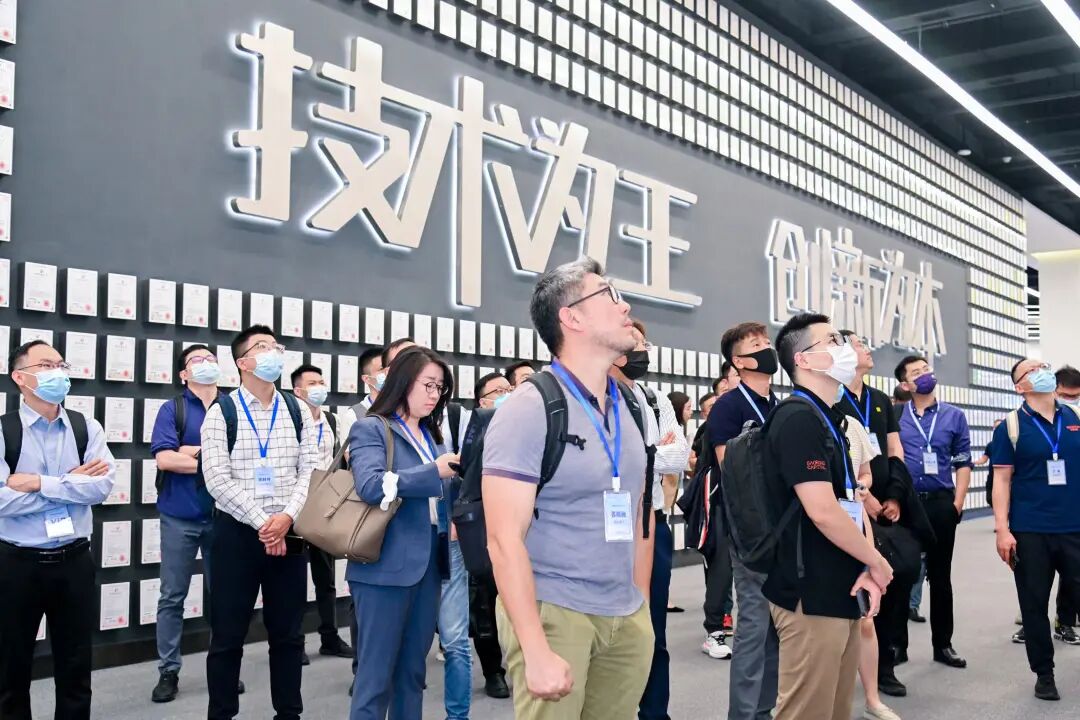
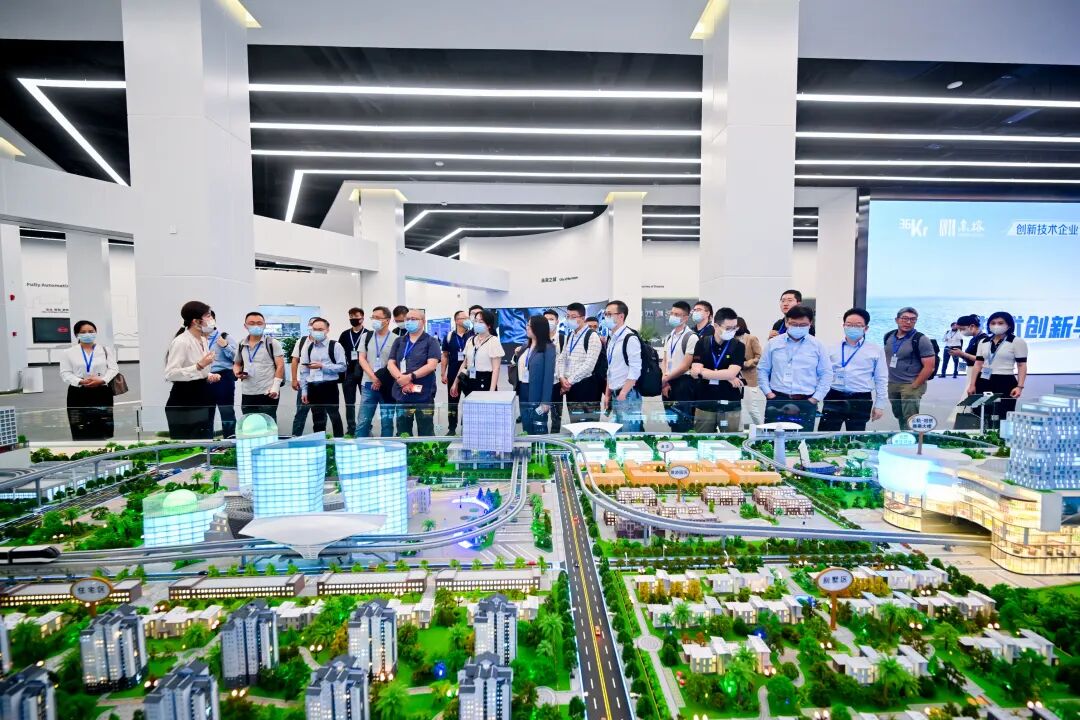
At the event, representatives from frontier technology companies in robotics, semiconductors, SaaS, and other fields toured the BYD exhibition hall, gained a comprehensive understanding of BYD's business layout, deeply experienced its "technology-first, innovation-driven" corporate culture, and listened to BYD's sharing on brand strategy and intelligent product innovation. Professor Will Chen of strategic management at CEIBS provided a practical theoretical framework for how frontier technologies can help industries achieve win-win upgrades. Participating companies also engaged in discussions with BYD on future strategic planning, industrial investment layout, and supply chain cooperation opportunities.
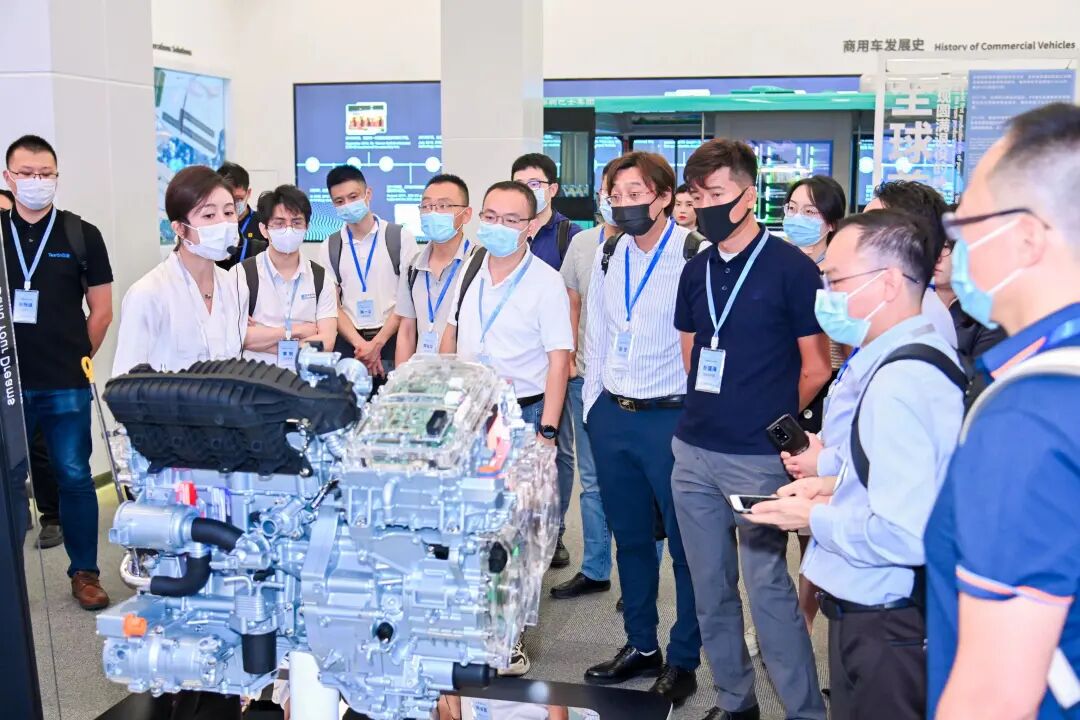
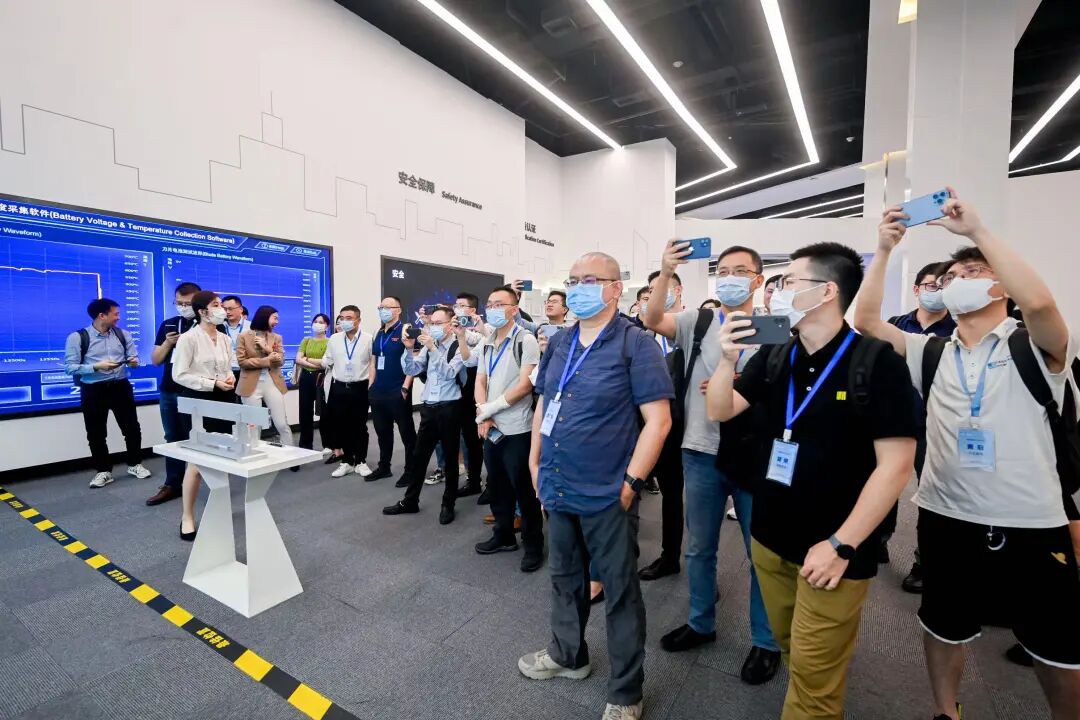
Global NEV Sales Champion: The Choices and Persistence Behind "Ten Years of Grinding One Sword"
Against the backdrop of energy strategy, dual-carbon goals, and industrial transformation, the new energy vehicle industry is developing rapidly and injecting new momentum into the economy. BYD is committed to solving development challenges through green technologies and industries.
Xiao Meijuan, BYD's Brand Communications Director, described the company's current business layout with "two not-onlys." First, "industries extend beyond automobiles" — BYD operates in four major industries: electronics, automobiles, new energy, and rail transit, building a comprehensive zero-emission new energy solution from energy acquisition, storage, to application. Second, "business extends beyond China" — today BYD's operations cover more than 70 countries and regions overseas, and it is currently the only Chinese automotive brand present in developed automotive markets including Europe, America, Japan, and Korea. In London, for example, BYD's new energy buses hold over 80% market share.
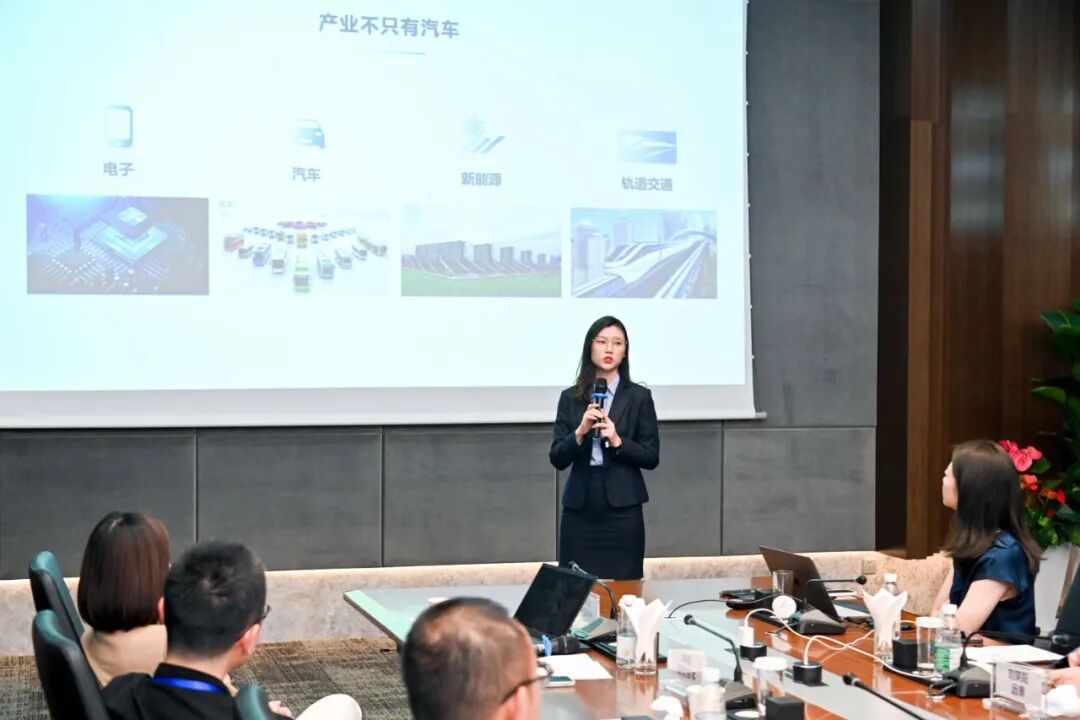
Xiao Meijuan noted that comparing BYD's past and present reveals "ten years of grinding one sword," with breakthroughs coming only when the right wind arrived. From 2011 to 2020, BYD's passenger vehicle sales remained stable. It was only after BYD successively launched core technologies like the Blade Battery and DM-i, riding the tailwind of the NEV industry, that sales began climbing in 2021. By September 2022, BYD's cumulative NEV sales exceeded 2.6 million. Xiao Meijuan shared a striking data point: "From BYD's first new energy vehicle to its one-millionth, it took 13 years; from the first million to the second million took one year; and we expect to achieve the breakthrough from the second to the third million in less than a year."
Today's achievements stem from BYD's choices and persistence: adhering to the new energy route, and insisting on "technology-first, innovation-driven." BYD currently has 11 major research institutes continuously incubating new technologies. In 2021, BYD's R&D investment exceeded 10 billion yuan, ranking first among domestic automakers; its technical R&D staff exceeded 40,000, also first domestically; and its approximately 25,000 authorized patents were similarly industry-leading. BYD's core frontier technologies include the Blade Battery, DM technology, e-Platform, CTB (Cell to Body), IGBT chips, DiLink, and more.
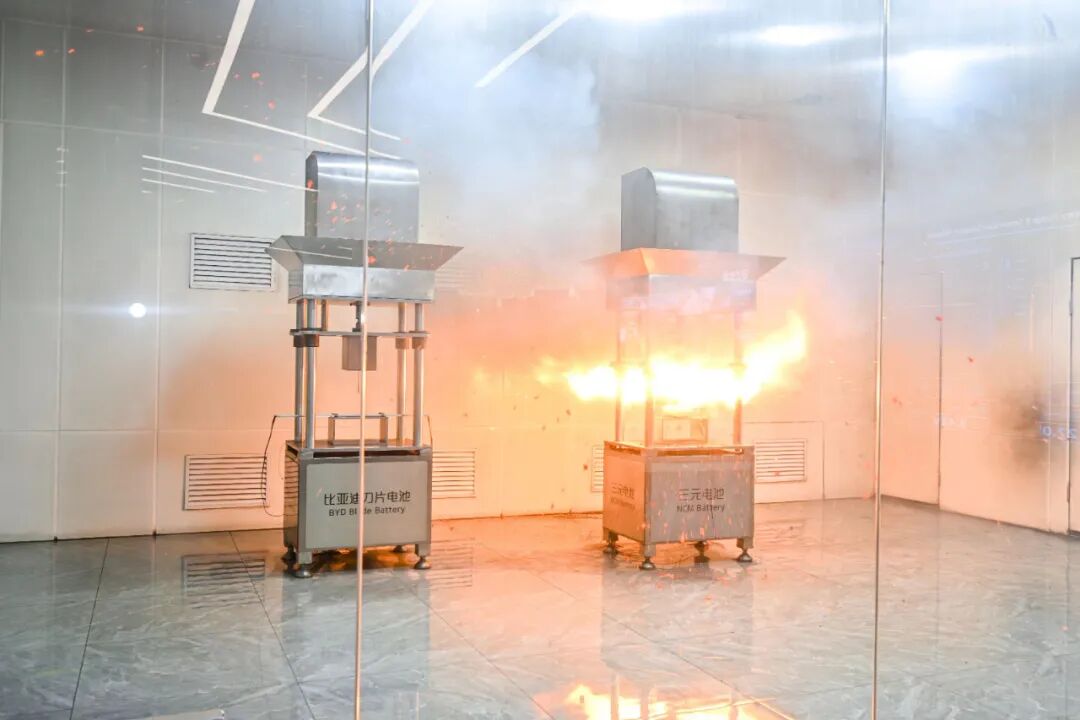
BYD Blade Battery nail penetration test — the "Mount Everest" of power battery testing
Looking ahead, BYD's development plans include first, industrial diversification across the group, encompassing BYD Automotive, Electronics, Rail Transit, Semiconductor, Solar, Energy Storage, Lighting, New Materials, Auto Finance, Forklifts, and FinDreams companies. The automotive brands are also diversifying: beyond the Dynasty and Ocean product lines, BYD Automotive includes Denza and an upcoming premium brand. This year, BYD has also accelerated its overseas expansion, continuously stepping up its globalization strategy.
Embracing the Second Half of NEVs: Intelligence
The first half of new energy vehicles was electrification; the second half is intelligence. At the event, Chen Sihan, Promotion Director of BYD's Intelligent Connected Vehicle Developer Center, introduced BYD's DiLink intelligent connected system. Chen Sihan noted that DiLink aims to build a large ecosystem, creating a "hardware + software + ecosystem + mobile" four-dimensional intelligent cockpit that fully connects "people + vehicles + society + life." And from its very launch, the intelligent connected system has been committed to ensuring that when users enter the vehicle, the car's system can completely take over from their phones. "That's why we want the vehicle system to be 100% open in its ecosystem, allowing more partners to participate."
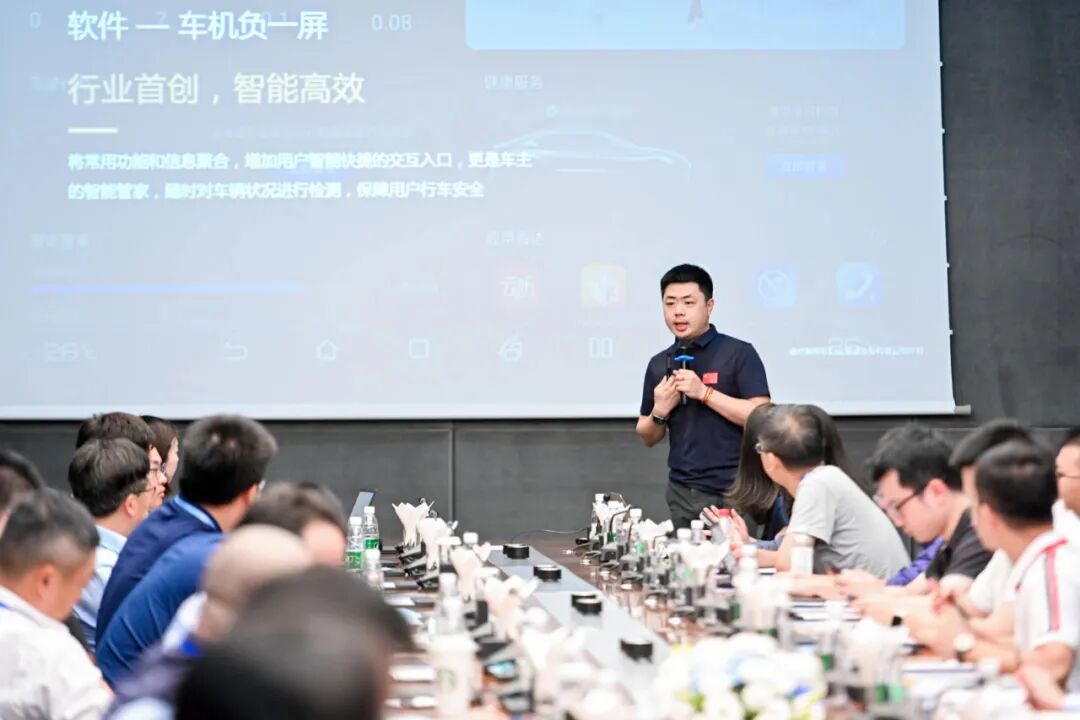
Using DiLink 4.0 (5G) as an example, Chen Sihan introduced BYD's comprehensive upgrades in in-vehicle experience. On the hardware side, the world's first adaptive intelligent rotating vehicle screen brings users an immersive experience, and BYD is also the world's first automaker to deliver 5G vehicles at scale. On the software side, beyond enhancing user experience through dual-vision systems and split-screen functions, BYD pioneered the "vehicle system negative-one screen" in the industry, adding an intelligent and quick interaction entry point that addresses personalized and customized user needs. On the ecosystem dimension, BYD is committed to achieving intelligent compatibility with massive numbers of apps, and equips industry-leading intelligent voice technology, looking to make voice the primary user interaction entry point in the future. On the mobile side, BYD hopes to serve more remote user needs, so in addition to in-vehicle OTA functionality, it has also added mobile OTA remote upgrade capabilities.
Speaking of BYD's DiPilot intelligent driving assistance system, BYD also has its own principles. For example, "Our very firm top priority is safety," and "BYD is a very pragmatic company in the technology domain. BYD users and us have developed a kind of spiritual understanding — what you see is what you get, delivering mature functionality to users."
How Frontier Technologies Help Industries Achieve Win-Win Upgrades
In his 20-minute presentation, Professor Will Chen first examined BYD's development from a strategic management perspective. "BYD has been around for 27 years and has built very solid capabilities, but judging from the innovative energy felt today, it's still like a very vibrant young company, insisting on technology-first, innovation-driven. Looking back at BYD's development, applying strategic initiatives discussed in strategic management, the first was vertical integration strategy — starting from a core resource capability like battery technology, then developing toward complete vehicle manufacturing capability, brand capability, and sales capability, ultimately forming full-link collaborative development. Second is diversification strategy — from automobiles to electronics to new energy to rail transit, BYD has diversified industries, connected behind the scenes by several core technologies as synergistic anchors. Third is globalization strategy, selling in Europe, the Middle East, and other countries."
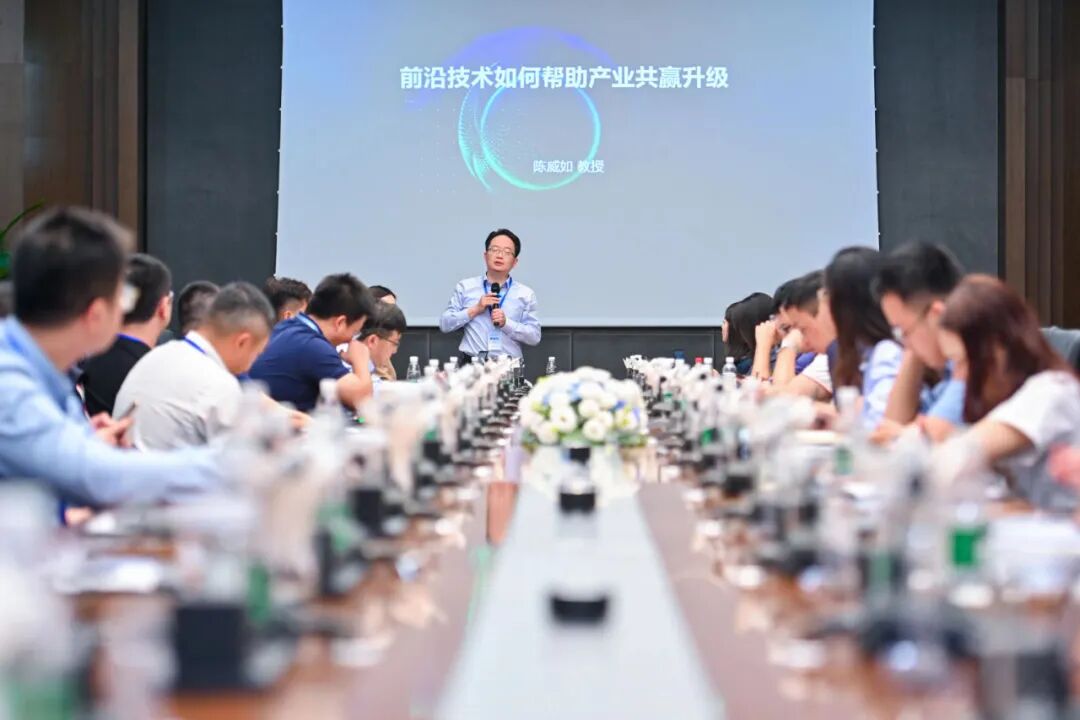
"The world has entered the digital-intelligent era, and every industry is worth redoing," and digital-intelligent frontier technologies are transforming all industries. Beyond creating and meeting user needs, there is also the expansion powered by platform-enabled win-win models. Will Chen also emphasized that "after 2020, the value positioning of platforms has shifted, from the consumer internet era emphasizing light value and short chains, to the industrial internet era emphasizing deep value and long chains."
So how can innovative enterprises with leading technologies build digital-intelligent enabling platforms, achieve focus while continuously expanding, and truly help industries upgrade? Based on case studies and theoretical research, Will Chen shared with the entrepreneurs present a "business and capability spiral co-evolution" framework.
Will Chen pointed out that enterprises must first consider what their initial focused business scenario is, find angel users and benchmark enterprises, and in the process of refining solutions with customers, must center on customer needs, achieving product-market best fit through multiple minimum viable product iterations, while also achieving capability decoupling; continuing to expand into more business scenarios, then decoupling and repackaging capabilities to achieve horizontal capability development; in the process,沉淀ing common needs and capabilities across various business scenarios to form middle-platform capabilities and infrastructure. "Most fundamentally, you cannot only develop business without沉淀ing capabilities; nor can you purely develop capabilities without knowing what the world needs, with no cash flow coming in."
At the end of his presentation, Will Chen also offered frontier technology enterprises a long-term strategic framework — "look ten years" and "think three years." "Look ten years" means thinking about what we should do, finding the intersection of what we want to do, what can be done, and what we are capable of — that is, what we should do. Want to do is about "original intention," thinking about what society and customers will need in ten years, what mission we want to accomplish together, what value we want to bring; can be done refers to "external opportunities," including identifying major trends in industrial innovation, thinking about which businesses can achieve tenfold growth, and whether business models are sustainable; capable of doing is "internal advantages," including what unique capabilities we need to build and sustain, and how to build an ambidextrous organization that is both innovative and stable.
Of course thinking alone isn't enough — it must be grounded through "think three years" to position innovative business refinement. At this stage, four questions need to be clear: for whom? what value to create? in what application scenario to focus and achieve breakthrough? with what unique method? By thinking through these questions, find the focused domain where who/what/how/which align, then continuously iterate and innovate to find the future.
Believing National Brands Will Emerge to Achieve Industrial Collaborative Development
In the discussion session, BYD's relevant leaders also engaged in dialogue and discussion with participating enterprise representatives, Professor Will Chen, and the Gaorong Ventures team.
BYD's Technology Serves Its Strategy
BYD has been in the automobile business for roughly 20 years, and once again became the global NEV sales champion this year. The strategic resolve behind this is admirable — both forward-looking strategic insight and calm, firm strategic execution.
Du Guozhong, Deputy General Manager of BYD's Brand and Public Relations Division, noted, "Beyond strategic vision and rapid decision-making, what was crucial to BYD's achievements today was persistence after strategic choices, which also required tremendous courage. For example, BYD entered the automobile industry in 2003, but even before that we had already decided to make new energy vehicles based on leading mobile phone technology and automotive technology. We anticipated that new energy vehicles align with national strategy, can solve social problems and user pain points, and firmly committed to this path. Along the way we encountered numerous difficulties and challenges, but always held onto our dreams and grounded ourselves in hard work."
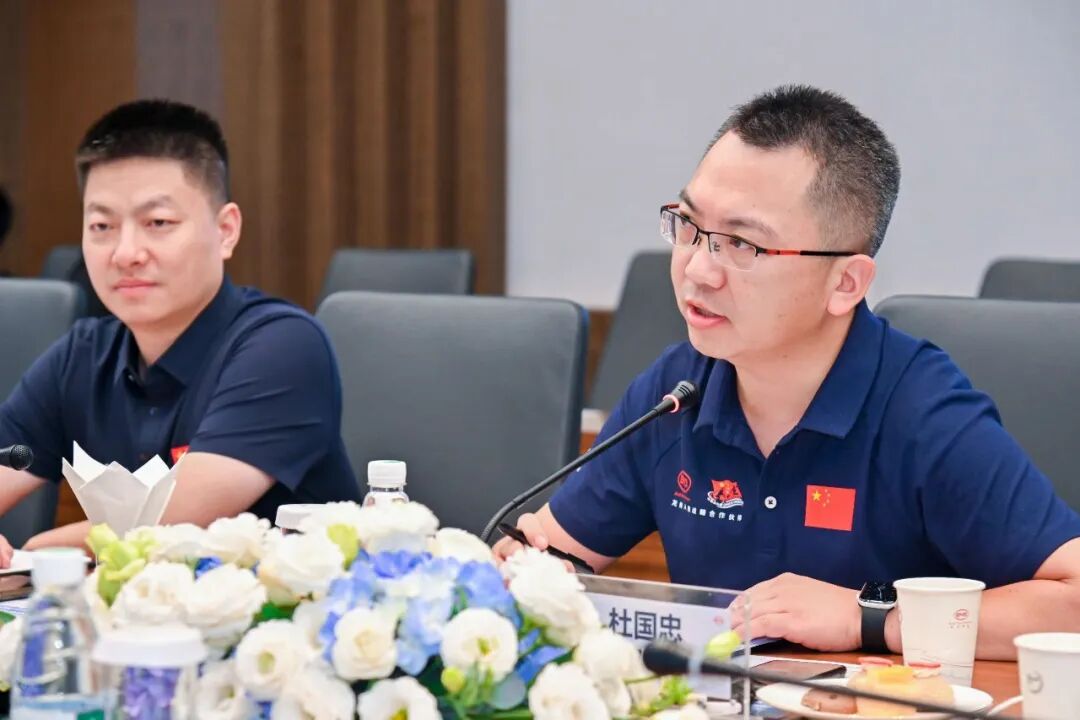
Furthermore, he emphasized, "BYD's technology serves its strategy. Before making any strategic move, we first look at whether there is technological support, so we attach great importance to technology." For example, BYD's Blade Battery, DM and other technologies may seem to appear out of nowhere, but in fact represent years of behind-the-scenes effort.
Speaking of intelligent strategy, Wu Yue, BYD's Director of Investor Relations, stated that in the future BYD will, as it did in the electrification domain,打通 all core intelligent technologies and conduct thorough validation. Wu Yue believes that intelligence can be "late but smart," because the core of intelligence is data accumulation. "As BYD's sales climb, we believe the continuously accumulated data can help us surpass competitors in the intelligence race."
More National Brands Needed to Achieve Industrial Synergy
Wu Yue also introduced BYD's industrial investment logic and priority directions. "First, under the manufacturing powerhouse development strategy, we firmly believe national brands will emerge, and will be heavyweight global enterprises, forming co-creation, win-win, and co-prosperity partnerships with many satellite companies and startups. Second, for the new energy industrial chain, this is a large赛道 and also a long赛道, requiring different roles to undertake different分工 on the industrial chain. Third, the current international situation places increasingly high demands on industry, requiring more national brands to jointly achieve industrial synergy."

Against this backdrop, BYD hopes to achieve supply chain security, industrial security, and promote strategic corporate development through industrial investment. Regarding specific sub-industries, Wu Yue introduced that BYD prioritizes investment in automotive electrification, automotive intelligence, semiconductors, and carbon neutrality. After investment, BYD also hopes to help startups find industrial scenarios and grow together through industrial empowerment.
Technology Thinking and User Thinking in Parallel
As new energy vehicles gradually become普及 and enter people's lives, beyond hardcore technology, user thinking is also crucial. The combination of technology thinking and user thinking will propel enterprises to new development paths.
BYD also places great emphasis on listening to user voices, and has established a dedicated user operations team. Xi Cao, Assistant General Manager of BYD's Brand and Public Relations Division, noted that he recently visited multiple cities to organize small-scale offline user events, listening to user voices and introducing BYD's latest technologies to users. "Many BYD users have followed our development throughout, forming deep understanding with us. Demand for leading tech products must come from users. Additionally, we continuously maintain connections with ecosystem partners, maintaining an open mindset, thereby sustaining brand vitality."
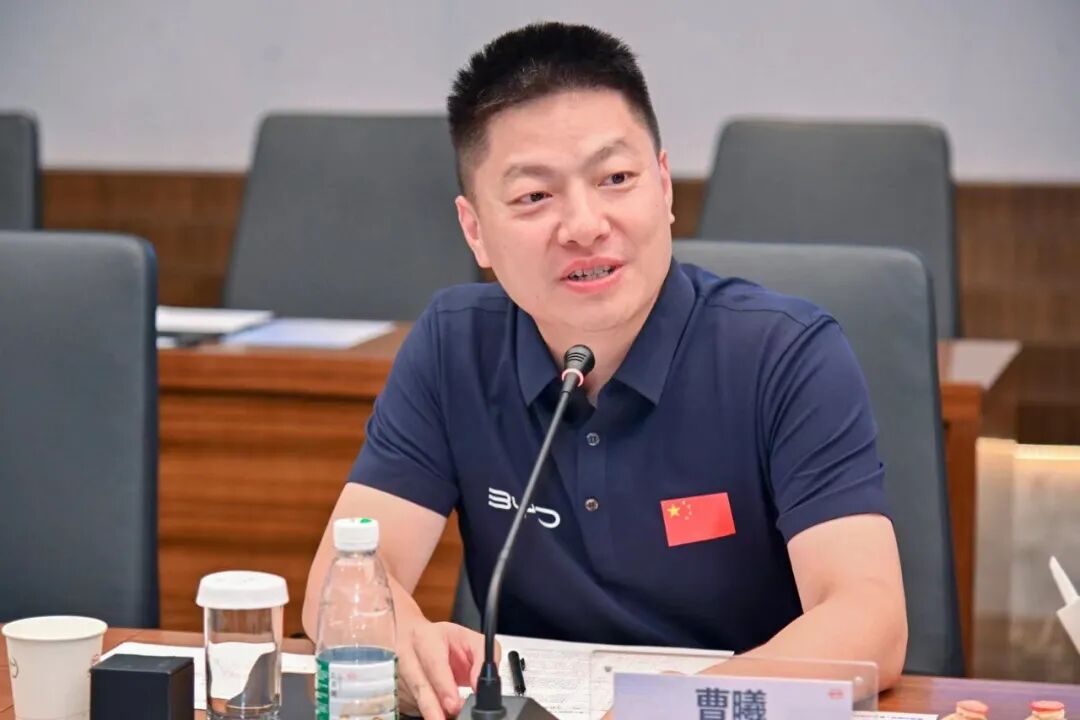
Embracing the Era's Thematic Tracks
Michael Mao, Founding Partner of Gaorong Ventures, also shared his strategic thinking on BYD and advice for startups from an investment perspective. He noted, "Every era has its own thematic tracks. Over the past 15-20 years, the thematic track was mobile phones — beyond the phone industry itself, it also drove the development of mobile internet software, upstream and downstream supply chains, intelligent manufacturing, IoT, 5G, and more. The next thematic track may be automobiles, with vehicle electrification at the core of the industrial chain. Beyond accelerating upgrades to vehicle-related processes, manufacturing, and materials, it has also driven development in major tracks like batteries, photovoltaics, and energy storage, changing how people use energy. Moreover, future vehicle-machine interaction demands will drive development in more industries."
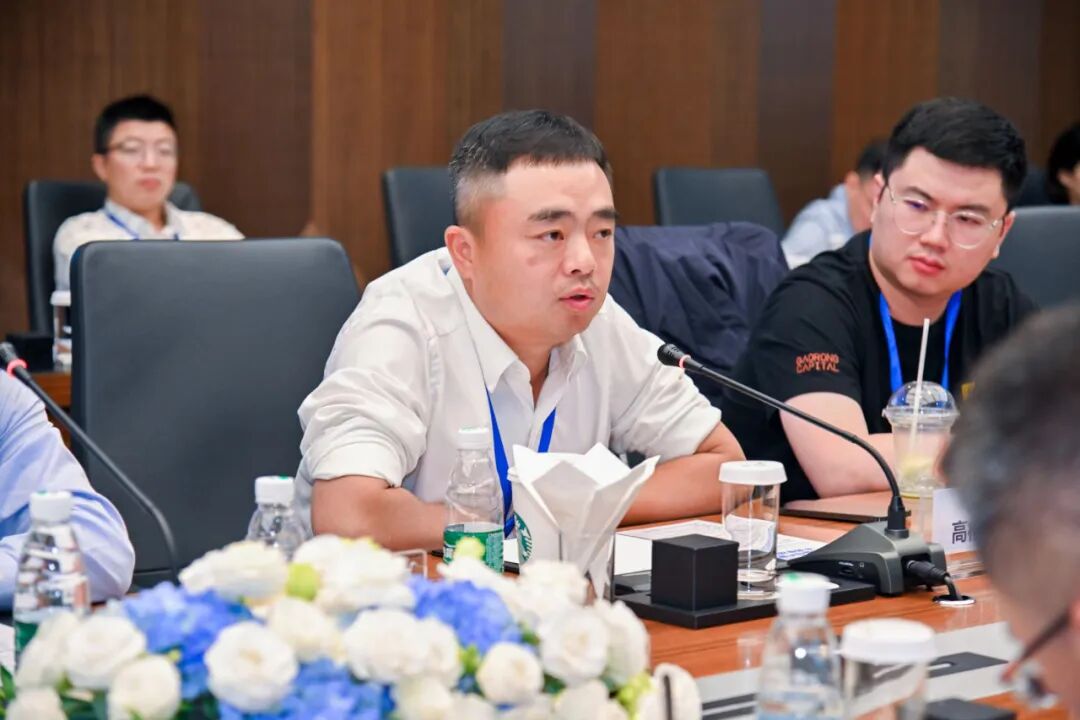
Michael Mao believes that BYD has spanned both the mobile phone and automobile eras, and it is precisely based on BYD's strategic persistence and continuous technological breakthroughs that it could跨越 eras. "For entrepreneurs, you must embrace the future. Regardless of what field or business you are in, you need to connect with major industries."
Industrial development and upgrading require participation and碰撞 from all forces, including collaborative innovation between industry leaders and startups. Looking forward to accompanying the global energy transition process, together using technological innovation to satisfy people's aspirations for a better life.