A Conversation with the "Three Musketeers" of Gaorong Ventures: Embracing Technology to Create a Better Life

From 0 to 1, and on to 1 to 10
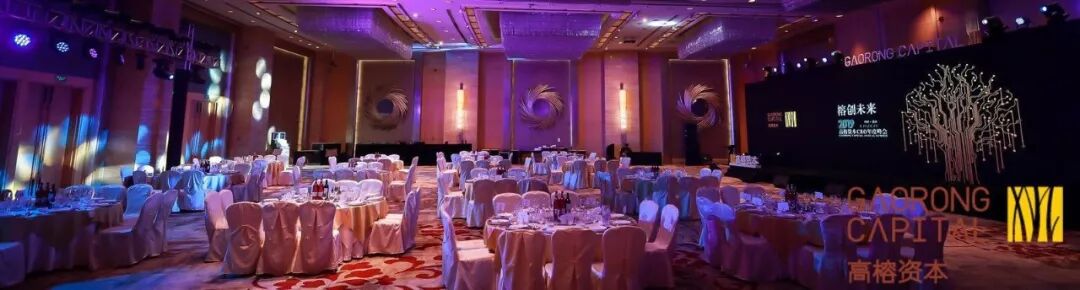
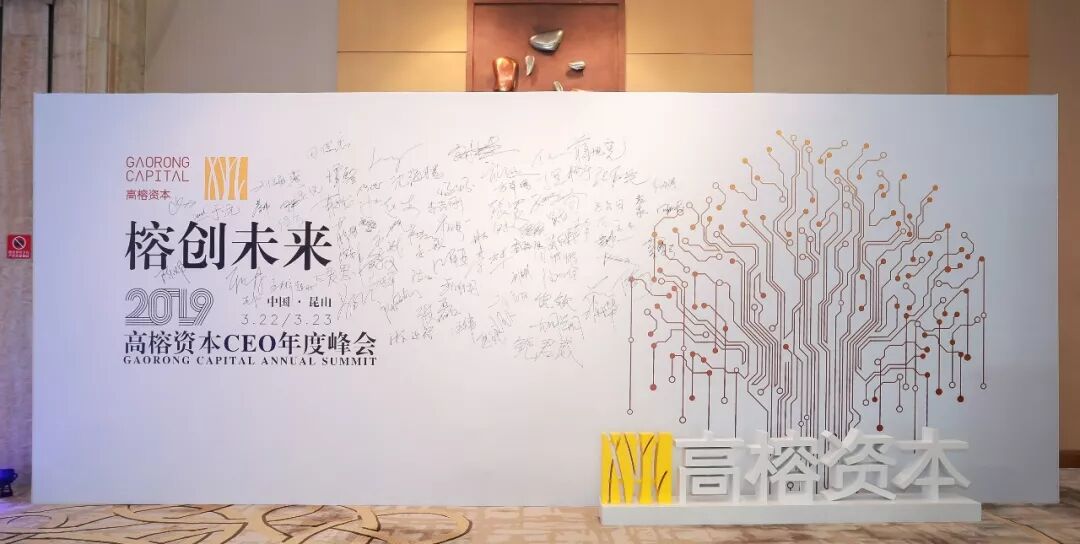
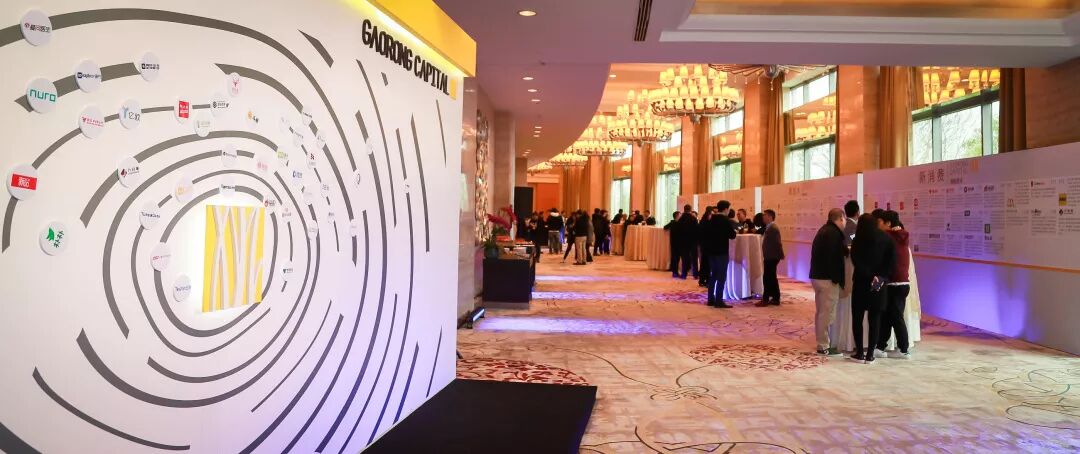
On March 22–23, 2019, the 2019 Gaorong Ventures CEO Annual Summit was successfully held in Kunshan. Over 140 CEOs from the Gaorong family gathered by Yangcheng Lake to discuss topics including the 2019 capital markets, startup methodology, technology-enabled commerce, the "new" in China's new consumption, and new drivers for the internet.
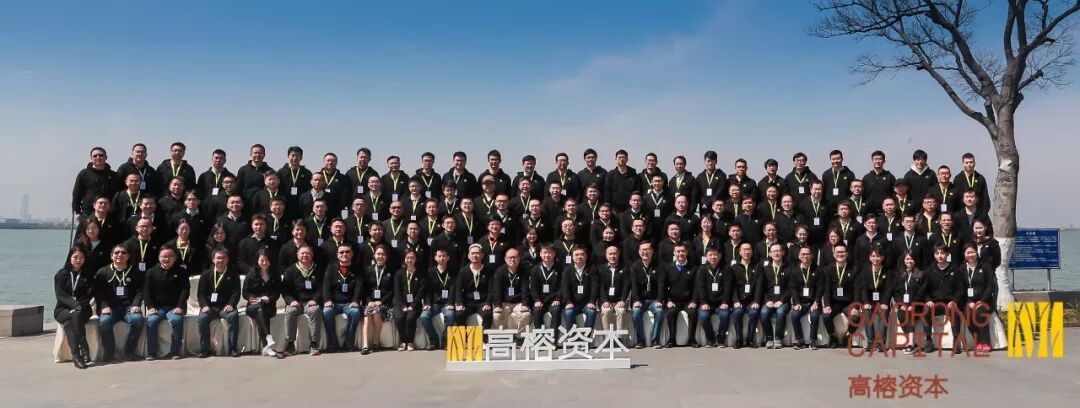
Gaorong Ventures founding partner Chang Chen looked back on the firm's five-year journey since its founding: the team had grown from three founding partners to over 40 people; the firm's USD and RMB funds under management totaled approximately RMB 15 billion; many Gaorong portfolio companies had grown into leaders in their respective industries, with 8 invested or affiliated companies completing IPOs and over 20 reaching unicorn status.
"Over the past five years, Gaorong completed its first phase from 0 to 1. These five years have also been a period where Gaorong, as entrepreneurs ourselves, developed better empathy to understand founders," Chang Chen shared. The next five years, he said, would be Gaorong's phase from 1 to 10. "What do we hope to do? We hope to embrace technology, embrace change, and by participating in excellent technology companies and companies with outstanding model innovation, create a better life and long-term value."
At the summit, "New Economy 100 People" founder Li Zhigang hosted an in-depth conversation with Gaorong founding partners Chang Chen, Gao Xiang, and Yue Bin. The "Gaorong Three Musketeers" shared their reflections on entrepreneurship over the past five years, new opportunities in consumer, technology, and internet sectors, and Gaorong's future. This week, we will also release highlights from the summit discussions, sharing insights accumulated from frontline practice by CEOs of Gaorong portfolio companies.
Li Zhigang: To all the outstanding Gaorong CEOs, I'm Li Zhigang, founder of "New Economy 100 People." I'm moderating this "Gaorong Three Musketeers" conversation today. Let me first ask the three of you — as entrepreneurs yourselves, what have you felt over the past five years?
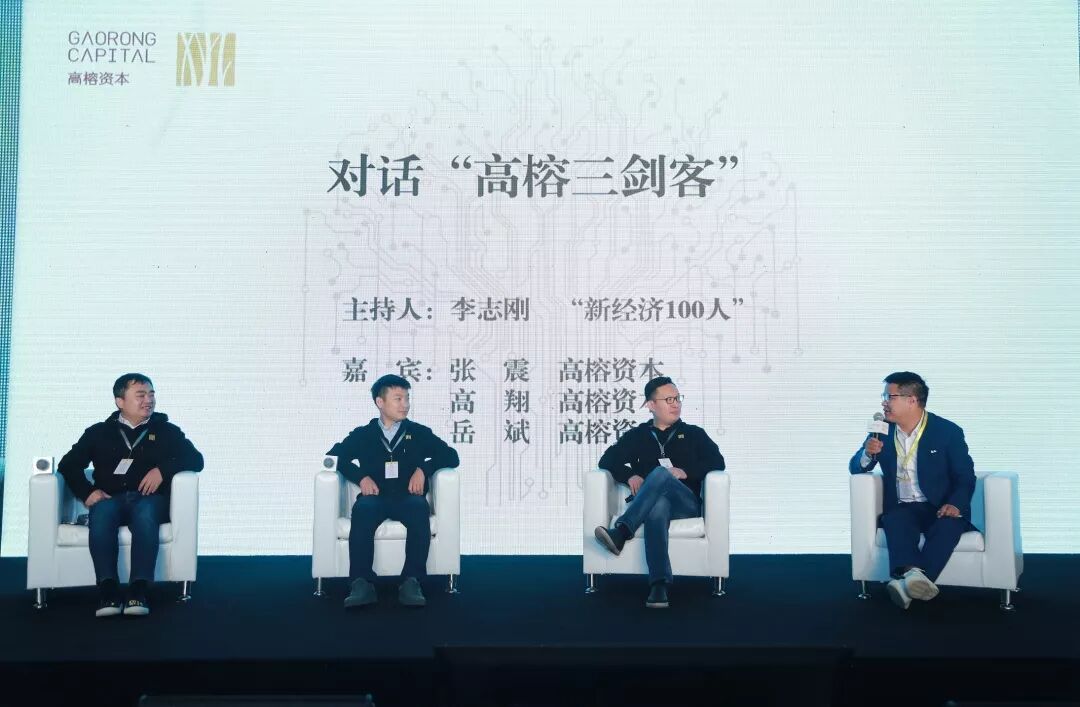
"New Economy 100 People" founder Li Zhigang in conversation with the "Gaorong Three Musketeers"
Chang Chen: We are investors, but also entrepreneurs. What I've deeply felt over these five years building Gaorong is the importance of perspective-taking. Although we're a new institution, we're not new to investing — Gao Xiang and I both entered the venture capital industry in 2002. Over the years we've met many founders, but only when we truly became entrepreneurs ourselves did we develop deeper empathy for them. How do we choose excellent companies? I often use three dimensions: first, vision; second, organizational capability; third, execution. Looking back at ourselves, each dimension has constantly challenged us. What is our vision? How do we build organizational capability? How do we execute?
In the past, doing investing was a bit like the blind men and the elephant — sometimes we'd touch the head, sometimes the tail. Only when we truly jumped into the entrepreneurial tide and experienced it all did we develop deeper understanding of entrepreneurship and business. So I believe these five years of entrepreneurial experience have been an extremely valuable asset for my investing career, and have given us better empathy to understand the founders here today.
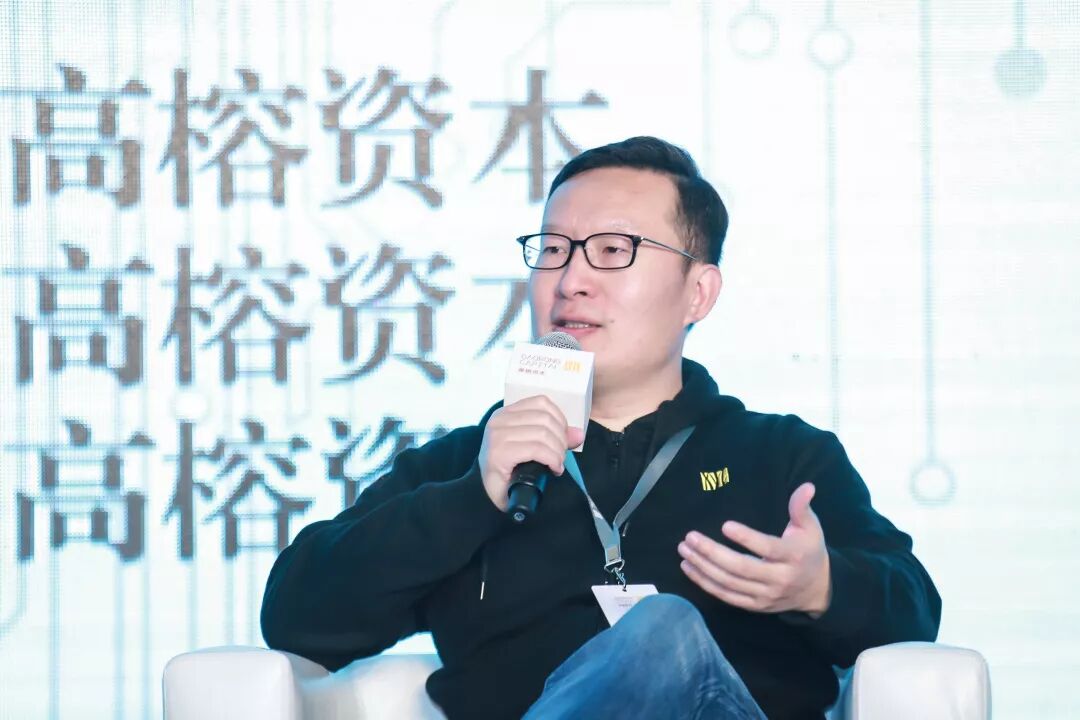
Gaorong Ventures founding partner Chang Chen
Yue Bin: Five years passed very quickly. Looking back at where I was five years ago, my understanding of the world, of entrepreneurship, and of technology trends was vastly different from today. So personally, I've improved tremendously over these five years.
I've also seen many outstanding founders we've worked with grow and progress tremendously, which makes me very happy. There were many moments that felt exhausting and challenging to my mental resilience, and times when I felt setbacks. But five years on, I've seen the whole endeavor progress very rapidly, and my personal growth has been significant. That's how I feel, and I sincerely hope every friend here feels the same.
Gao Xiang: I think a major change after starting a business is psychological. In our previous jobs, making decisions was like sailing at sea, but we could always see the shore. When you can see the shore, your decision-making and mental state are different.
After becoming entrepreneurs ourselves, I feel like we can't see the shore — you see nothing in the vast ocean. At this point, your decision-making mindset is that you only have a compass in hand, and you're not even sure if the compass is pointing the right way. So you need very clear conviction about your direction, and having a good team and good partners to support you through this process is extremely important — that's my biggest takeaway from the past five years.
Li Zhigang: Mr. Yue, I know you've invested in many AI companies. What trends and opportunities do you see in technology? Especially since the next two to three years may be a bottleneck period for technology, where will the major opportunities emerge?
Yue Bin: Technology is truly fascinating — the deeper you understand it, the more possibilities you see, and the more willing you are to devote greater effort to it.
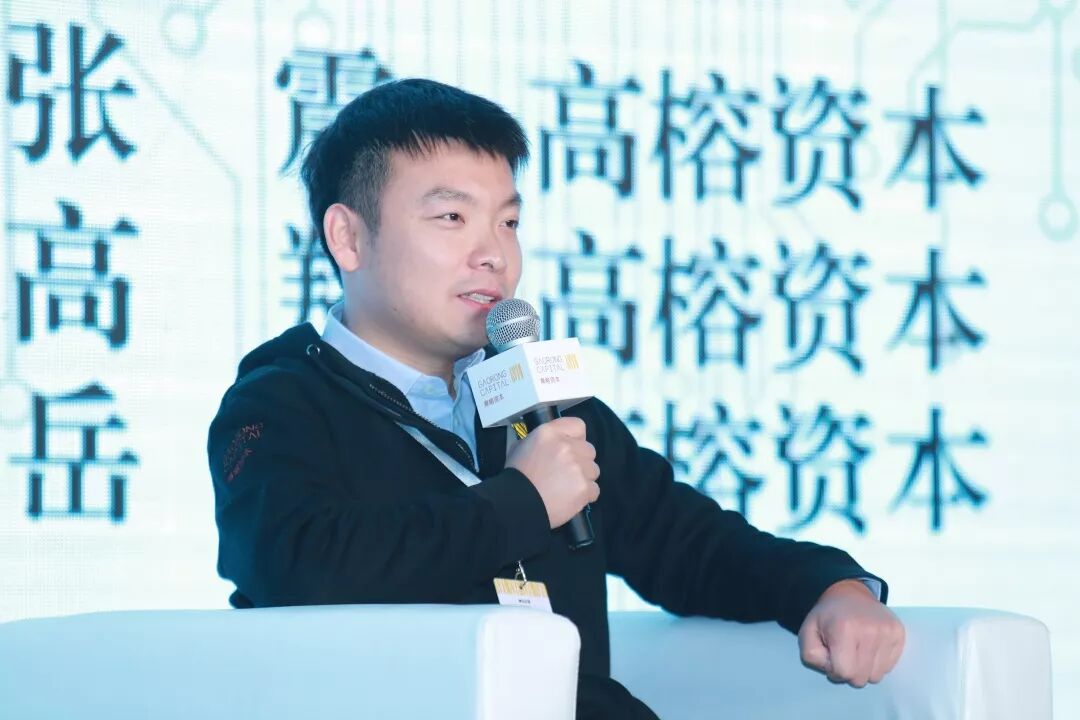
Gaorong Ventures founding partner Yue Bin
Recently I've systematically organized our views on technology. Although everyone is discussing AI right now, I believe we are still collectively underestimating the impact AI will bring next — that's my view.
Even within AI, there are many different fields — I'm not referring to commercial application areas, but technical approaches and the potential behind them. To the friends here doing AI-related entrepreneurship, we communicate frequently, and in certain particularly cutting-edge directions we share common understanding and thinking, and I have great respect for all of you.
Looking across AI as a whole, if you understand the technical approaches in computer vision, NLP, autonomous driving, AGI, and various other fields, you'll see a very interesting trend. Although the technical details differ across fields, the overall technical evolution ends up being similar. Why can these excellent companies we've invested in perform best in their respective practical applications? I found that their macro-level algorithmic thinking is connected. There's much food for thought behind this technical evolution.
Recently I was also telling my team — not long ago everyone probably watched an excellent film, The Wandering Earth. What technology is most important for enabling humanity to cross interstellar space and find new homes? The planetary engine is of course important, but more crucial is the speed of human learning and evolution. Among technologies that can substantively advance human intelligence, AI is extremely important — that's my humble view.
Li Zhigang: Thank you, Mr. Yue, that was excellent — about future technology and the path of AI. Now let's hear from Mr. Gao Xiang. After the demographic dividend and internet user dividend end, what new opportunities will emerge?
Gao Xiang: I've always believed there will always be new traffic being born. We can look at this through three threads.
First, content. Today you can ask yourself — do we already have good enough tools to get good enough content? When you know what you want, you can use search engines; when you don't know what you want, you can use recommendation algorithm products like Toutiao. But content access today hasn't reached its final efficient form. In the future, it might be that we know what we don't want, so we can get better content — like what TigerBot is doing now. There will definitely be new opportunities along this content thread, and the combination with AI may bring very significant differences.
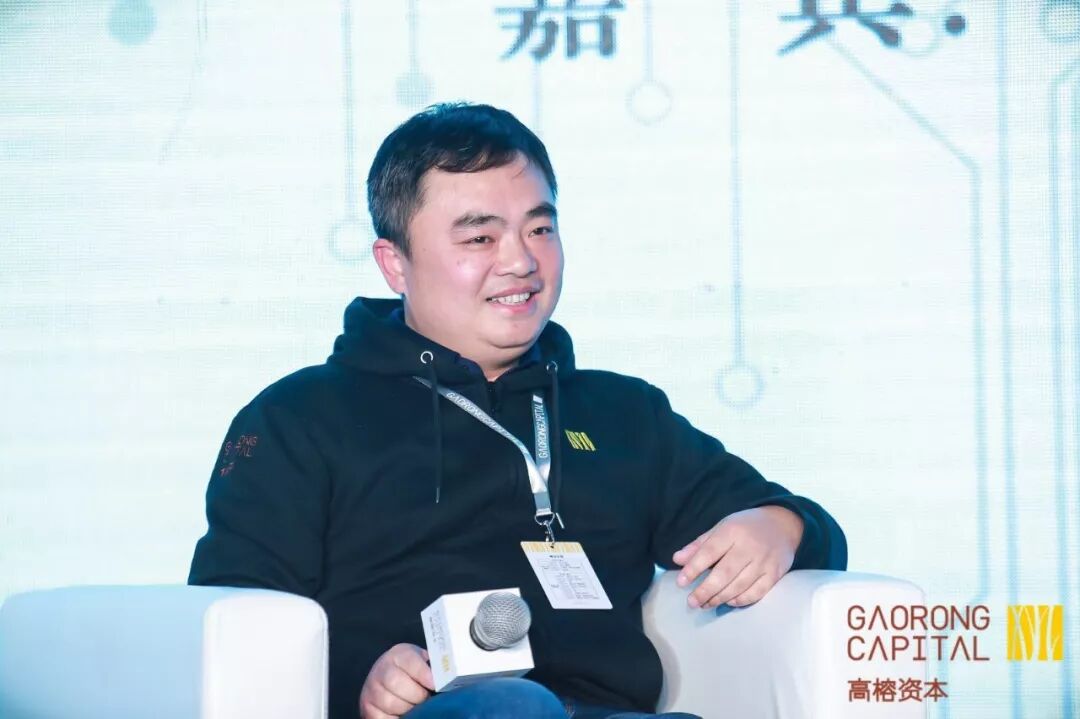
Gaorong Ventures founding partner Gao Xiang
Another thread is people. Why do we talk about Gen Z today? Because Gen Z was born with mobile internet — their information processing is very different from our generation, and even from millennials and post-90s. For Gen Z, what entertainment formats will satisfy them? There are still many opportunities here.
Gen Z has a habit that none of us here have — "silent connected mic." They can be on a call with someone for five or six hours without saying a word, perhaps just listening to the other person's background noise, feeling like someone is accompanying them, that there's a parallel world with them. The reason behind this is that their mental state is completely different from ours. From this perspective, for these young people, there will definitely be new entertainment formats to satisfy them.
The third thread is massive innovation brought by hardware changes. Take phones, for example — I believe in 5-10 years there will definitely be a new product that makes us stop using phones, such as AR. When new hardware arrives, there will be another wave of entrepreneurial opportunities.
From the traffic perspective, these three threads reveal some new opportunities.
Li Zhigang: In the current capital environment, Mr. Chang Chen, what advice do you have for entrepreneurs on engaging with capital markets, including financing structure, whether to IPO, and so on?
Chang Chen: I remember over four years ago, at our first CEO annual meeting, I shared something with everyone that I still believe is correct today. At that time, I was talking with Lei Jun, and he said 99% of companies die because they run out of money. Even if your team encounters difficulties, or your direction hits snags, if you have sufficient capital to buy you more time, you still have a chance. So capital is extremely important in a startup's development.
What should you consider when doing capital operations or fundraising? I believe you must secure enough funding for the next 12-18 months to have a safety margin. What's most frightening? What's most frightening is having only two months of runway left, not being able to pay next month's salaries, and only then thinking about fundraising — by then it's definitely too late. When you're truly down to one or two months of runway, even if you're an excellent company, your fundraising posture won't be at its best.
Of course there are many financing instruments, including convertible notes, etc. — how to get ample funding reserves with minimal equity dilution, and when a company should initiate its IPO process, are judgments and qualities that all excellent CEOs must possess.
Sometimes a single mistake in capital operations can cause an excellent company to miss its best window and decline into a second-tier company or gradually fade away. So I still remind all CEOs: 99% of companies die because they run out of money, so everyone must remember that cash is king and maintain strong cash reserves. Thank you.
Li Zhigang: I'd like to ask Mr. Yue Bin — do you think there has been a capital bubble in AI over the past two years? And regardless of whether there's a bubble, what advice do you have for entrepreneurs in this space on fundraising pace?
Yue Bin: In our industry, whether entrepreneurs or investors, understanding of the term "artificial intelligence" varies greatly. I think very few people truly deeply understand the value and power behind it, and have correct independent judgments in this.
So what you see more often in the industry is that when many people feel AI is hot in the media and various forums, capital rushes in all at once during that period. Then when blockchain suddenly becomes hot, some investors say they're not investing in AI anymore, they want to invest in blockchain — this kind of thing happens repeatedly in the industry.
Is there a bubble in AI? I think there definitely is, but having some bubble isn't a bad thing. For excellent founders who are truly building things, we may be in such an environment, and we need to make good use of it. At appropriate times, for certain competitions or commercial landing milestones, we should still do what needs to be done. Regardless of what the outside world says, we need to have firm conviction in our hearts about what we want to do, what we think is important, and what we want to do best.
I think AI's future prospects are very bright. In this stage, it depends on how we execute. Money is important in this field, but money can't buy everything you want. Think carefully about how much funding each company has, what effects we hope to achieve, and whenever there's opportunity to use capital to accelerate, I suggest everyone actively consider it.
Li Zhigang: I'd like to ask Mr. Gao Xiang — last night chatting with some CEOs, they said doing internet feels like a traditional industry. What's your view for entrepreneurs in this industry on whether to persist, pivot direction, or how to get funding?
Gao Xiang: I'd like to first address another point. I want to remind everyone that when approaching fundraising, you should adopt a relatively pessimistic mindset about your next round — don't be too optimistic. Some CEOs here have learned this the hard way. Until funding is secured, assume it won't happen. Especially in today's environment, I think this mindset will increase everyone's probability of survival.
Returning to the question — has internet become a traditional industry? I don't think so. There are still many changes happening in internet. And the combination of internet with industries is not a traditional industry either. Regarding pivoting, when you encounter difficulties moving forward, pivoting is something to consider, which is also the topic we'll discuss in our next session.
Li Zhigang: Alright, final question — what does the future Gaorong Ventures look like in your minds?
Chang Chen: I believe Gaorong today is in a transition phase between "from 0 to 1" and "from 1 to 10." We hope that in this "from 1 to 10" phase, our institutional systems and team building can reach another level. What's most important? As investors, what is our vision? Can we do something different, something that changes the world? We hope that by participating in the excellent startups here today and excellent companies we may invest in the future, we can help drive things that make human society better — that's our original aspiration.
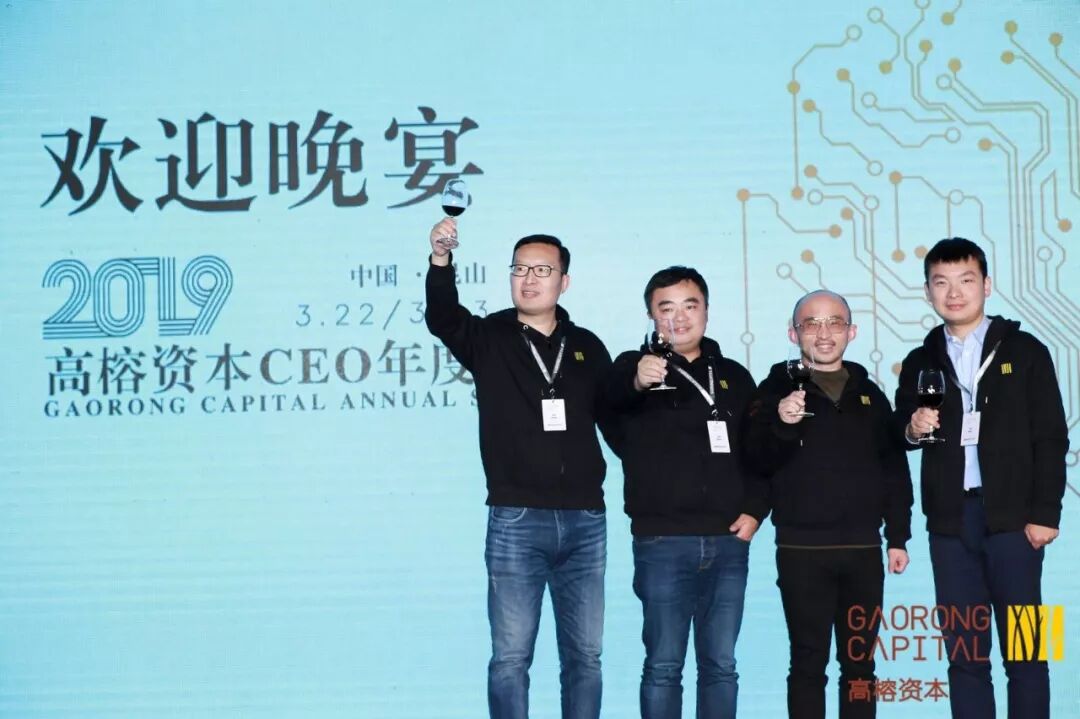
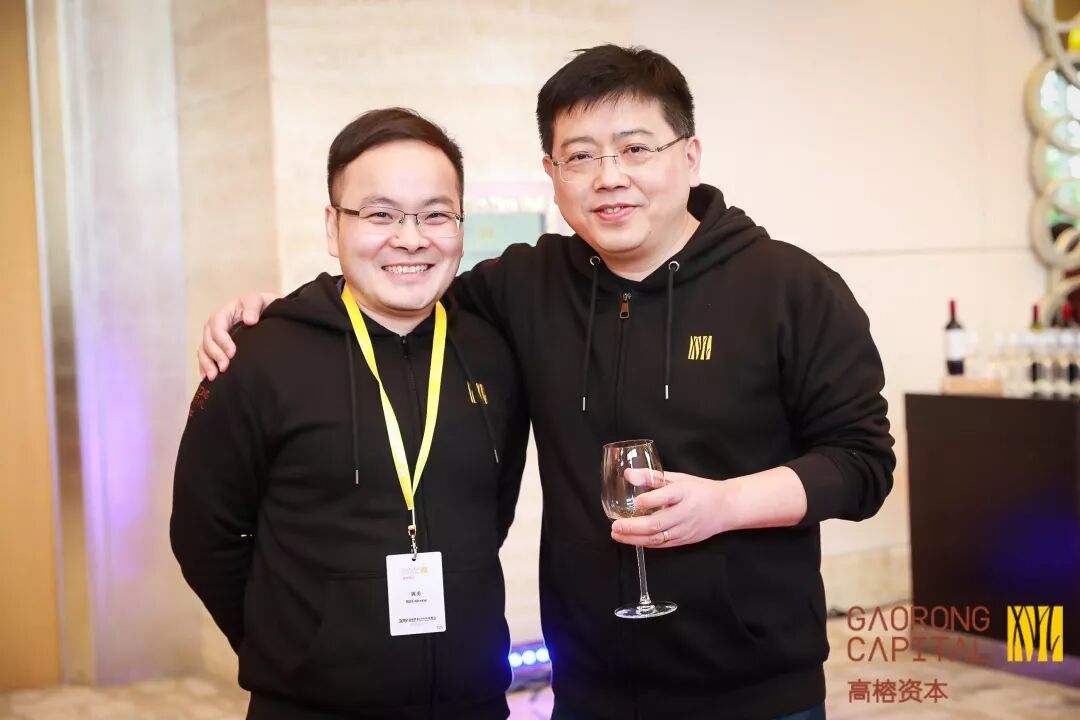
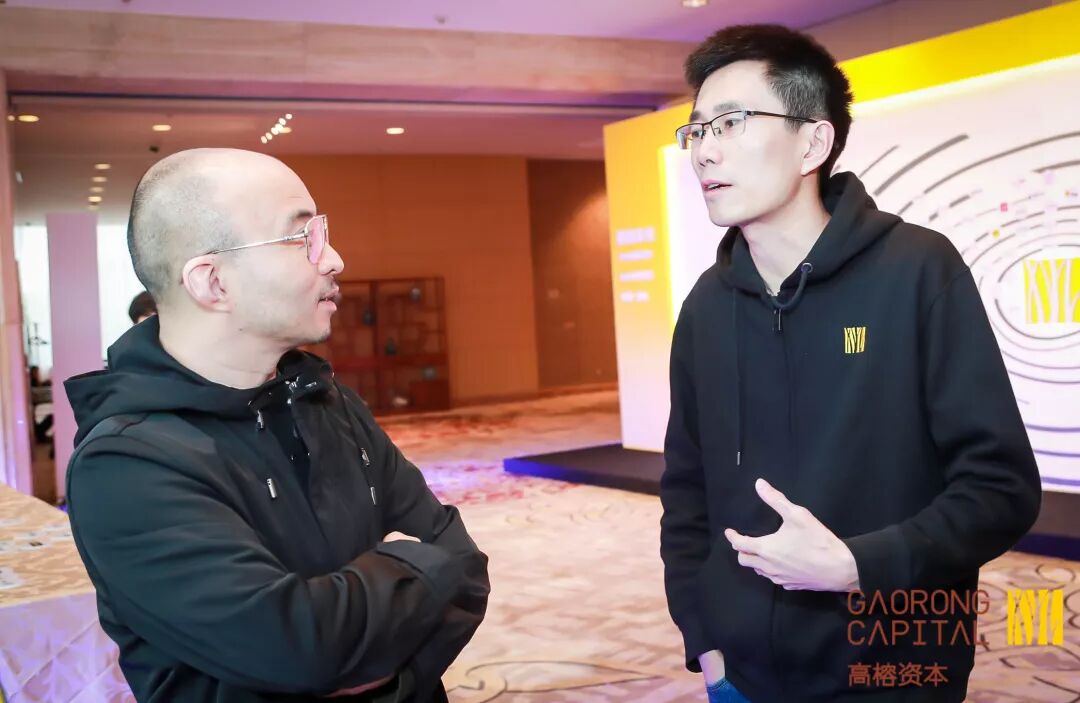
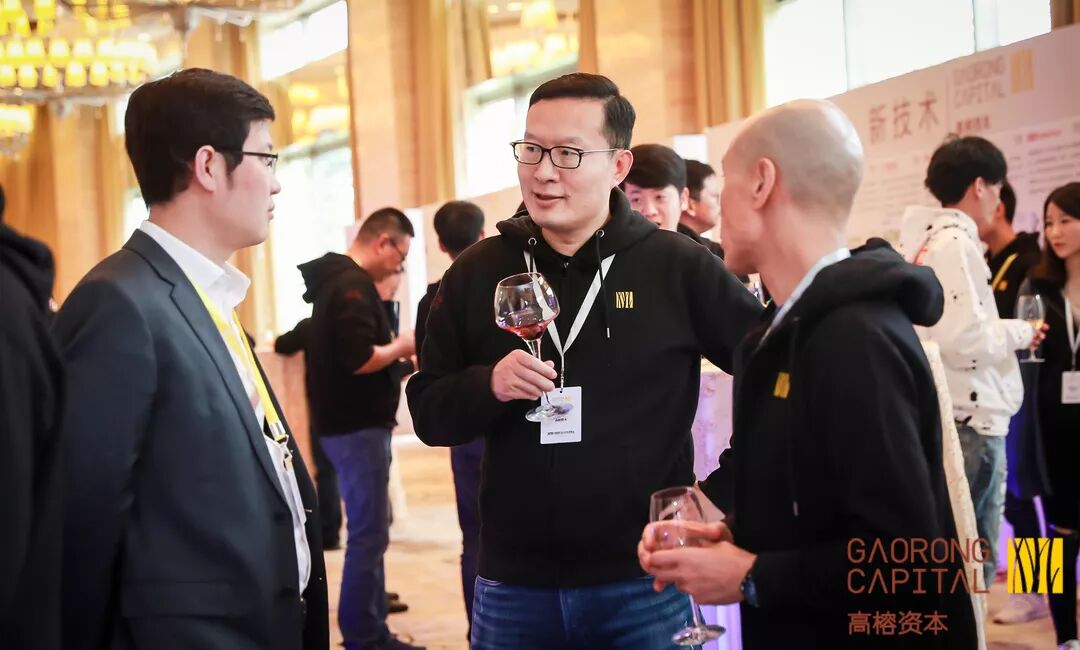
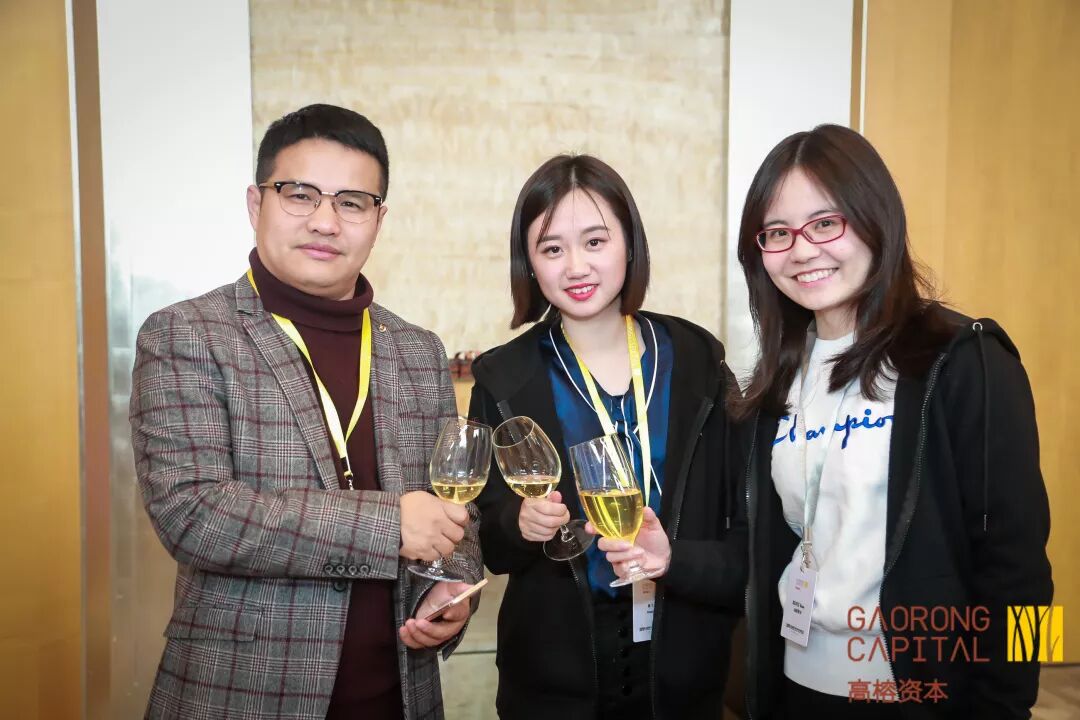
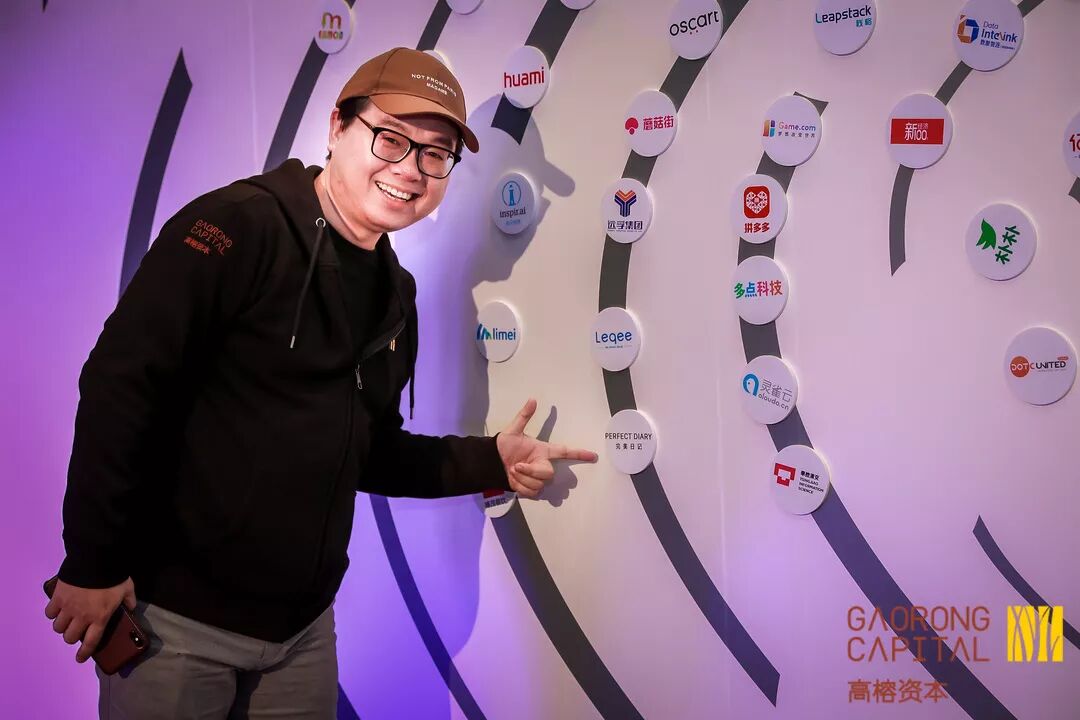
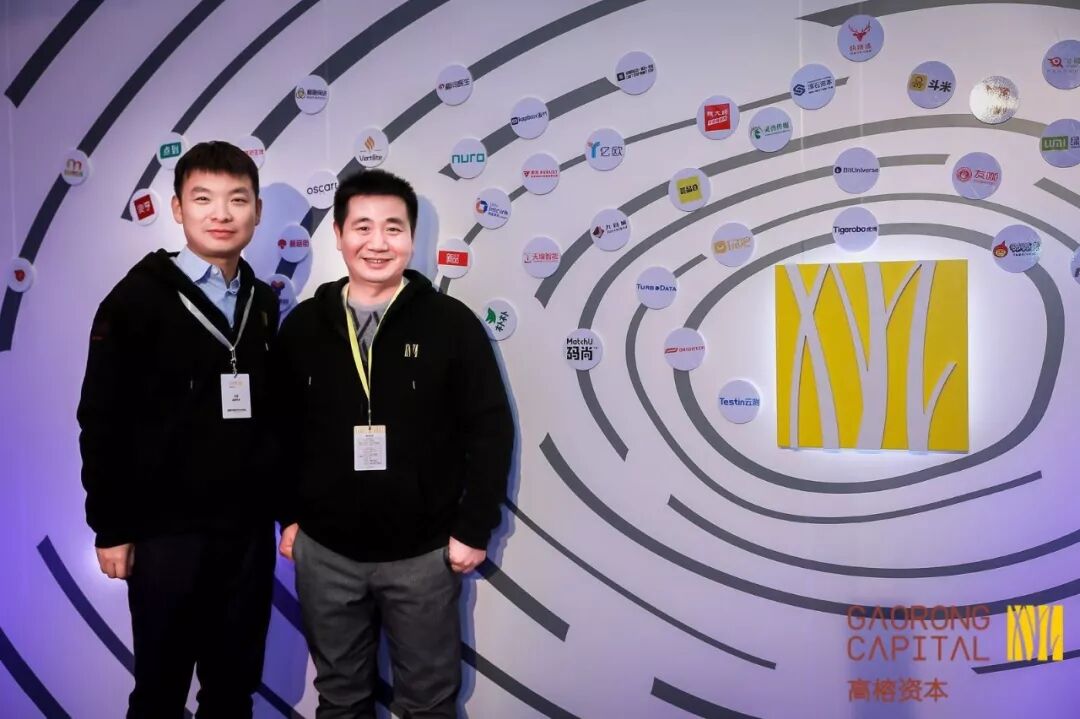
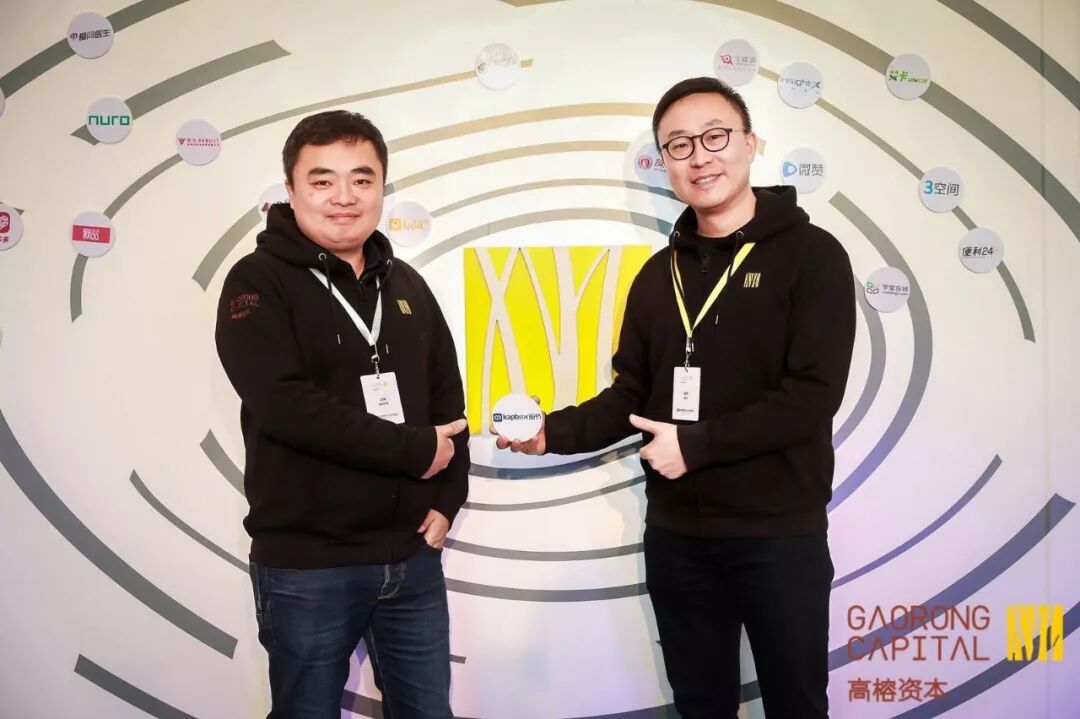
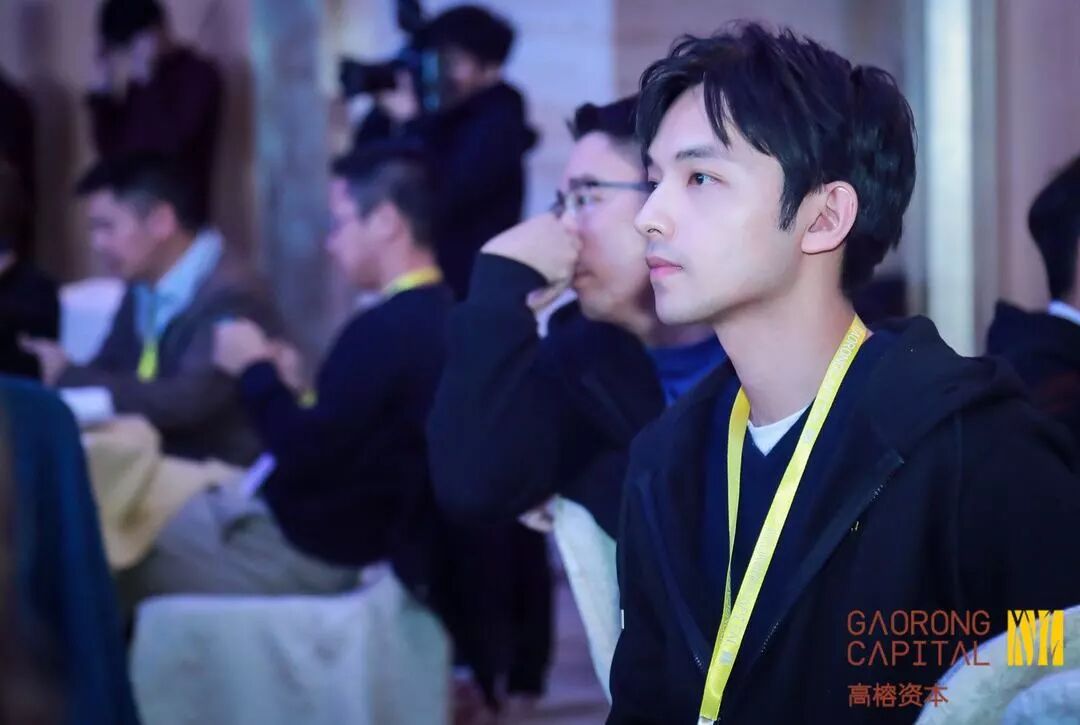
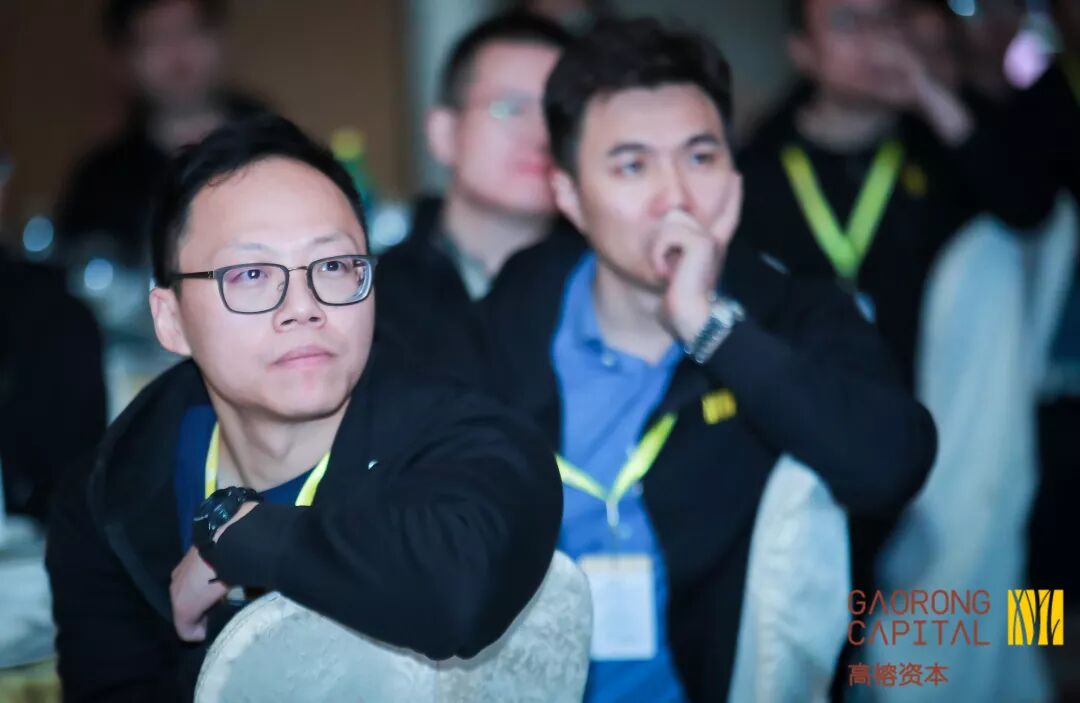
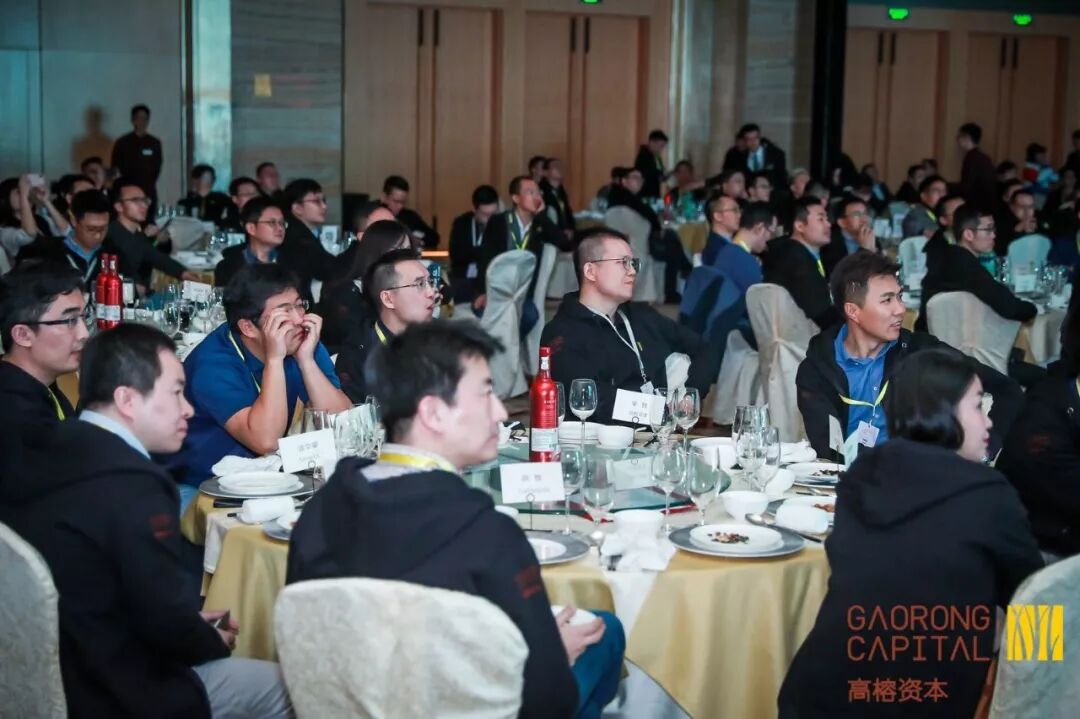
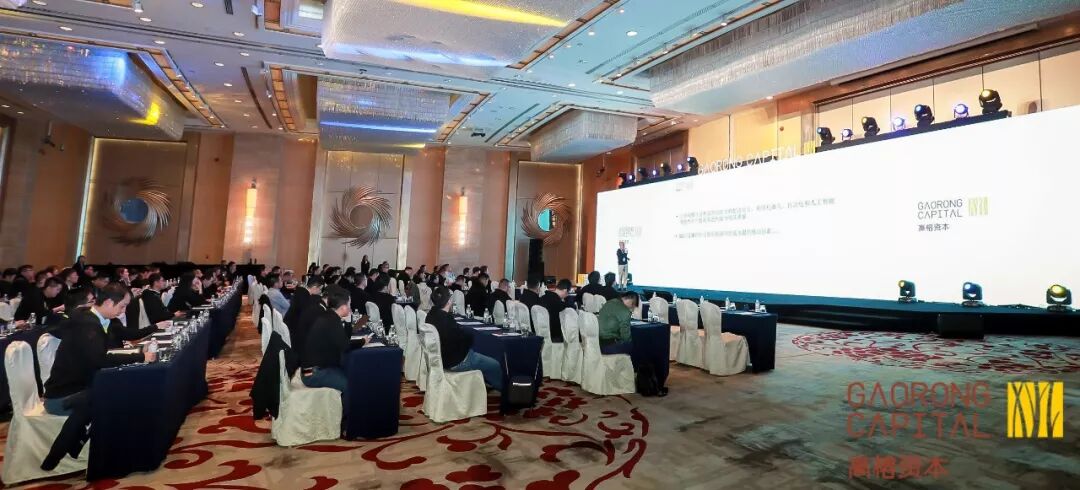
Swipe right to see more highlights from the 2019 Gaorong CEO Summit
END
Recommended Reading
Gaorong Ventures 2018: New Consumption and New Technology for Long-Term Value
Gaorong Ventures Completes $500 Million New Fund Raise, Building Long-Term Value with Startups
The Gaorong Investment Approach: Know What to Do, Know What Not to Do

- Gaorong Ventures manages USD and RMB funds totaling approximately RMB 15 billion, focused on early-stage and growth-stage investments in TMT.
- Its limited partners include top global institutional investors as well as Chinese corporate giants in finance, retail, advertising, and other industries.
- Additionally, dozens of successful entrepreneurs, including founders of Tencent, Baidu, Taobao, Xiaomi, Meituan, Dianping, 360, Focus Media, Weibo, Sohu, JD.com, Vipshop, Tudou, Autohome, Ganji.com, and other companies, are also LPs in Gaorong Ventures.
- The founding partners previously led investments in numerous excellent companies, including Xiaomi, Razer, Baofeng Technology, G-bits, Tudou, Wondershare, Archermind, 91 Assistant, 3G.cn, Mogujie, Dota Legend, Yuanfudao, and others.
- Since its founding, multiple companies Gaorong has invested in or taken equity stakes in have grown into national or global leaders in their industries, including: Pinduoduo (NASDAQ: PDD), HUYA Inc. (NYSE: HUYA), Huami (NYSE: HMI), Mogujie (NYSE: MOGU), Lifesense (300562.SZ), Meituan (03690.HK), Ping An Good Doctor (01833.HK), Zhongrongjin (acquired by Homa Appliances), DeePhi Tech (acquired by Xilinx), Qian Daibao (acquired by Meituan), BIGO LIVE (acquired by YY), Fanpu Jinke, Beibei, Poizon App, Leqi E-commerce, DotC, Shiheng, Nuro, YITU, Roborock, Tianrang Intelligence, Zhuiyi Technology, TigerBot, Geek+, Oasis Labs, Beitai Haoche, QuantGroup, Meili Jinrong, Shuidihuzhu, Testin, Boss Zhipin, Doumi, Danke Apartment, Hello TransTech, Qian Damai, Perfect Diary, Ucommune, and others.
- Gaorong Ventures maintains investment teams in Beijing, Shanghai, Guangzhou, Shenzhen, and Hangzhou.
Long press the QR code to follow Gaorong Ventures

Thank you, good friends of Gaorong