Generative AI: Which Industries Will See Their Creativity and Productivity Transformed? | NVIDIA Inception Program X Ronghui

Advanced manufacturing, digital entertainment, automotive, apparel...
As generative AI — a truly transformative technology — is being rapidly integrated into products, services, and business processes, it's not only raising the ceiling on productivity but also giving rise to new business models and surprising creativity. It's building infinite possibilities in the digital world while increasingly permeating the physical one to accelerate efficiency.
When generative AI converges with digital twins, physics simulation, XR, robotics, and other frontier technologies, it's as if an acceleration engine has been strapped on — breeding speed and passion across industrial scenarios. Applications are already taking off in advanced manufacturing, digital entertainment, automotive, apparel, construction, and beyond.
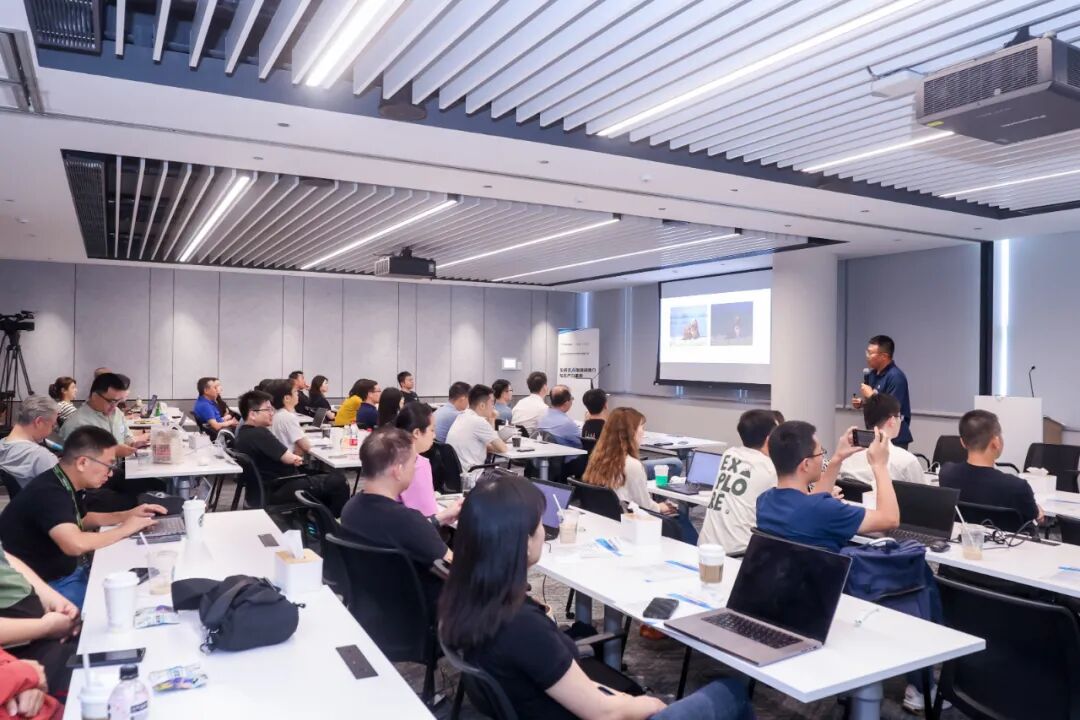
In May, NVIDIA Inception teamed up with Gaorong Ventures to host an "Advanced Manufacturing Acceleration Camp" in Shenzhen. Gaorong Ventures is also a founding member of the NVIDIA Inception VC Alliance.
At the event, NVIDIA experts shared the latest trends in generative AI, NVIDIA's newly launched generative AI platform, and updates on NVIDIA Omniverse, extended reality (XR), and autonomous machine solutions. Frontier companies including Style3D, ZENO, Sequx, and China Railway Fifth Survey and Design Institute Group also joined the discussion, sharing how they're using generative AI and other technologies to build innovation-driven products and advance the integration of digital and physical worlds.
Five Trends: How Generative AI Is Birthing the Next Productivity Revolution
Xinhua Liu, Investment Partner at Gaorong Ventures
AIGC is leading a revolution not just on the consumer side, but increasingly in professional domains as well. So what we're welcoming may not only be AI's "iPhone moment," but also AI's "Android moment."
Trend 1: AI Shows Industrial Application Potential; Vertical Domain Models Emerge
In generative AI overall, closed-source developers and applications still dominate. But over the past three months, the open-source world has gradually taken the stage. This brings a key trend — the cost of training AI models is decreasing, laying groundwork for more low-cost, small-scale, or verticalized models. For instance, many models fine-tuned on Meta's LLaMA have already demonstrated excellent performance; tools like AutoGPT and AgentGPT can now "autonomously" solve complex tasks.
We're also seeing more vertical domain large models emerge, such as Bloomberg's financial domain model BloombergGPT, and GMAI (Generalist Medical Artificial Intelligence), jointly proposed by multiple U.S. universities and medical institutions.
As large models become increasingly accessible, companies with large and unique datasets will possess moats. The depth, breadth, freshness of data, and whether it can form a closed data loop are becoming ever more critical.
Trend 2: AI Large Models Break Through from the Purely Digital World into the Physical One
AI large models will not only transform the world of bits, but also affect the world of atoms; they concern not just the virtual world, but are permeating the physical one.
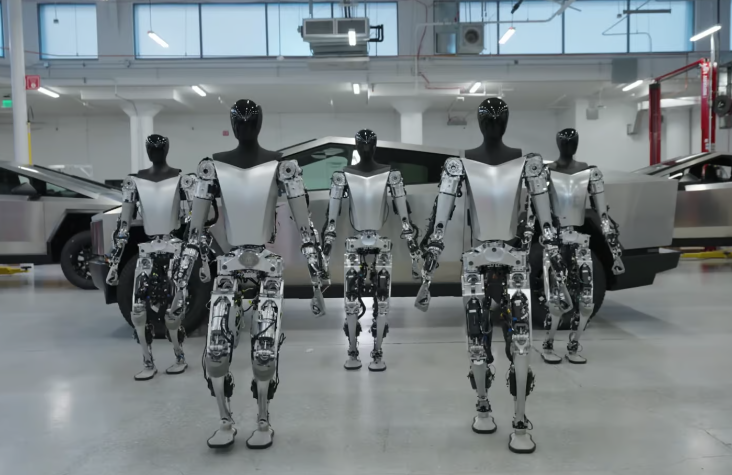
One intuitive direction is applying large models to robotics, which could bring about truly general-purpose task robots. Some predict that large models plus humanoid robots represent one of the ultimate frontiers of AI. General-purpose task robots can communicate and interact with humans, executing tasks effectively in unstructured environments. Recently, Elon Musk stated that humanoid robots will be Tesla's primary long-term value source going forward; NVIDIA founder and CEO Jensen Huang has also pointed out that the next wave of AI will be Embodied AI — intelligent systems that can understand, reason about, and interact with the physical world.
Generative AI is also accelerating the creation of virtual environments and virtual assets, which — combined with digital twins, physics simulation, and other technologies — ultimately get applied to real-world scenarios like autonomous driving and manufacturing.
Trend 3: All Software and Applications Will Eventually Integrate AI, Reshaping Value Distribution in the Software Industry
The software industry has entered the 3.0 era; all applications will eventually be rewritten by AI. AI-driven revenue generation is also accelerating. Currently, AI-native companies are breaking through $100 million ARR faster. Midjourney launched its model in March 2022 and has already reached $100 million ARR today; emerging leaders like OpenAI are on track to reach $1 billion ARR even faster — far outpacing the SaaS superstars that were once the envy of the industry.
Of course, beyond AI-native companies, SaaS "incumbents" are also actively building AI-native scenarios. Intercom, Canva, Zapier, Notion, and others have all launched top-tier AI products.
Trend 4: For B2B Generative AI Applications, the Key Is Deep Integration into Valuable Enterprise Workflows
The industry has begun discussing how Wave 1 of generative AI (Generative AI) focused on information generation; the emerging Wave 2 (Synthesis AI) hopes to improve decision quality and speed through the aggregation of information and data. Combined with model fusion and personalized workflow orchestration capabilities, this enables deeper penetration into enterprise workflows to create more value.
Today, To D (Developers) tools that empower developer productivity are also emerging. These include new AI-based developer tools providing code generation, code completion, developer frameworks, and online collaboration — such as GitHub Copilot X and Replit; enterprise-grade applications generated by AI with better quality, compliance, security, and private deployment support, which hold commercial value potential; and model platforms and communities for developers, designers, and other professionals rapidly entering view, such as the open-source platform Hugging Face.
Trend 5: In the Large Model Era, Pay Attention to and Redefine "Safety"
As large model applications proliferate, "safety" issues become increasingly important. There are two dimensions to understanding "AI safety." One is "Safety for AI" — minimizing the possibility of AI causing harm to humans, as evidenced by the recent flood of open letters urging attention to AI threats. The other is "Security for AI" — focusing on protecting models and related components from attacks and intrusions, while meeting real-world compliance requirements. Issues like data leakage prevention (DLP) in ChatGPT have already attracted enterprise customer attention.
Without addressing safety challenges, AI will struggle to scale across industries. Thus, AI compliance will also give rise to new entrepreneurial opportunities.
Omniverse: Striving to Become the Premier Ecosystem and Computing Platform for LLMs and Generative AI
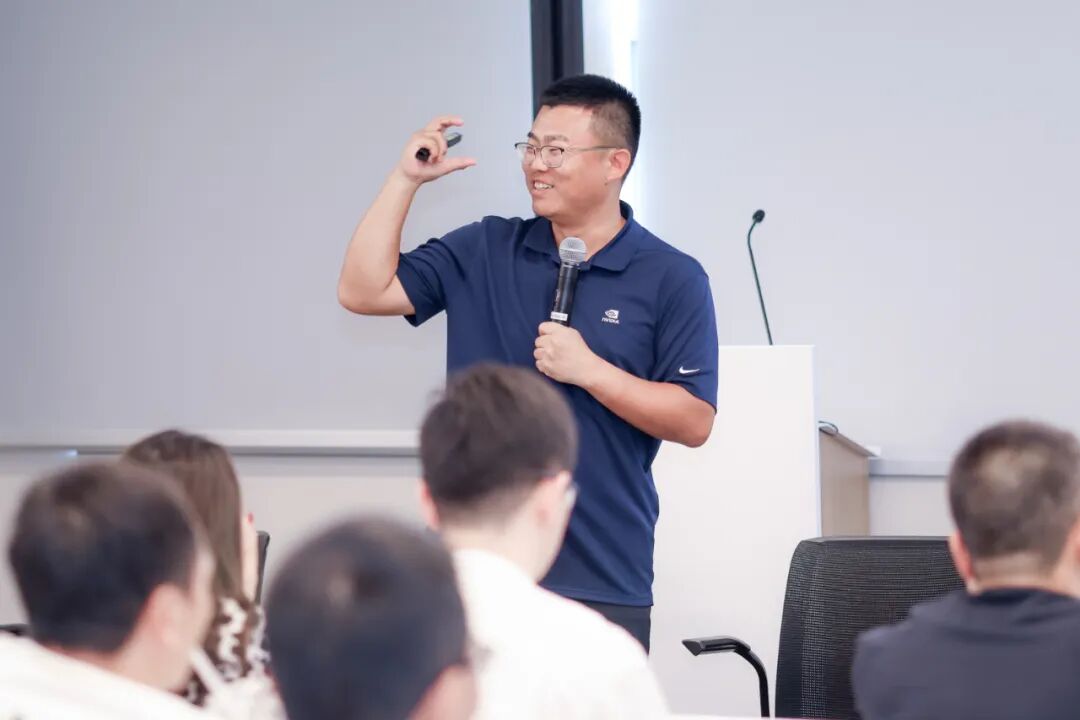
Zhan He, Head of NVIDIA Omniverse Business in China
Five years ago, when NVIDIA launched Omniverse, the vision was to enable collaboration across DCC (Digital Content Creation) software, provide 3D digital content design standards, and build an open, co-created, shared platform.
This platform requires the fusion of multi-disciplinary, multi-specialty underlying technologies, including computer vision, computer graphics, physics engine simulation, generative AI, USD (Universal Scene Description), spatial computing (XR), cloud services and cloud-native architecture, and real-time streaming.
USD is one of Omniverse's foundational technologies. As an open, extensible standard language for the 3D metaverse, USD can describe the geometry, materials, physical properties, and behavioral representations of 3D worlds, connecting full design-fidelity datasets from different 3D ecosystems. It's considered the "HTML" of the next-generation internet. USD enables artists, designers, engineers, and developers to upgrade from linear workflows to real-time synchronized creation. For example, they previously used different design software like Autodesk Maya, Unreal Engine, and SideFX Houdini — each with its own function and incompatible data. Based on Omniverse and USD, they can now interact using a common language, breaking down data silos.
In computer vision, NVIDIA also possesses outstanding technology. The open-source project NVIDIA CV-CUDA is dedicated to helping companies worldwide build and scale end-to-end, AI-based computer vision and image processing pipelines on GPUs. Runway, the AI video editing tool used in the production of Everything Everywhere All at Once, integrated CV-CUDA into its generative AI platform. After deploying CV-CUDA, real-time content click response speed in Runway's creative tool suite improved by 3.6x.
NVIDIA is building Omniverse to become the premier ecosystem and computing platform for LLMs (large language models) and generative AI, and is exploring more generative AI capabilities. For example, through Omniverse's text-to-materials extension, users can input text prompts to automatically generate high-quality material assets. Developers can also import AI-generated results from ChatGPT and other sources into Omniverse as data. The introduction of generative AI capabilities further lowers technical barriers, enabling more non-professionals to use tools to design scenes from their imagination.
As the culmination of NVIDIA's 25 years in graphics, accelerated computing, simulation, and AI technologies, Omniverse is crossing from the digital world into the physical one, continuously landing in more application scenarios.
In digital industrial twin applications, Omniverse empowers manufacturing enterprises to plan and optimize billion-dollar factory projects entirely virtually — enabling faster production ramp-up, more efficient operations, shorter time-to-market, and improved digitalization and sustainability. At this year's GTC, BMW Group and NVIDIA unveiled the first BMW virtual factory powered by NVIDIA Omniverse.
Around digital humans, Omniverse has also launched Audio2Face, Audio2Emotion, and other generative AI tools for creating real-time 3D character animation. Audio2Face automatically generates realistic facial expressions based on audio files; Audio2Emotion can generate realistic emotions ranging from happiness and excitement to sadness and regret.
XR + AI Is What Will Truly Unlock the Metaverse
Xijian Zhou, Head of NVIDIA CloudXR Business in China
Extended reality (XR) is the umbrella term for virtual reality (VR), augmented reality (AR), and mixed reality (MR). Since stereoscopic imaging was invented in 1838, XR has evolved for nearly 200 years — until the Metaverse concept exploded last year. But we believe only XR combined with AI can truly unlock the Metaverse.
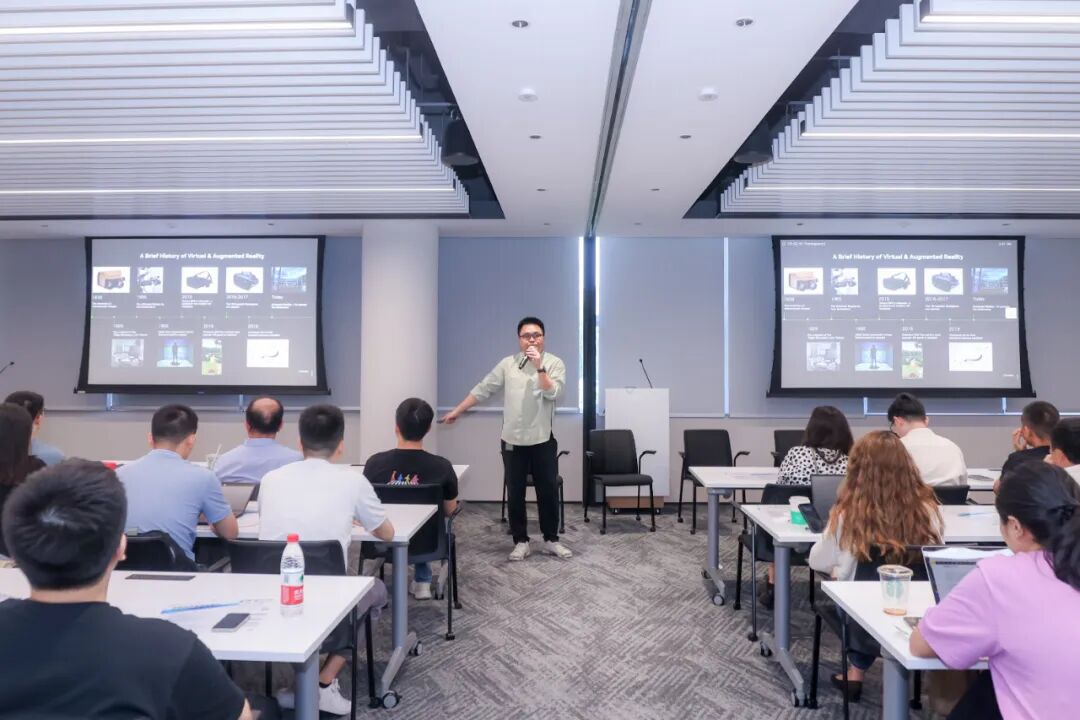
NVIDIA's XR platform includes NVIDIA VR Ready GPUs, innovative XR tools, and development software to help create outstanding VR experiences. In November 2019, NVIDIA CloudXR 1.0 was released — an XR cloud rendering solution based on NVIDIA RTX technology. XR devices including headsets, phones, and tablets have limited computing power; through CloudXR, immersive XR experiences can be streamed from data centers, cloud, or edge. This year CloudXR has been upgraded to version 4.0, providing extensive API interface options that allow developers to create custom user interfaces using Unity plugins, and improving the experience of cloud and edge computing applications over 5G networks.
XR is also the "Stargate" connecting the virtual world of Omniverse and the real world — AR is how AI enters the real world from Omniverse, while VR is the "wormhole" we use to enter Omniverse.
Omniverse XR is NVIDIA's first full-fidelity, full ray-tracing VR technology, capable of generating 3D worlds with complete RTX ray tracing functionality. It allows users to experience Omniverse scenes in real-time through VR devices or tablets, and supports navigation and operation in VR; AR streaming is also available through the CloudXR platform.
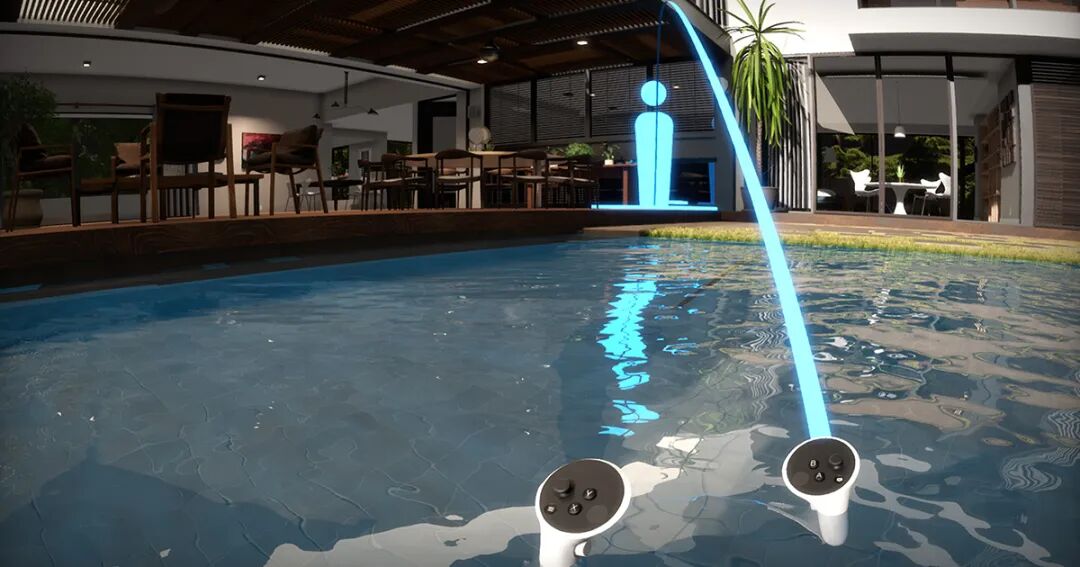
XR is also driving transformation in professional workflows, such as simulating complex surgical procedures in virtual environments, and automotive companies using XR technology to provide simulation training for factory workers and conduct car exterior design reviews. Taking automotive design review as an example, multi-user collaboration, VR design, immersive display, and MR interaction enable more efficient collaboration and significantly shortened workflows.
Riding the generative AI wave, NVIDIA has also launched AI Foundations — cloud-based generative AI services designed to help enterprises create and run custom large language models and generative AI models. These models are created for specific tasks in the enterprise's domain and trained on proprietary data.
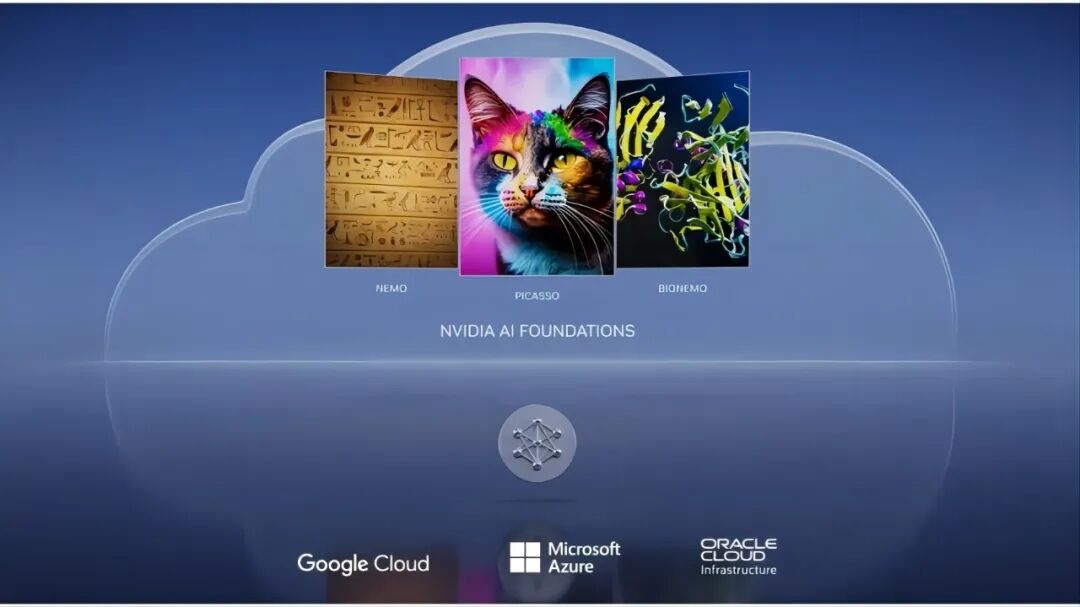
Currently three main models are offered: NeMo, Picasso, and BioNeMo. NeMo helps developers build large language models better suited to enterprises by defining focus areas and adding domain-specific knowledge; Picasso helps developers build and deploy generative AI-powered image, video, and 3D applications capable of text-to-image, text-to-video, and text-to-3D; BioNeMo focuses on the life sciences domain (for drug discovery).
Achieving Digital Twin-Level Robot Simulation
Yuqian Li, NVIDIA Autonomous Machines Technical Specialist
Robotics can help improve efficiency in manufacturing, logistics, and other industries while enhancing people's quality of life. NVIDIA Isaac is dedicated to providing an end-to-end robot development platform. From model training, to simulation in virtual environments, to real-world development, and finally to large-scale cluster deployment and robot fleet management — all can be realized through the Isaac platform.
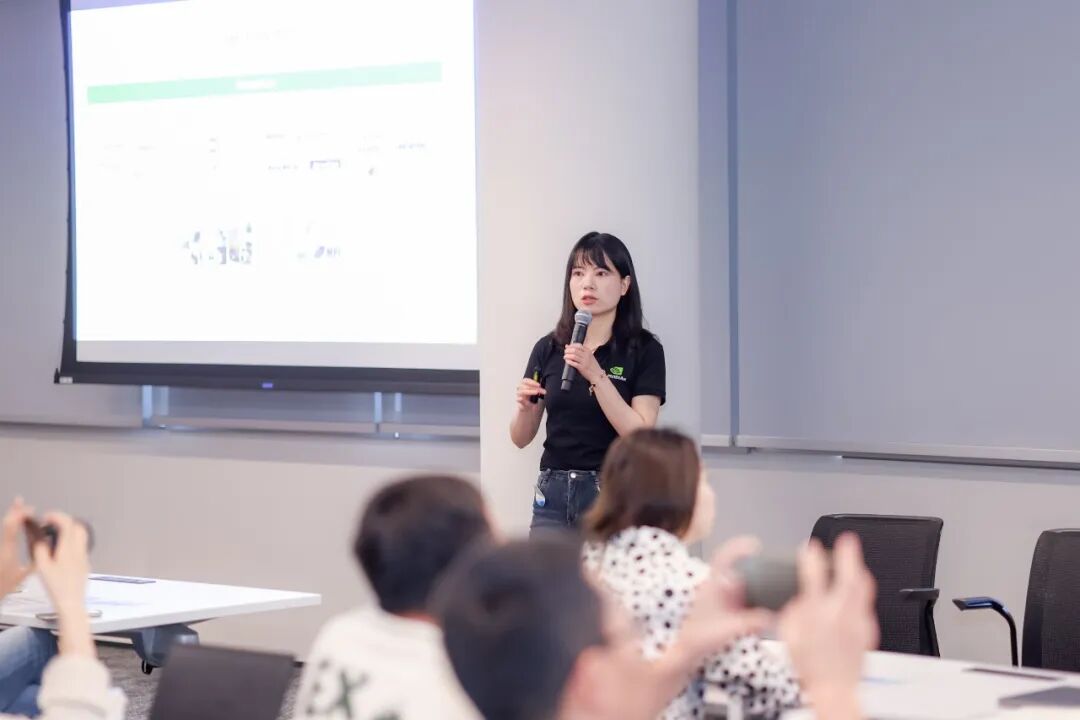
Currently over 1 million robot developers are active on the NVIDIA platform; globally, more than 6,000 customers use NVIDIA hardware and software for robot mass production and deployment, spanning delivery, retail, ARM, agriculture, service, manufacturing, healthcare, and other industries. We've also partnered with over 150 partners to help customers achieve application deployment, including sensors, AI model frameworks, robot operating systems, and reference design platforms.
Isaac Sim is NVIDIA's robot simulation platform, providing digital twin-level robot simulation. Why is simulation so important? "Everything that moves will eventually be autonomous." To achieve full autonomy, a digital twin-level simulation environment is essential. When developing robots, adding a feature or removing a sensor directly on hardware carries very high costs, time, and risk; in a simulation environment, product validation can be done quickly.
Isaac Sim is built on Omniverse — that is, it constructs an application layer for robot development on top of Omniverse. Key capabilities include: 1) synthetic dataset generation, allowing robots to generate annotated datasets in virtual environments to accelerate model training; 2) simulation, allowing robots to undergo full machine testing in simulated environments; 3) human-robot interaction.
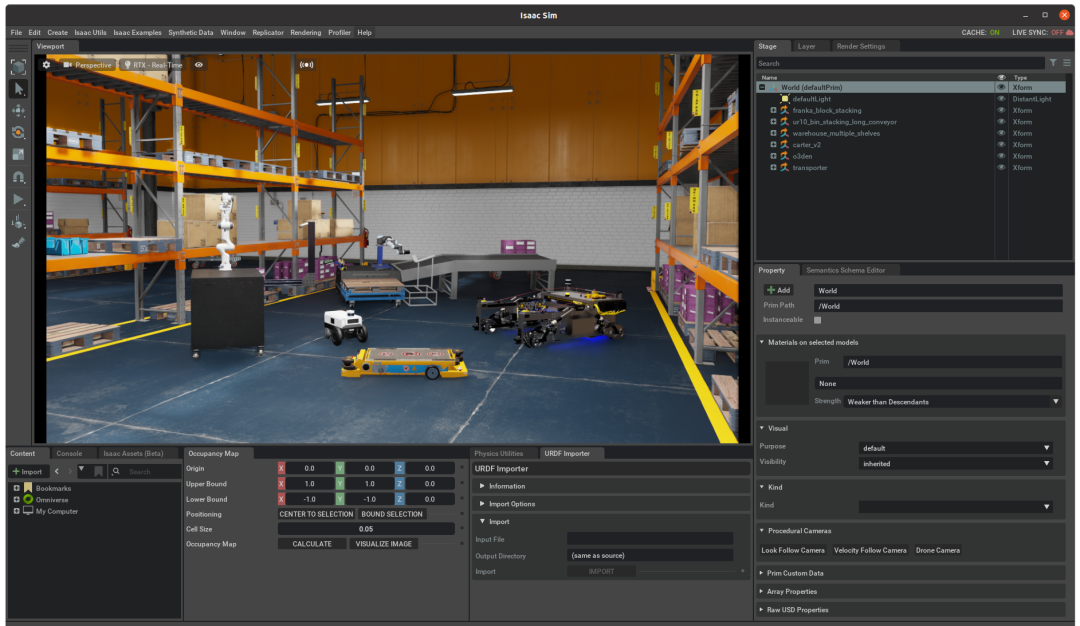
To facilitate environment modeling for robot developers, Omniverse has also connected with mainstream third-party robot 3D modeling software and formats, including universal URDF and MJCF for bipedal or quadrupedal robots. For example, Isaac Sim supports integration with the robot simulation software Gazebo — when controlling robot joint nodes in Gazebo, Isaac Sim can respond in real-time.
Isaac Sim is also pushing cloud-based services. Currently still in relatively early stages, we hope in the future robot developers can conveniently and cost-effectively access the platform, and even share simulation datasets.
Bringing AIGC to the Runway: Building an Apparel Industry Model
Huamin Wang, Chief Scientist at Style3D
The apparel industry is a sector driven by heavy "new product launches" to stimulate consumption, with extreme demands for creativity and efficiency. Its high creative concentration and tolerance for diversity give it higher fault tolerance for AI compared to other industries, making it suitable for AIGC implementation and exploration.
Meanwhile, the industry chain division and segments in apparel determine that for AI-generated content to truly create value, it needs to meet several characteristics: 1) output content and elements need to be multimodal, with different types of content generated at different segments being structurally correlated; 2) generated content must correspond to physical goods, fully supporting direct-to-production connection; 3) generated content cannot be one-time-use — for example, patterns and design content should be沉淀 as data resources and support reuse.
Therefore, from the very beginning of Style3D's AIGC exploration, we realized: we needed to train a vertical industry model — the "Style3D AI Industry Model" based on our accumulated massive vertical industry data and asset library, with complete apparel industry-specific prompts.

Style3D has already launched a batch of AIGC functions, including AI style analysis, AI pattern generation, AI pattern piece generation, AI material generation, and rapid e-commerce product image generation. (Click to read: How Style3D Uses AI to Empower Key Links in the Apparel Industry Chain)
Procedural Generation + AIGC, Unlocking New Creative Experiences
Xinxin Zhang, Founder and CEO of ZENO
ZENO, the 3D content generation software developed by ZENO, is a high-performance, full-process 3D content generation software using visual node editing assistance, demonstrating clear performance advantages in procedural geometry, procedural materials, physics simulation, biological simulation, and real-time rendering.
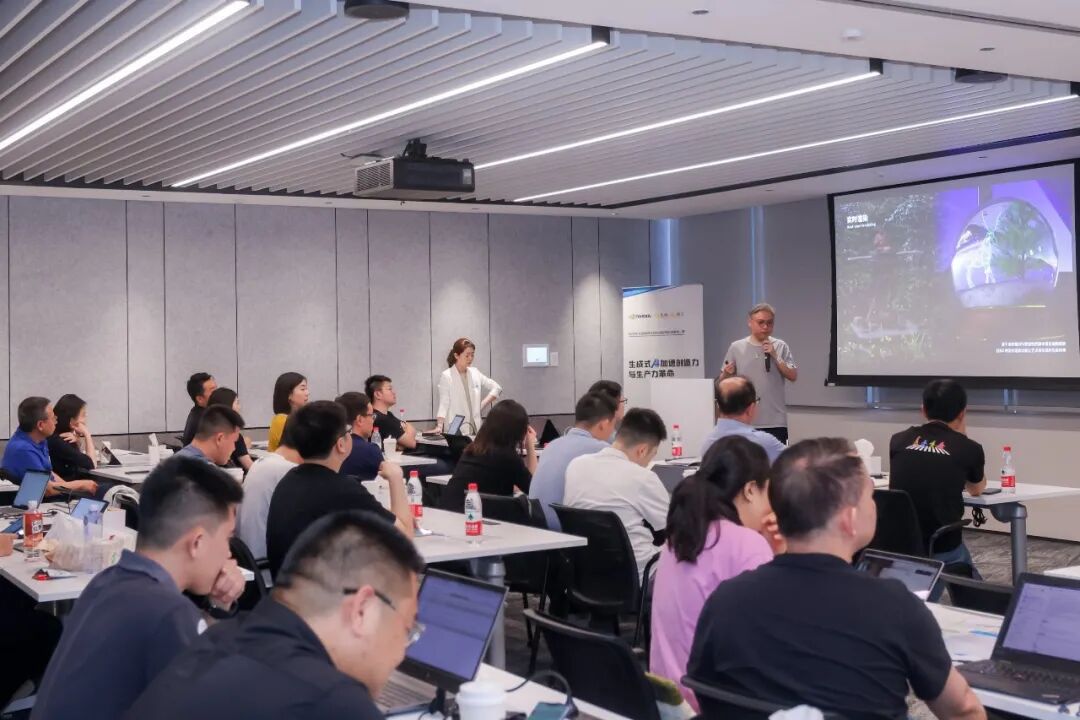
In content production, from a single plant to an entire city, procedural generation can be used to achieve creation. Especially when large amounts of content assets need to be produced, procedural generation can greatly reduce human resource dependence and liberate productivity. For example, once the procedural generation logic and node orchestration for a city are completed in pre-production, artists only need to adjust parameters to efficiently automate the modeling of an entire city.
In physics simulation, film, animation, and game production all rely on high-quality physics simulation. ZENO's large-scale fluid solving speed is 3-4x traditional speeds, and high-performance GPU multi-physics coupled solving brings virtual world simulation to high efficiency and real-time levels.
Biological simulation involves multiple dimensions, including muscle deformation, skin simulation, and high-fidelity rendering of digital characters. ZENO is the first domestic system with muscle solving that can directly connect to game workflows; its unique biological simulation system makes virtual creatures more realistic, natural, and vivid, with skin and hair exhibiting more biological characteristics.
Real-time rendering based on high-performance GPUs is also critical, enabling artists to adjust and obtain desired visual effects in an interactive way, achieving "what you see is what you get." For example, in ZENO's ultra-realistic seawater rendering, for a simulation with 700 million particles, based on a single NVIDIA GeForce RTX 3090 GPU, 4K resolution rendering can be achieved in 30 seconds — basically responding interactively to user mouse movement.
ZENO participated in the visual effects production for The Wandering Earth II, independently producing 4 VFX shots in the scenes of the Thames being destroyed by meteorites and the Sydney Opera House being blown up. Not only did it automatically generate a city-level scene of London through procedural methods, saving the production team massive human resources; ZENO's fluid simulation and smoke simulation systems also greatly improved simulation computing efficiency for ultra-large scenes, allowing artists to iterate and adjust quickly. According to statistics, ZENO's control tools and auxiliary functions saved over 100 hours in version iteration for the final visual effects of related shots.
As AIGC penetrates more and more scenarios, ZENO has proposed the (AI+P)GC concept, advocating for more controllable direction and more rigorous data in content generation.
Taking terrain generation as an example, using ZENO's procedural generation, artists can quickly generate mountain peaks and adjust parameters like sunlight and precipitation to automatically form terrain erosion effects. Moreover, procedurally generated content comes with high-quality data annotations; based on this data, AI models can quickly generate high-quality images approaching CG rendering effects.
We believe that in the future, procedural generation combined with AIGC will greatly enhance artists' content production and preview acceleration. Recently we've also experimented with using AIGC to automatically generate curve animations that dance with musical rhythms based on music beats and rhythms.
Pioneer Dialogue: The Potential of Generative AI in Digital Content, Automotive, and Infrastructure
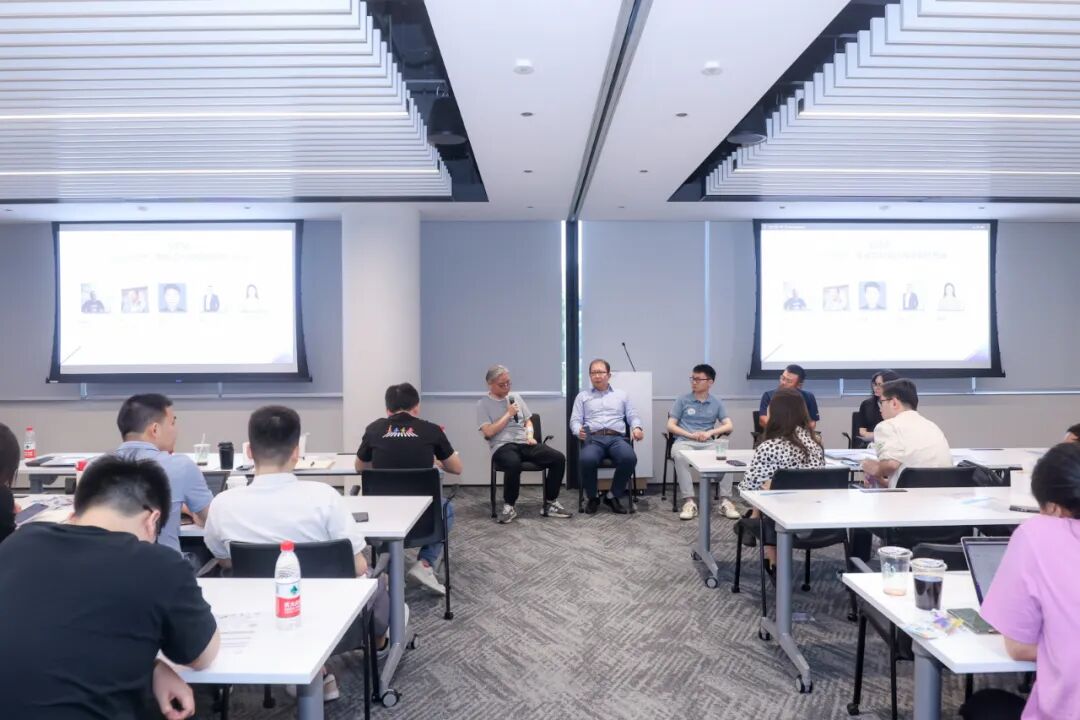
Moderated by Yuewen Chen, Vice President at Gaorong Ventures, Zhan He, Head of NVIDIA Omniverse Business in China, joined frontier companies including ZENO, China Railway Fifth Survey and Design Institute, and Sequx to discuss the opportunities and real-world challenges generative AI brings to industries.
Digital Content | Future 3D Software Will Mostly Be Operable in Chat Mode
Xinxin Zhang, Founder and CEO of ZENO
Film, animation, and game industries are indeed the first battlegrounds where AIGC is making its impact. The shock AIGC brings is multi-dimensional, bringing sweeping changes to industry structure — especially early-stage roles like concept artists that may be replaced by AIGC in the future.
But we're also seeing that whether mainstream graphics tools or many startups, all are thinking about how to use AIGC to generate 3D content more quickly, massively, and automatically. We can foresee that in the near future, most mainstream industry 3D software will be operable in a Chat-like mode.
As for product moats, beyond relatively scarce self-developed technology, we also need deeper understanding of customers' essential needs — for example, when producing complex data content, how to ensure energy efficiency and high iterability.
Automotive | AIGC in Engineering Needs to Meet Functional Requirements
Qingbao Yang, AIGE Product Lead at Sequx
Sequx's vision is to make design and manufacturing simple and orderly, dedicated to building intelligent design and manufacturing software through AI technology, cloud technology, and geometric graphics technology. Currently focused on automotive welding scenarios, it provides overall solutions for design, simulation, virtual debugging, and manufacturing. We propose the AIGE (Artificial Intelligence Generated Engineering) concept, which stems from several real needs we discovered when deploying AI services in the automotive industry: 1) The automotive industry itself has accumulated much data, and customers hope this data can truly deliver value and improve efficiency in production design; 2) Delivery cycles from design to manufacturing in the automotive industry are getting shorter, creating huge demand for improving production line design efficiency; 3) Industry customers also expect AI to help with error correction in the design phase.
Of course, in engineering, AI-generated content must meet functional requirements — for example, being installable and manufacturable; and different automotive manufacturers have their own design standards or preferences that need to be accommodated. Regarding data, we need structured, multimodal data, with different focuses at different stages. For example, the design phase focuses on design process, the simulation phase on rendering state, and the manufacturing phase on drawing output effects and two-dimensional structured annotations. Beyond relying on accumulated general data and internal data cleaning and annotation, Sequx is also working with customers to obtain business-labeled data (encrypted through federated learning and other methods).
Survey and Design | Strengthening Structured Data Accumulation and Data Security
Yang Liu, Director of Digital Intelligence Research Institute, China Railway Fifth Survey and Design Institute Group
China Railway Fifth Survey and Design Institute is a survey and design enterprise under China Railway Construction. Based on artificial intelligence, digital twins, cloud computing, big data, and other technologies, we are continuously advancing digital transformation, focusing on three goals: advancing digital production, accelerating big data-assisted management, and deepening digital business development.
Key priorities in using digital twin technology to build digital production lines include: 1) establishing digital design standards, improving design efficiency and product standardization by providing tools, resources, and processes, and providing high-end design tools and resources to teams through cloud computing including desktop cloud and design cloud; 2) using digital twin technology to bring all participants in engineering construction into a common data environment, improving team communication efficiency; 3) using digital technology for full lifecycle project management of engineering, covering investment planning, design, construction, operation and maintenance, and other stages.
AIGC is also showing application potential in the design and survey field. For example, in early engineering stages, AI generates conceptual design; in delivery stages, AI can assist in generating construction documents.
Regarding data issues, we are also working to structurally store the massive documents, engineering drawings, and models accumulated from past projects, making them machine-learnable and forming data assets, while building data warehouses and integrating cybersecurity and data security technologies.
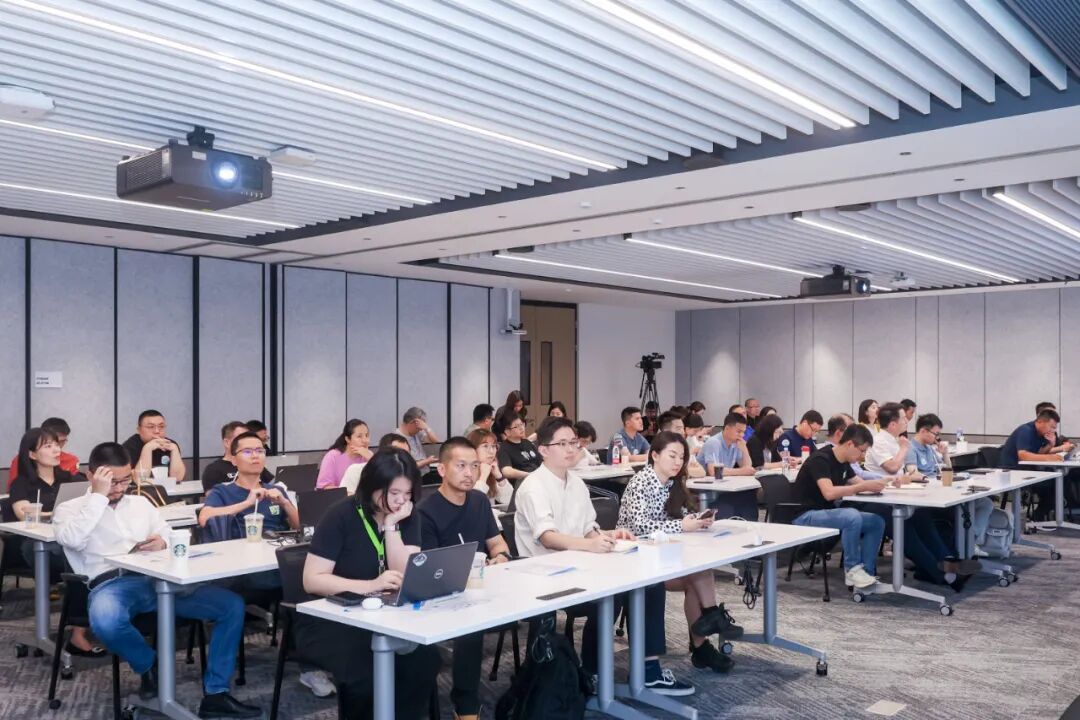
Looking ahead, AIGC will inevitably penetrate every industry, bringing industrial transformation; but "creating something from nothing, from zero to one" remains humanity's advantage. AIGC's productivity enhancement cannot be separated from understanding of industries, accumulated unique data, deep integration into valuable workflows, and continuous evolution combined with feedback.
About NVIDIA Inception
NVIDIA Inception is a global ecosystem program provided by NVIDIA to accelerate startup development, with free membership, aimed at cultivating excellent startups that disrupt industry landscapes. The program partners with well-known investment institutions, startup incubators, accelerators, industry partners, and tech startup media at home and abroad to build a startup acceleration ecosystem, providing services including product discounts, technical support, marketing, financing connections, business referrals, and more to accelerate startup development.
Learn more: https://www.nvidia.cn/startups/