Automotive Tech Companies Visit Huawei: The Ambition, Evolution, and Ecosystem of Automotive Intelligence | Ronghui

From "horsepower" to "computing power."
In recent years, the automotive industry has undergone a major transformation. If electrification is the foundation driving this change, then intelligence is the main thread pulling future evolution forward. Because intelligence has brought a fundamental shift in how cars are positioned — evolving from mere transportation tools into intelligent mobile terminals and companions in human life.
Amid the wave of automotive intelligence, how can tech companies grasp the trends of industrial evolution? As intelligent electric vehicles become the preferred vehicle for cutting-edge technology deployment, which technologies have greater room to shine? How does Huawei, committed to building an intelligent automotive industry ecosystem, expect to partner with allies to achieve synchronized innovation in both technology and business models? And how can tech startups on their entrepreneurial journey assess the needs of the industrial chain and find opportunities within them?
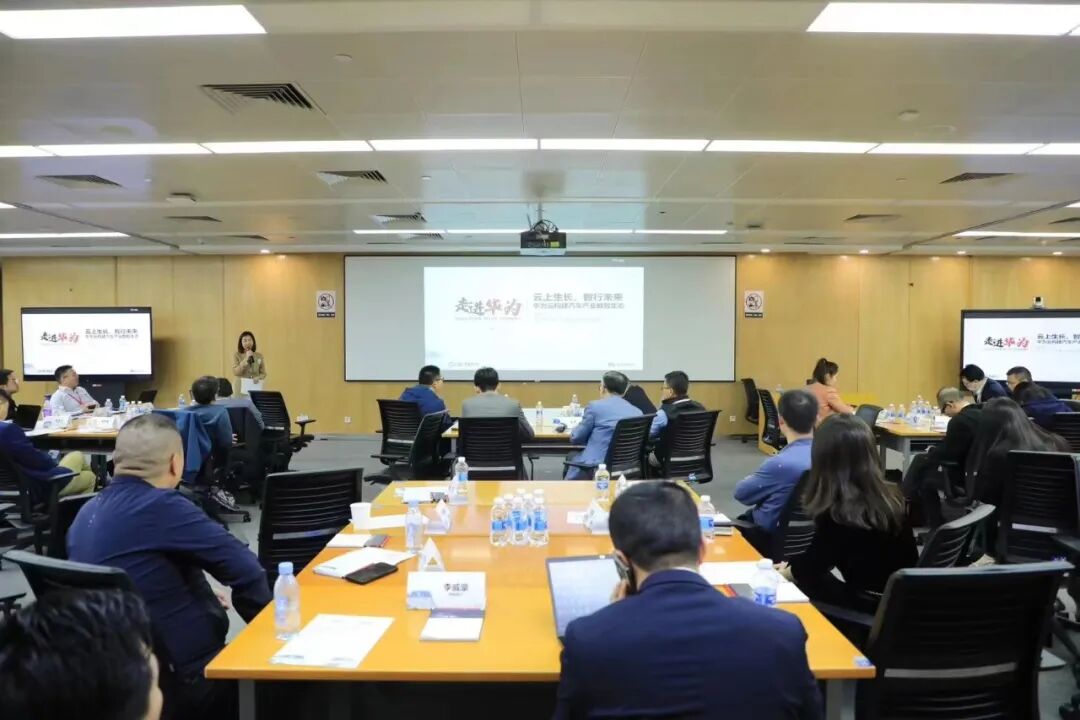
Recently, Gaorong Ventures, in partnership with EqualOcean Auto, invited over 30 automotive industry chain tech companies to visit Huawei, where they engaged in rich sharing and discussion on these very questions. Below are some of the highlights.

Electrification Is the Foundation; Intelligence Brings Vast Imagination
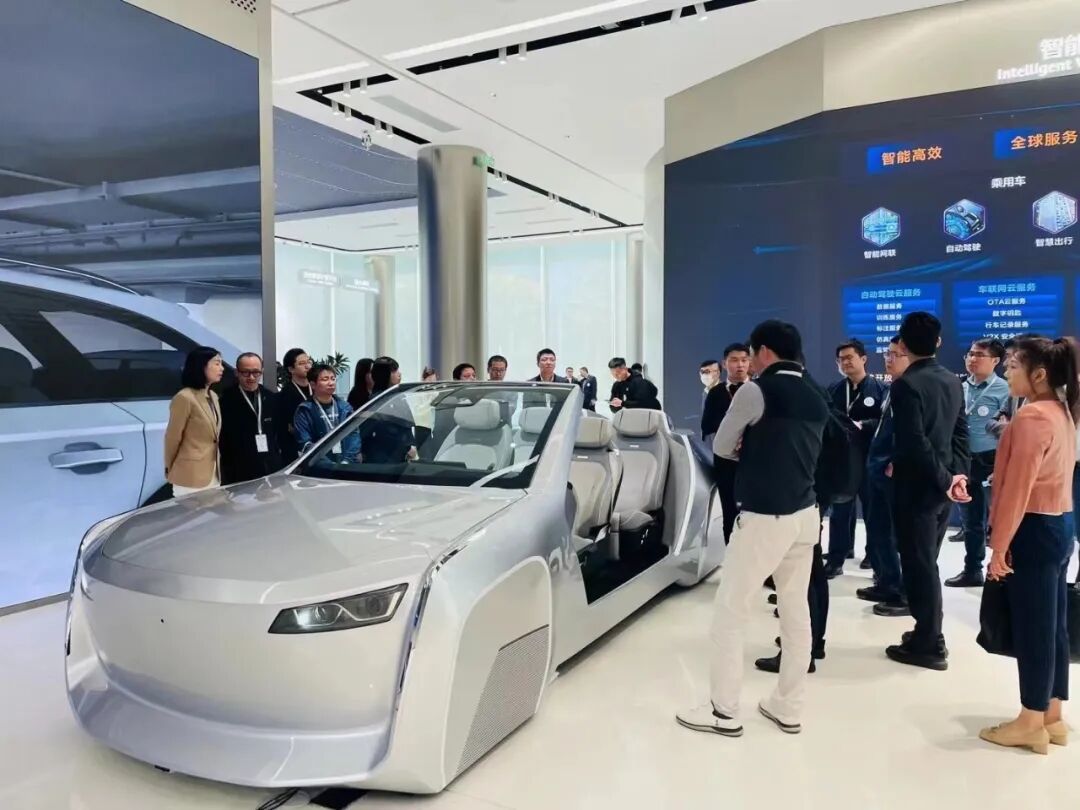
The delegation of automotive industry chain tech companies first toured Huawei's Intelligent Vehicle Exhibition Hall, learning about Huawei's layout and latest technologies in intelligent driving platforms, smart cockpits, intelligent vehicle cloud services, and energy management.
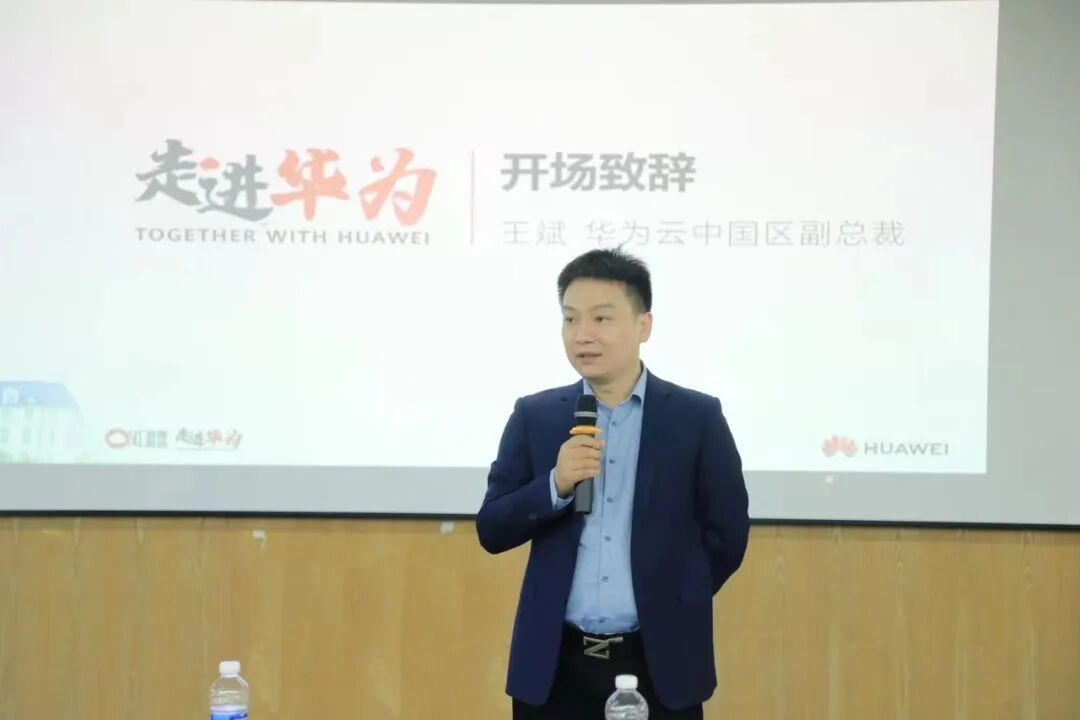
"As Huawei's automotive ecosystem continues to build, we look forward to working with more partners to jointly create technology ecosystems and business ecosystems, and together build solutions for the industry chain," said Wang Bin, Vice President of Huawei Cloud China, in his opening remarks. He noted that Huawei Cloud's focus in building intelligent automotive industry ecosystems centers on digital transformation for OEMs, autonomous driving, and connected vehicles.
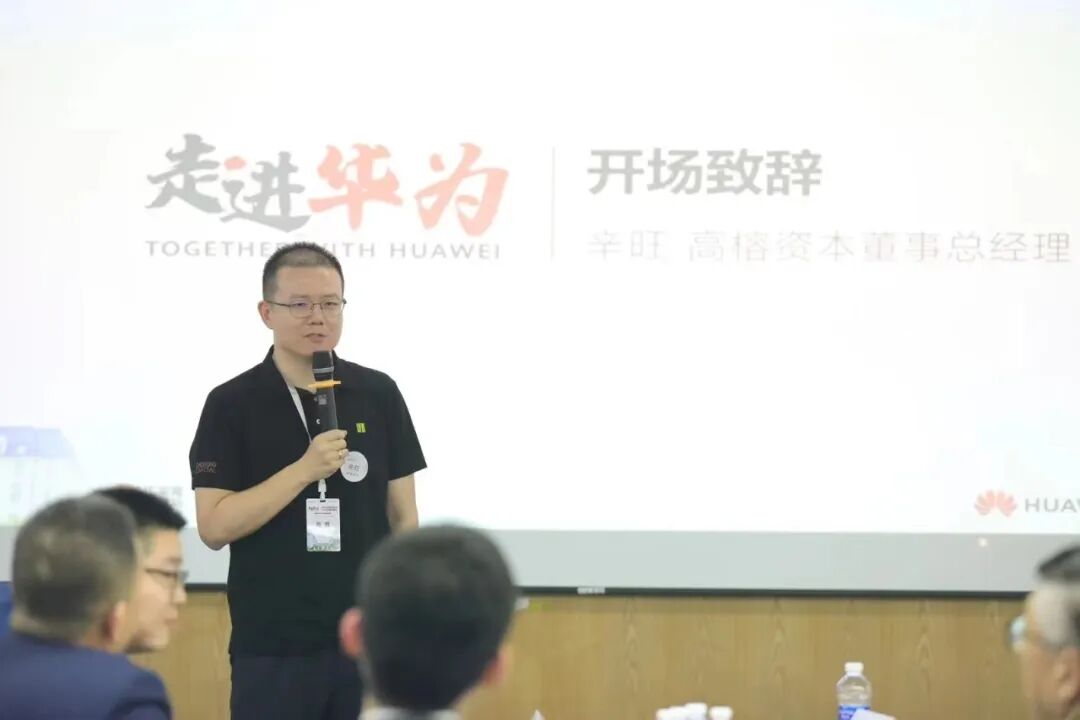
Xin Wang, Managing Director at Gaorong Ventures, stated: "In the evolution of the automotive industry, electrification may be the foundation, but intelligence will become increasingly important in the future. Behind intelligence lies the need for various automotive electronics, chips, sensors, and massive changes from underlying architecture and domain control to cloud connectivity, from cockpits to autonomous driving — the market space this creates is particularly worth imagining. Huawei has already provided a solid foundation across ICT infrastructure, computing power, and chips, driving the digital and intelligent upgrade of the automotive industry. Tech companies have the opportunity to jointly create richer applications and services for automakers."
Intelligent Automotive Industry Trends: Convergence and Divergence, Collective Evolution, Global Restructuring
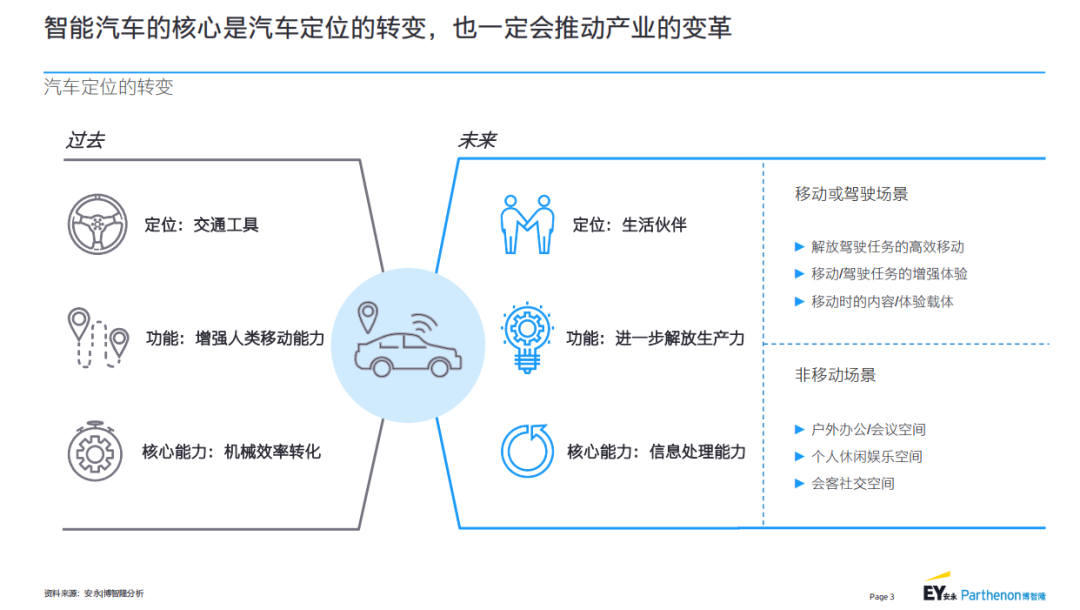
Tan Xingzhi, Partner at EY Advanced Manufacturing & Mobility, further elaborated on the significance of intelligence for the automotive industry. The industry is experiencing a once-in-a-century transformation — the "New Four Modernizations" of electrification, shared mobility, connectivity, and intelligence — with intelligence as the core driving force. This is because it fundamentally changes how cars are positioned: from transportation tools in the past to human companions today. The core capability of intelligent electric vehicles is shifting toward liberating people's time and hands; information processing capability will become the key to future automotive competitiveness.
For future intelligent automotive industry trends, Tan shared three key insights.
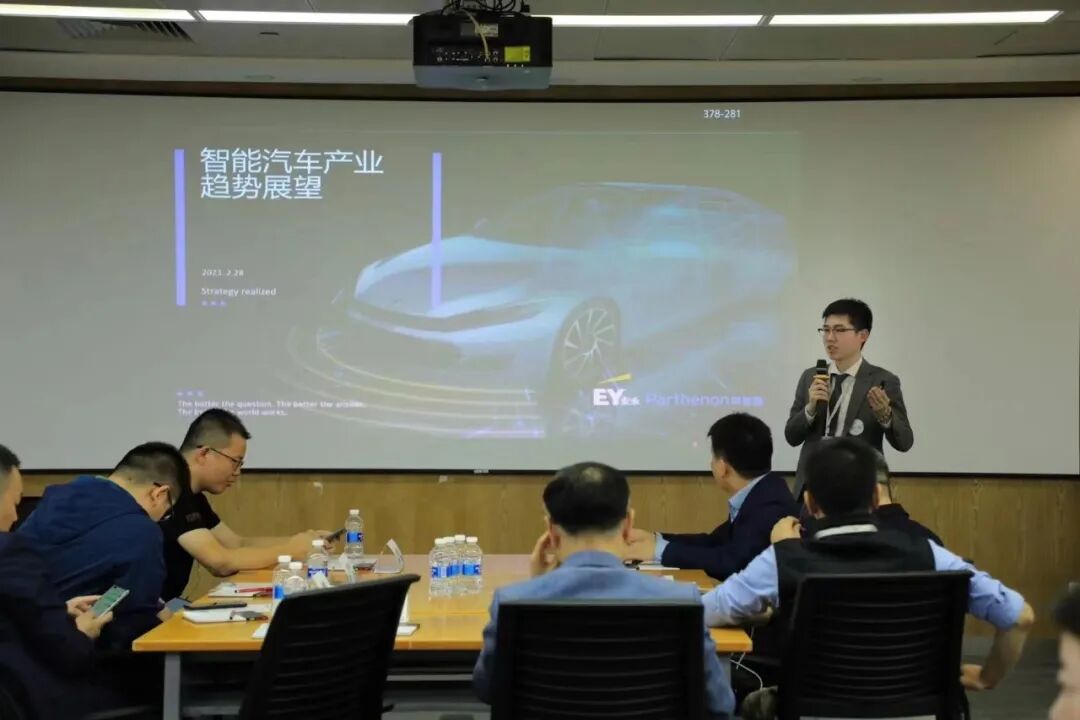
Insight One: Convergence and Divergence — The Objective Law of Industrial Development
Today many OEMs are pursuing "vertical expansion," creating a trend of "convergence" in the automotive supply chain — for example, through in-house R&D or deep investment in batteries, chips, charging infrastructure, and more.
Tan pointed out that looking across the more than 100-year history of the modern automotive industry, the pattern of "convergence after divergence, divergence after convergence" in supply chains is an inevitable law of industrial development. Early automakers researched and produced everything from engines to components themselves; as technology matured and stabilized, the industry began pursuing efficiency, gradually giving rise to horizontal division of labor across raw materials, Tier 2, Tier 1, assembly production, and sales services.
Today's intelligent automotive industry follows the same pattern. "Integration" is an inevitable choice during periods of transformation for more efficient innovation and greater resilience; but in the long run, seeking more rational "division of labor" will also be inevitable. Today, some players are already actively introducing partners (such as certain leading new forces bringing in sales channel partners), and even pursuing neutralized output (such as neutralized battery supply).
He emphasized that the eventual landscape after this new "divergence" will certainly differ from the previous structure, and the reason lies in the software-ization/IT-ization of the industry. The automotive consumption value chain is tilting from "hardware is king" toward software and services; by 2030, software and services are projected to account for approximately 40% of value chain revenue.
Software/IT industries have near-zero marginal costs; they are highly generalized yet can be customized on demand; explosive black-swan technologies emerge frequently, as seen recently with ChatGPT. These fundamentally different logics will reshape the future automotive industry landscape — oligopolies coexisting with high-value players in niche segments; industry players forming alliances and interlocking partnerships in new competitive-cooperative relationships; players must adapt to the rules of this new world, maintaining technological sensitivity and active capital operations.
Insight Two: Collective Evolution — The Inevitable Choice for Complex Transformation
Whether in the biological world or in technology and business, complex evolutions worldwide follow the principle of "collective evolution." Tan believes automotive industry evolution conforms to this law. In the past, automotive competitiveness was about mechanical performance; with automotive intelligence, the dimensions of competitiveness have become increasingly diverse, making it impossible for a single company to master so many complex capabilities in a short time. Therefore, the past model of OEMs going it alone is becoming increasingly unviable; decentralized ecosystem integration will become increasingly prominent — that is, multi-party "collective evolution" jointly expanding new commercial boundaries.
Moreover, as industry players increasingly focus on commercial deployment, resource integration becomes necessary. Take autonomous driving as an example: leapfrog autonomous driving has "cooled," while incremental L2-level solutions are accelerating to market. Industry players are forming commercial deployments around segmented scenarios and functions, requiring pragmatic cooperation and mutual growth.
Insight Three: Global Restructuring — Historical Opportunities Granted by Transformation
As Chinese automakers' competitiveness improves, the great ship of automotive exports is sailing faster, especially with strong momentum in the past two years. China's automotive exports were 2.14 million units in 2021 and reached 3.11 million in 2022, with export destinations radiating to regions with relatively advanced automotive industries such as Europe.
China's automotive industry exports have also gone through several historical phases: from the Export 1.0 era of 2000–2012 focused on "opportunity trading," to the Export 2.0 period of 2013–2019 of "operational experimentation," to the current Export 3.0 since 2020 of "comprehensive systematic export" — conducting localized operations overseas, which inevitably brings coordinated supply chain export.
Furthermore, Tan stressed that China's intelligent vehicles have become one of the world's most advanced markets and industries; automotive industry chain companies that can establish themselves in the domestic market and gain leading positions will have significant potential for direct export in the future, independent of OEMs.
Six Major Trends in Intelligent Electric Vehicle Frontier Technology Development: When Cars Can Self-Evolve
Wang Zhong, Chief Advisor at EqualOcean and President of EqualOcean Auto Research Institute, began his presentation by showing the panoramic map of China's intelligent electric vehicle industry chain developed by EqualOcean智库. "The upstream of the industry chain centers on intelligence and electrification, the midstream consists of passenger and commercial vehicle OEMs, and the downstream includes infrastructure, automotive digital services, and the aftermarket."
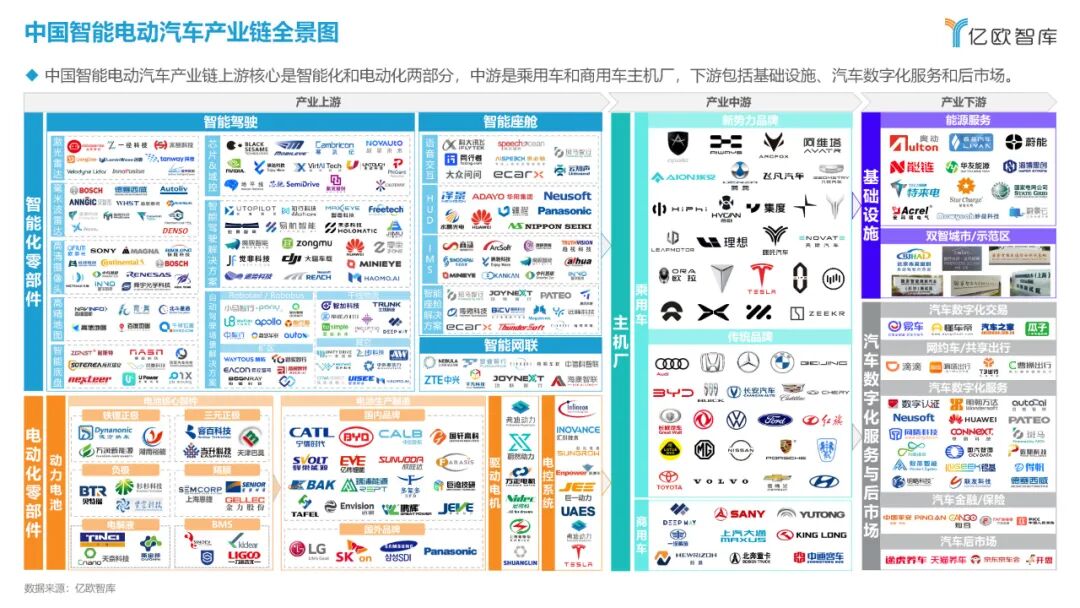
Wang noted that the intelligence segment continues to undergo many changes, including the "Three Intelligences" — intelligent driving, smart cockpit, and intelligent connectivity; electrification also continues to see innovation, namely the "Three Electrics" — power batteries, drive motors, and electronic control systems. Innovation in the "Three Electrics" focuses more on materials and technical routes; the "Three Intelligences" involves very core data issues, which will also guide the establishment of future ecosystems.
On the OEM side, "we believe commercial vehicles will be an important opportunity going forward, including the very rapid deployment of autonomous driving in commercial vehicles. Multiple new force brands remain standing in the market today, having gone through numerous challenges, so we prefer to call them 'new strength' players."
Within the intelligent electric vehicle industry panorama, Wang focused on sharing developments in the intelligent driving domain, believing it truly represents the core concept of the industry's gradual development over the next three to five years. The intelligent driving industry chain consists of key component suppliers and solution providers, with key component suppliers further subdivided into perception, decision-making, and execution layers. Among these, various sensors in the perception layer (LiDAR, millimeter-wave radar, HD cameras, ultrasonic radar) and high-definition maps are particularly important components — a segment with numerous participants, massive scale, and critical importance in the intelligent driving industry chain.
Smart cockpit is a module with increasingly high integration in the industry. Voice interaction, HUD, and IMS are important functional modules that will gradually merge and develop together. Therefore, solution providers with higher integrity that integrate various interaction functions and monitoring systems may emerge prominently in the future.
In the intelligent connectivity domain, "we see intelligence and connectivity technologies accelerating integration, driving upgrades in vehicle-side communication and network services."
So, within this panoramic view, which frontier technologies have greater room for survival and mass application? According to EqualOcean智库 research, the stronger a frontier technology's ability to enhance user experience, the stronger its market and product power — that is, its grounding in consumer demand.
Currently, LiDAR, high-computing-power automotive-grade chips, vehicle-road-cloud integration, 4D millimeter-wave radar, L3-level autonomous driving, and XR extended reality and other technologies in the intelligent connectivity domain have notably strong effects on enhancing intelligent electric vehicle user experience, with mass application in full swing; frontier technology mass application in the new energy domain is also accelerating, among which solid-state batteries, sodium-ion batteries, and V2G DC bidirectional charging and discharging have substantial potential market scale.
Regarding industry-focused autonomous driving, EqualOcean智库 has proposed the China Autonomous Driving Industry Ecosystem by drawing on the structure and layer relationships of natural ecosystems. The autonomous driving ecosystem mainly consists of four elements: perception, decision-making, execution, and connectivity, which "nurture" different types of enterprises including key component suppliers, full-stack solution providers, OEMs, commercial scenario providers, and vehicle-road collaboration solution providers.
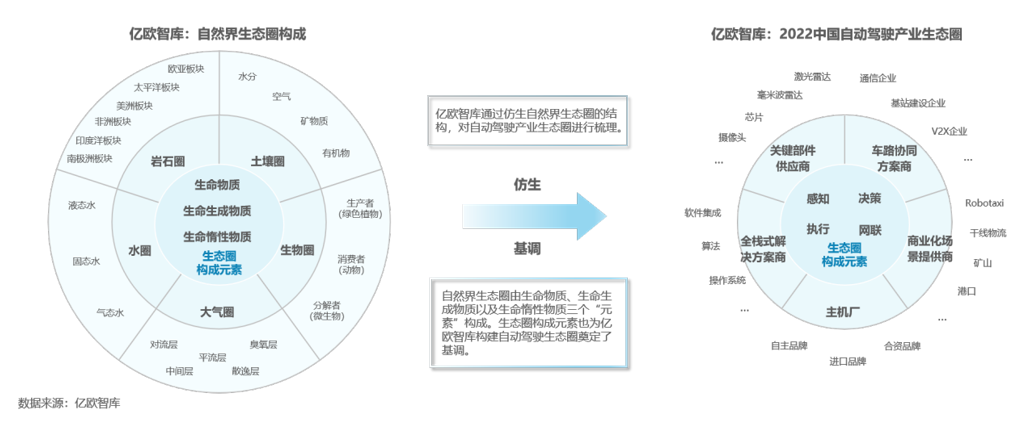
"Today's competitive environment in China's autonomous driving field can be described as extremely brutal — you won't see this many competitors in any overseas market," Wang similarly noted. Because the autonomous driving industry features long development cycles and significant scale effects, collaborative ecosystem development is crucial.
EqualOcean智库 predicts that around 2028, L3 will replace L2 as the mainstream autonomous driving configuration for Chinese intelligent electric vehicles; before 2030, L4/L5-level autonomous driving will see large-scale promotion in Chinese intelligent electric vehicles. At that point, the automotive industry will completely differentiate, and cooperation models will be infinitely varied — the key is who can build their own advantageous ecological niche.
Wang concluded by sharing six major trends in intelligent electric vehicle frontier technology development.
Trend One: Autonomous driving will reshape the form of intelligent electric vehicles, transforming them from single transportation tools into intelligent mobile terminals.
Trend Two: The metaverse opens a new era of user interaction experience, with smart cockpits in particular bringing users many fresh experiences.
Trend Three: Data-driven self-evolution of intelligent electric vehicles — future intelligent electric vehicles will be able to conduct self-training based on data, becoming species with self-evolution capabilities.
Trend Four: Intelligent electric vehicles become the preferred vehicle for frontier technology deployment — this is particularly favorable for frontier tech companies, as automobiles will become the preferred vehicle for frontier technology deployment after PCs and smartphones.
Trend Five: Root technologies become the industry's focus for the next decade — over the next ten years, root technologies for intelligent electric vehicles including materials, OS, and equipment will become the industry's focal point.
Trend Six: Hidden champion enterprises will emerge in vertical domains in China — increasingly, companies in the industry may be profitable from day one.
Covering Over 80% of Domestic Automakers and Upstream-Downstream Partners: How Huawei Cloud Builds the Automotive Industry Ecosystem
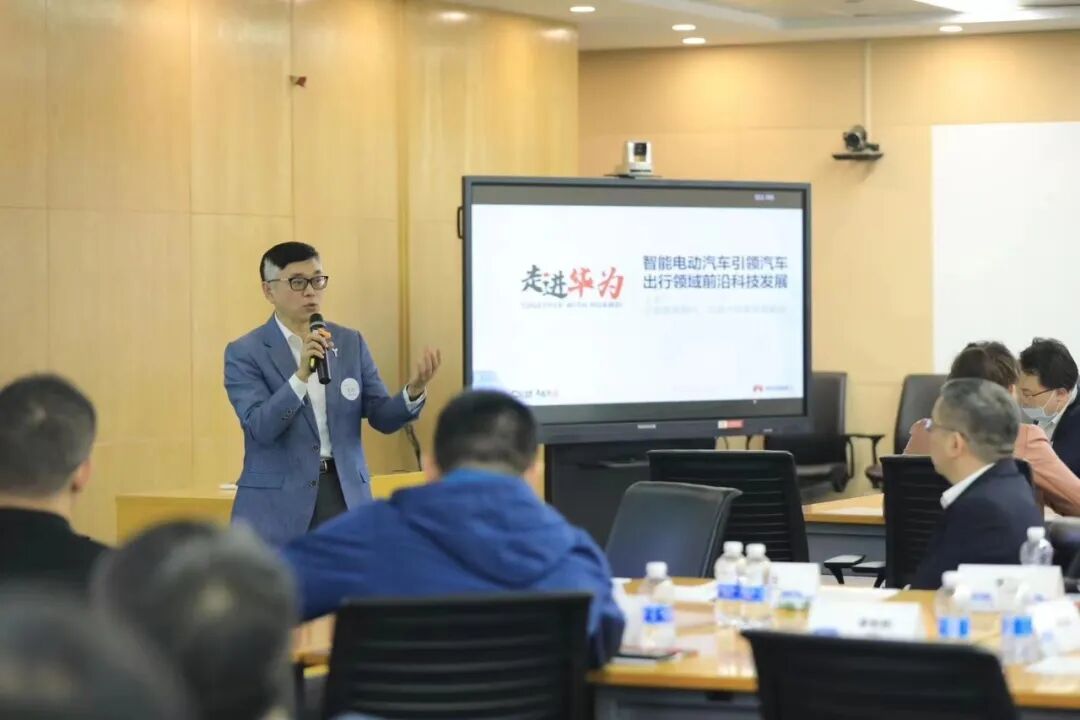
To date, Huawei Cloud has served 90% of the top 30 automakers, and 80% of autonomous driving industry chain companies have chosen Huawei Cloud. Liu Tao, Chief Architect of Huawei Cloud Automotive Industry Solutions, discussed thinking and approaches to building industry ecosystems from the perspective of automotive industry chain characteristics.
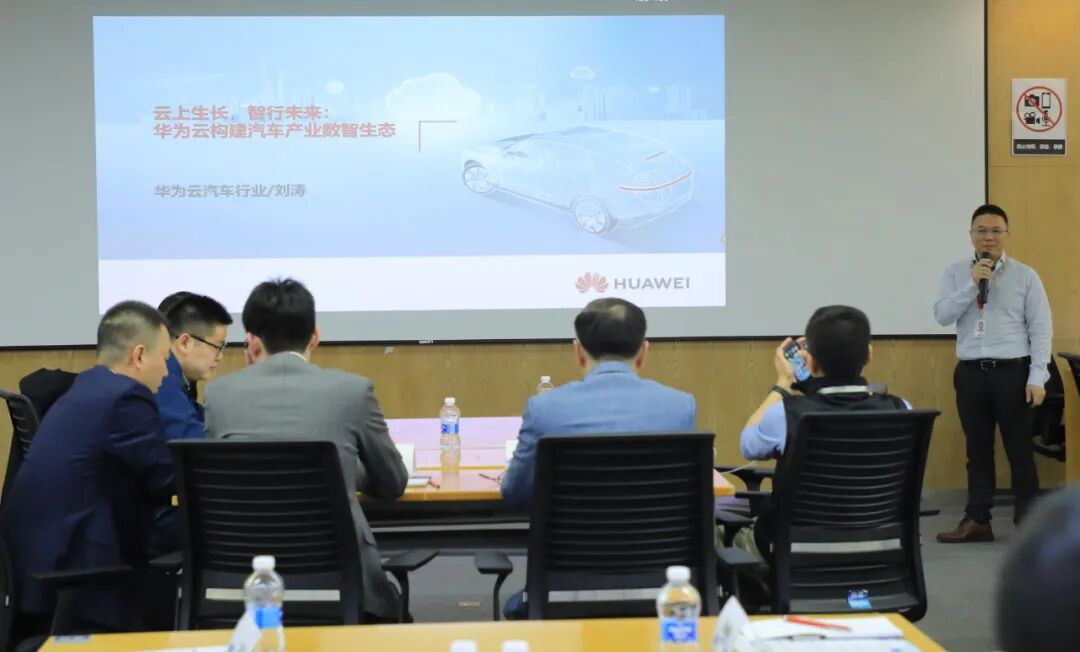
He noted several distinctive characteristics of the automotive industry chain. First, the chain is exceptionally long, encompassing R&D, production, supply chain, marketing, operations, components, and aftermarket — each of which opens up into very segmented markets. Second, standards and regulatory controls are particularly strong, because automobiles inherently have safety attributes, requiring comprehensive consideration of personal information, geolocation compliance, ISO, ASAM, and more. Third, technology and business model innovation are particularly frontier — China's power batteries, autonomous driving sensors, algorithms, and more have already formed very strong competitiveness, with business model innovation also increasingly emerging. Fourth, the customer base is particularly diverse and complex.
Precisely based on these characteristics, "we need a vast ecosystem of partners to jointly drive technology and business model innovation in the automotive industry."
Liu shared Huawei Cloud's overall automotive industry service strategy, with the core mission of helping automakers build good cars, sell good cars, and use good well. Based on digital transformation and open ecosystem cooperation, it pursues global expansion with focused emphasis on six solution areas: digital transformation consulting, digital R&D, digital production and supply chain, digital marketing, digital mobility, with cloud-native infrastructure as the underlying support. Huawei Cloud's big data and AI efficient collaboration forms a powerful innovation driving force.
Taking the autonomous driving domain as an example, Huawei Cloud has the largest customer base among cloud providers, including passenger vehicles, commercial vehicles, traditional automakers, new forces, foreign automakers, Tier 1s, tech companies, and more.
Currently, autonomous driving faces two major challenges. First, data is the biggest challenge — as autonomous driving levels increase, the volume of data requiring processing grows larger and costs rise higher. Huawei Cloud provides customers with systematic solutions, comprehensively improving data processing efficiency, mining capabilities, and automation levels.
The other major challenge is intelligence — perception sensors continue upgrading, core algorithms are evolving toward BEV/Transformer directions, and intelligent driving computing platforms have become key to industry development, all bringing new challenges to players. Beyond providing computing power and storage, Huawei Cloud looks forward to co-creating with customers around these directions to jointly drive technology iteration.
In the process of building automotive ecosystems, Huawei Cloud has accumulated experience serving OEM customers. First, it is essential to work by business process, and as business deepens, many partners are small but excellent tech companies. Second, work by automaker cluster, treating automakers as bases and inviting partners to visit automakers together, driving upstream-downstream interaction and cooperation. Additionally, it is actively building domestic industrial software.
Going forward, Huawei Cloud looks forward to cultivating and developing more capability partners based on the "GoCloud" cooperation framework, helping partners create more value on Huawei Cloud.
Building "DesignGPT" for the Automotive Domain: Comprehensively Improving Engineer Work Efficiency
In the interactive discussion session between tech companies and Huawei experts, Wu Yongrong, CEO of Shexu Technology, shared as a tech company representative how its AI+CAD technology deeply penetrates the automotive industry chain to help upgrade efficiency.
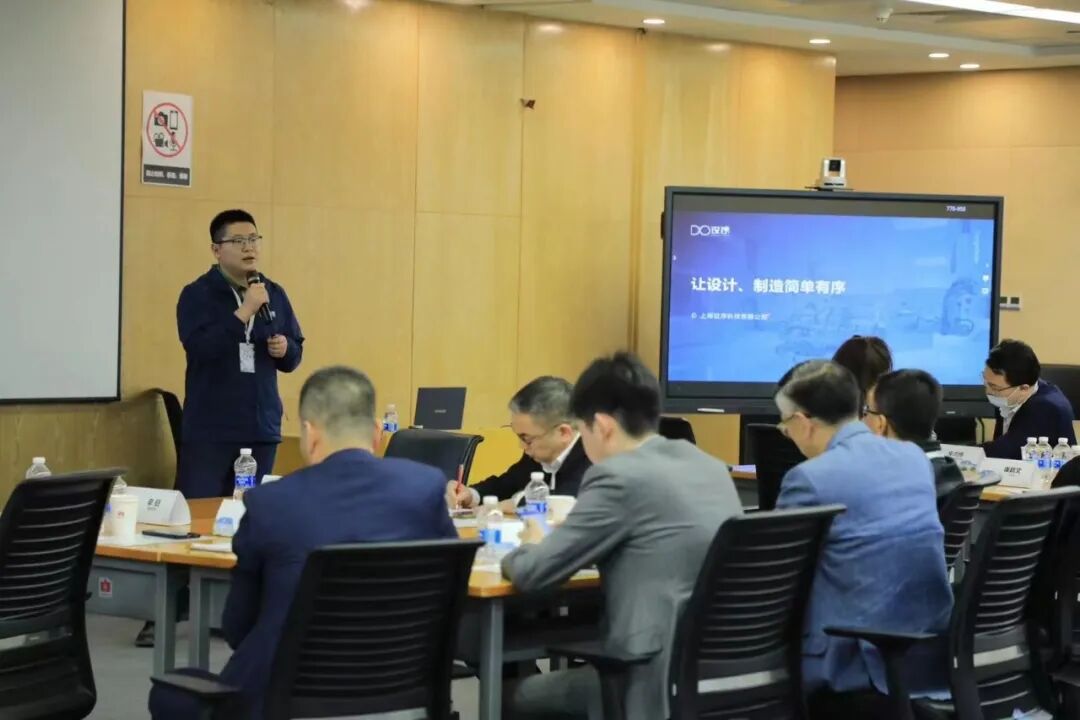
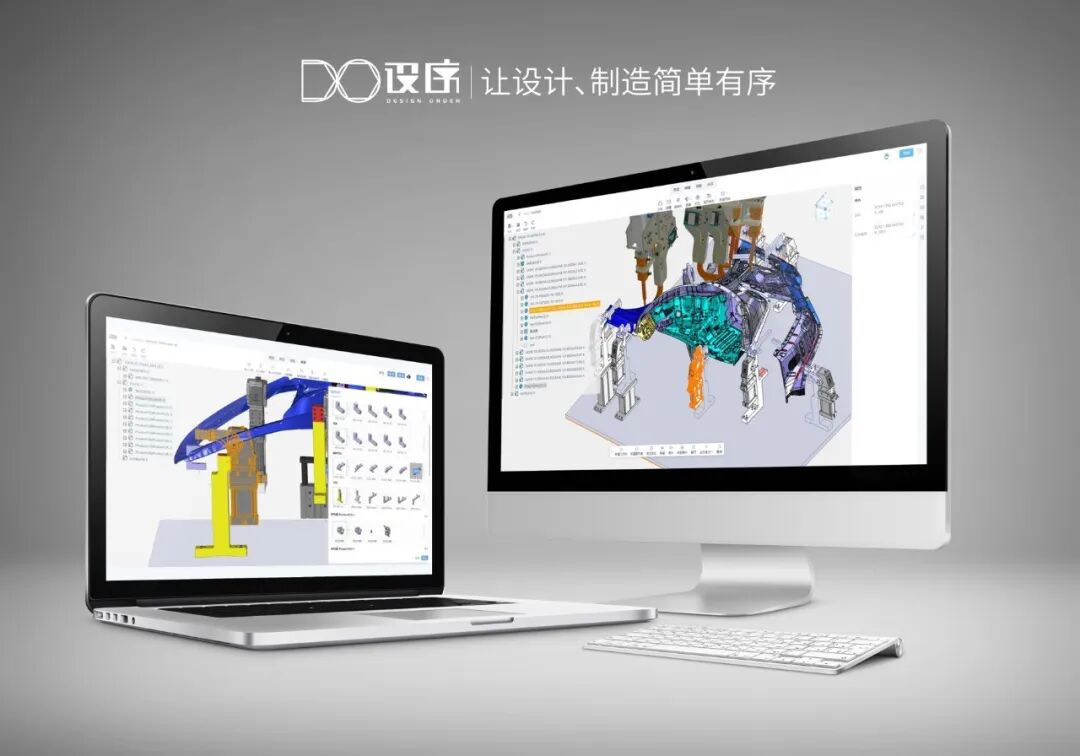
Wu introduced that Shexu Technology's mission is "making design and manufacturing simple and orderly," committed to building intelligent design and manufacturing software through AI technology, cloud technology, and geometric graphics technology to improve efficiency in industrial mechanical design scenarios. Drawing on the ChatGPT concept, Wu analogized Shexu's product to DesignGPT — input a requirement into the software, and AI provides a design solution.
Wu analyzed two major pain points in the value chain of high-end manufacturing represented by the automotive industry. One pain point is repetitive tasks at individual stages — for example, automotive design engineers spend 70% of their time on repetitive modeling and drawing in traditional CAD software. The other pain point is fragmented cross-stage collaboration from design to simulation to manufacturing. Especially as industry product iteration speeds have accelerated in recent years — where cars previously took over five years for a generational update, that timeline has now compressed to 1–2 years. "DesignGPT" is expected to help design and simulation engineers improve efficiency and打通 information flow across all stages.
"The underlying technical logic is also very similar to ChatGPT, achieved through data reconstruction, pre-training, and reinforcement learning," Wu explained. Reinforcement learning is particularly important because AI's initial recommended results are often not the optimal industrial design results — engineers need to comprehensively consider mass production, cost balance, and other factors, so the desired result may not be the mathematical optimum in structure but rather a local optimum.
Shexu has currently launched its AI+CAD product — FlashDesign — supporting 3D intelligent design and 2D intelligent drawing. Shexu has already won favor with numerous industry customers, encompassing OEMs (including both fuel and new energy vehicles) and equipment manufacturers.
Wu also shared several reflections based on Shexu Technology's actual commercial expansion experience.
First in the technology dimension, he recommended bringing demos to discuss with customers as early as possible, rather than trying to build a complete closed-loop product before approaching customers — because customers often understand scenarios and needs better, and under an industry chain co-creation model, significant time can be saved.
On product planning, Wu recommended frontier tech companies pay attention to automakers' process planning and timelines, and align their own product R&D rhythms with customer schedules.
On business model, Shexu Technology sells both software and services. "Previously we did software aiming for Software as a Service; similarly, we can also standardize design services as Design as a Service."
Attending automotive industry chain tech companies also engaged in exchanges and interactions with the Huawei team on topics including autonomous driving, smart parking, in-vehicle chips, charging networks, and connected vehicles, exploring innovation opportunities.
As intelligent vehicles sail toward a better future, it requires not only the kinetic energy conversion from "horsepower" to "computing power," but also the collaborative evolution of every organism in the ecosystem to gain more powerful and robust innovation momentum.