From Big Pharma to Biotech: Four Industry Leaders on How Innovative Drugs Can Balance Speed and Quality | Ronghui

Speed matters, but getting it right matters more.
In recent years, bolstered by policy support and capital, China's new drug R&D has entered a period of rapid growth. Yet many challenges remain for pharmaceutical innovation in the country: clustering around popular drug targets, lengthy clinical trial cycles, and the still-unfulfilled promise of innovative drugs reaching global markets. How can innovative drug companies actively face the future and think about sustainable innovation?
Recently, Gaorong Ventures, in partnership with Science and Technology Innovation Board Daily, hosted "Into BioBAY — Braving the Journey of Medical Innovation," a biopharma industry event that brought together founders, CEOs, and senior executives from multiple innovative drug companies to share their deep insights into the industry and firsthand experience in R&D.
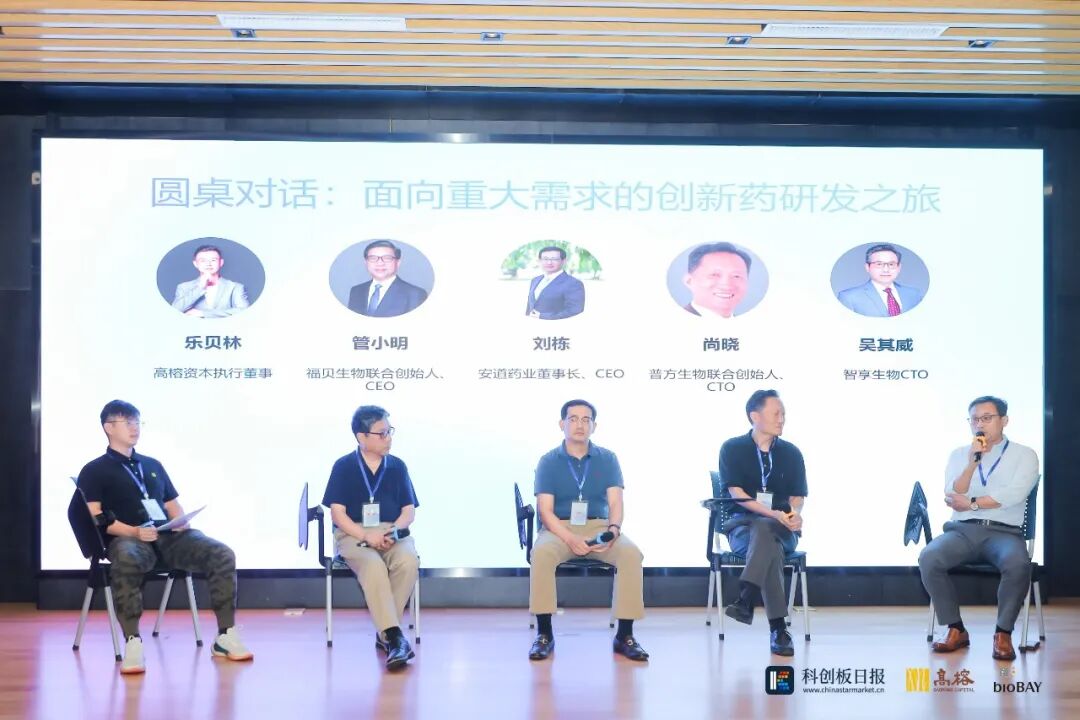
During the panel discussion, Xiaoming Guan, co-founder and CEO of Firenze Biotech; Dong Liu, Chairman and CEO of AnDiCon Pharma; Xiao Shang, co-founder and CTO of ProfoundBio; and Qiwei Wu, CTO of ZhiXiang Biologics, joined moderator Beilin Le, Executive Director at Gaorong Ventures, to discuss pain points in domestic innovative drug R&D and clinical development and share their perspectives.

How to Improve R&D Efficiency and Success Rates?
A famous "rule of tens" circulates in the innovative drug field: on average, a new drug takes ten years from project initiation to regulatory approval and requires over a billion dollars in investment.
So how can efficiency and success rates be maximized during the drug discovery phase?
Firenze Biotech focuses on novel therapeutics for neurological diseases, where pathological mechanisms remain incompletely understood. In Xiaoming Guan's view, this makes patient data particularly critical. "The leap from animal studies to human trials is inherently challenging, and this is especially pronounced in neurology. No matter how much animal testing you do, you ultimately have to validate in humans. We want to obtain efficacy and safety data in patients with the shortest timeline and least investment possible."
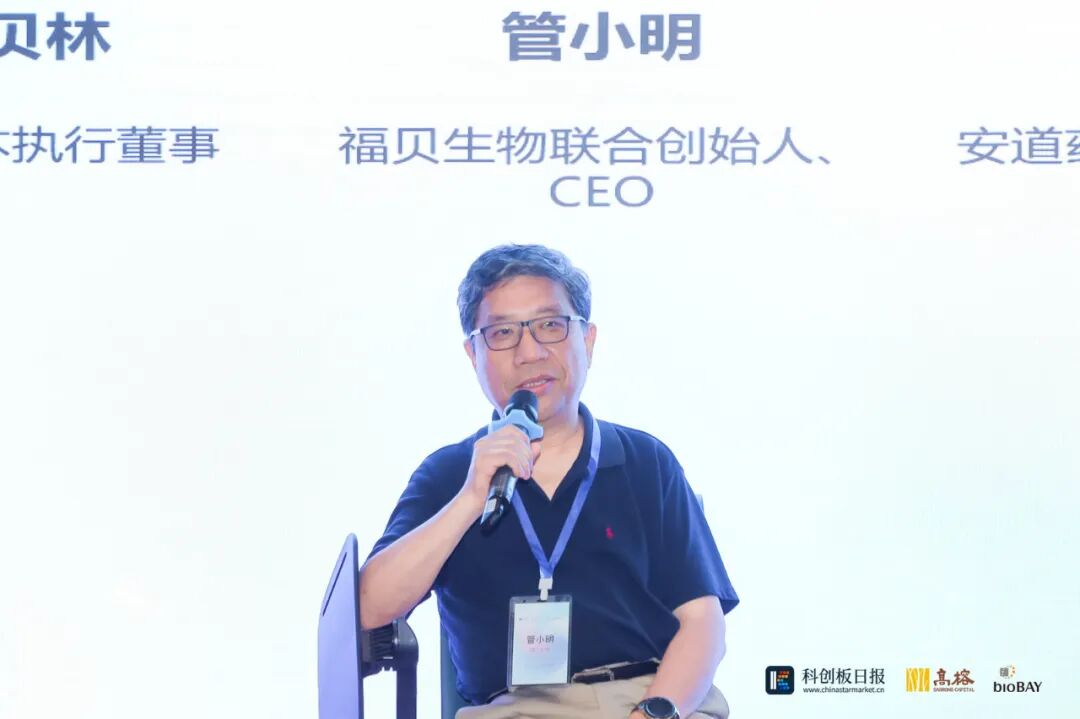
Guan cited Firenze's pipeline as an example: most products are already supported by positive early clinical data in patients. "This is extremely important and can greatly improve translation efficiency." Additionally, tailoring approaches to the fundamental and shared pathological characteristics of neurodegenerative diseases, Firenze focuses on pathophysiology, targeting neuroprotection, neurorepair, and inflammation. "Given the multiplicity of mechanisms and incomplete understanding, we believe this broad-spectrum approach can increase the probability of success."
Dong Liu, Chairman and CEO of AnDiCon Pharma, previously held senior R&D positions at Merck and Silicon Valley biotech companies. He led the development of roxadustat, a small-molecule anti-anemia drug that revolutionized anemia treatment.
Liu founded AnDiCon in 2015. The company's independently developed new drug for chronic kidney disease-related anemia, AND017, received approval for Phase II clinical trials in both China and the US in 2021, and global multi-center patient enrollment is now underway.
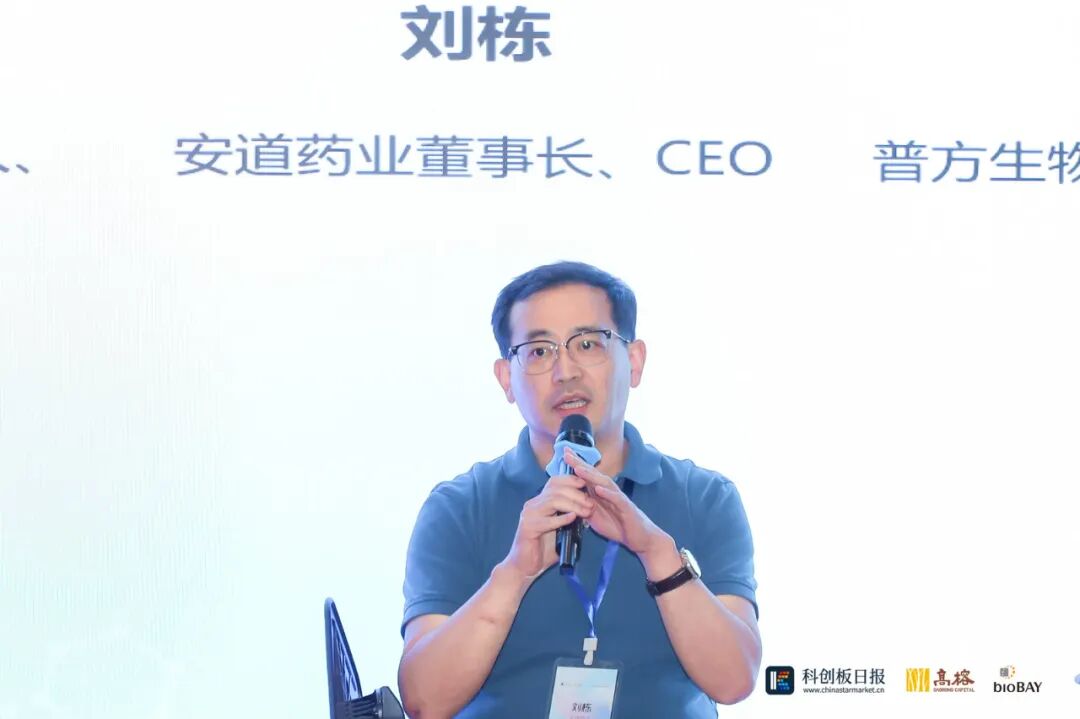
On improving success rates, Liu has his own framework. "Target, molecule, and clinical development — these three elements together determine the probability of success in drug R&D." Liu explained that for a startup's first drug, to reduce failure risk, when first-in-class feels too difficult, best-in-class is a perfectly valid path; focus on what you know best. Different molecules against the same target also have different success rates, so selecting the right molecular mechanism matters. Finally, designing optimal clinical protocols based on understanding of the target and clinical regulatory requirements is what creates true clinical differentiation.
Xiao Shang, co-founder and CTO of ProfoundBio, an ADC drug R&D company, approached the question from a strategic perspective: "As a growing company, timing and degree of development at each stage require careful consideration. For example, should R&D be fully in-house or through partnerships? We need strategies appropriate to our current development stage."
From the CDMO perspective, Qiwei Wu of ZhiXiang Biologics emphasized that CDMOs do more than simply execute tasks and deliver products. "We need to build rapid execution capabilities and appropriately scaled production, empowering innovative drug companies from start to finish, with the ultimate goal of helping them succeed in IND filings."
How to Balance Clinical Speed and Quality?
Once a candidate drug reaches the clinical stage, "speed and quality" become critical differentiators for staying competitive.
On this question, Guan believes that while speed is certainly important, for original drugs in particular, the right development path and quality may be even more crucial. "Sometimes you can't blindly pursue speed, especially when you're blazing a new trail. Key milestones in early and clinical stages require sufficient deliberation and solid groundwork. You need adequate scientific rationale and technical support to ensure the drug achieves substantive validation in the clinic. From an efficiency standpoint, first identify the most suitable indication for your target and select the right patients." Guan noted that China currently has an advantage here — abundant patient resources — and enrolling appropriate patients can improve probability of success.
Also critical is selecting which endpoints to validate drug efficacy. Guan specifically pointed to the many opportunities for AI in clinical applications, noting that Firenze is exploring AI for rapid target validation.
Shang similarly sees both speed and quality as important. On speed, a new drug needs clinical validation as quickly as possible: "A great project that enters clinical validation two years late faces enormous pressure."
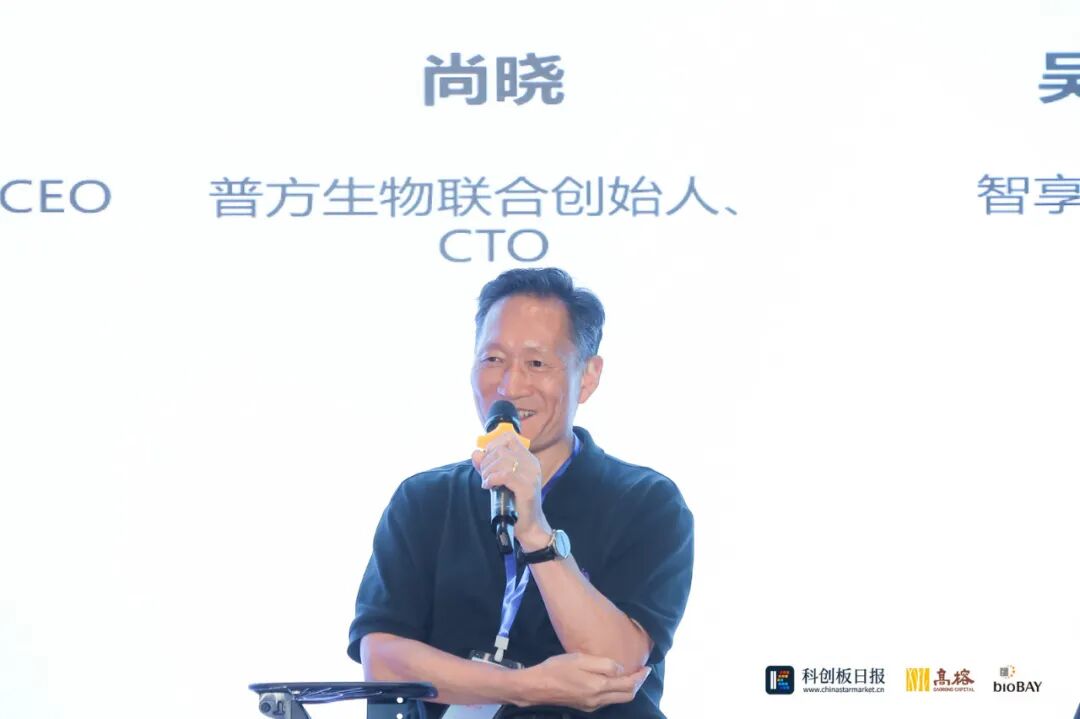
"But quality cannot be sacrificed either. At any clinical stage, we must ensure risks are acceptable at that point in development," Shang said.
Domestic innovative drug global expansion has remained hot. Despite significant obstacles, some products have successfully reached international markets, and multiple products are being developed through global multi-center clinical trials. What should companies watch for when advancing overseas clinical trials?
Liu, with his years of experience at foreign pharmaceutical companies, offered this advice: regulatory agencies can provide extremely helpful input for new drug research, so engage with them early. "We used to view regulators more as judges than partners — that mindset needs to change. The regulatory environment is also constantly evolving; for example, new policies FDA is advancing should be actively monitored by domestic companies." Additionally, in clinical trials, innovative drug companies need to attend to business ethics, principal investigator partnerships, patient selection, and other issues. AnDiCon has made building its own clinical team a core competitive strength.
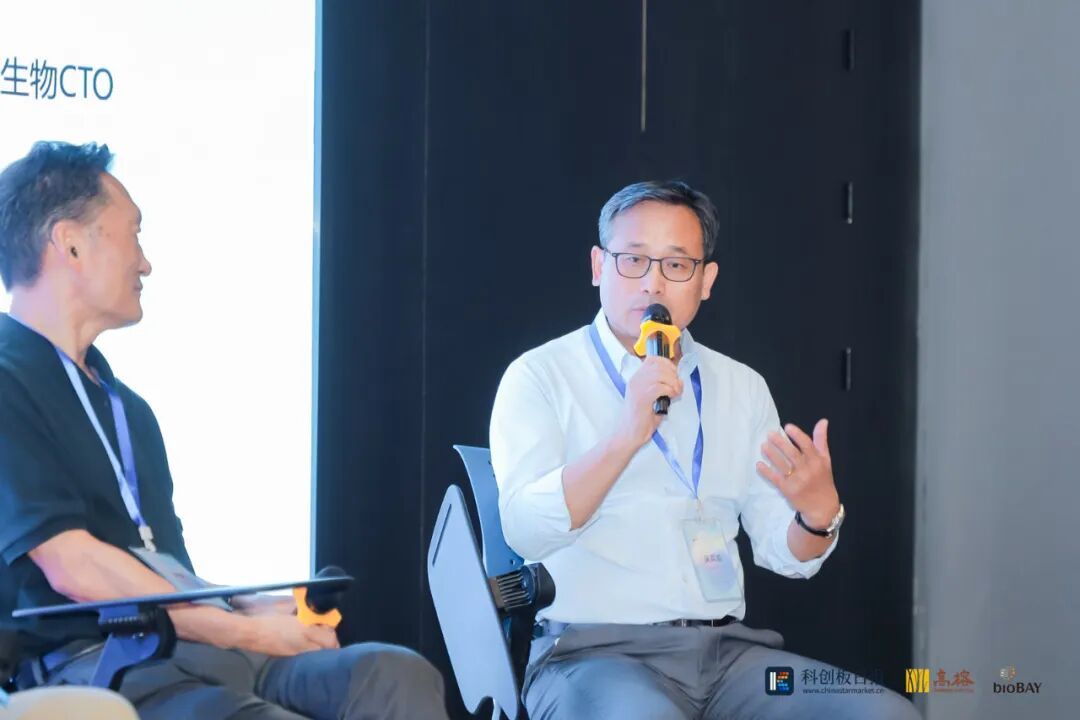
As an enabler of innovative drug companies, Wu shared from the CDMO perspective how to help clients rapidly advance to Phase III and later commercialization. From a regulatory standpoint, clinical and CMC are the two pillars determining ultimate market approval. Many companies face critical decisions after completing Phase I/II: whether early development processes are suitable for future commercial manufacturing, cost controllability, capacity planning, and so on. Wu noted, "When drug companies reach the clinical stage, what they need most is a loyal partner with relevant experience — someone with solid understanding of regulatory policy and comprehensive technical capabilities."
How to Manage Biotech Organizations?
From a management perspective, large pharmaceutical companies often have mature and comprehensive management systems, but decision-making and operational efficiency can suffer. Guan knows this well — how to maintain the flexibility advantage of a small company while ensuring stable development is a key concern.
With management direction set, the "people" on the team become paramount. Innovative drug R&D is never smooth sailing; many drugs experience near-death moments that test their teams.
On one hand, team building requires establishing practical systems with appropriately flat structures. Wu specifically noted that ensuring key decision-makers at critical nodes enables rapid response when problems arise.
On the other hand, in Liu's and Shang's view, team "pride," "sense of achievement," and "joy" are vitally important. Layering human-centered values onto institutional foundations effectively promotes mutual cooperation and respect among team members.
Finally, "adaptation" was a keyword all guests shared when addressing management challenges. As companies grow and teams expand, management systems, once established, only remain effective through continuous adjustment based on organizational development and team changes. Companies at different stages also need fresh blood to maintain team vitality.
"We haven't modeled ourselves after anyone," Wu remarked. This applies not only to corporate management but reflects every step of innovative biotech companies "braving the journey of medical innovation" — the self-breakthrough and continuous iteration in R&D and clinical development that has shaped their present and future.
Source | Science and Technology Innovation Board Daily