33 Days as a CEO: Organizational Change in a Pandemic | Ronghui

Shuidi's Shen Peng: Strengthening Organizational Culture and Launching Organizational Reform Amid the Pandemic

A crisis is also the best moment to strengthen your fundamentals. When the environment changes dramatically, how should a CEO make the best decisions and seize opportunities? How do you rally people and maintain — or even strengthen — organizational combat effectiveness? How do you meet the challenges of remote work?
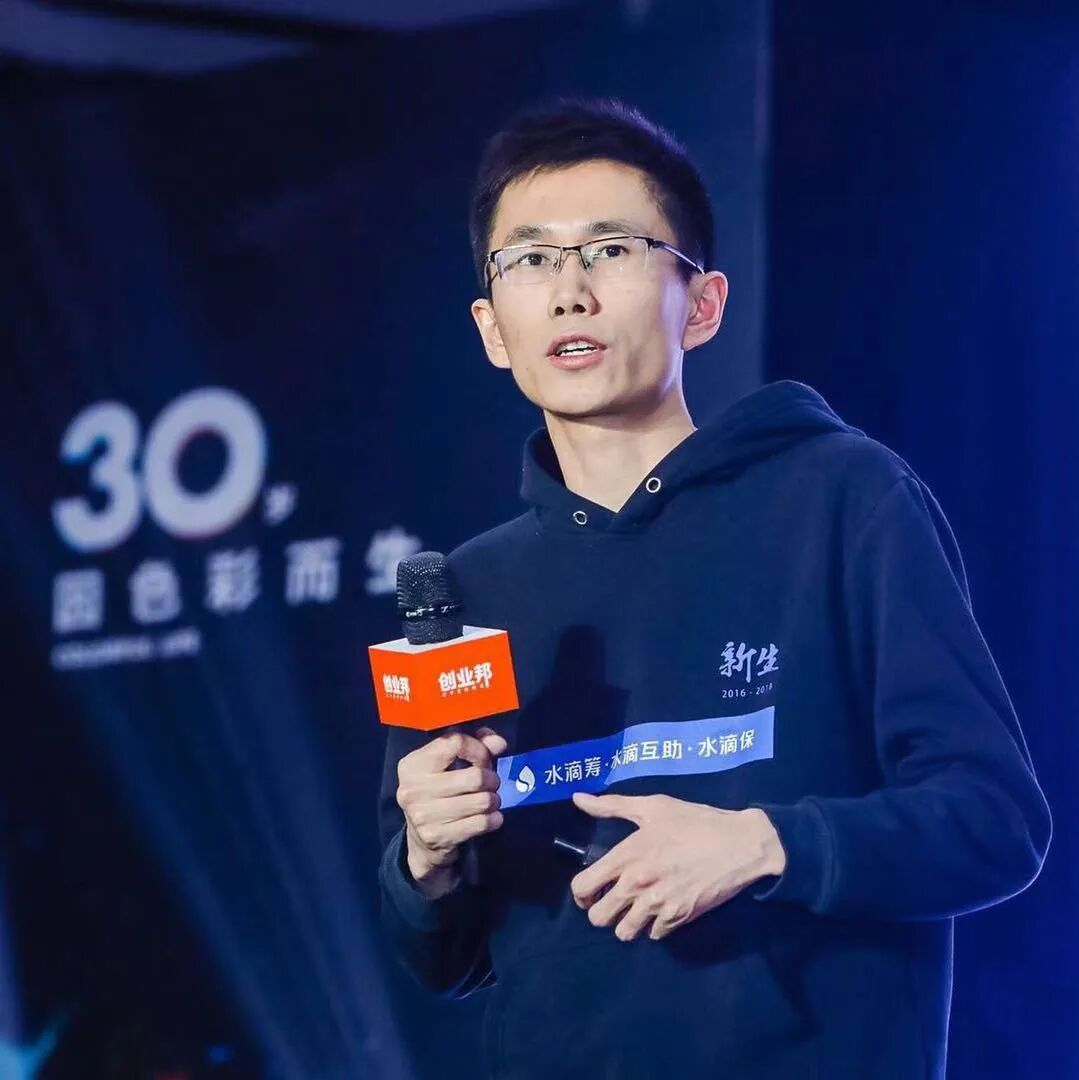
On February 23, at Gaorong Ventures' online salon "Navigating Through Crisis," Shen Peng, CEO of Shuidichou and Shuidi Insurance Mall, shared via livestream Shuidi's 33-day battle against the epidemic (January 21 to February 22), as well as the organizational transformation and corporate culture upgrade undertaken during the pandemic. Below is a transcript of Shen Peng's remarks:
Debrief: 33 Days
Since the Spring Festival, our work has fallen into two major phases.
Phase 1: Emergency Support for the Epidemic Zone (January 21 – February 2)
Starting January 21, the entire company gradually entered the Spring Festival holiday, but our R&D, marketing, and other teams did not take time off. This year we partnered with ByteDance on a Spring Festival red envelope campaign — Shuidi's first large-scale traffic operation, which was a small challenge for us. So many colleagues had already scheduled their work in advance to prepare for the red envelope push. This collaboration ultimately brought Shuidi over 10 million new users.
On January 22, we began to realize how severe the epidemic situation was becoming. Various modules within the company started spontaneous discussions: facing this epidemic, what could Shuidi do with its own platform and resources to support prevention and control efforts?
Shuidichou and Shuidi Public Welfare were the first to come up with ideas — helping charitable organizations launch online fundraising campaigns. On the morning of January 24, the first fundraising page went live, raising 1 million yuan in donations within 5 hours. We then launched an aggregated page, partnering with more charitable organizations to raise funds online for epidemic relief. By the morning of February 10, we had raised 60 million yuan in donations, with over 1.7 million caring users participating.
We also launched free online medical consultations and free COVID-19 insurance giveaways. One lesson we learned through this process: you must respond nimbly and iterate continuously, adapting to changes in user demand. For example, at first we partnered with AXA to provide insurance for frontline medical staff and journalists, and gave away 100,000 policies in just over a day — demand was extremely strong. So we quickly adjusted to make it available to everyone nationwide, and to date we've given away over 2 million policies.
You could say that in this first phase, we weren't overthinking things — we were going all out to support the epidemic zone. The Spring Festival holiday was intense but fulfilling, and I also saw the team demonstrate tremendous self-drive and execution capability.
Phase 2: Serious Work Mode (February 3 – present)
On February 3, we entered our first week of remote work. That week, we rallied people through action, and everyone quickly got into the groove.
On February 10, rather than rushing to hold an all-hands meeting, we had executives first hash things out via remote meetings and clarify two key tones: First, in terms of mindset, we need to be "cautious yet positive." On one hand, we need to rationally understand how the crisis is changing the landscape and do the math. But purely playing defense isn't enough — we're also seeing many opportunities, and we must actively seize them and quality assets.
Second, in terms of action, the CEO and executives must get deep into the trenches. The environment is changing so fast that everyone needs to stay grounded enough to spot new user needs in time, adjust business rhythm with sufficient agility, and grasp future opportunities. I've always believed that company strategy comes from user needs. If you grasp new opportunities based on how the market evolves, then gradually iterate and build your team, the resulting business will likely better match user needs and have more vitality.
During the Spring Festival, Shuidi's executives were active in various project groups, engaging proactively with colleagues and even going offline to understand situations firsthand. Indeed, during this period we captured many signals of change from users and the industry. For instance, we found that users' understanding of insurance had upgraded during the epidemic. Many recipients of our free nationwide "COVID-19 Carefree Protection" insurance were truck drivers, delivery riders, and similar groups, reflecting that insurance awareness among blue-collar workers in the new era has already improved.
We also built a series of infrastructure to ensure the organization could maintain its fighting posture. On February 11, we held a kickoff meeting for management cadres, preparing for at least the next two months of remote work plus partial in-person work. At the same time, we required the company to ensure adequate remote work support, including building out video conferencing systems, upgrading insurance telesales service facilities, and making corresponding adjustments to culture and performance evaluation.

Distilling and Strengthening Organizational Culture from the Battle Against the Epidemic
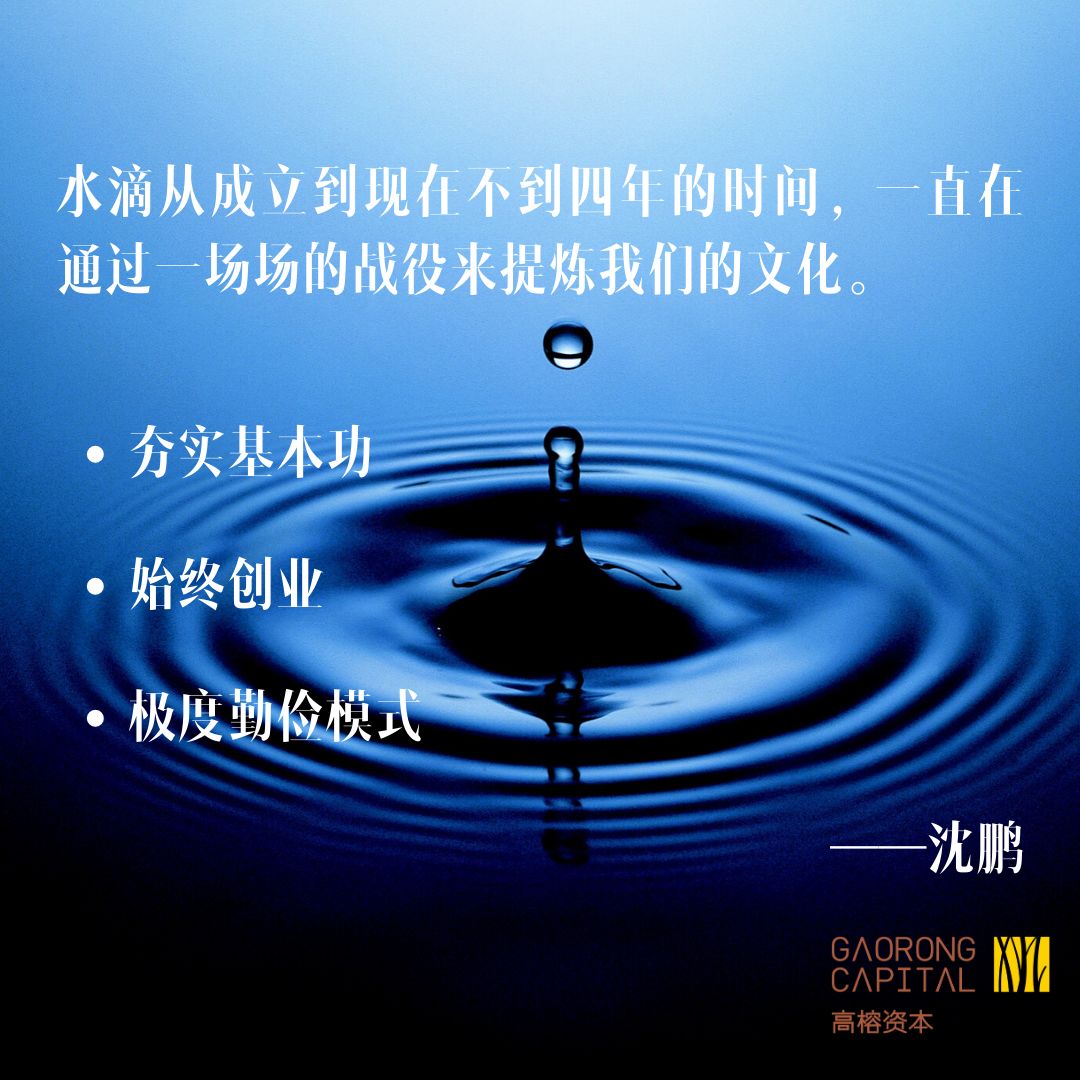
In fact, from its founding to now — less than four years — Shuidi has constantly been in a state of battle. We've been continuously distilling our culture through one campaign after another. This recent fight against the epidemic together has further strengthened our company culture.
1. Strengthening Fundamentals
First, in both our remote work kickoff meeting and our all-staff open letter, we made clear that in our current phase we need to further strengthen our fundamentals. Of course, all actions must be results-oriented. We need to hold ourselves to higher standards — not just processes and actions, but results too. We need to achieve better performance and seize bigger opportunities through the cultivation of fundamentals. For example, Shuidi Insurance Mall's business didn't slow down during the epidemic; it actively pursued free insurance giveaways and other initiatives, with the team constantly in battle mode, using higher demands to seize opportunities.
Along the way, we also shared with employees many examples of how successful companies in history have dealt with crises — such as Kazuo Inamori's five strategies for facing recession, and so on.
2. Always Be Entrepreneurial
During this period, we also actively invited several of Shuidi's management advisors — including Tang Zhihui, Jiang Yueping, and Xu Wu — to participate in our online discussions about organizational transformation, offering suggestions for the company's organizational and management changes and guiding us toward better decisions.
We discussed many valuable things, including the "Shuidi Values 3.0" and the "Shuidi Company Cost-Saving Plan." In the new values, we added one item — "Always Be Entrepreneurial." The current environment presents both opportunities and challenges for us, and we want the company to have more of an entrepreneurial spirit.
3. Extreme Frugality Mode
We also launched an extreme frugality mode, cutting many unnecessary expenses. This in turn forces us to make higher-quality business decisions, pursuing healthy input-output ratios in daily details, putting limited time and capital toward the right things, and spending more efficiently.

Organizational Transformation Under Crisis
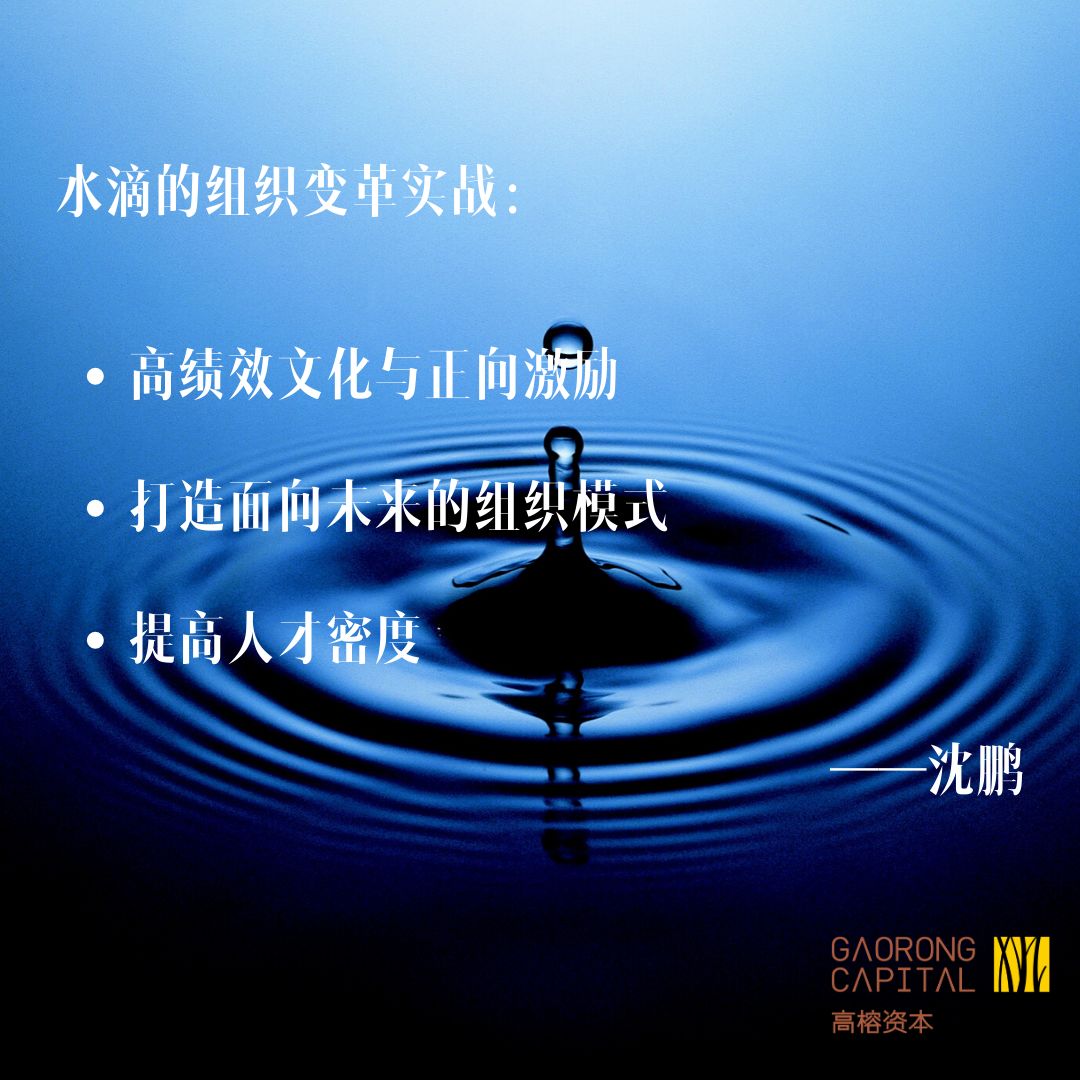
To some extent, the epidemic has also forced us to make a series of organizational transformations. Mainly including several points:
1. High-Performance Culture and Positive Incentives
We put forward a slogan: strive for 3 people to do the work of 5, and get paid for 4. We aim to tilt incentive resources toward "triple-high" personnel — high engagement, high performance, high growth potential — giving high-performing colleagues more growth opportunities and greater returns.
Based on past experience, we've found that when organizations implement somewhat negative incentives, it creates anxiety among many above-average colleagues, leading to uncertain behavior and even proactive job searching. So we've made our positive incentives more explicit: without reducing employee salaries, we've made clear that we'll maintain two salary raise windows this year, in April and October. And we'll take from the option pool double the usual annual option incentive amount, to serve as this year's annual option incentive for top-ranked outstanding colleagues.
Of course, we'll widen the performance coefficient gaps across tiers, using performance transformation to drive talent iteration. And this performance transformation isn't just for frontline employees — executives too. In fact, transformation at the executive level is relatively more important. Once executives feel pressure, there will be more iteration, which can drive the entire company to get into gear.
2. Building an Organization for the Future
This epidemic has also made us think about how to maximize organizational effectiveness and what an organization for the future should look like.
We hope to activate people's self-organizing creativity, break down silos, and with a more agile, flat organizational structure and effective management mechanisms, further activate the organization, activate individuals, collaborate efficiently, and produce with agility.
3. Raising Talent Density
We've also made clear that we want to vigorously cultivate internal talent pipelines and improve career development paths for all staff. In addition, we want to attract top industry talent, continuously raise talent density, and enhance managers' adaptive leadership and work effectiveness.

Reflections on Remote Work Management Practices
Regarding remote work, we've also summarized several points of experience to share with everyone.
1. Goal Orientation
The most important thing is to rally the team through clear goals, giving everyone better self-drive. If goals aren't clear, many people working from home may indeed have mediocre efficiency — we need to respect human nature. Without clear organizational goals, even daily check-ins can devolve into mere formality.
How to set goals? We believe the SMART framework is still very effective: Specific, Measurable, Attainable, Relevant, and Time-based.
2. Personalized Management
With goals in place, there's still room for personalized management. Different modules at Shuidi adopt different management forms — some modules start the day with morning meetings and end with daily reports. Other teams don't need such complexity; they're just results-oriented.
3. Performance Evaluation to Match
Beyond clear goals, once you set the right evaluation mechanisms, employees' work motivation issues are solved. Beyond the evaluation mechanism upgrades mentioned earlier, we're also doing some project incentives for product managers, R&D, and other roles, driving everyone to work more efficiently.
On February 24, Shuidi entered an AB-group rotation for in-person return to work. I'll also give an opening speech to employees via livestream, clearly analyzing the opportunities and challenges; and I'll coordinate with an internal letter, so everyone more clearly perceives the actions we need to take, hoping to inspire everyone to be more combative and more hungry.
Over the past few years, because of many small yet correct "always be entrepreneurial" actions, Shuidi has continuously advanced toward its goal of "protecting hundreds of millions of families." "Adversity will surely make us stronger." I believe that in 2020, we will definitely defeat the epidemic and charge forward with abandon!
Recommended reading: Shen Peng's Open Letter to All Shuidi Staff: Adversity Will Surely Make Us Stronger!


Under the Epidemic, How to Make Decisions, Rally People, and See the Future? | Rongwen