Consumer Brand Growth Insights Report: There's No Universal Formula for Brand Dominance, Only One Underlying Logic

The Three Genes of a Successful Brand.
Gu Long once wrote in The Legend of the Flying Dagger: "In martial arts, speed is the ultimate weapon." This secret has since been adopted by many brands.
According to Open Source Securities, developing a new cosmetic product used to take at least six months to a year. Now, that cycle can be compressed to under three months.
The reason new product development can move so fast is that China, as the "world's factory," has already built mature OEM systems in food, beauty, and small home appliances.
But for brands, speed determines birth — not lifespan. How to be remembered by consumers and win their affection is the real formula for staying profitable.
In August this year, the Wu Xiaobo Channel's Xiao Report released the 2020 Consumer Brand Growth Insight Report (hereafter "the report"). After analyzing over 100 brands on the market, it identified three types of "top performers" in brand marketing.
What did these successfully rising brands do right? What lessons can brand owners draw? Hopefully this report offers some inspiration for entrepreneurs.
What Do Top Performers in Brand Marketing Look Like?
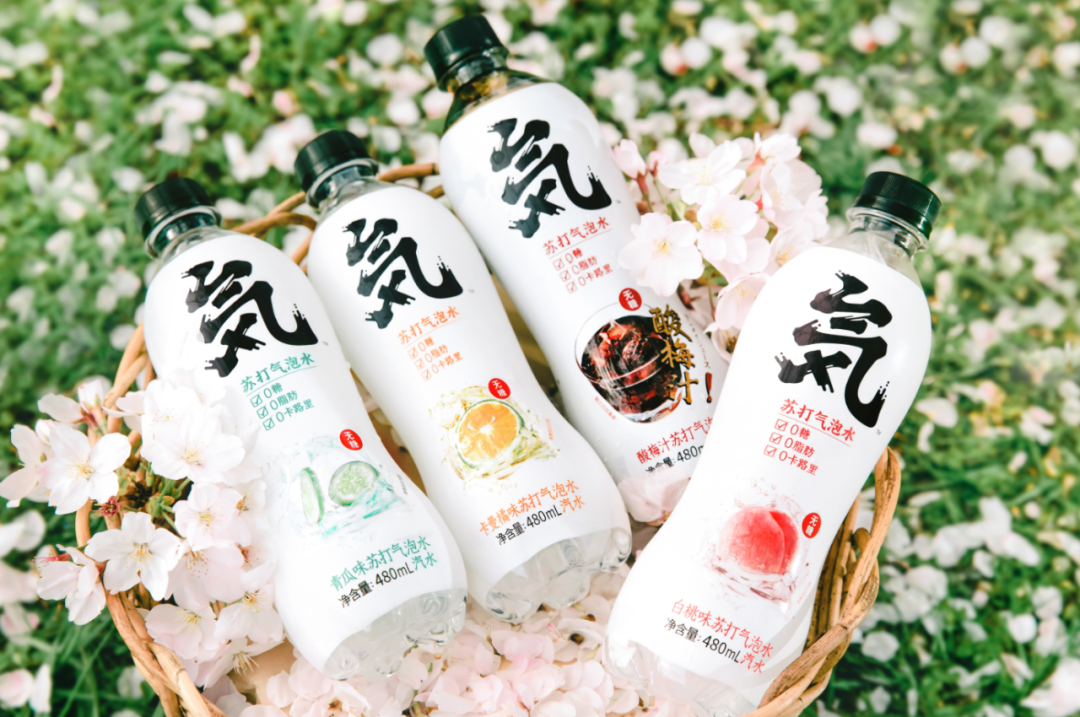
The first type is the "fearless newcomer." During this year's "Tmall 618" shopping festival, four-year-old Genki Forest overtook 134-year-old Coca-Cola in both sales volume and price. Specifically, Genki Forest's white peach-flavored sparkling water ranked first in Tmall's beverage category, surpassing Coca-Cola.
Founded in 2016, Genki Forest built its brand around the health-conscious dietary trends of urban consumers, creating a new sugar-free beverage category with "0 sugar, 0 calories, 0 fat." It has successfully developed hit products including "sparkling water," "Burning Tea," and "milk tea." Genki Forest's slogan "The Sugar-Free Specialist" has gained wide popularity among young consumers.
The second type is the "resilient fighter."
"Never waste a good crisis" — never has this saying been more apt than during this year's pandemic. March to April is traditionally the peak sales season for spring tea, but due to COVID-19's impact, Zhuyeqing's offline sales suffered severe blows, with store closures reaching 90%. Before resuming work on February 10, offline sales were virtually zero. Faced with crisis, Zhuyeqing launched an online spring tea pre-sale event, achieving 89% year-on-year growth in pre-sales. On the day spring tea hit the market, sales jumped 74.3% year-on-year, far exceeding expectations.
The third type is the "vigorous veteran." The rapid rise of new brands has made many legacy brands feel the heat, sparking a wave of "domestic brand revival." For example, 54-year-old Feihe Infant Formula repositioned its brand as "more suitable for Chinese babies' constitution." In 2019, Feihe became China's top infant formula brand, with revenue reaching 13.7 billion yuan, up 32% year-on-year.
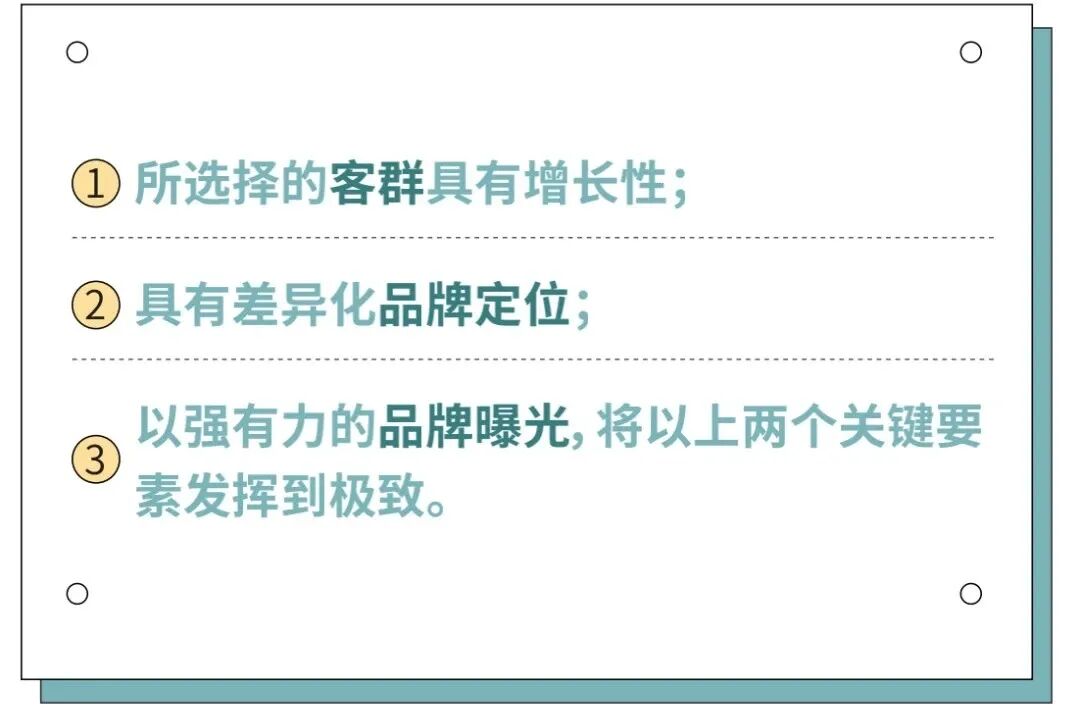
These are the three categories of marketing top performers identified in the report. While definitions of "successful brand" vary, the report found three shared success genes across these three types.
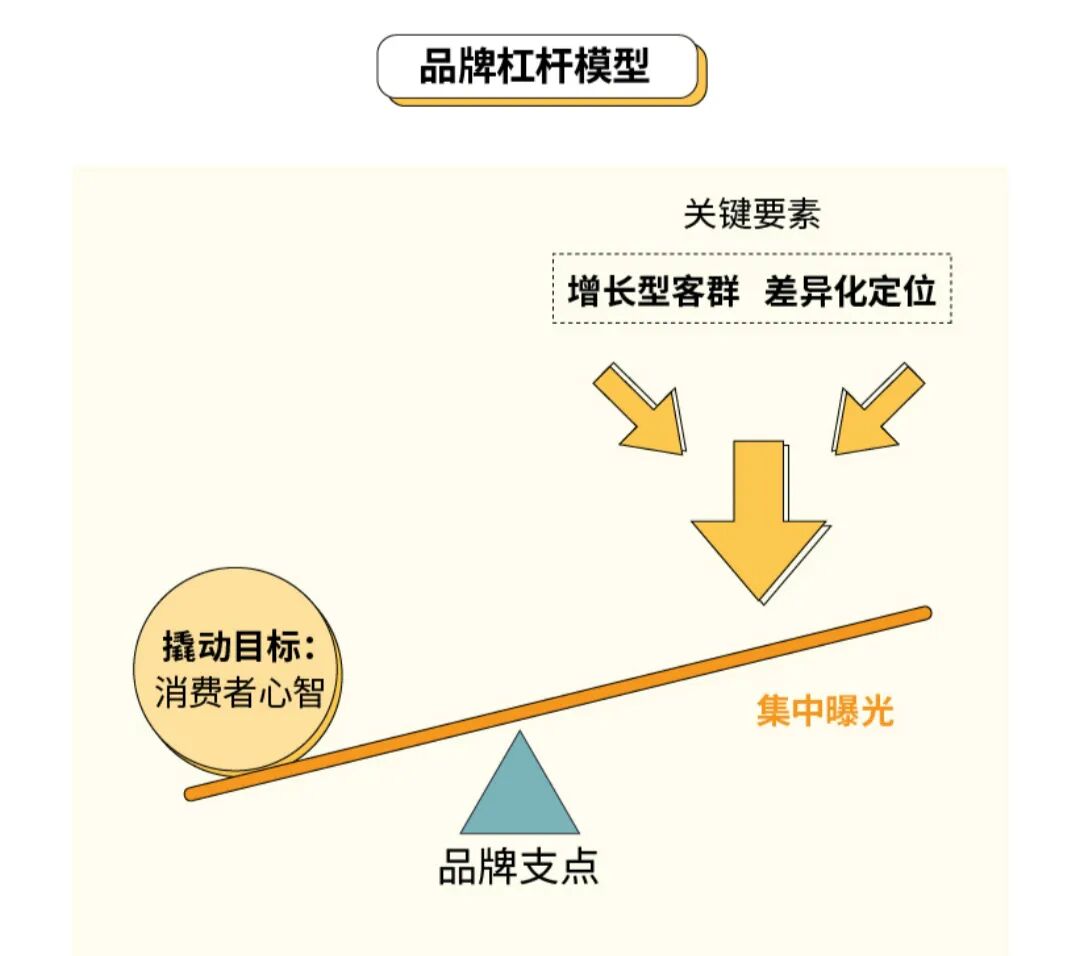
These three points can be understood through the Brand Strategy Lever Model, which comprises four elements. The brand fulcrum is the most basic element, serving as the model's foundation. The leverage target sits on the left side of the lever — the ultimate goal of capturing consumer mindshare, making the brand memorable, and driving purchase. The key force sits on the right side, representing the most effective application of leverage to achieve concentrated brand exposure. The critical elements are growth-oriented customer segments and differentiated positioning — indispensable prerequisites for igniting a brand.
Now, let's break down these three success genes in detail.
Target Growth-Oriented Customer Segments: Play the Long Game
The first success gene is knowing how to "play the long game." Rather than flash-in-the-pan viral products, what truly sustains a brand over time is a continuously growing consumer base. The report found that the two representative groups of growth-oriented customers are the new middle class and Gen Z.
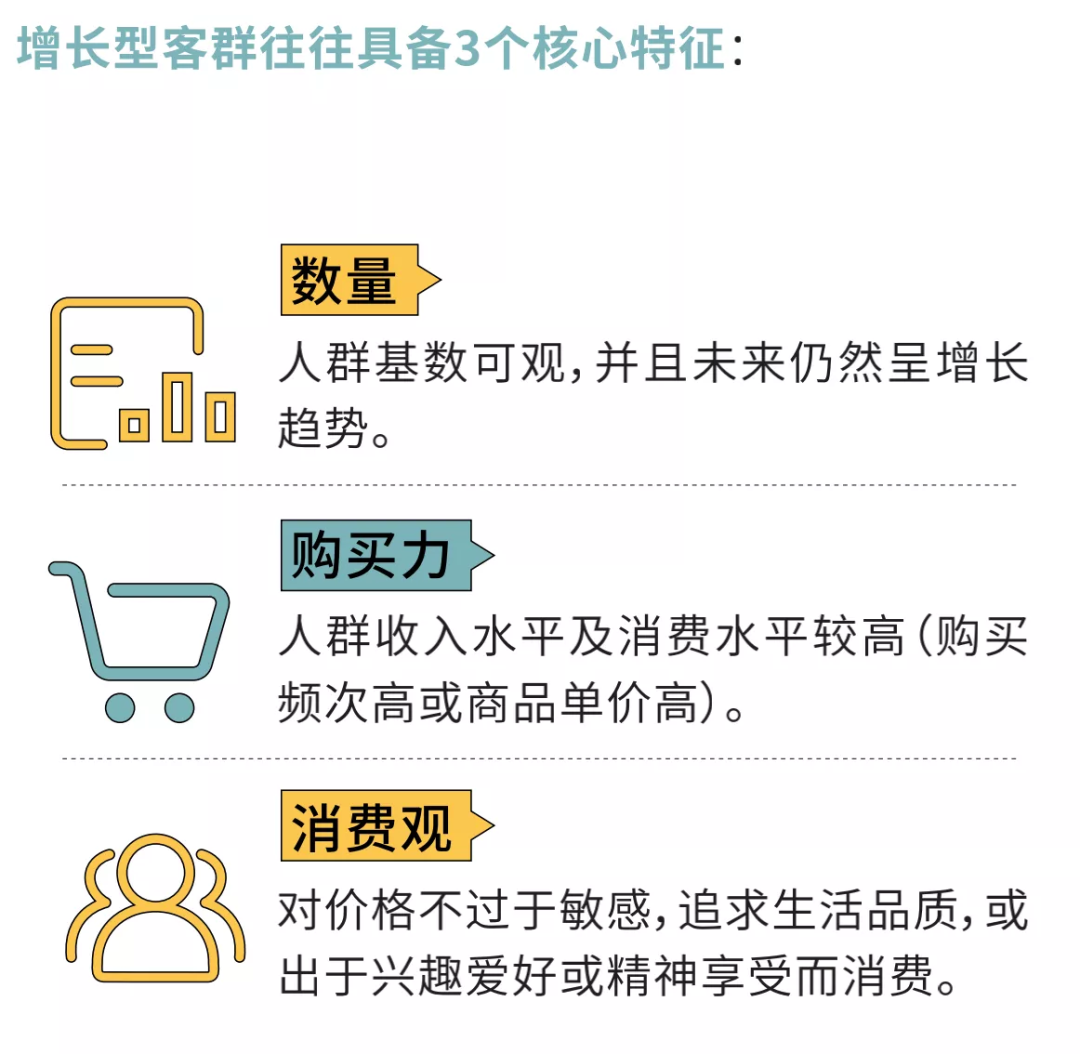
The 2019 New Middle Class White Paper estimates that China currently has 250–280 million new middle-class consumers. Additionally, a McKinsey & Company survey shows that half of Chinese households now qualify as relatively affluent, with annual disposable income of 140,000–300,000 RMB. For the new middle class, quality matters more than price — what some call price desensitization. Equally strong in spending power is Gen Z, typically defined as those born after 1995 and 2000. Kantar data shows that in 2018, Gen Z's monthly disposable income reached 3,501 yuan, far exceeding the national average of 2,352 yuan. Among them, 75% had replaced their phones twice or more within three years.
Find Your Exclusive Anchor Through Differentiated Positioning
After identifying paying consumers, brands can focus on the second success gene — finding their exclusive anchor. In market competition, differentiated positioning is a brand's most defensible moat. Successful brands excel at turning differentiated positioning into an "anchor" that sinks deep into consumer minds, distinguishing them from competitors.
Of course, differentiated positioning is merely the door-opener for brands to gain visibility. Next, brands need to deliver unique value to consumers — whether through product functionality, service experience, or business model — thereby building brand competitiveness.
Achieve Breakthrough Through Concentrated, High-Impact Exposure
After identifying growth-oriented customer segments and achieving differentiated positioning, brands need one final push to break out — concentrated ignition. In this regard, elevator advertising can be seen as the "best assist." Ipsos's 2019 China Domestic Popular Advertising Slogans Audience Research Report shows that among the top ten most memorable advertising slogans, 81% came from elevator media. Elevator advertising delivers impact in short timeframes for two main reasons. First, broad reach: elevators are a daily necessity for 300 million mainstream consumers nationwide. Second, from a media environment perspective, elevators are enclosed spaces with weak mobile signals, giving elevator ads natural advantages in frequency, coverage density, and forced exposure. As the dominant player in China's elevator media market, 002027 helped multiple brands achieve "brand ignition." For example, in 2017 Feihe formed a strategic partnership with 002027, using elevator media for concentrated brand ignition. During the campaign period, Feihe's Baidu Index more than doubled.
These are the three success genes identified in the 2020 Consumer Brand Growth Insight Report. To borrow from Dickens: it is the best of times, it is the worst of times. It has never been easier to build a brand, yet never harder to make consumers remember it. In other words, brand Matthew effects are now fully on display, with clear polarization trends.
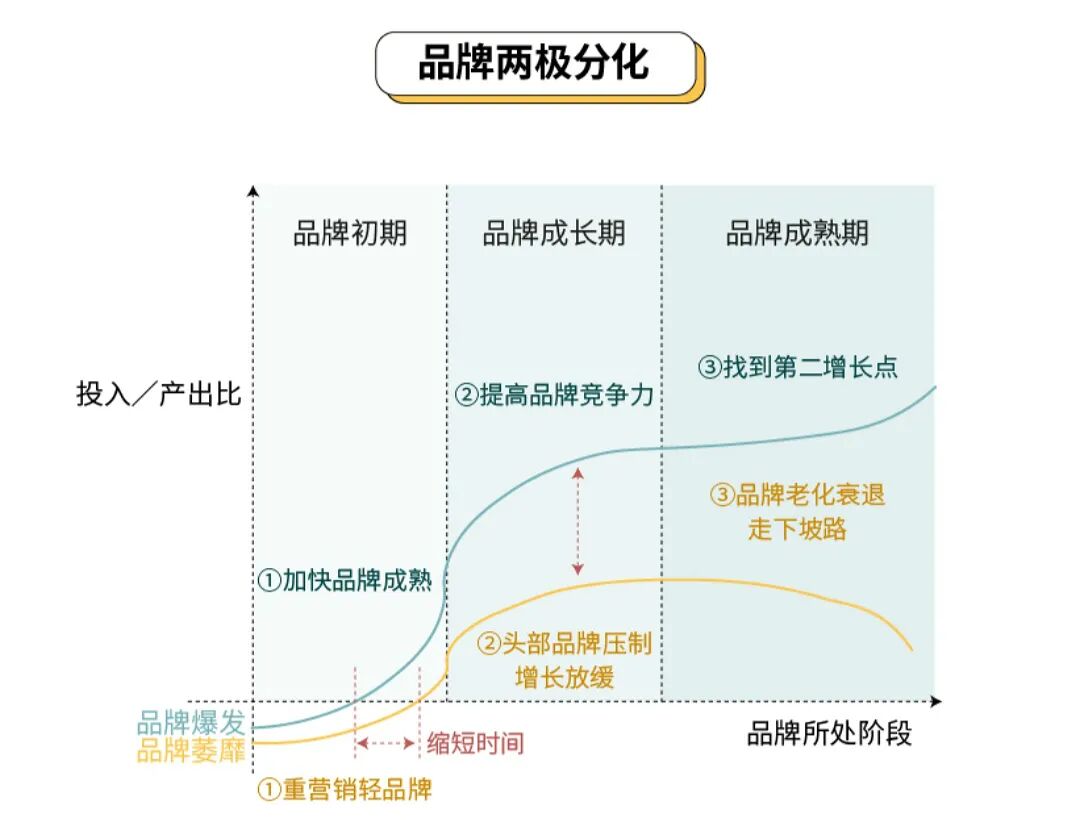
Of course, despite intensifying market competition, China remains a land of boundless business opportunity. From 2011 to 2017, 31% of global household consumption growth came from China.
There is no universal formula for successfully "breaking out." The underlying logic remains: whoever better satisfies consumers' unmet needs will win. Click Read More at the end of this article to access the full 2020 Consumer Brand Growth Insight Report.
Source (abridged and edited): Wu Xiaobo Channel