From Metabolic Drugs to the Weight-Loss Track: How an Innovative Pharma Company Built Momentum | Gaorong Future

Adhere to the "first principles" of new drug R&D.
From Novo Nordisk's semaglutide to Eli Lilly and Company's tirzepatide, metabolic drugs have commanded unprecedented public attention over the past two years.
Since its founding in 2017, Cascadia Therapeutics (凯思凯迪) has focused on developing innovative metabolic drugs targeting nuclear receptors and G protein-coupled receptors (GPCRs).
Among its pipeline, the company's self-developed Class 1 new drug CS0159 oral tablets have demonstrated excellent efficacy and safety in clinical trials for metabolic dysfunction-associated steatohepatitis (MASH) and primary biliary cholangitis (PBC), continually pushing the boundaries of single-agent, multi-indication applications. Its core molecule has also shown potential in weight loss, embodying the payoff of relentless R&D innovation.
Backed by strong clinical data, CS0159's internationalization has reached a significant milestone. In July this year, it secured both FDA Breakthrough Therapy designation and Orphan Drug designation for PBC. Phase III clinical studies for PBC are being prepared in full swing, with official launch scheduled for the second half of 2025.
Recently, Dr. Huaqiang Xu, founder of Cascadia Therapeutics, shared the latest clinical progress and data for this flagship asset, along with the underlying logic behind it — adhering to the "first principles" of drug discovery ultimately yields promising candidate molecules. Beyond CS0159, Cascadia has multiple pipeline candidates in clinical stages, all filed for approval in both China and the US.

Nuclear receptors and GPCRs, as the two major hormone receptor families, regulate metabolic, immune, neural, and reproductive processes — making them the two most important classes of drug targets in the human body. Dr. Huaqiang Xu has spent over 30 years working on structural research and drug development in nuclear receptors and GPCRs, publishing more than 40 papers in top-tier journals including Cell, Nature, and Science.
Gaorong Ventures led Cascadia Therapeutics' Pre-A round in 2020 and continued to invest in subsequent rounds.

As everyone knows, developing innovative drugs is a high-risk endeavor. "Drug development and rocket engineering are completely different. Rockets are engineering problems with 99.9999% reliability. Drug development success rates are far lower because we're dealing with black-box problems stemming from our incomplete scientific understanding of life," Xu explained.
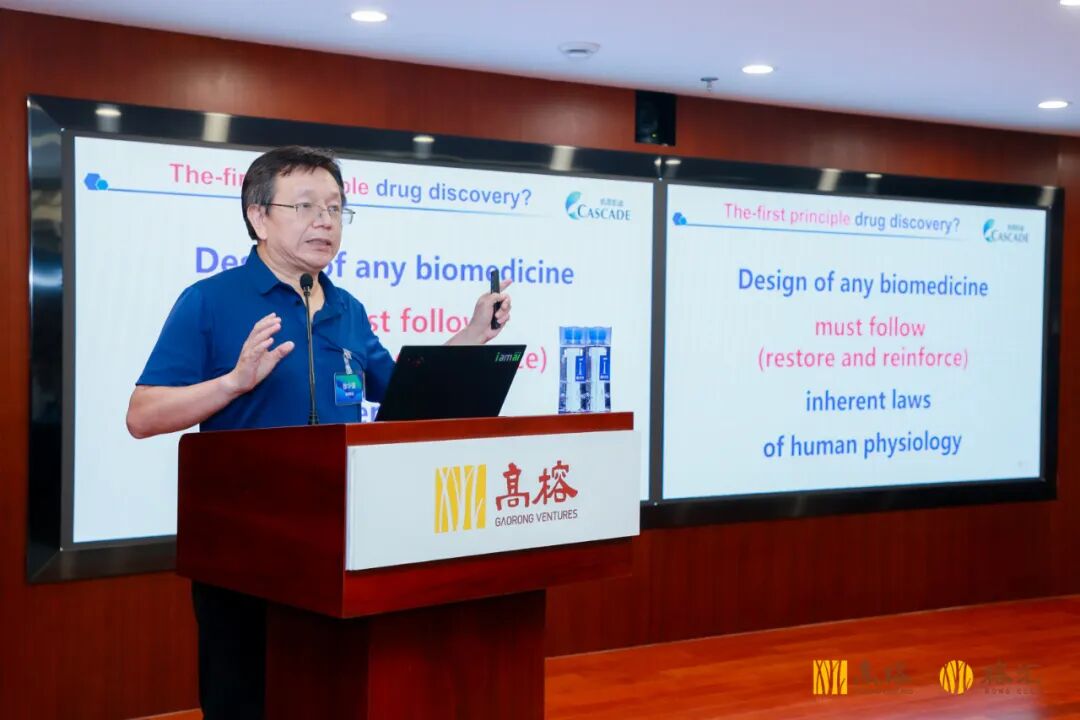
Xu emphasized that new drug discovery must follow the "first principles" of biology — that is, the intrinsic physiological laws of the human body. "Especially for metabolic diseases, drug scientists must start from the most fundamental logic. The purpose of making drugs is to treat disease. If a disease disrupts the body's internal equilibrium, the drug's role is to restore and reinforce that rebalancing."
Take CS0159 as an example. It is a novel, potent non-steroidal farnesoid X receptor (FXR) small-molecule agonist designed with crystal structure-assisted drug design. FXR, also known as the bile acid receptor, controls bile acid synthesis, efflux, and reuptake. Over the past 20 years, more than 20 molecules targeting this receptor have entered clinical trials, with over a dozen multinational pharmaceutical companies collectively investing billions of dollars — yet many of these programs have failed. "There are plenty of glucose-lowering and lipid-lowering drugs on the market, but almost no drugs for treating bile acid dysregulation."
Xu believes this requires going back to first principles. Bile acids are essential emulsifiers that help the body absorb nutrients — lipids, fat-soluble vitamins, and cholesterol, for instance. Synthesized by the liver, they are secreted from the gallbladder when we eat. Bile acid dysregulation can trigger multiple diseases, including diabetes, hyperlipidemia, intestinal inflammation, MASH, and PBC.
However, excess bile acids are toxic and can damage cells, so their balance must be tightly controlled. Many pharmaceutical companies have targeted the bile acid receptor, but frequent failures have occurred not because of efficacy, but because of safety issues.
"There's a conventional wisdom in drug development that a drug's half-life must be long and the molecule must be stable. But this violates first principles and goes against the body's inherent metabolic cycles. Regulating bile acid metabolism corresponds to the fed-fast cycle, which is very short. Previous FXR agonists in clinical development all had long half-lives. So when clinical trials extended over longer periods, side effects became notably pronounced."
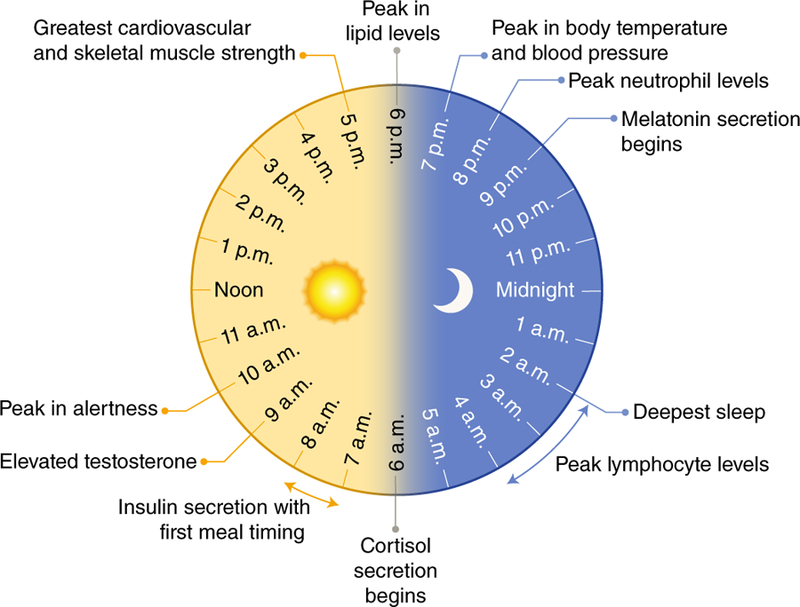
Human metabolic cycles, from Nature Medicine, 2018
Einstein once said, "The definition of insanity is doing the same thing over and over and expecting different results."
"Seeing repeated failures, we had to confront the problem directly," Xu noted. "Cascadia's philosophy is that designed molecules must match the bile acid metabolic cycle, so our compounds are short half-life — in multiple animal studies, the half-life is 30 minutes."
Using structural biology methods to design molecules, Cascadia enabled CS0159 to possess a unique chemical scaffold and distinctive pharmacokinetic profile, achieving pulsatile FXR activation that aligns with natural bile acid fluctuations. As a result, once-daily dosing delivers excellent efficacy while minimizing adverse effects.
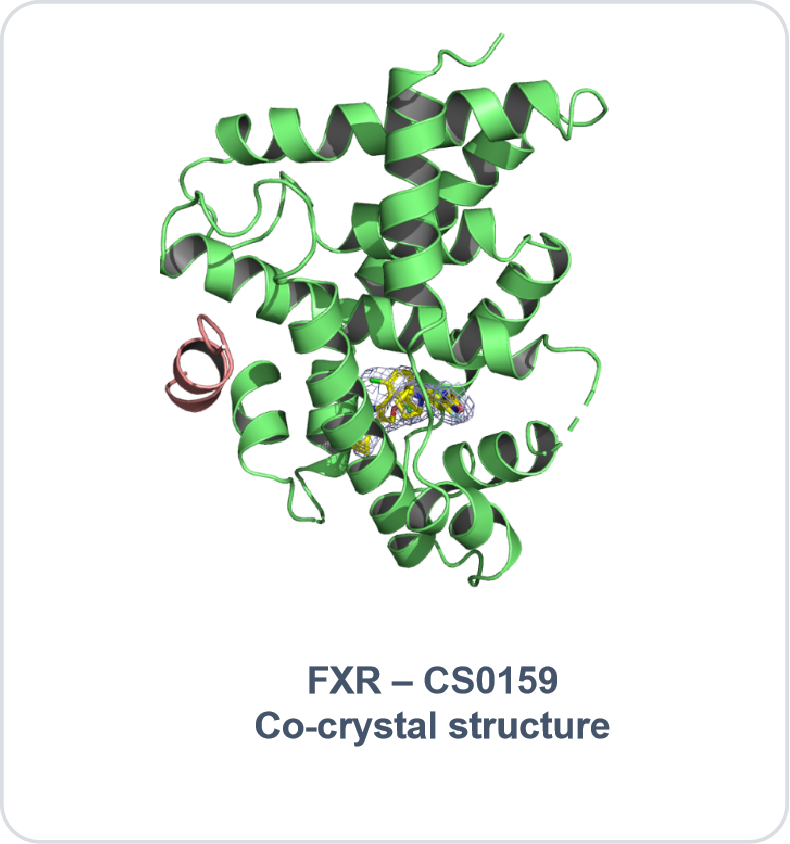

CS0159 has now completed multiple pivotal clinical studies in China and the US, demonstrating promising efficacy across multiple indications and positioning it to stand out among numerous FXR agonists.
In the MASH space, CS0159 has completed Phase I and Phase II clinical trials in the US, showing encouraging efficacy and safety. MASH is a chronic, progressive metabolic disease primarily affecting the liver. Among overweight or obese individuals, approximately one-third also have MASH. Long-term fat accumulation in the liver leads to inflammation and severe fibrosis. Roughly 20% of MASH cases progress to cirrhosis.
Clinical data show that CS0159 performs exceptionally well in improving liver fat content and liver fibrosis.
Xu emphasized that CS0159's half-life in humans is only 40-50 minutes, which significantly enhances drug safety. "In our US Phase I trial, there was not a single drug-related adverse event across the dosing groups (ranging from 0.2mg/day to 8mg/day)."
In 2023, CS0159 received FDA Fast Track designation for MASH.
Another indication for CS0159 is PBC, a chronic autoimmune liver disease with rising global prevalence in recent years. The disease progressively destroys small bile ducts within the liver; without timely treatment, it leads to cirrhosis and even liver failure, while increasing patients' risk of malignancy. Currently, approximately 40-50% of PBC patients respond inadequately to first-line treatment with ursodeoxycholic acid (UDCA), creating urgent need for more effective therapeutic options.
In China, CS0159 has completed Phase II clinical studies for PBC, demonstrating significant efficacy and good safety. CS0159's unique mechanism of action not only effectively improves cholestasis but also significantly reduces hepatocyte injury, while avoiding the drug-induced liver injury seen with traditional FXR agonists.
Clinical data show that, compared to the two drugs approved in the US last year for PBC (elafibranor and seladelpar), CS0159 provides superior protection of hepatocyte function and bile duct function.
Recently, CS0159 received FDA Breakthrough Therapy designation and Orphan Drug designation for PBC, paving the way for subsequent global clinical development and commercialization.
In China, Phase III clinical studies for PBC are about to launch, which will further validate CS0159's efficacy and safety in a larger patient population.
Xu added that the candidate molecule shows good efficacy in restoring intestinal inflammation caused by bile acid dysregulation. "It comes back to the fundamentals — excess bile acids are toxic, and metabolic dysregulation damages the intestine and triggers or exacerbates inflammation."

Over the past two years, with the rise of drugs like semaglutide, the weight-loss track has become a focal point. Cascadia's flagship candidate drug has demonstrated significant potential for weight management. Xu pointed out, "Bile acid metabolism has excellent synergy with glucose pathways, so CS0159 in combination with other GLP-1 drugs has tremendous potential. Our existing data shows very good synergy between CS0159 and small-molecule GLP-1 agents."
Xu introduced preclinical data showing that CS0159 can reduce semaglutide dosage by 10-fold while achieving 3-fold greater weight reduction; particularly noteworthy is that CS0159 combined with low-dose semaglutide significantly reduces muscle loss while substantially boosting fat loss effects.
Beyond CS0159, Xu also presented Cascadia's self-developed long-acting sustained-release peptide delivery platform. As is well known, GLP-1 peptide agonists require regular injections, and post-dosing often produces high blood drug concentrations that may trigger gastrointestinal adverse reactions such as nausea and vomiting. Cascadia's novel sustained-release platform significantly reduces initial burst release, potentially enabling long-term stable drug release that maintains blood concentration within the therapeutic window while avoiding the risk zone for side effects. This not only effectively reduces side effects but also substantially decreases dosing frequency, thereby significantly improving patient compliance.

In addition to its core pipeline, Cascadia is actively developing multiple liver disease and metabolic pipelines including novel THR-β agonists (thyroid hormone receptor beta agonists), potentially offering new therapeutic approaches for metabolic diseases through single-agent or combination regimens from different angles.
As more pipeline products advance, the company is building a comprehensive therapeutic platform covering multiple metabolic diseases, with aspirations to become one of the global leaders in this field.
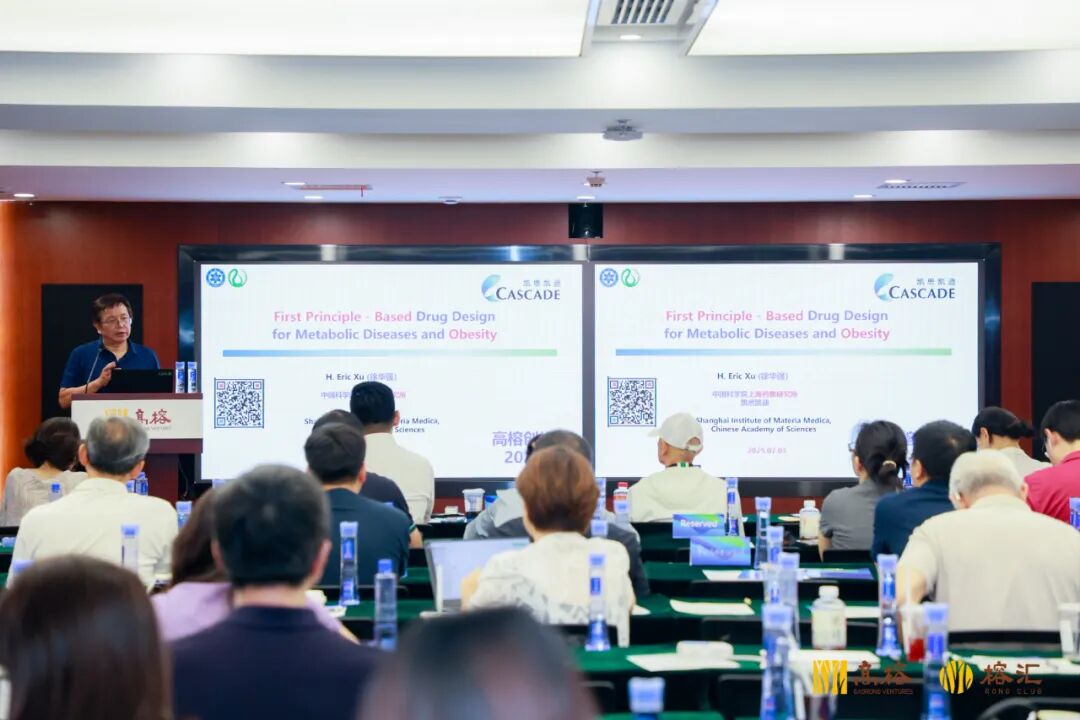
On the path of drug development, everyone at Cascadia Therapeutics holds fast to one belief: every life deserves to be cherished, and every patient deserves our full commitment.
Regarding the current industry buzz around innovative drug business development, Xu maintains his own conviction: "We just need to do the work in front of us well, keep doing it consistently, and believe that BD opportunities will naturally come."