Medtech Entrepreneurship Is a "Game for the Brave": How to Sharpen Innovation, Product, and Organizational Capabilities | Ronghui

Discussing trends in medical technology innovation and upgrading R&D team organizational management.
Where frontier technology meets life sciences, and industrial policy resonates with capital markets, a new generation of locally rooted medtech enterprises is flourishing, powered by innovation.
As artificial intelligence and intelligent manufacturing find applications in healthcare, they become wellsprings of innovation — while also raising new challenges around clinical validation and cross-disciplinary team management. Healthcare has become a major sector in capital markets, yet it has weathered volatility, with stark winner-take-most dynamics. In an era of global competition and collaboration, the bar for leapfrogging has never been higher, testing founders' global vision, differentiated strategy, and decisive execution.
Medtech entrepreneurship is a true "game for the brave." Only players with sufficient innovation capability, product excellence, and organizational strength can truly bring technology from the lab to the clinic, delivering greater health and wellbeing to people.
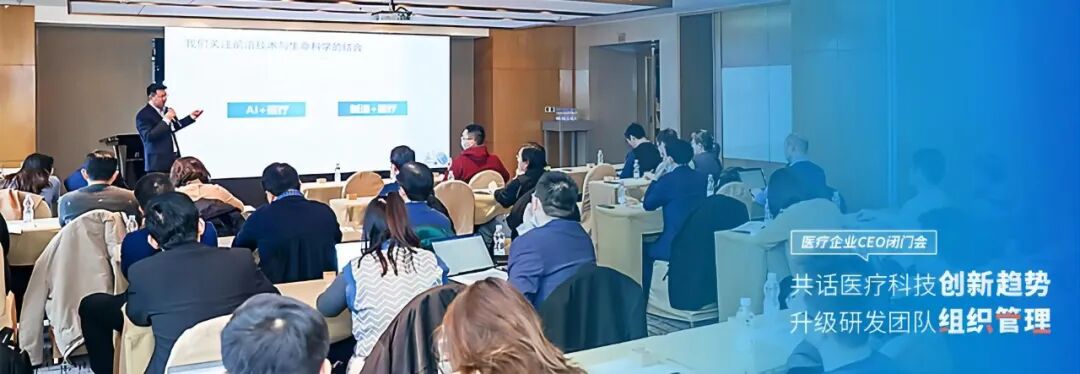
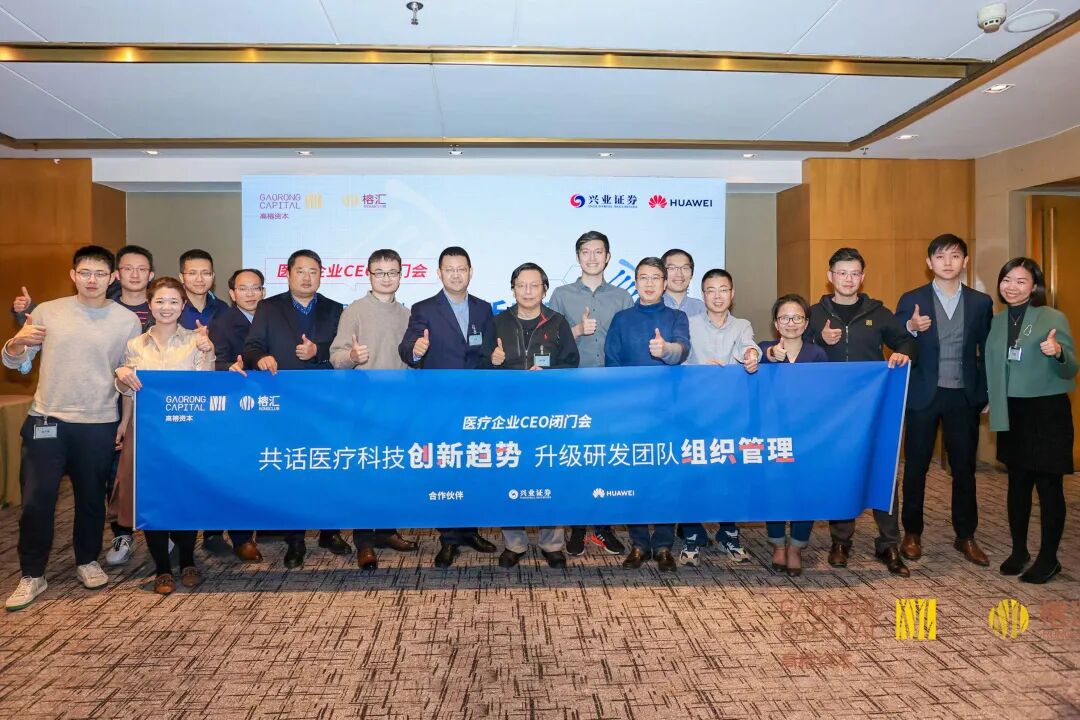
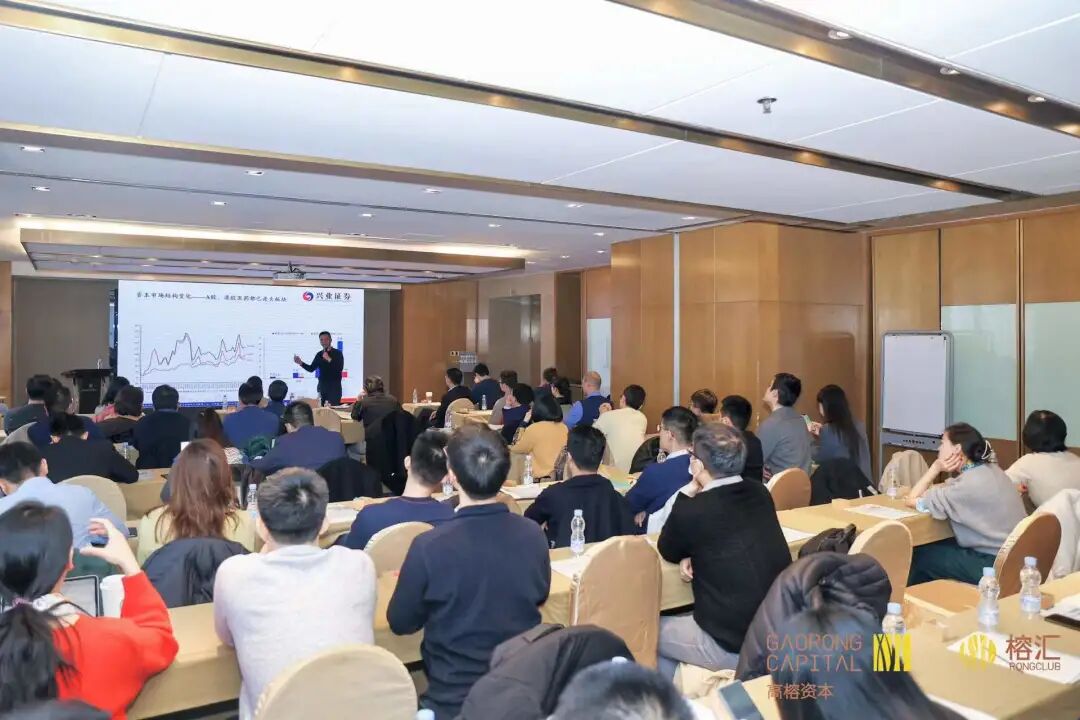
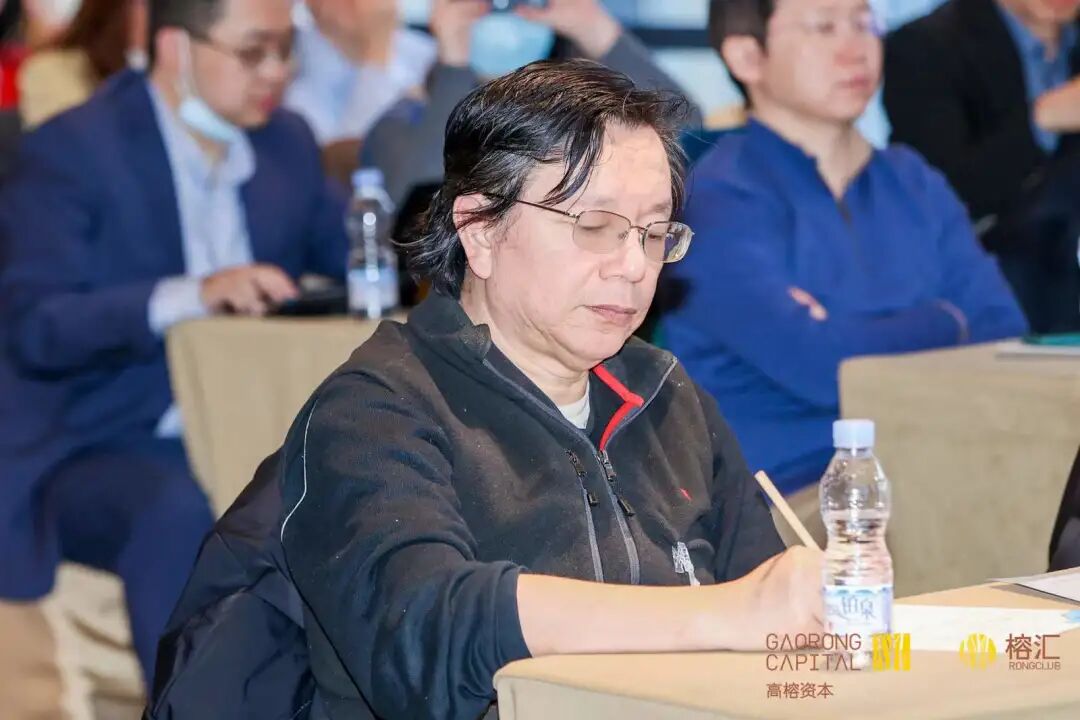
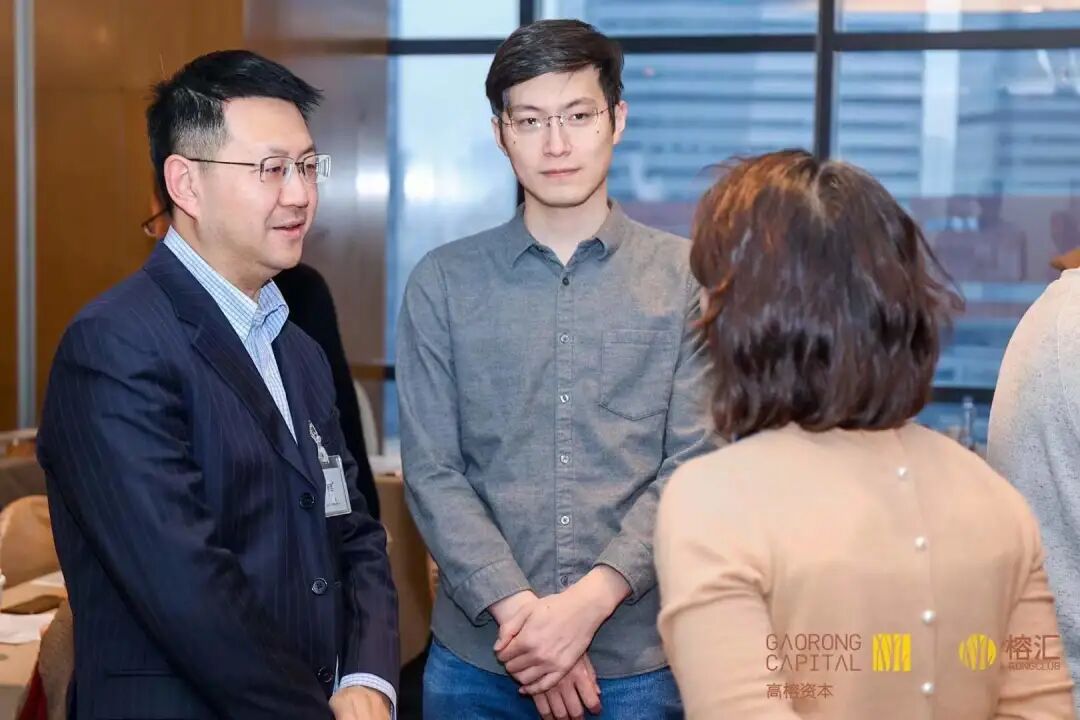
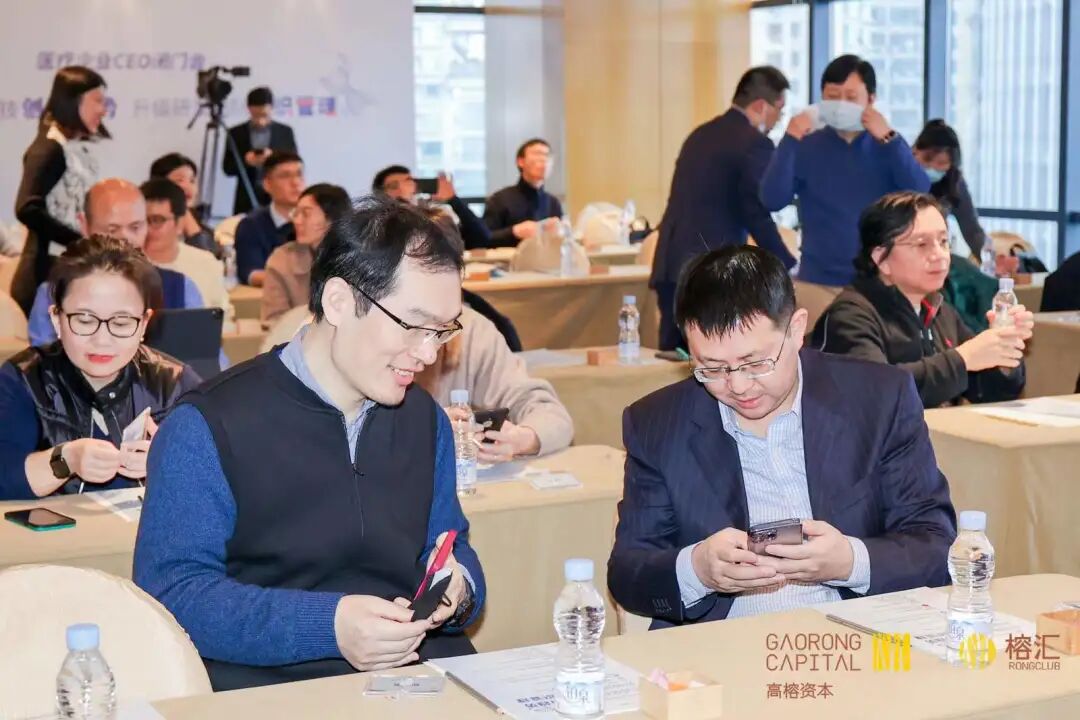
Recently, Gaorong Ventures, together with Industrial Securities and Huawei Cloud, hosted a closed-door CEO gathering for healthcare enterprises. The event invited Dr. Jiaxi Xu, Managing Director of Industrial Securities, Vice President of its Research Institute, and Chief Pharmaceutical Analyst; Zhang Zhenping, Huawei's Special Management Advisor, Professor, and former Head of Transformation Project Management; and other experts to join Gaorong's portfolio company founders in discussing "trends in healthcare technology innovation and upgrading R&D team organization and management."
Key insights from the closed-door session:
AI, Manufacturing, and Life Sciences Breakthroughs as Fountains of Healthcare Innovation
Kun Yang, Partner at Gaorong Ventures
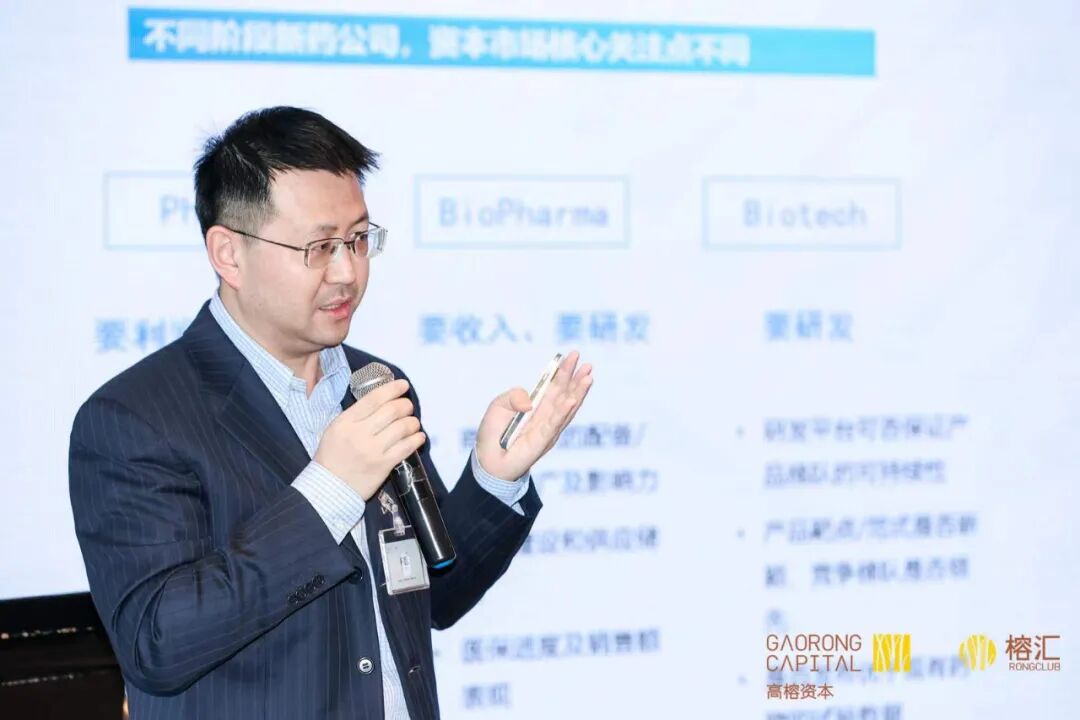
Gaorong remains firmly bullish on the healthcare sector and has continued to deploy capital across drug discovery, medical devices and diagnostics, and digital health and medical services in recent years.
Why such long-term conviction? On the demand side, we see robust societal need for healthcare. For one, China is entering an aging society. Additionally, rising incomes and increasing life expectancy are driving demand for innovative medical treatments, high-quality pharmaceuticals and devices, and premium healthcare services. From the supply perspective, the next decade will still be one of relentless — even accelerating — healthcare innovation. Breakthroughs in artificial intelligence, intelligent manufacturing, and life sciences together constitute the fountain of healthcare innovation. At the convergence of these technologies, we will see a wave of innovation-driven healthcare technology enterprises emerge. Today, more and more experts from computer science, materials science, and engineering are entering healthcare — I personally find this cross-generational combination particularly exciting. When frontier technology is applied in a new domain, it often generates tremendous energy.
AI + healthcare applications have evolved from isolated pockets to comprehensive integration. AI medical imaging has already reached the clinical stage and is now advancing toward commercialization. Going forward, we believe there will be numerous breakthroughs in areas such as early drug discovery, protein structure prediction, surgical robotics, and the integration of AI with intelligent medical devices. Regarding the currently much-discussed AI drug discovery track, we believe it needs to be evaluated from a full industry-cycle perspective. The century-plus logic of pharmaceutical industry development shows that companies typically evolve from biotech to biopharma to big pharma, with multiple rounds of consolidation and M&A along the way. Biotech firms emerge endlessly, yet established pharmaceutical companies persist.
Viewing today's AI drug discovery through this lens, we need to think through several deeper questions: Once clinical stages are reached, how effective are the molecules? What is the systematic advantage of AI-screened molecules versus chemist-validated ones? Organizationally, should capital be deployed toward clinical trials or AI computing power? And since drug discovery inherently carries failure rates, we advise AI drug discovery companies to raise as much capital as possible, diversify their pipelines, and pursue partnerships during their early growth phases.
On the manufacturing + healthcare front, innovation and import substitution must proceed in parallel amid shifting internal and external factors. COVID-19 triggered a global restructuring of healthcare supply chains, requiring China to upgrade its healthcare industry and supply chain systems — with critical materials, processing techniques, core reagents, and consumables as core elements. We look forward to seeing more domestic innovations combining new materials, technologies, and processes with healthcare.
In devices and IVD, the natural marriage with manufacturing makes materials, precision manufacturing, and process engineering the core barriers to innovation. Often, medical device innovation comes from engineers rather than scientists — dexterous engineers collaborating with experienced clinicians to create market-oriented products.
In drug discovery, intelligent manufacturing technologies will lead production processes toward full automation and unmanned operation; new materials will also advance drug delivery and formulation. Robotics in healthcare, beyond surgical robotics and other clinical applications, will find broad application in upstream production and downstream medical services. And future robots will not merely be mechanical arms — they will incorporate sensors with data collection and feedback capabilities.
Rising Innovation Barriers: Differentiation, Globalization, and Industrialization as the Way Forward
Dr. Jiaxi Xu, Chief Pharmaceutical Analyst, Industrial Securities
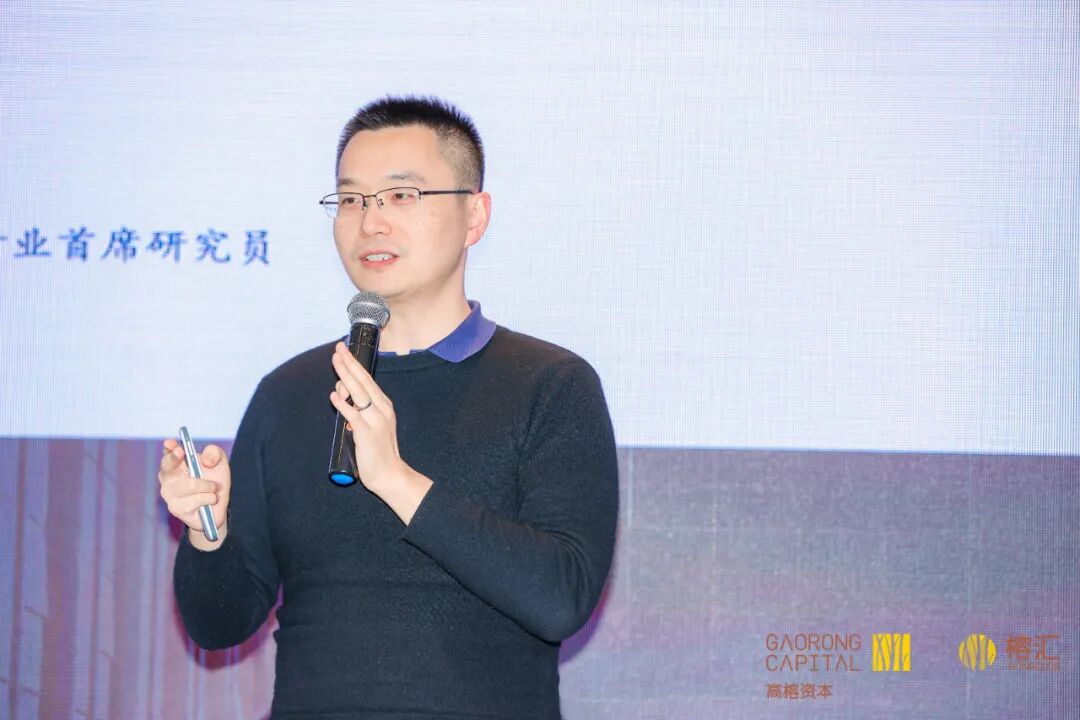
The long-term logic of pharmaceuticals remains unchanged, anchored by two strategic tracks — innovation and consumption upgrading. The core lies in pricing power: innovation builds pricing power through product strength; consumption upgrading builds it through brand. Today, the barriers to innovation are rising ever higher. In 2016, China saw its first pharmaceutical company with annual R&D expenditure exceeding 1 billion yuan (Sino Biopharmaceutical). By 2020, leading Chinese drugmakers had reached or approached annual R&D investment of $1 billion (BeiGene, Hengrui Medicine). From a capital markets perspective, healthcare is already a major sector on both A-shares and Hong Kong stocks; more noteworthy than scale changes are structural shifts. Institutional investors have effectively abandoned generic drugs and adjuvant therapies over the past five years, while innovative drugs, CXO, innovative medical devices, internet healthcare, and pharmaceutical consumer products have become the new favorites.
In the innovative drug space, Chinese companies' filing volumes and novel drug approvals have risen markedly in recent years. Leveraging policy dividends from streamlined regulatory review and capital market support, domestic enterprises' R&D approaches are evolving from pure Me-too/Me-better to Fast-follow, and gradually toward First-in-class ambitions. In this new era, biotech firms seeking to break through have several strategic options:
Option 1: Be among the first few for each target, and move faster Option 2: Develop Best-in-class or even First-in-class drugs, unafraid of head-to-head comparisons Option 3: Try "luck" in non-oncology areas — autoimmune diseases, osteoporosis, diabetes, and other conditions that may not be life-threatening but severely impact quality of life, becoming Specialty Pharma players in these segments
As innovative drugs enter a new era of globalization and target competition becomes intensely fierce, biotech firms are increasingly tested on several capabilities:
First, companies and their leadership must possess global vision and execution capability. Globalization means not only entering Western markets but also exploring emerging markets. Second, strong R&D capabilities and uncompromising product quality are the foundation for "going global." Third, prepare thoroughly for overseas clinical trials, including strategic selection of targets, indications, and competitive positioning. Different countries' drug regulatory frameworks and patent systems require strategic consideration. At the same time, harness favorable winds by continuing to leverage domestic clinical trials and the "cost-effectiveness" advantage of China-based R&D. Finally, companies must read the times and compensate for weaknesses through collaboration. At this stage, independently building overseas sales capabilities remains difficult for Chinese companies with self-developed products; comprehensive international partnerships are a more viable strategy.
For innovative devices, the game is still in the first half. Industry concentration remains low; centralized procurement is more complex than for drugs; Fast-follow opportunities still abound; leading players are emerging but have not yet established dominance. Which products are most susceptible to centralized procurement? High-volume, standardized, fiercely competitive, low-risk ones. Conversely, products resistant to procurement include those in growth phases, non-standardized offerings, those with few domestic producers or difficult import substitution, and high-risk surgical procedures. Viewing devices' future through drugs' history, the key remains innovation, differentiation, industrialization, and globalization. Import substitution will remain the dominant theme of Chinese medical device development over the next decade, a process that must be accompanied by domestic technological innovation and upgrading. So what will be the next wave of import substitution?
Supply chain barriers — such as various interventional high-value consumables Technological innovation barriers — such as gene sequencers Academic standard barriers — such as flow cytometers and endoscopy products
On the path of device innovation, we face five critical "hurdles":
- Who can balance organizational vitality with platform empowerment value? (Spin-off vs. integration)
- Who can become the Biopharma of devices? (Both innovative and industrially capable)
- Capital market volatility's challenge to innovative device companies' sustained financing ability
- Who can truly solve upstream "chokepoint" issues? (Materials, equipment, IP)
- Which devices can truly achieve globalization?
How Huawei "Ignites the Tech Guys": R&D Team Organization and Incentives
Zhang Zhenping, Huawei Special Management Advisor/Professor
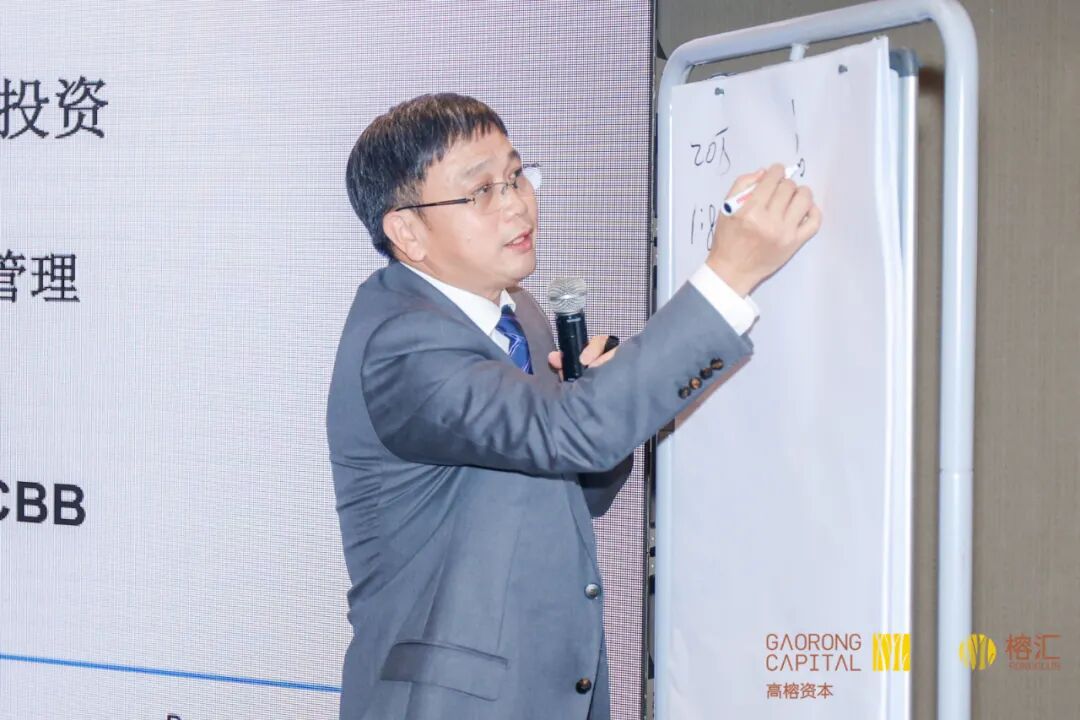
Huawei's organization is a process-based organization. Its defining characteristic is using processes and systems to solve efficiency and power issues. Huawei's adoption of Western management science was fundamentally about replacing rule-by-individual with rule-by-law — essentially putting personal authority aside and using process rules to solve problems. Organizationally, this manifests in two ways: first, de-leveled titles — positions are named minister, director, or representative, with no visible hierarchy; second, management is treated as a (management) profession parallel to technical professions, meaning "becoming an official" is not the only path at Huawei.
For organizational architecture, Huawei establishes project teams to manage R&D and frontline market operations, flattening the organization. Frontline business centers are responsible for "fighting battles," with project teams as operating units engaging in "resource trading"; former functional departments become capability centers, with shared service centers handling public services. Huawei's organization thus transforms qualitatively — headquarters shifts from control-oriented to service-oriented, with everything revolving around frontline projects. Each frontline project team is an independent operating unit encompassing project initiation, R&D, production, manufacturing, sales, delivery, and finance.
Huawei's R&D organizational structure thus shifted from technology-centered to product-business-centered, achieving full marketization.
To do R&D, one must step outside the R&D mindset and treat it as a product investment. Huawei's Integrated Product Development (IPD) process is fundamentally product investment based on market demand. Huawei's Product Development Team (PDT) is the basic unit responsible for product development, funded by Huawei's Investment Review Board. In plain terms, the Huawei PDT manager is a "contractor" — they may come from R&D, marketing, or other backgrounds. They are responsible not only for product development but also for supply chain, procurement, manufacturing, production, sales, and delivery, with product success rate as their KPI. Thus, product success means not just technical realization but simultaneous improvement in marketability, serviceability, and manufacturability. This also redefines our concept of product: beyond technical breakthroughs creating new products, procurement, services, and manufacturing can all be productized, jointly generating product returns.
Dialogue: BT + IT Accelerating Convergence — What New Possibilities Emerge?
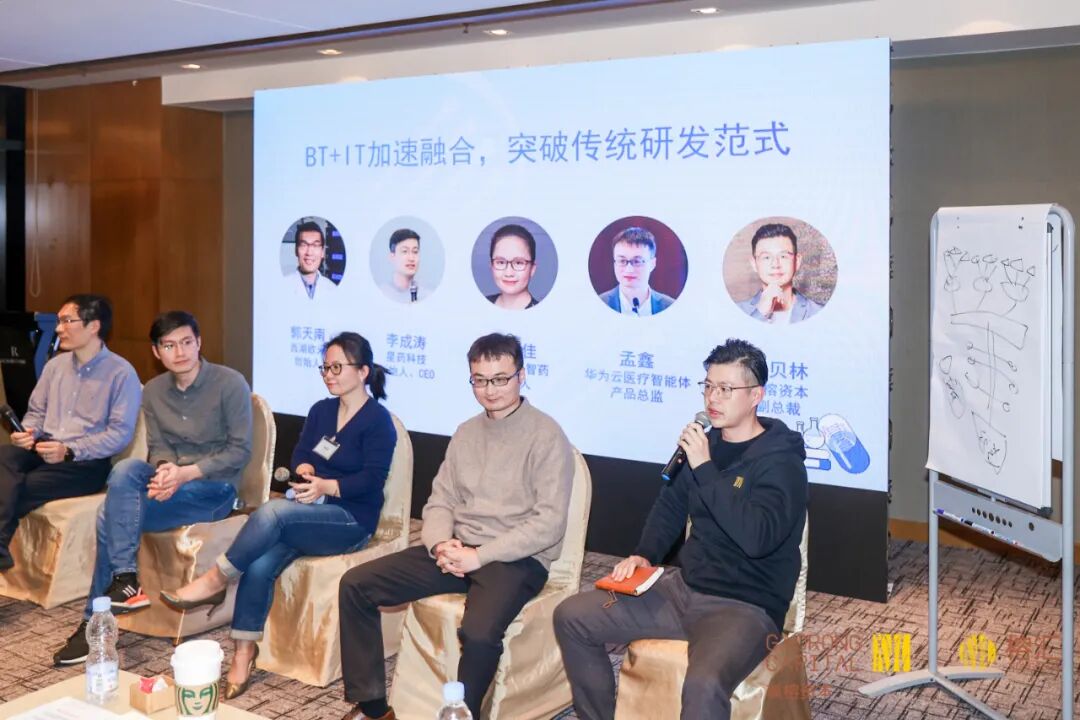
Tiannan Guo, Founder of Westlake Omics
Westlake Omics is dedicated to solving various life and health challenges through AI-enabled proteomics big data, including disease diagnosis and AI drug discovery.
Proteins are among the most core molecules in life sciences, and mass spectrometry is currently the best method for efficiently measuring them. Westlake Omics possesses unique technology capable of analyzing proteomics from extremely minute tissue samples at lower cost. As proteomics data accumulates, new algorithms are needed for interpretation — the convergence of BT and IT is inevitable. Going forward, we will continuously accumulate dynamic proteomics data from the microscopic world, providing new-dimensional solutions for various life and health needs. Our vision and positioning is to be a big data company for the microscopic world.
Chengtai Li, Founder and CEO of Galixir
I started in the Yao Class at Tsinghua University, then went to MIT for my PhD — always an IT background. From an industry demand perspective, drug discovery today urgently needs new technological breakthroughs to address low success rates, high costs, and low returns on investment. From the technology side, AI has flourished in recent years and is gradually being applied in chemistry, chemical engineering, and biology. Galixir is dedicated to empowering small-molecule drug discovery with AI technology. After initial target identification, the entire process from drug design, screening, optimization, synthesis, to testing can be accelerated with artificial intelligence, assisting scientists to make their existing work more accurate, faster, and less costly.
Lijia Ma, Founder of Westlake Valley Therapeutics
Westlake Valley Therapeutics hopes to apply the combination of AI and BT to gene editing therapeutics. Although gene editing therapies have been discussed for a long time, in fact no gene editing therapy has truly reached the market worldwide. There remains substantial foundational technical work to complete and challenges to overcome. We firmly believe AI can help accelerate numerous steps in the drug development process for gene editing therapies. Meanwhile, we have accumulated some high-quality data and built models based on it. We hope to become one of the fastest and best teams in the gene editing therapeutics space.
Xin Meng, Healthcare Intelligence Product Director, Huawei Cloud
We hope to provide more foundational capabilities for segmented areas of the healthcare sector based on Huawei Cloud's accumulated big data and AI technologies, and have already begun exploratory work in areas such as omics, drug discovery, and clinical applications. Currently in the AI drug discovery field, the industry is beginning to focus on several common issues: whether molecules can be validated; whether they can truly solve practical problems and produce reliably effective molecular results; and demands for security compliance and privacy. In the BT + IT convergence, data is a critical element. We believe data needs established standards, sufficient volume, temporal sequence, and tradability to be truly valuable.


"Tiny but Great" miRNA: How to Detect Cancer at Its Earliest Emergence | Gaorong "Future"
When Will We Achieve "Gene Sequencing Freedom"? | Gaorong "Future"