Autonomous driving company Nuro is providing medical supply delivery services in California to help fight the virus
In just over two weeks, Nuro has created entirely new use cases for autonomous vehicles — and they're already playing a role in the fight against the pandemic.
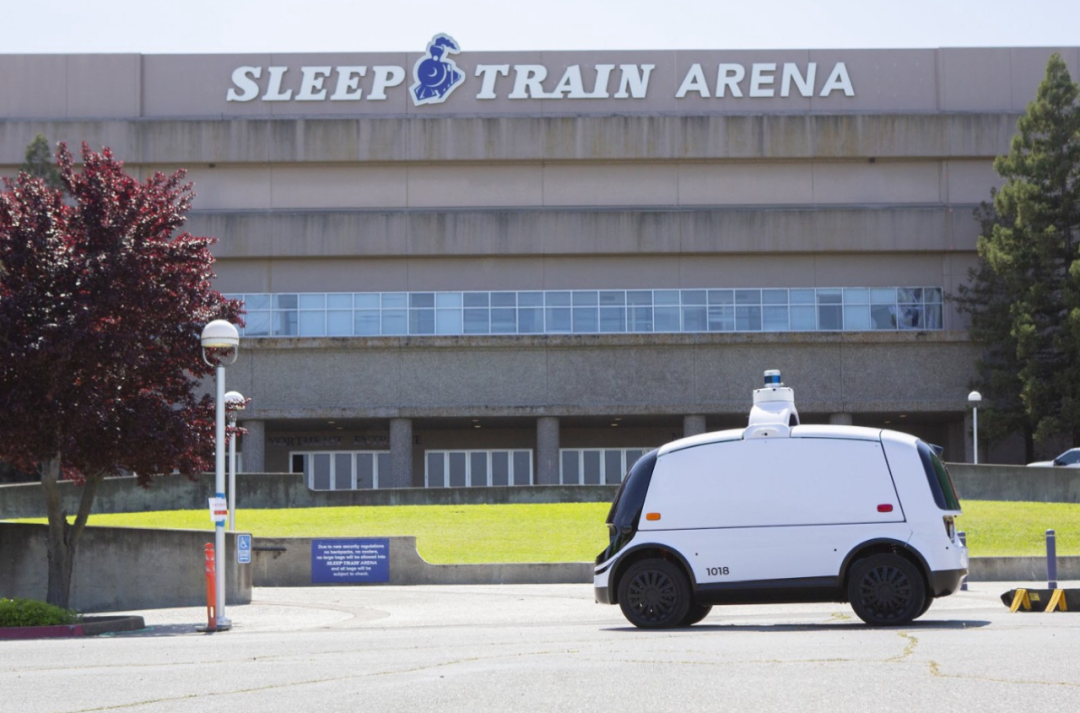
Recently, Silicon Valley autonomous driving company Nuro began deploying its driverless delivery vehicle, the R2, to transport medical supplies to two field hospitals in California treating COVID-19 patients — providing essential logistics support for frontline healthcare workers battling the virus.
Video: How Nuro Is Helping Heroes During the Pandemic
Founded in 2016 by Jiajun Zhu and Dave Ferguson, Nuro is dedicated to accelerating the convenience that robotics can bring to everyone's lives. Its products primarily use autonomous driving technology to provide local goods delivery services.
"As a technology company, we want to do everything we can to help today's heroes complete their work safely and focus on the problems only they can solve," said Nuro co-founder Dave Ferguson. "Nuro will further invest time and resources to help in the fight against COVID-19."
The two hospitals currently receiving Nuro's driverless delivery services are located in Sacramento and San Mateo. The Sacramento facility was converted from the former NBA arena Sleep Train Arena, home of the Kings, and can accommodate 400 patients. The other field hospital in San Mateo was converted from a former Event Center.
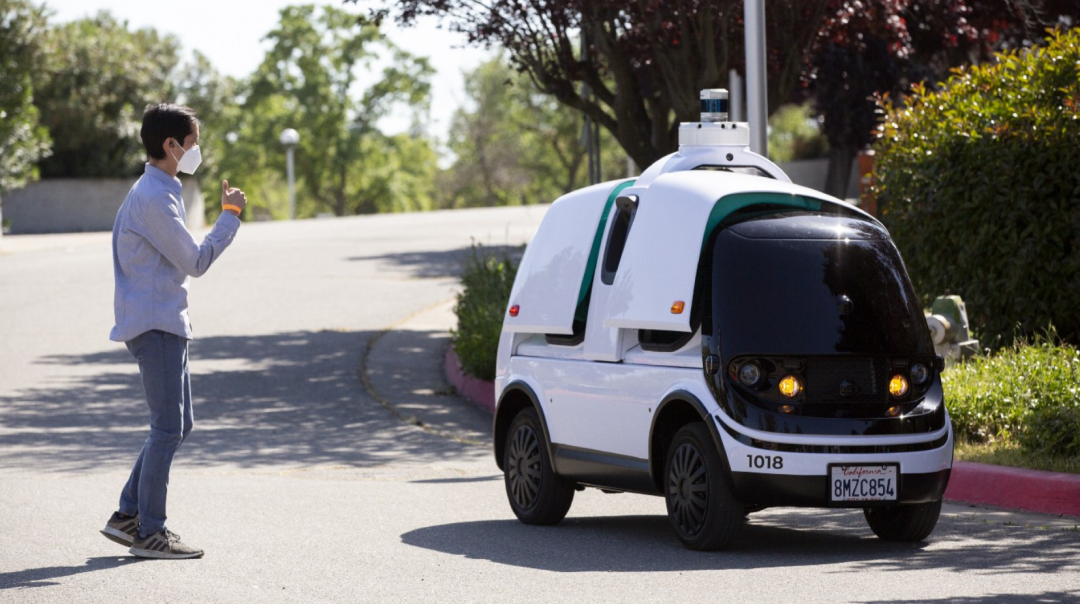
Previously, the R2 was primarily used for transporting goods on public roads. The vehicle features a 360-degree vision system capable of monitoring other vehicles, pedestrians, cyclists, and road conditions, enabling fully driverless operation. In recent months, Nuro has announced partnerships with Walmart, Kroger, and Domino's Pizza to pilot autonomous delivery services in Houston and other locations. Typically, Nuro requires recipients to enter a code on a touchscreen to open the vehicle door. To achieve truly contactless delivery, staff now only need to give a thumbs-up to the vehicle's camera, and Nuro operators will remotely unlock the door through real-time monitoring.
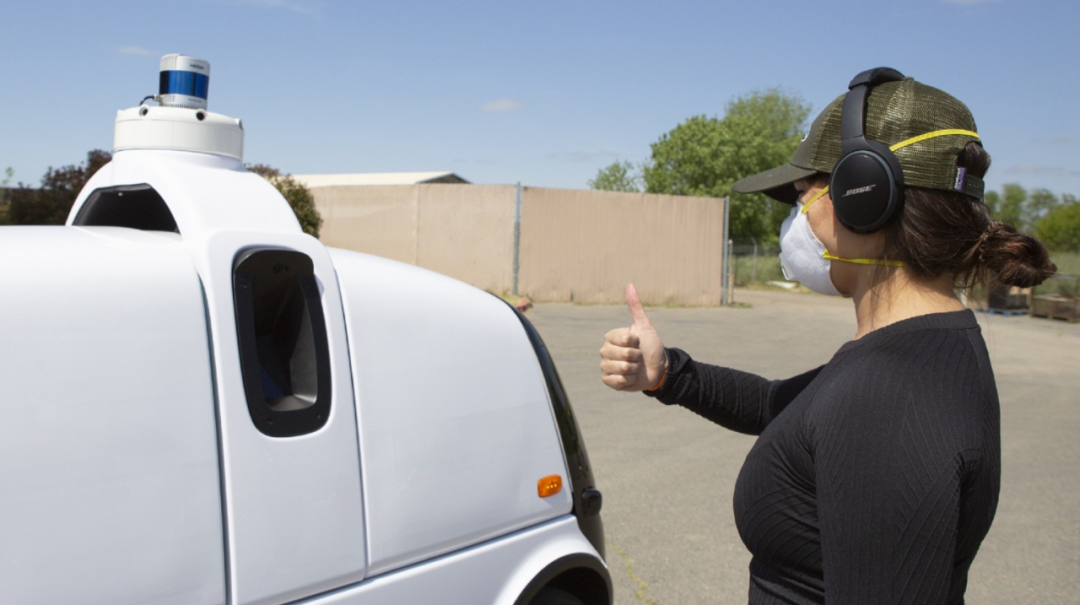
The R2 primarily transports virus test kits, medications, personal protective equipment, food, water, and office supplies for healthcare workers. In a blog post, Dave Ferguson wrote, "By using R2 to provide contactless delivery solutions in Sacramento and San Mateo, we can help healthcare workers access the supplies they need, when they need them — saving them time while also helping to strengthen the safety and health of patients and staff."
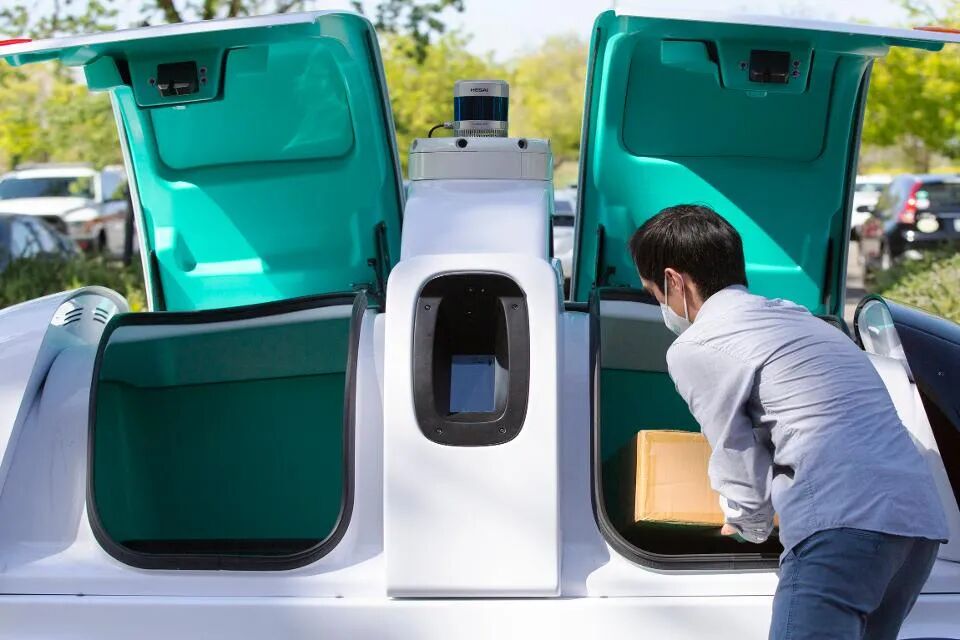
The driverless delivery vehicles at both hospitals will operate on pre-planned fixed routes. In February this year, Nuro received approval to deploy delivery vehicles without side mirrors, steering wheels, or other manual controls — becoming the first autonomous vehicle operator to receive such approval from the U.S. federal government. In April, Nuro became the second company (after Google Waymo) to receive a permit from the California state government to test fully driverless delivery vehicles on public roads. The autonomous driving permit allows vehicles to operate at speeds up to 40 km/h, and requires operation in good weather conditions on streets with speed limits no higher than 56 km/h.



HiCTO Founder and Former Dianping CTO Shihai Gong: How to Build a High-Performance Engineering Team