Seven Satellites, One Rocket: GalaxySpace's Second Batch of Production Satellites Successfully Launched, Forming China's First Low-Orbit Broadband Communications Test Constellation

It is a low-orbit broadband communications satellite independently developed and mass-produced by GalaxySpace, with internationally advanced capabilities.
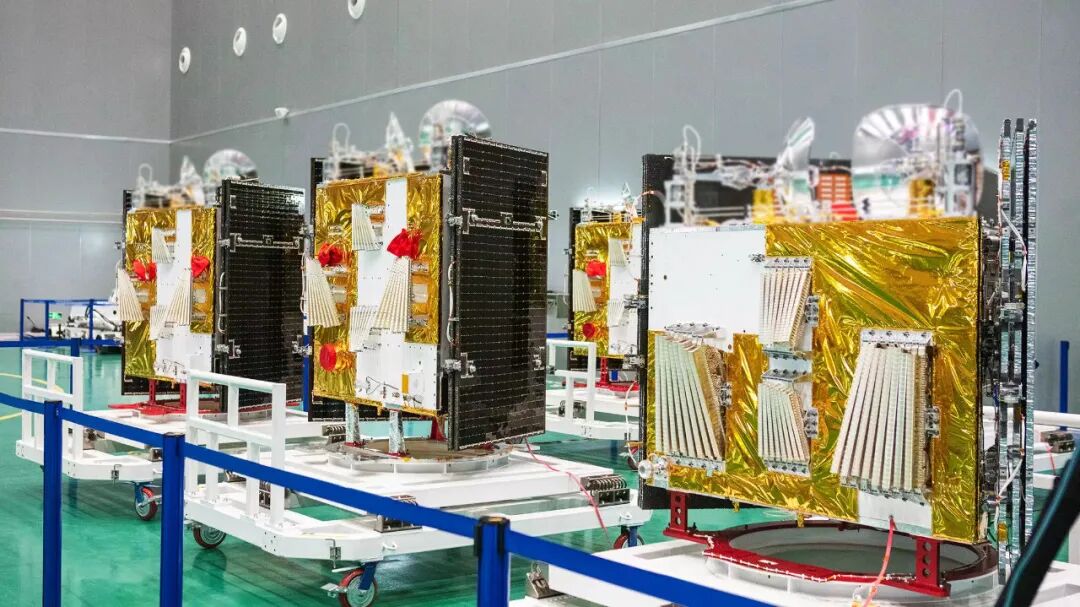
At 14:01 on March 5, China successfully launched six low-orbit broadband communication satellites — the GalaxySpace Batch 02 production satellites, the country's first batch-produced satellites of this kind — into their designated orbit from the Xichang Satellite Launch Center using a Long March 2C carrier rocket. The mission was a complete success. The launch also carried a remote sensing satellite as a rideshare payload.
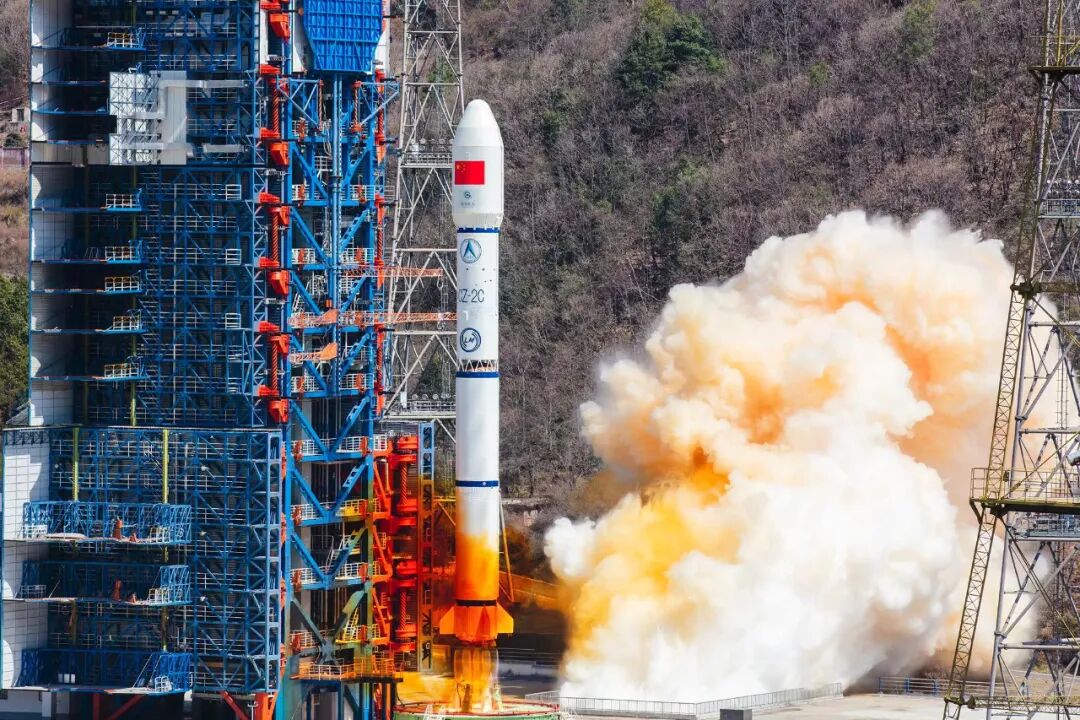
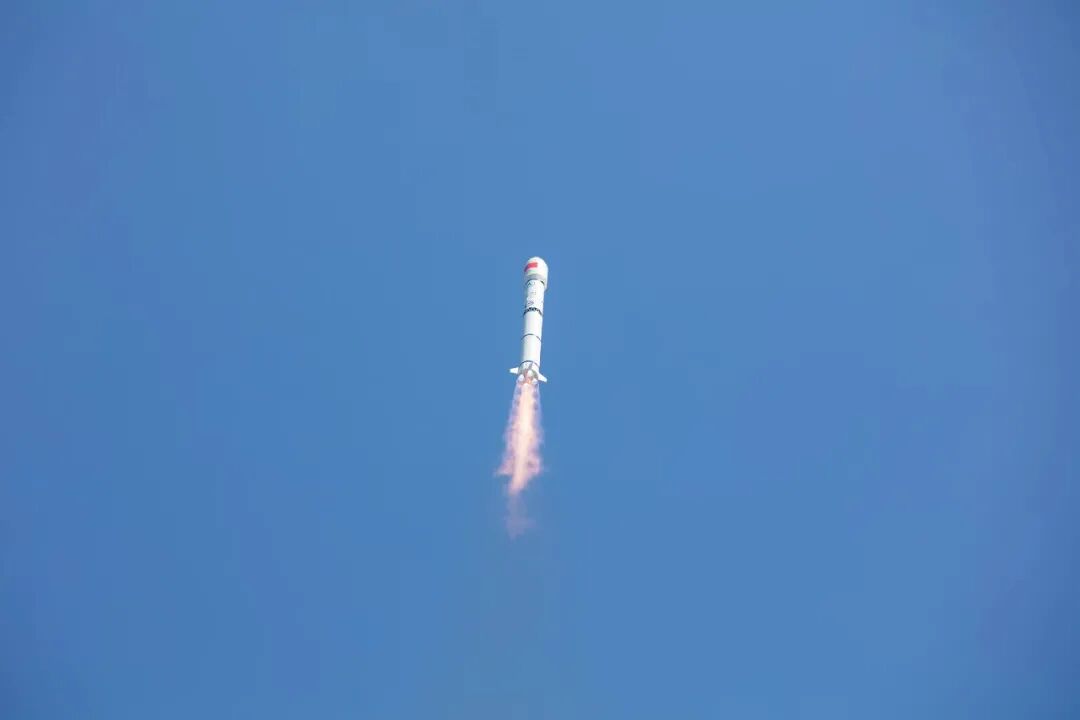
This successful launch demonstrates China's capabilities in low-cost, batch production and networked operation of satellites — essential building blocks for constructing mega-constellations for satellite internet. It marks a significant step forward in advancing the country's integrated low-orbit satellite communication and remote sensing technology.
The GalaxySpace Batch 02 production satellites are independently developed and mass-manufactured by GalaxySpace, representing internationally advanced low-orbit broadband communication satellites. Each satellite is designed with a communication capacity exceeding 40 Gbps, with an average weight of approximately 190 kg. These six satellites will join GalaxySpace's first satellite already in orbit to form China's first low-orbit broadband communication test constellation, building a satellite-ground converged 5G test network called the "Little Spider Web." This network will be capable of providing uninterrupted, low-latency broadband communication services for approximately 30 minutes per pass, supporting technical validation for China's low-orbit satellite internet and integrated space-ground networks.
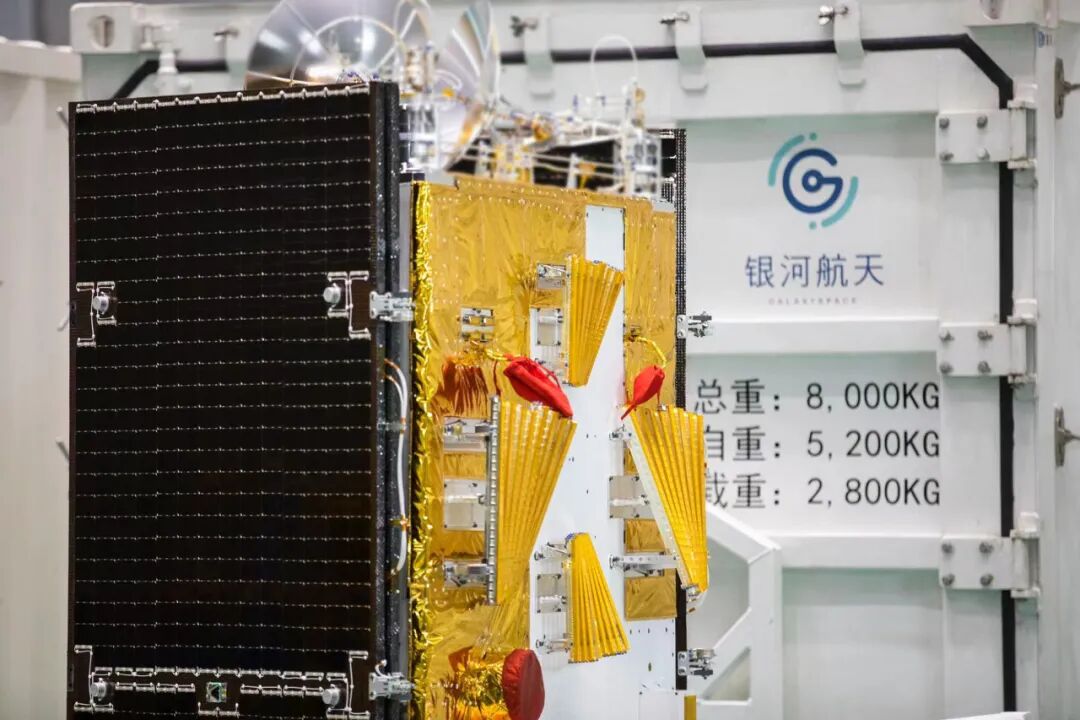
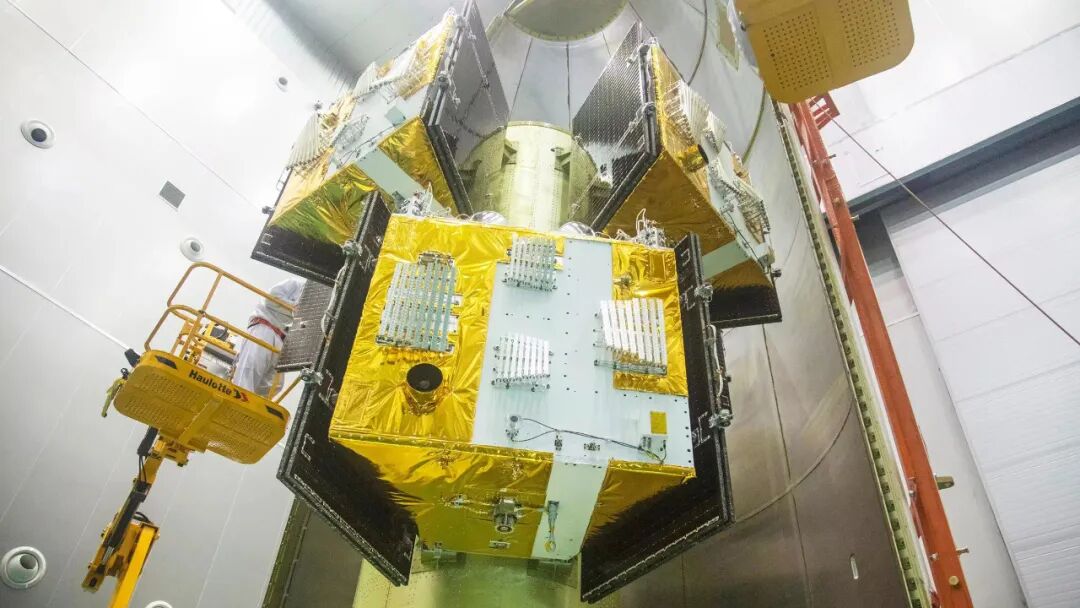
Four of the GalaxySpace Batch 02 production satellites have been named "Nantong-1," "ETU Star Wish," "Xuancheng-1," and "BUPT-GalaxySpace." The remote sensing test satellite is named "Xuanming Star Wish."