The Golden Age of Large Models and Generative AI: Every Application Will Be Refreshed and Rewritten | Ronghui Visits Microsoft

Generative AI is driving industry-wide transformation.
2023 was unquestionably a pivotal year for the acceleration of the AI transformation. Microsoft's integration of GPT-4 and other models across its product suite and services drew widespread attention — from Azure OpenAI enterprise-grade services to the family of Copilots for Microsoft 365, Dynamics 365, and Power Platform, and the comprehensive integration of AI assistants into Windows itself — continuously pioneering new forms of human-computer interaction while empowering developers worldwide to seize the innovation opportunities brought by this new wave of technological change.
Faced with this uncharted AI frontier, entrepreneurs and developers are prompted to ask: which industries will be transformed? And how should innovative enterprises actively build their next-generation applications?
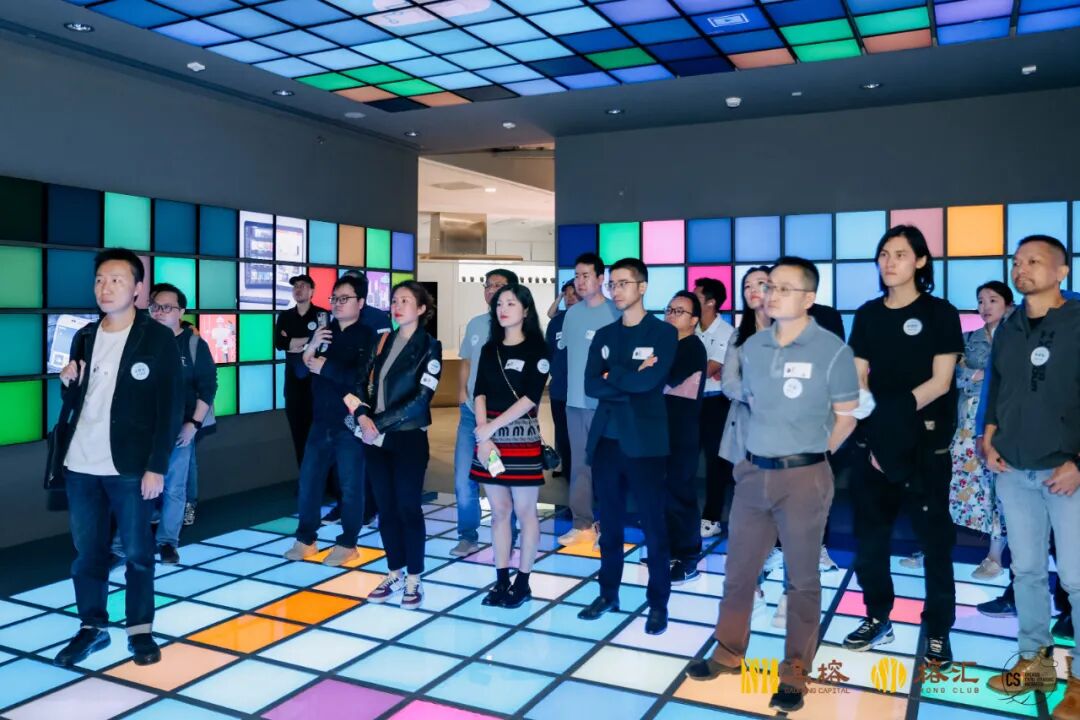
Recently, Gaorong Ventures, in partnership with Microsoft Greater China's Strategic Incubator (CSI), joined entrepreneurs in exploring how artificial intelligence is reshaping vertical application scenarios.
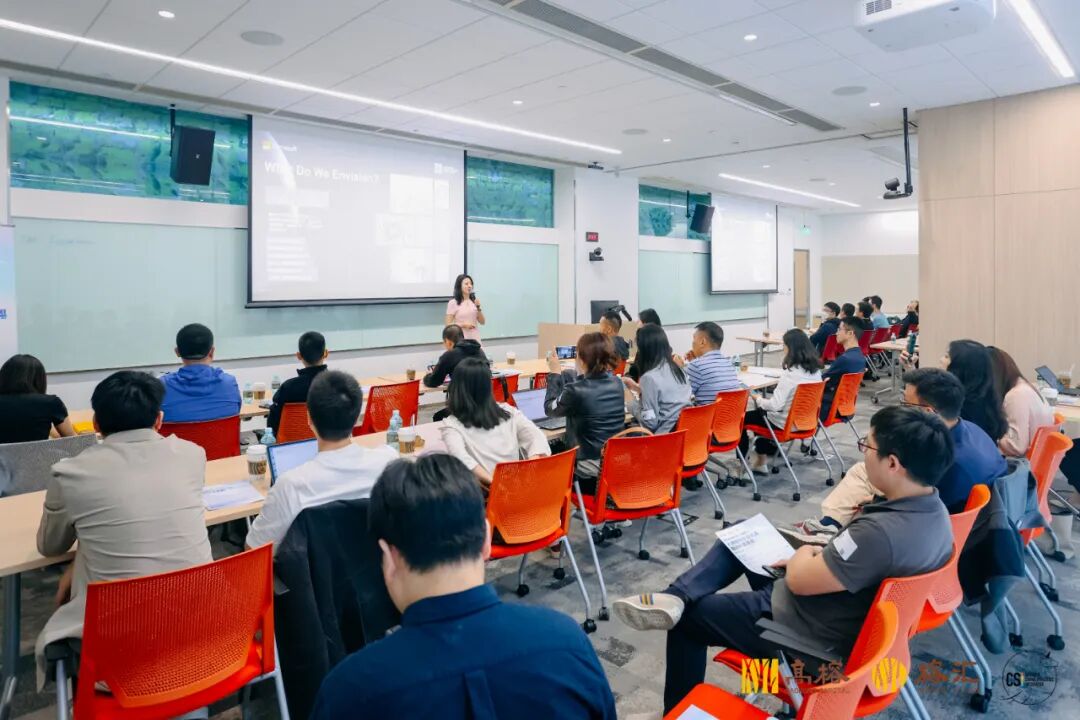

Azure OpenAI International Enterprise Services: Empowering Developers to Build Next-Generation Applications
"We believe the impact of Azure OpenAI, large language models (LLMs), and generative AI will be profound." Li Mian, Director of Big Data and AI Products at Microsoft Greater China's Azure division, opened by sharing his understanding of large language models.
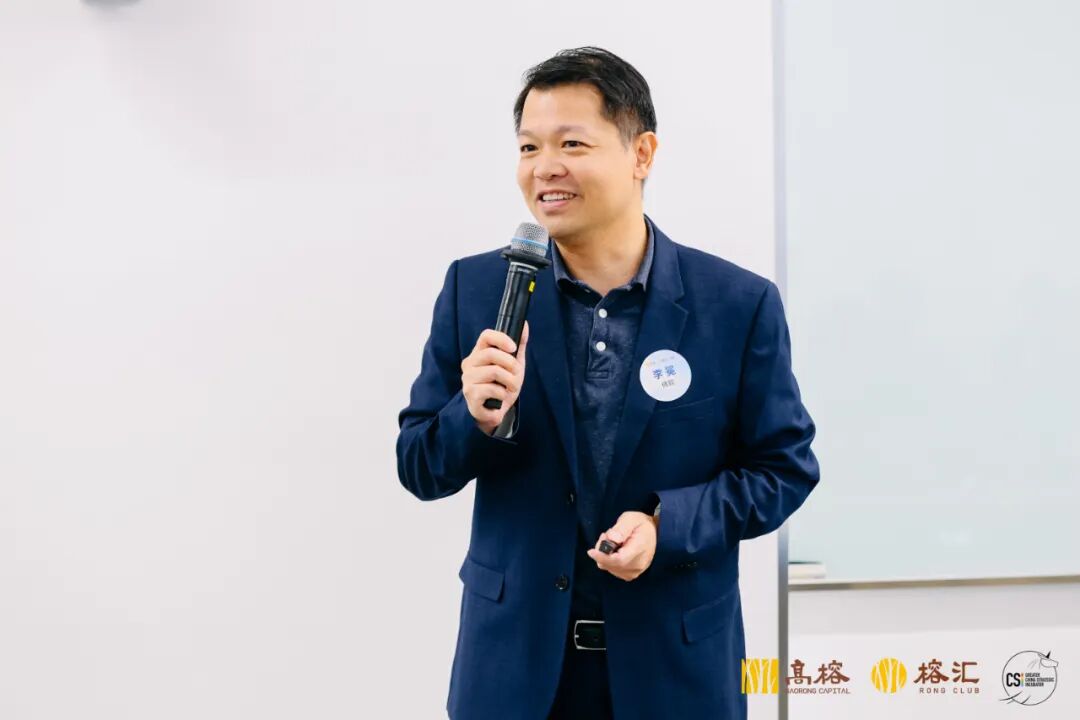
He noted that OpenAI has built powerful foundational models for natural language content generation, including the now-familiar GPT-3/4 natural language models, DALL-E for text-to-image generation, and Codex for natural language-to-code generation. The latest GPT-4 supports more complex and abstract natural language tasks with improved steerability. The magic of large language models lies in their use of the Transformer architecture, training on massive data corpora, and greater reliance on context — "continuously predicting the next word, gradually generating long-form text." They can learn from few-shot examples through prompting without needing to retrain the model.
Drawing on Microsoft's array of new products, Li Mian stated, "We believe: in the golden age of AI, every application will be rewritten and refreshed into an AI-driven intelligent application." Microsoft 365 Copilot, for instance, has been described as bringing a "productivity tool revolution," elevating the entire Office suite's capabilities. Dynamics 365 Copilot serves as an AI Copilot for CRM and ERP, offering AI-powered conversation intelligence, real-time coaching, and relationship insights to help salespeople work more efficiently. The recently launched data analytics platform Microsoft Fabric, positioned as "a data analytics platform for the AI era," is fundamentally transforming the user interface of traditional B2B products.
Li Mian emphasized that amid the accelerating development of AI, Microsoft remains committed to its Responsible AI principles, spanning six dimensions: privacy and security, inclusiveness, accountability, transparency, fairness, and reliability and safety. Regarding data, Microsoft also pledges to partners and customers that "any data used for customers' own purposes will not be used to train foundational models," and that "data is rigorously protected by industry-leading enterprise-grade security and compliance management systems." "Data security is Microsoft's lifeline," he said.
On Azure OpenAI services, Li Mian explained that Azure AI infrastructure provides exclusive cloud support for OpenAI, while Azure OpenAI Service is dedicated to delivering hyperscale pre-trained AI foundation models, offering enterprises customizable, optimizable, and integrable Azure OpenAI enterprise-grade cloud services. Azure OpenAI enterprise services combine advanced large models like ChatGPT and GPT-4 with Azure's secure and reliable enterprise capabilities — "high security, high availability, high integration."
Li Mian also offered advice for enterprises looking to deploy Azure OpenAI — start transformation from within the organization with a three-stage approach: Stage one: understand, learn, and conduct proof-of-concept, including hosting Azure OpenAI deployment workshops, identifying internal use cases, Azure data and architecture deployment, and rapid prototype PoCs; Stage two: begin with simple scenarios for quick deployment, such as external customer service, after-sales support, and sales content integration and automation; Stage three: move toward genuine innovation, building next-generation AI-powered products and solutions through Azure OpenAI.
Technical Incubation, Business Acceleration, Market Amplification: How CSI Supports Startups
Siyuan Zhang, General Manager of Microsoft Greater China's Strategic Incubator, introduced CSI as Microsoft's innovation program in China dedicated to helping entrepreneurs and startups build innovative, globally-reaching, and sustainable businesses — through sustained investment and incubation to power continuous innovation.
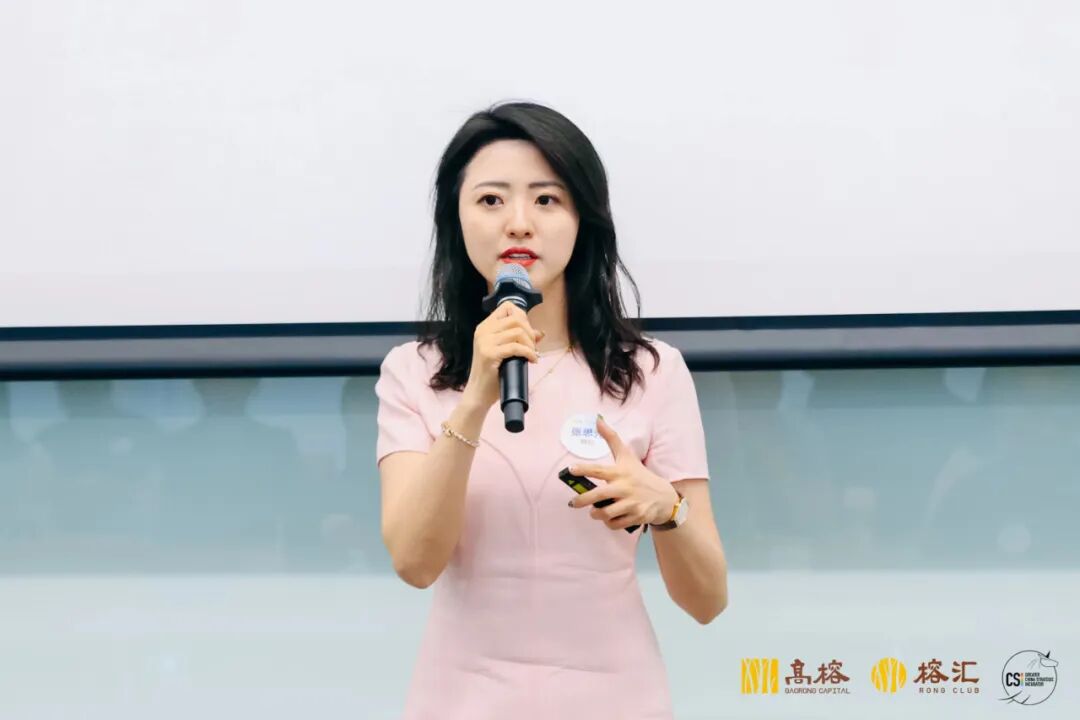
CSI focuses on startups in six key sectors: AIGC, metaverse/gaming, enterprise services, Web3, automotive, and healthcare. "We aim to provide full-lifecycle support for startups: from 0 to 1, we hope to offer technical support and co-create products; from 1 to N, we look forward to leveraging Microsoft's global market and channel ecosystem to support startups; from N to N^N, we are committed to building diversified ecosystems together."
Specifically, at the technical incubation level, CSI connects startups with Microsoft Azure cloud services, Azure OpenAI, Dynamics 365, and other technology and product platforms. It also mobilizes investment partners, global ecosystem partners, Microsoft R&D resources worldwide, and products like HoloLens to provide business acceleration. Finally, market amplification opportunities through Microsoft global conferences and industry market events are also open to startups.
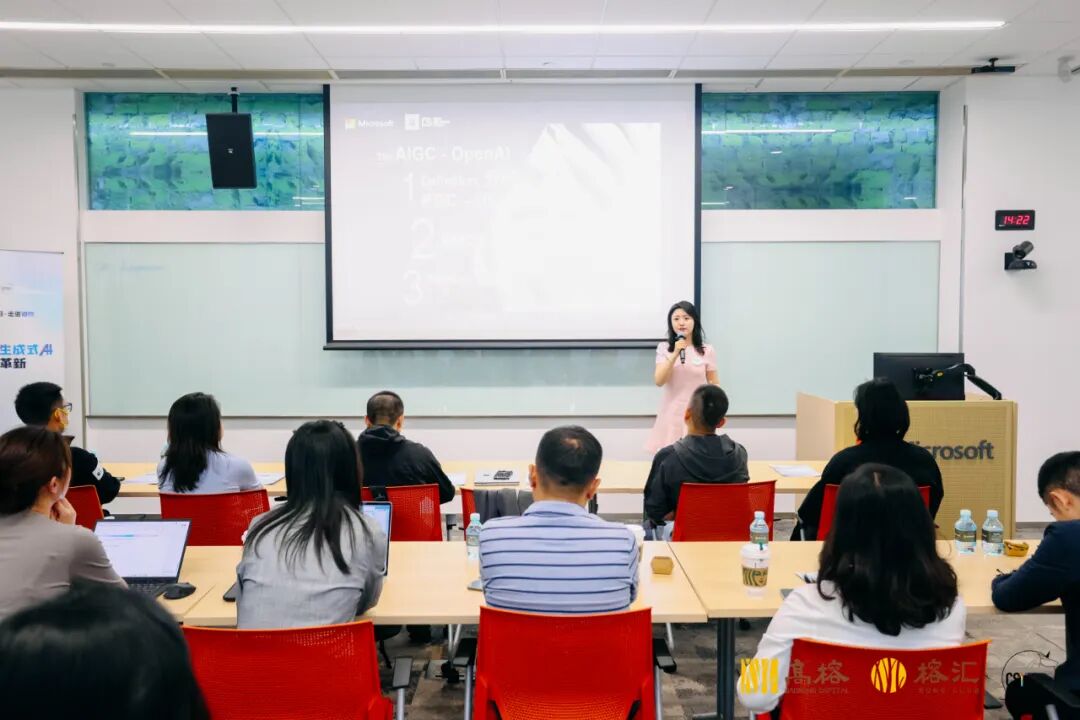
This wave of AGI large model technology represents a disruptive opportunity on the scale of the "Fourth Industrial Revolution" and the "birth of the internet." Large models themselves, computing power, and vertical closed-loop data and applications form a trinity that creates flywheel effects driving the overall ascent of the AGI industry. Human-machine interaction will be completely restructured through a Copilots + Plugins model: with chatbots as the interface, multimodal development across images, music, text, and video, alongside open plugins and the transformation spawning new app formats, giant enterprises are certain to emerge. Microsoft and the Microsoft Strategic Incubator will continue investing across industries to incubate innovation.
Open Source Continues to Expand and Broaden AI's Capabilities
Qilin Chen, Head of Gaorong Ventures' Strategy Unit, shared the latest trends in overseas investment and financing in the generative AI space, notable B2B and B2C products for entrepreneurs to watch, and focused on the trends in open source for large models and generative AI.
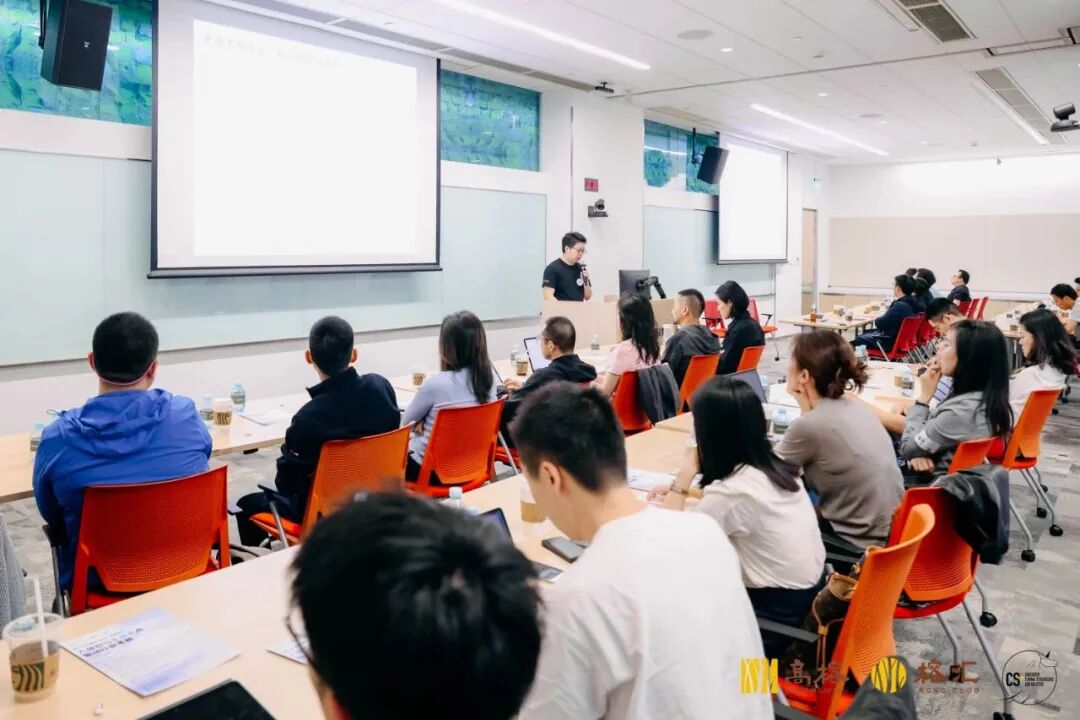
At the foundation model layer, beyond closed-source models like OpenAI, an increasing number of open-source models and frameworks have emerged, including Bloom, LLaMA, PaLM, as well as China's MOSS and GLM-130B. "Open-source models provide more opportunities for startups to build deeper vertical applications, and lower the barrier for fine-tuning."
At the middleware layer, various open-source large model application development frameworks have proliferated, such as the open-source LLM application development framework LangChain, the API-calling self-supervised learning method Toolformer, and the recently viral open-source AI Agent Auto-GPT. "We believe these open-source frameworks deserve particular attention from application-layer entrepreneurs, as they could dramatically enhance capabilities and efficiency in application development."
There are also interesting new applications emerging from the open-source ecosystem, such as PDF Chatbot and Chatbox.
In the text-to-image domain, the open-source ecosystem is particularly vibrant. "While closed-source models like Midjourney iterate rapidly with stunning results, the open-source ecosystem nurtures more explosive, combinatorial growth from the community." Chen explained that beyond the open-source foundation model Stable Diffusion, there are open-source plugins optimizing output controllability (such as ControlNet) and open-source model sharing communities (Hugging Face, Civitai, etc.). "Text-to-image models can achieve excellent results in various vertical domains through fine-tuning, with more diverse demands and evaluation criteria for models. This ecosystem will attract an even larger and younger developer community going forward."
"Open source continues to expand and broaden AI's capabilities, finding more applications in real-world domains," Chen concluded. As LLMs incorporate more cross-modal content at the input stage, and AI Agents increasingly call upon and interact with each other, more productive output will emerge, with applications in gaming and entertainment, e-commerce, software development, pharmaceuticals, scientific research, 3D printing, robotics, and beyond.
Generative AI Reshaping Industries: Efficiency Upgrades, Return to First Principles, and New Ecosystems in the AI Era
At the event, four founders from AI technology, fintech, new drug R&D, and AI social networking shared how they are exploring generative AI applications in their respective fields and their perspectives on future opportunities.
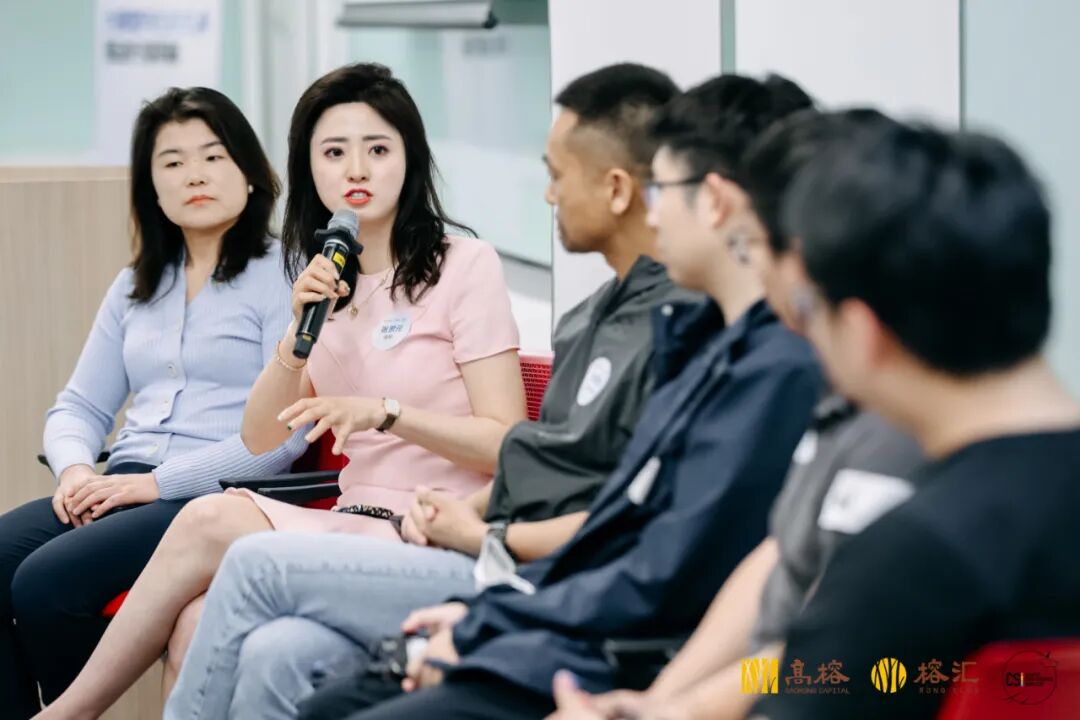
Advance Intelligence Group is an AI technology-driven technology group with operations across South Asia, Southeast Asia, Greater China, and Latin America. Li Tongtong, Co-founder of Advance Intelligence Group and Head of Advance X, introduced: "We were among the first to apply AI technology to improve internal coordination efficiency, developing a product called Mindy. We feed the AI model with our knowledge base, guidelines, training, learning and development, compliance, and organizational collaboration information and documents. Employees can efficiently obtain feedback through natural language interaction, equivalent to having a 24/7 enterprise intelligent assistant. It can automatically translate into multiple languages to meet the needs of our global workforce, significantly saving time spent on writing and maintaining documents, answering questions, and training."
BioMap is dedicated to developing next-generation AI technologies including geometric deep learning and deep generative models for macromolecular drug R&D. Jian Tang, Founder and CEO of BioMap, shared: "We believe generative AI has enormous potential in drug discovery, particularly in protein design. It has the full potential to develop ChatGPT-like generative models that create and generate entirely new proteins and molecules, helping us find better drugs."
In traditional drug R&D workflows, for instance, scientists analyzing large amounts of multi-omics data, clinical data, and medical literature to identify good drug targets can leverage AIGC for rapid analysis. Similarly, where macromolecular drug discovery previously involved long cycles and high costs, BioMap uses generative AI technology: inputting antigen sequences and structures into the model, the AI generates antibody sequences, which are then tested on wet-lab platforms with feedback returned to the AI model. After several rounds of iteration, the desired antibody drug macromolecule may emerge.
Entropy Technology is dedicated to helping financial asset management institutions achieve digital transformation in investment research. Binjie Fei, Founder of Entropy Technology, stated: "The emergence of large models genuinely excited us — it could even be said to bring us back to our original mission: using digital means to reduce entropy in the investment research process. We currently look forward to doing prompt engineering based on large models, accessing professional investment research databases at certain steps, so that AI-generated results truly help professional researchers."
Fei further noted that in financial asset management, much valuable corpus may be hidden in research reports, meeting minutes, and deep investment indicators. "We believe embedding such sufficiently vertical and abundant proprietary knowledge bases into large models will prove tremendously valuable."
Yunzhongzi Technology focuses on AI-powered social networking, dedicated to using AI technology to help humans socialize better and thereby become better versions of themselves. Junhong Chen, Founder and CEO of Yunzhongzi Technology, shared his thinking on the future of AI products and application ecosystems.
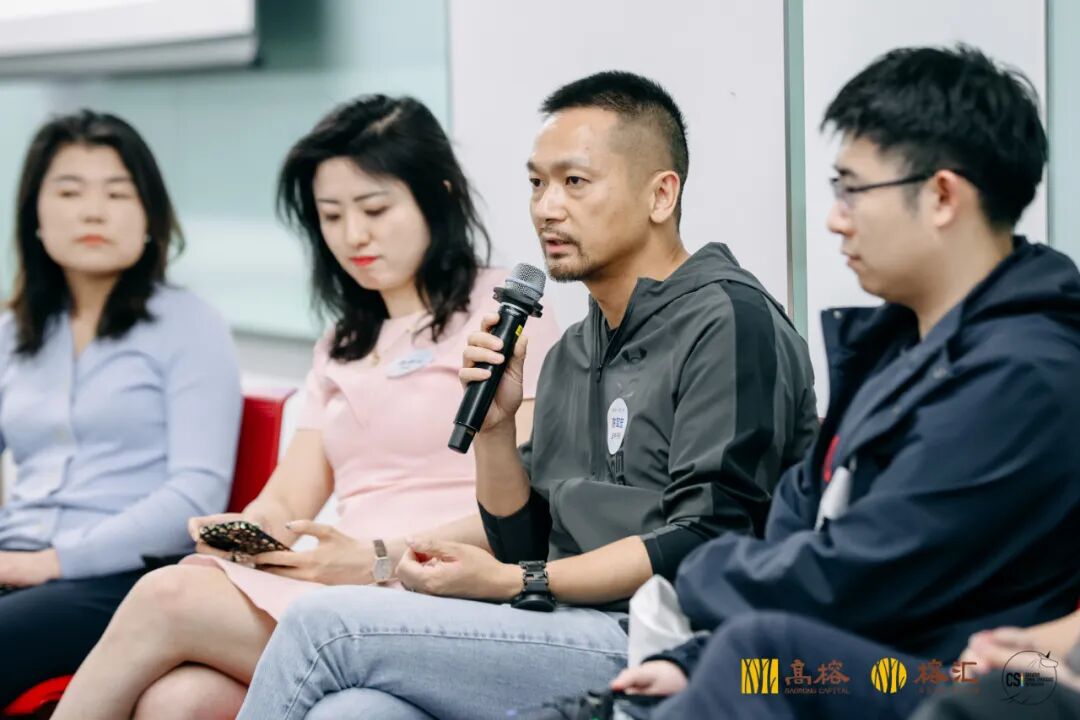
"AI-powered products and applications in the industry today, I believe, can be divided into three categories." The first Chen calls AI Embedded/AI Enabled applications — AI embedded within existing products and business workflows, typically in industries with strong moats or deep vertical expertise. The next level he terms AI Based applications — new businesses and paradigms born from AI, built on AI from the ground up, likely representing the majority of AI applications we'll see in the future. "The difference between these two: for AI Based applications, AI and the product have a mutually reinforcing relationship; for AI Embedded/AI Enabled applications, in theory they could be profitable without AI."
The third category is AI Native applications. These may initially have capabilities like a child, but after building the product, it feeds back into itself, "helping it grow faster and stronger." So AI Native is essentially an ecosystem-level concept — building a continuously growing ecosystem in its domain, with OpenAI as the most typical example.
Chen also observed that as AI technology iterates ever faster and researchers worldwide are mobilized, more and more open-source solutions will emerge. "The power of the open-source world may exceed our imagination."
Going forward, AI-native companies, large technology enterprises, and entrepreneurs and developers rooted in different verticals and industries who never stop moving forward will permeate and collaborate with one another, continuously "refreshing" workflows and product forms, together defining an AI-driven future.