When a "Top-Tier" Gene-Editing Scientist Team Starts Caring About Seeds, Grains, and Vegetables | Gaorong Ventures

Let harvests be not only nature's gift, but also the fruit of technology.
High-oleic soybeans that benefit cardiovascular health, powdery mildew-resistant high-yield wheat, tomatoes with better flavor and sweetness, corn that's insect-resistant and herbicide-tolerant...
Caixia Gao, an internationally renowned gene-editing scientist, and her team work day after day in laboratories, plant factories, and breeding bases, developing world-leading precision gene-editing technologies and applying them to agricultural biotechnology breeding — creating crops and fruits and vegetables that can benefit both growers and consumers.
Gao is a researcher at the Chinese Academy of Sciences, widely regarded as the "face" of China's agricultural gene-editing field. In 2013, she created the world's first CRISPR-Cas9 plant, and has spent the years since advancing the establishment and technical innovation of crop gene-editing systems.
In 2021, she and Dr. Kevin Zhao founded Qihe Shengke, a biotechnology company driven by gene-editing technology. Kevin Zhao graduated from Harvard University, where he studied under David Liu, a global authority in gene editing and the inventor of base editing and prime editing.
This top-tier research team in the gene-editing field has achieved remarkable results over the past two years —
- Its independently developed large-fragment precision insertion technology was selected as one of Nature's seven technologies to watch in 2024 — the first Chinese scientific achievement to make the list since Nature began the annual feature in 2018;
- Its AI-assisted development of novel base-editing tools was selected as one of the best Cell research papers of 2023;
- The company's gene-edited high-oleic soybean has obtained a gene-editing safety certificate from China's Ministry of Agriculture and Rural Affairs and regulatory exemption from the US Department of Agriculture, while its powdery mildew-resistant high-yield wheat has also received a gene-editing safety certificate — both varieties are now entering commercialization.
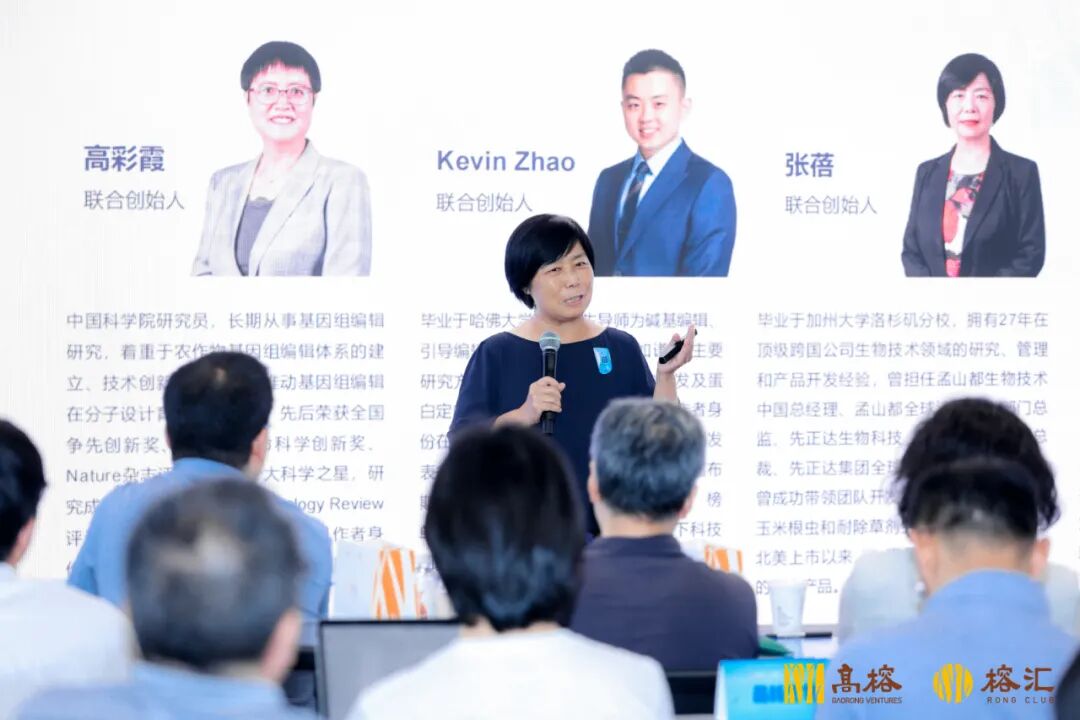
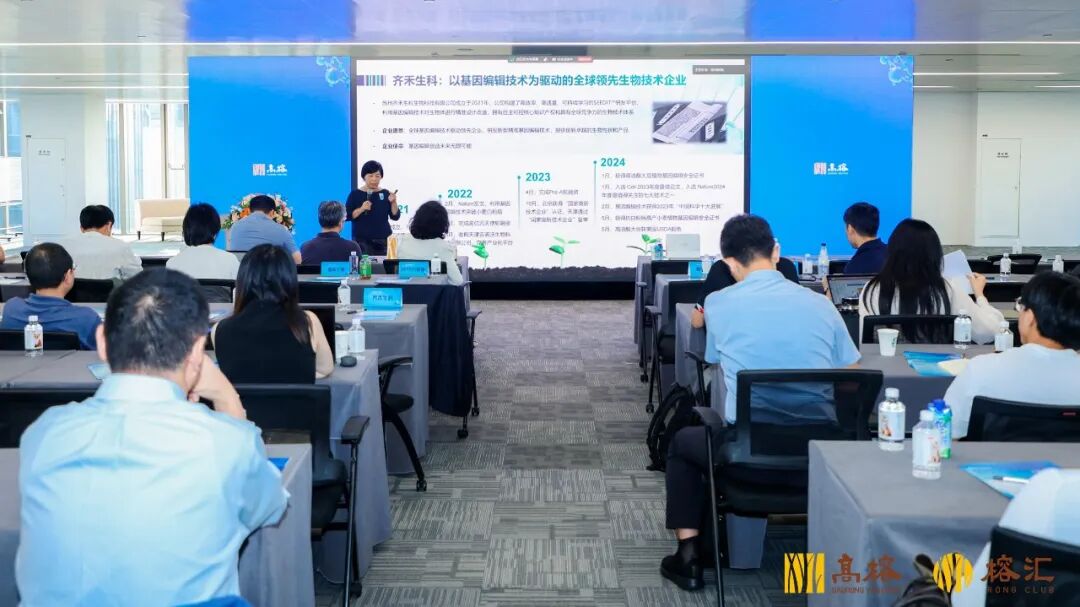
Gaorong Ventures participated in Qihe Shengke's Pre-A funding round of over 100 million RMB in 2023. Recently, Gaorong hosted a closed-door healthcare CEO meeting and healthcare track Demo Day, inviting Dr. Bei Zhang, co-founder and CEO of Qihe Shengke, to share her insights on the limitless possibilities that gene editing brings to agricultural biotechnology breeding. Dr. Zhang previously served as General Manager of Monsanto Biotechnology China and President of Syngenta Biotechnology (China) Co., Ltd.
The following is Dr. Zhang's presentation (edited):

We often say: "The people are the foundation of the state, and grain is the life of the people." Food security concerns national destiny and people's livelihoods, and it is also the confidence with which we navigate a century of great change. We named our company Qihe Shengke because "Qi" comes from Qi Min Yao Shu, China's first ancient agricultural encyclopedia, and "He" represents grain crops. We hope to use the most advanced biotechnology to enhance the competitiveness of China's seed industry and agriculture.
At present, China's agricultural competitiveness still lags internationally. In grain production, for example, there are problems such as low yields of core staple crops, scarce germplasm for high-value cash crops, and high import dependence across the supply chain. Domestic soybean yields per mu are more than 40% lower than foreign counterparts, with costs 30-40% higher, which is why approximately 80% of China's soybeans are imported.
The "chip" of agriculture is the seed industry, and the lifeline of seeds affects national welfare and people's livelihoods. China's seed industry needs to complete industrial upgrading driven by the biotechnology revolution. In fact, biotechnology represented by genetic modification once brought huge leaps to the international seed industry. Comparing 1995 and 2021, the yield gap between Chinese and American corn and soybeans has only widened.
Why, on the same land, do we need to import more and more grain? Why can others transport products thousands of miles to China with better quality and lower prices? What lies behind this is the urgent need to improve agricultural productivity.
After genetic modification, next-generation gene-editing technology has opened a new era in breeding, and also brought an opportunity to overtake on a new track. Gene-editing product development takes far less time and costs far less than genetic modification, and is expected to greatly improve breeding efficiency. Take wheat as an example — we know wheat is hexaploid. Traditional powdery mildew-resistant breeding requires knocking out genes six times across six sets of chromosomes, and optimizing all copies requires lengthy generational propagation. That's why foreign traditional breeding failed to achieve results for ten years, while Qihe broke through in a single generation using gene-editing technology.

In recent years, as gene-editing technology has matured, the underlying tools of next-generation gene-editing technology have become a strategic high ground in great-power competition, and developed countries worldwide have adopted increasingly accommodative attitudes toward gene-editing technology. The United States, for example, has exempted multiple gene-edited crops from regulation; as of May 2024, China has approved five gene-edited crop safety certificates (Qihe obtained two of them).
Today, global seed industry leaders are also actively embracing gene-editing technology. Bayer, Corteva, and Syngenta, among others, are all advancing gene-editing projects and creating new products.
Additionally, some innovative biotechnology breeding companies are rapidly entering the market. Inari, for example, focuses its product development on staple crops like soybeans and corn, with five exemptions; Pairwise, with 25 exemptions, concentrates on fruits and vegetables such as blackberries, raspberries, and cherries; Tropic Biosciences focuses on creating high-performance tropical agricultural products like rubber and coffee.

So, in this wave of technological transformation, how does Qihe Shengke rely on independent R&D and deep exploration to fully unleash the maximum potential of gene-editing technology?
Tracing the development of gene-editing tools, Qihe Shengke currently possesses the world's most complete and independently controllable gene-editing toolkit, consistently standing at the global forefront of innovation in this field.
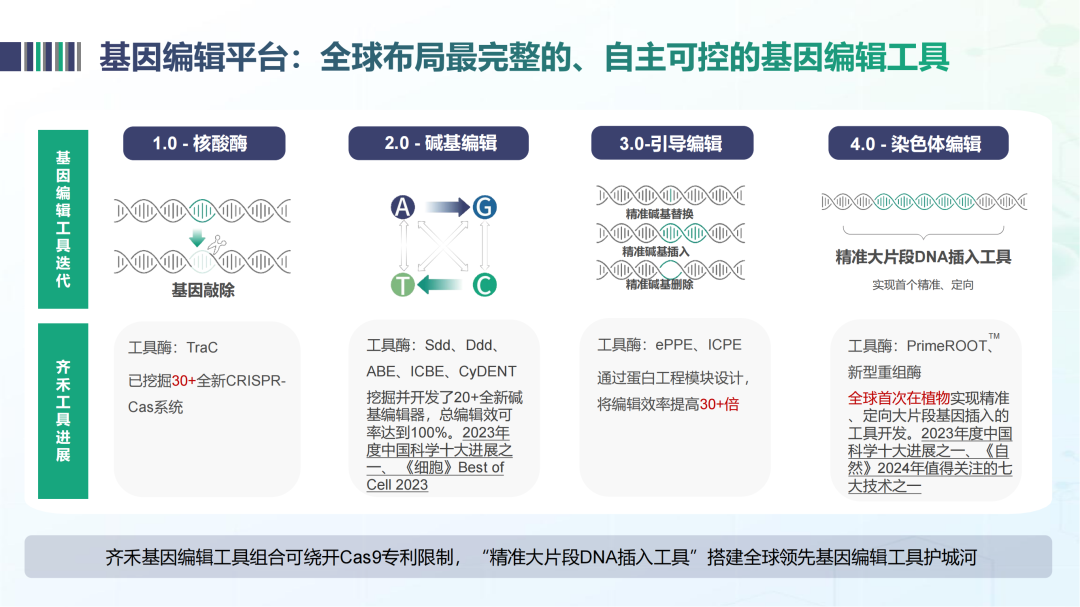
First-generation gene-editing tools primarily use nucleases to achieve gene knockouts. Qihe Shengke has discovered more than 30 entirely new CRISPR-Cas systems.
Entering the second-generation base-editing era, Qihe Shengke has mined and developed over 20 new base editors, including solving the world-class problem of achieving base editing in soybeans. The team's paper published in Cell, "Discovery of new deaminase functions by structure-based protein clustering," was selected as "Best of Cell 2023." The research used AI-assisted large-scale protein structure prediction technology to discover numerous novel deaminases, and based on this, developed a series of base-editing systems with different functional characteristics, achieving more efficient, precise, and safe gene editing in plants and animals.
Around third-generation prime editing, Qihe Shengke has increased plant-optimized editing efficiency by over 30 times through protein engineering module design.
In 2023, Qihe Shengke achieved, for the first time globally, the development of precision, directed large-fragment gene insertion tools in plants, demonstrating enormous application potential in future biotechnology breeding, and building a world-leading moat in large-fragment gene editing.
You must understand that all previous genetically modified products were random; with large-fragment precision insertion technology, we can replace any gene and element in existing commercialized GM events at will. It's like changing a tire on a car — take the old tire off, put a better-performing new one on. With the加持 of this new technology, the time needed to create one stable, efficient, and safe genetically modified trait is expected to decrease from 3-4 years to 1 year, with screening scale reduced by 100 to 1,000 times.
Large-fragment precision insertion technology also has broad application opportunities in the super-trait track. Previously, in traditional breeding models, creating a multi-disease-resistant major cultivated variety required starting from scratch for each variety; with large-fragment precision targeting technology, different traits can be assembled at one super disease-resistant locus using gene editing, then inserted into major cultivated varieties. Because it is cisgenic, it has advantages in safety and simpler regulatory approval. More importantly, it disrupts existing breeding processes and speed. When we discussed this with China's top breeding experts, they believed this technology completely rewrites the speed and innovation process of breeding.

Beyond the complete gene-editing toolkit, to bring seeds and products to market faster and better, Qihe Shengke has established the full-chain biotechnology breeding support platform SEEDIT™, covering trait design platforms, gene-editing platforms, genetic transformation platforms, phenotyping platforms, and finally a regulatory registration center.
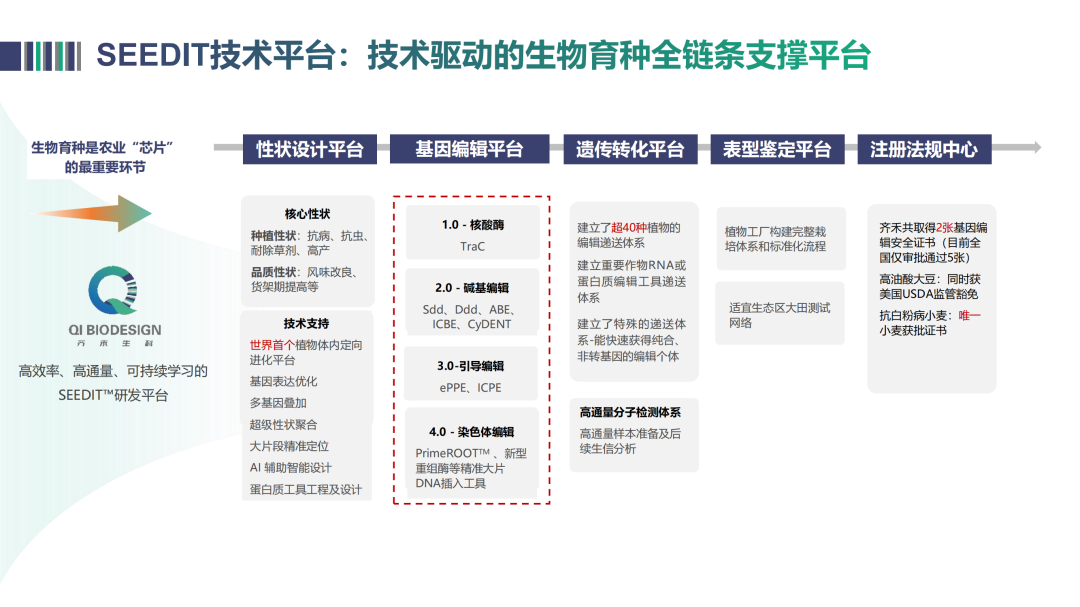
Trait Design Platform: Qihe focuses on two types of traits. One is from the grower's perspective — how to help them obtain planting traits with disease resistance, insect resistance, herbicide tolerance, and high yield. The other is quality traits from the consumer's perspective, such as flavor improvement and extended shelf life.
Genetic Transformation Platform: In fact, genetic transformation has many difficulties. Crops like wheat, due to their large and complex genomes, have low genetic transformation efficiency. Qihe Shengke has currently established gene-editing delivery systems for more than 40 plant species, including internationally recognized difficult-to-transform major crop gene-editing delivery systems such as sugar beet, octoploid cultivated strawberry, and sunflower.
Phenotyping Platform: Qihe Shengke's Tianjin plant factory has a total construction area exceeding 1,600 square meters, with a complete cultivation system and standardized propagation processes. It currently has cultivation experience with over 40 plant genera and species, enabling 3-4 generations per year of target genotype material propagation and early efficacy verification for different crops.
Additionally, Qihe Shengke has established large-field seed multiplication and testing bases in multiple suitable ecological zones nationwide, completing field efficacy and equivalence testing for wheat, soybean, corn, and rice.

On the foundation of this leading full-process technology platform, Qihe Shengke's biotechnology breeding and commercialization efforts continue to accelerate.
Among these, the high-oleic soybean P16, which has obtained a gene-editing safety certificate from China's Ministry of Agriculture and Rural Affairs and regulatory exemption from the US Department of Agriculture (China's first gene-edited product to receive US regulatory exemption), was developed by Qihe Shengke through gene-editing methods targeting endogenous fatty acid desaturase genes in soybeans, ultimately obtaining a homozygous variety with no exogenous insertion sequences. This product's oleic acid content is significantly increased to over 80%, on par with olive oil.
The company's powdery mildew-resistant high-yield wheat has also obtained a gene-editing safety certificate — China's first gene-editing safety certificate for a staple food crop. Powdery mildew is the top of the three major wheat diseases, with severely affected fields seeing yield losses of up to 40%. After years of R&D, Qihe successfully used gene-editing technology to directly create wheat varieties in major cultivated varieties that combine disease-susceptibility gene mutations with yield gene expression.
Qihe Shengke is also advancing the development of quality-trait-improved rice and herbicide-tolerant rice pipelines, which have already applied for safety certificates; it is also advancing the development of corn disease-resistant super-composite traits and next-generation insect-resistant herbicide-tolerant genetically modified varieties.
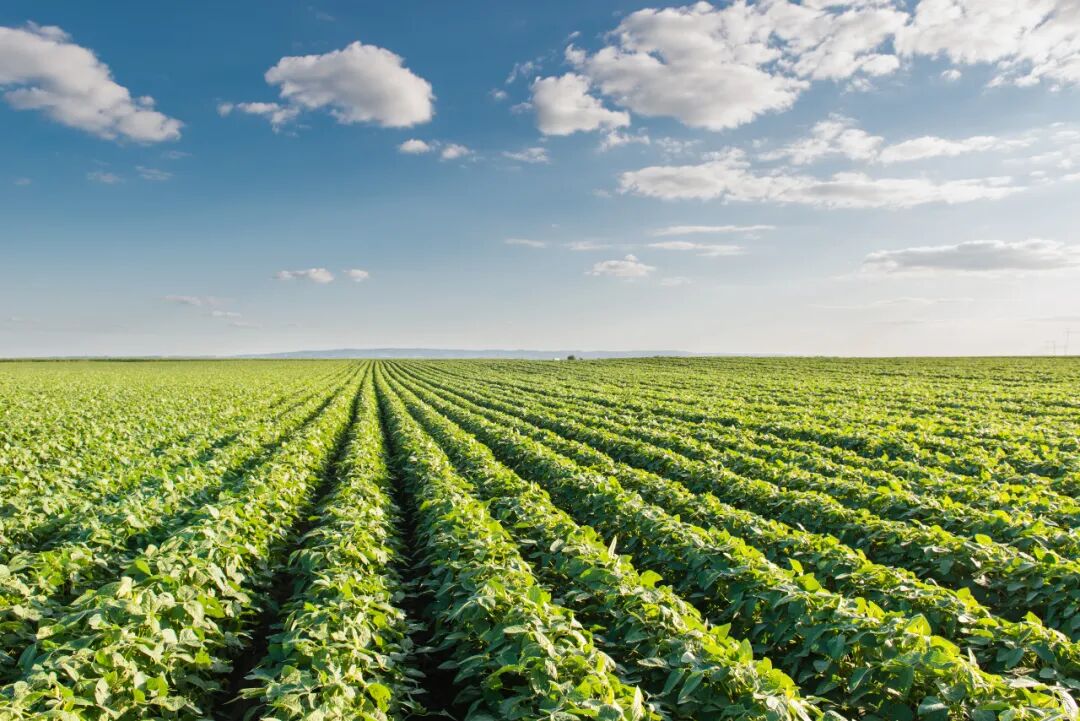
Qihe Shengke will, on one hand, focus on field crops, developing seeds with differentiated, high-value traits, putting the most cutting-edge technology directly into products and bringing them to market; on the other hand, around cash crops, it will focus on partnering with premium fruit and vegetable partners to create high-value consumer-oriented fruits and vegetables.
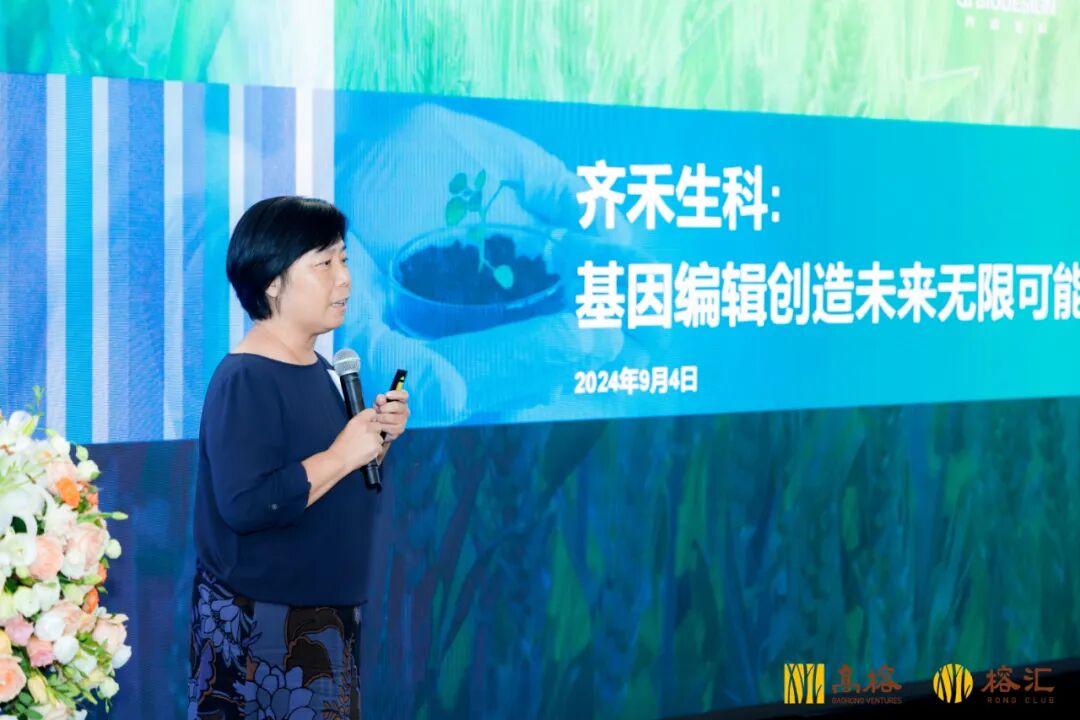
Looking to the future, beyond applications in agricultural biotechnology breeding, gene editing and biotechnology have very broad space in fields such as synthetic biology and biomedicine. We also look forward to next-generation gene-editing technology playing a role in more fields, creating unlimited possibilities for the future.