Linear Capital Portfolio Company | Hobot's "Ultrasound Probe Holding and Remote Control System" Receives NMPA Class III Medical Device Registration Certificate

On November 8, "Hobin Intelligence" — a Linear Capital angel-round lead investment — received official approval from the National Medical Products Administration for its "Ultrasound Probe Holding and Remote Control System." This milestone carries significant weight for Hobin Intelligence. *MedRobot* published an in-depth analysis of the development, which we're sharing here.
On November 8, Hebin Intelligent's "Ultrasound Probe Holding and Remote Control System" — a portfolio company that Linear Capital led in its angel round — officially received approval from China's National Medical Products Administration (NMPA). This milestone carries significant weight for Hebin Intelligent, and Medical Device Home has published an in-depth analysis that we're sharing here.
Thanks to its speed, low cost, and high safety profile, ultrasound is considered one of the most valuable diagnostic tools in medical imaging, with wide applications in cardiology, oncology, obstetrics, and beyond.
According to the 2020 National Medical Service Quality and Safety Report, the national average accuracy rate for ultrasound diagnosis stood at 83.56%, with considerable regional variation across China. Diagnostic capabilities remain uneven, and the standardization of medical quality still has room for improvement.
The emergence of remote ultrasound technology has broken through spatial and temporal constraints. With nothing more than a network connection, synchronized remote ultrasound consultations become possible, delivering tremendous convenience to patients. It can effectively elevate diagnostic standards across different regions, steadily reducing missed and misdiagnoses while safeguarding patient safety and service quality — ultimately advancing the high-quality development of ultrasound medicine. Recently, the domestic remote ultrasound sector has welcomed more good news.
On November 8, Hebin Intelligent's "Ultrasound Probe Holding and Remote Control System" officially received NMPA approval.
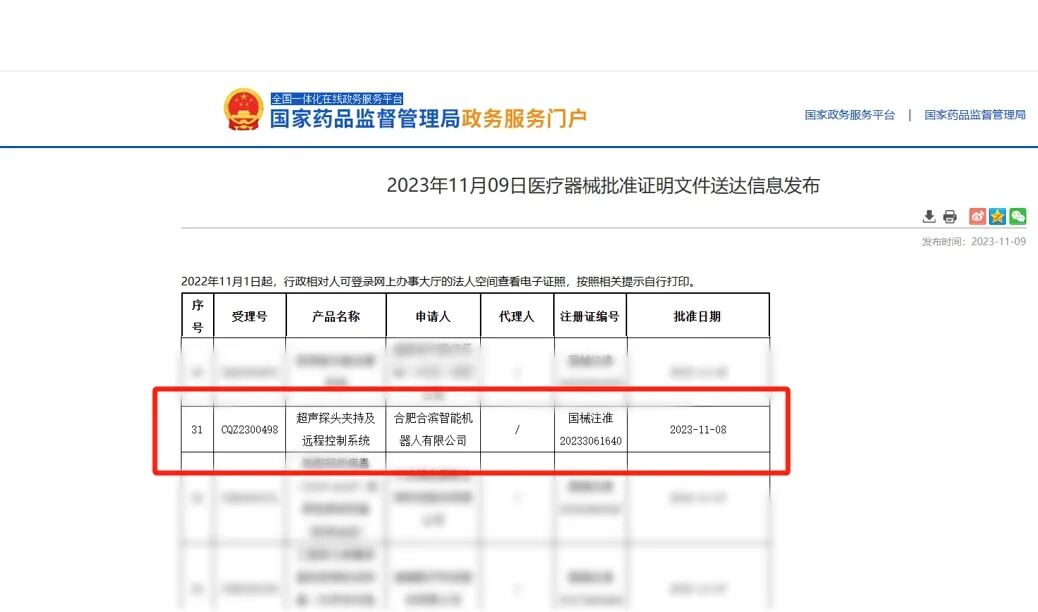
Screenshot of NMPA announcement
The system consists of a "physician end" and a "patient end." The physician end comprises an "ultrasound-shaped handle" and a "human-body force feedback operating platform," while the patient end is the ultrasound robot itself. In practice, physicians can remotely control the patient-end robot, replicating scanning techniques at a 1:1 ratio and combining real-time audio-video technology to perform remote ultrasound scans. Meanwhile, physicians can conduct immediate medical diagnosis through ultrasound images transmitted in real time.
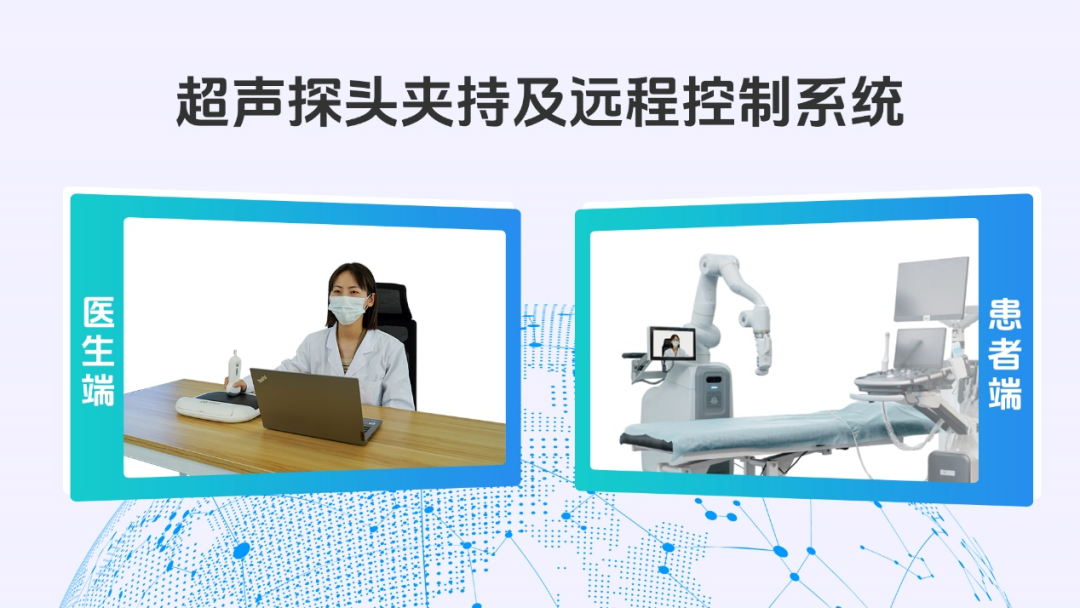 Application scenarios for the Ultrasound Probe Holding and Remote Control System
01
Remote Ultrasound Robot Approved for Market Industry-Leading Product Performance
Hebin Intelligent's "Ultrasound Probe Holding and Remote Control System" distinguishes itself through four core strengths: flexibility, universality, intelligence, and safety. These characteristics are embedded in both the physician and patient ends, improving scanning efficiency while ensuring patient safety.
First, from the physician-end perspective: its portable design makes remote control of the ultrasound robot more intuitive and expands the contexts in which physicians can use it. The shaped handle connects via USB and is compatible with various laptops and desktop hosts, accommodating diverse physician needs.
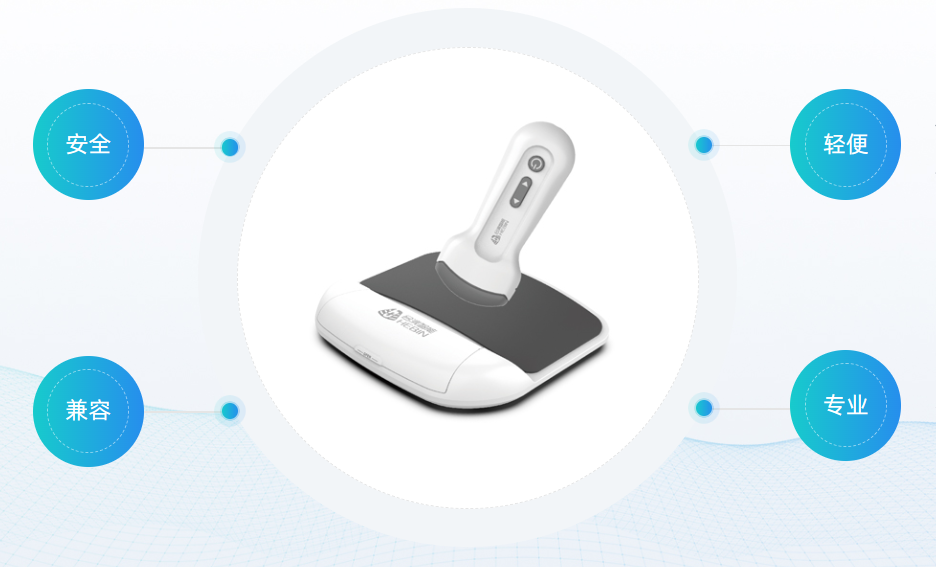
Ultrasound Probe Holding and Remote Control System — Physician End
Second, the physician end employs an active operational safety strategy that can distinguish the physician's operational intent in real time, eliminating remote misoperations and comprehensively protecting patient safety. Meanwhile, the "ultrasound probe-shaped handle" allows physicians to quickly adapt to the master control interface. The accompanying "human-body biomimetic force feedback operating platform," made from biomimetic soft materials, accurately simulates the curvature and stiffness of human skin, providing physicians with a realistic scanning experience.
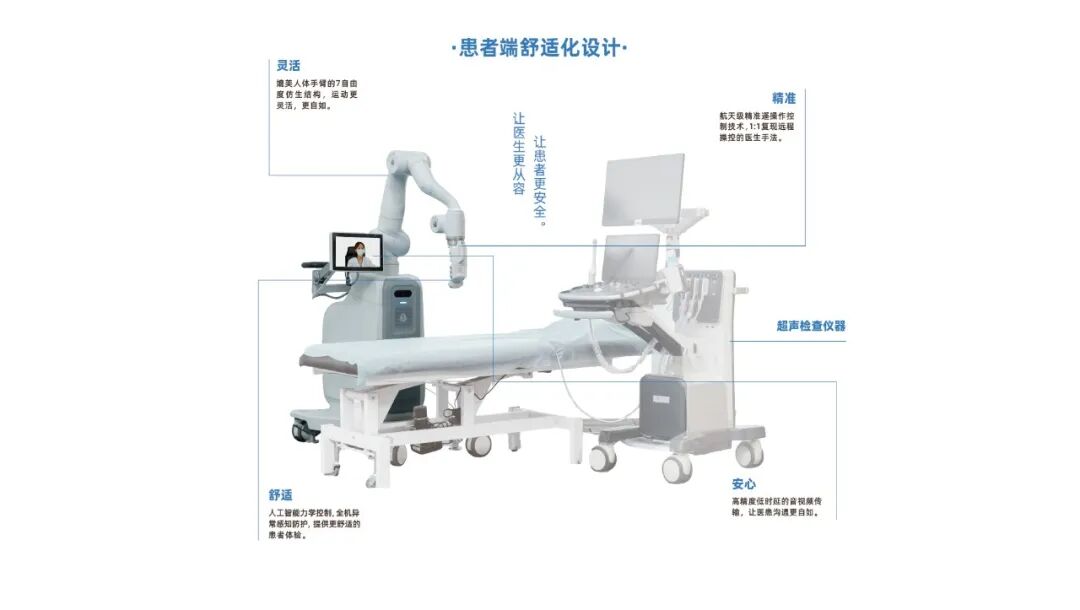
Ultrasound Probe Holding and Remote Control System — Patient End
From the patient-end perspective, Hebin Intelligent's ultrasound robot innovatively employs a 7-degree-of-freedom (7-DOF) robotic arm structure. Compared with conventional 6-DOF arms, it adds one degree of freedom and multiple force sensors, ensuring operational flexibility and high end-effector reachability. Traditional 6-DOF arms have only one arm configuration to reach a scanning point; when joint limits or obstacles block the path, the scanning task fails. The 7-DOF arm moves with greater flexibility and freedom, satisfying various operational requirements in clinical testing.
Additionally, the robotic arm incorporates multiple high-sensitivity force perception sensors, using AI-powered mechanical control for full-machine anomaly detection and prevention, providing patients with a more comfortable scanning experience. Aerospace-grade precision teleoperation control technology ensures reliable, safe remote control and accurate reproduction of the physician's technique.
Finally, the patient end adopts a layered safety control strategy, with active safety measures at the perception layer, impedance control layer, and human-machine interaction layer, implementing hierarchical safety control to ensure the security of robotic scanning.
02
Starting from Clinical Needs Building a Medical-Engineering Fusion R&D Team
Rome wasn't built in a day. As an emerging player in remote ultrasound robot technology, Hebin Intelligent achieved NMPA certification just three years after its founding — a testament to its team's formidable R&D capabilities and technical accumulation.
Currently, amid the broader trend of medical-engineering integration, the unification of industry, academia, research, and medicine has become an important goal in China's medical sector. To develop more technologically advanced, high-performance remote ultrasound robots, continuous collaboration across these domains is essential.
To this end, Hebin Intelligent has established partnerships with multiple domestic universities, research institutions, and medical organizations, engaging in source innovation from both underlying technology and actual clinical needs.
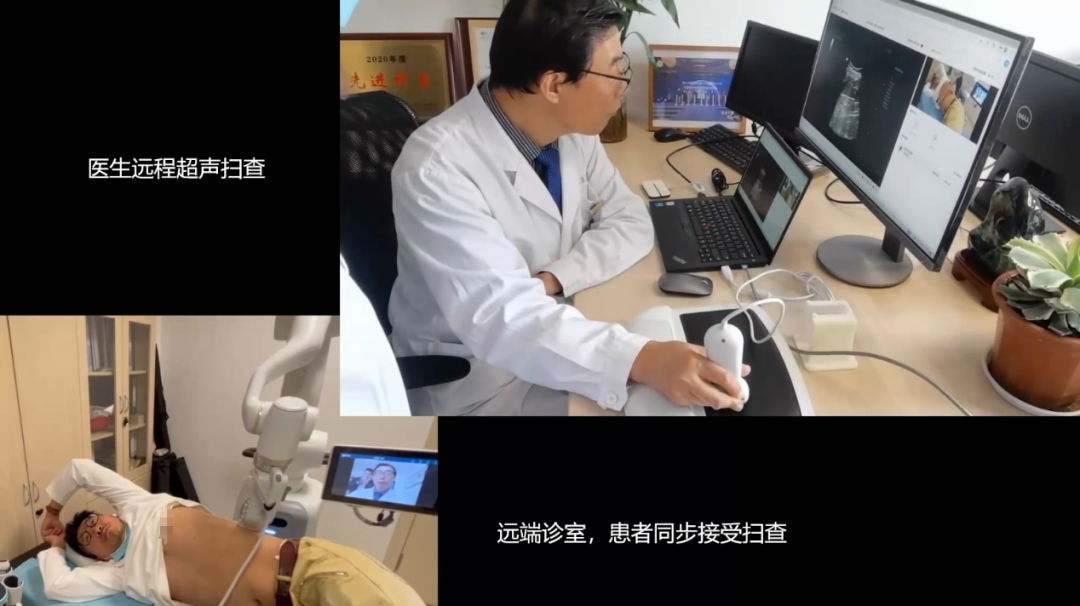 Clinical trials
All technological advancement serves clinical application. From a clinical standpoint, launching new products and technologies must begin with identifying needs — needs create markets and products, and drive innovation for the market. This holds especially true in healthcare.
Hebin Intelligent co-founder Qi Huang stated: "From the very beginning of product development, we started from actual clinical needs and created a progressive intelligent ultrasound solution. Through the remote ultrasound robot, we can collect and quantify physicians' technique data, breaking the spatial and temporal barriers between doctors and patients. After learning and quantifying physician techniques, through iterative development, we enable the robot to perform autonomous ultrasound scanning. Combined with artificial intelligence, this makes scanning more standardized, regulated, and accurate."
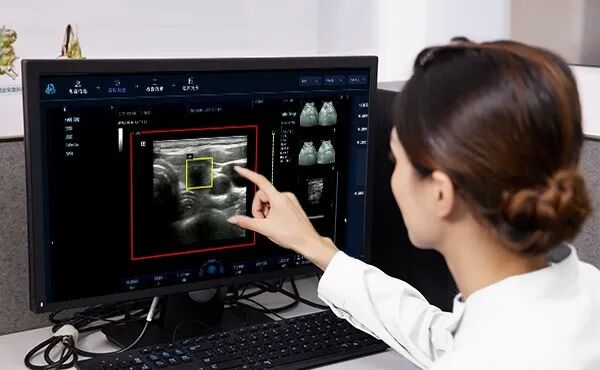
Notably, Hebin Intelligent — which emphasizes source innovation and technological autonomy — has assembled a medical-engineering integration chain encompassing medical imaging, computer algorithms, and clinical medicine. R&D personnel currently comprise 70% of the team. The company has accumulated over 80 intellectual property applications, with more than 10 invention patents already granted.
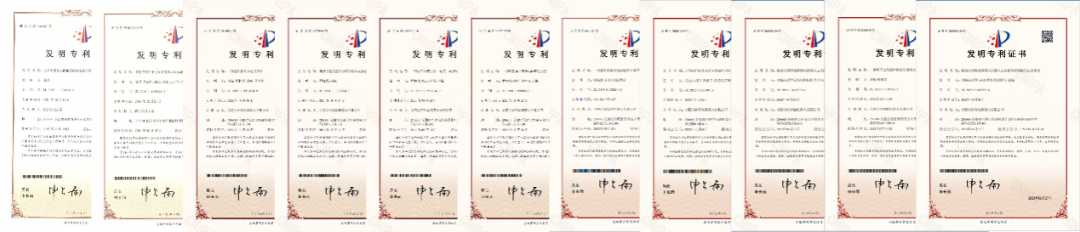 Selected invention patents
From current clinical practice, Hebin Intelligent's ultrasound probe holding and remote control system surpasses competing products in control precision, contact force, remote transmission stability, and flexibility. Its overall performance has reached world-class levels, applicable across pre-hospital, inter-hospital, and intra-hospital scenarios — including pre-hospital emergency care and community screening; inter-hospital medical alliances, medical communities, and remote collaboration between superior and subordinate institutions; and intra-hospital ICU wards and bedside ultrasound examinations.
03
Industry Pain Points Intensify Proprietary "STAR Model" Powers High-Quality Ultrasound Examinations
Data shows that ultrasound examination, as the most widely used method in medical imaging diagnosis, has expanded from early abdominal and obstetric-gynecological applications to cardiovascular, neurological, musculoskeletal, and other clinical diagnostic fields, gradually penetrating into non-diagnostic areas such as ultrasound-guided interventions.
Overall, however, domestic ultrasound medicine still faces issues including uneven regional development and incomplete systems. Related data indicates that China currently has over 200,000 ultrasound physicians, corresponding to approximately 2 billion ultrasound examinations annually. Market demand is massive, yet physician resources are scarce — training a qualified ultrasound physician typically requires 3 to 5 years. Moreover, ultrasound examinations rely primarily on manual operation, heavily dependent on physician experience and demanding high technical proficiency.
The emergence of artificial intelligence technology has brought breakthroughs to ultrasound imaging applications. As a national high-tech enterprise focused on intelligent healthcare, Hebin Intelligent is dedicated to developing cutting-edge technologies in remote operation, intelligent robotics, ultrasound-assisted diagnosis, and artificial intelligence, aiming to build a full-chain intelligent ultrasound service platform centered on "AI + Robotics + Ultrasound."
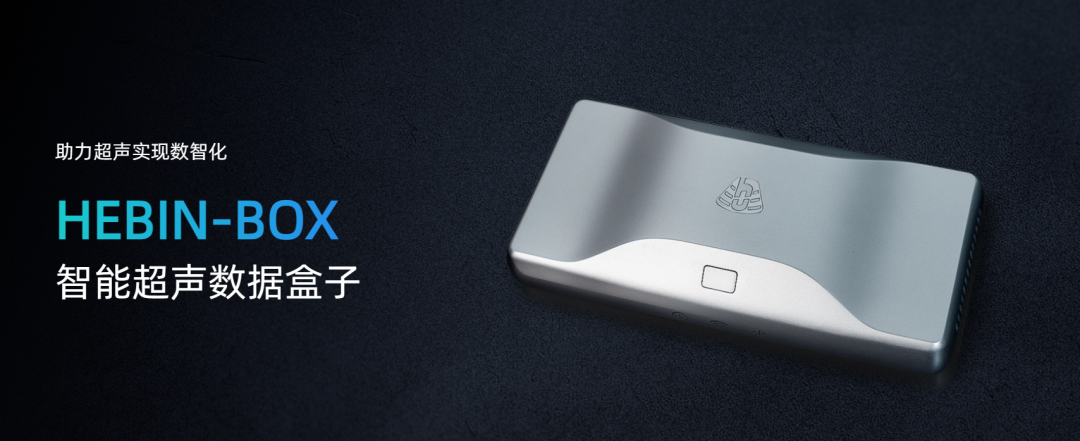
Intelligent Ultrasound Data Box
Beyond the newly approved product and system, Hebin Intelligent has also launched an Intelligent Ultrasound Box. This product establishes an intelligent ultrasound solution through the proprietary ultrasound "STAR Model," built around Standardization, Teaching, Augmentation, and Report.
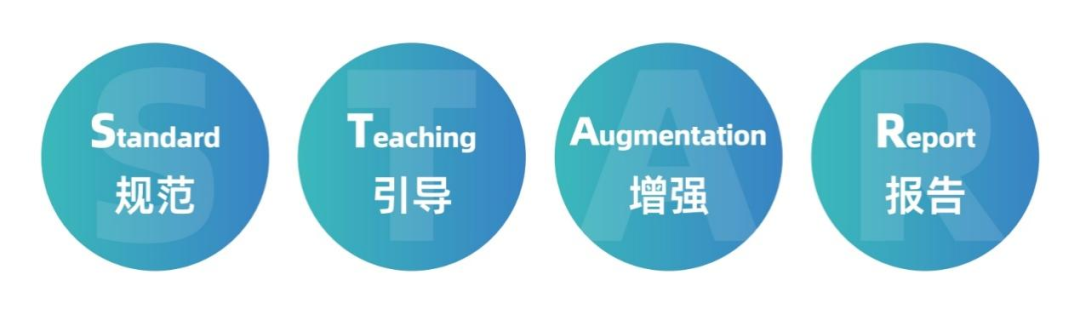 Ultrasound "STAR" Model
As a technical upgrade to traditional ultrasound equipment, the Intelligent Ultrasound Box helps physicians perform real-time AI-assisted analysis during ultrasound scanning, completing high-quality, standardized examinations. Its built-in advanced AI algorithms can automatically analyze and recognize ultrasound images, providing accurate lesion marking and reporting suggestions. Physicians simply connect their ultrasound equipment to the product to empower their existing devices — gaining not only standardized scanning guidance but also rapid, accurate dynamic ultrasound image analysis, thereby improving diagnostic efficiency and accuracy.
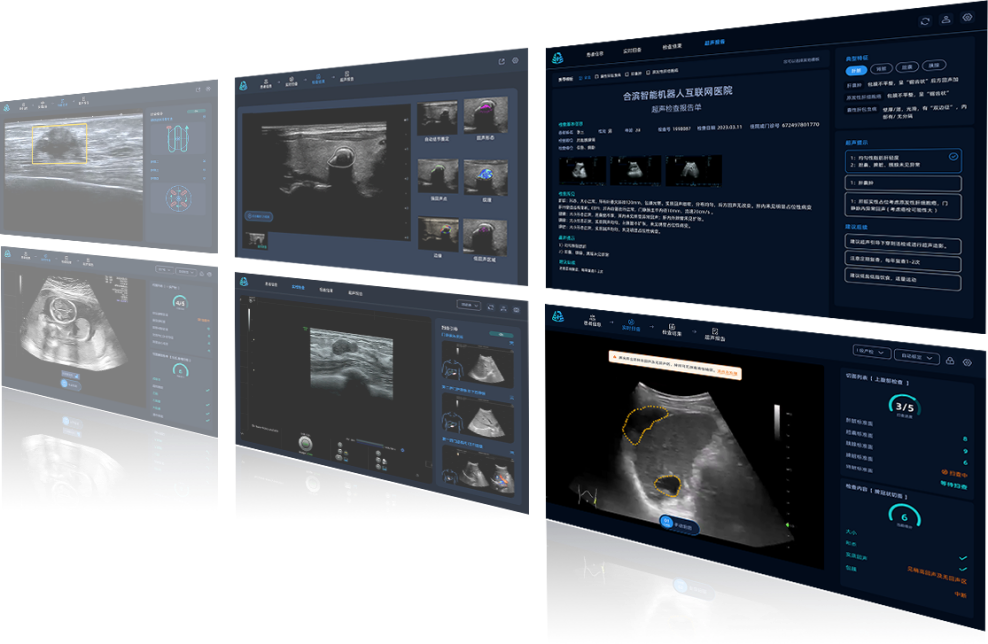 Real-time AI-assisted ultrasound scanning analysis
Addressing persistent industry pain points that have been difficult to fully resolve, Hebin Intelligent co-founder Dongliang Cheng stated: "Facing massive ultrasound examination volumes, the industry urgently needs a more efficient and intelligent solution. What we aim to achieve in the future is a 'scanning-diagnosis separation' model — where intelligent ultrasound robots complete standardized, efficient, and comprehensive scans ensuring images meet diagnostic requirements, while physicians make corresponding diagnostic decisions based on robot-acquired scan images with AI assistance. This model will bring qualitative improvement to the industry."
Notably, the company's AI + remote ultrasound solution with embodied intelligence robots has already entered the R&D stage, and significant progress has been made in key technologies for ultrasound-guided minimally invasive interventional surgical robots.
Currently, the global AI healthcare market is on a rapid growth trajectory. With continuous cross-boundary integration of internet, IoT, 5G, and AI technologies, the role of artificial intelligence in healthcare is becoming increasingly prominent. In recent years, China has attached great importance to AI in healthcare, issuing a series of supportive policies that underscore the industry value and development prospects of AI applications in health.
In the field of ultrasound medicine, intelligent-assisted diagnosis that streamlines examination workflows, improves diagnostic efficiency, enhances treatment precision, and strengthens capabilities of grassroots and young physicians — enabling patients to receive more accurate diagnostic recommendations and personalized treatment plans — has become key to solving standardization challenges, filling the quality physician gap, and achieving quantified ultrasound examinations.
So, driven by both market demand and innovative technology, how will Hebin Intelligent comprehensively tackle ultrasound examination pain points in the future? And with domestic companies increasingly entering the remote ultrasound赛道, how will Hebin Intelligent distinguish itself and build its moat? Medical Device Home will continue to follow.