Wire | ExoMotus Unveils World's First Muscle Exosuit: Lightweight, Smart-Customized, and Clinically Validated for Precision Assistance

"Today, Fourier Intelligence is redefining the wearable rehabilitation robot."
"Today, Yrobot is redefining the wearable rehabilitation robot."
On July 16, 2022, Dr. Ye Ding, founder and CEO of Yrobot, officially unveiled the world's first muscle exosuit at a product launch event. This wearable rehabilitation robot, developed over three years and seven months, enhances muscle performance for people with mobility impairments, helping them complete physical movements with greater stability, ease, and precision.
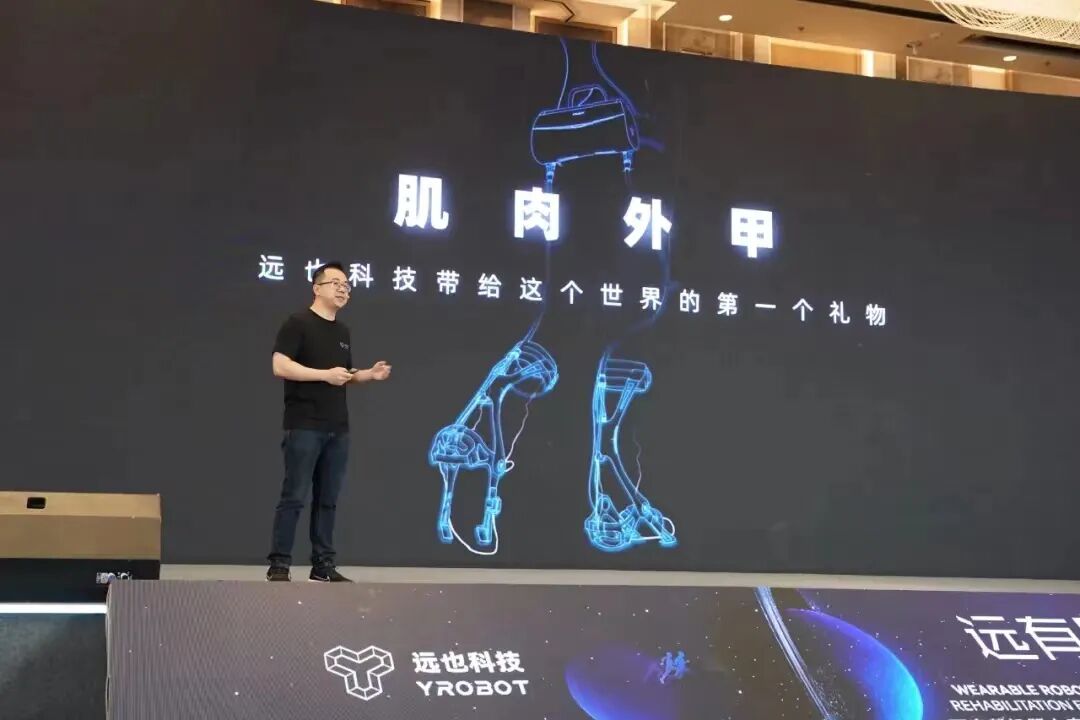
Dr. Ye Ding speaking at the global launch event for the world's first muscle exosuit
At the launch, renowned clinical experts Academician Jian'an Li and Professor Shiyi Chen expressed their congratulations to Yrobot and its groundbreaking product. Senior leaders from the Suzhou Industrial Park Administrative Committee were also present, along with investors from prominent institutions including Hillhouse, Baidu Venture, Country Garden Venture Capital, Linear Capital, Qiaobei Capital, and Source Code Capital.
Professor Shiyi Chen, Shanghai Municipal Government Counselor, Director of the Fudan University Sports Medicine Institute, and Chief of the Sports Medicine Department at Huashan Hospital, noted: "Beyond rehabilitation for people with disabilities, the muscle exosuit has even broader application prospects in the rapidly expanding aging population market."
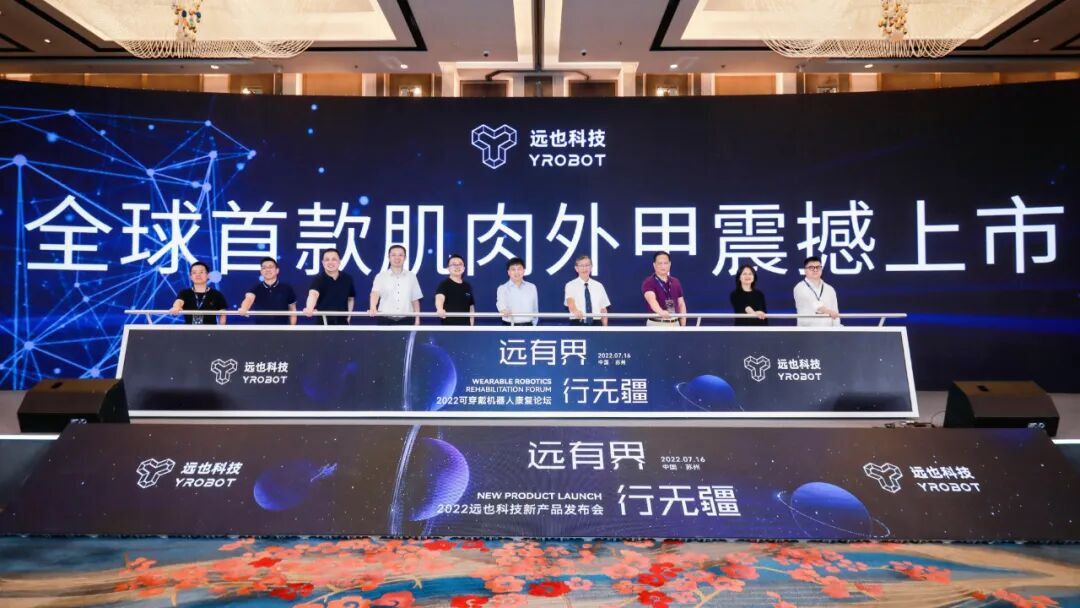
Yrobot CEO Ye Ding, COO Pengming Sun, and guests jointly launch the world's first muscle exosuit
**
World's First Muscle Exosuit: A Two-in-One Gait Training Robot and Analysis Tool
"It is a revolutionary wearable robot for gait training, and it is also a breakthrough gait training analysis tool."
Yrobot's independently developed Relink-ANK muscle exosuit is a new lightweight wearable robotic device that assists lower-limb motor function rehabilitation, providing gait assessment and personalized rehabilitation training services for patients with lower-limb motor dysfunction.
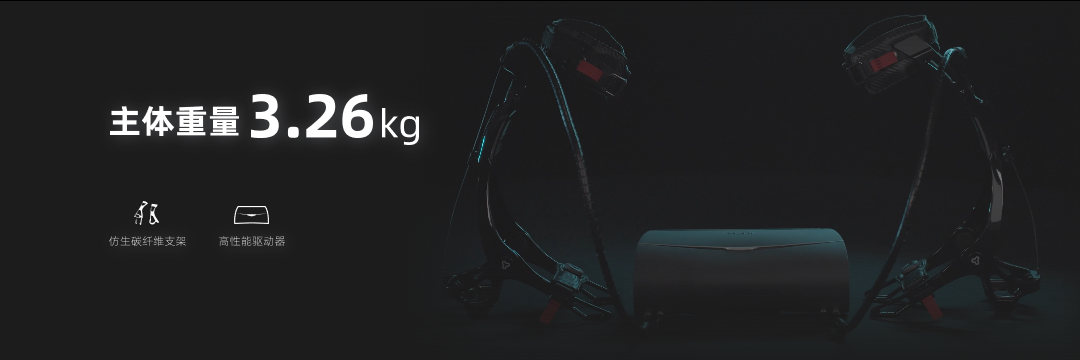
In terms of specifications, the Relink-ANK muscle exosuit weighs only about 3 kg, with battery life supporting five hours of continuous training. It is equipped with a high-performance central processing unit, distributed processors, inertial sensors, and force sensors.

Its exceptional clinical efficacy makes the Relink-ANK muscle exosuit not only a revolutionary product in the rehabilitation field, but also a new source of hope for China's vast patient population.
According to The Lancet, 460 million people in China needed rehabilitation services in 2019. Among them, there were approximately 13 million stroke patients and 24.72 million people with physical disabilities.
A research review on lower-limb muscle dysfunction in post-stroke hemiplegic patients shows that 50%–80% of stroke patients experience varying degrees of lower-limb dysfunction six months after onset, significantly impacting their quality of life.
For the large number of patients with rehabilitation needs due to stroke and other conditions, China's rehabilitation institutions and therapist resources are relatively scarce. Fortunately, the Relink-ANK muscle exosuit launched by Yrobot will help alleviate this shortage of rehabilitation resources.
For example, the Relink-ANK muscle exosuit is extremely simple to wear and use, freeing up therapist resources. Patients can put on the device independently in under one minute and remove it in ten seconds. No additional training is required to begin rehabilitation exercises, and no dedicated caregiver is needed during training sessions. With the Relink-ANK muscle exosuit, therapists will be able to serve multiple patients simultaneously.
It is worth noting that the Relink-ANK muscle exosuit can address these pain points in China's rehabilitation industry because it achieves breakthroughs in materials, actuators, and algorithms.
**
Three Breakthroughs in Materials, Actuators, and Algorithms Enable Lightweight Comfort, Intelligent Customization, and Precise Assistance
Prior to this, exoskeleton rehabilitation robots had already appeared on the market. However, traditional exoskeleton rehabilitation robots suffered from large size, heavy weight, high cost, and inferior rehabilitation outcomes compared to active training modes, making them unable to meet clinical needs.
To address these pain points, Yrobot overcame challenges in materials, actuators, and algorithms, enabling the muscle exosuit to deliver lightweight comfort, intelligent customization, and precise assistance.
■ Material Innovation Enables Lightweight Comfort
In terms of materials, the Relink-ANK muscle exosuit uses a biomimetic carbon fiber frame.
Dr. Ding explained: "Wearing the biomimetic carbon fiber frame is like putting on a pair of rain boots — users barely feel any restriction. A single rain boot weighs about 700 grams, while the biomimetic carbon fiber frame weighs only about 480 grams. Its impact on natural body movement may even be less than some rain boots."
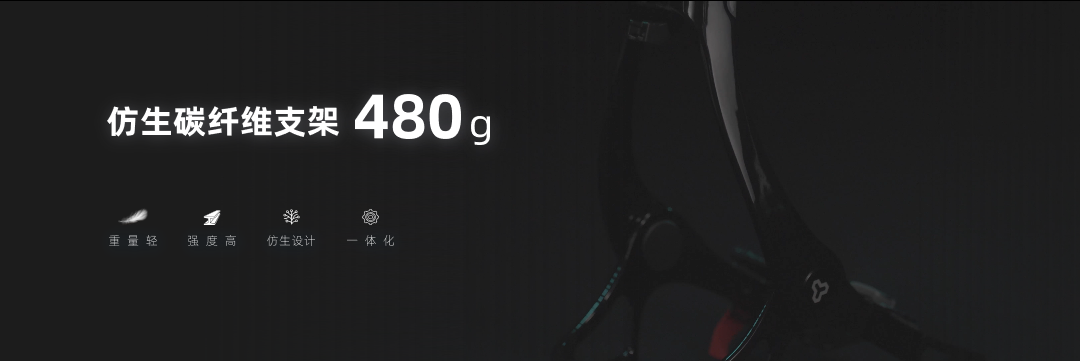
Data shows that carbon fiber is approximately five times stronger than steel at the same weight. Thus, despite its extreme lightness, the biomimetic carbon fiber frame offers exceptional strength.
Moreover, the biomimetic carbon fiber frame employs an integrated biomimetic design that optimizes the overall structure and ergonomics while reducing the required material and thickness. This simplifies the muscle exosuit's structure and significantly reduces its weight.
Thanks to this breakthrough in materials technology, Yrobot's Relink-ANK muscle exosuit is notably more lightweight and comfortable compared to traditional exoskeleton rehabilitation robots.
■ Deep Learning Technology Enables Intelligent Customization
At the launch event, Dr. Ding also stated: "After more than a decade of human-machine collaboration experiments, we have developed a companion machine learning intelligent algorithm that can intelligently customize assistance methods based on different users and their walking states."
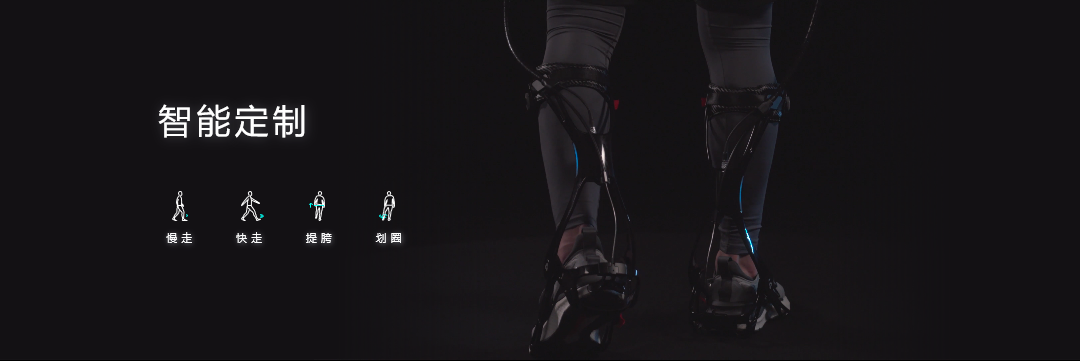
Based on this machine learning intelligent algorithm, regardless of walking speed or direction, the muscle exosuit provides appropriate force assistance during walking and automatically adjusts in real-time based on the user's gait, achieving intelligent customization.
■ Hardware + Software Enables Precise Assistance
Beyond lightweight comfort, the muscle exosuit uses inertial sensors, distributed processors, a central processing unit, and a force feedback control system to understand the user and provide appropriate force assistance.
Specifically, multiple inertial sensors are distributed throughout the muscle exosuit device, continuously detecting motion signals such as acceleration and angular velocity from different body parts.
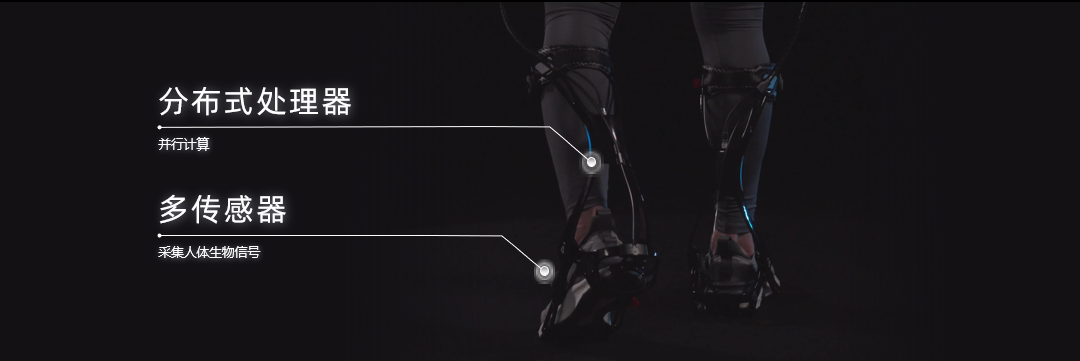
Next, the distributed processor architecture analyzes these human motion signals in real-time, understanding past and current movements and states while predicting future actions.
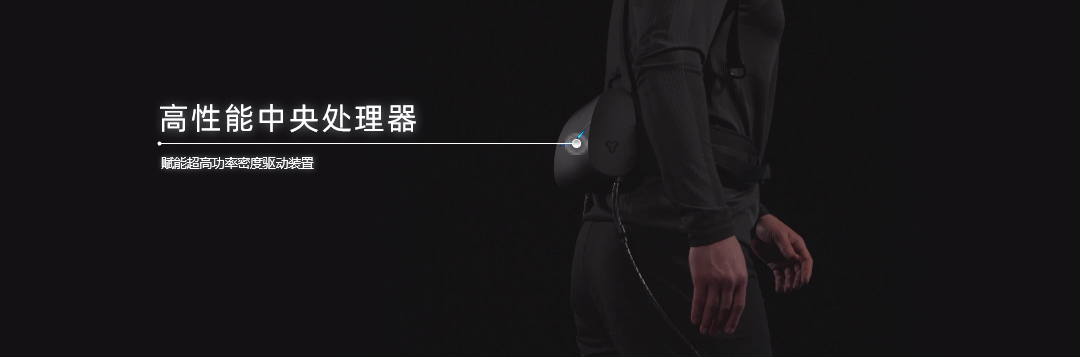
Then, the high-speed central processing unit formulates personalized assistance strategies based on this information, and through actuators and force sensors, delivers assistance output via cable-driven mechanisms under closed-loop control.
Finally, Yrobot's precision force feedback control system can provide appropriate assistance to the patient's body at the right moment in highly dynamic environments, achieving precise assistance.
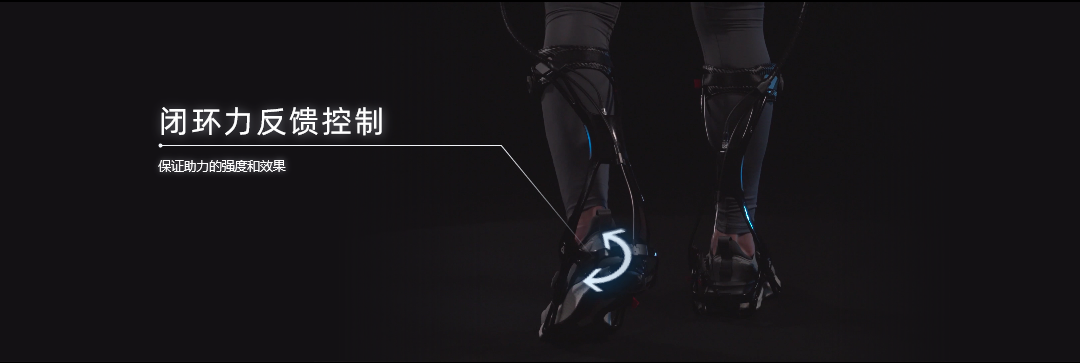
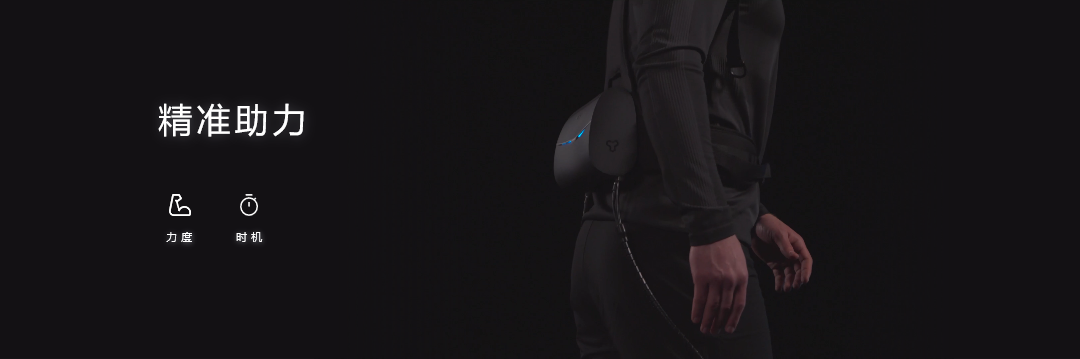
It is worth noting that clinical consensus holds that patients achieve greater clinical benefit from active training compared to passive, pull-based training. Yrobot's muscle exosuit, built on intelligent customization and precise assistance technologies, enables patients to complete corresponding active training while walking freely.

**
Assembling Global Talent from Top Universities, an Interdisciplinary Team Collaborates to Break Through Foundational Technologies
As we can see, the Relink-ANK muscle exosuit's distinctive features — lightweight comfort, intelligent customization, precise assistance, and active training — all stem from innovations in its underlying technology.
However, these innovations are easier described than achieved. For example, the muscle exosuit's biomimetic carbon fiber frame, one of the most complex carbon fiber structural components on the market, took Yrobot and its suppliers over two years to gradually refine the production process and manufacturing techniques.
We believe that Yrobot was able to develop the world's first muscle exosuit and achieve breakthroughs in foundational technology because of its strong R&D and innovation capabilities.
Public information shows that Yrobot's R&D team members come from renowned institutions worldwide, including Harvard University, MIT, Columbia University, and the Chinese Academy of Sciences, spanning artificial intelligence algorithms, human-computer interaction design, data science, and medical engineering — a complementary, interdisciplinary comprehensive research team.
Regarding this product launch, Dr. Ding stated: "Yrobot hopes to bring more positive, joyful, and independent lives to more people through cutting-edge technology, helping those with mobility impairments improve their quality of life and enjoy the freedom of walking."
Going forward, Yrobot is committed to applying big data, cloud computing, and other technologies to develop personalized, scientific gait training programs for stroke patients and middle-aged and elderly individuals in hospitals, communities, and homes. Through a model combining technology, internet, and rehabilitation, Yrobot aims to lift the family burden for every person with mobility impairment.