GYPF分享|From Postdoc to Entrepreneur Who Closed Two Rounds in One Year: Rewell Vision Founder Yuanbo Deng on Tech Entrepreneurship
At the end of 2023, Linear Capital launched the [GYPF Global Young PhD Fellow](https://mp.weixin.qq.com/s?__biz=MzAwNTAyMDAyNQ==&mid=2652305595&idx=1&sn=09e45be81b9f48e5eb3e34d9b0a2
At the end of 2023, Linear Capital launched the GYPF Global Young PhD Fellow program, designed to build a rapid learning and exchange platform for young talent at home and abroad who aspire to tech entrepreneurship, are in the early stages of starting a company, or want to understand how China's best tech startups grow. We committed to providing Fellows with experience and advice from tech investors, and facilitating conversations between Fellows and outstanding tech company founders. Since recruitment closed and the program officially launched, we've hosted monthly online events with Linear Capital's investment team participating. At the end of March, we held an online founder sharing session, inviting Yuanbo Deng, founder and CEO of Linear Capital portfolio company RayViz, to share his journey from Cambridge postdoc to entrepreneur with the GYPF Fellows.
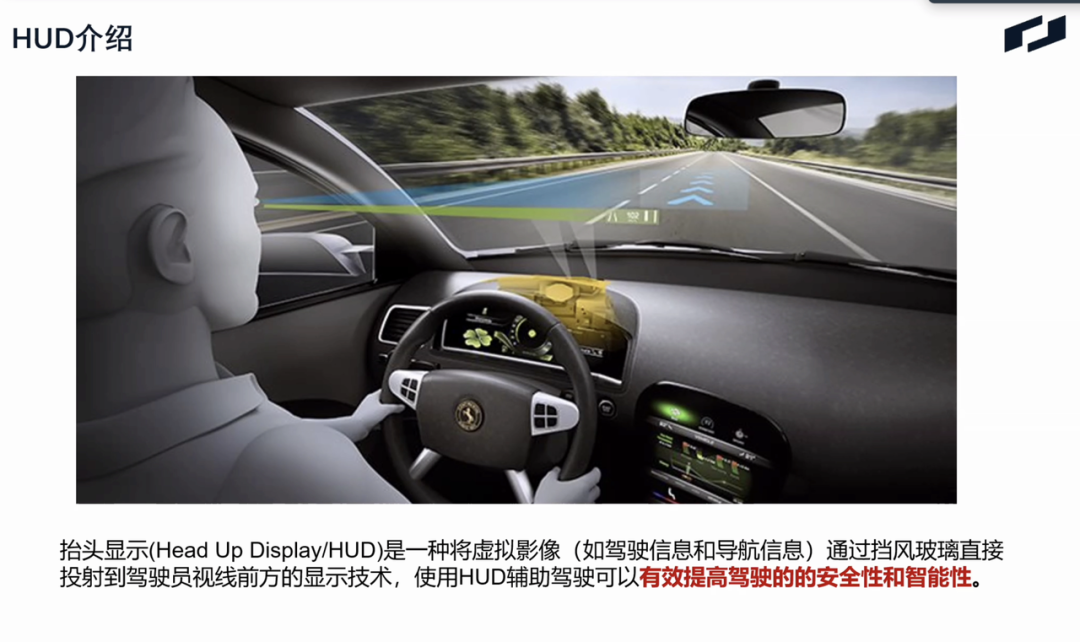
Dr. Deng earned his bachelor's degree at Zhejiang University before going to Cambridge to research holography, AR, and 3D display, completing his master's, PhD, and postdoctoral studies there. RayViz, the company he founded, is an early-stage startup focused on novel AR display solutions, with its main product being automotive HUD (Head Up Display). Linear Capital led its angel round. At the end of 2023, RayViz announced a Pre-A round from HSG and an A round from Xiaomi, bringing its total funding to nearly RMB 100 million. Dr. Deng has, in short, made the transition from researcher to entrepreneur.
In this session, he began by introducing his academic background, entrepreneurial journey, and RayViz's products.
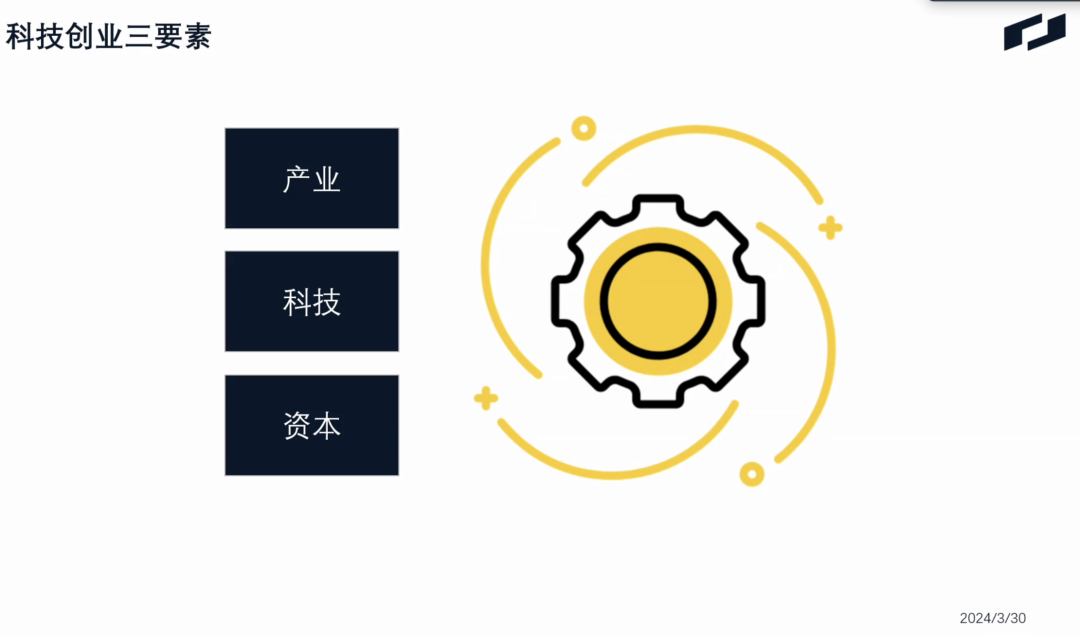
As a tech entrepreneur, Dr. Deng identified three essential elements of tech entrepreneurship: industrial value, technological innovation, and capital support. Industrial value is the most critical — the key to R&D is solving problems in industry and creating value for it. If advanced technology cannot be transformed into products or services with market application value, its worth is limited for both startups and the industry itself. The core of tech entrepreneurship is innovation: developing products or services that others cannot provide. He advised tech entrepreneurs to leverage their own strengths to develop offerings that deliver new value to customers. Capital can accelerate tech entrepreneurship, helping companies grow quickly and shortening the time from concept to market.
In summary, "the essence of tech entrepreneurship is solving real problems through technological innovation, driving industrial development, and achieving commercial success." In this process, founders with research or technical backgrounds must transform from scientists into entrepreneurs, making corresponding adjustments in mindset and strategy. Drawing on his own experience, he broke this down into stages — industrial demand, R&D, prototyping/initial testing, commercial trial, fundraising, company establishment, operations, and business loop closure — and detailed the insights and takeaways from each:
-
Industrial demand: Deeply understand industry pain points and unmet needs; identify urgent market problems. Through dialogue with industry, determine the direction of technology development to ensure alignment with market demand.
-
Product R&D: Based on industrial demand, conduct R&D with emphasis on both innovation and practicality. Maintain passion and confidence in the technology, persisting even when facing challenges and failures.
-
Prototyping/initial testing: Build product prototypes, conduct field testing and validation to ensure real-world application effectiveness. Through iterative prototyping, gradually improve product maturity and market fit.
-
Commercial trial: Participate in entrepreneurship competitions and programs for initial market testing. Use feedback from competitions and programs to refine business plans and product features.
-
Fundraising: Connect with potential investors through personal networks, competitions, and platforms. Choose the right capital partners, valuing their background and understanding of company development.
-
Company establishment: When selecting where to set up, consider industrial ecosystem, talent resources, and government policy. Communicate effectively with government to ensure policy understanding and implementation, understanding both sides' needs to lay groundwork for stable development.
-
Company operations: As a founder, make the transition from researcher to business manager. Founders need to learn and master management knowledge to ensure orderly and efficient operations.
-
Business loop closure: Ensure products achieve a complete process from sales to payment collection, forming positive cash flow. Build reputation for company and product in the market, laying foundation for further expansion and stable growth.
After sharing from his own experience, Dr. Deng also answered questions from the Fellows. Going forward, GYPF will continue hosting events with tech founders, and we'll distill content for sharing through Linear Capital's WeChat account — stay tuned!
P.S.: Cover image generated by ChatGPT.
About Linear Capital
Linear Capital is an early-stage investment firm focused on "frontier technology + industry" — frontier technologies such as data intelligence, digital new infrastructure, next-generation robotics, and new technology transformations in traditional domains (biomedicine, materials, energy, etc.), applied across vertical industries to dramatically improve efficiency, solve pain points, and enable industrial upgrading. Through substantial industrial value creation, we achieve outsized commercial returns. We currently manage ten funds with approximately $2 billion in total AUM.
Our investment stage focuses on leading angel through Series A rounds, with individual investments ranging from $1 million to $10 million (or RMB equivalent).
To date, we have made early-stage investments in over 120 teams including Horizon Robotics, Kujiale, Sensors Data, Tezign, Rokid, Guandata, and Agile Robots. The combined valuation of Linear's portfolio companies is approximately $20 billion.
In the near term, Linear Capital is working to become the best "Data Intelligence Technology Fund." In the long term, we aim to build the most influential "Frontier Technology Application Fund."