Partnering with Tech Innovation Gravity Club: A Conversation on Cash Flow Management, FX Trend Analysis, and Strategy | Linear Academy
On October 31, SPD Silicon Valley Bank's TechVenture Gravity Club visited Linear Capital's offices to partner with Linear Academy — the venture learning platform launched by Linear Capital — for a closed-door deep-dive session with Linear Capital team members and founders from multiple portfolio companies. Two experts examined the landscape from micro and macro perspectives respectively, helping attendees gain an edge and move against the current in an uncertain market.
On October 31, SPD Silicon Valley Bank's Tech Innovation Gravity Club visited Linear Capital's office, joining forces with Linear Academy — the entrepreneurship learning platform launched by Linear Capital — for a closed-door deep-dive session with Linear Capital team members and founders from multiple portfolio companies. Two experts examined the landscape from micro and macro perspectives respectively, helping participants navigate an uncertain market and seize first-mover advantage.
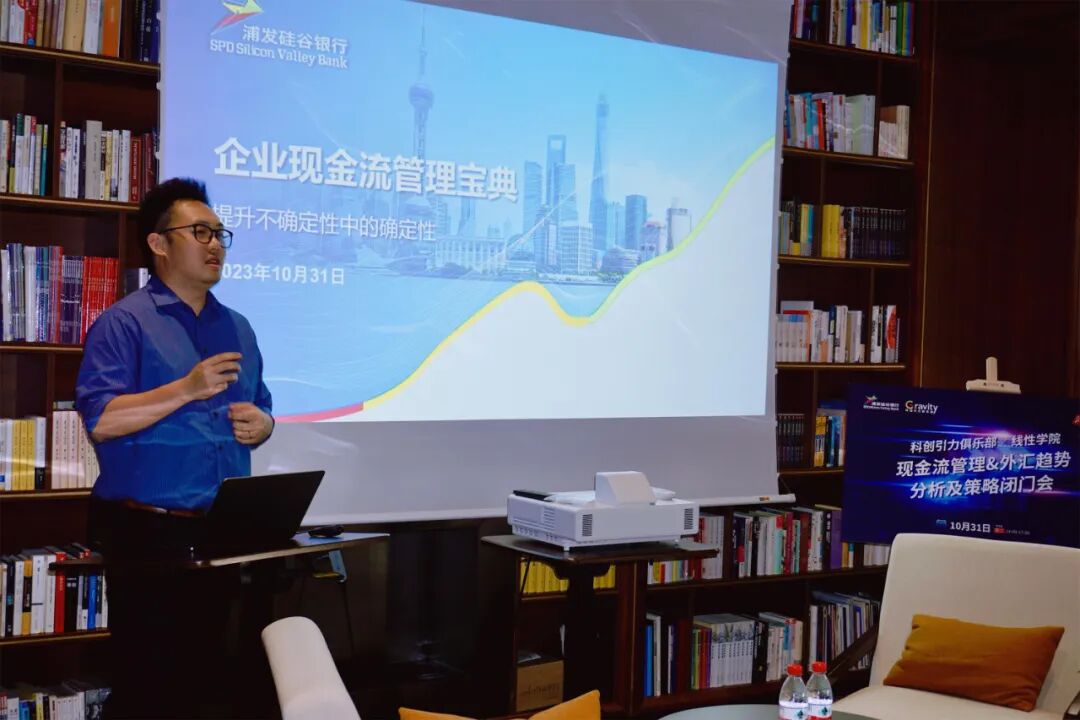
As China's first technology bank, SPD Silicon Valley Bank launched the Tech Innovation Gravity Club to serve as a platform for exchange, sharing, and collaboration among tech startups, investment institutions, and industry experts — with a core value proposition centered on "financing + intelligence + technical expertise."
Cai Zhemin, Senior Director of Innovation Finance at SPD Silicon Valley Bank, noted in his opening remarks: Since the club's founding last year, we have actively facilitated exchanges, sharing, and collaboration among tech startups, investment institutions, and industry experts — not only providing unique lending solutions for tech companies, including the upcoming Tech Partner Alliance loan for "financing," but also organizing exclusive sessions like today's cash flow management masterclass and foreign exchange market outlook to deliver "technical expertise and intelligence."
Linear Capital has partnered with SPD Silicon Valley Bank for years. For Linear Capital, the bank is both a long-term partner and a seasoned industry expert. Engaging proactively with industry specialists while building bridges between sectors and portfolio companies is a priority for the Linear Capital team and its post-investment services. To date, Linear Academy has hosted numerous public and closed-door industry sharing sessions covering topics founders care about: fundraising, legal, sales, financial management, and more.
Below are highlights from this event:
1
Technical Expertise: Increasing Certainty Amid Uncertainty
— A Masterclass in Corporate Cash Flow Management
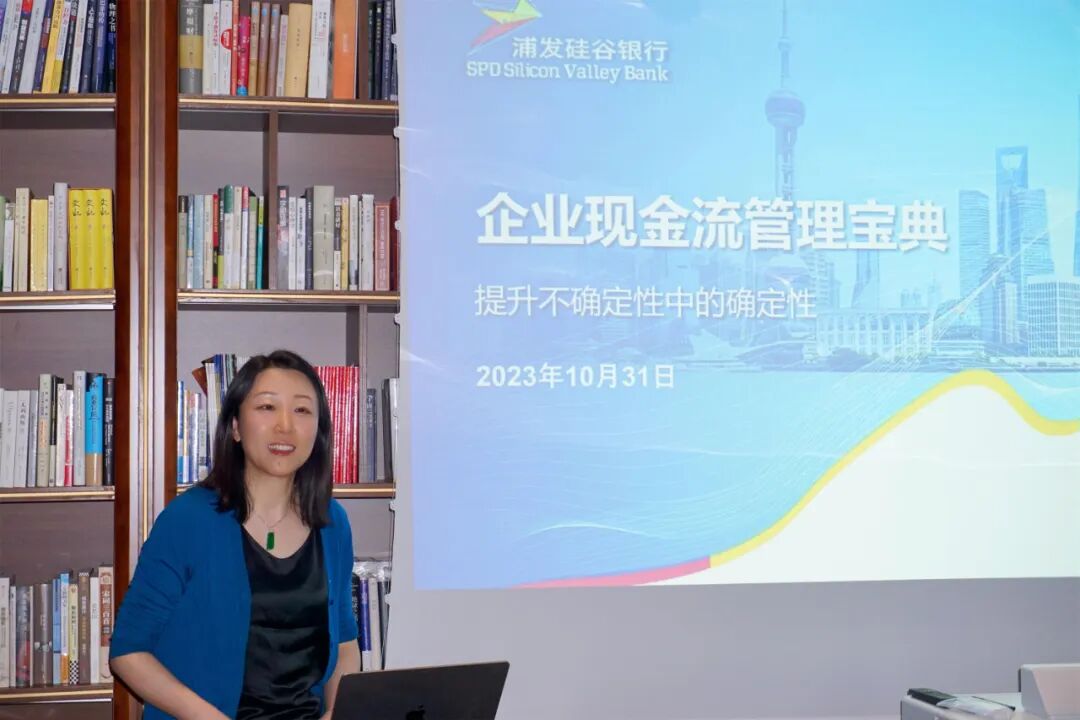
Zhou Yinhe, Director of Innovation Finance at SPD Silicon Valley Bank
Today's session marks the debut of our upgraded cash flow management course, custom-built for tech startups — refined and iterated over more than a decade of serving the innovation ecosystem.
Research shows that capital depletion and blocked equity financing are among the leading causes of startup failure. We've distilled ten common cash flow management pitfalls and will walk through countermeasures for each:
As corporate finance demands evolve, startup finance teams must move beyond traditional functions and strengthen business-finance integration. Sound budget management must align with short- and long-term strategy, paired with appropriately frequent monitoring and analysis for timely feedback and adjustments to ensure healthy cash flow and operations. Whether profitable or not, companies must establish cash safety buffers — factoring in necessary one-time expenditures — to allow ample runway for fundraising while controlling its pace. Cash flow optimization starts with the business model, adjusting collection and payment cycles and inventory management.
Venture debt is a tool SPD Silicon Valley Bank has honed over its ten-plus years serving tech startups, designed to extend runway and reduce equity dilution. Unlike other banks that rely solely on cash balances to assess repayment capacity, we apply our sector expertise and evaluation of a company's growth potential, weighting future revenue projections accordingly.
2
Intelligence: Recent Foreign Exchange Market Trends
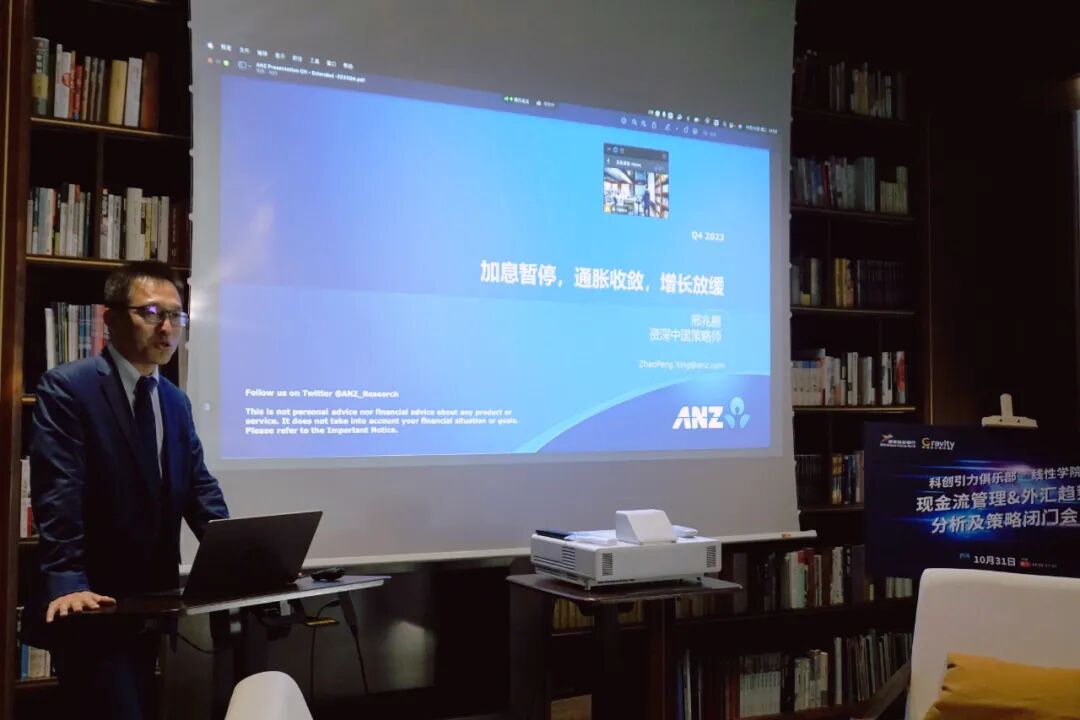
Xing Zhaopeng, Senior China Strategist at ANZ Bank
Driven by a decade of US deleveraging after the 2008 subprime crisis and post-pandemic service sector recovery, the US economy is returning to health.
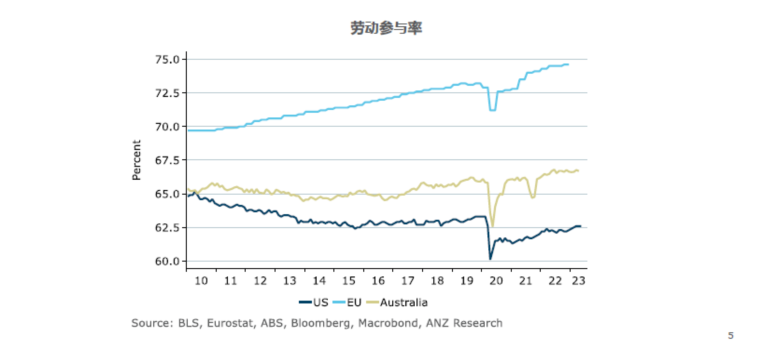
The sustained strength and low leverage of the US economy stem fundamentally from severe labor shortages: Baby boomers born in the 1960s are retiring between 2020–2030, creating structural wage and inflation pressures. As shown above, US labor force participation (the share of working-age population in the labor force) dropped sharply post-pandemic, while China still faces labor surplus — suggesting persistent long-term depreciation pressure on the RMB against the dollar.
In the near term, major global currency movements are pricing in central bank rate-cut expectations. The US Dollar Index is expected to strengthen first as the ECB cuts rates, then weaken as the Fed follows.
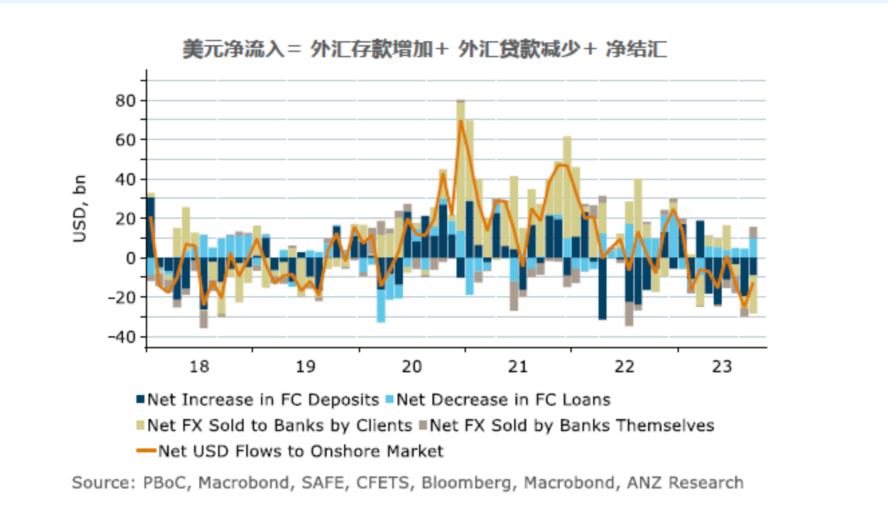
For the RMB, China's economic stabilization mainly reflects production cuts plus policy-stimulus-driven price increases across upstream and downstream sectors, but sustainability depends on whether demand-side response materializes. The chart above shows that from June 2020 to December 2022, aggregate dollar inflows totaled roughly $700 billion, becoming the primary source for state banks' FX intervention. Near-term room for further RMB depreciation is very limited. Year-end foreign exchange settlement could drive modest RMB appreciation.
Q&A


For early-stage companies, what's the recommended mix of equity versus debt financing?
Based on our years of experience, if a startup is still in the red, we suggest keeping debt leverage below 30% of total funding to minimize investor concerns in subsequent rounds. Of course, companies should also maintain ample contingency plans and carefully map out repayment timelines for each credit facility.
For companies with unhealthy cash flow, what's the path forward?
Conduct thorough calculations and analysis from both inflow and outflow angles, cut losses promptly, and strive to break through. For example, one of our chip company clients saw sales plummet during the pandemic. At peak cash flow pressure, the company simultaneously liquidated inventory to recover funds, expanded into a new product application scenario based on existing products, and secured a new small round from investors — collectively easing its predicament.
Views on euro trends?
The euro comprises 54% of the US Dollar Index, so euro and dollar movements are correlated. In the short term, euro rate cuts will outpace dollar cuts; in the long term, slowing eurozone economies, rigid labor supply, industrial competition from China, and US productivity challenges will keep the euro structurally weak.
With FX volatility, how should Chinese tech companies with overseas procurement and sales operations balance their currency exposure?
Looking three years ahead, US dollar rate cuts represent the biggest variable. Such companies can lock in payables through forwards while keeping receivables open long-term — though strategies should adjust as the broader outlook evolves.